


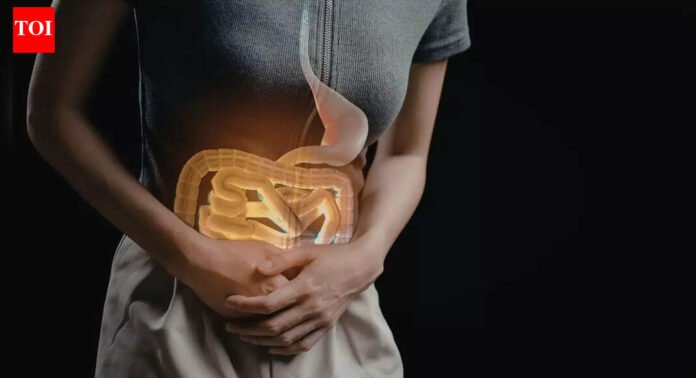

Winter rarely announces what it is doing to your body. It happens quietly. Meals start sitting heavier. You feel full for longer. Bloating shows up even on normal eating days. Your gut feels slower, less cooperative, almost sleepy. Many people brush this off as overeating or moving less, but digestion worsening in winter is not just a habits problem. It is a seasonal shift rooted in how the human body responds to cold and reduced daylight.Digestion depends on signals. Temperature, light exposure, daily movement, and routine all guide how quickly the gut works. When winter changes all of these at once, the digestive system adjusts by slowing things down. This response once helped humans conserve energy during colder months. Today, it mostly feels uncomfortable.
A peer-reviewed study published in Cell Host and Microbe observed that gut microbiota composition changes across seasons in response to environmental factors such as temperature and circadian rhythm. These microbial shifts were linked to changes in metabolism, inflammation, and digestive efficiency.When digestion is viewed through this biological lens, winter-related gut issues stop feeling random. They follow a pattern.
How seasonal changes affect digestion in colder months
Winter digestion problems do not come from one dramatic change. They build slowly through small, everyday shifts that add up.
1. Cold temperatures slow digestive muscle movement
Cold weather alters blood flow. The body focuses on protecting vital organs by keeping them warm, which reduces circulation to the digestive tract. With less blood supply, the muscles of the stomach and intestines contract more slowly.As a result, food moves through the gut at a reduced pace. This delay increases feelings of heaviness, bloating, and gas. Meals that felt light in summer can suddenly feel uncomfortable without any clear trigger.
2. Reduced physical activity weakens gut motility
People rarely notice how much less they move in winter. Shorter days and cold air lead to fewer walks, longer sitting hours, and more time indoors. Movement plays a direct role in digestion because the intestines respond to physical motion.When daily activity drops, bowel movements slow down. This is why constipation becomes common in winter, even among people who normally have regular digestion.
3. Winter foods place a heavier load on digestion
Cold weather changes appetite. Meals become warmer, richer, and more filling. Refined carbohydrates, fried foods, creamy dishes, and sweets appear more often on the plate.At the same time, fibre intake often drops. Fewer fruits, salads, and raw vegetables means less bulk in stool and slower bowel movement. The gut ends up working harder while moving more slowly.
4. Lower water intake dries out the digestive process
Thirst signals weaken in cold weather. Many people drink less water without realising it. Indoor heating adds to fluid loss, even though the body does not ask for more water clearly.When hydration drops, stool becomes firmer and harder to pass. This contributes to constipation, bloating, and the sensation that digestion is stuck or incomplete.
5. Disrupted sleep and routines interfere with gut rhythm
Winter affects sleep patterns more than people admit. Later mornings, inconsistent bedtimes, and reduced sunlight exposure disturb the body clock. The gut follows this rhythm closely.Irregular meal timing leads to uneven digestive enzyme release. Stress levels also tend to rise during darker months, which further slows digestion and increases acidity or discomfort.
Supporting your gut through winter
Supporting digestion in winter does not require extreme changes. Small adjustments make a difference. Warm fluids instead of cold drinks. Gentle movement after meals. More cooked vegetables. Regular meal timing.Paying attention to hunger helps too. Eating out of routine rather than appetite can strain digestion further during colder months.Digestion worsens in the winter because the body is adapting, not malfunctioning. When those adaptations are supported rather than ignored, the gut usually finds its rhythm again.Disclaimer: This content is intended purely for informational use and is not a substitute for professional medical, nutritional or scientific advice. Always seek support from certified professionals for personalised recommendations.Also read| 7 strange ways your body reacts in life or death situations

