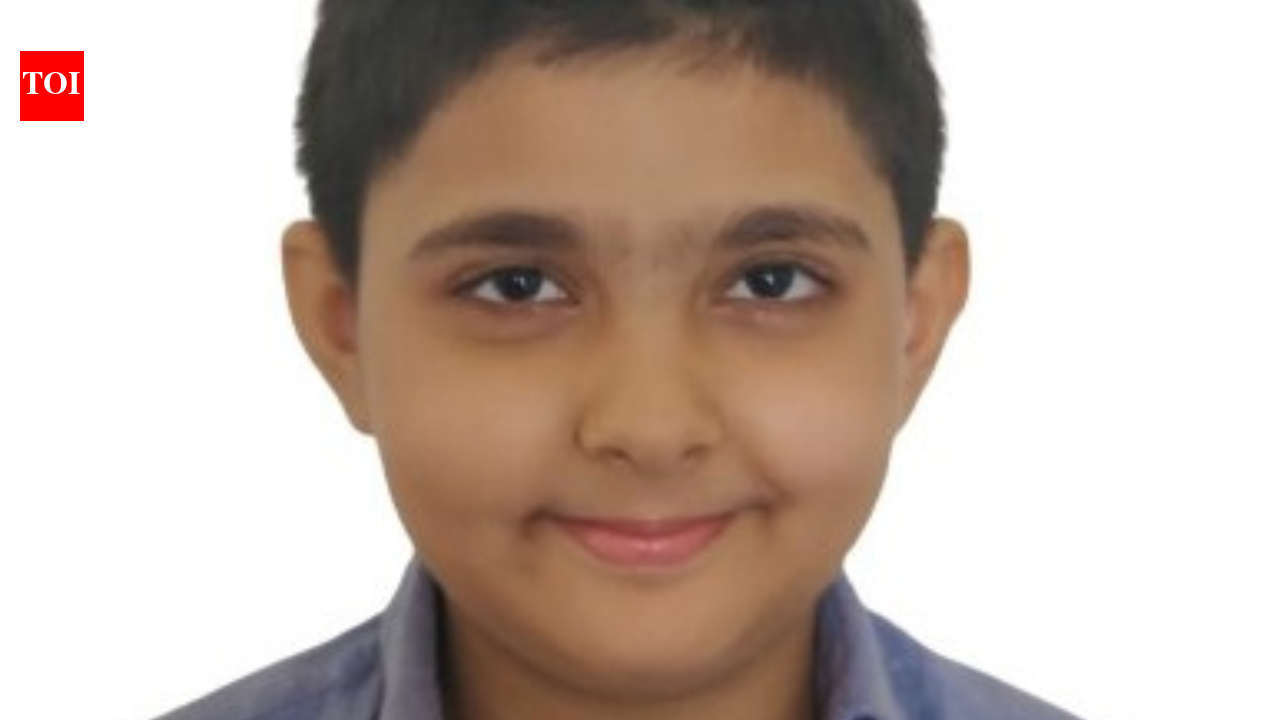

Parenting Tips: Raising a prodigy, protecting a childhood: A mother’s honest take on parenting a young genius |
Most parents worry about homework, screen time, and whether their child is eating enough vegetables. But when you’re raising a child prodigy, the parenting playbook looks a little different. The milestones don’t arrive in the usual order. Questions get deeper, faster. Interests become intense, sometimes all-consuming. And suddenly, you’re not just packing school lunches, you’re navigating conversations about advanced math, astronomy, research papers, or ideas that many adults struggle to grasp.But here’s what people often miss. Raising such a child isn’t just about nurturing talent. It’s about protecting childhood as well.
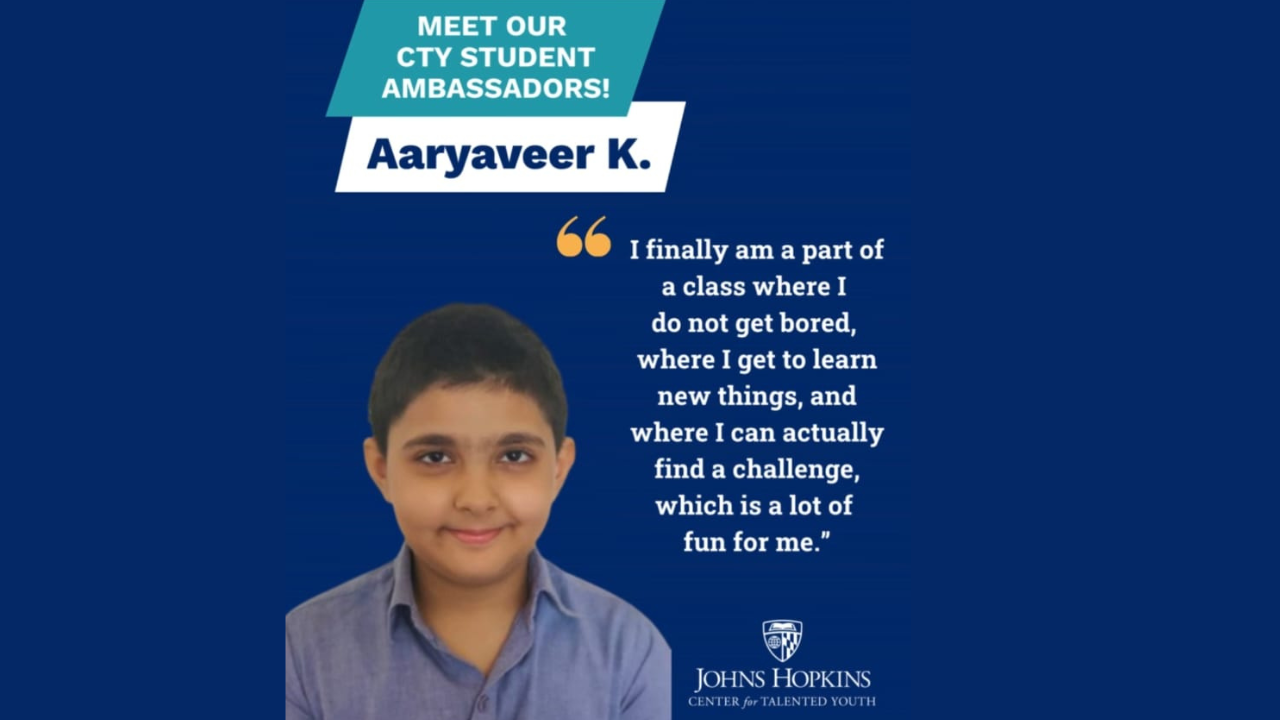
There’s a fine balance. On one hand, you don’t want to dim their curiosity or hold them back. When a child is genuinely excited about solving complex problems or exploring big ideas, that spark deserves space. But on the other hand, they’re still children. They need laughter, messy play, family movie nights, and the freedom to be silly. They need friends, even if finding the right ones isn’t always easy.Parenting a prodigy also means dealing with misunderstandings. Not everyone gets it. Some assume it’s all pressure and pushy parenting. Others think intelligence automatically makes life easier. It doesn’t. In many ways, it can make things more complicated socially and emotionally. The same was the sentiment shared by Nandini Kochhar, the mother of Aaryaveer Kochhar, who was named on the “world’s brightest” students list at the age of 9. The list was released by the US-based Johns Hopkins Center for Talented Youth (CTY), based on grade-level testing of over 15,300 gifted students across 76 countries. Aaryaveer scored in the 99th percentile in Maths. At such a young age, he had learned how percentages are applied in daily life, how to write and solve two-step equations and inequalities, how to measure scale drawings, and how to work with statistics and complex geometry. He also scored 144 on the Wechsler Intelligence Scale for Children, which indicates superior intellectual ability. The test measures cognitive ability across four parameters: Verbal Comprehension, Perceptual Reasoning, Working Memory, and Processing Speed.We sat down with Nandini to discuss what it’s like to raise a child prodigy and how she balances her child’s academic and social life.
When did you first notice your child’s talent?
We began noticing this extremely early in his life when we saw that he was reading three-letter words and doing simple math problems at the age of two.At just 11 years old, he’s already been identified as superior gifted, placing him in the top 0.2 percent worldwide. He’s also been accepted into two of the world’s most prestigious high-IQ societies, Mensa and Intertel, which is no small feat. He’s now been named a global ambassador for gifted children.
Has this influenced your child’s friendships or social life in any way?
Absolutely. Gifted children tend not to get along easily with their age group or with people who do not match their IQ levels. Socially, these children prefer to associate with people who possess similar intelligence and interests. Otherwise, they are quite happy in their own world and often choose to be alone. My son is extremely social and engages enthusiastically when he finds company that matches his wavelength, but this tends to be people like IIT professors, mathematicians, or astronomers, very rarely other children.
How do you help your child balance academics, and social life?
My primary role is to ensure he doesn’t feel pressured. Although my son is happiest while researching math or studying celestial bodies, I strive to make sure our home environment is fun, light, and most of all peaceful. Since he is self-driven, I don’t need to motivate his academic pursuits. So I invest my energy in planning fun activities, movie nights, outdoor adventures, game nights, and other things we all look forward to as a family.I also make sure that when he has a deadline for an out-of-school endeavour, I allow him to take a few days off from school. And when there is a school deadline, I ensure he pauses some of his other activities. Basically, my focus remains on keeping him happy and giving him a normal childhood despite achievements that are beyond his years.
What obstacles or struggles have you faced as parents of a young prodigy?
My main struggle comes from the fact that gifted children are sometimes not properly understood. There is a difference between an intelligent child, a child who scores good marks, and a child who is clinically gifted. People who are unaware or underqualified may not understand the world of a gifted child, their patterns or behaviours, and this can lead to challenges.However, we have been extremely fortunate. Most of the people around him have been supportive, understanding, and appreciative of his gifts. Both inside and outside school, he has educators and mentors who support and care for him deeply.
How do you help your child handle stress, competition pressure, or losses?
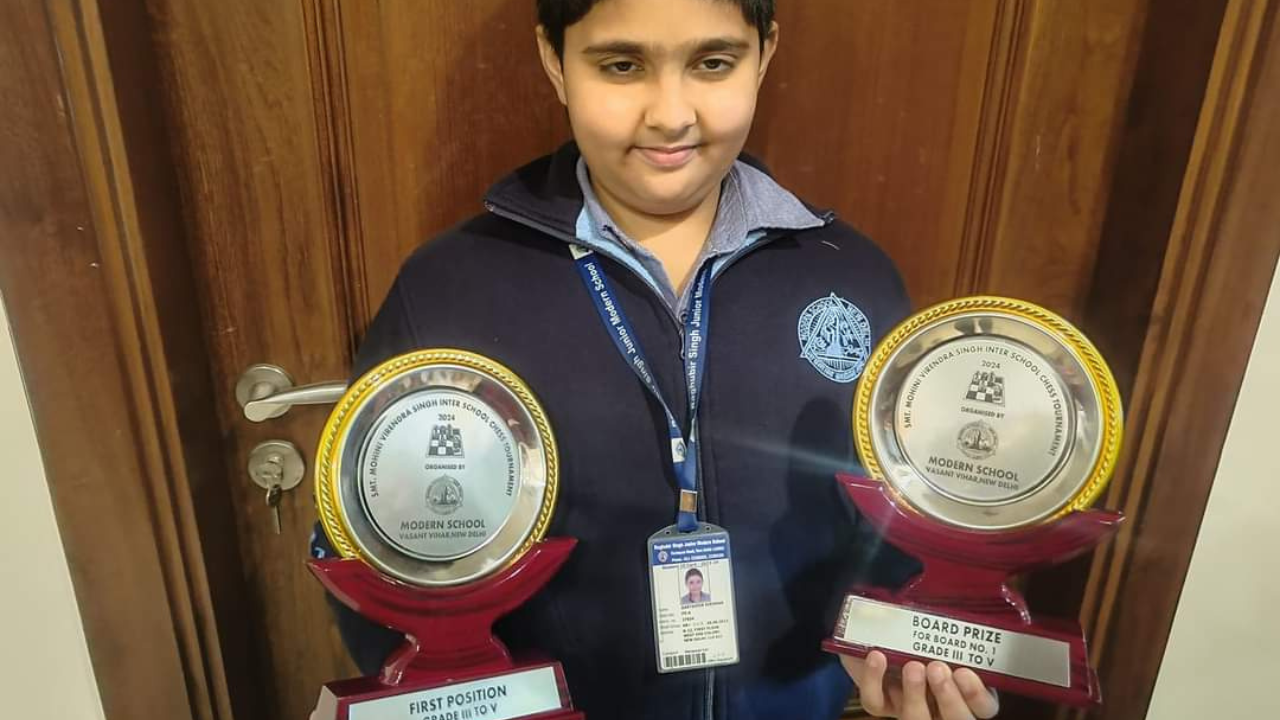
From the very beginning, for both my children, humility has been a major part of my upbringing. While I celebrate my son’s achievements with great enthusiasm, I also spend time ensuring nothing goes to his head. He must remain grounded and humble, acknowledging and appreciating others’ abilities and achievements as well. In this way, I feel he does not take losses to heart.I truly believe the key to managing a child’s stress and emotions, especially when they are competing internationally at a young age, is something as simple as a happy home and a close-knit family. No matter what he faces, knowing he has a mom, dad, and brother who loves him unconditionally, who will celebrate his wins and comfort him after a loss, makes all the difference. When he walks into a competition, test, or exam knowing there is zero performance pressure from his family, he performs freely and with a clear mind.
Which achievement made you feel proudest as a parent, and why?
Ironically, the achievement I am most proud of has nothing to do with his intelligence. It is his empathy and honesty. He is a good human being. He is the child who invites every classmate to his birthday party so no one feels left out. He includes the child who is being excluded. He gives up his own things for his little brother. He chooses his words carefully so he never hurts anyone’s feelings.That is what I am truly proud of.