
Chaos, screams and collapse: 8 stampedes, 127 dead — The anatomy of India’s crowd tragedies in 2025 | Delhi News
[ad_1]
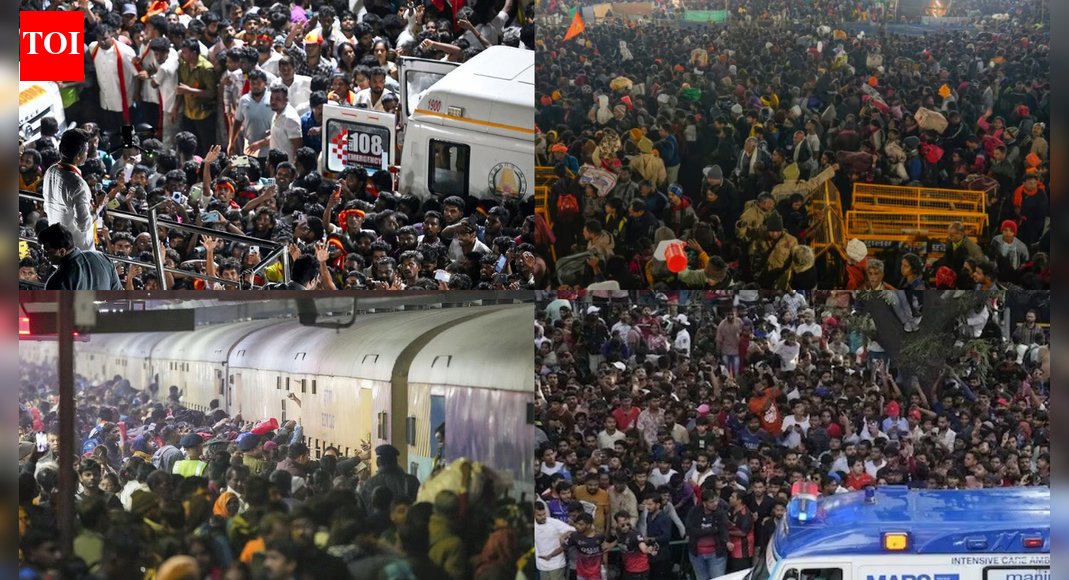
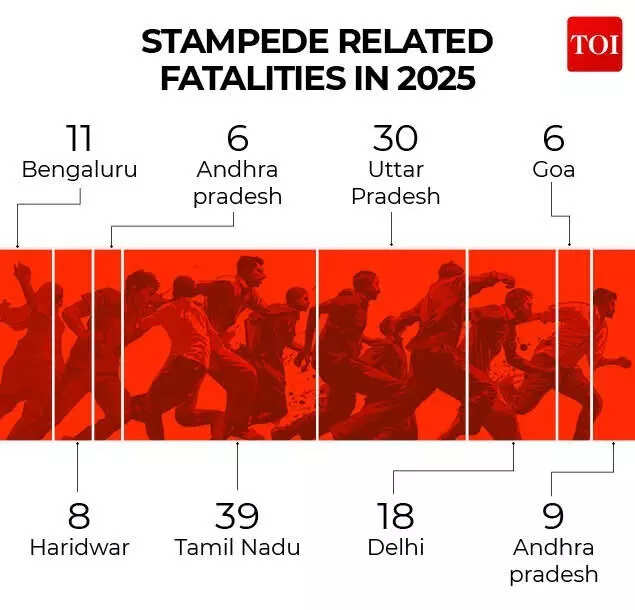
NEW DELHI: Chaos, screams and desperate struggles for space have marked India’s major public gatherings in 2025. From temples and festivals to railway stations, political rallies, and sporting celebrations, narrow pathways, overcrowding, and insufficient planning turned moments of joy and devotion into scenes of horror. Across the year, eight stampedes in different states claimed 127 lives, revealing a recurring pattern of preventable tragedies and raising urgent questions about crowd safety in the country’s growing urban and religious gatherings.
Temple in Tirumala Hills: Morning rush turns fatal

Six killed in Tirumala temple rush amid overcrowding
Chaos erupted at the Sri Venkateswara Swamy Temple in Tirumala Hills, Andhra Pradesh, on 9 January. Six devotees died during a morning rush inside the temple complex. Narrow corridors and high-density crowds quickly turned the sacred space into a trap. Despite later improvements, stronger railings and adjusted crowd routes, a repeat incident in November suggested that safety measures were either insufficient or poorly maintained.Mahakumbh stampede: Pilgrims trapped in Prayagraj
Thirty pilgrims die in Mahakumbh stampede on narrow Prayagraj pathway
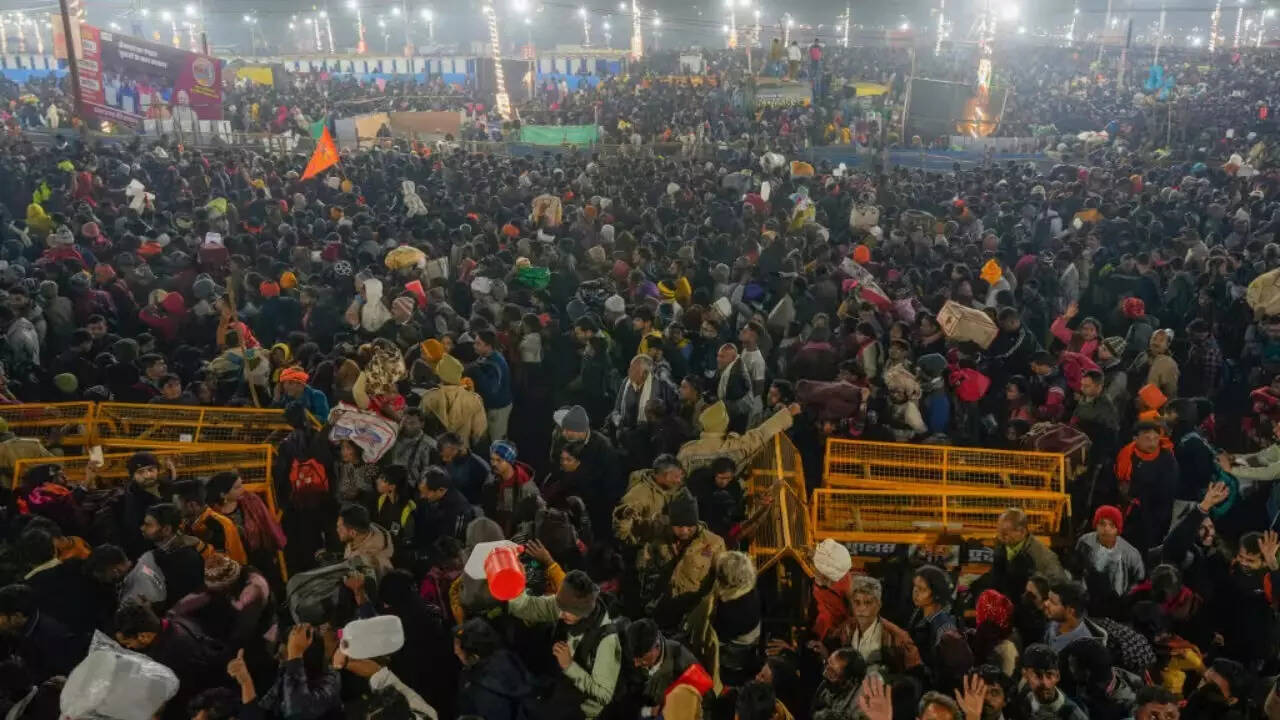
Just weeks later, on 29 January, tragedy struck the Mahakumbh in Prayagraj. Pilgrims moving through a narrow pathway became stuck when the flow slowed. A barricade tilted, causing people to stumble and panic to spread rapidly. By the time authorities restored order, thirty people had lost their lives. The incident highlighted the dangers of old pathways struggling to handle surging crowds, even during heavily planned events.New Delhi Railway Station: Footbridge surge

Eighteen killed in New Delhi station footbridge crush
On 15 February, an overcrowded footbridge at New Delhi Railway Station became a scene of panic. A delayed train caused passengers to surge in multiple directions, creating a dangerous bottleneck. With no immediate announcements or guidance, eighteen people died and many were injured. Witnesses said the confusion in the first critical minutes allowed the situation to spiral out of control.Goa’s Lairai Jatra: Weak barricades, deadly pressure
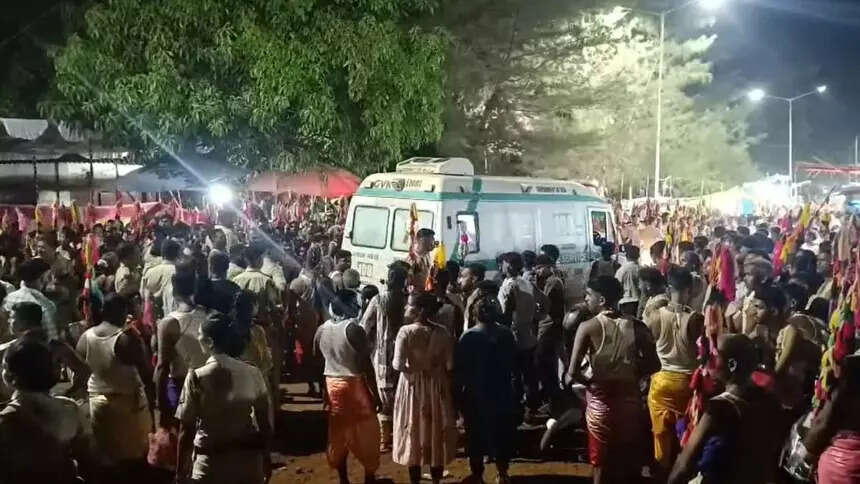
Six killed during the Shree Lairai Zatra festival in Shirgao village of Bicholim in Goa
During the Lairai Jatra on 3 May in Shirgao village, Goa, six devotees were killed. A surge near a fire ritual overwhelmed temporary barricades that were too weak to withstand the crowd. Residents said previous warnings about crowd movement in the area had not led to meaningful safety improvements.Bengaluru IPL celebration: Victory marred by tragedy
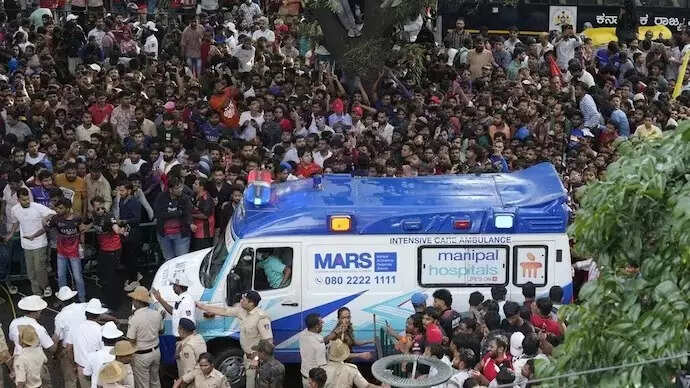
11 people died in the stampede on June 4 after RCB’s first IPL title win in Bengaluru
The celebrations outside M Chinnaswamy Stadium on 4 June, after RCB’s first IPL title win, turned deadly. Tens of thousands of fans filled the streets, and a narrow opening between barricaded sections became a critical choke point. Pressure built rapidly, leaving people unable to breathe or move. Police struggled to reach the center of the crowd, and by the time a path was opened, eleven people had died. The incident sparked national debate about urban crowd management.Haridwar pilgrimage: Narrow path, fatal surge
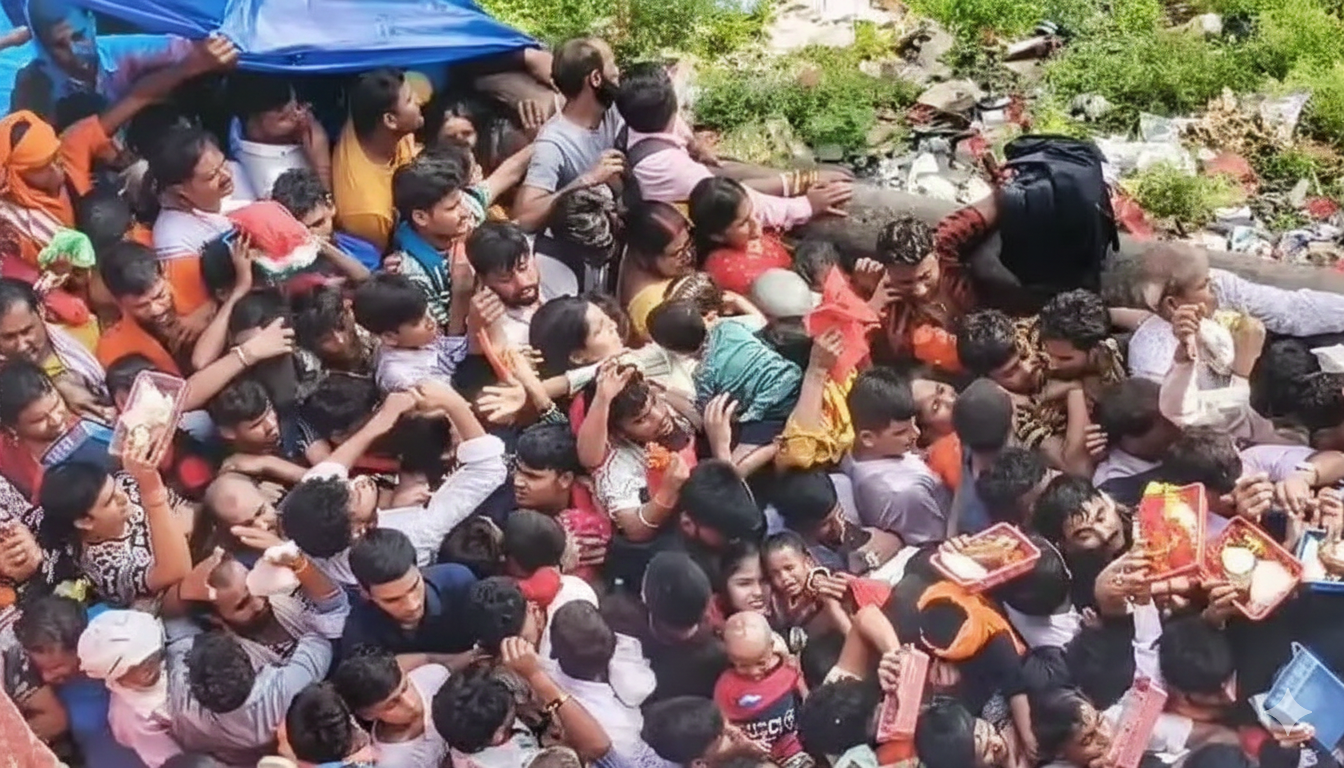
8 killed in stampede at Haridwar’s Mansa Devi temple
On 27 July, eight pilgrims died along the steep and narrow route to the Mansa Devi temple in Haridwar. Sharp turns and limited walking space caused the crowd to compress dangerously when movement stalled. Several victims were elderly and unable to withstand the force from behind, highlighting the ongoing risks of traditional pilgrimage routes.Karur political rally: When enthusiasm turns lethal
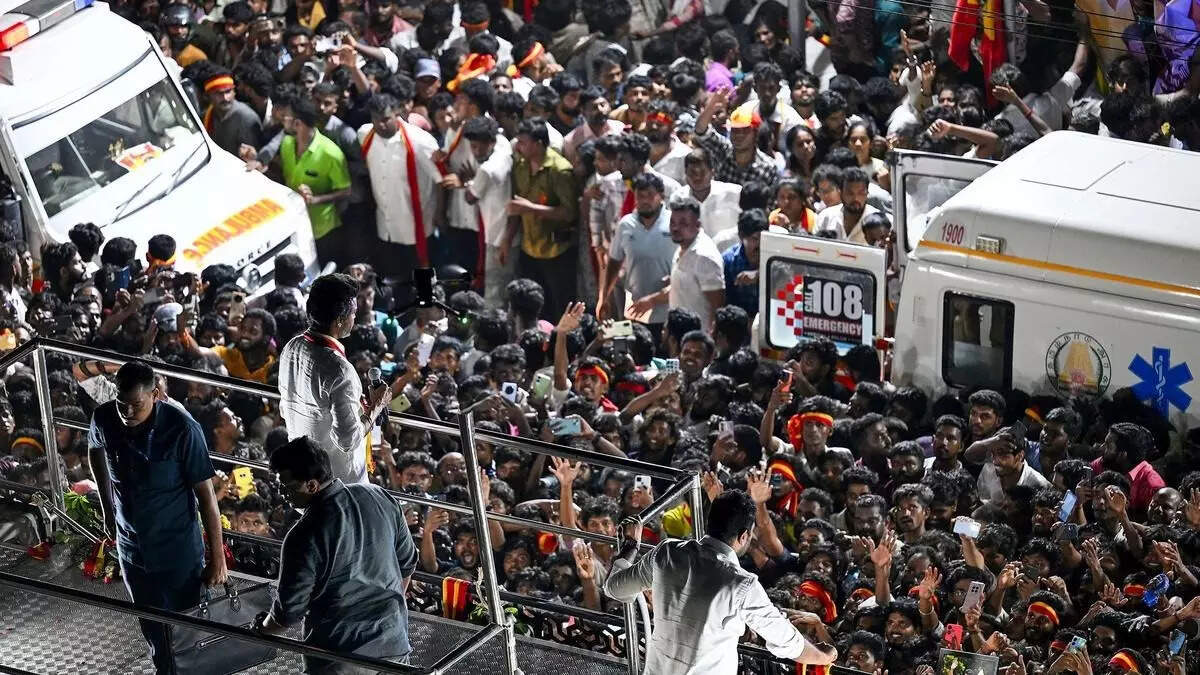
Thirty-nine die in Karur rally stampede during Vijay event
On 27 September in Karur, Tamil Nadu, a political rally addressed by actor-turned-politician Vijay drew crowds far exceeding expectations. A sudden surge pushed people into metal barricades, while those behind continued moving, unaware of the danger ahead. Thirty-nine people died, making it the deadliest stampede of 2025. Observers criticised the lack of planning, especially for a state with a history of crowd-control challenges during large rallies.Kasibugga temple: Year closes with tragedy
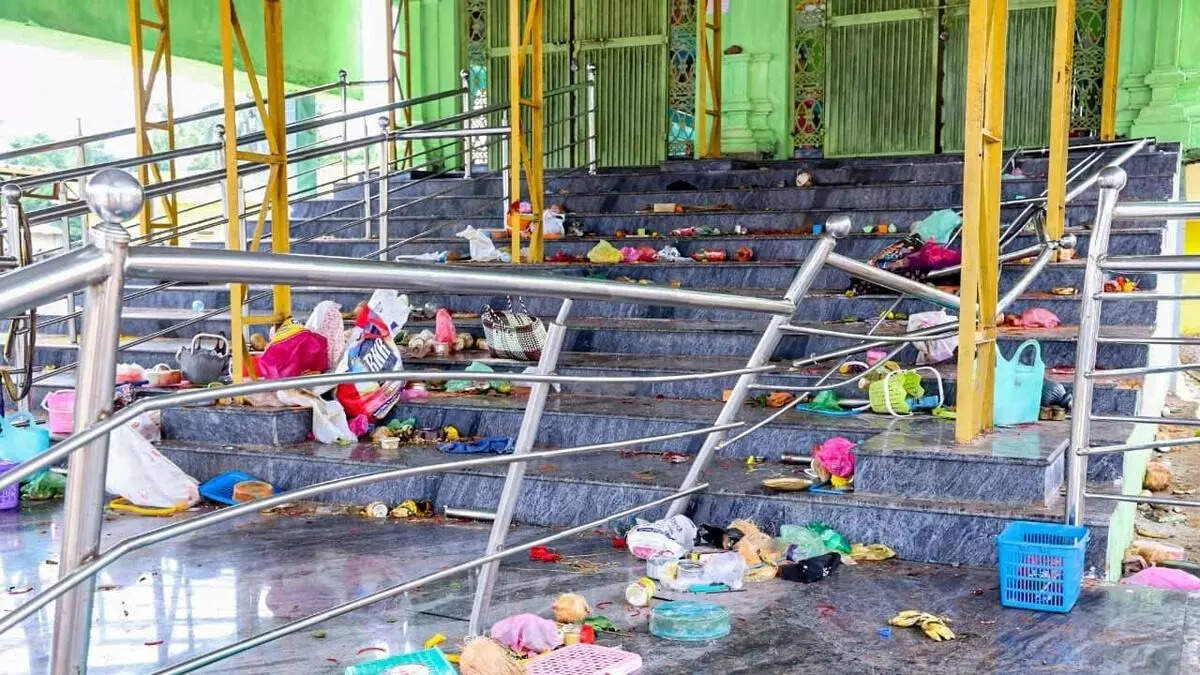
Nine killed in Kasibugga temple stampede, puja items amid broken railings
On 1 November, nine devotees died at the Sri Venkateswara Swamy Temple in Kasibugga, Andhra Pradesh. A narrow entry point became overcrowded, creating a bottleneck. Survivors said they could not move, and officials struggled to reach the victims in time. This incident brought the year’s death toll to 127, highlighting how recurring patterns of overcrowding and poor infrastructure continue to claim lives.Expert insight: Why stampedes happenExperts say these tragedies follow predictable dynamics. Once crowd density exceeds five people per square metre, individuals lose control over movements. Most deaths occur from compressive asphyxia, not panic. Narrow, uneven, and poorly lit pathways, combined with weak barricades and slow emergency responses, make even routine events dangerous. Survivor accounts from across the country describe fear, helplessness, and the inability to move once pressure builds.Global lessons and the road aheadCountries like Saudi Arabia, South Korea, Nigeria, and Indonesia have reduced crowd fatalities through technology, training, and strict protocols. Experts urge India to adopt a national crowd-safety framework, enforce density limits, train marshals, redesign high-risk pathways, conduct drills, and educate the public on safe behavior.The human tollBeyond fatalities, these incidents leave lasting trauma. Families grieve, survivors experience long-term anxiety, local communities are shaken, businesses face disruption, and first responders bear psychological burdens. Repeated tragedies show that effective crowd management is possible—but only when planning, infrastructure, monitoring, and enforcement work together consistently.
[ad_2]
Source link