
‘Don’t really have next generation’: Judit Polgár, Richárd Rapport and changing face of Hungarian chess | Exclusive | Chess News
[ad_1]
NEW DELHI: William Shakespeare wrote in A Midsummer Night’s Dream, “Though she be but little, she is fierce.” Hungary, too, has never been the biggest country on the chess map. Yet, it has long played the game with a fearlessness that belies its size.With none of the resources of the Soviet Union or the institutional machinery that defines modern chess powerhouses, Hungary, a country of around 10 million people, nevertheless produced players who stood shoulder to shoulder with the world’s best.
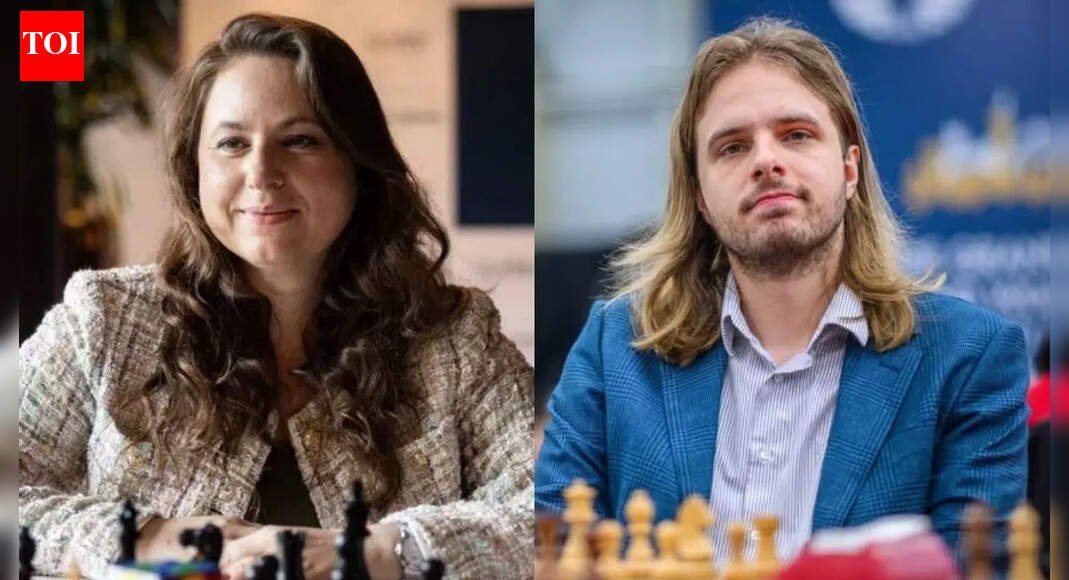
And it did so repeatedly, across generations, often without the kind of support structures that are considered essential today.Standing at the forefront of Hungarian chess now is World No. 13 Richárd Rapport, the country’s top-ranked player and one of the most creative grandmasters of his generation.Tall and fair-skinned, with an infectious smile and long, silky blond hair, Rapport is one of the circuit’s most recognisable figures. But bring up Hungarian chess, and the smile gives way to a rare seriousness.“I think, for us, we have had players, top, top level players, let’s say high level players, more or less ending with me for a long time, since I can remember,” Rapport told TimesofIndia.com on the sidelines of Global Chess League (GCL). “We had them in the 60s, 70s even.”A small country, but big namesBy the middle of the 20th century, Hungarian players were already shaping global chess culture.As Budapest became a chess hub and cafés turned into places where ideas would shape, just like the smoke circle off cigarettes’ prolonged puffs, Hungarian players developed a reputation for a deep understanding of strategies and originality.But the golden age arrived most visibly in the post-second world war decades.“We had Portisch,” Rapport added with some pride, knowing that for chess fans, the name needs no embellishment.“Portisch is still alive, of course, and he’s a big legend of chess. He was number three, number two at some point.”
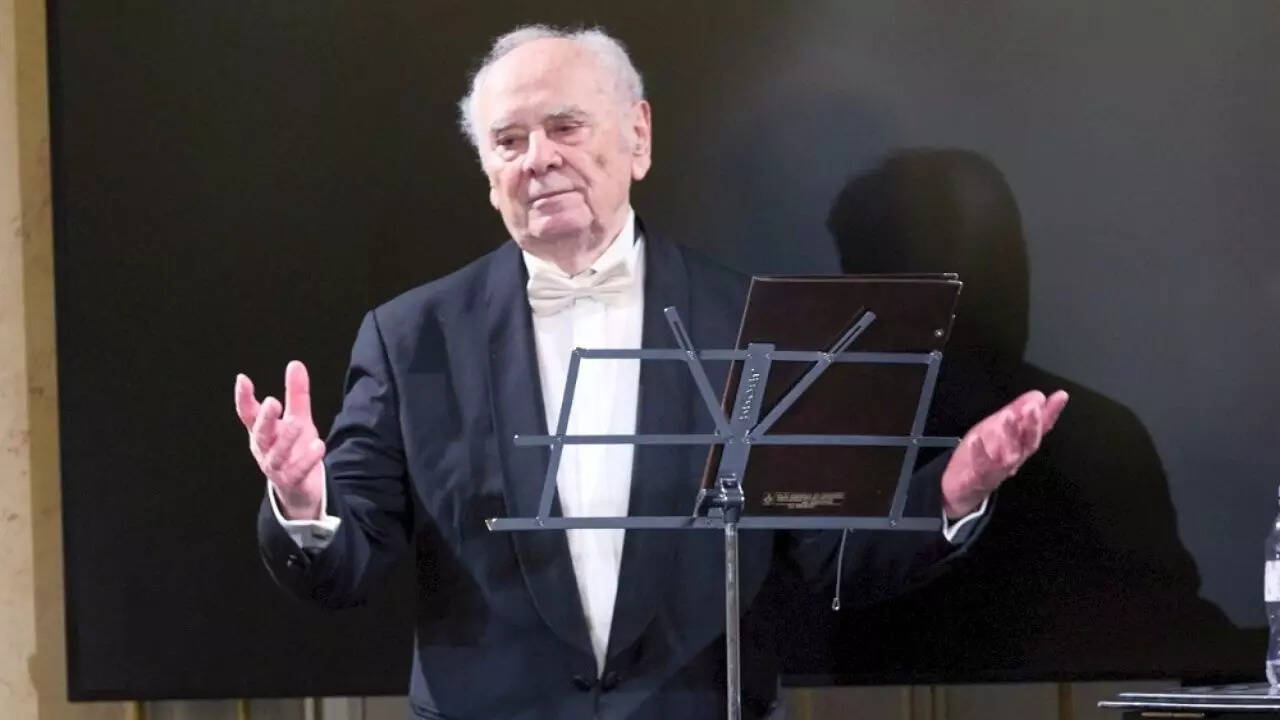
Lajos Portisch (FIDE Photo)
Lajos Portisch, nicknamed the “Hungarian Botvinnik”, also was not just any strong player; he became a global icon at one time.For years, the nine-time Hungarian Champion was among the world’s top contenders, repeatedly challenging for the world championship after taking part in the World Chess Championship Candidates cycle a total of eight times (1966-1990).Alongside him were names like Zoltán Ribli and Gyula Sax, players who regularly found themselves in the world’s top ten.“This team with Ribli, Sax and all these guys,” Rapport recalled, “they were like, let’s say top 10 at some point or for a longer or shorter time, but still they were there.”The Polgár momentThen came a chapter that went truly beyond medals and rankings. “Then we had the next era, right? Judit and Peter (Leko)” Rapport said. “Judit Polgár and Zoltan Almási also.”Judit Polgár, the youngest of the three famous Polgár sisters, did something no Hungarian before her had done and something no woman has done since.Refusing to be boxed into women-only competition, she played exclusively in open events against strong male competitors and forced the chess world to take notice.
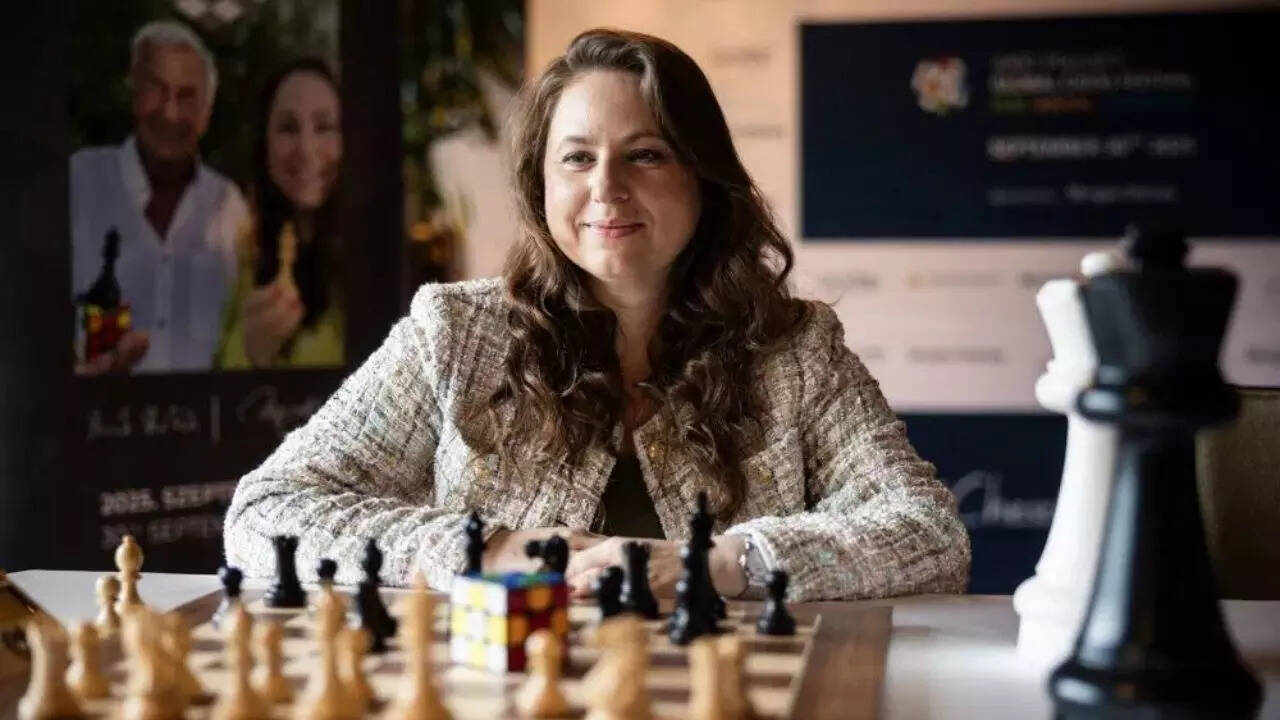
Judit Polgár (FIDE Photo)
At her peak, she broke into the world’s top ten and defeated a roll call of world champions. She became the first woman to break 2700 Elo in July 2005 and defeated 11 reigning or former world champions, including Garry Kasparov, Anatoly Karpov, and Viswanathan Anand.Alongside her was Peter Leko, the current Hungarian No. 2 and another product of Hungary’s quiet excellence, who would go on to challenge Vladimir Kramnik for the World Championship title in 2004.“It’s a very nice generation in a way,” Rapport smirked. For Hungary, it felt like continuity. One great generation handing the baton to the next.Tromsø 2014: The last great Hungarian teamRapport’s own rise coincided with what many insiders see as the peak of modern Hungarian chess: the 2014 Chess Olympiad in Tromsø, Norway.“So we took medal (silver) in Tromsø Olympiad,” Rapport said. “And then it kind of ended the generation, I think, in 2014, with me kind of joining the team.”What made that team remarkable wasn’t just the medal.“We had like four players above 2700,” he further explained. “Which is like great because we are a very small country.”In elite chess, 2700 is an unsaid benchmark of the world’s absolute top. For a small European nation to field four such players was almost unheard of.The sudden silence in the circuitWhat followed, however, has not been a gradual decline, but something far stranger.“From that team, I’m still okay above 2700,” Rapport added. “And Peter, let’s say, came back to play, which is very nice. But the other guys just quit. Just altogether. They didn’t even lose their rating. They just vanished.”Within a few years, an entire generation of elite Hungarian players stepped away from top-level chess.
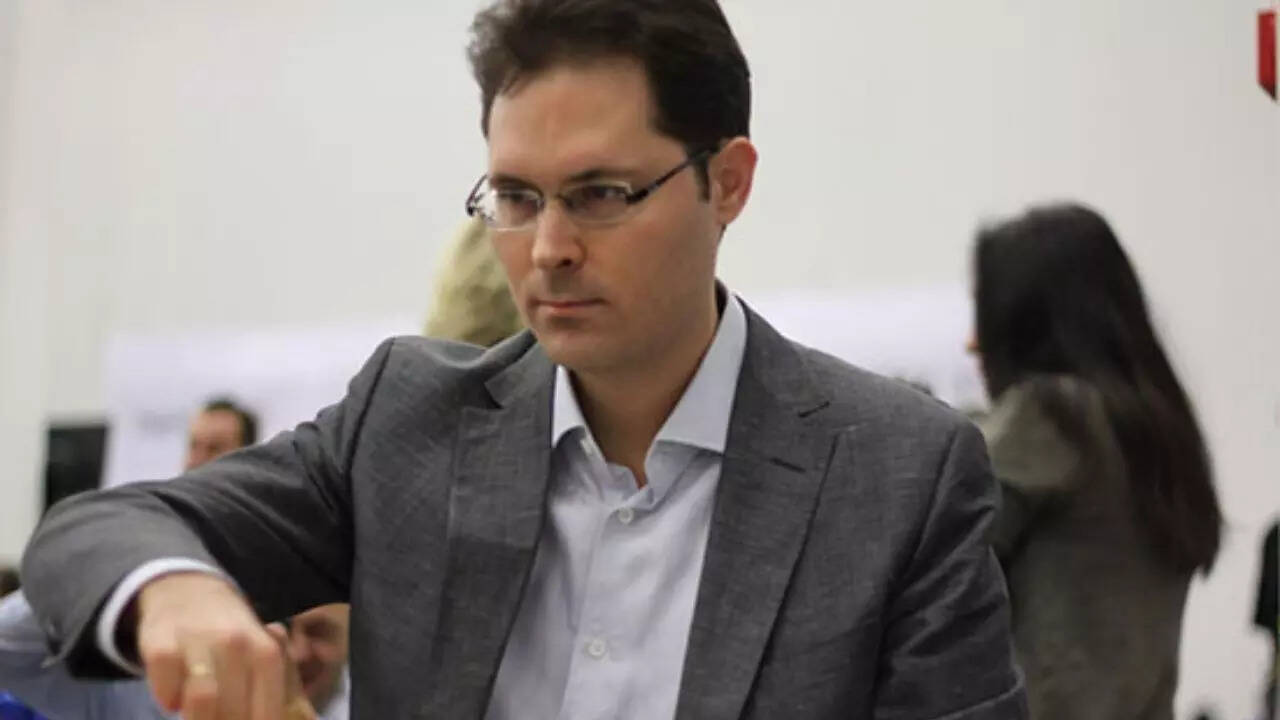
Péter Leko (Photo Credit: FIDE)
The Hungarian team that clinched silver at the 2014 Olympiad featured eminent names such as Péter Lékó, Csaba Balogh, Zoltán Almási, Richard Rapport, and Judit Polgár.Today, with Rapport now 29, the rest, now in their late 30s or 40s, have either stepped away from competitive chess altogether or, like Lékó, appear only sporadically in top-level tournaments, largely focusing on commentary and other roles.For a country that had always relied on continuity, the gap was suddenly visible.Lack of institutional foundationPerhaps the most striking part of Rapport’s reflection is his admission that Hungary’s success was never built on strong institutional foundations.“I don’t think we really had a support built around chess,” he said. “Professional support. We had support for amateur chess or to hang around. But we never really had support for climbing the highest of the heights.“And somehow still people got there, individually or one way or the other.”How?“People just investing their own money, investing their own time,” Rapport explained. “Parents a lot when they were young.”For decades, that patchwork approach worked. But modern chess is a different beast. With the introduction of technology in chess, the game has become more demanding and resource-heavy.So, where is the next generation of Hungary?“We don’t really have the next generation,” Rapport stated bluntly. “We have some players, sure, but it’s not quite the same flavour, unfortunately. Maybe it’s a bit of bad luck also. Some talented kids are leaving chess for one reason or the other.”
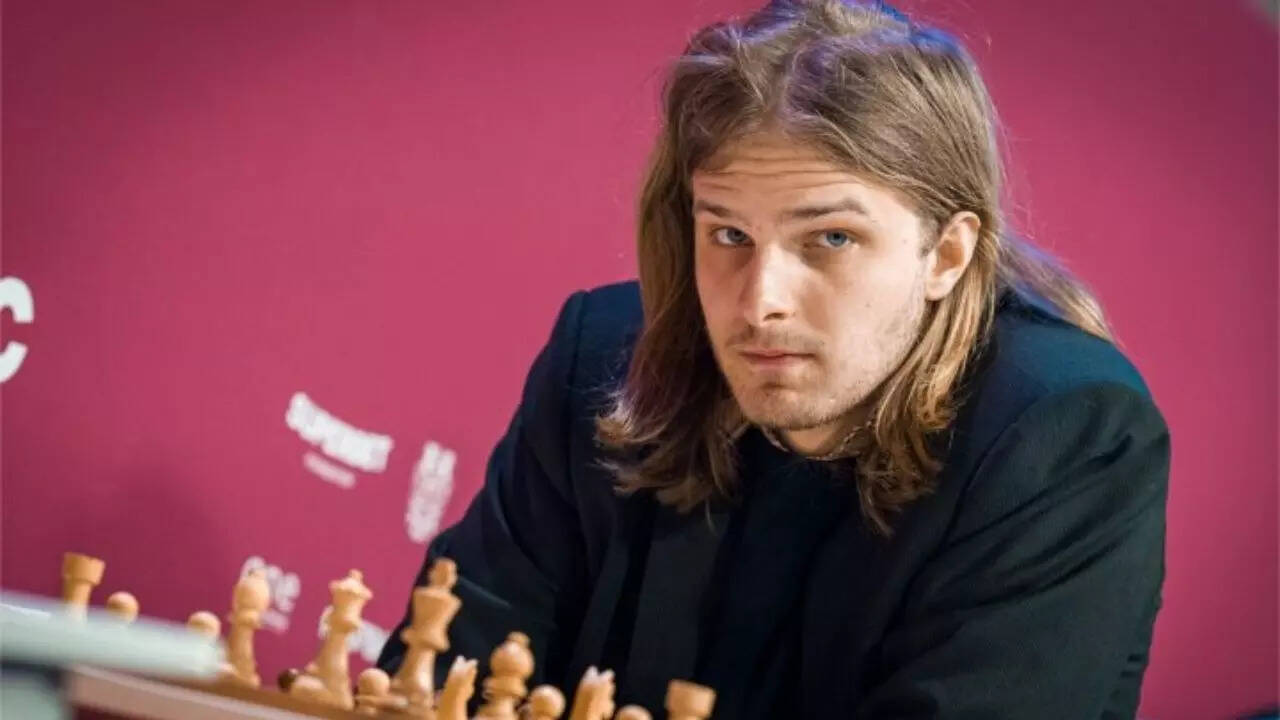
Richárd Rapport (Photo by Lennart Ootes)
The Hungarian No. 1 doesn’t want to be too negative, though.“I’m not super pessimistic about our situation in chess,” he added. “But also far from very happy and very satisfied.”Rapport understands Hungarian chess and believes that if the nation’s chess setup seeks an overhaul, the responsibility lies across the ecosystem, from administrators to players to grassroots organisers.“Anyone could do more,” he said. “Not only on the top level, like the national team, but also lower-level people.However, being the top-ranked player of the country, Rapport also knows that he will have to take the lead if things are to be changed for good.“As they say, the fish stinks from its head. If we are doing well, more people will get inspired,” he remarked.He knows it won’t be easy.“It’s a very difficult mission to accomplish,” he concluded. “But I’m kind of hoping to help our chess, and maybe bring it back to its former glory.”
[ad_2]
Source link