
Wellness Wednesday: Social media myth buster-“More protein is always better” |
[ad_1]
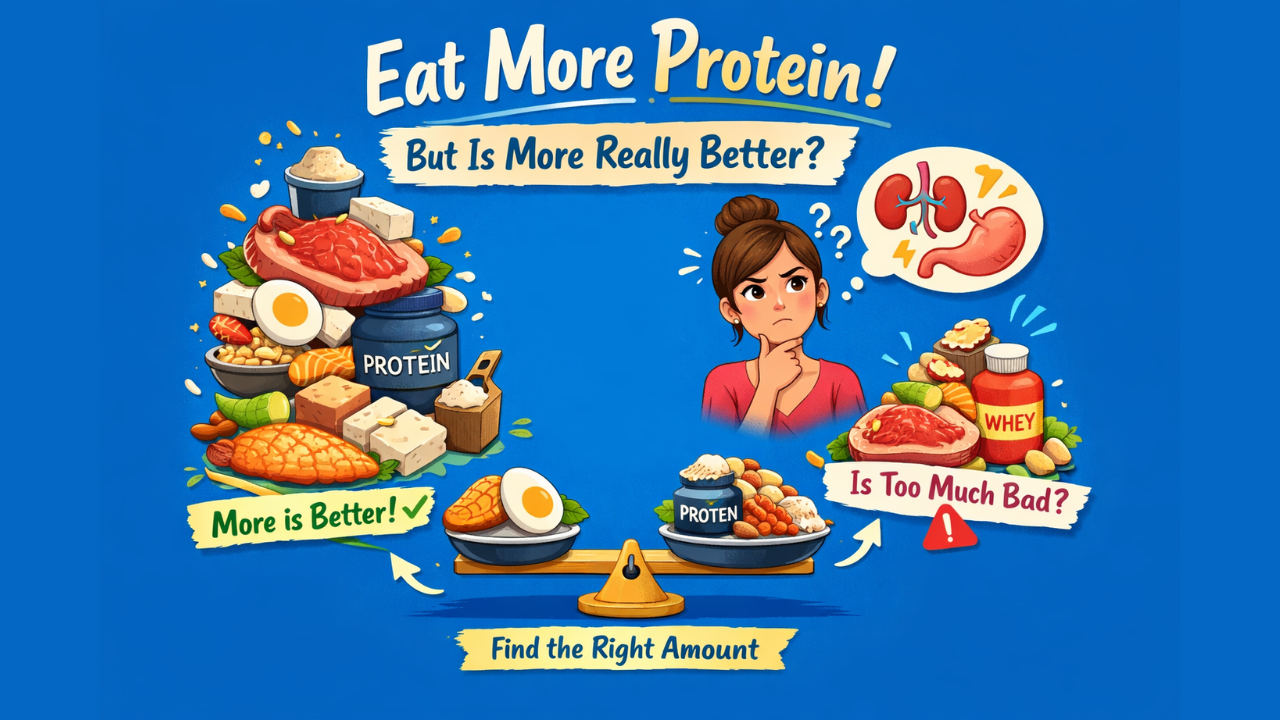
Protein has become the golden child of social media wellness. Every reel seems to shout, “Eat more protein!” But blindly chasing high protein can actually backfire. Protein is important—no doubt. But health doesn’t come from extremes. It comes from eating enough, not excess, and letting protein work with the rest of your plate, not overpower it.“It seems like protein is the nutrient that everyone is crazy with these days. You can find an infinite stream of protein bars, smoothies, and powders on Instagram and YouTube. The advice is clear: “Eat more protein!” But is more really better?,” asks Charu Dua, Clinical Nutritionist, Amrita Hospital, Faridabad. The expert has debunked this common myth and has shared inputs on how to use protein safely.
The expert debunks common myth on protein
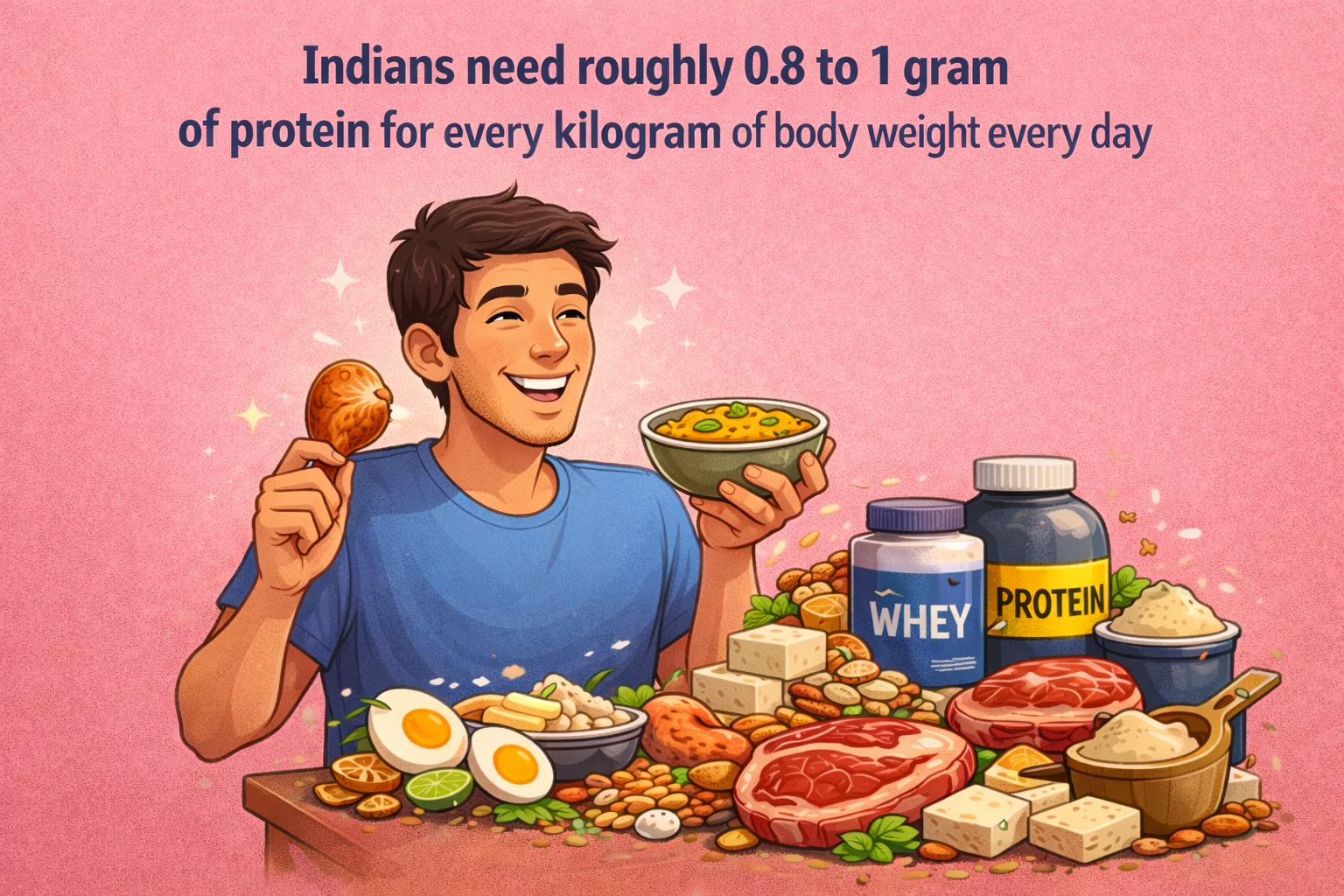
Protein is important for health since it helps repair tissues, boosts immunity, and keeps muscular mass. However, the body works best when it is balanced, not when it is too much or too little. Extra protein doesn’t instantly change into more muscle or improved health once you’ve met your protein needs.For most healthy persons, the required amount of protein is not too high. Indians need roughly 0.8 to 1 gram of protein for every kilogram of body weight every day. For instance, a person who weighs 65 kg would need between 52 and 65 grams of protein every day. Even athletes, older people, or people who are getting better from an illness just require a little more protein. The idea that eating twice or three times as much protein, as seen on social media, can help you build muscle or improve your health is wrong.The body doesn’t have a place to store extra protein. Anything that it doesn’t need is broken down, and the nitrogen part has to be gotten rid of by the kidneys. This makes their job harder. People with renal illness, diabetes, or high blood pressure, which are common in India, can speed up kidney damage by eating too much protein.Also, eating too many protein-rich foods like meat, protein shakes, and bars might push out foods that are high in nutrients and fiber, including fruits, vegetables, and whole grains. This can cause constipation, bad gut health, high cholesterol levels, and a lack of nutrients, all of which protein alone can’t address.
A balanced approach to the protein we really need
The Indian Dietary Guidelines say that protein is important for development, repair, and overall health, but it’s important to get the right amount. To work well, the body needs a moderate amount of protein.
1. General protein consumption:
The Estimated Average Requirement (EAR) for healthy people is 0.66 grams of protein per kilogram of body weight per day.The Recommended Dietary Allowance (RDA) is 0.83g per kg of body weight per day, which is enough for 97.5% of people. This is about 43g (EAR) or 54g (RDA) of protein per day for an adult who weighs 65 kg.Most adults get enough protein from this amount. Too much protein beyond what you need won’t help you build muscle or improve your health, and it can put a burden on your kidneys.
2. The Protein Energy (P:E) Ratio:
10 to 15 percent of the calories you eat each day should come from protein. If you eat 2000 calories a day, this indicates that 200 to 300 of those calories should come from protein.Like all nutrients, protein functions best when it is balanced with the right amount of carbs and fats. Your body requires carbs and lipids to get the energy it needs to use protein to repair and develop muscles. If you don’t eat enough carbs and fats, your body can use protein for energy instead of developing muscle. This makes protein less effective at helping muscles grow.
3. The quality of protein:
Not all proteins are the same. Animal proteins, like meat, eggs, and dairy, are complete proteins. This means that they have all the amino acids your body requires.Plant-based proteins, such as pulses, beans, and grains, may be missing some important amino acids, but they can still give you good protein when you mix them well. For instance, mixing cereals and pulses in a 3:1 ratio makes sure that all the amino acids are present, which makes plant protein just as good as animal protein.
4. Nitrogen balance and energy use:
Nitrogen is in protein, which is necessary for making amino acids. To develop and repair muscle, the body keeps a balance of nitrogen. When you get enough protein to develop muscle, you have a positive nitrogen balance. When your body tears down muscle to meet protein needs, you have a negative nitrogen balance.For protein to work well for developing muscle, you need to get enough energy from carbs and fats. Your body could burn protein for energy instead of using it to create muscle if you don’t get enough energy from carbs and fats.
What exercise does to help your body use protein
It’s really important to be active so that your body can use the protein you eat to build muscle. This is how:Increased absorption: When you work out, especially with weights, blood flow to your muscles increases. This helps transport protein and other nutrients that help your muscles heal and grow.Regular exercise makes your body better at handling nutrients, which means it can absorb protein better and use it to build and repair muscle.Building muscle mass: When you lift weights, your muscles get tiny tears that need protein to heal and get stronger. The more you move about, the more protein your body will need to help grow muscle.
Keeping your muscles healthy and strong
Keeping your muscles strong is important for your health as a whole, not only for getting stronger. This is why:Lower risk of diseases: Having enough muscle mass lowers the risk of getting diseases including diabetes, heart disease, and osteoporosis. For instance, having more muscle makes your body more sensitive to insulin, which lowers your risk of type 2 diabetes.Better bone health: Strength training and other weight-bearing workouts can help make bones denser and lower the risk of osteoporosis.Metabolism: Muscle tissue burns more calories when you’re not doing anything, which helps you keep your weight in check and improves your overall metabolic health.You won’t be able to properly use the protein you eat to create muscle if you don’t exercise regularly. Instead, too much protein can be used for energy or stored as fat, especially if the body gets more protein than it needed to repair muscles.Protein is important, but getting the appropriate quantity is better than getting too much. Without exercise, protein alone won’t make you healthier or help you build muscle.Exercise, especially strength training, helps the body use protein better to build and repair muscles.To make sure that protein is used to grow and repair muscles instead of being used as energy, it should be balanced with energy from fats and carbs.To have the optimum health and muscle-building results, you need to eat enough protein, eat a balanced diet, and exercise regularly.In short, more protein isn’t necessarily better. The most important thing is to figure out how much you need based on your age, level of activity, and health goals. Not extremes, but equilibrium.
[ad_2]
Source link