
Pahalgam terror attack, Delhi blast, Air India plane crash & more: Why 2025 felt like a year of endless crises | India News
[ad_1]
Murphy’s law worked hard in 2025.A year full of “what else can go wrong”, and then the wrong proceeds to make its way in, perfectly settling down, even stretching through months. A year that felt like a series of hypnic jerks, rather than just dates or headlines changing.Not to sound pessimistic, but 2025, ultimately, became a collision of the good, the bad and the devastating. India celebrated moments of pride — sporting triumphs, economic reforms, scientific milestones — even as it grappled with stampedes, terror attacks, aviation disasters and climate-fuelled catastrophes at home and abroad.
January 22: Jalgaon train tragedy
At least 12 people were killed in a tragic railway accident in Maharashtra’s Jalgaon district on January 22 after panic spread over a rumour of fire onboard the Lucknow–Mumbai Pushpak Express.
- The train made an unscheduled halt around 5 pm after someone pulled the emergency chain, prompting frightened passengers to jump onto the tracks.
- Unaware of an oncoming train on the adjacent line, several were struck by the Karnataka Express approaching from the opposite direction.
- The incident occurred between Maheji and Pardhade stations near Pachora, more than 400 km from Mumbai, turning panic and confusion into a deadly accident.
January 29: Maha Kumbh stampede
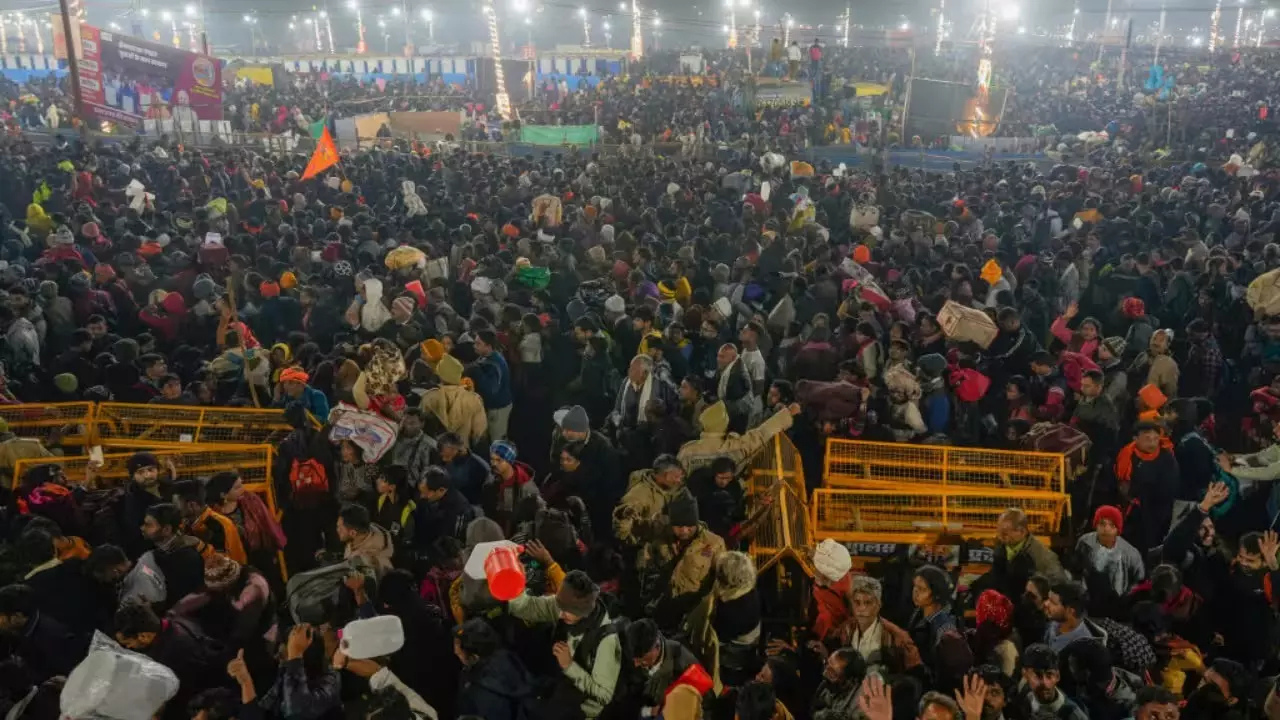
Maha Kumbh, the event that literally drew people from across India and the world to Prayagraj in Uttar Pradesh. Politicians, business leaders, film stars and millions of devotees gathered along the riverbanks, hoping for a calm and spiritual start to the year.
- The month-long
Prayagraj Maha Kumbh Mela saw tens of millions of pilgrims arrive, with authorities estimating that nearly 10 crore devotees turned up on Mauni Amavasya alone. - In the early hours of January 29, at around 1 am, a crush broke out near the Sangam nose area, close to a main bathing ghat. As devotees moved through narrow and crowded paths ahead of the Amrit Snan, panic spread, and a stampede followed.
- Ambulances rushed the injured to the central hospital inside the Mela grounds, where nearly 30 people died, and several others were injured.
February 15: New Delhi railway station stampede
The tragedy does not end here. Days later, another stampede claimed lives, this time at New Delhi Railway Station, where at least 18 people, including 14 women and three children, were killed and several others were left injured.
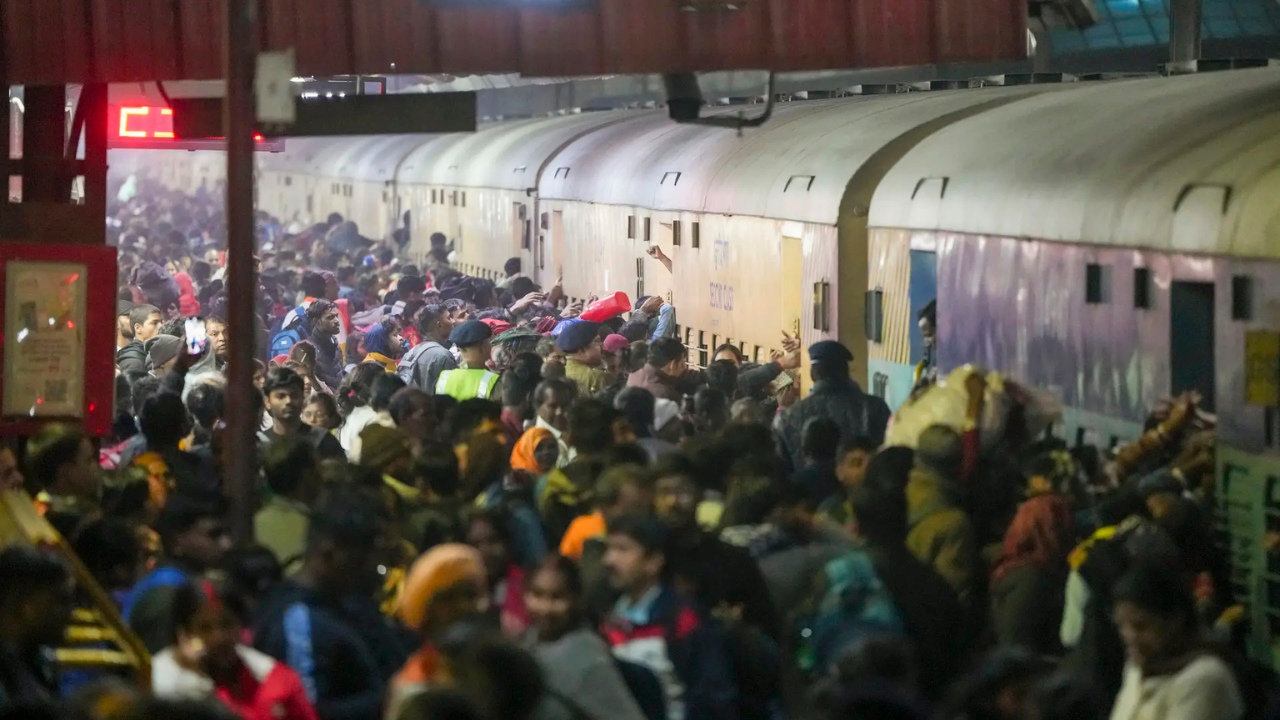
- On the night of February 15, a massive rush of passengers waited to board trains to Prayagraj, where the Maha Kumbh was underway.
- As several trains were delayed, the already overcrowded platforms 14 and 15 turned chaotic within a few minutes, as people rushed forward, resulting in multiple casualties.
- The government later told the Lok Sabha that 49,000 general or unreserved tickets were sold at the New Delhi Railway Station counter at around 13,000 more than the usual daily figure.
March 28: Myanmar – Thailand earthquake
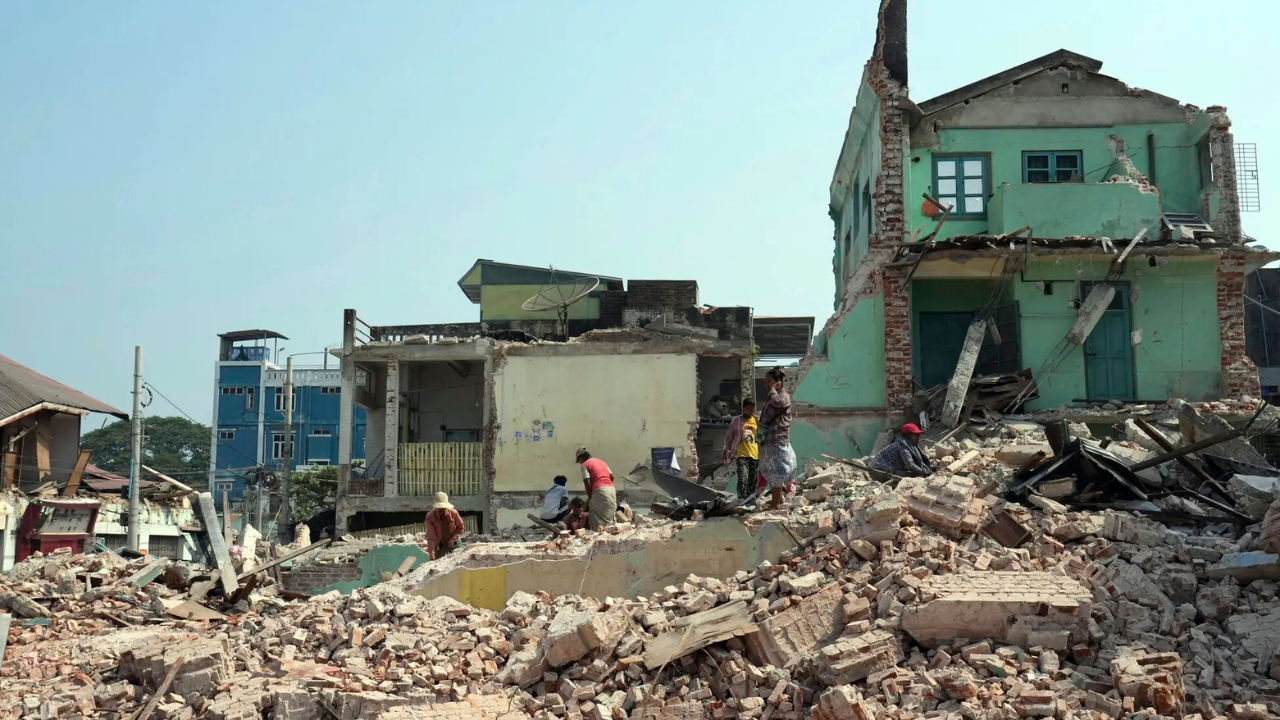
On March 28, Myanmar and Thailand were shaken by a 7.7-magnitude earthquake, causing widespread damage to buildings and key infrastructure.
- Myanmar’s military government said at least 1,002 people were killed and over 2,300 were injured. Meanwhile, in Thailand, a high-rise building under construction collapsed, killing at least eight people and leaving dozens missing.
- Centred near Mandalay, the quake was followed by a strong aftershock and damaged roads, a bridge and a dam, hampering rescue efforts in Myanmar, which is already grappling with civil war and a humanitarian crisis.
- Tremors were felt in China’s Yunnan and Sichuan provinces, where houses were damaged, and people were injured near the Myanmar border.
April 1: Gujarat firecracker factory explosion
A powerful explosion at a firecracker factory and godown in Deesa, north Gujarat, on April 1 claimed 21 lives, with the impact so severe that body parts were found up to 300 metres away.
- Most of those killed were migrant workers from Madhya Pradesh who had arrived only two days earlier and were staying with their families inside the premises.
- Survivors and local sources said children as young as six were made to work with explosives for very low wages. They were assigned risky tasks such as tying fuses, packing gunpowder and assembling fireworks, often because their small hands were considered suitable for the work.
- Many of those killed in Deesa had survived a similar firecracker factory explosion in Harda, Madhya Pradesh, in February 2024, highlighting how the same workers were exposed to deadly risks more than once.
April 22: Pahalgam terror attack
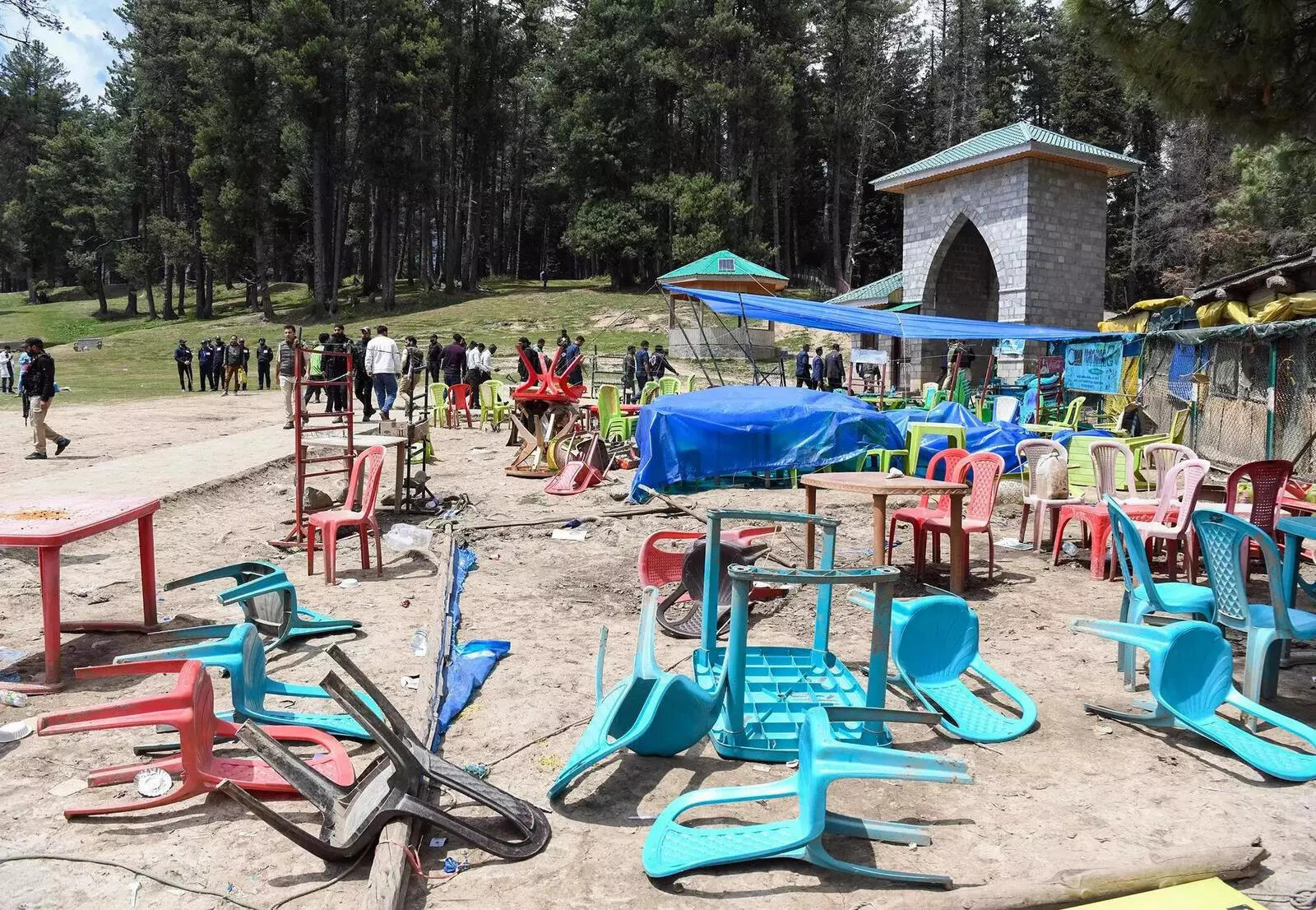
A pleasant vacation in Jammu and Kashmir’s Pahalgam turned tragic when 26 people, including one Nepali citizen, died in a terror attack. Terrorists opened fire in Baisaran Valley on April 22, marking one of the deadliest attacks in the Kashmir Valley since the Pulwama carnage in 2019.
- Around 3 PM, terrorists descended from the mountains of Baisaran Valley and opened fire on tourists in the area, known as ‘mini Switzerland’ for its scenic meadows. Panicked women were seen weeping and searching for their loved ones amid pools of blood as cries for help echoed across the valley.
- The attack was claimed by The Resistance Front (TRF), a proxy of the banned Pakistan-based terror group Lashkar-e-Taiba (LeT). Following the attack, the government suspended the Indus Waters Treaty, shut the Attari-Wagah border and halted visas.
- India launched Operation Sindoor on May 6–7 in retaliation, targeting terror hideouts in Pakistan and Pakistan-occupied Kashmir. Indian officials later said over 100 terrorists were killed during the operation.
June 4: RCB’s victory celebrations turn tragic
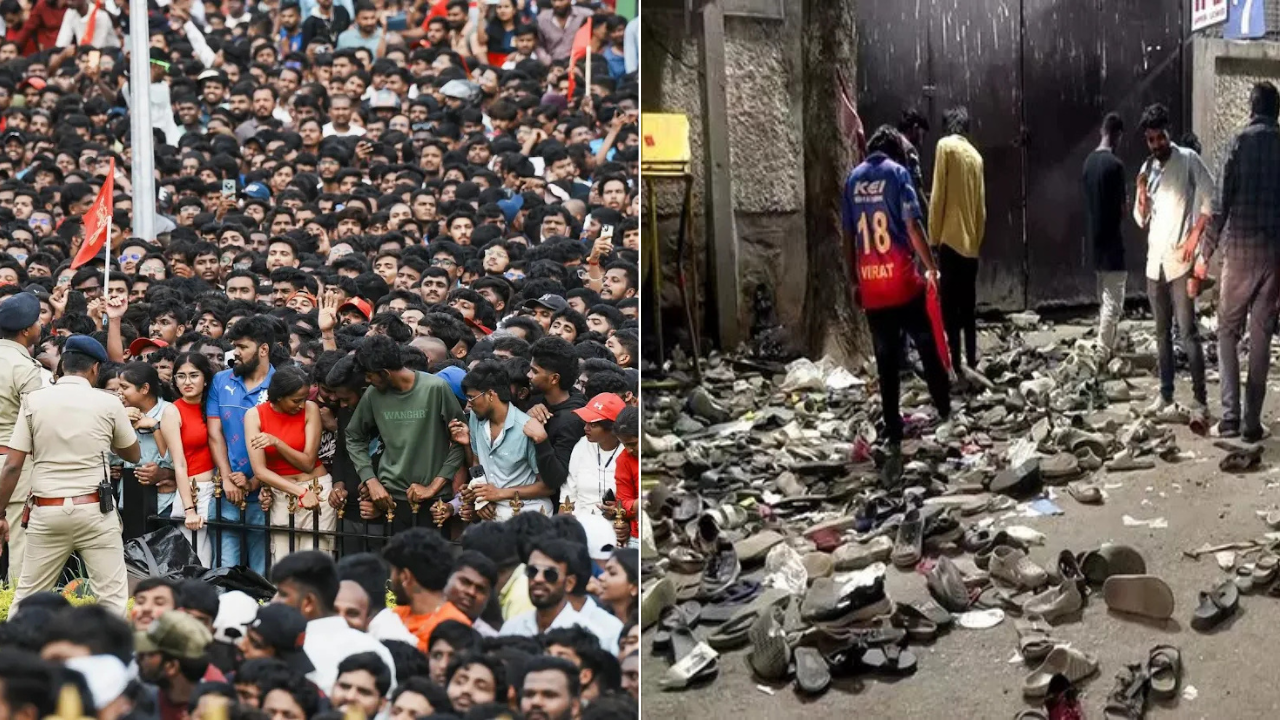
What was meant to be a celebration turned deadly when a stampede near Chinnaswamy Stadium in Bengaluru on June 4 killed 11 people and injured more than 30 during RCB’s first-ever IPL title celebrations.
- The police had deployed a large contingent, but managing the crowd proved extremely difficult. The stadium had a capacity of holding 35,000 people, yet around 2 to 3 lakh fans showed up, far exceeding expectations.
- Thousands of fans thronged the stadium and surrounding areas, overwhelming security personnel. Many attempted to climb gates, trees, and fences to get a view of the players.
- At
Vidhana Soudha , Karnataka police used mild cane charges to disperse surging fans during the felicitation program. Panic spread quickly as crowds surged, with people scrambling to climb fences and trees in desperation.
June 12: Ahmedabad Air India crash
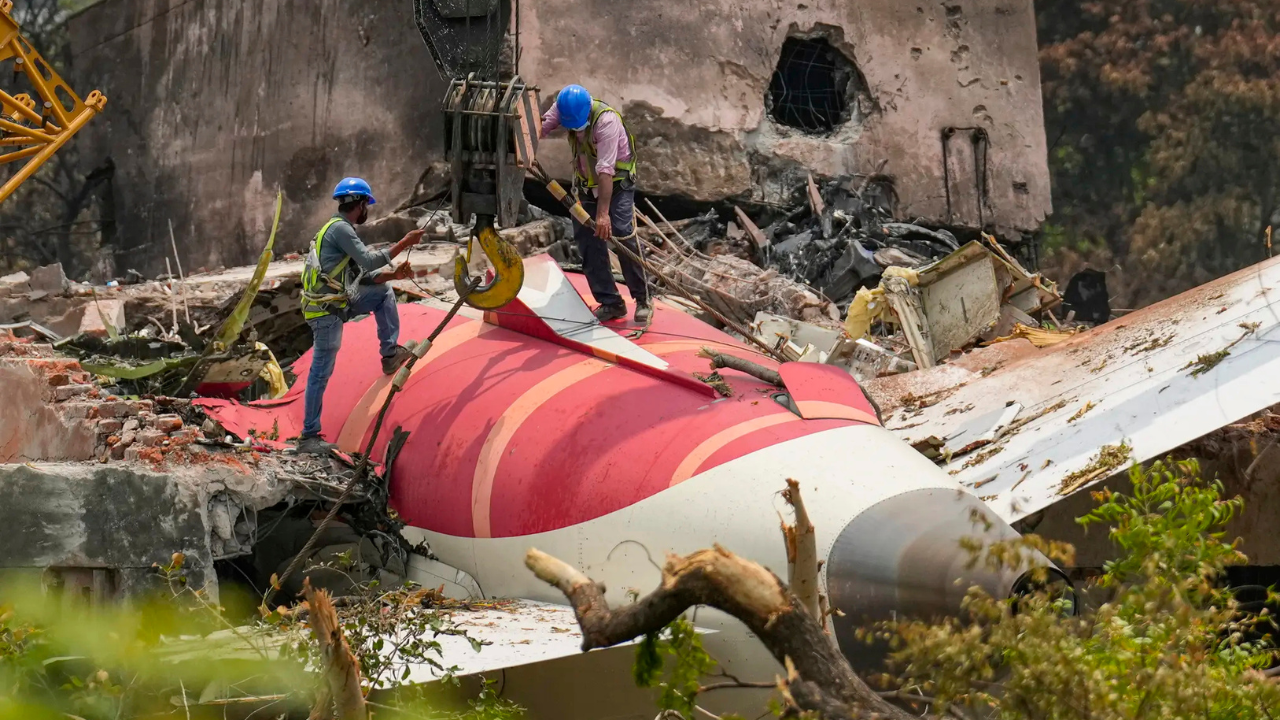
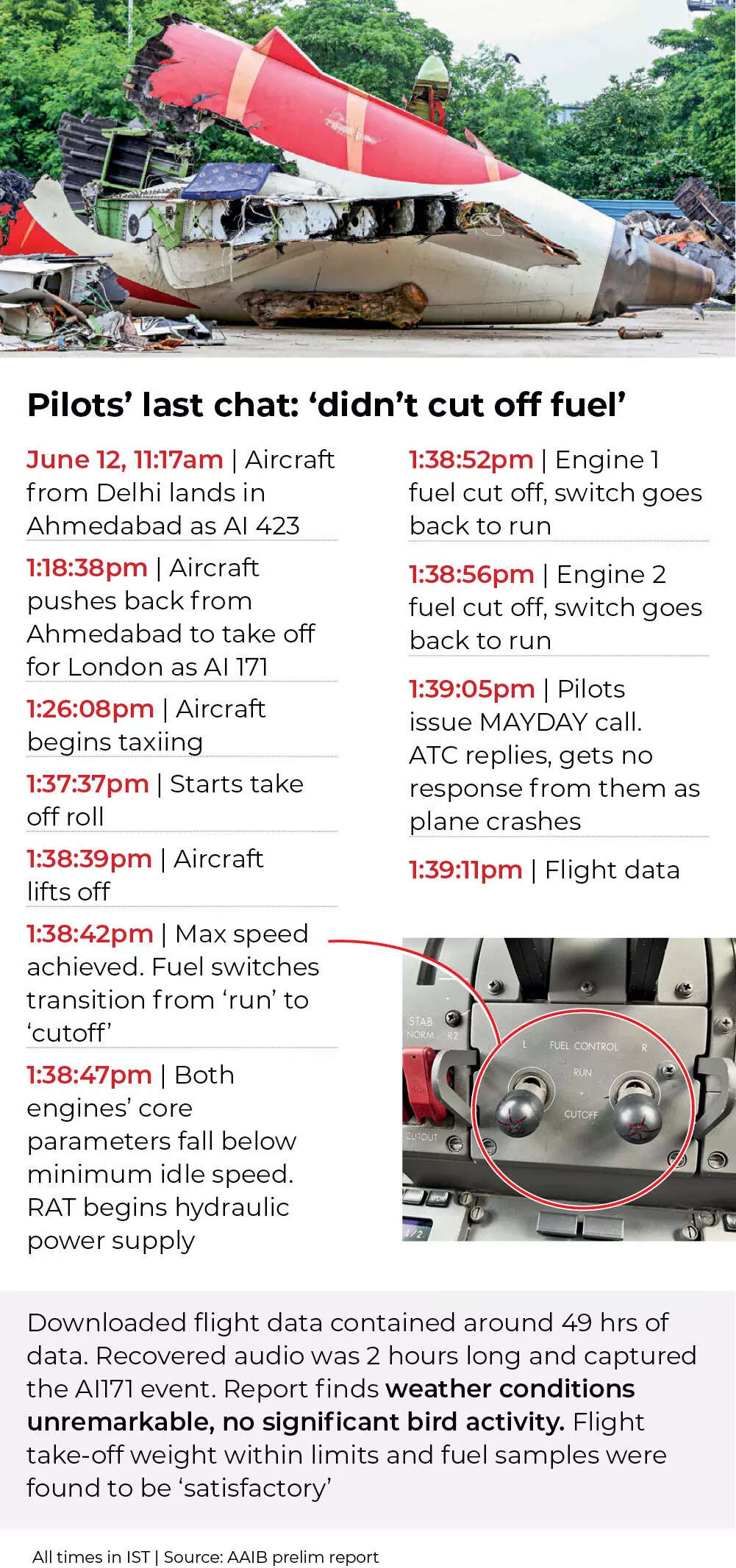
A tragic crash of Air India Flight AI 171 on June 12 claimed 260 lives when the Boeing 787-8 Dreamliner plunged seconds after taking off from Ahmedabad on its way to London. The aircraft struck the hostel of Ahmedabad’s BJ Medical College, where young doctors were having their lunch.
- Both pilots, senior captain
Sumeet Sabharwal and co-pilot Clive Kunder, were fully cleared for duty, and the aircraft’s initial climb seemed normal. - However, within moments, a sudden loss of engine power triggered a series of events that the crew were unable to control.
- The flight was carrying 242 people, including 229 passengers and 12 crew members, along with 19 people on the ground who were killed in the impact. The disaster left only one survivor, Indian-origin British national Vishwash Kumar Ramesh.
July 9: Texas Hill country flash flood
On July 9, parts of Texas were submerged under rapid floodwaters, after an intense storm system, marking an ominous start to the second half of the year.
- The disaster resulted in over 135 confirmed fatalities and estimated economic losses of approximately $1 billion.
- Remnants of a tropical storm system stalled over the region, dumping record rainfall in short durations that overwhelmed the Colorado River basin.
- The disaster exposed severe vulnerabilities in local drainage infrastructure, prompting a state-wide “Flood Zone Reassessment” by the Texas government.
August-September: Monsoon battered the subcontinent
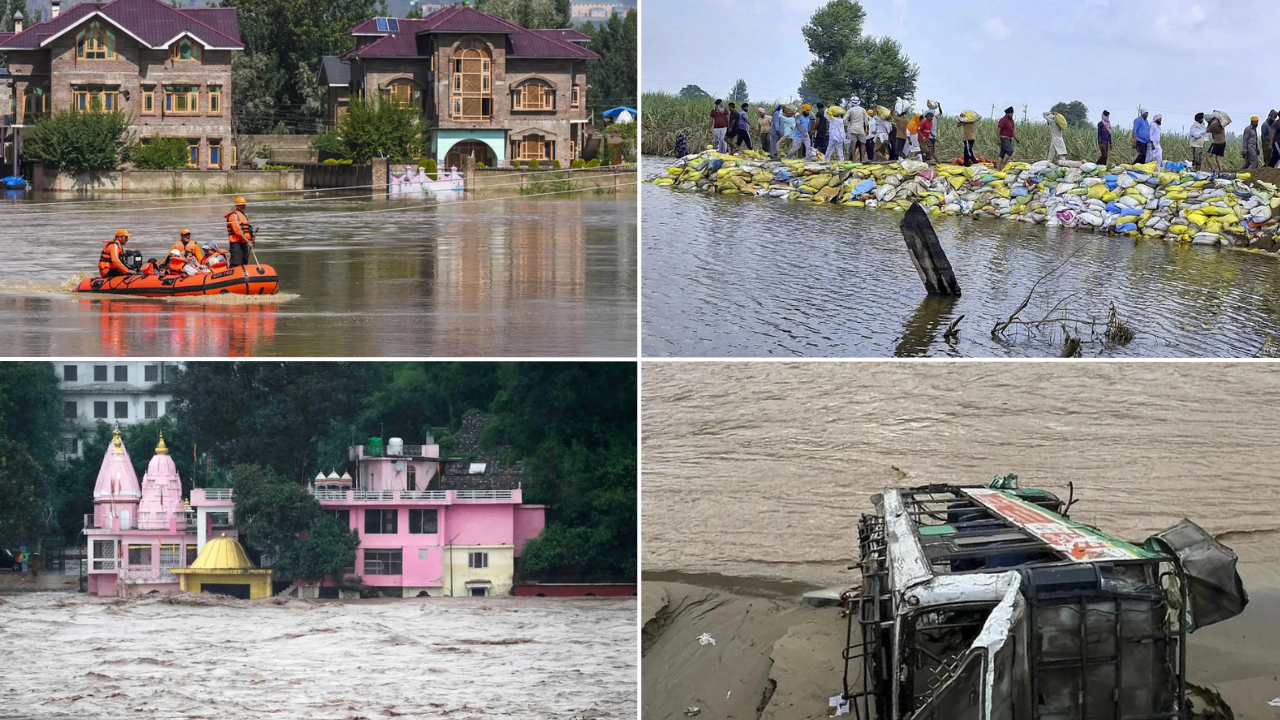
From August through September, the Indian subcontinent was brought to a standstill by a devastatingly erratic monsoon season. Torrential rains, landslides and cloudbursts wrecked havoc in northern India and other regions.
- Uttarakhand was hit by flash floods beginning August 5, a disaster that left over 70 people dead or missing, including 11 Indian Army soldiers. Cloudbursts in the Himalayas triggered massive landslides in Kishtwar and Chamoli.
- In Punjab and Haryana, the Sutlej and Yamuna rivers overflowed, submerging hundreds of acres of paddy fields just before harvest. From mid to late August, Punjab grappled with the “Great Punjab Flood”, the worst flood crisis since 1988. Over 1,400 villages were inundated, and the death toll in Punjab alone stood at 57, with over 3.5 million residents affected and 4.8 lakh acres of crops destroyed. The effect was seen in Pakistan too, where over 2 million people were displaced.
- In late August, 138 people were killed in the Jammu division due to torrential downpours. Udhampur recorded a historic 629.4 mm of rain in 24 hours on August 27, shattering a record.
September 27: Karur stampede
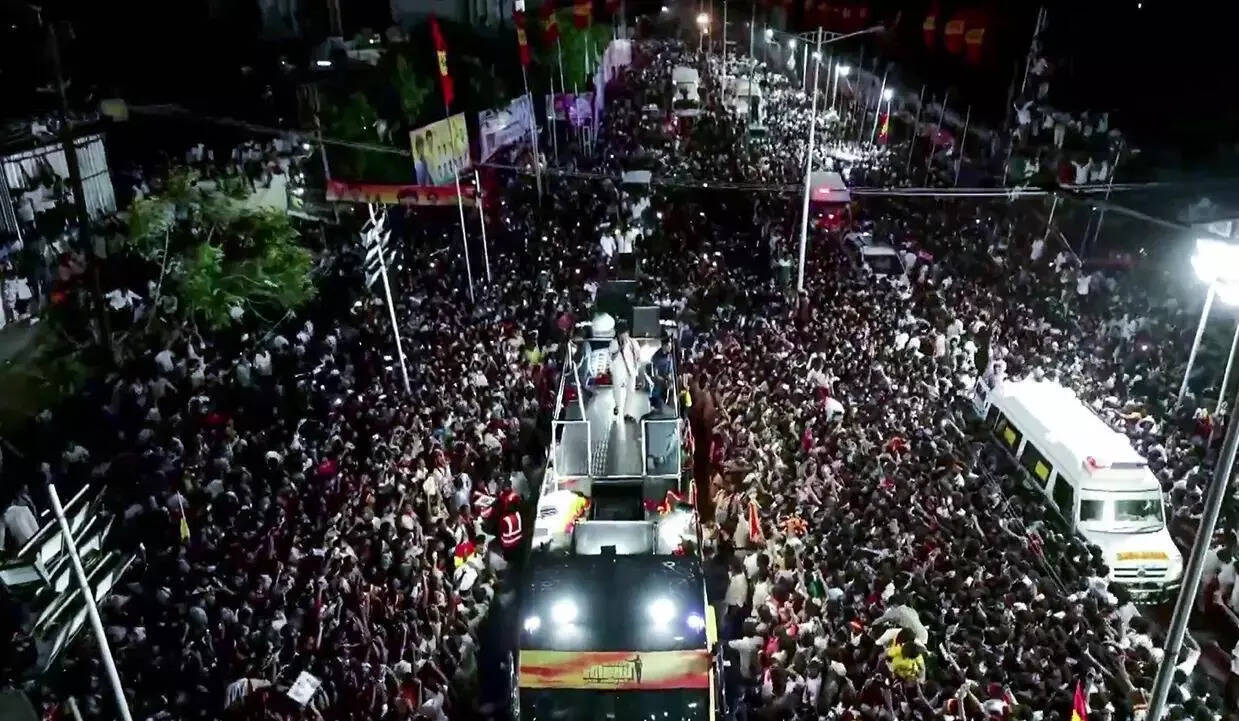
A political rally, a superstar and a huge turnout of people. A scene unfolded on September 27, with a thought: what could have possibly gone wrong? Except that a lot of it did. It only needs a special infrastructure to manage a massive crowd stretched over 2km. 39 people, including many women and children, never made it out alive. Multiple injuries and trauma for many more affected.
- During a rally for actor-turned-politician Vijay’s party,
Tamilaga Vettri Kazhagam (TVK), at Velusamypuram, a crowd crush occurred around 7.45 pm as supporters surged forward to catch a glimpse of the leader’s convoy. The tragedy claimed 39 lives, including at least nine children and 18 women. Additionally, over 100 people sustained crush injuries ranging from suffocation to fractures. - The venue, which anticipated 15,000–30,000 attendees, saw a massive influx of over 50,000 people. The chaos was exacerbated by the leader’s 7-hour delay, a failure of the sound system/microphones, and inadequate barricading along the Karur-Erode highway.
- Rescue operations were severely hampered as the massive convoy of vehicles and the dense crowd blocked the entry of ambulances. Reports indicated that several attendees had already begun fainting from dehydration and heat exhaustion hours before the crush began.
October 21-October 31: Hurricane Melissa (Category 5)
The Caribbean region saw devastation in the form of one of the most powerful storms of the decade. Rapidly intensifying into a Category 5 storm, Melissa began its trail from October 21 as a tropical storm, gradually upgrading into a Category 1 storm in four days. However, within two days, the storm rapidly intensified into a Category 5 storm, causing historical devastation.
- The storm made a catastrophic landfall in Jamaica at New Hope on October 28, making it the most devastating landfall in history. with wind speeds exceeding 250 km/h, effectively shutting down the island’s power grid for weeks. The slow-moving storm caused at least 45 deaths there and more than $130M in infrastructure damage, while over 90,000 people were displaced.
- After devastating Jamaica, the storm battered Cuba and the Bahamas, and even though Melissa weakened before reaching here, Haiti suffered severely with 23 confirmed deaths and thousands displaced due to mudslides. The southern islands faced “salt spray burn,” where hurricane-force winds coated agricultural land in salt, destroying 80% of the local crop yield for the 2026 harvest season.
- Insured losses were estimated at nearly $8 billion. The Caribbean tourism industry faced a complete seasonal shutdown, with cancellations extending well into 2026.
November 3: Northern Afghanistan earthquake
Deep within the Hindu Kush’s tectonic fault lines, a seismic jolt shook the northern Afghanistan region. This crisis triggered massive landslides, severing vital transit corridors and cutting power across provinces. Settlements crumbled during the late-night tremor, and international monitoring agencies issued orange alert through the PAGER system.
- A magnitude 6.3 earthquake struck near the border of Samangan and Balkh provinces at a depth of 28km, catching residents asleep in the early hours.
- Reports confirmed over 20 fatalities and 300+ injuries, with the number rising as rescuers reached remote mountain villages cut off by landslides.
- Significant damage was reported to historical infrastructure in Mazar-i-Sharif, including structural cracks in the outer walls of the Blue Mosque complex.
November 10: Red Fort car bomb blast
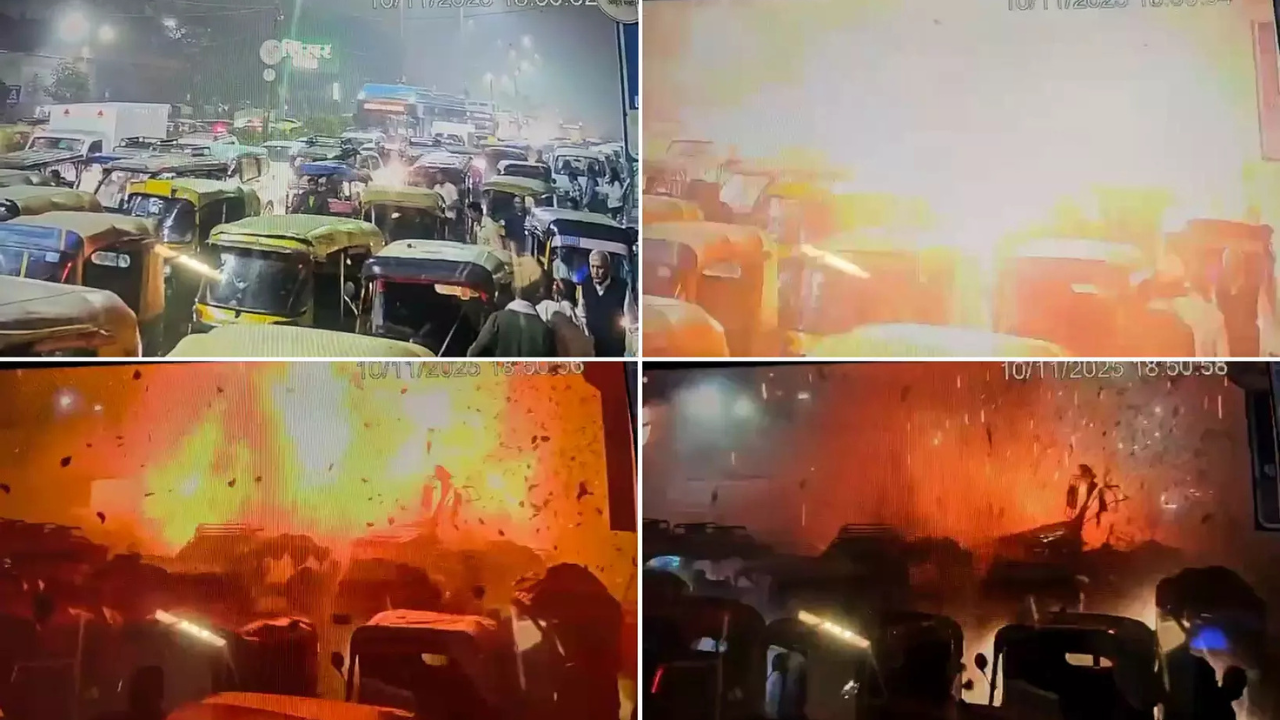
A busy evening on November 10 turned out to be a day that would shake the entire nation. A terror incident in the heart of New Delhi that shattered the nation’s capital. An attack that later went on to uncover a far more disturbing truth, a “white coat nexus”. The very entities entrusted with lives would later be complicit in a larger, sinister plot. One that stood in a direction opposite to the safety and security of the people they were meant to serve.
- At 6:52 pm, a high-intensity vehicle-borne IED exploded in a white i20 car near Gate No. 1 of the Lal Qila Metro Station, just outside the historic Red Fort complex.
- The powerful blast killed 15 people, mostly tourists and security personnel, injured dozens more, shattered windowpanes of buildings up to 500 metres away, and burned nearly a dozen nearby vehicles, including e-rickshaws and autos.
- Intelligence agencies linked the attack to a “doctor’s module” terror cell and utilised high-grade explosives, indicating sophisticated logistical support. Afterwards, the National Capital Region (NCR) was placed under a high-security grid. New checkpoints and facial recognition surveillance were permanently installed around all UNESCO heritage sites in Delhi.
November 26-December 2: Cyclone Ditwah
From November 26 to December 2, 2025, a weak but hydrologically catastrophic tropical storm unleashed unprecedented rainfall on Sri Lanka and Southern India.
- The storm stalled over the island nation of Sri Lanka, causing 410+ deaths and displacing nearly 230,000 people. The economic damage was estimated at $4.1 billion (approx. 4% of GDP).
- In India, Chennai’s IT corridor faced severe inundation, disrupting operations for global tech firms for 4 days. Reservoirs in coastal Andhra Pradesh breached, flooding the delta farmlands.
- The receding waters triggered outbreaks of waterborne diseases in both countries, overwhelming local healthcare systems already strained by the monsoon.
December 14: Bondi Beach mass shooting
A happy gathering for “Chanukah by the sea” at one of the most popular beaches in Sydney fell prone to one of the most horrific terror attacks. Bondi Beach, a tourist hotspot, became the location witnessing one of the darkest days for the country on December 14.
- Two gunmen, a father and son, opened fire at the crowded beachfront event, resulting in 16 deaths, including one perpetrator, and creating mass panic among holidaymakers.
- Authorities classified it as an ISIS-linked terror attack. Police recovered pipe bombs, other explosives and an ISIS flag from the truck belonging to the attackers at the scene that, fortunately, failed to fully detonate.
- Australia declared a National Day of Reflection. The incident led to an immediate bipartisan review of hate-group designations and stricter monitoring of online radicalisation hubs.
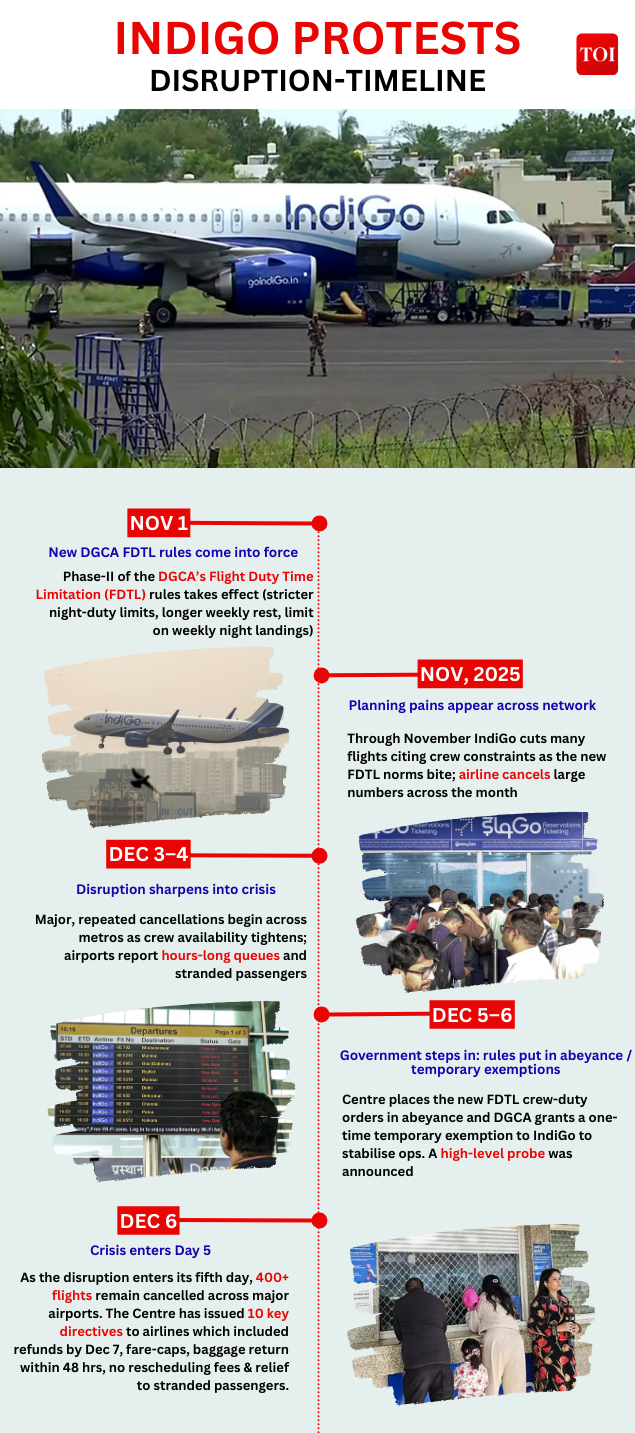
December 2-December 15: Indigo airline operational collapse
December began with aviation troubles that crippled peak holiday season travelling, triggering nationwide chaos. One of India’s largest carriers by market share, IndiGo, fell into an operational crisis, after which began a series of delayed flights, cancellations, and much more!
- December 3 marked the “initial meltdown” phase, where the airline was forced to cancel roughly 200 flights in a single day, signalling the start of a week-long systemic failure. 2 days later, the cancellation number rose to over 1000 flights.
- IndiGo’s size, high night-flight dependence, and razor-thin utilisation margins made recovery slower than expected. When one pilot timed out, it triggered a ‘domino effect.’ As IndiGo was packed with passengers but no pilots, fares for other aviation giants also went up.
- Major airports saw queues of passengers lined up, as some waited for over 12 hours. The crisis struck many major cities, including Bengaluru, Delhi, Kolkata, and Hyderabad. However, operations normalised later following the government’s introduction of a price cap and DGCA’s probe.
December 6: Goa nightclub fire
The Birch by Romeo Lane nightclub fire in Arpora, North Goa, is recorded as one of the deadliest fire tragedies in the state’s history. Occurring on December 6, at the peak of the 2025 tourist season, the incident exposed a massive web of illegalities and administrative failures.
- The fire broke out at approximately 11:45 PM on a Saturday night during a crowded dance party. While initially thought to be a gas cylinder explosion, investigators later confirmed the fire was triggered by the improper use of indoor electrical firecrackers and spread within seconds due to dried palm leaves.
- The tragedy was particularly lethal because the building lacked emergency exits, and the main entrance was a narrow lane that prevented fire trucks from getting closer than 400 meters. 23 of the 25 victims died of smoke inhalation/suffocation rather than burns.
- The Magisterial Inquiry revealed the club’s trade license had expired in March 2024. Meanwhile, the owners, Saurabh and Gaurav Luthra, flew to Phuket, Thailand, but were arrested after an Interpol Blue Corner Notice.
2025 tested the resilience, the limits across borders and institutions. It also forced uncomfortable reckonings. Each tragedy sparked questions that could no longer be postponed about preparedness, accountability, infrastructure, governance and collective responsibility. In many cases, they also triggered change: tighter safety norms, renewed probes, policy corrections, and communities stepping up for one another in moments of collapse.Each tragedy, each crisis has only strengthened the bounce-backs. Pandemic felt like ‘the story’ to tell the succeeding generation, but the reel is ongoing, and the list goes on.As the year draws to a close, the grief it leaves behind is undeniable, but so is the resolve it has shaped. If 2025 was a reminder of how fragile life and systems can be, it was also a quiet call to build better — with memory, empathy and caution guiding the road ahead.
[ad_2]
Source link