


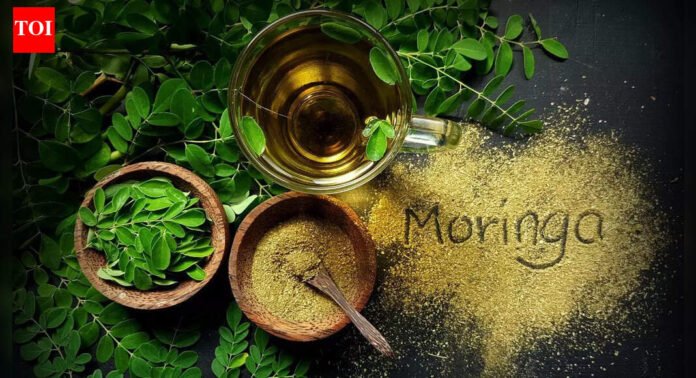
Moringa oleifera has, for centuries, been a humble participant in traditional cuisine in various parts of Asia, Africa, and the Middle East. Its leaves, in some parts, have been eaten raw, cooked, or dried in a domestic setting, largely valued for their high nutritional value rather than flavour. In more recent years, moringa has moved into mainstream consciousness due to the rising tide of interest in plant nutrition, functional foods, and novel, ‘sustainable’ sources of key, necessary nutrients. The practice of chewing raw moringa leaves, one of the least processed ways in which moringa can be taken, has recently attracted attention as an original, whole-food source of vitamins and phytochemicals. As diets in more ‘developed’ parts of the world continue to be dominated by processed foods, the idea of traditional practices like this one having health-supportive potential is attracting increasing interest in scientific and prospective nutritional communities.
3 ways moringa leaves can help your health
The act of chewing raw moringa leaves provides the user with an array of nutrients extracted directly from plants, making nutrients accessible through consumption without heat treatment. This form of consumption also closely relates to traditional ways through which moringa has been widely eaten. Studies reveal several overlapping regions in which the consumption may be advantageous.
- Provides nutritional balance with vitamins, minerals, and amino acids.
- Supports metabolic health, such as glucose metabolism and lipid metabolism
- Offered antioxidants as well as anti-inflammatory principles supporting the immune system
1. Nutritional support and micronutrient availability
Another often-cited attribute of moringa is its sheer nutritional value. This is due to several key nutrients that are found in substantial amounts in moringa leaves, both as a vitamin supplement, including vitamin A-carotene, vitamin C, calcium, potassium, iron, and amino acids. The paper published in the International Journal of Molecular Sciences explains how these nutrients are used as part of a physiological diet. The leaves can be chewed, which allows useful heat-sensitive components to be extracted. The saliva also has enzymes that initiate the breaking down of plant fibres. This may be a valuable source of nutrition for communities that may not have access to a variety of foodstuffs.
- Vitamin A derivatives aid vision, skin, and immunityfunctions
- Calcium and potassium are involved in bone function as well as the action of muscles
- Supports haemoglobin production and oxygen transport
- Repairs body tissues and regulates various metabolic processes
2. Metabolic balance and blood sugar regulation
The plant has compounds that affect carbohydrate and fat metabolism within the human body. Isothiocyanates and flavonoids from the plant are associated with enhanced insulin sensitivity and reduced glucose uptake. Chewing plant leaves promotes eating slowly, an aspect that may be crucial in preventing high peaks in blood glucose levels after eating. Slowing the intake of biological compounds enables controlling and regulating metabolism within human bodies.
- Aids in stabilising blood sugar levels post-eating
- Augments insulin activity at the cellular level
- Supports healthier lipid metabolism
- Integrates with diets for the management of metabolic risk factors
3. Antioxidant and immune support
Oxidative stress arises when the level of free radicals overpowers the body’s endogenous antioxidant defences, hence leading to damage of cells. Moringa leaves come with antioxidants like quercetin, chlorogenic acid, and beta-carotene, which have the ability to counteract the effects of free radicals. Together with that, the leaves contain micronutrients that are vital for the Proper functions of the immune cells.
- Antioxidants offer protection to cells against oxidation
- Vitamin C and beta-carotene enhance the immune response
- Anti-inflammatory compounds aid in modulating the activity of an inflammatory response
- Nutrient synergy enables sustained cell function
How to use moringa leaves safely and effectively
Raw leaves from the Moringa plant can also be eaten in moderation. Chewing on a few leaves that have been washed is not only beneficial but also enables people to enjoy the nutritional values in the plant. It is worth noting that the leaves can have a bitter taste. However, with maturity, the taste improves.
- Rinse the leaves well to remove any dust residues
- Gradually begin with a few doses in order to determine tolerance
- Chew slowly to facilitate the process of digestion and nutrient uptake
- Taken during meal times and not on an empty stomach
Safety measures related to the use of Moringa leaves
Although it has been observed that the leaves of this plant are quite harmless when consumed in moderate amounts, eating too much could result in some gastrointestinal problems for some people. Some parts of the plant should never be ingested; these include the root and bark of the plant. Those who already have some medical conditions should be careful.
- Do not eat roots and barks that may be poisonous
- Consume in moderation to avoid any gastrointestinal side effects
- Visit a healthcare professional if pregnant or dealing with a chronic disease
- Do not use Moringa as a replacement for prescribed medical treatment
Also Read | Could water replace oil to make tandoori-style paranthas? Here’s how

