Breaking News
ED freezes fresh Rs 192-cr deposits of WinZO in money laundering case | India News


ED freezes fresh Rs 192-cr deposits of WinZO in money laundering case

NEW DELHI: The Enforcement Directorate (ED) on Thursday said it has conducted searches at the accounting firm of real money online money gaming app WinZO and has frozen fresh bank deposits, mutual funds and fixed deposits worth Rs 192 crore.The raid at the office premises of the auditor was conducted on December 30.During the search, the federal probe agency said in a statement, “proceeds of crime” (name for illicit funds under the Prevention of Money Laundering Act) possessed by ZO Games Pvt. Ltd. (fully owned Indian subsidiary of Winzo Pvt. Ltd.) worth around Rs 192 crore were frozen.These funds are in the form of bank balances, fixed deposits and mutual funds, it said.In November, the agency had arrested the founders of WinZO — Saumya Singh Rathore and Paavan Nanda following their questioning at the Bengaluru zonal office of the ED.A Bengaluru court granted bail to Rathore a few days ago while a similar relief was denied to Nanda.The ED had conducted the first round of raids in this case in November and had then said that bonds, fixed deposits and mutual funds worth about Rs 505 crore “possessed” by WinZO Games were frozen by it.Reacting to these charges then, a spokesperson for WinZO had said in a statement that “Fairness and transparency are core to how WinZO designs and operates its platform.” The ED has alleged that the company was engaged in “criminal” activities and “unscrupulous” practices as customers were made to play with bots, Artificial Intelligence (AI), algorithms and software named ‘PPP, EP and Persona’ and not humans, without being informed so.“Winzo has also prevented/limited withdrawals of monies held by the customers in the wallets of Winzo Pvt Ltd. and it generated proceeds of crime in the form of ‘Rake Commission’ from the matches played by the bots with the real players on the Winzo app.“In this manner, the company made winnings of around Rs177 crore from the bots between May 2024 to August 2025,” according to the ED.It added that funds of Rs 557 crore were similarly generated between April 2022 and December 2023.The company, the agency alleged, was in possession of users’ monies worth Rs 43 crore, even after the ban on real money online gaming by the Union government (in late 2024).The ED had quantified the total proceeds of crime in this case at about Rs 802 crore.A part of these alleged illicit funds, according to the ED, has been taken out of India to the US and Singapore “under the garb of overseas investments”.Funds worth USD 54 million have been parked in their bank account in the US (bank account held in the name of WINZO US Inc.), which is a “shell” company since all the operations and day-to-day business activities, operation of bank accounts is done from India, the ED claimed.

Source link

Rupee vs dollar: Currency closes lower at 89.98 in the first 2026 day; what set the tone


Rupee vs dollar: Currency closes lower at 89.98 in the first 2026 day; what set the tone

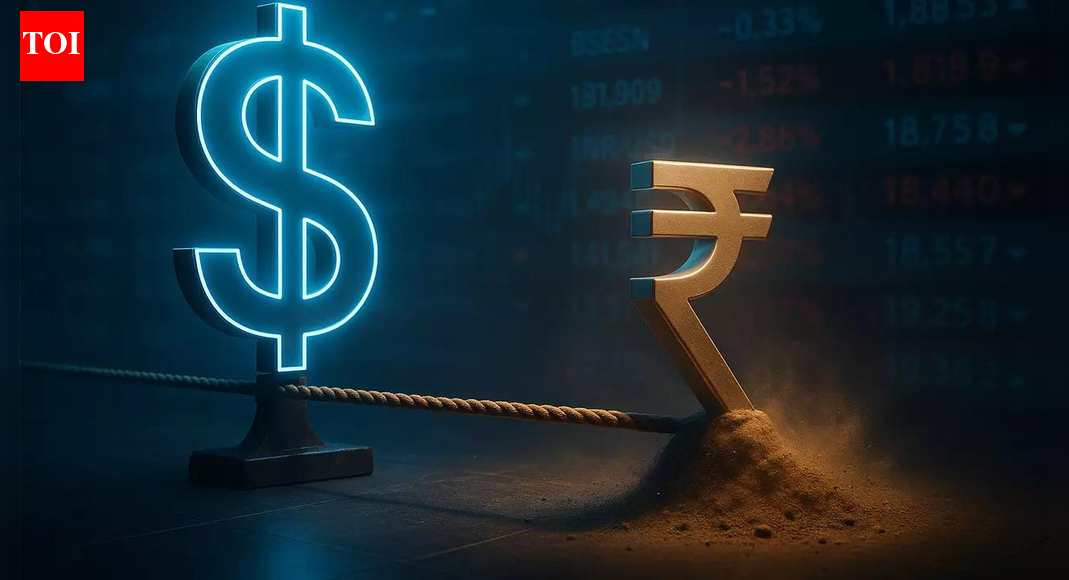
The rupee slipped 10 paise to close at 89.98 against the US dollar on Thursday, marking a weak start to the first trading session of 2026, as sustained foreign fund outflows and a subdued domestic equity market weighed on investor sentiment, PTI reported.Forex traders said the USD/INR pair moved in a narrow range during the session, with support from easing crude oil prices being offset by a firmer US dollar index and continued outflows by foreign investors. The domestic currency has remained under pressure after ending 2025 with a nearly 5% decline.At the interbank foreign exchange, the rupee opened at 89.94 against the dollar, touched an intra-day low of 89.99 and a high of 89.93, before settling at 89.98 (provisional), down 10 paise from its previous close, according to PTI. On Wednesday, the rupee had depreciated 13 paise to end at 89.88.In 2025, the rupee slumped around 5% amid persistent foreign capital outflows and elevated dollar demand from importers, making it one of the worst-performing Asian currencies.Meanwhile, the dollar index, which tracks the greenback against a basket of six major currencies, was trading 0.09% higher at 98.32. Brent crude, the global oil benchmark, rose 0.78% to $60.85 per barrel in futures trade.Market participants said the currency continued to face pressure due to a risk-off sentiment, driven by capital withdrawals by foreign investors ahead of the holiday period and sustained demand for dollars from importers.On the domestic equity front, benchmark indices ended the first trading session of the year on a flat note. The Sensex slipped 32 points to close at 85,188.60, while the Nifty edged up 16.95 points to 26,146.55.Foreign institutional investors sold equities worth Rs 3,597.38 crore on Wednesday, exchange data showed.On the macroeconomic front, gross GST collections rose 6.1% to over Rs 1.74 lakh crore in December 2025, compared with over Rs 1.64 lakh crore in December 2024, reflecting slower growth in revenues from domestic sales following recent tax cuts, government data released on Thursday showed


Source link

Mitchell Marsh’s 102, Aaron Hardie’s 94 lead Perth Scorchers to emphatic win over Hobart Hurricanes in BBL|15


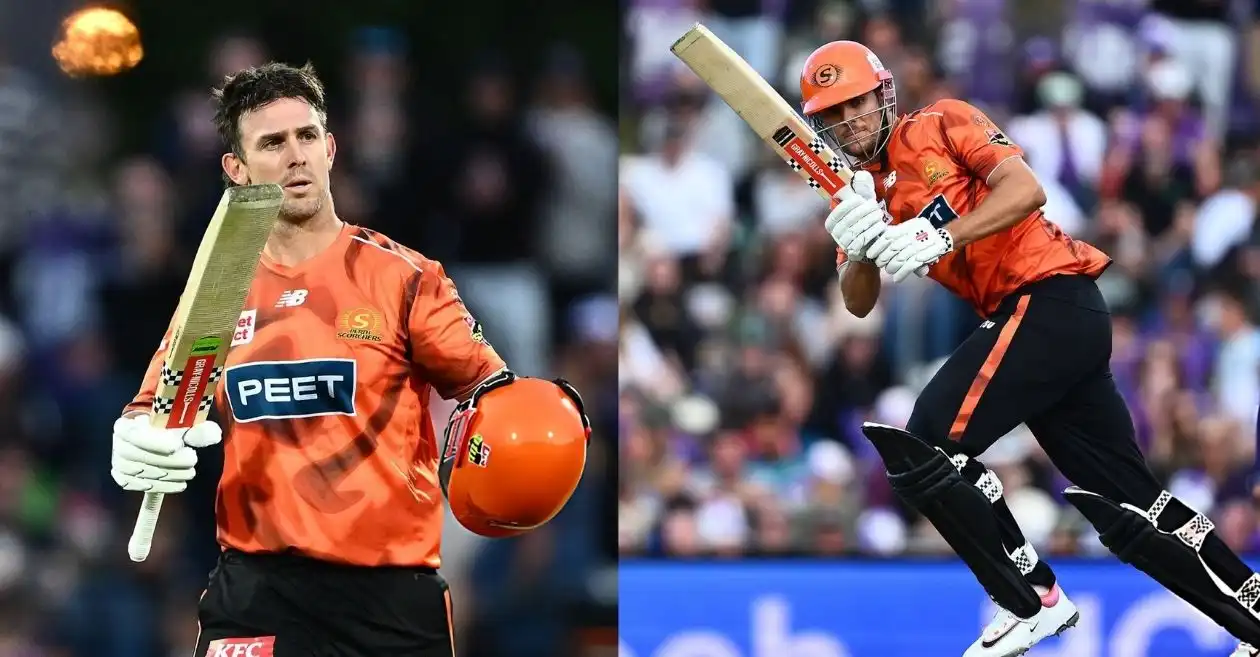
Perth Scorchers started 2026 in emphatic fashion, securing a dominant 40-run victory over the Hobart Hurricanes at Bellerive Oval. On a day that began with the announcement of Mitchell Marsh as Australia’s permanent T20 captain, the “Bison” celebrated with a ruthless century that set the foundation for a Scorchers masterclass.

Mitchell Marsh, Aaron Hardie power Perth Scorchers to massive total

If there were any lingering doubts about Marsh’s form or his suitability for the Australian T20 captaincy, he shattered them all into the Hobart night sky with a breathtaking century that powered the Perth Scorchers to an colossal 229/3 against the Hurricanes.

This wasn’t just a captain’s knock; it was a statement. A declaration of intent from a man clearly thriving under the weight of expectation. Just hours after being confirmed as Australia’s T20 World Cup leader, Marsh strode to the crease at Bellerive Oval and unleashed a batting exhibition that left fans, commentators, and certainly the Hurricanes bowlers, in awe.

Marsh’s 102 off just 58 balls was a perfectly calibrated assault. He started with typical belligerence, finding the boundary with ease, but shifted gears seamlessly to a truly destructive pace once set. The scorecard tells part of the story: 11 fours and 5 sixes. But it doesn’t quite capture the sheer power and timing behind each one. There was one particular “Golden Moment” in the 14th over where he dismantled Mitchell Owen, going 4, 6, 6, 4 in a brutal display of clean hitting.

And he wasn’t alone in the fireworks! The partnership with the in-form Aaron Hardie (a blistering 94* off 43 balls himself) was simply phenomenal. A 164-run stand that turned a strong start into an utterly dominant one, leaving the Hurricanes chasing a mountain.

Also READ: Fans erupt as Mitchell Marsh lights up BBL|15 with thunderous century against Hobart Hurricanes

Hobart Hurricanes’ chase falters despite spirited middle-order effort

Chasing 230 was always going to require a miracle, and while the Hurricanes showed flashes of brilliance, they were never truly ahead of the required run rate. Hurricanes began with intent, with Tim Ward providing early momentum through a brisk 27 off 17 balls. However, the required rate quickly escalated, forcing Hobart’s batters into high-risk shots. Contributions from Nikhil Chaudhary (31 off 15) and Matthew Wade (29 off 14) briefly reignited hopes, as the Hurricanes kept the chase alive through the middle overs.

Despite a flurry of boundaries, Hobart never truly seized control of the chase. Regular wickets halted any sustained momentum, and the asking rate climbed beyond reach. Ashton Agar was the standout with the ball for Perth, claiming three crucial wickets to break the Hurricanes’ spine, while Hardie and Joel Paris chipped in with timely breakthroughs. Hobart eventually closed on 189 for 9, falling well short of the towering target.

Also READ: BBL|15: Sean Abbott, Babar Azam star in Sydney Sixers’ thrilling win over Melbourne Renegades


Source link

‘Turn up the heat’: Trump shares editorial critical of Putin; move amid failing Russia-Ukraine talks


'Turn up the heat': Trump shares editorial critical of Putin; move amid failing Russia-Ukraine talks

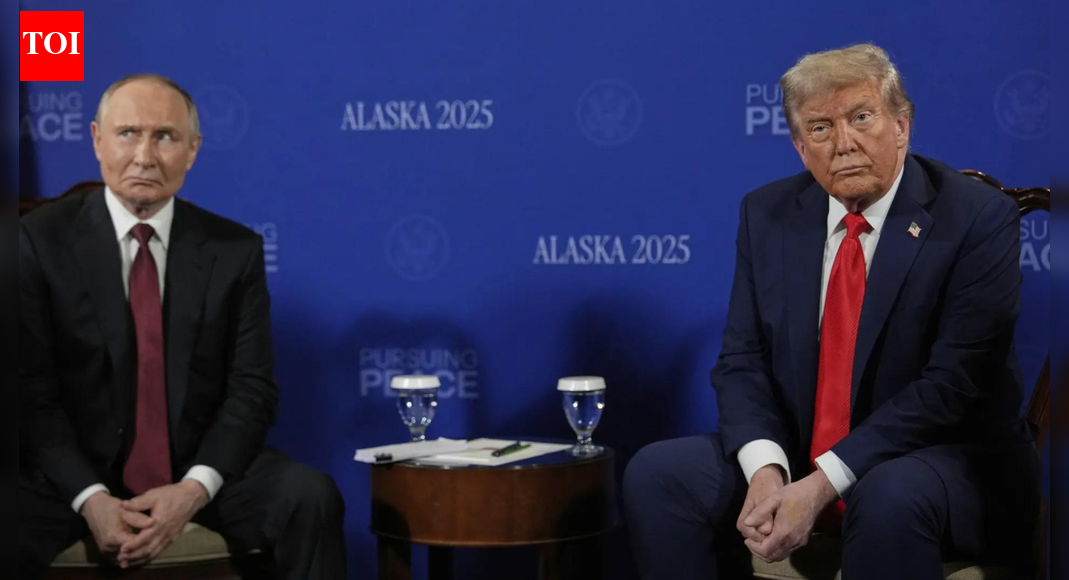
US President Donald Trump on Wednesday (local time) amplified pressure on Russian President Vladimir Putin by sharing a sharply worded editorial that urges Washington to abandon concessions and adopt a tougher line against Moscow. The move came amid mounting frustration over stalled Ukraine peace efforts.The editorial titled Putin ‘attack’ bluster shows Russia is the one standing in the way of peace and published in New York Post said that Russia was “opposing Trump’s agenda” across the world. It further asked to avoid giving the country “more concessions” and opt for a “bigger stick.” “The answer should not be more concessions, but a bigger stick. Kyiv has done its part. The onus should be on Putin to step up or face more stringent sanctions and more deadly weapons in Ukraine,” the editorial said.“Despite his defiance, Putin’s actions smack of a deteriorating internal situation. His economy is stagnating. Propaganda is flailing as soldiers return with missing limbs. His victory is neither imminent nor inevitable. Spare us his crocodile tears and turn up the heat,” it said.The editorial points to Trump’s upbeat assessment earlier in the week following his meeting with Ukrainian President Volodymyr Zelenskyy on advances toward a peace agreement, and contrasts it with the setback that followed on Monday after Trump’s phone call with Putin, during which the Russian leader said Moscow would harden its stance in the talks, citing an alleged Ukrainian drone attack on one of his residences.Russian authorities on Thursday accused Ukraine of carrying out a drone attack that left 24 people dead and at least 50 injured during New Year celebrations in a Russian-held village in Ukraine’s Kherson region, underscoring the sharp escalation in hostilities even as diplomats spoke of progress in peace efforts. Zelenskyy, meanwhile, said that Russia has carried its nearly four-year-long war into the New Year by launching more than 200 drones at Ukraine, with the attacks largely aimed at the country’s energy facilities.“Russia deliberately brings war into the New Year -– launching more than two hundred attack drones against Ukraine overnight,” he


Source link

‘Ceiling on fire’: Panicked partygoers smashed windows; witnesses recount Swiss bar horror


'Ceiling on fire': Panicked partygoers smashed windows; witnesses recount Swiss bar horror

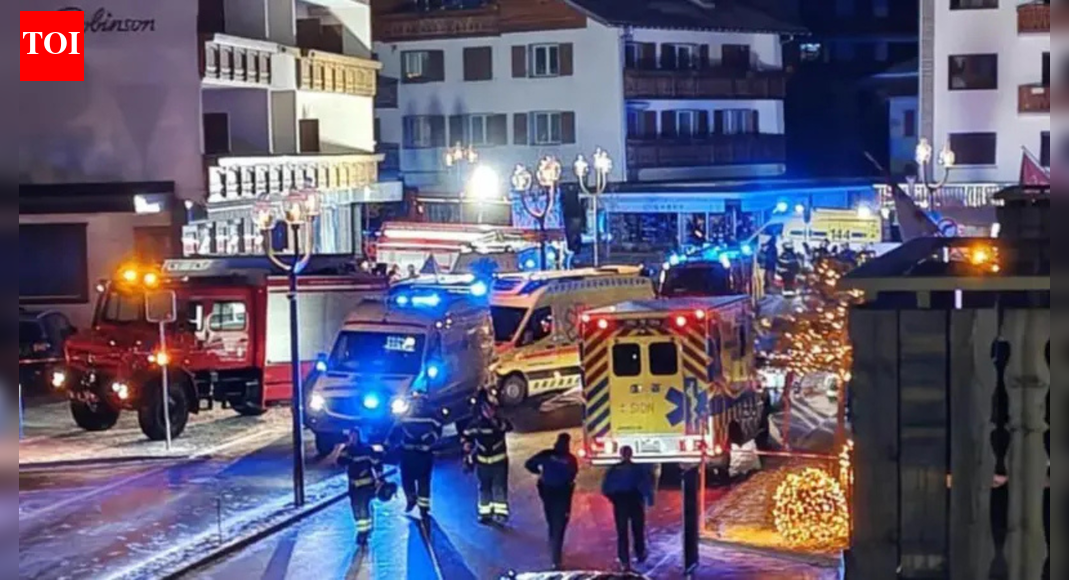
NEW DELHI: Panicked partygoers smashed windows and fought through smoke and flames to escape a deadly fire that tore through a packed New Year celebration at a bar in Switzerland’s luxury ski resort of Crans-Montana, where dozens are feared dead and more than 100 people were injured, according to Swiss authorities. Witnesses described scenes of chaos, screaming crowds and parents rushing to the area in fear that their children were trapped inside.A witness who spoke to French broadcaster BFMTV said he saw people breaking windows to flee the blaze, some of them gravely injured, while panicked parents arrived in cars trying to find out whether their children had managed to escape. Watching from across the street, the young man said he saw around 20 people scrambling out through smoke and flames, likening the scene to a horror movie.

Happy New Year: Watch How World Welcomed 2026, From New York To Paris To Dubai To Auckland

Also read: Deadly fire ravages New Year celebration at luxury Swiss ski resort; dozens feared dead, 100 injured — what we know so far

‘The entire ceiling was on fire’

Two French women, Emma and Albane, who were inside the basement-level La Constellation bar when the fire broke out shortly after midnight, told BFMTV that panic erupted within seconds.“It was absolute panic, everyone was screaming,” they said, describing how crowd movement became uncontrollable as the flames spread.“One of them (candles – editor’s note) was brought too close to the ceiling, which caught fire. In a few dozen seconds, the whole ceiling was on fire. Everything was made of wood,” one of the women said.According to their account, the party was taking place in the basement when the fire quickly spread to the upper level of the venue.

Windows smashed as exits proved inadequate

The women said the main exit was too small for the number of people inside, forcing some to take desperate measures to escape.“The exit door was quite small compared to the number of people present. Someone broke a window so that people could get out,” one of them told BFMTV.They said firefighters and police arrived “within minutes,” but the flames were already dangerously close. “We had flames a meter away from us; if we hadn’t run away, we would surely have been injured too,” one of the women said.One of the witnesses also said she was injured during the stampede-like escape. She recounted being “thrown down the stairs” by the surge of the crowd, injuring her knee.

Young crowd feared among victims

While officials have not yet confirmed the final number or identities of those killed, the two women estimated that around 200 people were inside the bar at the time of the fire. They said many were minors, aged between 15 and 20.Accounts of parents rushing to the scene echoed fears that many young people were trapped as the fire engulfed the wooden structure.

Probe under way as rescue continues

Swiss authorities said rescue and identification efforts were continuing, with the area around the bar sealed off and a no-fly zone imposed. According to Reuters, the Valais canton prosecutor said an investigation was under way “to identify the circumstances which caused this dramatic situation to occur,” adding that “currently we are favouring a fire and at no time is there question of any attack.”For survivors and witnesses, the terror of the night remains raw. As one witness told BFMTV, the scenes unfolding in and around the bar felt less like a New Year celebration and more like a nightmare that unfolded in seconds.


Source link

‘Slow death’ – R Ashwin’s chilling warning on ODI cricket after Virat Kohli-Rohit Sharma era | Cricket News


'Slow death' – R Ashwin's chilling warning on ODI cricket after Virat Kohli-Rohit Sharma era
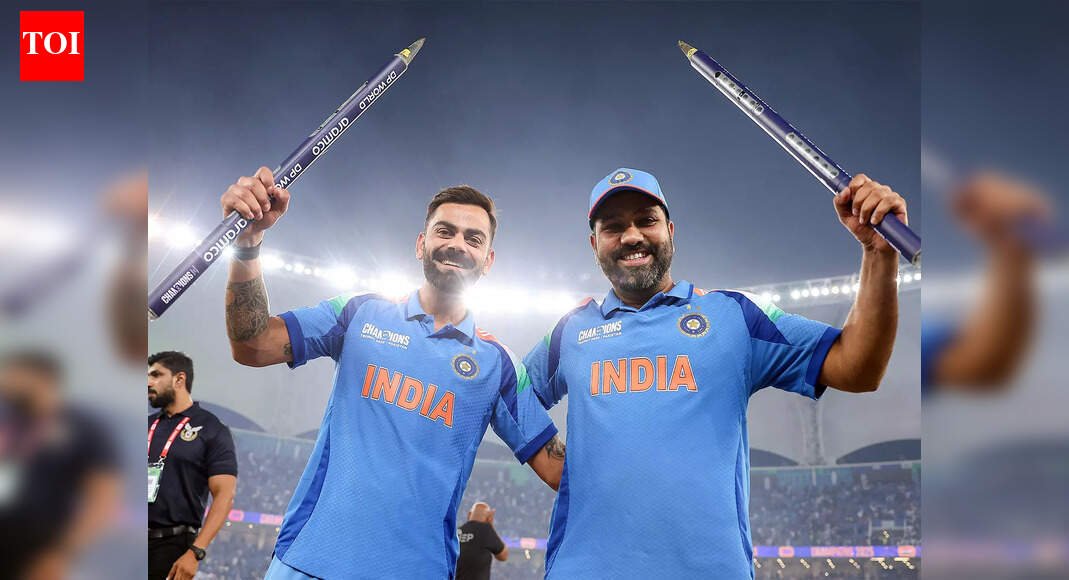
Rohit Sharma and Virat Kohli (ANI)

Former India off-spinner Ravichandran Ashwin has raised serious doubts over the long-term future of One-Day International cricket, warning that the format could struggle to survive beyond the 2027 World Cup once Virat Kohli and Rohit Sharma step away. Ashwin acknowledged the excitement generated by Kohli and Rohit’s recent appearances in the Vijay Hazare Trophy but pointed out that the growing dominance of T20 leagues, coupled with Test cricket’s enduring value, is steadily squeezing the space available for 50-over cricket.

Can Virat Kohli chase down Sachin Tendulkar’s hundred hundreds?

“I am not sure about future of ODI after 2027 World Cup. I am a little worried about it. Of course, I am following Vijay Hazare Trophy but the manner in which I followed SMAT, I am finding slightly difficult to follow,” Ashwin said on his Hindi YouTube channel Ash Ki Baat. He stressed that audience preference can no longer be ignored while shaping the game’s future. “Also, we need to know what audience wants to watch. I feel Test cricket still has space but ODI cricket, I truly feel it doesn’t have the space,” he said, offering a blunt assessment of the format’s current standing. Ashwin, India’s second-highest wicket-taker across formats with 765 dismissals, underlined how heavily ODI cricket still leans on the presence of its biggest stars. With Kohli and Rohit sharing 86 ODI centuries between them, their influence remains central to the format’s relevance. “Look, Rohit and Virat came back to Vijay Hazare Trophy and people started watching it. We have known that sport is always bigger than individuals but at times these players need to come back to make the game relevant,” he observed. Referring to domestic one-day cricket, Ashwin added, “Vijay Hazare Trophy, of course, is a domestic competition that not a lot of people follow, but they did because Virat and Rohit were playing. Even then, what happens when they stop playing ODIs?” Ashwin also spoke about how the nature of ODI batting has shifted dramatically under the influence of T20 cricket. He recalled a time when the format allowed players to build innings patiently, citing MS Dhoni as the perfect example. “One-day cricket, once upon a time, was an amazing format because it gave a player like MS Dhoni who would take singles for 10-15 overs before he went berserk at the end,” he said. According to Ashwin, that style has all but disappeared. “You don’t have players like that anymore and there isn’t any requirement to play like that, as you are playing with two new balls and five fielders inside circle,” he said, describing modern ODIs as being played in just two extremes, either all-out attacking or complete collapse on tougher pitches. Turning his attention to the international calendar, Ashwin urged the ICC to rethink its approach, while acknowledging the importance of revenue for the sport’s sustainability. “The ODI format has become redundant and to top it, ICC needs to see how they are conducting these World Cups. Every year, there is an ICC tournament for revenue generation pattern, but then look at how FIFA is doing it,” he said. He compared cricket unfavourably with football’s global structure. “There are leagues happening and they do their World Cup once in every four years. The World Cup is having value as it’s a marquee tournament. Too many bilaterals, too many formats, too many World Cups, so it’s a little bit of an overkill,” Ashwin added. Ashwin also suggested that certain match-ups in the upcoming T20 World Cup, such as India facing USA or Namibia, could risk alienating viewers rather than attracting them. When asked about possible solutions, Ashwin offered a stark proposal for preserving ODI cricket’s relevance. “If you really want to make ODI cricket relevant, then just play these leagues and play ODI World Cup once in four years, so when people turn up for events, there will be sense of expectation,” he said. Summing up his concerns, Ashwin concluded with a grim warning for the format’s future. “I feel it is going towards slow death.”


Source link

Access Denied


Access Denied

You don’t have permission to access “http://www.ndtv.com/world-news/hindu-man-injured-after-being-attacked-by-mob-set-on-fire-in-bangladesh-10167430” on this server.

Reference #18.c7f5d217.1767268479.27026083

https://errors.edgesuite.net/18.c7f5d217.1767268479.27026083


Source link

Delhi vehicle sales hit record 8.2L in 2025: Surge in private two- and four-wheelers exposes public transport gaps, pollution risk | Delhi News


Delhi vehicle sales hit record 8.2L in 2025: Surge in private two- and four-wheelers exposes public transport gaps, pollution risk

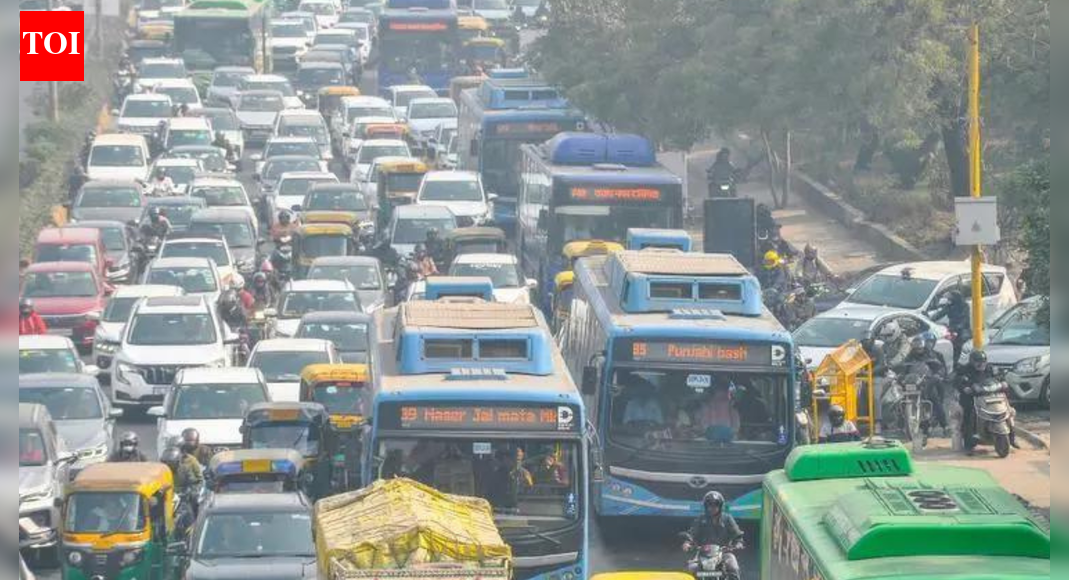
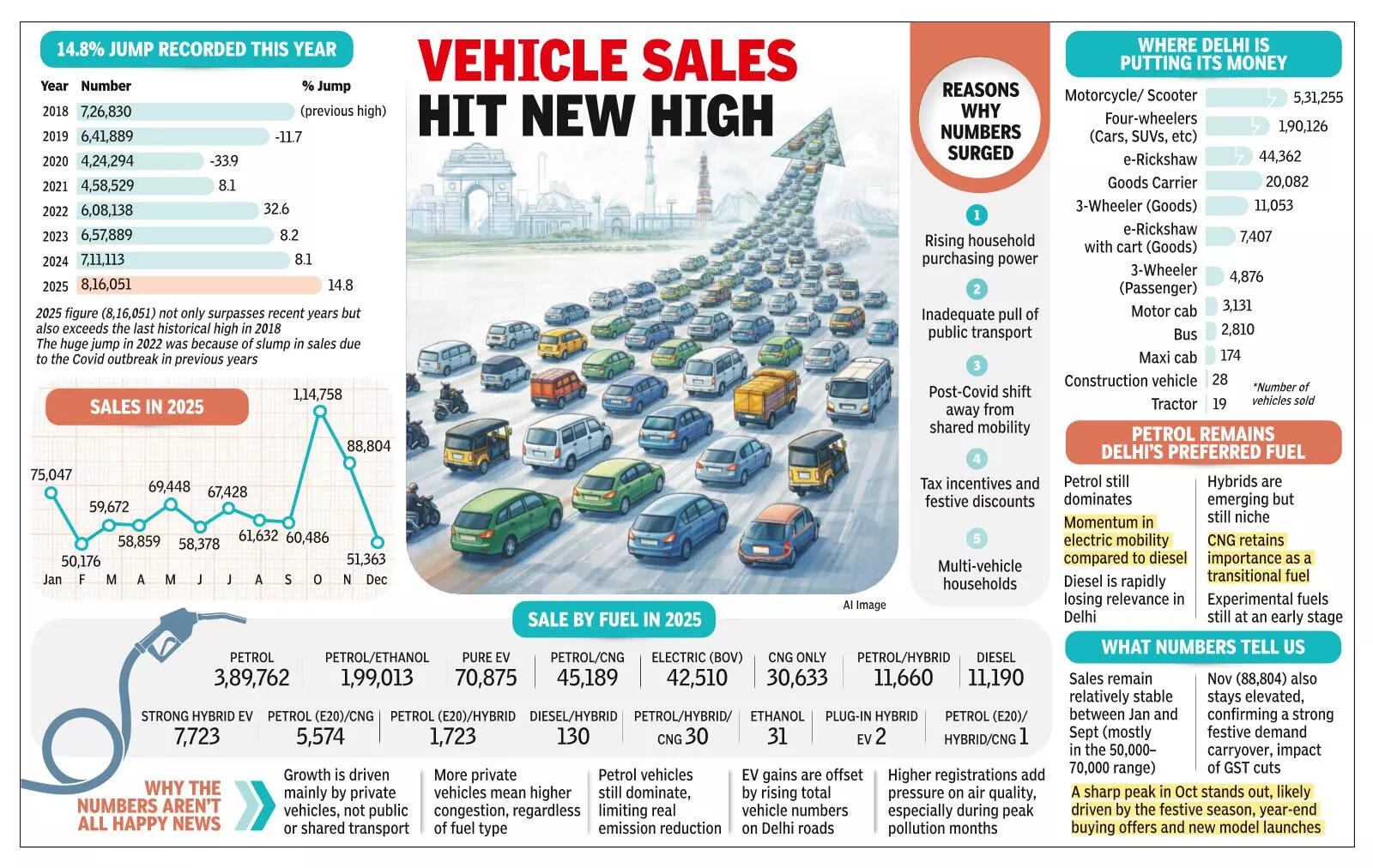
NEW DELHI: The record-breaking vehicle sales in the city in 2025 come with a warning — the growth is overwhelmingly driven by private vehicles, not public or shared transport.Of the 8,16,051 new registrations, around 7.2 lakh were private vehicles, highlighting that most buyers added personal vehicles rather than choosing public transport. About 75% of these vehicles run on petrol, including 3.89 lakh petrol-only and 1.99 lakh petrol/ethanol vehicles.

From Work-From-Home To Vehicle Ban- Delhi Rolls Out Fresh Pollution Curbs

-

Amit Bhatt, India managing director at International Council for Clean Transportation, said, “While we were able to minimise diesel, petrol is still there and the EV push needs to be strengthened. This heavy reliance on personal petrol vehicles also suggests that while overall sales are rising, Delhi’s congestion and pollution challenges are likely to worsen rather than improve.”“More vehicles on the road, regardless of fuel type, inevitably increase congestion. However, internal combustion engine vehicles also place additional pressure on air quality. The sheer rise in overall vehicle registrations indicates that public transport systems are still not attractive or reliable enough for people to leave their private vehicles at home or avoid purchasing new ones,” he said.Anil Chhikara, faculty at Asian Institute of Transport Development, said, “With the govt mandating ethanol blending, most new petrol vehicles sold today are ethanol-compatible by default, which means that a large number of people are still using petrol.”“So petrol and petrol–ethanol should be read as 1 category. Buyers are not making a separate decision; they are complying with norms,” he said. “There is a need to give a better push to EV policy.”Even though electric and CNG vehicles are increasing, their share remains small compared to petrol-powered private vehicles. A month-wise break-up shows relatively stable sales between Jan and Sept, mostly in the 50,000-70,000 range. The standout month was Oct when registrations spiked to 1.14 lakh vehicles, followed by a strong Nov at 88,804. Officials and experts attributed this surge to the festive season, year-end discounts, new model launches, GST cuts and easier financing. Oct–Nov alone contributed over a quarter of the annual sales.Motorcycles and scooters dominate Delhi’s vehicle landscape, accounting for over 5.31 lakh registrations, or nearly two-thirds of total sales. Four-wheelers, including cars and SUVs, followed at 1.9 lakh, reflecting rising aspirations and greater affordability among middle-class households. Electric rickshaws (44,362) and goods carriers also saw notable numbers, pointing to growth in last-mile mobility and urban logistics. In contrast, sales of buses (2,810) and maxi cabs (174) remained marginal. Electric mobility continues to gain ground but remains secondary to petrol. Diesel’s decline reflects regulatory pressure, age caps on diesel vehicles in the NCR and growing consumer reluctance amid pollution concerns. Hybrids, while emerging, remained niche.So why did 2025 break all records? Economists and transport planners cite rising household purchasing power, easier access to auto loans, and aggressive festive discounts as key drivers. First-time buyers and upgraders alike entered the market, especially in two-wheelers and compact cars. “Another factor is the post-Covid shift away from shared mobility. Health concerns and reliability issues pushed many commuters towards private vehicles, a trend that did not fully reverse,” said Bhatt.Chikara argued that equally significant was the inadequate pull of public transport. Despite metro expansion, last-mile connectivity remained limited, prompting commuters to invest in second or even third vehicles, he said. Delhi’s 2025 vehicle boom, therefore, reflects economic confidence but also underscores the need for stronger public transport, cleaner mobility policies and congestion management if the city is to avoid paying a high environmental price for a record-breaking year.


Source link

BSF action near IB in J-K: 19-year-old Bangladeshi held; probe under way | India News


BSF action near IB in J-K: 19-year-old Bangladeshi held; probe under way

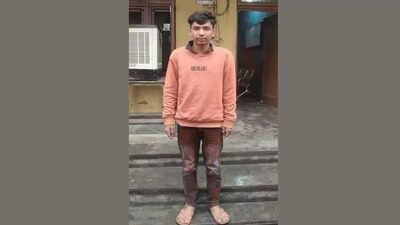
NEW DELHI: The Border Security Force (BSF) on Thursday apprehended a 19-year-old Bangladeshi national near the International Border in the Gajansoo area of Jammu and Kashmir.According to Jammu and Kashmir Police, the individual has been identified as Shariful Islam Bhuiyan, son of Mozibul Haque Bhuiyan. He is a resident of Adra village in Bangladesh’s Comilla district.After initial questioning, the BSF handed him over to the Border Police Post (BPP), Gajansoo, under Police Station Kanachak, where further interrogation is under way, reported news agency ANI.Meanwhile, the BSF is preparing to launch its annual winter security exercise, Operation ‘Sard Hawa’ (Cold Wind), across sensitive stretches of the Kashmir frontier, key security posts in Jammu, and the vast desert areas of Rajasthan along the India-Pakistan border and the Line of Control. The operation is aimed at preventing infiltration attempts that often increase during winter due to reduced visibility caused by dense fog.BSF officials told ANI that the operation is expected to begin next month and will continue till the end of January, a period considered critical ahead of Republic Day celebrations.Speaking on condition of anonymity, a BSF official posted in Jammu said the main focus of Operation Sard Hawa is to counter infiltration bids that exploit fog and mist during the winter months.“Heightened security measures are adopted with increased vigilance and patrolling along the India-Pakistan border during ‘Operation Sard Hawa’,” the official said.Operation Sard Hawa is carried out every year along the India-Pakistan frontier in Jammu and Kashmir and Rajasthan. It covers difficult terrain in the Kashmir sector, important border posts in Jammu, and parts of the Thar Desert, including vulnerable stretches of the International Boundary and the Line of Control.During the operation, the BSF intensifies surveillance by deploying additional personnel and using advanced equipment such as thermal imaging systems to detect infiltration, smuggling and illegal cross-border movement. The winter exercise runs alongside the summer counter-infiltration drive, Operation Garam Hawa (Hot Wind).


Source link

Euro switch: Bulgaria joins the euro nearly two decades after EU entry; cheers mix with fears over prices


Euro switch: Bulgaria joins the euro nearly two decades after EU entry; cheers mix with fears over prices

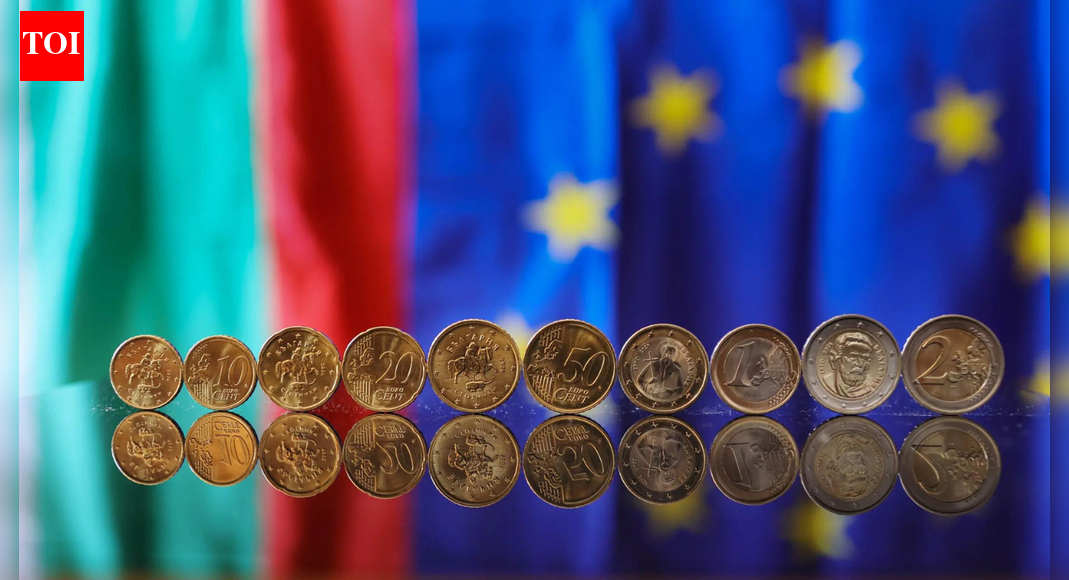
Bulgaria on Thursday adopted the euro as its official currency, becoming the 21st country to join the eurozone, a long-anticipated milestone that comes almost 20 years after the Balkan nation entered the European Union, but one that has exposed deep political and public divisions.At midnight, Bulgaria formally gave up the lev, which had been in use since the late 19th century, marking the transition with projections of Bulgarian euro coins on the central bank’s building in Sofia. The country of 6.4 million people joined the eurozone amid New Year celebrations that blended optimism with anxiety over inflation and political instability, AFP reported.“I warmly welcome Bulgaria to the euro family,” European Central Bank president Christine Lagarde said, describing the euro as a “powerful symbol” of “shared values and collective strength”.For some Bulgarians, the switch was tangible and immediate. “Great! It works!” said Dimitar, a 43-year-old, after withdrawing 100 euros from an ATM shortly after midnight.Successive Bulgarian governments have backed euro adoption, arguing it would strengthen ties with the West, boost the economy of the EU’s poorest member and shield the country from Russian influence. But public opinion has remained split, with many fearing that the transition could push up prices and worsen political uncertainty.President Rumen Radev, speaking shortly before midnight, hailed the move as the “final step” in Bulgaria’s EU integration, even as thousands gathered in sub-zero temperatures in Sofia to mark the New Year. He also expressed regret that Bulgarians had not been consulted through a referendum.“This refusal was one of the dramatic symptoms of the deep divide between the political class and the people, confirmed by mass demonstrations across the country,” Radev said.The euro switch comes at a turbulent political moment. Anti-corruption protests ousted a conservative-led government in mid-December, leaving Bulgaria facing the prospect of its eighth election in five years.“People are afraid that prices will rise, while salaries will remain the same,” a woman in her 40s told AFP in Sofia.At major markets in the capital, prices for goods ranging from groceries to New Year’s Eve items were displayed in both levs and euros. “The whole of Europe has managed with the euro, we’ll manage too,” said Vlad, a retired resident.European Commission president Ursula von der Leyen said Bulgaria’s entry into the eurozone marked “an important milestone”, adding that it would make travel and living abroad easier, improve market transparency and competitiveness, and facilitate trade.Central bank governor Dimitar Radev said the euro represented more than “just a currency — it is a sign of belonging”.However, concerns remain widespread. According to the latest Eurobarometer survey, 49% of Bulgarians oppose the switch. Outgoing prime minister Rossen Jeliazkov sought to reassure citizens and businesses, saying he was “counting on the tolerance and understanding” of the public and insisting that inflation was not linked to euro adoption.Official data show that food prices rose 5% year-on-year in November, more than double the eurozone average. “Unfortunately, prices no longer correspond to those in levs,” pastry shop owner Turgut Ismail, 33, told AFP, saying prices had already begun to rise.Analysts warned that any disruption could be politically sensitive. “Any problems with euro adoption would be seized on by anti-EU politicians,” said Boryana Dimitrova of the Alpha Research polling institute.Some business owners complained of difficulties accessing euros ahead of the switch, while critics questioned the timing. “It’s not the right time,” said Stephane, a 64-year-old economist, citing high debt levels in other eurozone countries.The euro was first introduced in 12 countries in 2002, with Croatia the most recent entrant in 2023. Bulgaria’s accession brings the number of people using the single currency to more than 350 million.


Source link