Breaking News
Pakistan still a base for terrorists targeting India, says US report


Pakistan still a base for terrorists targeting India, says US report
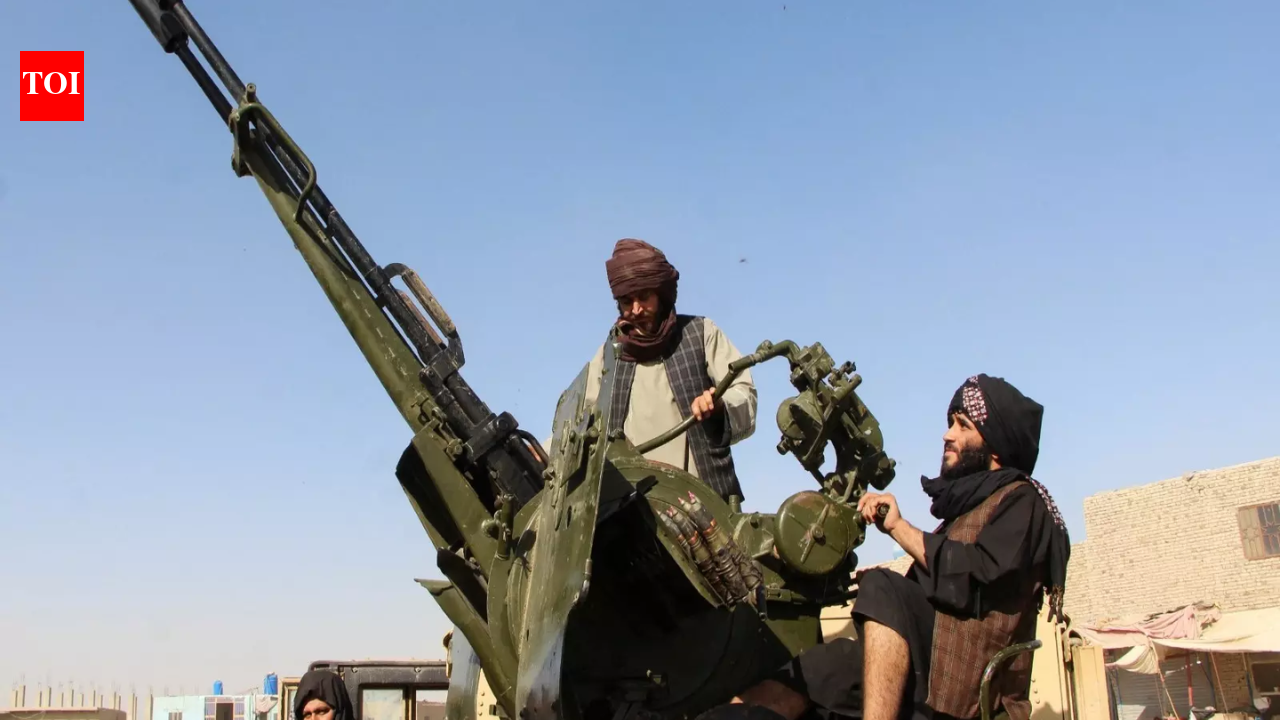
US officials have identified Pakistan as a base of operations and/or target for numerous armed, nonstate terrorist groups, a recent report said. Twelve of the 15 groups listed are designated as Foreign Terrorist Organisations (FTOs) under US law, and most, but not all, are animated by Islamist extremist ideology.The report comes as Pakistan faces a sharp resurgence in terrorist violence. Pakistan has suffered considerably from domestic terrorism since 2003, and related fatalities peaked in 2009. Many observers predicted a resurgence of regional terrorism in the wake of the Afghan Taliban’s 2021 takeover, and data show this has occurred.After five consecutive years of declining fatality rates down to 365 in 2019, the number of terrorism-related deaths in Pakistan has risen every year since, spiking to 4,001 in 2025, the highest toll in 11 years. By many accounts, Pakistan currently is the country most impacted by terrorism.Although major cities such as Islamabad and Lahore have been targeted, the great majority of terrorism-related fatalities in 2025 were concentrated in Khyber Pakhtunkhwa and Balochistan, especially near the border with Afghanistan. According to the report, Khyber Pakhtunkhwa accounted for 68% of the deaths and Balochistan for 28%.Pakistan adopted a National Action Plan in 2014 to counter terrorism, seeking to ensure that no armed terrorists are allowed to function in the country. In 2018, the Paris-based intergovernmental Financial Action Task Force (FATF) returned Pakistan to its “gray list” of countries found to have “strategic deficiencies” in countering money laundering and terrorist financing. In late 2022, FATF assessed that Pakistan had addressed technical deficiencies and completed all action items, and it removed the country from the gray list.Also in 2018, US President Donald Trump in his first term designated Pakistan a “Country of Particular Concern” under the International Religious Freedom Act of 1998. It has been redesignated annually since.Among the groups identified in the report is Al Qaeda (AQ) “core,” which was founded in 1988 in Pakistan by Osama bin Laden and designated as an FTO in 1999. The report says AQ core has been seriously degraded, but still has alliances with numerous other Pakistan-based FTOs.The report also highlights Islamic State-Khorasan Province (ISKP or IS-K), a regional affiliate of the Islamic State of Iraq and Syria (ISIS, ISIL, or the Arabic acronym Da’esh) that made inroads in Afghanistan in 2015 and was designated as an FTO in 2016.Its estimated 4,000-6,000 fighters are mostly former members of the Tehrik-i-Taliban Pakistan and the Islamic Movement of Uzbekistan who are based in Afghanistan but also operate in Pakistan, along with disaffected Afghan Taliban fighters.Lashkar-e-Taiba (LET) was formed in the late 1980s in Pakistan and designated as an FTO in 2001. Led by now-incarcerated Hafiz Saeed and based in Pakistan’s Punjab province and in Pakistan-administered Kashmir, it later changed its name to Jamaat-ud-Dawa to circumvent sanctions.With several thousand fighters, LET was responsible for the mass-scale 2008 terrorist assault on Mumbai, India, as well as several other high-profile attacks.Tehrik-i-Taliban Pakistan (TTP) was formed in 2007 and designated as an FTO in 2010. It is widely regarded as the deadliest terrorist group operating in Pakistan and has undertaken numerous mass-casualty attacks on Pakistani security forces and their families.TTP is composed largely of ethnic Pashtun terrorists who unified under the leadership of now-deceased Baitullah Mehsud, then based in the former FATA, with representatives from each of Pakistan’s seven former tribal agencies. TTP leadership reportedly fled into the border areas of eastern Afghanistan in response to Pakistani military operations in 2014.Resurgent since 2021 and led by Noor Wali Mehsud, the group has ties to Al Qaeda and an estimated 2,500-5,000 cadre. It seeks to defeat Pakistan’s government and establish Sharia law in Khyber Pakhtunkhwa. Pakistan government officials accuse the Afghan Taliban of providing safe haven for the TTP.The Balochistan Liberation Army (BLA), also known as the Majeed Brigade, was founded in 2000 and designated as an FTO in 2025. An ethnic-based separatist group with several thousand terrorists, it employs guerrilla warfare tactics, including attacks targeting People’s Republic of China (PRC) nationals and PRC-funded investment projects in Balochistan.


Source link

‘Waved at his friends, blew kisses’: 22-year-old’s livestreams last moments before dying by suicide | India News


‘Waved at his friends, blew kisses’: 22-year-old’s livestreams last moments before dying by suicide

NEW DELHI: A 22-year-old man died by suicide in Madhya Pradesh’s Shivpuri district after streaming his final moments on Instagram, police said on Saturday. The incident, which unfolded late on Friday night, has raised concern over the role of social media in such tragedies, with a 14-minute video of the act later circulating online.According to officials, the incident occurred under the Dehat police station limits. Station house officer Vikas Yadav said the man, identified as Manoj Rajak, went live on Instagram shortly before taking the extreme step. “He waved at his friends during the live chat and blew kisses before hanging himself from a noose tied to a ceiling fan,” Yadav told PTI.Rajak, who worked as a plumber, also sold ready-made garments from his rented room. He had been living alone after his father remarried, following the death of his mother. Friends and acquaintances described him as quiet and well-mannered.One of his friends, Shubham Rajak, said they immediately rushed to his room after noticing the distressing visuals on Instagram around 10.30 pm. However, by the time they reached, he had already died.Police said no suicide note was found at the scene. The body was sent for post-mortem and later handed over to the family. Officials have seized Rajak’s mobile phone and are examining his social media activity as part of the investigation.


Source link

Rubber industry seeks govt intervention amid rising costs in wake of West Asia war


Rubber industry seeks govt intervention amid rising costs in wake of West Asia war

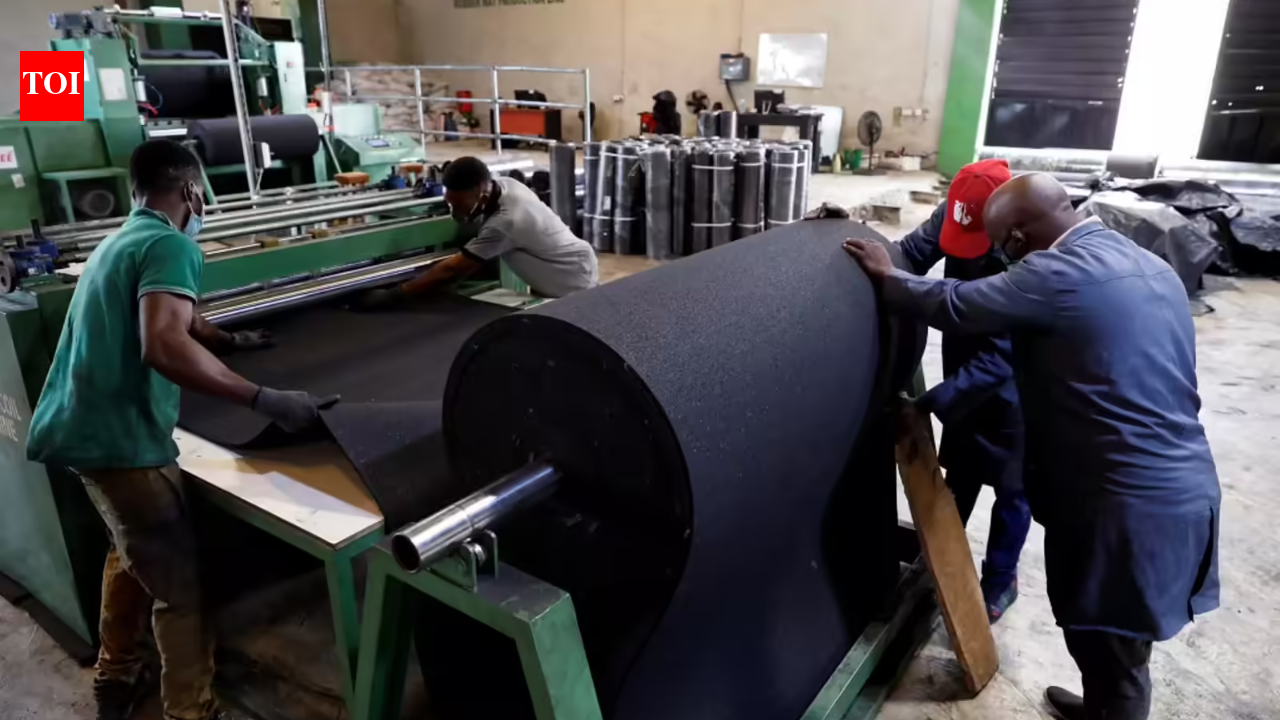
Hyderabad: India’s rubber industry has sought urgent govt intervention as global supply disruptions linked to the West Asia conflict have pushed up raw material and freight costs, threatening thousands of small manufacturers and exporters across the country.In a representation to the commerce ministry, the All-India Rubber Industries Association said SMEs are facing severe stress as prices of natural rubber, synthetic rubber and rubber chemicals have shot up amid shipping delays, insurance hikes and uncertainty in crude-linked inputs.

Watch

‘Taking Every Step’: PM Modi’s BIG Assurance To Tackle Global Shock Without Hurting Citizens

The industry body has urged the govt to ensure equitable raw material access for MSMEs, provide credit support, waive duties on certain synthetic rubbers, and speed up port clearances to protect jobs and export commitments. It has also urged the govt to facilitate alternative sourcing by granting temporary exemptions or easing imports from China and Southeast Asian countries.“The impact on the rubber industry is huge because all the raw materials we use to produce rubber components are oil-based, mainly carbon black, synthetic rubber oils. So anytime oil prices go up, everything goes up,” said Anay Gupta, president of the association.“At present there’s about 30% to 40% increase in raw material prices if we compare with before the war started,” Gupta said, adding that the sharpest increases have been seen in carbon black, synthetic rubber and processing oils, while natural rubber has also become costlier.“For natural rubber, increase is about 10% because though it’s not oil-based but demand-driven, about 40% of natural rubber used in India is being imported. Freight charges and insurance costs have gone up due to the conflict.”The association said shipping lines have imposed steep surcharges, worsening the burden on manufacturers. Gupta said, “Shipping lines have put $2,000 surcharge on 20ft containers and $3,000 on 40ft containers. Insurance costs also have increased and freight charges have nearly doubled.”He said India’s dependence on imports has made the sector especially vulnerable. Gupta said India produces only about 60% of the natural rubber it consumes, while synthetic rubber imports account for a very large share of domestic demand.Industry data shows India consumed 8,56,900 metric tonnes of synthetic rubber in FY25, of which 4,13,627 metric tonnes, or nearly 48%, was imported.The impact of the conflict is expected to be significant for export-oriented segments such as automotive components, belting, footwear and sports goods. “Anybody and everybody who uses rubber and these inputs is affected badly,” Gupta said.In Telangana, the rubber industry largely comprises around 800 units, mostly MSMEs, with an annual turnover of around Rs 3,000 crore, contributing 0.5% to 1% of manufacturing output and less than 1% of GSDP.Clusters around Hyderabad and Mahabubnagar produce hoses, tubes, sheets and profiles, while reclaimed rubber units process waste tyres.


Source link

Gold Price: Dubai gold price climbs on March 27: 24K at around Dh624 per gram as inflation fears drive buying | World News


Gold prices in Dubai rise sharply on March 27 as global uncertainty, weak dollar and strong demand / Image: file

The “City of Gold” witnessed a vibrant morning on Friday as gold prices in Dubai staged a notable recovery, snapping a downward streak that had dominated the market for over a week. In a classic display of retail resilience, residents and tourists alike flocked to the Dubai Gold Souk and major jewellery outlets to capitalize on the price swings. By 9:42 am on March 27, 2026, the 24-karat variant was retailing at Dh543.73 per gram, marking a significant jump from the previous day’s lower levels and providing a much-needed boost to market sentiment after a volatile month.

Dubai gold price today

Metal Type Category / Purity Retail Price (per gram)
Gold 24K AED 543.73
Gold 22K AED 503.42
Gold 21K AED 480.52
Gold 18K AED 411.87
Silver Retail Spot AED 10.79
Platinum Retail Spot AED 283.54
Palladium Retail Spot AED 217.50

This upward movement is largely tied to global spot gold prices, which have remained firm due to persistent concerns over inflation and economic slowdown risks. Currency fluctuations, particularly a softer US dollar, have further supported gold’s upward trajectory, making it more attractive to international buyers.Jewellers across Dubai noted that while footfall remains steady, buyers are becoming more value-conscious, often opting for lighter jewellery or delaying bulk purchases in anticipation of price corrections.

Global inflation cues

The primary catalyst behind this morning’s price hike lies across the Atlantic, where investors are laser-focused on the US Personal Consumption Expenditures (PCE) inflation data. This metric is the Federal Reserve’s preferred gauge and is expected to dictate the pace of interest rate cuts for the remainder of 2026. Earlier this year, a hawkish shift from the Fed—following the nomination of Kevin Warsh as Chair, sent precious metals into a tailspin, with silver crashing 44% from its January highs. However, the current technical support levels have invited fresh buying interest as traders hedge against potential inflation surprises and a slightly softening US dollar.

UAE gold demand trends

In the UAE, gold demand remains resilient but measured. Retail buyers, especially ahead of festive and wedding seasons, continue to show interest, though rising prices are influencing purchasing patterns.Jewellers report a shift towards:

  • Lightweight and budget-friendly jewellery
  • Exchange offers and promotions
  • Delayed purchases in anticipation of dips

Tourist demand, a key driver for Dubai’s gold market, remains stable, providing additional support to overall sales despite higher price levels.Earlier dips in gold rates had encouraged buying, particularly among residents and tourists. However, the current upward movement suggests the market remains sensitive to external triggers; any signs of economic stress quickly translate into higher gold prices.Analysts expect this trend to continue in the near term. Gold will likely remain volatile but supported at higher levels unless global economic conditions shift significantly.

Outlook for Dubai gold market

Looking ahead, global economic indicators, Dubai gold price climbs on March 27: 24K at around Dh624 per gram amid global market jitters particularly inflation data and central bank policy decisions, are expected to influence gold prices in Dubai. Any signals of easing monetary policy could further strengthen gold prices.For buyers in the UAE, this means navigating a market where prices may stay elevated in the short term. For investors, gold continues to offer stability and diversification, especially in uncertain economic environments.As markets await clearer direction, gold’s role as a safe-haven asset remains firmly intact, keeping Dubai’s bullion trade active and closely watched.


Source link

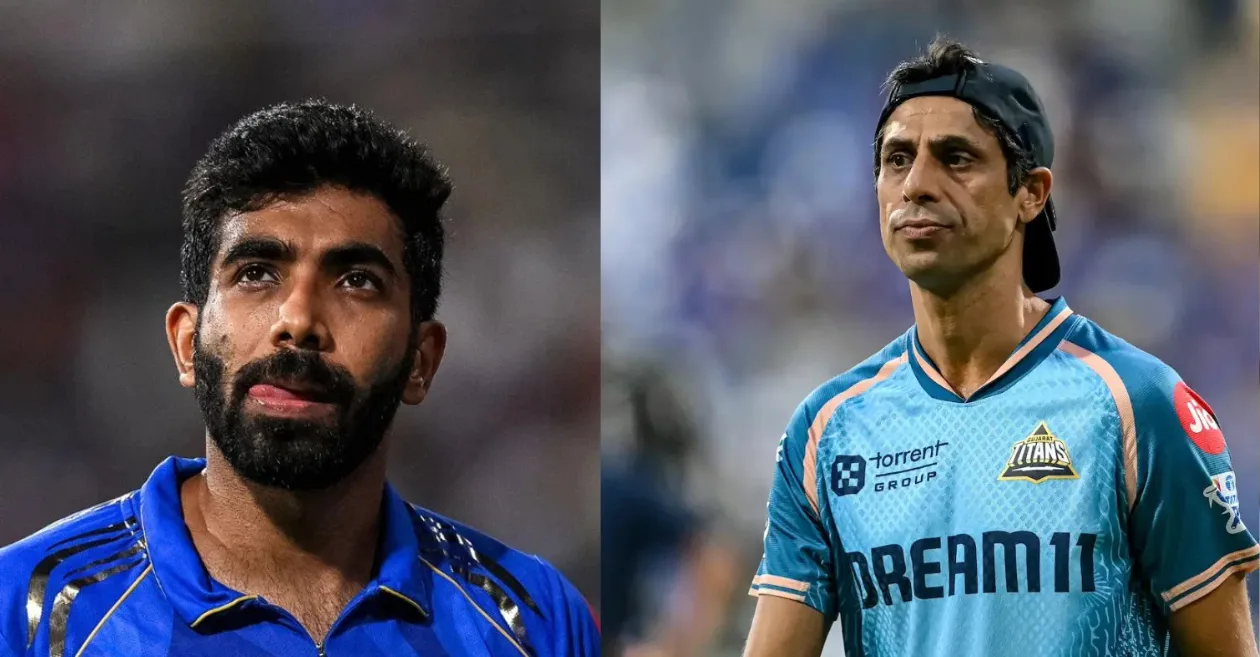
GT head coach Ashish Nehra’s witty response to trade deal with MI ahead of IPL 2026


Gujarat Titans head coach Ashish Nehra grabbed attention with his witty remark while addressing the franchise’s recent trade with Mumbai Indians ahead of IPL 2026. Gujarat traded Caribbean all-rounder Sherfane Rutherford to Mumbai in an all-cash deal, boosting their purse but not bringing in any player in return.

The move once again raised questions about GT’s strategy of trading players for cash, especially when dealing with a powerhouse franchise like Mumbai Indians.

Ashish Nehra’s humorous take on not getting a big player

During a pre-season press conference in Ahmedabad, Nehra was asked why Gujarat Titans often end up trading players to Mumbai Indians without receiving a big-name cricketer in exchange. Responding in his trademark light-hearted style, Nehra said:

“Humare haath me hota toh Jasprit Bumrah le aate. Woh maane nahi.”

(If it were in our hands, we would have brought Jasprit Bumrah. They wouldn’t agree.)

The comment drew laughter and quickly went viral, as Nehra acknowledged the obvious—Mumbai Indians would never part ways with one of their biggest match-winners and India’s premier fast bowler.

Also READ: Gujarat Titans IPL 2026 Full Schedule: Date, Time & Venues of GT matches

All-cash deal boosts GT’s auction purse

The trade involving Sherfane Rutherford was a pure cash deal, meaning Gujarat Titans did not receive any player in return. Instead, the franchise added financial flexibility to its purse, which could be crucial for the upcoming mini-auction or mid-season adjustments.

This is not the first time GT has followed such a strategy. Back in 2024, the franchise had allowed Hardik Pandya to return to Mumbai Indians in a similar all-cash deal, which also strengthened their budget but did not bring in a direct replacement.

Such moves indicate a clear approach, building long-term squad depth through smarter auction investments rather than direct player swaps.

Reality of IPL trades highlighted by Nehra

Nehra’s remark, though humorous, underlines a key reality of IPL trades. Big franchises like Mumbai Indians are unlikely to release their marquee players, especially proven match-winners like Bumrah.

As a result, teams like Gujarat Titans often have to settle for financial gains rather than high-profile player acquisitions in such deals. The comment also reflects the competitive yet respectful dynamic between franchises, where negotiations are driven by team priorities rather than fan expectations.

Also READ: Mumbai Indians IPL 2026 Full Schedule: Date, Time & Venues of MI matches


Source link

WTO talks: Sharp divide over e-commerce duty moratorium as India opposes permanent extension


WTO talks: Sharp divide over e-commerce duty moratorium as India opposes permanent extension

A sharp divide has emerged at the ongoing World Trade Organisation (WTO) ministerial conference in Cameroon over the continuation of the e-commerce moratorium on customs duties, think tank Global Trade Research Initiative (GTRI) said on Saturday, reported PTI.It noted that while the US is pushing for a permanent extension of the moratorium, India and several developing countries are opposing the move, citing concerns over revenue loss and policy constraints.“The sharpest divide is there over the e-commerce moratorium on customs duties. A temporary compromise of 2-4 years appears the most likely outcome,” GTRI said.The third day of the WTO’s 14th Ministerial Conference (MC14) in Yaounde is emerging as crucial, with discussions taking place across four key tracks — fisheries subsidies, investment facilitation, e-commerce and agriculture.On the China-led Investment Facilitation for Development (IFD) pact, pressure on India is expected to intensify during small-group “green room” meetings, GTRI founder Ajay Srivastava said.“India’s concern is less about the pact itself than the precedent it sets, opening the door to plurilateral deals that once embedded within the WTO, act as Trojan horses gradually reshaping the institution’s multilateral character,” he said.He added that limited progress is likely on fisheries subsidies as divisions among members continue to persist.“With tensions spanning digital trade, IFD and plurilateral agreements, today’s discussions are set to determine whether MC14 ends in a modest compromise or exposes deeper fractures within the WTO,” Srivastava said.


Source link

Gut Microbiota and Probiotic Science Foundation organises 16th India probiotic Symposium in New Delhi | India News


Gut Microbiota and Probiotic Science Foundation organises 16th India probiotic Symposium in New Delhi

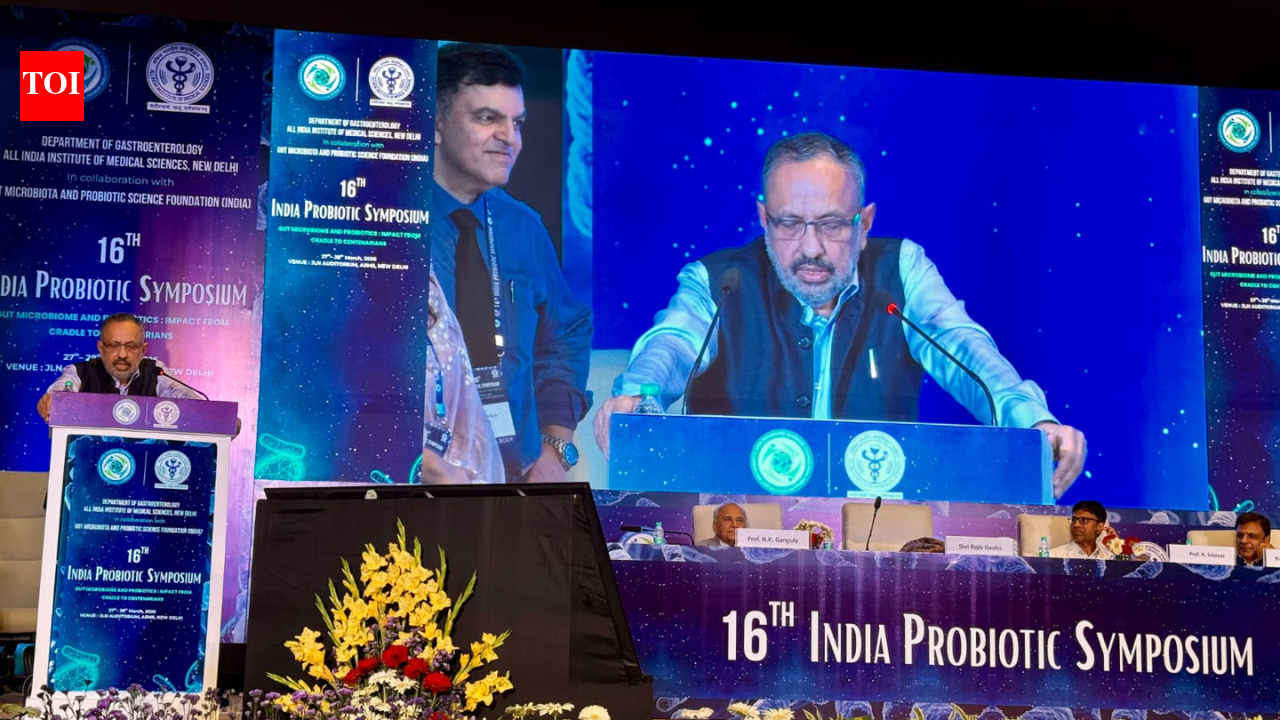
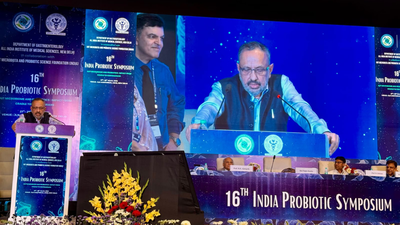
NEW DELHI: The Gut Microbiota and Probiotic Science Foundation organised the 16th India Probiotic Symposium on “Gut Microbiome and Probiotics: Impact from Cradle to Centenarians” in New Delhi on March 27-28. According to an official press release, delivering the Chief Guest address, Rajiv Gauba, Member, NITI Aayog, underscored the critical role of the gut microbiome in immunity, metabolism and preventive healthcare. Gauba expressed concern over the rapid shift in dietary habits in India, noting that urbanisation, changing lifestyles and the increasing consumption of ultra-processed and refined foods, often driven by social media and quick commerce platforms, are distancing people from traditional, nutritionally rich diets. He cautioned that these trends could have serious long-term consequences for gut health, highlighting that an estimated 56.4 per cent of India’s disease burden is attributable to unhealthy or imbalanced diets. He further warned that if neglected, “micro-organisms could create macro consequences.” Situating gut health within a wider development context, Gauba described healthcare as the most critical sector for both individual well-being and economic growth. He stated that India’s demographic dividend can only be realised with a healthy workforce and timely preparation for active and healthy ageing as the elderly share of the population rises. He emphasised that investment in health is an investment in Viksit Bharat and cited initiatives such as Ayushman Bharat, PM-JAY, PM Bharatiya Janaushadhi Pariyojana and Ayushman Arogya Mandirs, which have significantly strengthened primary healthcare and financial protection. He pointed out that out-of-pocket health expenditure has declined from 62.6 per cent to 39.4 per cent between FY15 and FY22, resulting in savings of over Rs 1.25 lakh crore for households. At the same time, Gauba acknowledged persistent challenges related to access, equity, affordability, quality, patient safety and shortages of skilled healthcare professionals. He emphasised that access to healthcare services continues to be influenced by socio-economic factors. Urging healthcare professionals to play a proactive role, he called for increased prescription of affordable generic medicines and greater use of digital health tools, telemedicine, data analytics, and AI to expand specialist care to underserved communities and act as advocates for those lacking access to quality medical services. Addressing the evolving field of probiotics, Gauba noted that microbiome science has progressed from descriptive studies to mechanistic and translational research. He highlighted emerging frontiers such as next-generation microbiome-based therapeutics, synthetic biology and CRISPR-enabled engineering of probiotic strains with targeted anti-inflammatory and metabolic functions for precision medicine. However, he cautioned against the growing spread of misinformation and misleading advertisements in the probiotics and supplements market, urging clinicians and researchers to use their credibility and media reach to disseminate accurate information, promote healthy dietary habits and champion preventive lifestyles that reduce the need for expensive diagnostics and procedures. Highlighting India’s rich heritage of fermented foods and traditional dietary practices, Gauba stated that the country is uniquely positioned to lead the global probiotic movement by combining traditional knowledge with genomic and microbiome research to develop clinically validated probiotics. He underlined the vast public health potential of probiotics to reduce infectious and chronic disease burdens, improve nutrition and strengthen population immunity. He also stressed that robust collaboration between academia, industry and regulators is essential to translate scientific advances into safe, effective and accessible products. Lauding the participation of young researchers and innovators, Gauba encouraged them to adopt multidisciplinary and evidence-based approaches to address complex health challenges. He expressed confidence that the symposium would catalyse new collaborations and reinforce India’s leadership in the field of microbiome and probiotic science.


Source link

‘Complete nonsense’: Nihal Sarin on Dutch No. 1 Anish Giri ‘drawish’ tag before Candidates | Exclusive | Chess News


‘Complete nonsense’: Nihal Sarin on Dutch No. 1 Anish Giri ‘drawish’ tag before Candidates | Exclusive
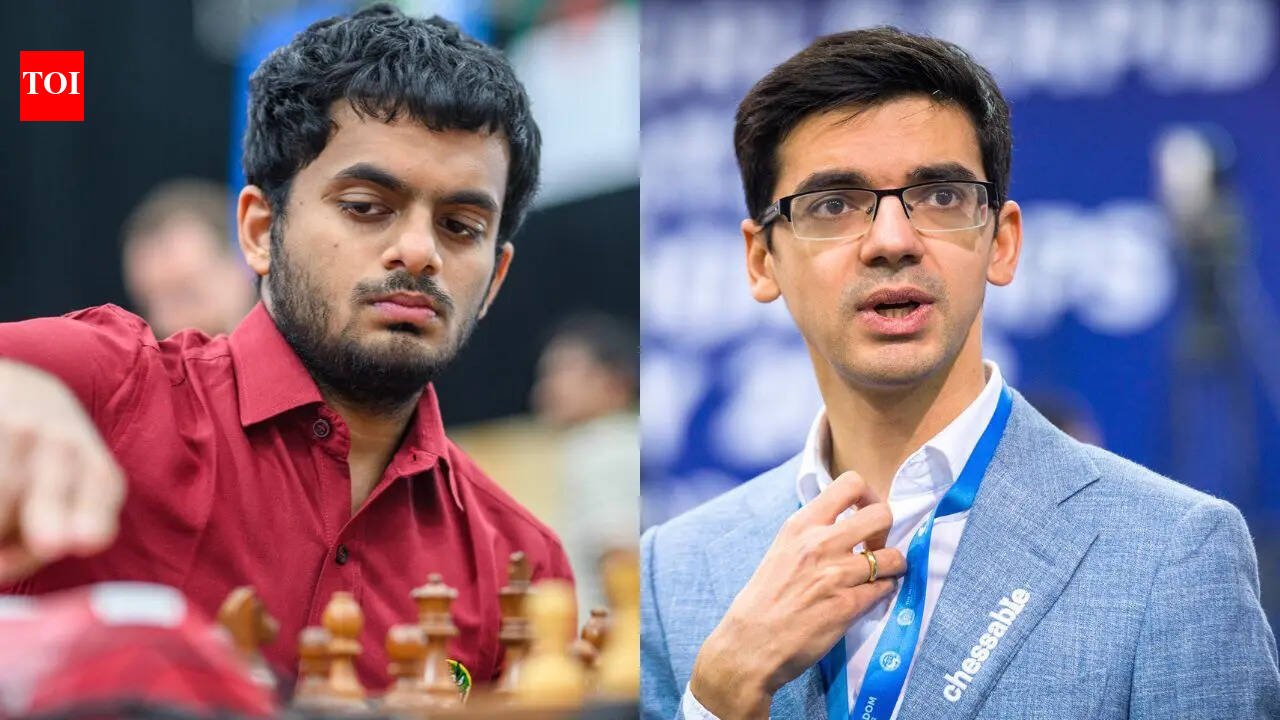
Nihal Sarin and Anish Giri (Photos by Michal Walusza, Lennart Ootes and FIDE)

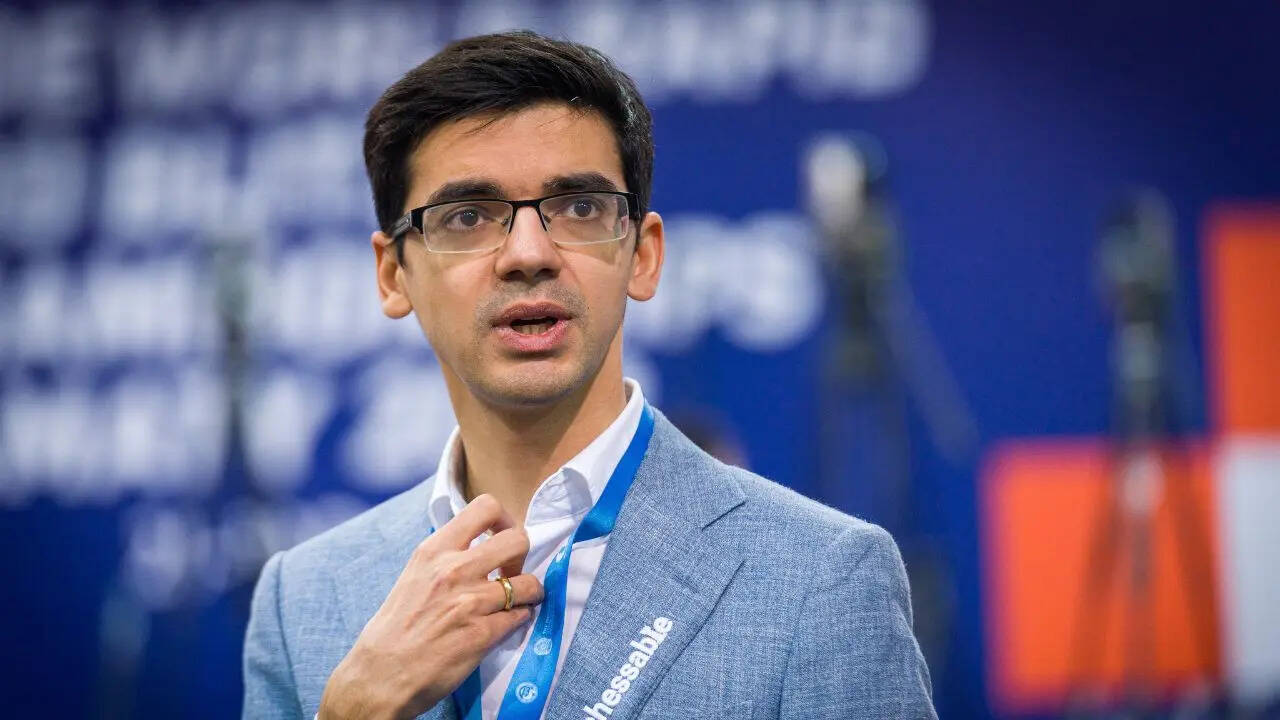
NEW DELHI: As the chess world descends upon Cyprus for the 2026 Candidates, the name Anish Giri continues to be synonymous with a singular, frustrating memory from the past. 14 draws in 14 games. That legendary run in the 2016 Candidates birthed the “King of Draws” moniker for the current Dutch No. 1.But as the 31-year-old eyes the Candidates crown 10 years later, and with it the right to challenge Dommaraju Gukesh, Indian Grandmaster Nihal Sarin points out that “Drwaish Giri” is a tired stereotype that ignores the realities of elite chess.“I very, very strongly believe that people saying Anish is a drawish player is complete nonsense, honestly,” Nihal told TimesofIndia.com in an exclusive interview on the eve of the tournament. “I believe he’s a huge fighter, actually. The draw thing is definitely a bit of a myth.”

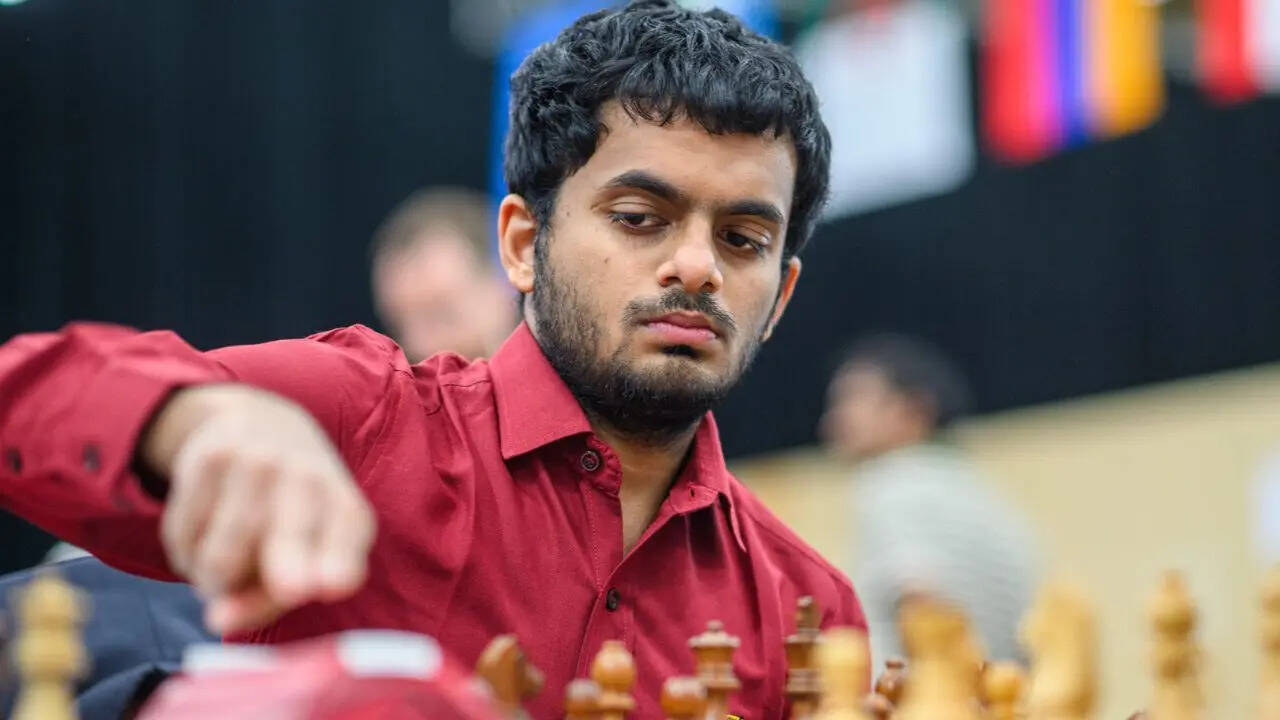
Embed_Nihal Sarin (Photos by Michal Walusza)

The “myth” of the Draw KingGiri himself is well aware of the narrative. Speaking about his preparation to TimesofIndia.com, the Dutch No. 1 revealed the unique hurdles of a Candidates cycle, noting that he had to wait to hire seconds (coaching assistants) because his top choices were so good they ended up qualifying for the tournament themselves.“I understand really well what makes a good second because that second was so good he became my opponent,” Giri joked.

Embed_Anish Giri (Photos by Lennart Ootes)

Nihal points to Giri’s triumph at the 2025 FIDE Grand Swiss, where he finished unbeaten (with five wins and six draws) to qualify for this very event, as proof of his winning intent.“To win the tournament by half a point, he clearly did win a fair few games as well,” Nihal noted. “A lot of draws happen when top players are clashing because that is what chess is. If both play to their absolute potential, it will be a draw. Chess is like that only”Nihal’s Candidates 2026 predictionWhile many experts are hyper-focused on Fabiano Caruana or Hikaru Nakamura, Nihal Sarin’s evaluation of the 2026 field suggests a much more volatile “open” race.While he respects the established American giants, he threw a spotlight on Uzbekistan’s Javokhir Sindarov.“If I had to make a guess, maybe Fabi or Sindu [Sindarov],” Nihal told this website. “Sindarov is having a great year so far and playing some amazing chess. And of course, if Pragg has a good event, then absolutely. You can also never count Hikaru out.”Nihal also cautioned against sidelining the two-time European Champion, Matthias Bluebaum. While some call Bluebaum’s style pragmatic, Nihal sees a dangerous trap.“He’s insanely good at being kind of safe. Not drawish, but safe. He is extremely good at punishing if opponents try to go berserk against him. That is a very smart way of winning games,” Nihal remarked.A closely packed women’s fieldTurning his attention to the Women’s Candidates, Nihal believes the tournament is even more unpredictable than the Open section.“I really wouldn’t be surprised at all whoever wins. I think everyone can beat everyone there,” he said.However, he leaned toward experience as the deciding factor.“I would guess probably Aleksandra Goryachkina or Tan Zhongyi is likely to win because they have done it before. I believe it’s a bit easier having that belief, that because you have done it before, you can do it again.”As the marathon begins on Saturday, reputations like “Drawish Giri” or “underdog Bluebaum” mean very little. In Nihal’s words, “Absolutely everybody can win.”


Source link

Middle East crisis: Two India-bound LPG tankers crossing Strait of Hormuz | India News


Middle East crisis: Two India-bound LPG tankers crossing Strait of Hormuz

Two liquefied petroleum gas (LPG) tankers, BW Elm and BW Tyr, are currently transiting the Strait of Hormuz en route to India, according to ship-tracking data from LSEG and Kpler cited by Reuters, signalling a cautious resumption of movements through the strategic waterway. Shipping through the Strait has been severely disrupted amid the ongoing US-Israeli conflict with Iran. However, Tehran indicated earlier this week that “non-hostile vessels” could pass through the corridor if they coordinate with Iranian authorities. Data shows the two India-flagged vessels have already crossed the Gulf and are now in the eastern stretch of the Strait. Their movement comes as India steps up efforts to evacuate stranded LPG cargoes from the region. So far, four tankers—Shivalik, Nanda Devi, Pine Gas and Jag Vasant—have been moved out. Despite these efforts, several Indian vessels remain stuck. As of Friday, 20 Indian-flagged ships, including five LPG carriers, were still stranded in the Gulf, according to Rajesh Kumar Sinha, special secretary in the shipping ministry. Additional carriers such as Jag Vikram, Green Asha and Green Sanvi remain positioned in the western Strait of Hormuz, LSEG data shows. The disruption has raised concerns around India’s energy supplies. India consumed 33.15 million metric tonnes of LPG last year, with imports meeting around 60 per cent of demand. Nearly 90 per cent of these imports originate from the Middle East.


Source link

Saba Azad hospitalised after being diagnosed with parasite Cyclospora cayetanensis, says Hrithik Roshan is keeping her spirit up |


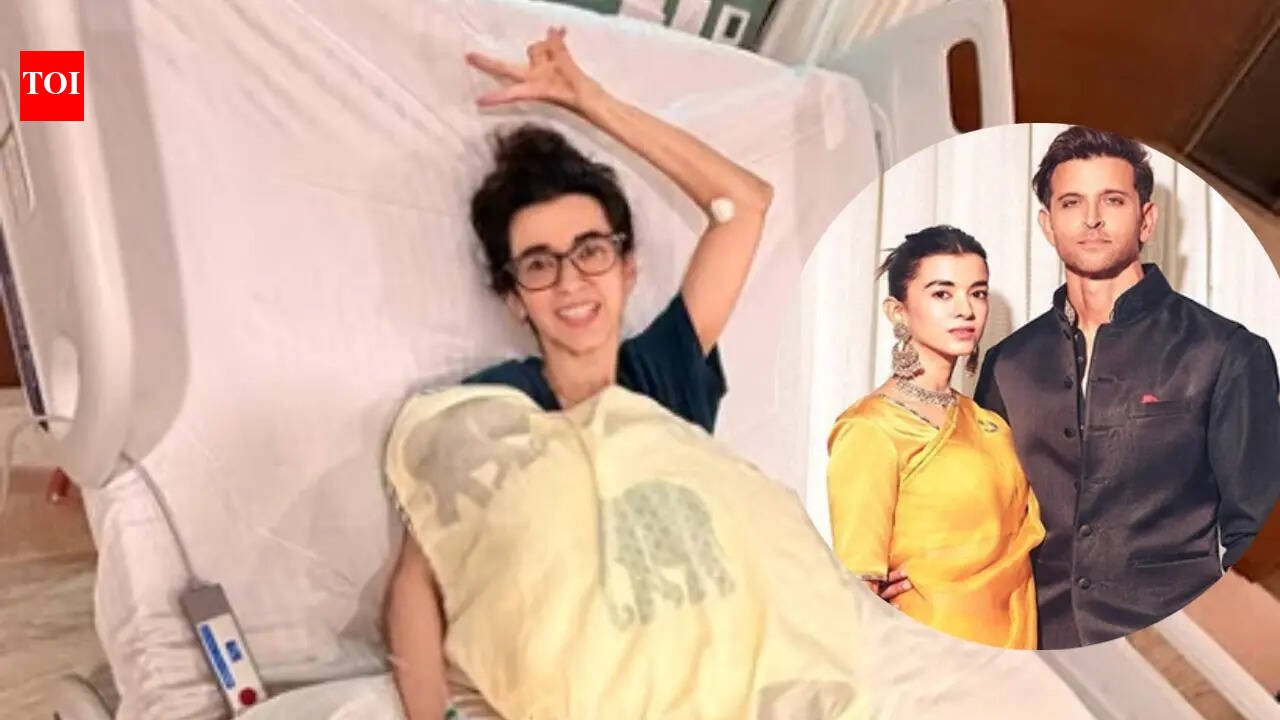
Actor Saba Azad has been hospitalised after being diagnosed with the parasite Cyclospora cayetanensis. Taking to Instagram on Friday, she shared a photo of herself lying in a large hospital bed, looking visibly frail, and described the ordeal as the “worst 14 days” of her life. She also mentioned that Hrithik Roshan has been a constant source of support during this time.Posting the picture, Saba wrote, “Worst 14 days of my life. Cyclospora cayetanensis you nasty piece of work!! For somone who only ever eats home food, carries her water bottle everywhere, this bug came outa nowhere, that too at the busiest time of the year for me. Iv lost 4 kgs that I didn’t have spare in two weeks and I can barely walk.”She further shared how the illness drastically affected her physical strength. “One day im training twice a day, doing pull-ups, lifting heavy and the next im half my size, without strength to lift a goddamn toothpick leave alone weights. So pls for the love of your gut wash your salad leaves and veg like your life depends on it – cause sometimes it really does!! Our new method is Baking soda + veggie wash (Herbal Strategi has a good one),” wrote Saba.Concluding her note, she credited Hrithik for lifting her spirits, “(camera emoji) by @hrithikroshan who’s kept my very grumpy sprits up and always manages to find humour in the darnest situations. PS – I haven’t shrunk quite as much as it may seem here, the bed is supersized and the angle is wide.”

Watch

Hrithik Roshan overflows with pride: ‘My heart is full. I love you’ — a loving tribute to Saba Azad

Hrithik was previously married to Sussanne Khan from 2000 to 2014. They have two sons, Hrehaan and Hridhaan, born in 2006 and 2008. They separated in 2013, with their divorce finalised a year later, and have since maintained an amicable relationship while co-parenting.Hrithik and Saba began dating in 2022 and celebrated four years together in October 2025. Their relationship became public after they were spotted together at dinner outings and at Karan Johar’s 50th birthday celebration.


Source link