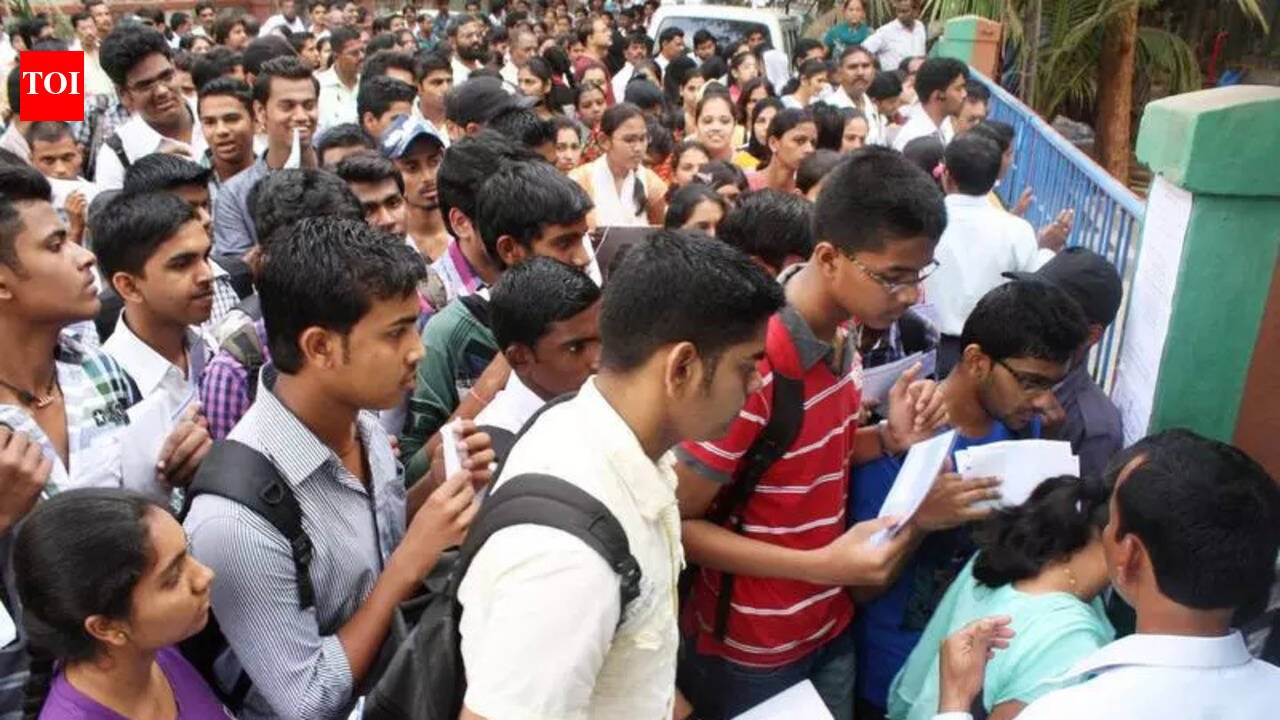
Mumbai: For the third year in a row, the common entrance test (CET) for BBA, BMS, and BCA has received a lukewarm response from students. For the over one lakh seats available in state colleges, less than 70,000 aspirants have registered so far. The registration deadline has already been extended thrice, with Wednesday now set as the final date.A CET cell official said that this year, they will not conduct an additional CET.Once a popular choice in Mumbai University-affiliated colleges, the BMS programme has lost its sheen following regulatory changes that forced many colleges to change its nomenclature to BCom (Management Studies), said college principals. For the 2024-25 academic session, the All India Council for Technical Education (AICTE) brought these courses under its ambit, classifying them as professional programmes. Since professional courses are regulated by the Maharashtra Unaided Private Professional (Regulation of admission and fees) Colleges Act, the state decided to conduct a CET for them.For the past two years, the state has conducted the entrance test twice to accommodate students who missed the first CET. This, however, has delayed admissions until October, when most colleges have already completed their first semester. Not only fewer students wait for the process to conclude, but the delay also disrupts colleges’ academic calendar. Last year, to top the poor response in registrations, over 60% seats in all three courses put together were vacant. “While classes for other courses start in June-July, this one started in October, disrupting our calendar. Teachers have to teach throughout the vacation period,” said a principal.“By the time admission concluded in October, almost six months after the class XII results, students had already settled in courses they had opted for in June-July. There are also a lot of university-regulated courses that are now on offer and are becoming popular. Additionally, many colleges decided to change the nomenclature from Bachelor of Management Studies (BMS) to BCom (Management Studies) to avoid AICTE regulation, but they offer almost the same curriculum,” said another principal.Several colleges affiliated to MU, which had earlier decided to go with the AICTE regulation, have now decided to split their divisions into two — one under the university as BCom (Management Studies) and other under AICTE as BMS — to ensure they do not lose out on high-scoring students due to delayed admissions. A teacher said that earlier their BMS admissions closed with students scoring over 90-95% scores in class XII. Now, though students have higher CET scores, their class XII scores are on the lower side, added the teacher.
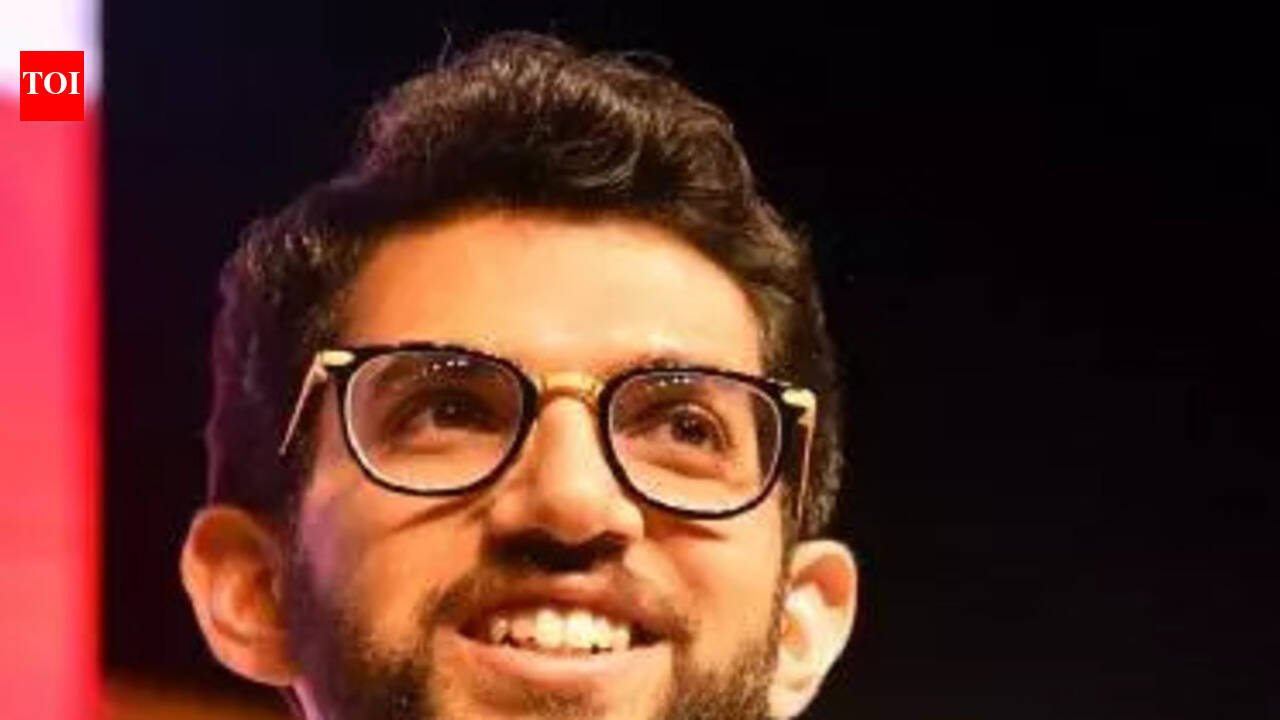
Mumbai: Forest minister Ganesh Naik said the incident of attacks on monkeys in Thane’s Upvan will be investigated and action will be taken. Shiv Sena (UBT) MLA Aaditya Thackeray on Tuesday took up the issue of the bonnet macaques shot with arrows in Thane’s Upvan area by unknown persons in the region. Aaditya demanded strict action on poachers and those who indulge in such acts. The state forest department has lodged a preliminary offence report against an unknown person under the Wildlife Protection Act of 1972, since bonnet macaques are highly protected under Schedule 1. He also raised the issue of the SGNP master plan which was recently approved but said that public or elected representatives consultation hasn’t formally been accounted for. “One doubts if this is to regularise the illegal bungalows of ministers in the forest,” said Aaditya.Aaditya also took up the issue of the inauguration of Gorai Mangrove Park, saying the park has been ready for the past six months, and yet not opened for the citizens. Naik said the park will be opened soon.
Kalyan: A dispute between two neighbours over cleaning of a drainage chamber escalated into violence after a pet dog was allegedly set upon one of the warring parties, leaving two persons injured, at a housing society in Dombivli.The incident took place at Lodha Heaven society, where members of the Yogi family were cleaning a chamber located behind their residence with the help of two workers. Their neighbours — Santosh Tiwari, Anuradha Tiwari and Kritika Tiwari — objected to the cleaning, triggering a heated argument. Police said the verbal spat soon turned violent, with the Tiwari family allegedly assaulting members of the Yogi family. Amid the altercation, they allegedly unleashed their pet dog on the Yogis. The workers present at the spot fled in panic.The dog reportedly bit Manoj Yogi and his son, leaving both injured. Manoj underwent treatment at a hospital for three days, said officials. Based on a complaint filed by the Yogi family on Monday, the Manpada police have registered a case against three members of the Tiwari family and initiated further probe. Anju Manoj Yogi, wife of the complainant and the building secretary, alleged that the dispute stemmed from a long-standing issue. “The Tiwari family has encroached upon society space, and there have been frequent arguments on this over the past few years. On the day of the incident, they started the fight and assaulted us before setting their dog on us,” she said.Sandipan Shinde, senior police inspector of Manpada police station said, “An offence has been registered against three members of the Tiwari family, but no arrest has been made as yet.”
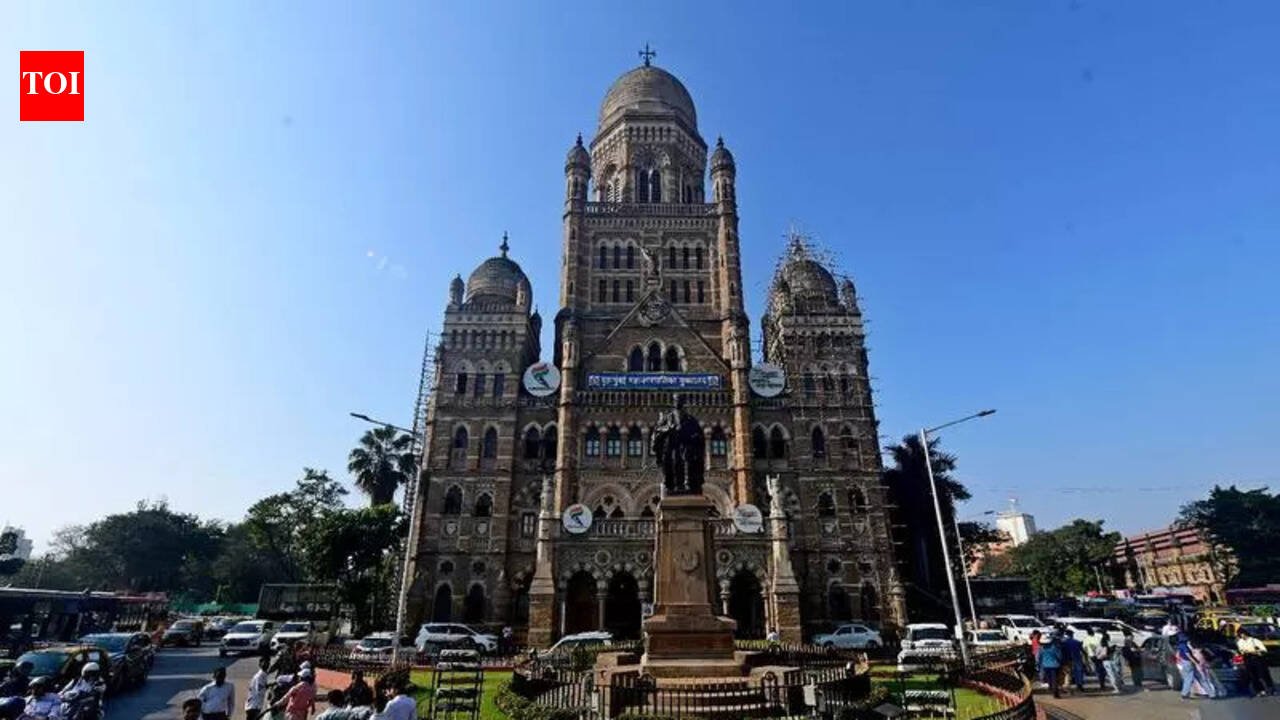
Mumbai: Sewage and floating waste get mixed with nullah water and are discharged directly into the sea from Gazdhar Bandh pumping station in Khar Danda, resulting in severe water pollution and adversely affecting marine life, alleged Shiv Sena (UBT) corporator Chinatamani Niwate, while raising the issue in the BMC House on Tuesday.Niwate further claimed that the pumping station is currently non-operational, but BMC’s additional municipal commissioner Abhijit Bangar clarified that it is functional.In the BMC House, Niwate said sewage water is discharged directly into sea, along with waste, after flowing through the stormwater drains without undergoing any separation or treatment. This situation gives rise to a host of problems, including fish mortality, adverse effects on fish reproduction, a decline in marine biodiversity, and health risks for the Koli fishing community, Niwate claimed.Other corporators concurred that the livelihood of the fishing community is being adversely affected by the pollution caused due to the discharge of untreated water into the sea.The Gazdhar Bandh pumping station caters to SNDT and main avenue nullah, said a senior civic official, adding: “The contract for operation and maintenance of the trash boom barriers, which is installed on SNDT nullah, ended in Feb, but we had floated the tender much earlier. However, there were issues with the responses to the tender, so we floated the tender again. If we find a suitable bid, we will allot the contract. We will extend the earlier tender and carry out work with the existing contractor.”The senior civic official further said: “We are also installing a trash boom downstream of Gazdhar Bandh pumping station out of CSR, which will take care of the floating waste being discharged into the sea. The work will be completed by May. With regard to sewage getting mixed in the stormwater drains, wherever the sewer merges with nullahs, we will tap the sewage lines and divert them. This will ensure that sewage does not get discharged into the sea.“
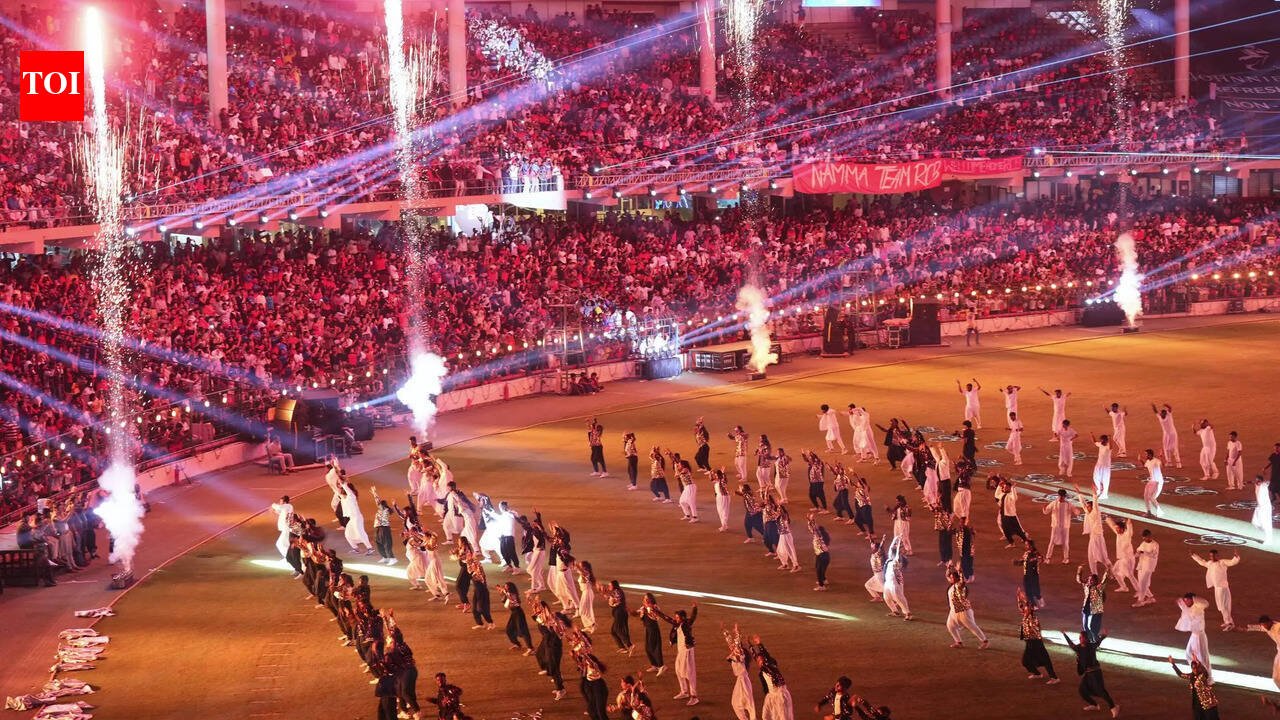
Artistes perform during the RCB Unbox event at M Chinnaswamy Stadium, in Bengaluru, Karnataka. (PTI)
Bengaluru has steadily emerged as one of the most promising cities for the Indian Premier League, blending ideal playing conditions with a deep-rooted cricket culture and modern infrastructure.One of Bengaluru’s biggest advantages is its famously pleasant weather. Unlike many Indian cities that grapple with extreme heat during the IPL window, Bengaluru offers relatively mild evenings, making it easier for players to perform at peak intensity.
Watch
RCB’s big changes ahead of IPL: New rules, tribute & squad update
The moderate climate also enhances spectator comfort, ensuring packed stands at the M. Chinnaswamy Stadium, where the atmosphere remains electric throughout the season.Beyond weather, Bengaluru’s status as India’s technology capital adds a unique edge. Home to global IT giants and a young, urban population, the city represents the IPL’s modern, digital-first audience.Franchises like Royal Challengers Bengaluru, the second-most valuable as per the Brand Finance Report, benefit from strong engagement, innovative fan experiences, and a tech-savvy supporter base that amplifies the league’s reach both online and offline.This fusion of sport and technology aligns perfectly with the IPL’s entertainment-driven ecosystem.Equally important is Bengaluru’s rich cricketing lineage. The city has produced and nurtured some of India’s finest cricketers, including legends like Rahul Dravid and Anil Kumble. This legacy fosters a deep understanding and appreciation of the game among fans, creating a knowledgeable and passionate cricketing community.The strong domestic structure in Karnataka further ensures a steady pipeline of talent, reinforcing the city’s long-term relevance in Indian cricket.In essence, Bengaluru offers the perfect IPL ecosystem — favourable weather, cutting-edge urban culture, and a proud cricketing heritage. Together, these factors make it not just a host city, but a cornerstone of the league’s identity and future growth.
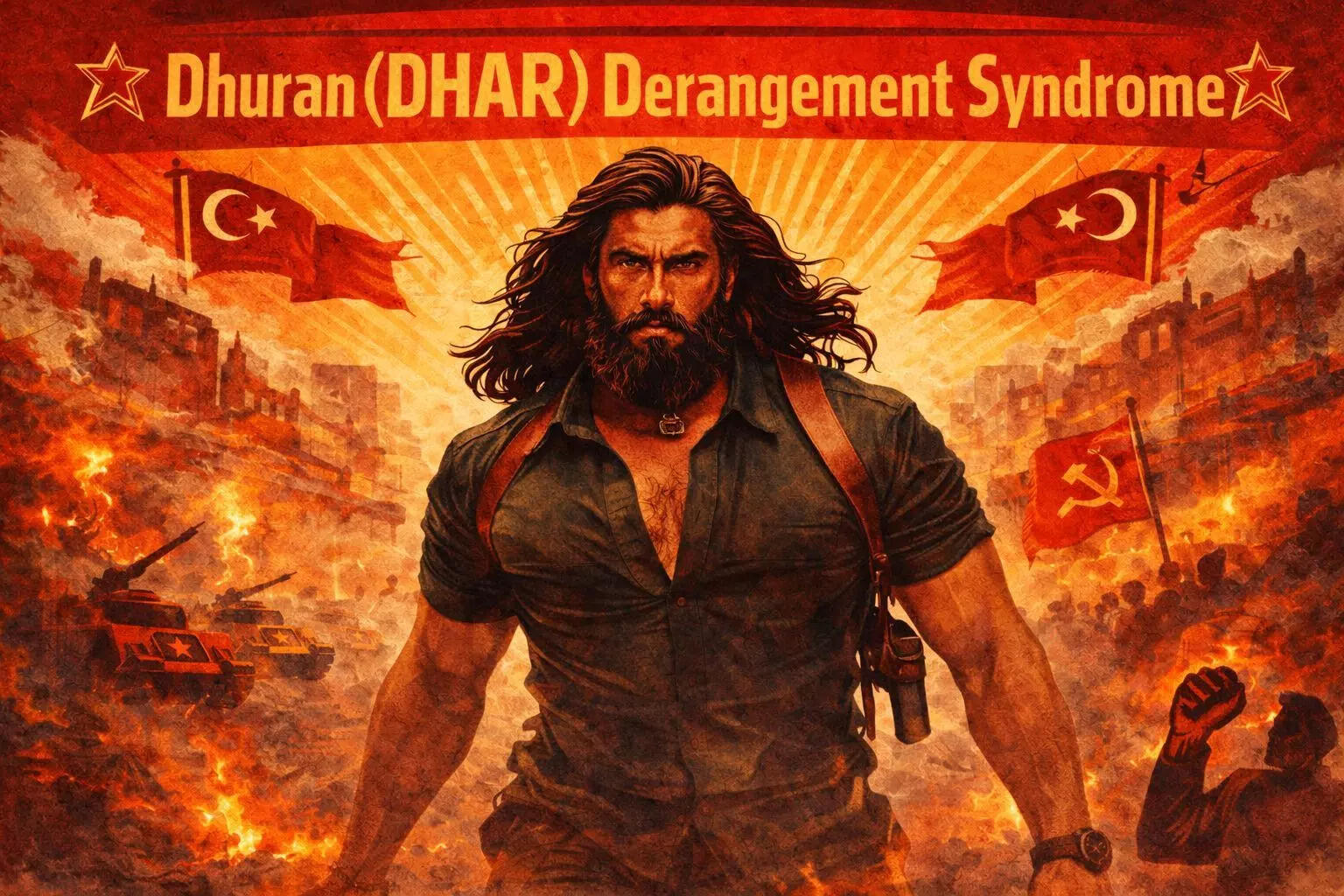
There’s a Cold War joke when two rival agents – a KGB one and a CIA one – find themselves in the same bar. The American tells his Russian counterpart: “I have to hand it to you – your propaganda is very impressive.” The Soviet smiles and replies: “It’s nothing compared to American propaganda.” Flummoxed, the American replies: “But we don’t have propaganda.” The Soviet winks and says: “Exactly.”There’s a line: “The greatest trick the Devil ever pulled was convincing the world he doesn’t exist.”The same goes for American propaganda, which is why most people know the aforementioned line from The Usual Suspects and not French poet Charles Baudelaire’s The Generous Gambler. Like the devil, the greatest trick American propaganda managed was to convince even the doyens who consume it or produce it that it doesn’t exist. It wraps up this illusion in the fig leaves of morality, economics, neo-liberalism, and the devil’s favourite sleight of hand: free will.The Nazis had Riefenstahl. Americans have Michael Bay movies.Communists have agitprop; Americans have “free press.”The interesting thing about the term agitprop is that it is the amalgamation of agitation and propaganda and is named after an actual Soviet department from the 1920s.One recently came across the term “agitprop” used to describe the sequel to Dhurandhar, Aditya Dhar’s magnum opus. It was one of the many words used to describe the Dhurandhar duology, along with ‘majoritarian’, ‘Islamophobic’, all the synonyms for intolerant, and some more polysyllabic jawbreakers that would make even India’s most loquacious politician call it an “exasperating farrago of distortions, misrepresentations and outright nonsense masquerading as movie reviews.”The most common epithet shoved on Dhar’s shelf is ‘propaganda’, a term which can be construed and tortured to describe almost every single movie, if one tortures logic enough.Read: How Hollywood mastered the art of propaganda Rang De Basanti can be viewed as anarcho-pacifist propaganda wrapped in the fig leaf of patriotism.Chak De India can be construed as ‘transphobic’ anti-cooperative federalism where the antagonist’s religion is flipped to create a victim complex. Three Idiots is clearly anti-engineering school propaganda.And Bhaag Milkha Bhaag is fat-shaming people for not being able to run.Jokes apart, whether you consider the Dhurandhar duology propaganda or not depends completely upon your availability heuristic, worldview, and what you think constitutes propaganda, and is frankly beyond the scope of this piece.What the duology does brilliantly is show that Bollywood – which we discovered post the internet boom is mostly borrowed, inspired, or plagiarised from cinema across the world – appears capable of civilisational myth-making.Every nation needs a foundational myth to agree on, a story that brings its denizens together. Post its independence from the British, the US had ‘Manifest Destiny’, the expansionist belief that it was their task to spread the American way of life across the North American continent. The belief was backed by great American novels like The Last of the Mohicans and gun-slinging cowboy movies about the American frontier, which cleverly hid the genocide of indigenous people.
For India – post and pre-independence – from Buddha to Gandhi, the foundational myth has been one of ahimsa, or non-violence, which was treated as the basic operating system of our nation, even the accepted truth. Of course that particular myth ignores both the two of the foundational text of Indic civilisation: the Mahabharata and the Ramayana.One of those pernicious lies that is downstream from that myth is that India has ‘never’ invaded any nation, something that actor Priyanka Chopra repeated on the Joe Rogan podcast while showing wilful ignorance about the seafaring incursions of the Cholas and other dynasties. One doesn’t blame her; Hollywood and Bollywood actors aren’t supposed to be experts in history, but the view just shows a popular consensus that has existed among people.When India finally won independence from the war-ravaged and tottering British Empire, the myth clung to our national DNA and even shaped our initial foreign policy.As geopolitical expert Brahma Chellaney argued in a TOI piece from 2019: “Had post-1947 India been proactive and forward-looking in securing its frontiers, it could have averted both the Kashmir and Himalayan border problems. China was in deep turmoil until October 1949, and India had ample time and space to assert control over the Himalayan borders. But India’s pernicious founding myth gave rise to a pacifist country that believed it could get peace merely by seeking peace, instead of building the capability to defend peace.”Of course, hindsight is 20/20, and it is very easy to look back at the man in the arena and make judgement calls from the comfort of our keyboards. But we have learnt the hard way that peace comes from having a bigger stick than the other side, or at least a nuclear weapon, which Indian governments of all ideological hues have worked together to pursue.The ahimsa foundational myth persisted in mainstream cinema and was in vogue till the last decade. Some commonly held beliefs were simply that Indians and Pakistanis are the same, who want to bond over biryani and Fawad Khan’s chiselled jaw. In the early part of the noughties, the notion was so firm that Farah Khan’s debut movie showcased an antagonist who considered Pakistan the enemy and a protagonist who, much like Neville Chamberlain, just wanted peace.
It was a notion that the Indian public also believed in to a certain extent, till the Overton window shifted after terror attack upon terror attack. But Bollywood’s worldview did not change, and it continued to serve up movies from assorted spy universes where Indian and Pakistani agents often broke into dance before thwarting faceless and non-religious threats against both nations.Movies that departed from this worldview, on the other hand, were so poorly executed that they appeared to be exploitation cinema trying to make a quick buck from current political sentiment.That is why the Dhurandhar duology stands on its own, because it is a rare instance of competent myth-making that is completely attuned to the availability heuristic of its audience.Dhar’s duology rejects Bollywood’s mass, formulaic approaches to war movies or spy thrillers, eschewing escapist item-number fantasies or surreal jamborees, with a level of peak detailing that would gladden Frederick Forsyth’s heart. The movie uses enough real-life examples to serve a delicious Quentin Tarantino-style revenge fantasy, the kind we have seen in Inglourious Basterds, Django Unchained, or Kill Bill.The music is sublime, mixing hits old and new, from far-off genres. Golden-era Bollywood classics jostle with qawwalis, as Punjabi pop, Arabic rap, Indian hip-hop, and Western rock come together, coupled with a background score that could have been developed by Hans Zimmer.There are so many scenes – subtle and not-so-subtle – that go out of their way to push the phantasmagoria of revenge, the kind that Hollywood has used to sublime effect over the years. All in all, it is competent myth-making. And your availability heuristic will decide whether it is myth-making for a particular spymaster, regime, religion, nation, or civilisation.This is not the first Indian movie to do that. The Baahubali duology and RRR are both sublime artefacts of civilisational pride wrapped in grand filmmaking, but the difference is that they are either set in fantastical lands or in history. Dhurandhar, on the other hand, is set in contemporary times – in the not-so-distant future – one that is the lived reality for many people watching the movie.Dhurandhar is balm for the civilisational wound, or, as Arjun Rampal, a Mumbai denizen who saw the atrocities during 26/11, put it: “This is my revenge.”Which brings us to the final question: why is there so much hysterical anger against the movie? Recently, when an Indian national pleaded guilty in an American court to a plot to assassinate an American citizen and bona fide Khalistani, social media was full of people mocking Aditya Dhar. The simple answer is that Dhurandhar Derangement Syndrome is the sigh of the former oppressor, facing civilisational erasure. The democratisation of art is a tad too much for a class that could long control the channels of communication, one that could decide what is a genteel worldview and what is not. Dhurandhar is a clean break from that past. Bollywood has some way to go before it can compete with Hollywood when it comes to myth-making, à la Top Gun or American Sniper, but this is definitely a start.In Dhurandhar’s title track, there is a line: “You are not ready for this.” In the sequel, there is a follow-up: “You are still not ready for this.” The old population might not be, but it is clear that the audience, and many denizens of new India, are definitely ready for it.
Captaining an IPL team is often described as one of the most demanding jobs in world cricket. The relentless pressure, the weight of franchise expectations, and the unforgiving nature of a two-month tournament have broken many seasoned leaders. So when a captain manages to lift the trophy in their very first season at the helm, it’s not just impressive – it’s extraordinary.
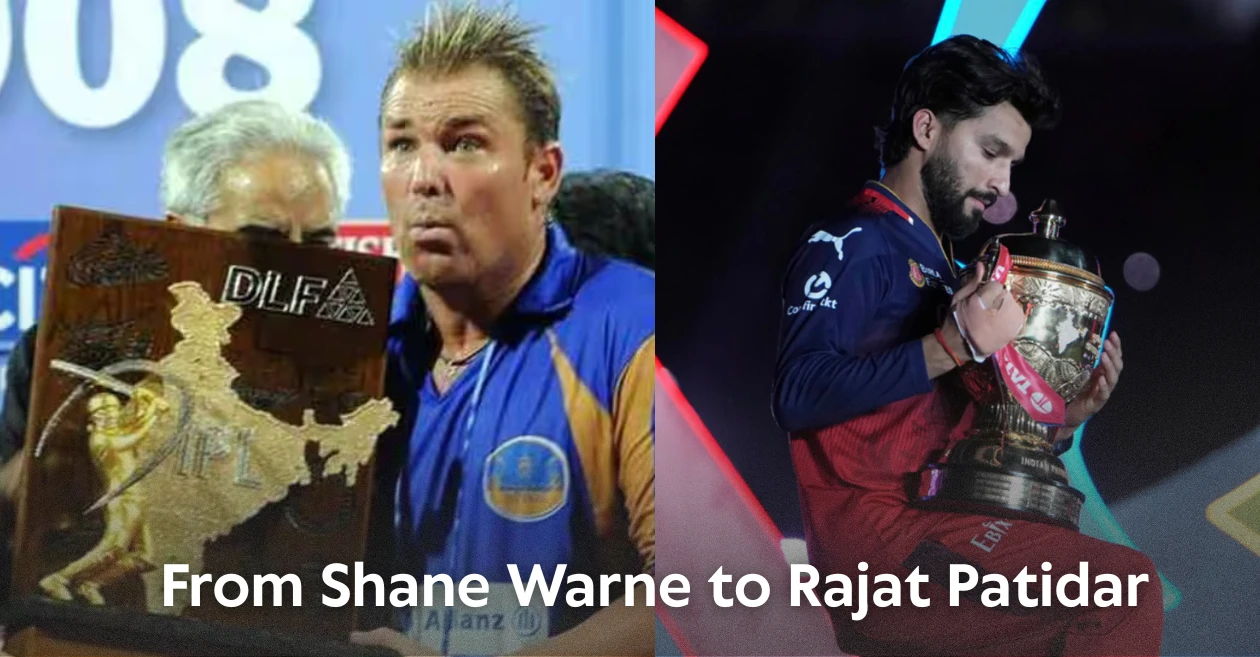
Over the 18 editions of the Indian Premier League, only four men have achieved this rare distinction. Each came from a different background: one was a legendary spinner leading a bunch of underdogs, another was a young batter thrust into the role midway, a third was a comeback king leading a brand-new franchise, and the latest was a hometown hero who ended a franchise’s 18-year wait. Their stories are as diverse as they are inspiring.
Here are the four players who conquered the IPL in their debut season as captain:
1. Shane Warne – Rajasthan Royals (2008)
When the IPL kicked off in 2008, no one gave Rajasthan Royals (RR) a chance. They were written off as the weakest team on paper – a squad made up of relatively unknown Indian players and a few overseas names past their prime. But what they had was Shane Warne, the legendary Australian leg-spinner, who was handed the captaincy in what would be his first and only season as an IPL skipper.
Warne did more than just captain; he completely transformed a bunch of underdogs into a cohesive, fearless unit. His leadership was a blend of tactical genius and pure belief. He famously gave young, uncapped players like Ravindra Jadeja, Yusuf Pathan and Swapnil Asnodkar the confidence to perform on the big stage. Warne himself led from the front, picking up 19 wickets and orchestrating the bowling changes with his trademark intuition.
In the final against Chennai Super Kings (CSK), the Royals defended a modest 164, winning by three wickets in a nail-biter. Warne’s captaincy that season remains one of the most celebrated underdog stories in sporting history, and he remains the only captain to have won the IPL in its very first edition while leading a team in his debut season as skipper.
2. Rohit Sharma – Mumbai Indians (2013)
Rohit Sharma’s elevation to Mumbai Indians (MI) captaincy in 2013 was born out of necessity rather than a long-term plan. Halfway through the season, with MI struggling, the franchise decided to replace Ricky Ponting with their young vice-captain. Rohit, then just 26, took over a team that had never won an IPL title despite being one of the most star-studded sides.
What followed was a masterclass in calm, composed leadership. Rohit didn’t try to do anything flashy; he simply brought stability and clarity. He backed his players, used Lasith Malinga to devastating effect, and produced crucial knocks himself – most notably a brilliant 60 not out in the final against CSK to chase down 148 with ease.
Rohit Sharma with the IPL trophy (PC: X.com)
That victory marked the beginning of MI’s transformation into the most successful franchise in IPL history. Rohit went on to win four more titles with MI (2015, 2017, 2019, 2020), but his debut season as captain in 2013 set the template: he stepped into a tough situation midway, never looked back, and lifted the trophy in his first attempt.
3. Hardik Pandya – Gujarat Titans (2022)
Hardik Pandya’s story in 2022 was one of the most remarkable comebacks in IPL history. After being released by Mumbai Indians following an injury-plagued season, he was named captain of the newly formed Gujarat Titans (GT). The pressure was immense – not just to lead a new franchise, but also to prove his fitness and value as a premier all-rounder after a long injury layoff.
Hardik embraced the responsibility with exceptional maturity. He built a team culture centred around calmness under pressure, a philosophy that became Gujarat’s hallmark. His own performances were outstanding: he scored 487 runs at a strike rate of 131.29 and picked up 8 wickets with his medium pace, showing he could once again deliver as an all-rounder.
Under his leadership, the Titans topped the league stage in their very first season and went on to beat Rajasthan Royals in the final. Hardik became the third captain to win the IPL in his debut season as skipper, and he did it with an expansion team – a feat even more extraordinary given the franchise had no prior history to lean on.
4. Rajat Patidar – Royal Challengers Bengaluru (2025)
The latest entrant to this exclusive club, Rajat Patidar, delivered what many consider the most emotional fairytale of them all.
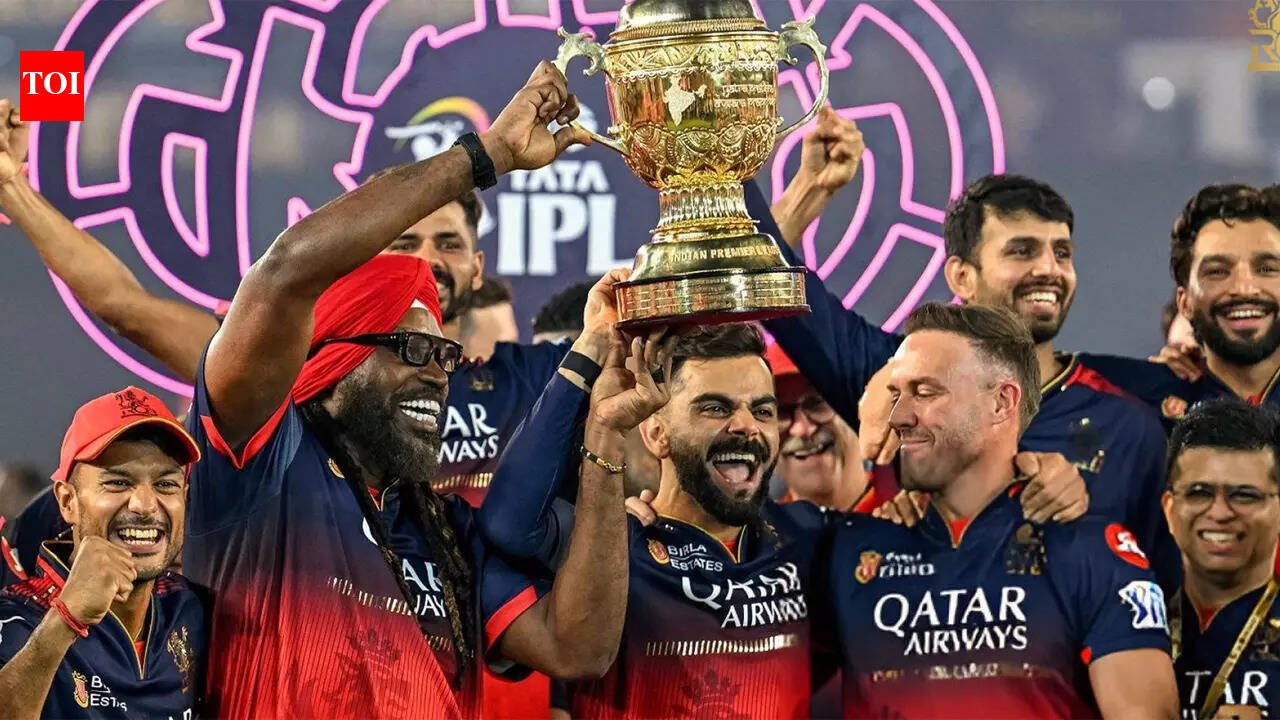
Virat Kohli and Rajat Patidar lift the IPL trophy (PC: X.com)
After 18 years of heartbreak, Royal Challengers Bengaluru (RCB) finally broke their title drought in 2025, and they did it with a captain who had never led a side in the IPL before – and who had started that very season as a player uncertain of his place in the XI.
Patidar was named captain just days before the tournament began following an injury to Faf du Plessis. Few gave RCB a real chance; they had a history of falling short in knockout games. But Patidar, a hometown batter who had risen through the ranks, brought a calm, aggressive style of leadership. He led from the front with the bat, amassing over 500 runs, and his tactical decisions – especially in the playoffs – were hailed as brave and clear-headed.
The final against Punjab Kings (PBKS) at the Narendra Modi Stadium in Ahmedabad was the stuff of legend. Patidar marshalled his bowlers perfectly, and with the bat, he anchored the chase to secure RCB’s first-ever IPL title. His achievement stands out not only because he did it in his maiden season as captain, but because he ended the longest trophy drought in IPL history while doing so.
Mumbai: In a controlled trap, a Customs official arrested a Ludhiana resident in connection with seizure of 1.079 kg of cocaine worth Rs 30 crore concealed inside a parcel at the International Courier Terminal in Mumbai. The parcel, which arrived from Côte d’Ivoire in West Africa, was declared to contain acrylic wool yarn for personal use. The NCB Mumbai zonal office arrested Jaspreet Singh, 47, on charges of Narcotic Drugs and Psychotropic Substance Act. tnn
New Delhi: A last-minute change in plans will cost you dearly, as the railways have announced a revised rule linking refunds to the timing of ticket cancellations before the scheduled departure of trains. As per the new rule, passengers who cancel their tickets less than eight hours before departure will receive no refund, while cancellations made between eight and 24 hours before departure will result in a 50% deduction.Announcing the changes as a part of ongoing reforms, railway minister Ashwini Vaishnaw said on Tuesday that under the new norm there will be 25% deduction for tickets cancelled between 24 and 72 hours before train’s departure while a minimal amount will be deducted for cancellation before 72 hours. The new rules will take effect between April 1 and 15.At present, passengers get no refund for cancelling a ticket within four hours and 50% deduction happens for tickets cancelled within 4-12 hours before train departure. Similarly, only 25% is deducted for tickets cancelled within 12-48 hours and there is minimal deduction for cancellation before 48 hours.Vaishnaw said tighter refund norms have been decided after investigation in the light of touts still hoarding some tickets and black marketing them. He said decoy customers sent by railways found how touts take advantage of the provision of last minute cancellation. The changes will discourage black marketing and last-minute sale of tickets by agents, he added.The minister also announced that passengers who have booked online tickets will be able to change the boarding point (station) 30 minutes before the scheduled departure. Currently, a change of boarding point is allowed only before preparation of the first chart.Vaishnaw announced reforms in the contracting norms to improve the quality of construction as well. As per the new norms, railways will assess the bid capacity of contractors bidding for all projects above Rs 10 crore. He also said that as per new norms, contractors must carry out works for 60% of total price directly under their own supervision and sub-contracting is allowed to 40%, something that follows PM Narendra Modi’s instructions to infrastructure ministries.Learning from the first Dedicated Freight Corridor project where players without having experience in similar project bagged work, which caused complications, now contractors who have done at least 20% “similar work” will only be eligible to bid. The bidders will also have to submit a detailed execution plan before the project starts for better monitoring and timely execution. Railways will take additional performance guarantee where the successful bidder quotes significantly lower than the estimated project cost.
Royal Challengers Bangalore (RCB) finally clinched their maiden Indian Premier League (IPL) title.
The rise of Royal Challengers Bengaluru to the top of the IPL’s brand valuation charts, as per the 2025 Houlihan Lokey report, is the culmination of sporting success, strategic clarity, and unmatched fan engagement.After years of near-misses, RCB’s maiden IPL title win ended a 17-year wait, instantly transforming the franchise’s narrative from perennial underachievers to champions. That long-awaited triumph not only delivered silverware but also propelled their brand value to a league-leading US$269 million.
Watch
RCB’s big changes ahead of IPL: New rules, tribute & squad update
A key factor behind this surge has been RCB’s ability to strike the right balance between continuity and reinvention. The appointment of Rajat Patidar as captain signalled a shift towards fresh leadership, while the continued presence of Virat Kohli ensured stability, experience, and global appeal.Kohli’s journey with the franchise — from its early years to lifting the trophy — added an emotional dimension that deeply resonated with fans.On the field, RCB built a formidable and well-rounded squad. Retaining core players and adding match-winners like Krunal Pandya, Liam Livingstone, Phil Salt, and Josh Hazlewood created depth and flexibility. This translated into consistent performances, with eight wins in their first 11 matches and a dominant run through the playoffs, culminating in a historic title victory.Off the field, RCB’s growth has been equally impressive. Strategic partnerships, alongside enhanced match-day experiences and grassroots initiatives across Karnataka, strengthened their connect with fans. Their digital presence — already among the strongest in the IPL — scaled new heights, amplified by Kohli’s enduring star power.Kohli’s retirement from Test cricket in 2025 further sharpened his focus on the IPL, boosting both performance and marketability.Combined with the IPL title and smart brand-building, RCB have evolved into more than just a cricket team — they are now the IPL’s most valuable and influential franchise.