Breaking News
‘Kantara’ controversy row: Ranveer Singh is ready to submit affidavit of unconditional apology in court, visit Chamundi temple |


'Kantara' controversy row: Ranveer Singh is ready to submit affidavit of unconditional apology in court, visit Chamundi temple

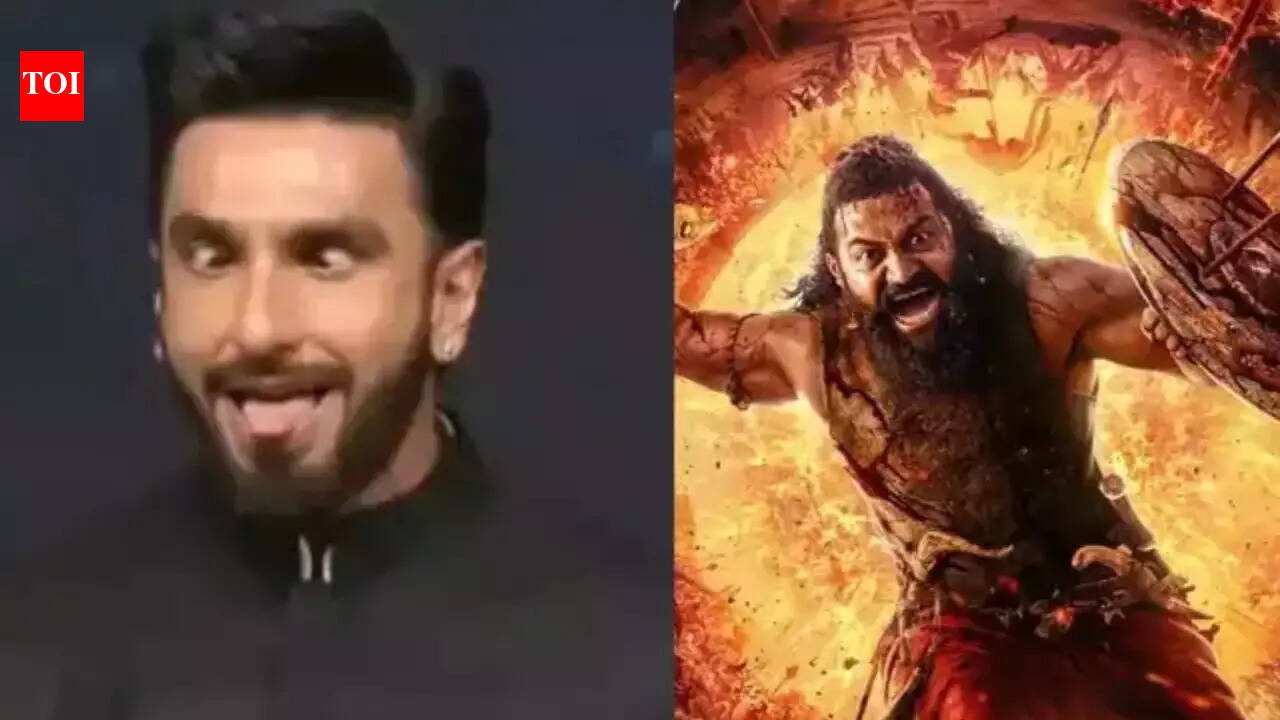
Even after the release of ‘Dhurandhar: The Revenge’, an earlier controversy linked to Ranveer Singh continues to follow the actor. Last year, when Ranveer imitated the Daiva (Bhoota Kola) ritual—associated with Rishab Shetty’s ‘Kantara Chapter 1’, it drew criticism from sections of the public who felt their religious sentiments were hurt.Ranveer Singh has reportedly told the Karnataka High Court that he is willing to submit an affidavit offering an unconditional apology for his actions. He also expressed readiness to visit the Chamundi temple, in line with the court’s directions.The statement was made during the hearing of his petition seeking to quash the FIR filed against him in the case. During the proceedings, the High Court orally observed that what the actor did (the imitation) was not correct.For those not in the know, earlier Ranveer had approached the Karnataka High Court, challenging the case registered against him over his mimicry of a character from Kantara: Chapter 1. The controversy stems from his imitation of the Chamundi daiva, which drew criticism for allegedly hurting religious sentiments.During the hearing, Justice M Nagaprasanna made strong oral observations about the responsibilities that come with stardom. “A superstar is not ‘ooper’ (above) law. You have no right to hurt the sentiments of people. You, being an actor, have influence on people. Being a superstar, you have to be responsible in making statements. You cannot be loose-tongued at all,” he remarked.Senior advocate Sajan Poovayya, representing Ranveer, argued that the actor had already acknowledged his mistake and apologised promptly. He stated that the remark was insensitive and made in poor judgment, adding that the magistrate’s order lacked proper application of mind.Responding to this, Justice Nagaprasanna underscored the lasting impact of public statements, saying, “I may forget, you may forget, and people may forget. The internet never forgets.”Meanwhile, the complainant’s counsel criticised the actor’s actions, describing them as a “shoot and scoot” attempt, implying a careless act followed by a quick apology.Following the uproar, Ranveer had issued a public apology on social media. He wrote, “My intention was to highlight Rishab’s incredible performance in the film. Actor to actor, I know how much it takes to perform that particular scene the way he did, for which he has my utmost admiration. I have always deeply respected every culture, tradition, and belief in our country. If I’ve hurt anyone’s sentiments, I sincerely apologise.Meanwhile, the actor is currently enjoying the massive box-office success of ‘Dhurandhar 2’


Source link

US stock markets today (March 24, 2026): Dow, S&P 500 & Nasdaq slip as Brent crude climbs amid Middle East tensions


US stock markets today (March 24, 2026): Dow, S&P 500 & Nasdaq slip as Brent crude climbs amid Middle East tensions

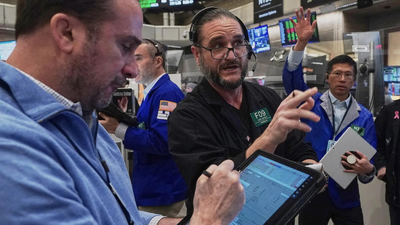
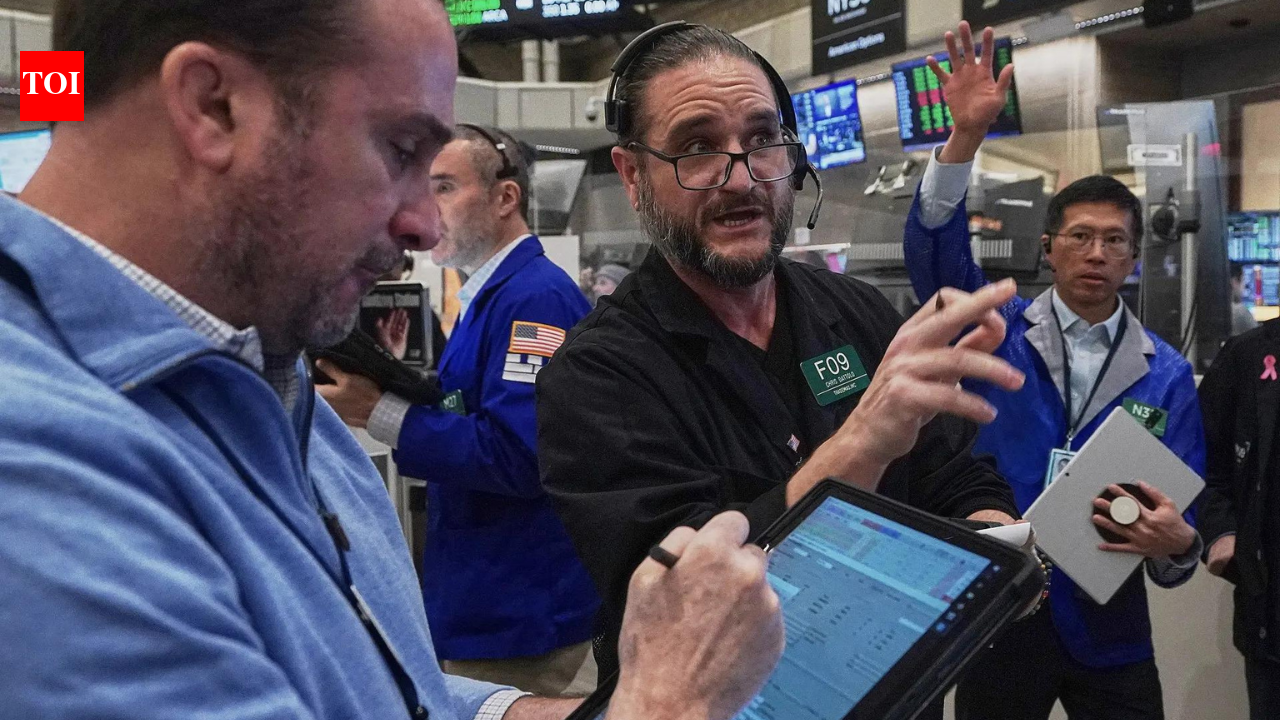
US stocks slipped on Tuesday while oil prices resumed their climb, as continuing airstrikes on Iran and fresh missile attacks across the Middle East dampened the optimism that had lifted markets a day earlier.The S&P 500 fell 0.6%, giving back nearly half of its previous session’s gain. The Dow Jones Industrial Average dropped 363 points, or 0.8%, while the Nasdaq Composite declined 0.5%.Oil prices rose sharply amid persistent tensions. Brent crude advanced 3.5% to $103.47 per barrel after having slumped more than 10% in the previous session. Benchmark US crude also gained $2.20 to trade at $90.33 a barrel, while Brent added $1.47 to reach $101.41 in early trade, AP reported.Futures signalled a cautious start to the session. Contracts tied to both the Dow Jones Industrial Average and the S&P 500 fell 0.1% before the opening bell, while Nasdaq futures were largely unchanged.Markets remained volatile as military action continued. Airstrikes battered Iran’s capital and Iranian missiles and drones targeted Israel’s Tel Aviv and other sites across the region. With additional US Marines heading to the Gulf and both sides maintaining heavy barrages, concerns over the conflict’s escalation continued to weigh on investor sentiment.The latest developments came a day after US President Donald Trump said the United States had made progress in talks with Iran to end hostilities. He had also extended his deadline for Tehran to reopen the Strait of Hormuz, a vital global shipping route whose disruption has pushed up fuel prices and threatened economic stability.Iran, however, denied that negotiations had taken place. Iranian parliament speaker Mohammad Bagher Qalibaf said on social media platform X that “fakenews is used to manipulate the financial and oil markets”.Despite the uncertainty, some analysts saw tentative signs of progress. “Still, while there’s clearly a long way to go until some sort of ceasefire is agreed, and peace restored, we do at least seem to have taken the first step towards those ends,” said Michael Brown, senior research strategist at Pepperstone.Global markets showed mixed trends. In Europe, France’s CAC 40 rose 0.4% to 7,759.97 in early trade, while Germany’s DAX edged up 0.2% to 22,695.54. Britain’s FTSE 100 was largely flat at 9,899.12.Asian equities rebounded more strongly. Japan’s Nikkei 225 gained 1.4% to close at 52,252.28 after earlier losses, while South Korea’s Kospi surged 2.7% to 5,553.92. Hong Kong’s Hang Seng jumped 2.8% to 25,063.71 and China’s Shanghai Composite added 1.8% to end at 3,881.28. Australia’s S&P/ASX 200 rose 0.2% to 8,379.40.Investors continued to track developments around the Strait of Hormuz, whose disruption has rattled global energy supply chains. The conflict, which began in late February, has driven sharp swings in financial markets, particularly in Asia where economies are highly dependent on energy shipments through the route.In corporate developments, Estee Lauder and Spanish cosmetics firm Puig confirmed they are in merger talks that could bring together brands such as MAC, Clinique, Charlotte Tilbury and Apivita. Estee Lauder said no final decision had been taken, and its shares were little changed in premarket trading.Separately, Toyota Motor Corp.’s shares rose 0.6% after the automaker announced a $1 billion investment in its Kentucky and Indiana plants. The move is part of a broader plan unveiled in November to invest up to $10 billion in the US over the next five years, as Japanese manufacturers seek to underline their contribution to American employment and economic growth.Markets are expected to remain sensitive to geopolitical developments, particularly any signals on ceasefire prospects, energy supply disruptions and oil price movements in the coming sessions.


Source link

‘Illegal, inhuman’: Iran sticks Spanish PM’s ‘no war’ message on missiles targeting Israel


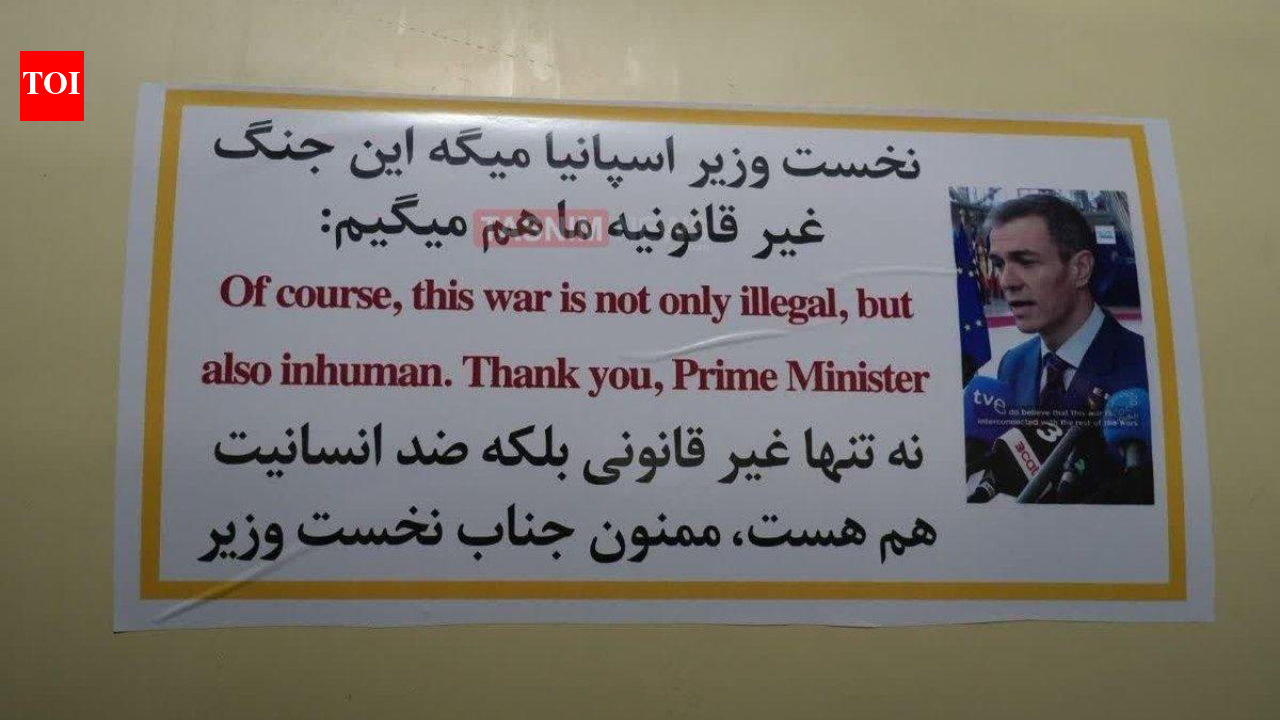
The raging power centre in Tehran has used Spanish Prime Minister Pedro Sanchez’s anti-war remarks by attaching his words, written in both English and Persian, to a missile aimed at Israel, local media reported, as Iran continues its violent struggle with Israeli-American forces.Images circulating on Iranian media show this striking wartime messaging, highlighting how Madrid’s vocal opposition to the conflict has resonated far beyond Europe.The stickers, written in English and Farsi, carry a quote attributed to Sanchez: “Of course, this war is not only illegal, but also inhuman. Thank you, Prime Minister.”

Watch

‘Will Burn US…’: Iran Reveals 4-Point Punitive Measure As Trump’s 48-Hour Deadline Nears

According to Iran’s semi-official Mehr News Agency, the adhesive labels were placed directly onto missiles launched from Iranian territory toward Israel.Inscribing messages on munitions is not new in this conflict. Earlier this month, Iranian state television broadcast images of soldiers writing messages on missiles, declaring they would continue strikes “until the last American soldier leaves the Middle East,” according to Turkey Today.

Poll

What should be the focus during global conflicts?

The use of Sanchez’s words on Iranian weaponry highlights the unusual position the Spanish prime minister has taken since the US-Israeli military operation against Iran began on February 28. One of the few left-wing European leaders to condemn the strikes as “unjustifiable” and “dangerous,” Sanchez declared in a televised nationwide address that Spain’s position was “no to the war.”


Source link

IPL 2026: DC skipper Axar Patel explains why he is not a fan of ‘Impact Player Rule’


With the Indian Premier League (IPL) 2026 set to kick off on March 28, discussions around the controversial Impact Player rule have once again taken center stage. Introduced in IPL 2023, the rule allows teams to substitute a player during a match, significantly altering team combinations and strategies. While some experts believe it has added tactical depth and excitement, others argue it has reduced the role of all-rounders in the game.

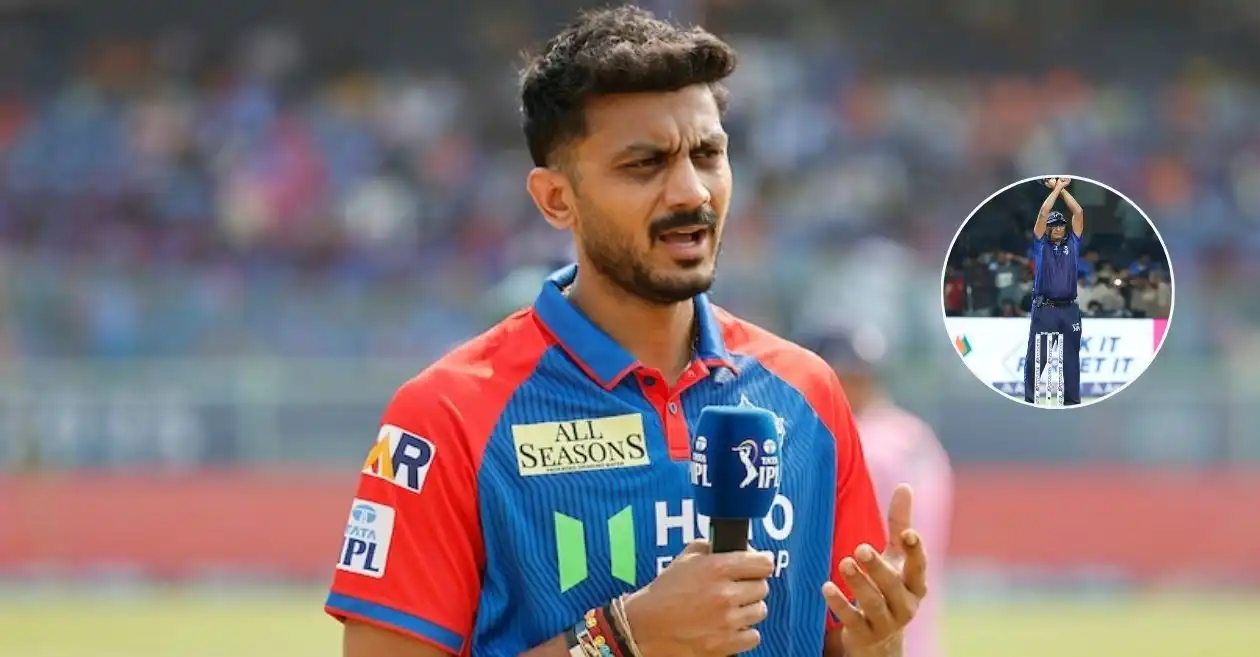
The latest voice to join this ongoing debate is Delhi Capitals skipper Axar Patel, who has openly admitted that he is not a fan of the rule, particularly because of how it affects players like him.

Axar Patel explains why he doesn’t like the Impact player rule

Axar did not hold back while sharing his honest opinion on the Impact Player rule. The Delhi Capitals captain made it clear that, as an all-rounder, he feels the rule diminishes the value of players who contribute in both departments.

“I don’t like this rule, honestly, because I am an all-rounder,” Axar said with a laugh.

He elaborated that earlier, teams relied heavily on multi-skilled players who could balance both batting and bowling responsibilities. However, the introduction of the rule has shifted that mindset. According to Axar, teams now tend to pick specialists instead of all-rounders.

“Because of this rule, the team management goes for a particular batsman or bowler, thinking ‘Why do we need an all-rounder?’,” he explained.

Despite his personal reservations, Axar acknowledged the importance of adapting to the rules. “At the same time, rules are rules and we need to follow them. From a personal point of view though, I don’t like the rule,” he added.

Also READ: IPL 2026: How many matches will Mitchell Starc miss for Delhi Capitals?

Expectations high from Axar and Co.

Heading into IPL 2026, expectations are significantly higher for Delhi Capitals, who are being widely regarded as strong title contenders. Unlike previous seasons, the franchise has built a squad that experts describe as “intelligently constructed,” focusing on balance rather than star power alone.

One of DC’s biggest strengths lies in their spin department, with Axar and Kuldeep Yadav forming arguably the most effective spin duo in the tournament. Their ability to control the middle overs and pick up crucial wickets could prove decisive, especially at the spin-friendly Arun Jaitley Stadium.

The batting lineup also appears well-rounded, with KL Rahul expected to provide stability at the top. He is supported by experienced finishers like David Miller and the explosive Tristan Stubbs, giving the side both depth and firepower.

In the bowling department, the presence of Mitchell Starc adds significant bite to the pace attack. With support from T Natarajan, Lungi Ngidi, and Mukesh Kumar, DC possess a versatile bowling unit capable of adapting to different match situations.

Also READ: Delhi Capitals address speculation over Mitchell Starc’s availability for IPL 2026


Source link

Mumbai petrol pump rush triggered by panic buying despite adequate fuel stocks | Mumbai News


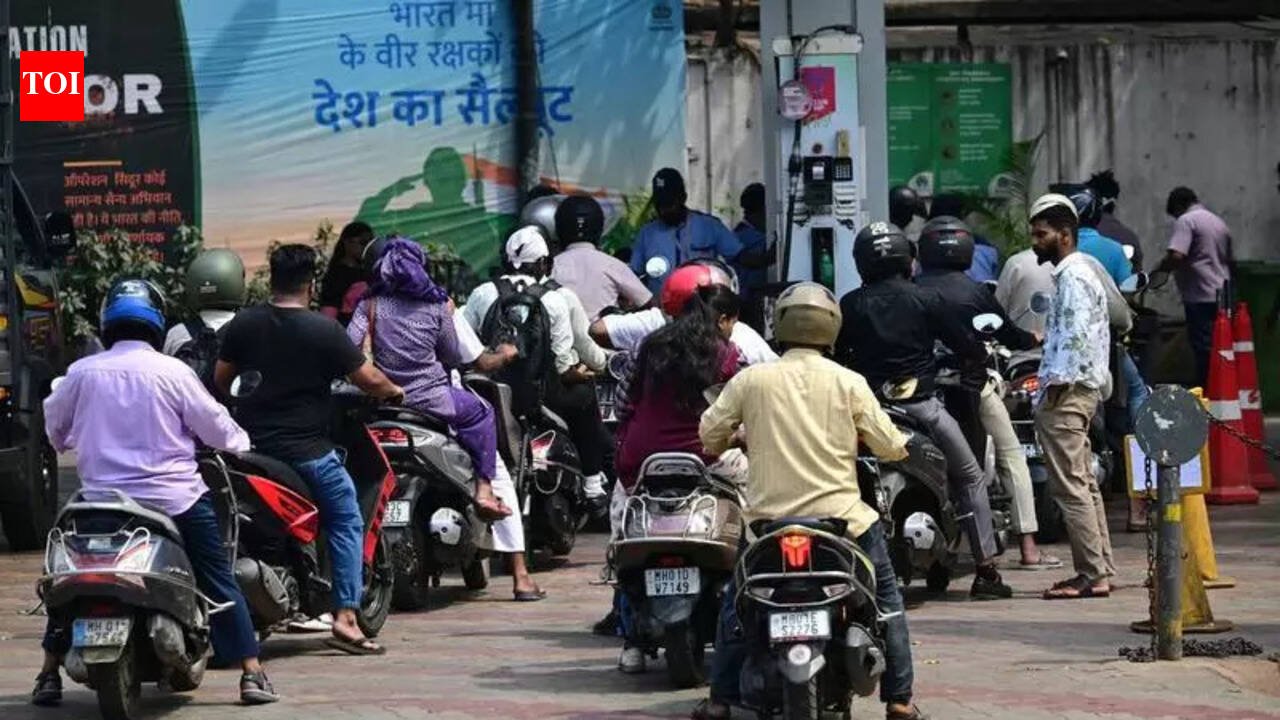
Mumbai: Motorists in Mumbai queued at some of the petrol pumps from late Monday evening to fill the tanks of two-wheelers and four-wheelers amid fears of a fuel shortage, triggering panic buying and concern among commuters. However, petrol dealers and official sources said there was no shortage of petrol, diesel or CNG in the city and urged citizens not to panic.Chetan Modi, president of the Petrol Dealers Association, told TOI the rush was caused by temporary payment-related issues at a few pumps and not by any disruption in fuel availability. “There is no shortage of petrol or diesel or CNG in the city. We have adequate stocks and pumps will not dry out,” Modi said.He said dealers had to make advance payments to oil marketing companies to purchase stocks, but because of two holidays and Sunday last week, some dealers could not deposit money on time. As a result, a few pumps could not keep reserve stocks and had less fuel on Monday, shifting the burden to other outlets and leading to long queues.“It’s just that we have to pay advance money for purchasing stocks from oil marketing companies. There were two holidays and Sunday last week. Money could not be deposited on time for a few pumps and therefore they could not keep reserve stocks. A few of them had less fuel on Monday. The burden was on other pumps, which witnessed long queues,” Modi said.He said the situation was expected to ease soon. “The problem will normalise by Tuesday evening. There is nothing to worry about,” he said.A source in the petroleum ministry in Delhi also dismissed concerns over any wider fuel crisis in the state, saying there was no shortage and that adequate stocks were available.Dealers said the rush was largely driven by panic buying and appealed to the public not to indulge in panic buying, stressing that fuel supplies in Mumbai remained stable.


Source link

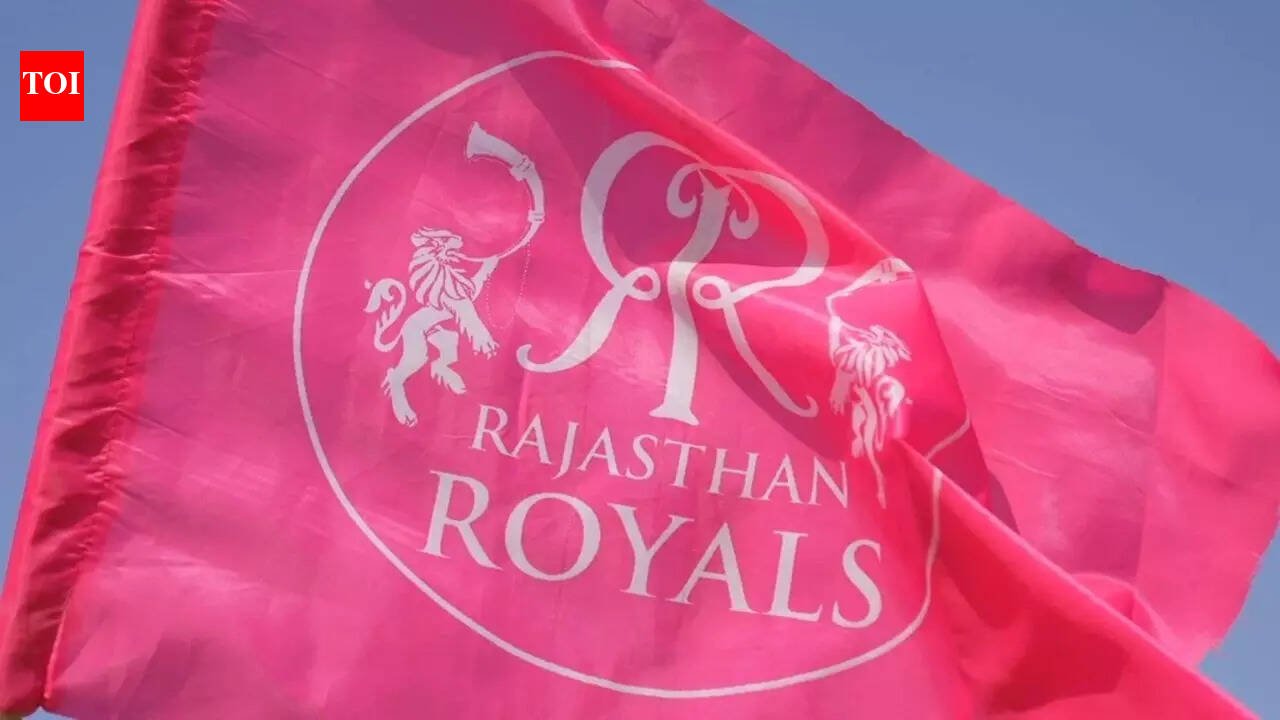
IPL: When will Kal Somani-led consortium’s Rajasthan Royal buy come into effect? | Cricket News


IPL: When will Kal Somani-led consortium's Rajasthan Royal buy come into effect?

NEW DELHI: As IPL 2026 nears, a major off-field development has taken centre stage, with Rajasthan Royals, the champions of the inaugural edition of the Indian Premier League (IPL), being acquired for a massive $1.63 billion by a consortium led by US-based entrepreneur Kal Somani. Despite the scale of the deal, the ownership transition will only come into effect after the conclusion of the 2026 season, meaning the current structure will remain in place for now.Somani is not new to the franchise, having been a minority investor since 2021.

Watch

Is this India’s best white-ball team? Nikhil Chopra on 2027 ODI World Cup

With this latest move, he is set to take full control, significantly raising the franchise’s global valuation. Known for his strong presence in the American tech industry, Somani heads companies like IntraEdge, Truyo & Truyo.AI, and Academia and has gradually expanded his interests into the sports world through investments and ownership roles.What makes this acquisition particularly noteworthy is the high-profile backing behind Somani’s consortium. Among the key names is Rob Walton, heir to the Walmart fortune and owner of the NFL’s Denver Broncos, widely regarded as one of the wealthiest sports owners in the United States. The group also includes the Hamp family, led by Sheila Ford Hamp, who owns the Detroit Lions and is part of the Ford Motor Company legacy. Somani has long expressed confidence in the IPL’s future. Speaking about his earlier investment in 2021, he had said, “We see huge potential with this investment, and we are excited for the future of the IPL”. His continued commitment underlines a broader belief in the league’s rapid growth.


Source link

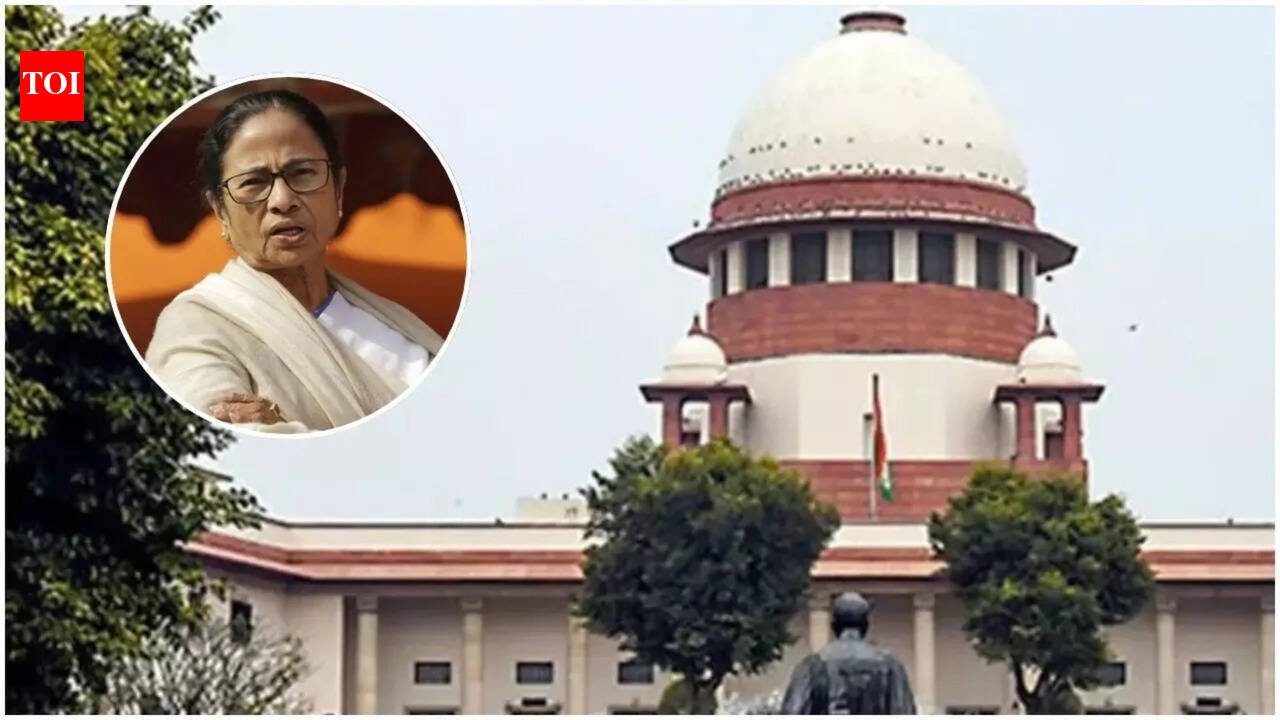
Court: ‘Don’t just say ED, ED, ED’: Supreme Court questions West Bengal government in Mamata I-PAC raid case | India News


‘Don’t just say ED, ED, ED’: Supreme Court questions West Bengal government in Mamata I-PAC raid case

NEW DELHI: The Supreme Court on Tuesday questioned the West Bengal government over its objection to the maintainability of the Enforcement Directorate’s plea alleging obstruction by Chief Minister Mamata Banerjee during a January 8 raid at I-PAC, asking what remedy ED officers would have if their rights were allegedly violated.As per news agency PTI, a Bench of Justices Prashant Kumar Mishra and N V Anjaria said some ED officers had also moved the court in their individual capacity, raising the issue of whether they cease to be citizens merely because they serve in the agency.

Court asks state to focus on ED officers’ rights

During the hearing, senior advocate Kapil Sibal, appearing for Banerjee, argued that a petitioner invoking Article 32 must clearly show which fundamental right has been violated.He submitted that the ED officer who filed the writ petition had not specifically pleaded any violation of fundamental rights and said the ED itself was not even a “person” for the purpose of such a petition.At this stage, Justice Mishra told the state to look beyond the agency as an institution and focus on the officers who had also approached the court.“Please concentrate on the fundamental rights of the officers of the ED with whom the offence has been committed. Otherwise, you will miss the point. You can’t forget the second petition which is preferred by individual officers who are the victims of the offence. You will be in difficulty, I am telling you. Don’t just say ED, ED, ED,” Justice Mishra observed, as quoted by Bar and Bench.Bar and Bench similarly reported that the court asked whether ED officers cease to be citizens of India merely because they are officers of the agency.The Court further said “different political parties govern centre and states. If some chief minister of the other side does this in 2030 and 2031 and you come in power in central government and their chief minister does this, what will be your reaction?”

Kapil Sibal says obstruction of statutory duty is not a fundamental rights issue

Sibal argued that obstruction in the performance of a statutory duty cannot automatically be treated as a violation of a fundamental right.He said, “If someone obstructs a police officer, he can’t file a petition under Article 32. He also can’t file a 226 petition. There will be a prosecution launched for the obstruction of violating his right to discharge his functions.”As quoted by Bar and Bench, Sibal also told the court, “Any obstruction in performance of a statutory duty is not in violation of a fundamental right. If someone obstructs a police officer, he can’t file a 32 petition. There is a statutory remedy. Otherwise every police officer will file a 32. We can’t interpret a law in the context of a particular situation and then open a Pandora’s box inconsistent with the basic features of criminal law.He further argued that an ED officer has only a statutory right to investigate, not a “fundamental right” to do so. “He (ED officer) only has a right under a statute to investigate. And violation of that right is not a violation of fundamental right,” Bar and Bench quoted him as saying.

Bench questions whether ED should seek remedy from CM-led state

The Bench also raised a sharp question over the practical consequence of the state’s argument.“If the CM barges into an ED investigation and commits an offence, your idea of remedy for the ED is to go to the state government which is headed by the CM and inform them about it and seek remedy?” Justice Mishra asked.Sibal responded that the court was presuming the Chief Minister had committed an offence. “Your lordships are assuming that the chief minister has committed an offence,” he said, according to PTI.Justice Mishra clarified that the Bench was not making any finding and was only referring to the allegations in the plea.“We are not assuming anything. That is the allegation. Do not mistake us. Every allegation is based on some facts, if there are no facts, there is no need to be investigated. That is what they are praying for, for CBI to investigate,” the judge said.Sibal also argued that if ED officers came across another offence while investigating under the Prevention of Money Laundering Act (PMLA), they should inform the concerned agency — in this case the state government — under Section 66 of PMLA.

Court rejects suggestion to defer hearing due to elections

The Supreme Court also firmly pushed back against a suggestion that the case be postponed because of the upcoming West Bengal Assembly elections.According to Bar and Bench, senior advocate Kalyan Banerjee, appearing for Banerjee, referred to an earlier instance where a judge had declined to hear a matter due to elections.The Bench, however, made it clear it would not entertain such a request.“We don’t want to be party to election, we don’t want to be party to any crime also. We know the timing of the court. We know the timing of the decision,” Justice Mishra said, as reported by Bar and Bench.Kalyan Banerjee also argued that the state’s consent is required for a CBI investigation, though constitutional courts have the power in appropriate cases.

Hearing remains inconclusive, next date on April 14

The hearing remained inconclusive and will continue on April 14.The matter centres on the ED’s plea alleging interference and obstruction by the West Bengal government, including Mamata Banerjee, during its January 8 search at the I-PAC office and the premises of its director Pratik Jain in connection with an alleged coal-pilferage scam.The agency has sought a CBI probe and also challenged the FIRs lodged in West Bengal against its officers.

Case stems from January 8 I-PAC raid in coal smuggling probe

Banerjee allegedly entered the I-PAC office and the residence of its co-founder while ED officers were conducting searches in connection with a money laundering investigation and allegedly removed documents and electronic devices from the premises.She reportedly claimed the material related to her political party. I-PAC has been associated with the Trinamool Congress since the 2019 Lok Sabha elections.The ED has said the searches were linked to its probe into a 2020 money laundering case against businessman Anup Majee, accused of involvement in coal smuggling.The agency alleged that a coal smuggling syndicate led by Majee illegally excavated coal from Eastern Coalfields Ltd (ECL) leasehold areas in West Bengal and sold it to various factories and plants in the state, with a large part allegedly sold to the Shakambhari Group of companies.

Earlier, SC had termed obstruction allegations ‘very serious’

On January 15, the top court had described the allegations against the Chief Minister as “very serious” and agreed to examine whether a state’s law-enforcing agencies can interfere with a central agency’s investigation into a serious offence.It stayed the FIRs filed against ED officials who carried out the raid and directed the West Bengal Police to preserve the CCTV footage of the operation.The court had also issued notices to Mamata Banerjee, the West Bengal government, former DGP Rajeev Kumar and senior police officials on the ED’s petitions seeking a CBI probe.Tthe Bench also questioned where the ED would go if it could not move the Supreme Court under Article 32 or a High Court under Article 226, observing that “there cannot be a vacuum.”

State says ED plea under Article 32 is not maintainable

The West Bengal government has consistently opposed the ED’s move under Article 32.The state argued the searches at I-PAC were not obstructed, and that the ED’s own panchnama showed this.It also contended that an Article 32 petition can be filed only by citizens alleging a violation of fundamental rights, and therefore the ED’s petition against a state government is not maintainable.The state warned allowing a central government department to file a writ petition against a state government could be dangerous to the federal structure.


Source link

Smartphones & the silent disruptor: How phubbing erodes social bonds | India News


Smartphones & the silent disruptor: How phubbing erodes social bonds

If children prefer to spend time on smartphones rather than inter‑ acting with others in a social set‑ ting, they are just phub‑ bing. Are they just talking to friends or doom scrolling the content in social media platforms? What happens if phubbing continues? A recent study*, published in the Current Psychology journal, sheds light on the psy‑ chological and behavioural as‑ pects of phubbing, and reveals its profound impact on inter‑ personal communication and well‑being.Smartphones are an indispensable part of our daily lives. Even as they help us stay connected and productive, smart‑ phone use has given rise to troubling social behaviour: Phubbing or the act of ignoring people around us, focusing on our phone.The study surveyed 938 undergrad‑ uate students in the US, 48.4% men and 51.6% women, to explore how social media addiction, Fear Of Missing Out (FOMO) and personality traits contrib‑ ute to phubbing. Social media addiction emerged as the strongest predictor of phubbing behavior.Students who scored high on the Bergen Social Media Addiction Scale (BSMAS) — a tool used to assess social media habits — were more likely to engage in phubbing, underscoring the addictive pull of platforms that thrive on constant en‑ gagement.FOMO also played a notable role. Defined as the persistent anx‑ iety that others are enjoying rewarding experiences without us, FOMO drives individuals to com‑ pulsively check their phones. This need for digital connectedness often comes at the ex‑ pense of real‑world relationships. While FOMO was less pre‑ dictive than social media addiction, it still contributes to phub‑ bing tendencies.Personality traits added another layer of complexity. Students who were more conscientious, organised, disciplined, and mindful, were less likely to dis‑ rupt conversations with phone use. Similarly, extroverts, who thrive on face‑to‑face interactions, showed lower levels of phubbing compared to their in‑ troverted peers.Conversely, lower emotional stabili‑ ty correlated with higher phone obsession, suggest‑ ing that individuals strug‑ gling with social isolation or anxiety may turn to their devices as compensa‑ tory tools.Men reported high‑ er phubbing scores than women. This may be linked to broader patterns of ad‑ dictive behaviours, which tend to be more prevalent among men.The implications are clear. Phub‑ bing is not a trivial annoyance, but a behaviour rooted in psychological vul‑ nerabilities and digital dependencies. It undermines communication, weakens trust and erodes the quality of relation‑ ships. In social contexts, the act of diverting attention to phone signals disengagement, leaving companions feeling undervalued and ignored. Phubbing is clearly a paradox of modern connectivity: While smart‑ phones promise closeness, they often fos‑ ter isolation.This study confirms that social media addiction is the most powerful driver of phubbing, with FOMO and certain per‑ sonality traits amplifying the risk. As so‑ ciety grapples with the costs of constant connectivity, recognising and curbing phubbing may be essential to promote genuine human interactions. (The phubbing phenomenon: A cross-sectional study on the relationships among social media addiction, fear of missing out, personality traits, and phubbing behavior, by Li-Chiu Chi, Tseng-Chung Tang & Eugene Tang)


Source link

No takers for Iran oil? Why India’s refiners are hesitant despite US waiver


No takers for Iran oil? Why India's refiners are hesitant despite US waiver

NEW DELHI: India’s state-run refiners are holding back from purchasing US-permitted Iranian oil cargoes despite a fresh sanctions waiver, as logistical, financial and regulatory uncertainties outweigh the short-term opportunity.According to a Bloomberg report, the hesitation comes after the United States issued a one-month waiver on Friday, allowing countries to buy Iranian crude already “on the water”, in a bid to ease global oil prices. However, state-owned refiners are sceptical of this purchase. Unresolved issues around shipping, insurance and payment mechanisms have collectively prevented any deals from materialising.At the core of the reluctance is the waiver’s tight timeline.In oil trade terms, a 30-day window is widely viewed as insufficient to negotiate contracts, complete due diligence, arrange financing, secure insurance, and execute delivery. Refiners fear that any delay could push shipments beyond the waiver period, exposing them to sanctions risk.Compounding this is a logistics bottleneck. Marine insurance—critical for cargoes worth millions of dollars—remains a grey area.Most global insurers operate within Western regulatory frameworks and may be unwilling to underwrite shipments tied to Iran, given the risk that the waiver could lapse mid-voyage. Without indemnity cover, tankers may also face rejection at ports, adding another layer of uncertainty.Financial channels present an equally significant hurdle. Iran’s limited access to the global banking system, particularly the SWIFT network, has left refiners unclear about viable payment mechanisms. Questions remain over which currency to use, which intermediary banks are compliant, and whether transactions could trigger future scrutiny. This has slowed due diligence—the verification process required before entering such trades—especially after a five-year gap in dealings.“Issues like shipping and insurance are unclear, and refiners are uncertain about payment mechanisms, currency, insurance and even whether Iran-linked vessels would ultimately be accepted at Indian ports,” Bloomberg reported citing sources familiar with the matter.The lack of a formal government framework from New Delhi has further reinforced caution. Refining executives have indicated that official guidance or a policy shield would make such purchases more viable. In its absence, companies are left to independently assess legal and operational risks, encouraging a risk-averse approach.This caution mirrors sentiment in other major Asian markets. China’s state-owned Sinopec has also indicated it would avoid Iranian shipments, citing the narrow delivery window under the waiver.India’s stance contrasts sharply with its earlier response to Russian oil waivers. There, established trade routes, payment systems and shipping arrangements allowed refiners to move quickly. With Iran, those commercial “plumbing” systems have largely been dormant since 2019, when US sanctions halted imports.Historically, Iran was a significant supplier to India, accounting for as much as 11.5% of total crude imports at its peak, according to Kpler data. However, years of disengagement have eroded operational readiness, making a rapid re-entry into the trade difficult.While Iranian sellers and intermediaries have approached Indian refiners with offers of crude and liquefied petroleum gas—an important cooking fuel currently in short supply—there has been little progress even on pricing or delivery timelines.The broader takeaway is that while the US waiver provides a theoretical opening, the practical barriers—legal ambiguity, logistical constraints and financial friction—are proving decisive. For Indian refiners, the risk of getting entangled in sanctions complications currently outweighs the benefit of discounted barrels.Unless the waiver is extended or backed by clearer government-to-government arrangements, industry participants expect India to remain on the sidelines, allowing this brief window for Iranian oil to pass largely unused.


Source link

Access Denied


Access Denied

You don’t have permission to access “http://www.ndtv.com/education/rbse-10th-result-2026-dungarpurs-ishwar-patidar-scores-99-5-aims-to-become-ias-officer-11260155” on this server.

Reference #18.14092017.1774358051.1661dbcd

https://errors.edgesuite.net/18.14092017.1774358051.1661dbcd


Source link