
Aravali degradation: Encroachments, mining and urban sprawl hit ecology; study flags threat to groundwater, biodiversity | India News
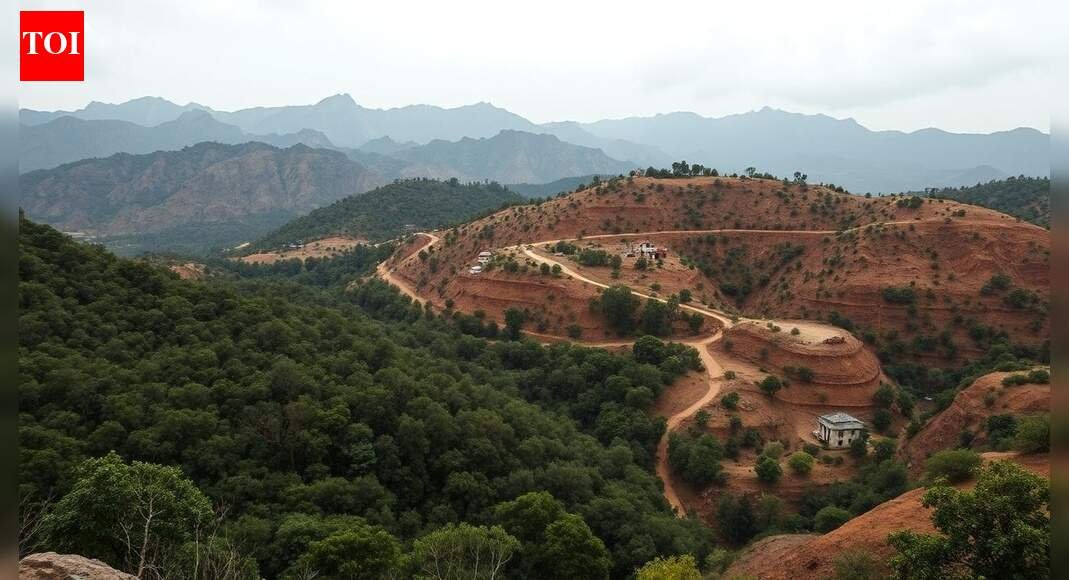
NEW DELHI: Encroachments, deforestation, illegal mining and expanding urban infrastructure in the Aravali ranges have severely damaged groundwater recharge, biodiversity, air quality and climate regulation, according to a new study.The research, titled Eco-restoration of the Aravali Landscape, was undertaken by the Sankala Foundation with support from the Embassy of Denmark in India and the Haryana State Forest Department.
According to news agency PTI, it highlighted that large-scale diversion of forest land, particularly around the Sariska and Bardod wildlife sanctuaries before the 1980s, led to a sharp decline in native forest cover, fragmenting wildlife habitats and critical water catchment areas.Launching the report on Wednesday, Union environment minister Bhupender Yadav said the Aravali range, one of the world’s oldest mountain systems, is a crucial ecological barrier for the National Capital Region and the Indo-Gangetic plains. However, he noted that the fragile ecosystem, spread across four states and 29 districts and supporting over 50 million people, faces severe threats from deforestation, unsustainable land use and rapid urbanisation.The study said these pressures have weakened the Aravali’s role as a green barrier, accelerating desertification and threatening ecological stability in northern India. It found forest patches in the study area to be highly degraded and fragmented, with invasive species such as Prosopis juliflora, Lantana camara and Parthenium hysterophorus suppressing native biodiversity and altering ecological functions.According to the report, all villages in the pilot area depend entirely on groundwater for irrigation, contributing to aquifer depletion and forest stress. Over 43 per cent of households rely on forests for firewood, fodder and medicinal plants, with women playing a key role in resource collection, while alternative livelihood options remain limited.The study proposes a site-specific, community-inclusive eco-restoration model in four villages of Gurugram’s southern Aravali belt. It aims to create a replicable framework combining scientific assessment, local participation and adaptive governance, with afforestation and water-retention measures identified as essential for climate resilience.