Breaking News
Indian Railways timetable 2026: 549 trains sped up, 122 new added; what TAG 2026 means for passengers

[ad_1]
Indian Railways timetable 2026: 549 trains sped up, 122 new added; what TAG 2026 means for passengers

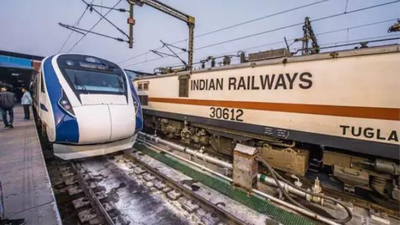
Indian Railways has rolled out a sweeping timetable overhaul under the Timetable of Trains (TAG) 2026, introducing 122 new trains and speeding up 549 services nationwide to reduce travel time, improve punctuality and enhance operational efficiency, according to official data released on Friday.Under TAG 2026, Indian Railways has not only added new services but also extended existing routes, increased frequencies and converted select trains into superfast services across all railway zones, reflecting a system-wide push to improve passenger convenience.

122 new trains added across categories

Of the 122 new trains introduced in 2025, the largest share comprises 60 Mail/Express services, followed by 28 Vande Bharat trains to strengthen semi-high-speed connectivity. The additions also include 26 Amrit Bharat trains, 2 Rajdhani, 2 Jan Shatabdi, 2 Humsafar, and 2 Namo Bharat Rapid Rail services. Some of these were introduced under the TAG–Time on Demand (TAG-TOD) framework.

549 trains sped up to improve punctuality

A total of 549 trains have been speeded up across zones under TAG 2026. Of these, 376 trains saw a reduction of 5–15 minutes, 105 trains by 16–30 minutes, 48 trains by 31–59 minutes, and 20 trains by 60 minutes or more, significantly cutting journey times on several key routes.

Zone-wise expansion and speed upgrades

The scale of changes varies sharply across railway zones. The South Western Railway (SWR) emerged as the biggest beneficiary, introducing eight new trains and speeding up 117 services, the highest among all zones. The North Western Railway (NWR) added 12 new trains and speeded up 89 services, while the Western Railway (WR) introduced 10 new trains and accelerated 80 services.The Southern Railway (SR) introduced six new trains and speeded up 75 services, while the Northern Railway (NR) added 20 new trains, extended 10 services and speeded up 24 trains. The East Central Railway (ECR) recorded a major expansion with 20 new trains, 20 extensions, and 12 trains speeded up.Other zones also saw notable changes. The Northeast Frontier Railway (NFR) introduced 10 new trains and sped up 36 services, while the Central Railway (CR) added four new trains, extended six services and sped up 30 trains. The Eastern Railway (ER) introduced six new trains and sped up 32 services, while the East Coast Railway (ECOR) added four new trains and accelerated three.

Mix of premium, express and passenger trains

Of the 122 new trains introduced, 60 are Mail/Express services, including eight under the TAG–Time on Demand (TAG-TOD) framework. Indian Railways also added 28 Vande Bharat trains to strengthen semi-high-speed connectivity, 26 Amrit Bharat trains (four via TAG-TOD), along with two Rajdhani, two Jan Shatabdi, two Humsafar, and two Namo Bharat Rapid Rail services.

Travel time cut across 549 trains

Speed improvements form a key pillar of TAG 2026. Of the 549 trains speeded up, 376 services saw time savings of 5–15 minutes, 105 trains by 16–30 minutes, 48 trains by 31–59 minutes, and 20 trains by 60 minutes or more.Zones such as SWR, NWR, WR and SR accounted for a large share of these gains, reflecting a focus on reducing end-to-end travel time on high-density corridors.

[ad_2]

Source link
Watch: Pro-Hamas chants erupt outside Queens synagogue – how New York Mayor Mamdani reacted

[ad_1]

Watch: Pro-Hamas chants erupt outside Queens synagogue – how New York Mayor Mamdani reacted

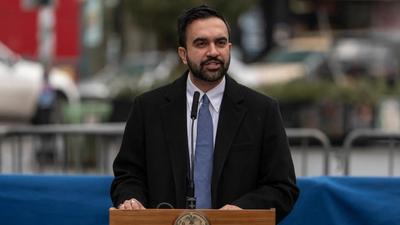
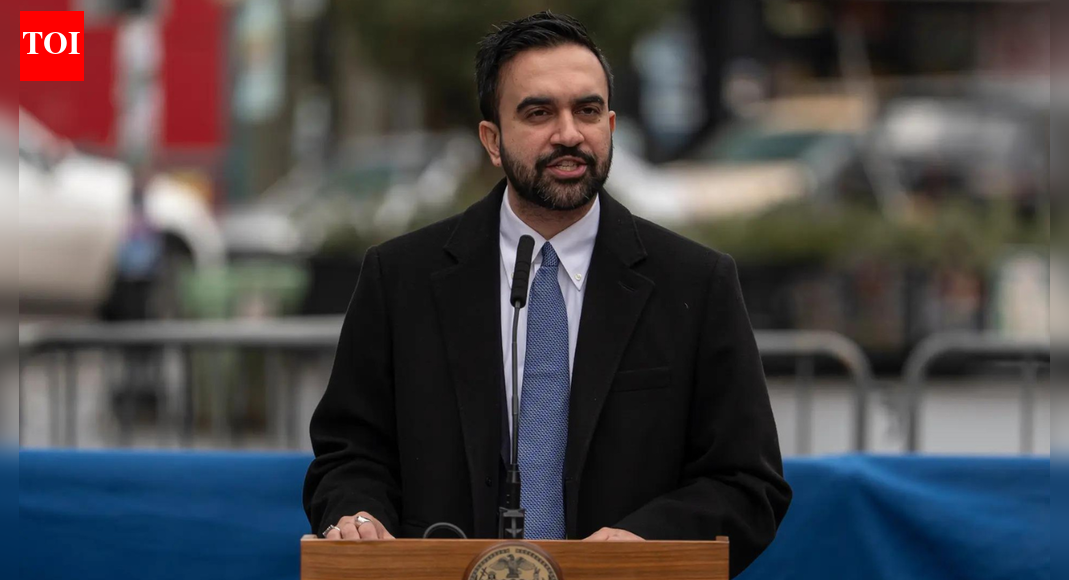
New York City Mayor Zohran Mamdani condemned chants supporting Hamas after a protest outside a synagogue in Queens spiralled into a bitter confrontation between rival demonstrators.The protest, held on Thursday night in the Queens neighbourhood of Kew Gardens Hills, saw pro-Palestinian demonstrators chant, “Say it loud, say it clear, we support Hamas here.” Video clips of the chants spread rapidly online, drawing condemnation from elected officials across New York’s political spectrum.

‘Won’t Serve The 1%’: Zohran Mamdani Promises ‘New Era’ To New Yorkers In First Speech As Mayor

Speaking on Friday after being questioned by reporters, Mamdani said the language used at the demonstration was unacceptable. “That rhetoric and those displays are wrong and have no place in our city,” he said. In a later statement, Mamdani said that chants in “support of a terrorist organization have no place in our city”“As I said earlier today, chants in support of a terrorist organization have no place in our city. We will continue to ensure New Yorkers’ safety entering and exiting houses of worship as well as the constitutional right to protest,” Mamdani wrote on X.The episode has become an early test for Mamdani as he navigates the fraught intersection of pro-Palestinian activism and antisemitism in a city that is home to the world’s largest Jewish population outside Israel. The controversy also comes amid broader tensions surrounding Mamdani’s Middle East positions. On the second anniversary of the October 7 Hamas attacks, he issued a statement mourning Israeli victims and hostages while also sharply criticising the US and Israeli governments over the war in Gaza. That statement drew a fierce response from Israel’s Foreign Ministry, which accused him of repeating “Hamas propaganda”.Despite the criticism, Mamdani has repeatedly said he opposes antisemitism and has pledged to protect Jewish communities, including providing security for synagogues when requested.

[ad_2]

Source link

‘Pal me tola pal mei masha’: BJP slams opposition over SIR flips, calls it ‘Yaksha parashna’ | India News

[ad_1]

‘Pal me tola pal mei masha’: BJP slams opposition over SIR flips, calls it ‘Yaksha parashna’

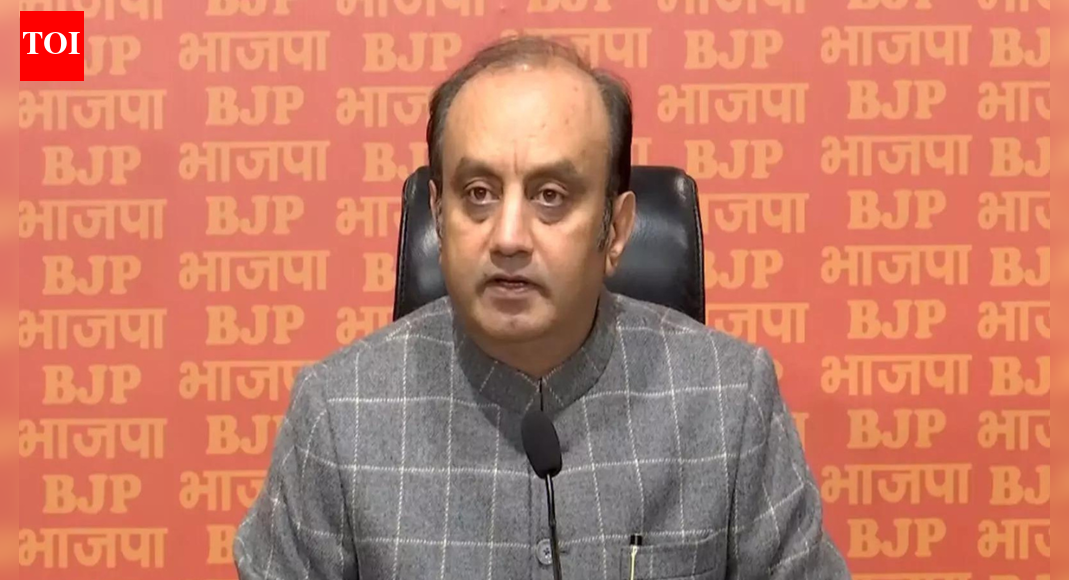
NEW DELHI: The Bharatiya Janata Party on Saturday stepped up its attack on the INDIA bloc over the special intensive revision (SIR) of electoral rolls. It accused opposition parties of shifting positions and turning a constitutional exercise into what it called a “spectacle”, after the Samajwadi Party questioned the credibility of the Election Commission over the scale of voter deletions in Uttar Pradesh. BJP spokesperson Sudhanshu Trivedi said SIR is increasingly becoming “Yaksha prashna” for opposition parties making them unable to “speak openly or remain silent” on the issue.Referring to the Samajwadi Party and Congress, Trivedi said they are contradicting themselves on whether SIR was cutting or adding votes. He cited recent statements by SP chief Akhilesh Yadav and Congress leaders to argue that the opposition’s stand had kept changing. “The issue of SIR appears to be turning into a real conundrum for the INDIA alliance. Their situation has become such that they can neither speak openly nor remain silent. Today, Samajwadi Party chief Akhilesh Yadav said —just 12 days ago—that the Bharatiya Janata Party’s votes had been cut. A few days before that, the Congress party was saying that through SIR, opposition votes were being cut. Now today, they are saying that SIR is not meant to cut votes but to add votes.”He went on to say, “I request the INDIA alliance parties – Samajwadi Party and Congress – to clearly explain, according to them, whose votes are being cut and whose votes are being added,” adding that SIR was “a constitutional process being carried out with professional competence and on a completely technical basis”. Using a Hindi idiom, the BJP MP described the opposition’s position as inconsistent. “If I were to put it in one line: in a moment it is a ‘tola’, in another moment it is a ‘masha’; in a moment it is one thing, in the next it is something else,” he said, calling the issue a “Yaksha prashna” created by the opposition itself. He urged opposition parties to cooperate with the process “with seriousness and awareness”.The BJP’s remarks came after Akhilesh Yadav alleged that Uttar Pradesh BJP leaders had advance knowledge of how many voters would be excluded from the SIR draft electoral roll, raising questions about the poll panel’s neutrality. The draft roll, published on January 6, excluded 2.89 crore voters while retaining 12.55 crore out of 15.44 crore names listed earlier.Speaking in Lucknow, Yadav said he had been apprehensive about the removal of three crore voters, but claimed BJP leaders had publicly cited even higher figures before the draft was released. “If BJP leaders, a former party MP, and the chief minister are making such statements, then what is the credibility of the Election Commission?” he asked, according to PTI.The SP chief also questioned discrepancies between voter data used for assembly and panchayat elections and sought clarity on figures compiled by BLO. He said the party would demand answers from the Election Commission and expressed hope that “genuine voters will have their names added to the voter list” before the final roll is published on March 6.Yadav said party workers had been given draft complaint formats to flag alleged irregularities and reiterated his demand for linking voter information with Aadhaar, alleging misuse of fake identification during elections.

[ad_2]

Source link

Service charge row: CCPA cracks down on 27 restaurants for mandatory levy; refunds, penalties ordered

[ad_1]

Service charge row: CCPA cracks down on 27 restaurants for mandatory levy; refunds, penalties ordered

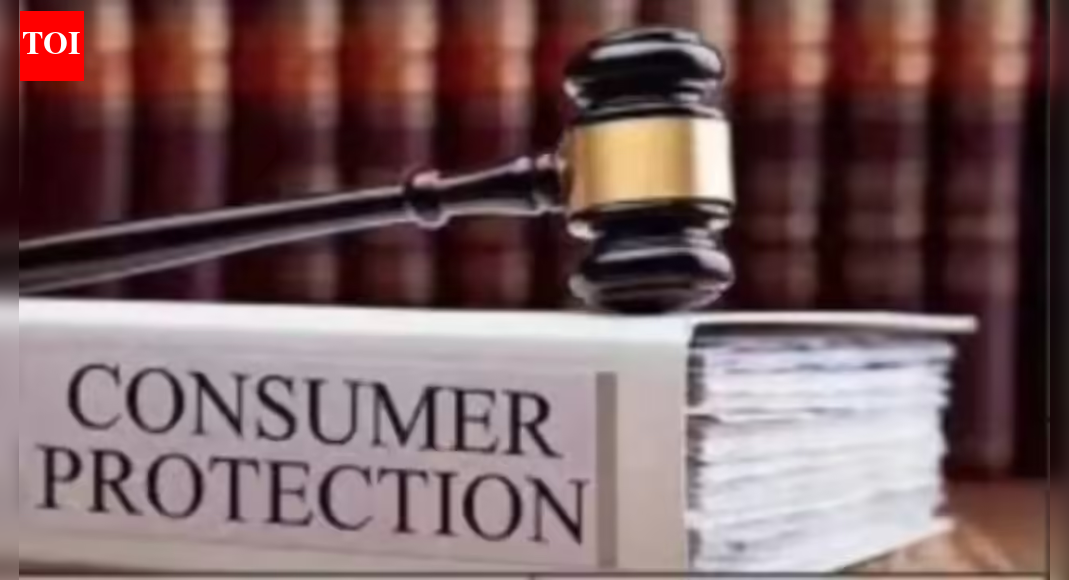
The Central Consumer Protection Authority (CCPA) on Saturday said it has taken suo motu action against 27 restaurants across the country for mandatorily levying service charges on customers, holding the practice to be a violation of consumer law.The restaurants have been fined up to Rs 50,000, directed to refund the service charge collected from consumers, and asked to modify their billing systems to remove any default addition of such charges, the authority said.According to the Department of Consumer Affairs, the CCPA took “suo motu cognizance against 27 restaurants located across the country for violation of consumer rights and adoption of unfair trade practices under Section 2(47) of the Consumer Protection Act, 2019, relating to the mandatory levy of service charge”.The action followed complaints received on the National Consumer Helpline (NCH), supported by invoices showing that a 10 per cent service charge was being added automatically to bills.Investigations found that several establishments, including Café Blue Bottle, Patna, and China Gate Restaurant Pvt Ltd (Bora Bora), Mumbai, were levying service charges by default — a practice declared an unfair trade practice under the Consumer Protection Act, 2019, and barred under CCPA guidelines.In the case of Café Blue Bottle, Patna, the CCPA directed the restaurant to refund the entire service charge collected from the complainant, discontinue the practice with immediate effect, and pay a penalty of Rs 30,000.In the case of China Gate Restaurant Pvt Ltd (Bora Bora), Mumbai, the restaurant refunded the service charge during the hearing. It was further directed to modify its software-generated billing system to remove the default levy and pay a penalty of Rs 50,000.The CCPA said it is “closely monitoring complaints received on the National Consumer Helpline regarding levy of service charge and will continue to take strict action against non-compliant restaurants to safeguard consumer rights and prevent unfair trade practices”.The action comes after the Delhi High Court’s March 2025 ruling, which upheld the CCPA’s guidelines on service charges and held that mandatory collection of service charge by restaurants is contrary to law. The court also affirmed that the CCPA is fully empowered to enforce its guidelines.The Guidelines to Prevent Unfair Trade Practices and Protection of Consumer Interest with Regard to Levy of Service Charge in Hotels and Restaurants, issued on July 4, 2022, clearly state that restaurants cannot add a service charge automatically or by default, cannot collect it under any other name, and cannot force consumers to pay it. The guidelines also bar restaurants from denying entry or service to customers who refuse to pay a service charge.

[ad_2]

Source link

Oil Not Well: Why ExxonMobil and others think Venezuela’s current environment is ‘uninvestable’ | Business

[ad_1]

Oil Not Well: Why ExxonMobil and others think Venezuela's current environment is 'uninvestable'
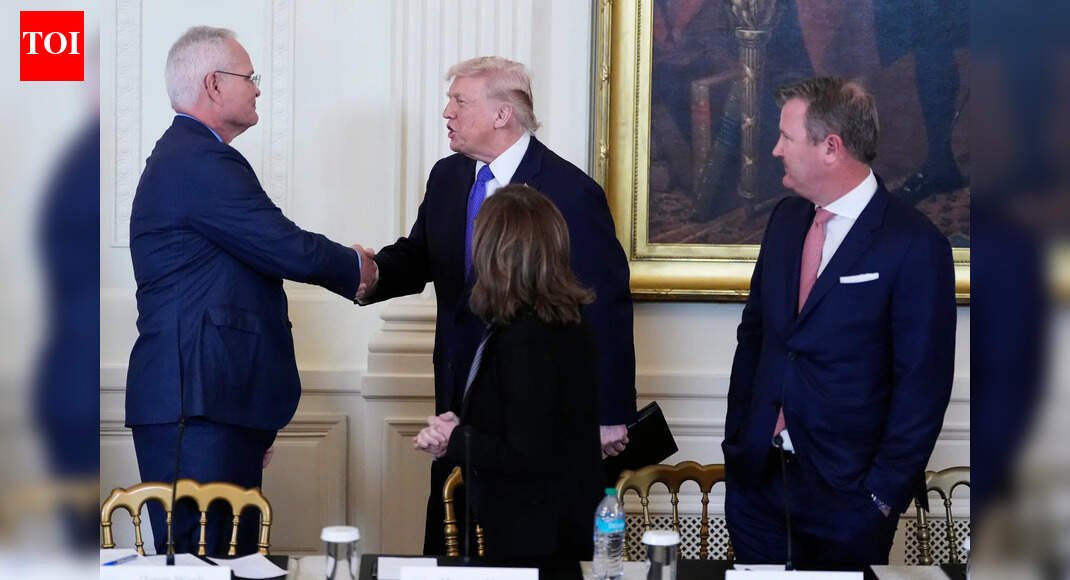
President Donald Trump speaks with Chief Executive Officer and Chairman of ExxonMobil Darren Woods, left, while Chairman, President and Chief Executive Officer of Marathon Petroleum Maryann Mannen, right, and Tallgrass Energy President and Chief Executive Officer Matt Sheehy, far right, look on during a meeting with oil executives in the East Room of the White House, Friday, Jan. 9, 2026, in Washington. (AP Photo/Alex Brandon)

When US President Donald Trump met senior oil executives to press for investment in Venezuela, the message from the White House was deliberately ambitious. Venezuela has the world’s largest proven oil reserves. Its political landscape, Trump argued, has shifted. With American backing and security guarantees, the country should once again become a major destination for US energy capital.The response from the oil industry was notably restrained.Executives did not dispute Venezuela’s resource potential. Instead, they pointed to a combination of legal uncertainty, economic risk and hard-earned experience that continues to make large-scale investment unattractive, even with presidential support.

A country rich in oil, poor in production

Venezuela’s oil numbers are striking. The country holds an estimated 303 billion barrels of proven reserves, roughly 17% of the global total, more than any other nation. In the late 1990s, it produced over 3 million barrels per day, ranking among the world’s leading exporters.Today, output has fallen to below 1 million barrels per day. Years of mismanagement, underinvestment, sanctions and infrastructure decay have hollowed out what was once one of the most sophisticated oil industries in the developing world.This collapse is central to the scepticism voiced by oil companies. Restoring production on a meaningful scale is not a matter of restarting wells. It would require rebuilding pipelines, upgraders, refineries, power supply and skilled manpower, all of which demand long-term capital commitments.

Trump’s argument: security, speed and scale

At the meeting, Trump urged companies to think big. He spoke of investments running up to $100 billion, promised “total security” for American firms and suggested deals could be finalised quickly. The broader geopolitical framing was also clear: US companies should move decisively to prevent China or Russia from expanding their footprint in Venezuela.From the administration’s perspective, Venezuela’s oil represents both an economic and strategic opportunity. For the companies in the room, however, the issue was not opportunity but risk.

ExxonMobil draws a clear boundary

The most direct assessment came from ExxonMobil. Its chief executive described Venezuela’s current investment environment as “uninvestable”. The comment reflected Exxon’s long institutional memory. The company has operated in Venezuela since the 1940s, and has seen its assets expropriated twice, most recently during the nationalisation wave under Hugo Chávez.For Exxon, whose projects often involve tens of billions of dollars and operate over 20 to 30 years, the absence of durable legal protections is decisive. The company indicated it could send a technical team to assess the condition of assets, but stopped well short of committing capital.The distinction matters. Technical assessments are reversible. Large upstream investments are not.

Chevron’s limited optimism

If Exxon articulated the industry’s red lines, Chevron illustrated what cautious engagement looks like. Chevron is already operating in Venezuela through joint ventures and special licences. At the meeting, it said production from its existing operations could increase by as much as 50% over the next 18 to 24 months.That figure, while significant, must be viewed in context. Chevron’s Venezuelan output remains a fraction of the country’s historical production. The projected increase reflects incremental improvements to existing assets, not the launch of new, capital-intensive projects.Chevron’s stance suggested that limited gains are possible where infrastructure and personnel are already in place, but that this does not justify a rapid expansion of exposure.

Conditional interest from others

Other companies struck a similar tone.Shell indicated it has several billion dollars’ worth of potential opportunities in Venezuela, but only if sanctions waivers and regulatory clarity are sustained over time. Without that certainty, the projects remain hypothetical. Oilfield services firms such as SLB expressed confidence in their ability to ramp up activity. Their optimism reflects a different risk profile. Service providers supply equipment and expertise and can scale operations more easily than producers who must commit capital to fields and infrastructure. Meanwhile, Continental Resources founder Harold Hamm, a close ally of Trump, described Venezuela’s reserves as a “real jewel” while declining to commit investment. The assessment captured the mood in the room: admiration without obligation.

Economics and risk still dominate

Beyond politics, the economics remain challenging. Much of Venezuela’s crude is heavy or extra-heavy, making it more expensive to extract and refine. Restoring production requires reliable access to diluents, functioning upgraders and stable export logistics. Industry estimates suggest that reviving Venezuela’s oil sector at scale would require tens of billions of dollars in upfront investment, with returns spread over decades. At a time when oil companies have access to lower-cost, lower-risk projects elsewhere, particularly in parts of South America and offshore developments, Venezuela struggles to compete on risk-adjusted returns.

What the meeting revealed

The White House meeting did not produce the sweeping commitments Trump had hoped for. Instead, it clarified the industry’s position. Oil companies are not disputing Venezuela’s resource base. They are questioning whether the legal, regulatory and political environment is stable enough to support long-term investment. Exxon wants structural reform before capital. Chevron will optimise what it already operates. Shell wants sustained sanctions clarity. Service companies are ready to engage, but operators remain cautious.

The bottom line

Venezuela’s vast oil reserves are beyond doubt. What remains uncertain is whether the conditions needed to attract large, long-term investment can be put in place and sustained. Until oil companies are confident that contracts will be enforced, policies will remain predictable and political shifts will not undo commercial agreements, interest is likely to remain measured and capital deployment limited. The meeting underscored that for Big Oil, enthusiasm follows stability, not the other way around.

[ad_2]

Source link

EU–Mercosur trade deal row: Why are Irish farmers protesting against the pact; what’s at stake

[ad_1]

EU–Mercosur trade deal row: Why are Irish farmers protesting against the pact; what’s at stake
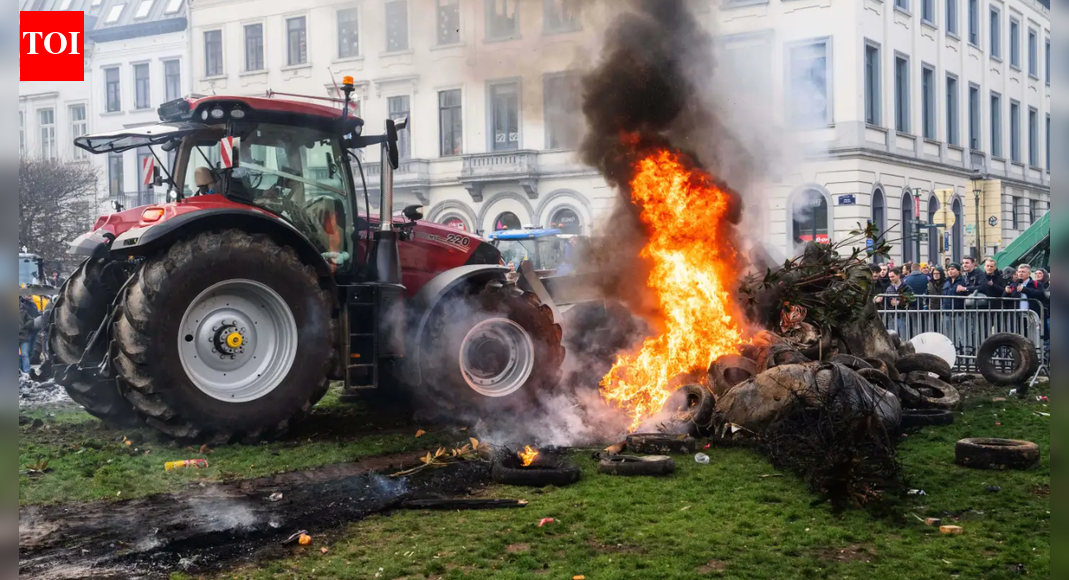
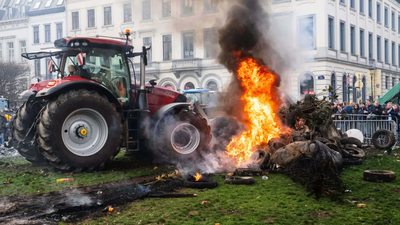
File photo- Protestors burn tires during a demonstration of European farmers outside the EU Summit meeting in Brussels. (Photo credit- AP)

Several thousand Irish farmers took to the streets of central Ireland on Saturday to protest the European Union’s trade agreement with the South American bloc Mercosur, a day after EU member states approved the deal despite opposition from Ireland and France, according to AFP.Tractors converged on the town of Athlone, with farmers holding placards reading “Stop EU-Mercosur” and banners depicting the European Union flag marked with the words “sell out”. The protest formed part of wider demonstrations across Europe, with farmers marching in Poland and blocking roads in France and Belgium on Friday as the deal received political clearance.The EU–Mercosur agreement, negotiated over more than 25 years, aims to create one of the world’s largest free-trade areas, linking the 27-nation EU with Brazil, Argentina, Paraguay and Uruguay. Under the pact, Mercosur would gain greater access to EU markets for agricultural products and minerals, while European exporters would benefit from lower tariffs on machinery, chemicals and pharmaceuticals.

Why farmers are protesting

Irish farmers say the deal threatens to undercut domestic agriculture by opening the door to large volumes of cheaper imports, particularly beef, from South America. The agreement is opposed by farm groups over concerns that an additional 99,000 tonnes of low-cost beef could enter the EU market, putting pressure on prices and farm incomes in Ireland.These concerns prompted Ireland, France, Poland, Hungary and Austria to vote against the accord at the EU level.The Irish Farmers’ Association (IFA), the country’s main farming lobby, described the approval of the deal as “very disappointing” and said it would intensify efforts to block the agreement in the European Parliament.“We expect Irish MEPs to stand behind the farming community and reject the Mercosur deal,” IFA president Francie Gorman said in a statement.Although EU governments have approved the pact, it still requires backing from a majority of Members of the European Parliament in the coming months, where shifting alliances could influence the final outcome.

[ad_2]

Source link

Watch: Drunk Bengaluru techie jumps divider crashes into wall of Barbeque Nation | Bengaluru News

[ad_1]

Watch: Drunk Bengaluru techie jumps divider crashes into wall of Barbeque Nation

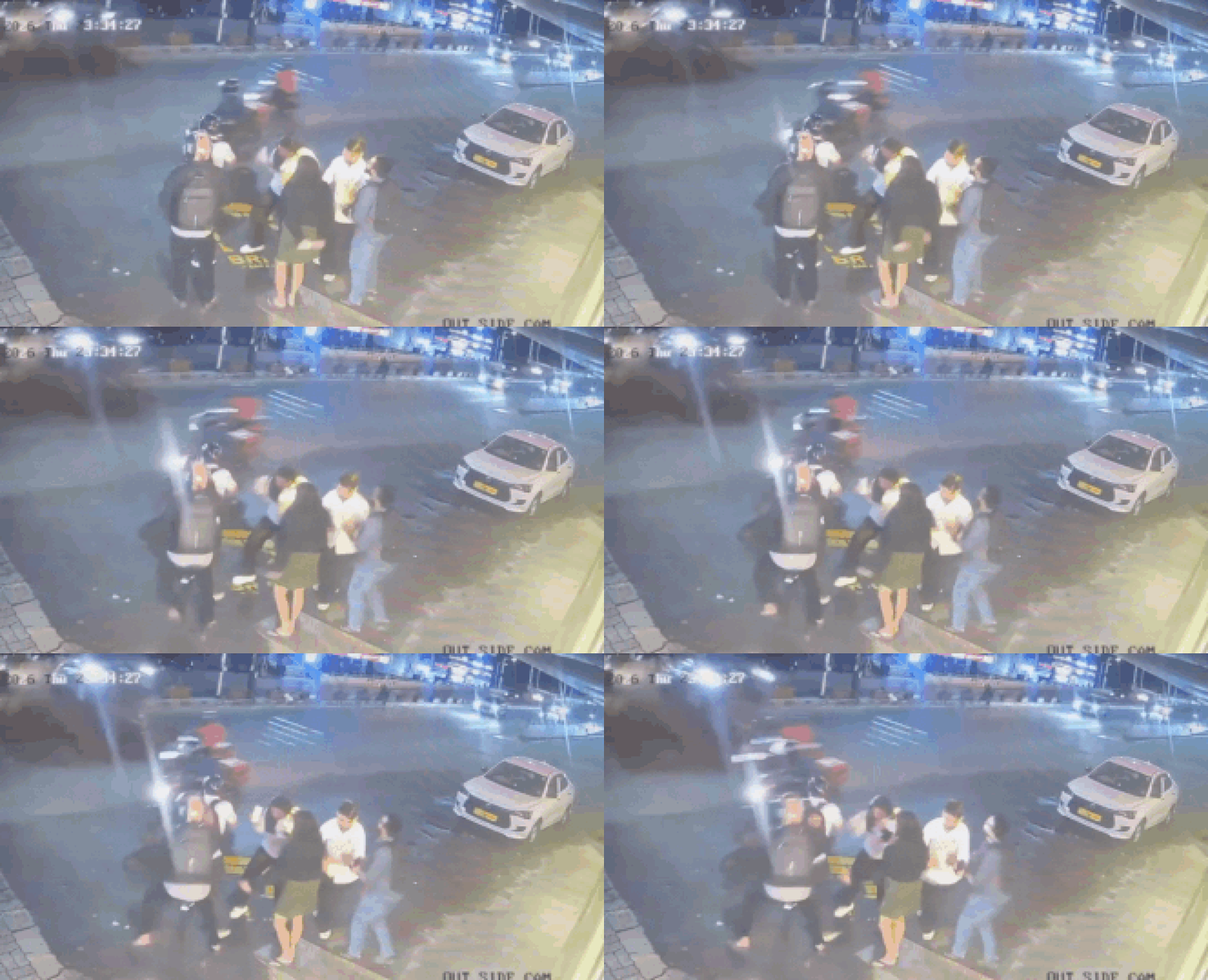
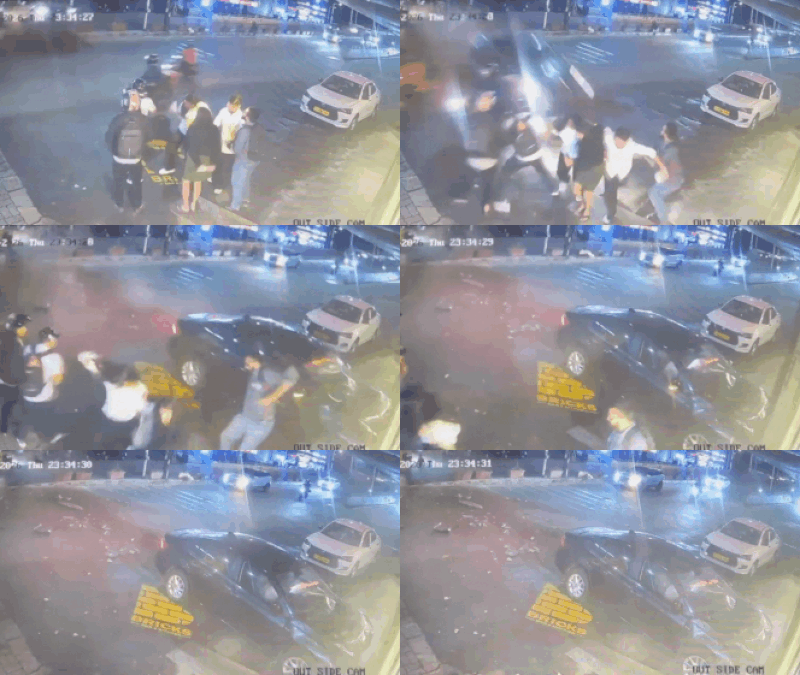
BENGALURU: A serious accident was narrowly avoided in Bengaluru late on Thursday after a speeding car driven by an intoxicated man crashed into the outer wall of a Barbeque Nation restaurant on Indiranagar’s busy 100 Feet Road, police said.The driver has been identified as Derrick Tony, a software engineer. Police confirmed he was under the influence of alcohol at the time of the crash and has been detained. Legal action is being initiated, officers said.The incident occurred at around 11 pm when the car, a Skoda, failed to negotiate a left turn and instead mounted the road divider before crashing into the restaurant wall.CCTV footage from the area shows the vehicle travelling at high speed moments before the impact. A 10-second video clip captures the car jumping the divider, narrowly missing pedestrians and ramming into the building.No injuries were reported in the incident. Police said the driver was returning from a party at the time of the crash.

[ad_2]

Source link

Infra push: Andhra Pradesh Cabinet clears Dagadarthi greenfield airport in Nellore; to become state’s 8th airport

[ad_1]

Infra push: Andhra Pradesh Cabinet clears Dagadarthi greenfield airport in Nellore; to become state’s 8th airport

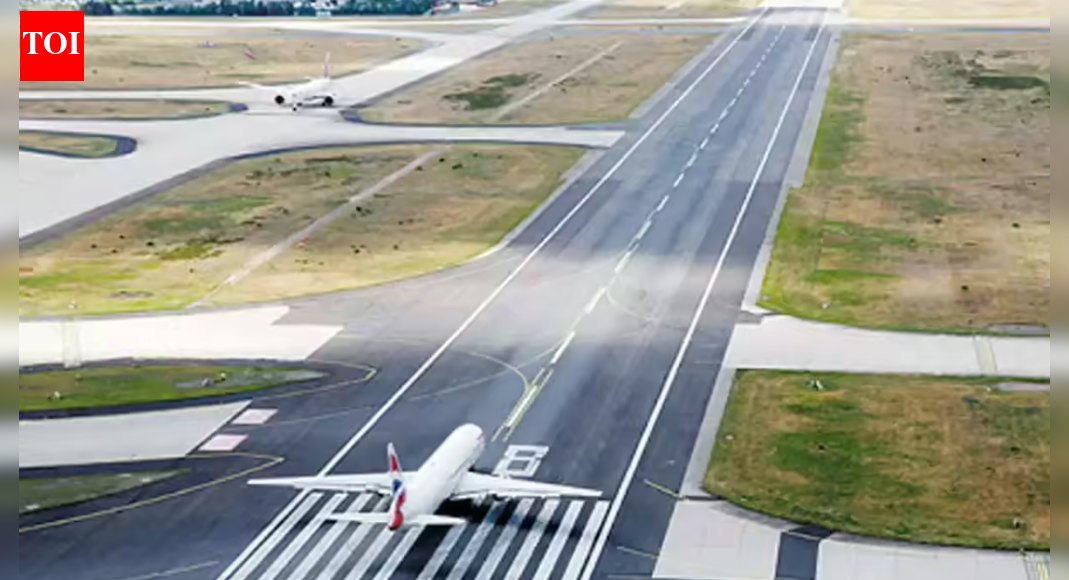
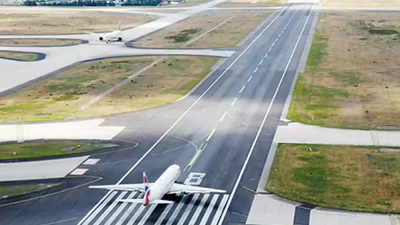
The Andhra Pradesh Cabinet has approved the Dagadarthi greenfield airport project in Nellore district, giving a major push to the state’s aviation and industrial infrastructure, PTI reported citing officials.With this approval, Dagadarthi will become Andhra Pradesh’s eighth airport, strengthening the state’s plans to build a multimodal logistics and industrial network, they added.Strategically located, the proposed airport offers connectivity to key National Highway corridors, two major ports — Krishnapatnam and Ramayapatnam — and several industrial clusters, including KRIS City and IFFCO SEZs. Officials said this locational advantage positions the airport as a facilitator for manufacturing, exports, agri-logistics and services-led growth in southern Andhra Pradesh.The project has already received in-principle clearance from the Ministry of Civil Aviation, and a request for proposal has been issued to invite private participation for development, operation and maintenance under a long-term concession framework.Planned in multiple phases, the airport will be developed over 1,332.80 acres. Phase I is designed to handle 1.4 million passengers per annum, with capacity scalable to 15 million passengers annually in the long term. The master plan also includes provision for a future cargo facility to support industrial output and port-led trade in the region.Officials said the Dagadarthi greenfield airport is expected to support regional development by integrating air connectivity with ports, highways and industrial zones, helping reduce logistics costs, attract investment and generate employment across construction, aviation and allied sectors.With the Cabinet’s approval, the state government said it continues to focus on accelerating infrastructure development to support long-term economic growth and connectivity.

[ad_2]

Source link

‘Going to stop world war’: Colombia’s Petro raises stakes before Trump meet; South America on edge

[ad_1]

‘Going to stop world war’: Colombia’s Petro raises stakes before Trump meet; South America on edge

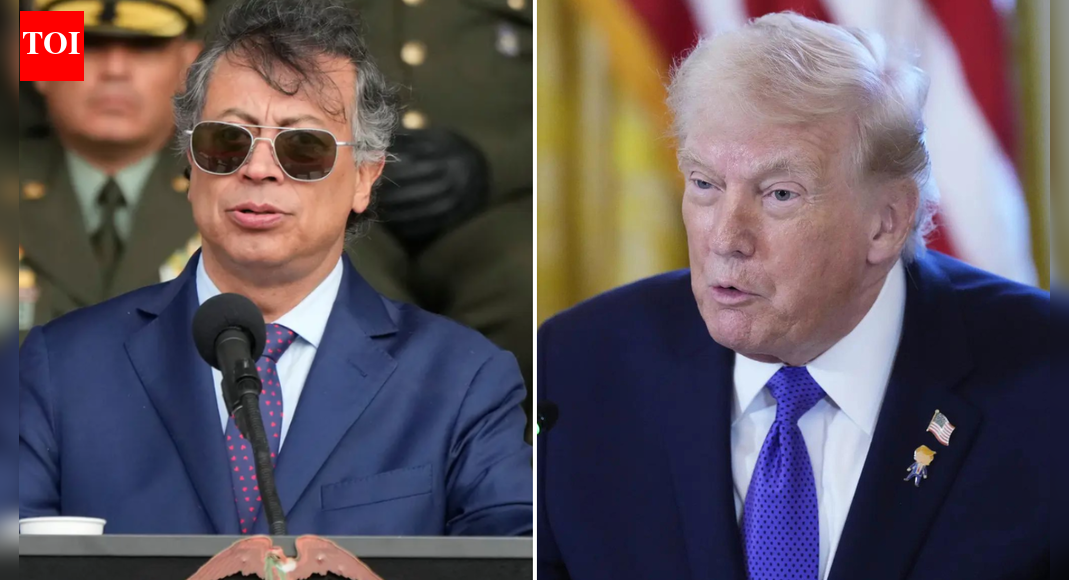
Colombian President Gustavo Petro has raised the stakes ahead of his upcoming White House meeting with US President Donald Trump, saying the talks could help “stop a world war” as military pressure mounts across South America.Speaking to CBS News, the left-wing leader said he welcomed the invitation to Washington and hoped continued dialogue would prevent the region from sliding into conflict. Asked directly about his goal for the meeting, Petro replied: “To stop a world war.”

Extended interview: Colombian President Gustavo Petro (in Spanish)

Petro said his concerns were rooted in what he described as growing militarisation in the region, particularly following US action in Venezuela. He pointed to images of helicopters and missiles and warned that Colombia, which lacks an air defence system, would be dangerously exposed if tensions escalated further.“I’m not going to say that I’m not afraid,” Petro said. He warned that any attack on Colombia’s leadership would almost certainly trigger civil war and fuel hostility towards the United States. “That would without a doubt cause a civil war, and also a hostility toward the United States that the United States does not deserve. It would be dumb policy,” he told CBS.The comments come as Washington sharpens its posture in Latin America after the US operation that removed Venezuela’s President Nicolás Maduro. Trump has since signalled an aggressive approach towards drug trafficking networks, while also moving quickly to assert control over Venezuela’s oil exports and revive production through US-backed investment.Petro has sought to frame cooperation as the alternative to confrontation. On Friday, he urged Venezuela to join Colombia in fighting drug-trafficking groups operating along their shared 2,200-kilometre border. Writing on X, Petro said he had invited Venezuela’s interim president Delcy Rodríguez to act jointly to ensure drug gangs were “defeated by our nations in unity”.That appeal followed a phone call earlier this week in which Petro and Trump agreed to take “joint action” against cocaine-smuggling guerrillas along the Colombia–Venezuela frontier. Colombian officials say Petro asked Trump to help “strike hard” at the National Liberation Army, the country’s last major rebel group, which is believed to maintain rear bases inside Venezuela.Trump said that Petro is expected to visit the White House in early February.

[ad_2]

Source link

Digital payments push: PhonePe PG rolls out ‘Bolt’ for Visa, Mastercard cards; enables one-click in-app checkout

[ad_1]

Digital payments push: PhonePe PG rolls out ‘Bolt’ for Visa, Mastercard cards; enables one-click in-app checkout

PhonePe Payment Gateway on Saturday launched ‘PhonePe PG Bolt’ for Visa and Mastercard credit and debit card transactions, aiming to offer a faster and more secure in-app checkout experience for users and merchants, PTI reported.The solution uses device tokenisation to enable secure payments within apps for users on the PhonePe platform as well as merchant partners, the company said in a statement.Yuvraj Singh Shekhawat, Chief Business Officer of Merchant Business at PhonePe, said the launch of PhonePe PG Bolt for Visa and Mastercard marks an important milestone in the company’s efforts to simplify digital payments.“By leveraging device tokenization, we will enable users and merchants to move away from the traditional, cumbersome checkout process to a secure, one-click payment experience. This not only enhances user convenience but also empowers our merchant partners to maximize their growth through industry-best success rates and reduced drop-offs,” he said.Under the new feature, users can tokenize their Visa and Mastercard cards once on the PhonePe app and subsequently use the saved cards across all merchants integrated with PhonePe PG, eliminating the need to tokenize cards separately for each merchant.By replacing sensitive card details with secure tokens, the system removes the requirement for CVV entry for repeat transactions on the same device, the statement said.The architecture also streamlines the payment flow by reducing the number of steps involved, keeping users within the merchant’s app throughout the transaction and avoiding redirection to external pages.The company said merchants using PhonePe’s native SDK can benefit from higher transaction success rates and faster checkout speeds, driven by the elimination of manual card entry and fewer technical hand-offs between payment entities.“This efficiency is driven by the elimination of manual card entry and the reduction of technical hand-offs between payment entities. Additionally, the solution provides merchants with a customizable interface that integrates directly into their existing app flow, helping maintain brand consistency while reducing transaction drop-offs,” the statement said.

[ad_2]

Source link