Breaking News
US special forces capture Venezuela’s President Maduro

[ad_1]

US special forces capture Venezuela's President Maduro

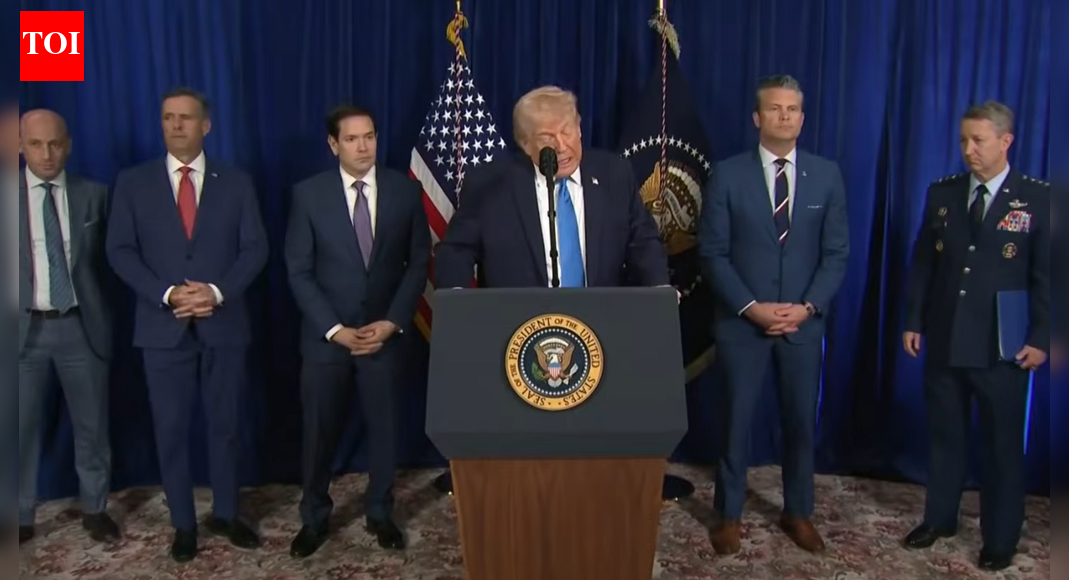
WASHINGTON: In an audacious raid into the heart of the world’s most oil-rich country, US special forces on Saturday captured Venezuela’s President Nicolas Maduro and his wife Cilia Flores while they were asleep at their home in a military fortress in the early hours of the capital Caracas. Trump administration officials justified the abduction, as it was described in some quarters, on grounds of national security and law enforcement, including charges of narco-terrorism. The couple was dragged out of their beds and flown out on choppers by an elite Delta Force, CIA agents, and FBI agents, who reportedly coordinated the raid, and placed on the warship Iwo Jima anchored off the country’s coast, to be taken back to New York City to stand trial. President Trump gave interviews to media outlets at 4.30 am to boast about the raid, excitedly telling journalists he had watched the incursion live from his Mar-a-Lago resort, and how meticulous and professional it was, with few casualties on the American invading forces.

Putin’s Huge Warning To Trump In First Response To Venezuela Attack, Maduro Abduction From Caracas

“I was able to watch it in real time, and I watched every aspect of it, and I listened to the communication between, you know, where we were in Florida and out in the field in Venezuela,” Trump told Fox News, adding, “It was amazing to see the professionalism, the quality of leadership…” He compared the military operation to the botched U.S. withdrawal from Afghanistan during the Biden administration, saying, “We’re not a laughingstock anymore.There was shock, concern, and anger in the region and beyond despite Maduro’s sketchy reputation and multiple indictments on drug smuggling charges, including a $25mn bounty going back to the Biden administration. UN Secretary General Antonio Guterres’ office said he was deeply concerned that the rules of international law have not been respected, and independently of the situation in Venezuela, “these developments constitute a dangerous precedent.” Mexico’s President Claudia Sheinbaum condemned the military action and said it breached the UN Charter, while urging the U.S. to comply with international law and end “all acts of aggression against the Venezuelan government and people.President Trump often accused the Venezuelan President and his government of conspiring to flood the US with drugs and illegal immigrants. Maduro was indicted in 2020, during Trump’s first term as president, on charges of smuggling cocaine into the US, with a $15 million bounty offered for his arrest at that time. That was increased to $ 25 million by the Biden administration and further doubled to $50 million in the Trump second term after he alleged Maduro of heading a drug mafia called Cartel de los Soles and designated the group a foreign terrorist organisation. There was support for the raid and capture from U.S legislators of Venezuelan origin, but several Democratic lawmakers questioned the legality of the attack and the lack of authorisation from Congress, which is vested with the sole authority to declare war. The Pentagon notified Capitol Hill on Saturday morning, after the raid, that it had been “authorised” by the president to launch a “military operation” inside Venezuela in response to “national security threats posed by the illegitimate Maduro regime.Vice President JD Vance, in his first public comments after Maduro’s capture, applauded the mission and defended its legality. “Maduro has multiple indictments in the United States for narcoterrorism,” Vance wrote on social media. “You don’t get to avoid justice for drug trafficking in the United States because you live in a palace in Caracas.”In recent days, after Trump openly signaled his days were numbered, Maduro literally begged for peace, telling a Spanish reporter two nights ago that the “The American people should know they have a friendly, peaceful people here, and a friendly government as well,” while handing the journalist a red hat in the style of the Make America Great Again cap with the words: “No War. Yes, Peace.”By any measure, the U.S. military operation marks one of the most consequential acts of American force in Latin America in decades, coming only weeks after the Trump White House signalled its intention to assert its hegemony in the western hemisphere in a national security strategy document. Venezuela, by most estimates, has the largest oil reserves in the world, greater than even Saudi Arabia and other Gulf countries. The Maduro abduction was evocative of the raid that captured the late Panamanian leader Gen. Manuel Noriega in the late 1980s. Once a U.S. ally, Noriega was accused of conspiring with drug traffickers to ship cocaine to the U.S. He was convicted of drug trafficking charges in a Miami federal court in 1992 and sentenced to 40 years in prison, serving 17 years before he was extradited to Panama, where he died in 2017. The latest abduction is a clear signal to other small countries in the region, which have been increasingly courted by China: Behave and fall in line behind the U.S, or else…The Trump administration’s 2025 National Security Strategy identified China as a primary threat in the hemisphere, alongside migration, drugs, and crime. Beijing has expanded its economic footprint across South America through trade and critical minerals. The U.S. intervention in Venezuela signals a muscular reassertion of American primacy—and a warning that Washington is prepared to use force to defend it.In fact, Maduro met with a Chinese diplomatic team led by Beijing’s special representative for Latin American affairs, Qiu Xiaoqi, just hours before the raid to discuss the seizure of Venezuelan oil tankers bound for China, with the envoy reiterating Beijing’s support for the Venezuelan President. Of great concern now is what the Venezuela raid will have on China’s approach to Taiwan, and more immediately, Russia’s position on Ukraine.

[ad_2]

Source link
Vedanta Q3 production: Aluminium, zinc, iron ore up; steel, oil & gas down

[ad_1]

Vedanta Q3 production: Aluminium, zinc, iron ore up; steel, oil & gas down

NEW DELHI: Mining giant Vedanta Ltd on Saturday said it has reported a rise in production of aluminium, zinc and iron ore during the December quarter. However, production of steel, and oil and gas dropped during the third quarter of the current fiscal year. The company’s total aluminium production during the quarter rose marginally by 1 per cent, mined metal production at Zinc India increased 4 per cent, and mined metal production at Zinc International rose 28 per cent. In the oil and gas segment, Vedanta’s average daily gross operated production dropped 15 per cent during the quarter to 84,900 barrels of oil equivalent per day (boepd). The production of saleable iron ore rose 3 per cent to 1.6 million tonnes during the quarter. The quarterly saleable ore production was “up 3 per cent YoY and 49 per cent Q-o-Q with improved operational efficiencies”, Vedanta said in a filing to the BSE. The saleable steel production during the quarter declined marginally by 1 per cent, the filing said. Vedanta Group is a global leader in critical minerals, transition metals, energy, and technology, with operations spanning India, South Africa, Namibia, Liberia, the UAE, Saudi Arabia, Korea, Taiwan, and Japan.

[ad_2]

Source link

Concert economy: Government launches Live Events Development Cell; aims to make India global hub by 2030

[ad_1]

Concert economy: Government launches Live Events Development Cell; aims to make India global hub by 2030

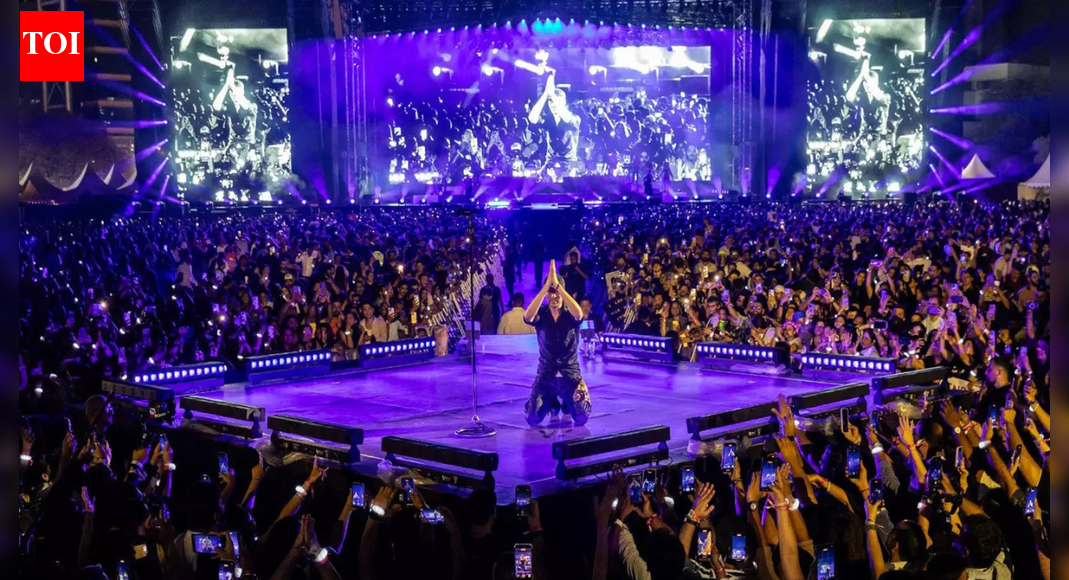
The ministry of information and broadcasting has set up a Live Events Development Cell (LEDC) to support the structured growth of India’s live entertainment industry and strengthen the country’s emerging concert economy, according to an official release.The LEDC will function as a single-window facilitation mechanism aimed at streamlining processes for the sector and positioning India among the world’s leading live entertainment destinations by 2030. The move comes at a time when the organised live events market has expanded rapidly, with the sector valued at Rs 20,861 crore in 2024 and growing at 15 per cent. It is expected to maintain a compound annual growth rate of 18 per cent, outpacing several traditional media segments.The cell was constituted in July 2025 under the directions of Union information and broadcasting minister Ashwini Vaishnaw. It brings together representatives from the Central and State governments, industry bodies and major event companies to coordinate policy support and sectoral expansion.The initiative follows Prime Minister Narendra Modi’s address at the WAVES Summit in May 2025, where he highlighted the live entertainment industry’s untapped potential as a driver of investment, tourism and cultural influence. According to the ministry, the sector currently supports over 10 million jobs, with a single large-format event generating more than 15,000 direct and indirect employment opportunities.Tier-2 and Tier-3 cities are increasingly emerging as key growth centres. Citing a BookMyShow report for 2025, the ministry said Visakhapatnam saw a 490 per cent rise in live entertainment footfalls, while Shillong and Guwahati recorded growth of 213 per cent and 188 per cent, respectively. Overall consumption across music concerts, sports and theatre rose by 17 per cent, with more than five lakh people travelling to other cities to attend events, reported news agency ANI.Industry participants say the presence of global artistes alongside large domestic tours reflects growing market maturity. To address infrastructure gaps and ease of doing business, the ministry has also formed a Joint Working Group with private stakeholders, including District by Zomato. The LEDC aims to double the sector’s size, generate 15–20 million jobs and place India among the top five global live entertainment hubs.

[ad_2]

Source link

Mustafizur Rahman row: ‘No fault of Shah Rukh Khan’ – 1983 World Cup final hero backs KKR co-owner | Cricket News

[ad_1]

Mustafizur Rahman row: 'No fault of Shah Rukh Khan' - 1983 World Cup final hero backs KKR co-owner
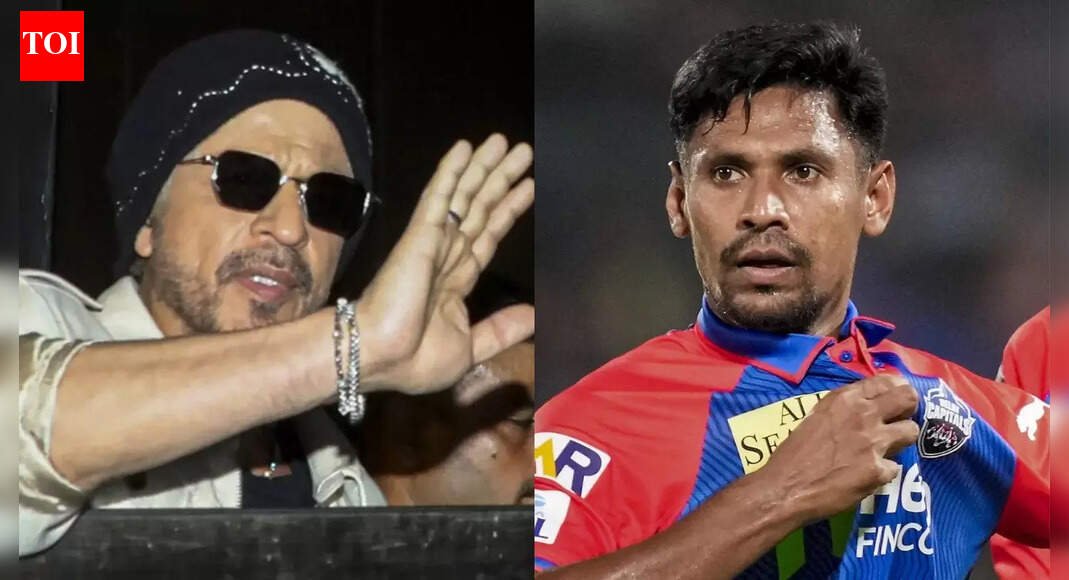
Shah Rukh Khan, Mustafizur Rahman

Former India cricketer Madan Lal spoke about the Board of Control for Cricket in India (BCCI) decision to direct Kolkata Knight Riders (KKR) to release Bangladesh fast bowler Mustafizur Rahman and supported actor and KKR co-owner Shah Rukh Khan, saying he had no role in team selection.“This is the decision of the BCCI and the Central government must have taken this decision, given the atrocities are being committed against Hindus in Bangladesh,” Madan Lal told news agency ANI.

BCCI Asks KKR To Release Bangladesh Player From IPL After Outrage Over Attacks On Hindu Minorities

The former World Cup winner said Shah Rukh Khan should not be linked to the matter and pointed out that team selection is handled by the franchise’s cricket management.“There is no fault of Shah Rukh Khan as they have the team who picks the team,” he added.His comments came after KKR confirmed that Mustafizur Rahman had been excluded from the squad for the upcoming season on the BCCI’s instructions. In a media advisory, the franchise said, “Kolkata Knight Riders confirms that BCCI/IPL as the regulator of IPL has instructed it to release Mustafizur Rahman from the squad ahead of the upcoming Indian Premier League (IPL) season.” “The release has been carried out following due process and consultations, upon the instruction of the Board of Control of Cricket in India,” the statement added. The advisory also said, “BCCI will allow Kolkata Knight Riders a replacement player in line with IPL regulations, and further details will be communicated in due course.Earlier, BCCI secretary Devajit Saikia said the board had directed KKR to release the Bangladesh pacer “due to the recent developments.”Earlier on Saturday, BJP leader Sangeet Singh Som welcomed the BCCI’s decision. Som also took a swipe at Shah Rukh Khan and said the actor had understood not to go against the “Sanatanis”.Meanwhile, Congress leader Shashi Tharoor criticised the BCCI after KKR were told to release Mustafizur Rahman from their squad for the IPL 2026 season.Sharing a video from Friday, Tharoor reiterated his stand on the issue. “Recalling my views on the subject, now that BCCI has deplorably pulled the plug on Mustafizur Rahman,” he said. He further questioned the decision, adding, “And what if the Bangladeshi player in question had been Litton Das or Soumya Sarkar?”Tharoor also raised broader concerns about the move. “Who are we punishing here: a nation, an individual, his religion? Where will this mindless politicising of sport lead us?” he asked.

[ad_2]

Source link

Pharma generics: Semaglutide patent expiry to open Rs 50-billion opportunity; Indian players eye FY27 boost

[ad_1]

Pharma generics: Semaglutide patent expiry to open Rs 50-billion opportunity; Indian players eye FY27 boost

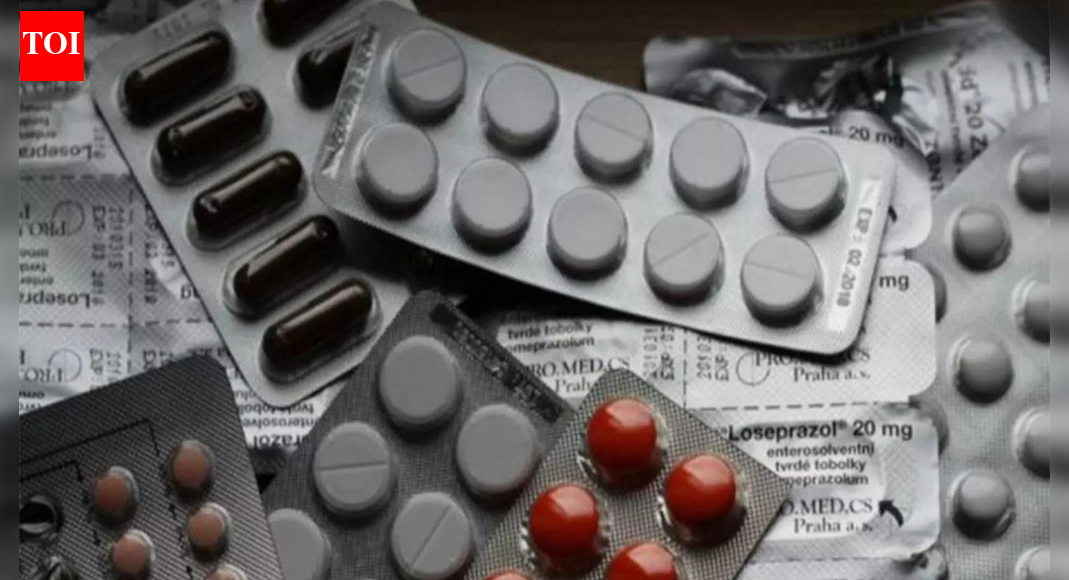
The impending patent expiry of semaglutide drugs across India, emerging markets and select regulated markets such as Canada and Brazil is expected to create a revenue opportunity of more than Rs 50 billion for generic pharmaceutical companies over the next 12 to 15 months, according to an industry update by Systematix Institutional Research.The report said the opportunity is likely to be shared among 10 to 15 Indian and global generic players. For FY27, incremental revenues are estimated at Rs 10–20 billion from India’s branded formulations market, about Rs 45 billion from regulated markets including Canada and Brazil, and Rs 5–10 billion from emerging markets.While regulated markets could deliver a sharp near-term boost, analysts cautioned that the upside may moderate over time due to pricing pressure and rising competition. In India, the launch of generic semaglutide, expected in the first quarter of FY27, is projected to lift overall Indian Pharmaceutical Market growth by 0.5–1%, reported news agency ANI.Prices are expected to be 30–50% lower initially compared to current levels, with deeper cuts of up to 70–75% over time. This is likely to significantly accelerate the adoption of GLP-1 therapies among diabetic patients. Market leadership in the GLP-1 segment is expected to remain concentrated among five to ten players.Currently, Alkem Laboratories, Dr Reddy’s Laboratories and Sun Pharma have secured regulatory approvals in India, while other players are awaiting clearances. Zydus Lifesciences is pursuing a differentiated injectable version, which could provide a competitive edge despite its smaller diabetes franchise, the report noted.In regulated markets, the combined semaglutide market in Canada and Brazil is estimated at nearly $2 billion annually. Assuming 50% price erosion and 50% market share capture by generics, the addressable opportunity could be around $500 million. Analysts said timely regulatory approvals will be crucial, with Dr Reddy’s potentially emerging as the first Indian entrant in Canada and Sun Pharma enjoying a first-mover advantage in Brazil.Emerging markets are expected to offer steadier, longer-term growth with lower regulatory risks. Companies such as Sun Pharma, Dr Reddy’s, Alkem, Biocon and OneSource Specialty Pharma are seen as well placed to benefit, aided by their existing diabetes portfolios and partnerships. Ancillary players such as Shaily Engineering Plastics could also gain, as demand rises for pen devices used in injectable therapies, as per ANI.

[ad_2]

Source link

US strikes Venezuela: What it means for oil supply and prices? Impact on India

[ad_1]

US strikes Venezuela: What it means for oil supply and prices? Impact on India

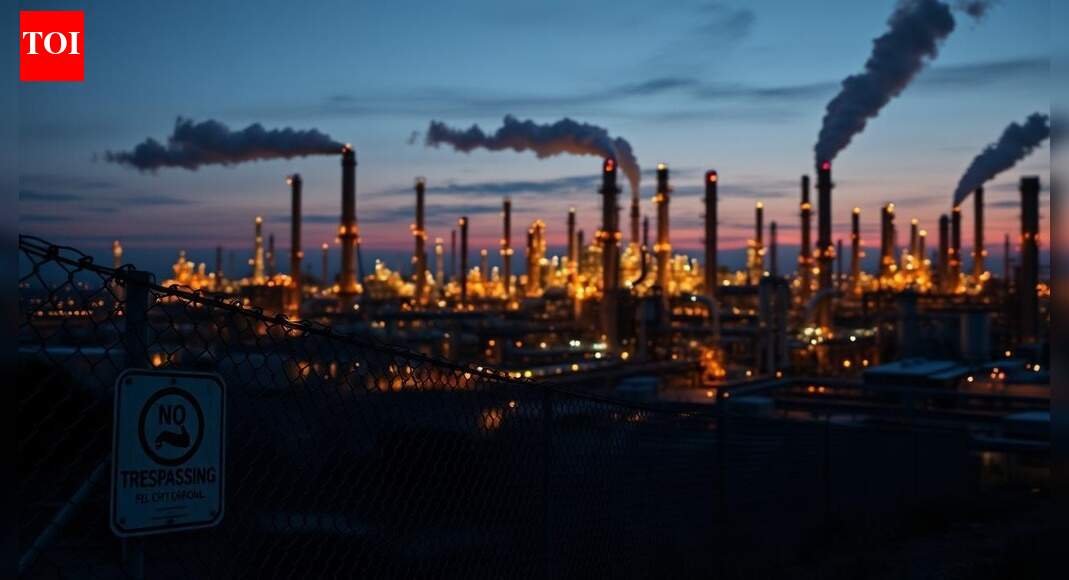
As the United States carried out strikes on Venezuela on Saturday, global oil markets are closely watching for any fallout, though early signals point to limited disruption so far.Venezuela holds some of the world’s largest proven oil reserves, raising concerns that military action could disrupt global price movements. However, crude markets have remained subdued as the country’s oil exports were already constrained by US sanctions, limiting its role in global supply chains.According to Reuters, Venezuela’s state-run energy company PDVSA said oil production and refining operations were running normally, and that its most important facilities had not suffered damage from the US attacks. Two sources, quoted by Reuters, familiar with PDVSA’s operations said the country’s key oil infrastructure remained unaffected.Reuters also reported that the port of La Guaira near Caracas suffered severe damage during the attacks, though the port is not used for oil exports.For India, the impact is expected to be minimal, according to former Indian Ambassador to Venezuela R Viswanathan told ANI that India is not dependent on Venezuelan oil and that trade between the two countries remains limited. He added that India has some investment through ONGC in Venezuelan oil fields, but the developments are unlikely to affect India in any significant way.“It was not a surprise… this is not the first time he had threatened. When he was President for the first time, at that time also he had threatened Venezuela… This time he has sent the warships and he has authorized the CIA… No, it will not affect India,” he said. Further explaining his stance, he added, “We are not dependent on Venezuela for oil. Our trade is very little and we have some investment by ONGC in their oil fields… So, this is not going to affect India in any big way.”US President Donald Trump said American forces had captured President Nicolás Maduro following months of pressure over allegations of drug trafficking and illegitimacy in power. However, after the attacks, Trump announced that US is going to be heavily involved in the Venezuela’s oil industry. “”We have ‌the greatest oil companies in the world, the biggest, ‍the greatest, and ‍we’re going ⁠to ⁠be very much involved in it,” he told Fox News.Before this, in December, Trump had announced a blockade of oil tankers entering or leaving Venezuela, a move that has already weighed heavily on the country’s crude exports.The US seizure of two Venezuelan oil cargoes and the tanker blockade reduced Venezuela’s exports last month to about half of the 950,000 barrels per day it shipped in November, as reporter by Reuters earlier. The measures have also prompted many vessel owners to divert away from Venezuelan waters, forcing PDVSA to store crude on tankers and slow deliveries at ports. At the time, global data and analytics firm Kpler had said the market remains well supplied, even within sanctioned segments, limiting the price impact of further disruptions.Kpler estimated Venezuela currently produces about 900,000 barrels per day of crude and condensate, roughly 1 per cent of global supply. Of the approximately 765,000 barrels per day that Venezuela exports, about 76 per cent is shipped to China, mainly to independent refiners, as state-owned companies avoided sanctioned cargoes.

[ad_2]

Source link

FII flows 2026: Foreign investors extend selling streak in early sessions; analysts expect turnaround later this year

[ad_1]

FII flows 2026: Foreign investors extend selling streak in early sessions; analysts expect turnaround later this year
File photo (Picture credit: ANI)

Foreign institutional investors (FIIs) have begun 2026 on a cautious note, continuing their selling streak in Indian equities after a bruising 2025. In the first two trading sessions of the new year, FIIs sold shares worth Rs 7,608 crore, extending a trend that saw heavy outflows through December, as per ET.FIIs were net sellers throughout December, offloading Indian equities worth Rs 22,611 crore during the month. This took the total foreign outflow for 2025 to Rs 1,66,286 crore. According to market participants, the scale of sales last year was unprecedented. V K Vijayakumar, chief investment strategist at Geojit Investments, described 2025 as the worst phase of FII selling since overseas investors began investing in Indian markets, reported ET.He noted that during the calendar year 2025, FIIs sold equities worth Rs 2.40 lakh crore in the secondary market. However, investments of Rs 73,909 crore through the primary market helped soften the overall impact. Even so, December alone saw secondary market selling of Rs 30,332 crore, underlining the persistent pressure on equities.Explaining the reasons behind the sustained exit, Vijayakumar pointed to relatively high valuations in India and the global shift towards artificial intelligence-linked trades as key drivers. He also said the relentless selling contributed to weakness in the rupee. The Indian currency emerged as the worst-performing major currency in 2025, depreciating nearly 5% against the US dollar over the year, as per ET.A closer look at quarterly flows shows how uneven FII behaviour was during the year. Foreign investors pulled out Rs 1,16,574 crore in the January–March quarter, setting a sharply negative tone. This was followed by a brief reversal in April–June, when inflows stood at Rs 38,673 crore. Despite the weak start to 2026, market experts believe the outlook could improve over the year. Vijayakumar expects a shift in FII strategy as India’s fundamentals strengthen. “Significant improvement in India’s fundamentals are likely to attract net FII inflows in 2026. Robust GDP growth and prospects of improvement in corporate earnings in 2026 augur well for positive FII flows in 2026,” he said, as quoted by ET.Nilesh Jain, head vice president – equity research at Centrum Broking, also struck an optimistic note. He expects 2026 to be better than the previous year and has pegged the Nifty’s December 2026 target at 29,731, implying a potential upside of 13%. He attributed this view to improving macro indicators, stronger GDP growth, easing inflation and an end to corporate earnings downgrades.Jain added that India underperformed global emerging markets in 2025, delivering its weakest relative performance in three decades. Rupee depreciation, persistent FII selling and high US tariffs of 50% weighed on sentiment, with no trade deal reached by year-end.

[ad_2]

Source link

US captures Maduro: Where is Nobel winner Machado; why she gains most from Trump’s move

[ad_1]

US captures Maduro: Where is Nobel winner Machado; why she gains most from Trump's move
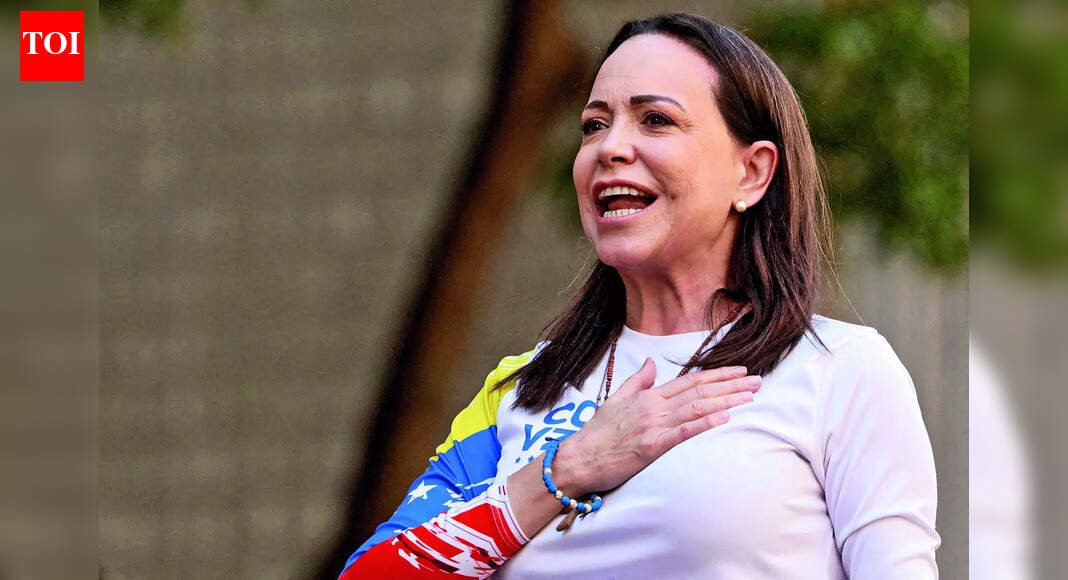
Maria Corina Machado (File photo)

Venezuelan opposition leader Maria Corina Machado, who won the 2025 Nobel Peace Prize, has returned to global focus after US President Donald Trump on Saturday claimed that Venezuela’s long-time leader, Nicolas Maduro, has been “captured” amid large-scale American strikes on the South American nation.While Machado has not reacted publicly to Trump’s announcement, the developments place her at the centre of a rapidly shifting political moment in Venezuela. She has previously voiced strong support for Trump’s aggressive approach toward the Maduro regime and has openly backed external pressure, including military intervention, to end what she describes as communist rule in the country.

Maduro ‘FLEES’ Venezuela As US Bombs Military Bases | INSANE Videos Show Air Force Going Ballistic

Machado emerged as the global face of Venezuela’s opposition after winning the Nobel Peace Prize in 2025, an honour that Trump himself was also reportedly seeking. Her rise has coincided with Washington’s escalating actions against Caracas, including a US military buildup in the Caribbean, strikes on alleged drug-smuggling boats and a blockade on tankers carrying Venezuelan oil.Earlier, Machado travelled to Oslo in Norway, where she received her Nobel Peace Prize. The trip marked her first public appearance after spending more than a year in hiding in Venezuela under constant threat from state authorities.Her departure from the country was itself dramatic. Media reports in the United States said Machado’s escape involved wearing a disguise, including a wig, and travelling from a small Venezuelan fishing village by wooden boat to the Caribbean island of Curaçao, before boarding a private plane to Norway.The operation was later described in detail by Bryan Stern, a US special forces veteran and founder of the Grey Bull Rescue Foundation, who told the BBC that he led the extraction mission. Stern said the journey, dubbed Operation Golden Dynamite, involved disguises, two boats navigating choppy seas and a flight out of the region.“The seas are very rough. It’s pitch black. We’re using flashlights to communicate. This is very scary; lots of things can go wrong,” Stern said, adding that the “formidable” Machado did not complain once during the operation.

The rare defiance

Machado had travelled to Norway in defiance of a decade-long travel ban imposed by Venezuelan authorities. She arrived too late to attend the official Nobel Peace Prize ceremony held last week, with the award being received on her behalf by her daughter.In earlier interviews, Machado has made no secret of her admiration for Trump’s posture toward Caracas. In December, she told CBS News that she was “absolutely” supportive of his strategy.“We, the Venezuelan people, are very grateful to him and to his administration, because I believe he is a champion of freedom in this hemisphere,” Machado said about Trump.Her political position has become even more significant following Trump’s claim that Maduro has been captured, a development that, if confirmed, would dramatically weaken the Venezuelan regime and reshape the country’s power dynamics. Machado has long argued that sustained external pressure was the only way to end Maduro’s rule, and Trump’s actions appear to align closely with her long-held stance.

Where is Maria Corina Machado?

Last year, Machado, when she was in Norway, had planned to return to Venezuela regardless of whether Maduro was ultimately removed from power. Her comments came hours after she appeared in public for the first time in 11 months, following her arrival in the Norwegian capital.“I think that the actions of President Trump have been decisive to reach where we are now, where the regime is significantly weaker,” she told reporters. “Because before, the regime thought it had impunity …. Now they start to understand that this is serious, and that the world is watching.”However, she sidestepped direct questions on whether a US military intervention was necessary to oust Maduro. On her return to Venezuela, Machado said timing would depend on security conditions rather than political outcomes.“I would return to Venezuela when we believe the security conditions are right, and it won’t depend on whether or not the regime leaves,” she said.As Washington intensifies pressure on Caracas and Trump projects decisive action, Machado stands to gain the most politically from any weakening or collapse of the Maduro regime. For now, she remains silent on the claim of Maduro’s capture, even as global attention once again turns toward the Nobel laureate widely seen as Venezuela’s most prominent opposition figure.

[ad_2]

Source link

Centre pushes states to speed up farm scheme spending, warns of fund delays

[ad_1]

Centre pushes states to speed up farm scheme spending, warns of fund delays
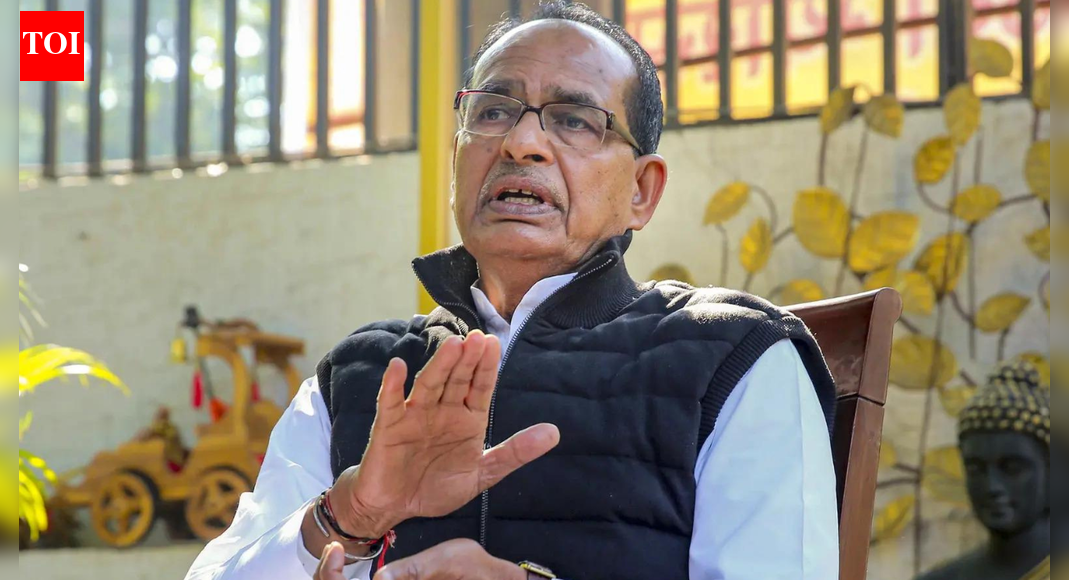
File photo: Union minister Shivraj Singh Chauhan (Picture credit: PTI)

Union agriculture minister Shivraj Singh Chouhan on Saturday urged states to adopt a strategic approach to budget utilisation, warning that delays in spending allocated funds result in losses for states and hamper the timely release of subsequent central instalments. Addressing a review meeting with state agriculture ministers, Chouhan said states must ensure funds earmarked for various schemes are spent before March to avoid administrative bottlenecks that delay the effective implementation of programmes. “If states are unable to spend their budgets on time, it only results in losses for them,” the minister said, adding that budget allocations are often held up due to minor administrative and procedural issues. The meeting reviewed the progress and budget utilisation of central agriculture schemes, including the Pradhan Mantri Rashtriya Krishi Vikas Yojana (PM-RKVY) and Krishonnati Yojana (KY). Chouhan stressed the need for prompt verification of eligible farmers under the PM-KISAN scheme, expanding coverage under the crop insurance scheme, and ensuring timely settlement of claims. He also emphasised the importance of seed and fertiliser availability, their balanced use, and strengthening central-state coordination. The meeting was attended by agriculture ministers from Uttar Pradesh, Maharashtra, Rajasthan, Uttarakhand, and Mizoram, along with Agriculture Secretary Devesh Chaturvedi, and senior ministry officials. Chouhan assured states that the Centre will continue to provide support to strengthen the agriculture sector and safeguard farmers’ interests, an official statement said.

[ad_2]

Source link

India Equity Strategy 2026: Capex revival likely to gain momentum; defence, capital goods, infrastructure set to benefit

[ad_1]

India Equity Strategy 2026: Capex revival likely to gain momentum; defence, capital goods, infrastructure set to benefit

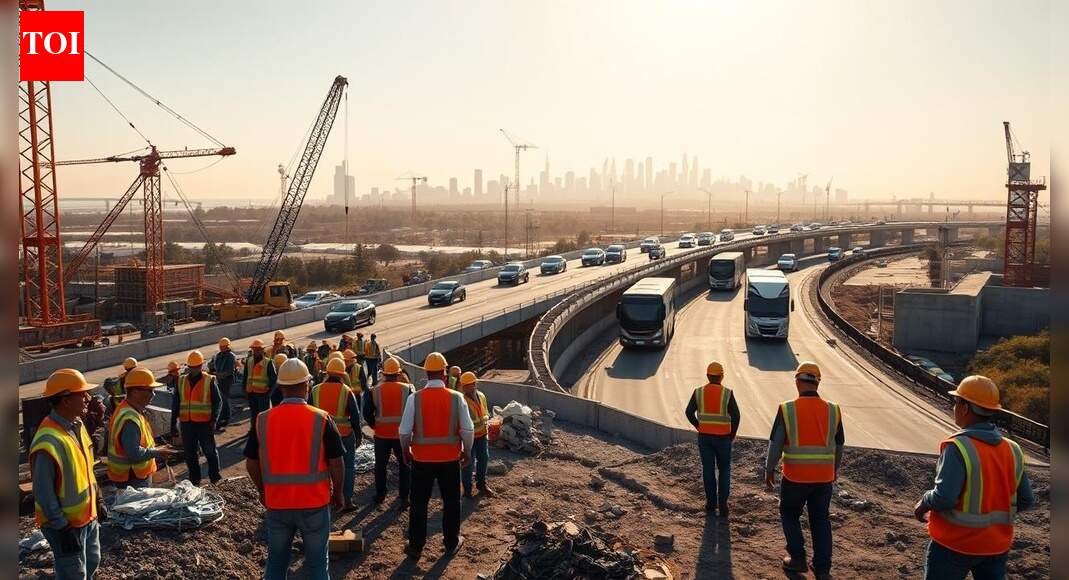
India’s capital expenditure upcycle is showing early but credible signs of revival, with several investment-linked sectors likely to benefit over the next two to three years, according to Antique Stock Broking’s India Equity Strategy 2026. Improving macroeconomic conditions, policy support and rising private and household investment are laying the groundwork for a broader capex recovery.As per news agency PTI, the report identifies defence as one of the strongest structural beneficiaries of the capex push, driven by higher budgetary allocations, a strong order pipeline and continued emphasis on indigenisation under the Atmanirbhar Bharat programme. Export opportunities are also expanding, providing an additional growth lever. Capital goods companies are expected to see outsized earnings growth as fresh order inflows coincide with high operating leverage, with the report noting that even modest revenue growth could translate into sharp profit expansion.Industrial and electronics manufacturing services are also positioned to gain from domestic capex and global supply-chain diversification. As multinational firms pursue “China+1” strategies, India is emerging as a preferred manufacturing base, supporting demand for industrial equipment and electronics, according to PTI. The gradual return of private investment is expected to benefit infrastructure developers and engineering players, particularly those linked to roads, railways, power and urban infrastructure, while lower interest rates and improved affordability are reviving housing demand.Alongside the capex theme, foreign portfolio investors (FPIs) could stage a comeback in Indian equities in 2026 after record outflows last year. As per ANI, FPIs pulled out about $17.5 billion in 2025, the highest annual outflow on record. Antique said CY26 could see a revival as earnings visibility improves, valuations turn reasonable and macro stability strengthens.Corporate earnings are projected to re-accelerate, with Nifty earnings expected to grow around 16% CAGR over FY26–FY28, compared with about 7% over the previous two years. However, the report cautioned that global investor preference for AI-exposed markets remains a risk, potentially leading to sectoral divergence within Indian equities.

[ad_2]

Source link