Breaking News
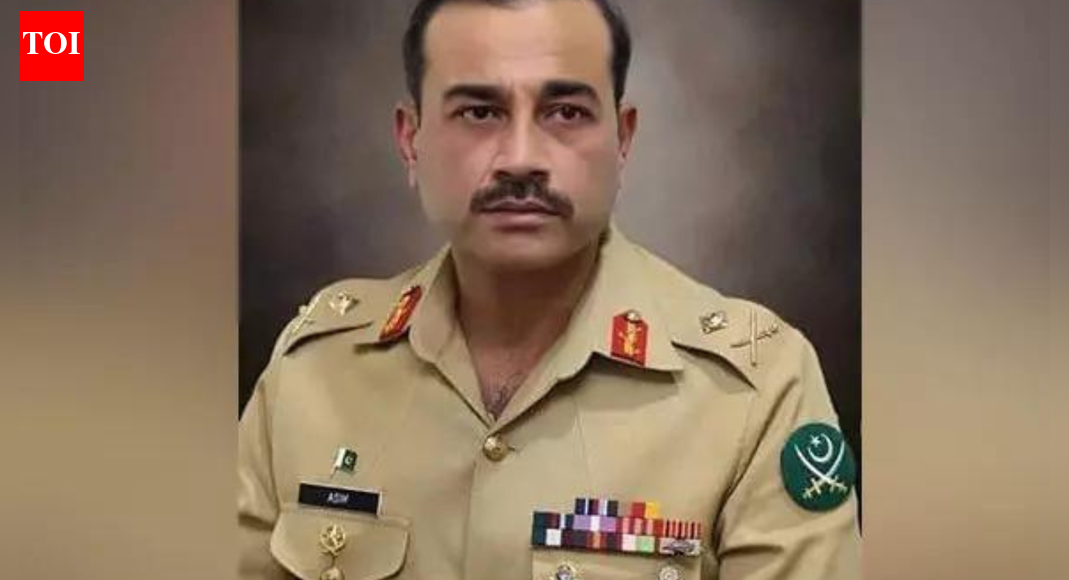
Pakistan reshapes defence: Asim Munir becomes first Chief of Defence Forces; President Zardari approves historic appointment

[ad_1]

Pakistan reshapes defence: Asim Munir becomes first Chief of Defence Forces; President Zardari approves historic appointment

President Asif Ali Zardari on Thursday formally appointed Army Chief Field Marshal Asim Munir as Pakistan’s first Chief of Defence Forces (CDF) for a period of five years.The move follows the recent passage of the 27th Constitutional Amendment on November 12, which created the post of CDF to unify command across the armed forces and streamline decision-making during critical situations.The newly created CDF replaces the abolished office of the Chairman Joint Chiefs of Staff Committee (CJCSC), which formally ended on November 27 following the retirement of General Sahir Shamshad Mirza.President Zardari approved the recommendation submitted by Prime Minister Shehbaz Sharif for Munir’s appointment. A press release from the President’s office extended best wishes to Munir in his new role. The same release also announced a two-year extension in the service of Air Chief Marshal Zaheer Ahmad Babar Sidhu, Chief of Air Staff, effective from the completion of his current tenure in March 2026. Law minister Azam Nazeer Tarar said the reforms “bring constitutional oversight to defence appointments while maintaining military honour and tradition” and confirmed there were no legal or political obstacles to Munir’s appointment. He also stated that the Defence Ministry was preparing a new organogram for the CDF to reflect the changes.Field Marshal Munir, who was initially appointed as COAS in November 2022 for three years, had his tenure extended to five years in 2024. With this appointment, he assumes a historic dual role, serving simultaneously as Chief of Army Staff and the first Chief of Defence Forces, marking a significant shift in Pakistan’s military hierarchy and institutional structure.The 27th Constitutional Amendment elevates the army chief to the role of CDF with constitutional authority over all three branches of the military: army, navy and air force. It also introduces judicial reforms, including the creation of a Federal Constitutional Court (FCC) to handle constitutional matters, allowing the Supreme Court to focus on civil and criminal cases.Prime Minister Shehbaz Sharif welcomed the amendment as a demonstration of national unity, highlighting the role of law enforcement in recent counterterrorism efforts. While the ruling coalition including PPP, PML-N, and MQM-P, supported the amendment, opposition parties criticized it as unconstitutional, warning it could concentrate excessive power in the military.PTI chairman Gohar Ali Khan described it as the “Baku Amendments,” accusing the government of undermining democracy. PPP Senator Raza Rabbani warned the changes could damage provincial autonomy and roll back powers devolved under the 18th Amendment, according to Dawn. Following Munir’s appointment, the next key step will be appointing the commander of the National Strategic Command (NSC), a four-star position previously under the CJCSC. The NSC commander will be appointed by the prime minister on the recommendation of the CDF.


[ad_2]

Source link

Rupee slide: RBI lets currency weaken amid outflows; focus shifts to curbing speculation

[ad_1]

Rupee slide: RBI lets currency weaken amid outflows; focus shifts to curbing speculation

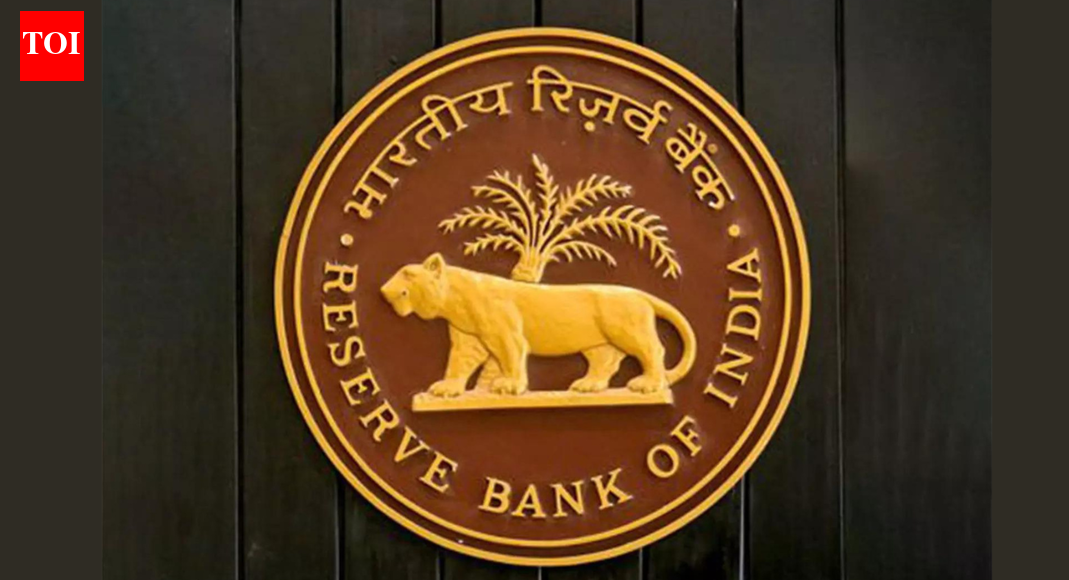
India’s central bank will allow the rupee to weaken as the country’s external position comes under strain from slowing dollar inflows, widening trade pressures and heavy foreign selling in domestic markets, according to sources cited by news agency Reuters. The Reserve Bank of India (RBI), which had been actively supporting the currency until last month through sizeable dollar sales, has let the rupee depreciate 1.3% in the last seven trading sessions, taking it to a record Rs 90.42 per dollar.

Rupee Slides To Record Low Of 90 Per Dollar As Trade Uncertainty, Dollar Demand And Oil Costs Spike

The rupee is now down 5.5% this year, making it Asia’s worst-performing currency.According to three people familiar with the RBI’s thinking, the central bank is no longer inclined to defend any specific exchange-rate level and will focus instead on preventing disorderly movements or speculative pressure. “It doesn’t make sense to spend reserves when fundamentally everything is against the currency,” one of the sources said, as per Reuters. Another source said the RBI “does let the rupee move more than it normally would” whenever the underlying demand for dollars warrants it. The central bank has not commented on the matter.India has witnessed significant portfolio outflows, with foreign investors selling $17 billion worth of equities so far this year, Reuters reported. Foreign direct investment, external trade flows and offshore fundraising have all slowed. While the rupee’s fall below the psychologically sensitive Rs 90 mark has attracted attention, the RBI is prepared to counter attempts at speculative build-ups, a third source said.Market participants remain cautious. A weaker currency gives the RBI more room in policy terms but risks making Indian assets less attractive to overseas investors. “A weakening Indian rupee is definitely a negative when it comes to investing in Indian equities,” said Sam Kongrad of Jupiter Asset Management, adding that his firm remains “neutral weight” on India, as per Reuters.MSCI’s India index has gained 7% this year, but rupee weakness has cut dollar returns to below 2%, far behind South Korea and Hong Kong.Some investors believe the impact could ease if a resolution to trade frictions with the United States emerges and fresh foreign flows come through potential global index inclusion. Others argue India’s strong domestic fundamentals — including 8.2% GDP growth in July–September — may help offset currency weakness over time.“I’m not losing sleep over it,” chief economic adviser V Anantha Nageswaran said on Wednesday. He added that the rupee’s slide has not fed into inflation and said he expects a recovery in 2026.Meanwhile, the rupee staged a brief rebound on Thursday, rising 26 paise to Rs 89.89 on reports of supposed RBI intervention and a softer US dollar, as per PTI. Earlier in the day, it hit another record low of Rs 90.43 amid foreign selling and costlier crude oil. Traders said uncertainty around the India-US trade deal, elevated oil prices and persistent FII outflows continue to weigh on sentiment, though a weaker dollar and expectations of a US rate cut may offer some support.The market is now awaiting the RBI’s monetary policy announcement on Friday, which comes at a time of rising GDP growth, easing inflation and ongoing geopolitical uncertainties.


[ad_2]

Source link

SGB returns: RBI confirms final payout for 2017 gold bond series; long-term holders gain over 340%

[ad_1]

SGB returns: RBI confirms final payout for 2017 gold bond series; long-term holders gain over 340%

A Sovereign Gold Bond (SGB) bought eight years ago has turned a Rs 1 lakh investment into more than Rs 4.4 lakh, after the Reserve Bank of India announced the final redemption price for the 2017-18 Series-X tranche. The RBI said in its statement dated 3 December 2025 that this series will mature on Thursday, marking exactly eight years from its issue date.This particular tranche had remained open for subscription between 27 and 29 November 2017, with settlement taking place on 4 December that year. The central bank reiterated that, under the Government of India’s notification dated 6 October 2017, these bonds are repayable after eight years, making 4 December 2025 the official redemption date.The RBI has fixed the final payout at Rs 12,820 per unit, a figure calculated using the simple average of the closing prices of 999-purity gold for the three business days immediately before redemption. The India Bullion and Jewellers Association (IBJA) recorded gold prices at Rs 12,821 per gram on 1 December, Rs 12,759 on 2 December, and Rs 12,880 on 3 December 2025, producing an average of Rs 12,820.When the bonds were originally issued, the ministry of finance had priced them at Rs 2,961 per gram, with an online discounted rate of Rs 2,911. Based on this, the absolute return—without including interest—comes to Rs 9,909 per unit (Rs 12,820 minus Rs 2,911). In percentage terms, this works out to roughly 340.3%, delivering a substantial gain for long-term investors.Alongside capital appreciation, SGB holders have also earned a 2.5% annual interest, paid by the government. The scheme, managed by the RBI, is designed as a digital or paper-based alternative to holding physical gold, removing concerns around purity and storage while offering the added benefit of interest income. Investors can also redeem their bonds early after five years, but only on interest payment dates. The bonds remain tradable, can be transferred, and may be used as collateral for loans.The RBI has clarified that investors will receive a maturity intimation one month before the payout date. On maturity day, the redemption amount will be credited directly to the bank account registered in the investor’s records. As per ET, anyone who has changed their bank details, email address or other contact information must inform their bank, SHCIL or post office in advance to avoid delays.


[ad_2]

Source link

‘Despite geopolitical uncertainty’: Rajnath hails defence ties with Russia; message for Trump? | India News

[ad_1]

'Despite geopolitical uncertainty': Rajnath hails defence ties with Russia; message for Trump?
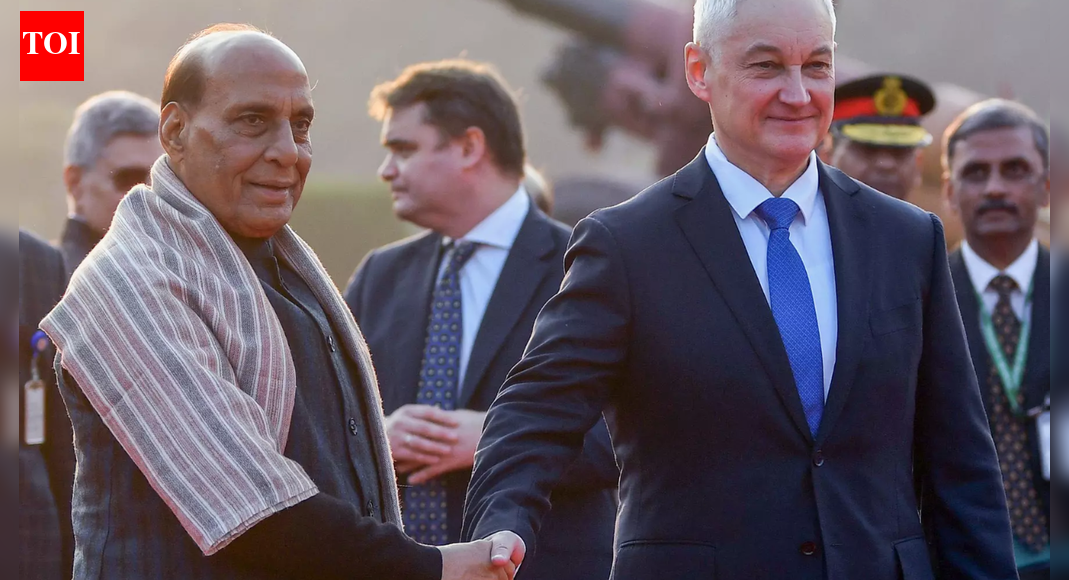
Defence minister Rajnath Singh with Russian defence minister Andrei Belousov (Image credits: ANI)

NEW DELHI: India on Thursday sent out a strong signal about the continuity of its partnership with Russia, with defence minister Rajnath Singh emphasising that bilateral defence cooperation remains steady “despite the geopolitical uncertainty.” His remarks came at the 22nd India-Russia Inter-Governmental Commission on Military & Military Technical Cooperation (IRIGC-M&MTC) meeting in New Delhi, held just hours before Russian President Vladimir Putin arrives for the 23rd Annual Summit.Singh described Russia as a “time-tested, special privileged, and strategic partner” and noted that defence ties have grown consistently since the signing of the 2000 Declaration of the India-Russia Strategic Partnership. “I thank you very much for coming all the way to India to discuss and promote bilateral defence cooperation between our countries… It is good that despite the geopolitical uncertainty, our India-Russia defence cooperation is moving at a healthy pace,” he said, as quoted by ANI.He highlighted “outcome-oriented exchanges” between military personnel and experts and also pointed to wider economic engagement.“We welcome the successful holding of the 26th meeting of the India-Russia Working Group on Trade and Economic Cooperation in Moscow last month, and the commencement of negotiations for a Free Trade Agreement with the Russia-led Eurasian Economic Union,” Singh said. He added, “We were also eagerly awaiting the visit of His Excellency, Vladimir Putin… which has been fulfilled today.”

Russia’s message at the defence commission meeting

Russian defence minister Andrei Belousov, co-chairing the meeting with Singh, echoed the sentiment of long-standing partnership.Belousov also noted the extent of military cooperation. “Russia actively cooperates in full scale with India in formation of the new outlook of the Army, Air Force, and the Navy. And using this opportunity, let me congratulate you, the command, and all Indian sailors with the National Navy Day,” he said.On the work of the joint commission, he added, “Distinguished Minister, the intergovernmental commission on military and military-technical cooperation brings the huge dedication in taking part in taking effective and mutually beneficial decisions in the military domain.”

Setting the stage for PM Modi–Putin summit

Earlier in the day, Singh and Belousov laid a wreath at the National War Memorial, and the Russian minister inspected the Tri-Service Guard of Honour. Belousov was received at Air Force Station Palam by Minister of State for Defence Sanjay Seth, with Chief of Defence Staff General Anil Chauhan also present.Russian President Vladimir Putin is set to arrive in India on Thursday evening for his first visit in four years, beginning the trip with a private dinner hosted by PM Modi. The two leaders have spoken by phone five times in 2024 and last met in person on the sidelines of the SCO Summit in Tianjin.Putin’s arrival marks his first trip to India since 2021 and his first since the Ukraine conflict began in 2022.His return to New Delhi comes as the India–Russia partnership continues to adjust to shifting global dynamics, balancing long-standing defence ties with cooperation in technology, energy transition, education, and workforce mobility.


[ad_2]

Source link

Saudi Arabia now allows direct license conversion for nationals from 48 countries: See if you’re eligible | World News

[ad_1]

Saudi Arabia now allows direct license conversion for nationals from 48 countries: See if you're eligible
Saudi Arabia allows visitors from 48 countries to directly convert their driving licenses without a driving test/ Representational Image

Just touched down in Saudi Arabia and eager to get behind the wheel? Whether you’re planning to navigate Riyadh’s busy streets or take a leisurely drive through Jeddah, your first step is to figure out if your foreign driving license can be easily converted, or if you’ll need to start fresh.Whether you’re a new resident or a long-term expat, this guide breaks down the process of converting your license or applying for a new Saudi driving license. We’ve got you covered with everything you need to know, so you won’t be left guessing.

Driving in Saudi Arabia as a foreigner: What you need to know

Foreigners are allowed to drive in Saudi Arabia under certain conditions. If you hold a valid international or foreign driving license, you can legally drive for up to one year from your date of arrival in the Kingdom, or until your license expires, whichever comes first. After this period, or if you become a resident, you will need to obtain a Saudi driving license. If you’re from India, Europe, or any other country, you can drive in Saudi Arabia for up to one year using your home country’s driving license. However, you must carry both your original license and a translated International Driving Permit (IDP). The IDP is required by law for driving on a foreign license in Saudi Arabia, as it serves as an official translation of your original license. Keep in mind that driving without a valid Saudi or officially converted foreign license could result in fines or legal consequences, so be sure to get the necessary documentation in place before you hit the road.Key driving rules for non-Saudi residents:

  • Legal driving age: 18 years
  • Regulatory authority: Public Security Department under the Ministry of Interior
  • Women: Legally allowed to drive since 2018
  • Foreign license use: Permitted for up to one year
  • GCC citizens: Can drive using their home country’s license until expiry
  • Rental companies: Often require a Saudi-issued license

If you’re planning to stay longer than a year, or you’re applying for certain services, you’ll need to convert your license or obtain a new one, depending on where it’s issued from.

Two paths to a Saudi Driving License: Conversion vs. new application

Saudi Arabia offers two different paths for obtaining a Saudi driving license, depending on where your original license was issued.If you’re eligible for direct license conversion, meaning you hold a valid license from one of the approved countries, you can convert it directly into a Saudi license without the need to take a driving test. This process is much faster and more straightforward.However, if your home country is not on the approved list, you won’t be able to convert your license directly. Instead, you’ll need to apply as a new driver, which involves enrolling in a Saudi driving school. You’ll need to complete both theoretical and practical driving tests and pay for training sessions, testing, and issuance fees.

Countries eligible for direct license conversion

If you hold a valid driving license from one of the 48 approved countries, including GCC countries, you’re eligible to convert it directly into a Saudi driving license, no driving test required. However, an application, translation, documentation, and medical check are mandatory.List of approved countries for license conversion:

  • Europe: Albania, Austria, Belarus, Belgium, Bulgaria, Croatia, Cyprus, Czech Republic, Denmark, Estonia, Finland, France, Germany, Greece, Hungary, Ireland, Italy, Latvia, Lithuania, Luxembourg, Malta, Netherlands, Norway, Poland, Portugal, Romania, Russia, Slovakia, Slovenia, Spain, Sweden, Switzerland, United Kingdom
  • Asia-Pacific: Australia, China, Japan, Malaysia, New Zealand, Singapore, South Korea
  • GCC and MENA: Bahrain, Kuwait, Oman, Qatar, United Arab Emirates
  • North America: Canada, United States
  • Africa: South Africa

If your license is from one of these countries, here’s how you can convert it.

Step-by-step – How to convert your foreign license


Step 1: Translate your foreign license to Arabic

Your first task is to get your driving license officially translated into Arabic. Without this step, the conversion process will not proceed.

  • Translation Cost: Around SAR 100 (~$27 USD)
  • Timeframe: Usually takes 1–2 business days
  • Where: Certified translation offices or online translation services
  • Requirement: Must be stamped and officially approved

Step 2: Book an appointment on Absher

Use the official Absher portal (absher.sa) to book an appointment with the General Department of Traffic (Muroor).

  • Navigate to: Appointments → Traffic → Replacement of Driving Licenses
  • Choose your city (e.g. Riyadh)
  • Upload your documents (translated license + original)\
  • Schedule a date (preferably 5–7 days ahead to allow time for your medical check)
  • Download and keep the appointment confirmation PDF

Step 3: Pay the license fee via Sadad

Use your bank’s online app to access Sadad under Government Payments and select “Driving License Issuance.”

  • Fee for 2 years: SAR 80 (~$21.60 USD)
  • Fee for 5 years: SAR 250 (~$67.50 USD)
  • Keep a printed payment receipt to include in your application

Step 4: Complete a medical examination

Visit an Efada-approved medical center for your health check, bringing:

  • Valid Iqama (residency card)
  • Original foreign license
  • Two passport-sized photos

Tests include:

  • Eye exam
  • Blood group test
  • General health check
  • Cost: Between SAR 150–200 (~$40.50–$54.00 USD)
  • Tip: Early morning visits usually mean shorter wait times

Step 5: Visit Muroor to finalize the process

On your appointment day, head to the designated Muroor office or traffic school with:

  • Original foreign license
  • Arabic translation
  • Valid Iqama and passport
  • Medical report
  • Absher appointment confirmation
  • License fee receipt
  • Two passport-sized photos

Make sure you have your Iqama and all original documents ready, as they are required to complete your license issuance.If everything is in order and your license is from an approved country, you’ll receive your Saudi license the same day, no tests required.

What if your country isn’t on the approved list?

If your home country is not listed, you will need to apply as a new driver in Saudi Arabia. That means:

  • Enrolling in a local driving school
  • Completing both written and practical driving tests
  • Paying for training sessions and test fees

This process is longer and involves multiple steps, including lessons and test scheduling, but is required for full legal driving eligibility in Saudi Arabia.Also read: How can foreigners obtain a Saudi driving license if they’re not eligible for direct conversion?

Summary: Eligibility, cost, and time breakdown

Visitor type Driving rights
Tourist Drive up to 1 year on foreign/international license
GCC Citizen Drive on home license until expiry (no need to convert unless resident)
New Expat Resident Drive up to 3 months on foreign license (not eligible for rentals)
Long-Term Expat Must convert or apply for a Saudi license

Item Estimated cost (SAR) USD equivalent (approx.)
License Translation SAR 100 $27.00
Medical Test SAR 150–200 $40.50–$54.00
License Issuance (2 yrs) SAR 80 $21.60
License Issuance (5 yrs) SAR 250 $67.50
Misc. (Photos, Copies) SAR 50–75 $13.50–$20.25
Total Range SAR 350–600 $94.50–$162.00


[ad_2]

Source link

International Cheetah Day: PM Modi celebrates ‘one of the planet’s most remarkable creatures’ — see pics | India News

[ad_1]

International Cheetah Day: PM Modi celebrates 'one of the planet's most remarkable creatures' — see pics

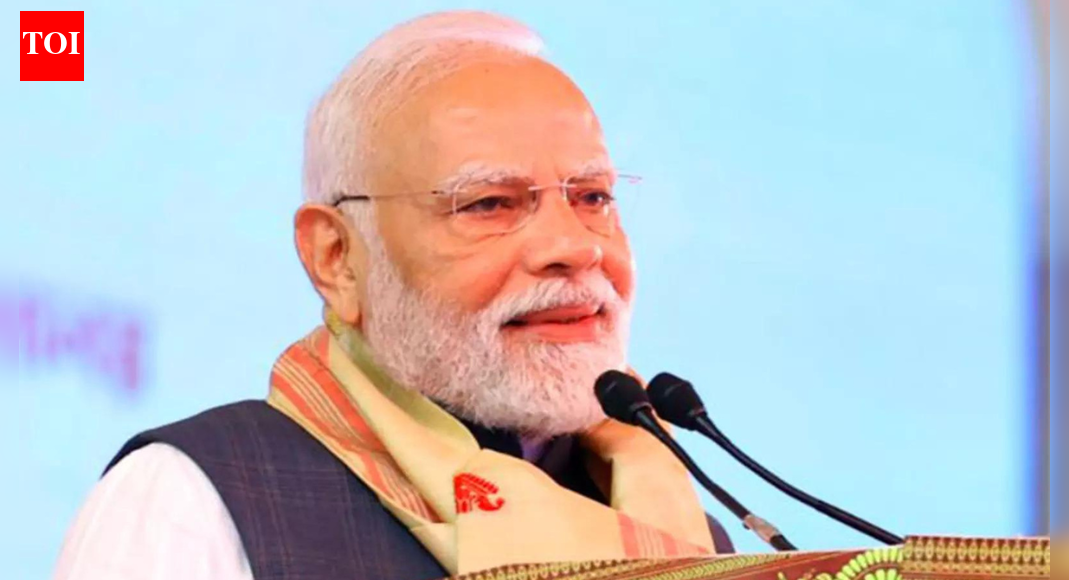
Prime Minister Narendra Modi (ANI Photo)

NEW DELHI: Prime Minister Narendra Modi on Thursday shared cheetah photos to mark International Cheetah Day, calling the animal “one of the most remarkable creatures” on the planet and reaffirming the government’s commitment to its protection.In a post on X, the Prime Minister said Project Cheetah, launched three years ago, was aimed at safeguarding the species and rebuilding the ecosystem in which it can thrive. He described the initiative as an effort to revive India’s lost ecological heritage and strengthen biodiversity. PM Modi also shared photographs of the majestic animal along with his message.“On International Cheetah Day, my best wishes to all wildlife lovers and conservationists dedicated to protecting the cheetah, one of our planet’s most remarkable creatures. Three years ago, our Government launched Project Cheetah with the aim of safeguarding this magnificent animal and restoring the ecosystem in which it can truly flourish. It was also an effort to revive lost ecological heritage and strengthen our biodiversity,” PM Modi wrote.The translocation programme that brought cheetahs from Namibia, South Africa, and Botswana to Kuno National Park in Madhya Pradesh is considered one of India’s most ambitious wildlife conservation projects.

Screenshot 2025-12-04 095713

Source: X/@narendramodi

Project Cheetah, rolled out in 2022 to reintroduce the species seven decades after it went extinct due to excessive and reckless hunting, aims to restore a lost ecological niche.

Screenshot 2025-12-04 095804

Source: X/@narendramodi

To mark International Cheetah Day on Thursday, Madhya Pradesh Chief Minister Mohan Yadav is scheduled to release three cheetahs currently kept in enclosures at Kuno into the wild, officials said on Wednesday.

Screenshot 2025-12-04 095833

Source: X/@narendramodi

The project is being implemented by the National Tiger Conservation Authority (NTCA) in collaboration with the Madhya Pradesh Forest Department and the Wildlife Institute of India.

Screenshot 2025-12-04 095610

Source: X/@narendramodi

(With inputs from agencies)


[ad_2]

Source link

Parliament digest: Key points of December 3 Winter Session proceedings | India News

[ad_1]

Parliament digest: Key points of December 3 Winter Session proceedings

No proposal to create an Indian Education Service, says CentreThe Centre has ruled out any proposal to create an Indian Education Service (IES) for appointments to key leadership positions in higher education institutions, including chancellors, vice-chancellors, pro-chancellors and registrars.Responding to a written question in Rajya Sabha on Wednesday, MoS for education Sukanta Majumdar said there is “no such proposal under consideration” to set up a dedicated service for these appointments. He underlined that higher education institutions (HEIs) function as statutory autonomous bodies established under their respective central Acts of Parliament and are governed by existing legal provisions.Majumdar said the govt has taken several technology- driven steps to strengthen transparency in the recruitment process. Among these is the CU-Chayan portal “which connects employers with potential job candidates, simplifying the recruitment process and making it more efficient”. He also said a separate online portal for recruitment of vice-chancellors to central universities has been launched to further improve transparency and efficiency in top-level academic appointments. Rajya Sabha sees heated exchanges over new ‘Lok Bhavans’RS on Wednesday witnessed heated exchanges after TMC MP Dola Sena, while slamming the renaming of Raj Bhavans as Lok Bhavans “without keeping state govts or assemblies in the loop”, sought to ridicule the govt for talking about people while depriving them of their rights.Objecting to Sen bringing in reference to “MGNREGS and other issues”, House leader JP Nadda requested the Chair to expunge remarks not related to the subject. The Chairman concurred.This was contested by LoP Kharge who said Sen had not said anything unparliamentary. He accused Nadda of “bulldozing” by asking for the remarks to be deleted. Nadda replied: “I never bulldozed.”15.6L vehicles recalled over safety defects: Govt Vehicle manufacturers have recalled around 15.6 lakh vehicles due to safety defects since 2022, heavy industries ministry informed Lok Sabha Tuesday. As per the reply, while around 11.9 lakh two-wheelers have been recalled till Nov 26, the number of cars recalled stood at nearly 3.7 lakh. The ministry quoted data maintained by Society of Indian Automobile Manufacturers (SIAM) under the voluntary recall provision.In another reply, the ministry told Lok Sabha that so far, Rs 1,635 crore subsidy has been disbursed under the PM E-DRIVE scheme. An allocation of Rs 500 crore has also been made under the scheme towards e-ambulances, it said.To track side effects of drugs, govt mandates QR codes at pharmaciesThe next time you step into a chemist shop, you may find a new addition near the counter — a black-and-white QR code that could quietly transform India’s drug safety system. The Central Drugs Standard Control Organisation (CDSCO) has directed every retail and wholesale pharmacy in the country to display the official Pharmacovigilance Programme of India (PvPI) QR code along with its toll-free number, 1800-180-3024, enabling people to report medicine side effects instantly.The order, issued after the 16th Working Group Meeting of PvPI held on June 18, instructs drug regulators to ensure the QR code is placed prominently in pharmacy premises. By simply scanning it, customers and healthcare professionals can report any adverse drug reaction — from rashes and dizziness to swelling, nausea or more serious complications — straight into ADRMS (Adverse Drug Reaction Monitoring System). Officials say the move could mark a major shift in how India tracks harmful drug events, which often go unreported.


[ad_2]

Source link

Democrats release ‘never-before-seen’ images from infamous ‘Epstein Island’ — see photos

[ad_1]

Democrats release 'never-before-seen' images from infamous ‘Epstein Island’ — see photos

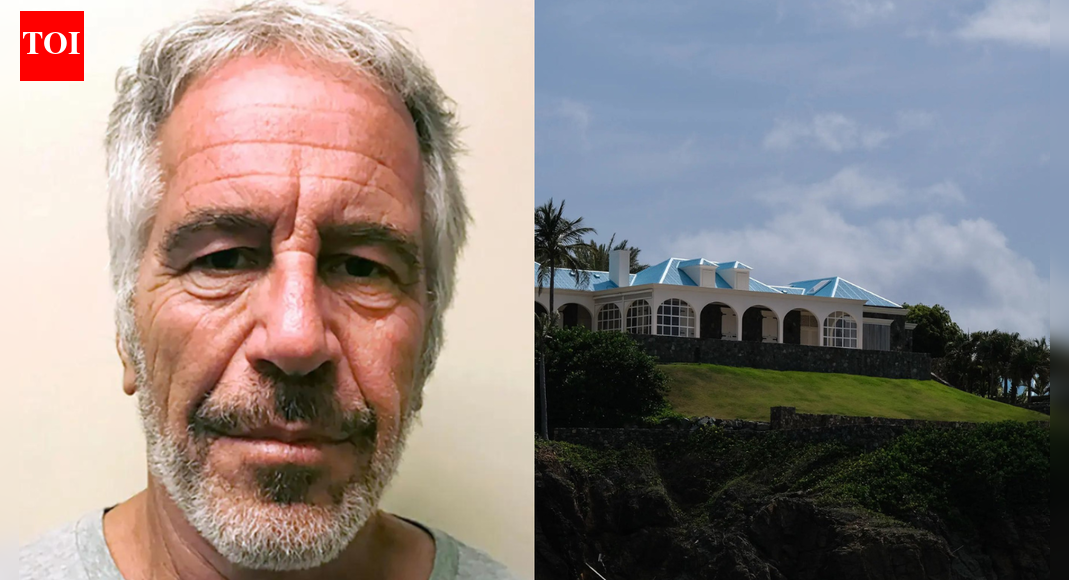
House Democrats on the Oversight Committee released a new batch of photographs taken inside Jeffrey Epstein’s private Caribbean island or the famous “Epstein Island.”The committee said the new images had never been seen publicly before. They were captured on Little St. James in the US Virgin Islands. They include photographs of bedrooms, bathrooms and a room containing a dentist’s chair, with masks displayed on the wall.

Fergie’s Future In Chaos As Book Gets Cancelled And Epstein Links Resurface | WATCH

Another image shows a landline telephone with several first names written next to the speed-dial buttons, partly redacted. A study in one of the photos contains a blackboard with words scrawled across it, including “power,” “deception,” “plots” and “political.”Videos show the exterior grounds of the island home, which resembles a luxury resort. The material also features a swimming pool, palm trees and a long pathway overlooking the sea. Committee Democrats said the redactions in some images were made to remove women’s names for privacy.

Disturbing look into the world of Jeffrey Epstein and his island

“These new images are a disturbing look into the world of Jeffrey Epstein and his island. We are releasing these photos and videos to ensure public transparency in our investigation and to help piece together the full picture of Epstein’s horrific crimes,” said Representative Robert Garcia, the top Democrat on the committee.The release comes shortly after US President Donald Trump signed a law requiring the Department of Justice (DOJ) to disclose the Epstein-related documents it holds. Those files are expected to be released in the coming days with a lot on line.Epstein privately owned Little St. James and the neighbouring Great St. James. The regions are described as central to his trafficking operation. Victims have detailed how Epstein used the islands to isolate them and host powerful visitors.The islands were sold to billionaire investor Stephen Deckoff in 2023, according to CNN. Investigators are also seeking testimony from Epstein’s former associate and right-hand woman Ghislaine Maxwell, who is serving 20 years in a low-security prison.


[ad_2]

Source link

AT&T sends letter to Trump government with a promise to end DEI, says: With over 110,000 employees in America, we are pleased to …

[ad_1]

AT&T sends letter to Trump government with a promise to end DEI, says: With over 110,000 employees in America, we are pleased to ...

US wireless carrier AT&T has vowed to scrap diversity policies. In a letter to the US telecoms regulator, AT&T said that it has committed to ending diversity, equity and inclusion (DEI) programs. The Dallas-based telecom giant told FCC Chairman Brendan Carr in that the “legal landscape governing diversity, equity and inclusion (‘DEI’) policies and programs has changed.” The letter comes as the company seeks approval from the Trump administration to buy wireless spectrum assets. AT&T said in its letter it “does not and will not have any roles focused on DEI.” In January, President Donald Trump had issued sweeping executive orders to dismantle US government DEI programs, and asked the private sector to join the initiative.In November 2024, AT&T agreed to buy some wireless spectrum licenses from US Cellular in a $1.02 billion deal that requires approval from the Federal Communications Commission. The FCC under President Donald Trump has required telecom companies to end DEI programs as a condition of approving transactions.In July this year, AT&T rival T-Mobile US said that it was ending its DEI programs as it sought regulatory approval for two major deals including buying almost all of regional carrier United States Cellular’s wireless operations including customers, stores and 30% of its spectrum assets in a deal valued at $4.4 billion. In May, FCC approved Verizon Communications’ $20 billion deal to acquire fiber-optic internet provider Frontier Communications after Verizon agreed to end its DEI program. Here’s the letter sent by AT&T to FCC chairman Brendan Carr: Dear Chairman Carr,At AT&T, we are committed to serving customers across the country and ensuring that all Americans can connect to the Internet. For the last five years, we have sharpened our focus on a single, overarching objective: to be the best connectivity company in America. As a nation, we must close the digital divide so that all Americans can enjoy all that the Internet has to offer.To bring 5G and fiber to more customers than anyone else, we have realigned our priorities, our budgets, and our personnel, and we are positioning our workforce to meet the connectivity needs of all Americans. As part of this operational focus, we have reviewed our policies and relationships with external groups to ensure that they are aligned with our business priorities. The legal landscape governing diversity, equity, and inclusion (“DEI”) policies and programs has changed. We have closely followed the recent Executive Orders, Supreme Court rulings, and guidance issued by the U.S. Equal Employment Opportunity Commission1 and have adjusted our employment and business practices to ensure that they comply with all applicable laws and related requirements, including ending DEI-related policies as described below, not just in name but in substance. AT&T has always stood for merit-based opportunity, and we are pleased to reaffirm our commitment to equal employment opportunity and nondiscrimination today. Consistent with applicable law, our multi-pronged approach allows employees to thrive in an environment free from invidious discrimination:* Culture: Our workplace fosters an environment where everyone is entrusted to contribute their best, reinforcing our commitment to a workplace where all employees perform their best, are challenged in their work, and feel a sense of community. Our culture team, part of our Human Resources department, focuses on helping our workforce achieve our business priorities and drives employee engagement, aligning with our key pillars: serve customers first, move faster, act boldly, and win as one. AT&T does not and will not have any roles focused on DEI.* Career development, hiring, and mentorship: It is AT&T’s longstanding practice to pay and advance individuals based on merit and qualification. We place individuals in roles where they are best positioned to succeed based on these factors, along with capability and experience. We support career growth through mentorship, training courses, tuition reimbursement, nanodegrees, and partner degree programs, as well as leadership development programs. These tools and programs are and will continue to be open to all, consistent with Title VII, and based on achievement and contribution to our purpose and business objectives. Our hiring, training, and career development opportunities are not and will not be based on or limited by race, gender, or other protected characteristics. We do not and will not use hiring quotas based on race, sex, sexual orientation, or any other protected characteristic. Further, consistent with the current law, we removed training related to “diversity, equity and inclusion” as well as any references to it from our internal and external messaging and will ensure that future training is consistent with guidance released by the U.S. Equal Opportunity Commission addressing training that could facilitate discrimination in the workplace. * Employee Groups: We recognize the rich history of our employee groups, dating back more than 50 years. Any AT&T employee can exercise their right to free association in joining any employee group and experience networking, leadership, professional development, and volunteerism opportunities. We ensure that these groups are driving business outcomes in support of the company’s purpose and strategy and that their work in the community supports our efforts to deliver broadband to all. We maintain corporate oversight of our employee groups. To the extent that an employee group is focused on a demographic or protected characteristic, we do not and will not draw distinctions based on any of those characteristics in granting permission to establish groups or conduct events. We will continue to ensure that their policies support equal employment opportunity, and that employee group membership is not a factor in employment or advancement decisions.* Suppliers: We award contracts to suppliers based on value, quality, function, and ability to serve our business objectives. Our supplier program has increased its focus on local and small businesses and drives economic empowerment across the country. Our procurement practices – including the awarding of contracts and supplier spending – are not based on any demographic-based goals, and we do not require our suppliers to meet any demographic-based goals. Any tracking and reporting of our supplier spending is done to comply with state laws, government contracting requirements, and similar reporting commitments.* External, sector-specific surveys: We have narrowed our participation in external surveys only to measure employee engagement and our progress achieving the culture tenets discussed above. We will no longer participate in recognition surveys focused on protected characteristics.* Sponsorships: We enter into sponsorships that help us reach multiple and varied audiences with messages about our superior products and services. We are always reviewing and optimizing how we budget in pursuit of our business priorities and have discontinued sponsorships that are not aligned to our current business strategy. Our sponsorship decisions will continue to be evaluated to align with increasing shareholder value and advancing our core business objectives of being the nation’s best connectivity provider through 5G and fiber. We appreciate the opportunity to share this information with you. Our workplace and culture are important factors in building our nation’s infrastructure and creating long-term shareholder value. With over 110,000 employees in the U.S. committed to millions of customers, we believe that all Americans benefit from our products, and we have focused our operations to connect all Americans to greaterpossibility with expertise, simplicity, and inspiration.Should you have any questions or concerns, please do not hesitate to contact me directly.Respectfully submitted,David McAtee IISenior Executive Vice President and General CounselAT&T Inc


[ad_2]

Source link

Cable security agenda: Indo-EU team to assess risks; cooperation on critical infrastructure on summit table

[ad_1]

Cable security agenda: Indo-EU team to assess risks; cooperation on critical infrastructure on summit table

India and the European Union will hold detailed discussions this week on boosting the security and resilience of undersea cables in the Indian Ocean, weeks before the annual India-EU summit scheduled for January 27 in New Delhi. Cooperation on protecting critical submarine infrastructure is likely to feature prominently at the summit, PTI reported.According to the EU, around 70 senior military personnel and officials from India, the EU and Indian Ocean countries will meet on Friday for extensive deliberations on securing critical submarine infrastructure, particularly sea-cables. The discussions aim to map risks, share best practices and pursue practical technology- and policy-led solutions.“Data cables connect continents and states, link islands to the mainland and connect both EU and India to the rest of the world, carrying 99 per cent of inter-continental internet traffic,” the EU said. It noted that undersea cables — indispensable to global commerce and digital growth — remain vulnerable as they lie unprotected on the ocean floor and are difficult to monitor.The seminar is being jointly organised by the National Maritime Foundation (NMF) of India, the European Union and the EU security and defence project ESIWA+ (Enhancing the EU’s Security Cooperation in and with Asia and the Indo-Pacific). The EU said the track-1.5 meeting will assess current risks and consider possible responses with an emphasis on regional and global cooperation.EU Ambassador to India Herve Delphin said the workshop marks an important step in ongoing EU-India maritime security dialogues.“Cooperation in the maritime domain is a key component of the strategic EU-India agenda. This workshop on the security and resilience of submarine cables reflects the shared interest we have in developing a comprehensive approach to maritime security,” he said.Delphin added that the EU Action Plan on Cable Security provides a framework to strengthen submarine cable security.He said it “can serve as a basis to develop further cooperation and joint strategies with key international partners like India in this domain”, adding that the EU’s focus on the Indian Ocean is growing amid new initiatives involving Europe, India and regional partners, including the India-Middle East-Europe Economic Corridor.NMF Director-General Vice Admiral Pradeep Chauhan (retd) said the workshop would help “foster further regional maritime dialogue and action on securing undersea infrastructure, which is critical for economic security and sovereignty.”He said discussions would identify vulnerabilities, highlight best practices and promote solutions combining technology, policy and cooperation.PTI reported that the seminar builds on the fourth EU-India Dialogue on maritime security and the ministerial meeting on protecting critical maritime infrastructure held last month in Brussels.According to the EU, protecting undersea infrastructure requires enhanced surveillance and monitoring systems to detect threats in real time, along with strategic coordination between governments, private operators and international partners.The EU highlighted its broader maritime security role in the region through naval missions Atalanta and Aspides in the North-West Indian Ocean.


[ad_2]

Source link