Breaking News
Thailand–Cambodia border truce: US announces $45 million aid package; aims to stabilise fragile ceasefire


Thailand–Cambodia border truce: US announces $45 million aid package; aims to stabilise fragile ceasefire
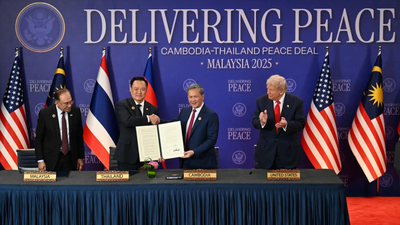
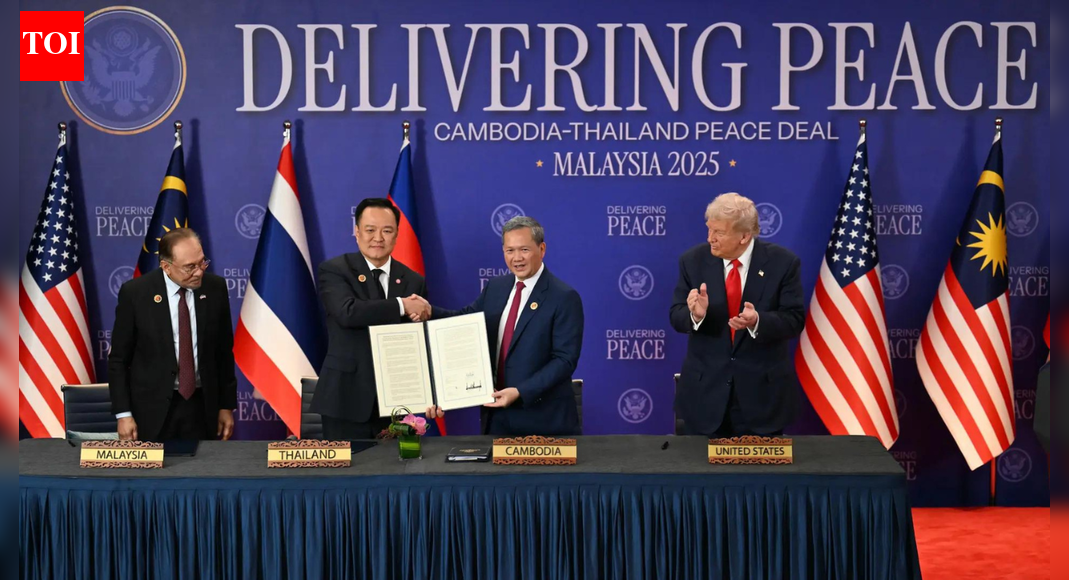
File photo: Malaysia’s PM Anwar Ibrahim, left, and US President Donald Trump, right, watch as Thailand’s PM Anutin Charnvirakul, second left, and Cambodia’s PM Hun Manet hold up a document after the ceremonial signing of a ceasefire agreement (AP)

The United States has announced a $45 million aid package for Thailand and Cambodia as part of efforts to reinforce a fragile ceasefire and promote stability along their disputed border.The announcement was made on Friday by Michael DeSombre, the US assistant secretary of state for East Asian and Pacific Affairs, during an online media briefing from Bangkok. DeSombre is visiting both countries to discuss the implementation of the ceasefire agreements reached last year after deadly border clashes rooted in long-standing territorial disputes.“The restoration of peace at the Thai-Cambodian border opens new opportunities for the United States to deepen our work with both countries to promote regional stability and advance our interests in a safer, stronger and more prosperous Indo-Pacific,” DeSombre said, as quoted by news agency AP.According to DeSombre, the aid package will include $15 million for border stabilisation to help communities recover and support people displaced by the fighting, $10 million for demining and clearance of unexploded ordnance, and $20 million for programmes aimed at tackling drug trafficking and online scam operations. He added that the exact details of how the funds will be used are still being finalised.The fighting between Thailand and Cambodia, which flared up in July and again in December, displaced hundreds of thousands of people and killed around 100 soldiers and civilians, according to AP. Both countries accuse each other of responsibility for the violence, which stems from competing claims over sections of their shared 800-kilometre border, originally drawn during the colonial era. Several disputed areas include ancient temple ruins claimed by both sides.Landmines remain a major concern in the border region. Cambodia continues to deal with mines left behind from decades of civil war, while Thailand has accused Cambodia of laying new mines, blaming them for injuring Thai soldiers in multiple patrol incidents last year.The ceasefire, also known as the Kuala Lumpur Peace Accords, was formalised in October at a regional meeting in Malaysia attended by US President Donald Trump. Although the two sides initially agreed to stop fighting in late July, progress was slow until Trump intervened, warning Thai and Cambodian leaders that Washington would not move forward with trade agreements if hostilities continued.Despite the agreement, clashes erupted again early last month. After three weeks of fighting, defence ministers from both countries signed a renewed pact on December 27, committing to implement the October deal, as per news agency AFP. Thailand later accused Cambodia of violating the truce, which Phnom Penh said was accidental.DeSombre said Washington remained committed to supporting both governments as they work to implement the ceasefire. “The United States will continue to support the Cambodian and Thai governments as they implement the Kuala Lumpur Peace Accords and pave the way for a return to peace, prosperity and stability for their people and the region,” he said in a statement, reported AFP.US aid to Southeast Asia had been sharply reduced last year after the Trump administration shut down the US Agency for International Development, or USAID, but the latest package signals renewed engagement focused on security, stability and US strategic interests in the region.


Source link

Intel CEO Lip-Bu Tan replies to President Donald Trump’s post on ‘Made in America’ chips: ‘We bring…’


Intel CEO Lip-Bu Tan replies to President Donald Trump’s post on ‘Made in America’ chips: ‘We bring…’

Intel CEO Lip-Bu Tan has thanked President Donald Trump for the support in helping the company ‘Make in America’. Tan’s message follows a high-level meeting with the President, who celebrated the ‘milestone’ in American semiconductor manufacturing by highlighting the first “sub-2 nanometer” CPU processors are now being designed, built and packaged entirely within the US.“I just finished a great meeting with the very successful Intel CEO, Lip-Bu Tan. Intel just launched the first SUB 2 NANOMETER CPU PROCESSOR designed, built, and packaged right here in the U.S.A. The United States Government is proud to be a Shareholder of Intel, and has already made, through its U.S.A. ownership position, Tens of Billions of Dollars for the American People — IN JUST FOUR MONTHS,” Trump said in a post on Truth Social.“We made a GREAT Deal, and so did Intel. Our Country is determined to bring leading edge Chip Manufacturing back to America, and that is exactly what is happening!!!” he added.In response, Tan thanked the Trump administration for backing the company.“Honored and delighted to have the full support and encouragement of @POTUS @realDonaldTrump and @CommerceGov Secretary @howardlutnick as we bring leading edge chip manufacturing back to America!” Tan said.“@intel is now shipping the latest Core Ultra Series 3 CPU processors – designed, manufactured and packaged with the most advanced semiconductor technology, right here in the USA,” he added.

Intel announces Core Ultra Series 3 as first built on Intel 18A process

At CES 2026, Intel launched its Core Ultra Series 3 processors – first AI PC chips manufactured on the Intel 18A process in the US. According to the company, the new lineup introduces high-performance X9 and X7 tiers, featuring integrated Intel Arc graphics and up to 50 NPU TOPS for AI tasks.“They are purpose-built for multitaskers that handle advanced workloads like gaming, creation and productivity on the go. The top SKUs feature up to 16 CPU cores, 12 Xe -cores and 50 NPU TOPS, delivering up to 60% better multithread performance, over 77% faster gaming performance and up to 27 hours of battery life,” Intel said.Intel said that the consumer laptops with these chips are expected to hit the market in Q2 2026. The pre-orders have already begun, with global shipping starting January 27.


Source link

‘Inaccurate’: MEA rebuts Trump aide’s ‘PM didn’t call’ remarks; cites 8 Modi-Trump calls in 2025 | India News


'Inaccurate': MEA rebuts Trump aide's 'PM didn't call' remarks; cites 8 Modi-Trump calls in 2025

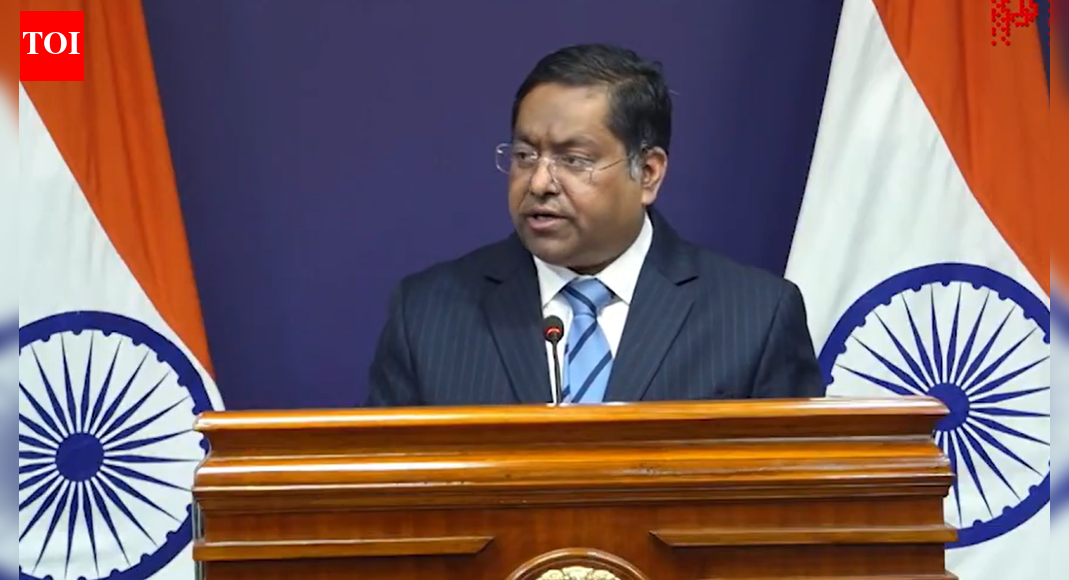
NEW DELHI: The ministry of external affairs on Friday termed the remarks made by US secretary of commerce Howard Lutnick that “PM Modi’s reluctance to call Trump” was the reason behind the delay in the trade deal between the United States and India, as “inaccurate.In a media briefing MEA spokesperson Randhir Jaiswal said, “PM Modi and President Trump have spoken on eight occasions in 2025.”

‘No Call From PM Modi’: Trump Aide Lutnick’s Shocker On India-US Trade Deal Amid Tariff Threats

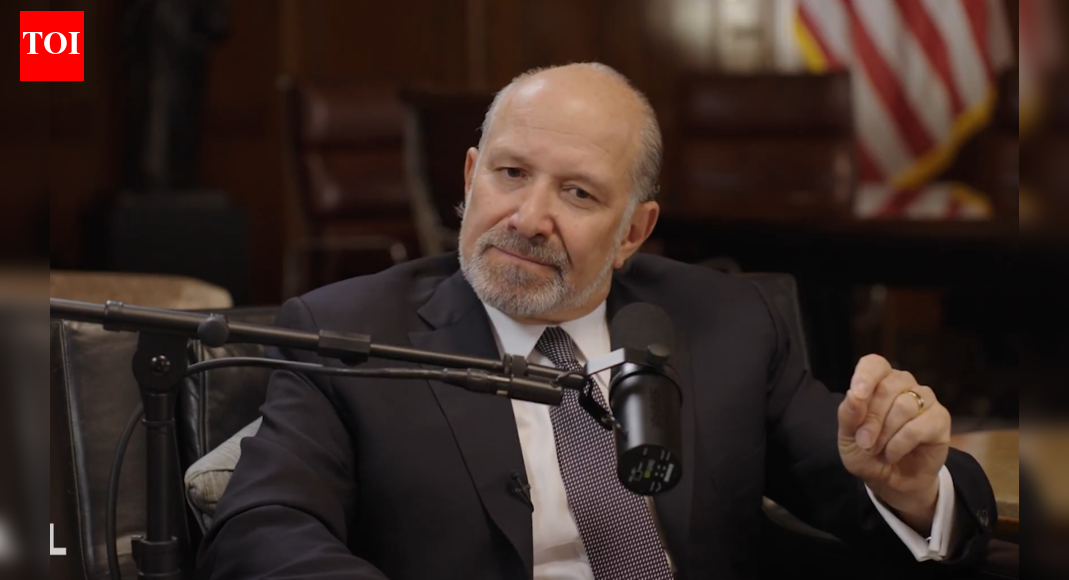
While responding to a question about the claims made by Lutnick in a podcast where he had blamed the delay in the US-India trade agreement on New Delhi, saying that the States waited for PM Modi‘s call for too long, Jaiswal dismissed the claims as “inaccurate characterizations.”He mentioned the multiple rounds of negotiation between the two countries and how on several occasions a “deal was close.”Also read: Between the staircase and the see-saw; Did PM Modi’s reluctance to call Trump cost India a trade deal?“We have seen the remarks, India and the United States were committed to a bilateral trade agreement as far back as February 13, 2025. Since both sides have had multiple rounds of negotiations to arrive at a mutually beneficial deal. On several occasions we have been close to a deal. The characterisation of these discussions in reported remarks is not accurate,” Jaiswal said.He further went on to say India remains committed to a mutually ‘beneficial’ trade agreement, also rebutting Lutnick’s claims. “We remain committed to mutually beneficial deal between two complementary economies. Incidentally, PM Modi and President Trump have spoken on eight occasions in 2025, covering different aspects of our wide ranging partnership,” he said.Speaking at the All-In Podcast, hosted by Chamath Palihapitiya, Lutnick said, “Let’s be clear, it’s his deal. He’s the closer. He does the deal. So I said, you got to have Modi. It’s all set up. You have to have Modi…they were uncomfortable doing it.”Also read: ‘Hug hug na raha’- Congress takes dig at PM Modi; reacts to stalled India–US trade deal “So Modi didn’t call,” he claimed. This statement comes after US President on Thursday, approved a bill that can impose at least 500 per cent tariffs for countries buying Russian oil, aiming to “punish them.” US senator Lindsey Graham said that the bill would give US tremendous leverage against countries like China, India and Brazil to incentivize them to stop buying the cheap Russian oil.


Source link

‘Cousin thought I died’: Jemimah Rodrigues recalls horrific ‘church’ incident | Cricket News


'Cousin thought I died': Jemimah Rodrigues recalls horrific 'church' incident
Jemimah Rodrigues (AP Photo)

NEW DELHI: Indian women’s cricket team batter Jemimah Rodrigues recently shared a scary yet funny story from her childhood that left everyone shocked at the time. The incident happened when she was just eight years old, long before she became a World Cup hero for India.Jemimah recalled that she was at a church programme with her cousins. The kids were playing outside an auditorium while the adults were busy inside. Like most children, they were full of energy and mischief.

India vs New Zealand ODIs preview: Captain Shubman Gill, vice-captain Shreyas Iyer in focus

They started playing a game where they threw chappals and crocs at each other for fun.While speaking on Breakfast With Champions, Jemimah explained how things suddenly went wrong.“We were in an auditorium where we had a church program. All the kids were outside. We were playing chappal fight over there. (I was like eight) My cousin threw her crocs and it was like you had to jump the other side to get it,” Jemimah said.Trying to act brave, young Jemimah decided to retrieve the shoe herself. What followed was a moment that scared her cousins badly.“I, like a full hero, said that I would get it. I fell from the first floor. Luckily, someone was sitting down, and I fell on her head. My cousins thought I died,” Jemimah said.Thankfully, she escaped without any injury. The fall looked serious, but luck was on her side. What could have been a tragedy turned into a story the family still remembers.Today, Jemimah’s life looks very different. She has had a dream 2025 in cricket. She played a huge role in India’s ICC Women’s World Cup victory. Her unbeaten 127 runs against Australia in the semi-final was one of the best knocks of the tournament.Recently, Jemimah was also named the new captain of Delhi Capitals for the 2026 Women’s Premier League. Reacting to the honour, she said, “It is an absolute honour to be named captain of the Delhi Capitals, and I am deeply grateful to the owners and the support staff for placing their faith in me to lead this team.”“It has truly been a dream year for me and my family, winning the World Cup and now being entrusted with this wonderful opportunity at a franchise that has held a very special place in my heart since the very first season of the WPL,” she added.


Source link

Iran Protests: Economic Collapse Sparks Uprising – A Turning Point for the Islamic Republic | World News


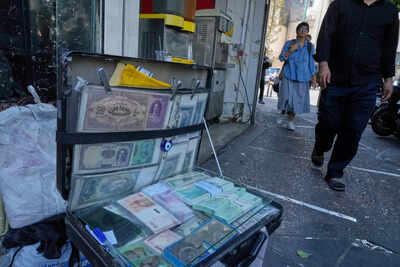
1 USD = 1,400,000 IRR: Iran on edge - why this is the most dangerous uprising yet
Iran’s latest protests, sparked by a devastating economic collapse and a plummeting currency, are unlike previous unrest. This wave sees a broader social coalition, including merchants, demanding regime change. Unlike past uprisings, the trigger is not a single outrage but the daily futility of a broken economy, making this a critical legitimacy crisis for Tehran.

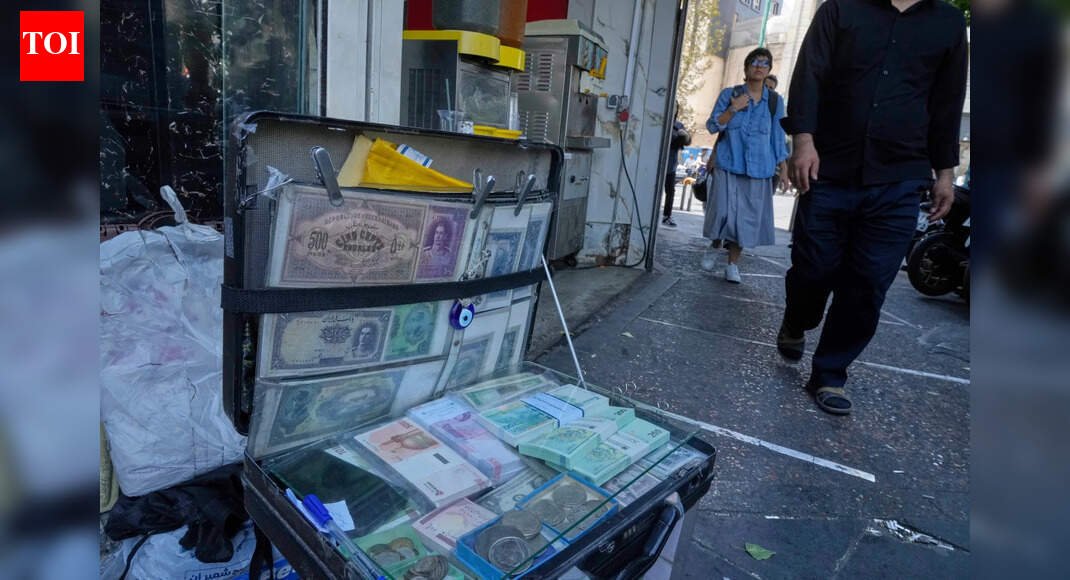
In Iran, protests follow a familiar rhythm. They rise, they spread, they are crushed. What is unsettling about current demonstrations is not their scale alone but the sense that the old pattern may be breaking down.TL;DR: Driving the newsIran’s latest wave of nationwide protests, which began in late December 2025, is not simply another chapter in the Islamic Republic’s long cycle of unrest. What distinguishes this moment is not just scale or slogans, but the trigger: a total breakdown of economic credibility that has turned daily life into an exercise in futility and pushed once-cautious social groups into open revolt.The immediate spark was the collapse of the Iranian rial to roughly 1.4 million per US dollar, a historic low that coincided with inflation climbing past 50%, food prices surging more than 70% year-on-year, and wages losing value almost overnight. Protests began not on university campuses or around social restrictions, but in Tehran’s Grand Bazaar – the symbolic and practical heart of Iran’s economy – before spreading rapidly to all 31 provinces.Why it matters

  • This uprising strikes at the economic foundations of consent, not just the regime’s ideological legitimacy.
  • Iran’s leadership has survived repeated legitimacy shocks – from the 2009 Green Movement to the 2019 fuel protests to the 2022–23 “Woman, Life, Freedom” uprising – by combining repression, selective concessions and fear. But many analysts cited by Foreign Policy, the Economist, and others argue that those tools work best when the economy, however battered, still functions.
  • This time, money itself has stopped making sense.
  • When shopkeepers cannot price goods, importers cannot plan, and wages evaporate before payday, the state loses its ability to arbitrate daily life. As Alex Vatanka of the Middle East Institute told Reuters, “The collapse is not just of the rial, but of trust.” In Iran’s political history, that is a dangerous place for any government to be.

Zoom in: What’s genuinely new about this protest wave1) The trigger is economic collapse, not a single outrageThe 2022 protests followed the death of Mahsa Amini and centered on dignity, bodily autonomy and generational rebellion. Those grievances remain unresolved, but the 2025–26 protests erupted because commerce itself broke down. The Times of Israel described the moment bluntly: Iranians revolted when they realized that “money no longer works.”That distinction matters. Moral outrage can be compartmentalized or delayed. Economic paralysis cannot.2) The social coalition is broader – earlierAccording to Foreign Policy, the current protests have already mobilized bazaar merchants, students, urban professionals, laborers, women and ethnic minorities in their opening phase. In 2022, protests initially clustered in major cities and among youth. This time, smaller towns and economically marginalized areas joined quickly, reflecting how deeply inflation and currency collapse have penetrated Iranian society.3) The center of gravity has shifted toward regime changeWhile “Woman, Life, Freedom” remains symbolically powerful, slogans heard across Tehran, Isfahan, Mashhad and beyond increasingly call for the end of the Islamic Republic itself. Reuters and AP documented chants praising the former monarchy and calling for the return of Crown Prince Reza Pahlavi – rhetoric that once would have guaranteed swift execution.The shift does not signal consensus on what should replace the system. It does signal exhaustion with reform as an option.Between the lines: Why Iran isn’t Syria – and why that may be worseComparisons to Syria surface whenever Middle Eastern protests escalate. But Michael Rubin of the Middle East Forum argues that Iran’s trajectory could be more chaotic, not less.Syria’s civil war eventually hardened along ethnic and sectarian lines, creating de facto safe zones. Assad’s Alawite base retreated to Latakia. Kurds controlled the northeast. Rebel groups carved out enclaves elsewhere. Iran has no such geographic or sectarian escape valves.The Islamic Republic is multi-ethnic, its ruling elite draws from multiple communities, and even Supreme Leader Ali Khamenei himself is Azerbaijani. If the center collapses, there is no obvious periphery to absorb the shock.Rubin also highlights a structural risk: fragmentation within the security forces. The Islamic Revolutionary Guard Corps is not monolithic. Some members joined for economic security; others are ideologues shaped from childhood. If central authority weakens, different units could compete rather than coordinate. As Rubin writes, “It is unlikely that either the Guard Corps or the Iranian Army is unified enough to appoint an influential leader.That dynamic raises the specter not of a clean transition, but of elite infighting and nationwide instability.

I have let them know that if they start killing people, which they tend to do during their riots — they have lots of riots — if they do it, we are going to hit them very hard

Donald Trump during an interview with conservative radio host Hugh Hewitt

What they are sayingIran’s leadership is reaching for familiar language – and finding it less effective.Supreme Leader Ayatollah Ali Khamenei has acknowledged economic grievances, echoing his approach during the 2022 protests when he said Mahsa Amini’s death “deeply broke my heart.” In his latest remarks, he again recognized public suffering before pivoting to claims of Western “soft war.”“What turned the tide of the protests was former Crown Prince Reza Pahlavi’s calls for Iranians to take to the streets at 8pm on Thursday and Friday,” Holly Dagres, a senior fellow at the Washington Institute for Near East Policy, told AP. “Per social media posts, it became clear that Iranians had delivered and were taking the call seriously to protest in order to oust the Islamic Republic.”On the streets, that message is not landing. Protesters are increasingly linking domestic misery to Tehran’s regional ambitions. A 25-year-old woman in Lorestan told Reuters: “I just want to live a peaceful, normal life … Instead, they insist on a nuclear program and supporting armed groups.”From abroad, the rhetoric has grown sharper. US President Donald Trump warned that if Iranian authorities “start killing people,” Washington would respond forcefully, saying the US was “locked and loaded and ready to go.” Iranian officials now cite those statements as evidence of foreign interference – even as everyday Iranians struggle to buy food.Israeli Prime Minister Benjamin Netanyahu commended the demonstrations, describing them as “a decisive moment in which the Iranian people take their futures into their hands”.The big picture: A legitimacy crisis with fewer shock absorbersThis protest wave unfolds as Iran’s external position is weaker than at any point in decades.

The latest protests diverge from the old pattern in two ways. One is that the bankruptcy of the regime (both literal and figurative) is in full view. Iran has endured a year of economic collapse, war and environmental crisis; its leaders have no solutions for these woes. The other difference is the prospect of foreign intervention, by either Israel or America. After the American raid to seize Nicolás Maduro from Venezuela on January 3rd, many Iranians wondered if their country might be next in Donald Trump’s crosshairs.

An article in the Economist

In 2022, Tehran could still point to its regional influence and nuclear leverage as buffers against internal dissent. In 2025–26, those buffers have eroded. Bashar al-Assad is no longer in power in Syria. Israeli and US strikes in 2025 badly damaged Iran’s nuclear infrastructure. Proxies from Gaza to Lebanon have been degraded too.At home, the regime’s time-tested formula – repression paired with tactical concessions – is losing traction. Analysts cited by Reuters say crackdowns still instill fear, but no longer restore confidence. Cosmetic changes, such as reshuffling economic officials or promising dialogue, ring hollow to a population that understands where real power lies.As the Economist observed, what sets this moment apart is that “the bankruptcy of the regime (both literal and figurative) is in full view.” Add the unprecedented talk of possible foreign intervention, and uncertainty multiplies.What’s next

  • In the short term, Tehran is likely to intensify repression.
  • But Iran’s protests are different this time because they are rooted in economic collapse, not a single injustice – and because they arrive when the regime is poorer, weaker abroad, and facing a population that increasingly sees no path forward within the system.
  • History offers little comfort. Illegitimate regimes do not always fall, and when they do, they rarely fall cleanly. North Korea was once assumed to be a “zombie state.” It survived. Syria collapsed into catastrophe.
  • Iran now sits uncomfortably between those outcomes. The protests have shattered what remained of the regime’s moral and economic credibility. Yet the opposition remains fragmented, the security forces armed, and the stakes for insiders existential.
  • As Reuters quoted one analyst, “Change now looks inevitable; regime collapse is possible but not guaranteed.”

(With inputs from agencies)


Source link

Google cofounders Sergey Brin and Larry Page are ‘cutting ties’ with America’s Silicon Valley


Google cofounders Sergey Brin and Larry Page are 'cutting ties' with America's Silicon Valley

Google founders Sergey Brin and Larry Page have now shifted an entity tied to them out of California, beating the deadline on a proposed wealth tax targeting the state’s richest residents. As reported by Business Insider, the fillings revealed that T-Rex LLC, formed in 2006 and long managed from Palo Alto is converted into a Delaware-based company called T-Rex Holdings on December 24, 2025. The new filling reviewed by Business Insider also lists Reno, Nevada as its principal office with Brin and Page remaining managers. This move from Brin and Page comes as California is considering a 5% one-time tax on billionaires, a ballot measure slated for November 2026. If the California wealth tax gets approved then a tax would apply retroactively to residents as of January 1, 2026. Attorney’s for wealth clines have warned Governor Gavin Newsom that the Billionaire wealth tax proposal could lead to an ‘exodus of capital and innovation’ from the state.

Google Founder Larry Page already relocated other entities

Earlier this week, a report by Business Insider revealed that Larry Page has severed ties with California by covering his family office into a Delaware entity. Along with this, Page has also incorporated other ventures in Delaware, including those funding influenza research and flying car projects. On the other hand, Brin still remains tied to various California-based entities, such as the Sergey Brin Family Foundation and Bayshore Global Management, though filings show no other exits linked to him.For those unaware, Brin and Page cofounded Google nine years ago 1998 and are among world’s wealthiest individuals. As per the Bloomberg Billionaires Index, Page is the second-richest person globally and Brin the fourth, each with net worths exceeding $250 billion.

LinkedIn founder Reid Hoffman calls California Billionaire tax a horrendous idea

Recently, LinkedIn founder Reid Hoffman joined the list people opposing the proposed California wealth tax. Hoffman has strongly opposed California’s proposed 5% wealth tax on billionaires. In a post shared on social media platform X (formerly known as Twitter), Hoffman said that the California’s Billionaire tax is ‘badly designed’ and comes with ‘massive flaws’ and there are chances that it will become ‘horrendous’ for innovation. Hoffman further revealed that Rep. Ro Khanna had reached out to discuss the proposal and Hoffman made his opposition clear. “One well‑documented example is the horrendous idea to tax illiquid stock in the proposal,” Hoffman wrote. “Poorly designed taxes incentivize avoidance, capital flight, and distortions that ultimately raise less revenue.”


Source link

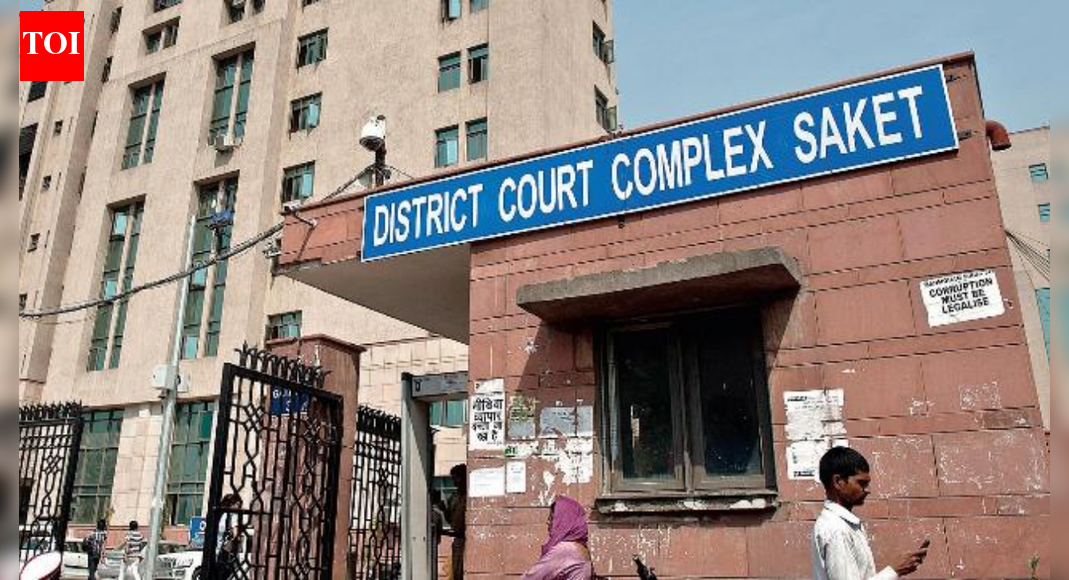
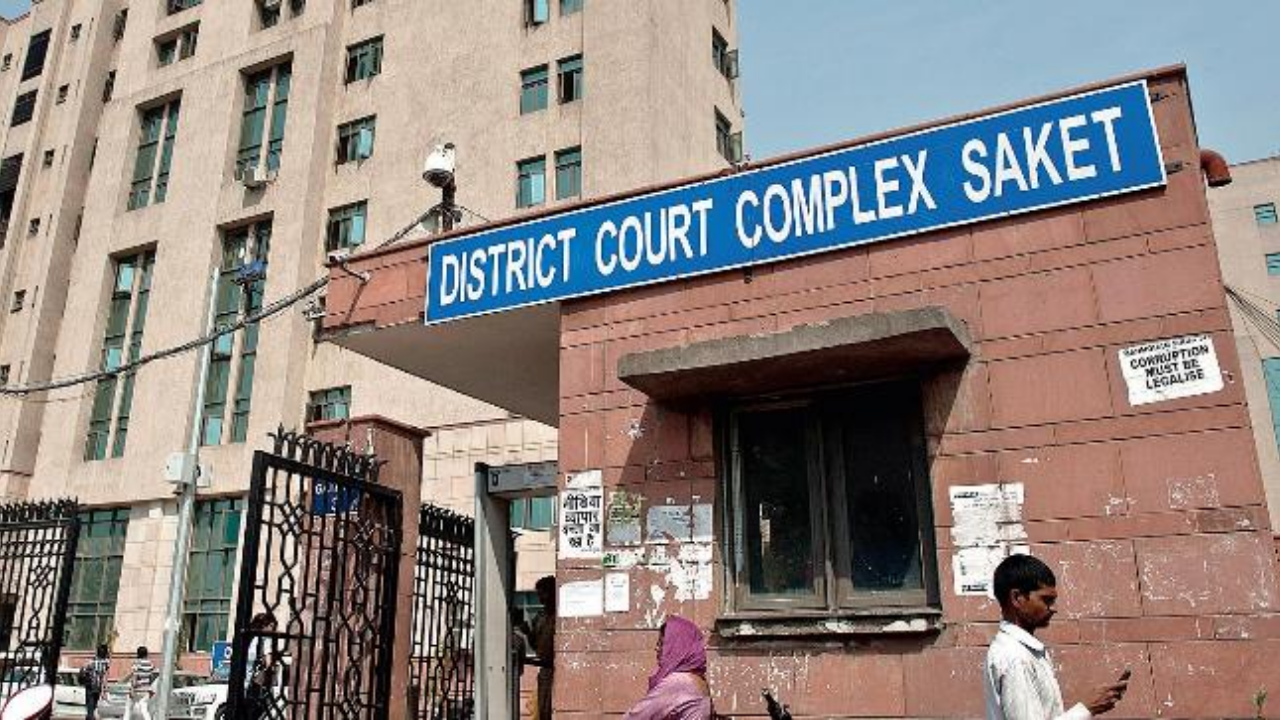
Delhi: Staff member jumps off building at Saket court complex; suicide note recovered | Delhi News


The TOI City Desk is an indefatigable team of journalists dedicated to bringing you the pulse of cities from across the nation, all day and all night. Our mission is to curate, report, and deliver city news that matters to readers of The Times of India. With a keen focus on urban life, governance, culture, and local issues, we provide a comprehensive view of the ever-evolving cityscapes. Our team works tirelessly to keep readers informed about the latest developments, ensuring that they are connected to the heartbeat of cities across India, right when it happens. The TOI City Desk is a trusted source for staying in touch with the local stories that shape your world.


Source link

Rupee in red: Currency falls 7 paise in early trade; reaches 89.97 against US dollar


Rupee in red: Currency falls 7 paise in early trade; reaches 89.97 against US dollar

The rupee opened lower on Friday, slipping seven paise to 89.97 against the US dollar amid continued foreign investor selling and a rise in global crude oil prices. Furthermore, US tariffs and muted domestic equity market sentiment drove foreign institutional investors to sell, placing additional pressure on the local currency. The rupee had opened at 88.88 against the dollar before sliding to 89.97, following a three-paise decline to 89.90 on Thursday, when sustained foreign fund outflows and a firm greenback weighed on the market. “There was huge volatility in the rupee market on Thursday as the RBI sold dollars at 89.99 and brought rupee up to 89.73 and then FPIs bought dollars. The RBI has been capping the dollar upside presently, creating huge oversold positions for itself which could keep the dollar well bid at lower levels as the RBI would try to square up positions,” said Anil Kumar Bhansali, head of treasury and executive director at Finrex Treasury Advisors LLP told PTI. Elsewhere, the dollar index, which tracks the greenback against six major currencies, held steady at 98.93. Brent crude futures rose 0.53% to $62.32 a barrel. Domestic equity markets mirrored the cautious mood. The Sensex fell 78.84 points to 84,102.12, while the Nifty declined 21.50 points to 25,850.85. Foreign institutional investors sold equities worth Rs 3,367.12 crore on Thursday, exchange data showed.


Source link

‘PM Modi did not call Trump’: US Commerce secretary makes big statement — explains why India-US trade deal is stuck


‘PM Modi did not call Trump’: US Commerce secretary makes big statement — explains why India-US trade deal is stuck

US commerce secretary Howard Lutnick made a big statement over why the India-US trade deal is not sealed yet. The official claimed that it was because PM Modi didn’t call Trump.When asked about the India-US trade deal, Lutnick said, “Let’s be clear, it’s his deal.He’s the closer. He does the deal. So I said, you got to have Modi. It’s all set up. You have to have Modi...they were uncomfortable doing it. So Modi didn’t call. “

Trump Clears Russia Sanctions Bill, 500% Tariff Threat Looms As India Reworks Oil Import Strategy

This revelation comes after US President Donald Trump, on Thursday, approved a bill that can impose at least 500% tariffs for countries buying Russian oil, aiming to “punish them.” US senator Lindsey Graham said that the bill would give US tremendous leverage against countries like China, India and Brazil to incentivize them to stop buying the cheap Russian oil.Back in August, US imposed additional tariffs on Indian imports to the country alleging that New Delhi’s purchase of Russian oil was fueling Moscow’s war machine in Ukraine. Since then total tariffs on Indian goods stand at 50%, including 25% of additional tariffs and 25% of Trump’s reciprocal tariffs. Since then India and US have had


Source link

‘Shoot first, ask questions later’: Denmark’s warning to Trump; tensions soar over Greenland


'Shoot first, ask questions later': Denmark's warning to Trump; tensions soar over Greenland
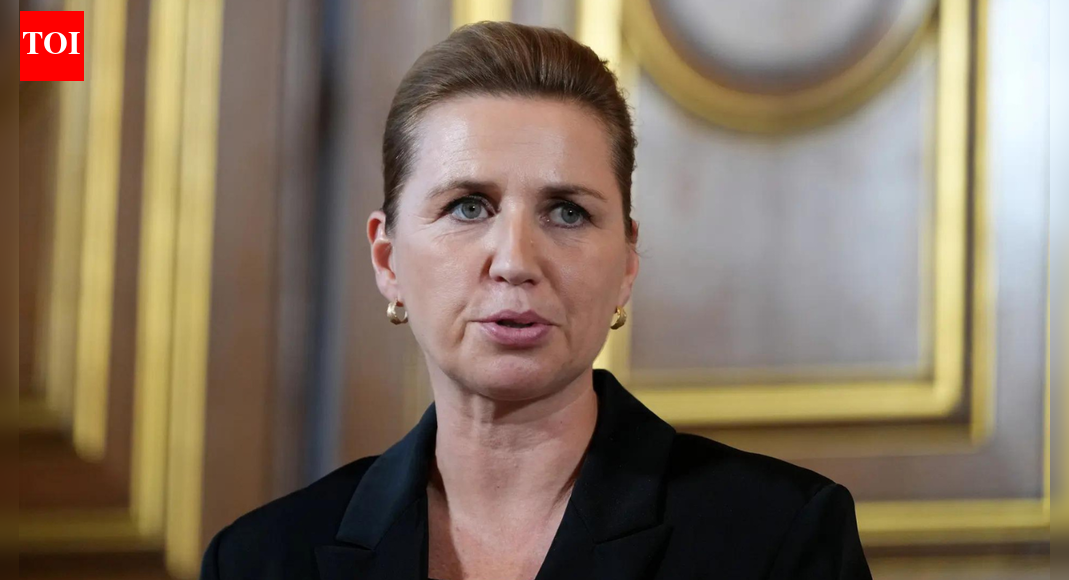
Danish PM Mette Frederiksen (AP file photo)

Denmark has warned that its troops are under standing orders to “shoot first and ask questions later” if Greenland comes under attack, as anxiety grows in Europe over the United States under President Donald Trump openly weighing military action to seize the Arctic territory.The country’s defence ministry said a Cold War-era rule obliges soldiers to respond immediately to any foreign invasion without waiting for political clearance or formal orders. Speaking to Danish newspaper Berlingske, the ministry said the directive requires forces to “immediately take up the fight” if attacked and remains fully in force.

‘Will Shoot First, Ask Later’: NATO Troops ‘Ready For War’ If Trump Orders Greenland Invasion |Watch

The rule, introduced in 1952, states that in the event of an invasion, troops must act “without waiting for or seeking orders, even if the commanders in question are not aware of the declaration of war or state of war”. Danish officials said the provision applies regardless of who the invading force may be.

Europe scrambles to push back

The warning comes as European leaders struggle to frame a response to repeated statements by Trump, who has refused to rule out the use of force to annex Greenland. The White House has said Trump is still considering all options, heightening unease among Denmark’s allies.European governments have rallied behind Copenhagen, with calls for a coordinated response to any US move against Greenland. French foreign minister Jean-Noel Barrot said he would discuss the issue with his German and Polish counterparts, emphasising the need for collective action.“We want to take action, but we want to do so together with our European partners,” Barrot told France Inter radio.He added that US Secretary of State Marco Rubio had “discarded” the idea that Greenland could face an intervention similar to the recent US assault on Venezuela aimed at ousting President Nicolas Maduro. Despite those assurances, Denmark’s reaffirmation of its shoot-first doctrine underscores how seriously it is preparing for the possibility of escalation.

‘$10,000 to $100,000 per person’

The Trump administration is considering a plan to offer direct cash payments to Greenlanders in an effort to persuade them to break away from Denmark and move closer to the United States, according to multiple sources cited by news agency Reuters.US officials have talked internally about offering lump sum payments of between $10,000 and $100,000 per person to residents of Greenland. The island nation is currently a semi-autonomous Danish territory with a population of about 57,000 and has an abundance of useful natural resources. The idea remains at a preliminary stage and details are still unclear. Aides have discussed figures that could amount to nearly $6 billion in total, sources said.Another option being discussed is a Compact of Free Association, an agreement the US already has with some Pacific island nations. Under such deals, the US provides financial aid and defence protection in return for military access. Greenland would likely have to become independent from Denmark first, and payments could be used to encourage public support for that step or for a future agreement.Polls show most Greenlanders favour independence from Denmark, but surveys also indicate they do not want to become part of the United States.


Source link