Breaking News
7 strange ways your body reacts in life or death situations |


7 strange ways your body reacts in life or death situations

In moments where danger feels real and immediate, the human body behaves very differently from how it does in daily life. Thought often drops into the background. Instinct steps forward. People who have lived through accidents, violent encounters, natural disasters, or sudden medical emergencies often say the same thing later. They were not thinking. They were reacting. Some felt oddly calm. Others felt disconnected or unusually alert. None of it felt planned.This happens because survival switches the brain into a different operating mode. Normal priorities like comfort, politeness, or careful reasoning lose importance. The body focuses on one goal only, staying alive long enough to escape the threat. Actions happen first. Understanding comes later. That gap between reaction and awareness is what makes these experiences feel so strange in hindsight.

The Truth About Death Nobody Is Telling You- Sadhvi Bhagawati Saraswati Explains Krishna’s Message

A peer-reviewed review published in Nature Reviews Neuroscience describes how acute stress can rapidly reshape brain activity. Within moments, systems linked to threat detection become more active, while pain awareness, memory formation, and complex thinking are dialled down. This biological shift helps the body respond quickly when survival is on the line.

How the human body behaves during life or death situations

When danger is perceived, the nervous system releases a surge of stress hormones. Adrenaline and cortisol move through the body, activating neural circuits that evolved long before modern life existed. These responses are fast and automatic. They do not ask permission from conscious thought, which is why they often feel unfamiliar or out of character.

Time feels distorted

During life or death situations, many people notice that time stops behaving normally. Everything may seem to slow down, or the event may pass in a blur. This effect comes from the brain taking in more information per second than usual. Later, when those details are recalled, the moment feels longer than it truly was.

Pain disappears

In extreme danger, the body can temporarily mute pain. Serious injuries may not register until the threat has passed. Endorphins are released, and pain signalling pathways are suppressed so the body can keep moving. Once safety returns, pain often arrives suddenly and intensely.

Vision narrows

Tunnel vision is another common reaction. Awareness of the surroundings fades while attention locks onto whatever feels most dangerous or most useful for escape. This sharp focus can help in the moment, but it also explains why people later realise they missed obvious details around them.

Strength increases suddenly

Some individuals experience short bursts of unexpected physical strength during emergencies. Adrenaline allows muscles to work harder by reducing fatigue signals and recruiting more muscle fibres. This effect is temporary. When it fades, the body often feels drained or shaky.

Memory becomes fragmented

After surviving a life threatening event, memories can feel incomplete or jumbled. Stress hormones interfere with the hippocampus, which normally organises experiences into clear sequences. As a result, memories are stored as fragments rather than a smooth narrative.

Shaking or trembling suddenly

Once the danger has passed, shaking often begins. Hands tremble. Legs feel weak. This is not panic setting in late. It is the nervous system releasing built up stress chemicals. Shaking helps the body return to balance after extreme activation.

Loss of bladder control

In some cases, extreme fear leads to loss of bladder or bowel control. This response is involuntary. During survival mode, the body redirects energy away from systems that are not immediately necessary, prioritising alertness and movement instead.

Understanding these life or death reactions

None of these responses mean something went wrong. They mean the body did exactly what it was designed to do. Learning how the body reacts in life or death situations can ease shame and confusion after trauma. Your body was not failing you. It was trying to keep you alive.Disclaimer: This content is intended purely for informational use and is not a substitute for professional medical, nutritional or scientific advice. Always seek support from certified professionals for personalised recommendations.Also read| Best foods to eat if you have insulin resistance to improve blood sugar control and long-term health


Source link

‘You had Osman Hadi killed’: Kin makes big allegation against Yunus govt; regime accused of trying to ‘sabotage’ Bangladesh election


‘You had Osman Hadi killed’: Kin makes big allegation against Yunus govt; regime accused of trying to ‘sabotage’ Bangladesh election

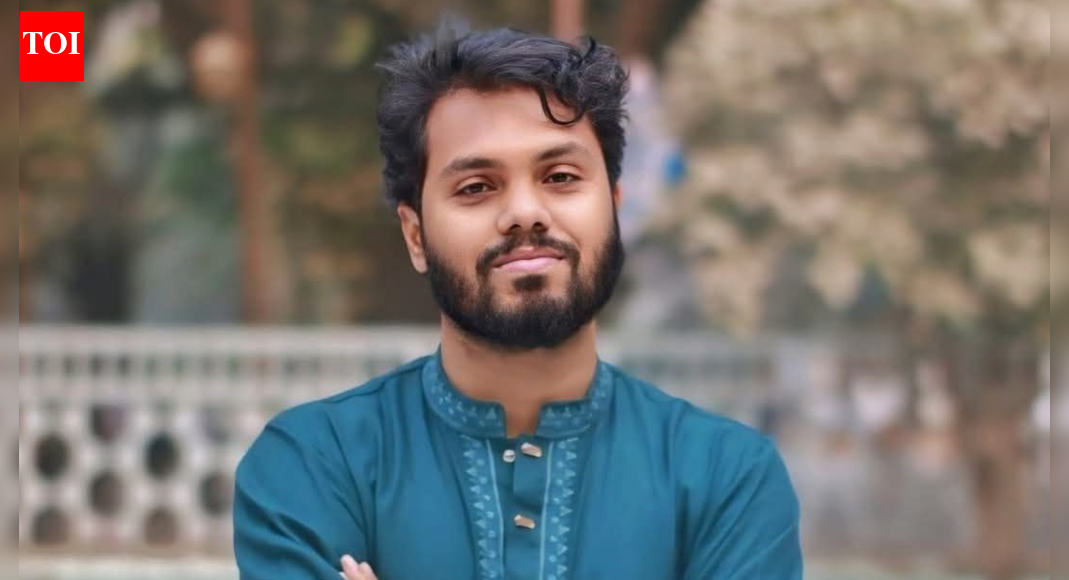
The brother of slain youth leader Sharif Osman Hadi accused Bangladesh’s interim government, of orchestrating the killing to destabilise the country and derail the upcoming national election in February.Sharif Omar bin Hadi, speaking at a protest rally in Shahbagh on Tuesday, said those in power could not evade responsibility for his brother’s murder, which took place just days after the election schedule was announced. Osman Hadi, a convenor of the political platform Inqilab Moncho, was shot on December 12 and later died of his injuries in Singapore on December 18.

‘This killing was meant to sabotage the election’

Addressing a “Shahidi Shopoth” programme organised by Inqilab Moncho outside the National Museum, Omar Hadi accused “a quarter within the government” of planning the killing to disrupt the electoral process. “It is you who had Osman Hadi killed, and now you are trying to foil the election by using this as an issue,” he said as quoted by The DailyStar.He said his brother had been firmly in favour of holding elections by February and had actively worked on the ground to prepare for them. “Respecting his wish, we demand that the election environment is not disturbed,” Omar Hadi said, warning that the government had so far shown “no visible progress” in delivering justice.He claimed Osman Hadi was targeted because he refused to bow to any agency or “foreign masters”. If justice was denied, Omar Hadi warned, those responsible would one day be forced to flee the country. Protesters later took an oath vowing to remain on the streets until “speedy and exemplary justice” was secured.

Inqilab Moncho issues ultimatum, warns of tougher protests

Earlier, Inqilab Moncho’s member secretary Abdullah Al Jaber, speaking as the keynote speaker, alleged a “deep conspiracy” involving international intelligence agencies and domestic “fascist associates” aimed at undermining Bangladesh’s sovereignty and the gains of the July uprising.The platform has given the government a 30-working-day deadline to identify and arrest the killers, warning of tougher nationwide programmes if the demand is not met. While the group said it would pause formal protests on December 25, the day BNP Acting Chairman Tarique Rahman is due to return to Bangladesh, it announced wall-writing and social media campaigns across December 24 and 25, with further agitation planned from December 26.In a parallel development, former prime minister Sheikh Hasina also blamed the interim government for the deteriorating law-and-order situation, saying the killing reflected “lawlessness” under Yunus.

Government promises speedy trial as arrests continue

The interim government has rejected suggestions of inaction, with Law Adviser Asif Nazrul saying the case would be tried under the Speedy Trial Tribunal Act, requiring completion within 90 days of the investigation report being filed. Home Adviser Jahangir Alam Chowdhury said the case was being treated as a top priority.Joint forces comprising police, the Rapid Action Battalion and Border Guard Bangladesh have arrested at least 10 people so far, including family members of the prime suspect, Faisal Karim Masud. Authorities say efforts are ongoing to arrest the main accused.Osman Hadi’s killing came a day after the Bangladesh Election Commission announced February 12 as the date for the next national polls. A prominent figure of the ‘July Uprising’ and a potential candidate for Dhaka-8, his death had fuelled major protests in Bangladesh.


Source link

Stock market today: Nifty50 near 26,150; BSE Sensex below 85,500


Stock market today: Nifty50 near 26,150; BSE Sensex below 85,500
The stock market is expected to hold firm at elevated levels and move within a narrow range, aided by supportive signals from global markets. (AI image)

Stock market today: Nifty50 and BSE Sensex, the Indian equity benchmark indices, opened in red on Wednesday. While Nifty50 was near 25,150, BSE Sensex was below 85,500. At 9:16 AM, Nifty50 was trading at 26,157.20, down 20 points or 0.076%. BSE Sensex was at 85,454.65, down 70 points or 0.082%.Experts are of the view that activity is likely to stay muted in the coming sessions due to the shortened trading week due to the Christmas holiday. The stock market is expected to hold firm at elevated levels and move within a narrow range, aided by supportive signals from global markets.Dr. VK Vijayakumar, Chief Investment Strategist, Geojit Investments Limited says, “As 2025 draws to a close the market appears to be moving to a consolidation phase with an upward bias. The strong domestic macros and the supportive earnings growth expectations in Q3 and Q4 of FY26 and for FY27 will provide the fundamental support to the market. The sustained domestic inflows and consistent DII buying will impart resilience to the market. However, since FIIs may sell the rallies, a sharp breakout is unlikely. Also, the revival of the AI trade in the US might impact sentiments in favour of a ‘non-AI trade’ in markets like India.” “The RBI decision to do an additional OMO to the tune of Rs 2 lakh crores will significantly enhance liquidity and bring down yields. This is positive for credit growth and banking stocks. This can be a shot in the arm for banking stocks which are fairly valued.”Wall Street ended higher on Tuesday, with the S&P 500 finishing at an all-time high after a series of economic indicators were released. Among these was the GDP growth number that lifted bond yields and boosted interest in growth-oriented stocks.Asian equities opened on a positive note, tracking the overnight rally in the S&P 500, which was underpinned by data indicating that the US economy expanded at its strongest rate in two years.Gold crossed the $4,500 per ounce threshold on Wednesday for the first time, supported by increased demand for safe-haven assets and expectations that the US central bank could lower interest rates further next year. Silver and platinum also climbed to fresh record levels.In the domestic market, foreign portfolio investors were net sellers of equities worth Rs 1,795 crore on Tuesday, while domestic institutional investors stepped in as net buyers with purchases of Rs 3,812 crore.(Disclaimer: Recommendations and views on the stock market, other asset classes or personal finance management tips given by experts are their own. These opinions do not represent the views of The Times of India)


Source link

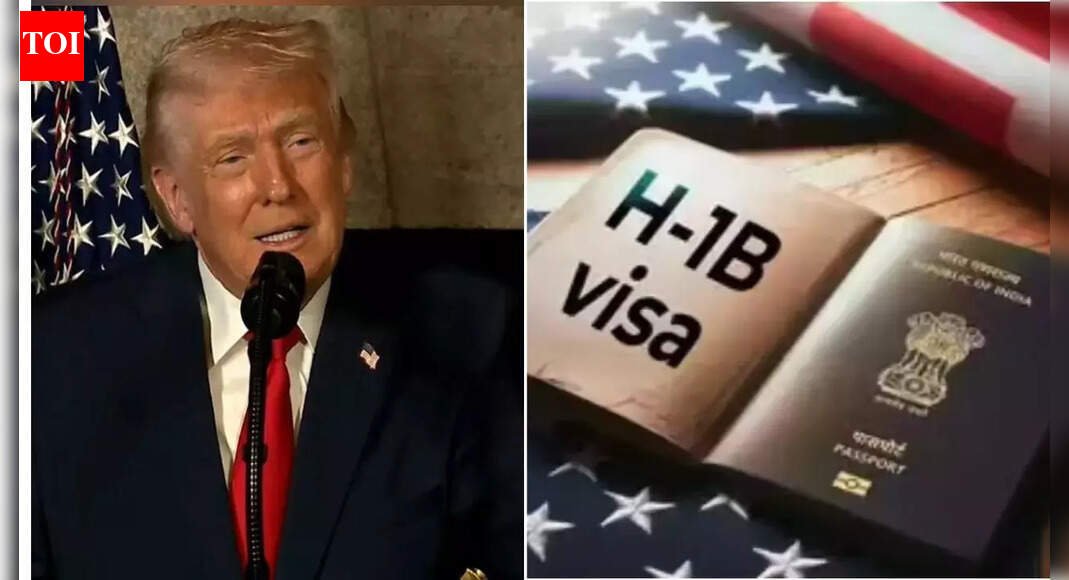
‘Policy decision’: US judge refuses to scrap Trump’s $100,000 H-1B visa fee; move to curb immigration


'Policy decision': US judge refuses to scrap Trump’s $100,000 H-1B visa fee; move to curb immigration

A US federal judge upheld the Trump administration’s move to move ahead with President Donald Trump’s proposal to impose a $100,000 fee on new H-1B visas, dealing a setback to the American technology companies and business groups challenging the move.US District Judge Beryl Howell, in Washington, DC on Tuesday rejected a lawsuit filed by the Chamber of Commerce, which argued that the steep fee violated federal immigration law and would force companies, hospitals and other employers to cut jobs and services.Howell ruled that Trump had the legal authority to impose the fee, noting that his proclamation was issued under “an express statutory grant of authority to the President.” “The parties’ vigorous ‌debate over the ultimate wisdom of this political judgment is not within the province of the courts,” Howell wrote, Reuters reported.“So long as the actions dictated by the policy decision and articulated in the Proclamation fit within the confines of the law, the Proclamation must be upheld,” she added.The Chamber of Commerce had argued that the president lacked the power to impose such a fee and warned it would hurt employers that rely on skilled foreign workers.Its executive vice president and chief counsel Daryl Joseffer said many small and medium-sized businesses would struggle to afford the cost. “We are disappointed in ‍the court’s decision and are considering further legal options to ensure ‌that the H-1B visa program can operate as Congress intended,” Joseffer said in a statement.

What is the $100,000 H-1B fee?

The H-1B visa programme allows US employers to hire foreign workers in specialised fields and is widely used by technology companies. The programme issues 65,000 visas annually, with an additional 20,000 visas for workers with advanced degrees, typically valid for three to six years.Until now, H-1B visa fees generally ranged between $2,000 and $5,000, depending on various factors. Trump’s order would dramatically increase that cost to $100,000 for new applications.The Chamber has argued that the new fee would force businesses to choose between sharply higher labour costs or hiring fewer highly skilled foreign workers. Separate lawsuits have also been filed by a group of Democratic-led US states and a coalition of employers, nonprofits and religious organisations, challenging the fee.In his order, Trump cited his authority under federal immigration law to restrict the entry of foreign nationals deemed detrimental to US interests. Judge Howell said the administration had sufficiently supported its claim that the H-1B programme was displacing US workers, pointing to cases where companies laid off thousands of Americans while still seeking H-1B visas.


Source link

Uninvited guest: Bengaluru lecturer quits job, turns full-time thief; how she robbed wedding guests | Bengaluru News


Uninvited guest: Bengaluru lecturer quits job, turns full-time thief; how she robbed wedding guests

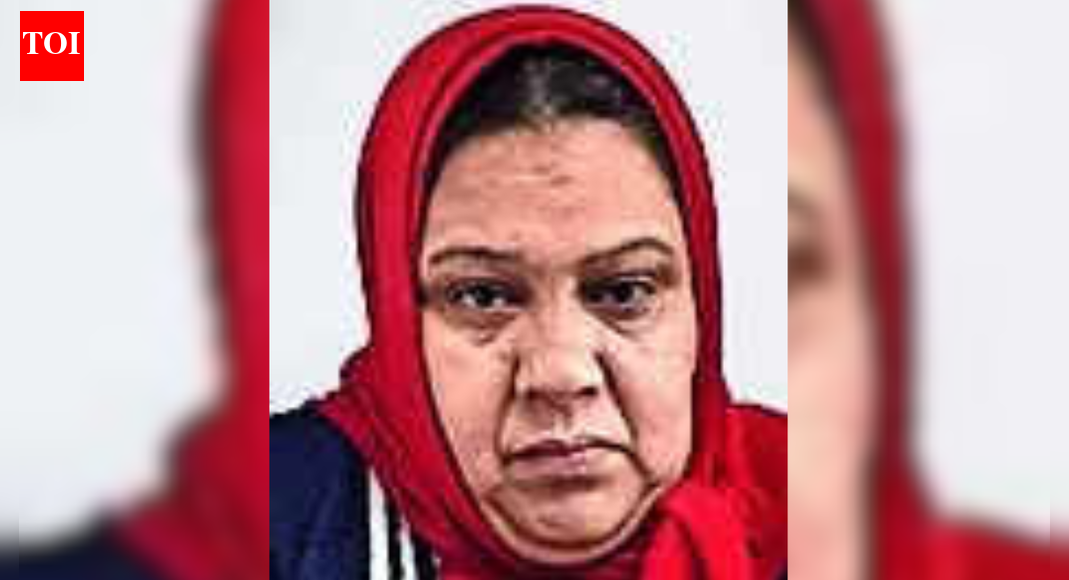
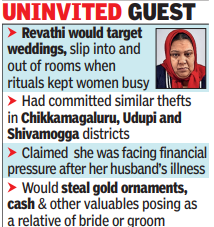
BENGALURU: Basavanagudi police have arrested a 46-year-old woman for allegedly stealing gold ornaments, cash and other valuables from wedding functions by posing as a relative of the bride or groom. The accused, Revathi, has been remanded in police custody for 12 days.Revathi, a former guest lecturer and a resident of Udayanagar in K R Puram was found to be involved in multiple thefts at convention halls.Following her arrest, police recovered 262 grams of gold ornaments worth about Rs 32 lakh. Revathi had quit her teaching job a few years ago before allegedly turning to theft.

Bengaluru lecturer quits job, turns full-time thief

The case came to light after a complaint from a Manjunatha Nagar resident, who, along with her mother, attended a relative’s wedding at a marriage hall in Basavanagudi on Nov 23. They had kept a bag containing a 32-gram gold chain and an artificial collar chain in one of the rooms. Later, they discovered that the chain, valued around Rs 3 lakh, and the piece of artificial jewellery, were missing.Revathi was arrested from her residence on Dec 1. During interrogation, she confessed to the theft and admitted to committing similar offences at two other marriage halls in Basavanagudi and in other districts. During interrogation, she revealed stashing away some of her ill-gotten gains at home while the rest were pledged to a bank in Kadubeesanahalli for a loan.According to police, Revathi targeted wedding functions, closely observing women attendees wearing gold ornaments while they were engaged in rituals. She would then slip into the rooms to steal valuables before quietly slipping out of the venue.She told the investigators that financial pressure, including her husband’s cardiac ailment, along with expenses of her son’s education and other household needs drove her to the thefts.


Source link

Watch: Massive explosion at Pennsylvania nursing home leaves residents trapped under debris; rescue efforts underway


Watch: Massive explosion at Pennsylvania nursing home leaves residents trapped under debris; rescue efforts underway

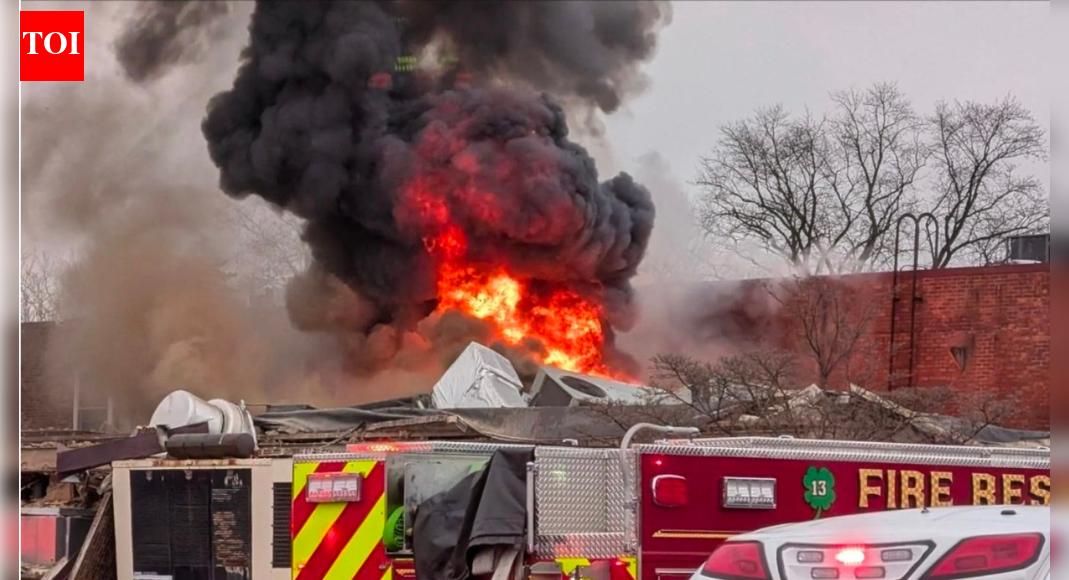
An explosion at a nursing home in Pennsylvania left residents trapped as emergency crews rushed to rescue potential victims of the fire.The blast occurred on Tuesday around 2 pm (local time) at the Silver Lake Nursing Home in Bristol Township, around 30 minutes northeast of Philadelphia. Authorities and first responders described the incident as a possible gas explosion.“We understand that there are people trapped inside,” said Ruth Miller, a spokesperson for the Pennsylvania Emergency Management Agency, according to The Associated Press. Emergency crews responded immediately to the facility, working to evacuate residents and search for those who may have gone missing. Video footage on social media showed police cars, ambulances, and fire trucks with flashing lights at the scene, while flames and black smoke poured from the building. Windows were blown out, and part of the roof collapsed.The Upper Makefield Township police department called the explosion a “mass casualty incident” and urged residents to avoid the area due to the large emergency response, reports the Independent. Lieutenant Sean Cosgrove of Bristol Township police told Levittown Now that residents were evacuated by emergency crews, staff, and even bystanders. He added, “I do not know if everyone is accounted for or not yet. I’m not aware of any critical injuries but there definitely were injuries.”The nursing home’s last fire safety inspection took place in September 2024. According to Medicare.gov, the facility has a one-star rating with health inspections described as “much below average.”Pennsylvania Governor Josh Shapiro confirmed on X that he has been briefed on the incident. “My Administration is in contact with local officials and first responders on the ground,” he said. The investigation into the cause of the explosion is ongoing, and authorities have not yet confirmed the number of injuries or fatalities.


Source link

NTA to roll out live photo, facial recognition checks | India News


NTA to roll out live photo, facial recognition checks
Representative photo (PTI)

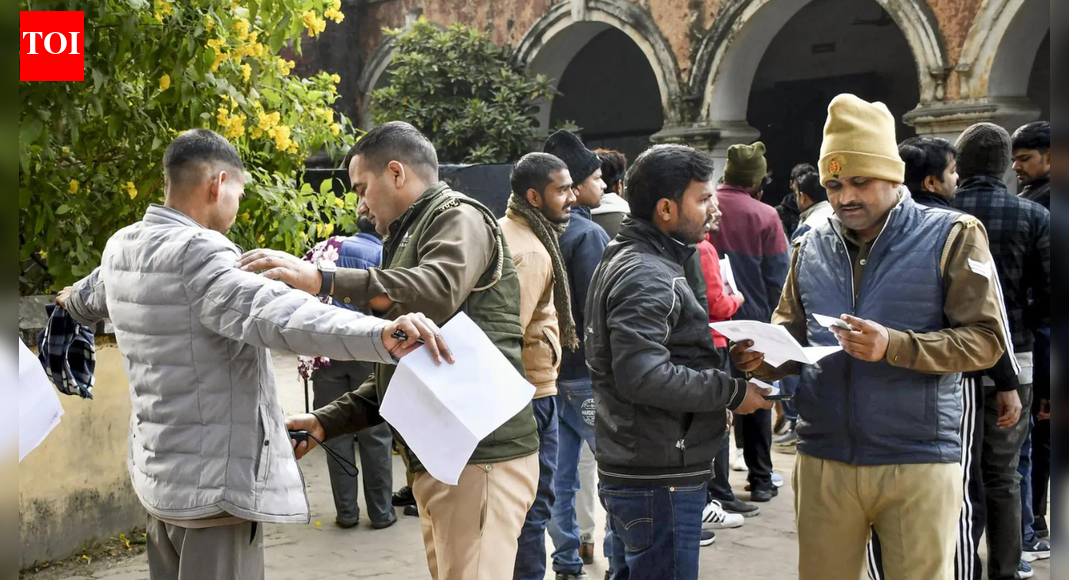
NEW DELHI: In a bid to tighten exam security and curb impersonation, the National Testing Agency (NTA is planning to introduce facial recognition-based identity check for major national entrance tests, including NEET-UG and JEE-Main, from 2026, senior officials have said.The move follows a successful proof of concept conducted during NEET 2025, for which Aadhaar-based face authentication technology was deployed at select examination centres in Delhi. The pilot was carried out in collaboration with UIDAI, integrated with NIC’s digital infrastructure and NTA’s existing exam protocol.“During the 2025 NEET exam, UIDAI successfully conducted a PoC to evaluate the feasibility and effectiveness of Aadhaar-based face authentication for candidate verification. Based on its outcomes, the system will be extended to major entrance exams from next year,” a senior official said. Alongside facial recognition at exam centres, NTA is also introducing a mandatory live photograph capture feature at the application stage. Candidates will be required to upload both a recent scanned photograph in JPG/JPEG format and a live photograph captured through a webcam or mobile device while filling in the form. “This dual verification will ensure that the person applying is the same as the one who appears in the exam. Older photographs will no longer be accepted,” a senior official added.The push for enhanced surveillance comes amid heightened scrutiny of exam integrity following alleged paper leak incidents in recent times. The measures were recommended by the Radhakrishnan committee, constituted by the Centre to review the conduct of national-level entrance examinations.


Source link

Donald Trump accused of rape in newly released Epstein files; DOJ calls claims ‘untrue and sensationalist’


Donald Trump accused of rape in newly released Epstein files; DOJ calls claims 'untrue and sensationalist'

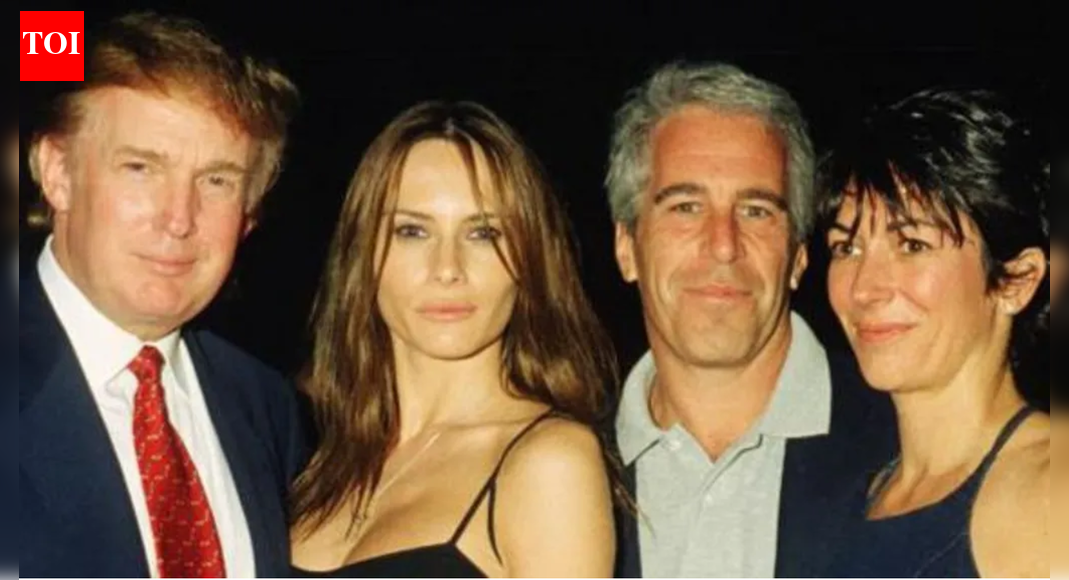
A newly released trove of government files related to the Jeffrey Epstein investigation includes an unverified allegation that US President Donald Trump raped a woman decades ago. However, US Department of Justice (DOJ) has rejected the claim and called it as “untrue and sensationalist”.The documents were released by DOJ on Tuesday. The disclosure is a part of a larger release in accordance with the Epstein Files Transparency Act, a law passed this year requiring federal authorities to disclose records connected to the late pedophile’s criminal case. Trump signed the legislation last month despite previously resisting releasing the files.Among nearly 30,000 pages of material is now available on the official Justice Department website.An FBI intake report dated October 27, 2020, records a tip from a former limousine driver. According to that report, the driver described a disturbing phone conversation he claimed he overheard in 1995 involving Trump and Epstein. The document alleges that an unnamed woman present at the time told the driver “he raped me”, referring to Trump alongside Epstein, according to the People.The driver’s account says the woman later told him she had contacted police about what had occurred, and was then found dead in January 2000 by suicide. The details in the file are heavily redacted, and the authorities have made little to no determination about the allegations’ credibility.In an accompanying statement on X on Tuesday, DOJ addressed the claims. It said some documents contain “untrue and sensationalist claims made against President Trump that were submitted to the FBI right before the 2020 election.”The authotrity described the allegations as lacking any credible basis. “To be clear: the claims are unfounded and false, and if they had a shred of credibility, they certainly would have been weaponised against President Trump already,” the department said.The DOJ reitarated its commitment to transparency and the legal requirement to release the records, but also said that the inclusion of such claims in the files does not make them factual.Trump has repeatedly denied any wrongdoing in connection with Epstein. In public statements this week, the MAGA chief called the focus on the Epstein case as a distraction by Democrats, asserting that he “cut ties” with Epstein long before the pedophile’s arrest in 2019.The release covers a range of material, not just the unverified rape allegation. Internal emails in the files show Trump was recorded as having travelled on Epstein’s private jet in the 1990s more times than previously known — at least eight flights between 1993 and 1996. Trump’s association with Epstein in the 1990s is well documented, but inclusion in flight logs or social records is not itself an accusation of illegal behaviour.DOJ is constantly being pressured by Democrats for not releasing the full bulk of files. Supporters of the Transparency Act say the public has a right to see government records, even if they contain unverified claims.The latest release follows criticism of an earlier batch of Epstein records, some of which were temporarily removed from the DOJ’s online portal amid concerns about protecting victims’ identities. Authorities later restored those files after determining no victims were shown in the disputed photos.


Source link

Madhya Pradesh electoral rolls cut by over 42.7 lakh after SIR, 8.4 lakh voters ‘unmapped’ | India News


Madhya Pradesh electoral rolls cut by over 42.7 lakh after SIR, 8.4 lakh voters 'unmapped'

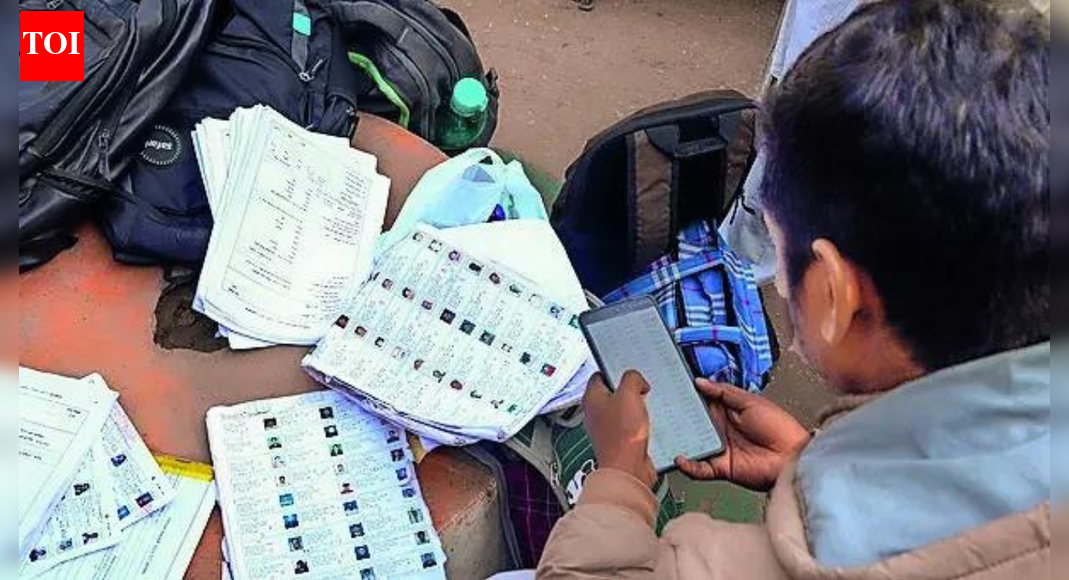
BHOPAL: A sweeping revision of Madhya Pradesh’s electoral rolls has led to the deletion of 42.7 lakh voters, or 7.4% of the electorate, following a 44-day special intensive revision (SIR) that officials said ranks among the largest voter list clean-ups undertaken in the state.The draft electoral rolls published on Tuesday show the voter count falling from 5.7 crore before the revision to 5.3 crore – a net reduction of 42.7 lakh names after door-to-door verification across 65,014 polling booths.Election officials said the deletions included 8.4 lakh voters found to be deceased, 31.5 lakh who had shifted from their registered addresses, and 2.7 lakh duplicate entries. The scale of deletions reflects extensive demographic churn over two decades, with the stated goal of producing clean, accurate and up-to-date electoral rolls, officials said.Alongside the deletions, poll officials identified about 8.4 lakh “unmapped” voters whose details could not be linked to records from the SIR in 2003. Their names remain in the draft poll rolls for now but will be reviewed.“The unmapped voters will have to produce the required documents within seven days of receiving the notice from the BLO (booth level officer),” joint chief electoral officer Ram Pratap Singh Jadaun said. Failure to respond could result in deletion when final rolls are published.The exercise ran from Nov 4 to Dec 18, following an extension granted by the Election Commission, with more than 65,000 BLOs conducting house-to-house checks across cities, towns and villages. Enumeration forms were received from 5.31 crore electors, covering over 92% of the electorate, officials said. The drive spanned 55 districts and involved 230 electoral registration officers, 532 assistant EROs, and large-scale support from panchayat secretaries, revenue staff, Gram Rojgar Sahayaks and volunteers. Six recognised national political parties took part through 1.3 lakh booth level agents.Officials stressed that deletions remain provisional. Under revision guidelines, no name can be removed without prior notice and a speaking order from an ERO or AERO. The claims and objections window opened Tuesday and runs until Jan 22, 2026, allowing voters to seek inclusion, correction or restoration of names. Appeals may be filed before the district magistrate and, subsequently, the chief electoral officer under the Representation of the People Act, 1950.


Source link

Throwback: When MS Dhoni began his journey in Indian cricket — with a golden duck | Cricket News


Throwback: When MS Dhoni began his journey in Indian cricket — with a golden duck
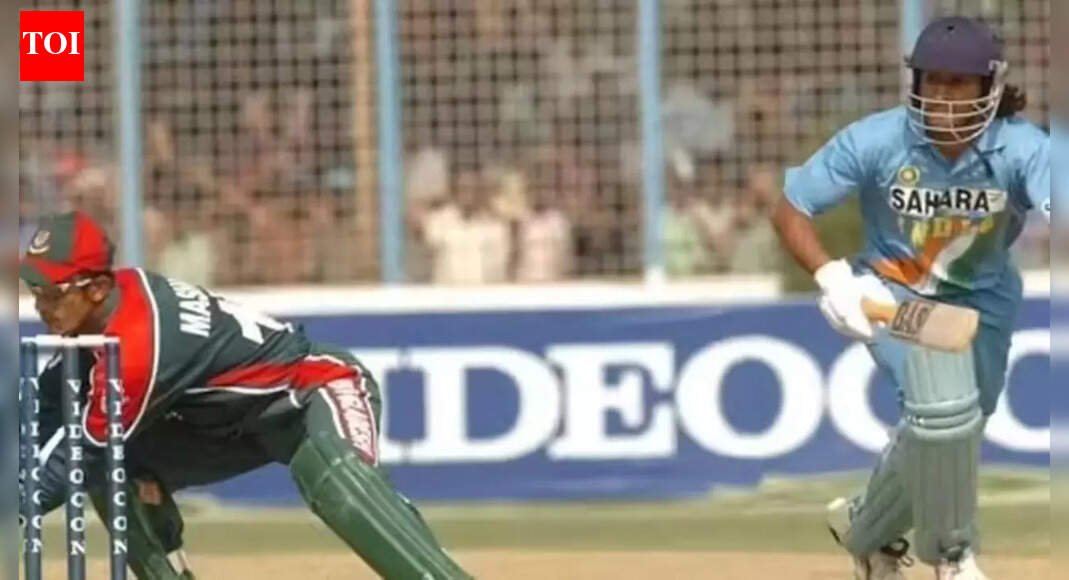
MS Dhoni made his international debut on this day in 2004 against Bangladesh (Photo by ICC)

NEW DELHI: On this day in 2004, Indian cricket welcomed a name that went on to change the game’s history forever. Mahendra Singh Dhoni made his international debut for India in an ODI against Bangladesh in Chittagong. At the time, there was little fanfare.

Why Suryakumar Yadav the batter could hurt India at T20 World Cup

He was just another debutant, a long-haired wicketkeeper from Ranchi, a town rarely associated with Indian cricketing stardom. Few outside close cricketing circles truly knew who he was. Fewer still could have imagined that this young man would one day become one of the most influential figures the game has ever seen.Dhoni did not come through elite academies or age-group teams with heavy media attention. Instead, his rise was built on performances in domestic cricket and strong outings for India A. What caught the selectors’ eyes was not just his ability to score runs, but how he scored them: with power and a fearless approach. Besides his batting duties, he was also a natural wicketkeeper, quick behind the stumps and unafraid of responsibility.When Dhoni was handed his debut cap in Chittagong, India were in a phase of transition. Senior players were nearing the end of their careers, and the team was searching for new match-winners. Dhoni was slotted in at No. 7, a position that demanded adaptability more than glamour. His role was clear: keep wickets and finish games when required.What followed, however, was not the fairytale start many might expect. Dhoni’s first international innings lasted just a few seconds. A misunderstanding with Mohammad Kaif led to a run-out, and Dhoni walked back to the pavilion on a golden duck. For a dubutant, going out like that means confidence can shatter, and opportunities often dry up. But Dhoni was made of a different material.Even in that brief appearance, those watching closely noticed something special. There was no visible panic, no sign of being overwhelmed by the occasion. Behind the stumps, he was lively and alert. His movements were sharp, his throws flat and fast. He spoke little, observed a lot, and seemed comfortable at the highest level almost immediately. Inside the Indian dressing room, there was a growing belief that this was not a one-match experiment.Just two matches later, Dhoni walked out to bat against Pakistan in Visakhapatnam and played an innings that would change the course of his career, and Indian cricket to a certain extent. His 148 off 123 balls was fearless, brutal, and utterly unforgettable. He took on some of the best bowlers in the world with audacity, launching them over the boundary with ease. The long hair, the helicopter-like bat swing, and the sheer confidence of that knock captured the imagination of fans overnight.From that moment, Dhoni was no longer just another wicketkeeper. He was a match-winner. Indian cricket had found a player who could turn games on their head, especially under pressure. More importantly, he redefined what was expected from a wicketkeeper-batter. No longer was the role limited to glovework and modest contributions with the bat. Dhoni showed that a wicketkeeper could be a team’s most dangerous batter.The raw aggression of his early days turned into calculated calm. Soon, he became a master of reading match situations as he would take games deep before delivering the final blow. Fans grew used to seeing him finish matches with boundaries.Leadership soon followed. Dhoni was handed the captaincy in stages, first in T20s and then in ODIs and Tests. Many questioned whether a player with such a short international career was ready to lead. Dhoni answered those doubts in his manner. India won the 2007 T20 World Cup, the 2011 ODI World Cup, and the 2013 Champions Trophy under his captaincy as he became the only captain in cricket history to win all three major ICC trophies.Off the cricket field, he backed young players, absorbed pressure, and rarely let emotions dictate decisions. His calm presence in the dressing room became legendary. Teammates spoke of how his silence could be reassuring. In a country obsessed with cricketing heroes, Dhoni stood out for his nonchalant attitude.Looking back from 2025, Dhoni’s debut feels almost poetic. A run-out for a duck, followed by a career that taught patience, resilience, and belief. His story reminds us that first impressions can be misleading, and that true greatness often reveals itself over time. Not every beginning is loud.Twenty-one years on, that day in Chittagong holds a special place in Indian cricket history. It was the day a legend took his first step, unaware of the path ahead. From a small-town boy with long hair to a global icon known simply as “Captain Cool” Dhoni’s journey remains one of the most inspiring tales the sport has ever told.


Source link