Breaking News
Nations all set for crucial discussions at WTO MC14, GTRI flags fault lines


Nations all set for crucial discussions at WTO MC14, GTRI flags fault lines
The upcoming World Trade Organisation (WTO) ministerial conference will discuss key issues such as agriculture, the 28-year moratorium on e-commerce transmissions, fisheries subsidies, and a China-led Investment Facilitation for Development (IFD) proposal. Trade ministers from 166 economies will meet in Yaoundé, Cameroon, from March 26 to 29 for the fourteenth ministerial (MC14), with limited outcomes expected due to ongoing divisions.Officials said the agenda will cover a wide range of contentious issues, including WTO reforms, agriculture, fisheries subsidies, and the continuation of the 28-year moratorium on customs duties on e-commerce transmissions. A China-backed proposal for an Investment Facilitation for Development (IFD) agreement will also be discussed, alongside the possibility of conversations around US tariffs.Commerce and industry minister Piyush Goyal will lead the Indian delegation at the meeting. Despite global trade exceeding $35 trillion, the WTO’s ability to frame and enforce rules remains under pressure. Differences between developed and developing countries across digital trade, farm support, subsidies and institutional reforms are expected to limit progress, making it likely that the conference will focus on extending existing arrangements rather than delivering new agreements.Here’s what the organisation will focus on during the meeting:1-E-Commerce MoratoriumThe e-commerce moratorium, which bans custom duties on electronics transmission, is expected to be a central point of debate. The United States and European Union are pushing for a permanent extension, while India and other developing nations are however opposing it, arguing that tariffs on digital trade are important for industrialisation, job creation and preserving policy space. A Global Trade Research Initiative (GTRI) report said, “India and developing countries oppose this, arguing tariffs remain essential for digital industrialization and job creation. Estimated revenue losses for developing economies will increase as business shifts to digital. For India, the issue is about preserving policy space and avoiding a widening digital divide, not just revenue loss. A key dispute at WTO is also definitional—there is no clarity on what constitutes “electronic transmissions” or whether services are included.Agriculture Agriculture remains another issue under the lens with India’s public stockholding (PSH) programme at the centre of discussions. India’s PSH system, which procures staples like rice and wheat at Minimum Support Prices (MSP) and supports food security, is considered trade-distorting under WTO rules due to the use of outdated 1986–88 reference prices that can inflate subsidy calculations. India argues that these structural inequities disadvantage developing countries, as developed members like the United States and the European Union retain the bulk of subsidy entitlements, and it is seeking a permanent solution for PSH along with stronger Special and Differential Treatment and greater flexibility for supporting small farmers. “This creates inflated subsidy estimates: for instance, a nominal Rs 10/kg support may be recorded even when the real support is only Rs 2, exposing India to breach limits despite minimal actual distortion,” the think tank said.In contrast, the US, EU, and exporters grouped under the Cairns Group oppose broad exemptions, warning they could distort trade and advocating instead for wider negotiations covering market access, subsidy reductions, and transparency. With deep divisions and no agreed negotiating text, a breakthrough at MC14 appears unlikely, and the 2013 Bali “peace clause” is expected to continue as a temporary safeguard while members defer substantive decisions to future talks.FisheriesTalks on fisheries subsidies are also likely to see limited movement. After the 2022 agreement on illegal fishing, negotiations have shifted towards addressing subsidies linked to overcapacity and overfishing. However, differences over balancing sustainability with livelihood concerns, particularly for small-scale fishers, remain unresolved. Turning to India, GTRI said that the country “has maintained that its support is aimed at small, artisanal fishers and has called for stronger Special and Differential Treatment provisions, including longer transition periods.“While developing countries view these provisions as essential for policy space and development, the United States and European Union have argued that major economies such as India and China should no longer benefit from broad flexibilities. India has strongly opposed any dilution, maintaining that development gaps remain significant.”Special and differential treatmentThe issue of Special and Differential Treatment (S&DT) is set to add to tensions, with developed nations pushing to limit such provisions while developing countries argue they remain essential for economic growth and transition. “The US and EU argue large economies like India and China no longer need broad S&DT benefits. They propose limiting S&DT mainly to least developed countries or making it conditional and time-bound.However, India strongly opposes any dilution, arguing that development gaps remain wide and that such flexibilities are still essential. It views S&DT as critical for industrial catch-up, livelihood protection and preserving policy space.Plurilateral agreementsPlurilateral agreements, particularly the proposed IFD pact backed by over 120 countries, are emerging as another point of contention. The agreement seeks to create a pre-investment appeal system to screen all investments through an independent body, but officials have flagged fundamental concerns, including whether investment falls within the WTO’s mandate. “India argues plurilaterals undermine the balance of interests in WTO negotiations between developed and developing countries. It warns such deals could sideline issues like farm subsidies and create a two-tier WTO dominated by major economies,” the GTRI report added.Dispute settlingThe WTO’s dispute settlement system also remains weakened, with the Appellate Body non-functional since 2019. While discussions on restoring the system are expected, differences over its structure are likely to persist. The think tank said that India is in favour of restoring a “fully functional two-tier system with a standing Appellate Body. It also seeks to ensure interpretations remain member-driven and within agreed mandates.Reforms at WTOReforms to the WTO’s decision-making process will also be discussed, especially whether to retain the consensus-based approach or adopt more flexible mechanisms to speed up negotiations. It added that countries like India and South Africa India, along with countries like South Africa, upholds consensus as the basis of a fair multilateral system, arguing that it ensures developing countries have an equal say and protects the process from being dominated by larger economies. It further cautions that weakening consensus could push development priorities to the margins, undermining key MFN and S&DT principles.MC14 is expected to be shaped by deep divisions across major issues including digital trade, agriculture, fisheries, development flexibilities, dispute settlement and institutional reform, leaving little room for compromise.The likely outcome is continuity rather than breakthroughs, with extensions of existing arrangements, reaffirmation of commitments and new work programmes.“For India, the ministerial will be about defending policy space, securing development priorities and building coalitions in an increasingly fragmented WTO,” the report added.Overall, MC14 highlights the WTO’s ongoing struggle to adapt to a changing global economy marked by rising tensions over power, technology and development interests.


Source link

FPI profile: Foreign portfolio investors remain net sellers; withdrew Rs 35,475 crore from Dalal Street this week


FPI profile: Foreign portfolio investors remain net sellers;  withdrew Rs 35,475 crore from Dalal Street this week

Foreign portfolio investors continued to withdraw from Dalal Street this week, with net outflows amounting to Rs 35,475 crore, as Middle East tensions caused ripples across global markets and weakened investor sentiments. The persistent outflows indicate that foreign investors are adopting a more cautious stance amid an uncertain global environment, with elevated crude oil prices adding to concerns over inflation and economic stability.According to National Securities Depository Limited (NSDL) the selling trend remained consistent through the week. Monday saw the sharpest outflow at Rs 10,827 crore, followed by Rs 9,406.78 crore on Tuesday and Rs 4,376.02 crore on Wednesday. Markets were closed on Thursday on account of the Gudi Padwa festival, while Friday witnessed fresh selling worth Rs 10,965.74 crore. With this, total FPI net selling in March has climbed to Rs 88,180 crore so far, marking the highest monthly outflow recorded in 2026. The figures include transactions across exchanges after accounting for flows in primary markets and other segments. Market watchers pointed out that global cues have played a key role in shaping investor behaviour. Ongoing crisis in the Middle East, coupled with rising crude prices, have contributed to a risk-off approach among overseas investors. Vinod Nair, Head of Research at Geojit Financial Services, said, “Market sentiment remained cautious amid persistent Middle East tensions during the week, with elevated crude oil prices, and continued FII selling. Although the domestic equities saw a brief relief-led recovery on valuation comfort and short covering early in the week, the rally quickly reversed as renewed Middle East attacks pushed crude prices higher, reviving inflationary and macroeconomic concerns. Foreign Portfolio Investment (FPI) refers to investments made by overseas investors in financial assets such as equities, bonds and mutual funds in markets outside their home country. These investments are typically short-term and do not involve control over companies. FPIs are often described as “hot money” due to their high liquidity and ability to move quickly across markets, making them an important component of capital flows in emerging economies like India. In the country, such investments are regulated by the Securities and Exchange Board of India. The sustained withdrawals highlight the sensitivity of Indian markets to global developments, with investors continuing to track geopolitical events and movements in crude oil prices for signals on market direction.


Source link

Dhurandhar 2 Full Movie Collection: ‘Dhurandhar: The Revenge’ box office collection day 3 [LIVE]: Ranveer Singh starrer crosses Rs 240 crore net; eyes Rs 300 crore global gross |


'Dhurandhar: The Revenge' box office collection day 3 [LIVE]: Ranveer Singh starrer crosses Rs 240 crore net; eyes Rs 300 crore global gross
Directed by Aditya Dhar, the high-octane sequel ‘Dhurandhar: The Revenge’ is rewriting box office history, netting a staggering Rs. 246.99 crore in just 60 hours. Following the massive success of the 2025 original, the Ranveer Singh-starrer opened to a record-breaking Rs. 102.55 crore on Day 1, maintaining an iron grip on the domestic market despite its sprawling 3-hour and 49-minute runtime. Upped by the festive Ugadi and Gudi Padwa window, the espionage thriller has seen a massive Saturday surge, with Day 3 morning shows alone raking in Rs. 20.72 crore across 6,622 screenings.

The Indian box office has officially been conquered by the Aditya Dhar directorial and Ranveer Singh led, ‘Dhurandhar: The Revenge. The film continued its record-breaking streak, validating that the massive day 1 opening. Despite being a sprawling 3-hour and 49-minute runtime, the espionage thriller has maintained an iron grip on the domestic market, surpassing the Rs. 240 crore net milestone within just 60 hours of release. The festive window of Ugadi and Gudi Padwa, coupled with the widespread word-of-mouth appreciation has translated into a massive Saturday footfall, with major multiplex chains adding midnight screenings to accommodate the rush.‘Dhurandhar: The Revenge’ Review

‘Dhurandhar: The Revenge’ box office: Day 1 and Day 2 breakdown

The momentum for this sequel has surpassed all trade projections. While technical glitches slightly delayed dubbed versions in the South, the Hindi market witnessed a rampage. The film’s primary strength remains the Hindi heartland, though the Telugu and Tamil versions are seeing a surge following the resolution of early technical issues.

‘Dhurandhar: The Revenge’ Day 3 collections

According to the latest live tracking data, Dhurandhar 2: The Revenge continues its dominant run into day 3. With evening and night show figures still to be tallied, the Ranveer Singh-led spy thriller is well on its way to another record-breaking day at the box office.As of Day 3, ‘Dhurandhar: The Revenge’ continues its unstoppable run, collecting a live net of Rs. 29.44 crore across 8142 shows. This brings its total gross to Rs.304.13 crore and total net to Rs. 255.71 crore so far, with final collections yet to be reported.

Day wise collections of ‘Dhurandhar: The Revenge’

Day 0: Rs. 43 croreDay 1: Rs. 102.55Day 2: Rs. 80.72 croreDay 3: Rs. 29.44 crore

Language wise breakdown for day 3:

Hindi: Rs. 26.78 croreTamil: Rs. 0.54 croreTelugu: Rs. 2.12 croreTOTAL: Rs. 255.71 crore

More about ‘Dhurandhar: The Revenge’

The film secured an ‘A’ (Adults Only) certificate with the CBFC mandating 21 modifications, including the reduction of a graphic “beheading” sequence and the muting of strong language. Critics have pegged the sequel as “angrier and louder” than the first part, focusing heavily on the origins of Jaskirat Singh Rangi and his infiltration of the Karachi underworld. Picking up directly from the 2025 blockbuster, the sequel is being hailed as the epic conclusion to Dhar’s two-part saga. Ranveer Singh’s visceral performance is aptly aided by the supporting cast featuring R. Madhavan, Sanjay Dutt, Rakesh Bedi, Arjun Rampal. While some critics noted a propaganda-heavy second half, the technical brilliance and emotional payoff of the climax have resulted in widespread standing ovations across single screens and multiplexes alike.DISCLAIMER: The box office numbers and data in this article are compiled from diverse public and industry sources. All figures are approximate unless explicitly mentioned, offering a fair representation of the movie’s box office performance. These totals may change as official studio data is updated or as additional international market reports are finalized. This data is provided for informational and entertainment purposes only.


Source link

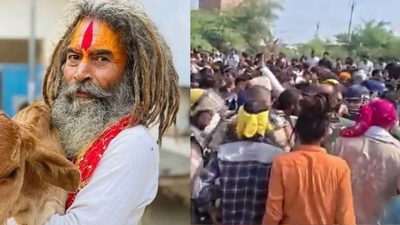
Mathura cow vigilante ‘Farsa Wale Baba’ run over by ‘smugglers’ during chase; scuffle erupts between locals, police | Agra News


Mathura cow vigilante ‘Farsa Wale Baba’ run over by ‘smugglers’ during chase; scuffle erupts between locals, police

MATHURA: A cow vigilante was killed in Uttar Pradesh’s Mathura district after he was allegedly run over by a vehicle linked to suspected cattle smugglers during a late-night chase, triggering protests and clashes.The deceased, identified as Chandrashekhar, popularly known as “Farsa Wale Baba,” was a local cow protection activist in the Braj region. The incident took place near Navipur village under Kosi Kalan police limits. According to police, Chandrashekhar was chasing a truck on his motorcycle after suspecting it was being used for cattle smuggling when the vehicle allegedly rammed into him, killing him on the spot.One accused was apprehended from the scene, while three others managed to flee. A search operation has been launched to trace the absconding suspects. Police are also examining the vehicle involved and verifying claims related to illegal cattle transportation.The incident sparked immediate outrage in the area, with locals and members of cow protection groups taking to the streets. Protesters blocked roads in the Kosi and Chhata areas, demanding swift action against the accused. The situation escalated when police attempted to disperse the crowd, leading to a scuffle.Tensions flared further after a lathi charge, with some protesters pelting stones at police personnel. Several police personnel and dozens of locals were reported injured in the clashes, while multiple police vehicles were vandalised during the unrest. Heavy police deployment was rushed to the area to bring the situation under control, and security was tightened to prevent further escalation.Amid the rising tension, Uttar Pradesh chief minister Yogi Adityanath took cognisance of the incident and directed officials to ensure strict and immediate action against those responsible.“The accused will not be spared under any circumstances,” the chief minister said, underlining the government’s commitment to maintaining law and order and delivering justice swiftly.(With agency inputs)


Source link

Will Putin cut Iran loose for Ukraine? What Russian envoy said on quid pro quo claims


Will Putin cut Iran loose for Ukraine? What Russian envoy said on quid pro quo claims
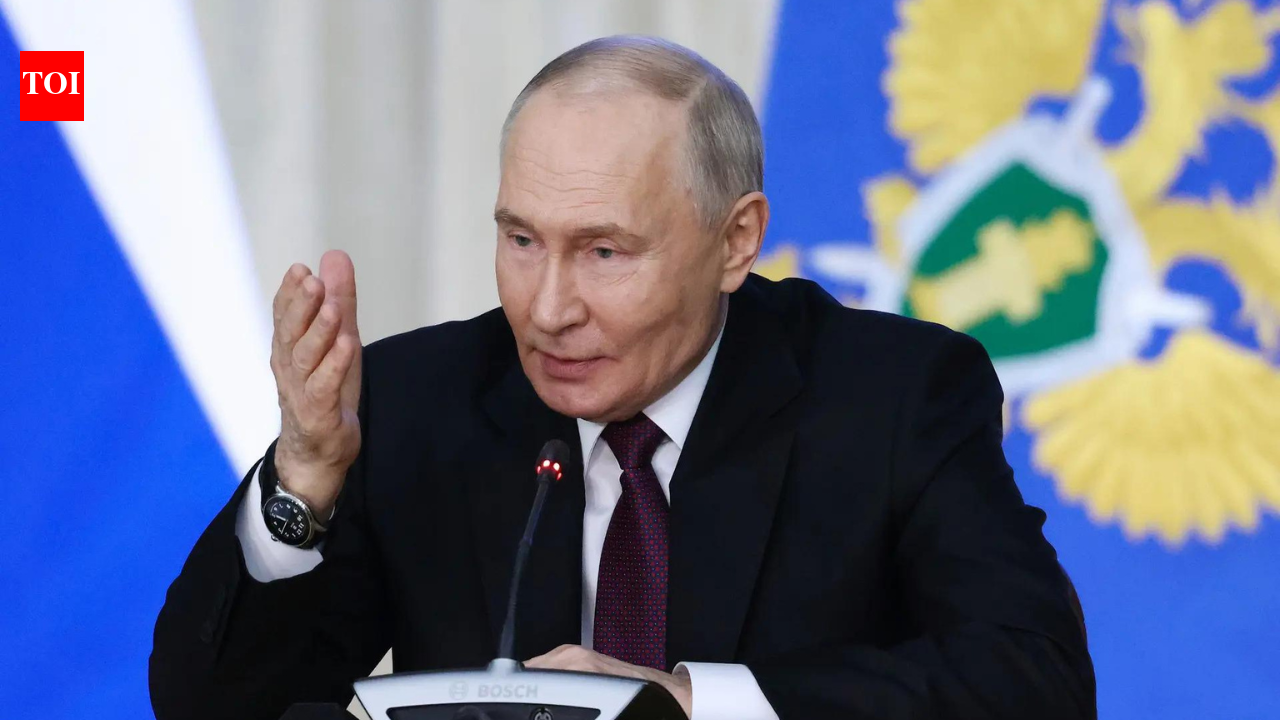
Russian President Vladimir Putin (AP photo)

Russia on Saturday dismissed reports claiming Moscow had offered a quid pro quo to Washington to halt intelligence sharing with Iran amid the ongoing escalation involving the US and Israel, in exchange for easing pressure in Ukraine.The reports, which also said the United States rejected the proposal, were termed unfounded by Russian officials.Follow for live updates on Iran war newsA Russian envoy Kirill Dmitriev publicly denied the claims, calling them “fake” in a post on X.According to Politico, Moscow had proposed a deal under which it would stop sharing intelligence with Iran if the US halted intelligence support to Ukraine. Citing two people familiar with the matter, the report said Russian envoy Kirill Dmitriev raised the proposal with Trump administration envoys Steve Witkoff and Jared Kushner during a meeting in Miami last week. The US declined the offer, it added.However, Dmitriev rejected it later.The report further claimed the proposed arrangement involved Russia halting intelligence sharing with Iran on sensitive details, including the coordinates of US military assets in the Middle East, in return for Washington cutting off intelligence assistance to Kyiv.The Kremlin also rejected the Politico report, describing it as “Western disinformation” aimed at creating divisions between Moscow and its Middle Eastern allies.


Source link

How Iran targeted US, UK base Diego Garcia 4,000km away in Indian Ocean — Explained


How Iran targeted US, UK base Diego Garcia 4,000km away in Indian Ocean — Explained

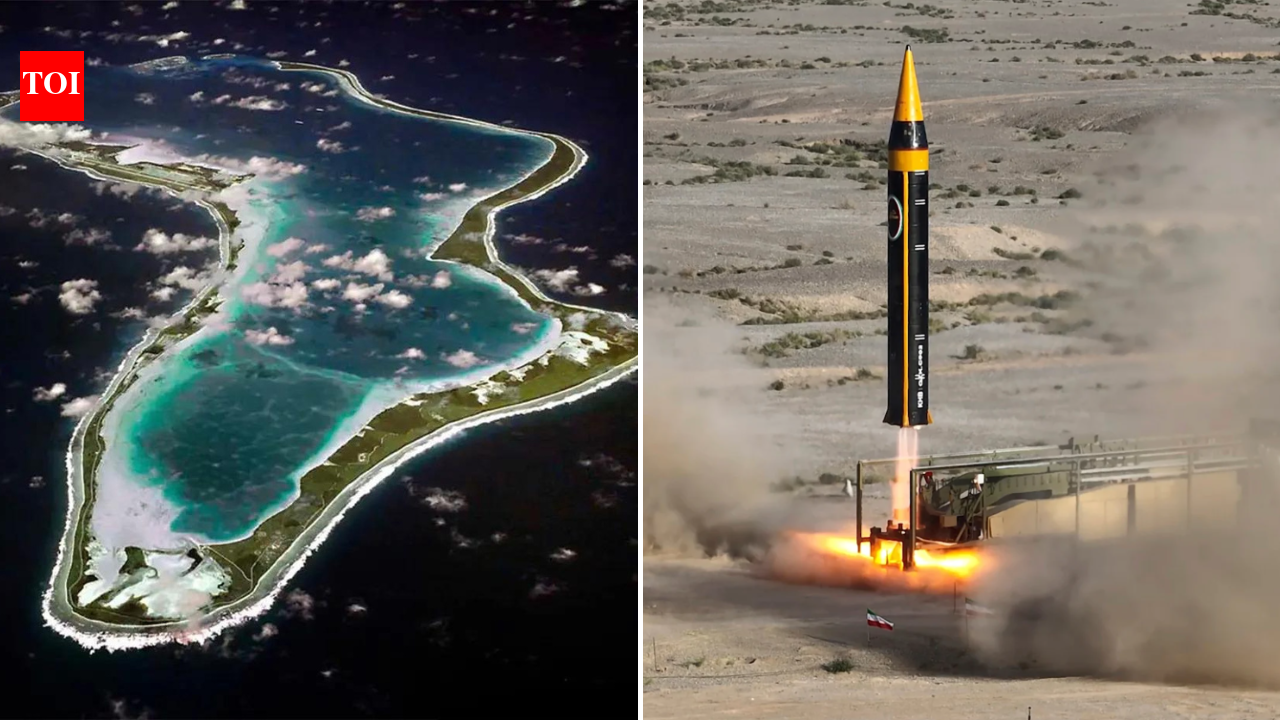
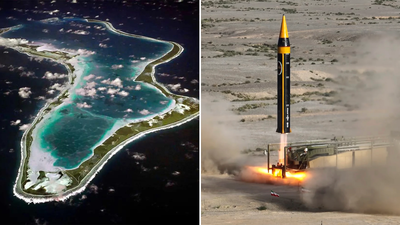
Iran’s attempted long-range strike on the US-UK military base at Diego Garcia has showcased a sharp escalation in both capability and intent, pushing the geography of the ongoing conflict far beyond the Middle East, as per a report by the Washington Post. The base, located roughly 4,000 kilometres from Iran’s coastline, was targeted with two intermediate-range ballistic missiles, according to US officials, in what appears to be one of Tehran’s longest-range strike attempts to date.Iran continues to strike Gulf nations — Follow live updatesNeither missile hit its target. One reportedly failed mid-flight, while the second was engaged by a US Navy destroyer using an SM-3 interceptor, though it remains unclear whether the interception was successful. Despite the lack of impact, the attempt itself has triggered alarm in Washington and allied capitals, as it suggests Iran may now possess or is willing to demonstrate strike capabilities far beyond its previously declared limits.Also read: Iran fires 2 ballistic missiles towards US, UK military bases in Diego GarciaThe strike came amid intensifying hostilities between Iran and a US-Israel alliance, even as Donald Trump indicated that Washington was “very close” to achieving its military objectives and could consider winding down operations. Yet the attack on Diego Garcia, a remote but critical military hub, suggests Tehran is widening both the scope and signalling of its retaliation.

A strike across 4,000 kilometres

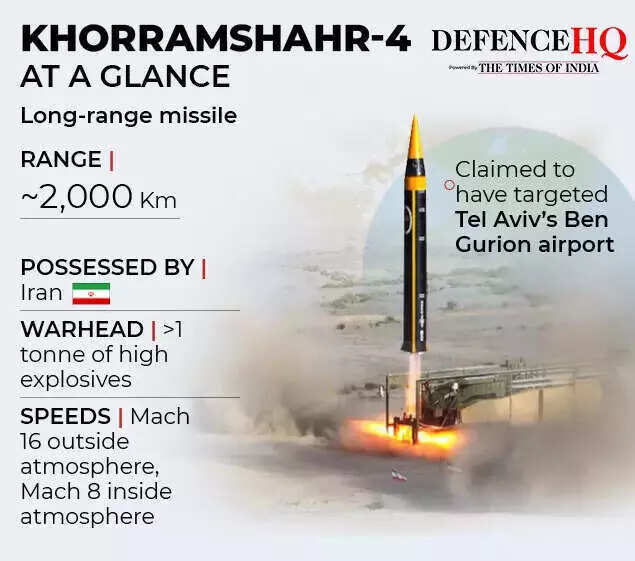
The attempted strike stands out primarily for its distance. Diego Garcia lies deep in the Indian Ocean, more than 3,800 kilometres from Iran, well beyond the 2,000-kilometre range Tehran has long claimed as the upper limit of its missile programme.US officials believe the missiles used were likely from the Khorramshahr-4 class, an intermediate-range ballistic missile that analysts had previously assessed to have a potential range exceeding 4,000 kilometres, though publicly demonstrated capabilities had remained lower. If confirmed, the strike would mark the first operational indication that Iran can hit targets at such distances.

Khorramshahr-4

The implications extend far beyond this single incident. A 4,000-kilometre strike radius from Iran would place large parts of Europe including cities such as Paris and London within theoretical reach. For NATO countries that have largely viewed the conflict as regionally contained, the attempted strike alters that calculation significantly.The Khorramshahr-4 itself is a liquid-fuelled missile capable of carrying a warhead exceeding one tonne, with the option of deploying cluster munitions. Its design, derived in part from earlier North Korean and Soviet systems, combines relatively simple architecture with high payload capacity. The missile is also believed to feature manoeuvrable re-entry capabilities, making interception more difficult.

Why Diego Garcia matters

The choice of target is as significant as the distance. Diego Garcia is one of the most strategically important military installations operated jointly by the United States and the United Kingdom. Situated in the Chagos Archipelago, the base serves as a critical logistics and operations hub for long-range missions.It has historically supported US bombing campaigns in Afghanistan and Iraq, as well as more recent operations in the Middle East. Its airfield is capable of hosting heavy bombers, surveillance aircraft, and pre-positioned military equipment, allowing rapid deployment across Asia, Africa and the Gulf.The base’s isolation far from conventional conflict zones has long been considered one of its key advantages. Iran’s decision to target it challenges that assumption, demonstrating a willingness to strike even remote strategic assets.The attack also comes amid renewed scrutiny over the future of the base. The United Kingdom recently agreed to transfer sovereignty of the Chagos Islands to Mauritius while retaining long-term access to Diego Garcia under a lease arrangement, a move that has drawn political criticism in Washington.

Missile defence and widening conflict

The attempted interception reportedly using the SM-3 system highlights the growing importance of missile defence in the conflict. The SM-3, deployed on US Navy warships, uses a “hit-to-kill” approach relying on kinetic force rather than explosives to destroy incoming missiles. Its effectiveness against intermediate-range threats is well established, but the uncertainty around this interception underscores the challenges posed by advanced ballistic systems.At the same time, the strike on Diego Garcia fits into a broader pattern of Iranian escalation. Tehran has stepped up attacks on energy infrastructure across the Gulf, including reported drone strikes on Kuwait’s Mina Al-Ahmadi refinery, while issuing warnings to countries hosting US forces.Iranian officials have also expanded their rhetoric, warning that targets linked to their adversaries could extend beyond traditional battlefields. These signals point to a strategy that combines conventional missile strikes with the threat of asymmetric attacks.Meanwhile, the United States has reinforced its regional posture, deploying additional warships and thousands of Marines. Despite talk of winding down operations, Washington’s military build-up suggests preparations for a prolonged confrontation.


Source link

Watch: US diplomatic facility near Baghdad airport in flames after attack


Watch: US diplomatic facility near Baghdad airport in flames after attack

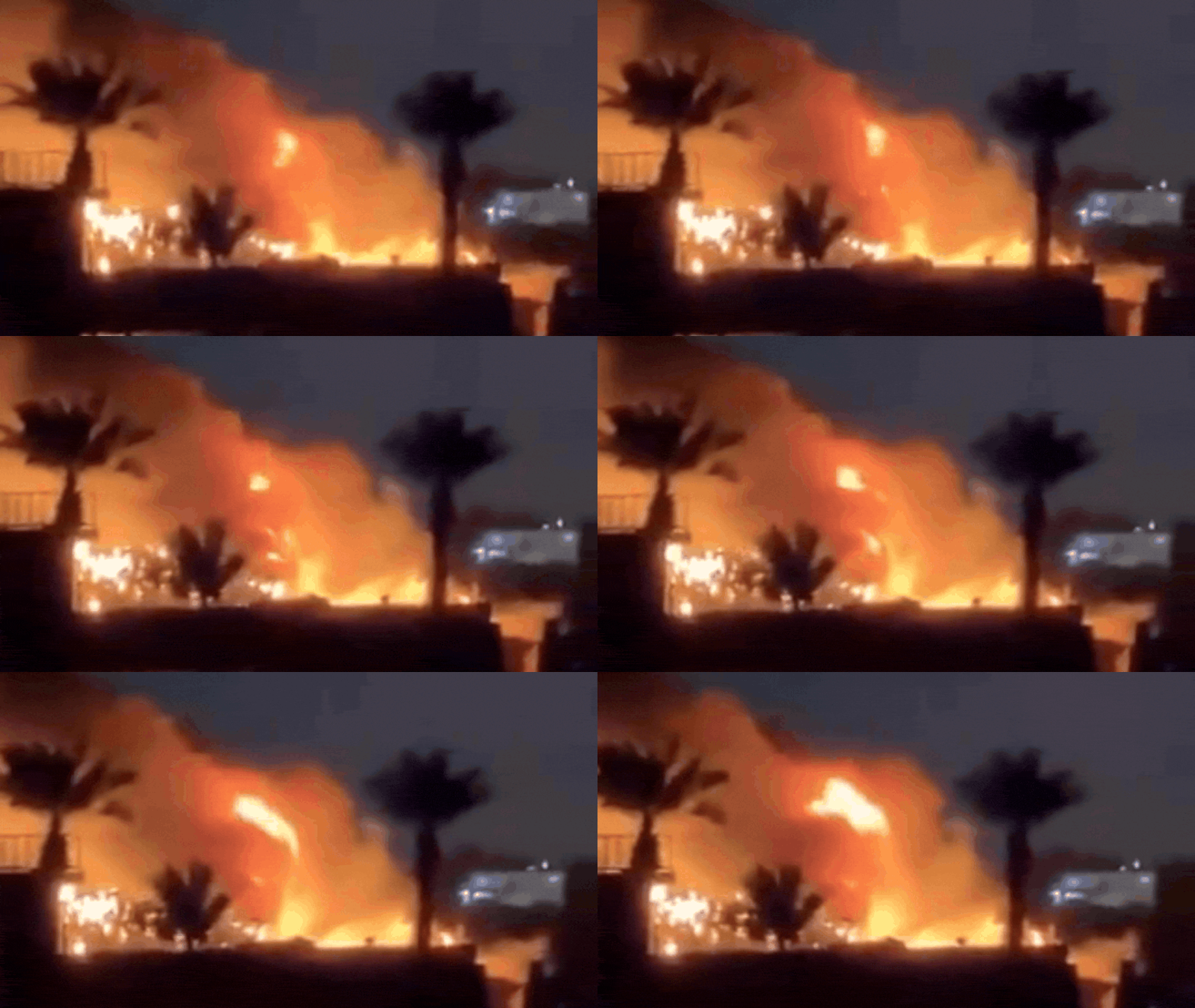
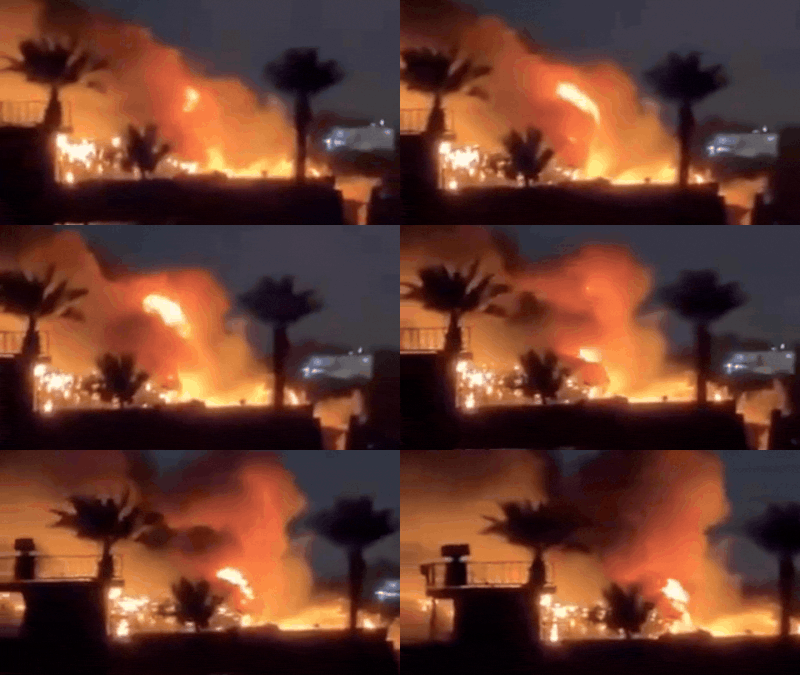
A fire broke out at a US diplomatic facility near Baghdad airport in Iraq, according to security sources quoted by Reuters. A pro-Iranian militant group, Ashab al-Kahf, later claimed responsibility for the attack in a statement. Visuals shared online showed a large and intense blaze, with thick black smoke rising into the night sky.Earlier, the Middle East Broadcasting Network reported that air defence systems were activated over the US embassy to intercept incoming threats.On Wednesday, Kataib Hezbollah, a group designated as a terrorist organisation by the United States announced a temporary suspension of its attacks on the US embassy for five days on the condition of “a US commitment not to strike residential areas in Baghdad and other provinces,” as quoted by the report.Kataib Hezbollah and the Harakat al-Nujaba movement are among the main Iran-aligned groups targeting US interests. Both groups have taken part in the ongoing conflict alongside Iran and have carried out multiple strikes in Iraq and other areas.Iraq has been drawn into the wider regional conflict following the US-Israel attack on Iran on February 28. Since then, strikes have targeted Iran-backed groups, which have responded with frequent attacks on US-linked sites in Iraq and across the region.On Thursday, the Pentagon confirmed for the first time that combat helicopters were used to carry out strikes against pro-Iranian armed groups in Iraq during the ongoing conflict.


Source link

Watch: Dwayne Bravo under fire after ‘two chicks at home’ remark at KKR presser | Cricket News


Watch: Dwayne Bravo under fire after ‘two chicks at home’ remark at KKR presser
Kolkata Knight Riders (KKR) mentor Dwayne Bravo and captain Ajinkya Rahane (PTI Photo/Swapan Mahapatra)

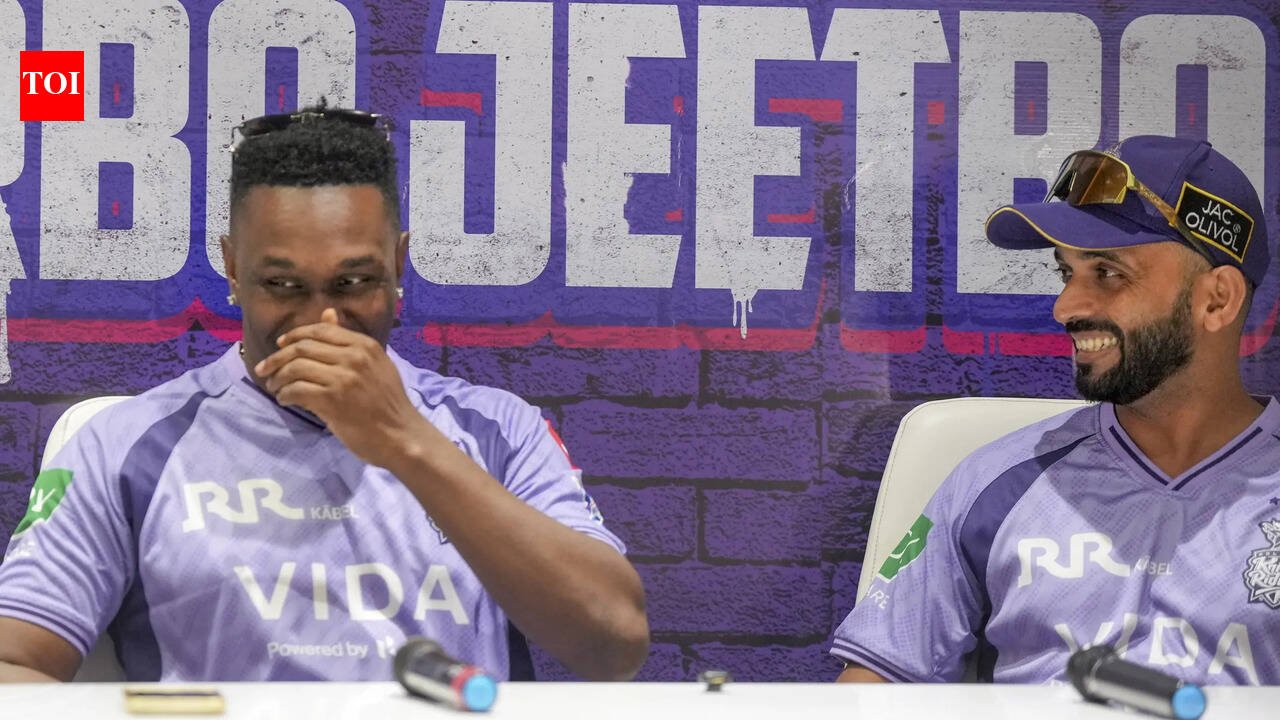
NEW DELHI: At the pre-season press conference ahead of the Indian Premier League (IPL) 2026 season on Friday, things took an unexpected turn when Dwayne Bravo made a remark, which was immediately caught on mic.Sitting alongside teammates and coaching staff, Bravo was chatting informally when he said, “I had two chicks at my house”.Though meant as harmless banter, the comment was picked up by live microphones and streamed online, instantly creating an awkward situation.

Watch

Cricket stars gather for Kuldeep Yadav’s grand wedding reception | Star-studded night

The light-hearted conversation quickly turned uncomfortable once everyone realised it was being broadcast. Ajinkya Rahane, showing quick awareness, stepped in right away and warned the group that the mics were still on. Watch:His timely reaction helped prevent the moment from escalating further. The clip, however, had already been captured and soon spread rapidly across social media platforms.Many fans reacted with amusement, seeing it as a funny, human moment that showed the lighter side of players. Though, some felt he should have been more careful with his choice of words.Rahane’s composed handling of the situation was widely appreciated, with people praising his professionalism and presence of mind.Soon after the clip gained traction online, the full press conference video was taken down from Kolkata Knight Riders’ official account. While no formal explanation was given, it is believed the move was made to avoid unnecessary controversy just before the tournament.Kolkata Knight Riders will kick off their IPL 2026 season against Mumbai Indians on March 29. With preparations in full swing, the incident is likely to be seen as just a minor, off-field moment that briefly grabbed attention before the real action begins.

Banner Insert


Source link

‘I had lost around 7 kg’: Shreyas Iyer recalls ‘severe’ experience before IPL 2026 | Cricket News


'I had lost around 7 kg': Shreyas Iyer recalls 'severe' experience before IPL 2026
India’s Shreyas Iyer (PTI Photo/Atul Yadav)

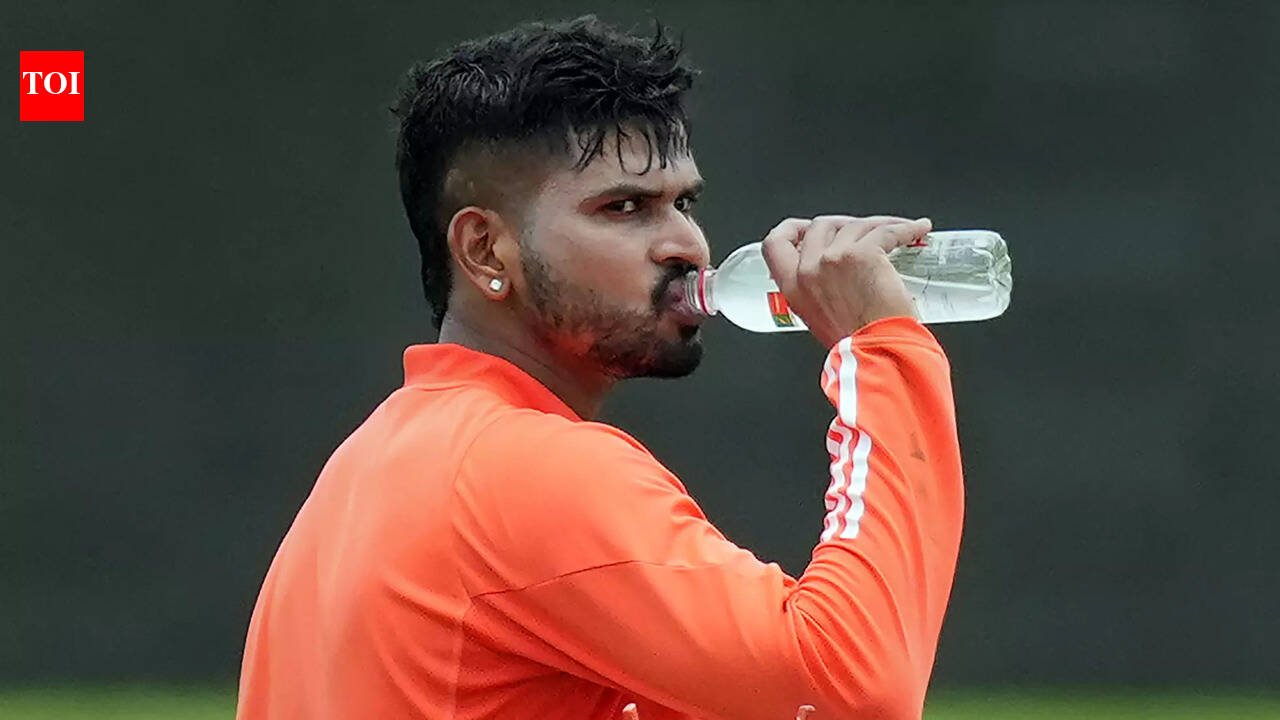
NEW DELHI: Ahead of the Indian Premier League (IPL) 2026 season, batter Shreyas Iyer opened up about a tough phase in his career after suffering a serious spleen injury during the Australia tour. The injury forced him into hospital and led to significant weight loss. “It’s always challenging to come back after an injury. I had lost around 7 kg due to the injury, it was a severe one. Thankfully, I was back in good shape after two months. But gaining those 7 kg back took a lot of effort. I enjoy challenges, and that was one I had to overcome. I’m glad I came through that phase and am back representing my team, and also having represented India in the previous series. I feel proud of myself,” Iyer told reporters in the pre-season press conference.

Watch

Cricket stars gather for Kuldeep Yadav’s grand wedding reception | Star-studded night

Despite the setback, Iyer worked hard to regain his fitness and return to competitive cricket. He resumed playing as Mumbai’s captain in domestic cricket and had mixed results afterwards, including a modest ODI series against New Zealand. Still, his focus remained on improving and leading from the front. Speaking again about his recovery, he said, “It is always challenging to come back after an injury. I had lost around seven kilos, and it took a lot of effort to gain that weight back. But I love challenges. I am glad I overcame that part of my life, and I am back here proudly representing the team.” Now leading Punjab Kings, Iyer is fully focused on winning the IPL trophy. “Expectations are high, which is fun. I love the challenge. But the important thing is that whenever we step in, we have to win. My eye is on the trophy,” he added. He emphasised team bonding off the field, saying, “This is the period where we live as a family for two months,” and highlighted how spending time together helps performance.Teammate Arshdeep Singh echoed the positive energy, saying, “When you feel the pressure, it is a privilege.”

Banner Insert


Source link

Premium petrol up Rs 2 per litre amid global oil spike


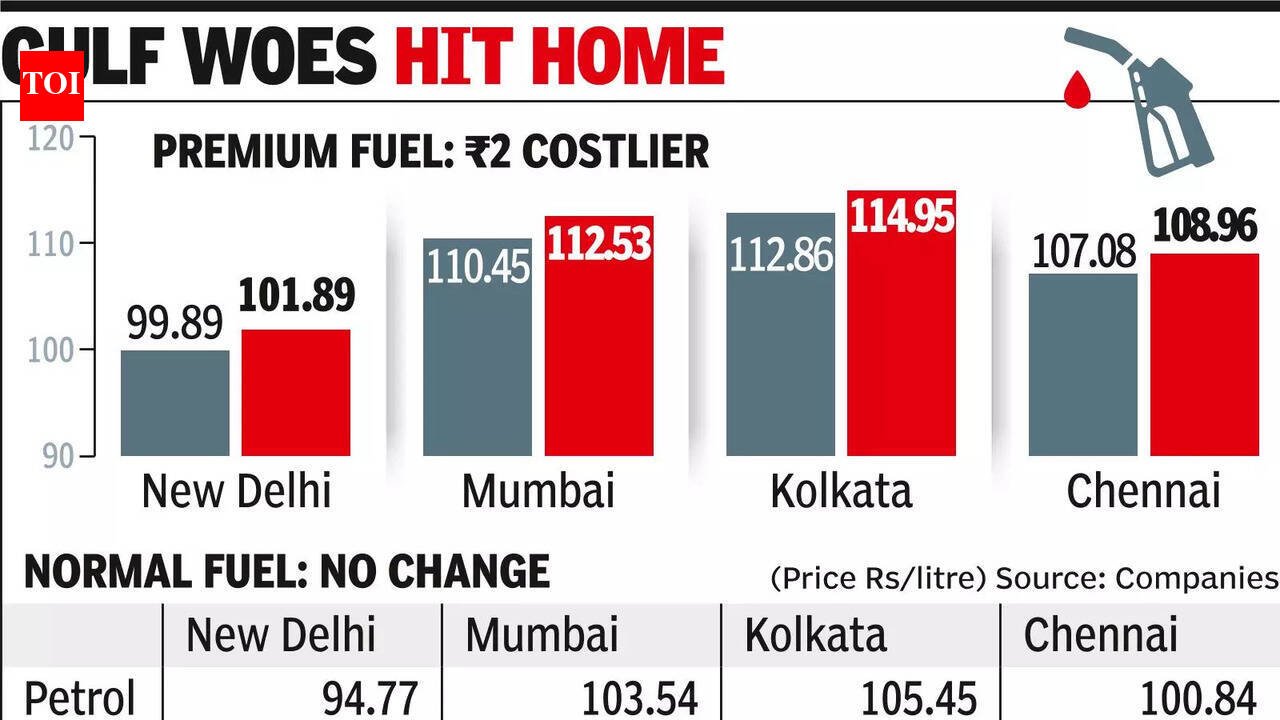
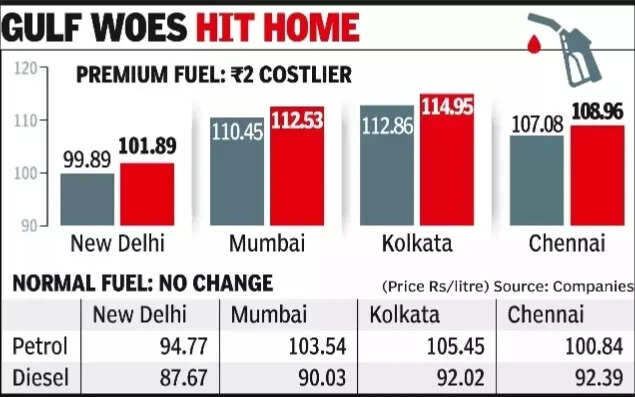
NEW DELHI: Feeling the pinch of a surge in global crude prices, oil marketing companies on Friday increased the retail price of 95-octane premium petrol by nearly Rs 2 a litre and jacked up the rates of industrial diesel by Rs 22 a litre.At the same time, IndianOil, the country’s largest fuel retailer vowed to adopt a “responsible pricing” strategy in an indication that pump prices for normal petrol and diesel may not be raised immediately. In a social media post, IndianOil said there is no automatic fuel price revision in India despite a surge in global fuel prices. “A limited revision applies only to premium petrol XP-95, with minimal impact on overall consumption. Through evolving global conditions, the focus remains clear: consistent supply, responsible pricing, and service you can rely on.”

Premium petrol up 2_L amid global oil spike

The retail price of normal petrol and diesel, and aviation turbine fuel, remain unchanged. Officials said less than 5% of people use the premium category of petrol in their vehicles.“Some increase is reported in the premium category, which hardly makes up 2-4% of the entire petrol sold in the country,” said Sujata Sharma, joint secretary in the petroleum ministry. Sharma added that the prices of petrol and diesel were deregulated in 2010 and 2014, respectively, and are decided independently by oil companies.The cost of crude for Indian refiners has soared 120% since the conflict in the Gulf broke out on Feb 28, hitting $156.29 a barrel on Friday, wiping out the profits for domestic oil marketing companies. The price of global benchmark Brent crude also reached close to $110 a barrel, nearly 50% higher than the pre-conflict price of $72.87.Officials said the OMCs make profits when rates are low, absorbing losses when crude prices are high.According to oil companies, high-speed diesel for industrial users in Delhi is now available at Rs 109.59 per litre. Officials in oil marketing companies said prices of this category of diesel are linked to international prices and are automatically revised every fortnight.A litre of normal petrol – with an octane rating of 91 and suitable for standard engines – in Delhi continues to cost Rs 94.77, while the same grade of diesel costs Rs 87.67 per litre. The retail prices of normal petrol and diesel were last revised in April 2022.India imports nearly 90% of its crude oil needs and roughly half of its natural gas requirement, which has been disrupted due to the closure of the Strait of Hormuz.


Source link