Breaking News
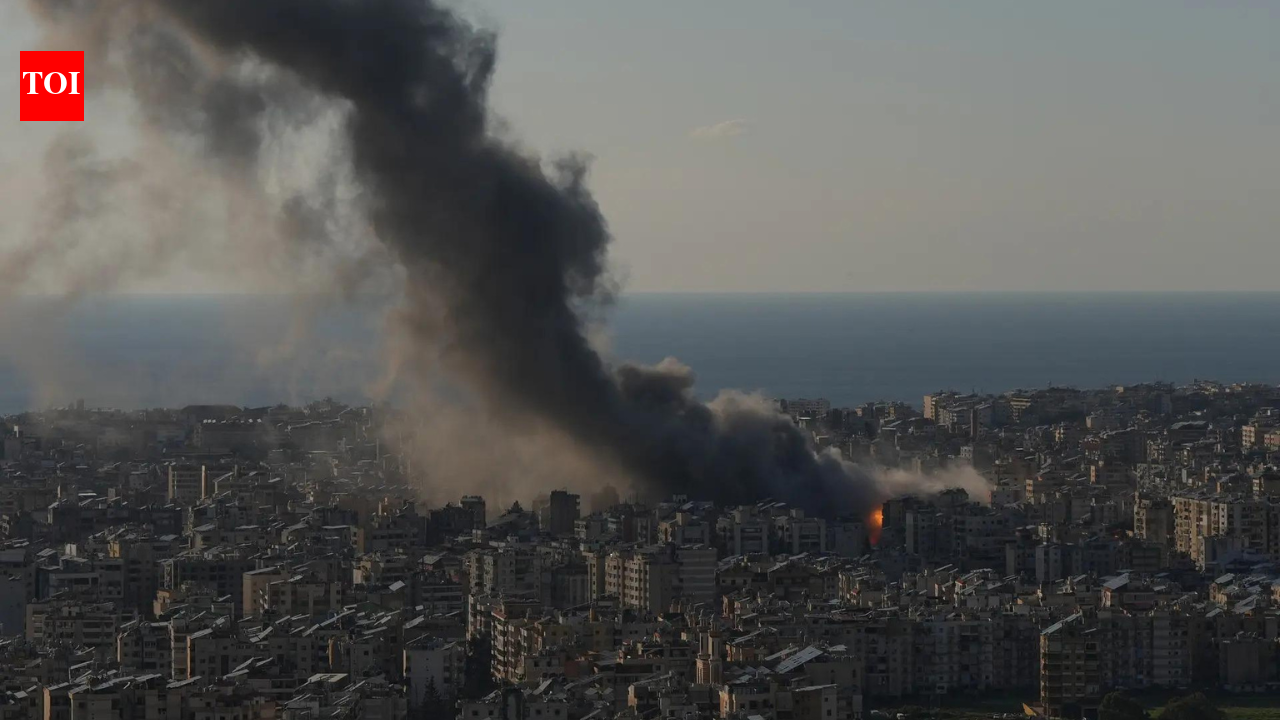
US running out of interceptor missiles? Experts warn of of shortages if Iran clashes continue for 10 days

US running out of interceptor missiles? Experts warn of of shortages if Iran clashes continue for 10 days

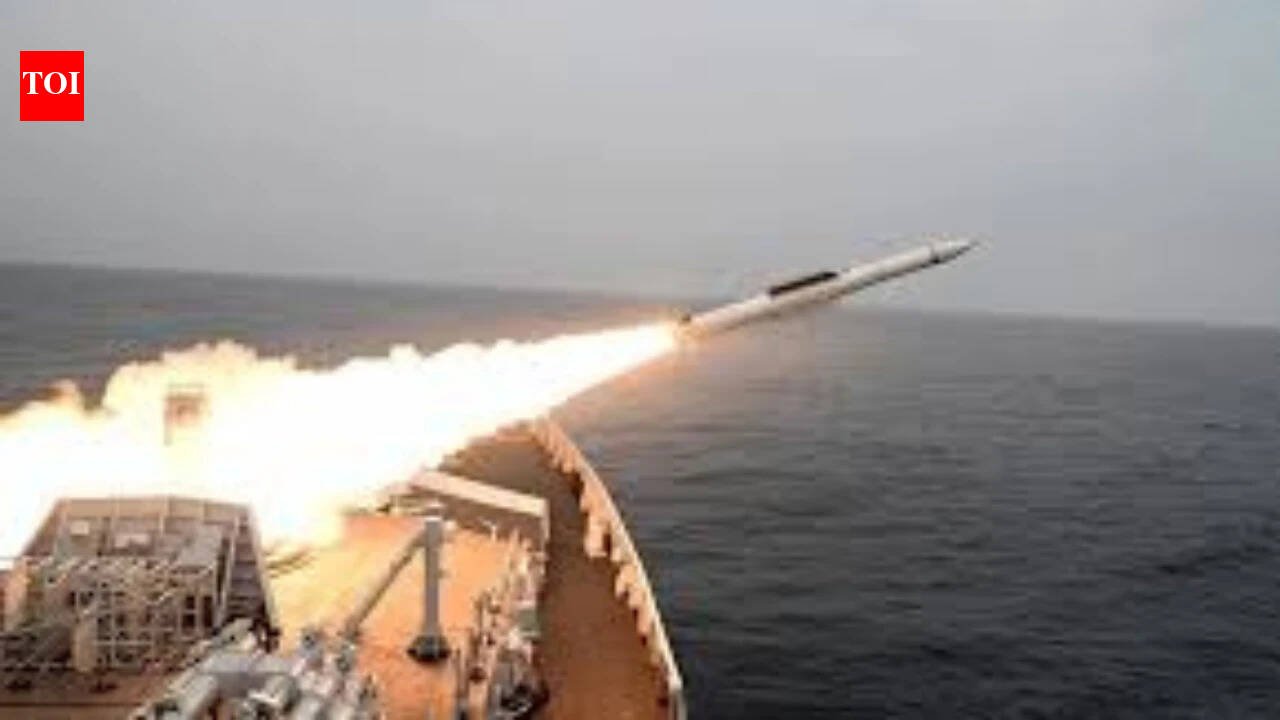
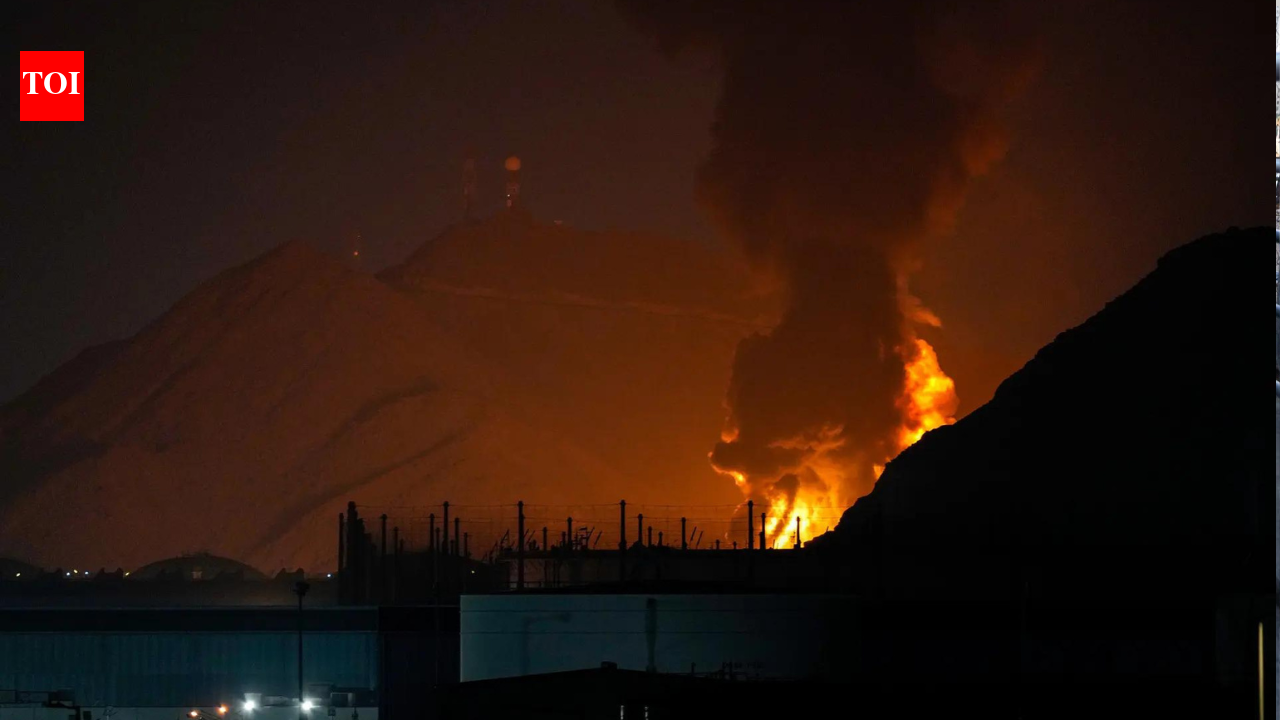
The United States may run low on critical missile if strikes if strikes on Iran continue for more than 10 days, Al Jazeera reported.According to the report, the Pentagon has also warned US President Donald Trump at an extended military campaign in Iran would carry serious risks, including the high cost of replenishing Washington’s dwindling munitions stockpiles.However, Trump on Tuesday said that US has enough in its stockpile to keep the military campaign in Iran going.“The United States Munitions Stockpiles have, at the medium and upper medium grade, never been higher or better – As was stated to me today, we have a virtually unlimited supply of these weapons. Wars can be fought ‘forever,’ and very successfully, using just these supplies,” Trump wrote in a Truth Social post.Weapons US using to attack IranAccording to the US military’s Central Command, it has used more than 20 weapons systems across air, sea, land and missile defence forces during its ongoing operation in Iran.
.

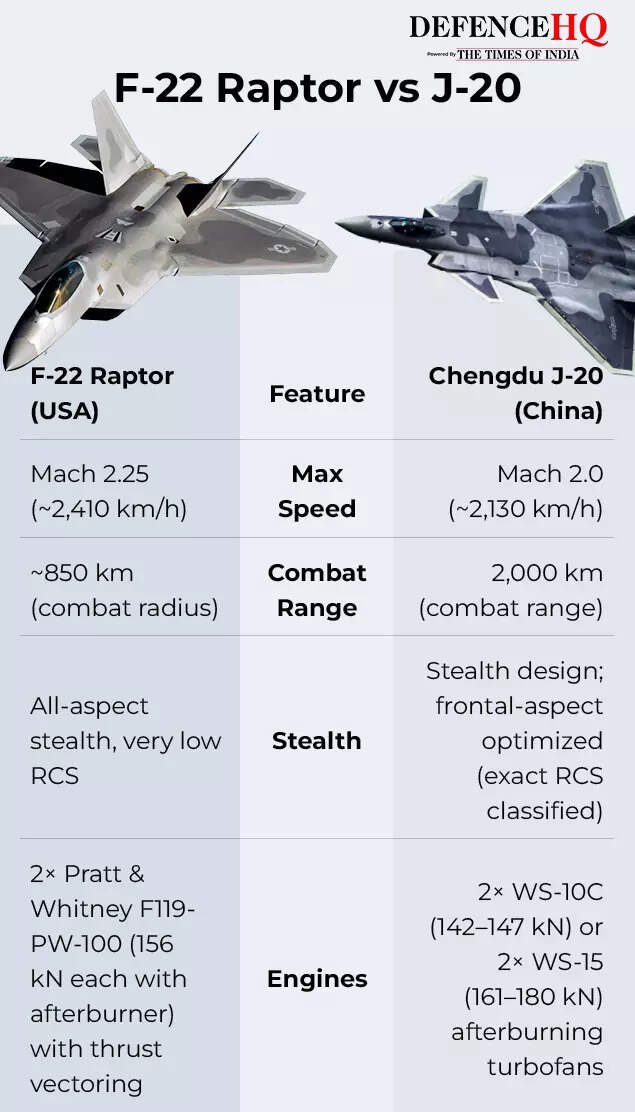
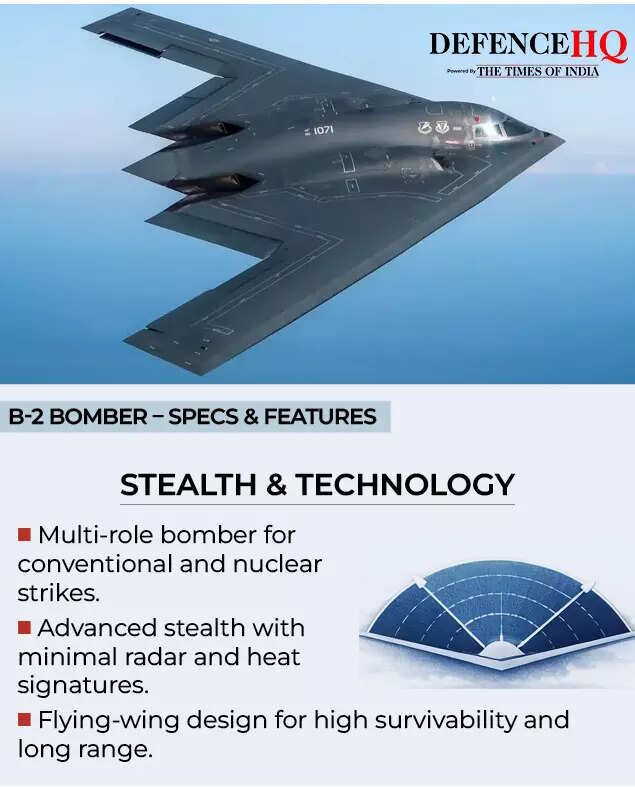
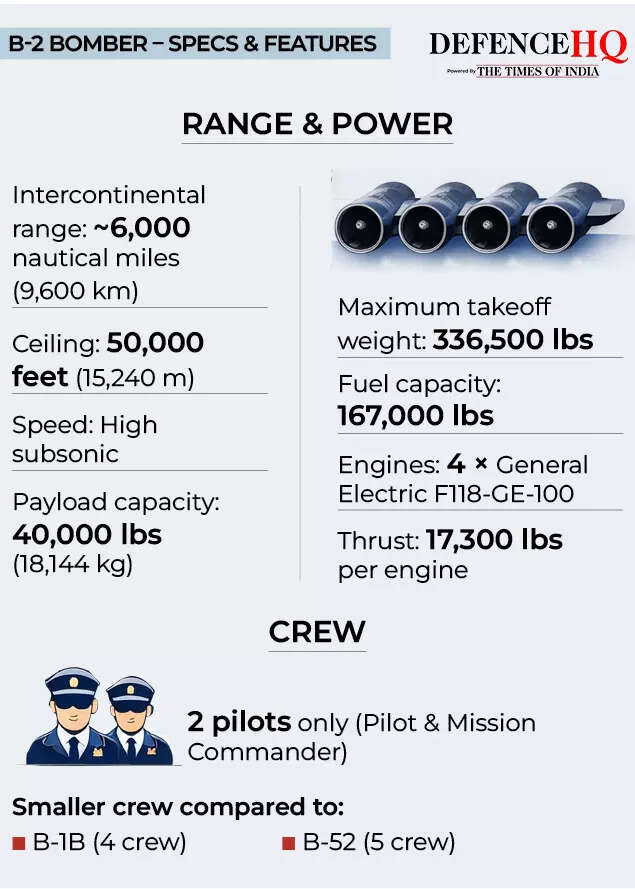
The US is using B-1 bombers, B-2 stealth bombers, F-35 Lightning II stealth fighters, F-22 Raptor jets, F-15s and EA-18G Growlers. It is also using drones and long-range strike systems, including the Low-Cost Unmanned Combat Attack System (LUCAS) one-way drones, MQ-9 Reaper drones, M-142 High Mobility Artillery Rocket Systems (HIMARS) and Tomahawk Cruise Missiles.Here is the complete list

  • B-2 Stealth Bombers
  • LUCAS Drones
  • Patriot Interceptor Missile Systems
  • THAAD Anti-Ballistic Missile Systems
  • F-18 Fighter Jets
  • F-16 Fighter Jets
  • F-22 Fighter Jets
  • A-10 Attack Jets
  • F-35 Stealth Fighters
  • EA-18G Electronic Attack Aircraft
  • Airborne Early Warning & Control Aircraft Airborne Communication Relay
  • P-8 Maritime Patrol Aircraft
  • RC-135 Reconaissance Aircraft MQ-9 Reapers
  • M-142 High Mobility Artillery Rocket Systems Nuclear-Powered Aircraft Carriers
  • Guided-Missile Destroyers
  • Counter-Drone Systems
  • Refueling Tanker Aircraft Refueling Ships
  • C-17 Globemaster Cargo Aircraft C-130 Cargo Aircraft

Two US aircraft carriers, the USS Abraham Lincoln and the USS Gerald R Ford, were in the Middle East when the attack on Iran began.Which weapons could the US run out of?The United States’ arms and ammunition stockpiles have been stretched by sustained military support to allies such as Israel and Ukraine.If a war with Iran continues, the most likely shortages would be in precision, high-end munitions and advanced missile interceptors such as the THAAD system.
.

Last year, during the 12-day Israel-Iran war, Washington joined Israel in bombing Iranian nuclear facilities toward the end of the conflict. The US deployed two batteries of its advanced THAAD missile defence system to Israel during that period.US officials later said more than 150 THAAD interceptors were fired to counter incoming Iranian missiles — roughly 25% of the country’s total stockpile.
.

A single THAAD battery typically includes 95 soldiers, six truck-mounted launchers, 48 interceptors (eight per launcher), one radar system, and a fire-control and communications unit. As of mid-2025, there are nine active THAAD batteries worldwide, according to Lockheed Martin.US media reports also said that large numbers of ship-borne interceptors were expended during the conflict. This included Joint Direct Attack Munitions (JDAMs) — GPS-guided kits that convert unguided bombs into precision-guided “smart” weapons.High-end missile defence systems are designed to counter limited, high-intensity attacks from adversaries such as Russia, China or North Korea — not prolonged barrages of cheaper missiles. Over time, finite stockpiles of advanced interceptors can be depleted quickly. Each interception can cost hundreds of thousands or even millions of dollars, often to neutralise a missile that may have cost only a few thousand dollars to produce.What happens if the US runs low on weapons?According to Al Jazeera, the US could ramp up production or redeploy weapons to the Middle East from other regions.Christopher Preble, a senior fellow at the Stimson Center think tank, said that while Washington can absorb the financial cost of war given its trillion-dollar defence budget, the real constraint lies in interceptor stockpiles such as Patriot and SM-6 missiles.Some of these interceptors were earmarked for Ukraine to defend against Russian strikes, he noted.Others are positioned in the Indo-Pacific, where they would be critical in the event of a regional contingency. Diverting them to the Middle East could raise concerns about weakening deterrence elsewhere.How much are the strikes costing US?The Pentagon has not disclosed the total cost of operations. However, estimates suggest the expenses are mounting rapidly.Reports indicate the US spent approximately $779 million in the first 24 hours of operations in Iran, with an additional $630 million allocated to pre-strike preparations — including aircraft movements, deployment of more than a dozen naval vessels, and mobilisation of regional assets.The Center for a New American Security estimates that operating a carrier strike group, such as the USS Gerald R. Ford, costs about $6.5 million per day.

Source link

Israel strikes building where Iranian clerics were choosing Khamenei’s successor


Israel strikes building where Iranian clerics were choosing Khamenei's successor

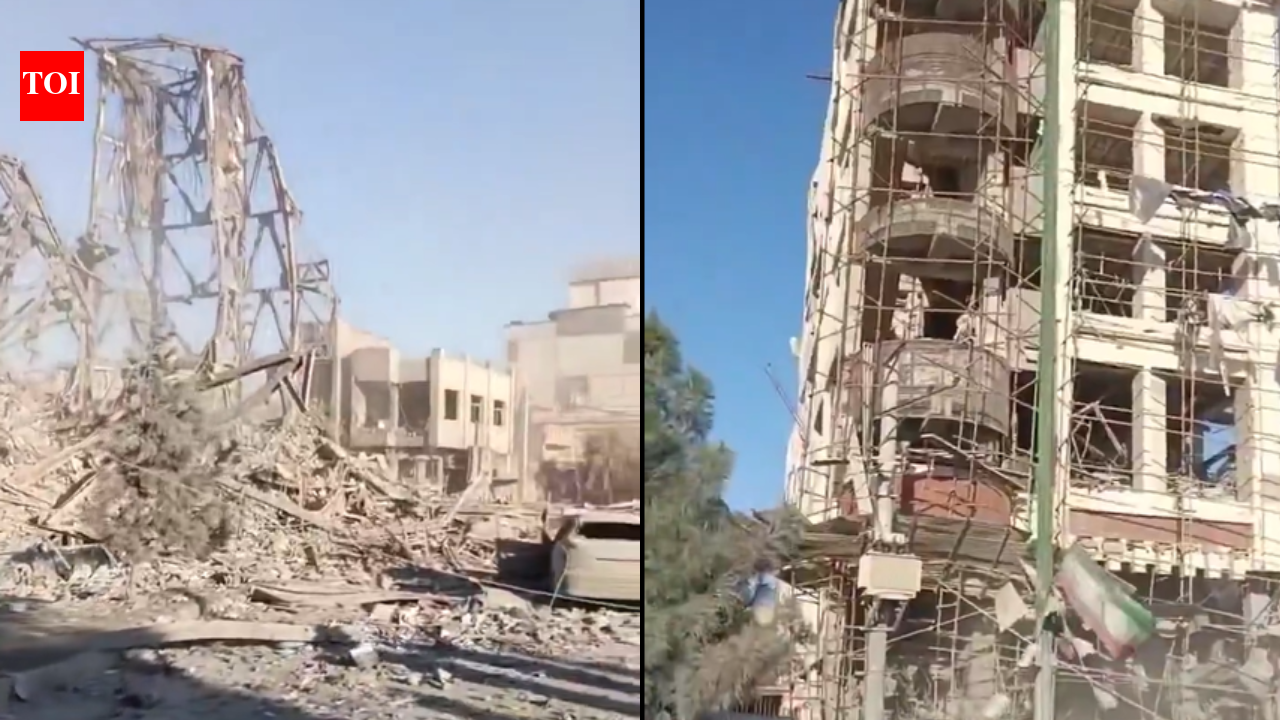
Israel carried out an airstrike on a building in the Iranian city of Qom that was reported to be hosting senior clerics of the Assembly of Experts as they convened to begin the process of selecting a successor to the late Supreme Leader Ayatollah Ali Khamenei. The Assembly, an 88-member clerical body constitutionally tasked with choosing Iran’s supreme leader, had not met for succession since it appointed Khamenei in 1989.An Israeli security official said it was not immediately clear how many of the Assembly’s 88 members were inside the building at the time of the strike, as cited by ANI.Iran’s state news agency, however, disputed the claim, asserting that the structure targeted was an unused, dilapidated building and not a venue for any official meeting.Meanwhile, Israel’s Mossad intelligence service posted a message in Persian on social media stating that regardless of who is chosen to succeed Khamenei, “his fate has already been decided,” adding that only the Iranian people will ultimately determine their future leadership.Ayatollah Ali Khamenei, who had led Iran since 1989, was assassinated on Saturday, triggering the rare convening of the Assembly of Experts to begin the process of selecting his successor.Iran’s leadership is now moving swiftly to fill the position, marking only the second time since the 1979 Islamic Revolution that a new supreme leader is being chosen. Potential successors reportedly range from hardliners advocating continued confrontation with the West to reformist figures who support greater diplomatic engagement.Motjaba Khamenei, son of the slain supreme leader has emerged as his successor under pressure from the Islamic Revolutionary Guard Corps (IRGC). Meanwhile, Israel said it carried out airstrikes on Tuesday targeting Iranian missile launchers and a nuclear research facility, as hostilities between the two sides intensified. Iran responded with strikes against Israel and across the Gulf region, targeting US diplomatic missions and causing disruptions to energy supplies and air travel.Four days into the conflict, which US president Donald Trump noted could last several weeks or longer, nearly 800 people have been killed in Iran. Among the dead, Trump said, were individuals he had previously considered as potential future leaders of the country.Explosions were reported in Tehran and in parts of Lebanon, where Israel said it struck Hezbollah militants in retaliation. The US Embassy in Saudi Arabia and the US Consulate in the United Arab Emirates were targeted in drone attacks. Iran has launched dozens of ballistic missiles toward Israel, most of which have been intercepted, though Israeli authorities said 11 people have been killed since the fighting began.


Source link

Jasprit Bumrah: The ‘different’ boy who never gave up | Cricket News


Jasprit Bumrah: The 'different' boy who never gave up
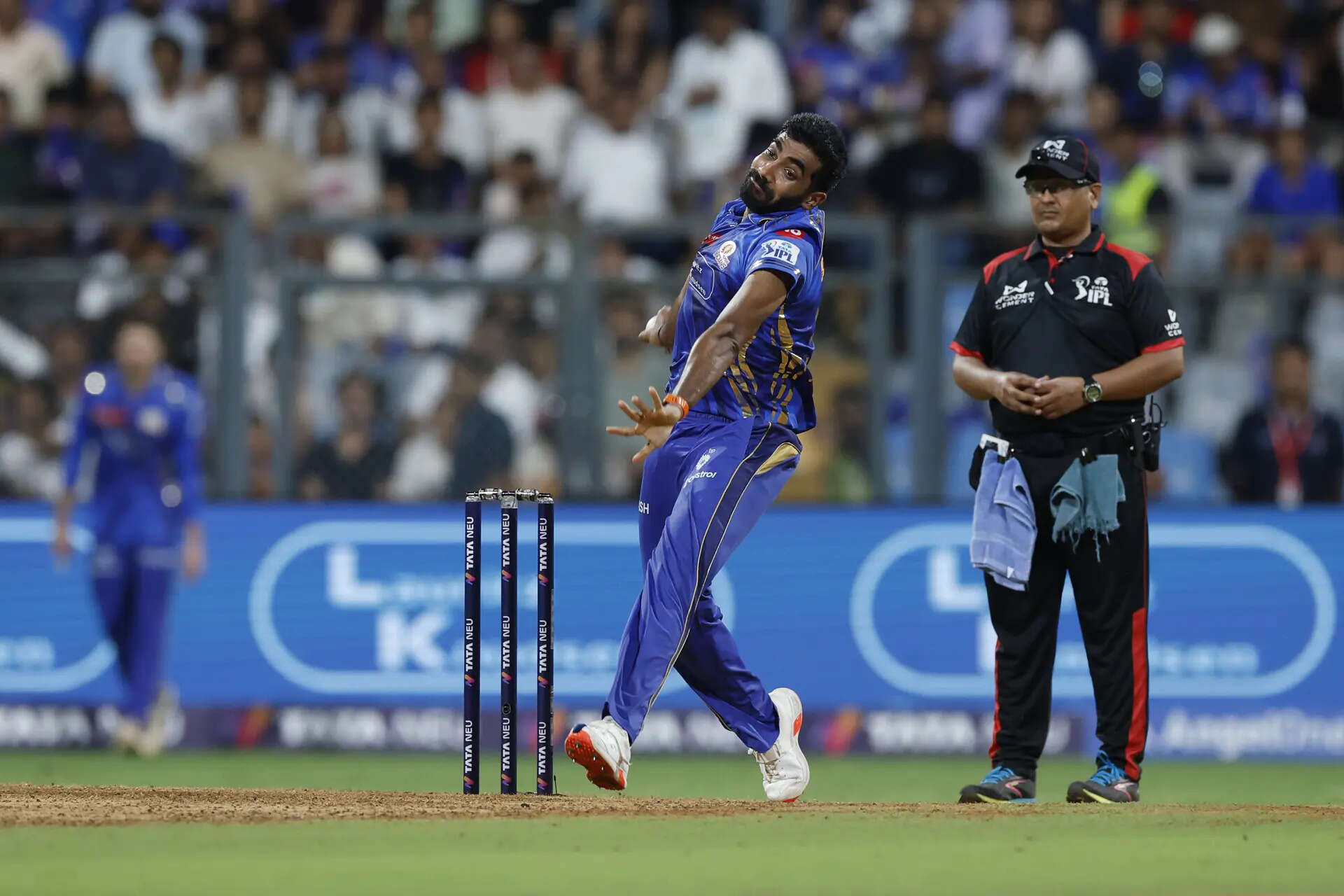
File photo of Jasprit Bumrah. (AP Photo)

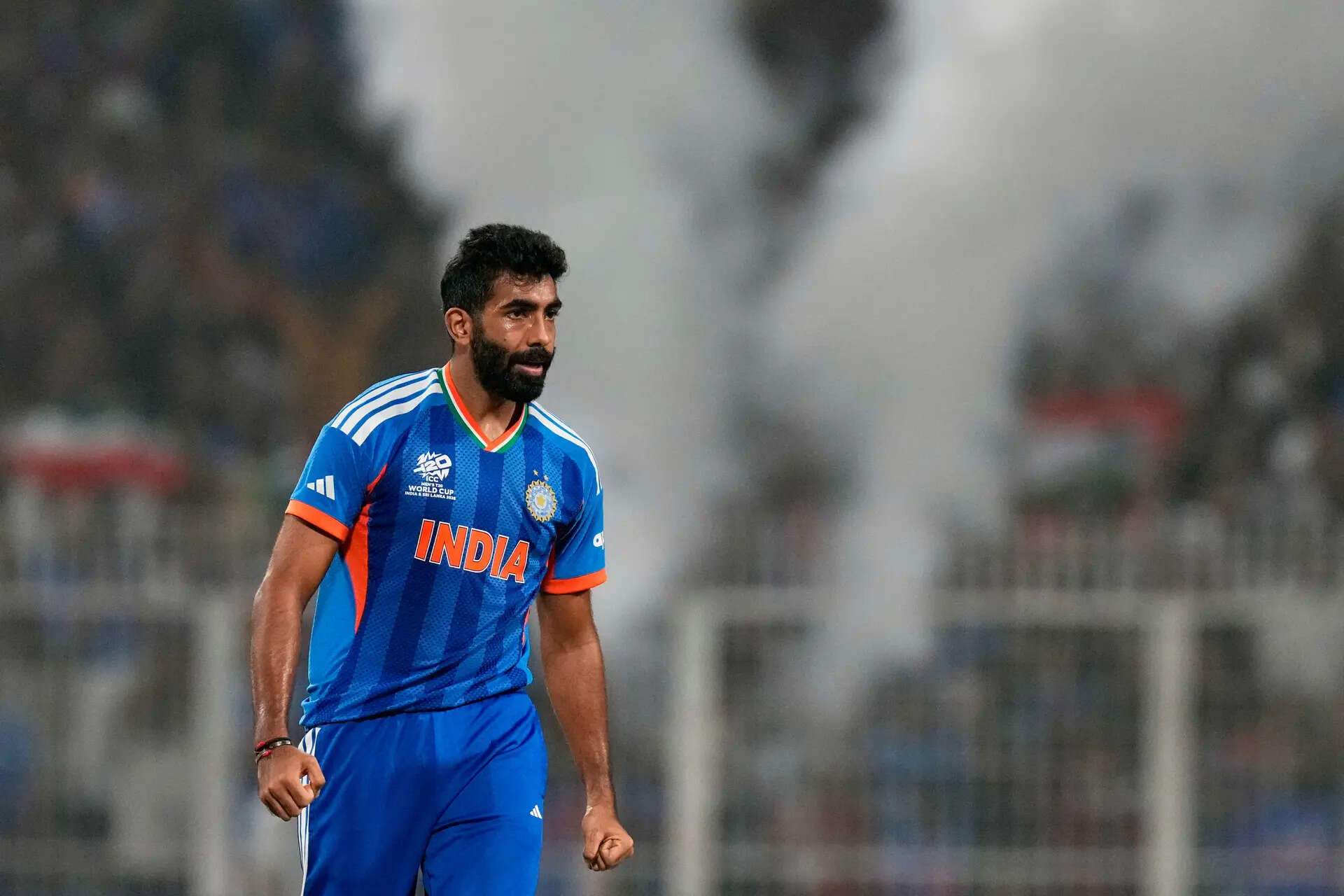
TimesofIndia.com in Mumbai: It was a pleasant October afternoon in Delhi and Jasprit Bumrah was continuously coughing while fielding at deep fine-leg for Gujarat. The opponents were Railways and the venue hosting that Ranji Trophy clash was the Karnail Singh Stadium. Only a handful of people watched that First Class fixture and appreciated the red-ball masterclass from the “mystery” bowler, despite being under the weather. He told this reporter about his ill health, which was surprising as without the respiratory ailment, it would have been impossible to tell he wasn’t 100%. Across the two innings, he bowled 30.4 overs, took seven wickets, and demonstrated the ability to stand out in a line-up which also featured current selector RP Singh, who was playing as a guest player. Bumrah‘s name wasn’t unknown in that 2015-16 season as he had already landed an IPL contract with the Mumbai Indians in 2013 and made 17 appearances for the mighty franchise before playing for Gujarat in the domestic circuit. He featured in eight games in 2015, returning with 21 wickets after bowling 200.2 overs for the Parthiv Patel-led unit. His domestic performance set him up nicely to become a regular in the Mumbai Indians XI, and he slowly became the franchise’s banker in the cash-rich league.

Jasprit Bumrah vs Injury: Untold story of why Indian cricketers fear getting hurt

However, it was the 2012-13 season that put Bumrah on the map and on everyone’s radar. John Wright became Mumbai Indians’ head coach in 2013 and served them for two seasons but it was his role as a scout which unearthed the gem, a diamond, for the franchise and Indian cricket. During one of his many field trips, the former India coach watched a 2012-13 Syed Mushtaq Ali Trophy fixture where a young bowler with a different action and an insane ability to drill yorkers caught his attention.“I saw Bumrah when I went to to Ahmedabad and I was watching Syed Mushtaq Ali Trophy. And just by chance, I watched the last few overs of a game between Gujarat and Mumbai. Bumrah bowled two overs and he tried to bowl a yorker every ball. He had pace and that was unusual and he had an interesting, different action. I asked Parthiv Patel because he was captain of Gujarat and he gave him a glowing endorsement.

2025 IPL - Mumbai Indians v Delhi Capitals

Jasprit Bumrah of Mumbai Indians delivers a ball during the 2025 IPL match against Delhi Capitals. (Getty Images)

“So it’s a bit of luck. It’s a bit of coincidence. Bumrah was interesting because he was different. He had a different action and he was quick. And I’d never seen anyone try and bowl 12 yorkers in a row anywhere,” recalled Wright in a chat with TimesofIndia.com.It was love at first sight and Wright instantly called Rahul Sanghvi, who has been with the franchise since 2008 donning many hats. Things progressed, and the Mumbai Indians got him on board. “It happened really quickly. I called Rahul Sanghvi and we’d sign him the next morning,” said Wright.Wright knew he had picked someone really special, and different, but he received real assurance after the great Sachin Tendulkar faced Bumrah during one of the side’s net sessions and found him “really difficult to pick.”

He has got a difficult action to pick up and Sachin spotted it immediately

John Wright

“Sachin was batting first in the nets and I made Jasprit bowl. I said, ‘Jasprit, I want you to bowl to Sachin’. We had three or four bowlers in the fast bowlers nets. And I’ll never forget, after Sachin had his net, he came to me. And he said, ‘John, who is that guy over there?’ And I said, ‘it’s Bumrah and we have just signed him.’ And he said, ‘John, he’s really hard to pick.’ I nearly jumped for joy then because when he said that, I thought, that’s great. He’s got a difficult action to pick up and Sachin spotted it immediately,” said Wright.This was enough for the New Zealander to fast-track Bumrah into the Playing XI setup. While he didn’t play all games in the first three seasons, his development occurred at a rapid pace, and the Mumbai Indians were patient enough to see his evolution.“Jasprit only played two games that year and not all games next two seasons… It took a while for him. But, you know, people forget that he’s only 18 or 19. And the road to being, you know, a performer, a consistent performer, is going to take a little bit of time,” added Wright.

2025 IPL - Mumbai Indians v Chennai Super Kings

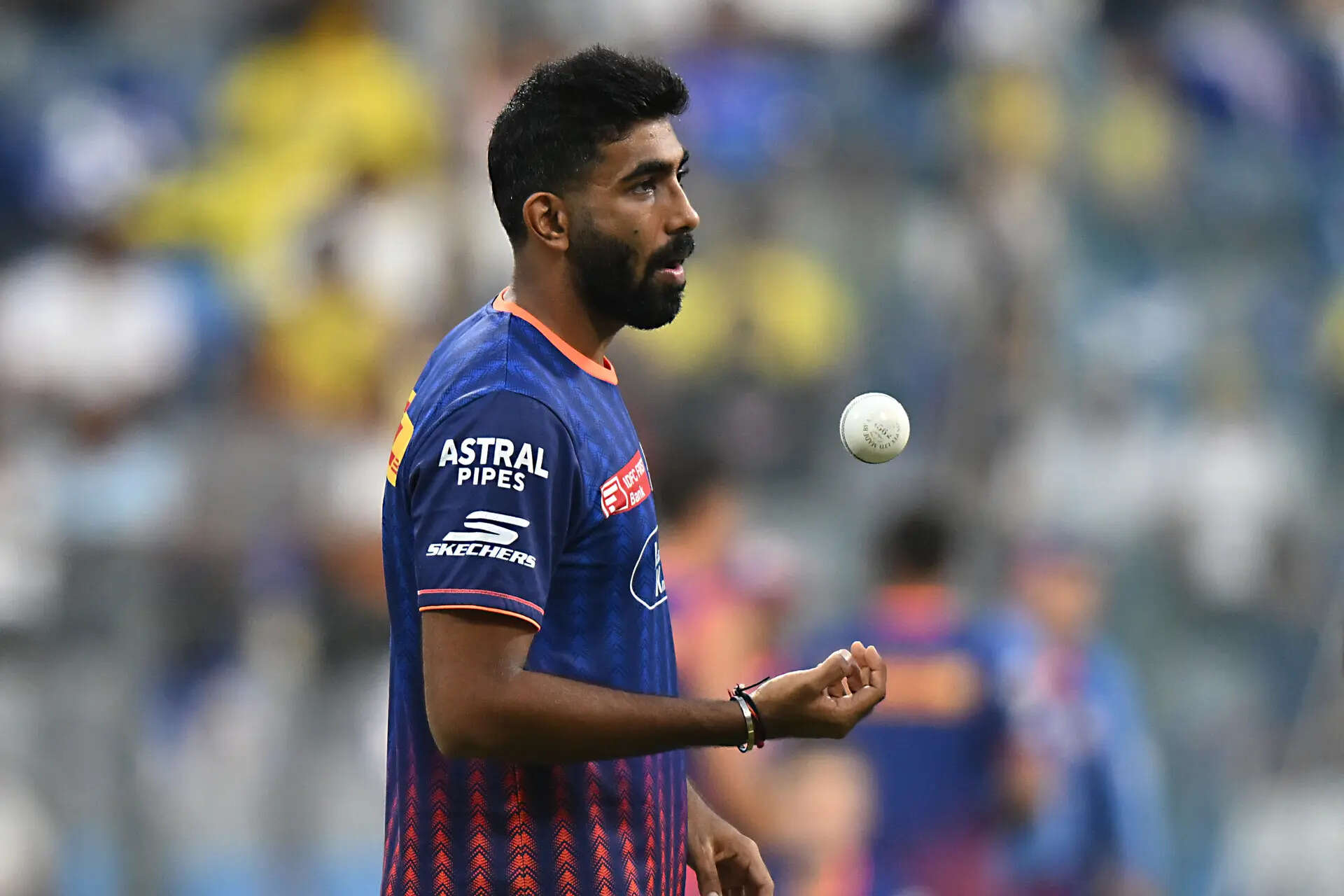
Jasprit Bumrah of Mumbai Indians warms up prior to the 2025 IPL match against the Chennai Super Kings. (Getty Images)

Mumbai Indians won titles in 2013 and 2015 but it was in 2016 that Bumrah hit his stride and never looked back. For every season since that year, he remained among the wicket-takers, and his season economy never touched the 8-run mark. Three more titles came in 2017, 2019 and 2020 with Bumrah playing the leading role. During those golden years for the IPL franchise, Bumrah became too valuable a property for national selectors to ignore. He was drafted into the white-ball setup and made his T20I and ODI debuts in Australia during the 2016 season. And then came the unexpected Test call when then head coach Ravi Shastri and captain Virat Kohli unleashed him with the red cherry against South Africa in South Africa in 2018. The transition to red ball cricket stood out for Wright and he still remembers the “fantastic spell” he bowled against England at Trent Bridge.“I remember watching India play when Bumrah first toured England with the Test team. I was watching it on television. I wasn’t at the match. But he would bowl a fantastic spell at Trent Bridge. And I thought, ‘Wow, that’s great.’ Because he’s made that transition from limited over cricket to Test cricket. I was in Derbyshire. I was doing some of the coaching work there. He had a great tour. Then he’d taken his game not only to the limited over level, but to the Test level. And that’s great. Because, you know, whoever was working with him and however he was thinking, I mean, he’s a very intelligent kid. And modest. And, you just feel happy for the guy that they’re doing well,” said Wright.

Jasprit Bumrah Getty

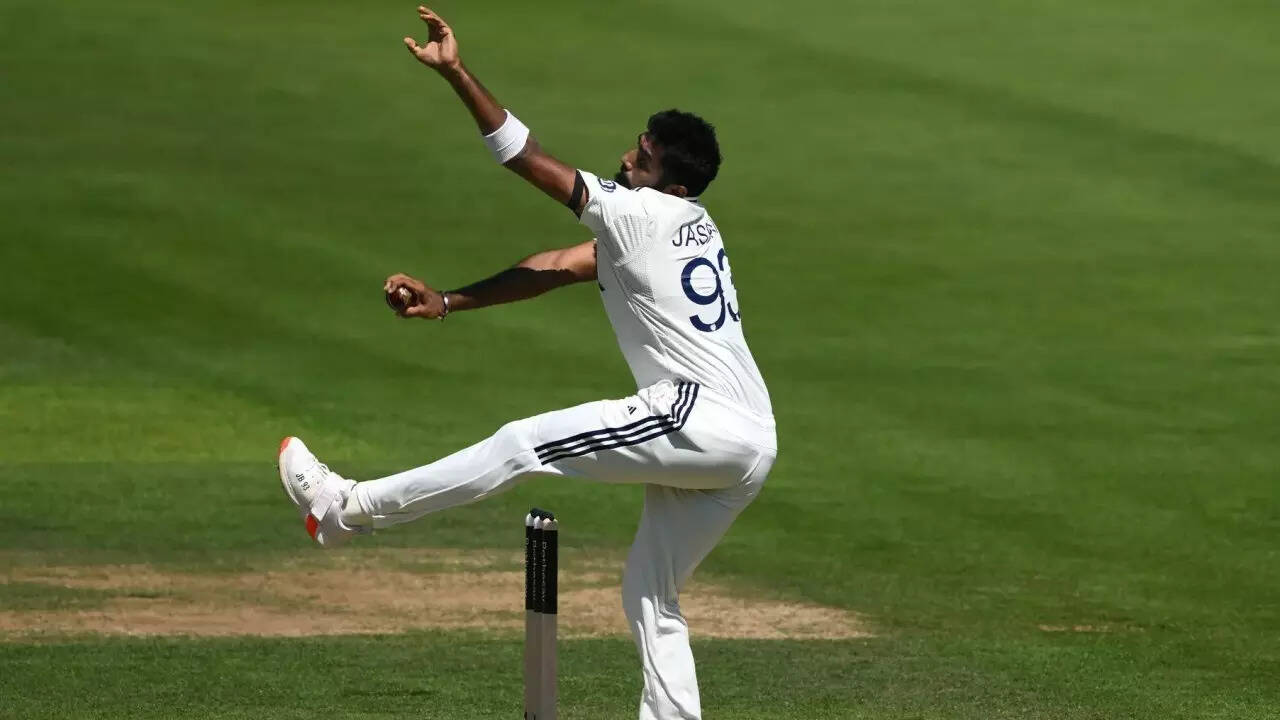
Jasprit Bumrah bowls on Day 2 of the third Test between England and India at Lord’s. (Getty Images)

In between those appearances across formats, and in the IPL, Bumrah battled back issues and he ultimately underwent surgery in March 2023. The critics, always skeptical of his ‘different’ bowling option and the load it puts on his back, had their swords out and wrote off a comeback. They said it was impossible, but Bumrah was not going to give up. He missed a lot of cricket after surgery but returned to have a brilliant 2023 ODi World Cup campaign, followed by the Border Gavaskar Trophy in Australia. The back issue resurfaced in the final Test in Sydney, forcing him to miss the Champions Trophy, but he returned again. The 2024 T20 World Cup win in the Caribbean followed. While others kept questioning and wondering, Bumrah slowly beefed up his trophy cabinet which now includes five IPL titles and one T20 World Cup. In his 234 appearances for the country across formats, the bowler with the “different action” has consistently made the difference. He had read and seen many opinions around him and his longevity but remained mum for most of the period. In the last few years, that has changed.

Bumrah-injury

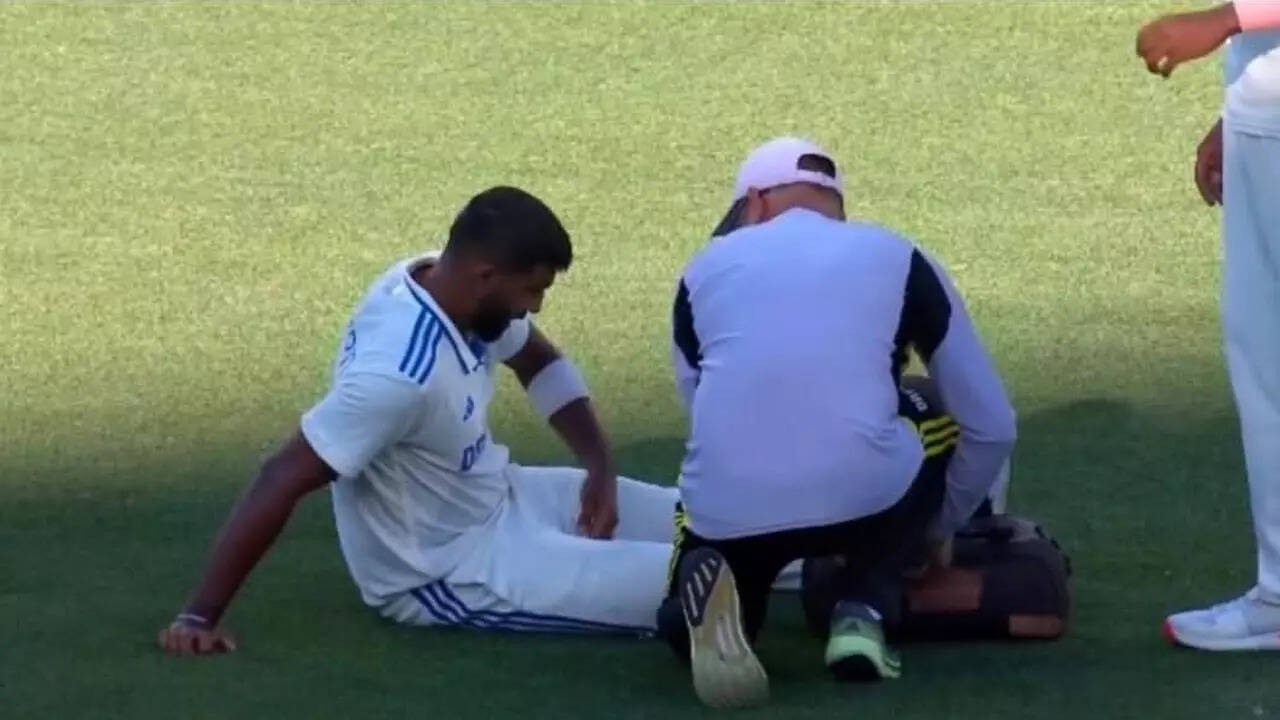
File photo of Jasprit Bumrah getting attention from a physio.

During a press-conference after he picked up a five-wicket haul against England in Leeds last year, Bumrah hit back at critics who gave him only six, or at max eight months.“They said I’d last only six months, then eight months. But playing and playing, I’m now close to completing ten years in international cricket. It’s been twelve or thirteen years that I’ve played in the IPL. Even now, people say the same things — ‘Now he’ll go, now he’ll retire.’ Let them keep waiting. I’m not thinking about all that. I’ll keep doing my work. Every three or four months, people say, ‘Now he’ll go, now he’ll go.’ Let’s see,” Bumrah had said.“I’ll keep playing for as long as God has written it for me. I prepare my best, and after that, I leave it up to God. With all the blessings He has given me, I try to carry them forward. I try to take Indian cricket forward too,” he added.

India West Indies T20 WCup Cricket

Jasprit Bumrah celebrates the wicket of Roston Chase during the T20 World Cup cricket match between India and West Indies in Kolkata. (AP)

In the ongoing T20 World Cup, he has been the team’s real impact bowler; Suryakumar Yadav has used him in different phases because he can ace any role to perfection. There are occasions when the scoreboard readings wouldn’t attract the praise and laurels but Bumrah operates on impact, and nobody does it better than him. More than ten years after that pleasant afternoon in Delhi, Bumrah has elevated his skill-set to dangerous levels. He remains a prized possession and a polished diamond that isn’t losing its shine. If you ask a precious stone nerd, he would immediately label Bumrah as a diamond of D colour and IF clarity. And this one isn’t lab-grown, it’s meticulously polished after years of grind.


Source link

Happy Holi 2026: 50+ Wishes, Messages, Quotes, Images, Facebook & WhatsApp Status To Share With Your Loved Ones


Happy Holi 2026: 50+ Wishes, Messages, Quotes, Images, Facebook & WhatsApp Status To Share With Your Loved Ones
Holi 2026 is here, falling on Wednesday, March 4th, promising a mid-week celebration of colors. The article provides a comprehensive guide to Holi wishes, messages, quotes, and status updates tailored for family, friends, and colleagues, ensuring everyone can share the festive spirit.

March is here, which means the sun is finally out with a vengeance, the heavy winter sweaters are permanently shoved deep into the bed boxes, and the local street markets look like a unicorn exploded. Yes, Holi 2026 is officially upon us. With Rangwali Holi falling on Wednesday, March 4th this year, we are practically staring down the barrel of an epic mid-week color fest.Think about it. By Tuesday night, after Holika Dahan, you’ve probably already mentally checked out of your job. You are busy curating the ultimate courtyard playlist. But there is one tiny, slightly exhausting ritual we all have to get through before the actual fun begins: The great morning message flood.

For The Family Group Chat (Keep It Respectful but Warm)

1. Wishing the best family in the world a Holi filled with sweet gujiyas, bright colors, and absolutely zero family drama! Have a wonderful day.

Happy Holi Quotes

2. May the festival of colors bring a ton of joy, excellent health, and endless laughter to our home. Happy Holi 2026, everyone!3. Sending the warmest Holi wishes to all my favorite people. Let’s make some incredible memories today (and please, someone save me a glass of thandai).4. Hope everyone’s day is as vibrant and loud as our family dinners. Happy Holi!5. To my amazing family: May the splash of colors bring an abundance of happiness into your lives. Have a safe and beautiful Holi today.6. Let’s forget all our small arguments and just focus on aiming water balloons at each other’s heads. Happy Holi, family!7. Wishing the elders good health and the kids an unlimited supply of water guns. Have a fantastic Holi!8. May Lord Krishna bless our home with peace, prosperity, and a whole lot of colorful chaos today.9. Happy Holi! Here is hoping the only thing permanent today is our happiness, and definitely not the pink color on our faces.10. Sending colorful hugs to all the aunties, uncles, and cousins. See you all soon with a plate full of sweets!For The Core Friends (The Completely Unfiltered Texts)Your actual friends do not want a poem from you. They want to know what time to show up, what the plan is, and they probably need a firm reminder to wear terrible clothes so they don’t ruin their good sneakers.11. Happy Holi! Reminder: If I can still recognize you by the end of the day, we honestly did not play hard enough.12. Wishing you a very Happy Holi! May your day be full of crazy dancing, terrible decisions, and absolutely no work emails.13. Get out of bed, oil your hair, put on your absolute worst t-shirt, and get over here right now. Happy Holi!14. Here is to a day of drinking way too much thandai and pretending we can actually dance. Let’s go!15. Happy Holi, guys. Let’s make a pact right now: no throwing permanent dye near my ears this year.16. To my favorite bunch of weirdos, let’s go make a massive, colorful mess today.17. May our friendship always remain as loud, chaotic, and brightly colored as today. Happy Holi!18. I bought extra water balloons specifically targeting you. Consider this your final warning. Happy Holi!19. Happy Holi! May your supply of gujiyas be endless and your hangover be completely non-existent tomorrow morning.20. Let the madness officially begin. See you in five minutes. Bring colors.For Colleagues and the Boss (HR-Approved and Safe)You cannot exactly joke about hangovers with the person who approves your leave requests. For your professional circle, you need messages that are crisp, polite, and universally appropriate. Keep the emojis to a minimum.21. Wishing you and your loved ones a very happy and prosperous Holi. Have a wonderful mid-week break!22. Happy Holi 2026! May this beautiful festival of colors bring massive success, joy, and peace to your life.23. Sending my warmest greetings to you and your family on the occasion of Holi. Have a safe and joyful celebration today.24. Wishing you a colorful and relaxing Holi. Look forward to catching up when we are back in the office!25. May the vibrant colors of Holi bring fresh energy and success to all your future projects. Happy Holi!26. Hope you get to spend some quality downtime with your family today. Wishing you a very Happy Holi!27. Happy Holi! May this festive season bring good health and prosperity to your home.28. Wishing you a bright, happy, and incredibly safe Holi.29. Warm greetings on the festival of colors! Hope your day is filled with joy and sweet treats.30. Happy Holi! Wishing you a fantastic holiday and a great celebration with your loved ones.Short Quotes (For When You Want to Sound a Little Deep)31. “Let the colors of Holi spread the message of peace and massive joy.”32. “Life is exactly like a canvas. Today is the day to throw all the paint at it.”33. “Forget the worries, remember the colors. Happy Holi 2026.”34. “Spring is nature’s way of saying, ‘Let’s party!’ Happy Holi.”35. “Dive into the colors and let your inner child completely take over today.”36. “May the canvas of your life always be painted with the brightest colors of love.”37. “Good vibes. Great sweets. Bright colors. That is the only Holi agenda.”38. “A day to forgive, forget, and throw a water balloon at someone’s head.”39. “Soaking in the vibrant spirit of spring today. Happy Holi.”40. “Keep calm and just play Holi.”Facebook & WhatsApp Status Ideas (Let Them Know You Are Busy)You are not going to manually reply to every single message. It’s impossible. Plus, half the time today, your phone is going to be zipped tightly inside a waterproof plastic pouch anyway. The best strategy? Put up a killer WhatsApp or Facebook status early in the morning, wish everyone at once, and then ignore your phone for the next six hours.41. Status: Out of office. Covered in pink gulal. Will reply tomorrow. Happy Holi, everyone! 🎨42. Status: Currently accepting all deliveries of gujiyas, namak pare, and thandai. Happy Holi!43. Status: If you need me today, don’t. I am busy fighting a brutal water balloon war. Happy Holi 2026! 💦44. Status: Wishing all my friends and family a beautifully messy and loud Holi today. Stay safe and eat up!45. Status: My only goal for today is to eat my body weight in festival sweets. Happy Holi!46. Status: A very Happy Holi to everyone celebrating! May your day be as colorful as my ruined white t-shirt.47. Status: Radiating pure joy and a lot of neon green color right now. Have a great Holi, guys!48. Status: Keep the colors organic and the thandai flowing. Happy Holi!49. Status: Sending a virtual splash of colors to everyone who couldn’t be here today. Miss you all. Happy Holi!50. Status: Holi mode: ON. See you on the other side.

Holi 2025 wishes

The Final Word Before the Madness Begins

The emails will be there tomorrow. The WhatsApp messages will still be unread tomorrow. But this specific, chaotic, colorful energy only comes around once a year. Have a brilliant, safe, and ridiculously fun Holi 2026!


Source link

Fruit Exporters: Iran conflict: Fruit, vegetable exporters stare at uncertain times


Iran conflict: Fruit, vegetable exporters stare at uncertain times

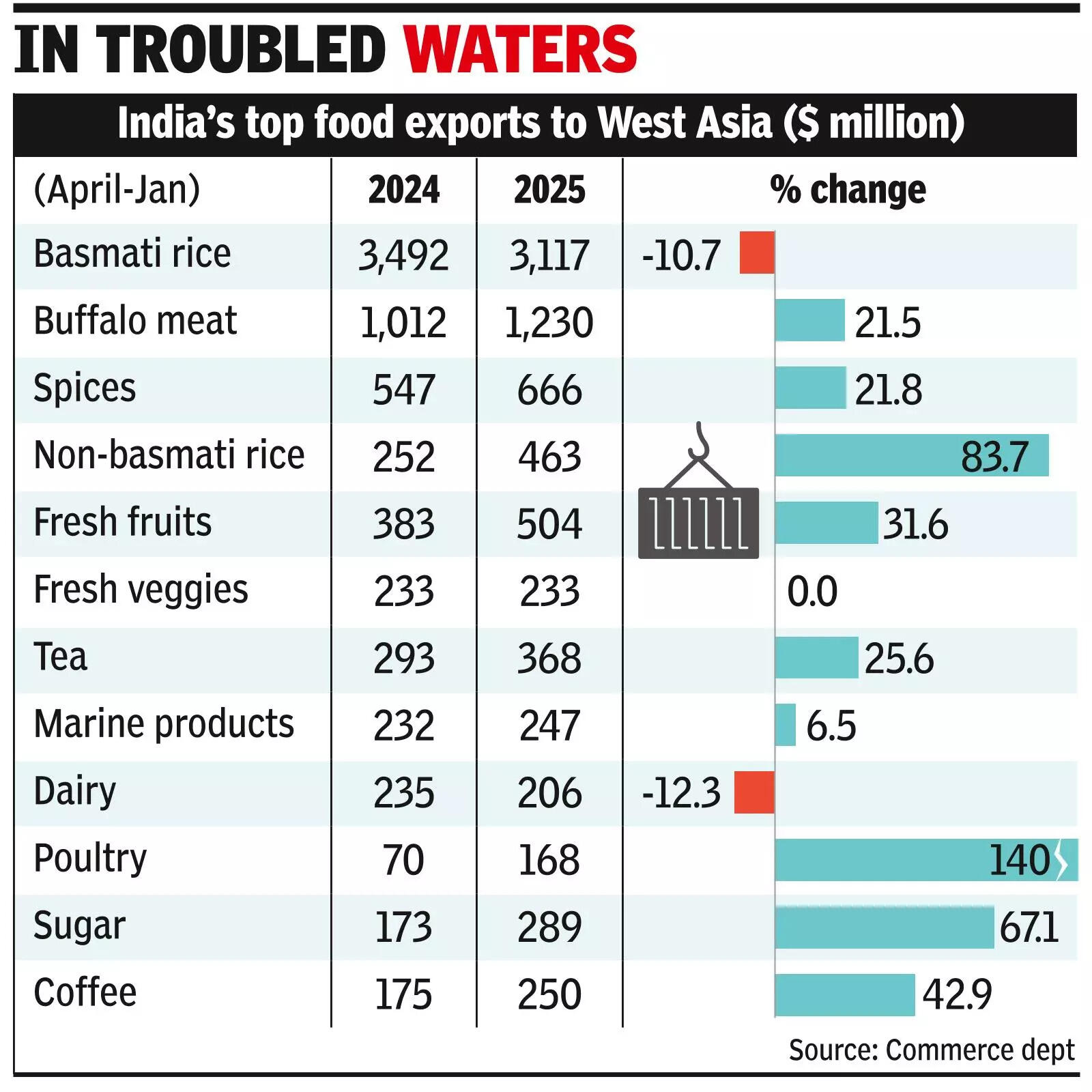
NEW DELHI: Ramzan and Easter are important dates in the calendars of several fruits and vegetables exporters to West Asia and Europe. Some of them, in fact, source seeds and grow vegetables meant specially for Europe as Jan to April is lean season for cultivation there.“We were ready with our consignments of onions for Europe, but now we have to deal with higher freight, longer sail times of 40-45 days (instead of 20-25 days) and a lot of uncertainty. Even transshipment hubs have been hit,” said Danesh Shah, a Pune-based fruits and vegetables exporter, who had booked large orders from West Asia and Europe.While Shah is looking to offload stocks of bananas meant for the Gulf markets at a discount, he fears that a lot of onions will be wasted.Kushal Thakkar of Kay Bee Exports has reduced spot purchases as goods in transit are affected and air freight is either too expensive or unavailable. Thakkar exports to supermarkets in the UK and UAE and his list includes fresh vegetables, ranging from okra and lauki to baby corn.

Fruit, vegetable exporters stare at uncertain times

Most exporters are complaining of hefty freight rates, wherever space is available. Airlines are charging a significant premium – 30-40% – for goods going to Europe. Their bargaining power has gone up as airports in West Asia, which accounted for nearly half the traffic to Europe, are shut.Sending goods by sea is also expensive. Indian Rice Exporter’s Federation vice-president Dev Garg said that a 20-feet container to Saudi Arabia is seeing costs skyrocket to $2,600 in 48 hours as shipping lines, such as Maersk and MSC imposed a war surcharge of $2,000. “There is a 20% increase even for Africa as availability of vessels is not there and shipping lines are unwilling to place orders,” he said.The industry body has advised its members to either call back cargo meant for Iran and UAE or reroute it to other ports, including in Europe or the US. Besides, wherever goods have reached their destinations, members are being advised to ask buyers to share the cost and going forward, book cargo on free-on-board basis, given the uncertainty in freight and insurance charges. One estimate suggested that there is 4 lakh tonnes of rice in transit at the moment.Thakkar said that there are buyers in Europe who are willing to pay a premium for food and his company has loaded cargo but added that uncertainty is not something that augurs well with global retailers.


Source link

Advanced Light Helicopters: MoD signs Rs 2,900 crore contract with HAL for 6 ALH choppers, inks Rs 2,182 crore deal with Russia for ship missiles


MoD signs Rs 2,900 crore contract with HAL for 6 ALH choppers, inks Rs 2,182 crore deal with Russia for  ship missiles

NEW DELHI: In a big boost for the Navy and Indian Coast Guard, the defence ministry on Tuesday signed contracts worth Rs 5,083 crore for the acquisition of six Advanced Light Helicopters (ALH) Mk-III (maritime role) for the Coast Guard and surface-to-air vertical launch-Shtil missiles for the Navy.While the contract for ALH Mk-III (MR) was signed with Hindustan Aeronautics Ltd (HAL) for Rs 2,901 crore, the deal for procurement of Shtil missiles worth Rs 2,182 crore has been signed with Russia’s JSC Rosoboronexport. The two contracts were inked in the presence of defence secretary Rajesh Kumar Singh in New Delhi. The missile contract underscores the longstanding and time-tested defence partnership between India and Russia, founded on mutual trust and strategic alignment.The contract for ALH Mk-III (MR) with HAL has been signed under the ‘Buy’ (Indian-indigenously designed, developed and manufactured) category. These twin-engine helicopters incorporate state-of-the-art features superior to the currently operated airborne platforms and are capable of undertaking a wide spectrum of maritime security missions from shore-based airfields as well as from ships at sea. Their induction will significantly enhance the Indian Coast Guard’s capability to protect artificial islands, offshore installations, and fishermen & marine environment, a ministry release said.The ALH contract, which comes with operational role equipment, an engineering support package and performance-based logistics support, reinforces the govt’s commitment to Aatmanirbhar Bharat and Make-in-India initiative.Shtil is a Russian-origin naval surface-to-air missile system designed for area air defence on warships. The advanced Shtil-1 variant is used by the Indian Navy on its Shivalik-class and Talwar-class frigates, featuring vertical launch systems with a range of up to 70 km. The acquisition is intended to substantially enhance the air defence capabilities of frontline warships against a wide spectrum of aerial threats. The missile provides all-weather, omnidirectional protection for ships against aircraft, helicopters and anti-ship missiles. Its key features include vertical launch capability, rapid reaction times, a 2–3 second launch interval and the ability to engage multiple targets simultaneously.


Source link

Pahalgam Terror Attack: GoPro trail in Pahalgam terror attack leads to Chinese city, court allows NIA to seek Beijing help | India News


GoPro trail in Pahalgam terror attack leads to Chinese city, court allows NIA to seek Beijing help

JAMMU: Fifteen months before Lashkar-e-Taiba terrorists killed 25 tourists and a Kashmiri pony handler at Baisaran in J&K’s Pahalgam on April 22 last year, a GoPro action camera now in NIA custody as a “crucial” piece of reconnaissance evidence was first activated in China’s Dongguan, investigators told a Jammu court this week.The special court allowed Monday NIA’s plea for a “letter rogatory” – legalese for a formal request from one country to another for judicial assistance – to be sent to the Chinese govt through the ministry of external affairs to help trace who bought the device and how it ended up in the hands of a terror module operating in J&K.The home ministry has already cleared the request submitted by NIA DIG Sandeep Choudhary.The GoPro Hero 12 Black camera, bearing serial number C3501325471706, is among several electronic devices and other items seized during the investigation into the terrorist attack targeting tourists in one of J&K’s more popular destinations.NIA told the special judge that finding out who procured and activated the camera in China was integral to establishing pre-attack reconnaissance, movement patterns and operational preparedness of the Pakistan-backed terrorists.The agency previously issued notice to manufacturer GoPro BV, seeking details of the specific camera’s distribution chain and activation.GoPro’s response revealed that the camera was supplied to AE Group International Ltd, a distributor based in China, and activated in Dongguan – an industrial hub in central Guangdong province – on Jan 30, 2024. The manufacturer informed NIA that it didn’t hold downstream transaction records or end-user details, making Chinese authorities the only route to identifying the buyer.Since India and China don’t have a bilateral mutual legal assistance treaty, the request will be routed through the United Nations Convention against Transnational Organised Crime, which both countries have ratified.The court acknowledged that the information sought by NIA was “very important in establishing the chain of custody, user attribution and evidentiary linkage of the camera to the wider conspiracy”. It directed the investigating officer to upload the request with Chinese translations on the mutual legal assistance portal and send copies through CBI’s international police cooperation unit in Delhi for forwarding to China through diplomatic channels.


Source link

Apple launches MacBook Pro With M5 Pro and M5 Max chips: Up to 4x faster AI, starts at Rs 2,49,900 in India


Apple launches MacBook Pro With M5 Pro and M5 Max chips: Up to 4x faster AI, starts at Rs 2,49,900 in India
Apple’s new MacBook Pro with M5 Pro and M5 Max chips delivers up to 4x faster AI performance over the previous generation, with Neural Accelerators baked into every GPU core. Storage starts at 1TB for M5 Pro and 2TB for M5 Max, with SSD speeds doubling to 14.5GB/s. India pricing begins at Rs 2,49,900, with pre-orders opening March 4 and availability from March 11.

Apple has officially taken the wraps off the new MacBook Pro lineup powered by the M5 Pro and M5 Max chips, and the upgrades this time are heavily tilted towards on-device AI. Pre-orders open tomorrow, March 4, with units shipping from March 11.The headline number: up to 4x faster AI performance compared to last year’s M4 Pro and M4 Max models. That jumps to 8x when compared against the M1 generation. In practical terms, Apple says LLMs will run significantly faster locally—so tools like LM Studio should feel noticeably snappier on the new hardware.Both chips are built on what Apple calls Fusion Architecture, combining two dies into a single system on a chip. The CPU now packs up to 18 cores, including six “super cores” that Apple claims deliver the world’s fastest single-core CPU performance. The GPU gets Neural Accelerators baked into each core, which is where much of the AI grunt comes from.

What’s actually new beyond the chips

Storage gets a meaningful bump. The M5 Pro model now starts at 1TB (up from 512GB previously), while the M5 Max starts at 2TB. SSD speeds have doubled too, topping out at 14.5GB/s—handy for anyone juggling 8K timelines or large AI datasets.There’s also the N1 chip, Apple’s own wireless networking silicon, bringing Wi-Fi 7 and Bluetooth 6 to the MacBook Pro for the first time. Battery life holds steady at up to 24 hours on the 16-inch model.

How much does the new MacBook Pros cost in Inda

The 14-inch MacBook Pro with M5 Pro starts at Rs 2,49,900 (Rs 2,32,900 for education). The 16-inch M5 Pro variant begins at Rs 2,99,900. If you want the M5 Max, the 14-inch starts at Rs 3,99,900 and the 16-inch at Rs 4,29,900.The entry-level 14-inch MacBook Pro with the standard M5 chip also gets a storage upgrade to 1TB and starts at Rs 1,89,900.Both finishes—space black and silver—are available across all configurations for . Pre-orders go live on Apple Store app starting March 4.​​​​​​​​​​​​​​​​


Source link

‘Oil price will reach $200 a barrel’: Iran warns against more US-Israel strikes, says will target all ‘economic centres’ in Middle East


'Oil price will reach $200 a barrel': Iran warns against more US-Israel strikes, says will target all ‘economic centres' in Middle East

Iran has warned that continued US-Israeli attacks will trigger retaliation against “all economic centres” across the Middle East, while signalling further disruption to global energy supplies.Islamic Revolutionary Guard Corps (IRGC) general Ebrahim Jabbari said Tehran would escalate its response if its “main centres” were targeted. “We are saying to the enemy that if it decides to hit our main centres, we will hit all economic centres in the region,” Jabbari was quoted as saying by Iranian news agency ISNA, according to Al Jazeera.Jabbari also said, “We have closed the Strait of Hormuz. Currently, the price of oil is above $80 and will soon reach $200.”Brent crude rose above $85 a barrel for the first time since July 2024 amid concerns over supply disruptions.The Strait of Hormuz is a key global energy corridor, handling roughly one-fifth of the world’s traded oil and significant volumes of liquefied natural gas exports from Qatar, the United Arab Emirates and other Gulf countries. Around 20 per cent of global daily oil consumption, approximately 20 million barrels, passes through the narrow passage.Any prolonged disruption in the Strait could have significant implications for global energy markets, shipping routes and oil-importing economies, as tensions between Iran, the United States and Israel continue to escalate. It comes after US-Israel carried out joint operations in Iran early Saturday across Iran, including Tehran, in which Iran’s supreme leader Ali Khamenei was also killed. Tehran in response has retaliated with indiscriminate strikes across the region, trageting not just Israel, US bases and military facilities but also multiple iconic sites and critical econoimic hubs from oil refinaries to production facilities.


Source link

Why China’s Support for Iran is More Rhetorical Than Real | World News


China’s 'ice-cold' calculus: Why Tehran can’t count on Beijing
Despite Iran’s critical economic reliance on China, Beijing’s response to strikes on its leader was limited to verbal condemnation and calls for de-escalation. China prioritizes its broader economic interests and balanced regional ties over defending Tehran militarily, demonstrating a strategic calculus that favors diplomacy and deniability over direct intervention or security guarantees.

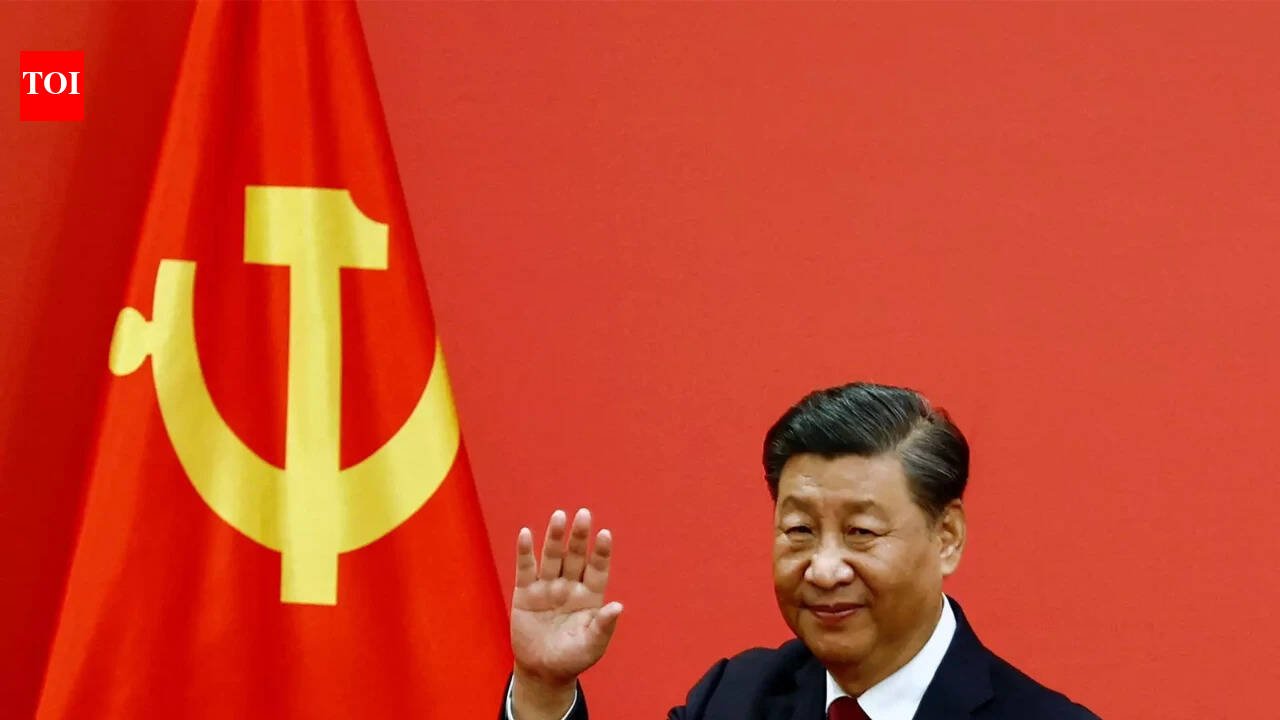
When American and Israeli strikes killed Iran’s supreme leader Ayatollah Ali Khamenei, Beijing responded with ritual condemnation. Chinese officials denounced violations of sovereignty. State media warned against escalation. The foreign ministry urged restraint and called for stability in the Strait of Hormuz.But what China did not do was more telling. It did not mobilize. It did not airlift weapons. It did not pledge security guarantees. It did not threaten retaliation.Driving the newsChina is Iran’s single most important economic backer – yet Beijing is showing few signs it will materially defend Tehran after US and Israeli strikes escalated into a wider regional war.Beijing has condemned the attacks and called for de-escalation. But it has largely stayed inside a familiar lane: Statements, diplomatic calls, and warnings about spillover risks like the Strait of Hormuz.That restraint is striking because China is widely seen as Iran’s great-power hedge against US pressure – a perception reinforced by years of discounted oil sales, sanctions workarounds and frequent talk of “strategic partnership.”

Some of President Donald Trump’s boosters in America have depicted Khamenei’s death as a devastating blow not just for the Islamic Republic but for China itself. These hot takes assume that China has been humbled.

An article in the Economist

Why it mattersThe gap between how important Iran is to China and how important China is to Iran has never been clearer – and it explains why Beijing’s support is likely to remain more rhetorical than real.Iran needs China: China is Tehran’s economic lifeline under sanctions, buying the overwhelming bulk of Iran’s oil exports and helping keep cash flowing. That trade is the core of the relationship.China can live without Iran: As per a Bloomberg report, Iran is meaningful to China’s energy mix but not indispensable. Iranian crude makes up about 13% of China’s seaborne oil intake – significant, but not irreplaceable in a global market where Beijing can shift purchases among multiple suppliers.The relationship is asymmetric in trade, investment, and risk toleranceAccording to the Center for Strategic and International Studies, Iran represents less than 1% of commerce for the world’s second-largest economy. That imbalance shapes Beijing’s instincts: it can condemn strikes, keep buying some oil, and still avoid betting its broader economic interests on Tehran’s survival.This is the strategic heart of it: Iran is a lever for China, not a pillar – and Beijing doesn’t typically go to war for levers.Ice-cold calculus: The Economist has described China’s approach as “ice-cold calculus.” Beijing is less alarmed by an airstrike that kills a leader than by mass protests that threaten regime collapse. Internal upheaval carries contagion risk. External strikes can be condemned at low cost.The big pictureAccording to Evan A Feigenbaum, Western commentary often describes China-Iran ties in alliance-like language. But Beijing’s Middle East strategy is built on balance, not bloc politics.China has pursued what analysts call a dual-track approach: Keeping channels open to Iran while simultaneously deepening ties with Iran’s regional rivals and economic heavyweights, including Saudi Arabia and the UAE.That posture helps Beijing do three things at once:1. Present itself as a Global South champion challenging US dominance;2. Protect its business footprint across the Gulf; and3. Avoid entanglement in conflicts that don’t touch its first-order security priorities.This is why China leaned into the 2023 Iran-Saudi detente: It gained diplomatic prestige without inheriting a defense obligation. It also allowed Beijing to signal that it can broker deals where Washington struggles – a branding win, not a binding commitment.She Gangzheng, a professor at Tsinghua University, summed up the logic bluntly: Military support for Iran is “not the way that China does things in the region.”Zoom in: Money talks – but it doesn’t saluteEven China’s economic relationship with Iran is less robust than the rhetoric suggests.Start with the headline promise: in 2021, Chinese foreign minister Wang Yi signed a 25-year cooperation agreement in Tehran that reportedly envisioned up to $400 billion in Chinese investment.Now compare the follow-through: Bloomberg cites estimates that only $2 billion to $3 billion has been confirmed since then – a rounding error versus what China has committed to the UAE or Saudi Arabia. China’s official data show its foreign direct investment stock in Iran totaled $4.5 billion by end-2024, compared with $9.5 billion in the UAE. The American Enterprise Institute’s China Global Investment Tracker places cumulative Chinese investment in Iran at $4.7 billion since 2005, concentrated mainly in energy and metals – versus $15.7 billion in Saudi Arabia across energy, tech, metals and entertainment.The implication is uncomfortable for Tehran: Even when the geopolitics are hot, the capital flows are lukewarm.Iranian officials have voiced that frustration. In 2023, then-president Ebrahim Raisi said there had been a “serious regression” in the relationship and that economic ties had been unsatisfactory. Another Iranian trade official said Russia had overtaken China as Iran’s biggest foreign investor.Beijing’s restraint also shows up in corporate behavior. Esfandyar Batmanghelidj, chief executive of the Bourse & Bazaar Foundation, said: “Chinese companies have a very limited footprint in Iran relative to other countries in the region.” He added: “Major Chinese firms have steered clear of Iran due to secondary sanctions risks.”So even where China is economically present, it is present in ways that limit exposure: Oil buying and selective trade are easier to sustain under risk than a deep, visible investment surge that would make major Chinese firms hostage to sanctions and war.This is the pattern: China will take discounted barrels, but it won’t take on Iran’s battlefield liabilities.Between the linesChina is unlikely to “rally” behind Iran in the way many observers imagine.1) Beijing avoids binding security obligations by designEvan A Feigenbaum argues that describing China’s policy as alliance-based “misses the point.” China may imitate some tools of US power – sanctions, security cooperation, training – but it has not copied the US model of defense commitments for partners.Feigenbaum’s key warning is conceptual: Western analysts “expect China to behave like the United States-and then when China does not behave like the United States, they conclude that it is a strategic failure rather than a deliberate choice.”That misread turns into surprise every time a partner expects a rescue that never comes.Nicholas Burns put the critique sharply: “China,” he concludes, “is proving to be a feckless friend for its authoritarian allies.” Feigenbaum’s reply is essentially: Beijing never promised to be Washington.2) China’s Middle East posture depends on keeping ties with Iran’s rivalsBloomberg analysts stress that Beijing’s broader strategy depends on balancing Iran against relationships with Sunni Gulf states and – historically – Israel.Yang Zi, research fellow at the S Rajaratnam School of International Studies, captures the constraint: “It’s hard to say China is a major arms supplier to Iran, but it does supply dual-use tech.” And: “China is limited by sanctions as well as considerations over its ties with Sunni Gulf states and Israel.”Overtly arming Iran would be the opposite of balancing: it would force Gulf capitals to treat China as a partisan actor, threatening the very market access Beijing has spent years buying with trade, infrastructure and technology.3) Beijing’s prefers “help” comes with deniability – not flagsIf China does anything beyond diplomacy, it is more likely to be in the dual-use gray zone.Beijing officially stopped selling weapons to Iran in 2005. There have been reports of air-defense systems or missile propellant ingredients reaching Iran, but neither side has publicly confirmed them. After President Donald Trump’s strike, China’s foreign ministry rejected an account that it was poised to arm Iran with supersonic anti-ship missiles as “not true.”What’s nextBeijing’s most likely course is a continuation of current policy: Emphasis on trade and diplomacy, not security guarantees.Expect China to:* Keep buying Iranian oil if flows continue (especially via discounted, hard-to-trace channels);* Intensify calls for restraint and protection of shipping lanes;* Position itself as a “voice of stability” while privately hedging for multiple outcomes in Tehran;* Avoid visible arms transfers that could rupture Gulf ties or blow up the Trump-Xi agenda;* Engage pragmatically with whoever holds power in Iran next.The bottom lineBeijing is not abandoning Tehran. It is simply refusing to fight for it.China will likely keep doing what it does best in crises: condemn, call for restraint, protect its economic interests, and stay flexible.(With inputs from agencies)


Source link