Breaking News
Srikanth Bolla: “I lack eyesight, but not vision”: How Srikanth Bolla turned rejection into a revolution in entrepreneurship |

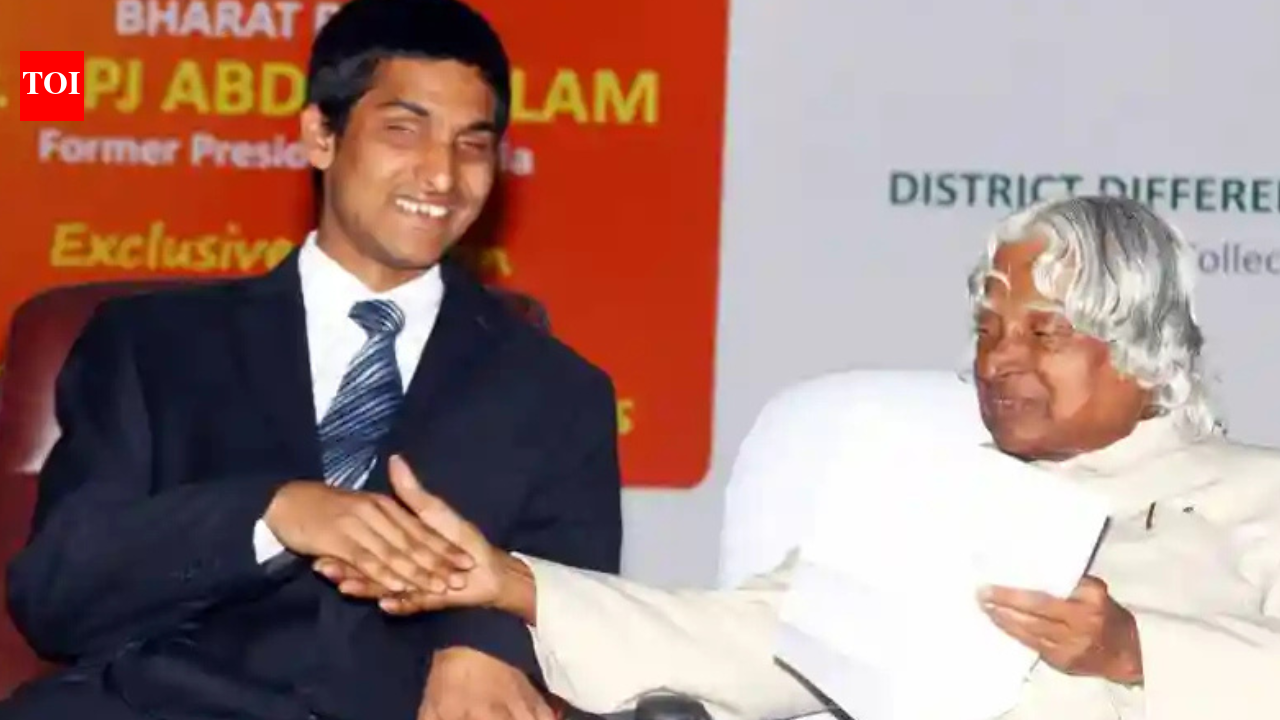
“I lack eyesight, but not vision”: How Srikanth Bolla turned rejection into a revolution in entrepreneurship

In a small village in Andhra Pradesh, Srikanth Bolla entered the world under circumstances that many around him viewed with sympathy rather than hope. Born visually impaired, his future seemed predetermined in the eyes of society. In rural India at the time, disability was often misunderstood, seen less as a condition requiring support and more as a boundary that defined a person’s entire life. Expectations arrived early, and they were painfully small. Yet within his home, a different belief quietly took root. His parents, despite limited resources, refused to accept that their son’s life should be confined by social assumptions. Education became their act of resistance. They encouraged curiosity, independence, and dignity, planting in Srikanth a conviction that ability could not be measured by sight alone. Scroll down to read more.

When the education system said no

The school itself was not an easy beginning. Classrooms were not designed for students who learned differently. Textbooks were inaccessible, teaching methods rigid, and acceptance conditional. Every academic step required negotiation, convincing institutions that he deserved a place in spaces rarely built with inclusion in mind.
2

The real turning point came after Class 10, when Srikanth expressed a desire to study science. Authorities rejected his request, arguing that a visually impaired student could not manage scientific subjects. The decision reflected a broader mindset: ambition, for someone like him, was expected to remain modest. For Srikanth, however, the refusal felt less like an end and more like a challenge.

Fighting for the right to learn science

Instead of accepting the decision, he fought it legally, an extraordinary step for a teenager facing institutional resistance. The case was not simply about choosing a subject; it questioned whether opportunity itself could be restricted by disability. When he won, becoming one of the first visually impaired students in India allowed to pursue science at the higher secondary level, the victory carried symbolic weight. It proved that barriers often exist not because something is impossible, but because systems have never been forced to adapt.Studying science required immense effort. Diagrams had to be explained verbally, lessons converted into audio formats, and concepts memorised through repetition and imagination. Yet the struggle strengthened his confidence. Achievement felt earned, not granted.

A door closes in India; another opens at MIT
3

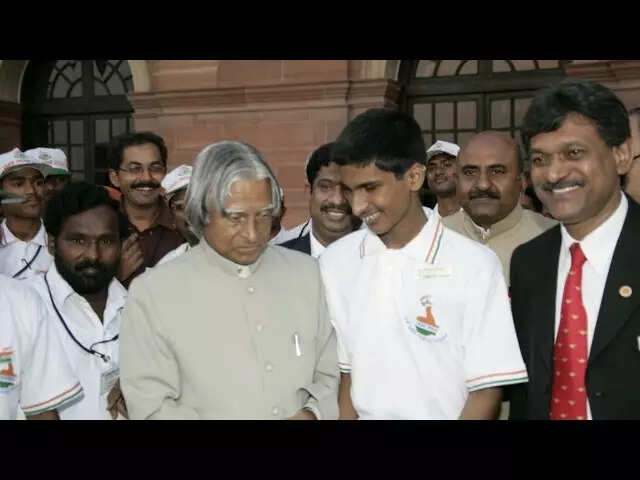
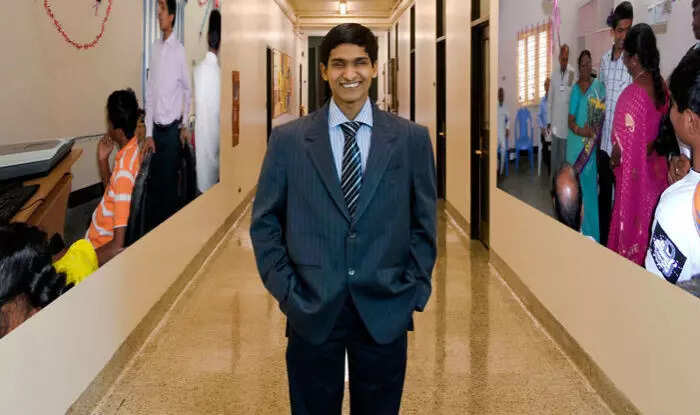
Despite academic success, another setback followed. India’s top engineering institutions declined admission, once again citing his disability. Years of hard work seemed overshadowed by familiar doubt. But rejection, as Srikanth would later realise, sometimes redirects rather than stops a journey.He was accepted into the Massachusetts Institute of Technology (MIT), becoming the first international blind student to study there. At MIT, the environment felt different. Accessibility was seen as innovation, not inconvenience. For the first time, he experienced a system that focused on possibility rather than limitation. Exposure to global ideas reshaped his ambitions. Education was no longer just personal progress; it could become a means to change how society itself functioned.

Discovering purpose beyond personal success

At MIT, entrepreneurship began to feel like a powerful language of change. Srikanth recognised that businesses could challenge social inequalities more effectively than charity alone. Instead of waiting for opportunities to be created for people with disabilities, he imagined building platforms that generated those opportunities directly.
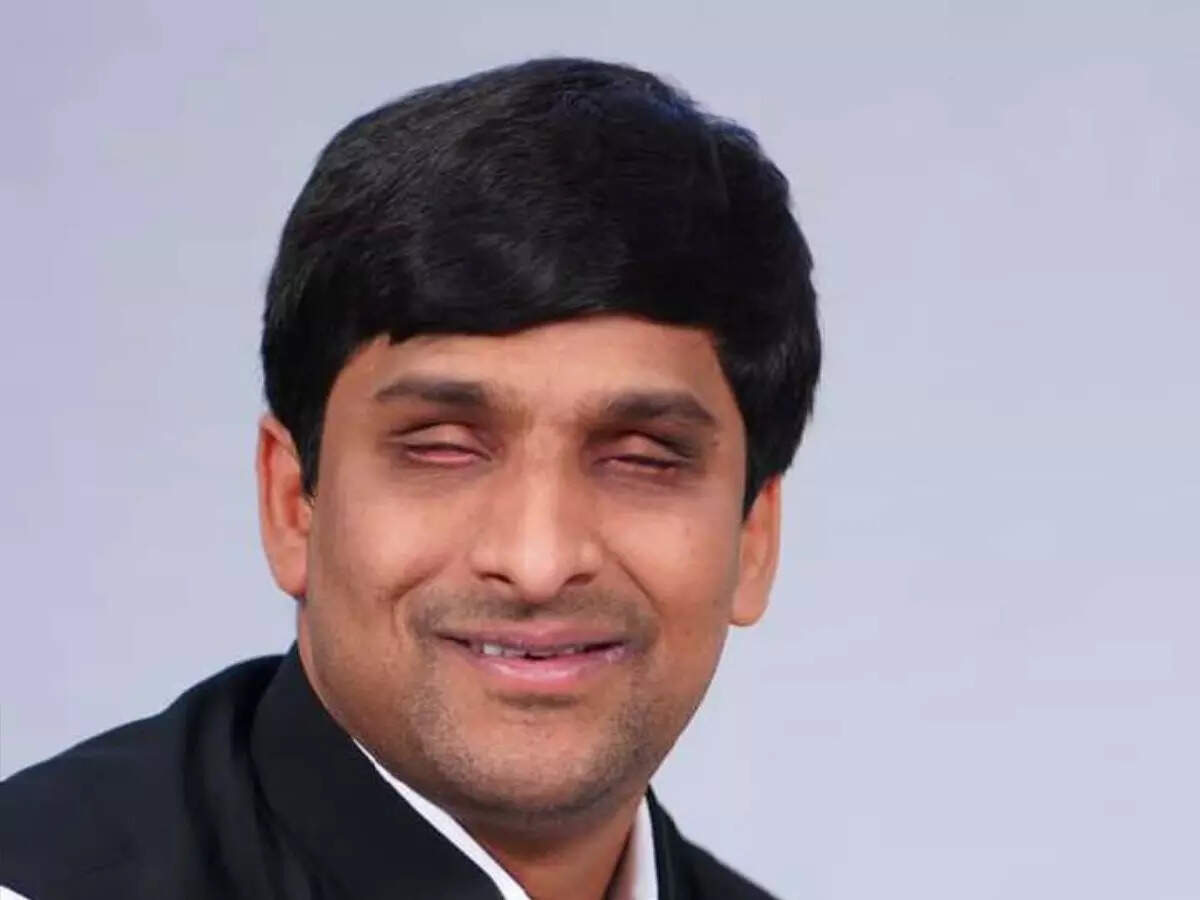
Srikanth Bolla

Srikanth Bolla is a distinguished Indian entrepreneur, serving as the Chief Executive Officer, co-founder, and Chairman of Bollant Industries Private Limited.

This idea stayed with him as he prepared to return to India. Many expected him to pursue a comfortable career abroad, but Srikanth chose a more uncertain path, one rooted in purpose rather than security.

Returning home to build something meaningful

Back in India, he founded Bollant Industries, a company focused on manufacturing eco-friendly packaging products. The business model combined sustainability with social inclusion, employing people with disabilities and individuals from marginalised communities.The concept was ambitious and unconventional. Investors were hesitant, unsure whether a socially driven enterprise could remain commercially viable. Srikanth faced scepticism repeatedly, not only about the business but also about his ability to lead it. Yet persistence slowly replaced doubt. With mentorship and determination, the company began producing areca leaf packaging and recycled products, aligning environmental responsibility with economic empowerment.

Entrepreneurship with inclusion at its core

4

What made Bollant Industries unique was its philosophy. Employees were not hired out of sympathy but for their capability. Workspaces were adapted to ensure accessibility, allowing individuals long excluded from employment to contribute meaningfully.For many workers, the job represented more than income. It restored dignity, the simple but powerful recognition of being valued for skill rather than limitation. Srikanth often emphasised that inclusion should never be mistaken for charity; it is an investment in human potential.

Turning opportunity into dignity for others

As the company grew, so did its impact. Recognition arrived from national and international platforms, and investments helped expand operations. Yet Srikanth’s focus remained consistent: building systems where opportunity became normal rather than exceptional.His journey challenged deeply rooted assumptions about disability in the workplace. By demonstrating that inclusive businesses could thrive financially, he reframed inclusion as smart entrepreneurship rather than social obligation.

Redefining what success looks like

In interviews and public talks, Srikanth often repeats a line that has come to define his philosophy: “I lack eyesight, but not vision.” The statement captures more than resilience. It reflects clarity, the understanding that vision is not physical sight but the ability to imagine change and pursue it relentlessly. His success does not rest solely on personal achievement but on reshaping conversations around ability, education, and employment in India. Through his journey, many began to realise that barriers often exist in perception long before they exist in reality.

Vision beyond sight

Srikanth OTT Release

Here’s all you need to know about Srikanth’s OTT release. From platform to date, know when you can watch Srikanth Bolla biopic starring Rajkummar Rao online.

Today, Srikanth Bolla stands as both an entrepreneur and changemaker, representing a new narrative of possibility. His life demonstrates that resilience is rarely dramatic; it is built quietly through repeated decisions to continue despite rejection. What began as a struggle for education evolved into a broader mission, creating spaces that symbolise opportunity, where others would not have to fight the same battles alone but instead find pathways opening before them. His extraordinary journey has also reached popular culture, inspiring a biographical film Srikanth, starring Rajkummar Rao, which brought his story of determination and inclusion to a wider audience, introducing many to the vision behind his success.

A story larger than one individual

Ultimately, Srikanth’s journey is not just about overcoming blindness. It is about refusing to inherit a smaller future defined by others. Through determination, innovation, and empathy, he transformed rejection into purpose and entrepreneurship into social change. His story reminds us that true vision begins not with what we see, but with what we believe is possible and the courage to build it, even when the world cannot yet imagine it alongside us.


Source link

‘I am kattar imaandaar’: Arvind Kejriwal breaks down after clean chit in Delhi excise policy case | India News


'I am kattar imaandaar': Arvind Kejriwal breaks down after clean chit in Delhi excise policy case

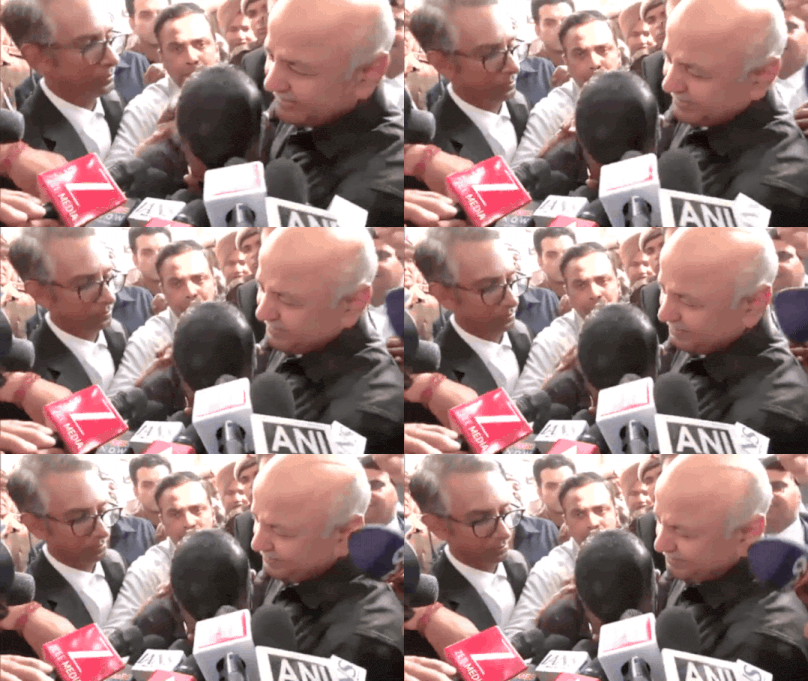
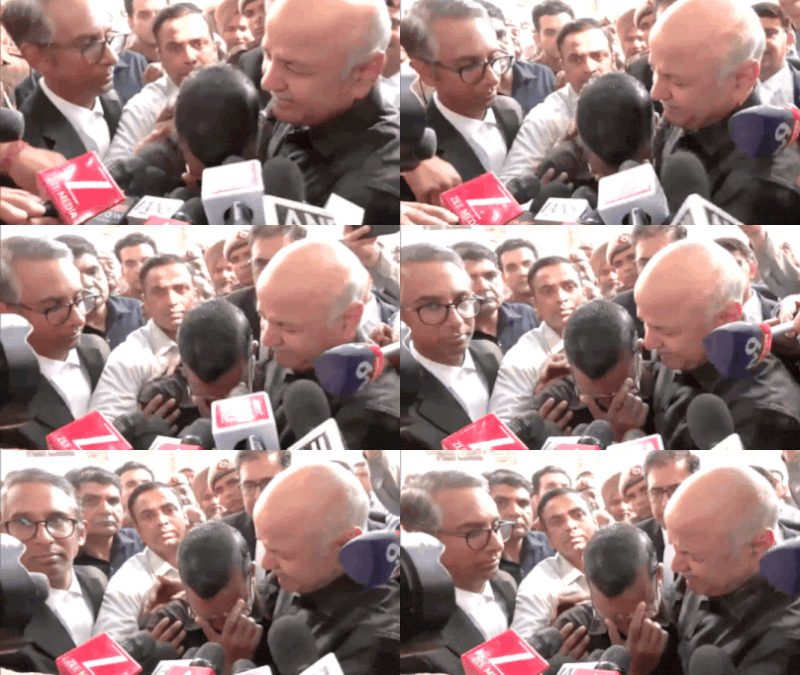
NEW DELHI: Former Delhi chief minister and AAP supremo Arvind Kejriwal was on Friday acquitted of all charges by the Rouse Avenue court. Hailing the verdict as “truth always wins,” Kejriwal became visibly emotional while speaking to reporters outside the court premises.Kejriwal’s long-time deputy Manish Sisodia was also discharged by the court.Special judge Jitendra Singh delivered the verdict in the case investigated by the Central Bureau of Investigation (CBI).Reacting to the prolonged case against him, Kejriwal said, “mud was thrown at us.”“I am not corrupt. The court has said that Kejriwal and Manish Sisodia are honest. Today, the court has discharged all the accused in this case. We have always said that truth emerges victorious. We have full faith in the Indian legal system. Amit Shah and Modi ji together hatched the biggest political conspiracy to finish AAP, and five senior leaders of the party were put in jail. The sitting chief minister was dragged out of his house and sent to jail. Kejriwal is not corrupt. I have only earned honesty in my life. Today, the court has said that Kejriwal, Manish Sisodia and AAP are honest,” Kejriwal said.Manish Sisodia also welcomed the court’s decision, saying that the truth had prevailed.“Satyamev Jayate. Today, once again, I feel proud of Baba Saheb Ambedkar Ji’s visionary thinking and the Constitution he crafted. Despite all attempts by Modi Ji’s entire party and its agencies to prove us dishonest, it has been established that Arvind Kejriwal and Manish Sisodia are steadfastly honest (kattar imaandaar),” he said.Both AAP leaders had served time in Tihar Jail during the course of the investigation. Kejriwal had also submitted his resignation to the Delhi lieutenant governor over the corruption charges linked to the Delhi excise policy case. His government, which was later succeeded by the BJP under Rekha Gupta, had faced serious allegations, and bigwigs in the AAP government were sent to jail.


Source link

Indo-Israeli fire control systems clear field trials, fitted on 96 Army T-72 tanks


Indo-Israeli fire control systems clear field trials, fitted on 96 Army T-72 tanks

BENGALURU: The Indian Army has completed the installation of Thermal Imaging Fire Control Systems (TIFCS) — an Indo-Israeli technology developed in Bengaluru — on 96 of its T-72 tanks, with the systems clearing firing validation trials before induction.The T-72 remains one of the mainstays of the Army’s armoured fleet. Upgrades such as thermal imaging and automatic target tracking are aimed at extending operational relevance, particularly in low-visibility and night operations where older optical systems have limitations.The upgrade has been executed by Alpha-Elsec Defence & Aerospace Systems Pvt Ltd, a joint venture between Bengaluru-based Alpha Design and Israel’s Elbit Systems. A contract for the supply and installation of 96 TIFCS units was signed with the Army in 2023.While India and Israel are expected to finalise a framework allowing companies from both nations to deepen cooperation during PM Modi’s visit, the Alpha-Elbit collaboration was a result of an earlier agreement between the two nations.Confirming the development, Alpha Design representatives told TOI: “Earlier, similar systems were supplied directly by the Israeli partner. Under the current arrangement, the systems have been manufactured in India with technical support from Elbit Systems, aligning with the government’s Make-in-India programme and the push for defence indigenisation.”The TIFCS is designed to strengthen the T-72’s night-fighting capability. It automatically acquires inputs from external sensors, carries out ballistic corrections and feeds corrected target data into the fire control system. An integrated automatic target tracker (ATT) enables continuous tracking of moving targets, allowing engagement in dynamic conditions, including at night.Alpha said firing validation trials of the indigenously manufactured systems were conducted by the Army during Nov–Dec 2025, after which the installations were completed.Alpha-Elsec CEO Nataraj Krishnappa told TOI: “Alpha-Elsec, as an MSME with a workforce of around 120 highly skilled professionals, has been making steady and significant progress in the manufacture of advanced opto-electronic equipment for the Indian Armed Forces. A substantial number of our products are also exported to our JV partner, which further supplies them to customers worldwide.”Following the completion of this order, Alpha-Elsec said it has seen an increase in its order book for indigenous defence supplies, with additional orders from Indian defence forces in the pipeline.The firm focuses on the manufacture, integration and lifecycle support of electro-optic and fire control systems for defence applications. Beyond Army platforms, its electro-optic products are also used by paramilitary forces and in select civilian sectors.


Source link

Stock market today: Nifty50 opens below 25,450; BSE Sensex down over 250 points


Stock market today: Nifty50 opens below 25,450; BSE Sensex down over 250 points
Stock market today (AI image)

Stock market today: Nifty50 and BSE Sensex dropped in opening trade on Friday on weak global cues and falling global markets. At 9:17 AM, Nifty50 was trading at 25,403.15, down 93 points or 0.37%. BSE Sensex was at 81,986.79, down 262 points or 0.32%.Analysts are of the view that the stock market is likely to move within a narrow range amid mixed global signals, with stock-specific trends expected to dominate trading. A volatile global environment is prompting investors to focus on sectors driven by domestic demand and policy support.Dr. VK Vijayakumar, Chief Investment Strategist, Geojit Investments Limited says, “At the index level the market has been in a consolidation mode for three months now, without any significant breakouts or breakdowns. But within the index, there are significant up moves and down moves. Last one month alone saw a huge 20% cut in Nifty IT index following the Anthropic shock. If we extend this to the last one year, some interesting trends are discernible. While Nifty delivered 13 % return during the last one year, six stocks in the index delivered above 50% return with Stiram Finance leading from the front with 92% return. Perhaps more importantly, five stocks in the Nifty delivered above 20% negative returns during this period. The significant takeaway from this divergent performance is that this is a stock picker’s market. This trend is likely to continue. Therefore, the focus of the investors has to be stock-specific, rather than big index level movements. From the valuation perspective, financials are fairly priced.”Global markets remained under pressure after US equities declined sharply on Thursday, as investor sentiment weakened following artificial intelligence leader Nvidia’s earnings, which failed to meet market expectations. The disappointing response to the results weighed heavily on technology stocks that had supported the recent rally on Wall Street.Asian markets also retreated from record levels, tracking losses in US benchmarks as investors reacted cautiously to Nvidia Corp.’s earnings outcome.On the institutional front, foreign portfolio investors remained net sellers, offloading shares worth Rs 3,465 crore on Thursday. In contrast, domestic institutional investors provided support to the market with net purchases amounting to Rs 5,032 crore.(Disclaimer: Recommendations and views on the stock market, other asset classes or personal finance management tips given by experts are their own. These opinions do not represent the views of The Times of India)


Source link

Columbia student detained by ICE agents to be released after Mamdani–Trump meeting


Columbia student detained by ICE agents to be released after Mamdani–Trump meeting
(Image credits: X @NYCMayor)

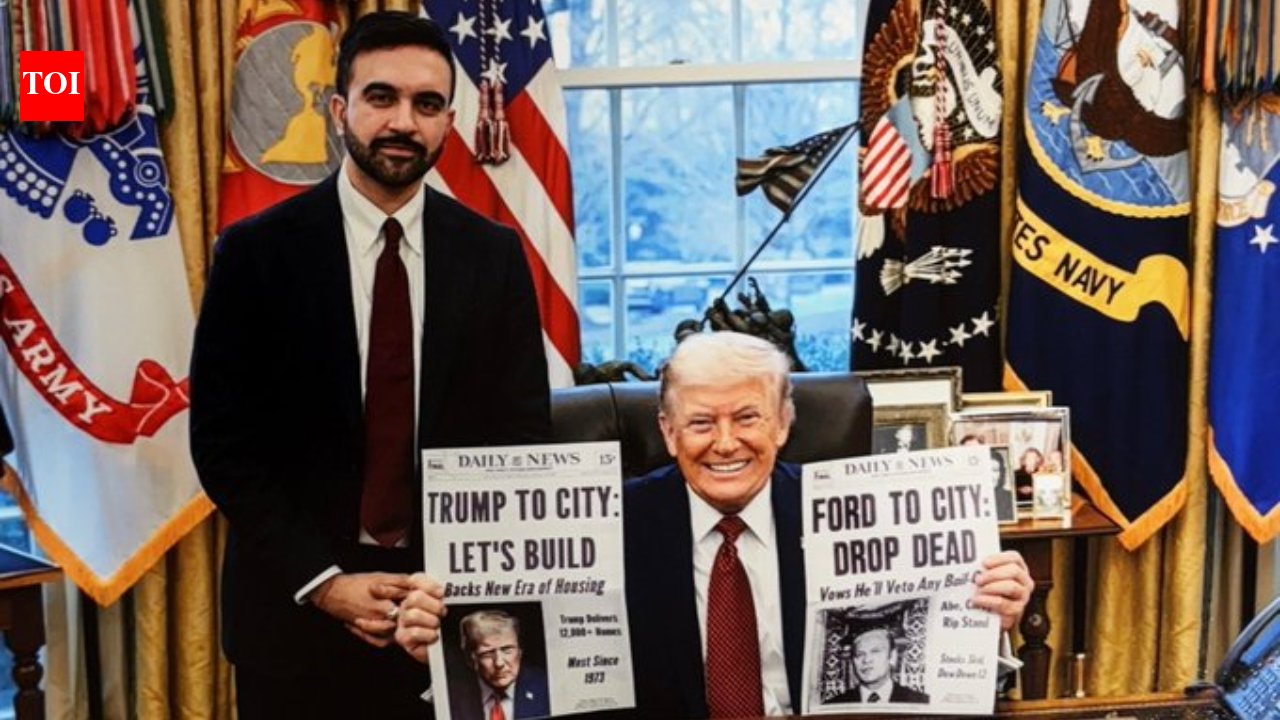
New York City mayor Zohran Mamdani met with President Donald Trump at the White House on Thursday for a previously unannounced meeting that lasted about an hour, focusing on major new housing investments in the city while also addressing the arrest of a Columbia University student.After the meeting, Mamdani posted on X, “I had a productive meeting with President Trump this afternoon. I’m looking forward to building more housing in New York City.”As part of his visit, Mamdani presented Trump with a mock newspaper front page created by his team. It featured the headline, “Trump to City: Let’s Build” — a riff on the famous 1975 New York Daily News cover that read “Ford to City: Drop Dead,” referring to Gerald Ford’s vow to veto financial assistance to the city.Mamdani’s office declined to provide details about the housing proposal, but Anna Bahr, the mayor’s communications director, said Trump was “very enthusiastic” about it. She said that during their first one-on-one meeting at the White House in November, Trump encouraged Mamdani to return with an idea to build major projects together in New York City. Bahr added that the mayor’s team created the mock front page and headlines to show what kind of reaction new federal housing investments could generate. During Thursday’s meeting, Mamdani also raised the arrest of Columbia University student Ellie Aghayeva, who had been detained earlier in the day by federal immigration authorities. The arrest triggered protests on campus and allegations that agents gained entry to a university-owned residence by posing as police officers searching for a missing child.Just hours after detaining Aghayeva, the federal government reversed course and allowed her to walk free following what appeared to be an intervention by Donald Trump. Mamdani also gave White House chief of staff Susie Wiles a list of four other students targeted by federal authorities and asked for the administration’s help.“He has just informed me that she will be released imminently,” Mamdani wrote on social media, referring to Aghayeva.The rapid developments underscored the evolving relationship between Trump and Mamdani, a democratic socialist whom Trump once threatened to have deported. During the mayoral campaign, Trump repeatedly criticised Mamdani as a “communist,” but appeared more receptive after their November meeting.


Source link

Bangladesh tension leads to 9% fall in foreign tourist arrivals | India News


Bangladesh tension leads to 9% fall in foreign tourist arrivals

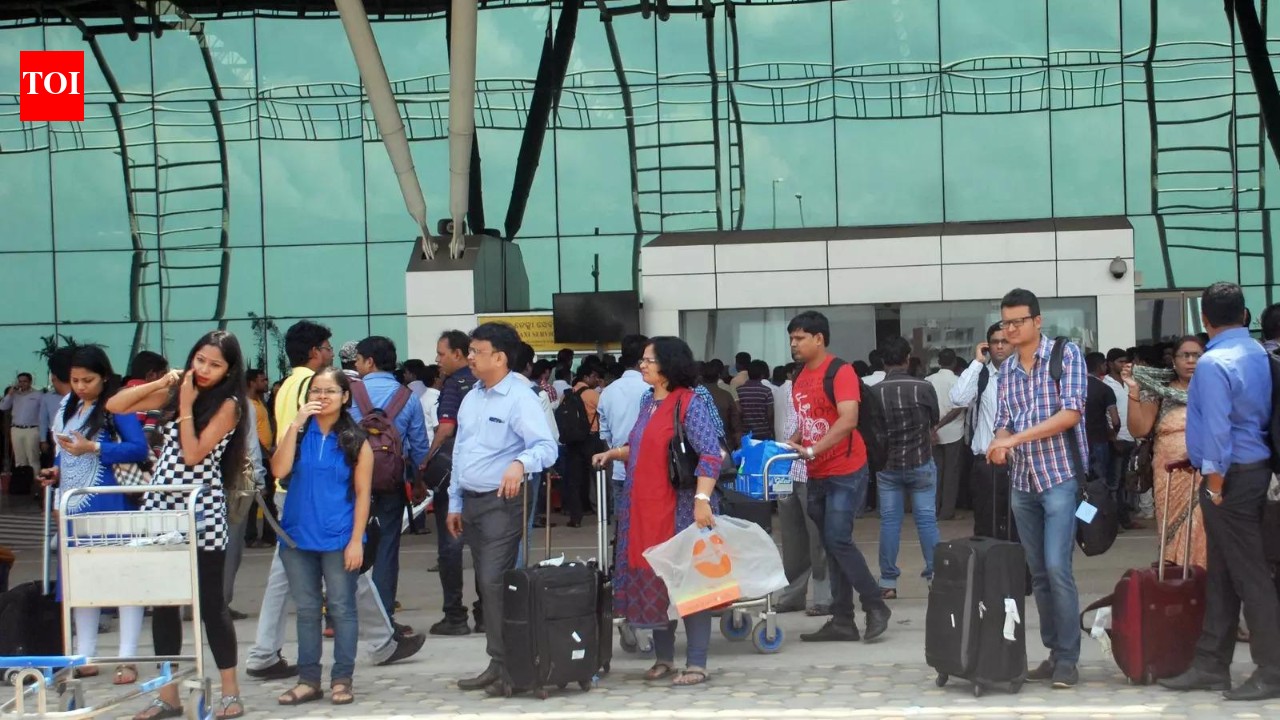
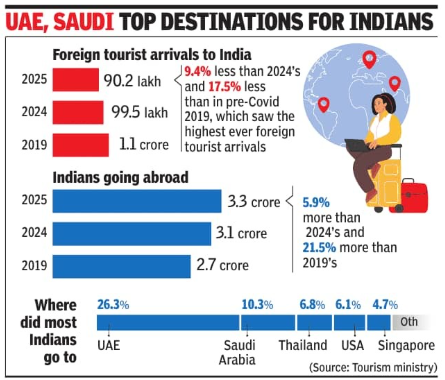
NEW DELHI: The tension between India and Bangladesh, which resulted in fewer visas by both sides, resulted in an over 9% fall in foreign tourist arrivals to 90.2 lakh in 2025, with the eastern neighbour slipping from the second largest source to being the fifth biggest.Latest official data estimated tourist arrivals from Bangladesh at 4.7 lakh in 2025, 73% lower than the level in the previous year. The 12.8 lakh decline was more than the 9.3 lakh fall in the overall foreign tourist arrivals during the year.Travel industry insiders are not exactly moaning about this decline as they always questioned adding Bangladesh arrivals into FTA numbers as majority of them come for non-tourism purposes such as medical treatment and work and don’t exactly fill up hotels and line up at tourist spots.

-

On the other hand, the number of Indians going abroad rose 6.6% to a record 3.3 crore in 2025, although there was a dip in those going to Saudi Arabia and the US. Last year, the number of Indians flying to Canada also declined nearly 16% to 8 lakh.“India is outpricing itself in terms of star hotel rates despite reasonable domestic airfares in non-peak seasons. So, the Indian middle class now finds it cheaper to go to places like the UAE, CIS countries, Sri Lanka, Thailand, Vietnam and Malaysia than going to domestic destinations such as Goa or Kerala. And foreign tourists find a cheaper alternative to us,” said a leading travel agent.Many frequent Indian travellers say they get “good” hotel rooms for Rs 5,000-8,000 in these places while the same in India is at least double in low season and can increase manifold in peak holiday time.Asked about high tariffs, a leading hotelier said: “India is seeing a rise in business travel and domestic travel remains strong. So, we have no reason to worry over foreign tourists skipping till such time that our properties are full. The demand for luxury stays is far more than the supply and this imbalance will ensure good yields (rates) for the big players here.” Indian carriers are also expanding majorly on foreign routes to cash in on the boom in outbound travel.


Source link

‘Open war’: Pakistan’s Khwaja Asif warns as border clashes with Afghanistan resume


'Open war': Pakistan's Khwaja Asif warns as border clashes with Afghanistan resume

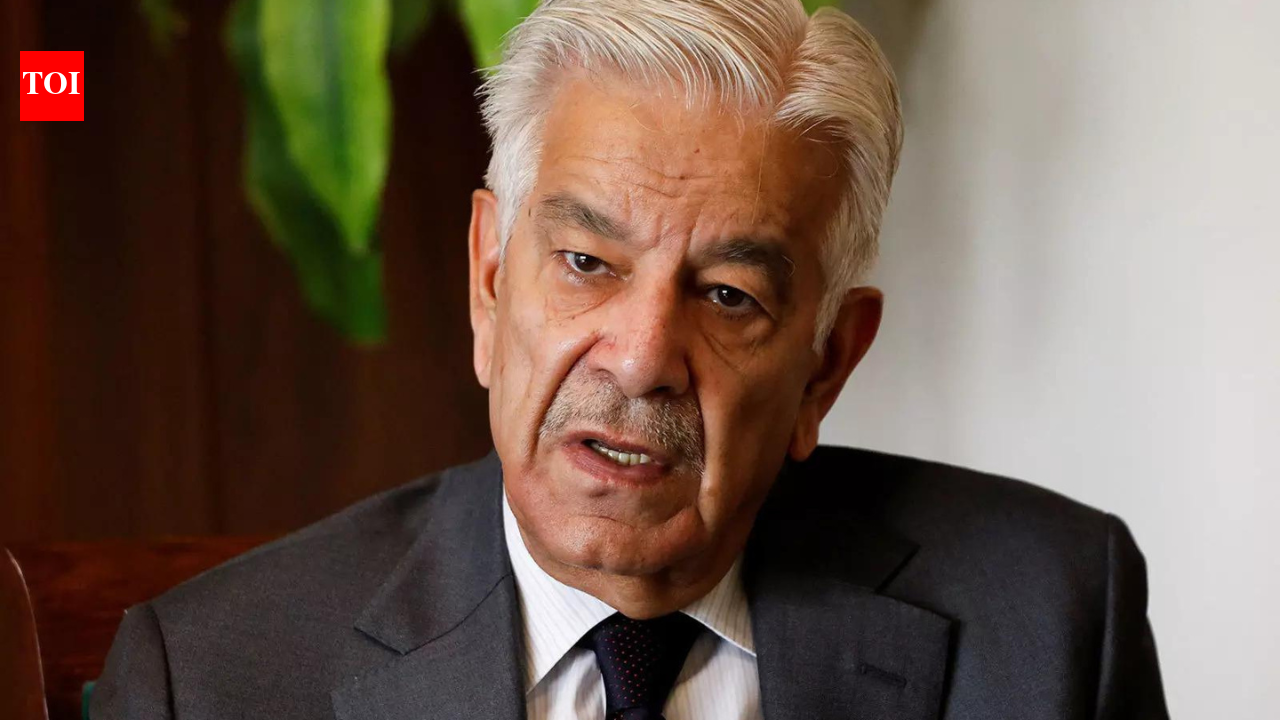
Pakistan’s defence minister on Friday declared “open war” on the Afghan Taliban government, following renewed clashes along the shared border. “Our patience has reached its limit. Now it is open war between us and you,” Khawaja Asif posted on X.The escalation came after Afghan forces attacked Pakistani troops along the frontier, prompting Islamabad to launch air strikes on key Afghan cities including Kabul and Kandahar. “After airstrikes in Kabul, Kandahar and other provinces, once again wide-ranging retaliatory operations were launched against the positions of Pakistani soldiers, in the directions of Kandahar and Helmand as well,” Taliban government spokesman Zabihullah Mujahid said on X.Pakistan confirmed its attacks on Afghan targets, with Information Minister Attaullah Tarar posting, “Afghan Taliban defence targets were targeted in Kabul, Paktia (province) and Kandahar.” Both militaries reported dozens of casualties in the ongoing border violence, which follows multiple clashes and air strikes in recent months.AFP journalists in Kabul heard jets and multiple loud explosions, followed by gunfire over more than two hours. In Kandahar, where Supreme Leader Hibatullah Akhundzada is based, an AFP reporter also reported hearing jets overhead. The Taliban government confirmed the air strikes but said there were no casualties.Earlier, Mujahid announced “large-scale offensive operations” at the border “in response to repeated violations by the Pakistani military.” Afghan authorities reported eight soldiers killed during the land offensive, while civilians were wounded near the Torkham border crossing. “A mortar shell has hit the camp and unfortunately seven of our refugees have been wounded, and the condition of one woman is serious,” said Qureshi Badlun, Nangarhar province’s information chief.The border has been largely closed since fighting in October, which left more than 70 dead on both sides. Several ceasefire attempts, mediated by Qatar, Turkey, and Saudi Arabia, have failed, although Islamabad accuses Afghanistan of sheltering militants who target Pakistan.Pakistan’s air strikes came days after a series of deadly attacks in Pakistan, including a suicide bombing on a Shiite mosque in Islamabad that killed at least 40, claimed by the Islamic State group’s Khorasan chapter, which also claimed a deadly attack in Kabul last month.


Source link

Indian young adults rank lowly 60th in 84-nation mental health study | India News


Indian young adults rank lowly 60th in 84-nation mental health study

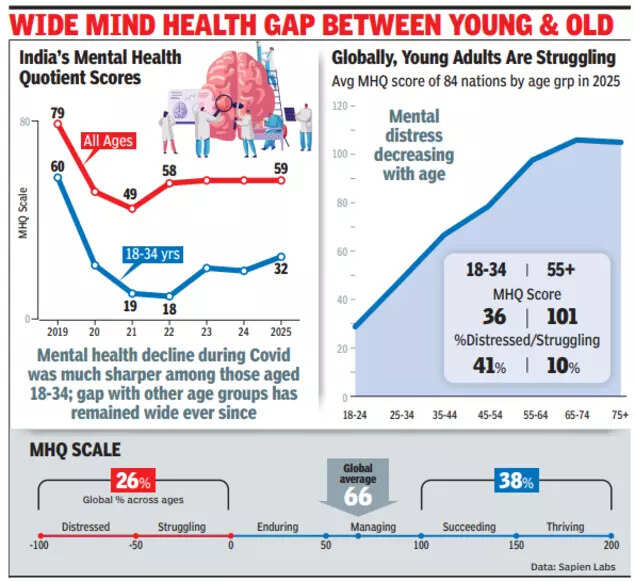
NEW DELHI: Young adults in India ranked 60th out of 84 countries in key mental well-being parameters in the 2025 report of an ongoing global mental health study, scoring significantly poorly than their peers aged 18-34 in most parts of the world.The ‘Global Mind Health in 2025’ released Thursday by US-based Sapien Labs reveals not just a serious mental health crisis among young Indian adults but also a profound generational gap, as older people enjoyed significantly better mental health scores.

-

The report, which surveyed over 78,000 internet-enabled individuals in India, assigned young adults (18-34 years) a low mind health quotient (MHQ) score of 33. This contrasts sharply with an MHQ score of 96 for those aged 55 and above, a level aligning with normal mental function and putting them at rank 49 among 84 countries. This stark difference highlights a “structural, multi-year generational shift” in mental well-being that researchers suggest is not merely a temporary effect of recent events like the pandemic.“The scores reflect a very steep decline in younger generations – steeper than many other countries globally. While those aged 55+ are doing fine, younger adults are seriously struggling,” said Tara Thiagarajan, founder and chief scientist at Sapien Labs.“This reflects declines in the factors we have outlined in the study, and some others, as well such as increased toxic load in the environment (air, water, food) and lack of physical activity,” she added.The study says the mental health crisis among India’s youth goes beyond issues such as anxiety and depression, reflecting a broader reduction in core mental functioning, including the ability to regulate emotions, maintain focus, build stable relationships, and recover from stress.Based on data generated in previous years, the study identifies four key drivers of mental health – family bonds, spirituality, consumption of ultra-processed food (UPF) and early exposure to smartphones. In India, the 64% of respondents in the 18-34 age group reported being close to their family, compared to 78% of those over 55.While relatively lower than in some other nations, regular UPF consumption among young Indian adults (44%) was substantially higher than among the older generation (11%). The average age for a first smartphone in India was 16.5 years, a figure expected to be much lower for Gen Alpha, with earlier exposure linked to increased mental health risks.Globally, the study found young adults in economically developed countries struggling with mental health much more than their counterparts in less developed nations. Those at the bottom included Japan, Taiwan, Hong Kong, the UK and China, while countries with relatively better mind health were predominantly in sub-Saharan Africa, including Ghana, Nigeria, Zimbabwe, Kenya and Tanzania. Finland, which consistently tops the World Happiness Index, ranked 28 on mind health for those 55+ and 40 for those 18-34 years – indicating that satisfaction with circumstances of life was distinct from mental capacity to navigate life’s challenges .The mind health quotient is a metric that aggregates respondent ratings of 47 cognitive, emotional, social and physical capacities and problems that enable or diminish our ability to function effectively. The scale reflects a person’s fundamental mental capacity, says Sapien Labs.


Source link

PM Modi questions NCERT lapse, Pradhan vows action | India News


PM Modi questions NCERT lapse, Pradhan vows action

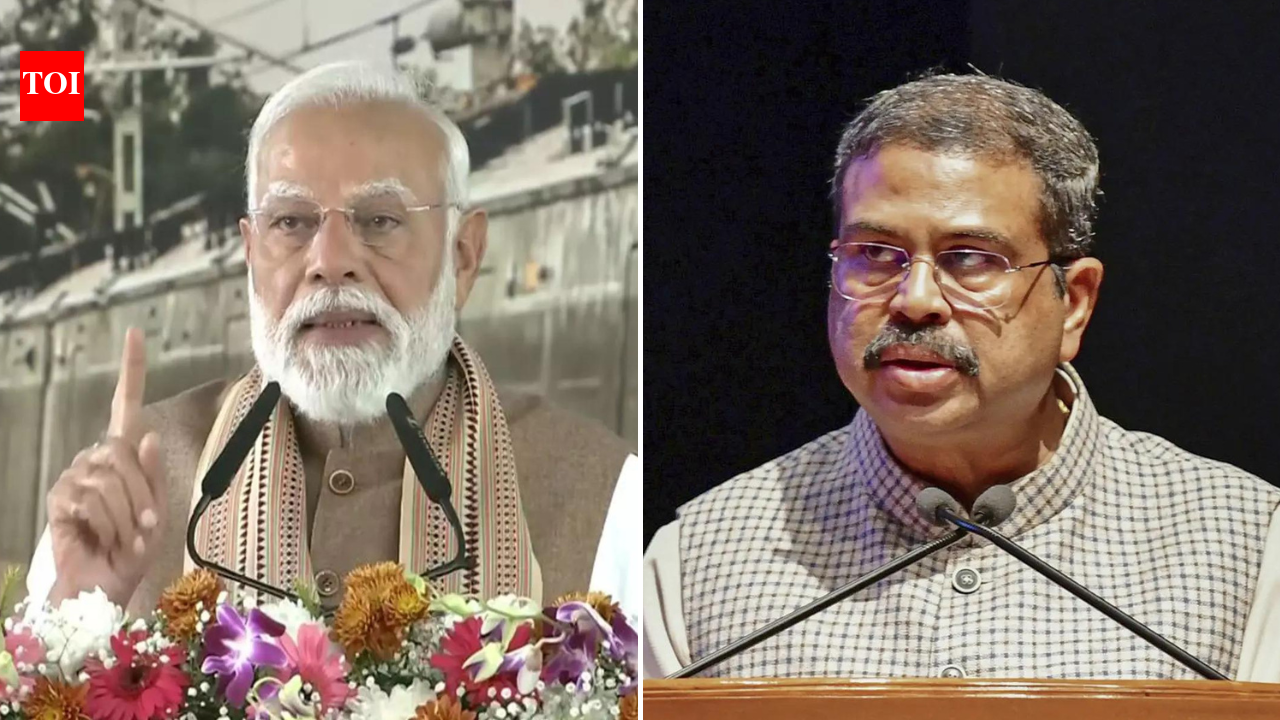
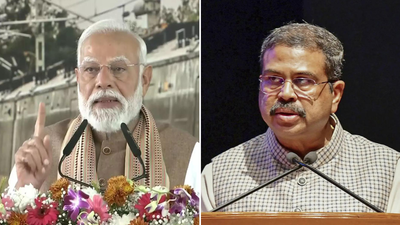
NEW DELHI: Union education minister Dharmendra Pradhan on Thursday vowed to take action against those responsible for the reference to judicial corruption in an NCERT textbook, amid indications of Prime Minister Narendra Modi’s unhappiness over what he considers to be a grave lapse.Modi is learnt to have flagged the controversial inclusion of corruption among judiciaries in the theme dealing with problems facing administration of justice in the new NCERT Class VIII social science texbook. “What are we teaching Class VIII children about judicial corruption?” sources quoted the PM as saying at the meting of the Union Cabinet on Tuesday.As the NCERT scrambled to stem the fallout from the Supreme Court’s fury over the issue, taking off the book’s e-version from its website and figuring out ways to get hold of the 32 hard copies that had been sold, Pradhan offered an unconditional apology.He affirmed respect for the judiciary while promising to fix accountability and take action against those who drafted the controversial chapter. The issue centres on Chapter 4 — “Role of the Judiciary in Our Society” — in the new social science textbook (Part 2) brought out by the National Council of Educational Research and Training (NCERT). Edited by Michel Danino and Alok Prasanna, the chapter listed corruption, massive case pendency and shortage of judges as challenges faced by the judicial system. The controversy escalated on Thursday when the Supreme Court observed that there appeared to be a “well-orchestrated conspiracy” to defame the judiciary and imposed a “blanket ban” on the NCERT book, ordering that all physical and digital copies be seized.Meanwhile, NCERT, when asked, said the e-version of the textbook was “not uploaded online”.“Thirty-two physical copies were sold before distribution was halted” — a figure also cited by the solicitor general in court.The council to a question on how it was tracking and recalling the already-sold books, a senior NCERT official said, “As all the books have been sold through NCERT depots, they were tracked and majority of them have been already recalled.” The chapter will now be rewritten in consultation with appropriate authorities and made available from the 2026–27 academic session.On the top court’s observations, Pradhan said he was “deeply saddened by what had happened, stressed that there was no intention to insult the judiciary” and added that “an inquiry would be conducted to identify those responsible”. He added that circulation of the textbooks was immediately put on hold once the issue came to light and that the govt would fully comply with the Supreme Court’s directions.Following stern remarks from the SC that it would not allow “anyone on earth” to tarnish the judiciary’s integrity, NCERT pulled the textbook from its website. The council on Wednesday apologised for “inappropriate content” and said the chapter would be rewritten in consultation with appropriate authorities before being reissued, even as officials said tighter review mechanisms for future textbooks are now being examined.


Source link

Haldwani Minor Rape Case: 15 year-old forced to drink, gang-raped in car; 2 held in Haldwani | Dehradun News


15 year-old forced to drink, gang-raped in car; 2 held in Haldwani

NAINITAL: Two men lured a 15-year-old Class 10 student away on the pretext of visiting a tourist spot, allegedly forced her to consume alcohol and raped her in their car at a secluded spot in Haldwani’s Kathgodam area. The accused worked as taxi drivers, and were arrested following a complaint by the survivor’s family.Police said the alleged sexual assault took place on Tuesday evening when the minor girl had stepped out to buy groceries. The two accused, aged 20 and 24, were tenants in her neighbourhood and they knew one another.

PM Modi in Israel, NCERT Controversy, US Trade Push & More

When the girl did not return home till late in the evening, her family began searching and later found her unconscious along the roadside. After regaining consciousness, the girl narrated her ordeal to her family members, who approached the police. A case under relevant BNS sections and the Pocso Act was registered. “Both the accused were identified and taken into custody on Tuesday night from Haidakhan area in Haldwani,” said SP (city) Manoj Katyal.CO Amit Kumar Saini said the accused, originally from Almora district, had rented accommodation near the survivor’s house. Police have seized the vehicle used in the incident.


Source link