Breaking News
‘From lab to plate’: CSIR–NIIST to transfer ‘designer rice’ to industry to tackle nutrition, lifestyle challenges |


'From lab to plate': CSIR–NIIST to transfer 'designer rice' to industry to tackle nutrition, lifestyle challenges

THIRUVANANTHAPURAM: Polished white rice may soon get a healthy makeover, as CSIR–NIIST’s designer rice aims to transform a household staple into a protein- and micronutrient-rich food while reducing its glycaemic impact.The CSIR–National Institute for Interdisciplinary Science and Technology (CSIR–NIIST) is set to hold a technology transfer ceremony, “CSIR–NIIST Tech Connect: From Lab to Market,” on February 18 at Anusandhan Bhawan, CSIR headquarters, New Delhi, an official release said.The event will formalise the transfer of several indigenously developed technologies to industry partners.The ceremony will include the release and transfer of a low glycaemic index (GI), protein- and micronutrient-enriched designer rice. CSIR–NIIST said the rice is intended to provide higher protein, a lower glycaemic response, and added nutrients such as iron, folic acid, and vitamin B12. The technology will be licensed to Tata Consumer Products Ltd and SS Soul Foods, Tamil Nadu. Dr C Anandharamakrishnan, Director, CSIR–NIIST, received the Tata Transformation Prize 2024 for developing the rice, reported news agency PTI.Other technologies to be transferred include a coffee crema technology that supports stable foam formation, and a bio-based cardanol polyol modified polyurethane dispersion for leather finishing and metallic coatings.Post-harvest technologies, including osmotic dehydrated fruit bites and a ready-to-cook vegetable mix developed using Refrigerated Adsorption Dehumidified Dryer (RADD) technology, will also be part of the transfer. CSIR–NIIST said these innovations help retain nutrients and extend shelf life.The institute will also showcase JAIVAM, an engineered microbiome for rapid aerobic composting, two plant-based leather alternatives made from agricultural biomass, and a project MoU for low-sodium salt formulations designed to reduce sodium content by up to 86 per cent while maintaining taste, the release added, news agency PTI reported.


Source link

India-US trade deal: Joint secretary Darpan Jain to lead delegation to Washington to finalise legal text for interim pact; March rollout expected


India Pushback Forces White House To Rewrite Trade Deal Factsheet Claims On Tariffs, Tax, Purchases

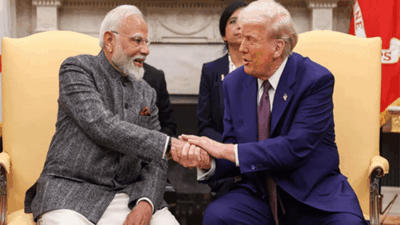
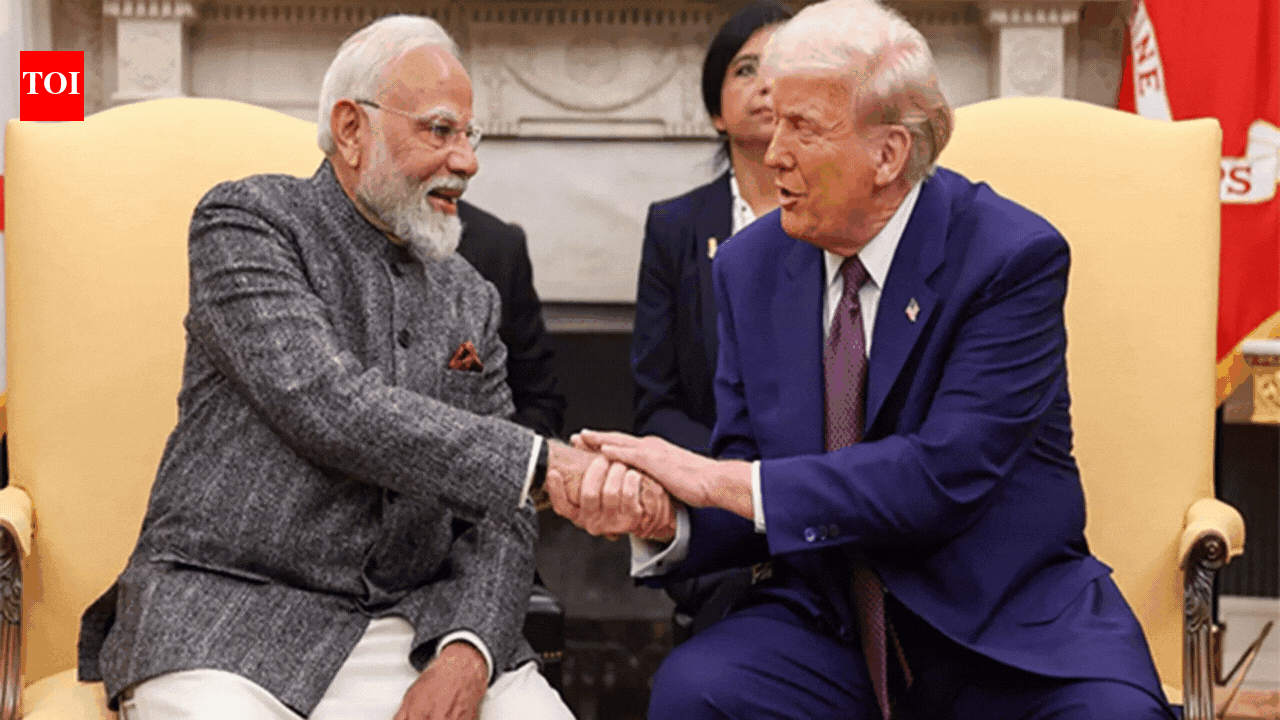
Prime Minister Narendra Modi with US President Donald Trump

Commerce secretary Rajesh Agrawal on Monday announced that a delegation of Indian officials will travel to the United States next week to finalise the legal terms of an interim India-US trade agreement that is expected to be signed and implemented in March.Joint Secretary in the commerce ministry, Darpan Jain who is India’s chief negotiator for the talks, will lead the delegation to Washington on February 23.

India Pushback Forces White House To Rewrite Trade Deal Factsheet Claims On Tariffs, Tax, Purchases

On the progress of negotiations, Agrawal said that the virtual engagements between the two sides are already underway. “There have been virtual engagements going on (with the US) and next week, the chief negotiator will be leading a delegation to the US to finalise the legal framework towards the legal agreement that work will carry on next week in Washington,” he said.He added that the recently released joint statement between India and the US lays down the broad contours of the interim deal, which now need to be translated into a legally binding agreement. “The joint statement lays down the contours of the deal. Now the contours of the deal has to be translated into a legal agreement, which will be signed between the two sides,” he told reporters.Earlier this month, India and the United States announced that they had finalised a framework for an interim trade agreement aimed at making trade more reciprocal and mutually beneficial. Under the framework, US tariffs on Indian goods will be reduced from 50 per cent to 18 per cent. The reduction is expected to cover sectors such as textiles and apparel, leather and footwear, plastic and rubber products, organic chemicals, home decor, artisanal goods and select machinery. After the successful conclusion of the interim pact, tariffs on products like generic pharmaceuticals, gems and diamonds, and aircraft parts are also set to be removed.On the Indian side, New Delhi has agreed to eliminate or reduce tariffs on several US industrial goods and a range of agricultural and food products, including dried distillers’ grains, tree nuts, fresh and processed fruits, soybean oil, wine and spirits. However, the government has maintained that sensitive agricultural and dairy sectors such as wheat, rice, maize, milk, poultry and certain vegetables will remain protected.The framework also reaffirms the commitment of both countries to advance negotiations on a broader Bilateral Trade Agreement, launched by Prime Minister Narendra Modi and US President Donald Trump in February 2025 following months of trade tensions.The commerce ministry also released updated trade data, highlighting overall growth in exports. India’s total exports of merchandise and services in January 2026 stood at USD 80.45 billion, up from USD 71.09 billion in January 2025.Imports during the same period rose to USD 90.83 billion from USD 76.48 billion a year earlier, pushing the overall trade deficit to USD 10.38 billion compared to USD 5.39 billion last year.Agrawal said that the cumulative exports from April to January of the current financial year are estimated at USD 720.76 billion, compared to USD 679 billion in the corresponding period of the previous year. “It is an estimated growth of 6.15% and increased around approximately USD 40 billion dollars,” he said.


Source link

‘How can you indulge in physical relationship before marriage’: SC goes ‘old-fashioned’ | India News


'How can you indulge in physical relationship before marriage': SC goes 'old-fashioned'

NEW DELHI: The Supreme Court on Monday, calling itself “old-fashioned” questioned how could two people be indulging in a physical relationship before marriage even if it is consensual. The bench comprising Justices B V Nagarathna and Ujjal Bhuyan was hearing the bail application of a man accused of rape on the pretext of marriage. It questioned the complainant about why she had travelled to Dubai, where the two engaged in a physical relationship.“It’s consensual. We may be old-fashioned but a boy and girl before marriage are total strangers. They should be circumspect in indulging in physical relationships before marriage,” PTI quoted the bench observed.“Whatever may be the thick and thin of their relationship, we fail to understand how they can be indulging in physical relationship before marriage. Maybe we are old- fashioned but you must be very careful, nobody should believe anybody before marriage,” Justice Nagarathna said.The woman’s counsel submitted that the two met through a matrimonial website in 2022, and that the accused allegedly entered into a physical relationship with her on several occasions in Delhi and later in Dubai on the false assurance of marriage.“She should not have gone before marriage if she was so strict about it. We will send them to mediation. These are not cases which are to be tried and convicted when there is consensual relationship,” Justice Nagarathna said in response to this.In her complaint, the woman alleged that the man persuaded her to travel to Dubai, where he established physical relations with her on the false promise of marriage, recorded intimate videos without her consent, and threatened to circulate them. She later discovered that he had married another woman in Punjab in January 2024.Both the trial court and the Delhi high court had rejected his bail plea, with the high court observing that the promise of marriage appeared false from the outset, especially since he was already married and remarried in January 2024. The man has now approached the Supreme Court seeking bail.Justice Nagarathna suggested that the accused consider paying compensation to the woman to resolve the matter, while the bench also asked her counsel to explore the possibility of a settlement. The case has been posted for Wednesday to ascertain both sides’ positions.


Source link

“My wife should be ready to beg.” A doctor couple who charged Rs 2 as fees, helped transform a village and raised successful children


"My wife should be ready to beg." A doctor couple who charged Rs 2 as fees, helped transform a village and raised successful children

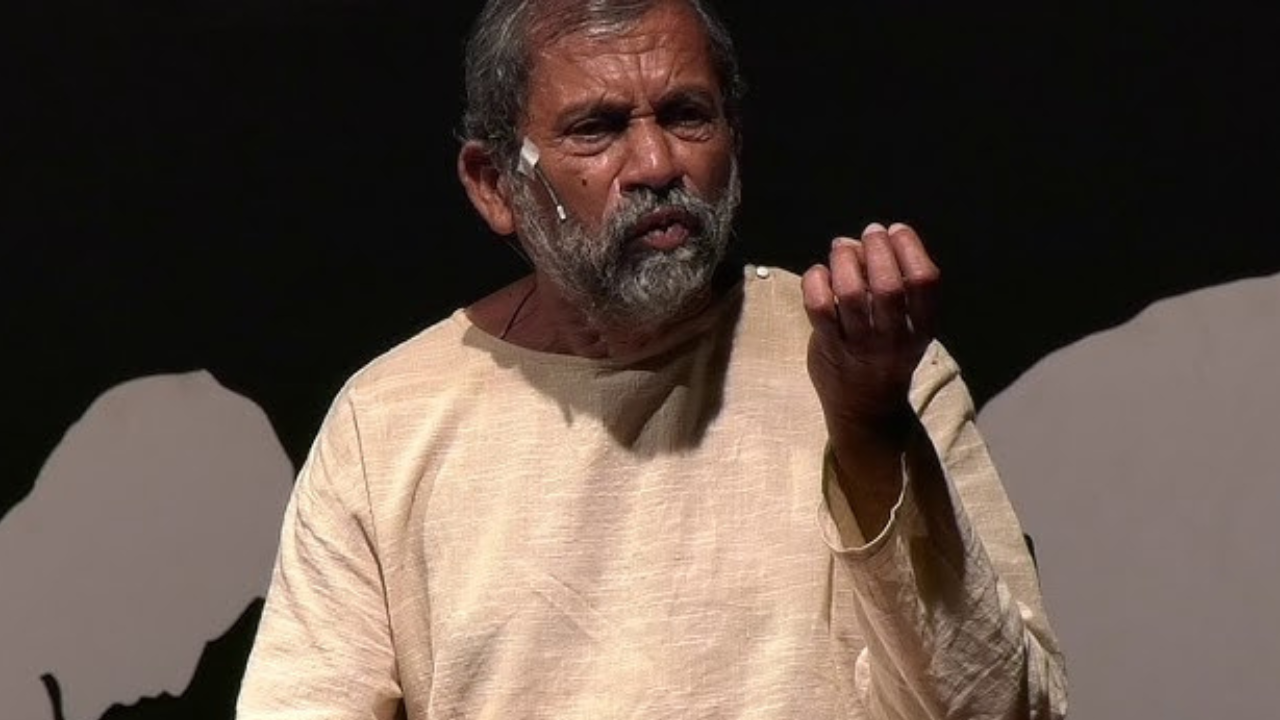
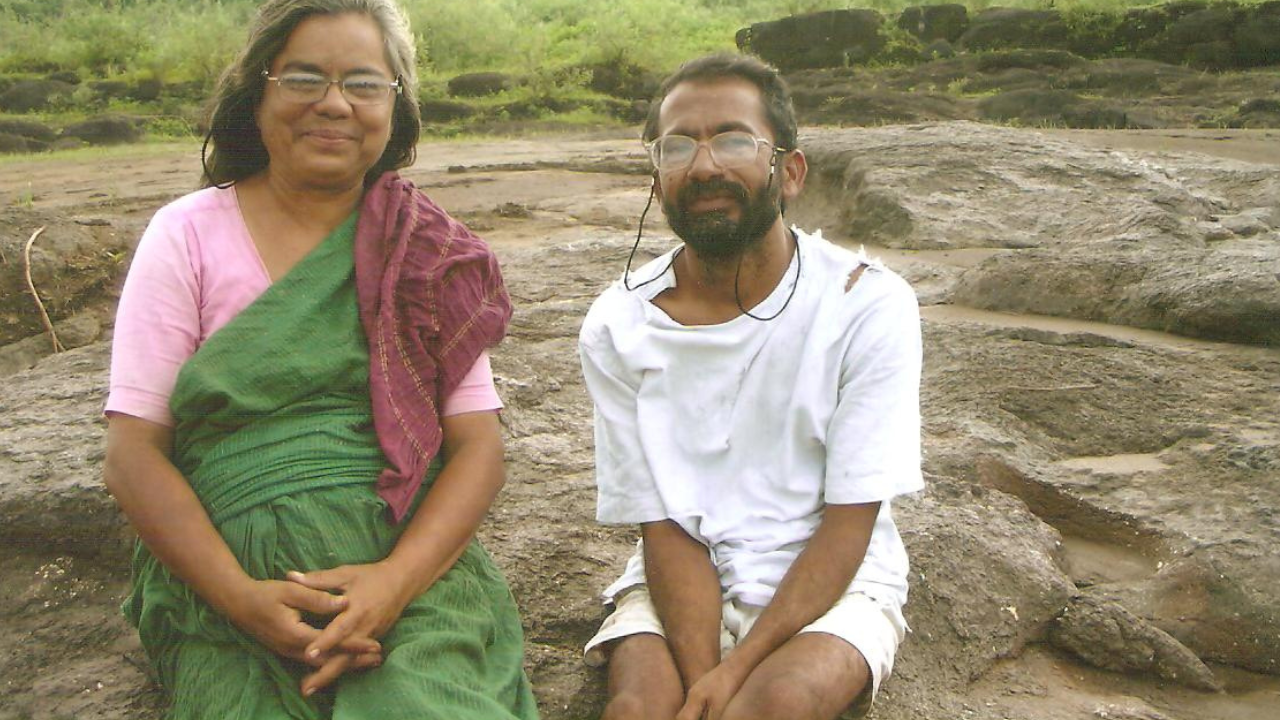
Long before recognition, awards or headlines, a young doctor chose to travel to a village that most maps barely acknowledged. In the mid 1980s, reaching Bairagarh in Maharashtra’s Melghat region meant travelling only as far as the road allowed and then walking nearly 40 kilometres through rugged forest terrain. Healthcare facilities were almost nonexistent here, electricity was unreliable, and illness had become part of everyday life. Children often fell sick, mothers delivered babies without medical support, and loss was quietly accepted as fate. Then, in 1985, when Dr Ravindra Kolhe arrived here, he was not just stepping into a remote village. He was unknowingly beginning a journey that would test everything he believed about medicine, service and what it truly means to stay when everyone else leaves. Scroll down to read more.

When staying became the real treatment

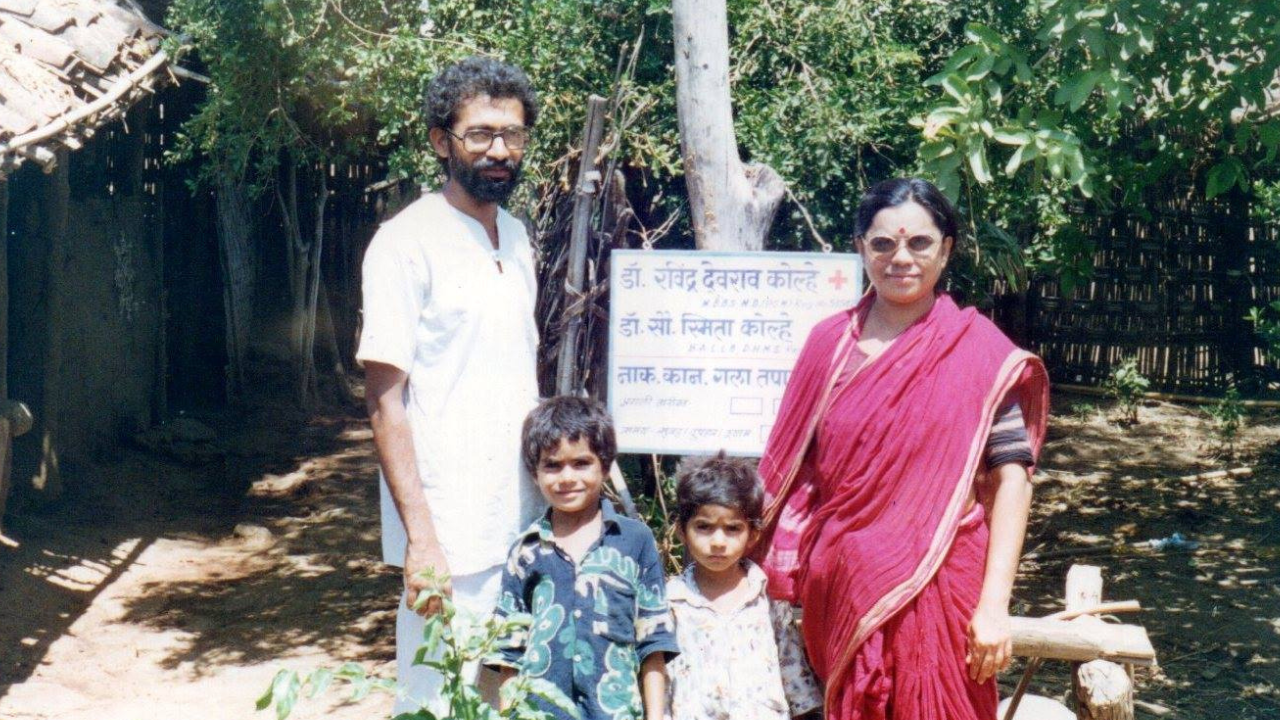
In a place where most professionals would have eventually returned to the comfort of cities, Dr. Ravindra Kolhe began building something quietly extraordinary. He set up a small medical practice and charged just ₹2 for a consultation and ₹1 for follow-ups, not as an act of charity, but because that was all the villagers could realistically afford. For him, medicine was never meant to feel distant, expensive or intimidating. It had to exist within the reach of the people who needed it most.

2

Slowly, word spread across nearby hamlets. People began walking long distances for treatment, and with time, the villagers gave him a name that reflected both affection and gratitude: The one-rupee doctor.But what they did not yet know was that this decision would quietly change the future of their entire community.

A life chosen, not fallen into

After graduating from Government Medical College in Nagpur, Dr. Ravindra Kolhe had the opportunity to pursue a stable and comfortable career in an urban hospital, a path most young doctors naturally chose. But comfort was never his goal. Deeply influenced by Gandhian ideals of service and social equality, he felt drawn toward places where medical care was absent rather than abundant. For him, medicine carried meaning only when it reached those who had been left behind. Plus, Melghat was not merely remote; it was a region long overlooked, where distance, poverty and neglect had quietly separated entire communities from basic healthcare.The first years were harsh. Patients arrived with advanced illnesses. Resources were scarce. Sometimes, diagnosis depended more on instinct and experience than on equipment. And yet, every day, people came, walking miles through forests for treatment.

3

An early medical emergency shook him deeply, making him realise how much more knowledge he needed to truly serve the community. So he left temporarily, completed a postgraduate degree in Preventive and Social Medicine, and prepared to return. But he knew one thing clearly: this life could not be lived alone.

The partner who chose the same path

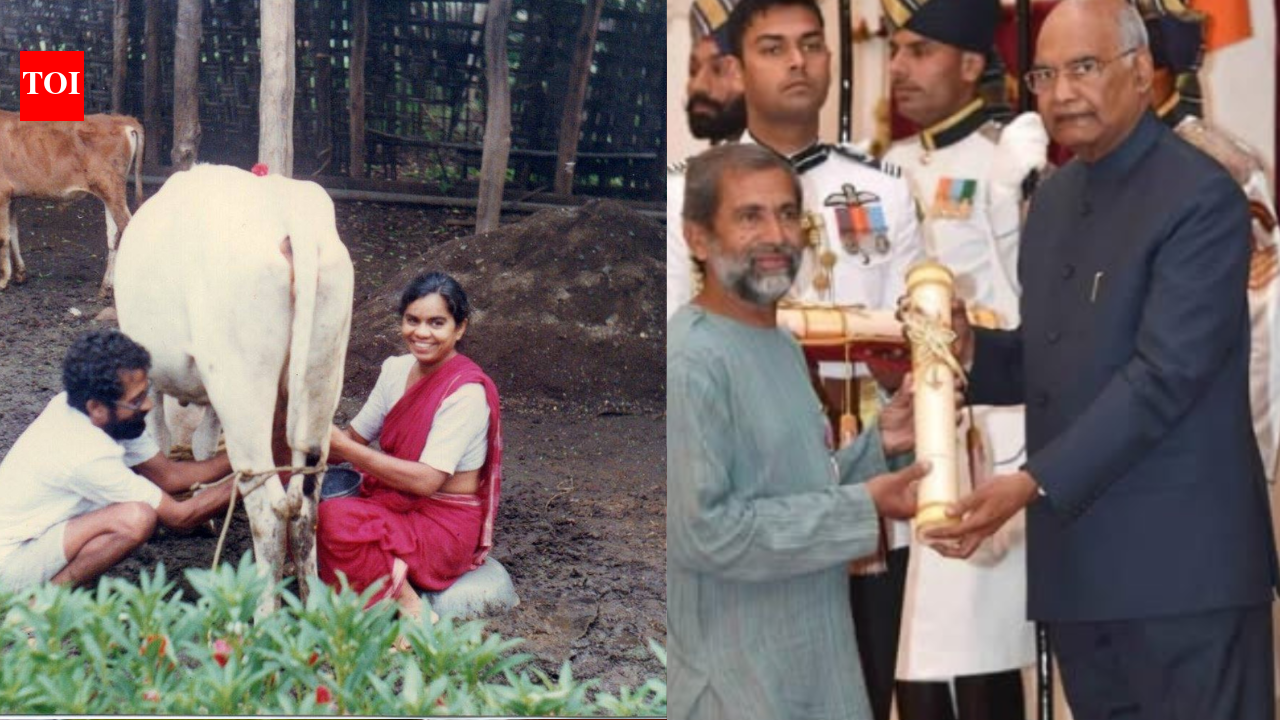
“When I decided to look for a life partner, I had 4 conditions. First, was that since I used to take Re 1 as consultation fees and managed to earn not more than Rs 400 a month and hence wanted a life partner who would run the house frugally in this amount. Second condition was that she should be willing to walk for 40 kilometers daily as village life demanded this, the third condition was that she should be willing for Rs 5 registered marriage and the last condition was that she should be willing to beg, not for ourselves but for others.” says Dr Kohle in a YouTube interview.Dr. Smita Manjare agreed to marry him. A homoeopathic doctor with training in law and yoga therapy, she stepped into Bairagarh knowing that ease would not be part of the journey. The couple lived with limited amenities, adapting to a rhythm of life defined by patients, emergencies, and community needs. At first, villagers were unsure about her. She spoke openly about women’s health and empowerment, ideas unfamiliar in the region, and change often arrives quietly before it is accepted. Trust did not come overnight, but through patience, presence and shared hardships, the distance between doctor and community slowly began to disappear.

Image credit: Dr. Avinash Saoji/ Facebook

” Two sons came in our lives-Rohit and Raam. They studied in the local school and are now doing what they wanted pursue as career-one became a doctor and the other a farmer. Parents should let their children follow their own path. We are glad we supported our children in their endeavors.”

Then something happened that changed everything

When their own newborn child became critically ill with pneumonia, meningitis, and septicemia, they were advised to leave immediately for advanced treatment in a city hospital. Instead, Dr. Smita chose to treat the child within the same limited conditions available to every villager.Nothing was spoken, yet everything changed. The villagers realised that the doctors’ lives were intertwined with their own, and in that shared vulnerability, acceptance deepened into lasting trust.

Healing meant more than medicine

The Kolhes soon understood that disease in Melghat was rooted in something deeper than infection. Hunger, failing crops, and poverty shaped health long before patients reached a clinic.In 1990, the infant mortality rate in the region was devastating, around 200 deaths per 1,000 births. Many losses were preventable, but prevention required changing everyday living conditions. So the couple expanded their idea of healthcare.They educated mothers about nutrition and prenatal care. They stayed through difficult deliveries. They treated children relentlessly. Slowly, survival replaced resignation. Over the years, infant mortality dropped dramatically to fewer than 40 deaths per 1,000 births.

6

But even that was not enough. The Kolhes soon realised that illness in Bairagarh did not begin in the body alone; it began in empty kitchens and uncertain harvests. When villagers approached them for help with farming, Dr. Kolhe made an unexpected choice. Instead of limiting himself to medicine, he began studying agriculture, determined to understand the roots of the community’s struggles.The couple introduced improved crops, sustainable farming practices and practical techniques suited to the region’s harsh conditions. When hesitation held farmers back, they chose action over persuasion, cultivating the land themselves to prove that change was possible.Slowly, the results became visible. Better harvests meant fuller meals. Improved nutrition strengthened children. Stable incomes replaced constant insecurity. In time, it became clear that healing in Bairagarh was no longer happening only inside a clinic. Medicine and agriculture had merged into a single purpose, restoring not just health, but hope.

Asking for roads instead of a house

Years later, when officials offered to build a house for the couple in recognition of their service, Dr. Smita made a different request. Not a home for them, but roads, electricity, and infrastructure for the village.It was a small decision that revealed everything about how they saw their work. Progress was meaningful only if it reached everyone.Gradually, Bairagarh changed. Better roads connected the village. Access to rations improved. Awareness camps educated young people about health, farming, and government schemes. What once felt isolated slowly began to feel hopeful.

A legacy built quietly

4

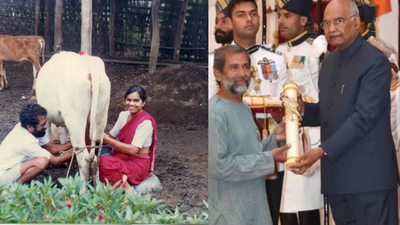
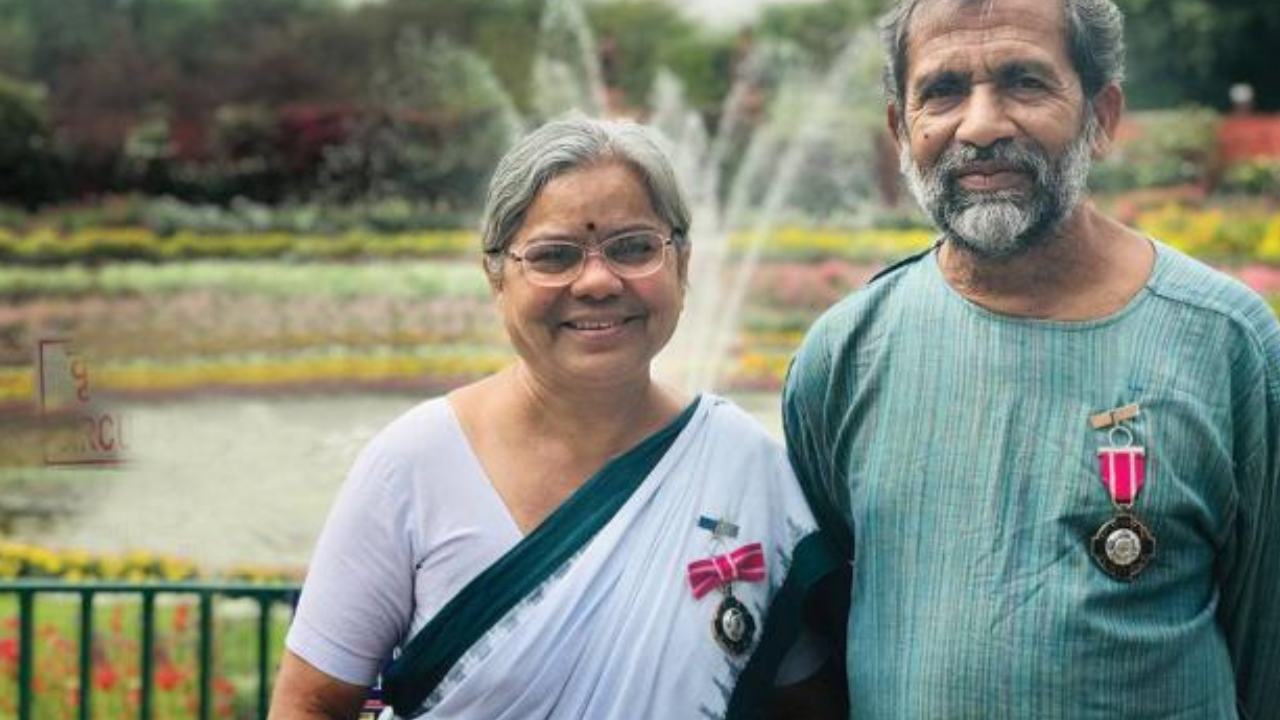
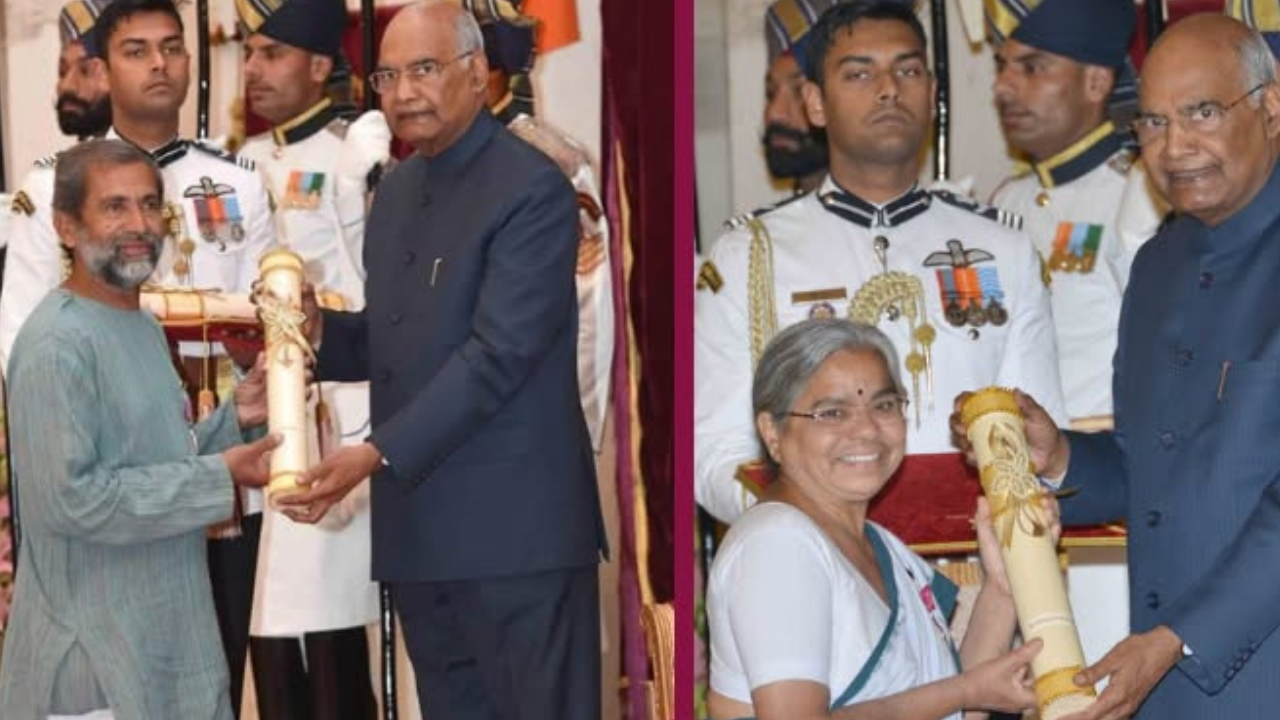
In 2019, the Government of India honoured Dr. Ravindra and Dr. Smita Kolhe with the Padma Shri, recognising decades of quiet service that had transformed tribal healthcare in one of Maharashtra’s most neglected regions. For many across the country, it was the first time they heard of the couple who had spent more than thirty years working far from recognition or visibility. But in Bairagarh, their legacy had been felt long before any award arrived, in children who survived, in safer childbirths, and in families who no longer faced illness with helpless acceptance.Their journey does not fit the rhythm of modern success stories. There were no dramatic turning points, no sudden breakthroughs, and no moments of overnight change. Progress came slowly, almost invisibly, built through patience and persistence. Just steady work, repeated every single day, year after year, until change quietly became permanent.Two doctors who chose to live where help was needed most and stayed long enough for hope to take root. Sometimes, transformation does not arrive through grand systems or sweeping reforms. Sometimes, it begins with a person willing to walk where the road ends… and decide not to walk back.

Source link

‘We naturally do not accept it’: Russia rejects Alexei Navalny poisoning charge by Europeans nations


'We naturally do not accept it': Russia rejects Alexei Navalny poisoning charge by Europeans nations
Image credit: Getty Images

Russia on Monday rejected the Alexei Navalny poisoning charge by Europeans nations calling it “biased and baseless”.“We naturally do not accept such accusations. We disagree with them. We consider them biased and baseless,” AFP quoted Kremlin spokesman Dmitry Peskov as saying.Britain, Sweden, France, Germany and the Netherlands said in a joint statement on Saturday that they believe Navalny was poisoned with epibatidine, a toxic substance derived from poison dart frogs.Meanwhile, US said that it was “not disputing” the charge, but stayed clear of making any direct comments on it.“Sometimes countries go out and do their thing based on the intelligence they have gathered. We obviously were aware of the report. It’s a troubling report. Certainly we don’t have any reason to question it or we’re not disputing or getting into a fight with these countries over it,” US secretary of state Marco Rubio said.Navalny, the most prominent domestic critic of Russian President Vladimir Putin, died in February 2024 at an Arctic penal colony, where he was serving a 19-year prison term.


Source link

‘6 days left’: BLA claims Pakistan soldiers in custody; sets deadline again


'6 days left': BLA claims Pakistan soldiers in custody; sets deadline again

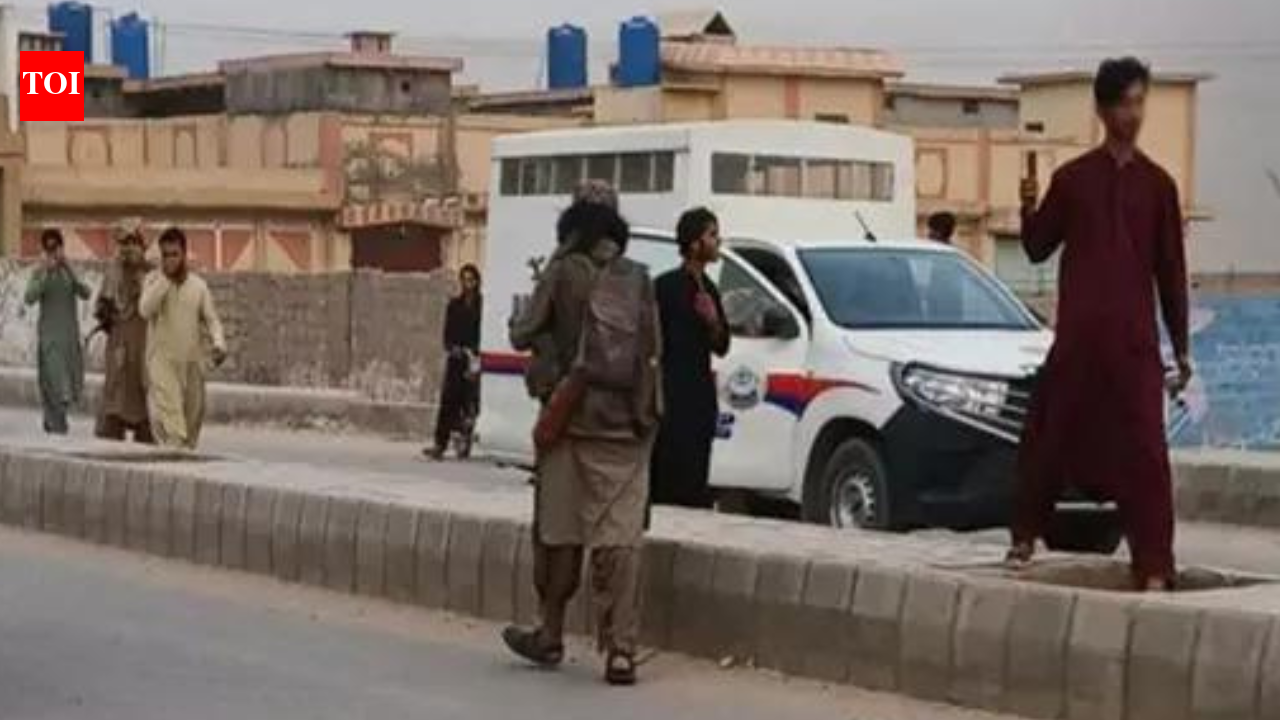
The Baloch Liberation Army (BLA) has issued a renewed warning to the Pakistani government, stating that six days remain for Islamabad to respond to its demand for a prisoner exchange involving seven alleged Pakistan army personnel detained during recent attacks in Balochistan.The statement follows a message released on Sunday through its media wing, Hakkal. BLA spokesperson Jeeyand Baloch said the group had activated a seven-day countdown, setting a deadline of 15 February 2026 for the government to formally express readiness for a swap.The BLA warned that if there is no “tangible progress” within the stipulated timeframe, it will carry out what it described as “court sentences” handed down by a self-styled “Baloch National Court”.The ultimatum follows the second phase of the group’s so-called “Operation Herof”, during which the BLA claims to have detained 17 individuals in coordinated attacks across the insurgent region.As of Monday, there has been no official response from the Pakistan government.According to the rebel group, 10 of those detained — identified as ethnic Baloch affiliated with local policing units or Levies — were released after being “warned”, a move the organisation said was in the “broader interests” of the local population.“The remaining detainees are members of regular units of the Pakistan Army. Proceedings were convened in a Baloch National Court, where the captives faced accusations ranging from involvement in actions against civilians to aiding enforced disappearances and taking part in the genocide of the Baloch people. During the hearing, the men were allowed to respond to the allegations, evidence was presented, and statements were recorded before a guilty verdict was delivered,” the statement read.BLA also maintained that they have convened what it called a “Baloch National Court” where the captives were tried for accusations ranging from involvement in actions against civilians to aiding enforced disappearances and taking part in what the organisation labels genocide.Islamabad has historically maintained a policy of not negotiating with banned separatist organisations, including the BLA.The BLA has accused the authorities of disregarding previous exchange proposals and “failing to prioritise the lives of their personnel”.


Source link

Revealed! India storm into Super 8s after Pakistan thrashing: Who’s next? | Cricket News


Revealed! India storm into Super 8s after Pakistan thrashing: Who's next?
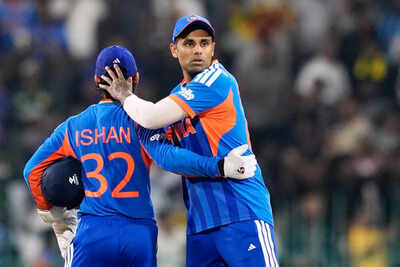
India’s captain Suryakumar Yadav, right, and Ishan Kishan celebrate against Pakistan (AP Photo/Eranga Jayawardena)

NEW DELHI: India crushed Pakistan by 61 runs to secure a place in the Super 8s stage of the T20 World Cup on Sunday. Ishan Kishan starred with a brilliant 77, helping India reach 175/7, before the bowlers dismissed Pakistan for just 114 in 18 overs.After qualifying, India captain Suryakumar Yadav praised his team and said, “I think this is for India,” adding, “Batting first was (the) better option on this wicket.”

Axar Patel press conference: ‘We see them as a team, don’t see rivalry’ after India beat Pakistan

He also praised Kishan’s knock, saying, “Ishan thought outside the box. After we were 0-1, someone had to take responsibility and the way he took it was amazing.”With the win, India have qualified for the Super 8s. Their schedule in the next round includes matches against South Africa, one of Zimbabwe or Australia, and West Indies, as they continue their title defence.India’s matches in Super 8s of T20 World Cup 2026

  • IND vs SA (Feb 22, Ahmedabad)
  • IND vs ZIM/AUS (Feb 26, Chennai)
  • IND vs WI (Mar 1, Kolkata)

However, before beginning their journey in the Super 8s, Team India will play against Netherlands on Wednesday at the Narendra Modi Stadium in Ahmedabad On Sunday, Pakistan’s chase fell apart quickly. They lost three wickets in the first two overs, including captain Salman Agha and opener Sahibzada Farhan. When Babar Azam was bowled for five, Pakistan were in deep trouble. Usman Khan tried to fight back with 44, but once he was stumped, the rest of the batting collapsed.Earlier in the match, the two captains again avoided shaking hands at the toss, continuing a pattern seen in the Asia Cup last year. The match itself was confirmed only days earlier after political uncertainty about Pakistan’s participation.Kishan played fearlessly, scoring his fifty in just 27 balls and attacking the bowlers all around the ground. His innings gave India a strong base, and the bowlers made sure Pakistan never came close in the chase.


Source link

What will humans look like in a million years? The answer may surprise you |


What will humans look like in a million years? The answer may surprise you

Thinking about human appearance far into the future tends to drift into science fiction, but the question is rooted in real science. Human bodies have never been fixed. They have shifted with climate, food supply, disease, movement and technology. A million years ago, humans did not look as they do today, and there is little reason to assume today’s form will last unchanged. Genetics, population growth and medical intervention all continue to shape people in quiet ways. Scientists are cautious about long-range predictions, yet patterns can be observed. By looking at fossils, recent human history and present demographic trends, researchers can outline pressures that may influence future human appearance. The picture that emerges is uncertain, uneven and shaped as much by choice and technology as by natural evolution itself.

Smaller bodies, darker skin, and tech-enhanced brains: How humans could evolve next

According to an article published on BBC Earth a million years ago, modern humans were absent. Instead, species such as Homo erectus and later Homo heidelbergensis lived across parts of Africa and Eurasia. They had heavier bones, stronger brow ridges and different body proportions. Homo sapiens appeared much later. The fossil record suggests slow shifts rather than sudden transformations.In the last 10,000 years, agriculture reshaped daily life. Reliable food supplies changed height and weight patterns. Some populations grew taller, others heavier. Diseases linked to diet increased, but medicine allowed many people to survive and reproduce. Evolution did not stop. It simply took a different route.

Crowded living might be a new environment that favours new traits

Our daily life requires us to be in constant social contact with others. This situation is considered a novelty in evolutionary terms. Some researchers think that abilities related to memory, communication and stress tolerance might become more significant. Also, there might be a change in the physical size as smaller bodies may need less energy in crowded places.

Human biology is getting merged with technology

Medical implants nowadays help to support hearts and joints as well as hearing. In the future, technology may not only be about repair but will also focus on enhancement. Brain implants and artificial eyes are currently being researched, but they are still at an experimental stage. If such devices become widespread, the exterior appearance could show technology as much as biology.

Population trends are the major influencers of the global features

The growth rate of the population varies drastically in different parts of the world. The fast growth of some parts of Africa indicates that some genetic traits may increase globally. Scientists suppose that darker skin tones may become more prevalent as demographic patterns have more influence than selection alone on the change.

Extra, terrestrial Life would cause a reshaping of the body

Living for an extended period on a planet like Mars may lead to muscle and bone atrophy due to lower gravity. Such alterations would most probably take place gradually, over many generations.Human variability is on the rise instead of decreasing. The destiny of the shape of humans is thus not predetermined and is continuously influenced by movement, free will and time rather than a single path.


Source link

Gold price prediction today: Is gold set to exhibit a bullish bias in the near term? Top factors to watch out for


Gold price prediction today: Is gold set to exhibit a bullish bias in the near term? Top factors to watch out for

Technically, MCX Gold on the daily chart continues to maintain a broader bullish bias despite the recent pullback. (AI image)

Gold price prediction today: Gold prices have pulled back from recent highs, but there is an underlying bullish bias, says Manav Modi, Senior Analyst, Commodity Research at Motilal Oswal Financial Services Ltd. Below is his outlook for gold prices today and this week, along with top factors that will influence the movement of the yellow metal:Gold is hovering around $5,000 after weaker-than-expected US inflation reinforced expectations of Fed easing, driving the 10-year US Treasury yield lower with market participants to price nearly 50% odds of a third rate cut by December. Inflation data last week was reported 0.1% lower than estimates. Recent comments from Kevin Warsh signaling a preference for lower policy rates add to expectations of two 25bp cuts in March and June, which would further compress real yields and support gold inflows. Geopolitical risks remain elevated, with reports of Washington deploying the USS Gerald R. Ford to the Middle East amid stalled Iran nuclear talks boosting safe-haven demand. Meanwhile, markets are increasingly focused on the potential inflationary impact of renewed tariff threats from Trump, alongside lingering questions over Fed credibility. Notably, gold is trading at a discount for the first time in nearly a month even as Chinese demand strengthens, with Shanghai warehouse stocks crossing 100 tonnes, highlighting robust physical buying interest.Focus this week will be on FOMC meeting minutes, PCE price index. The US market remains shut amidst the President’s day holiday while China’s market remains shut for the week amidst lunar new year.Technically, MCX Gold on the daily chart continues to maintain a broader bullish bias despite the recent pullback, with price holding well above the key medium-term support zone near 148,000–150,000, which coincides with the 20-day moving average and prior breakout levels. Immediate resistance is seen around 158,000–160,000, where recent highs and upper supply zones are clustered; a sustained close above this band could open the path toward fresh highs. Fibonacci retracement levels suggest strong structural support near the 0.382 and 0.5 zones around 139,000–134,000 on a deeper correction, keeping the broader uptrend intact unless these levels are decisively breached. Volume patterns indicate that the sharp spike seen during the recent sell-off was not followed by sustained heavy distribution, suggesting profit booking rather than trend reversal. From a Bollinger Band perspective, price recently touched the upper band during the rally and has since cooled toward the middle band (20-SMA), indicating volatility compression and potential base formation; if price stabilizes above the mid-band and bands begin to expand again, it would favor a continuation move higher, whereas a decisive break below the middle band could trigger short-term corrective pressure toward lower supports.(Disclaimer: Recommendations and views on the stock market, other asset classes or personal finance management tips given by experts are their own. These opinions do not represent the views of The Times of India)


Source link

US Presidents Day 2026: Are banks open in United States on February 16?


US Presidents Day 2026: Are banks open in United States on February 16?

The United States is observing Presidents Day on Monday, Feb. 16, a federal holiday honouring the country’s presidents, especially George Washington. As Americans mark the occasion, one of the common question is what services, like Banking, etc., remain open and what’s shutdown.Since Presidents Day is one of the official federal holidays in the US, several essential services, including government offices and financial institutions, suspend regular operations. Customers planning in-person banking or financial transactions may face closures and delays.

Bank operations on Presidents Day

Bank branches across the US will remain closed, as financial institutions observe the federal holiday. Major banks such as Capital One, Bank of America, Wells Fargo, PNC, Chase, Truist and Citibank will not operate their physical branches on Monday.However, customers can continue using digital banking services. Online banking platforms, mobile apps and ATMs will remain functional, allowing users to check balances, transfer funds and withdraw cash. Normal branch operations are expected to resume on Tuesday, Feb. 17.

What else is closed

Apart from banks, Several other services will be unavailable on Presidents Day. Government offices and post offices will remain closed, and there will be no regular mail delivery. Financial markets, including the New York Stock Exchange and the Nasdaq, will also remain shut in observance of the holiday.Most public schools and federal institutions will be closed as well, although policies may vary by district and university. Meanwhile, grocery stores, retail outlets and restaurants are generally expected to remain open and operate during regular business hours.Presidents Day, officially known as Washington’s Birthday, was established in 1879 to honour Washington and is now widely recognised as a day to celebrate all US presidents.


Source link