Breaking News
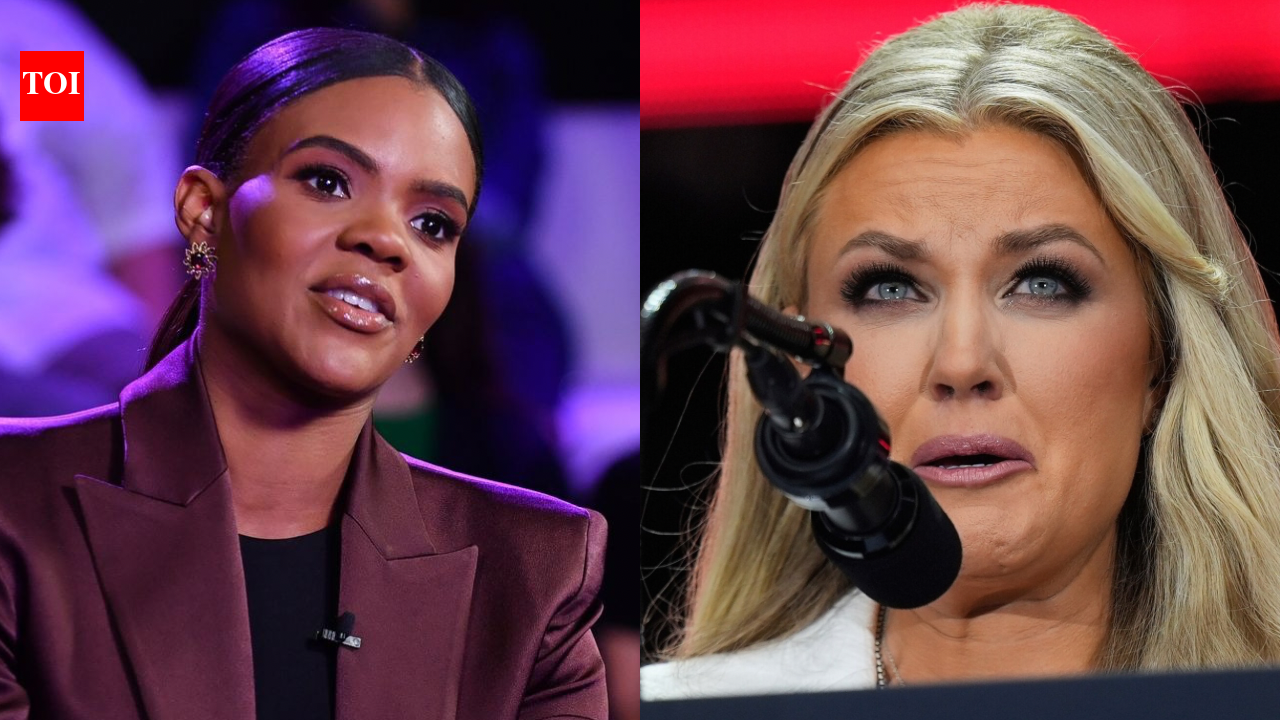
Fact check: Was Erika Kirk arrested after Candace Owens raised grooming allegation about 15 year old online?
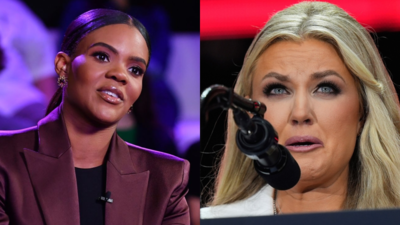

Fact check: Was Erika Kirk arrested after Candace Owens raised grooming allegation about 15 year old online?
Fact check: Was Erika Kirk arrested after Candace Owens raised grooming allegation about 15 year old online? (Image via Getty)

Erika Kirk has not been arrested and she is not under investigation. Currently, there is no public record in the United States linking her to any criminal case tied to the viral “grooming” claim. In the past few days, social media posts and a YouTube video claimed that Erika Kirk was arrested while trying to flee to Israel. The claim also linked her name to alleged “grooming” messages from 2014 involving a 15 year old. The story spread quickly after conservative commentator Candace Owens spoke about old screenshots on her show. But as of now, there is no official proof to support these claims.Erika Kirk, widow of Charlie Kirk, has not been charged, questioned, or arrested in connection with any such allegation. There are also no court filings, police statements, or federal records confirming an arrest.

Erika Kirk ARRESTED Trying To Flee To Israel Amid FBI Investigation | Tyler Robinson Case COLLAPSES

Candace Owens discusses unverified grooming screenshots as false arrest rumor about Erika Kirk spreads online

The grooming claim first appeared through screenshots shared on social platform X. The posts suggested that Erika Kirk exchanged messages in 2014 with an account described online as youth coded. However, the screenshots were never verified. The person behind that account has not publicly accused Erika Kirk of wrongdoing.Later, Candace Owens discussed the screenshots on her show. She did not present court documents or law enforcement proof. After that episode aired, a YouTube channel called Statecraft posted a video claiming Erika Kirk had been arrested while attempting to leave the country for Israel. The video suggested this was connected to both the grooming allegation and the case involving Charlie Kirk’s death.There is no evidence to support that claim. According to publicly available court records in Utah, the man accused in the death of Charlie Kirk, Tyler Robinson, is facing trial in Provo, Utah. That case is separate and does not name Erika Kirk as a suspect or person of interest. Major US media outlets have not reported any arrest or investigation involving her.As of now, no US law enforcement agency has announced charges against Erika Kirk. No arrest record exists in federal or state databases. The claim that she was detained while fleeing to Israel appears to be false. In short, viral posts connected her name to serious allegations. But there is no confirmed proof, no police case, and no verified arrest tied to Erika Kirk.



Source link

Economic growth spreads beyond metros; northern, eastern districts gain momentum: Report


Economic growth spreads beyond metros; northern, eastern districts gain momentum: Report

India’s economic expansion is increasingly extending beyond its largest metropolitan centres, with several districts in northern and eastern states emerging as new hubs of activity, even as established metros continue to dominate overall rankings, according to a new report.The findings are based on the City Vitality Index (CVI), Q1 2026, released by Dun & Bradstreet, which uses satellite-based Earth Observation data to track economic activity across more than 700 districts in real time.

Ahmedabad tops overall rankings

Ahmedabad retained the top position in the overall rankings, while Bengaluru slipped to second place. Delhi climbed to third, marking one of the strongest upward movements among major metropolitan centres.Pune, Hyderabad and Chennai recorded modest declines but remained within the top 10.Among Class-Y emerging districts, North 24 Parganas secured the first position, followed by Thane and Jaipur, indicating stable performance among fast-growing urban centres.

Northern, eastern districts show sharp gains

“What stands out this quarter is the sharp upward mobility across several northern and eastern districts,” Arun Singh, global chief economist at Dun & Bradstreet, was quoted as saying by ET.“Cities such as Gurugram, Hooghly, Moradabad, Samastipur and Madhubani have posted some of the strongest rank improvements, while Gonda’s 20-place surge to overall rank 13 signals how infrastructure, agriculture and connectivity are reshaping local economies. These shifts indicate the rise of new growth poles beyond conventional urban centres,” he said.According to the report, Gurugram jumped 34 places in the rankings, while Hooghly and Moradabad rose 20 ranks each.The index highlights a broader trend of decentralised growth, with economic activity spreading into districts beyond traditional metropolitan strongholds, supported by improvements in infrastructure and connectivity.


Source link

‘International waters are not sanctuary’: US forces intercept sanctioned Venezuelan ship Veronica III in Indian Ocean — video


'International waters are not sanctuary': US forces intercept sanctioned Venezuelan ship Veronica III in Indian Ocean — video
Image posted by Department of War on X

US military forces on Sunday boarded another sanctioned oil tanker in the Indian Ocean after tracking it from the Caribbean Sea as part of efforts to curb illicit oil shipments linked to Venezuela.According to the defence department, US forces conducted the operation overnight in the INDOPACOM area of responsibility. The tanker, identified as Veronica III, was intercepted after a long-distance pursuit.In a post on X, the Pentagon shared said, “We defend the Homeland forward. Distance does not protect you.” The department also posted a video showing US troops boarding the tanker.Giving details of the operation, it added, “Overnight, US forces conducted a right-of-visit, maritime interdiction and boarding of the Veronica III without incident in the INDOPACOM area of responsibility.”The department further stated that the vessel had attempted to evade enforcement measures ordered by President Donald Trump. “The vessel tried to defy President Trump’s quarantine —hoping to slip away. We tracked it from the Caribbean to the Indian Ocean, closed the distance, and shut it down. No other nation has the reach, endurance, or will to do this.”It also issued a broader warning, saying, “International waters are not sanctuary. By land, air, or sea, we will find you and deliver justice. The Department of War will deny illicit actors and their proxies freedom of movement in the maritime domain.”The Veronica III is a Panamanian-flagged vessel that is under US sanctions related to Iran, according to the website of the Treasury Department’s Office of Foreign Assets Control.The action comes amid ongoing US sanctions on Venezuela’s oil sector. Venezuela has faced American sanctions for several years and has relied on a so-called shadow fleet of falsely flagged tankers to move crude oil into global supply chains.In December, President Trump ordered a quarantine of sanctioned tankers to increase pressure on then-President Nicolás Maduro. Maduro was later apprehended in January during an American military operation.The Trump administration has been seizing tankers as part of its broader efforts to take control of Venezuela’s oil flows.Last week, US forces boarded another tanker, the Aquila II, in the Indian Ocean. According to a defence official, the ship was being held while US authorities decided its ultimate fate.


Source link

What will be India’s 3 reform priorities for next decade? Here’s what PM Modi said | India News


What will be India's 3 reform priorities for next decade? Here's what PM Modi said
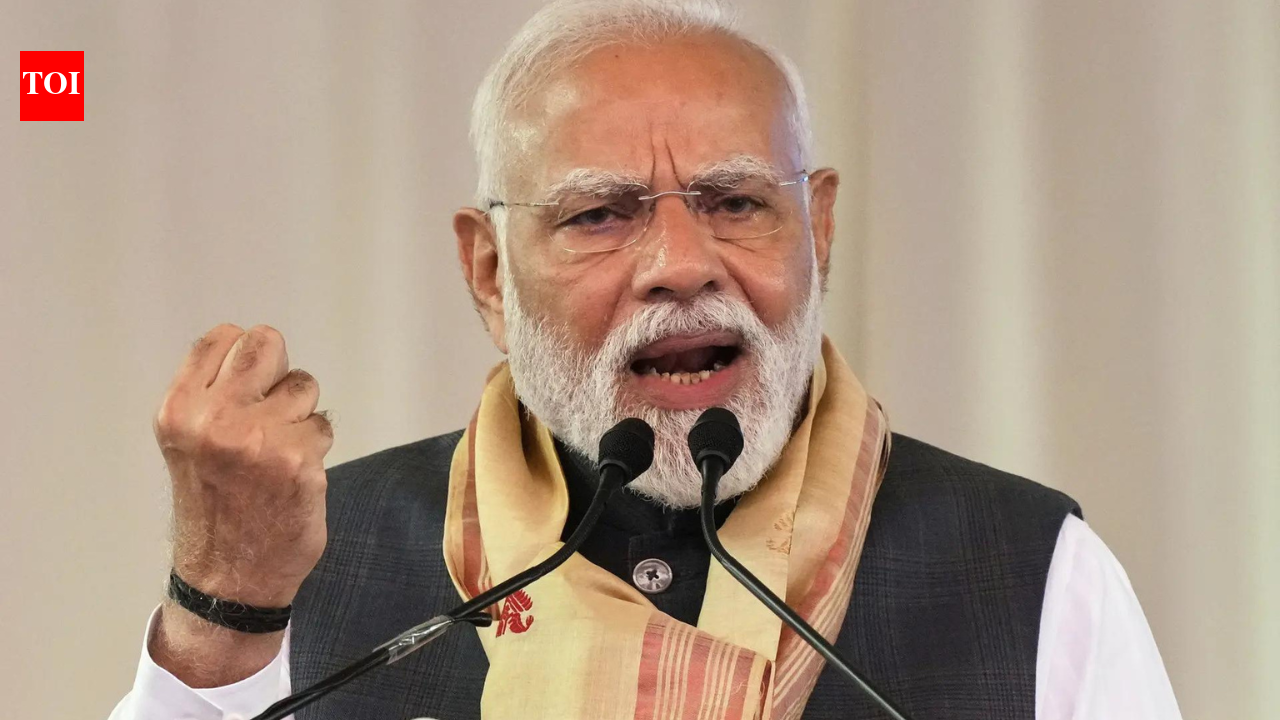
Prime Minister Narendra Modi (AP image)

NEW DELHI: Prime Minister Narendra Modi on Sunday outlined India’s reform priorities for the next decade, stressing the need for structural reforms, deeper innovation and simpler governance to achieve the goal of a “Viksit Bharat”.In an interview to PTI, PM Modi said that the next phase of India’s growth will require sustained reform momentum, bold private sector investment and a continued focus on infrastructure and digital transformation.“More structural reforms, deeper innovation and simpler governance,” PM Modi said, when asked about the three key reform priorities for the next decade.He said that India’s growth story is being shaped by fundamental changes in governance and economic policy. Highlighting the country’s digital transformation, PM Modi said, “India is a digital leader in the world made possible by fundamental reforms in how people transact via the UPI platform.”The prime minister also emphasised the role of data infrastructure in the coming years. “Data centres will be a massive job creator for our youth; we invite whole world’s data to reside in India,” he said.On infrastructure, PM Modi said that India is witnessing an unprecedented expansion. “India witnessing most expansive infra push in its history, built with future readiness in mind,” he told PTI, underlining that infrastructure development is being planned with long-term needs in focus.PM Modi also described productive capital expenditure as a hallmark of his government and said the latest Union Budget avoided short-term populism. Instead, it prioritised record capital outlays to create jobs and strengthen long-term growth.Also Read | ‘Focus less on margins’: PM Modi says private sector ‘critical’ for Viksit Bharat, offers strong advise – top quotesHe said that India’s goods exports have repeatedly broken earlier records in recent years, reflecting improved competitiveness and global integration.“Our national character has revealed itself even in challenging times; we are bright growth spot in difficult global circumstances,” he said, pointing to India’s resilience amid global economic uncertainty.On trade policy, the prime minister said that India’s free trade agreements are aimed at expanding opportunities for small businesses. “Our FTAs designed to expand market access for MSMEs in textile, leather, chemicals, handicrafts, gems and other sectors,” he said.Looking ahead, PM Modi stressed that the next leap towards a developed India will depend heavily on private sector participation. “Next leap to Viksit Bharat will depend on bold investment by pvt sector in innovation, long-term capacity, global competitiveness,” he said.He also underlined the role of women in India’s development journey. “It is my conviction that women will play the most important role in creating Viksit Bharat,” he said.Framing the broader vision, PM Modi said that the current policy direction should be seen as laying the foundation for long-term national goals. The reforms and investments being undertaken now, he suggested, are meant to prepare India for sustained growth over the next quarter-century.


Source link

Rijiju sets March 9 debate on no-confidence against Om Birla; Nehru’s 1954 message resurfaces | India News


Rijiju sets March 9 debate on no-confidence against Om Birla; Nehru’s 1954 message resurfaces
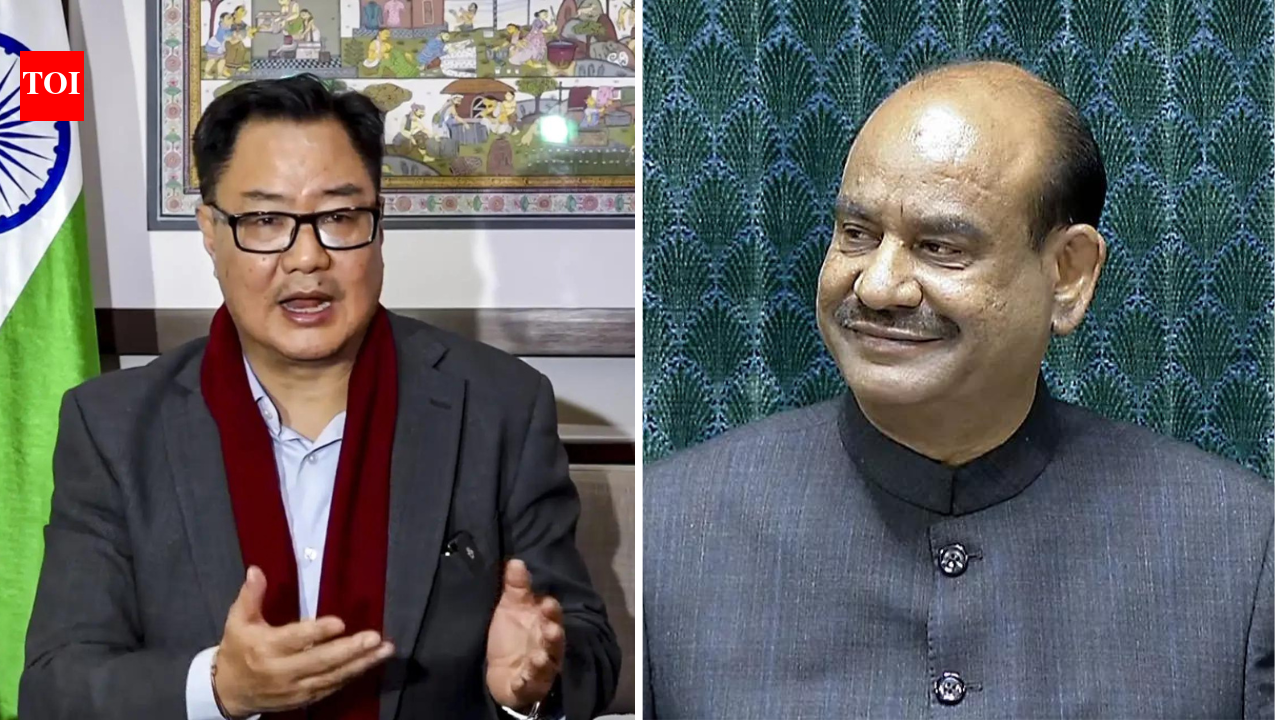
Kiren Rijiju and Om Birla (R)

NEW DELHI: Union parliamentary affairs minister Kiren Rijiju on Sunday said that the debate and voting on the no-confidence motion against Lok Sabha Speaker will be taken up on March 9.“On March 9 in the Lok Sabha, we will have the debate on the no-confidence motion moved against the speaker,” Rijiju told news agency PTI.“It is the rule to take it up on the first day. There will be a vote following the debate,” he added.Additionally, a speedy review will be conducted as per the rules, news agency ANI reported citing sources.This comes after Congress MPs submitted a no-confidence motion against the Om Birla, signed by 118 MPs. The Opposition MPs alleged “blatantly partisan” conduct and that leaders of opposition parties were not allowed to speak.However, this is not the first time when a no-confidence against Chair has been moved by the opposition. Earlier in 2024, the opposition moved a similar motion against then Rajya Sabha Chairman and Vice-President Jagdeep Dhankhar.History also records at least three instances since Independence when a no-confidence motion was moved to remove the Speaker. The first was against the first Lok Sabha Speaker, GV Mavalankar, in 1954, after MP Vigneshwar Misra alleged that the Speaker was not impartial.In 1966, opposition MPs moved a motion against Speaker Sardar Hukum Singh, with Madhu Limaye leading the charge and Deputy Speaker S V Krishnamoorthy Rao in the Chair.The third motion was moved on April 15, 1987, for the removal of Speaker Balram Jakhar by CPM MP Somnath Chatterjee, with Deputy Speaker Thambi Durai presiding. This motion was axed by the House.What was Nehru’s message to Congress MPs when oppn move a no-confidence motion against Speaker GV MavalankarThe first such situation surfaced on December 18, 1954, when the Opposition moved a resolution for the removal of then Speaker Mavalankar. It was admitted after over 50 members stood up in support, and a debate took place over it.India’s first prime minister Jawaharlal Nehru‘s message to Congress MPs during the debate in 1954 on the Opposition’s resolution to remove then Speaker GV Mavalankar was that they are not bound by any whip or direction, and that all legislators must consider the matter “regardless of party affiliations”.He had urged Lok Sabha MPs to look at the issue not through the lens of the party but as a matter concerning the dignity of the House.It was a fiery debate during which the Opposition, though weak in numbers, tore into Nehru and accused the speaker of being partisan.Intervening in the debate, Nehru said, “I would like to address the House, if I may, in my capacity and the high privilege of being the Leader of this House and not as a leader of the majority party. So far as this majority party is concerned, I would like to tell them that not one of them is bound by any whip or any direction: let them vote as they like. It is not a party matter. It is a matter for this House, for each individual, to consider, regardless of party affiliations.“Therefore, let us try to think of it not as a party issue but as members of this House, because this matter affects the hon. speaker, of course, but it affects the high dignity of this House as Parliament, it affects the first citizen of this country, that is, the speaker of this House,” he added.What is said about the speaker, what is done about the speaker comes back on each one of us who claim to be members of this House, the then PM said.“I wish members to realise this because I have felt sad and very sad ever since this matter came up before the House. We have known the speaker for many years and we have seen him function and it is possible that some of us may not have exactly the same opinion about him as others have; it is possible,” he said.“It has so happened that some of us have not particularly liked a decision of his or a ruling of his. It is one thing not to like a ruling or to disagree with it or even to feel, if I may say so, slightly irritated about something that has happened. These things happen. But, it is completely a different thing to challenge the bona fides of the very person in whose keeping is the honour of this House,” Nehru had said.“I do not say that it is not possible at all to raise a motion against the Speaker. Of course, the Constitution has provided it. Nobody challenges the right of the Opposition or any Member of the House to put forward this motion. I do not deny that right since it has been given by the Constitution. The point is not the legal right but the propriety; the desirability of doing it,” he said.Nehru then went on to strongly defend the speaker and hit out at the Opposition for questioning his bona fides.The Congress had a brute majority with over 360 members, and the resolution was negated by a voice vote.


Source link

Lulu Retail to open 50 new stores across Middle East: Hundreds of jobs up for grabs across the UAE, Saudi Arabia, Kuwait and Bahrain


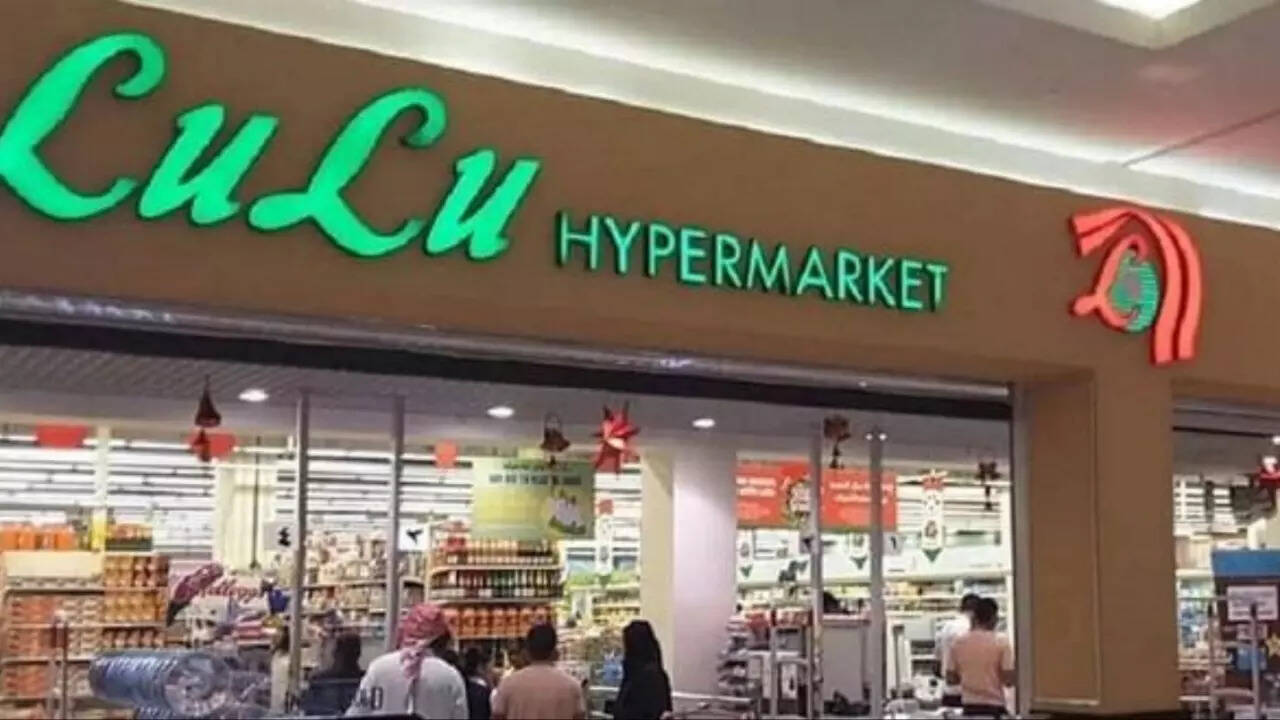
Lulu Retail Holdings, the largest pan-GCC full-line retailer, has unveiled an ambitious expansion strategy that will see the company open 50 new stores across the Gulf region between 2026 and 2028, a move expected to reshape regional retail dynamics and create hundreds of new jobs in coming years. The announcement comes as Lulu reported record revenues of Dh29.1 billion (approximately $7.9 billion) for 2025, driven by strong expansion momentum and robust e-commerce growth.

Lulu Retail’s expansion strategy: GCC growth and new retail formats

Lulu Retail’s rollout will significantly increase its network footprint, building on a baseline of 267 outlets currently operating across the UAE, Saudi Arabia, Kuwait and Bahrain. According to the company’s plans:

  • 50 additional stores including hypermarkets, express outlets and value-format shops, are slated to open by 2028, boosting accessibility to groceries and essentials across urban and suburban areas.
  • The expansion complements Lulu’s recent openings, such as a new Lulu Xpress store in Ras Al Khaimah’s Ghalilah Mall, which provides grocery and daily needs in a convenient neighbourhood location.

Congratulations!

You have successfully cast your vote

This multi-year development mirrors Lulu’s broader strategy to not only maintain its leadership in traditional hypermarkets but also grow smaller-format stores that cater to modern shopping patterns and convenience-based buying.

Lulu Retail driving economic impact: Jobs and local development

One of the most direct benefits of Lulu’s expansion is job creation across GCC markets. The new stores are expected to bring hundreds of employment opportunities in retail operations, supply-chain logistics, customer service and store management, a welcome boost for labour markets in the UAE, Saudi Arabia and neighbouring countries.

Lulu has previously been linked to large hiring drives tied to its growth ambitions; in the past, the retailer’s expansion initiatives included plans to recruit workers for newly opened cinemas and retail facilities. In addition to direct jobs, the company’s footprint aids local economies by strengthening supply chains, supporting national agriculture and food suppliers, and contributing to broader economic diversification goals of GCC countries.

Lulu’s expansion reflects broader regional trends in Gulf consumer markets –

  • Retail growth resilience: Consumer spending on essentials and digital grocery channels has strengthened, with Lulu’s e-commerce platform reporting rapid year-on-year online sales growth alongside physical store expansion.
  • Convenience formats: Smaller formats like express stores and mini-markets are becoming integral to retail ecosystems, mimicking global trends in convenience-oriented shopping behaviour.
  • Cross-border retailing: The group’s presence near strategic locations, such as the UAE–Oman border at Al Sila and busy commercial hubs, increases customer reach and reflects Lulu’s adaptive retail strategy.

The expansion also comes amid an evolving retail space in the Gulf, where regional chains are increasingly investing in technology, loyalty programmes and supply-chain integration to improve cost-competitiveness and customer satisfaction.

Lulu Retail’s e-commerce and loyalty as growth pillars

Lulu’s growth is not limited to physical stores. Its digital platform and loyalty ecosystem are central to its long-term strategy:

  • In 2025, e-commerce surged with online penetration growing significantly, highlighting a successful omni-channel approach that complements brick-and-mortar retailing.
  • The Happiness loyalty programme expanded its membership base, with millions of consumers contributing to sustained sales through repeat purchases and personalised promotions.

This blend of store expansion and digital innovation positions Lulu well to meet shifting consumer expectations in a post-pandemic retail landscape.

Strategic outlook: GCC retail dynamics in 2026–2028

The next three years will be pivotal for retail in the Gulf, and Lulu Retail’s expansion strategy underscores confidence in sustained consumer demand and economic growth across the region. Continued store openings are expected to:

  • Enhance competition and choice for shoppers in suburban and rural markets, not just urban centres.
  • Support job markets, particularly for young professionals and retail specialists.
  • Integrate digital and in-store experiences that reflect global retail best practices.

As GCC economies continue opening up and diversifying, initiatives like Lulu’s expansion, blending physical presence with digital commerce, could shape the future of everyday retailing across the Middle East. Lulu Retail’s announcement of 50 new stores and hundreds of jobs across the GCC by 2028 marks a significant milestone for the region’s retail industry, reflecting an ongoing evolution that blends customer convenience, economic opportunity and digital resilience.

As the company enhances accessibility to essentials and supports local workforces, its strategy embodies the dynamism of Gulf consumer markets in 2026 and beyond.


Source link

India deputes Om Birla, Vikram Misri to Dhaka for Bangladesh PM-elect Tarique Rahman’s swearing-in


India deputes Om Birla, Vikram Misri to Dhaka for Bangladesh PM-elect Tarique Rahman's swearing-in
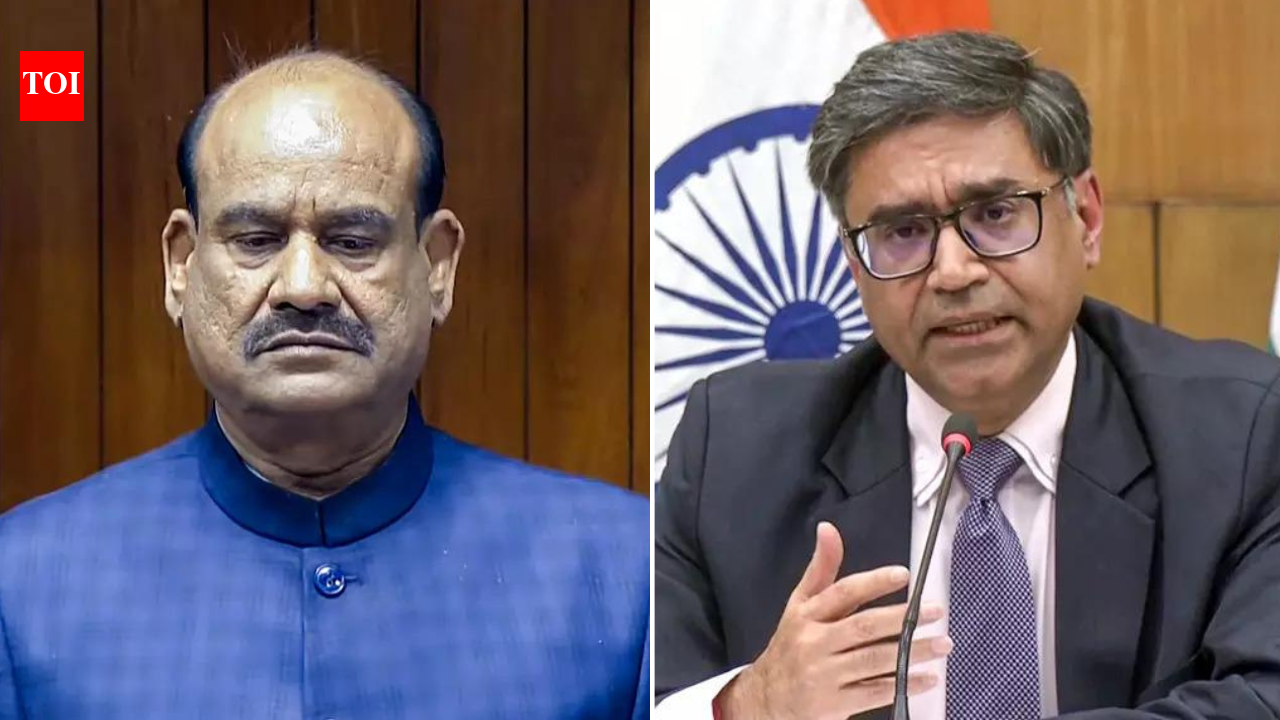
Lok Sabha Speaker Om Birla and foreign secretary Vikram Misri (File photo)

NEW DELHI: India will be represented by Lok Sabha Speaker Om Birla at the swearing-in ceremony of Bangladesh PM-elect and BNP chief Tarique Rahman on Tuesday, as the BNP returned to power in Dhaka with a landslide mandate.Lok Sabha Speaker Om Birla will be accompanied by foreign secretary Vikram Misri at the event, ANI sources confirmed on Sunday.The ceremony will be held at the South Plaza of the National Parliament following the party’s sweeping victory in the 2026 general election.Bangladesh has sent invitations for the ceremony to leaders of 13 countries, including India. This comes amid fluctuating relations between New Delhi and Dhaka after former Prime Minister Sheikh Hasina was toppled during major unrest in Bangladesh in August 2024. She subsequently took refuge in India and remains in exile due to safety concerns.Meanwhile, Hasina’s arch-rival party, the BNP, has now secured power in Dhaka, and the diplomatic trajectory between India and Bangladesh will be closely watched in the coming days.


Source link

‘The ball is in America’s court’: Iran signals readiness to compromise in nuclear deal if US lifts sanctions


'The ball is in America's court': Iran signals readiness to compromise in nuclear deal if US lifts sanctions
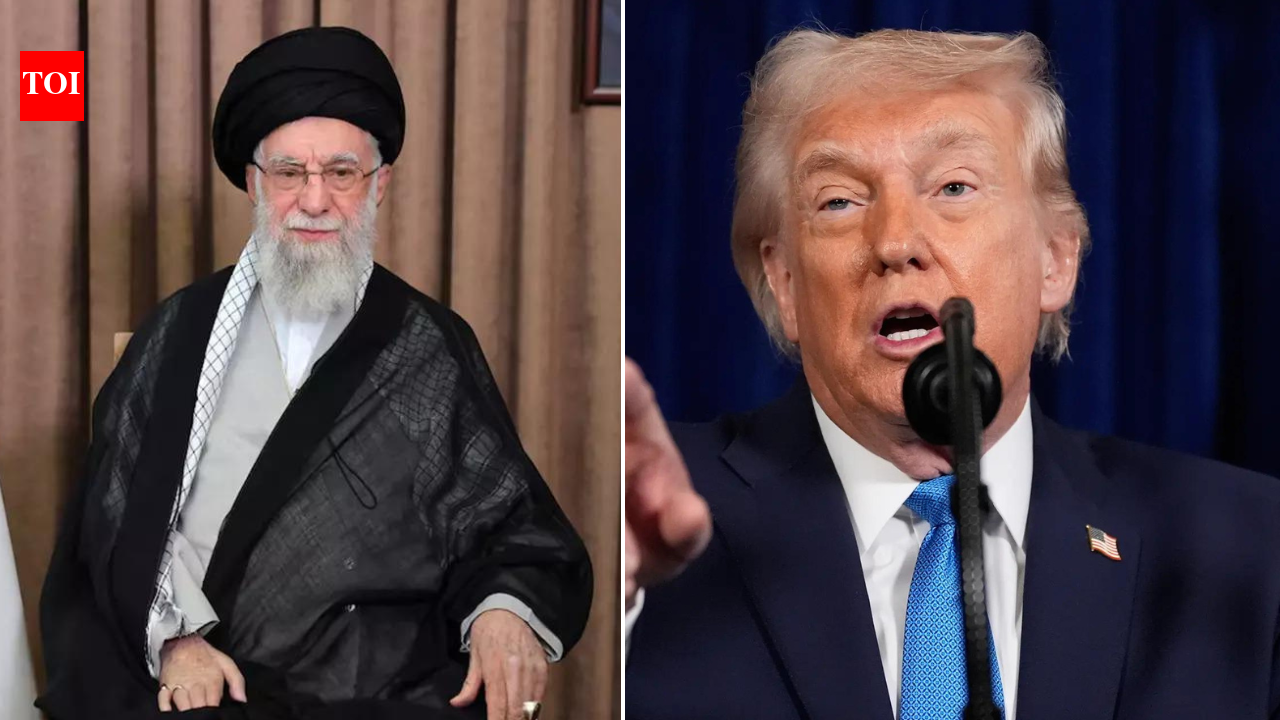
Ali Khamenei and Donald Trump (AP images)

Iran’s deputy foreign minister Majid Takht-Ravanchi said that Tehran is ready to consider compromises to reach a nuclear deal with the United States, provided Washington is willing to discuss lifting sanctions.Speaking in an interview with the BBC in Tehran, Takht-Ravanchi said that the responsibility now lay with Washington. “The ball is in America’s court to prove that they want to do a deal. If they are sincere, I’m sure we will be on the road to an agreement,” he said.His remarks come amid renewed diplomatic efforts between the long-time adversaries. Iran and the United States held indirect talks in Oman earlier this month and are set to meet again in Geneva on Tuesday. Takht-Ravanchi described the initial discussions as “more or less in a positive direction but it is too early to judge.” US President Donald Trump has also characterised the talks as positive, though he has warned that failure to reach a deal could result in military strikes.At the centre of the dispute is Iran’s nuclear programme. Tehran has enriched uranium to levels of up to 60%, close to weapons-grade, raising international concerns that it could move towards developing a nuclear weapon, an accusation Iran has consistently denied.The Iranian official highlighted Tehran’s flexibility, pointing to its offer to dilute highly enriched uranium as an example of willingness to compromise.“We are ready to discuss this and other issues related to our programme if they are ready to talk about sanctions,” he said. He also said that it was “too early to say” whether Iran would agree to ship out its stockpile of more than 400kg of highly enriched uranium, as it did under the 2015 nuclear accord. That agreement, formally known as the Joint Comprehensive Plan of Action, was signed between Iran and world powers but later abandoned by President Trump during his first term. The deal had eased sanctions in exchange for strict limits on Iran’s nuclear activities. Russia, which previously accepted low-enriched uranium from Iran under the accord, has offered to do so again.Iran insists that any new negotiations must focus solely on the nuclear issue. “Our understanding is that they have come to the conclusion that if you want to have a deal you have to focus on the nuclear issue,” Takht-Ravanchi said. He stressed that zero enrichment was not acceptable to Tehran, calling it a red line and a violation of Iran’s rights under the Nuclear Non-Proliferation Treaty. “The issue of zero enrichment is not an issue anymore and as far as Iran is concerned, it is not on the table anymore,” he said, a position that contrasts with President Trump’s recent public remarks that “we don’t want any enrichment.”Takht-Ravanchi also reiterated that Iran would not discuss its ballistic missile programme, despite pressure from Washington and Israel. “When we were attacked by Israelis and Americans, our missiles came to our rescue so how can we accept depriving ourselves of our defensive capabilities,” he said.US officials, including Secretary of State Marco Rubio, have maintained that Iran is responsible for delays in the protracted negotiations.President Donald Trump has expressed support for a deal but warned that achieving one is “very hard to do” and has threatened military action if a satisfactory agreement cannot be reached. The US has also built up its military presence in the region, a move Takht-Ravanchi described as a “potentially traumatic scenario” that would harm all parties involved.The deputy foreign minister expressed concern over what he described as mixed messages from Washington, particularly references by President Trump to possible regime change. “We are hearing that they are interested in negotiations. They have said it publicly; they have said it in private conversations through Oman that they are interested to have these matters resolved peacefully,” he said.He added that such regime change rhetoric was not reflected in private messages conveyed via Oman’s foreign minister.Despite deep mistrust and lingering differences, Takht-Ravanchi said that Iran would approach the upcoming Geneva talks with cautious hope. “We will do our best but the other side also has to prove that they are also sincere,” he said.The second round of talks in Geneva is expected to include US envoys Steve Witkoff and Jared Kushner, with Omani representatives mediating the discussions. Regional powers, including Qatar, are also playing a role in facilitating the dialogue.


Source link

Ramadan 2026 working hours in the UAE: Philippine embassy in Abu Dhabi announces revised timings from Feb 19


Ramadan 2026 working hours in the UAE: Philippine embassy in Abu Dhabi announces revised timings from Feb 19
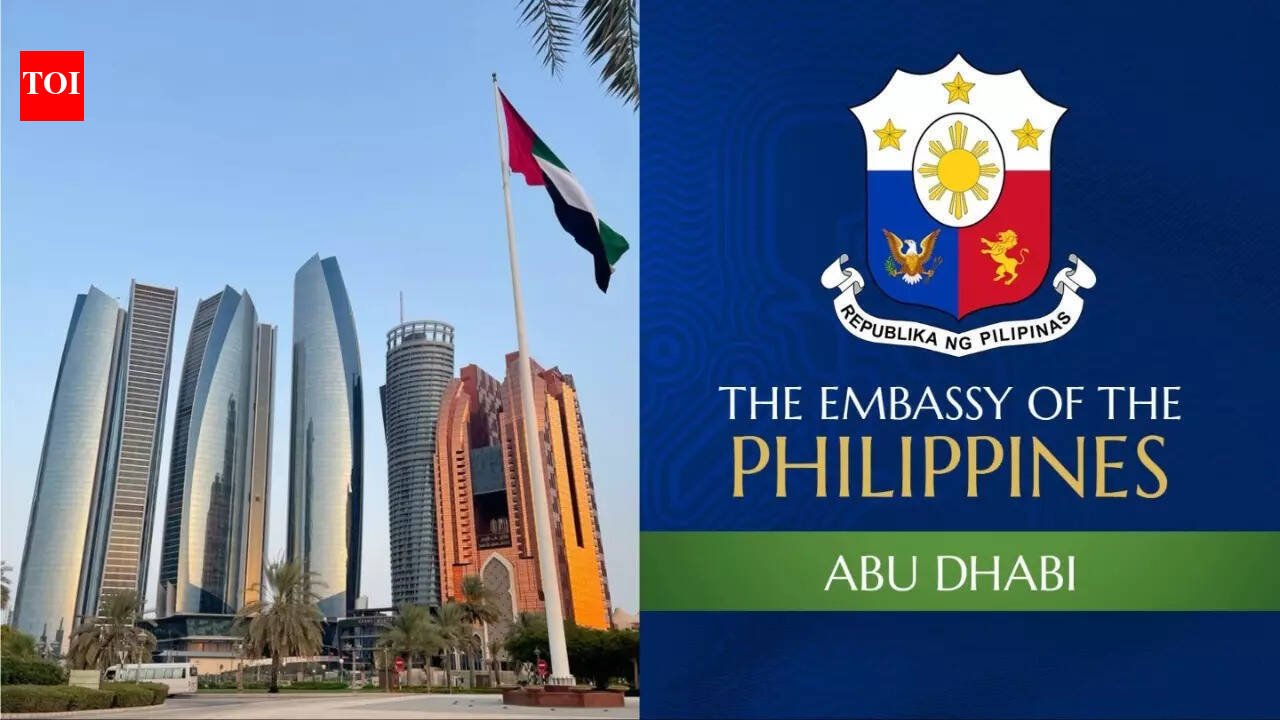
Philippine Missions in UAE Cut Hours During Ramadan: Are Services Being Hindered?

As the holy month of Ramadan 2026 approaches, with the crescent moon sighting expected around 19 February, embassies and government offices across the United Arab Emirates (UAE) have begun updating service schedules and working hours to accommodate shorter days and fasting practices. Among them, the Philippine Embassy in Abu Dhabi and the Philippine Consulate General in Dubai and the Northern Emirates recently announced revised operational timings for consular services, passport renewals, civil registry transactions and other public-facing services during the month of Ramadan.

New Philippine embassy and UAE consulate hours in Ramadan 2026

According to official advisories, the Philippine diplomatic missions in the UAE will operate on shortened hours throughout Ramadan, aligning with the spirit and practical needs of the month:

  • Monday to Thursday: 07:30 am – 2:30 pm
  • Friday: 07:30 am – 12:00 pm
  • Regular working hours are set to resume after Eid Al Fitr.

The embassy also stressed that most services require prior appointments, particularly for notarial and civil registry transactions, which are typically scheduled in the early morning to help manage demand and avoid long waits during midday. In addition, the mission urged the large Filipino community in the UAE to rely only on verified information from official sources, including embassy and consulate bulletins, amid a rise in unconfirmed and conflicting reports circulating online about service hours and procedures.The UAE, like many Muslim-majority countries during Ramadan, officially reduces working hours for both public and private sector employees to allow workers to observe fasting and religious practices comfortably. Federal government offices typically operate on reduced hours during the holy month (such as 9:00 am to 2:30 pm, Monday to Thursday and 9:00 am to 12:00 pm on Fridays), with flexible or remote work arrangements permitted within those frameworks.

​UAE Ramadan 2026: Philippine Embassy and Consulate Revised Hours for Filipinos​

UAE Ramadan 2026: Philippine Embassy and Consulate Revised Hours for Filipinos

While embassies are technically exempt from federal work regulations (as they are sovereign missions), many align with the spirit of the reduction to serve visitors efficiently and respectfully during Ramadan. For essential services like visas, passport renewals and notarial acts, timing changes help both staff and visitors manage consular interactions earlier in the day, avoiding mid-day crowds and heat.

Impact on Filipino residents and travellers in the UAE

The UAE is home to one of the largest Filipino expatriate communities in the world, with hundreds of thousands of workers and families living in Abu Dhabi, Dubai, Sharjah and the Northern Emirates. These residents frequently rely on embassy and consulate services for:

  • Passport renewals and new passport applications
  • Notarial and authentication services
  • Civil registry transactions (birth, marriage, death certificates)
  • Overseas employment documentation and verification
  • Assistance to nationals (including emergency help)

With adjusted Ramadan hours, Filipinos planning to visit the embassy are advised to schedule appointments early in the week and early in the day, when offices are open longest and to verify appointment slots through official embassy channels to avoid confusion.

How this fits into broader Ramadan 2026 preparations in the UAE

The adjustment at the Philippine Embassy is part of a larger pattern across the UAE during Ramadan. Federal entities, private sector workplaces and community services all reduce hours, often by two hours per day for private sector employees, with options for flexible or remote work, to help balance productivity with religious observance.

Filipino Embassy Cuts Hours During Ramadan: What Does This Mean for UAE Residents?

Filipino Embassy Cuts Hours During Ramadan: What Does This Mean for UAE Residents?

These changes are designed to support both Muslim and non-Muslim workers by reducing midday workloads, making commutes easier, and enabling people to attend prayers, spend time with family and maintain health while fasting.

Planning ahead: Tips for Filipino residents in the UAE

To make the most out of embassy services during Ramadan:

  • Book appointments early in the week and early in the day – Mornings are less crowded and services like notarials often close earlier.
  • Confirm service requirements in advance through embassy hotlines or official social media channels to avoid delays.
  • Prepare documentation ahead of your visit so you can complete requirements efficiently within the shorter service window.
  • Monitor updates as hours may be adjusted slightly based on moon sighting announcements and Eid dates.

The Philippine Embassy’s Ramadan schedule update reflects a harmonised approach to service delivery that respects both the UAE’s cultural norms and the needs of its diverse expatriate communities. With shorter hours, appointment-based systems and clear communication from official sources, Filipino residents in the UAE can navigate their consular affairs during Ramadan smoothly and with confidence.


Source link

‘White-collar’ terror probe: Doctors formed ‘Ansar Interim’ to carry out attacks | India News


'White-collar' terror probe: Doctors formed 'Ansar Interim' to carry out attacks

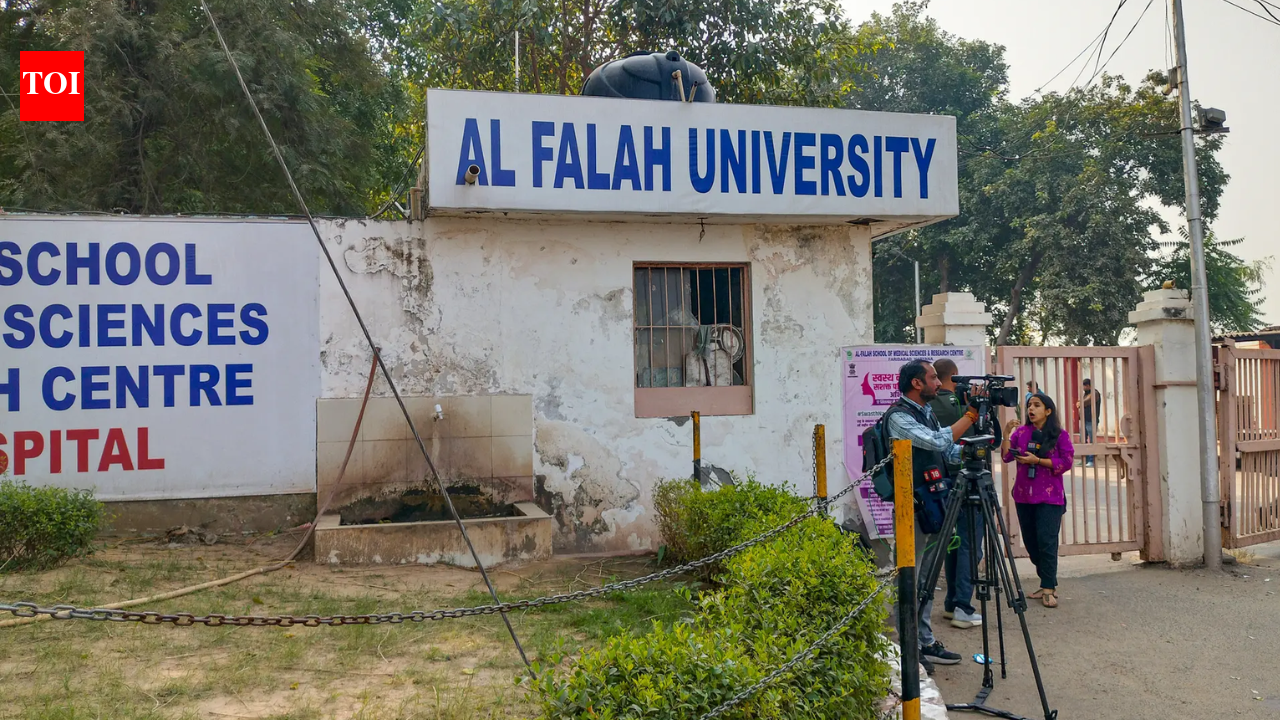
NEW DELHI: The “white-collar” terror module recently uncovered by J&K Police, in which several doctors were arrested, revealed that after being radicalised in 2016 they formed a new terror outfit called “Ansar Interim” to carry out subversive activities in the Union Territory and beyond, officials said on Sunday. The case is now being investigated by the National Investigation Agency (NIA).The inter-state terror network first came to light after JeM posters appeared on walls in Bunpora, Nowgam, on the outskirts of Srinagar, on October 19. Srinagar police registered a case and analysed CCTV footage, leading to the arrest of three locals — Arif Nisar Dar alias Sahil, Yasir-ul-Ashraf, and Maqsood Ahmad Dar alias Shahid — all of whom had prior stone-pelting cases, reported PTI.Their interrogation led to the arrest of Maulvi Irfan Ahmad, a former paramedic turned Imam from Shopian, who allegedly supplied the posters and used his access to radicalise the doctors.Investigators later found that the accused doctors — Muzamil Gannie, Umer-un-Nabi (now dead), and Adeel Rather — along with his brother Muzzafar Rather (absconding), Maulvi Irfan, Qari Aamir, and Tufail Gazi had met at Eidgah in downtown Srinagar in April 2022. During this meeting, they decided to form the terror organisation “Ansar Interim,” naming Adeel as the ‘Ameer’ (chief), Maulvi Irfan as ‘Deputy Ameer,’ and Gannie as treasurer.Officials noted that among militant groups, “Ansar” is commonly associated with the globally banned terror outfit Al-Qaeda.The arrested doctors and preachers told interrogators that they formed a new group after losing contact with active terrorists. Roles and operational codes were assigned, with Umer taking charge as coordinator and, along with Gannie, handling finances and procurement.In 2023, the group began acquiring materials, including fertiliser from Sohna and Nuh in Haryana. On Umer’s instructions, NPK — commonly known as Potassium Nitrate in this context — was also purchased from a chemical shop in Faridabad. During interrogation, the arrested doctors said Umer watched online videos to learn rudimentary Improvised Explosive Device (IED) construction and managed to prepare Triacetone Triperoxide (TATP), a peroxide explosive used in several terrorist attacks as the filling for IEDs, as reported by PTI.Officials said Adeel began recruiting members and brought in an individual named Danish, alias Jasir, from South Kashmir. Adeel took him to a rented accommodation within Al-Falah University in Faridabad, where both saw Umer and Gannie preparing TATP explosive materials. Umer later tried to persuade Danish to carry out a ‘fidayeen’ (suicide) attack, but he backed out at the last minute, citing his poor economic condition and the belief that suicide was forbidden in Islam.Umer, a 28-year-old doctor from Pulwama, is believed to have been the most radicalised member and key operative in a network spanning Kashmir, Haryana, and Uttar Pradesh. Officials suspect he had been planning a powerful Vehicle-Borne Improvised Explosive Device (VBIED) blast, intending to place it in a crowded location in the national capital or at a site of religious importance and then flee.However, the plot collapsed after Srinagar police arrested Gannie and seized explosives, prompting Umer to panic and leading to the premature blast outside the Red Fort on November 10, which killed over a dozen people. Investigators also found that Umer had earlier tried unsuccessfully to join terror groups in 2016 and 2018.


Source link