Breaking News
EC relaxes common symbol norm for unrecognised parties | India News

EC relaxes common symbol norm for unrecognised parties

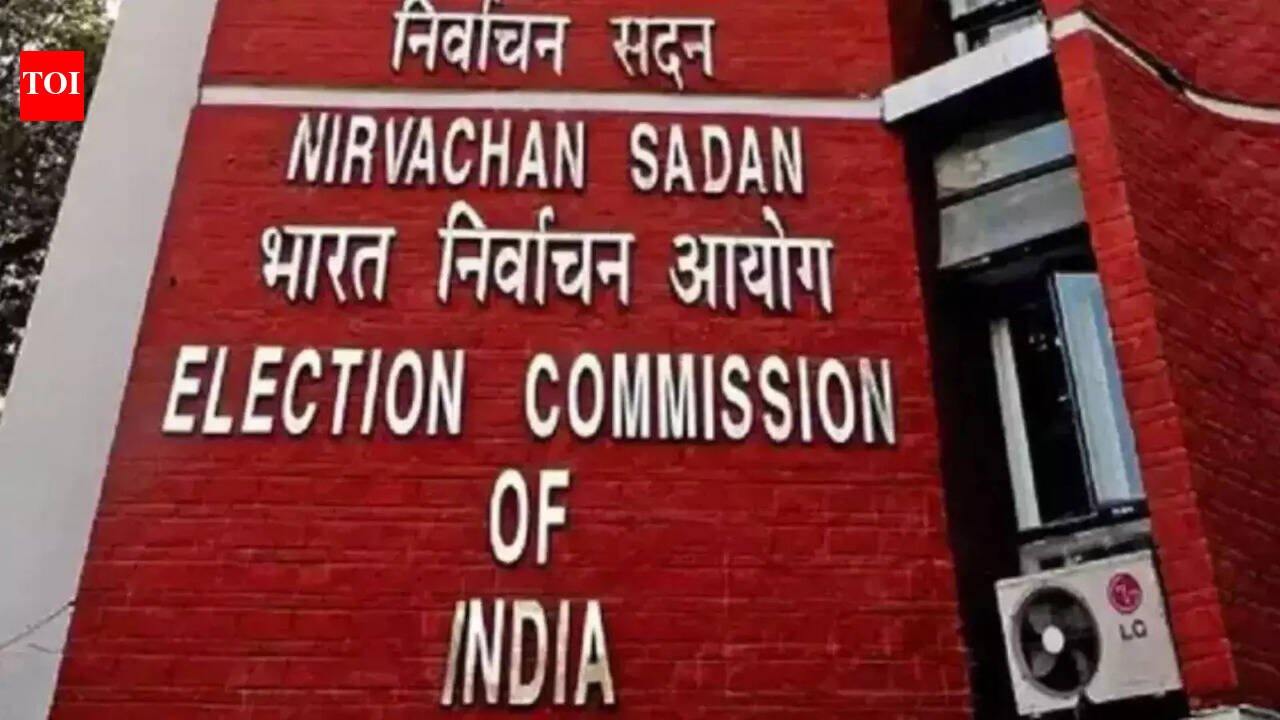
NEW DELHI: The Election Commission, in a move aimed at strengthening the genuine registered unrecognised political parties (RUPPs), on Saturday amended the Election Symbols Order to allow all candidates fielded by RUPPs to use a common symbol, if the party had polled at least 1% of the total valid votes in one of the two previous elections held in a given state. Earlier, the provision allowed this concession a third time only if the RUPP had contested the two previous polls in that state on a common symbol, and polled at least 1% of the valid votes in the last held election. As per Para 10(B) of the Election Symbols (Reservation and Allotment) Order, 1968, a common symbol may be used by all candidates of an RUPP that has previously used this concession at any two Lok Sabha elections, any two assembly elections or a Lok Sabha election and assembly poll in that state, as the party may choose.Sources in EC said the amendment has been made to facilitate RUPPs that had performed well when it used the common symbol concession at the first election but failed to garner a minimum 1% of the valid votes in the subsequent election in the state. “It was felt that they must be given a third chance even if they could meet the 1% voteshare criteria in one of the last two polls contested,” said an EC official.“The idea is to facilitate the genuine RUPPs to participate in the democratic and electoral process. This contrasts with the tough action initiated in the past year against defunct and inactive RUPPs, as part of which a total 808 RUPPs were delisted. The delisting was on grounds of the RUPPs’ failure to honour statutory conditions of their registration, by not contesting elections over the past six years and/or not filing annual financial statements like contribution reports, annual audit reports and expenditure statements, with the Election Commission. RUPPs is entitled to benefits like income-tax exemption concessions, a common poll symbol and preference over Independent candidates in the ballot paper, etc.

Source link

80% Indians cleared by tests are struck by heart attack | India News


80% Indians cleared by tests are struck by heart attack

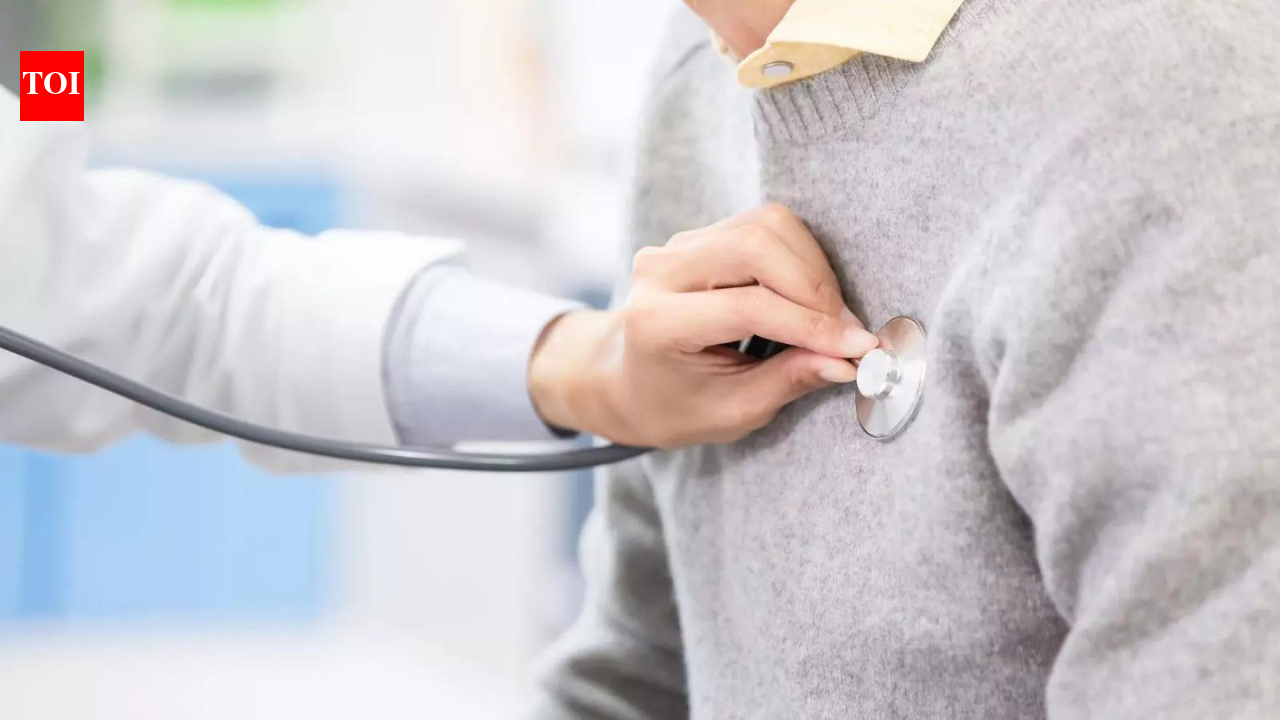
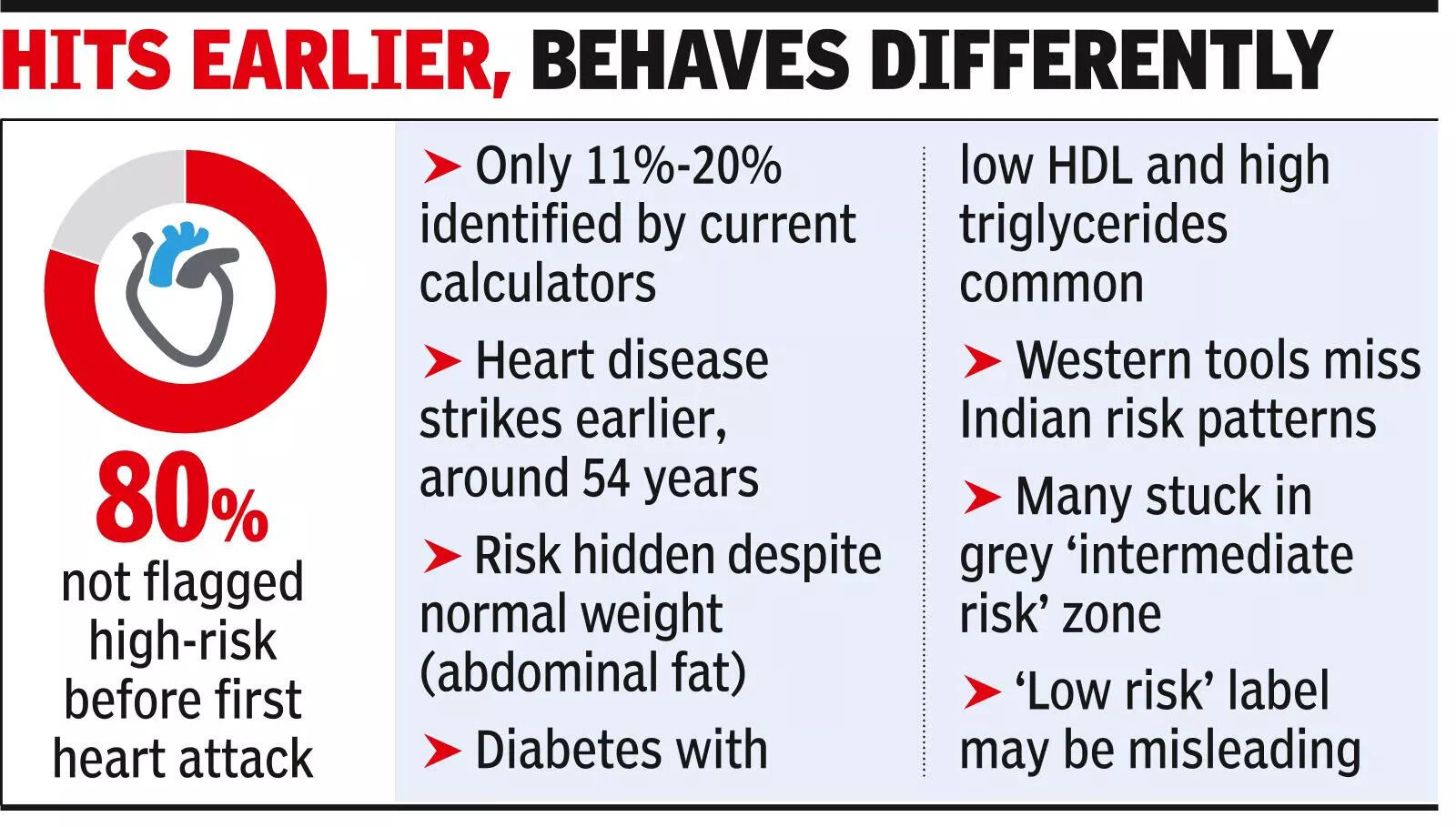
NEW DELHI: He had no red flags. No “high-risk” tag. By standard medical calculators, he was not the kind of patient doctors worry about. Then came the heart attack — sudden and without warning. Doctors say this is no longer unusual. A major Indian study suggests it may be the norm.In a retrospective analysis of more than 5,000 Indian patients, widely used global heart risk calculators failed to identify most people at risk, with around 80% of those who suffered a first heart attack not flagged as high-risk beforehand. Researchers led by Dr Mohit Dayal Gupta at GB Pant Hospital, Delhi, says Western models miss India-specific risk patterns, often placing patients in low or moderate categories despite underlying danger.These models are used by doctors to decide who needs treatment, but the study found they often misclassify risk and sometimes give conflicting results. Across models, only 11%-20% of patients were labelled high-risk, even though all eventually had a heart attack.“Indian patients and population behave totally differently. We have different risk factors, different patterns and hence Western scores may not always be appropriate,” said Dr Gupta.

Gobal heart risk calculators failing Indians, finds study

‘80% Of Those Who Suffered First Heart Attack Not Labelled High-Risk’

At the core of the problem is a mismatch. Most of these risk calculators were designed using Western populations, where heart disease tends to occur later. In India, it strikes earlier and behaves differently — the study found the average age of patients was just 54, underscoring how premature heart disease has become.Researchers say Indians show a distinct “South Asian phenotype”. Heart risk appears earlier, often with diabetes and insulin resistance even at normal body weight. Cholesterol patterns are misleading — low HDL and high triglycerides, while LDL may not be very high. Many also have hidden abdominal fat despite appearing lean, a risk missed by BMI-based assessments. Smoking and psychosocial stress, along with traditional risk factors like diabetes, smoking and dyslipidemia, further add to this hidden burden.This is why Western risk scores underperform. They rely heavily on age and LDL cholesterol, leading to underestimation in younger Indians. As a result, many patients fall into an “intermediate risk” category — a grey zone that often delays preventive treatment. Crucially, these models ignore key drivers like insulin resistance, lipoprotein(a), ApoB, central obesity and chronic kidney disease.The impact is significant. These scores determine who gets preventive drugs and closer monitoring. When risk is underestimated, intervention often comes only after a major event.The findings have renewed calls for customised risk scores, as Indian populations remain poorly represented in global datasets. Experts say that until such tools are developed, risk calculators must be used alongside clinical judgment, including family history, diabetes, psychosocial stress and early screening.


Source link

Parliament to be adjourned on April 2, to meet after assembly polls | India News


Parliament to be adjourned on April 2, to meet after assembly polls

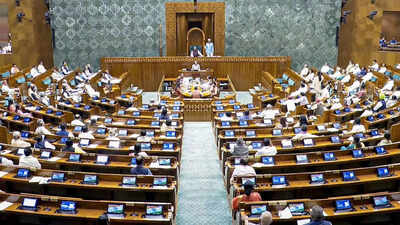
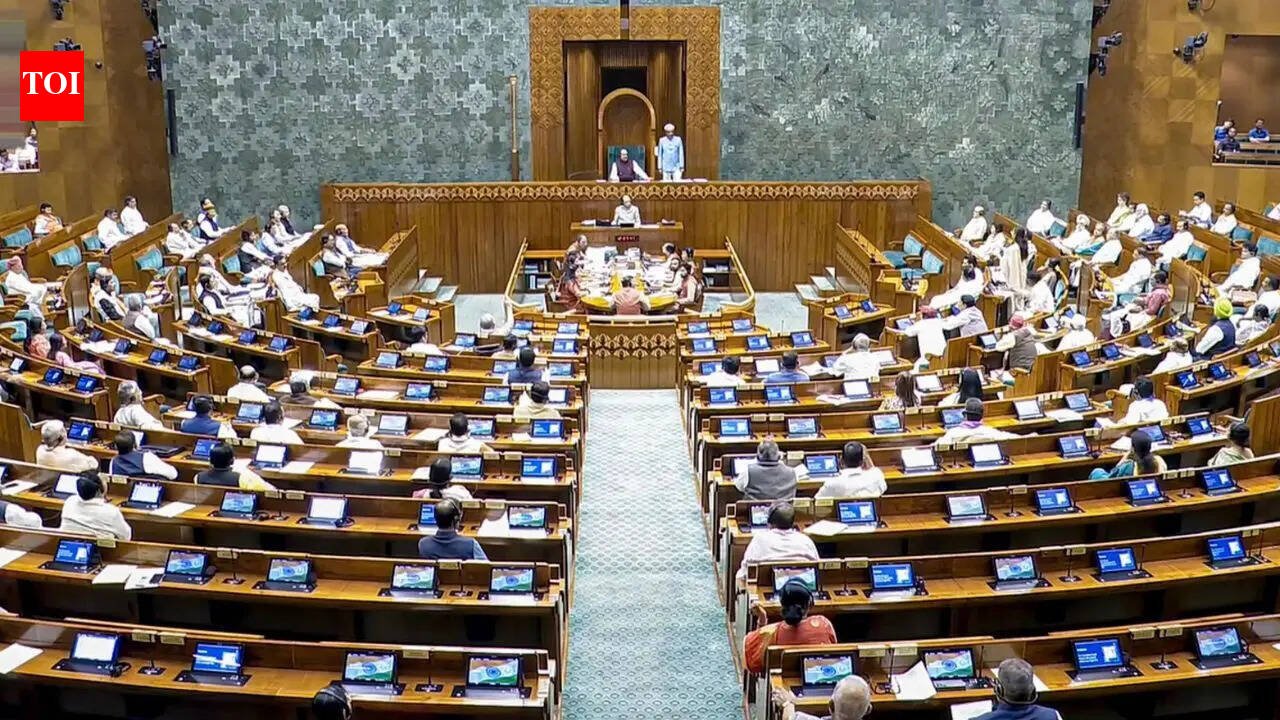
NEW DELHI: Parliament is likely to be adjourned to a fixed date when the ongoing session ends on April 2 and not sine die, as is the practice, as govt looks to reconvene the two houses to present its bills for the rollout of women’s reservation in directly elected legislatures from the next Lok Sabha election.“We are likely to announce the date on which Parliament will meet when it is adjourned next week,” a senior govt functionary said on Saturday.With consultations within govt still going on, Parliament may meet after the polls in four states and one Union territory culminate on April 29.A fixed date for Parliament’s meeting to discuss what are likely to be two bills, one for delimitation based on 2011 census and another for amending constitutional provisions for the rollout of women’s quota in one-third of Lok Sabha and assembly seats, will convey the govt’s determination in no uncertain terms. That it will add to the buzz during the assembly polls, with parties assiduously wooing women voterswill be an added advantage for the governing NDA.


Source link

FSSAI makes food business permits permanent | India News


FSSAI makes food business permits permanent

NEW DELHI: In a big relief for food businesses, the country’s food regulator has made licences valid for life.Under new rules notified by Food Safety and Standards Authority of India (FSSAI), food licences and registrations will now remain valid permanently, unless cancelled for violations. This means lakhs of restaurants, small eateries and vendors will no longer need to renew their licences every few years. The move is part of a wider overhaul aimed at making compliance easier while tightening actual food safety checks.One of the biggest gainers of the decision would be street vendors. Those already registered under street vending law will now be automatically treated as registered under food safety rules as well, removing the need for multiple registrations and fees.The regulator has also simplified how businesses are classified. Units with turnover of up to Rs 1.5 crore will only need basic registration, while bigger businesses will require state or central licences based on size.The new system will come into force on April 1.Inspections, too, are set to change. Instead of routine checks, authorities will now follow a risk-based system: businesses with a good track record will face fewer inspections, while repeat offenders will be checked more closely. Officials say the idea is to reduce paperwork and focus on actual food safety.At the same time, FSSAI has made it clear that there will be no relaxation in hygiene standards, especially for high-risk sectors like dairy, meat and packaged water.With most food businesses coming under ambit of state authorities after the changes, states will play a bigger role in monitoring and enforcement.For small businesses and vendors, the message is simple: fewer licences, less hassle — but stricter checks if rules are broken.


Source link

India denies Musk joined Modi-Trump call over war, refutes US media report | India News


India denies Musk joined Modi-Trump call over war, refutes US media report

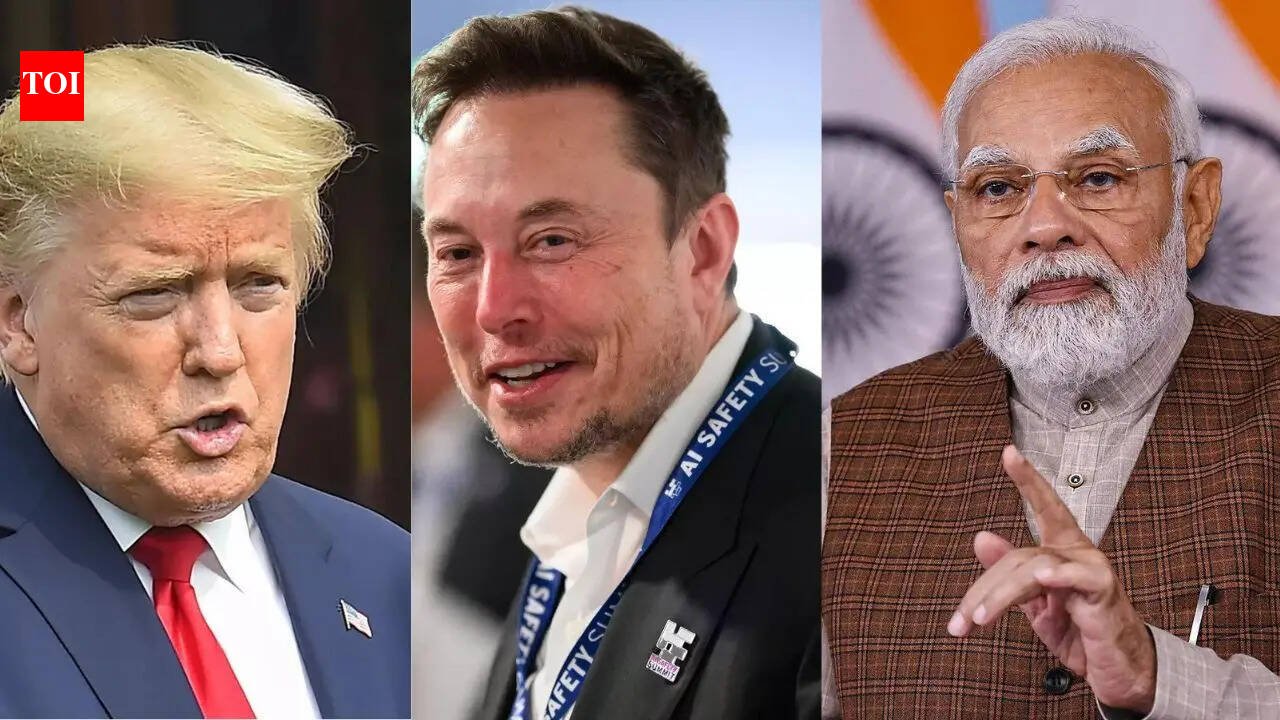
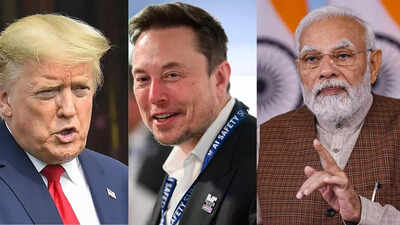
NEW DELHI: Amid reports that billionaire Elon Musk joined the phone call between PM Narendra Modi and President Donald Trump last week, the Indian govt said on Saturday that the conversation was between the leaders only.NYT reported late on Friday that Musk participated in the phone call that Trump made to Modi, calling it an unusual appearance by a private citizen on a call between two heads of state during a wartime crisis.“We have seen the story. The telephone conversation on March 24 was between PM Narendra Modi and President Donald Trump only. As has been stated earlier, it provided the opportunity for exchange of views on the situation in West Asia,” said MEA spokesperson Randhir Jaiswal.While the MEA denied that there was anyone else involved, the White House did not confirm or deny the report. “President Trump has a great relationship with PM Modi, and this was a productive conversation,” White House press secretary Karoline Leavitt said in a statement to a news agency.Quoting two anonymous US officials, the report said it was unclear why Musk was on the call or whether he spoke. “His companies have taken on significant investment from sovereign wealth funds in countries in the Middle East, including Saudi Arabia and Qatar. Musk has also long coveted a greater commercial presence in India,” it said.Trump had dialled Modi to discuss the West Asia situation, including the need to secure the Strait of Hormuz. According to an Indian readout, Modi had noted that safe passage of ships through the strait is vital for global peace, stability and economic well-being.This was their first conversation since early Feb and came in the middle of reported efforts by Pakistan to host talks between the US and Iran for ending the ongoing military conflict. US ambassador Sergio Gor had said that president wanted to keep Modi in the loop about developments related to the conflict.


Source link

Expedite PNG clearances: Govt to municipal bodies, other agencies | India News


Expedite PNG clearances: Govt to municipal bodies, other agencies

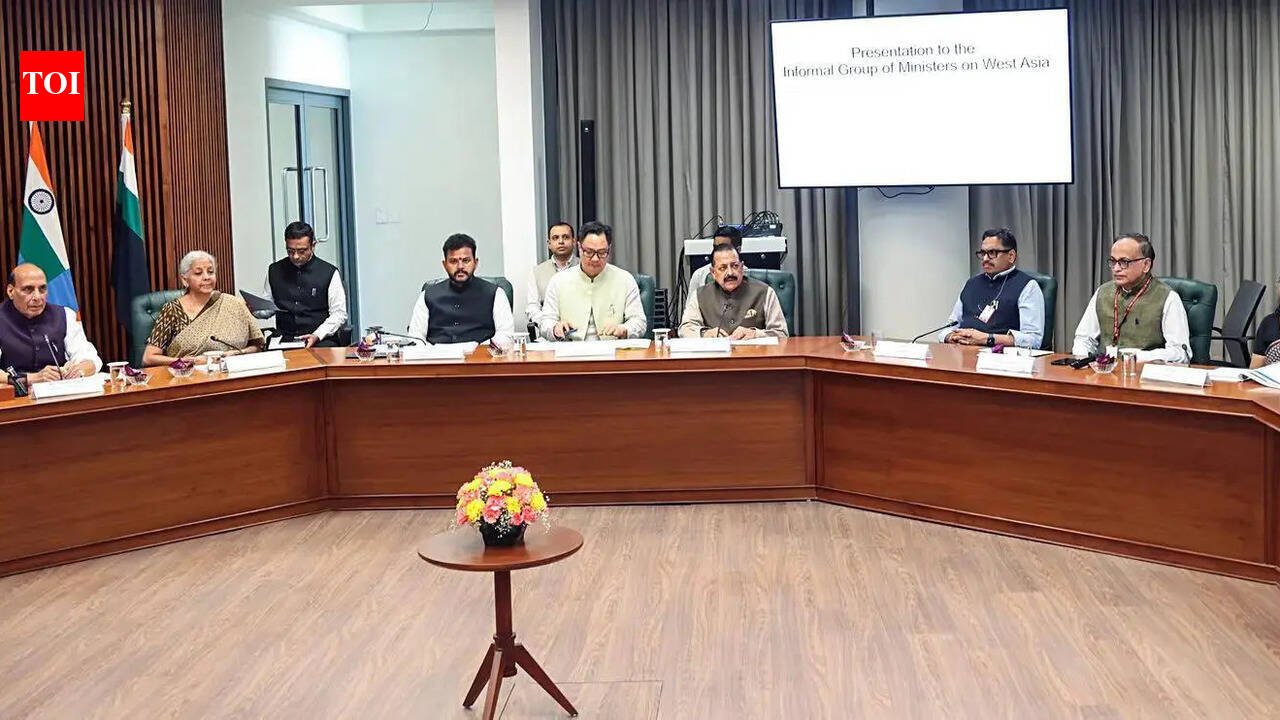
NEW DELHI: Defence minister Rajnath Singh on Saturday underlined the need to ensure medium-to-long-term preparedness and a swift decision-making process to navigate the impact of the evolving crisis in West Asia.Rajnath made the remarks while chairing the first meeting of the informal group of ministers (IGoM) set up to monitor the situation in West Asia. The meeting was attended by finance minister Nirmala Sitharaman, parliamentary affairs minister Kiren Rijiju, petroleum and natural gas minister Hardeep Singh Puri, power minister Manohar Lal, chemicals & fertilizers minister J P Nadda, minister of consumer affairs, food and public distribution Prahlad Joshi, civil aviation minister K R Naidu, and science and technology minister Jitendra Singh.

Watch

World on edge! Rajnath Singh warns of global fallout from Iran war

As part of the meeting, presentations were made by the seven empowered groups of secretaries (EGoS), outlining key sectoral issues identified and the policy measures already put in place to manage the situation. Rajnath provided guidance to the EGoS to continue the close monitoring of the situation, adopt a medium to long-term preparedness approach, maintain high-level coordination, and ensure swift decision-making.He stressed that all policy efforts should remain in synergy and be implemented in a time-bound manner. He also sought constructive inputs from all the ministers concerned to ensure that India remains resilient and prepared.Later Rajnath in a post on X said, “A meeting of an IGoM constituting several senior ministers was held today to review the risks to energy supplies, domestic availability of essential commodities, critical infrastructure resilience and robustness of India’s supply chains in the wake of the ongoing conflict in West Asia. There was in-depth discussion on all the measures being taken by the govt of India.”“There was in-depth discussion on all the measures being taken by the Govt of India. The NDA Govt under the leadership of PM Narendra Modi is closely monitoring the situation and it is committed to safeguard the Indian people from any impact of the conflict,” he said. The need for assessing the impact of the situation across various industries was also discussed.It was also directed that all ministries and departments share relevant information, developments and advisories related to the ongoing situation through the MIB WhatsApp Channel to ensure dissemination of accurate information to citizens and to effectively counter rumours, misinformation and fake news, according to the defence ministry.


Source link

PM, Saudi crown prince agree on need to keep shipping lines open | India News


PM, Saudi crown prince agree on need to keep shipping lines open
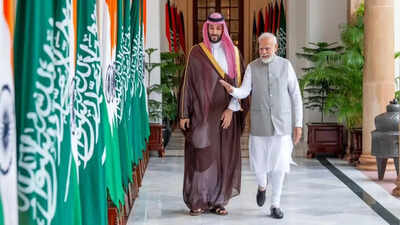
PM Modi talks with Saudi Crown Prince amid West Asia Conflict, discusses need to keep shipping lines open

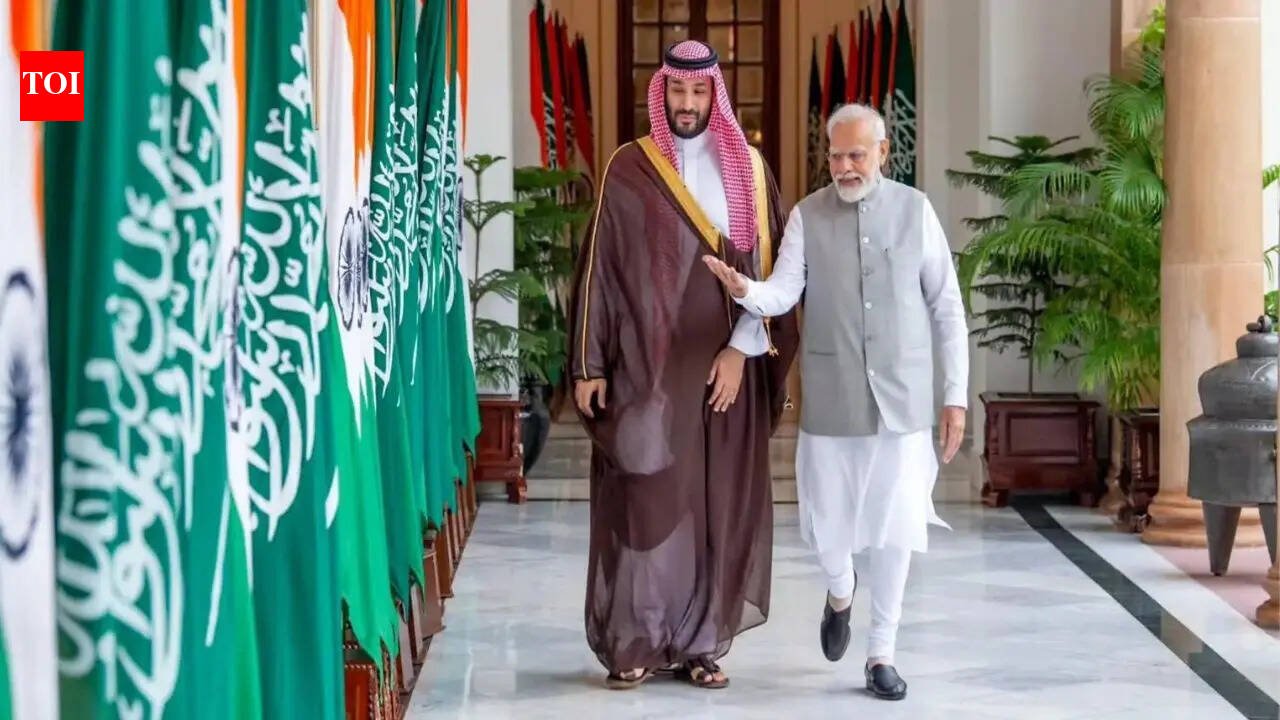
NEW DELHI: PM Narendra Modi has spoken to Saudi crown prince and PM Mohammed bin Salman and reiterated India’s concern about freedom of navigation as the Iran-aligned Houthis entered the theatre of war in West Asia by firing missiles at Israel, raising concern over the transport of Saudi crude through the Red Sea.“We agreed on the need to ensure freedom of navigation and keep shipping lines secure. Thanked him for his continued support for the welfare of the Indian community in Saudi Arabia,” Modi wrote on X after the conversation with the de facto Saudi ruler. Modi also reiterated India’s condemnation of attacks on regional energy infrastructure.

Watch

‘Hormuz Remains Our Foremost Priority’: PM Modi Speaks To Kuwait’s Crown Prince Amid West Asia War

The Houthis — a Shiite group who are armed and bankrolled by Iran and have taken control of Yemen — had so far remained on the sidelines of the battle. They have fought against the Saudis and, in 2023, as part of the conflict, blocked the strategically important Bab el-Mandab Strait — a narrow passage that carries a significant share of global energy and cargo flows. At a time when risks persist around the Strait of Hormuz, any disruption at Bab el-Mandeb could further strain already sensitive supply chains.This was the second telephonic conversation between the PM and the crown prince since the West Asia conflict started on Feb 28.Underscoring India’s energy and diaspora interests in the Gulf, Modi has twice spoken to leaders of all GCC countries since the conflict started and condemned the violation of their sovereignty and territorial integrity. India, however, is yet to condemn the US-Israel strikes on Iran.In his conversations, Modi has also repeatedly called for keeping the Strait of Hormuz — which Iran continues to control — open to ensure global energy security is not adversely impacted.


Source link

PM Modi backs ethanol blending as key to cutting crude imports | India News


'Taking Every Step': PM Modi's BIG Assurance To Tackle Global Shock Without Hurting Citizens

PM Modi (ANI photo)

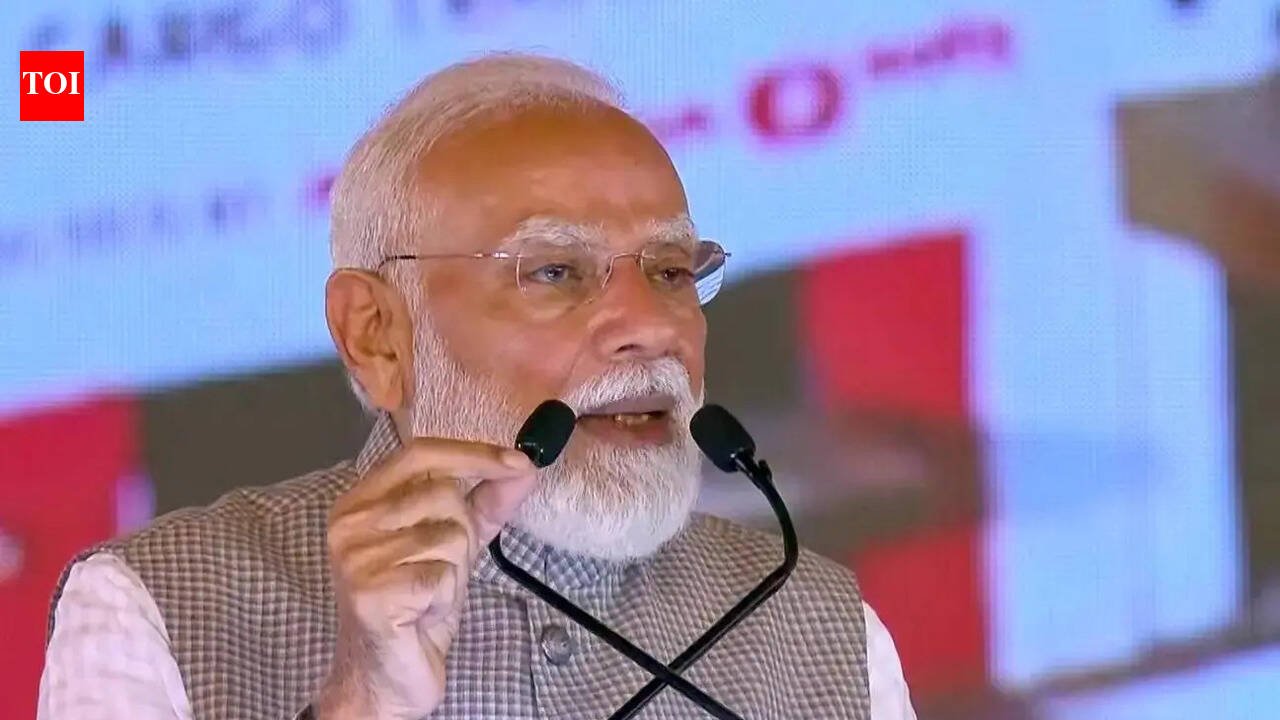
NOIDA: PM Modi inaugurated Noida International Airport in Jewar on Saturday, and dwelled at length on energy supply turbulence precipitated by the West Asia conflict, underlining ethanol blending as a key strategy to reduce dependence on crude oil imports.Modi said that the country would have had to import an additional 4.5 crore barrels of crude annually — equivalent to 700 crore litres — if not for ethanol blending in petrol.

Watch

‘Taking Every Step’: PM Modi’s BIG Assurance To Tackle Global Shock Without Hurting Citizens

“Farmers’ efforts in this have given a lot of relief to the country at this time of global crisis,” he said. Ethanol production, he added, has not only benefited the nation but also farmers, with approximately Rs 1.5 lakh crore worth of foreign exchange being saved. Jewar is a gateway to the sugarcane belts of western UP. Sugarcane feedstock is a key source of ethanol.Govt secured supplies, protecting people from fuel price rise: ModiIn a recent speech in Parliament, PM Narendra Modi had highlighted the progress in ethanol blending, from a mere 1-1.5% a decade ago to nearly 20% today. This has reduced oil imports by approximately four and a half crore barrels per year, he had said, also citing electrification of railways, which has saved roughly 180 crore litres of diesel annually, and expansion of metro networks.India achieved its E20 ethanol blending target — mixing 20% ethanol with petrol — ahead of schedule in 2025, a goal set under the Modi govt to cut fuel import bills and reduce emissions. The All India Distillers’ Association has offered to supply ethanol blends exceeding 20%. India’s ethanol sector now has a cumulative production capacity of around 2,000 crore litres, of which over 1,000 crore litres is used for blending with petrol.In his Jewar speech, Modi also said that while crude prices had risen because of the US-Israel war with Iran, India had made all efforts to secure its supplies and ensure that common people were not affected by the price rise.“We also import fuel from the war-affected area. Each country is taking measures to deal with this issue. We are also taking all measures to ensure common people do not face any stress,” he said. Crude prices have surged globally, but this has not been reflected in retail prices of petrol and diesel in India.“The issue arising from the war… we have discussed this in Parliament. I also spoke to CMs of different states on this. I again call on people to address this issue unitedly, peacefully. This is a global crisis. We have to care about our country, and this is our strength. I also urge all party leaders that in a crisis like this avoid talk that is not good for the country,” he said.


Source link

Over 3000 J&K govt schools have under 10 students: Minister | India News


Over 3000 J&K govt schools have under 10 students: Minister

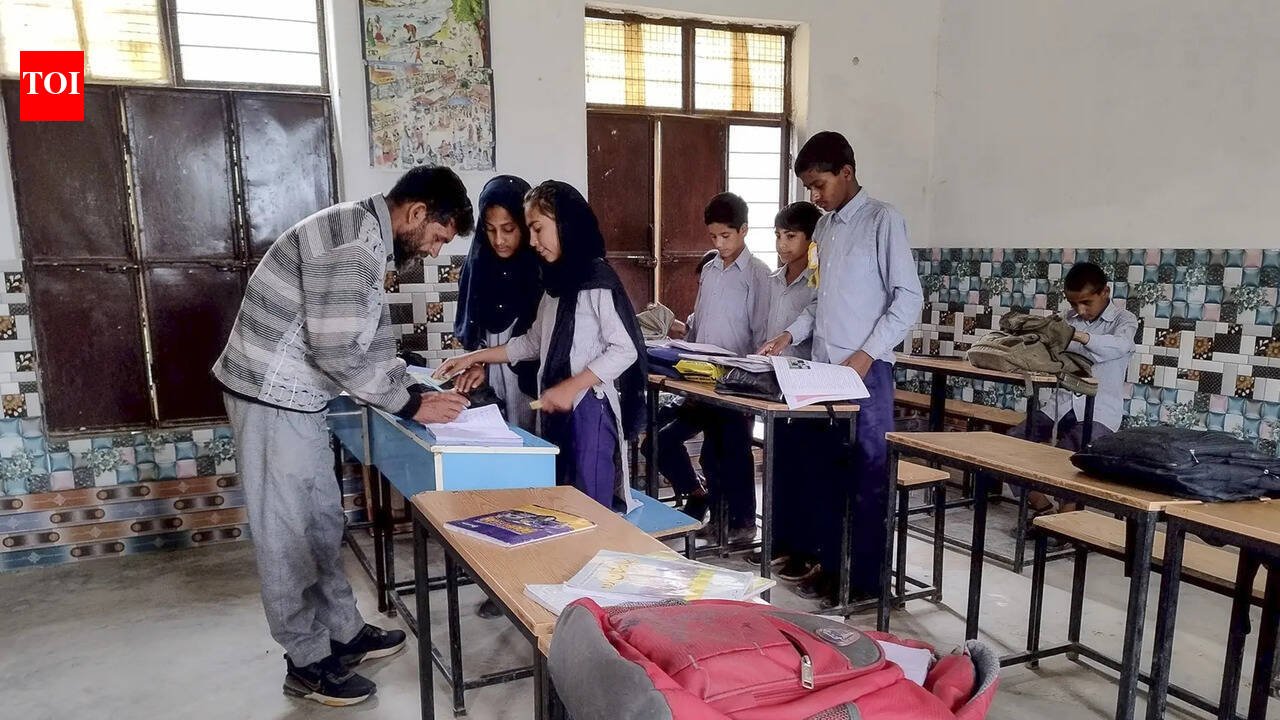
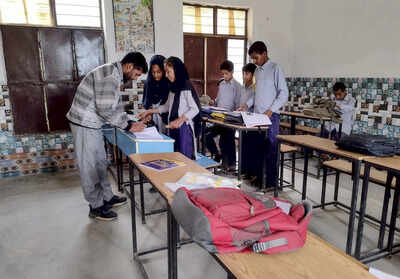
SRINAGAR: Over 3,000 govt schools in J&K have had zero or less than 10 students since 2022, education minister Sakina Itoo told the assembly on Saturday.Of the 3,192 such schools,1494 are in Jammu division and 1,698 in Kashmir, National Conference’s (NC) Itoo said in a written reply to a question from BJP legislator RS Pathania.In Jammu, Kathua district has the highest number of such schools at 508. In Kashmir, Baramulla district tops the list of such schools with 396. Srinagar has the lowest number in the Valley with 90 such schools, while Poonch has the lowest in Jammu division with 17.The NC govt also disclosed major infrastructure gaps — 2,698 schools do not have boys’ toilets, 57 lack girls’ toilets, 9,078 schools have no boundary walls, and 10,896 schools lack playgrounds.Pathania called the numbers a “big expose”, arguing the data reflected a lack of public confidence in govt schools. “If people are not enrolling their children in these schools, why are they being opened,” he said, alleging the schools are being run mainly to accommodate teaching staff.Naeem Akhtar, former J&K education minister of PDP, called it a “serious situation” and accused the NC govt of reducing education as an employment scheme for some teachers while neglecting the prime duty of educating students. “Govt’s primary responsibility is human development. This data presents a dismal picture. It is not that there are no students. They are forced to move to private schools because of lack of facilities in govt schools and poor pedagogy,” Akhtar said.Private Schools Association of Jammu and Kashmir (PSAJK) president Baba Nazrul Islam agreed that the data reflects growing preference for private schools due to better infrastructure, accountability and faster decision-making. He cautioned, however, that the govt shouldn’t view private schools as competitors but as “knowledge partners”. “If the govt agrees to collaborate with private schools, the issue can be addressed,” Islam said.


Source link

Big boost for Army: Adani Defence delivers first batch of 2,000 ‘Prahar’ light machine guns | India News


Big boost for Army: Adani Defence delivers first batch of 2,000 'Prahar' light machine guns

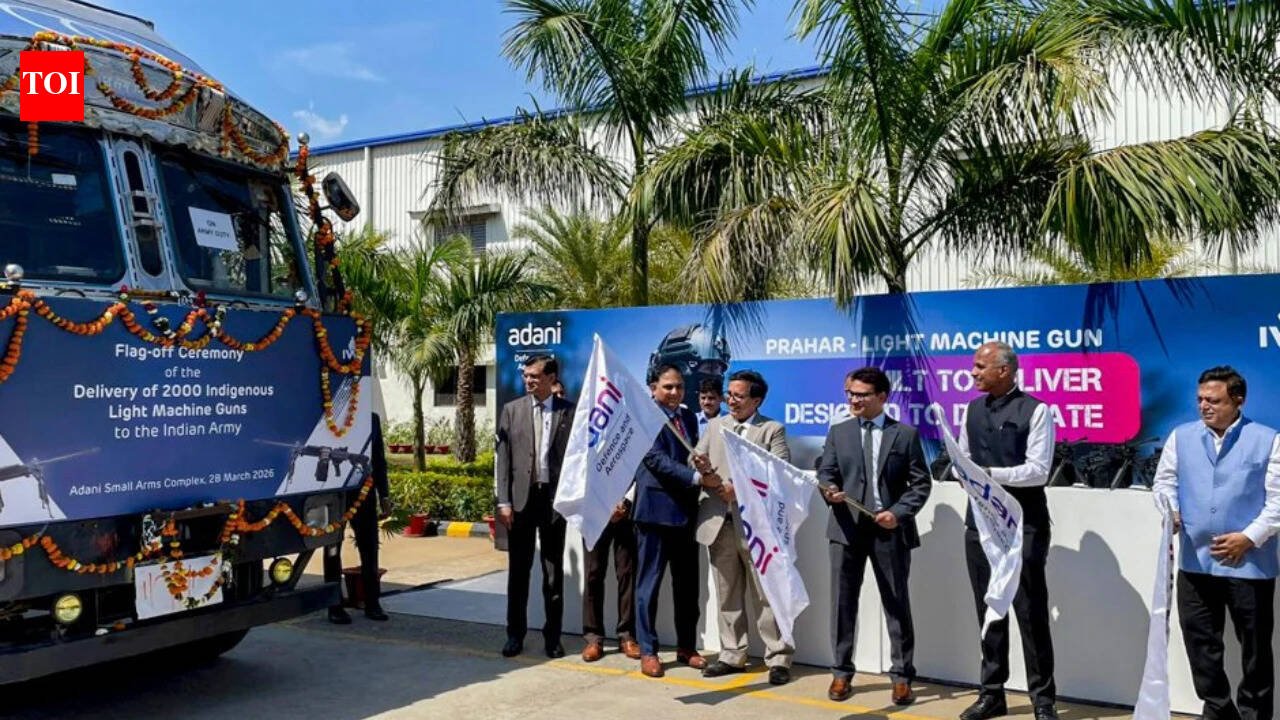
Adani Defence & Aerospace on Saturday handed over the first batch of 2,000 ‘Prahar’ light machine guns (LMGs) to the Indian Army in Gwalior, marking an early milestone in a large-scale order for around 40,000 weapons under the ‘Make in India’ initiative. The handover aims to boost the Army’s frontline firepower along the Line of Actual Control (LAC) and Line of Control (LoC).The consignment was dispatched from the company’s small arms manufacturing facility on the outskirts of Gwalior, almost 11 months ahead of schedule.The formal flag-off was conducted by A Anbarasu, Director General (Acquisition) at the Ministry of Defence, who commended the project’s timely completion.“The journey that has begun today took us six years, starting from bid submission, and we have delivered the first batch 11 months ahead of schedule,” he said while flagging off the first shipment.Prahar LMG: Key specificationsThe Prahar LMG is a 7.62 mm-calibre weapon with an effective range of 1,000 metres.

  • Weight: 8 kg
  • Barrel length: 508 mm
  • Indigenous content: Over 90% of components sourced domestically
  • Designed for high-efficiency use in high-tension deployment zones, the weapon is expected to enhance operational capabilities across critical fronts.

Scaling up production

Adani Defence is set to ramp up production to about 1,000 LMGs per month starting April 2026, targeting completion of the full order within three years — well ahead of the original seven-year timeline.CEO Ashish Rajvanshi said the project represents more than just a contract:“The original timeline was over seven years, but I can assure you that in the next three years, the full order will be delivered.”Rajvanshi added that the programme underscores Adani’s transformation into a full-scale Original Equipment Manufacturer (OEM) for small arms.“It has taken us six years to reach this point… With the perseverance of the team and policy support, we have moved from a component manufacturer to a full gun OEM.”The 100-acre Gwalior facility integrates:

  • CNC machining and robotics
  • Advanced metallurgy and testing systems
  • Annual capacity of 100,000 firearms and 300 million rounds of small-calibre ammunition

Expanding capabilities and future plans

The company’s vision extends beyond the Prahar project toward developing a comprehensive ecosystem for indigenous small arms in India. Future production lines will include assault rifles, sniper systems, carbines, pistols, and close-quarter battle (CQB) weapons.Positioned as a key node in India’s evolving defence manufacturing landscape, the Gwalior plant is expected to serve both domestic and export markets, supporting the government’s broader goals of self-reliance under ‘Aatmanirbhar Bharat’.


Source link