Breaking News
EC meets state officials, focuses on sealing borders | India News


EC meets state officials, focuses on sealing borders

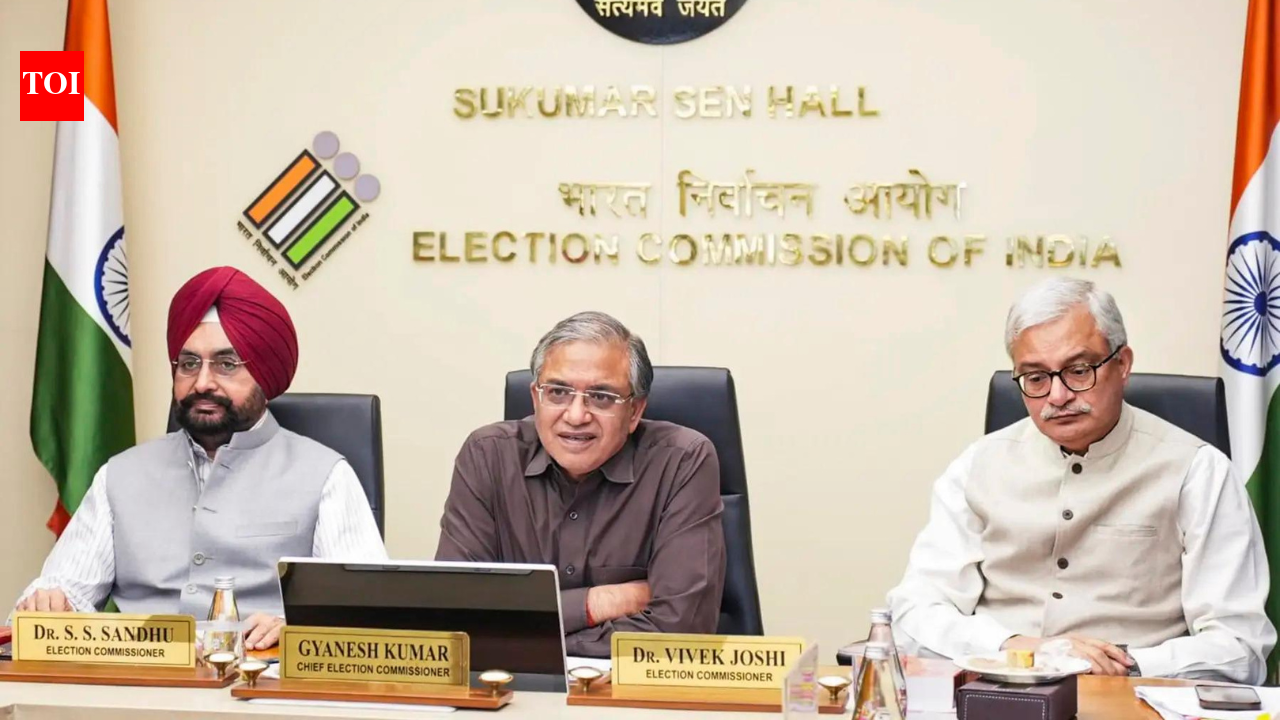
NEW DELHI: Election Commission Tuesday held a meeting with chief secretaries, chief electoral officers and police chiefs of poll-bound states/UT and 12 other states they share borders with, to review overall election preparedness, law and order issues and expenditure enforcement.Special focus was placed on bordering districts and the sealing of borders to maintain peace and order in the poll-bound states/UT, EC said in a statement issued after the meeting, which was also attended by heads of various enforcement agencies.EC said the meeting, chaired by CEC Gyanesh Kumar along with election commissioners S S Sandhu and Vivek Joshi, discussed poll readiness; enhanced coordination; law and order situation; seizures of illegal cash, liquor, narcotics, arms; and review of expenditure-sensitive constituencies across Assam, Kerala, TN, Bengal and Puducherry.“The EC directed all concerned to ensure violence-free, intimidation-free and inducement-free elections,” said an EC spokesperson.Senior officials of the poll-bound states briefed the election body on their overall preparation, law & order issues and expenditure enforcement and any concerns or pending issues with central agencies and neighbouring states.The neighbouring border states were directed to take all possible steps to aid the poll-bound states/UT in checking poll inducements and violence.Heads of agencies like CBDT, CBIC, ED, DRI, CEIB, FIU-IND, RBI, IBA, NCB, ICG, BCAS, AAI, Postal Service, CRPF, CISF, BSF, SSB, RPF, ITBP, Indian Coast Guard and Assam Rifles were instructed to ensure heightened vigilance in poll-bound states/UT and in areas bordering these states/UT, with enhanced checks at inter-state check posts.


Source link

SC: SIR in many states, but Bengal alone has so many issues with it | India News


SC: SIR in many states, but Bengal alone has so many issues with it

NEW DELHI: The Supreme Court observed on Tuesday that while SIR has been conducted smoothly in other states, it is West Bengal that has generated a spate of litigation relating to electoral roll revision.“There are many competitive complex issues in other states. Yet, SIR has been conducted so smoothly despite equally complicated issues. But there has not been any such spate of litigation. There are states – Gujarat, Tamil Nadu and Uttar Pradesh – where the deletion rate is much higher,” a bench of CJI Surya Kant and Justice Joymalya Bagchi said.Allow voter list additions till 7 days before polls: WB to SC The court stuck to its view that West Bengal was a case apart in the SIR exercise despite senior advocate Kalyan Banerjee saying the ‘logical discrepancy’ ground was not applied in other states.“A recent article said except West Bengal, in every other state governed by different political parties, the SIR has gone on smoothly,” the bench said.SC had exercised its extraordinary powers under Article 142 of the Constitution to deploy judicial officers from West Bengal, Jharkhand and Odisha, under the supervision of the Calcutta HC Chief Justice, as electoral officers to adjudicate claims for inclusion in the voter list of those names under ‘logical discrepancy’ or ‘unmapped’ categories. Appearing for West Bengal, senior advocates Shyam Divan, Kalyan Banerjee and Menaka Guruswamy said of the 60 lakh claims, only 27 lakh have been adjudicated by the judicial officers.The balance appears unlikely to be decided before April 6, the last date of nomination for the first phase of polling on April 23, and April 9, the last date of nomination for constituencies going to polls in second phase on April 29, they said.It would be better if the publication of supplementary voter lists, containing names of those cleared after scrutiny, is extended till April 16 and April 22 respectively for the two-phase voting, they said, requesting that the voter lists should not be frozen on the last date of filing of nominations.The bench said the judicial officers are working day and night without taking a single day leave and suggested that the improvements in carrying out the scrutiny work be better placed before the Calcutta HC CJ.The bench said the election commission could help the Calcutta HC CJ and the judicial officers in first taking up adjudication of claims relating to the constituencies going to polls in the first phase and thereafter those in the second phase. However, it said the petitioner’s grievance about 14 candidates nominated to contest elections by different political parties featuring in doubtful voter category could be given priority adjudication.Senior advocate D S Naidu, appearing for EC, told the SC that it has been suggested to the Calcutta HC CJ that the names cleared for inclusion in the voter list could be published daily through a supplementary voter list. SC posted further hearing on April 1.When Banerjee said the judicial officers must give reasons for rejection of claims to the affected persons, the bench said the reasons cannot be supplied as of now. Supreme Court also said the EC could use available spaces in WB judicial academy to house the tribunals headed by former HC judges to hear appeals against exclusion of names.


Source link

Gir Somnath Spaceport: Gujarat government plans India’s third spaceport near Gir Somnath | India News


Gujarat government plans India’s third spaceport near Gir Somnath

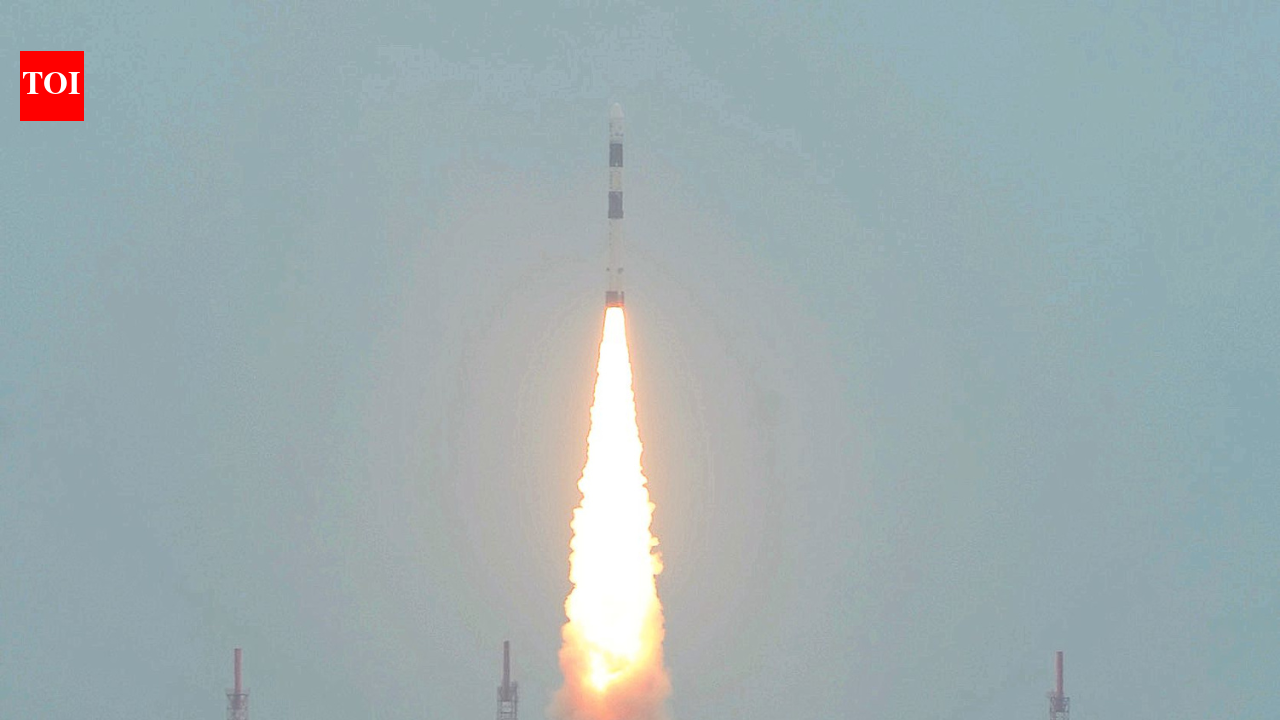
NEW DELHI: After Sriharikota spaceport and the upcoming launch port at Kulasekarapattinam in Tamil Nadu’s Thoothukudi district, India’s third satellite launch centre is likely to come up in Gujarat.Gujarat science and technology minister Arjun Modhwadia recently announced in state assembly that a proposed launch site near Gir Somnath district along the Arabian Sea coast has been identified.While speaking on budgetary demands for his department, Modhwadia said the site was identified after consultations with space regulator and promoter Indian National Space Promotion and Authorisation Centre (IN-SPACe). “As per our request, IN-SPACe has found a suitable location which can be developed as a launchpad for putting satellites into orbit, just like Sriharikota. That location is between the UT of Diu and Kodinar. We are now moving forward in that direction,” the minister said.Talking to TOI, a senior space official said, “A state govt or even a private entity can build a satellite launch centre in India. The process has become streamlined, especially after reforms in the space sector. But conducting satellite launch operations from that site will require prior authorisation from IN-SPACe, which serves as the single-window nodal agency under the Department of Space.”According to Norms, Guidelines and Procedures (NGP) for Implementation of Indian Space Policy-2023, “Any space activity, which shall include, inter-alia, launch, operation, guidance and/or re-entry of any space object, as outlined in Section-5 of Indian Space Policy-2023, shall need authorisation from IN-SPACe”.As Directorate General of Civil Aviation (DGCA) handles airspace regulation, it issues Notice to Air Missions (NOTAM) to warn aircraft before any satellite or rocket launch. Therefore, DGCA’s role also comes into play before any rocket launch.As part of its initiative to promote the space sector, the Gujarat govt is also setting up a Gujarat space park across 100 acres near Sanand to attract companies working in space technology and satellite manufacturing. Minister Modhwadia said space technology-based industrial units are expected to come up at the facility, which will help build a broader ecosystem for the sector.“I am happy to say that Azista Aerospace has started work to manufacture small satellites at a cost of Rs 500 crore, and the process of allocating land to them has begun,” the minister told the assembly. According to him, the facility will become India’s first private-sector satellite manufacturing plant capable of handling end-to-end operations. These initiatives are aimed at positioning Gujarat as a key hub in India’s rapidly expanding space sector.India’s primary spaceport at Sriharikota, officially known as the Satish Dhawan Space Centre (SDSC) SHAR, became operational on Oct 9, 1971, with the launch of an RH-125 sounding rocket. The spaceport has till now launched 434 foreign satellites, 134 spacecraft missions and 18 satellites launched by private players or students.India’s second spaceport at Kulasekarapattinam in TN is under construction with Rs 985.9 crore allocated for the project, with commissioning targeted for this financial year.


Source link

Railways makes ticket cancellation rules stricter, brings stricter norms for quality construction | India News


Railways makes ticket cancellation rules stricter, brings stricter norms for quality construction

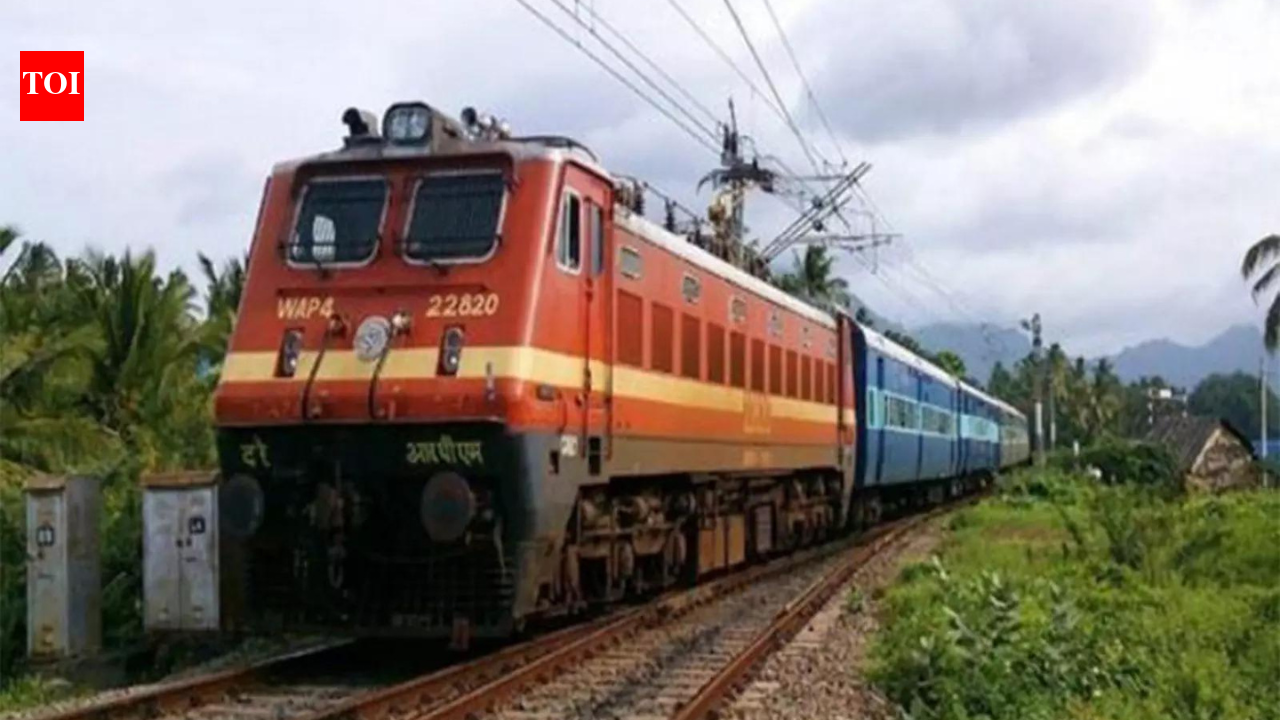
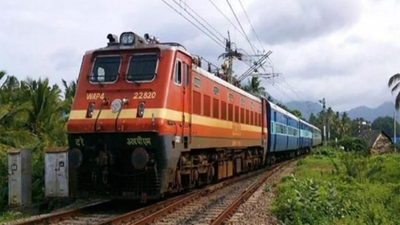
New Delhi: A last-minute change in plans will cost you dearly, as the railways have announced a revised rule linking refunds to the timing of ticket cancellations before the scheduled departure of trains. As per the new rule, passengers who cancel their tickets less than eight hours before departure will receive no refund, while cancellations made between eight and 24 hours before departure will result in a 50% deduction.Announcing the changes as a part of ongoing reforms, railway minister Ashwini Vaishnaw said on Tuesday that under the new norm there will be 25% deduction for tickets cancelled between 24 and 72 hours before train’s departure while a minimal amount will be deducted for cancellation before 72 hours. The new rules will take effect between April 1 and 15.At present, passengers get no refund for cancelling a ticket within four hours and 50% deduction happens for tickets cancelled within 4-12 hours before train departure. Similarly, only 25% is deducted for tickets cancelled within 12-48 hours and there is minimal deduction for cancellation before 48 hours.Vaishnaw said tighter refund norms have been decided after investigation in the light of touts still hoarding some tickets and black marketing them. He said decoy customers sent by railways found how touts take advantage of the provision of last minute cancellation. The changes will discourage black marketing and last-minute sale of tickets by agents, he added.The minister also announced that passengers who have booked online tickets will be able to change the boarding point (station) 30 minutes before the scheduled departure. Currently, a change of boarding point is allowed only before preparation of the first chart.Vaishnaw announced reforms in the contracting norms to improve the quality of construction as well. As per the new norms, railways will assess the bid capacity of contractors bidding for all projects above Rs 10 crore. He also said that as per new norms, contractors must carry out works for 60% of total price directly under their own supervision and sub-contracting is allowed to 40%, something that follows PM Narendra Modi’s instructions to infrastructure ministries.Learning from the first Dedicated Freight Corridor project where players without having experience in similar project bagged work, which caused complications, now contractors who have done at least 20% “similar work” will only be eligible to bid. The bidders will also have to submit a detailed execution plan before the project starts for better monitoring and timely execution. Railways will take additional performance guarantee where the successful bidder quotes significantly lower than the estimated project cost.


Source link

Trump Modi Call: Trump dials Modi as US contemplates peace talks with Iran | India News


Trump dials Modi as US contemplates peace talks with Iran

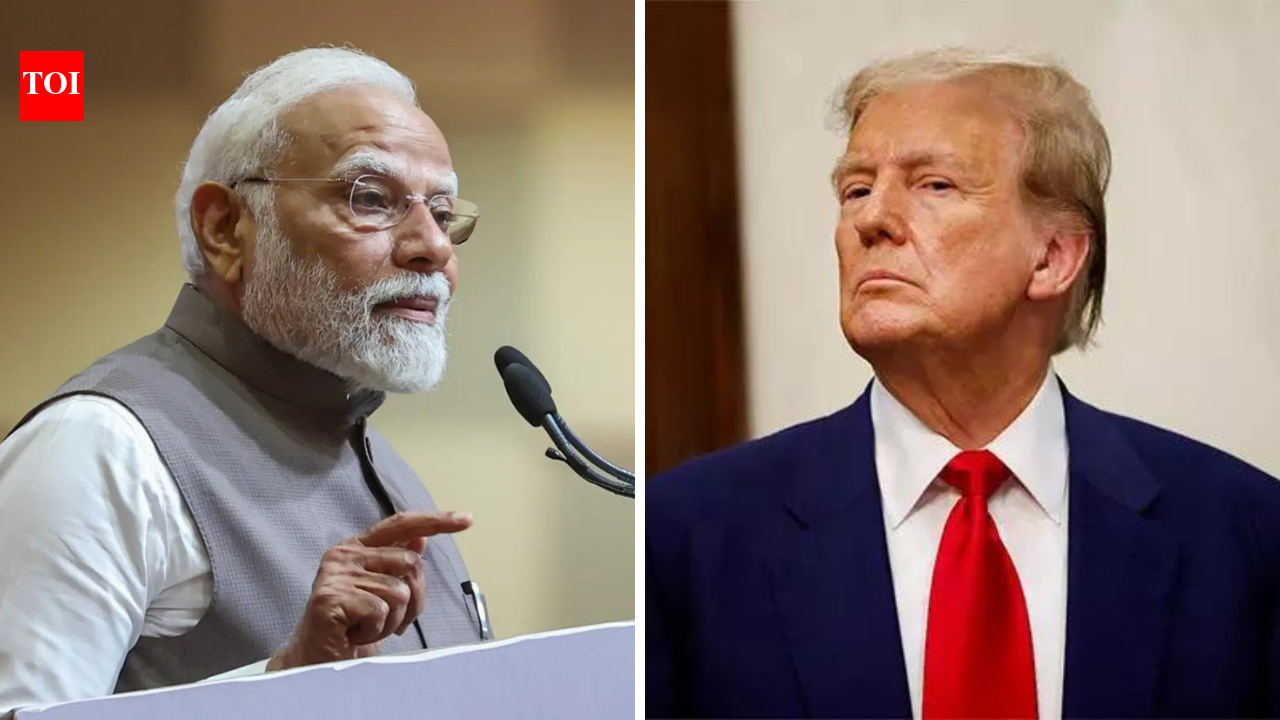
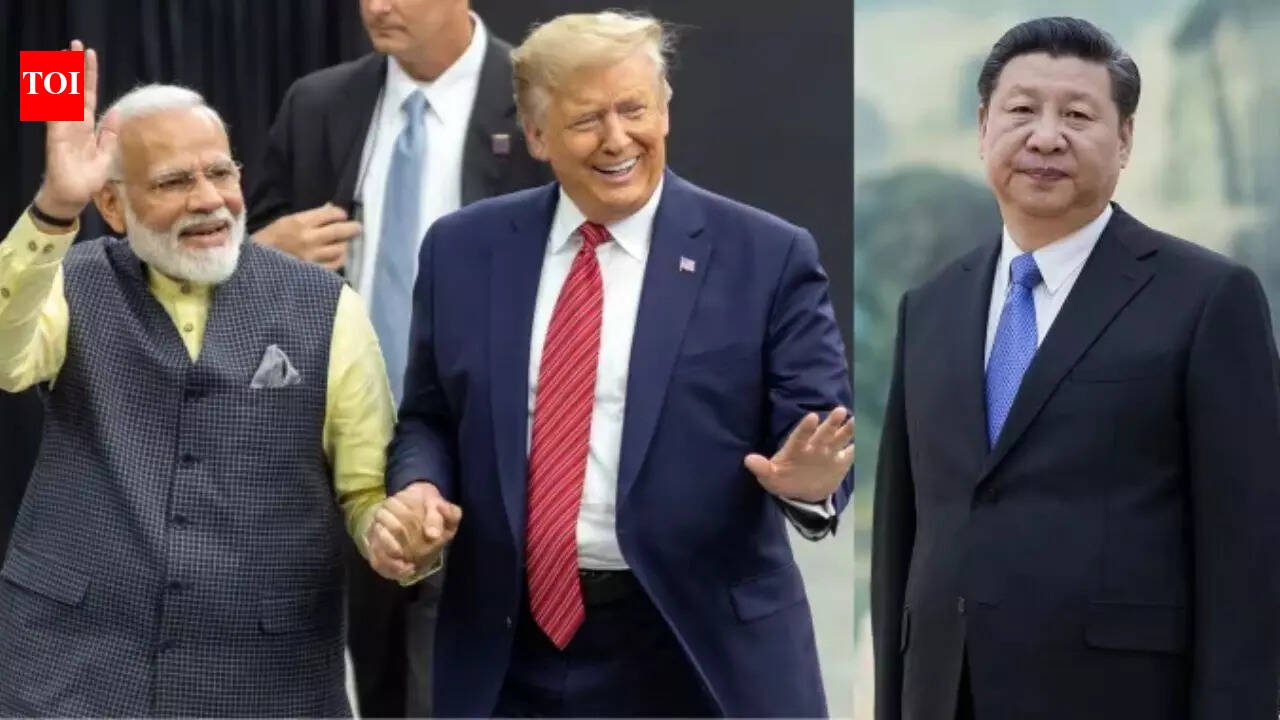
US President Donald Trump spoke to PM Narendra Modi Tuesday about the West Asia situation, including the need to secure the key energy waterway, Strait of Hormuz, that remains under an Iranian blockade. Modi reiterated India’s support for de-escalation and restoration of peace at the earliest. Trump dialled Modi a day after he announced postponement of military strikes on Iranian plants for 5 days, raising hopes of an early cessation of military hostilities, and amid reports that Washington was considering sending Vice President JD Vance to Pakistan for talks with Iranian officials. This was also the first conversation between the 2 leaders since they spoke in early February, after which Trump announced agreement for a trade deal and lowered tariffs on India from 50 to 18 percent.

Watch

US President Trump Dials PM Modi Amid West Asia Conflict, Discusses Strait Of Hormuz

“Received a call from President Trump and had a useful exchange of views on the situation in West Asia. India supports de-escalation and restoration of peace at the earliest. Ensuring that the Strait of Hormuz remains open, secure and accessible is essential for the whole world,” said Modi in a post on X, adding that they agreed to stay in touch regarding efforts towards peace and stability. According to an Indian readout, Modi noted that safe passage of ships through the Strait is vital for global peace, stability and economic well-being. External affairs minister S Jaishankar had spoken to his counterpart Marco Rubio on Monday about the conflict, its likely impact on the international economy and India’s energy security concerns. The news of Trump calling Modi was broken on social media by US ambassador Sergio Gor, who also told a news channel the president was keeping Modi “in the loop”. Trump and Modi also spoke on a day the former seemed to have endorsed Pakistan’s efforts to play the role of a mediator in the conflict. While Pakistan PM Shehbaz Sharif publicly offered to host talks between the US and Iran for a “comprehensive settlement” of the war that began on February 28, Trump shared a screenshot of Shehbaz’s post on his Truth Social platform. While Iran has allowed several Indian ships to sail through the Strait in the past 2 weeks, many Indian vessels remain stuck at the chokepoint. Government sources said India remains engaged diplomatically with Tehran to facilitate the movement of these ships. Jaishankar met Iran’s ambassador to India Mohammad Fathali on Tuesday and shared India’s concerns about the situation, while thanking Iran for its support to Indian nationals in the country. Modi on Tuesday also spoke to Sri Lankan President Anura Kumara Dissanayake and discussed the evolving situation in West Asia, with particular focus, as he said, on disruptions affecting global energy security. “We reviewed progress on key initiatives aimed at strengthening India-Sri Lanka energy cooperation and enhancing regional security. As close and trusted partners, we reaffirmed our commitment to work closely together in addressing shared challenges,” said Modi in a social media post. India has not officially responded to Trump’s delaying of military action on Iranian energy installations with the MEA only saying the government is closely monitoring developments related to the conflict. Spokesperson Randhir Jaiswal said Tuesday both Modi and Jaishankar are stressing in their engagements that peace can be restored only through dialogue and diplomacy. Like many of US’ European allies, India had shown little interest in joining a US-led naval coalition to keep Strait of Hormuz open.


Source link

Tamil Nadu assembly election: Alliances take shape amid AIADMK-DMK contest – spotlight on previous performance | India News


Tamil Nadu assembly election: Alliances take shape amid AIADMK-DMK contest - spotlight on previous performance

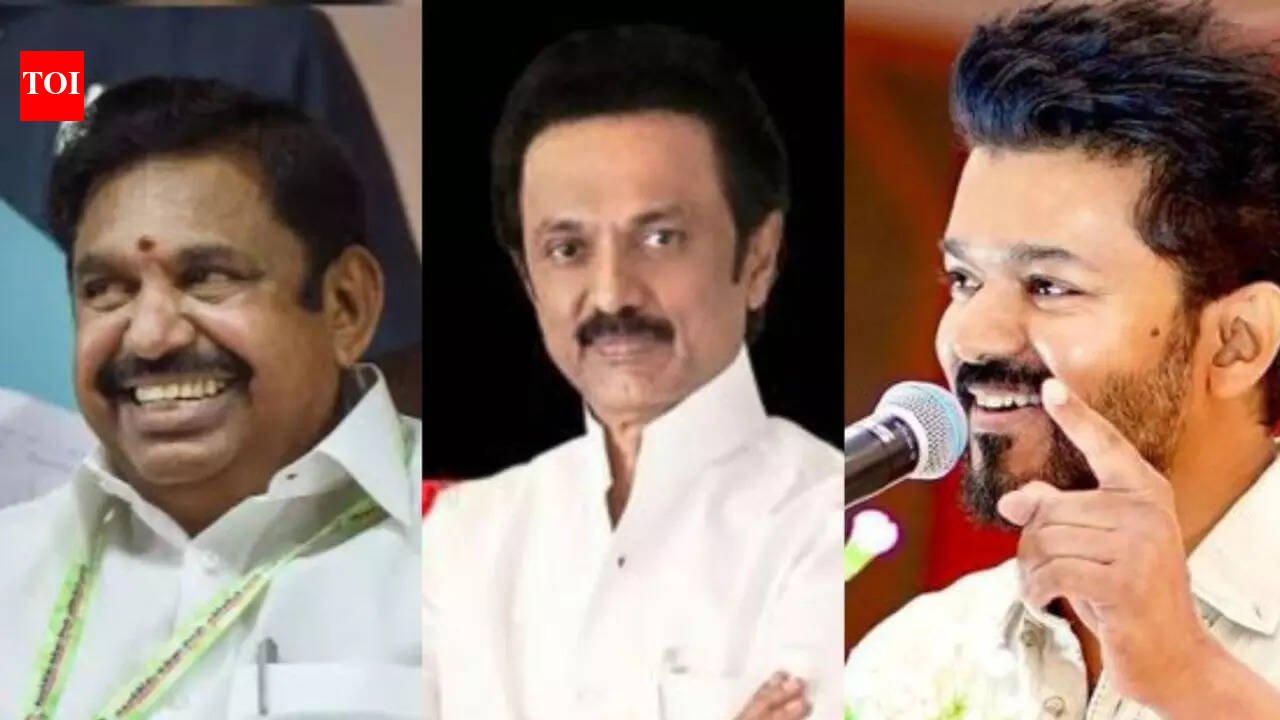
NEW DELHI: With the Tamil Nadu assembly election approaching, political activity in the state has intensified, with major alliances consolidating and parties recalibrating strategies based on past performance and evolving voter dynamics. The contest is expected to once again centre around the DMK-led alliance and the AIADMK-led NDA front, though the BJP is attempting to expand its footprint.The AIADMK on Monday finalised seat sharing with its key allies, allotting 27 seats to the BJP, 18 to the PMK faction led by its president Anbumani Ramadoss, and 11 to TTV Dhinakaran-led AMMK, wrapping up negotiations among major constituents of the opposition front for the assembly polls.In the 2021 Tamil Nadu assembly election, the Dravida Munnetra Kazhagam (DMK)-led alliance secured a decisive victory, winning 159 out of 234 seats, returning to power after a decade. The DMK itself won 133 seats with a vote share of around 36.8%. Its principal ally, the Indian National Congress (INC), won 18 seats with a vote share of about 4.4%.On the other side, the All India Anna Dravida Munnetra Kazhagam (AIADMK)-led alliance managed 75 seats, with the AIADMK winning 66 seats and securing roughly 33.3% vote share. The Bharatiya Janata Party (BJP), contesting as part of the AIADMK alliance, won 4 seats with a vote share of approximately 2.6%.Smaller players also played a role in shaping outcomes. The Pattali Makkal Katchi (PMK) secured 5 seats, while the Viduthalai Chiruthaigal Katchi (VCK), aligned with DMK, won 4 seats. Left parties including the Communist Party of India (CPI) and Communist Party of India (Marxist) (CPI(M)) won 2 seats each, contributing to the DMK-led bloc’s overall tally.The vote share split highlighted a bipolar contest, with the DMK-led alliance collectively polling close to 45%, while the AIADMK-led front secured around 39%, indicating a relatively consolidated anti-incumbency vote against the then AIADMK government.As the state heads into the next election cycle, alliances are once again fluid. The DMK is expected to retain its core coalition with Congress, Left parties, and VCK, banking on welfare schemes and governance record. The AIADMK, meanwhile, is navigating internal challenges and alliance uncertainties, particularly after shifts in its relationship with the BJP.The BJP, despite its modest vote share, is attempting to emerge as a more influential player by contesting on more seat this time aiming to convert its incremental vote gains into seats.What is at stake in the upcoming election is not just power in one of India’s most politically distinct states, but also the future trajectory of Dravidian politics, which has historically resisted national party dominance. While the DMK will seek to defend its mandate, the AIADMK faces the challenge of rebuilding leadership coherence, and the BJP will test whether its expansion strategy can disrupt Tamil Nadu’s entrenched political binary.


Source link

‘Strong India good for US’: Trump admin on countering China’s hold on Indo-Pacific | India News


'Strong India good for US': Trump admin on countering China's hold on Indo-Pacific

NEW DELHI: The United States sees India as central to maintaining a favourable balance of power in the Indo-Pacific, a senior Trump administration official said on Tuesday, outlining a roadmap for deeper defence and strategic ties amid shifting global dynamics.Addressing an event at the Ananta Centre, US Under Secretary of War for Policy Elbridge Colby said India’s role is indispensable for regional peace and stability, particularly at a time of rising geopolitical tensions and concerns over China’s growing military assertiveness.“The United States believes that India will play a central role in ensuring a favourable balance of power in the Indo-Pacific. In this context, a strong, confident India is not only good for the Indian people. It is good for Americans as well,” he said.Colby emphasised that the India-US partnership is anchored in shared strategic interests, even if differences persist.“First, the United States and India do not need to agree on everything to cooperate effectively. What matters is that our interests and objectives increasingly converge on the most fundamental issues,” he said.“Differences and even disputes are fully compatible with deepening alignment and cooperation on strategic matters. The roots of our partnership are deeper than optics and more durable than superficial comity; they are, rather, thickly embedded in lasting strategic mutual self-interest,” he added.Highlighting common goals, Colby said both nations benefit from an Indo-Pacific where no single power dominates, alongside open trade and national autonomy.On defence cooperation, he stressed the need to prioritise tangible capabilities.“In this light, one of the most encouraging developments in recent years has been the steady expansion of defence cooperation between the United States and India”.Quoting US Defence Secretary Pete Hegseth, Colby said bilateral defence ties have never been stronger, with growing momentum in industrial and technology collaboration. He also referred to the ‘Major Defence Partnership’ framework finalised in October.“Our goals should be practical: to ensure that our forces can operate effectively together when our interests align, and in any case to see that India possesses the capabilities necessary to defend its sovereignty and contribute to a favourable regional balance of power,” he said.He added that the US is committed to expanding cooperation in areas such as long-range precision fires, resilient logistics, maritime domain awareness, anti-submarine warfare and advanced technologies.Colby also underlined the importance of co-production and co-development of defence equipment, while acknowledging challenges including regulatory barriers and procurement differences.“But they are not insurmountable and we should overcome them,” he said.He noted that while Washington aims to boost military sales to India, it also supports New Delhi’s push for a stronger domestic defence industry.“A strong domestic industrial base enhances sovereignty and resilience. The United States supports that objective. And India is well on its way,” he said.“India already boasts an impressive defence industrial base and India’s leadership in cutting-edge technologies only further helps broaden our defence cooperation.”Colby reiterated that differences between the two countries are natural and should not hinder cooperation.“Strong partnerships benefit from honesty, respect, and strategic clarity. The truth is that the United States and India will not agree on every issue.”“Indeed, in precisely that spirit, we can say without embarrassment that India and America have not always been partners or even friendly. Our histories and strategic cultures are different, and our interests will of course at times diverge,” he said.


Source link

Court: ‘Don’t just say ED, ED, ED’: Supreme Court questions West Bengal government in Mamata I-PAC raid case | India News


‘Don’t just say ED, ED, ED’: Supreme Court questions West Bengal government in Mamata I-PAC raid case

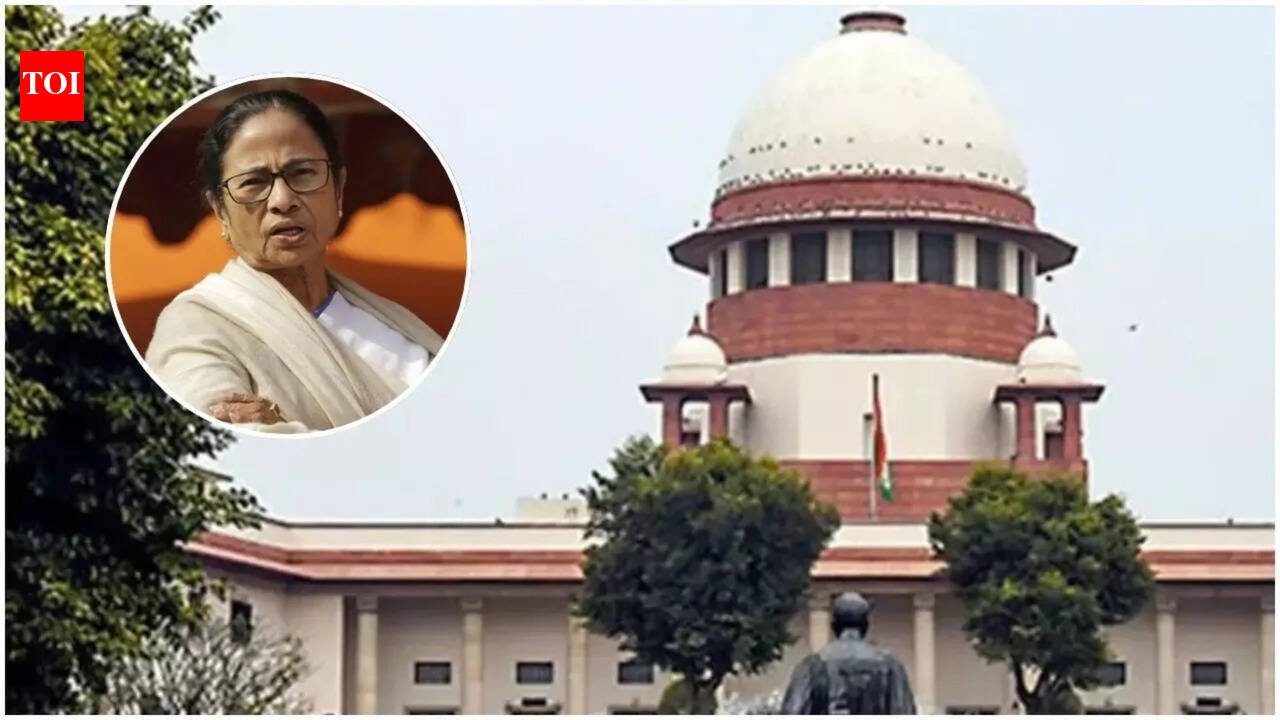
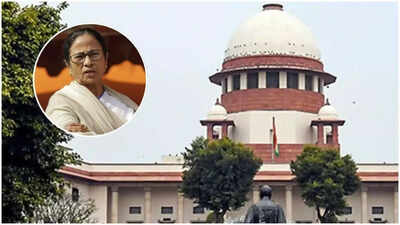
NEW DELHI: The Supreme Court on Tuesday questioned the West Bengal government over its objection to the maintainability of the Enforcement Directorate’s plea alleging obstruction by Chief Minister Mamata Banerjee during a January 8 raid at I-PAC, asking what remedy ED officers would have if their rights were allegedly violated.As per news agency PTI, a Bench of Justices Prashant Kumar Mishra and N V Anjaria said some ED officers had also moved the court in their individual capacity, raising the issue of whether they cease to be citizens merely because they serve in the agency.

Court asks state to focus on ED officers’ rights

During the hearing, senior advocate Kapil Sibal, appearing for Banerjee, argued that a petitioner invoking Article 32 must clearly show which fundamental right has been violated.He submitted that the ED officer who filed the writ petition had not specifically pleaded any violation of fundamental rights and said the ED itself was not even a “person” for the purpose of such a petition.At this stage, Justice Mishra told the state to look beyond the agency as an institution and focus on the officers who had also approached the court.“Please concentrate on the fundamental rights of the officers of the ED with whom the offence has been committed. Otherwise, you will miss the point. You can’t forget the second petition which is preferred by individual officers who are the victims of the offence. You will be in difficulty, I am telling you. Don’t just say ED, ED, ED,” Justice Mishra observed, as quoted by Bar and Bench.Bar and Bench similarly reported that the court asked whether ED officers cease to be citizens of India merely because they are officers of the agency.The Court further said “different political parties govern centre and states. If some chief minister of the other side does this in 2030 and 2031 and you come in power in central government and their chief minister does this, what will be your reaction?”

Kapil Sibal says obstruction of statutory duty is not a fundamental rights issue

Sibal argued that obstruction in the performance of a statutory duty cannot automatically be treated as a violation of a fundamental right.He said, “If someone obstructs a police officer, he can’t file a petition under Article 32. He also can’t file a 226 petition. There will be a prosecution launched for the obstruction of violating his right to discharge his functions.”As quoted by Bar and Bench, Sibal also told the court, “Any obstruction in performance of a statutory duty is not in violation of a fundamental right. If someone obstructs a police officer, he can’t file a 32 petition. There is a statutory remedy. Otherwise every police officer will file a 32. We can’t interpret a law in the context of a particular situation and then open a Pandora’s box inconsistent with the basic features of criminal law.He further argued that an ED officer has only a statutory right to investigate, not a “fundamental right” to do so. “He (ED officer) only has a right under a statute to investigate. And violation of that right is not a violation of fundamental right,” Bar and Bench quoted him as saying.

Bench questions whether ED should seek remedy from CM-led state

The Bench also raised a sharp question over the practical consequence of the state’s argument.“If the CM barges into an ED investigation and commits an offence, your idea of remedy for the ED is to go to the state government which is headed by the CM and inform them about it and seek remedy?” Justice Mishra asked.Sibal responded that the court was presuming the Chief Minister had committed an offence. “Your lordships are assuming that the chief minister has committed an offence,” he said, according to PTI.Justice Mishra clarified that the Bench was not making any finding and was only referring to the allegations in the plea.“We are not assuming anything. That is the allegation. Do not mistake us. Every allegation is based on some facts, if there are no facts, there is no need to be investigated. That is what they are praying for, for CBI to investigate,” the judge said.Sibal also argued that if ED officers came across another offence while investigating under the Prevention of Money Laundering Act (PMLA), they should inform the concerned agency — in this case the state government — under Section 66 of PMLA.

Court rejects suggestion to defer hearing due to elections

The Supreme Court also firmly pushed back against a suggestion that the case be postponed because of the upcoming West Bengal Assembly elections.According to Bar and Bench, senior advocate Kalyan Banerjee, appearing for Banerjee, referred to an earlier instance where a judge had declined to hear a matter due to elections.The Bench, however, made it clear it would not entertain such a request.“We don’t want to be party to election, we don’t want to be party to any crime also. We know the timing of the court. We know the timing of the decision,” Justice Mishra said, as reported by Bar and Bench.Kalyan Banerjee also argued that the state’s consent is required for a CBI investigation, though constitutional courts have the power in appropriate cases.

Hearing remains inconclusive, next date on April 14

The hearing remained inconclusive and will continue on April 14.The matter centres on the ED’s plea alleging interference and obstruction by the West Bengal government, including Mamata Banerjee, during its January 8 search at the I-PAC office and the premises of its director Pratik Jain in connection with an alleged coal-pilferage scam.The agency has sought a CBI probe and also challenged the FIRs lodged in West Bengal against its officers.

Case stems from January 8 I-PAC raid in coal smuggling probe

Banerjee allegedly entered the I-PAC office and the residence of its co-founder while ED officers were conducting searches in connection with a money laundering investigation and allegedly removed documents and electronic devices from the premises.She reportedly claimed the material related to her political party. I-PAC has been associated with the Trinamool Congress since the 2019 Lok Sabha elections.The ED has said the searches were linked to its probe into a 2020 money laundering case against businessman Anup Majee, accused of involvement in coal smuggling.The agency alleged that a coal smuggling syndicate led by Majee illegally excavated coal from Eastern Coalfields Ltd (ECL) leasehold areas in West Bengal and sold it to various factories and plants in the state, with a large part allegedly sold to the Shakambhari Group of companies.

Earlier, SC had termed obstruction allegations ‘very serious’

On January 15, the top court had described the allegations against the Chief Minister as “very serious” and agreed to examine whether a state’s law-enforcing agencies can interfere with a central agency’s investigation into a serious offence.It stayed the FIRs filed against ED officials who carried out the raid and directed the West Bengal Police to preserve the CCTV footage of the operation.The court had also issued notices to Mamata Banerjee, the West Bengal government, former DGP Rajeev Kumar and senior police officials on the ED’s petitions seeking a CBI probe.Tthe Bench also questioned where the ED would go if it could not move the Supreme Court under Article 32 or a High Court under Article 226, observing that “there cannot be a vacuum.”

State says ED plea under Article 32 is not maintainable

The West Bengal government has consistently opposed the ED’s move under Article 32.The state argued the searches at I-PAC were not obstructed, and that the ED’s own panchnama showed this.It also contended that an Article 32 petition can be filed only by citizens alleging a violation of fundamental rights, and therefore the ED’s petition against a state government is not maintainable.The state warned allowing a central government department to file a writ petition against a state government could be dangerous to the federal structure.

Source link

Smartphones & the silent disruptor: How phubbing erodes social bonds | India News


Smartphones & the silent disruptor: How phubbing erodes social bonds

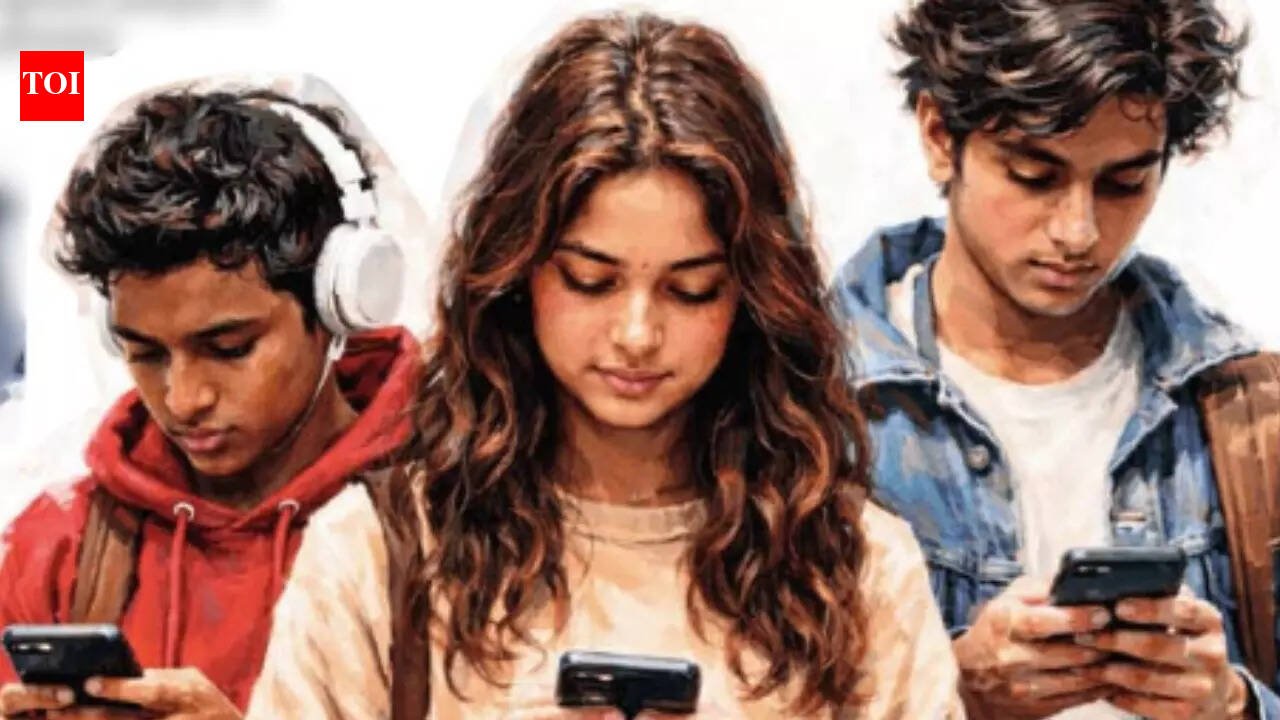
If children prefer to spend time on smartphones rather than inter‑ acting with others in a social set‑ ting, they are just phub‑ bing. Are they just talking to friends or doom scrolling the content in social media platforms? What happens if phubbing continues? A recent study*, published in the Current Psychology journal, sheds light on the psy‑ chological and behavioural as‑ pects of phubbing, and reveals its profound impact on inter‑ personal communication and well‑being.Smartphones are an indispensable part of our daily lives. Even as they help us stay connected and productive, smart‑ phone use has given rise to troubling social behaviour: Phubbing or the act of ignoring people around us, focusing on our phone.The study surveyed 938 undergrad‑ uate students in the US, 48.4% men and 51.6% women, to explore how social media addiction, Fear Of Missing Out (FOMO) and personality traits contrib‑ ute to phubbing. Social media addiction emerged as the strongest predictor of phubbing behavior.Students who scored high on the Bergen Social Media Addiction Scale (BSMAS) — a tool used to assess social media habits — were more likely to engage in phubbing, underscoring the addictive pull of platforms that thrive on constant en‑ gagement.FOMO also played a notable role. Defined as the persistent anx‑ iety that others are enjoying rewarding experiences without us, FOMO drives individuals to com‑ pulsively check their phones. This need for digital connectedness often comes at the ex‑ pense of real‑world relationships. While FOMO was less pre‑ dictive than social media addiction, it still contributes to phub‑ bing tendencies.Personality traits added another layer of complexity. Students who were more conscientious, organised, disciplined, and mindful, were less likely to dis‑ rupt conversations with phone use. Similarly, extroverts, who thrive on face‑to‑face interactions, showed lower levels of phubbing compared to their in‑ troverted peers.Conversely, lower emotional stabili‑ ty correlated with higher phone obsession, suggest‑ ing that individuals strug‑ gling with social isolation or anxiety may turn to their devices as compensa‑ tory tools.Men reported high‑ er phubbing scores than women. This may be linked to broader patterns of ad‑ dictive behaviours, which tend to be more prevalent among men.The implications are clear. Phub‑ bing is not a trivial annoyance, but a behaviour rooted in psychological vul‑ nerabilities and digital dependencies. It undermines communication, weakens trust and erodes the quality of relation‑ ships. In social contexts, the act of diverting attention to phone signals disengagement, leaving companions feeling undervalued and ignored. Phubbing is clearly a paradox of modern connectivity: While smart‑ phones promise closeness, they often fos‑ ter isolation.This study confirms that social media addiction is the most powerful driver of phubbing, with FOMO and certain per‑ sonality traits amplifying the risk. As so‑ ciety grapples with the costs of constant connectivity, recognising and curbing phubbing may be essential to promote genuine human interactions. (The phubbing phenomenon: A cross-sectional study on the relationships among social media addiction, fear of missing out, personality traits, and phubbing behavior, by Li-Chiu Chi, Tseng-Chung Tang & Eugene Tang)


Source link

PM Modi compares fuel crisis to Covid-19 in Parliament; Rahul Gandhi says ‘don’t forget the deaths’ | India News


PM Modi compares fuel crisis to Covid-19 in Parliament; Rahul Gandhi says 'don't forget the deaths'

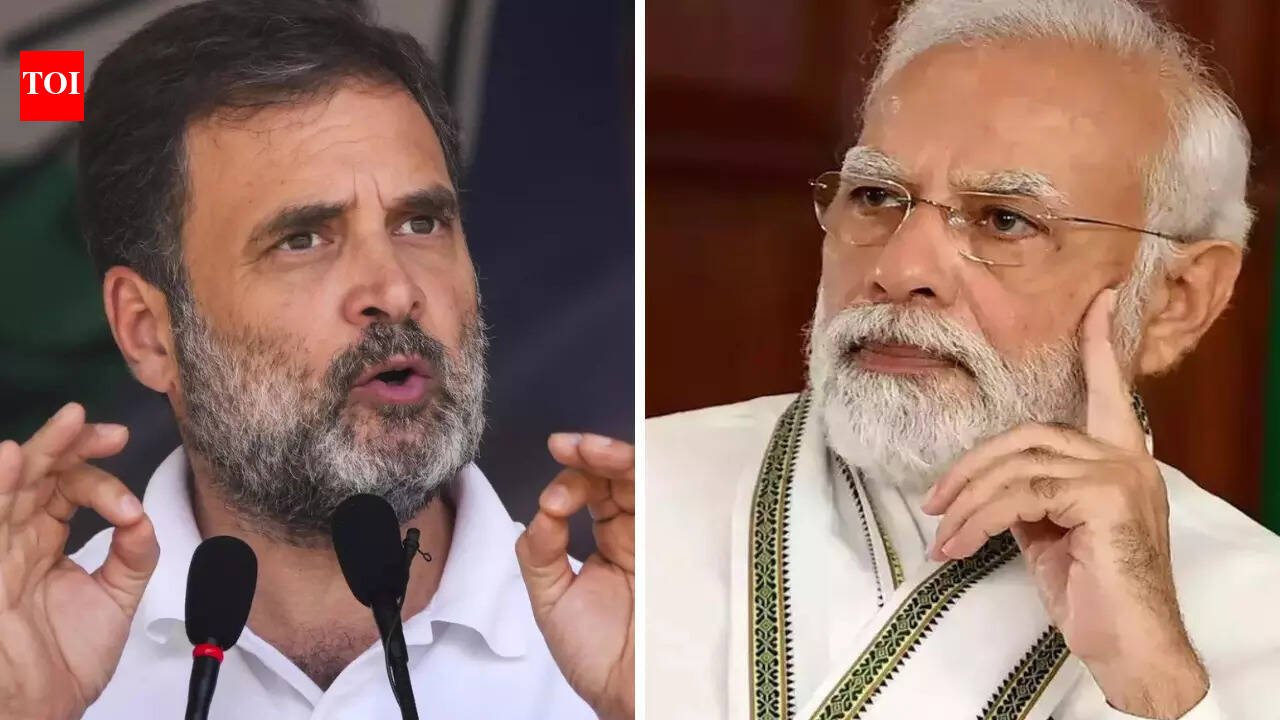
NEW DELHI: Leader of opposition in Lok Sabha Rahul Gandhi criticised Prime Minister Narendra Modi for comparing the current fuel crisis sitution to that of Covid-19 in his Parliamentary address on Monday. The Congress leader remarked that the PM has “forgotten what had happened then, how many people had died and what kind of tragedies had unfolded”.“Yesterday he made an irrelevant speech. He is the prime minister of India, he must appear to be as the PM of India, he has no position. It is sad that this would bring harm to people. It is the beginning — LPG, petrol, fertilizer, all these would pose a problem. Modi ji said Covid-like time is coming. He has forgotten what had happened then, how many people had died and what kind of tragedies had unfolded,” Rahul said on Tuesday.PM Modi had said the challenging global situation arising from the West Asia conflict is likely to endure, urging the nation to stay prepared and united, much like it did during the Covid pandemic.“This war has created difficult global conditions that may persist for a long time. Hence, we must remain prepared and united. We faced similar challenges during the Covid crisis with unity. Now again, we must prepare in the same way. With patience, restraint, and calmness, we must face every challenge-that is our identity, that is our strengt,” he had said.“At the same time, we must remain vigilant and cautious. Those who try to exploit the situation will attempt to spread falsehoods, but we must not let them succeed,” he added.Rahul also criticised PM Modi over his handling of the West Asia conflict, alleging that India has been sidelined in global negotiations and calling the prime minister “compromised” and questioned the PM’s autonomy on global stage.“Our foreign policy is Prime Minister Modi’s personal foreign policy. You can see the result of this. It’s a universal joke. Everybody considers it a universal joke. Donald Trump knows exactly what Mr Modi can do and what Mr Modi cannot do. So if the Prime Minister is compromised, our foreign policy is compromised. It’s obvious; everyone can see it. They did a US deal,” he said.Leader of opposition in Rajya Sabha also criticised the Covid reference saying the “nation cannot forget the tragic suffering during the pandemic”.“It has now been 25 days since the conflict began, and India is facing a deepening energy crisis, one for which the government should have been far better prepared. The Prime Minister has now likened the situation to being ‘Covid-like.’ The nation cannot forget the tragic suffering during the pandemic, when over 40 lakh lives were lost and countless citizens were left struggling for basic necessities like oxygen,” he said.He termed the PM’s Rajya Sabha speech “an exercise in obfuscation”.“The 20-minute statement by Prime Minister Modi in the Rajya Sabha was, at best, an exercise in obfuscation. We seek clear answers to three fundamental questions: First, through his inconsistent and swinging diplomatic posture, the Prime Minister appears to have altered the balance of India’s strategic autonomy; long a cornerstone of our foreign policy across successive governments. Following his recent visit to Israel, India has faced visible diplomatic consequences. Why did the Prime Minister fail to take Parliament and the nation into confidence about this apparent shift, and what concrete steps have been taken to restore India’s strategic autonomy?” he said in a post on X.He criticised the government for failing to secure safe passage for Indian ships stranded in the Strait of Hormuz despite high-level diplomatic efforts.“Second, nearly 37–40 Indian-flagged ships, carrying around 1,100 sailors, remain stranded in the Strait of Hormuz, with cargo valued at approximately Rs 10,000 crore. Despite the Prime Minister personally speaking to the Iranian President twice, and the External Affairs Minister engaging multiple times with his Iranian counterpart, why has India failed to secure safe passage for its own vessels? Why are countries like China Russia, Japan, along with other ‘friendly nations,’ being granted safe transit, while Indian ships remain stuck?” he said.He further questioned the PM’s claims that India had diversified its energy imports from 27 to 41 countries.“If so, which countries are currently supplying LNG, LPG, and crude oil to India, and in what quantities? More importantly, if diversification has been achieved, why are citizens still facing shortages, long queues, black marketing, and sharp price rises across the country?” he said.


Source link