Breaking News
AIIMS, ISRO join hands for space medicine research | India News


AIIMS, ISRO join hands for space medicine research

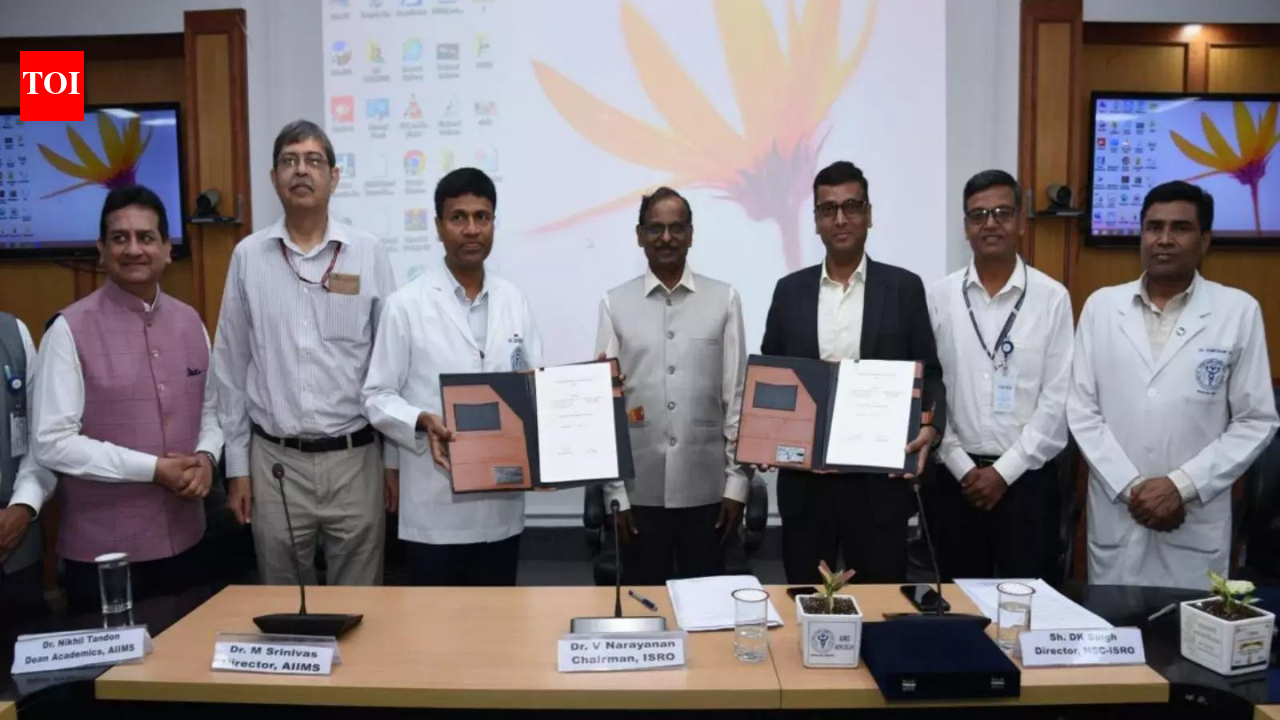
NEW DELHI: India’s push into human spaceflight is drawing the country’s top medical institute into the mission. The All India Institute of Medical Sciences and the Indian Space Research Organisation’s Human Space Flight Centre on Monday signed an agreement to collaborate on space medicine, opening the door for research on how the human body behaves in space — and how those insights could improve healthcare on Earth.The collaboration establishes a framework for ground-based and space-based research in areas including human physiology, cardiovascular and autonomic regulation, musculoskeletal health in microgravity, microbiome and immunology, genomics and biomarkers, and behavioural health.Explaining the medical significance of such studies, Prof K K Deepak, former head of physiology at AIIMS, said research on how the human body behaves in space can also help doctors better understand diseases on Earth. “In microgravity, astronauts experience muscle loss, bone weakening and fluid shifts in the body — changes that resemble accelerated ageing. Studying these processes helps scientists understand how ageing affects muscles, bones and circulation in people on Earth,” he said.Technologies developed to counter these effects in astronauts, such as devices that improve blood flow in the legs, could also help treat patients with circulation problems and help maintain muscle strength, he added.AIIMS director Prof M Srinivas said the collaboration would open new frontiers in medical research. “This MoU will give us the escape velocity to venture into space medicine. Research between AIIMS and ISRO will benefit patients, the nation and ultimately humankind,” he said.Addressing the gathering, Narayanan highlighted the journey of India’s space programme from its early days—when rockets and equipment were transported using bicycles and bullock carts—to its present position as a global leader in space technology. He said partnerships with institutions such as AIIMS will play an important role in strengthening India’s human spaceflight capabilities.The programme also included an overview of AIIMS’ ongoing work in space medicine research presented by Prof Deepak. Officials said the partnership marks a step toward strengthening India’s capabilities in human spaceflight and biomedical research as the country advances its space ambitions.The memorandum of understanding was signed by AIIMS director M. Srinivas and Dinesh Kumar Singh, director of ISRO’s Human Space Flight Centre, in the presence of ISRO chairman and secretary, department of space, V. Narayanan, along with senior faculty and students from the institute.


Source link

Special test to assess digital stress for TOI drive | India News


Special test to assess digital stress for TOI drive

The Times of India’s ‘Let’s D-Stress’ campaign aims to initiate a nationwide conversation around digital stress, its consequences, and practical ways to address it. The objective of the initiative is to turn awareness of digital behaviour into action, leveraging science and technology to help individuals reclaim attention, productivity, and mental wellbeing in an increasingly distracted digital world.The initiative was launched in collaboration with Kochibased Centre of Excellence in Neurodegeneration and Brain Health (CENABH) as knowledge partner along with IIT Delhi and NIMHANS as solutions partners.CENABH has expanded its focus from laboratory research on neuroscience to large-scale public-centric health initiatives. In Oct 2021, the centre helped develop Kochi into India’s first dementia-friendly city. The initiative demonstrated how advanced research can be applied to create healthier and more inclusive communities, highlighting a fundamental shift towards compassionate, community-based care for those living with neurodegenerative conditions. The centre also helped launch the ‘Udbodh’ project, designed by the Centre for Neuroscience at Cochin University of Science and Technology (CUSAT), to create a supportive ecosystem for an ageing population.Self-Assessment ToolAs part of the TOI campaign, a simplified web-based assessment tool, linked through a QR code, will allow readers to gain an initial understanding of their digital behaviour and focus levels.The results are intended to promote awareness of everyday technology use and encourage individuals to make gradual, practical adjustments that support improved focus, rest, and overall cognitive wellbeing. The assessment tool is derived from the scientific framework used for the Mentacy app, rooted in neuroscientific research and behavioural insights, and developed along with a technology partner by CENABH in a two-year collaboration.The scientific framework behind the assessment tool was developed by a multidisciplinary team led by Dr Baby Chakrapani P S, CENABH director and honorary director of the Centre for Neuroscience at CUSAT, and Dr Lima Raj, psychologist and project head for social neuroscience at CENABH.


Source link

Smartphones in classrooms Is a complete ban the way forward? | India News


Smartphones in classrooms Is a complete ban the way forward?

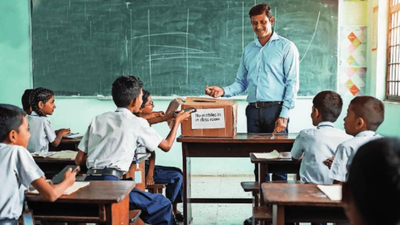
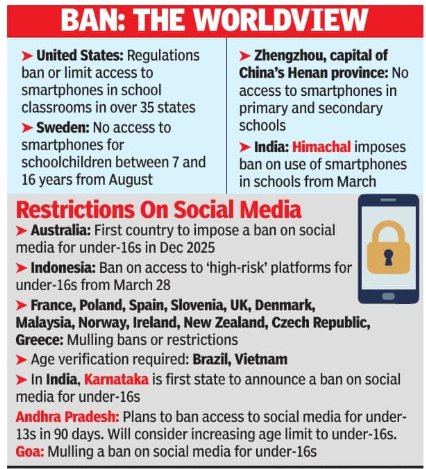
Hamlet’s existential dilemma — ‘To be or not to be?’ — is finding an echo in Indian schools: To ban or not to ban smartphones in classrooms.With Himachal Pradesh chief minister Sukhvinder Singh Sukhu announcing a ban on the use of mobile phones by students in all govt and private schools from March, and his Karnataka counterpart Siddaramaiah in his budget speech on March 6 announcing a ban on social media for under-16 children, concerns over excessive smartphone use and its impact on children’s cognitive abilities are back in the spotlight.These decisions align with a growing global push to curb the use of smartphones in schools amid rising concerns about shrinking attention spans, social media addiction and distraction in classrooms. In the United States, nearly 35 states have enacted laws requiring public schools to restrict or ban the use of mobile phones by students on campus, with exceptions for students with disabilities who have individualised education programmes. Sweden will implement a nationwide mobile phone ban in all schools from Aug to improve security and study conditions for students. The new rule, which will affect children between the ages of seven and 16, will make it compulsory for all schools and after-school clubs to collect students’ phones and hold them until the end of the day.In January 2025, Zhengzhou, capital of Henan province, became the first Chinese city to implement a law, prohibiting the use of mobile phones in primary and secondary schools unless specifically needed for teaching purposes.Restrictions On AccessInstead of imposing a ban on mobile phones for teens, some countries are opting for restrictions on social media. In Dec, Australia became the first country to ban certain social media platforms for teens under the age of 16, while Indonesia announced its decision to ban access to “high-risk” platforms for under-16s from March 28.France’s National Assembly has backed similar plans for children under 15. Poland too is planning to introduce a legislation to prohibit children under the age of 15 from accessing social media, with tech firms directly responsible for age verification.Calls for such measures have been gathering steam in India too, including in the recent Economic Survey. After Kar nataka, Andhra Pradesh govt announced its plan to curb access to social media for under-13s within 90 days and will consider extending the ban to under-16s. Goa also has set up a panel to investigate what such a ban might look like and how it can be implemented.Rules For Smartphone UseIndia is yet to formulate a national policy or a specific law on access to social media apps and smartphone use in educational institutions. However, calls for regulation of smartphone use are growing. The matter reached the Delhi high court last year, but it refused to order a complete ban, calling it impractical and undesirable. Instead, the court issued guidelines for regulating and monitoring use of smartphones.The reasons for concern are obvious, says Jyoti Arora, principal of Delhi-based Mount Abu School, adding that mobile phones can be great tools for learning, communication, and accessing digital resources, but distraction remains a concern. “Almost every day, our office is flooded with several parents complaining about games, social media, and constant notifications diverting the attention of their children from studies. Many of them have started complaining about eye strain and poor posture,” Arora says.

-

Academic PerformanceShe linked excessive use of smartphones to a decline in student academic performance. “We also saw a decline in students’ academic performance if they were too glued to the screen. An even bigger concern is that of exposure to cyber risks, such as online bullying and access to inappropriate content.”A 2023 Unesco report* showed that mere proximity to a mobile device distracted students and led to a negative impact on learning in 14 countries. It cited research studies to point out that “banning mobile phones from schools improves academic performance, especially for lowperforming students.”Finding WorkaroundsAmeeta Mulla Wattal, chairperson of DLF Foundation Schools and Scholarship Programmes, says the word ‘ban’ has never really helped anybody, particularly in school systems. “Anything oppressive is not right, especially for teenagers. The learning ecosystem has become so tech-integrated that even in a classroom, platforms like Whats -App, Instagram, and games are all accessible. Students are very adept at finding workarounds,” she says. The Covid-19 pandemic, which saw education systems across the world shift online, deepened this integration, with everything from classes to parentteacher meetings being conducted remotely.Wattal, who is also the former long-term principal of Delhi’s Springdales School, says the real issue isn’t the device, but teaching responsible digital use and focus. “There are so many WhatsApp groups that teachers use to share resources, homework, and foster discussions. The parent community is all on WhatsApp groups too, receiving notices and updates from school. Many students come by other means of transport or go for private coaching afterwards. A phone, therefore, becomes crucial for communication,” she adds.Need For A Holistic ApproachFinding a middle path is the need of the hour, Wattal emphasises, a process that would require dialogue among teachers, parents, and students.A team of researchers from the University of Birmingham drew a similar conclusion in a Feb 2025 study** of 1,227 students across the UK. Bans in isolation, the study argued, are not enough to tackle the negative impact, and it called for a more holistic approach to lowering phone use among students.Some schools in India are using lockers or sealed pouches to keep phones away from students during lessons, while others require formal requests to be submitted for exceptional cases. Arora says her school does not allow students to bring mobile phones, except on the specific written request of parents, in case they need to use the phone after school hours.Students deposit their phones in the morning and take them when they leave. However, allowing students to use smartphones during school hours is unlikely any time soon. “We need to have more talks, discussions, and digital ethics workshops before we allow that. We are doing our bit by inviting specialists to discuss cyber threats, or even the need for digital detox,” she adds.The Delhi high court ruling in March had also pointed out that schools must educate students on responsible online behaviour, digital manners, and the ethical use of smartphones. Students should be counselled that high levels of screen time and social media engagement can lead to anxiety, diminished attention spans, and cyberbullying, the court had added.However, schools are only a part of the equation, Arora emphasises. “The lessons for responsible use of phones and digital ethics must also be taught at home, with parents shouldering equal responsibility as the teachers.”*Unesco study: Technology in education: https://www.unesco.org/ gem-report/en/publication/ technology**UK study: School bans alone not enough to tackle negative impacts of phone and social media use: https://www.birmingham.ac.uk/ news/2025/school-bans-alone-notenough-to-tackle-negative-impactsof-phone-and-social-media-use


Source link

KN Panikkar, historian of ideas, passes away | India News


KN Panikkar, historian of ideas, passes away

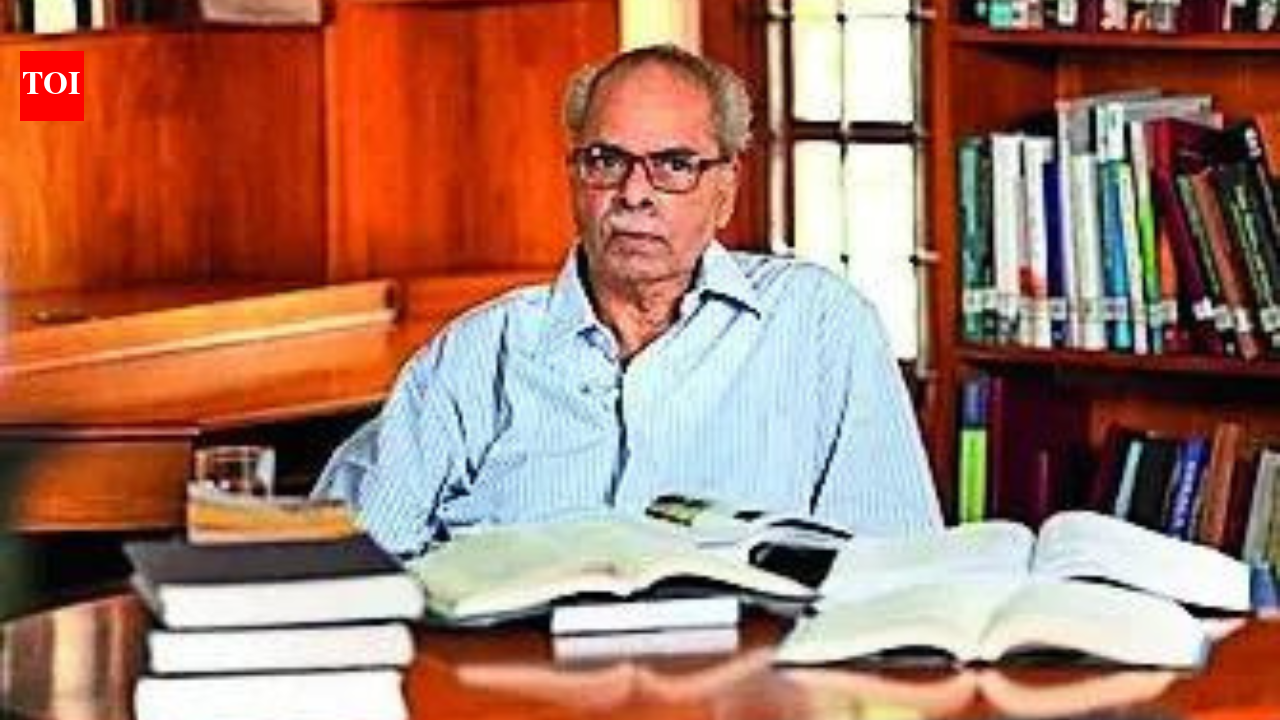
Noted Leftist historian K N Panikkar, who critiqued colonial historiography’s simplistic view of culture and highlighted how indigenous intellectuals offered an alternative paradigm of modernity, passed away at a private hospital in Thiruvananthapuram on Monday. He would have turned 90 next month.Panikkar, affectionately called KN by his colleagues, belonged to a select group of historians such as Bipan Chandra, Sabyasachi Bhattacharya and S Gopal who created a strong department of modern Indian history at JNU’s Centre for Historical Studies.His course on the history of ideas in India in the 19th century was pioneering. “Panikkar taught it at a time when history writing was dominated by economic and political concerns. He endeavoured, through his research, to claim a position of centrality for culture as an important ingredient both in human action and large political movements,” says modern India historian Salil Misra.Historian Rakesh Batabyal adds that Panikkar brought to attention how the ideas of Akshay Kumar Dutt, Lokahitawadi and other 19th century intellectuals needed no western validation: they were modern in their own right, and gave us a sense of the new world opening before us. “When he discussed the tradition of knowledge in Ayurveda, we began to understand the complexities of the Indian knowledge processes under colonialism,” he says.Modern India historian Aditya Mukherjee was both student and colleague of Panikkar. “He acquired the reputation of a great teacher when he taught in a college in Delhi University, and was invited to join JNU in 1972. He was a brilliant teacher who taught us social and religious reforms in the 19th century, making the subject come alive even to students like me who had no background in history, having graduated in economics,” says Mukherjee.Born in Guruvayoor, Panikkar left Kerala after completing his undergraduate studies and went on to earn his Master’s degree and doctorate from Rajasthan University, where he later married his college mate, (late) Usha Bhargava. He was also the founding vice-chancellor of Sree Sankaracharya University of Sanskrit, Kalady.The historian’s books include, “Against Lord and State: Religion and Peasant Uprising in Malabar”. “His role in presenting Malabar rebellion in its true historical context and highlighting its aspects as a freedom struggle, agrarian revolt and anti-imperialist movement is of historical significance”, noted Kerala CM Pinarayi Vijayan in his condolence message. “He was a proud Marxist yet he engaged with questions perceived as outside the mainstream of Marxist ideology, as seen in his important essay ‘Culture and Consciousness in Modern India,” says R Mahalakshmi, eminent historian of South India. Historian M G Sashibhooshan endorses the view. “I remember Panikkar accepting my request to present a paper on Pattanam at the History Congress, despite knowing that my opinion on Pattanam (Muziris) was different from that of Marxist historians”.Misra recalls Panikkar encouraging his students to disagree with him. “It was believed that he was more likely to reward dissenting ideas with higher grades, than those that simply conformed to his ideas. His classrooms became contestatory spaces in which he was not the only voice. Many other students offered their own ideas and he warmly endorsed all of them”.


Source link

Amit Shah intensifies efforts to put infiltrators’ issue to forefront | India News


Amit Shah intensifies efforts to put infiltrators' issue to forefront

NEW DELHI: From states as afar as Bihar and Uttarakhand, home minister Amit Shah is leading BJP’s push to put the issue of infiltrators on the front burner with an eye on not only the upcoming assembly elections, especially in West Bengal and Assam where it has a certain resonance, but also on shaping the national agenda by coopting a core party plank into its central theme.Shah, who has long championed national security and demography concerns over the alleged influx of infiltrators from Bangladesh, recently stepped up his efforts by camping for three days in Bihar’s Seemanchal region, which borders the eastern neighbour, and then sending out a stern message from Uttarakhand last week.He chose the launch of several development initiatives in Haridwar to underscore the Modi govt’s determination over the issue. “From Kedarnath to Kanyakumari wherever infiltrators are present across the country, we will identify and remove each and every infiltrator from India,” he said, accusing opposition parties of trying to shield them as they see their vote bank in them.BJP has framed its strong backing to the Election Commission’s Special Intensive Revision (SIR) of electoral rolls – which has in turn drawn protests from the opposition for its alleged intent to benefit the governing party – around its potential to identify and delete illegal voters, a large section of whom are likely to be illegals.More than any other state, SIR has become a political flashpoint between the Mamata Banerjee govt in poll-bound West Bengal and BJP, leading to frequent interventions from Supreme Court.BJP has cited “unnatural” surge in Muslim voters in different parts of the state, which borders Bangladesh, to back its claim of the presence of infiltrators in large numbers. With SC giving a go ahead to SIR while offering some directives, TMC has nuanced its opposition but questioned the process and accused EC of working with BJP to target voters unsympathetic to the national party.In his speech in Haridwar, the home minister said over 10,000 encroachments, which are often allegedly linked to infiltrators, were demolished in the hilly state under its the BJP govt’s action against them. The opposition, on the other hand, are shielding them, he claimed in a message meant as much for people in the state as outside.


Source link

Government moots central body to curb green nod delay | India News


Government moots central body to curb green nod delay

NEW DELHI: In order to end unnecessary delay in assessing projects for environmental clearances (EC), the Union environment ministry has proposed to set up a central body — Standing Committee on Environment Impact Appraisal (SCEIA) — for each State/UT, which will appraise projects when state-level panels are non-functional. The idea behind the proposal is to ensure continuity in functioning of state-level committees by establishing a separate standing body as an “interim arrangement” for the purpose of appraisal of projects and grant of regulatory environmental clearances. The standing body will function and take a call on green issues only till the constitution of state-level bodies.In many cases, state-level committees remain non-functional due to expiry of their term or on account of other circumstances. This leads to unnecessary delay in assessment of projects.Based on the experience of past years, the ministry had on Mar 5 issued a draft notification in this regard to seek stakeholders’ suggestions. A final decision on setting up a standing body will be taken after processing those suggestions.“In the event the application for grant of EC is not appraised by the concerned State Level Expert Appraisal Committee within a period of 120 days from the date of submission of the complete application by the project proponent, the application shall be automatically forwarded to the SCEIA, through PARIVESH portal, for consideration, which shall appraise such project and provide its recommendations as per the scenarios and within the time frame mentioned,” said the ministry’s draft notification.A day after notifying the draft, the ministry on Mar 6 issued a separate office memorandum (OM) on guidelines to be followed by states while sending proposals for re-constitution of state-level environment impact assessment authorities and expert appraisal committees. It directed the states that the process for finalising proposals for re-constitution of state-level panels may be initiated “well in advance” so that the proposals, complete in all respects, may reach the ministry at least six months prior to expiry of the terms of state bodies.


Source link

Investment in J&K hydro plan gets NHPC nod | India News


Investment in J&K hydro plan gets NHPC nod

NEW DELHI: NHPC has given its approval for investment to develop the 260-MW Dulhasti Stage-II Hydro Electric Project (HEP) in Jammu and Kashmir. The project received environmental clearance in Jan this year. It is likely to cost around Rs 3,200 crore and may take 44 months to complete.In a written reply in Rajya Sabha on Monday, minister of state for power Shripad Naik said the board of directors of NHPC Ltd had accorded investment approval for the project in Feb. The minister said private land was being acquired for the project as per law.


Source link

Care economy, telemedicine key to future health jobs: PM Modi | India News


Care economy, telemedicine key to future health jobs: PM Modi
Urges Experts, Policymakers To Work On New Training Models

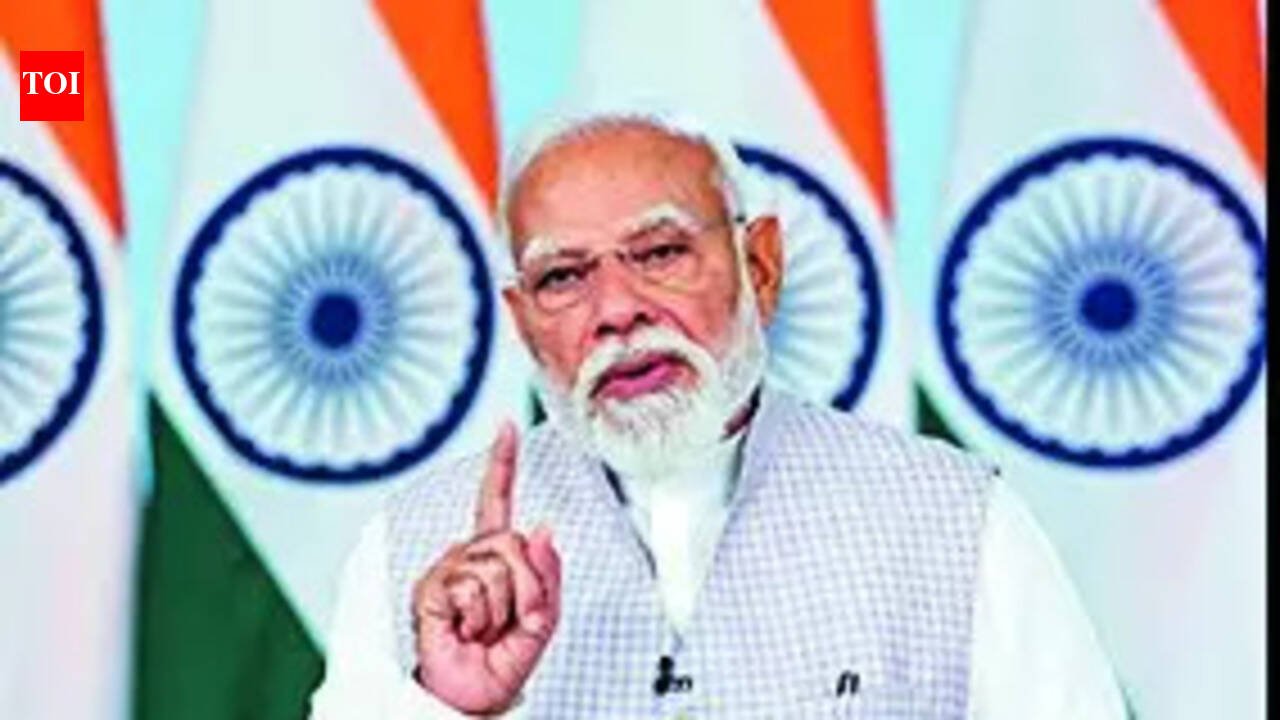
NEW DELHI: PM Narendra Modi on Monday highlighted the growing importance of the care economy and telemedicine in strengthening India’s healthcare system, saying both sectors will play a key role in expanding services and creating new employment opportunities in the coming years.Addressing the fourth post-Budget webinar on ‘Sabka Saath Sabka Vikas – Fulfilling Aspirations of People’, Modi said India must prepare its youth for emerging job opportunities in healthcare, digital technologies and innovation-driven sectors as demand for healthcare services expands both domestically and globally.“In the coming decade, the number of senior citizens in the country will increase rapidly. In addition, today there is a huge demand for caregivers in many countries. Therefore, the health sector is creating new skill-based employment opportunities for millions of youth,” Prime Minister Modi said, describing the care economy as an important area for future workforce growth.He urged experts and policymakers to work on new training models and partnerships that can strengthen the country’s health workforce and equip young people with skills required in caregiving and allied services.The PM also pointed to the growing role of telemedicine in widening healthcare access across the country. “Today a large number of people in remote areas are benefiting from telemedicine and their trust in it is increasing. However, there is still a need to increase awareness and ease of access,” he said.Modi noted that India is working on a broader vision centred on preventive and holistic healthcare, while expanding health infrastructure across the country. Over the past few years, healthcare capacity has increased with new medical colleges opening in hundreds of districts.He also cited the expansion of services through the Ayushman Bharat programme and the network of health and wellness centres, which are aimed at taking primary healthcare services closer to rural communities.Modi said fulfilling people’s aspirations requires strengthening sectors such as education, skills and health together.


Source link

Middle East tensions: Bahrain mission arranges for Indians’ return from Saudi | India News


Middle East tensions: Bahrain mission arranges for Indians' return from Saudi

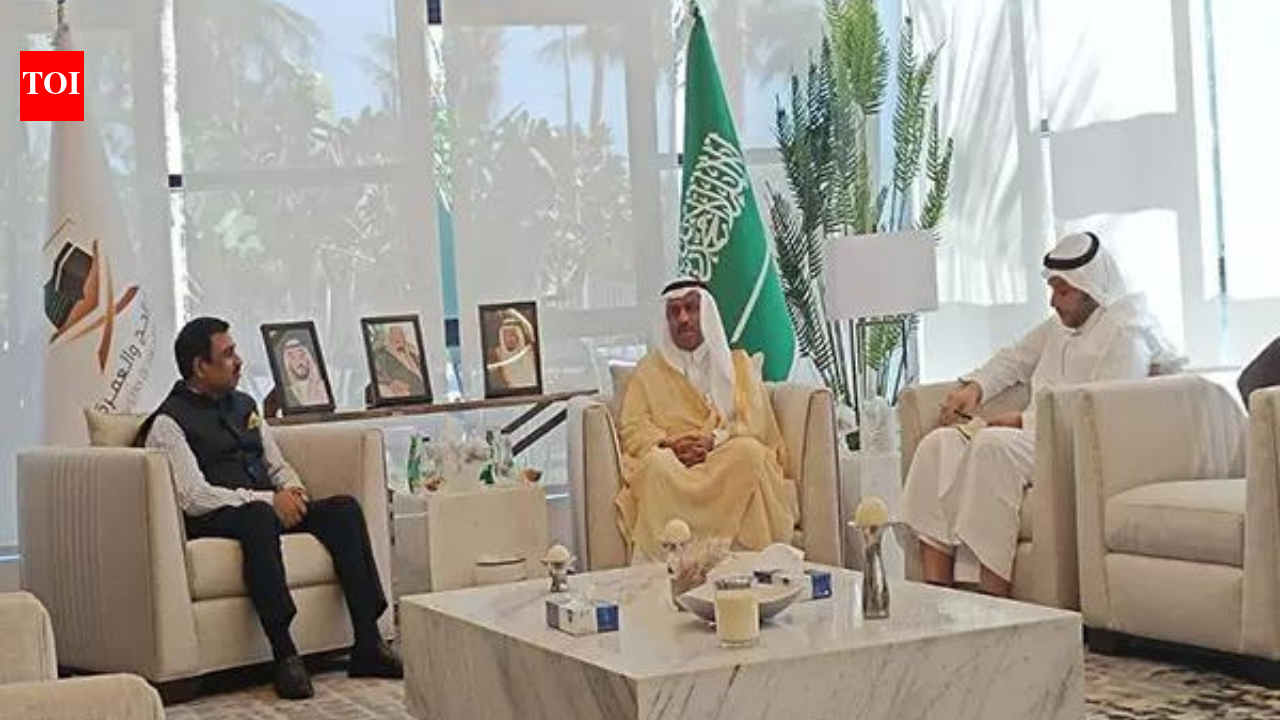
NEW DELHI: With the Bahrain airport not seeing any commercial flights since Feb 28, the Indian embassy there has made arrangements for stranded compatriots to return home via Saudi Arabia.“The embassy in Riyadh is obtaining individual transit visa approvals from Saudi govt. Transit visa requests are being referred by Indian embassy in Bahrain to Indian embassy in Riyadh. Priority is being given to stranded Indian nationals, especially those on tourist or short-term visas,” Vinod K Jacob, Indian ambassador to Bahrain, said.As returning via Saudi is the only viable option for Indians stranded in Bahrain as of now, those applying for Saudi transit visa must fulfil certain pre-conditions, like having a confirmed flight ticket for onward travel to India. Saudi transit visa will be valid for 72-96 hours and travellers need to leave the country within this period.Neighbouring Qatar, on the other hand, has started seeing a handful of flights, including to India, by Qatar Airways. But since they are fewer than required, exiting via Saudi remains Plan B for them and there’s a scramble to get the country’s transit visa.The Indian embassy in Doha said: “Qatar Airways operated a Doha-Delhi flight Monday on which more than 300 Indian passengers stranded in Doha travelled to India… close to 1,000 Indians stranded in Doha on transit or short-term visits have departed on Qatar Airways flights over the last three days.”Indian govt is keen to have more flights to West Asia. Civil aviation ministry will hold a meeting with airlines and other stakeholders on this issue on Tuesday.


Source link

Let me be quizzed in all cases together: Ex-IAS officer in SC | India News


Let me be quizzed in all cases together: Ex-IAS officer in SC

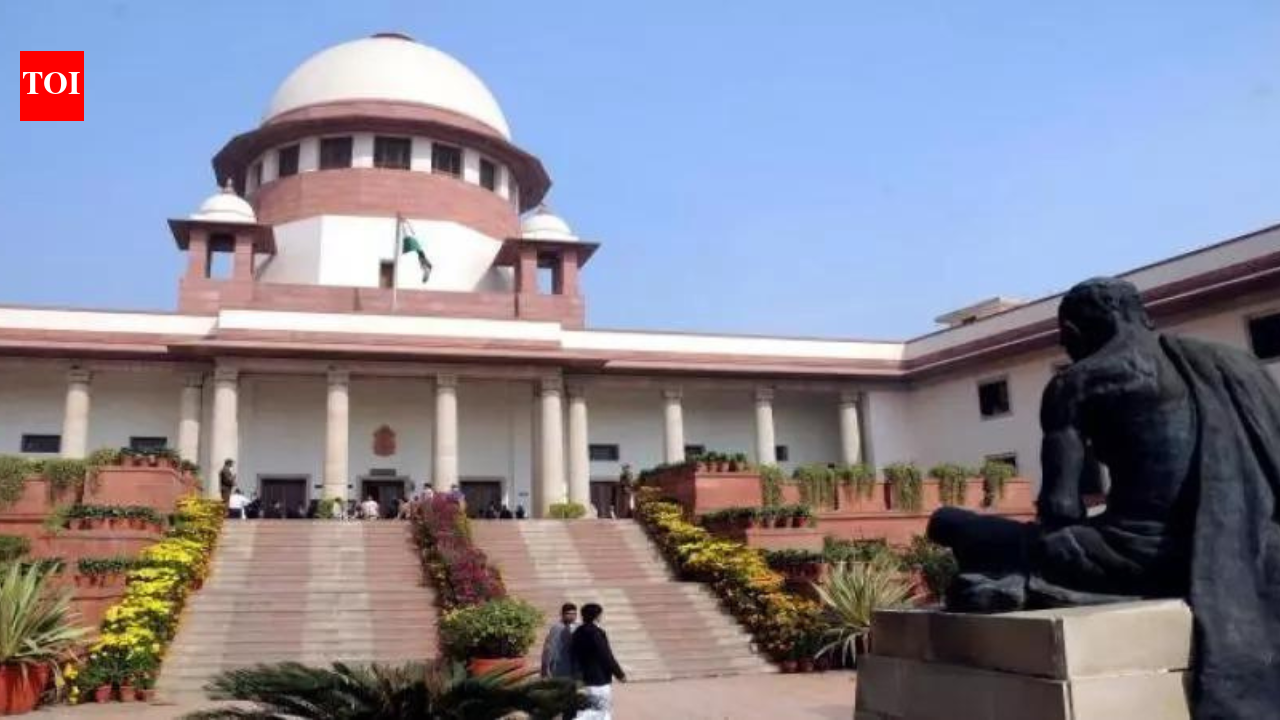
NEW DELHI: Ex-IAS officer Anil Tuteja, a powerful bureaucrat in the then Bhupesh Baghel-led Congress govt who is an accused in several major scams, on Monday requested the Supreme Court to direct the investigating agencies to interrogate him continuously in all the cases and then allow him bail till the completion of trials.Appearing for the former bureaucrat, senior advocate Shoeb Alam told a bench of Chief Justice Surya Kant and Justice Joymalya Bagchi that agencies have shown an uncanny knack of arresting him in a different case when Tuteja is close to getting bail in one.Alam said Tuteja has been in jail since April 2024 and has volunteered for continuous custodial interrogation by the Economic Offences Wing of Chhattisgarh Police and ED. Once that is done, he should not be arrested in one case or another merely to keep him behind bars, he argued.The bench said that as a powerful bureaucrat, Tuteja had wielded significant power and the cases against him involve alleged siphoning of huge sums of public money. “You have been granted bail by courts in cases where discretion was exercised. But we cannot pass a peremptory order granting bail in all present and future cases,” the CJI-led bench said.SC listed the cases against Tuteja – the Rs 175 crore rice milling scam, Rs 600 crore District Mineral Foundation (DMF) scam, Rs 540 crore coal levy scam, Rs 2,000 crore liquor scam, Nagrik Apurti Nigam (PDS) scam and Mahadev Betting App scam – and said he could seek bail after arrest or anticipatory bail if he apprehends arrest.The bench said the Chhattisgarh HC was right in declining to entertain Tuteja’s omnibus bail plea but added that if he files a bail plea within a week, the HC should decide it on priority within two to four weeks.


Source link