Breaking News
Karnataka court awards death penalty: 3 sentenced for gang-raping Israeli tourist, murdering youth in Koppal | India News


Karnataka court awards death penalty: 3 sentenced for gang-raping Israeli tourist, murdering youth in Koppal
Representative image (AI-generated)

NEW DELHI: A civil court in Karnataka on Monday sentenced three men to death for sexually assaulting an Israeli tourist and murdering a youth in Koppal district last year.The Gangavathi Civil Court pronounced the quantum of punishment, awarding capital punishment to the convict: Mallesh alias Handi Malla, Sharanabasava and Chaitanya Sai. The court had found them guilty on February 7 and had reserved its order on sentencing for February 16.According to the prosecution, the crime took place near Sanapur on March 6 last year and had drawn international attention, casting a shadow over tourism in the region.Public Prosecutor Nagalakshmi said that the incident occurred when a homestay owner took a group of tourists: Pankaj from Maharashtra, Bibhas from Odisha, Daniel from the United States, and an Israeli woman, for stargazing near the Tungabhadra canal under the limits of the Gangavathi rural police station at around 10.30 pm.At that time, the three accused allegedly arrived on a motorcycle and picked up a fight over a financial dispute.“With an intention to rape these women, the convicts pushed the three men into the canal. To ensure that they do not come out, they threw stones on them. Later, they gang raped the home-stay owner and the Israeli national,” Nagalakshmi told reporters.She said Bibhas Kumar died due to drowning in the canal. “Pankaj did not know how to swim but Daniel saved him,” she added.After the assault, the accused allegedly fled the spot with mobile phones, cash and a camera belonging to the victims.“It was a case of gang rape, murder, attempt to murder, robbery and extortion. Hence the Judge Sadananda Nagappa Naik under section 103 of the Bharatiya Nyay Sanhita gave them capital punishment. For the gang rape, the court ordered imprisonment till their last breath,” the public prosecutor said.She added that the convicts have the right to appeal against the sentence in a higher court.


Source link

From ‘chaiwala’ to ‘Rahulian’: Mani Shankar Aiyar returns and Congress ducks for cover, again | India News


From 'chaiwala' to 'Rahulian': Mani Shankar Aiyar returns and Congress ducks for cover, again

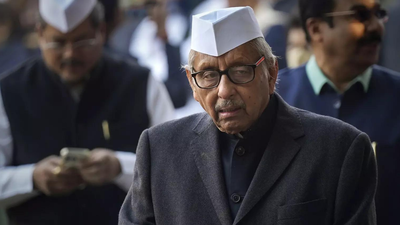
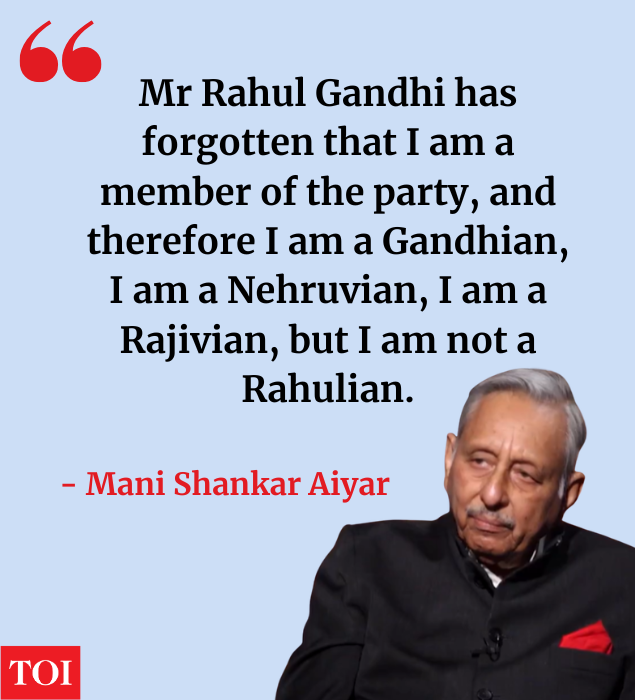
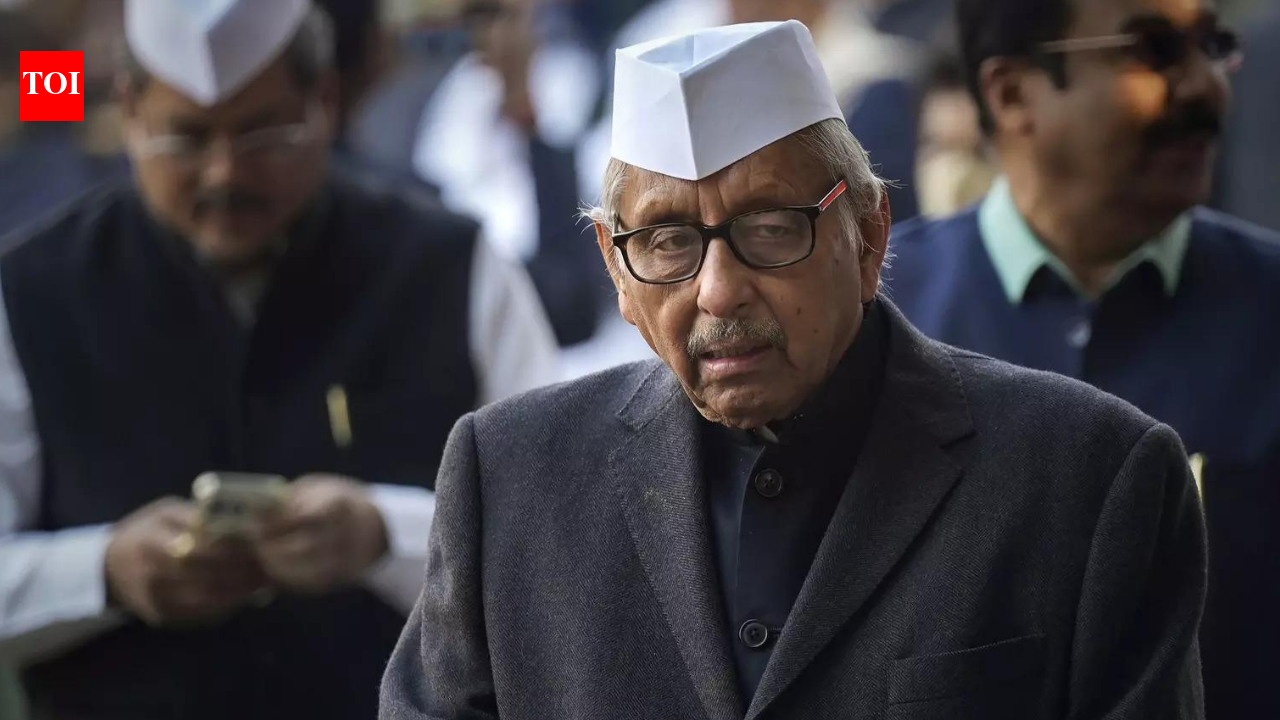
NEW DELHI: By now, the pattern is familiar. Just when Congress is trying to project discipline and a message of unity ahead of an election, Mani Shankar Aiyar re-enters the scene, picks up the mic, and leaves the party embarrassed.Congress was once again forced into damage control on Monday after Aiyar launched a sharp attack on the party leadership, a day after praising the Left Democratic Front (LDF) government in Kerala, led by chief minister Pinarayi Vijayan.Things escalated rapidly when Aiyar, speaking to ANI, dismissed the authority of the current Congress leadership and declared: “I am a Gandhian, I am a Nehruvian, I am a Rajivian, but I am not a Rahulian.”Invoking BR Ambedkar’s description of dissent as being “a part but apart”, Aiyar positioned himself as an ideological insider with the right to rebel. The tone, however, soon turned confrontational.Targeting Congress spokesperson Pawan Khera, Aiyar said: “I have absolutely no respect and complete contempt for Pawan Khera… He is not a spokesperson, he is a parrot.”

Aiyar says he is not a 'Rahulian'.

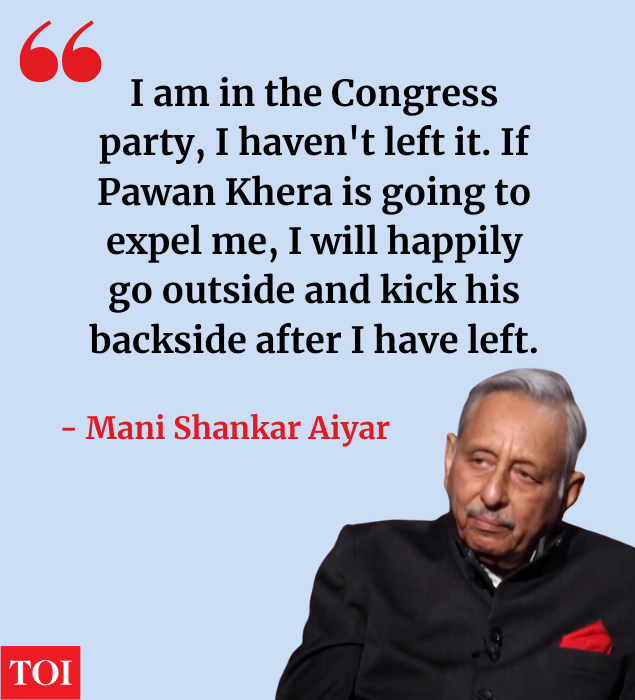
He went further, adding: “If Pawan Khera is going to expel me, I will happily go outside and kick his backside after I have left.”Within hours, Congress moved to publicly sever any association with his remarks.

Congress responds: Not our man

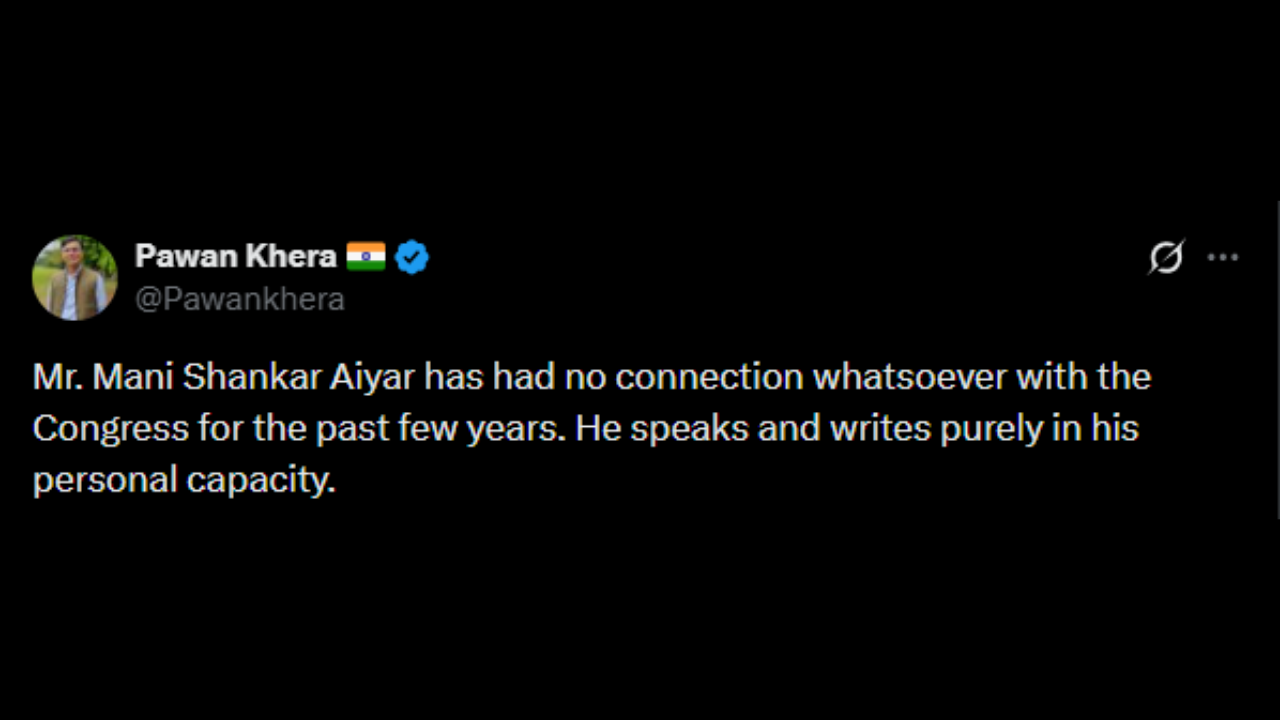
Khera issued a statement on X distancing the party from Aiyar’s comments: “Mr Mani Shankar Aiyar has had no connection whatsoever with the Congress for the past few years. He speaks and writes purely in his personal capacity.”Communications in-charge Jairam Ramesh followed up by reaffirming the party’s confidence in the United Democratic Front (UDF), saying: “Let there be no doubt. The people of Kerala will bring the UDF back for more responsible and responsive governance.”

Aiyar termed Pawan Khera a 'parrot'.

What triggered the row

The controversy stemmed from remarks Aiyar made on Sunday at a public event in Kerala. Addressing chief minister Vijayan, he said: “I must fall at your feet, CM Vijayan, and request you to pick up the baton that the Congress has dropped.”For a Congress trying to regain lost political space in Kerala, with Assembly elections just a couple of months away, the optics were damaging. The party found itself defending its relevance while one of its most recognisable faces appeared to publicly endorse a rival.

Can you imagine what is the condition of a party which raises a rowdy like KC Venugopal to the level of Sardar Patel, to Rahul Gandhi? That is all I need to say as an answer.

Mani Shankar Aiyar

A day later, Aiyar said his remark had been blown out of proportion, calling it just “half a line” in his speech.“It was only half a line in that speech which has been blown out of proportion,” he said.However, he maintained that the Vijayan-led LDF government was doing outstanding work.“As a Congressman, I want the UDF to win. As a Gandhian, I am obliged to tell the truth, irrespective of what I wish. I am not a voter in Kerala, but I think he is going to get another term,” Aiyar told PTI.

Pawan Khera on Aiyar's recent remarks.

A pattern, not a one-off

The Congress’s discomfort with Aiyar is not new. His statements have time and again left the party red-faced.On April 4, 2014, at a public meeting in Delhi, Aiyar mocked then Gujarat chief minister Narendra Modi, saying: “This chaiwala should come here and serve tea.”The remark was immediately seized upon by the BJP. Modi, who was the prime ministerial candidate in the 2014 Lok Sabha elections, embraced the label, transforming it into a narrative of aspiration versus elitism. For a Congress already struggling under anti-incumbency, the comment became emblematic of what the BJP called its “entitled mindset”.This was not an isolated incident.Three years later, on December 10, 2017, during the Gujarat Assembly election campaign, Aiyar referred to Modi as a “neech aadmi”. Though he later clarified that the phrase referred to social conduct and not caste, the BJP framed it as an insult to Gujarati pride. Modi turned it into a rallying cry.The Congress suspended Aiyar, but the political damage had already been done.

Rajiv Gandhi, history and embarrassment

Even after being sidelined, Aiyar continued to create discomfort for the party. In 2022, his remarks about Rajiv Gandhi’s academic failures at Cambridge and Imperial College London reopened old wounds, at a time when the Congress was already battling sustained BJP attacks on the Gandhi family.Aiyar had said: “When he [Rajiv Gandhi] became Prime Minister, I was very surprised. I thought he was an airline pilot and failed at Cambridge. It is very difficult to fail at Cambridge because the university, to maintain its image, ensures that everyone at least passes. However, despite that, Rajiv Gandhi failed.”He added: “After that, he went to Imperial College in London and failed there as well. Then I thought, how can such a person become the Prime Minister of the country?”Senior Congress leaders publicly criticised Aiyar. Then Maharashtra Congress chief Nana Patole labelled him “mentally unstable” and former Rajasthan chief minister Ashok Gehlot dismissed him as sarfira (crazy). Yet, once again, the party stopped short of a clean break.

BJP plays on Aiyar’s remarks

Aiyar’s latest remarks once again handed the BJP fresh ammunition.The BJP alleged that neither Congress leaders nor its alliance partners accepted Rahul Gandhi as their leader.BJP spokesperson Shehzad Poonawalla told IANS that a series of recent developments pointed to a growing crisis of confidence in Rahul Gandhi’s leadership.“In the morning, I saw a news report from Kerala where Mani Shankar Aiyar expressed low confidence in Rahul Gandhi, suggesting he would not be able to lead the Congress to victory. In West Bengal, the Trinamool Congress raised the slogan ‘Remove Rahul, bring Mamata, save the INDIA bloc.’ And now in Assam, Bhupen Borah, the former state Congress president, has reportedly left the party,” he said.Poonawalla claimed these episodes together showed that faith in Rahul Gandhi was steadily eroding. “One thing is clear — no one has confidence in Rahul Gandhi. He has lost 95 elections and has no mandate,” he said, adding that several alliance partners were increasingly keeping their distance.“The Trinamool Congress, the Samajwadi Party, leaders like Supriya Sule, Omar Abdullah and Hemant Soren — all of them are distancing themselves from Rahul Gandhi,” he alleged.He went on to describe Rahul Gandhi as a “non-performing asset” for the INDIA bloc.Tamil Nadu BJP leader K Annamalai also stepped up the attack, linking Aiyar’s remarks to what he described as ideological confusion within the Congress.“Mani Shankar Aiyar, who is from Tamil Nadu, has for years insulted Prime Minister Modi, including calling him a chaiwala. The Congress chose to keep him in the party. Now, when he goes to Kerala and endorses Mr Vijayan, it shows the broken ideologies under which both the Congress and the Communists are operating,” Annamalai said.Claiming a tacit understanding between the Congress and the Left, he added: “Since the Congress knows it cannot win and the BJP is surging in Kerala, I see this statement as an underhanded deal between the Congress and the Communists. What happened in Thiruvananthapuram will be repeated across Kerala.”



Source link

PM Modi to visit Israel, says Benjamin Netanyahu; hails ‘tremendous’ India ties | India News


PM Modi to visit Israel, says Benjamin Netanyahu; hails 'tremendous' India ties

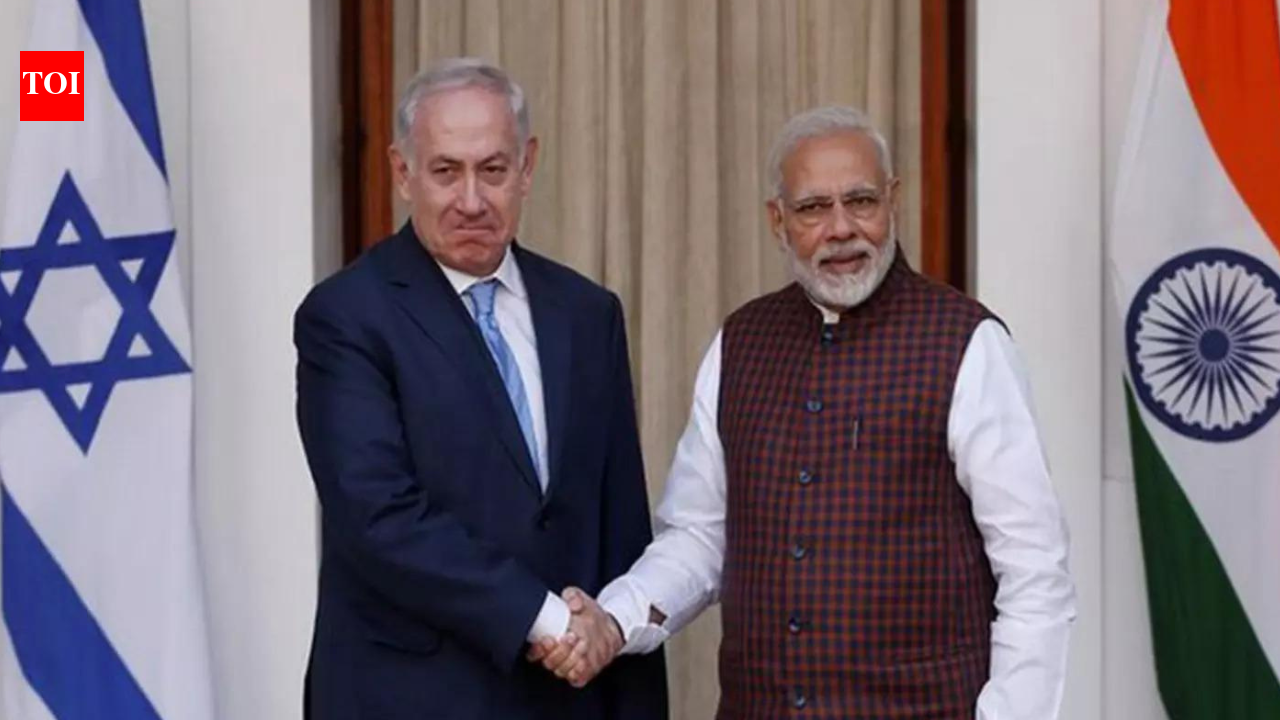
NEW DELHI: Prime Minister Narendra Modi is set to pay a two-day visit to Israel starting February 25, PTI reported citing sources on Monday. Israeli PM Benjamin Netanyahu too said that PM Modi would visit the nation next week. He further hailed “alliance” with India, terming it “tremendous”. “Parliament address on the anvil. Who’s coming here next week? Narendra Modi. Tremendous alliance between Israel and India, and we are going to discuss all sorts of cooperation,” Netanyahu said.“Now, you know, India is not a small country. It has 1.4 billion people. India is enormously powerful, enormously popular,” he added.

‘Tremendous Alliance’: Netanyahu Highlights India’s Love For Israel Ahead Of PM Modi’s Visit

Though India has always called for a “two-state” solution for the Israel-Gaza war, it has also maintained a strategic partnership of mutual benefit with Tel Aviv.Last year PM Modi and Netanyahu had a telephonic conversation and the two had “reaffirmed their commitment to further strengthening these ties for mutual benefit”.“Spoke with my friend Prime Minister Netanyahu. We reviewed progress in the India-Israel Strategic Partnership and agreed to further strengthen our cooperation. Also reaffirmed our shared commitment to zero tolerance for terrorism. India supports all efforts aimed at achieving a just and durable peace in the region,” PM Modi had said.Netanyahu’s visit to India has been on hold since 2023, after the October 7 Hamas attacks disrupted a planned round of bilateral engagements.


Source link

Congress says Om Birla’s Dhaka visit a ‘gift’ for silencing LoP in Lok Sabha | India News


Congress says Om Birla’s Dhaka visit a ‘gift’ for silencing LoP in Lok Sabha

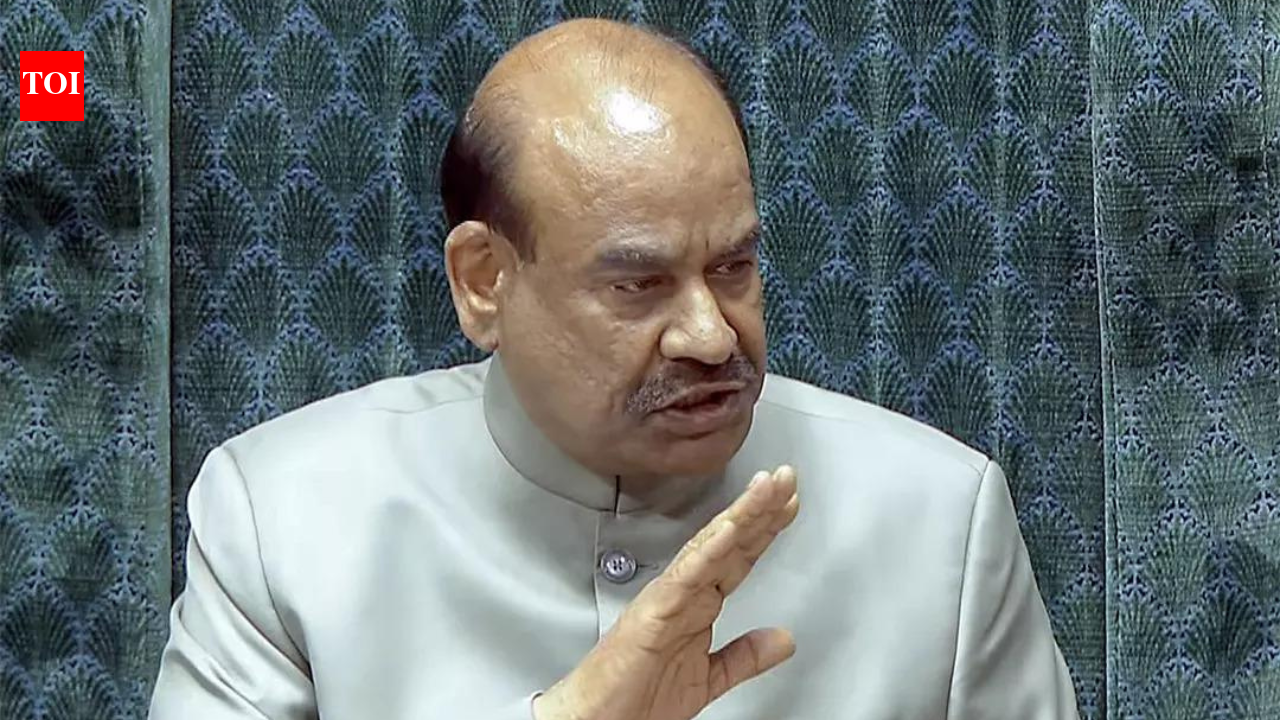
NEW DELHI: Congress leader Akhilesh Prasad Singh made a stark remark against Om Birla‘s Bangladesh visit calling it a reward from the Centre for not letting the Leader of Opposition, Rahul Gandhi, speak in the Lok Sabha. Om Birla will be visiting Dhaka for the swearing-in ceremony of Bangladesh PM-elect Tarique Rahman.Speaking to ANI, Singh said, “Om Birla must have been rewarded by the government for not allowing the LoP to speak in the Lok Sabha. At the same time, now that a new government has been formed (in Bangladesh), the Indian government should go there and strongly raise the issue of the atrocities being committed against minority Hindus and end the tension there.”The Congress leader also endorsed remarks made earlier by Karnataka Minister Priyank Kharge, who questioned the legal and financial status of the RSS. Kharge had described the BJP as a “devil’s shadow” and raised concerns about the RSS’s registration, funding sources and tax compliance.“His question is valid because the RSS hasn’t been registered for a long time. Regarding the money issue, it’s true that when electoral bonds were introduced, there was some kind of fraud. It evolved a certain party in such a way that a level playing field no longer existed,” he said.Earlier, Priyank Kharge asked why the RSS had not registered itself despite operating extensively in India and abroad.“They’re unregistered. They don’t want to register. All I’m asking is to follow the law of the land. If you’re an individual, that does not mean that you should not be registered. Which law says that? You should be registered. I’m asking how you’re getting the donations? Where are you getting the donations from? Who is donating? How come you’re running such large operations domestically and internationally, and you’re still not paying taxes?” he said.Citing media reports, Kharge claimed that over 2,500 organisations were responsible for funding the RSS and called for greater transparency. “This is a question the government should be asking,” he said.He also referred to statements by RSS chief Mohan Bhagwat about the organisation functioning on “Guru Dakshina”, traditionally offered to a guru. Kharge questioned whether collecting funds in the name of the RSS’s symbolic saffron flag — which the organisation considers its “guru” — exempted it from financial scrutiny. Drawing a comparison with religious institutions, he argued that even temple donations are subject to audits and asked whether the RSS considered itself “above the law.Kharge further cited Bhagwat’s past remarks linking the BJP’s political success to the RSS’s support, reiterating his claim that the BJP functioned as the “shadow” of the RSS.


Source link

‘Fact, fiction and WhatsApp forwards’: Karti Chidambaram on his ‘cameo’ in Dhurandhar | India News


'Fact, fiction and WhatsApp forwards': Karti Chidambaram on his 'cameo' in Dhurandhar
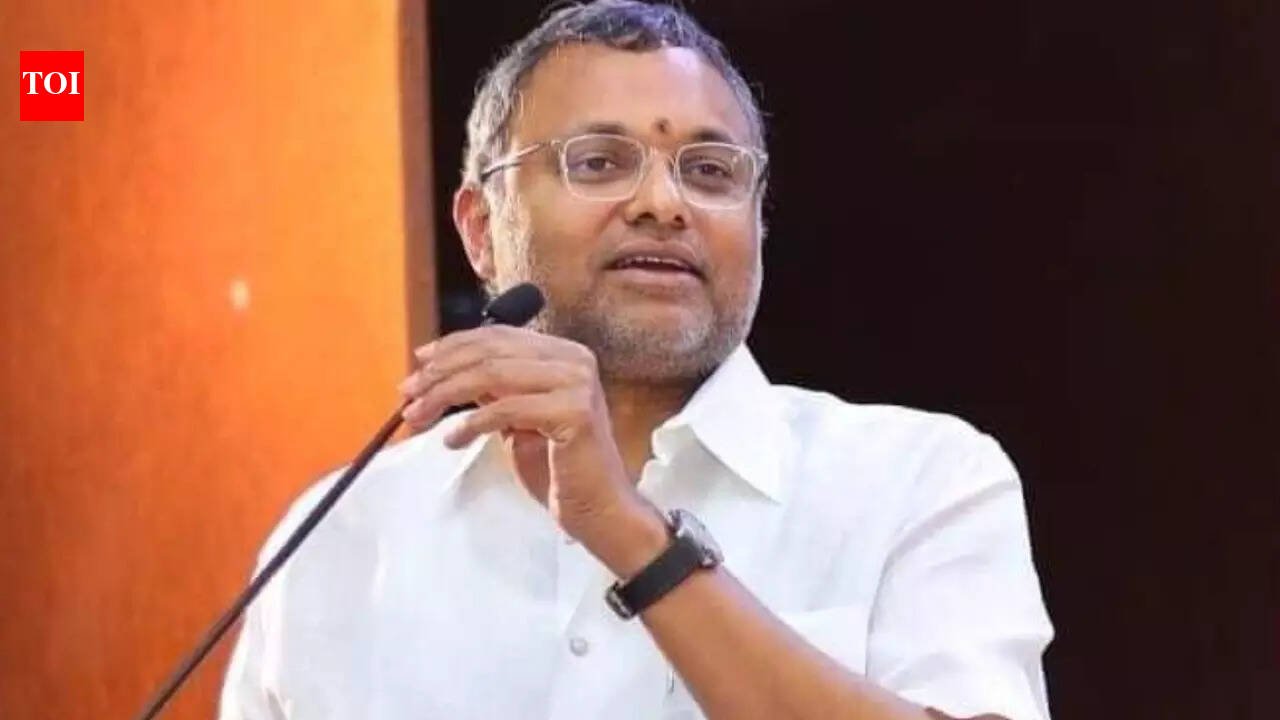
Karti Chidambaram (File photo)

NEW DELHI: Congress MP Karti Chidambaram dismissed social media claims linking him and his father, former Union minister P Chidambaram, to a scene in the recently released film Dhurandhar, calling the allegations a blend of “fact, fiction and WhatsApp forwards”.In an interview to ANI, the Sivaganga MP talked about his “cameo” in Aditya Dhar’s movie said he had not yet watched the film but was told that a character resembling him appears in it. “No, I haven’t seen it, but I’ve been told I have a cameo there. It’s a three-hour-long movie, so maybe I’ll watch it during my flights,” he said.Taking a swipe, Chidambaram joked that the filmmakers should have consulted him to finalise the actor to play him on screen. Asked who he would want to portray him on screen, he replied, “Pierce Brosnan, maybe,” and suggested Michael Caine or Sean Connery as possible choices to play his father.

Karti Chidambaram Opens Up on His Alleged Dhurandhar Cameo

Karti Chidambaram was responding to a scene in the film in which an Indian minister and his son hand over currency-printing templates to a Pakistani intelligence operative after a deal in London. Several social media posts claimed the scene reflected real events during P Chidambaram’s tenure as a Union minister, allegations that remain unverified.Rejecting the claims outright, Karti Chidambaram said that if such an incident had actually occurred, it would have left an official trail. “If people really think this happened, shouldn’t the government of India have some records?” he asked.He criticised the growing inability to distinguish between fact and fiction in the age of viral messaging. “Thanks to WhatsApp, everything merges. With artificial intelligence, it’s only going to get worse,” he said.


Source link

‘Why haven’t you gone to the Gauhati HC?’: SC refuses to hear pleas against Assam CM Himanta; flags ‘disturbing trend’ | India News


'Why haven't you gone to the Gauhati HC?': SC refuses to hear pleas against Assam CM Himanta; flags ‘disturbing trend’

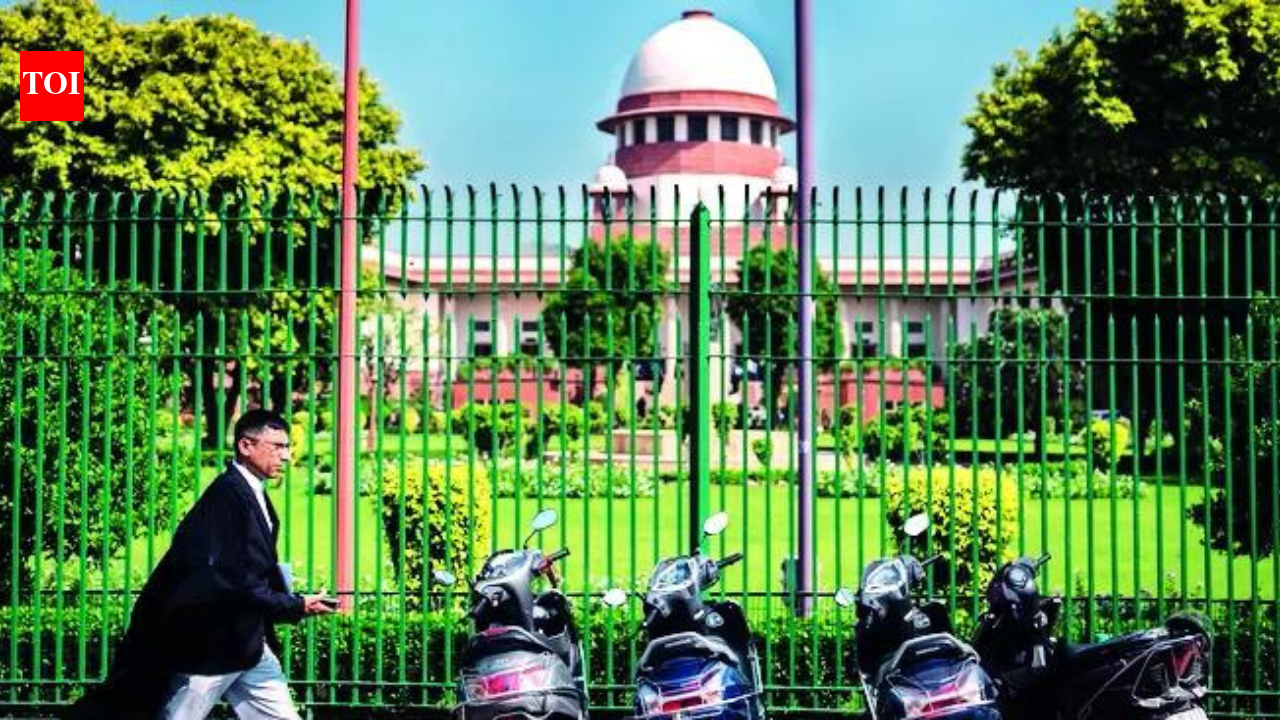
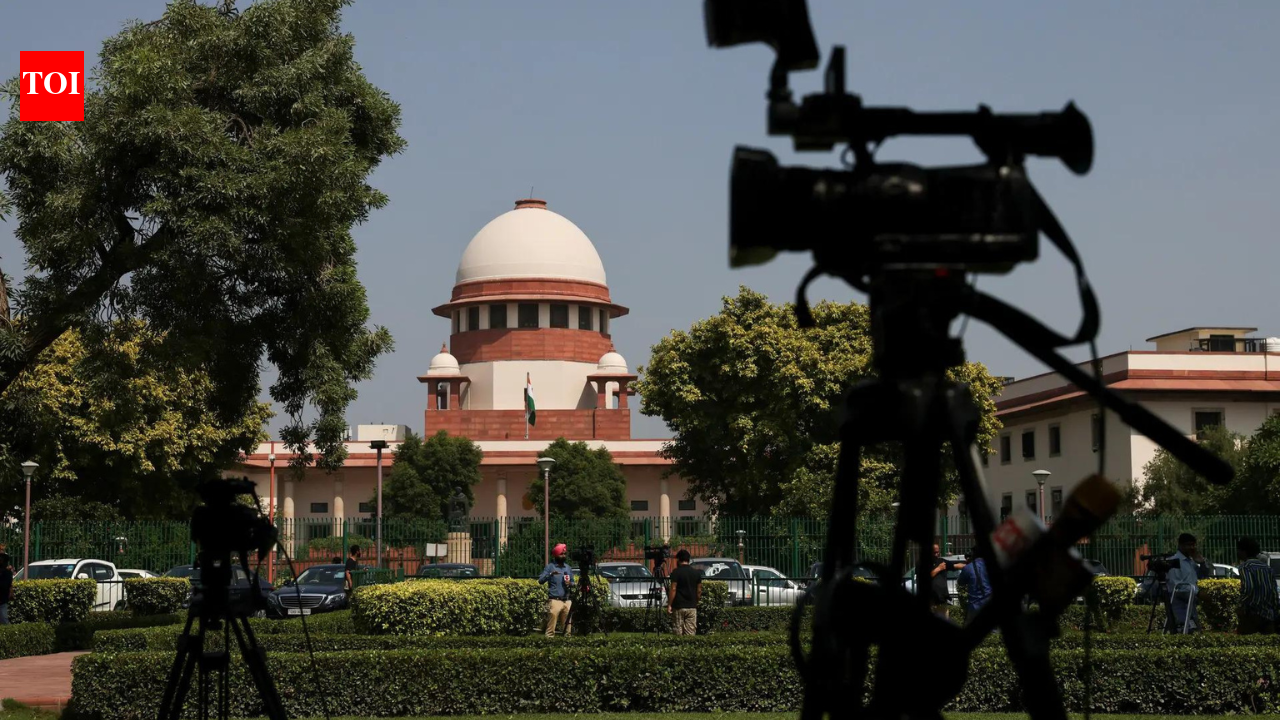
NEW DELHI: The Supreme Court on Monday refused to entertain petitions seeking the registration of an FIR and the constitution of an SIT probe against Assam CM Himanta Biswa Sarma over his ‘target-shooting’ video, and asked the petitioners to approach the Gauhati high court. The apex court questioned why the petitioners had not moved the Gauhati High Court and said its authority should not be “undermined.” A bench of Chief Justice Sanjiv Khanna and Justices Joymalya Bagchi and Vikul Pancholi said it would ask parties to exercise restraint and remain within the boundaries of constitutional morality. The bench also observed that filing petitions before elections is “becoming a trend.” “This is a disturbing trend that every matter ends up here. We have already deprived HCs of environmental and commercial litigations,” the bench said. The development comes after the Bharatiya Janata Party Assam unit posted a video on X showing Sarma purportedly aiming a rifle at two people, one wearing a skullcap and another with a beard. The video was later deleted following backlash.


Source link

Sabarimala case: 9-judge SC bench to hear pleas on discrimination against women at religious places | India News


Sabarimala case: 9-judge SC bench to hear pleas on discrimination against women at religious places

NEW DELHI: A 9-judge bench of Supreme Court will hear the pleas relating to discrimination against women at religious places, including Kerala‘s Sabarimala Temple.The hearing is set to begin April 7 and proposed to be concluded on April 22. The composition of the 9-judge bench will be notified by the Chief Justice of India separately through an administrative order.A bench of CJI Surya Kant, Justice Joymalya Bagchi and Justice Vipul M Pancholi passed the orders on Monday for the listing of the reference before the 9-judge bench.“A nine judge bench shall commence hearing in these matters on April 7, 2026 (Tuesday) at 10:30 AM. The review petitioners or the parties supporting them shall be heard from April 7-9, April 2026. The original writ petitioners opposing the review petitioners shall be heard on April 14-16, 2026. The rejoinder submissions if any will be heard on April 21, 2026 followed by the final and concluding submissions by the learned amicus which is expected to be over by April 22. The parties shall adhere to the above time schedule,” the top court noted.“The nodal counsels in consultation with arguing counsel of the parties shall prepare the internal arrangement so that oral submissions from both sides can be heard within stipulated timeline” it added.Listed along with these were petitions relating to the issues of Muslim women’s entry in Dargah/mosques, entry of Parsi women in Fire Temples if they have married a non-Parsi, validity of the practices of excommunication and Female Genital Mutilation among Dawoodi Bohra community.In 2018, a Constitution Bench of the apex court, permitted the entry of women of all ages into the Sabarimala Sree Dharma Sastha Temple dedicated to Lord Ayyappa, striking down the centuries-old practice that barred women between the ages of 10 and 50.Subsequently, a nine-judge Constitution Bench on February 10, 2020 upheld the decision of the Sabarimala Review Bench to refer to a larger Bench broad questions concerning the interplay between essential religious practices, equality, and constitutional morality across faiths.Centre along with other parties are supporting the review petitions, effectively challenging the 2018 ruling that allowed entry of women of all ages into the Sabarimala temple.The original writ petitioners now respondents in the review proceedings, are opposing the review pleas and seeking to uphold the 2018 judgment.


Source link

Over 300 prisons running at twice their capacity | India News


Over 300 prisons running at twice their capacity

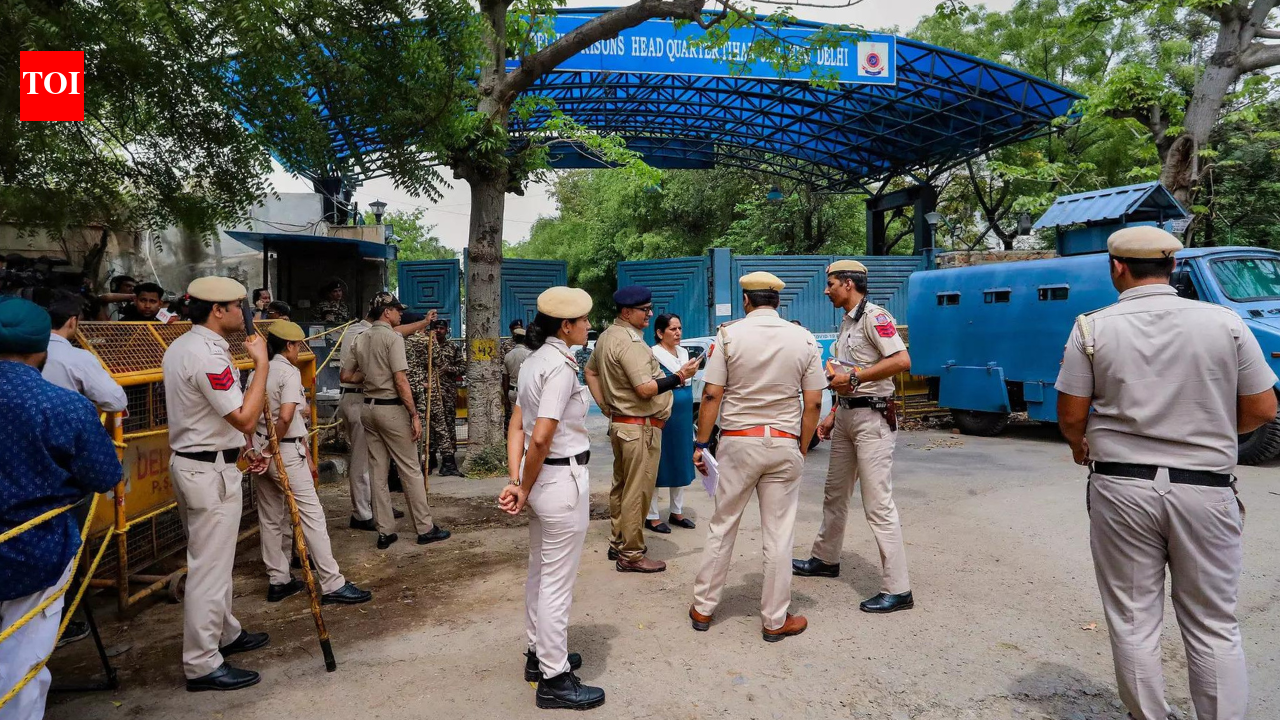
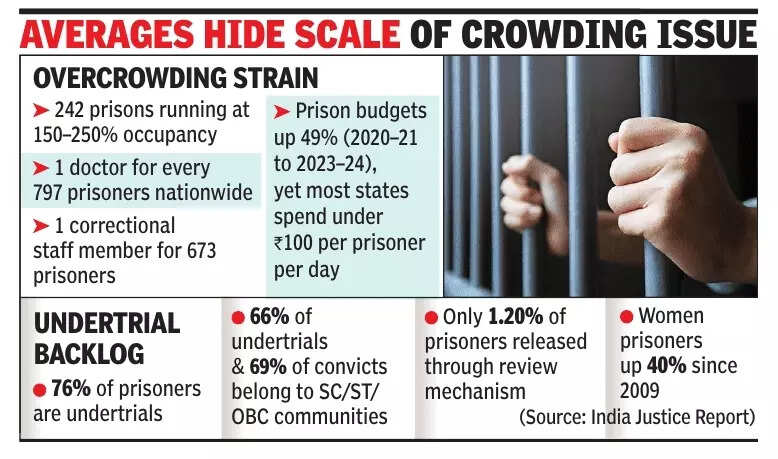
On paper, India’s prison crisis is usually flattened into neat averages. Occupancy hovers at 121%, budgets have inched up, new capacity added. The lived reality is less reassuring.In parts of the country, jails are operating without doctors, without counsellors, and with inmates left in limbo even as the barracks continue to fill.New data presented last week at a national consultation on prison overcrowding by the India Justice Report in collaboration with Prayas, a field action project of the Tata Institute of Social Sciences, shows the scale of the strain. Over 300 prisons across India are running at twice their capacity, a level at which even basics like sleeping space, healthcare and supervision become difficult.The report on prison capacities cautions that state and national averages often mask ground realities. Individual jails reveal far more extreme pressure points. In Delhi’s Central Jail No. 4, overcrowding has risen steadily since 2020, reaching 550% in 2023. Danapur Sub-Jail in Bihar and Gumla district jail in Jharkhand have operated at over 300% capacity, while Kandi Sub-Jail in West Bengal peaked at 450% in 2022.The biggest reason prisons remain this crowded is not a surge in convictions, but delay. Around 76% of India’s prison population consists of undertrials, many of whom have not been found guilty of any crime. They are also spending longer periods inside. The share of undertrials jailed for three to five years has nearly doubled over the past decade, and in 2023, nearly one in four undertrials nationwide had already spent between one and three years in prison. In West Bengal, Manipur and Jammu & Kashmir, the proportion is even higher.Who stays stuck in this waiting room of justice is not random. Around two-thirds of undertrials and nearly 70% of convicts come from SC, ST or OBC communities that often have less access to legal help and fewer resources to secure bail quickly. While caste data is unavailable, the overrepresentation of marginalised communities inside prisons is telling of social inequalities.Around 30% of guarding staff posts are vacant nationwide, while 29 states have not sanctioned even a single mental health professional for prisons, despite rising stress and self-harm among inmates. Although the model prison manual mandates 1,150 psychiatrists nationwide, only 65 posts have been sanctioned and just 35 filled, leaving a policy vacuum in prison mental healthcare. Medical care is similarly stretched, with one doctor for every 797 prisoners on average and far worse ratios in some states. Karnataka and Nagaland report having no prison doctors at all, and rely instead on occasional visits from district hospitals.For Prof Vijay Raghavan, project director of Prayas (TISS), the problem lies in how prison reform is framed. “Typically when you talk of overcrowding, you say we need more space, toilets, beds… But how can we look at it from a different perspective where even if the prison capacity doesn’t increase too much, we can still have better living conditions and fewer people in our prisons,” he said, arguing that the focus must shift from building more jails to non-custodial alternatives.Around 30 NGOs at the consultation, many of them working inside prisons, said these shortages are worsened by restricted access. Human rights advocate Ajay Verma pointed out that while states like Maharashtra and Karnataka still allow social workers into prisons, many others do not. “Security concerns could be addressed through police verification rather than blanket denial,” he argued. What irks Raghavan is that religious groups are often allowed entry, while trained social workers are kept out.Verma’s teams meet prisoners regularly during mulaqat. Once trust is built, prisoners begin to talk. “Regular, sustained meetings, once every fortnight for a few focused hours, can make the difference between prolonged detention and a workable bail application,” he said.

India Prison

A CSO working in Karnataka recommends creating a social and economic profile of every undertrial at the point of admission, recording family ties, housing and livelihood. When shared with courts, this data can support bail on personal bond. Southern states often show lower occupancy rates, sometimes under 100%, but the same CSOs caution that this is partly because new prisons have been built and not necessarily real reduction in incarceration.For Murali Karnam of National Academy of Legal Studies and Research, meaningful reform depends on how early civil society intervenes. “There is no point in getting a bail under trial after three months. You are expected to be there for three months in any case. But because of our intervention, we are able to get it after 15 days of arrest, that’s the hallmark of intervention,” he said, stressing on the need to strengthen prison legal aid clinics.Karnam argued that social workers are often more effective than lawyers in the early stages. “They’re able to identify multiple needs,” he said, pointing at the many undertrials who remain inside despite having bail orders simply because families are not informed or cannot navigate the system. Money alone, however, cannot solve the problem. Although prison budgets have increased in recent years, many states still spend less than Rs 100 a day on each prisoner, even as new criminal laws under the BNNS Act are expected to push numbers up further.At the consultation, Salman Azmi, member secretary of the Maharashtra State Legal Services Authority, said judges today are more sensitised to prison conditions, partly because jail visits are now institutionalised. But the real challenge, he argued, is stopping incarceration before it begins. “Many problems start at the police station. A structured pre-arrest legal aid mechanism could prevent thousands from entering overcrowded prisons in the first place.For now, review committees meant to ease pressure have made only a small dent, with just over 1% of prisoners released nationwide, which isn’t merely a numbers problem, but one that plays out daily behind prison walls.


Source link

‘Guru Dakshina means flag’: Priyank Kharge levels ‘money laundering racket’ charge against RSS | India News


‘Guru Dakshina means flag’: Priyank Kharge levels ‘money laundering racket’ charge against RSS

NEW DELHI: Karnataka Minister Priyank Kharge on Sunday accused the Rashtriya Swayamsevak Sangh of indulging in “money laundering”, questioned its sources of income and asked why it was not paying taxes.Addressing a gathering at an event here, Kharge alleged financial irregularities and sought greater accountability from the organisation.“It (RSS) has a network of more than 2,500 organisations, they are from America, England. They take money from them. I am telling — that these people are into money laundering,” he said.Questioning the source of its funds, he added, “they want us to be good citizens, pay income tax, but they want to remain free. How is it possible. We will have to question this.”Kharge said the same law and Constitution applicable to everyone in the country should apply to the RSS as well. Later, speaking to reporters, he pointed out that the RSS is an unregistered organisation and asked whether “they are above law or Constitution.”“It is good that all organisations should come under the ambit of law and constitution, whether it is RSS or any other organisations. Are they above law and constitution. Mohan Bhagwat (RSS chief) says it (RSS) is a body of individuals. So is Bangalore Club, have they not registered? Are they not paying taxes?” he further asked.Stating that his question is why the RSS was unregistered, he said, “Where is their Guru Dakshina (donation) coming from.”Kharge said, “If we ask about the source of RSS money, they tell us that we will get Guru Dakshina. However, when I did some research, according to them, Guru Dakshina means ‘flag’. So, tomorrow morning, if I also hoist the blue flag and collect money, I will ask the government and them (RSS) whether they will agree. Thus, no one can escape baseless words. From now on, I will not give up until this RSS organisation is registered under the Constitution and the law.“Who is paying it? Why is it (RSS) not paying tax? When every rupee of others is being accounted for, why is there no accountability for their (RSS) money,” he asked.Kharge also took a swipe at the organisation over patriotism, saying, “RSS did not hoist the national flag in their office for 52 years. They teach us about patriotism.”“Ramayana, written by Valmiki, is different; what is happening now is different. Politicians and religious leaders are talking about religion as they wish. No religion incites violence. RSS chief Mohan Bhagwat, who says that one should have three children, is not getting married. However, he talks about raising other people’s children. Thus, the BJP is constantly saying things outside and inside, and is sending the children of the poor to the streets,” Kharge said.Meanwhile, Kharge launched a sharp attack on the demand to confer the Bharat Ratna to Veer Savarkar, asking why a person who, according to him, “worked against Bharat” should receive the country’s highest civilian honour.In a post shared on X, Kharge posted a long list of questions targeting Savarkar’s role during the freedom struggle. His attack came in response to comments made by RSS chief Mohan Bhagwat on February 8, at a two-day lecture series titled ‘100 Years of Sangh Journey – New Horizons’. Addressing questions over the delay in honouring Savarkar, Bhagwat said the award would elevate the prestige of the Bharat Ratna itself. Bhagwat further said that he was not on the decision-making committee but would raise the issue if given the chance.


Source link

Gujarat, Maharashtra, UP lead rooftop solar figures | India News


Gujarat, Maharashtra, UP lead rooftop solar figures

NEW DELHI: Gujarat, Maharashtra and UP have emerged as frontrunners in rooftop solar installations, even as over 23 lakh rooftop solar systems (RTS) were installed across the country in the last two years under the PM Surya Ghar: Muft Bijli Yojana.Launched on Feb 13, 2024, with a financial outlay of Rs 75,021 crore, the scheme aims to install RTS in one crore households by March 2027. The Centre provides a one-time financial assistance of up to Rs 78,000 per household, while several states offer additional subsidies.According to the national portal, 23,68,383 systems with an aggregate capacity of about 8,691 MW have been installed till Feb 13 this year. Govt has released Rs 16,932.4 crore in subsidies.Under the scheme, a 3-kW solar plant can generate about 300 units of electricity per month — enough to reduce the bill to zero if consumption stays within that limit. More than 12.5 lakh consumers have received zero electricity bills in at least one month since the launch.The number of installations is estimated to be close to three million when statelevel subsidy programmes are included.Gujarat leads with nearly 5.6 lakh installations, followed by Maharashtra (4.5 lakh), UP (3.7 lakh) and Kerala (1.9 lakh). Adoption remains low in the Northeast: Arunachal Pradesh, Sikkim, Meghalaya, Mizoram, Manipur, Nagaland and Tripura together account for only 4,174 installations. Delhi, Goa, West Bengal and Chandigarh also have recorded modest numbers, with 6,209, 1,721, 1,265 and 1,050 installations, respectively.Govt acknowledged that nearly three-fourths of installations are concentrated in 1011 states. Many states are yet to notify virtual net-metering guidelines that allow consumers to feed surplus power into the grid and receive payment. “This is a model with a customer-first approach. It has become immensely popular,” said JVN Subramanyam, joint secretary, ministry of new and renewable energy.


Source link