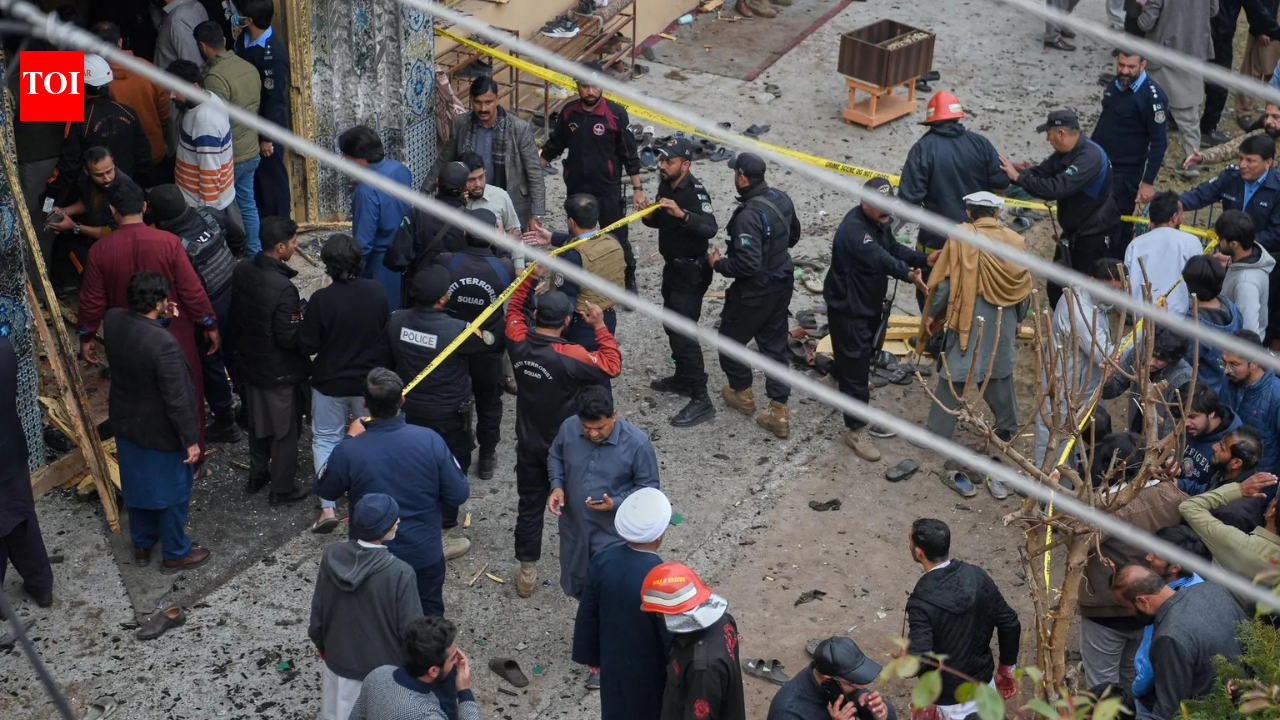
At least 31 people were killed and dozens more injured in an explosion at the Imam Bargah Qasr-e-Khadijatul Kubra mosque in the Tarlai area on the outskirts of Islamabad, with the death toll expected to rise.A worshipper, Zaheer Abbas, said he was inside the mosque offering prayers when he first heard the sound of gunfire, moments before the blast.“After that, we bowed and then prostrated, and then there was an explosion,” Abbas was quoted as saying by the BBC. “After which, there were injured people lying everywhere.”An emergency was declared as hospitals began receiving the injured, and authorities issued an appeal for blood donations. Abbas said he “lost his senses” in the immediate aftermath of the explosion before being rescued by emergency services and taken to the hospital, where he was later discharged.“Fortunately, I did not suffer much injury,” he added. Muhammad Kazim, 52, said that he arrived at the Imam Bargah Qasr-e-Khadijatul Kubra mosque shortly after 1:00 pm (local time) on Friday and was standing around seven or eight rows behind the imam.“During the first bow of the Namaz (prayer ritual), we heard gunfire,” he told AFP outside the Pakistan Institute of Medical Sciences (PIMS) hospital, where many of the injured were taken for treatment.The mosque’s caretaker, Syed Ashfaq, who lives next door, said he also heard gunfire and rushed towards the mosque to assist.“By the time I reached it there had already been an explosion,” he was quoted as saying by the BBC. “Bodies were lying everywhere, some were missing arms, some missing legs. We took the most injured in our own vehicle [to hospital].”
IS claims responsibility
The Islamic State (IS) group has claimed responsibility for the suicide bombing at the Imam Bargah Qasr-e-Khadijatul Kubra mosque. In a statement cited by SITE, which monitors jihadist organisations, IS said, “upon reaching the inner gate of the temple, the martyrdom-seeker detonated his explosive vest amidst the Shi’a congregation, inflicting a large number of deaths and injuries.”The blast marked the deadliest attack in Islamabad since 2008, when a suicide bomber targeted the Marriott Hotel in the capital, killing 63 people and injuring more than 250 others.More recently, in November, a suicide attack outside a court in Islamabad killed 12 people.The latest incident comes less than a week after the outlawed Baloch Liberation Army carried out a series of attacks in insurgency-hit Balochistan province, leaving around 50 people dead. Security forces responding to those assaults killed more than 200 “terrorists,” according to the military.Pakistan’s Prime Minister Shehbaz Sharif condemned the attack and expressed condolences to the families of those killed. He directed authorities to ensure the injured receive the best possible medical care and said the health minister would personally monitor the situation.“No one will be allowed to spread chaos and unrest in the country,” Sharif said in an official statement.
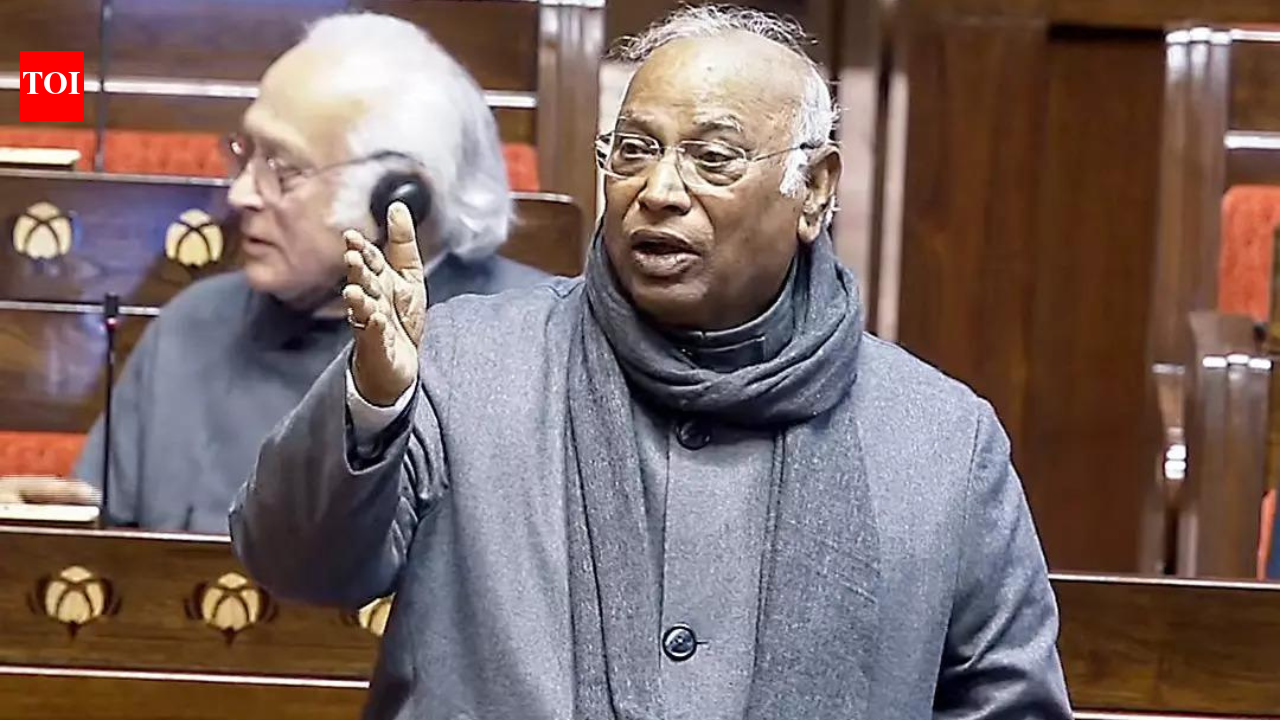
NEW DELHI: Rebutting PM Narendra Modi‘s accusation, Congress chief Mallikarjun Kharge said Modi’s “Goebbelsian” and “filthy” propaganda against then PM Manmohan Singh, who was a decent and hardworking achiever, was an insult to the Sikh religion, and demanded that Modi apologise for it.Kharge said Congress respects Sikh religion and made Manmohan Singh finance minister and PM twice, but Modi ran a “false propaganda” against him to wrest his chair.He was reacting to Modi’s speech in Rajya Sabha in which the PM accused Congress of insulting Sikhs, with a reference to Rahul Gandhi’s recent viral exchange with minister Ravneet Bittu where the latter was called “traitor”.Kharge said Modi made absurd claims and allegations targeting Congress and his speech suggests that he is “mentally disturbed” because of Epstein Files which, he alleged, have been used by US President Donald Trump to armtwist him.“As soon as Trump caught him, Modi surrendered, he knelt down and made a trade deal, but who did he sacrifice? He sacrificed the farmers of this country and extended an invitation to the agriculturists from the US to come here. He is making our people poor and making the agriculturists of rural America rich,” he claimed. Lashing out, the veteran Congress neta said the PM doesn’t have the courage to answer the questions of the day and instead chose to repeat “falsehoods” in his 97-minute address.
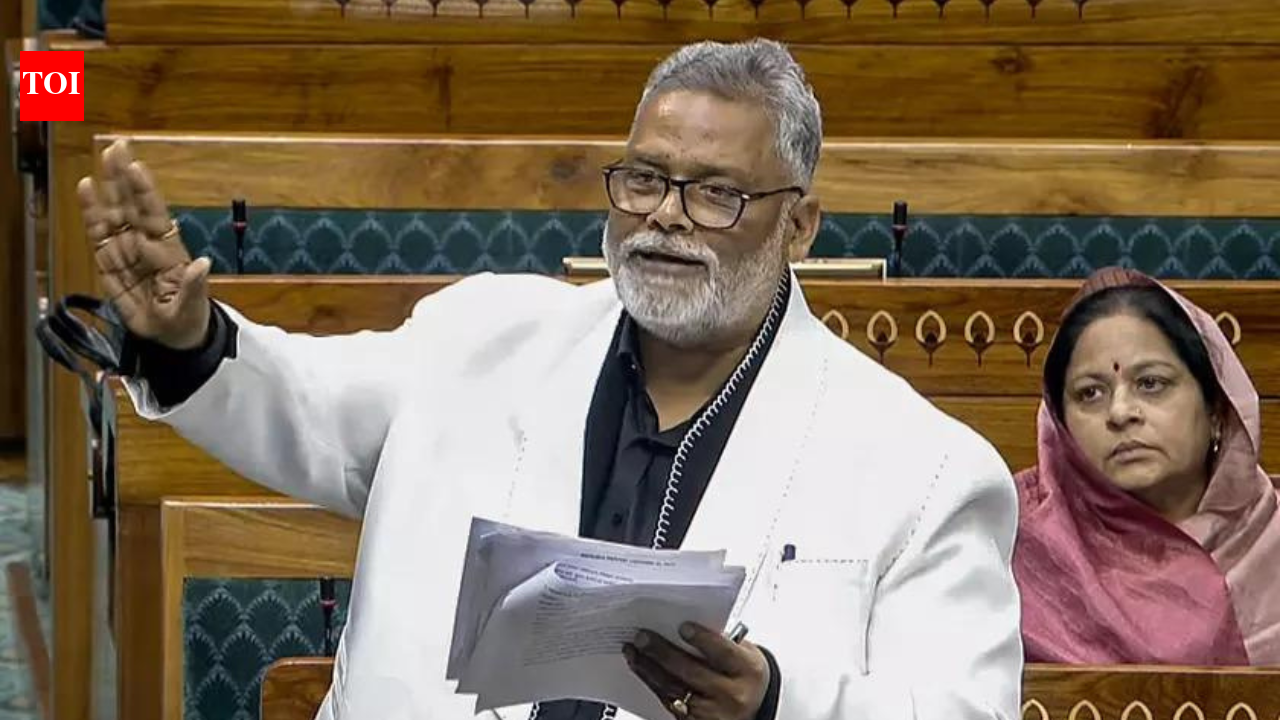
Following his arrest by Patna Police in connection with a 1995 case, Purnea MP Pappu Yadav said he was unsure about what lay ahead or where he was being taken. The arrest came after high drama at his Patna residence, where police arrived to take him into custody.Speaking to reporters, Yadav said he was unwell and expressed fears over his safety. “I am not well… I don’t know what will happen with me,” he said.Ahead of the arrest, Yadav told ANI that he feared the police might harm him and insisted that he wanted to be taken directly to court instead of a police station. He said the court had summoned him the next day and suggested that house arrest could have been considered. He also questioned the police for arriving in civil clothes, saying he initially thought they had come to kill him. Referring to the case, he noted that it was registered nearly 35 years ago and questioned the need for his arrest at this stage.“I have doubt that these people might have killed me. I will go straight to the Court. I will not go to the police station. If they want, they can house arrest me. The Court has called me. Police reached here in civil uniform like criminals. I thought they had come to kill me. Is this a criminal’s house? There was a case registered around 35 years ago, and the police came to arrest me in connection with that case,” Pappu Yadav said.Later, the Independent MP was admitted to IGIMS hospital following health concerns.Patna SP City Bhanu Pratap Singh said the case was registered under the old Indian Penal Code, which has since been replaced by the Bharatiya Nyaya Sanhita (BNS). He said the case involves Sections 419, 420, 468, 448, 506 and 120B and is linked to the Gardanibagh police station.“This is a 1995 case which was under the old IPC, now replaced by the BNS (Bharatiya Nyaya Sanhita), involving sections 419, 420, 468, 448, 506, and 120B. The arrest is being made under these sections. This case concerns the Gardanibagh police station. The trial was ongoing in court, and the MP was supposed to appear, but he did not appear on the scheduled date. Therefore, he is being arrested,” Singh told reporters.He added that Pappu Yadav has been provided with medical supplies and that his caretaker is accompanying him. The MP is being taken for a medical examination, after which he will be produced at the police station.
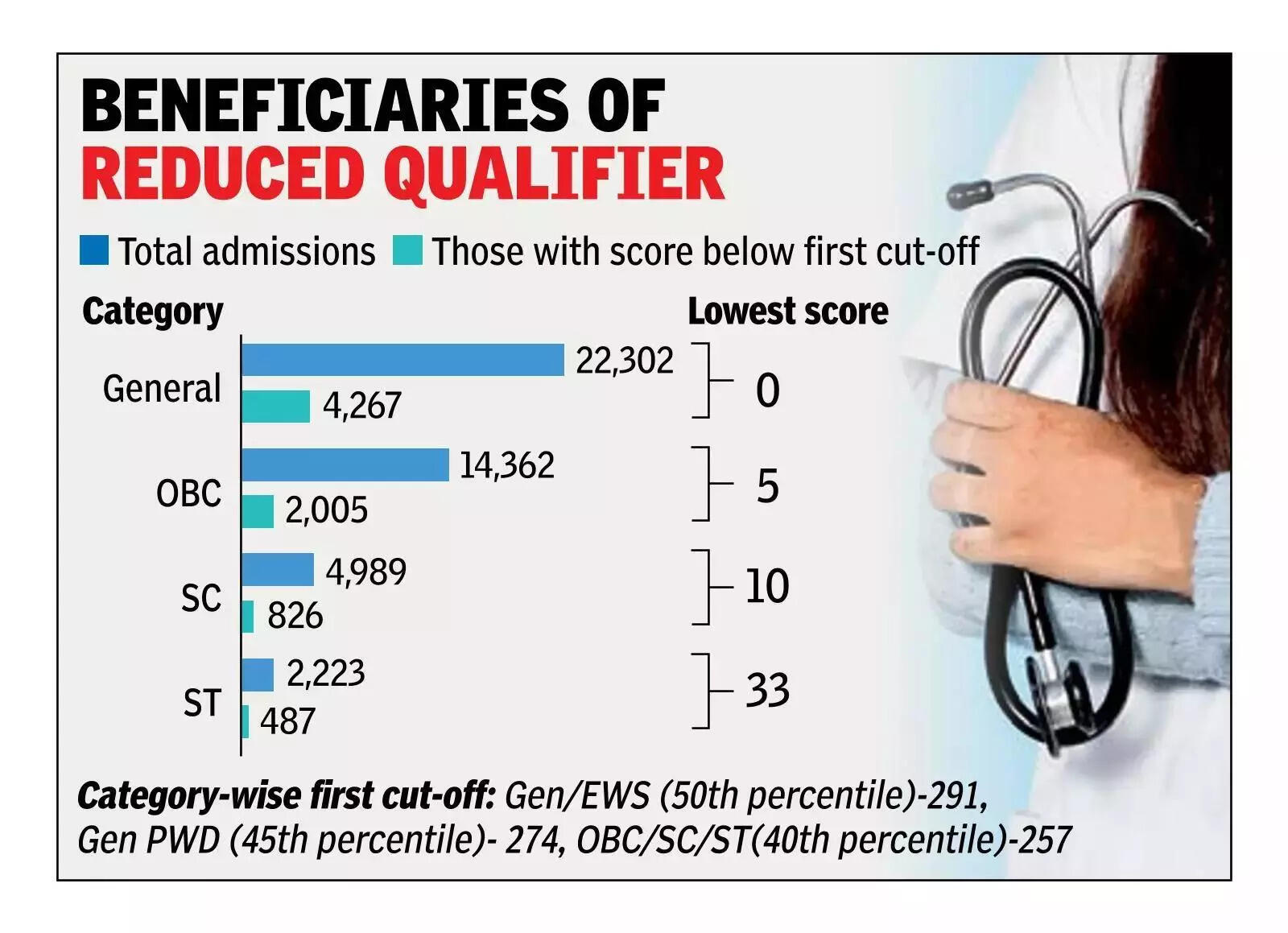
When the cut-off percentile for NEET PG was reduced to zero in 2023, private colleges benefited more than govt colleges. Around 64% of seats filled by students who scored below the initial cut-off were in private colleges. Not only that, 2,677 or about 85% of seats in clinical specialties bagged by those with scores below the initial cut-off were in private medical colleges as well. In comparison, only 485 clinical specialty seats in govt colleges were filled by those with scores below the initial cut-off. Tuition fees are highest for clinical specialties in private colleges.
General category candidates benefited the most from the cut-off reduction as they accounted for over 56% of those admitted with scores below the first cut-off. OBCs accounted for 26%, and SC and ST candidates 11% and 6%, respectively. The skew is even more pronounced among those who got clinical specialities in private colleges – 70% were from the general category, and about 20% were OBC. In govt colleges, the general category accounted for 33% of such seats and OBC for 37%. To understand what happens when the cut-off is reduced to zero percentile, TOI analysed admissions to PG seats in 2023, when it was dropped to zero percentile or -40 out of 800 marks for all categories. The reduction took place as thousands of seats remained vacant. A “consolidated list” of PG admissions in 2023 put up on the National Medical Commission (NMC) website shows that the lowest score that got admission belonged to a general category candidate, who scored zero out of 800. Sixty-nine candidates with less than 50 marks got admission. This included 39 from general, 20 from OBC, seven from SC and three from ST category. The “consolidated list of PG students” admitted under NEET 2023 was put up on June 13, 2024, on the NMC website but gives data only for about 43,900 seats. According to the health ministry’s reply to a Rajya Sabha question in July 2024, there were 54,834 PG seats in medical colleges in 2023. This indicates that data for over 10,900 seats is missing from the list. It does not, for instance, include data of PG seats in central govt-funded colleges such as PGI Chandigarh, JIPMER and all the AIIMS. There is also no data on admission to over 10,000 DNB seats.
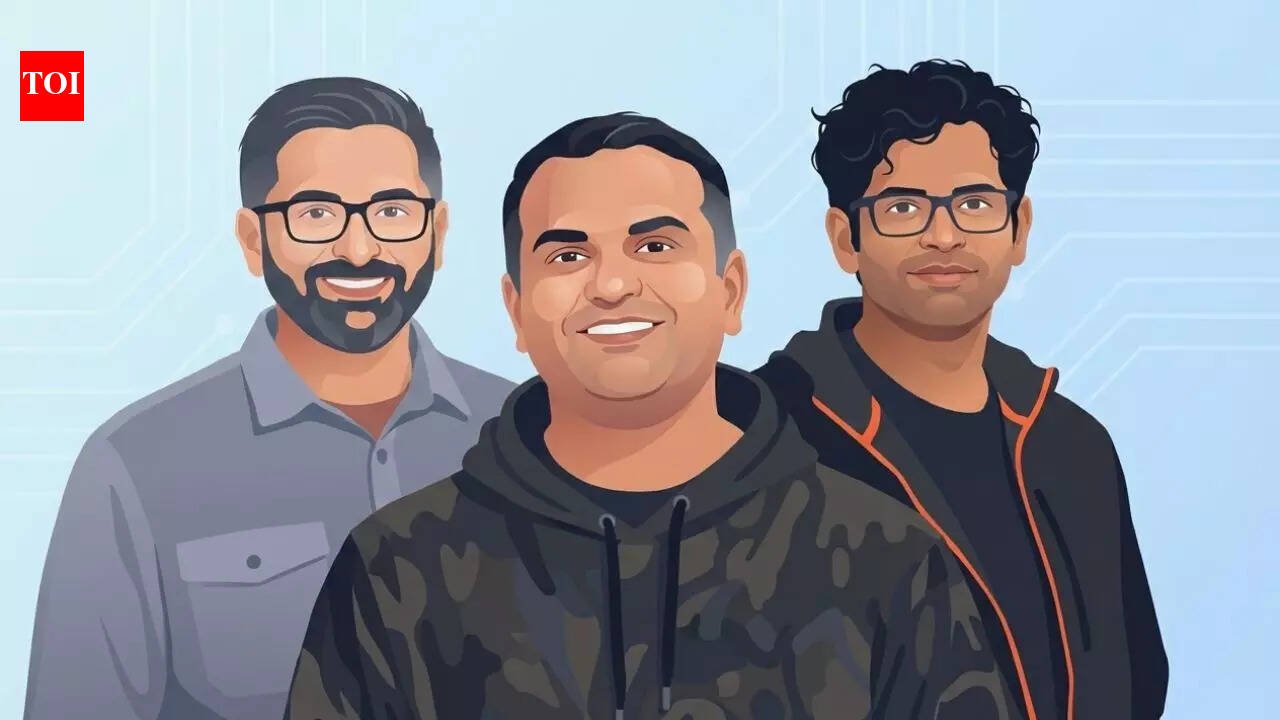
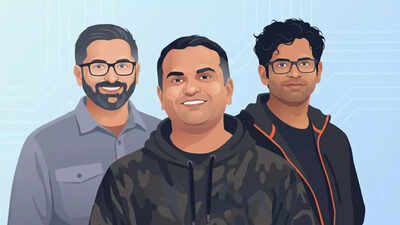
Behind Silicon Valley’s wealth and innovation lies a quieter story of migration, struggle, and relentless effort. Many of today’s most powerful Indian-origin executives arrived in the US with little more than strong academic foundations, technical skills, and a willingness to start at the bottom. They navigated cultural barriers, visa constraints, and hyper-competitive workplaces, often spending years in engineering, product, or strategy roles before reaching the top. Their contributions now underpin the Valley’s tech ecosystem, from cloud computing and cybersecurity to AI models, digital media, and global platforms used by billions. At the same time, Silicon Valley and the broader American technology ecosystem provided an environment where talent, risk-taking, and merit could translate into opportunity, allowing these executives to grow alongside the companies they helped build. Together, they illustrate how Indian-origin talent has become integral to Silicon Valley’s leadership and long-term technological direction.
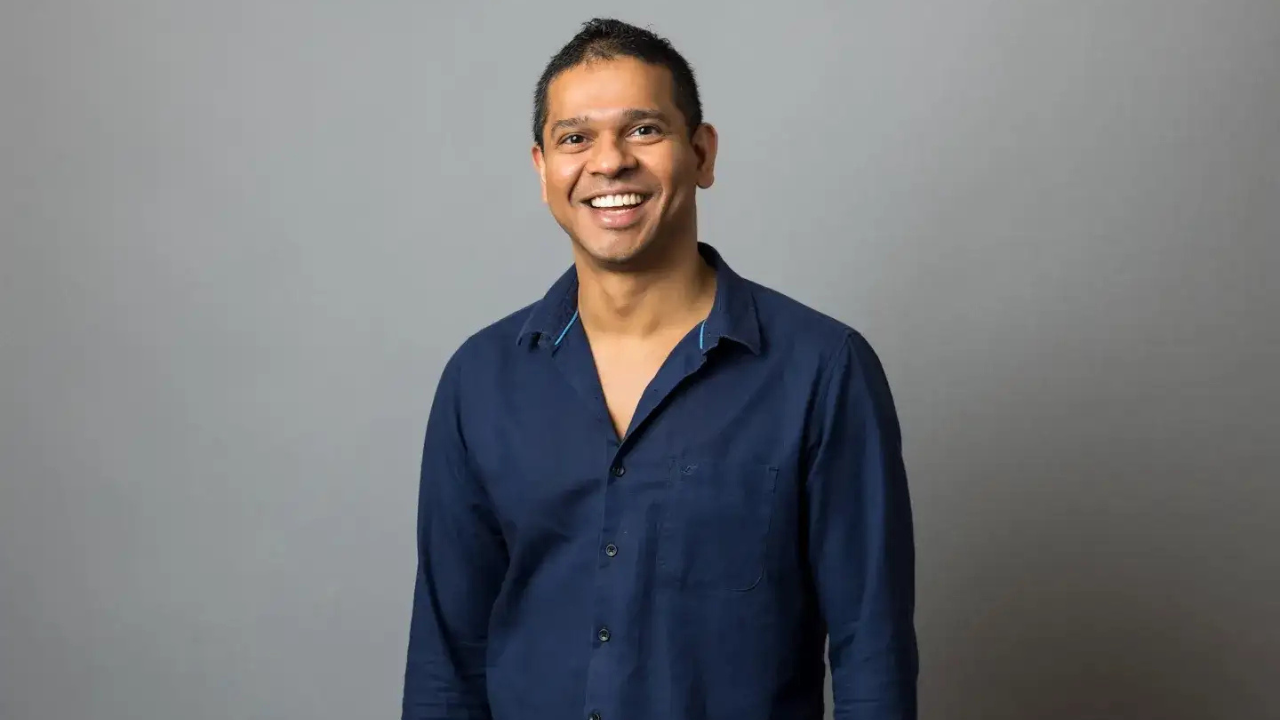
Balaji Krishnamurthy’s appointment as Uber’s Chief Financial Officer in 2026 marked a significant moment for Indian-origin leadership in Silicon Valley’s financial ranks. An alumnus of IIT Madras, where he trained as an engineer, Krishnamurthy later earned an MBA from Stanford Graduate School of Business, a combination that positioned him well for roles bridging technology and finance. Early in his career, he worked at McKinsey & Company, advising large corporations on strategy, operations, and capital allocation. He later joined Google, where he held senior finance and strategy roles tied to long-term investments and emerging business lines. At Uber, Krishnamurthy oversees budgeting, investor relations, regulatory risk, and profitability across ride-hailing, food delivery, and logistics, making him central to the company’s effort to balance growth with financial discipline.
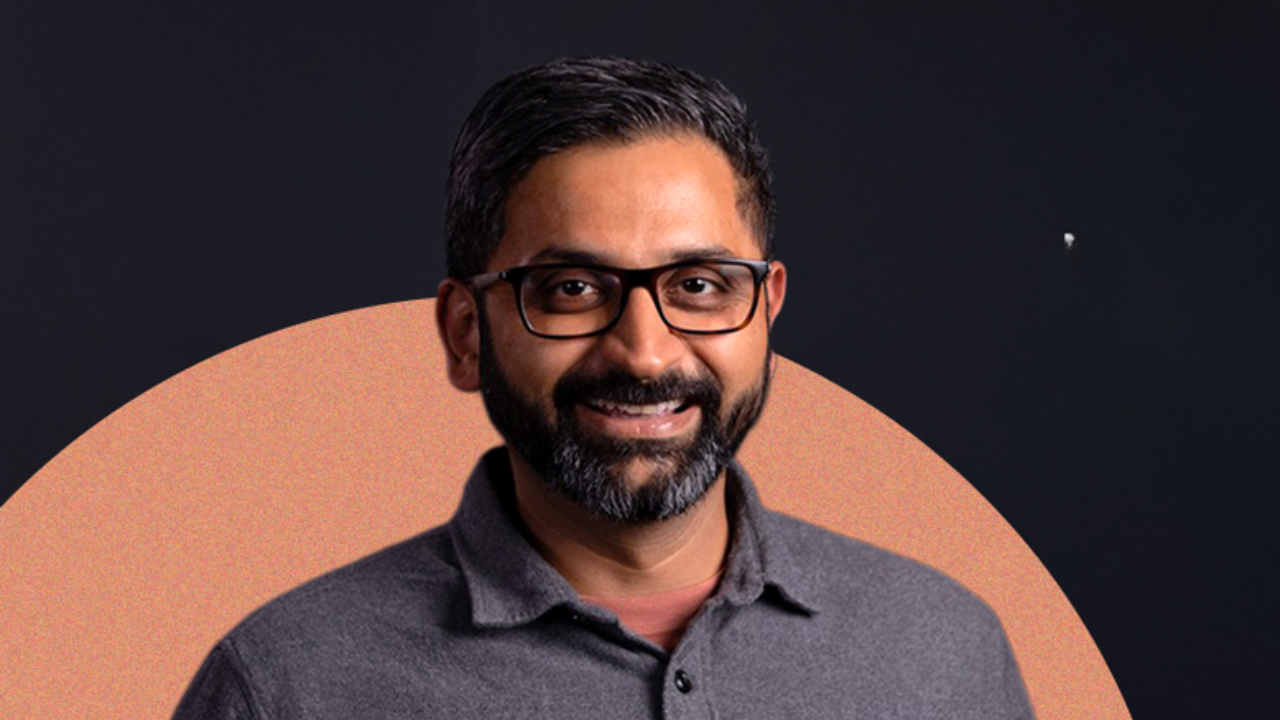
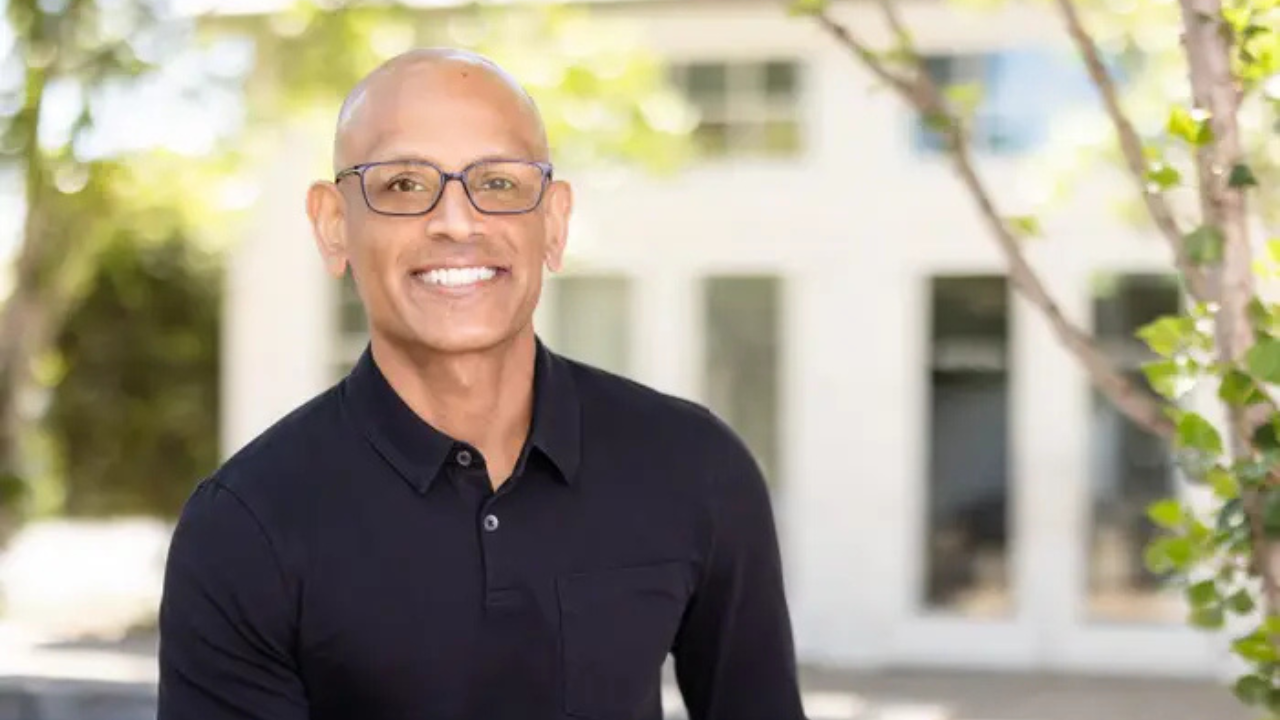
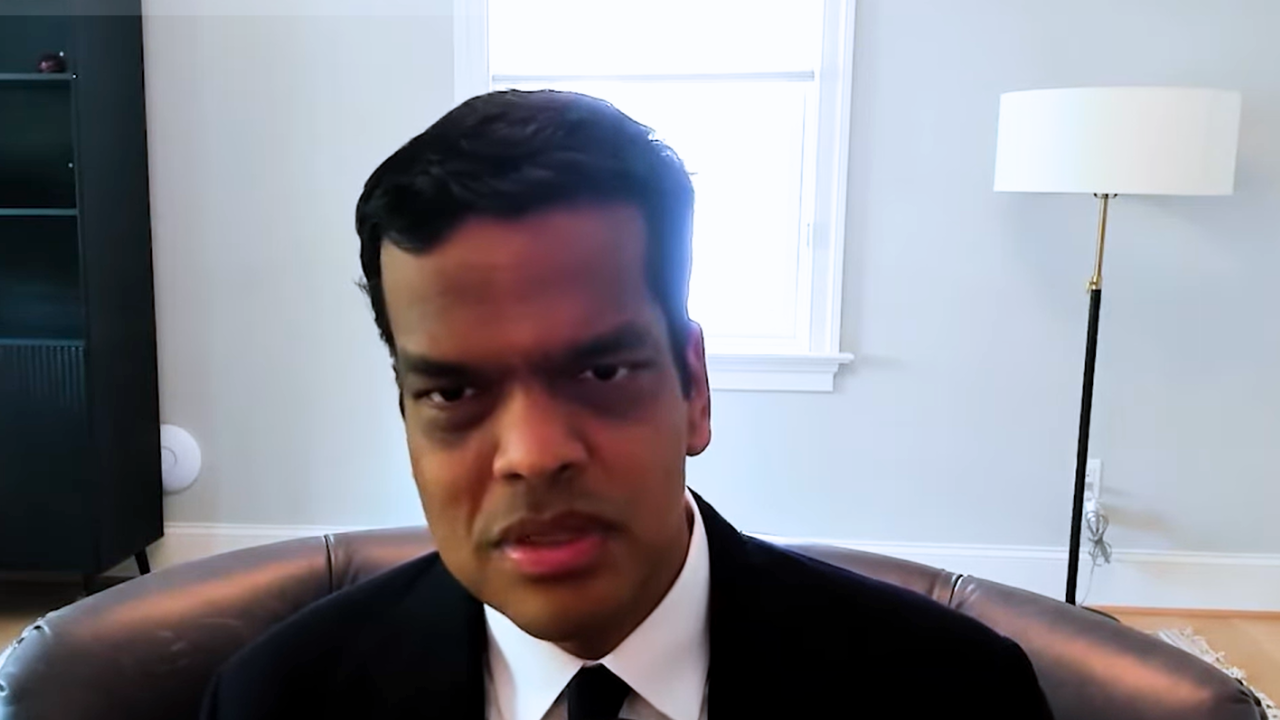
Rahul Patil – Chief Technology Officer, Anthropic
Rahul Patil is a key architect behind one of Silicon Valley’s most influential AI labs, despite maintaining a relatively low public profile. Trained as an engineer, Patil began his career working on large-scale distributed systems, gaining experience in building infrastructure that can operate reliably at massive scale. Over the years, he moved into senior technical leadership roles focused on AI platforms and backend systems. As Chief Technology Officer at Anthropic, he is responsible for the engineering teams that design, train, and deploy advanced large language models. His remit includes compute infrastructure, model reliability, and safety-focused system design, areas that are critical as AI models become more powerful and widely deployed. Patil’s work plays a direct role in shaping how AI is governed and integrated into real-world applications.
Sundar Pichai – Chief Executive Officer, Google and Alphabet
Sundar Pichai’s rise from Chennai to the top of Google and Alphabet is often cited as one of Silicon Valley’s most emblematic success stories. After earning an engineering degree from IIT Kharagpur, he moved to the US to study at Stanford University and later completed an MBA at Wharton. Pichai joined Google in 2004 and quickly made his mark leading products such as Google Toolbar and Chrome, which became one of the world’s most widely used web browsers. Over time, he took charge of Android and other core platforms before being named CEO of Google in 2015 and Alphabet in 2019. Today, Pichai oversees search, advertising, cloud computing, YouTube, and the company’s AI strategy, managing a business that sits at the heart of the global internet economy.
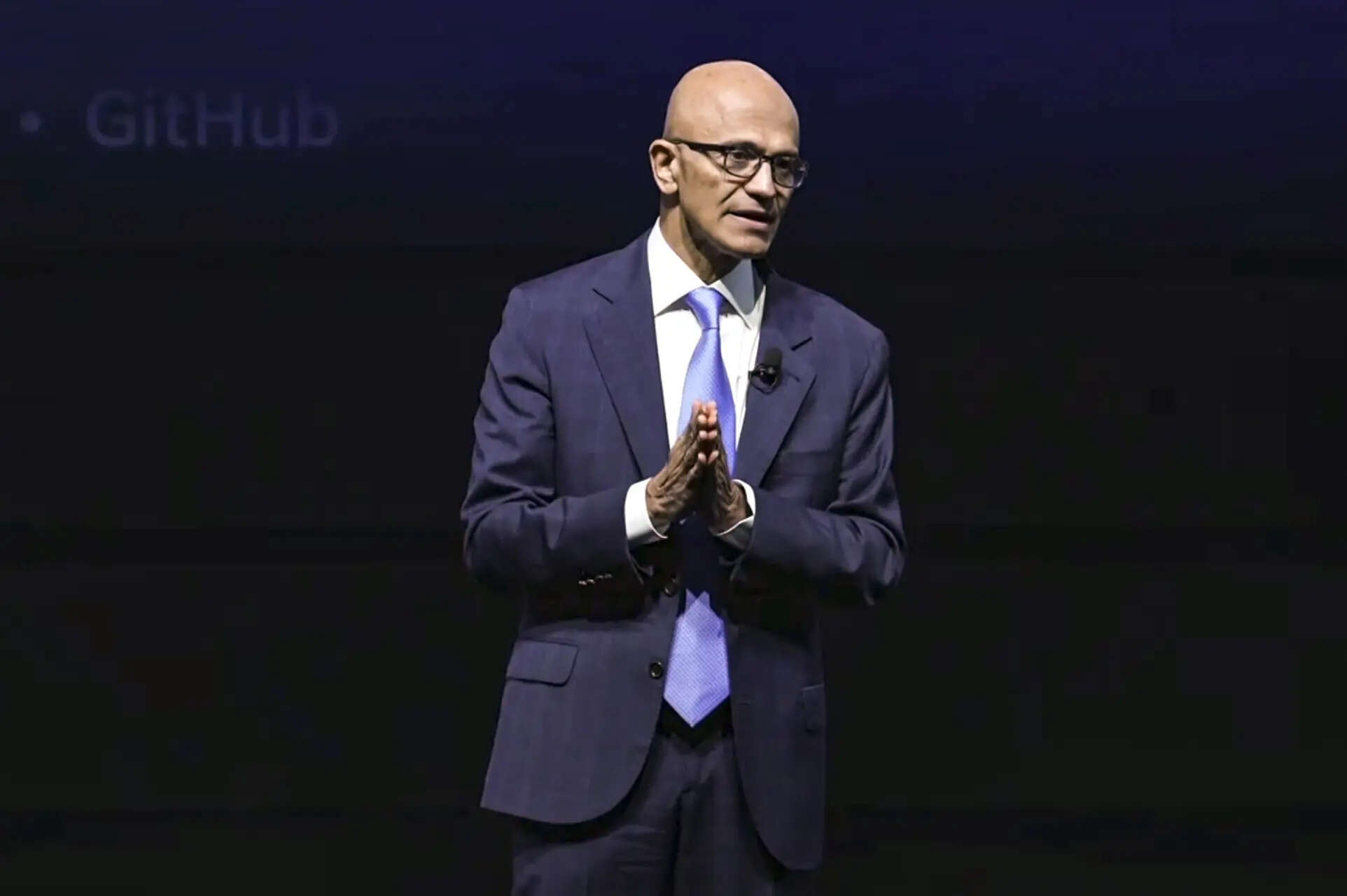
Satya Nadella – Chief Executive Officer, Microsoft
Satya Nadella’s leadership is widely credited with reshaping Microsoft’s trajectory in the modern tech era. Born and educated in India, Nadella moved to the US for graduate studies and joined Microsoft in 1992. He spent decades inside the company, holding senior roles across enterprise software, cloud services, and developer platforms. When he became CEO in 2014, Microsoft was struggling to adapt to mobile and cloud-first computing. Nadella led a cultural reset that emphasised collaboration and innovation, while steering the company decisively toward cloud infrastructure through Azure. Under his leadership, Microsoft also made major investments in AI and enterprise software, helping it regain relevance and emerge as one of the world’s most valuable technology companies.
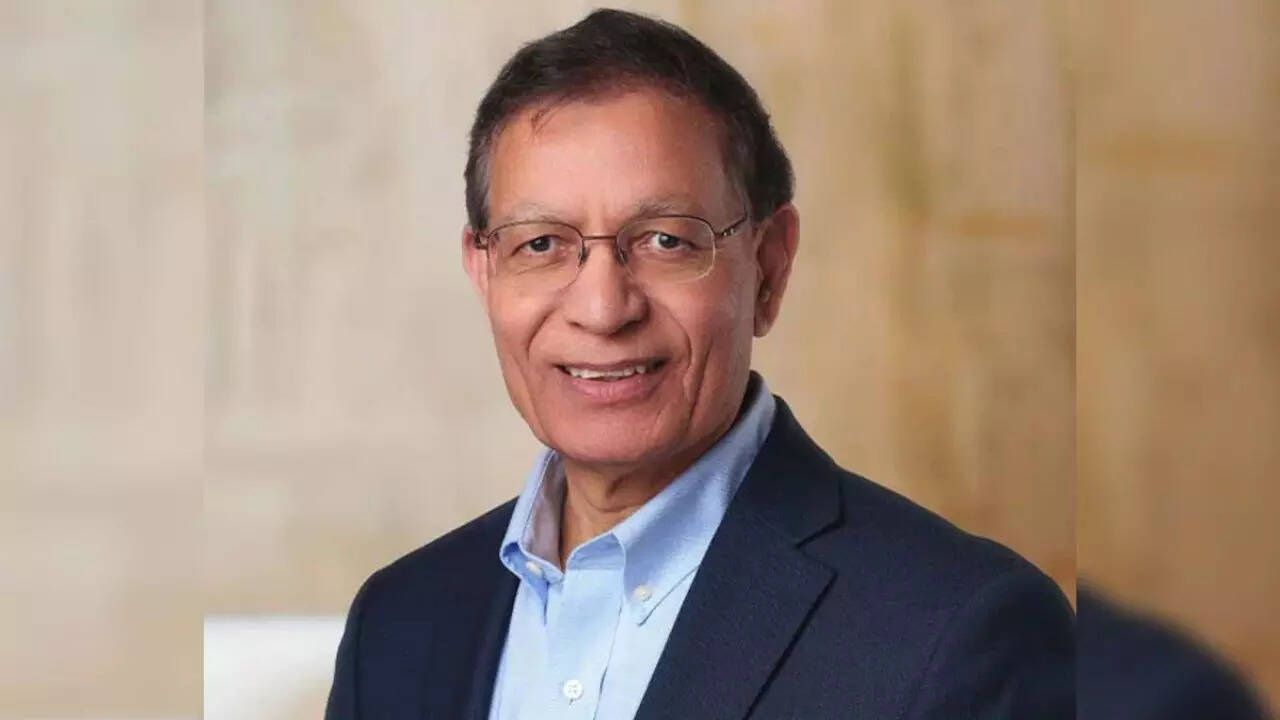
Jay Chaudhry – Founder and Chief Executive Officer, Zscaler
Jay Chaudhry’s path to Silicon Valley success began far from the tech campuses of California. Raised in a small village in Haryana, he later moved to the US for higher education, earning multiple degrees in engineering and management. Chaudhry founded several cybersecurity companies before launching Zscaler in 2007. The company challenged traditional network security by adopting a cloud-native, zero-trust model that eliminated the need for on-premise hardware. Under his leadership, Zscaler became a critical security provider for global enterprises and governments, particularly as remote work and cloud computing expanded. Chaudhry’s success has made him one of the wealthiest self-made Indian-origin entrepreneurs in Silicon Valley.
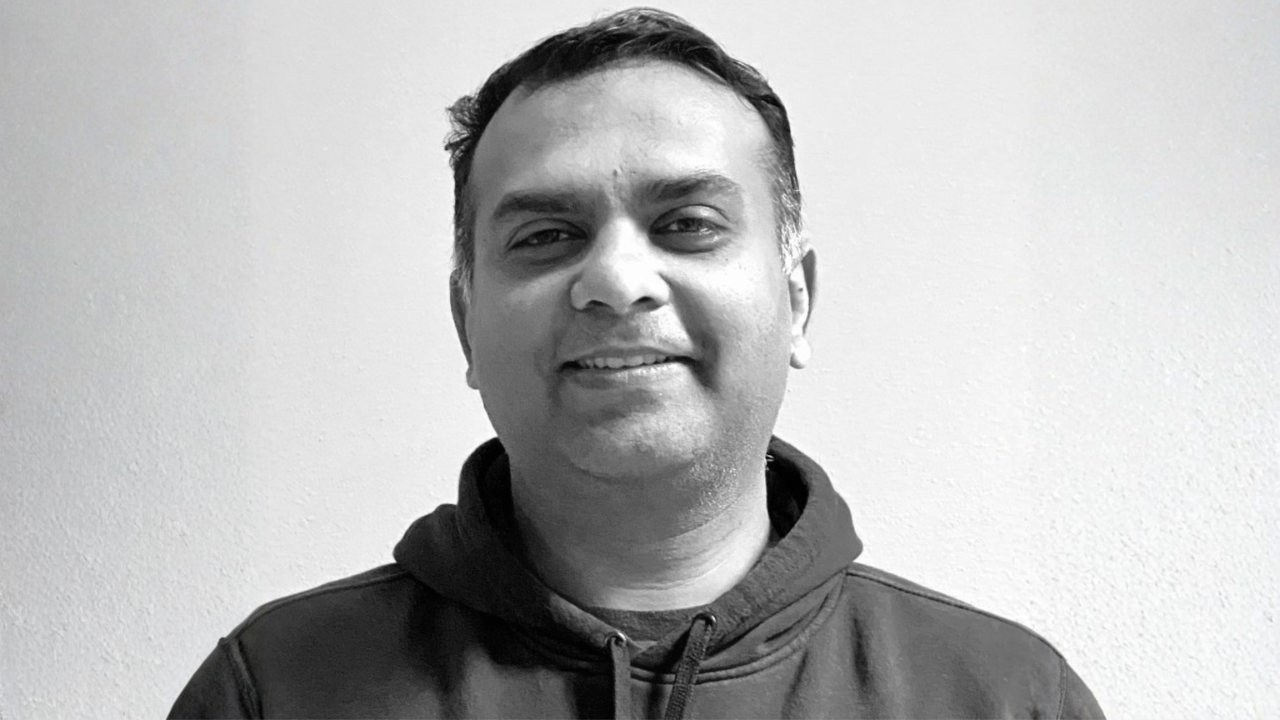
Vijaye Raji – Senior Technology Executive, OpenAI
Vijaye Raji belongs to a newer generation of Indian-origin technologists shaping AI from inside elite research organisations rather than from the CEO’s office. Educated in India before moving to the US, Raji built his career around data analytics and developer-focused platforms. He founded a startup focused on product analytics, which was later acquired by OpenAI. At OpenAI, Raji works on core engineering and product systems that support the deployment and scaling of large AI models. His work helps bridge cutting-edge research with real-world applications, ensuring that AI tools can be reliably delivered to developers and enterprises worldwide.
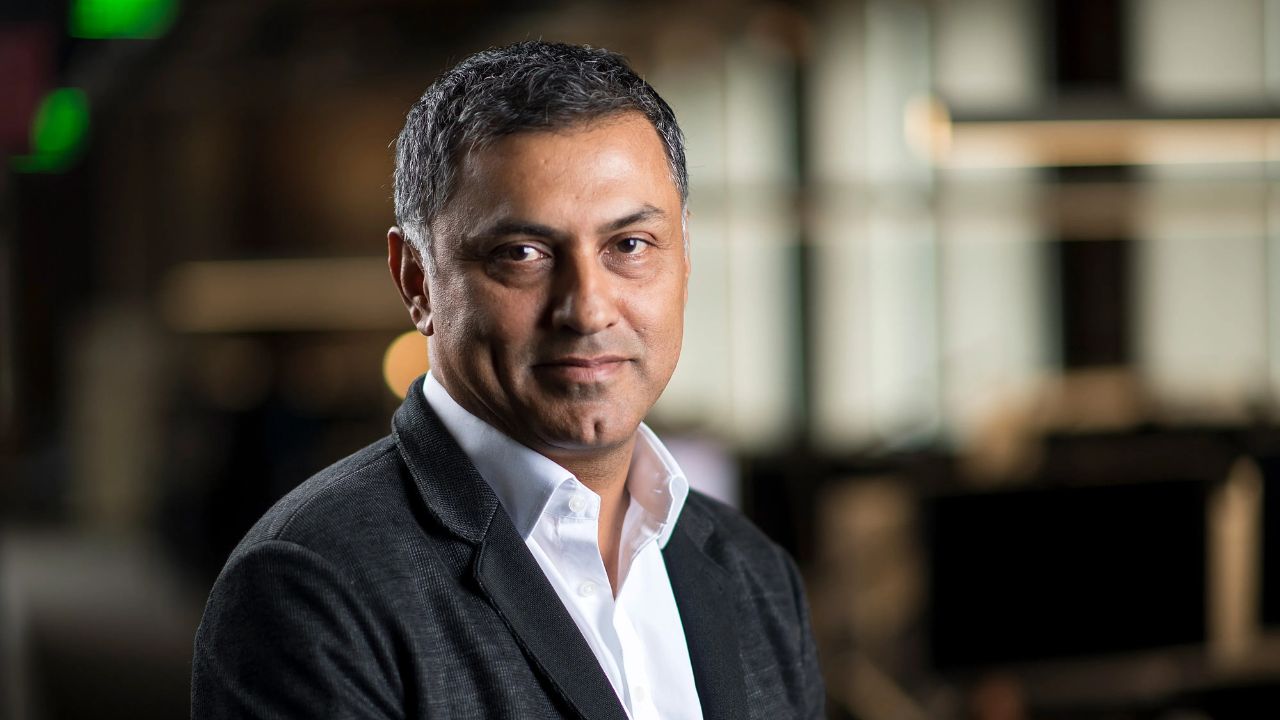
Nikesh Arora is one of the most globally connected Indian-origin executives in Silicon Valley. After early education in India, he studied and built his career in the US, rising through Google during its rapid expansion in advertising and mobile. He later joined SoftBank, where he managed large-scale global investments and played a central role in shaping the firm’s technology portfolio. As CEO of Palo Alto Networks, Arora leads one of the world’s largest cybersecurity companies, overseeing products that defend enterprises, governments, and critical infrastructure. His tenure has been marked by aggressive acquisitions and expansion, reinforcing Palo Alto Networks’ position as a cybersecurity powerhouse.
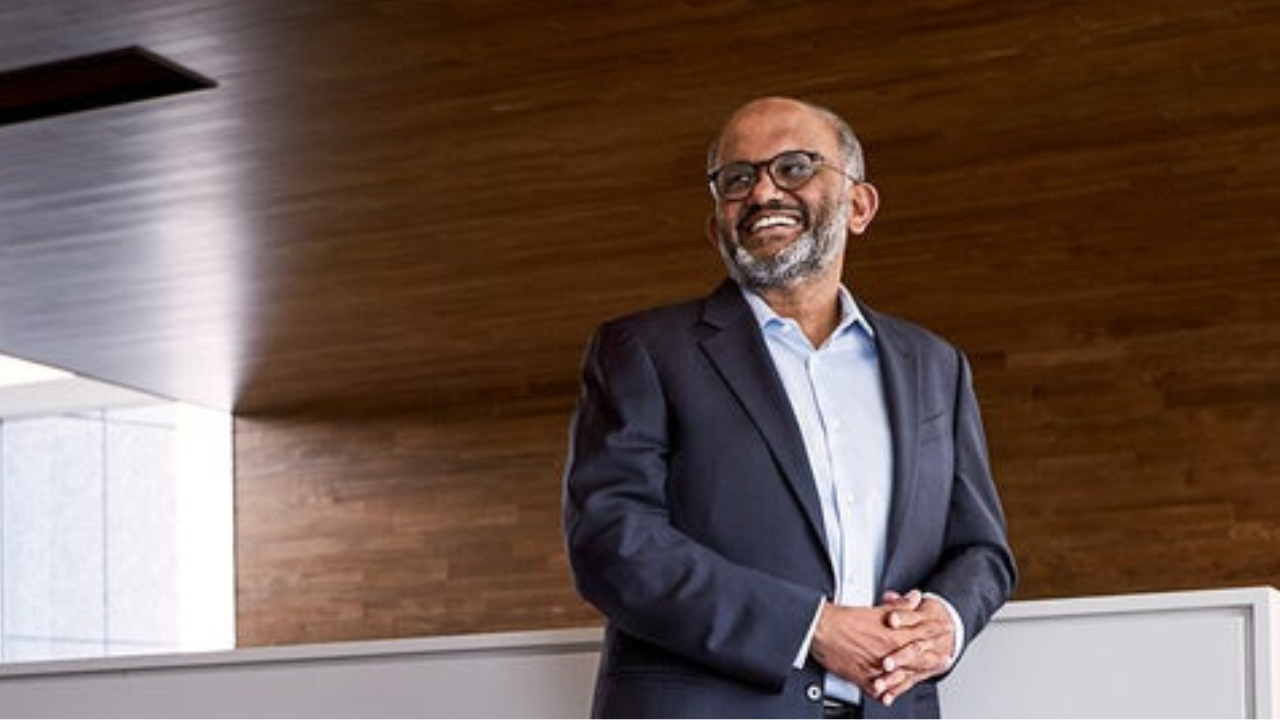
Shantanu Narayen – Chairman and Chief Executive Officer, Adobe
Shantanu Narayen’s leadership transformed Adobe from a traditional software company into a cloud-first enterprise. A graduate of Osmania University in Hyderabad, Narayen moved to the US for advanced studies and joined Adobe in 1998. When he became CEO in 2007, he made the bold decision to shift Adobe’s flagship products to a subscription-based cloud model, a move initially met with scepticism. The strategy ultimately paid off, stabilising revenue and expanding Adobe’s reach across creative, marketing, and document software. Today, Adobe sits at the centre of the global digital content and design economy.
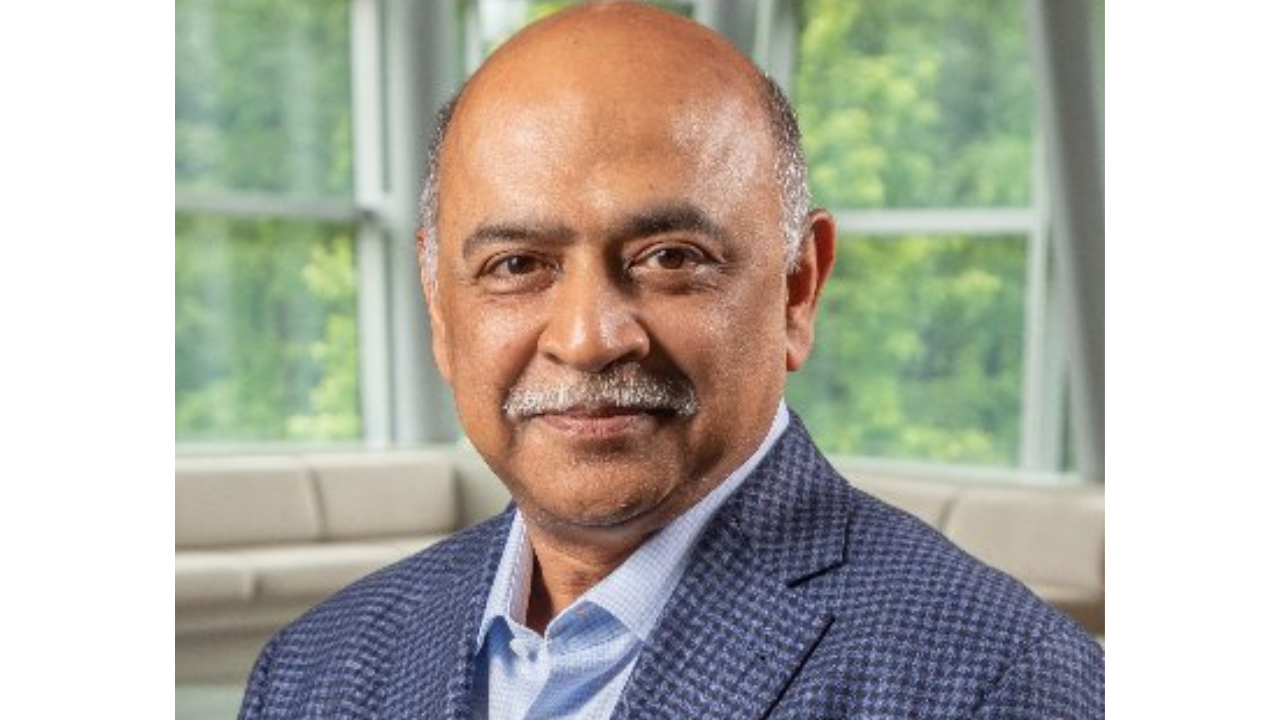
Arvind Krishna – Chairman and Chief Executive Officer, IBM
Arvind Krishna grew up in India and later earned a doctorate in electrical engineering in the US before joining IBM’s research division. He spent years working on advanced technologies before moving into executive leadership roles. As CEO since 2020, Krishna has focused on repositioning IBM around hybrid cloud computing, enterprise AI, and consulting services. His strategy aims to make IBM a key partner for large organisations navigating complex digital transformations, balancing the company’s legacy systems with emerging technologies.
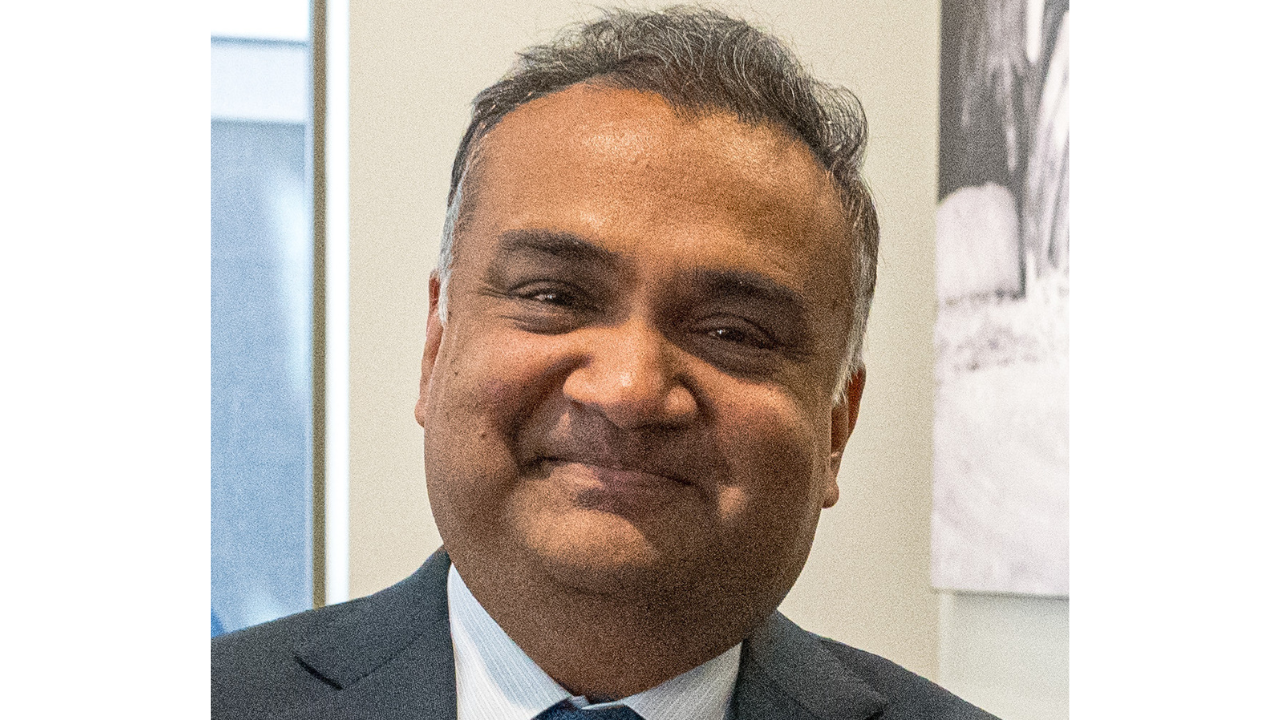
Neal Mohan – Chief Executive Officer, YouTube
Neal Mohan has been a central figure in shaping the modern digital advertising and creator economy. Educated partly in India and later in the US, he joined Google after its acquisition of advertising firm DoubleClick. Mohan rose through senior roles overseeing advertising products and revenue strategy before becoming CEO of YouTube. In his current role, he manages creator monetisation, platform governance, and global expansion, overseeing a service used by billions of people and millions of creators worldwide. His decisions influence not only media consumption but also how online content is regulated and monetised.
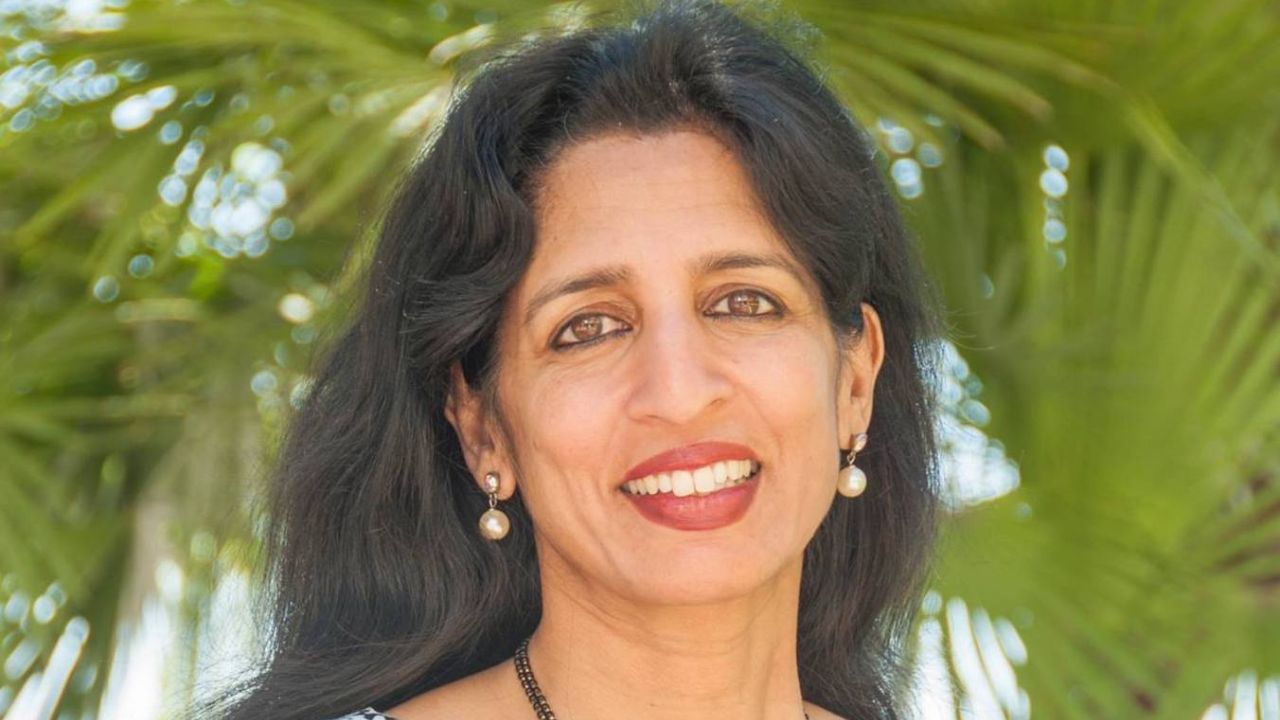
Jayshree Ullal – President and Chief Executive Officer, Arista Networks
Jayshree Ullal is one of Silicon Valley’s most successful Indian-origin executives in both leadership and financial terms. Born in India and trained as an engineer, she built her career at Cisco Systems before joining Arista Networks as CEO. Under her leadership, Arista became a major supplier of high-performance networking equipment to cloud data centres and hyperscalers. The company’s technology plays a crucial role in supporting AI workloads and large-scale computing, placing Ullal at the heart of Silicon Valley’s infrastructure boom.
Jay Parikh – Former Global Head of Engineering, Meta
Jay Parikh was instrumental in building the infrastructure that allowed Meta, then Facebook, to scale globally. Educated in India before moving to the US, he joined Facebook early in its growth and eventually became Global Head of Engineering. Parikh oversaw data centres, networking, and internal platforms that supported billions of users worldwide. After leaving Meta in 2021, he transitioned into venture capital and advisory roles, continuing to influence the technology ecosystem behind the scenes.
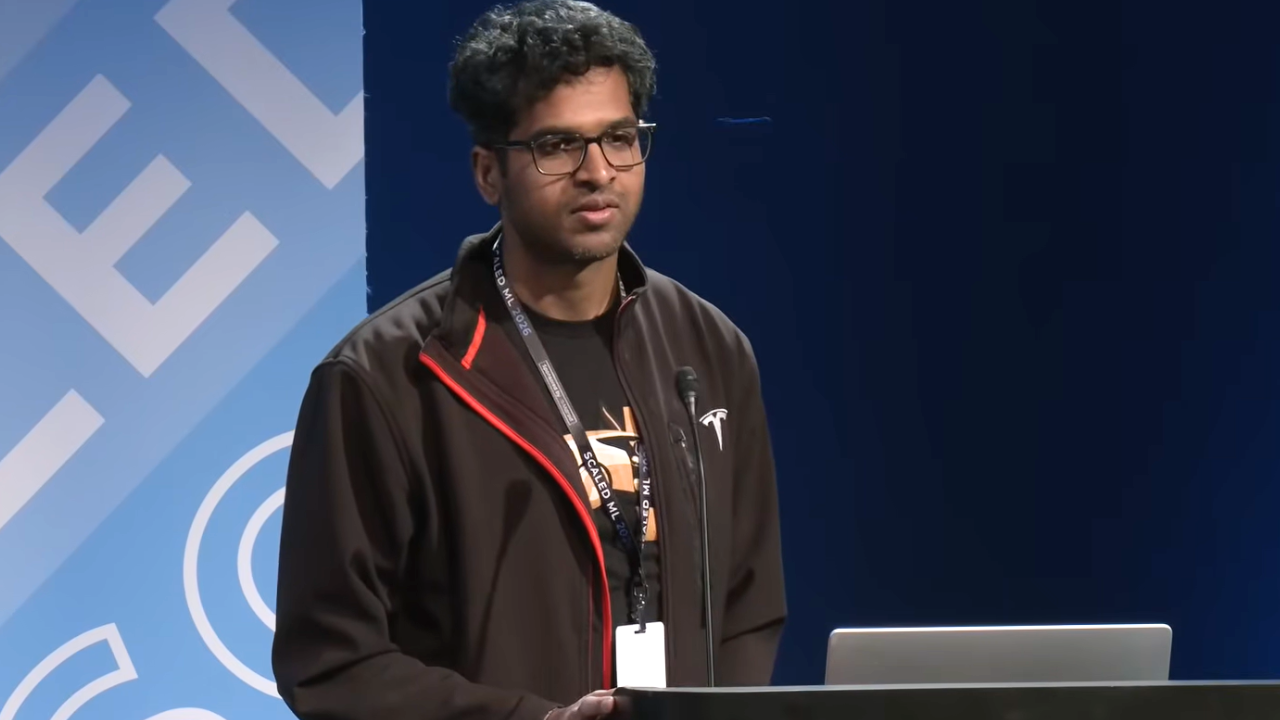
Ashok Elluswamy – Director of Autopilot Software, Tesla
Ashok Elluswamy is one of the most influential Indian-origin engineers working on applied AI and autonomous systems. An IIT Madras graduate, he moved to the US for graduate studies and joined Tesla during the early development of its Autopilot programme. Today, he leads AI and self-driving software development, working closely with Elon Musk. Elluswamy’s work underpins Tesla’s Full Self-Driving system and contributes to broader AI initiatives across Musk’s companies, placing him at the cutting edge of automotive and AI innovation.
Sriram Krishnan – Senior White House Policy Advisor on Artificial Intelligence, United States
Sriram Krishnan is an Indian-origin technology leader who has moved from Silicon Valley product roles into shaping how artificial intelligence is governed in the United States. Born in Chennai and educated in engineering in India before moving to the US, Krishnan built his career at major technology companies including Microsoft, Twitter, Facebook, and Snap, and later as a venture capitalist advising fast-growing tech startups. In recent years, he has taken on a senior advisory role within the US government’s AI policy ecosystem, working on frameworks around AI competitiveness, safety, and adoption across federal agencies. His transition from Big Tech and venture capital into public policy highlights how Indian-origin technologists are increasingly influencing not just products and companies, but national AI strategy itself.
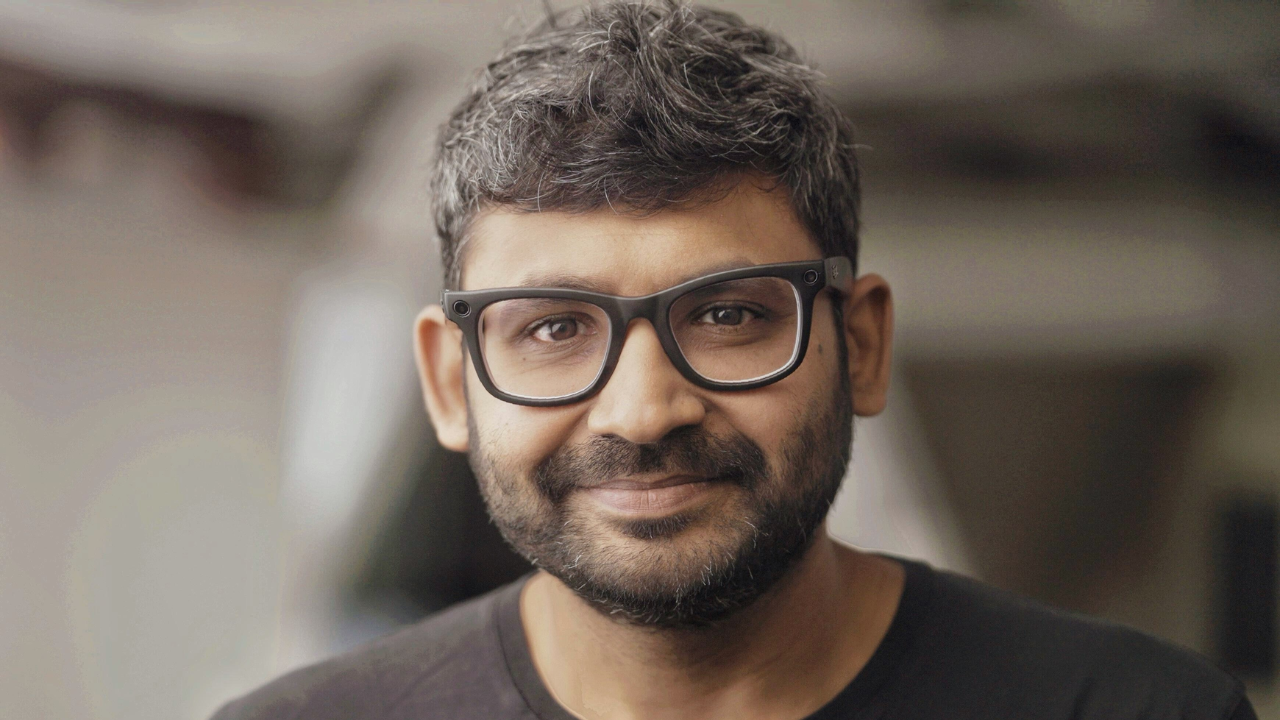
Parag Agrawal – Former Chief Executive Officer, Twitter
Parag Agrawal is an Indian-origin technology leader who served as CEO of Twitter from 2021 to 2022. Born in Rajasthan, he earned a B.Tech from IIT Bombay before completing a PhD in computer science at Stanford University. Agrawal joined Twitter as an engineer in 2011 and rose to Chief Technology Officer, leading work on machine learning and decentralised projects. After leaving Twitter following Elon Musk’s acquisition, he went on to found an AI-focused startup, marking his continued influence in Silicon Valley’s technology ecosystem.
The United States on Friday announced new sanctions targeting Iran’s oil and petrochemical trade, hours after indirect talks between Tehran and Washington concluded in Oman.The move came even as both sides signalled willingness to continue negotiations aimed at easing tensions over Iran’s nuclear programme.The sanctions, unveiled by the US State Department, target 15 entities and 14 vessels linked to Iran’s “shadow fleet,” which is used to transport petroleum, petroleum products and petrochemicals in violation of international restrictions, according to Reuters.In a statement, State Department spokesperson Tommy Pigott said that the measures were part of the Trump administration’s renewed pressure campaign against Tehran. “President Donald Trump is committed to driving down the Iranian regime’s illicit oil and petrochemical exports under the administration’s maximum pressure campaign,” Pigott said.The announcement came shortly after Iranian and US officials wrapped up a day of indirect negotiations in Muscat, mediated by Oman. The talks were described as constructive by TehranIran’s foreign minister Abbas Araghchi, speaking after the talks, struck a cautiously optimistic tone, calling the discussions “a good start.”“If we can go along with this positive path, I can say that we can reach a positive framework regarding the nuclear talks between Iran and the US,” Araghchi told reporters.He said both sides had agreed to continue discussions after further consultations in their respective capitals.“Our concerns were conveyed, as well as our interests and the rights that the Iranian people have. It was conveyed in a very good atmosphere, and the views of the other side were also heard,” he added.According to Oman’s foreign ministry, foreign minister Badr al-Busaidi met separately with Araghchi and US Middle East envoy Steve Witkoff in Muscat. Footage later released by Oman’s state news agency showed US Navy Admiral Brad Cooper, head of US Central Command also present.The negotiations mark the first formal engagement since the United States joined Israel’s military action against Iran in June, during which US strikes damaged Iranian nuclear facilities.Israel also targeted Iran’s air defence systems and ballistic missile infrastructure. Since then, Washington has bolstered its military presence in the region, deploying additional warships, fighter jets and the aircraft carrier USS Abraham Lincoln.US officials have indicated that Washington wants the talks to go beyond Iran’s nuclear programme to include its missile capabilities and regional influence. Iran, however, has insisted that discussions remain limited.US Secretary of State Marco Rubio acknowledged the difficulty of the negotiations earlier this week, saying, “I’m not sure you can reach a deal with these guys, but we’re going to try to find out.”Tensions remain high as both sides weigh diplomacy against the risk of escalation. The US has recently shot down an Iranian drone near the USS Abraham Lincoln, while Iran has attempted to stop a US-flagged vessel in the Strait of Hormuz.Friday’s sanctions also follow similar measures imposed last month, when the US targeted vessels accused of moving hundreds of millions of dollars’ worth of Iranian oil. The Treasury Department has said that Iran’s shadow fleet plays a critical role in financing the regime, including its domestic crackdowns and regional activities.
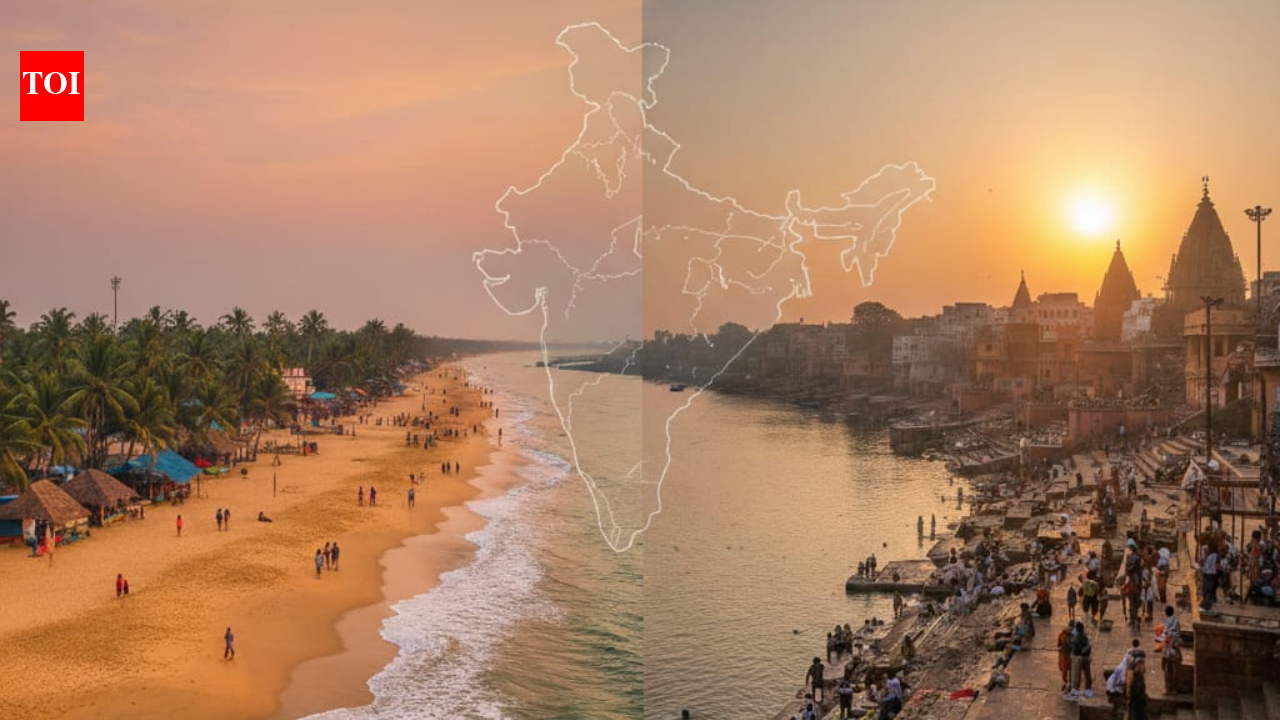
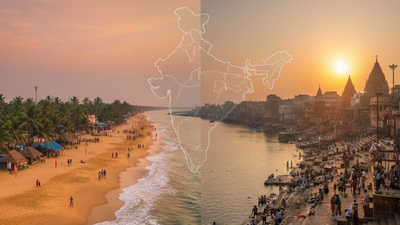
For years, planning a holiday in India meant choosing between two familiar choices: beach or hills. Goa or Manali. Sand or snow.Not anymore.Today, the most searched destinations on travel apps are just as likely to be Ayodhya as Alibaug, Varanasi as Vagator, Ujjain as Udaipur. A generation that grew up posting sunsets from shacks and selfies from mountain cafés is now booking flights to temple towns, river ghats and heritage streets.India’s tourism map is changing — quietly, steadily, and faster than many imagined.Across India, places once considered peripheral to mainstream tourism – religious towns, heritage cities, riverfront settlements and small cultural hubs – are emerging as year-round travel destinations. Ayodhya, Varanasi, Ujjain, Prayagraj, Dwarka, Puri, Hampi, Madurai and Maheshwar are no longer niche or purpose-driven stops. They are becoming central nodes in India’s tourism geography, drawing millions of travellers who are not just pilgrims, but explorers, photographers, students, influencers, backpackers and international visitors.What’s driving this change is not one factor, but a convergence: religious revival, infrastructure investment, social media discovery, generational travel habits, and a redefinition of what “travel” means in India today.
Religious tourism: From margins to mainstream
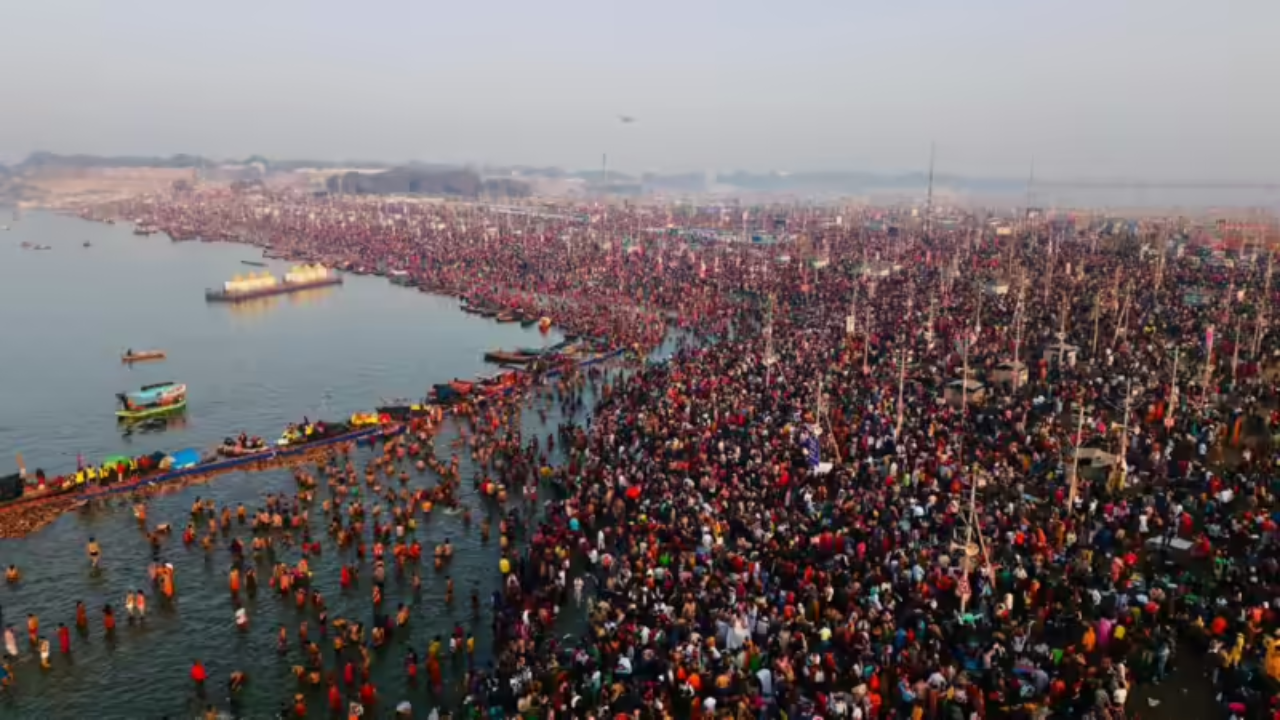
The most decisive force reshaping India’s tourism map is the scale and transformation of religious travel.India has always been a land of pilgrimage, but for much of the post-liberalisation era, religious tourism remained largely disconnected from mainstream travel narratives. Pilgrims travelled with families, stayed briefly, and rarely engaged with destinations beyond ritual.That distinction has collapsed. Data from the Union ministry of tourism and state governments shows that religious tourism now accounts for more than half of all domestic tourist visits in India. In several states, pilgrimage-led travel has overtaken leisure tourism as the primary driver of footfall. Uttar Pradesh illustrates this transformation most starkly. The state reported over 130 crore domestic tourist visits in a single year – 2025, making it India’s most visited state. The surge has been driven overwhelmingly by pilgrimage and heritage circuits connecting Ayodhya, Prayagraj, Varanasi and Mathura–Vrindavan. Ayodhya, once a relatively modest religious town, has undergone a dramatic transformation since the inauguration of the Ram Temple. Annual visitor numbers now run into millions, outpacing several long-established heritage destinations. The city’s airport, railway station, road network and public spaces have been redeveloped to accommodate a scale of travel previously unimaginable for a town of its size.Last year’s Maha Kumbh in Prayagraj, a once in 144 year affair, alone drew footfalls on a scale rarely seen anywhere in the world, making it the largest religious congregation, so much so that it was even visible from space.
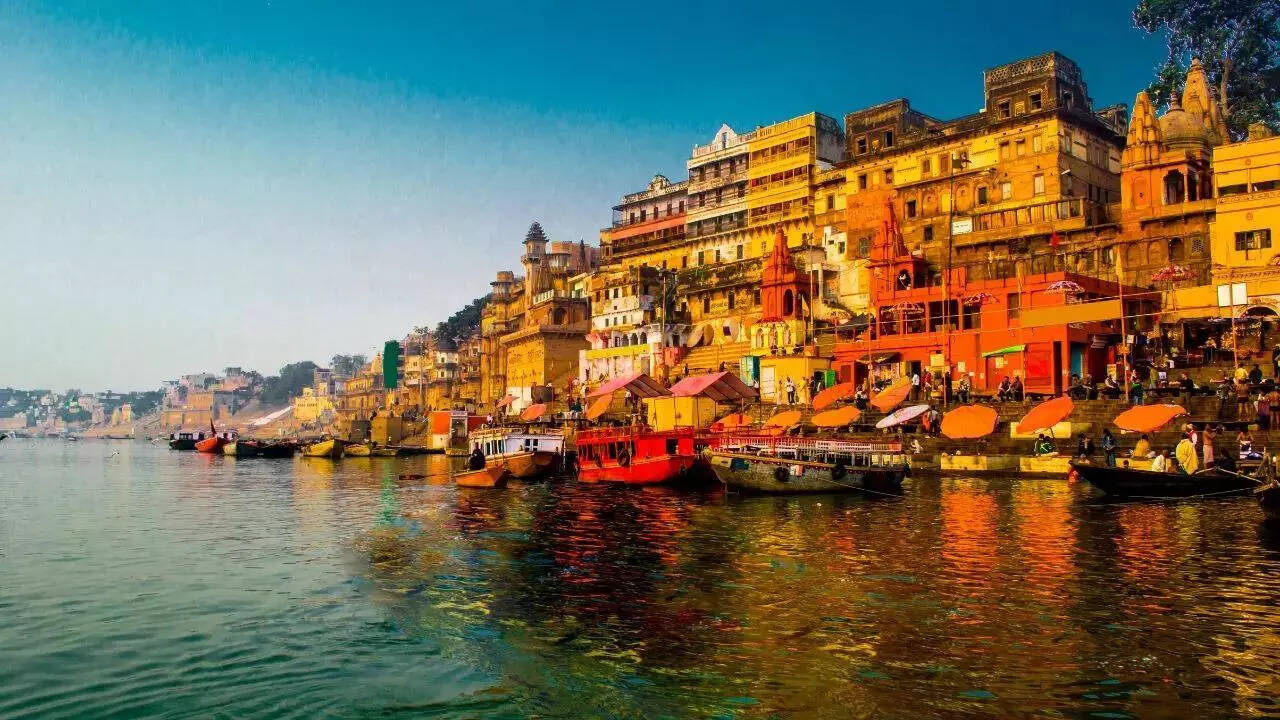
Varanasi, long considered a place one visited once in a lifetime, has emerged as one of India’s fastest-growing cultural destinations. State government figures show tourist visits crossing 10 crore annually in 2024, with foreign arrivals rising sharply over the past three years. What was once seen primarily as a site of ritual and renunciation is now firmly embedded in India’s travel economy.Tamil Nadu tells a similar story. Temple circuits linking Madurai, Rameswaram, Kanchipuram and Tiruvannamalai account for a majority of domestic travel into the state, drawing millions annually. Maharashtra’s Shirdi–Pandharpur belt, Odisha’s Puri, Madhya Pradesh’s Ujjain and Maheshwar, and Gujarat’s Dwarka and Somnath now function as high-volume, year-round tourism economies. Karnataka’s Udupi and Hampi, and West Bengal’s Kalighat and Dakshineswar reflect similar patterns.“Faith has become infrastructure-led,” said a senior employee of a travel agency in Delhi, working at a tech savvy firm which thrives on social media added, “Once access improved, demand exploded.” He says, the jump in visit plans to cities like Varanasi, Chopta, Kedharnath has increased manyfold, and when the char dham yatra opens, demand shoots up.Interestingly the crowd mostly has youths, reflecting a shift from assumed travel preferences.
The power of religious events: Scale, spectacle and sustained travel
If religious tourism is the backbone of the new travel map, religious events are its accelerators.India’s religious calendar is dense with gatherings that combine faith, spectacle, culture and community – often on a scale unmatched anywhere else in the world. These events are no longer seen only as spiritual congregations; they have become major tourism drivers with global visibility and measurable economic impact.
Maha Kumbh and Magh Mela: Temporary cities, permanent impact
The Maha Kumbh Mela at Prayagraj, held once every 12 years at the Sangam of the Ganga, Yamuna and Saraswati, remains the best example. The most recent edition drew hundreds of millions of visits over several weeks, making it the largest human gathering on the planet – so vast that it was visible in satellite imagery. Beyond the ritual bathing, the Kumbh now attracts cultural tourists, photographers, researchers, vloggers and international visitors seeking to witness a phenomenon unmatched in scale.By the end of the event over 660 million people took a dip in Triveni Sangam. The festival generated approximately 1.2 million jobs in sectors like tourism, transportation, healthcare, and retail, significantly boosting the both state and national economies.
The organisation of the event saw major revamp for the city, from over 200 roads renovated and 3 lakh plus trees planted. Post event data released by the state shows, trade in daily essentials reached Rs 17,310 crore, while the hotel and travel sectors were at Rs2,800 crore. Religious materials and flowers generated approximately Rs 2,000 crore and Rs 800 crore, respectively.Alongside the Maha Kumbh, the Magh Mela, held annually at Prayagraj, has emerged as a major draw in its own right. While smaller than the Kumbh, it attracts crores of devotees over its duration, sustaining tourism flows every year rather than once a decade. Temporary cities rise on the riverbanks, supported by transport networks, sanitation infrastructure and cultural programming – an example of how religious events are now treated as logistical and tourism exercises at scale.“These events create massive short-term employment and long-term tourism memory,” said an official involved in last year’s Mela administration. “People return later with families, friends, even tour groups.” He added, “during mela people come to stay for weeks at times the entire month of snan.”
Puri Rath Yatra: Faith meets coastal tourism
In eastern India, the Puri Rath Yatra draws millions of devotees annually, turning the coastal town into a global focal point for weeks. Odisha government estimates show hotel occupancy peaking across the state during the festival period, while transport networks operate at full capacity.Artisans, street vendors and small businesses see a surge in income, while the event also introduces many first-time visitors to Odisha’s beaches, crafts and heritage circuits.
Dev Deepawali, Deepotsav, Durga Puja and festival-led tourism
In Varanasi, Dev Deepawali has evolved from a local religious observance into a marquee tourism event. Lakhs of lamps illuminate the ghats of the Ganga on Kartik Purnima, drawing domestic and foreign travellers months in advance.If you think you can walk past the roads of the old holy city easily during and around the month of Diwali, think again. Every corner of the city is filled with people, tourists and visitors. Ghats bustle through the night and probably the night life is never better there. Durga Puja in Kolkata, now recognised by UNESCO, blends religion, art, music and urban culture, drawing tourists not just from India but from Bangladesh, Europe and Southeast Asia.Similarly, Deepotsav in Ayodhya, Holi in Mathura–Vrindavan and Barsana, Navratri in Gujarat, and Thrissur Pooram in Kerala,function as major tourism magnets. These festivals blend religion, culture, music, food and visual spectacle, extending stays and broadening visitor profiles beyond traditional pilgrims.“The festivals are no longer spikes; they are anchors,” said Naveen Singh, a resident of Varanasi who runs a hotel. “They fill rooms, generate repeat visits and stabilize demand.”What is notable is that these events are no longer treated as isolated spikes. State tourism boards actively integrate them into annual calendars, align transport and accommodation planning, and promote them digitally as experiential travel moments.
From pilgrimage to experience: How sacred cities are being reimagined
The transformation of religious destinations is not only about numbers. What’s changed is not just where people are travelling, but how they are travelling. Increasingly it is about how these places are experienced, the mark that the visit leaves on the people’s mind. Cities like Varanasi, Ujjain and Dwarka are no longer framed merely as sites of ritual obligation. They are increasingly experienced as layered cultural spaces. They are being reimagined – by travellers as much as by planners – as experience-led destinations.Morning boat rides on the Ganga, evening Ganga aartis framed by restored ghats, heritage walks through ancient neighbourhoods, classical music performances, local food trails, classical music performances, and café culture tucked into centuries-old lanes – all now form part of the itinerary.
The sacred and the everyday coexist – and travellers engage with both. This shift has been enabled by sustained infrastructure investment: expanded airports, redeveloped railway stations, improved roads, pedestrian corridors, lighting projects and riverfront development. Government schemes such as PRASHAD and Swadesh Darshan have focused on improving tourist facilities around religious and heritage sites, while state tourism departments have leaned into festival-led tourism to keep destinations active year-round.What emerges is a new category of travel – one that blends faith, culture, leisure and storytelling. Leading travel companies of the country are also playing a crucial role in facilitating these travel experiences. Providing millions of devotees and visitors seamless travel solutions, including flight bookings, customized pilgrimage packages, and guided experiences, ensuring a smooth spiritual journey for attendees. While speaking at an event, Rikant Pittie, CEO and Co-Founder, EaseMyTrip said:“Spiritual tourism in India is witnessing significant growth as more travellers seek meaningful experiences at sacred destinations. In 2024, India’s religious tourism market was valued at US$ 202.8 billion, and is expected to grow to US$ 441.2 billion by 2032. Pilgrimage sites like Varanasi, Rishikesh, Tirupati, and Shirdi are attracting millions of devotees annually, contributing to both cultural preservation and economic growth. With improved infrastructure and digital advancements, accessibility to these sites has become easier, further fueling interest in spiritual travel.”
Foreign tourists: Fewer in number, deeper in engagement
India’s foreign tourist arrivals are yet to fully recover to pre-Covid levels, and international media has pointed to concerns ranging from cost to pollution and infrastructure stress. But the recovery, where it is happening, is highly destination-specific. Foreign travellers are increasingly gravitating toward cultural depth rather than checklist sightseeing. Hampi and parts of Rajasthan (deserts and old cities) and Madhya Pradesh, the likes of Khajuraho, and select Himalayan towns have seen renewed interest from overseas visitors looking for immersive experiences – slow travel, spiritual exploration, history, architecture, and everyday life.For many international travellers, India’s emerging destinations offer something that over-touristed global cities no longer do: authenticity without over-curation.
For instance, global pop icon Dua Lipa’s travel pattern to India offers a telling anecdote. She first visited the country in 2018 for a vacation with her then boyfriend Issac Carew, explored several iconic locations, including Ranthambore, Jaipur, Jodhpur, Kerala, and Goa.She returned again in 2023 on her fourth visit to the country, in late December to spend New Year with her family, this time in a very low profile exploring streets and small towns of Rajasthan. The trip was so out of the media gaze that people only found out about it once Dua herself posted pictures on her social media. Interestingly, during her interaction and exploration with people on streets she received warm welcome and hospitality, but notably no one recognised her to the star she is.
How youth are traveling differently
Perhaps the most consequential shift reshaping India’s tourism geography is generational.India’s Gen Z and young millennial travellers are not chasing the same markers of travel that defined earlier decades. Monuments still matter, but they are no longer the sole focus. For this cohort, travel is experiential, social and performative.
Cafés, sunsets, street food and local neighbourhoods often matter more than monuments
Travel is as much about content creation as consumption
Short trips, frequent getaways and budget-flexible itineraries are preferred over long vacations
A city’s “vibe” matters as much as its history
For many, travel is not an escape from daily life, but an extension of identity – curated, shared and remembered through content.Suchna Yadav, a content creator/ influencer working with a travel agency in Delhi says, “while travelling I see unexplored places which take my breath away, so beautiful that one part of me wants that it should remain the way it is, but then I also want people to see the surreal beauty of nature. And to relay my message, what could be a better option than social media and a little storytelling.” Another influncer Nikita Rawat, has the same opiion and she does it through docu-series and short clips. Travel platforms report a sharp rise in bookings to spiritual and heritage destinations among travellers under 35, often combining pilgrimage with leisure, photography and food exploration.Well many today discover and decide their travel plans according to the social media, but there are also people who have it the old classic way – movies.Aastha Jha, a young journalist working in Delhi has been to Varanasi twice. She started off her travel journey from the city and her most recent visit has been there as well. The reason? ‘Masaan’ (movie).“Watching Masaan, I was so fascinated by the ‘Ye dukh kahe khatam nahi hota be’ scene, that I made up my mind…if I travel, I will definitely go to Benaras,” she said.
Travel as performance, not escape
Social media has fundamentally altered how destinations are discovered.Instagram reels, YouTube vlogs and travel influencers have turned once-understated towns into aspirational stops. A single viral sunset video from Dwarka or a café walkthrough in Varanasi can reach millions.This has changed the rhythm of tourism:
Destinations peak not just during festivals, but after viral moments
Cafés, boutique stays and experiential tours become anchors of tourism
Local entrepreneurs – from boatmen to homestay owners – increasingly shape the tourist economy
In this new ecosystem, travel is not always about escape. It is about visibility, storytelling and identity.Underrated, but risingBeyond the headline destinations, India’s tourism boom is quietly lifting lesser-known places into the spotlight.
Chitrakoot, straddling Uttar Pradesh and Madhya Pradesh, is emerging as a spiritual and nature-led destination
Badami–Aihole–Pattadakal in Karnataka offer a quieter alternative to Hampi
Mandawa and Bundi in Rajasthan are drawing heritage travellers looking beyond Jaipur and Udaipur
Maheshwar on the Narmada blends spirituality, architecture and textiles
These destinations benefit from a trickle-down effect – travellers extending trips, seeking quieter experiences, or deliberately avoiding crowds.
Concerts, culture and the rise of event-led travel
Alongside religious festivals, concerts and large-scale cultural events have emerged as powerful drivers of domestic travel.These events often trigger short, high-intensity travel bursts, filling hotels, boosting transport demand and introducing new audiences to destinations.The effect is cumulative: travellers arrive for an event, discover a place, and return later for leisure or exploration. Over the past couple of years multiple national and international celebrities have held concerts across the country, and their impact has been phenomenal. Now a global superstar Diljit Dosanjh ‘Dil-Luminati’ tour was a sold out game, spanning through multiple cities and the story was the same everywhere, immense demand and sold-out, high-energy shows. So has been the results of Lollapalooza India, Sunidhi Chauhan’s ‘I am Home India tour’ and Shreya Ghosal’s ‘All Hearts Tour’ all of which have been monumental successes.The massive crowd in every show has not been only the locals but people travel cities, states to attend these concerts and events. Similarly, international acts like The Coldplay concerts, Ed Sheeran’s India tour, Maroon 5, Cigarettes After Sex, Akon and many others triggered massive short-term travel spikes. Hotels sold out, flight fares surged, and cities that rarely featured on tourism maps saw first-time visitors.Last year when Coldplay performed in Ahmedabad, the record-breaking shows, featuring 1.34 lakh attendees, created a massive ₹Rs 641 crore economic impact. One of the attendees was Kikruheno Casavi, then a student in Delhi now a working professional in Kohima. She along with her friends who flew all the way from Kohima visited the Ahmedabad, paid much more for the flights to hands down everything from hotels to local travel and food, when compared to regular time, given the high demand, at the end she ended of spending close to lakh on the concert, that was a good influx into the economy. So has been the impact of these massive events on the domestic travel and economy.
Marketing, platforms and the democratisation of discovery
One of the most profound changes in Indian tourism is how destinations are discovered.For decades, tourism marketing centred on a narrow set of icons – beaches, palaces, monuments. Today, social media has emerged as a powerful equaliser. A single Instagram reel of a sunset in Dwarka or a café walk-through in Varanasi can reach millions, bypassing traditional campaigns entirely.Unlike curated brochures or seasonal campaigns, digital storytelling is organic, constant and often driven by travellers themselves. A single reel, vlog or photo series can introduce millions to places that once barely featured on travel maps. As a result, destinations are no longer marketed only as pilgrimage stops or heritage sites, but as spaces for culture, leisure, food and everyday exploration.Travel platforms, too, have adapted. Pilgrimage packages now integrate leisure, experiences and flexible itineraries. Boutique stays, heritage homestays and experiential tours have become anchors of tourism ecosystems.The change in narrative – from “must-see” landmarks to “must-feel” moments – has made India’s emerging destinations more accessible, relatable and aspirational, particularly for younger travellers.In many ways, the tourism boom reflects not a discovery of new places, but a reframing of familiar ones – amplified by platforms where authenticity, not advertising, now drives attention.
Economic ripple effects and the sustainability challenge
The tourism shift has tangible economic consequences. Hospitality players report higher occupancy rates across the year, not just during peak seasons. Local economies – transport operators, guides, artisans, food vendors – benefit from sustained demand rather than seasonal spikes.
At the same time, challenges are mounting. Overcrowding, waste management, environmental stress and infrastructure capacity pose real risks. Experts warn that without heritage-sensitive planning and sustainability measures, the very qualities drawing travellers could be compromised.
A tourism map still in motion
What’s clear is that India’s tourism map is no longer static – or metro-centric.It is being reshaped by faith and culture, by digital discovery, by younger travellers redefining value, and by destinations once overlooked now stepping into the national and global imagination.The shift underway is not about discovering new places, but about seeing familiar ones differently. And in that reframing, India’s tourism future is quietly being rewritten. And in that shift, the most interesting stories may lie far beyond Mumbai and Goa.
Equity markets ended slightly higher on Friday after the Reserve Bank of India left interest rates unchanged, a move that was widely expected, and announced a proposal to allow banks to lend to Real Estate Investment Trusts (REITs) under prudential safeguards.The 30-share BSE Sensex rose 266.47 points, or 0.32 per cent, to close at 83,580.40. The index recovered sharply in the final hour, jumping over 650 points from the day’s low of 82,925.35, helped by late buying in select stocks. The NSE Nifty also finished higher, gaining 50.90 points, or 0.20 per cent, to settle at 25,693.70 after a volatile session.
Nifty50 top gainers
Company Name
Current Price (Rs)
Price Change
% Change
ITC
326.35
+16.20
+5.21%
Kotak Bank
422.35
+13.60
+3.33%
HUL
2,424
+69.80
+2.97%
Bajaj Finance
982.00
+17.30
+1.79%
Bharti Airtel
2,023
+30.60
+1.54%
Power Grid
292.80
+3.45
+1.20%
Titan Company
4,141
+43.20
+1.06%
Bajaj Finserv
2,021
+20.70
+1.04%
Shriram Finance
1,001
+9.00
+0.91%
ICICI Bank
1,408
+11.50
+0.83%
Nifty50 top losers
Company Name
Current Price (Rs)
Price Change
% Change
HDFC Life
703.50
-17.21
-2.39%
Tech Mahindra
1,616
-30.21
-1.84%
TCS
2,940
-51.20
-1.72%
SBI Life
1,987
-31.00
-1.54%
Tata Motors PV
368.90
-5.25
-1.41%
Bajaj Auto
9,519
-129.00
-1.34%
Adani Ports SEZ
1,550
-20.71
-1.32%
Wipro
230.40
-2.99
-1.29%
Eternal
283.55
-3.31
-1.16%
Asian Paints
2,405
-27.10
-1.12%
Sensex top gainers
Company Name
Current Price (Rs)
Price Change
% Change
ITC
326.35
+16.20
+5.21%
Kotak Bank
422.35
+13.60
+3.33%
HUL
2,424
+69.80
+2.97%
Bajaj Finance
982.00
+17.30
+1.79%
Bharti Airtel
2,023
+30.60
+1.54%
Power Grid
292.80
+3.45
+1.20%
Titan Company
4,141
+43.20
+1.06%
Bajaj Finserv
2,021
+20.70
+1.04%
ICICI Bank
1,408
+11.50
+0.83%
Axis Bank
1,342
+11.00
+0.83%
Sensex top losers
Company Name
Current Price (Rs)
Price Change
% Change
Tech Mahindra
1,616
-30.21
-1.84%
TCS
2,940
-51.20
-1.72%
Adani Ports SEZ
1,550
-20.71
-1.32%
Eternal
283.55
-3.31
-1.16%
Asian Paints
2,405
-27.10
-1.12%
HCL Tech
1,594
-16.30
-1.02%
Infosys
1,506
-14.50
-0.96%
HDFC Bank
941.00
-8.71
-0.92%
Trent
4,095
-36.31
-0.88%
SBI
1,066
-7.50
-0.70%
Earlier in the day, markets had opened cautiously and slipped into the red before staging a modest recovery.On the policy front, the RBI’s six-member Monetary Policy Committee unanimously voted to keep the repo rate unchanged at 5.25 per cent. The central bank also retained its neutral stance, indicating it may stay on hold for now. The decision came as inflation remained under control and growth concerns eased following higher government spending in the Budget and reduced tariff pressures after a trade deal with the United States, news agency PTI reported.Announcing the policy, RBI Governor Sanjay Malhotra said, “To further promote financing to the real estate sector, it is proposed to allow banks to lend to REITs with certain prudential safeguards.” Market participants said this move could improve long-term funding visibility for the real estate sector and the broader credit ecosystem.Among Sensex stocks, ITC was the top gainer, jumping over 5 per cent. Kotak Mahindra Bank, Hindustan Unilever, Bharti Airtel, Bajaj Finance, Power Grid and Bajaj Finserv also ended higher. On the other hand, Tata Consultancy Services, Tech Mahindra, Adani Ports, Asian Paints, Eternal and HCL Tech were among the laggards.Commenting on the session, Vinod Nair, head of research at Geojit Investments Limited, said domestic markets remained subdued for most of the day before recovering on the back of buying in FMCG and private banking stocks.“The RBI’s policy announcement was broadly in line with expectations, maintaining status quo on interest rates while reiterating a constructive growth outlook,” he said, as quoted by news agency ANI.However, he added that markets had expected a slightly more dovish tone. The RBI’s decision to retain a neutral stance led to a rise in India’s 10-year bond yields. Nair also pointed out that global investors remain focused on US-Iran negotiations, crude oil prices, and developments in artificial intelligence and technology.Foreign institutional investors sold shares worth Rs 2,150.51 crore on Thursday, according to exchange data.In global markets, Asian indices such as South Korea’s Kospi, Shanghai’s SSE Composite and Hong Kong’s Hang Seng ended lower, while Japan’s Nikkei closed higher. European markets were mostly trading in the green. In the US, stocks had ended sharply lower overnight, with the Nasdaq falling 1.59 per cent.Meanwhile, Brent crude rose 1.20 per cent to $68.34 per barrel. On Thursday, the Sensex had dropped over 500 points, while the Nifty had declined more than half a per cent.
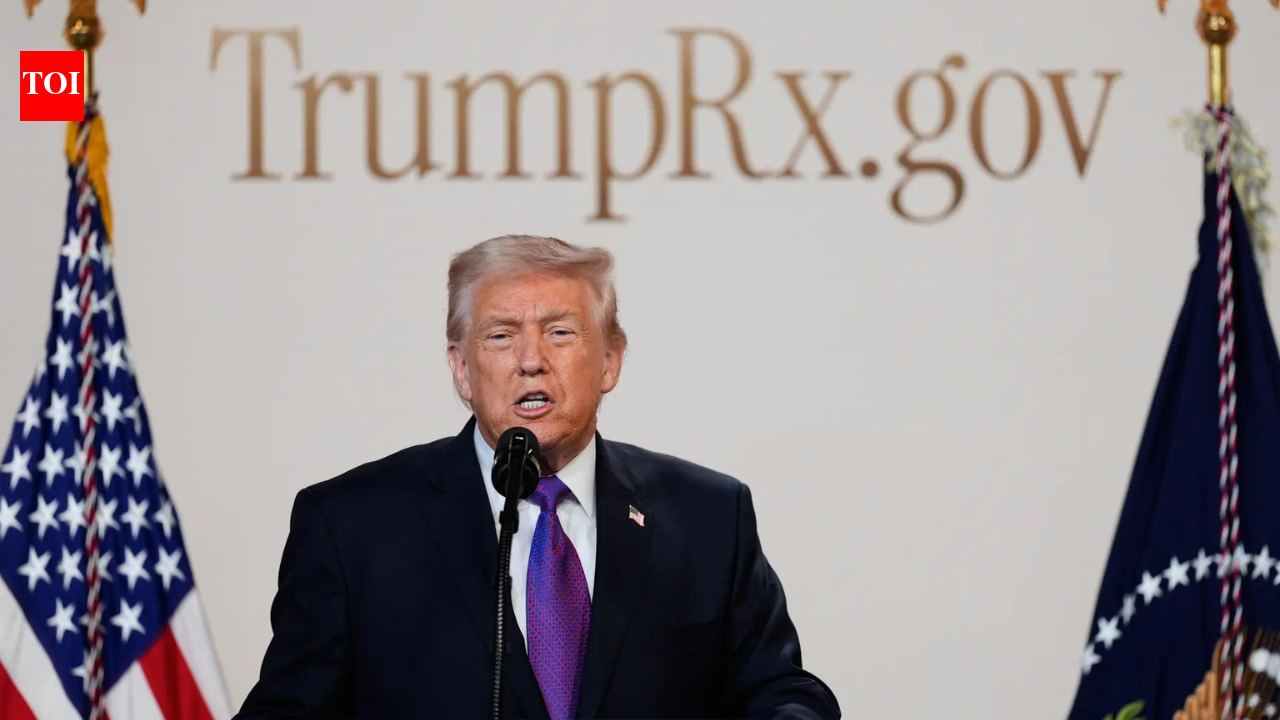
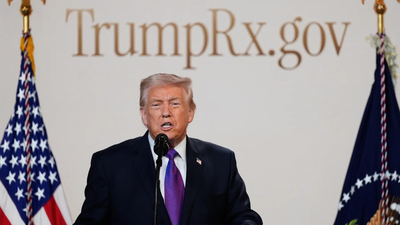
US President Donald Trump on Thursday unveiled a self-branded prescription drug website, “TrumpRx,” which the administration says will help Americans access discounted medicines directly from the pharmaceutical companies. This includes discounted rates for weight-loss and infertility treatments.“Starting tonight, dozens of the most commonly used prescription drugs will be available at dramatic discounts for all consumers,” Trump said, unveiling the website at a brief evening event on the White House campus. “Americans have long been paying the highest drug prices anywhere in the world… the American people were effectively subsidising the cost of drugs for the entire world.”He further added, “You’re going to save a fortune. And this is also so good for overall health care.”Trump said the lower prices are the result of his administration pressuring pharmaceutical companies to offer “most favoured nation” pricing — matching the lowest prices offered in other developed countries.“We’re tired of subsidising the world,” he said, arguing that price cuts in the US would be offset by higher costs abroad.
What is TrumpRx?
Despite being billed as a way to buy drugs “directly,” TrumpRx is not itself an e-commerce platform. Instead, the government-hosted site functions as a facilitator.Users can search for a medication. They are then routed to drugmakers’ websites to purchase, or can print coupons to present at pharmacies.The site launches with savings offers covering more than 40 medications, including high-demand weight-loss drugs and fertility treatments.Trump cast the initiative as part of a broader push to lower healthcare costs, a major voter concern. This comes ahead of the Republicans heading into November’s midterm elections with affordability pressures extending beyond medicine to housing, groceries and utilities.The White House and Trump allies promoted eye-catching discounts for GLP-1 weight-loss drugs, with Trump saying Novo Nordisk’s Ozempic and Eli Lilly’s Wegovy would drop from over $1,000 a month to $199 monthly through the program.The TrumpRx website indicates the discounted pricing may apply initially and then rise after the first two months, according to details posted on the site.Officials also used the event to spotlight fertility-drug discounts, bringing a woman on stage whom they said was the first user to obtain a reduced-cost fertility medication through TrumpRx.Dr Mehmet Oz, the administrator of the Centres for Medicare and Medicaid Services, suggested the initiative could have sweeping public-health effects, at one point saying, “We’re going to have a lot of Trump babies with these costs.”However, the practical impact on household budgets remains uncertain.The site includes disclaimers that the listed figures represent “out-of-pocket” prices and that insured consumers “may be even lower” through existing coverage.Many patients already receive drug-cost protection through employer plans, private insurance marketplaces, or government programs such as Medicare and Medicaid, and some may be able to switch to less expensive generics depending on the prescription.The launch follows months of announcements by Trump about drug-price deals with major manufacturers, including Pfizer, Eli Lilly and Merck, and comes after multiple delays to the website’s release that the administration has not publicly explained.Trump has also pointed to separate efforts to lower prices for certain Medicare drugs through a negotiation program created by a 2022 law, which his administration has continued to use alongside the new TrumpRx rollout.
Nancy Guthrie, the 84-year-old mother of “Today” show host Savannah Guthrie, remained missing as the search for her entered its fifth day Thursday. Investigators said they had no proof she was still alive but continued to hope she was “still out there.”Authorities believe Nancy Guthrie was taken from her Tucson home against her will over the weekend. Pima County Sheriff Chris Nanos said no suspects or persons of interest have been identified in the case.
Savannah Guthrie Begs For Missing Mother’s Safe Return: ‘We Are Ready To Talk’
Investigators found blood on Guthrie’s porch and it was later confirmed it belongs to her.“Right now, we believe Nancy is still out there. We want her home,” Nanos said at a news conference, while acknowledging authorities had no proof she was OK.Investigators said the case had intensified as ransom notes sent to multiple media outlets were being treated as credible. Authorities also released a more detailed timeline from the hours after Guthrie was last seen.The notes demanded money with a deadline set for Thursday evening and a second deadline for Monday if the first was not met, said Heith Janke, the FBI chief in Phoenix. The messages also included details about a floodlight at Guthrie’s home and an Apple Watch.TMZ reported that a note sent to its newsroom demanded millions of dollars in bitcoin and described damage to Guthrie’s home that was believed to have occurred during her abduction. Authorities said it was unclear whether that description was accurate.“To anyone who may be involved, do the right thing. This is an 84-year-old grandma,” Janke said.Authorities said any decision on ransom demands ultimately rested with the family.
Timeline of the disappearance
Nancy Guthrie spent Saturday night eating dinner and playing games with family members before one of them dropped her off at her home in a well-to-do Tucson neighborhood, according to the sheriff.About four hours later, just before 2 am Sunday, the home’s doorbell camera was disconnected, Nanos said. Because Guthrie did not have an active subscription, the company was unable to recover any video footage.Minutes later, software data recorded movement at the home, though Nanos said the activity could have come from an animal. At 2.28 am, the app connected to Guthrie’s pacemaker was disconnected from her phone.Guthrie was reported missing shortly before noon Sunday after she did not show up at church.While she was able to drive, regularly attended church and was mentally sharp, the sheriff said Guthrie had difficulty walking even short distances and required daily medication that was vital to her health. During the search Sunday, a sheriff’s dispatcher said Guthrie had high blood pressure and heart issues.
Ransom notes and family plea
At least three media houses reported receiving ransom notes and turned them over to investigators. Authorities said an arrest was made after one ransom note was determined to be fake.One note emailed Monday to the KOLD-TV newsroom in Tucson included information that only the abductor would know, anchor Mary Coleman told CNN.In a video released by the Guthrie family Wednesday night, Savannah Guthrie struggled to hold back tears as she sat between her older siblings, Annie and Camron. She said the family was aware of the purported ransom letters and wanted to hear directly from whoever had taken their mother.“We are ready to talk,” Savannah Guthrie said in the video. “However, we live in a world where voices and images are easily manipulated. We need to know, without a doubt, that she is alive, and that you have her.”Fighting back tears, Guthrie said the situation was becoming increasingly urgent.In a separate video posted on social media Thursday, Nancy Guthrie’s son Camron said the family had still not heard directly from the person or people responsible for her disappearance.“Whoever is out there holding our mother, we want to hear from you,” he said. “We need you to reach out and we need a way to communicate with you so we can move forward.“But first,” he added, “we have to know that you have our mom.”
US President pledges support
President Donald Trump spoke with Guthrie by phone Wednesday and later said on social media that he had directed all federal law enforcement agencies to assist her and local police.“I spoke with Savannah Guthrie, and let her know that I am directing ALL Federal Law Enforcement to be at the family’s, and Local Law Enforcement’s, complete disposal, IMMEDIATELY. We are deploying all resources to get her mother home safely. The prayers of our Nation are with her and her family. GOD BLESS AND PROTECT NANCY!” said Trump in a post on Truth Social.
Nancy Guthrie is a retired communications professional and longtime volunteer who is often seen around her Tucson community, according to those who knew her. She lives in a quiet, wealthy area of the Catalina Foothills north of Tucson, where homes are spread across large lots and are not part of a gated community.