Breaking News
Iran reacts to ‘military build-up’ in Middle East; warns US of ‘all-out war’

[ad_1]

Iran reacts to ‘military build-up’ in Middle East; warns US of ‘all-out war’

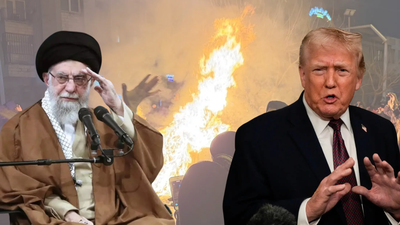
Iran has issued a stark warning that it will treat any attack “as an all-out war against us,” amid the arrival of a US aircraft carrier strike group and other military assets in the Middle East in the coming days.“This military buildup we hope it is not intended for real confrontation – but our military is ready for the worst-case scenario. This is why everything is on high alert in Iran,” a senior Iranian official said on condition of anonymity, as cited by the Times of Israel.“This time we will treat any attack limited, unlimited, surgical, kinetic, whatever they call it, as an all-out war against us, and we will respond in the hardest way possible to settle this.”The warning comes as tensions remain high following US-backed Israeli strikes in June aimed at degrading Iran’s nuclear and ballistic missile programmes. President Donald Trump confirmed the deployment of a “massive fleet” toward Iran, telling reporters aboard Air Force One that Washington is watching Tehran closely. “We’re watching Iran,” Trump said. “I’d rather not see anything happen but we’re watching them very closely.”

US increases military presence in Middle East

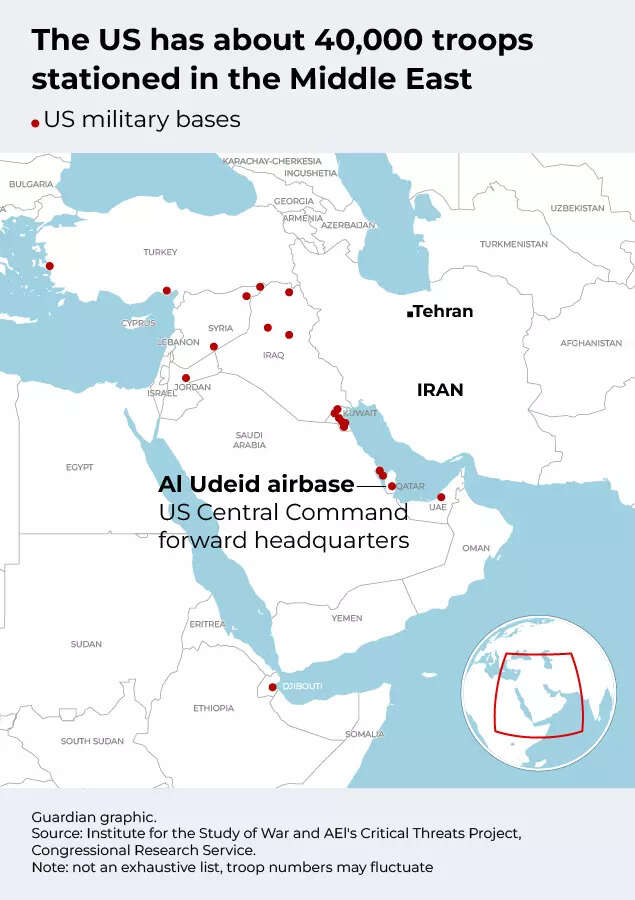
The Pentagon has been sending US military assets into the Middle East, including the aircraft carrier USS Abraham Lincoln and three accompanying destroyers, which left the South China Sea earlier this week. The carrier strike group, currently in the Indian Ocean, will join other US Navy ships in the Persian Gulf and Bahrain, bringing roughly 5,700 additional service members to the region.

US troops in Middle east

Central Command has also deployed F-15E Strike Eagles, while the UK Ministry of Defence sent Typhoon jets to Qatar “in a defensive capacity.” Analysts have noted dozens of US military cargo planes heading toward the region, mirroring last year’s rapid deployments following attacks on Iranian nuclear sites.Trump indicated that the US fleet is “just in case,” leaving open the possibility of military action if Iran escalates, despite recently pulling back from threats over Tehran’s crackdown on protests. “Last year’s strikes on Iranian nuclear sites would look like peanuts if they proceed with planned executions of some protesters,” he warned.

Over 5,000 deaths reported

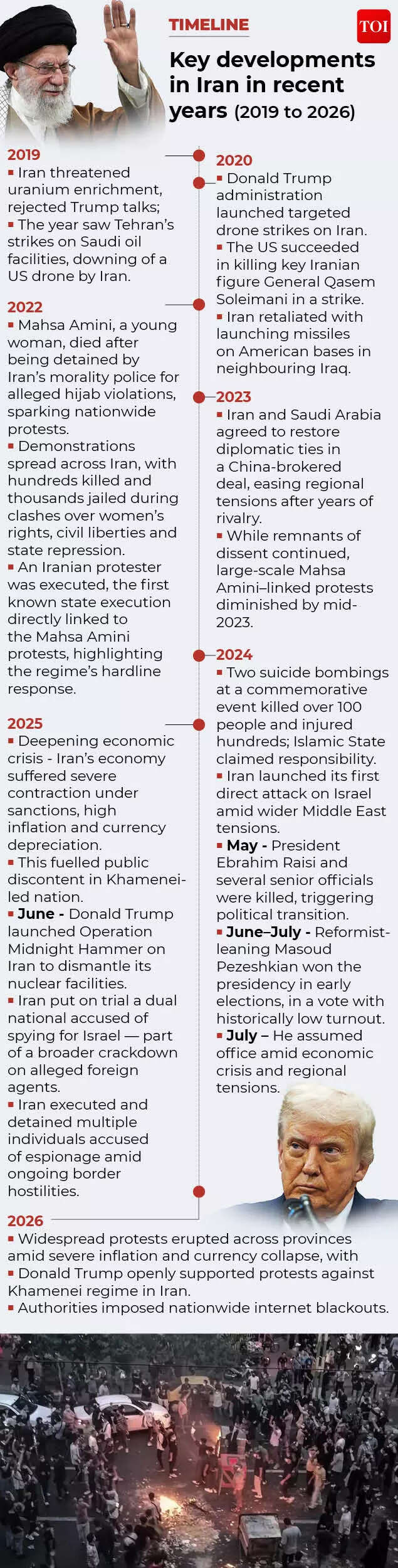
The warnings come amid a domestic crisis in Iran, where nationwide protests erupted in late December over economic hardship and political repression. Activists estimate the crackdown has killed at least 5,032 people and detained more than 27,600, far higher than the official toll of 3,117, which includes security forces, civilians, and “US-backed rioters.”

How Iran got here

Iranian military officials have framed the unrest as linked to foreign intervention. Guards commander General Mohammad Pakpour warned the US and Israel to avoid “miscalculations” and said Iran’s forces “have their finger on the trigger, more prepared than ever, ready to carry out the orders and measures of the supreme commander-in-chief.” General Ali Abdollahi Aliabadi added that if the US attacks, “all US interests, bases and centres of influence” would be “legitimate targets.Iranian President Masoud Pezeshkian accused the US and Israel of exploiting the protests as “cowardly revenge… for the defeat in the 12-Day War,” while the Revolutionary Guards maintained their readiness for “the hardest response possible.”

[ad_2]

Source link

‘China will eat them up’: Trump slams Canada over pushback on ‘Golden Dome’ plan in Greenland

[ad_1]

‘China will eat them up’: Trump slams Canada over pushback on ‘Golden Dome’ plan in Greenland

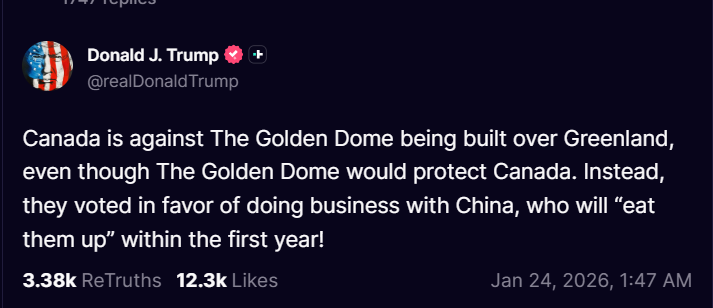
US President Donald Trump has launched a fresh attack on Canada, accusing Ottawa of opposing his proposed “Golden Dome” missile defence system over Greenland while choosing to deepen economic ties with China.In a post on his social media platform Truth Social on Friday (local time), Trump said, “Canada is against The Golden Dome being built over Greenland, even though The Golden Dome would protect Canada.” He added, “Instead, they voted in favor of doing business with China, who will ‘eat them up’ within the first year!”

Trump's post on Truth Social

Responding to the claims made by Trump, Canadian ambassador to the US Kirsten Hillman told CBS News, “Canada is investing over $80 billion over the next 5 years in our defense systems.” “When we have talked to the President about protecting our hemisphere, we have talked about ways in which our different capabilities can work together so that we have eyes on the region,” Hillman said.The comments mark the latest escalation in Trump’s increasingly personal criticism of America’s northern neighbour, bringing together defence policy, trade competition and long-running bilateral tensions and border issues. Trump’s remarks come days after Canadian PM Mark Carney’s visit to Beijing, aimed at reviving economic engagement with China, Canada’s second-largest trading partner after the United States. And Carney’s blistering attack on the US and West at large in his address in Davos.The visit resulted in an agreement to cut tariffs on certain Canadian agricultural products and set quotas for Chinese electric vehicles entering Canada. The deal could also see more Chinese investments in Canada. As the first Canadian leader to visit China in a decade, there were talks of “new world order” between him and Chinese premier Xi Jinping, who hailed the “turnaround” in their relationship. Talking about the deal Carney appeared to allude to Trump tariffs as a factor, telling reporters that Canada’s relationship with China had been more “predictable” in recent months and that he found talks with Beijing “realistic and respectful”. Trump when asked about the renewed engagement, he signaled his approval. “It’s OK. That’s what he should be doing,” he said.

What went down in Davos

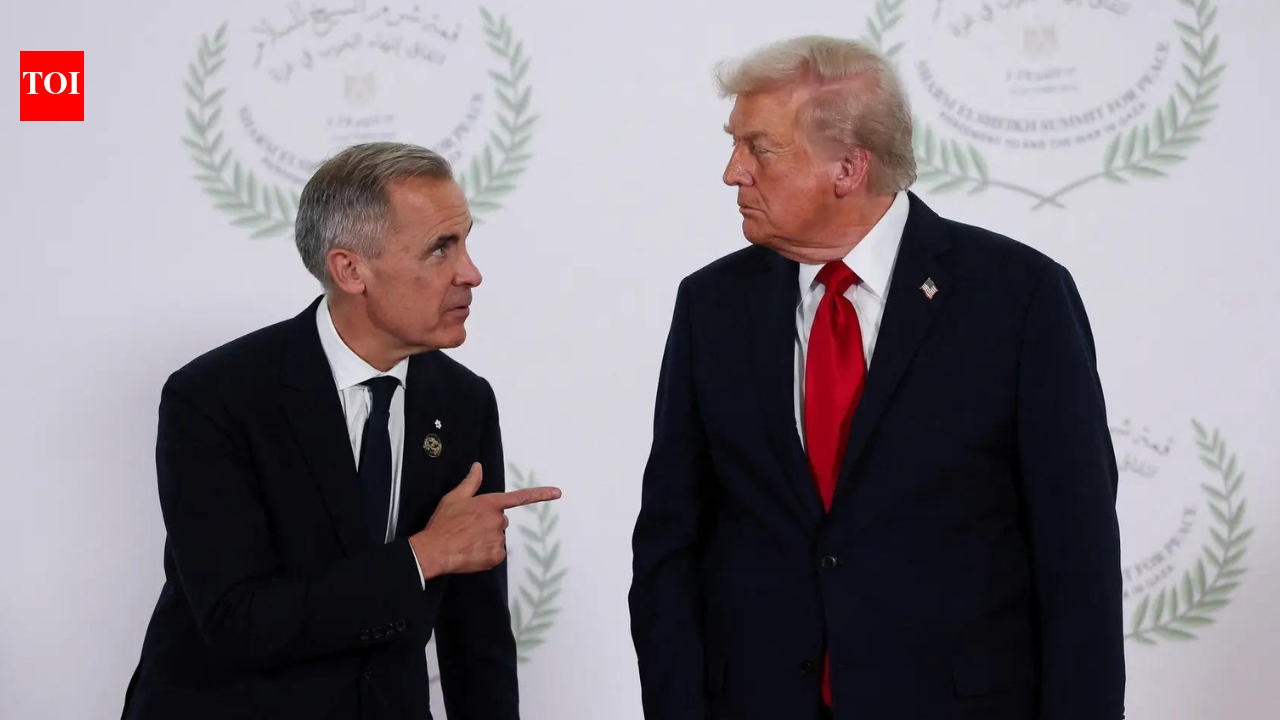
Speaking earlier this week at the World Economic Forum in Davos, Trump reiterated that the Golden Dome missile defence system would inherently extend protection to Canada. “We’re building a Golden Dome that’s going to, just by its very nature, be defending Canada,” he told attendees. “Canada gets a lot of freebies from us, by the way. They should be grateful also.”Trump went further, asserting that Canada’s security depends entirely on Washington. “Canada lives because of the United States. Remember that, Mark, the next time you make your statements,” he said, referring to Carney. The Canadian Prime Minister responded directly to Trump rejecting his claims. “Canada doesn’t live because of the United States. Canada thrives because we are Canadian,” Carney said after returning from Davos. Emphasising sovereignty, he added, “We are masters in our home. This is our own country. It’s our future. The choice is up to us.”At Davos, Carney had warned against coercion by major powers toward smaller nations, without naming Trump. He called for “middle-powers” to unite and warned against an US-led global system that was “merely evolving but breaking apart.” Back in Canada, he said the country could still demonstrate that “another way is possible” amid rising authoritarianism. The exchange sharpened further after Trump announced he was withdrawing an invitation for Carney to join what he called his “Board of Peace.”

What are the key contentions

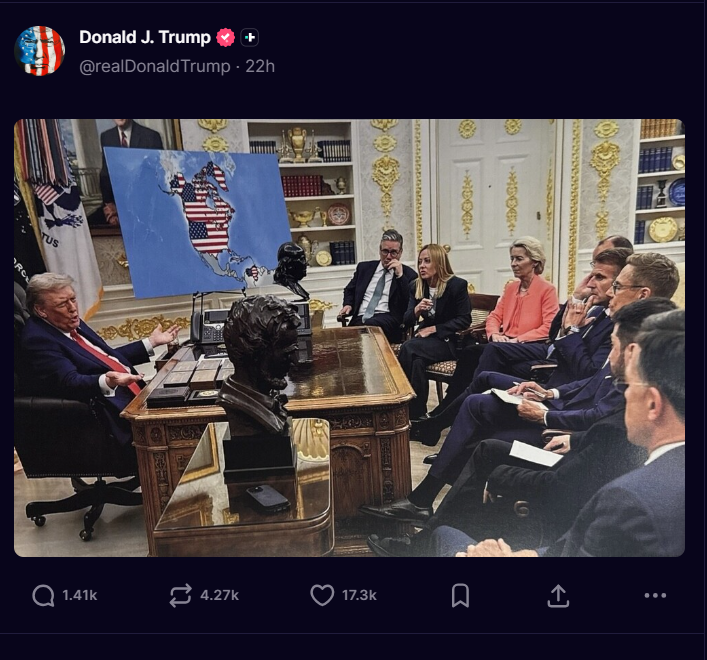
Trump has repeatedly floated the idea of Canada becoming the 51st US state and recently posted an altered map showing Canada, Greenland, Venezuela and Cuba as part of US territory.

Trump shares altered picture of North America

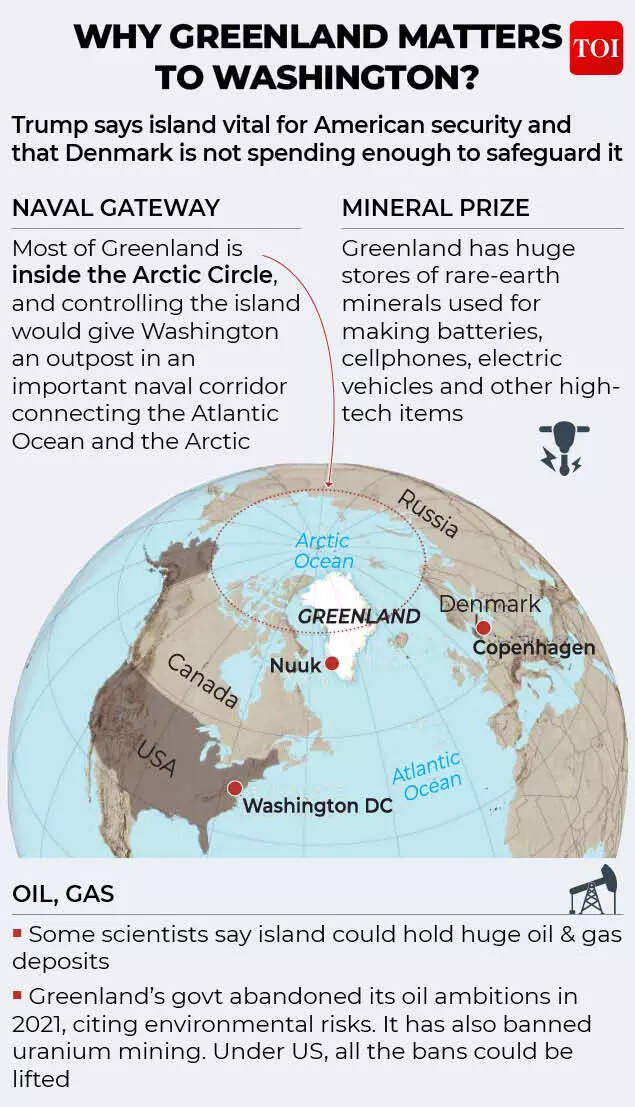
It came as after American operation in Venezuela to capture its leader Nicolas Maduro, Trump has renewed his aggressive push to wrest control of Greenland, which he says is “strategically important to US national security.”

Why is Trump gunning for Greenland

Trump has also insisted that Canada wants to be part of the Golden Dome system, which he says should be fully operational before the end of his term in 2029. However, Canada’s ambassador to the United Nations, Bob Rae, described the proposal as resembling a “protection racket.” The Golden Dome plan envisions a US-controlled missile defence shield using space-based sensors, interceptors and advanced technologies. Treasury secretary Scott Bessent said Greenland is “strategically important” to the project and told CNBC that Canada had been invited to participate – “if they want to pay their share.” The Trump administration has estimated the system’s cost at about $175 billion. The Congressional budget office warned in a report that space-based interceptors alone could cost between $161 billion and $542 billion over the next two decades.

[ad_2]

Source link

“Miss him everyday”: Jeanie Buss pays heartfelt tribute to Kobe Bryant ahead of escalating controversy with LeBron James | NBA News

[ad_1]

"Miss him everyday": Jeanie Buss pays heartfelt tribute to Kobe Bryant ahead of escalating controversy with LeBron James
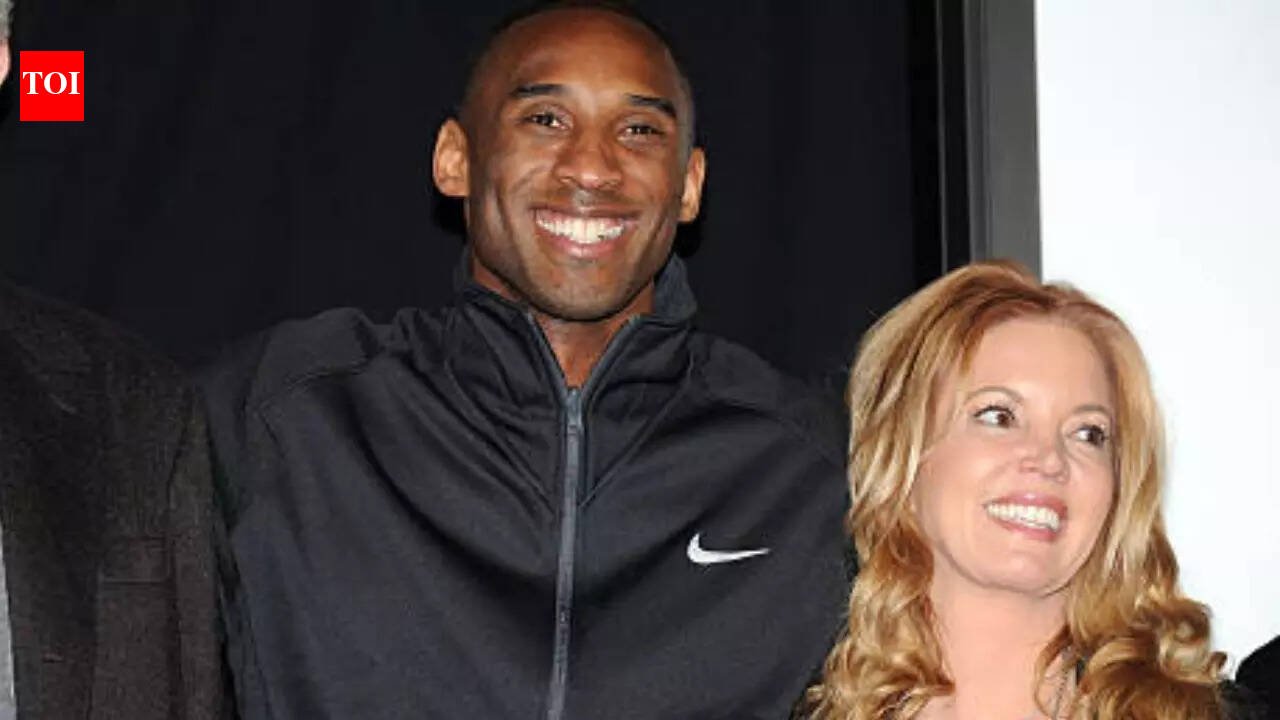
Kobe Bryant and Jeanie Buss. Image via: Getty Images

The James-Buss drama has recently resurfaced and sparked controversy all over the internet. The intense beef between Jeanie Buss and LeBron James has created all sorts of fuss for the Los Angeles Lakers. However, in a similar occurrence of events, Jeanie Buss decided to pay her heartfelt respect to the late Lakers’ legend Kobe Bryant with a heartwarming video that featured the NBA star with Jalen Rose. Rumor has it that the ongoing controversy between LeBron James and Jeanie Buss might cost James his Lakers journey, and he might end up getting traded to a different team. However, again, it’s just a rumor and hence might not be true. But Buss’ relationship with Bryant has always been one step ahead of what she has with James. Let us dive deep into what the Lakers’ governor has tweeted about Kobe Bryant.

Jeanie Buss pens emotional message to Kobe Bryant over growing clash with LeBron James

In a certain occurrence of events, Jeanie Buss paid her heartfelt tribute to the late Los Angeles Lakers legend, Kobe Bryant, saying how she misses the NBA star. “Miss him everyday. Love this clip. #81 @chineseguy88”, Buss tweeted on X. Many fans are speculating over the fact that Buss has shared this clip just to get back at James amid their ongoing beef. She has also claimed that James was ungrateful after Buss traded Bronny James to the Los Angeles Lakers.Jeanie Buss was devastated by the sudden and early demise of the NBA legend Kobe Bryant. As a result, she posted a tweet on X back in 2022, “I miss KB. He would understand and explain everything that I’m not allowed to. Honestly he was the greatest Laker ever. He understood team over self. Meaning your rewards would come if you valued team goals over your own then everything would fall into place. All can reply”.

Jeanie Buss nearly traded LeBron James to rival team over growing beef with Lakers star

According to ESPN’s Baxter Holmes, the Los Angeles Lakers’ governor, Jeanie Buss, nearly crossed a line amid her ongoing beef with LeBron James. She was very close to trading him to their rival team in the NBA. Holmes said, “Jeanie privately bristled at LeBron James’ outsized influence with the organisation, even considering trading him in 2022”. “James wasn’t grateful enough for the team drafting his son, Bronny, in 2014”, continued Baxter Holmes. He confirmed that Buss was just trying to get back at James, as he remained ungrateful over Bronny James’ trade and never took accountability for Russell Westbrook’s infamous trade.

[ad_2]

Source link

Tension in Tarana after clashes between two groups; bus torched, shops damaged | Bhopal News

[ad_1]

Tension in Tarana after clashes between two groups; bus torched, shops damaged

INDORE: Tension continued in Tarana town of Madhya Pradesh’s Ujjain district on Friday following clashes between two groups that erupted a day earlier, leading to incidents of arson, stone pelting and damage to public and private property.The situation escalated on Friday when unknown elements allegedly pelted stones at houses, breaking window panes. Miscreants also targeted a bus, which was set on fire, while some shops were damaged, police said.The clashes had first broken out on Thursday evening in Tarana, located around 35 km from the Ujjain district headquarters, leaving around six people injured. The atmosphere remained tense on Friday as protests intensified in the town.Police said incidents of violence were reported on Friday, following which security arrangements were strengthened. A crowd gathered after Friday prayers, during which roads were blocked and sporadic incidents of violence were reported, further escalating tensions.Videos showing a bus being torched and damage to property circulated on social media, adding to concern among residents. Police officials said the videos are being examined as part of the investigation.Ujjain superintendent of police Pradeep Sharma said the situation is under control. “Violence was reported on Friday. Around 15 to 20 people have been arrested so far, and additional police force has been deployed in sensitive areas,” Sharma said.Police have registered cases related to stone pelting, arson and rioting. Five accused have already been arrested in connection with Thursday’s assault incident, while a search is on for another accused, officials said.As a precautionary measure, prohibitory orders under Section 163 of the Bharatiya Nyaya Sanhita (BNS) have been imposed in the town to prevent further escalation.Senior officials said continuous patrolling and flag marches are being carried out, and residents have been urged to maintain peace and refrain from spreading rumours.

[ad_2]

Source link

‘To expand like Gujarat’: PM Modi’s big prediction on BJP’s rise in Kerala | India News

[ad_1]

'To expand like Gujarat': PM Modi's big prediction on BJP's rise in Kerala

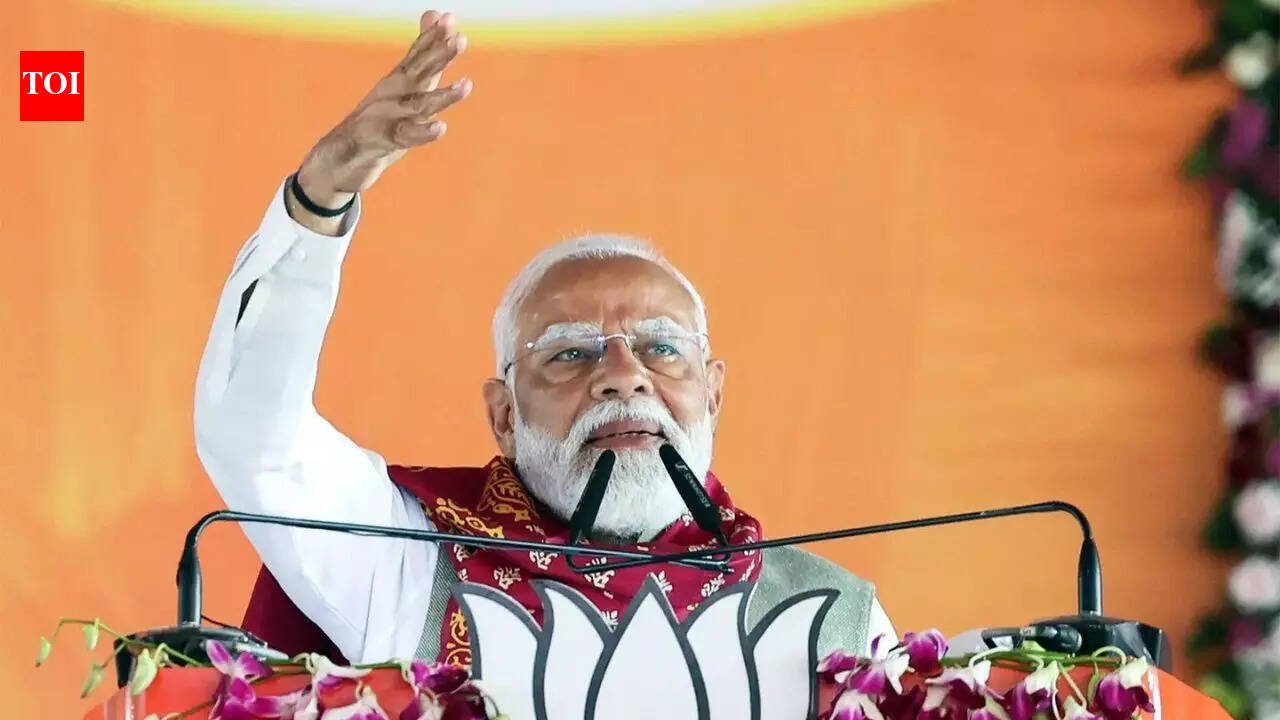
PM Modi in Kerala (ANI photo)

NEW DELHI: Prime Minister Narendra Modi on Friday projected the BJP’s breakthrough in Kerala’s capital as the start of a larger political shift in the state, saying the party’s recent victory in the Thiruvananthapuram corporation reflected growing public confidence ahead of the assembly elections.Addressing a large BJP rally at the Putharikandam Maidan, PM Modi said the party’s rise in Kerala would mirror its early growth in Gujarat, where it began by winning control of a single city nearly four decades ago. He recalled that before 1987, the BJP was a marginal force in Gujarat and received little attention.“In 1987, for the first time, the BJP won control of the Ahmedabad Municipal Corporation, much like the party’s recent victory in Thiruvananthapuram. Since then, the people of Gujarat have entrusted us with the opportunity to serve, and we have continued to do so for decades,” PM Modi was quoted as saying by news agency PTI.“Our journey began in one city in Gujarat, and similarly, in Kerala, our beginnings have started with a single city. I believe this demonstrates that the people of Kerala are beginning to place their trust in the BJP, connecting with us in the same way Gujarat once did,” he added.Hits out at LDF-UDF ‘misrule’Calling the civic poll result a mandate for change, the prime minister said the win reflected public resolve to free the state from what he described as years of misgovernance by the LDF and the UDF. He alleged that both fronts had ignored Thiruvananthapuram for decades, leaving the capital short of basic amenities and infrastructure.“The Left and the Congress have consistently failed to address the needs of our people. However, our BJP team has already begun working towards a developed Thiruvananthapuram. To the people of the city, I say — have faith, the change that has long been overdue is finally on its way,” Modi said.“Thiruvananthapuram, for the entire country, will become a model city. I extend my full support to make Thiruvananthapuram one of the best cities in India,” he said.PM Modi is in Kerala to inaugurate multiple development projects and flag off new train services as the state heads into Assembly elections later this year.The Prime Minister emphasised that Thiruvananthapuram will now serve as a model city for the rest of the country.“To the people of this city, I say, have faith. Thiruvananthapuram, for the entire country, will become a model city. I extend my full support to make Thiruvananthapuram one of the best cities in India,” he added.The Prime Minister also discussed Kerala’s broader political scenario ahead of the upcoming elections.“When considering the future of Kerala, the political landscape is divided into just two predominant sides, the LDF and the UDF. Over the years, both groups have taken turns governing the state, contributing to Kerala’s current challenges. However, there is a third alternative–one that prioritises development and good governance–represented by the BJP and NDA,” he said.On the Sabarimala gold theftReferring to the Sabarimala gold theft case, PM Modi said a BJP government would ensure those behind the gold theft were jailed, calling it “Modi’s guarantee”.“If BJP forms govt in Kerala, Sabarimala gold loss will be examined, culprits will be jailed; this is Modi’s guarantee,” the Prime Minister said.Earlier, PM launched various developmental projects and flagged off new train services in the state, and said that a new realisation has emerged among the people about the Centre’s efforts for the coastal state’s development.Speaking after launching the projects and flagging off the trains, PM Modi said the day marks a new momentum in the development of Kerala, driven by the efforts of the central government.He said that rail connectivity has been further strengthened and the launched projects will help to transform Thiruvananthapuram into a major hub in the country.The Prime Minister flagged off three Amrit Bharat Express trains and a Thrissur-Guruvayur passenger train which will help to enhance regional rail connectivity between Kerala, Tamil Nadu, Karnataka, Telangana and Andhra Pradesh.In addition, he laid the foundation stone for a CSIR-NIIST Innovation, Technology and Entrepreneurship Hub here and launched the PM SVANidhi Credit Card– a UPI-linked, interest-free revolving credit facility.PM Modi also disbursed loan amounts and credit cards to several beneficiaries under the PM SVANidhi scheme.He said that the scheme was aimed at the welfare of the poor across Kerala and the nation.Besides these, he laid the foundation stone for a state-of-the-art Radiosurgery Centre at the Sree Chitra Tirunal Institute for Medical Sciences and Technology in the city and inaugurated the new Poojappura Head Post Office.

[ad_2]

Source link

Rupee continues to rise! Currency recovers 17 paise to reach 91.41 against US dollar

[ad_1]

Rupee continues to rise! Currency recovers 17 paise to reach 91.41 against US dollar

Rupee continued its upward rally on Friday, rising 17 paise to 91.41 against the US dollar in early trade. This comes after US President Donald Trump softened his stance on tariff threats against Europe over Greenland, easing fears of another trade war. Forex traders said that the US President’s change in stance lowered near-term geopolitical concerns. As investors’ risk appetite improved, the dollar corrected, allowing emerging market currencies, including the rupee, to recover slightly, they added. Rupee opened at 91.45 at the interbank market before strengthening to 91.41, following Thursday’s rebound from record lows when it had gained 7 paise to close at 91.58. Despite the improvement, the currency is facing pressure from sustained foreign fund outflows amid ongoing global uncertainties. Foreign institutional investors continued to offload equities, selling shares worth Rs 2,549.80 crore on Thursday, according to exchange data. Traders pointed to the pending US trade agreement as a key factor for rupee’s movement. They further added that until the geopolitical risk eases and the trade deal materialises, the rupee is likely to remain vulnerable to external shocks. Commenting on the outlook, Amit Pabari, MD of CR Forex Advisors, said in a research note, “At current levels, a large portion of global risk appears to be priced into the rupee. This opens the door for a phase of consolidation and a possible partial recovery if risk sentiment stabilises. The 92.00 level remains a strong resistance, while sustained RBI support could guide USD/INR back toward the 90.50–90.70 zone in the near term. Elsewhere, the dollar index, which tracks the greenback against six major currencies, edged up 0.01% to 98.36. Brent crude futures rose 0.87% to $64.62 per barrel.

[ad_2]

Source link

After PM Carney says Canada ‘doesn’t live because of US’, Trump pulls ‘Board of Peace’ invite

[ad_1]

After PM Carney says Canada ‘doesn’t live because of US’, Trump pulls ‘Board of Peace’ invite

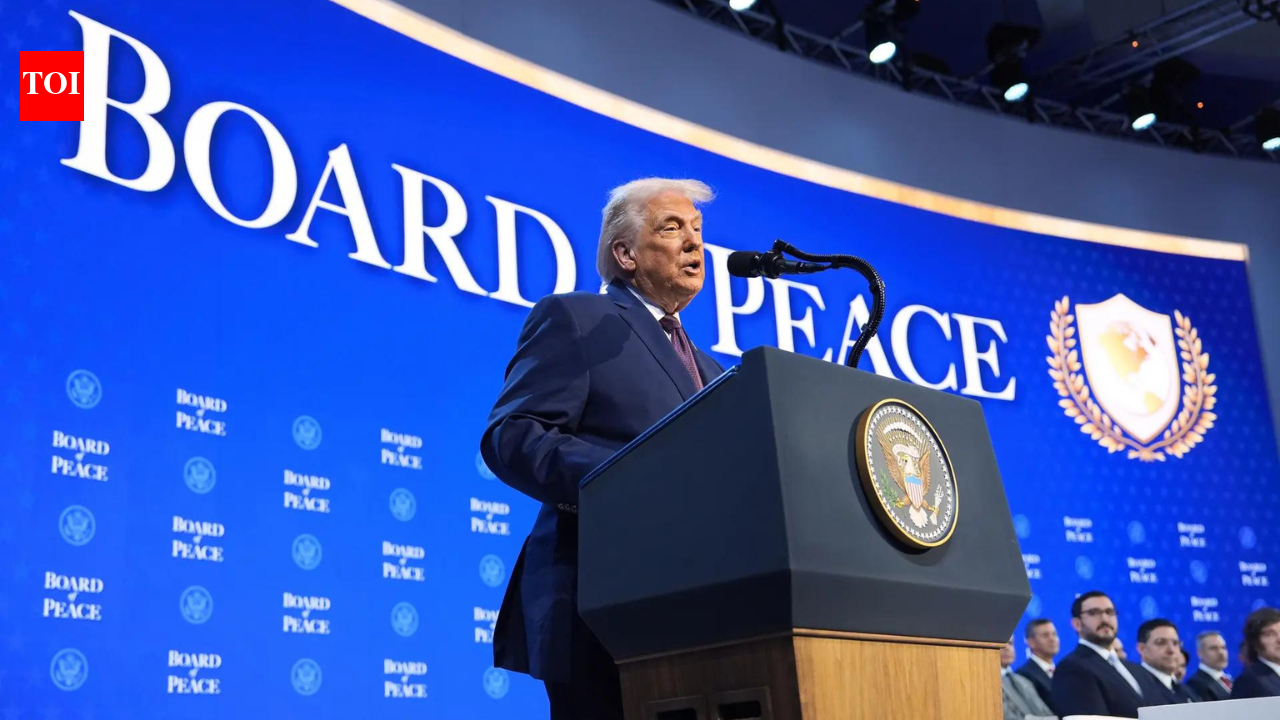
US President Donald Trump withdrew his invitation to Canada to join the Board of Peace after Canadian Prime Minister Mark Carney rejected Trump’s claims of Canada’s dependence on the United States.Trump, in his post on Truth Social, wrote, “Dear Prime Minister Carney: Please let this Letter serve to represent that the Board of Peace is withdrawing its invitation to you regarding Canada’s joining, what will be, the most prestigious Board of Leaders ever assembled, at any time.”Tensions escalated between the two leaders at the World Economic Forum on Tuesday. Carney, in his speech, took a stance against the US’s “ruptured” global order. Following this, Trump, in his address, claimed that Canada lives because of the US.Later, Mark Carney, responding to Trump’s remark in a national address at Quebec City on Thursday, claimed that Canada thrives because of itself. Acknowledging the “remarkable partnership” between the two nations, the press, he said, “Canada doesn’t live because of the United States. Canada thrives because we are Canadian.”He further added that Canada should serve as a model in an era of “democratic decline.” Carney said, “Canada can’t solve all the world’s problems, but we can show that another way is possible, that the arc of history isn’t destined to be warped towards authoritarianism and exclusion.”Earlier in Davos, Carney, in his speech, also received a standing ovation over his stance against the “rupture” in the US-led, rules-based global order. He implied that the trade rules and international laws are applied based on military and economic might.In his speech, Carney said, “We knew the story of the international rules-based order was partially false, that the strongest would exempt themselves when convenient, that trade rules were enforced asymmetrically. This fiction was useful, and American hegemony, in particular, helped provide public goods, open sea lanes, a stable financial system, collective security and support for frameworks for resolving disputes.Calling out the faults of the system, he said, “We placed the sign in the window. We participated in the rituals, and we largely avoided calling out the gaps between rhetoric and reality. This bargain no longer works. Let me be direct. We are in the midst of a rupture, not a transition.”Trump, later in his speech, trained guns at Carney as he said, “I watched your prime minister yesterday. He wasn’t so grateful. Canada lives because of the United States. Remember that, Mark, the next time you make your statements.”

[ad_2]

Source link

From saas-bahu to Sussex: Beckhams and Meghan Markle play the same script | World News

[ad_1]

‘Harry 2.0’: Brooklyn Beckham Roasted For Attack On David & Victoria

Every generation believes it is witnessing unprecedented family drama, convinced that the conflicts of its time are sharper, crueler, more psychologically fraught than anything that came before. That instinct is usually wrong. Families have always fractured, parents have always disappointed children, and institutions have always demanded obedience in the name of continuity. What is new, however, is the theatre in which these conflicts now unfold, the moral language used to justify them, and the fact that reconciliation has become structurally incompatible with modern celebrity culture.

‘Harry 2.0’: Brooklyn Beckham Roasted For Attack On David & Victoria

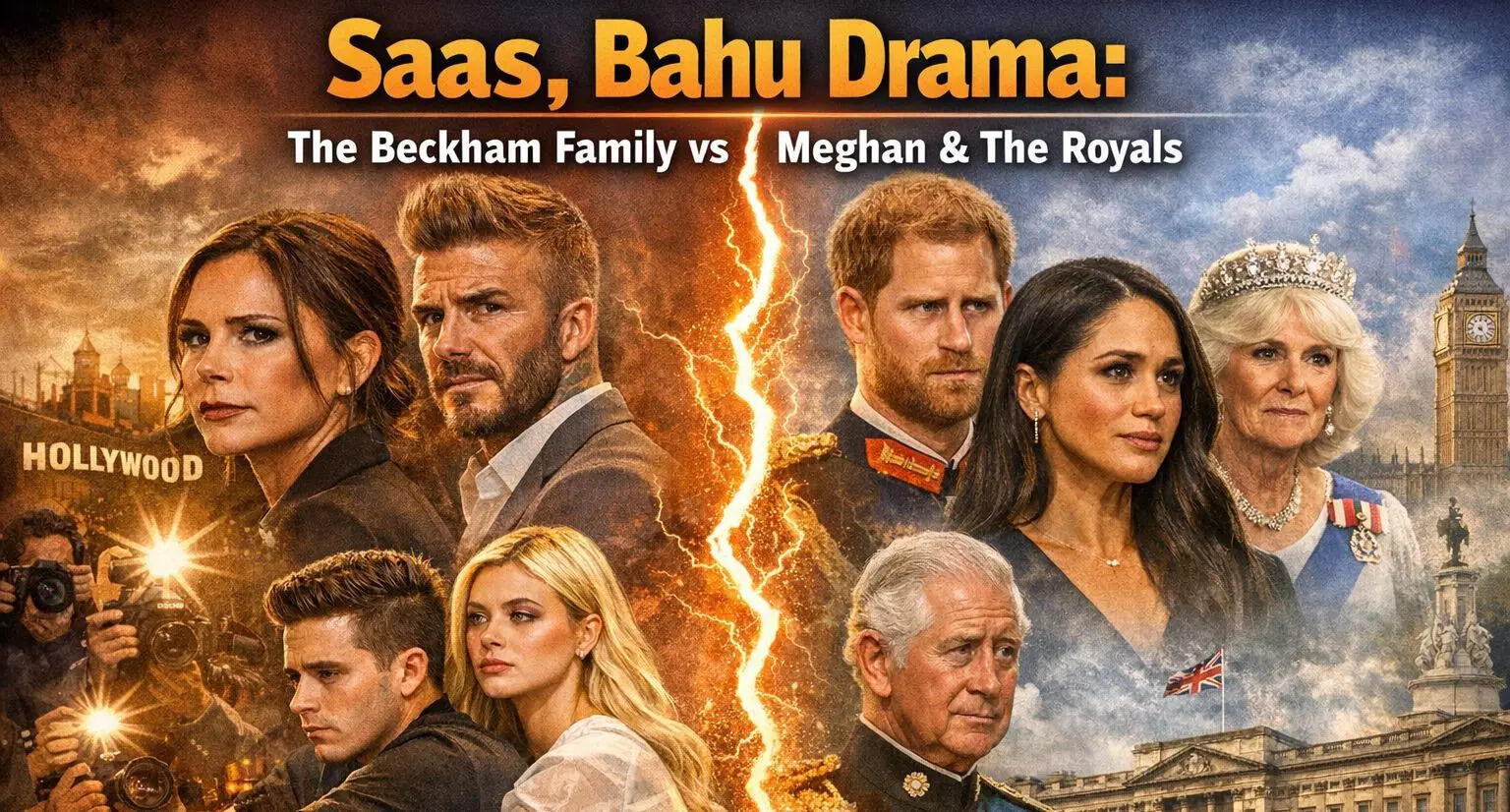
This is why the ongoing Beckham family fallout and the long, slow implosion of Meghan Markle’s relationship with the British Royal Family belong in the same analytical universe. Not because one involves footballers and fashion designers while the other involves crowns and castles, but because both are stories about institutions mistaking themselves for families, families mistaking discipline for love, and younger generations refusing to accept that inheritance must come with silence as its price.These are not gossip stories. They are case studies in how legacy power collapses when confronted with the logic of the platform age.When families turn into institutionsLong before tensions became visible, both the Beckhams and the Windsors crossed an invisible but decisive line. They stopped functioning primarily as emotional units and began operating as systems of continuity, reputation, and control.In the case of David Beckham and Victoria Beckham, the transformation was gradual and largely celebrated. What began as sporting excellence and pop-cultural fame matured into something far more structured: a carefully managed global brand that blended fashion, philanthropy, masculinity, aspiration, and British respectability into a marketable ideal. Their children were born not merely into wealth or privilege, but into a narrative with expectations, optics, and unspoken rules.The British Royal Family, of course, has been an institution far longer than it has been a family in any conventional sense. Its members are raised to understand that personal comfort is secondary to symbolism, that restraint is a virtue rather than a coping mechanism, and that emotional sacrifice is not tragedy but duty.In both cases, harmony was never organic. It was curated, reinforced, and defended. The problem with curated harmony is that it collapses the moment someone refuses to perform it.

The outsider spouse as structural threat

Saas, Bahu, Drama

Every institutional family eventually encounters the same destabilising force: an outsider who enters not knowing that love alone is insufficient, and that adaptation, silence, and strategic invisibility are part of the entry fee.For the House of Windsor, that figure was Meghan Markle. For the House of Beckham, it was Nicola Peltz. The differences in class, nationality, and circumstance between the two women are obvious, but analytically irrelevant. What matters is the role they were assigned the moment they arrived.Both women entered families that expected assimilation without negotiation, loyalty without reciprocity, and gratitude without transparency. Both were met with the same institutional reflex: if friction emerges, the problem must be the newcomer, not the system itself.This is not because either family consciously plotted exclusion, but because institutions are structurally incapable of interpreting resistance as anything other than threat.

When brothers become collateral damage
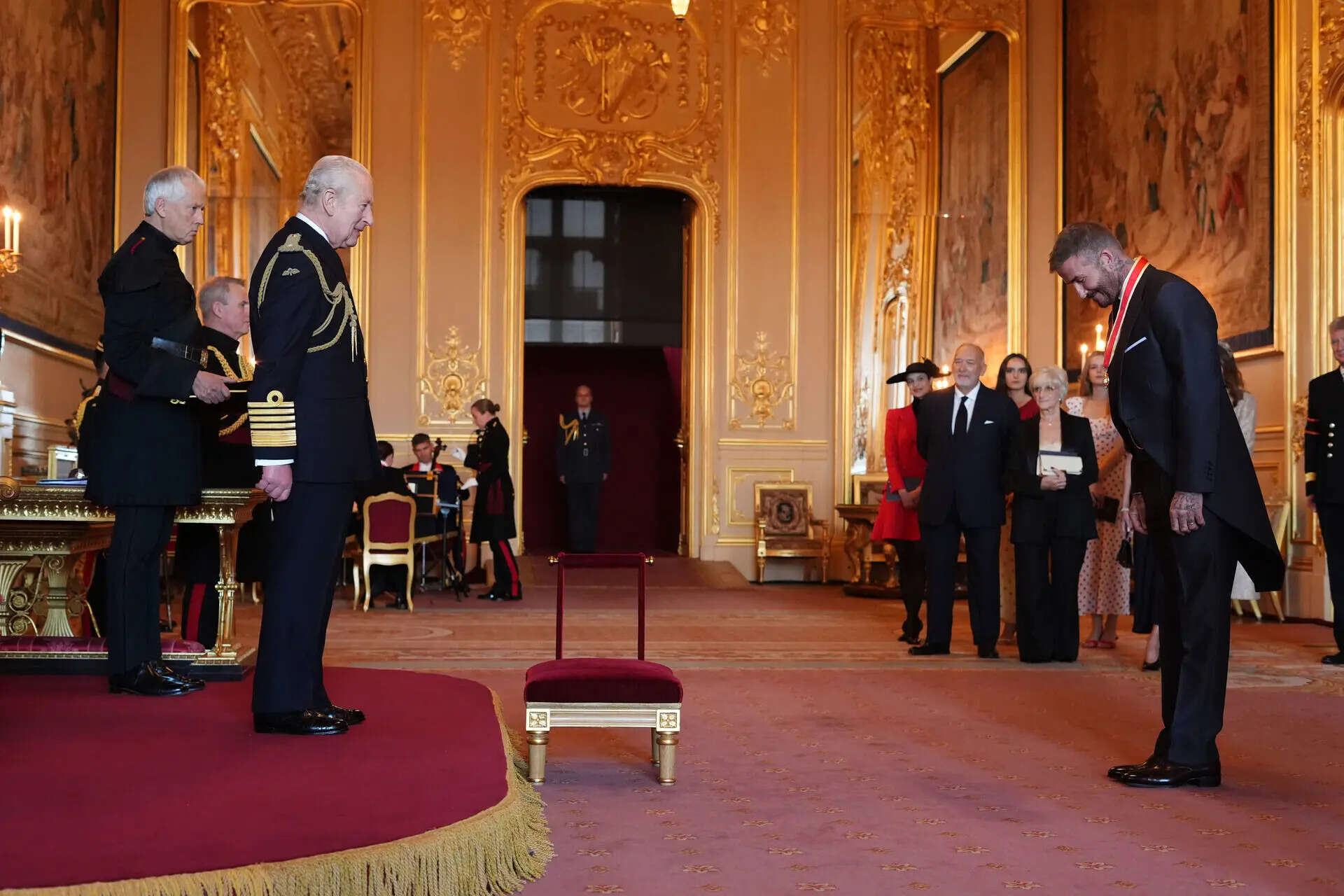
Bend a knee like Beckham: Soccer star is knighted by King Charles III

Sir David Beckham is made a Knight Bachelor by Britain’s King Charles III during an Investiture ceremony at Windsor Castle, Berkshire, England, Tuesday, Nov. 4, 2025. (Jonathan Brady/PA via AP)

The most emotionally corrosive consequence of institutional family conflict is rarely the parent–child rupture that dominates headlines. It is the quieter, more enduring collapse of sibling relationships, which tend to absorb pressure long after the original dispute has moved beyond repair. In both the British royal family and the Beckham household, sibling bonds did not fracture overnight or through a single dramatic confrontation. They eroded gradually, shaped by shifting loyalties, media framing, and the transformation of brothers into symbolic stand-ins for competing worldviews.In the royal family, the estrangement between Prince Harry and Prince William unfolded in parallel with Harry’s growing disillusionment with royal life and his marriage to Meghan Markle. For years, the brothers were presented as a unified front, bonded by shared trauma following the death of their mother and cast as complementary heirs to a modernised monarchy. That image began to fracture as Harry increasingly framed the institution as emotionally suffocating, while William remained embedded within it, tasked not merely with personal loyalty but with preserving continuity. By the time Harry publicly articulated his grievances through interviews, the Netflix documentary series, and later his memoir Spare, William was no longer described primarily as a brother, but as an enforcer of an institutional ethos that Harry believed prioritised hierarchy over human cost. The rupture was therefore not simply fraternal; it was ideological, with William representing permanence and Harry positioning himself as a defector from a system he viewed as fundamentally resistant to change.A comparable, if less publicly articulated, pattern appears to have emerged within the Beckham family. Brooklyn Beckham’s distancing from his parents unfolded alongside a visible recalibration of his relationship with his siblings, marked not by overt conflict but by prolonged absence, missed milestones, and asymmetrical displays of public solidarity. Unlike Harry, Brooklyn has not offered a narrative explanation for the drift, nor has he framed his estrangement as a moral stand against an institution. Yet the structural dynamics remain similar. As the eldest child in a family whose public image relies heavily on cohesion, Brooklyn occupied a symbolic role as the inheritor of continuity. His decision to align himself primarily with his wife, rather than the broader family unit, effectively disrupted that narrative, creating an implicit hierarchy in which spousal loyalty superseded sibling solidarity. In such settings, siblings are rarely free to remain neutral; they are drawn, often unwillingly, into the gravitational pull of parental authority or institutional preservation.

Silence as authority, speech as insubordination
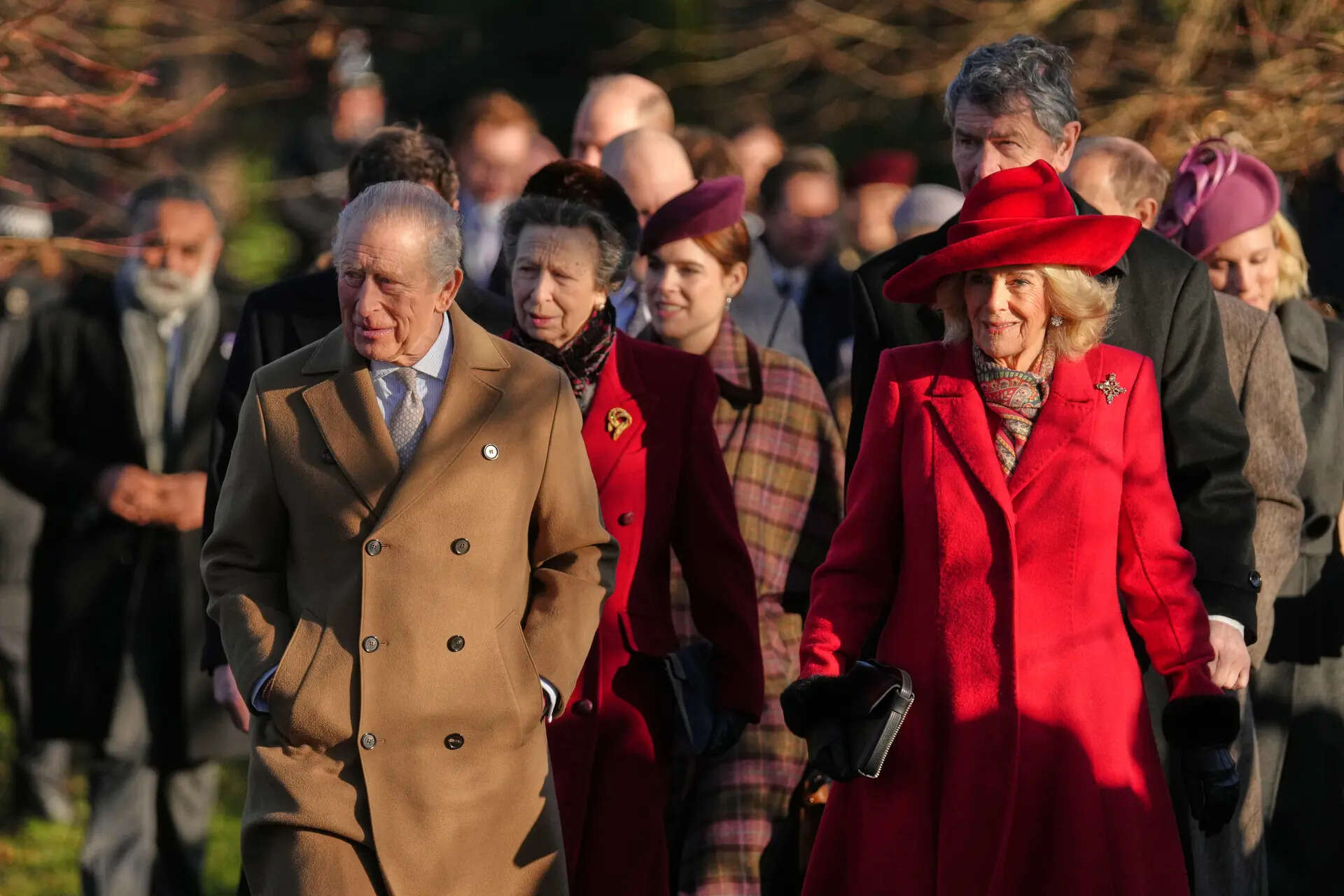
Britain Royals attend Christmas Day service

Britain’s King Charles III and Queen Camilla arrive to attend the Christmas Day service at St Mary Magdalene Church in Sandringham, Norfolk, England. AP/PTI(AP12_26_2025_000012B)

One of the most striking parallels between these two sagas lies in how power imagines itself to function.The older generation in both families operates under an older moral logic, one that treats silence as dignity and discretion as proof of strength. The monarchy’s near-total refusal to engage publicly with Meghan’s allegations was not accidental; it was a reaffirmation of the belief that institutions endure precisely because they do not dignify individual grievance with response. Similarly, the Beckhams’ instinctive restraint, their avoidance of open confrontation or emotional exposition, reflects a worldview in which public composure is both shield and sword.The problem is that this worldview no longer aligns with how legitimacy is produced.In the platform era, silence does not signify authority. It creates narrative vacuum, and narrative vacuum is quickly filled by the most emotionally coherent story available. Meghan’s account hardened into accepted truth not because it went uncontested in private, but because it was uncontested in public. In the Beckham case, the visible emotional and physical distance between Brooklyn Beckham and his parents has functioned as a statement precisely because nothing has been formally said.The old world believes dignity is self-evident. The new world understands that meaning must be articulated or it will be assigned.

Incompatible moral languages

The deepest reason reconciliation remains elusive in both cases has little to do with ego or misunderstanding and everything to do with moral translation.The monarchy speaks the language of duty, endurance, and institutional primacy. Within that framework, suffering is not injustice but contribution, and personal discomfort is a small price for historical continuity. Meghan speaks the language of emotional harm, mental health, and individual well-being, a moral vocabulary shaped by American therapeutic culture and contemporary media ethics.Similarly, the Beckham parents appear to prioritise unity, hierarchy, and collective identity, while Brooklyn and Nicola’s posture reflects a moral universe in which emotional alignment with one’s spouse outweighs inherited obligation, and distance is framed not as betrayal but as self-preservation.Neither side is necessarily dishonest. They are simply operating within ethical systems that do not share a common grammar.

The generational revolt against inheritance

At the core of both conflicts lies a rejection of inherited identity as destiny.Prince Harry’s departure from royal life was not merely a rejection of protocol but a refusal to accept that birthright entailed emotional silence. Brooklyn Beckham’s apparent disengagement from the family brand suggests a similar instinct, a resistance to being permanently positioned as an accessory to a legacy rather than an autonomous adult.To the older generation, this reads as ingratitude, even betrayal. To the younger generation, it feels like survival in a world where identity must be chosen rather than assigned.This generational divide is not ideological in the traditional sense. It is existential.

When rupture becomes identity

The most uncomfortable parallel between these two stories is also the most decisive.Over time, the conflict itself becomes a source of meaning, relevance, and coherence. Meghan’s post-royal public identity is inseparable from her rupture with the monarchy. Brooklyn and Nicola’s public positioning increasingly derives its clarity from their distance from Beckham centrality.This does not imply cynicism or calculation. It reflects a structural reality of contemporary media ecosystems, where personal narratives solidify into brands, and brands resist revision.Reconciliation, in such contexts, is not merely emotional. It is reputationally destabilising.

What these stories actually reveal

Strip away the celebrity and the spectacle, and both sagas reveal the same underlying truth: families that function as institutions are brittle precisely because they cannot accommodate dissent without interpreting it as existential threat.The tragedy is not that these families fractured. The tragedy is that they were never designed to absorb refusal.In an era where legitimacy flows upward from audiences rather than downward from tradition, institutions must negotiate consent rather than assume it. Both Houses learned this lesson too late. They will survive. Institutions always do. What they may never fully recover is the comforting illusion that continuity alone guarantees belonging. And that, more than any tabloid detail, is what binds these two stories together.
[ad_2]

Source link

Greenland: Nato chief says talks to focus on keeping Russia, China out; remark after Trump eases threat

[ad_1]

Greenland: Nato chief says talks to focus on keeping Russia, China out; remark after Trump eases threat

Talks with the United States on Greenland will focus on preventing Russia and China from gaining military or economic access to the Danish Arctic territory, Nato chief Mark Rutte said on Thursday.Rutte’s comments came a day after discussions with US President Donald Trump in Davos, after which Trump softened earlier threats to seize Greenland by force, saying a “framework” for a deal on the island had been reached.“It was a very good discussion,” Rutte was quoted as saying at an event on Ukraine held on the sidelines of the World Economic Forum by news agency AFP.He said future negotiations would build on his meeting with Trump and would include efforts by Nato allies, particularly the alliance’s seven Arctic members, to ensure the region remains secure. One key objective, Rutte said, was to make sure “the Russians and the Chinese stay out” of the Arctic.Another priority would be preventing China and Russia from gaining access to Greenland’s economy or establishing a military presence there, he added.Last week, the foreign ministers of Denmark and Greenland held talks in Washington with US vice president JD Vance and secretary of state Marco Rubio.Trump’s earlier remarks on Greenland, an autonomous territory within Nato member Denmark, had strained transatlantic relations and triggered the most serious rift between Europe and Washington in decades.

[ad_2]

Source link

Trump sanctions impact: India eyes alternatives to Russian crude; imports oil from Guyana, Saudi Arabia but Russia still top supplier

[ad_1]

Trump sanctions impact: India eyes alternatives to Russian crude; imports oil from Guyana, Saudi Arabia but Russia still top supplier
India crude oil imports (AI image)

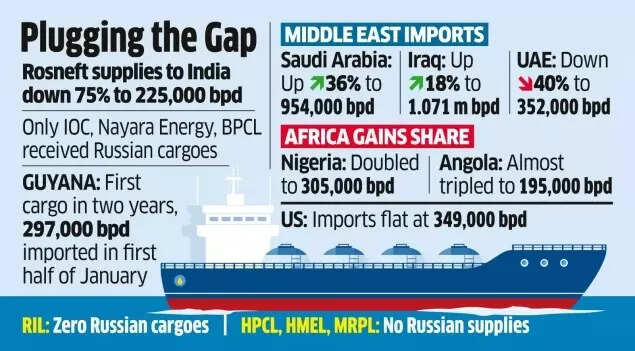
With supply of Russian crude hit due to US President Donald Trump’s sanctions, Indian refiners are looking at other sources of oil to fill the gap. Refiners are swiftly reshaping their crude sourcing strategy to offset reduced availability of Russian oil affected by US sanctions.While a more complete assessment of shifts in India’s crude import pattern will be available by the end of the month, preliminary figures indicate that refiners are increasingly drawing on new or previously minor suppliers to cover additional demand as Russian deliveries ease and uncertainty grows amid stronger US pressure. During the first half of January, only Indian Oil, Nayara Energy and Bharat Petroleum received Russian cargoes. Reliance Industries, which had been the largest buyer of Russian crude over the past year, did not import any during this period, nor did Hindustan Petroleum, HPCL-Mittal Energy, or Mangalore Refinery and Petrochemicals.

India Eyes Alternatives To Sanctioned Russian Crude Oil

Russia continues to be the country’s biggest source of crude, with inflows of around 1.179 million barrels per day in the first half of January. However, these volumes were about 3% lower than in the previous period and roughly 30% below the average seen in 2025. But diversification is happening.

Plugging the oil supply gap

Plugging the oil supply gap

For example; after a gap of two years, India’s refiners have lifted their first shipment from Guyana and have also stepped up purchases from Saudi Arabia by roughly one-third in January to cater to robust domestic fuel demand. As inflows from Russia taper off, Indian refiners are increasingly turning to Guyana to help fill the supply shortfall.Also Read | Trump’s 500% tariff pressure & global crude supply shock risks: Where does India’s oil security stand?Data from global analytics firm Kpler quoted in an ET report shows that during the first half of the month, refiners sourced around 297,000 barrels per day from Guyana. The South American country is fast gaining prominence as a major oil-producing nation, supported by significant discoveries and a sharp rise in output. Despite this growth, Guyana had earlier not featured prominently in India’s import mix because of the long transportation route involved.Crude purchases from West Asian producers such as Saudi Arabia and Iraq, along with shipments from African suppliers Nigeria and Angola, have increased this month as India’s oil consumption stays firm. India is the world’s third-largest user and importer of crude oil.According to Kpler, imports from Iraq, India’s second-largest supplier, climbed 18% on a month-on-month basis to nearly 1.071 million bpd, while purchases from Saudi Arabia surged 36% to approximately 954,000 bpd.Shipments from Nigeria almost doubled sequentially to about 305,000 bpd, and volumes from Angola rose nearly threefold to close to 195,000 bpd.In contrast, crude inflows from the UAE dropped sharply by 40% to roughly 352,000 bpd, while arrivals from the United States were largely unchanged at around 349,000 bpd during the first half of January.

[ad_2]

Source link