Breaking News
‘Red line’: Why Saudi Arabia attacked Yemen, gave stark warning to UAE – explained

[ad_1]

'Red line': Why Saudi Arabia attacked Yemen, gave stark warning to UAE - explained

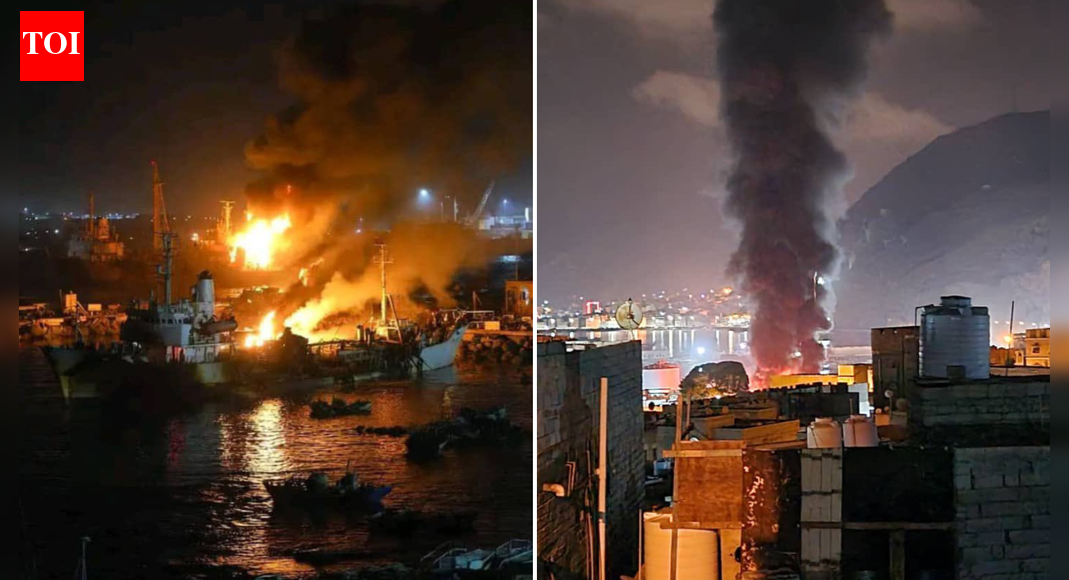
Saudi Arabia’s airstrikes on Yemen’s southern port city of Mukalla this week have exposed a sharp and public rupture inside what was once a unified Gulf-backed coalition. What began as a complex war against the Iran-aligned Houthi movement has now evolved into an open confrontation between partners who once fought on the same side.The strikes followed the arrival of two vessels from the UAE port of Fujairah, which Saudi Arabia says unloaded weapons and armoured vehicles destined for the UAE-backed Southern Transitional Council (STC), a separatist force seeking self-rule in southern Yemen. Riyadh described the shipments as an “imminent threat” to its national security and warned that Emirati actions were “extremely dangerous”, language that underscored the seriousness of the fallout.At the heart of the dispute lies Saudi Arabia’s fear that instability in Yemen’s eastern provinces, particularly Hadramout and al-Mahra, could spill directly onto its borders.

What happened in Mukalla

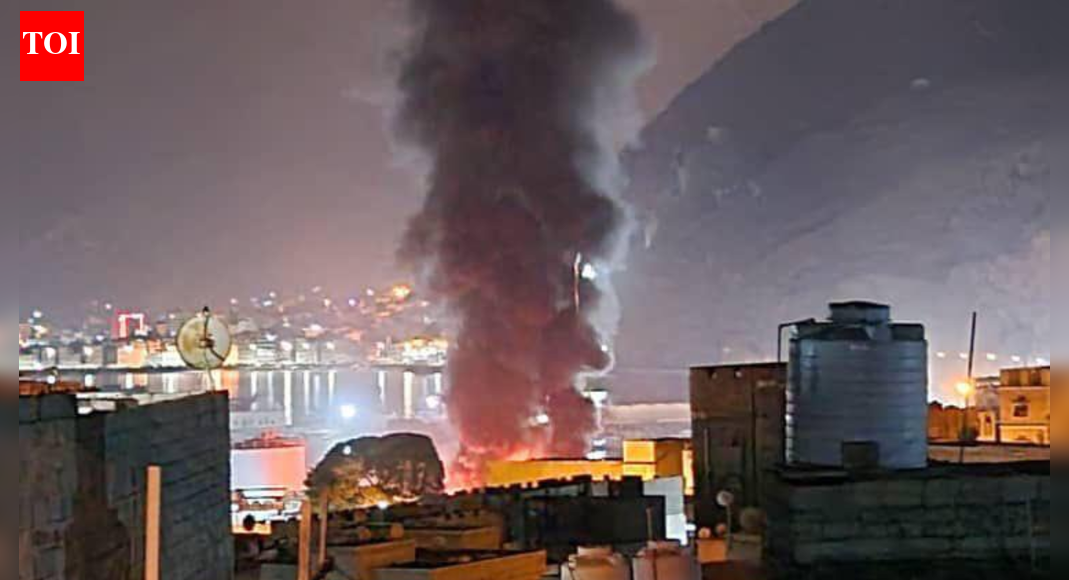
Saudi warplanes struck targets in Mukalla after the Saudi-led coalition accused two ships of arriving without authorisation, disabling their tracking systems and unloading “a large amount of weapons and combat vehicles” to support the STC. Riyadh said the operation was limited, conducted overnight, and aimed at preventing collateral damage.“The crews had the disabled tracking devices aboard the vessels and unloaded a large amount of weapons and combat vehicles in support of Southern Transitional Council’s forces,” the coalition said. “Considering that the aforementioned weapons constitute an imminent threat, and an escalation that threatens peace and stability, the Coalition Air Force has conducted this morning a limited airstrike.”Footage aired by Yemeni state media showed black smoke rising from the port and burned vehicles near the docks. Saudi state media said there were no casualties, though local residents reported damage to nearby homes.

What is the STC?

The Southern Transitional Council (STC) is a separatist movement in southern Yemen that seeks autonomy or independence for the region. It was formed in May 2017 following mass protests in the southern port city of Aden over the dismissal of its leader, Aidarus al-Zoubaidi, who now heads the council.The STC’s stated goal is to “reinstate the Southern State”, referring to the independent country that existed in South Yemen between 1967 and unification with the north in 1990. Support for southern secession has long existed, but gained momentum after Yemen’s civil war erupted in 2014.Backed by the United Arab Emirates, the STC controls key territory in the south, including Aden, and commands armed forces known as the Southern Armed Forces. While it has at times shared power with Yemen’s internationally recognised government, its core demand for southern self-rule remains unchanged.The STC now faces a critical test. It is part of the Presidential Leadership Council, yet its forces have seized swathes of territory from Saudi-backed units. Its leadership insists the UAE remains a “main partner” in the fight against the Houthis and has rejected Al-Alimi’s orders, saying they lack consensus.While the STC has framed its advance as consolidating southern control, defying Riyadh carries risks. Saudi Arabia controls Yemen’s airspace and has made clear it will act to prevent any shift that threatens its security interests.

A ‘red line’ between Saudi and UAE

Saudi Arabia and the UAE were once the twin pillars of the coalition formed in 2015 to restore Yemen’s internationally recognised government after the Houthis seized the capital, Sanaa. While both opposed the Houthis, their long-term goals increasingly diverged.Riyadh has remained committed to a unified Yemen under the internationally recognised government. Abu Dhabi, by contrast, has backed the STC, which seeks to revive the formerly independent state of South Yemen. That divergence has now erupted into open confrontation.Saudi Arabia accused the UAE of pressuring the STC to carry out military operations near its borders, calling such actions a “threat to the kingdom’s national security”. “The Kingdom stresses that any threat to its national security is a red line,” the Saudi foreign ministry said, adding that it would not hesitate to act.The UAE rejected the accusations, saying the shipment “did not contain any weapons” and that the vehicles were intended for Emirati forces operating in Yemen. It condemned any attempt to implicate it in operations threatening Saudi security and called for restraint and coordination.

What the UAE said

The UAE said it was surprised by the Saudi airstrike and rejected allegations that it directed STC military operations.“The UAE categorically rejects any attempt to implicate it in the tensions between Yemeni parties,” its foreign ministry said, calling for restraint and coordination.Abu Dhabi said its presence in Yemen was at the invitation of the internationally recognised government and within the Saudi-led coalition framework. It urged that recent developments be handled “responsibly and in a way that prevents escalation”.Later in the day, the UAE announced that it would withdraw its remaining forces from Yemen.“The Ministry of Defence announces the termination of the remaining counterterrorism teams in Yemen,” a statement from the ministry said, as cited by news agency AFP.

Why the east matters to Riyadh

The focus on Hadramout and al-Mahra is no coincidence. Hadramout borders Saudi Arabia and has deep economic and historical ties with the kingdom. Al-Mahra sits astride key land routes linking Yemen to Oman and Saudi Arabia and controls vital ports and crossings.For Riyadh, large-scale instability in the east is not a distant Yemeni problem but a direct border security issue. Saudi officials fear that unchecked STC expansion could redraw control over resource-rich areas and trade routes, creating long-term insecurity along the kingdom’s southern frontier.This explains why Saudi Arabia warned the STC against advancing into Hadramout and demanded a withdrawal, a call the separatists dismissed.

Yemen’s leadership steps in

The escalation was framed politically through Yemen’s internationally recognised leadership. Rashad al-Alimi, head of the Presidential Leadership Council, cancelled a defence pact with the UAE and ordered Emirati forces to leave Yemen within 24 hours. In a televised speech, he accused Abu Dhabi of fuelling strife by backing the STC.“Unfortunately, it has been definitively confirmed that the United Arab Emirates pressured and directed the STC to undermine and rebel against the authority of the state through military escalation,” he said.Al-Alimi also imposed a temporary no-fly zone and a sea and ground blockade on ports and crossings, except for coalition-approved exemptions, signalling the seriousness of the moment.

Why this matters for Yemen

The escalation risks opening a new front in Yemen’s decade-long war, with anti-Houthi forces turning on each other while the Houthis remain entrenched in the north, including in Sanaa.More than ten years of conflict have already killed over 150,000 people and created one of the world’s worst humanitarian crises. Strategic southern regions now at the centre of the dispute hold key ports and most of Yemen’s oil reserves.(With inputs from agencies)

[ad_2]

Source link

Pahalgam terror attack, Delhi blast, Air India plane crash & more: Why 2025 felt like a year of endless crises | India News

[ad_1]

Pahalgam terror attack, Delhi blast, Air India plane crash & more: Why 2025 felt like a year of endless crises

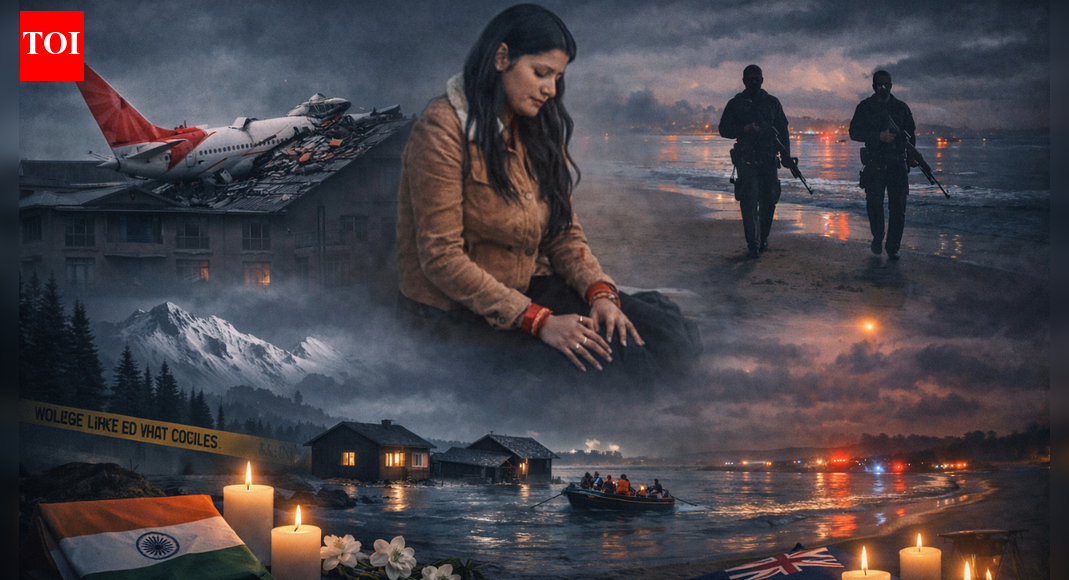
Murphy’s law worked hard in 2025.A year full of “what else can go wrong”, and then the wrong proceeds to make its way in, perfectly settling down, even stretching through months. A year that felt like a series of hypnic jerks, rather than just dates or headlines changing.Not to sound pessimistic, but 2025, ultimately, became a collision of the good, the bad and the devastating. India celebrated moments of pride — sporting triumphs, economic reforms, scientific milestones — even as it grappled with stampedes, terror attacks, aviation disasters and climate-fuelled catastrophes at home and abroad.

January 22: Jalgaon train tragedy

At least 12 people were killed in a tragic railway accident in Maharashtra’s Jalgaon district on January 22 after panic spread over a rumour of fire onboard the Lucknow–Mumbai Pushpak Express.

  • The train made an unscheduled halt around 5 pm after someone pulled the emergency chain, prompting frightened passengers to jump onto the tracks.
  • Unaware of an oncoming train on the adjacent line, several were struck by the Karnataka Express approaching from the opposite direction.
  • The incident occurred between Maheji and Pardhade stations near Pachora, more than 400 km from Mumbai, turning panic and confusion into a deadly accident.

‘India Faces Two War Realities: Counter Terror Strikes And Long Conflicts’, Says CDS Anil Chauhan

January 29: Maha Kumbh stampede

.

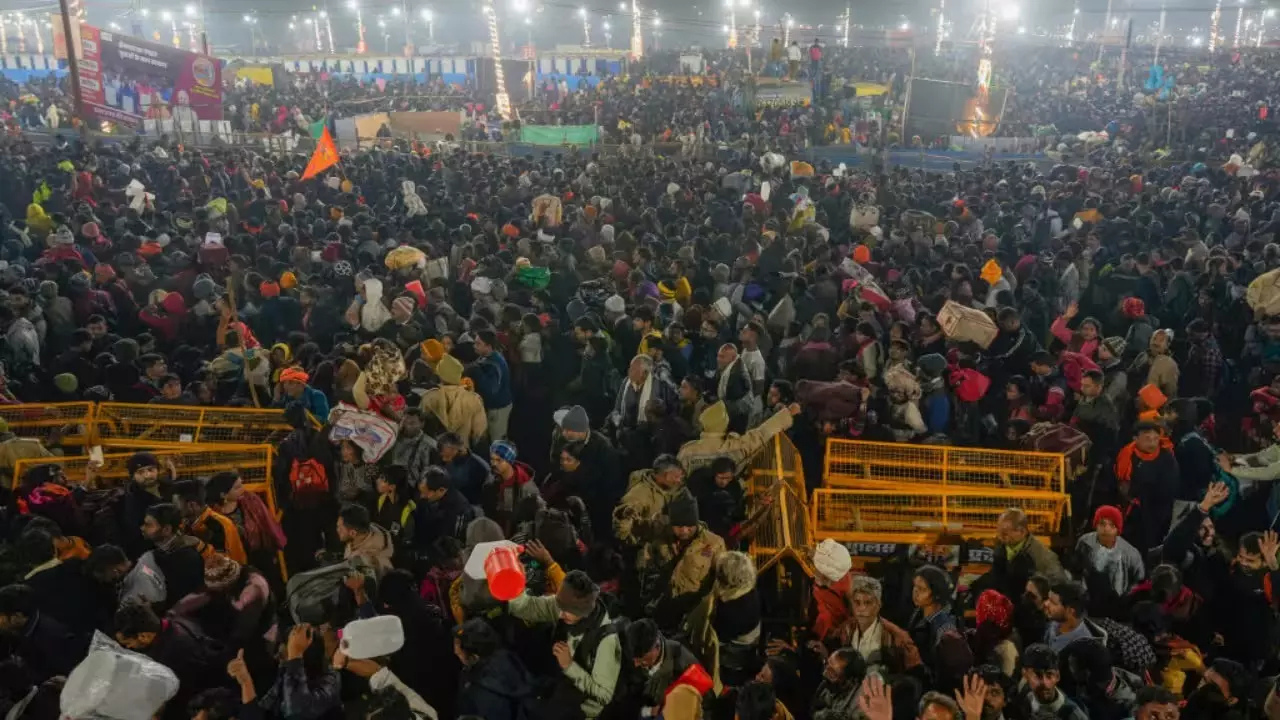
Maha Kumbh, the event that literally drew people from across India and the world to Prayagraj in Uttar Pradesh. Politicians, business leaders, film stars and millions of devotees gathered along the riverbanks, hoping for a calm and spiritual start to the year.

  • The month-long Prayagraj Maha Kumbh Mela saw tens of millions of pilgrims arrive, with authorities estimating that nearly 10 crore devotees turned up on Mauni Amavasya alone.
  • In the early hours of January 29, at around 1 am, a crush broke out near the Sangam nose area, close to a main bathing ghat. As devotees moved through narrow and crowded paths ahead of the Amrit Snan, panic spread, and a stampede followed.
  • Ambulances rushed the injured to the central hospital inside the Mela grounds, where nearly 30 people died, and several others were injured.

February 15: New Delhi railway station stampede

The tragedy does not end here. Days later, another stampede claimed lives, this time at New Delhi Railway Station, where at least 18 people, including 14 women and three children, were killed and several others were left injured.

.

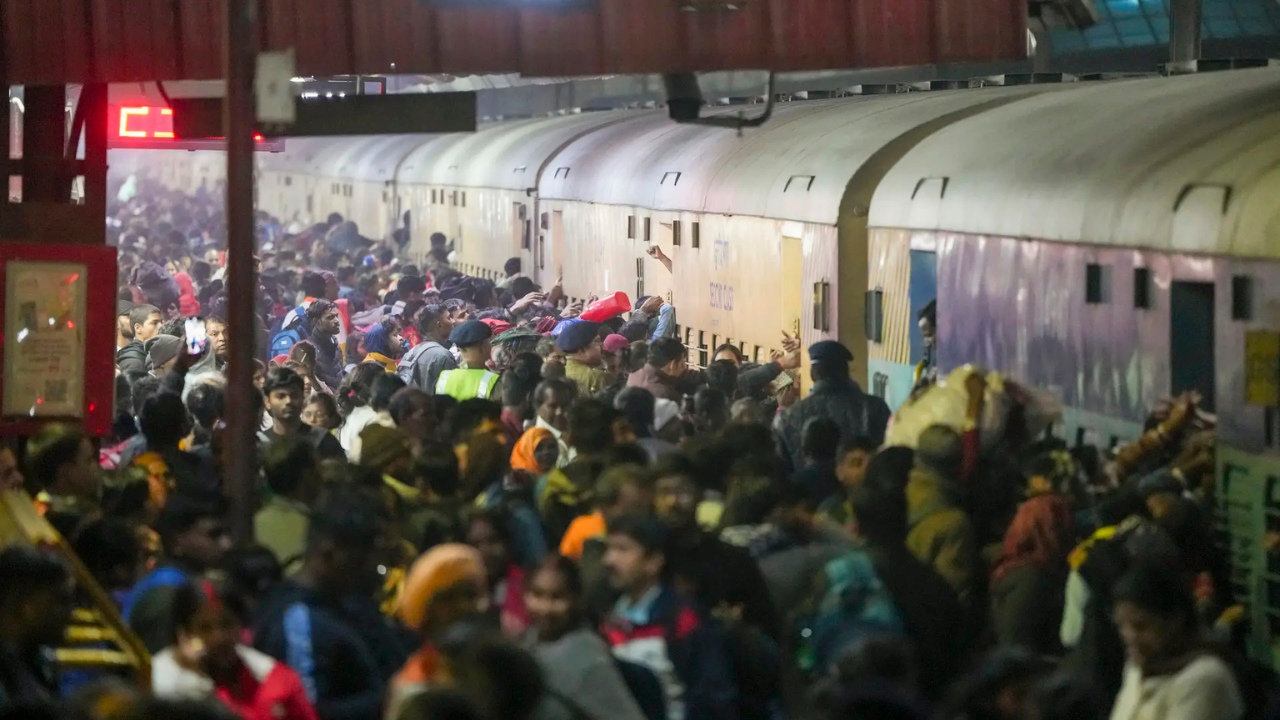
  • On the night of February 15, a massive rush of passengers waited to board trains to Prayagraj, where the Maha Kumbh was underway.
  • As several trains were delayed, the already overcrowded platforms 14 and 15 turned chaotic within a few minutes, as people rushed forward, resulting in multiple casualties.
  • The government later told the Lok Sabha that 49,000 general or unreserved tickets were sold at the New Delhi Railway Station counter at around 13,000 more than the usual daily figure.

March 28: Myanmar – Thailand earthquake

.

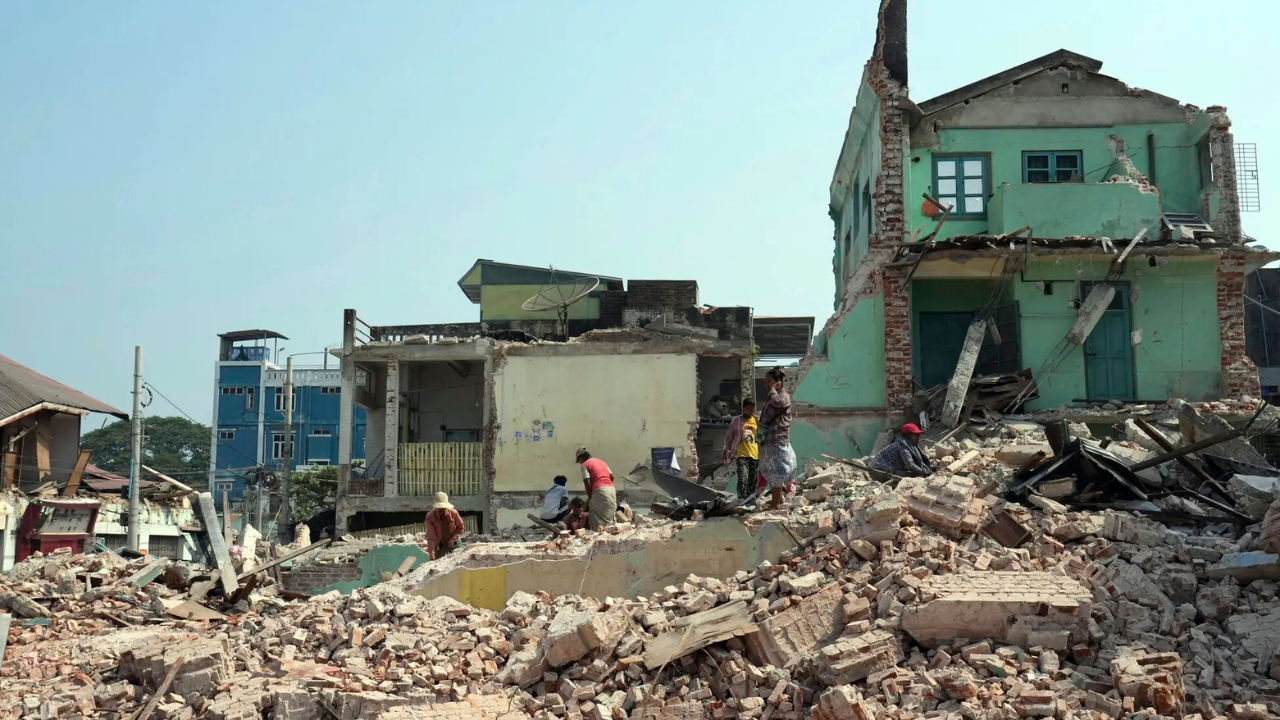
On March 28, Myanmar and Thailand were shaken by a 7.7-magnitude earthquake, causing widespread damage to buildings and key infrastructure.

  • Myanmar’s military government said at least 1,002 people were killed and over 2,300 were injured. Meanwhile, in Thailand, a high-rise building under construction collapsed, killing at least eight people and leaving dozens missing.
  • Centred near Mandalay, the quake was followed by a strong aftershock and damaged roads, a bridge and a dam, hampering rescue efforts in Myanmar, which is already grappling with civil war and a humanitarian crisis.
  • Tremors were felt in China’s Yunnan and Sichuan provinces, where houses were damaged, and people were injured near the Myanmar border.

April 1: Gujarat firecracker factory explosion

A powerful explosion at a firecracker factory and godown in Deesa, north Gujarat, on April 1 claimed 21 lives, with the impact so severe that body parts were found up to 300 metres away.

  • Most of those killed were migrant workers from Madhya Pradesh who had arrived only two days earlier and were staying with their families inside the premises.
  • Survivors and local sources said children as young as six were made to work with explosives for very low wages. They were assigned risky tasks such as tying fuses, packing gunpowder and assembling fireworks, often because their small hands were considered suitable for the work.
  • Many of those killed in Deesa had survived a similar firecracker factory explosion in Harda, Madhya Pradesh, in February 2024, highlighting how the same workers were exposed to deadly risks more than once.

April 22: Pahalgam terror attack

Pahalgam, Apr 23 (Source: ANI)

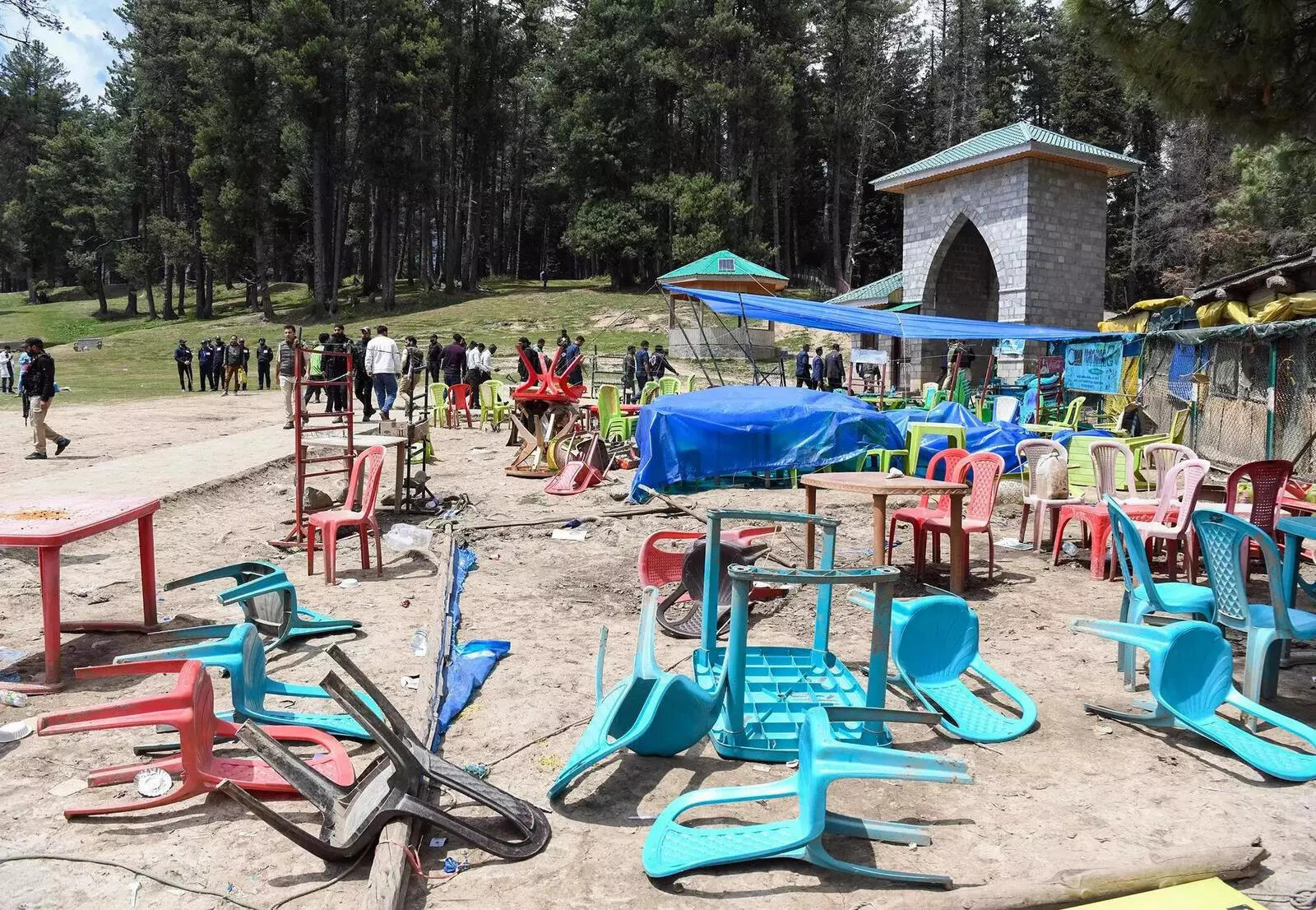
A pleasant vacation in Jammu and Kashmir’s Pahalgam turned tragic when 26 people, including one Nepali citizen, died in a terror attack. Terrorists opened fire in Baisaran Valley on April 22, marking one of the deadliest attacks in the Kashmir Valley since the Pulwama carnage in 2019.

  • Around 3 PM, terrorists descended from the mountains of Baisaran Valley and opened fire on tourists in the area, known as ‘mini Switzerland’ for its scenic meadows. Panicked women were seen weeping and searching for their loved ones amid pools of blood as cries for help echoed across the valley.
  • The attack was claimed by The Resistance Front (TRF), a proxy of the banned Pakistan-based terror group Lashkar-e-Taiba (LeT). Following the attack, the government suspended the Indus Waters Treaty, shut the Attari-Wagah border and halted visas.
  • India launched Operation Sindoor on May 6–7 in retaliation, targeting terror hideouts in Pakistan and Pakistan-occupied Kashmir. Indian officials later said over 100 terrorists were killed during the operation.

June 4: RCB’s victory celebrations turn tragic

RCB stampede

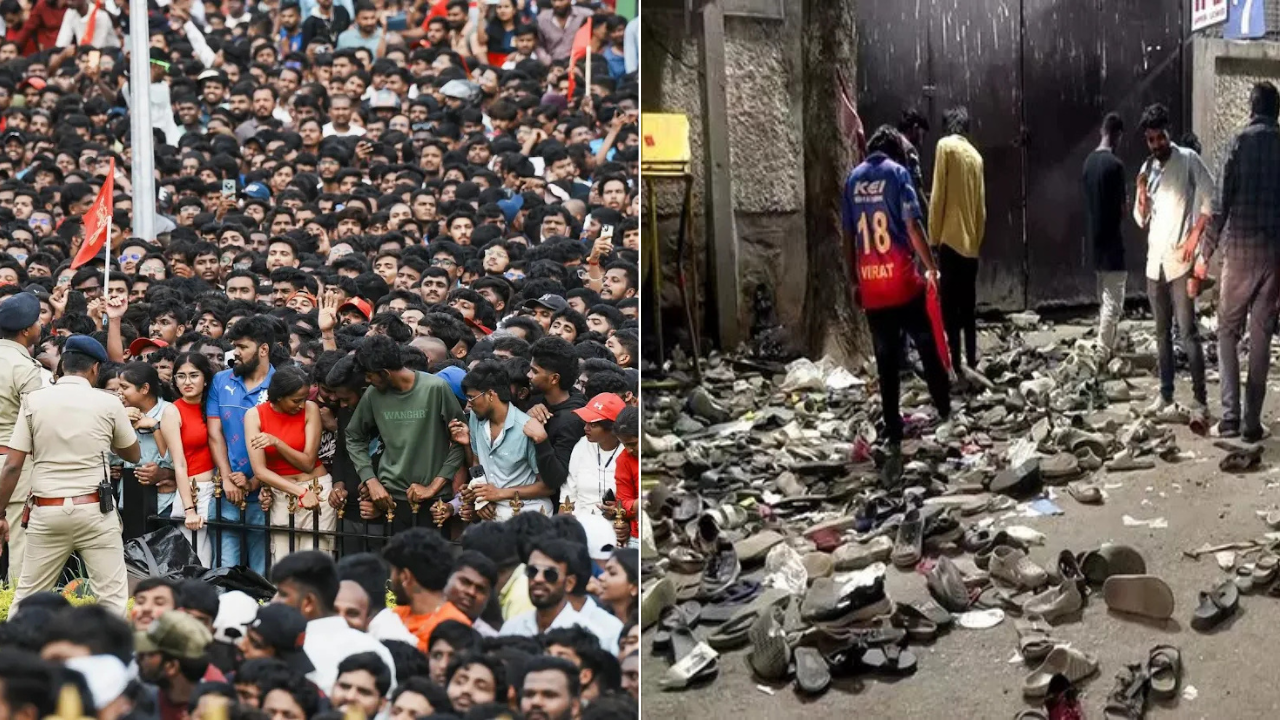
What was meant to be a celebration turned deadly when a stampede near Chinnaswamy Stadium in Bengaluru on June 4 killed 11 people and injured more than 30 during RCB’s first-ever IPL title celebrations.

  • The police had deployed a large contingent, but managing the crowd proved extremely difficult. The stadium had a capacity of holding 35,000 people, yet around 2 to 3 lakh fans showed up, far exceeding expectations.
  • Thousands of fans thronged the stadium and surrounding areas, overwhelming security personnel. Many attempted to climb gates, trees, and fences to get a view of the players.
  • At Vidhana Soudha, Karnataka police used mild cane charges to disperse surging fans during the felicitation program. Panic spread quickly as crowds surged, with people scrambling to climb fences and trees in desperation.

June 12: Ahmedabad Air India crash

.

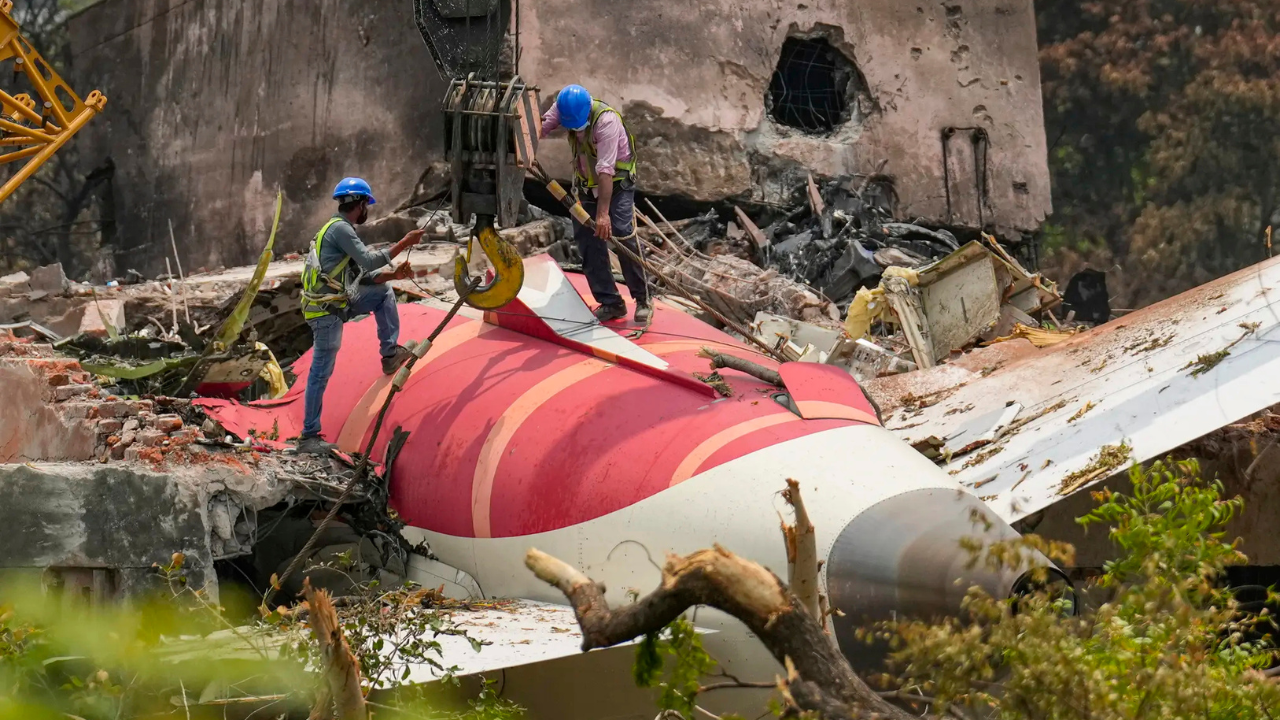
A tragic crash of Air India Flight AI 171 on June 12 claimed 260 lives when the Boeing 787-8 Dreamliner plunged seconds after taking off from Ahmedabad on its way to London. The aircraft struck the hostel of Ahmedabad’s BJ Medical College, where young doctors were having their lunch.

  • Both pilots, senior captain Sumeet Sabharwal and co-pilot Clive Kunder, were fully cleared for duty, and the aircraft’s initial climb seemed normal.
  • However, within moments, a sudden loss of engine power triggered a series of events that the crew were unable to control.
  • The flight was carrying 242 people, including 229 passengers and 12 crew members, along with 19 people on the ground who were killed in the impact. The disaster left only one survivor, Indian-origin British national Vishwash Kumar Ramesh.

.

July 9: Texas Hill country flash flood

On July 9, parts of Texas were submerged under rapid floodwaters, after an intense storm system, marking an ominous start to the second half of the year.

  • The disaster resulted in over 135 confirmed fatalities and estimated economic losses of approximately $1 billion.
  • Remnants of a tropical storm system stalled over the region, dumping record rainfall in short durations that overwhelmed the Colorado River basin.
  • The disaster exposed severe vulnerabilities in local drainage infrastructure, prompting a state-wide “Flood Zone Reassessment” by the Texas government.

August-September: Monsoon battered the subcontinent

Flood battered northern India

From August through September, the Indian subcontinent was brought to a standstill by a devastatingly erratic monsoon season. Torrential rains, landslides and cloudbursts wrecked havoc in northern India and other regions.

  • Uttarakhand was hit by flash floods beginning August 5, a disaster that left over 70 people dead or missing, including 11 Indian Army soldiers. Cloudbursts in the Himalayas triggered massive landslides in Kishtwar and Chamoli.
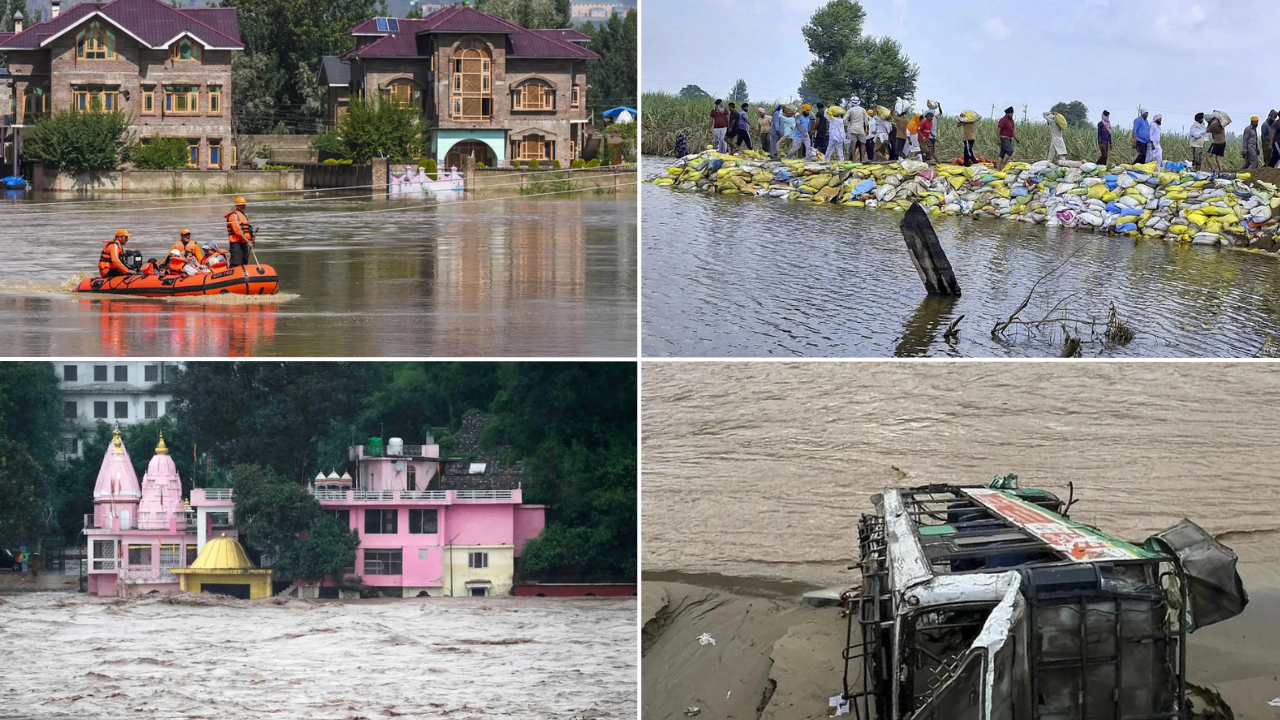
  • In Punjab and Haryana, the Sutlej and Yamuna rivers overflowed, submerging hundreds of acres of paddy fields just before harvest. From mid to late August, Punjab grappled with the “Great Punjab Flood”, the worst flood crisis since 1988. Over 1,400 villages were inundated, and the death toll in Punjab alone stood at 57, with over 3.5 million residents affected and 4.8 lakh acres of crops destroyed. The effect was seen in Pakistan too, where over 2 million people were displaced.
  • In late August, 138 people were killed in the Jammu division due to torrential downpours. Udhampur recorded a historic 629.4 mm of rain in 24 hours on August 27, shattering a record.

September 27: Karur stampede

Karur, Sep 27 (Source: ANI)

A political rally, a superstar and a huge turnout of people. A scene unfolded on September 27, with a thought: what could have possibly gone wrong? Except that a lot of it did. It only needs a special infrastructure to manage a massive crowd stretched over 2km. 39 people, including many women and children, never made it out alive. Multiple injuries and trauma for many more affected.

  • During a rally for actor-turned-politician Vijay’s party, Tamilaga Vettri Kazhagam (TVK), at Velusamypuram, a crowd crush occurred around 7.45 pm as supporters surged forward to catch a glimpse of the leader’s convoy. The tragedy claimed 39 lives, including at least nine children and 18 women. Additionally, over 100 people sustained crush injuries ranging from suffocation to fractures.
  • The venue, which anticipated 15,000–30,000 attendees, saw a massive influx of over 50,000 people. The chaos was exacerbated by the leader’s 7-hour delay, a failure of the sound system/microphones, and inadequate barricading along the Karur-Erode highway.
  • Rescue operations were severely hampered as the massive convoy of vehicles and the dense crowd blocked the entry of ambulances. Reports indicated that several attendees had already begun fainting from dehydration and heat exhaustion hours before the crush began.

October 21-October 31: Hurricane Melissa (Category 5)

The Caribbean region saw devastation in the form of one of the most powerful storms of the decade. Rapidly intensifying into a Category 5 storm, Melissa began its trail from October 21 as a tropical storm, gradually upgrading into a Category 1 storm in four days. However, within two days, the storm rapidly intensified into a Category 5 storm, causing historical devastation.

  • The storm made a catastrophic landfall in Jamaica at New Hope on October 28, making it the most devastating landfall in history. with wind speeds exceeding 250 km/h, effectively shutting down the island’s power grid for weeks. The slow-moving storm caused at least 45 deaths there and more than $130M in infrastructure damage, while over 90,000 people were displaced.
  • After devastating Jamaica, the storm battered Cuba and the Bahamas, and even though Melissa weakened before reaching here, Haiti suffered severely with 23 confirmed deaths and thousands displaced due to mudslides. The southern islands faced “salt spray burn,” where hurricane-force winds coated agricultural land in salt, destroying 80% of the local crop yield for the 2026 harvest season.
  • Insured losses were estimated at nearly $8 billion. The Caribbean tourism industry faced a complete seasonal shutdown, with cancellations extending well into 2026.

November 3: Northern Afghanistan earthquake

Deep within the Hindu Kush’s tectonic fault lines, a seismic jolt shook the northern Afghanistan region. This crisis triggered massive landslides, severing vital transit corridors and cutting power across provinces. Settlements crumbled during the late-night tremor, and international monitoring agencies issued orange alert through the PAGER system.

  • A magnitude 6.3 earthquake struck near the border of Samangan and Balkh provinces at a depth of 28km, catching residents asleep in the early hours.
  • Reports confirmed over 20 fatalities and 300+ injuries, with the number rising as rescuers reached remote mountain villages cut off by landslides.
  • Significant damage was reported to historical infrastructure in Mazar-i-Sharif, including structural cracks in the outer walls of the Blue Mosque complex.

November 10: Red Fort car bomb blast

.

A busy evening on November 10 turned out to be a day that would shake the entire nation. A terror incident in the heart of New Delhi that shattered the nation’s capital. An attack that later went on to uncover a far more disturbing truth, a “white coat nexus”. The very entities entrusted with lives would later be complicit in a larger, sinister plot. One that stood in a direction opposite to the safety and security of the people they were meant to serve.

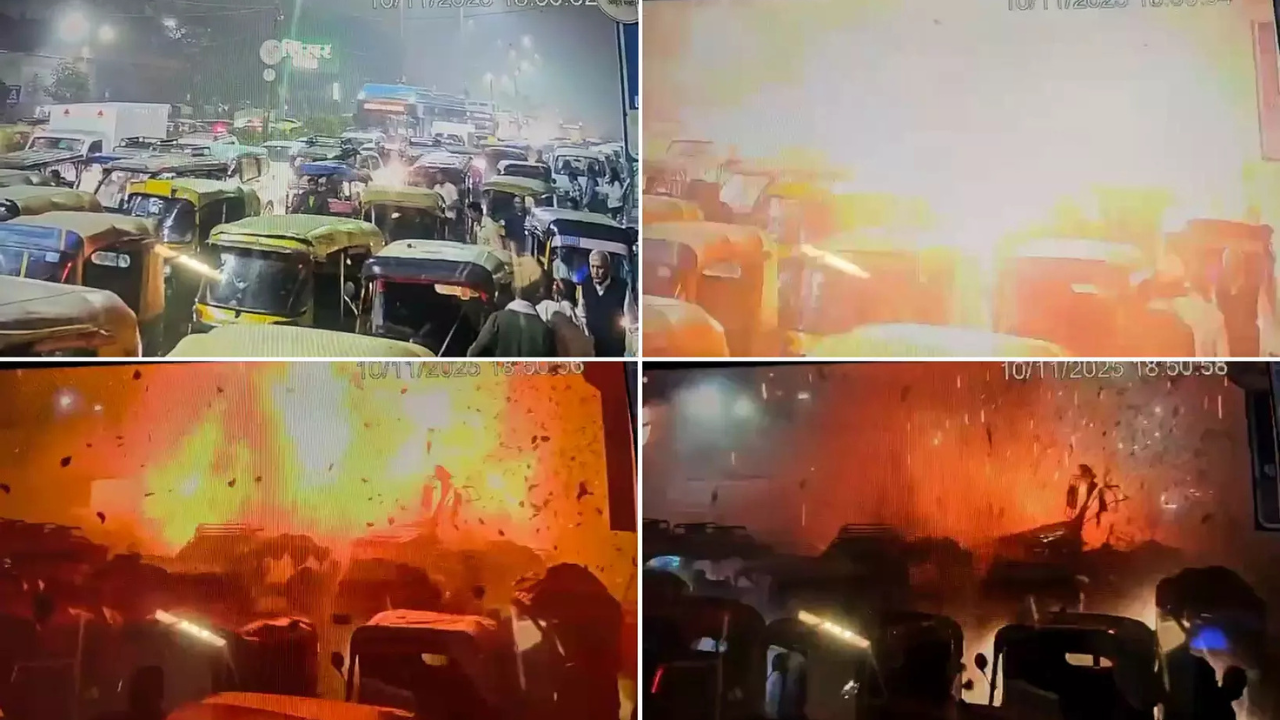
  • At 6:52 pm, a high-intensity vehicle-borne IED exploded in a white i20 car near Gate No. 1 of the Lal Qila Metro Station, just outside the historic Red Fort complex.
  • The powerful blast killed 15 people, mostly tourists and security personnel, injured dozens more, shattered windowpanes of buildings up to 500 metres away, and burned nearly a dozen nearby vehicles, including e-rickshaws and autos.
  • Intelligence agencies linked the attack to a “doctor’s module” terror cell and utilised high-grade explosives, indicating sophisticated logistical support. Afterwards, the National Capital Region (NCR) was placed under a high-security grid. New checkpoints and facial recognition surveillance were permanently installed around all UNESCO heritage sites in Delhi.

November 26-December 2: Cyclone Ditwah

From November 26 to December 2, 2025, a weak but hydrologically catastrophic tropical storm unleashed unprecedented rainfall on Sri Lanka and Southern India.

  • The storm stalled over the island nation of Sri Lanka, causing 410+ deaths and displacing nearly 230,000 people. The economic damage was estimated at $4.1 billion (approx. 4% of GDP).
  • In India, Chennai’s IT corridor faced severe inundation, disrupting operations for global tech firms for 4 days. Reservoirs in coastal Andhra Pradesh breached, flooding the delta farmlands.
  • The receding waters triggered outbreaks of waterborne diseases in both countries, overwhelming local healthcare systems already strained by the monsoon.

December 14: Bondi Beach mass shooting

A happy gathering for “Chanukah by the sea” at one of the most popular beaches in Sydney fell prone to one of the most horrific terror attacks. Bondi Beach, a tourist hotspot, became the location witnessing one of the darkest days for the country on December 14.

  • Two gunmen, a father and son, opened fire at the crowded beachfront event, resulting in 16 deaths, including one perpetrator, and creating mass panic among holidaymakers.
  • Authorities classified it as an ISIS-linked terror attack. Police recovered pipe bombs, other explosives and an ISIS flag from the truck belonging to the attackers at the scene that, fortunately, failed to fully detonate.
  • Australia declared a National Day of Reflection. The incident led to an immediate bipartisan review of hate-group designations and stricter monitoring of online radicalisation hubs.

December 2-December 15: Indigo airline operational collapse

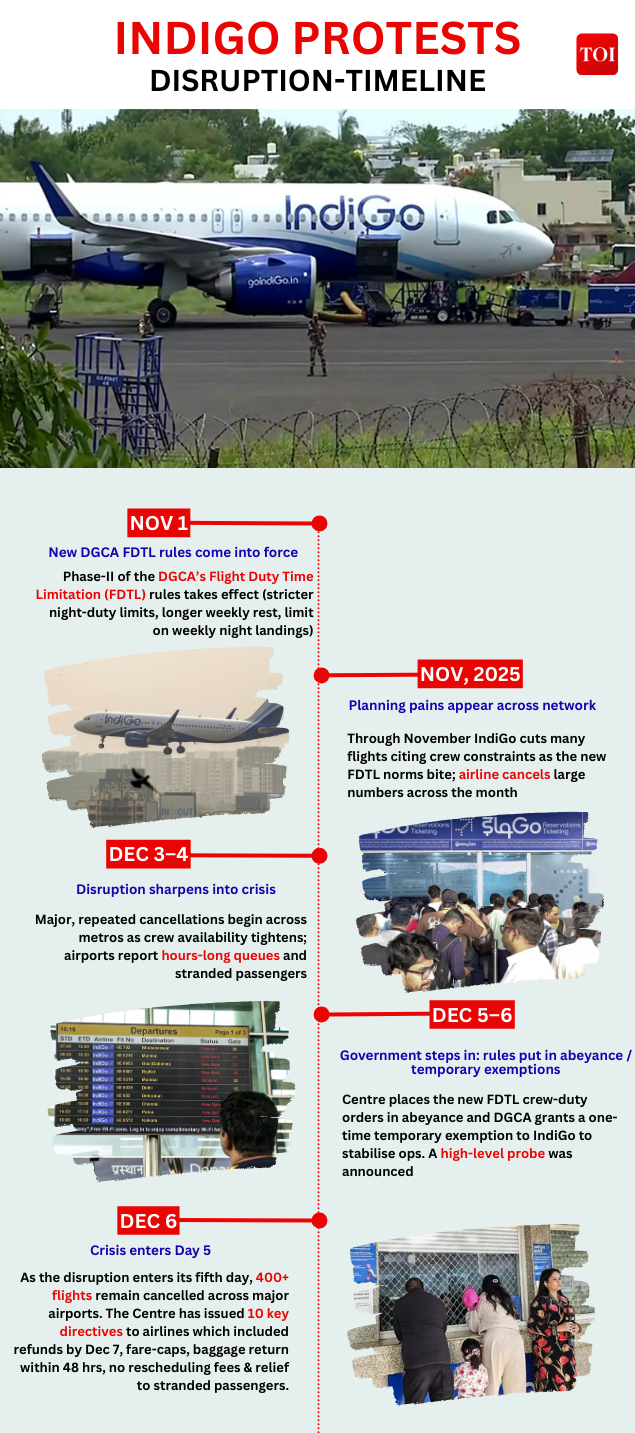
December began with aviation troubles that crippled peak holiday season travelling, triggering nationwide chaos. One of India’s largest carriers by market share, IndiGo, fell into an operational crisis, after which began a series of delayed flights, cancellations, and much more!

  • December 3 marked the “initial meltdown” phase, where the airline was forced to cancel roughly 200 flights in a single day, signalling the start of a week-long systemic failure. 2 days later, the cancellation number rose to over 1000 flights.
  • IndiGo’s size, high night-flight dependence, and razor-thin utilisation margins made recovery slower than expected. When one pilot timed out, it triggered a ‘domino effect.’ As IndiGo was packed with passengers but no pilots, fares for other aviation giants also went up.
  • Major airports saw queues of passengers lined up, as some waited for over 12 hours. The crisis struck many major cities, including Bengaluru, Delhi, Kolkata, and Hyderabad. However, operations normalised later following the government’s introduction of a price cap and DGCA’s probe.

.

December 6: Goa nightclub fire

The Birch by Romeo Lane nightclub fire in Arpora, North Goa, is recorded as one of the deadliest fire tragedies in the state’s history. Occurring on December 6, at the peak of the 2025 tourist season, the incident exposed a massive web of illegalities and administrative failures.

  • The fire broke out at approximately 11:45 PM on a Saturday night during a crowded dance party. While initially thought to be a gas cylinder explosion, investigators later confirmed the fire was triggered by the improper use of indoor electrical firecrackers and spread within seconds due to dried palm leaves.
  • The tragedy was particularly lethal because the building lacked emergency exits, and the main entrance was a narrow lane that prevented fire trucks from getting closer than 400 meters. 23 of the 25 victims died of smoke inhalation/suffocation rather than burns.
  • The Magisterial Inquiry revealed the club’s trade license had expired in March 2024. Meanwhile, the owners, Saurabh and Gaurav Luthra, flew to Phuket, Thailand, but were arrested after an Interpol Blue Corner Notice.

2025 tested the resilience, the limits across borders and institutions. It also forced uncomfortable reckonings. Each tragedy sparked questions that could no longer be postponed about preparedness, accountability, infrastructure, governance and collective responsibility. In many cases, they also triggered change: tighter safety norms, renewed probes, policy corrections, and communities stepping up for one another in moments of collapse.Each tragedy, each crisis has only strengthened the bounce-backs. Pandemic felt like ‘the story’ to tell the succeeding generation, but the reel is ongoing, and the list goes on.As the year draws to a close, the grief it leaves behind is undeniable, but so is the resolve it has shaped. If 2025 was a reminder of how fragile life and systems can be, it was also a quiet call to build better — with memory, empathy and caution guiding the road ahead.

[ad_2]

Source link

China adds new rule for chipmakers as part of its ‘Whole Nation’ approach and the ‘reason’ once again is America

[ad_1]

China adds new rule for chipmakers as part of its 'Whole Nation' approach and the 'reason' once again is America

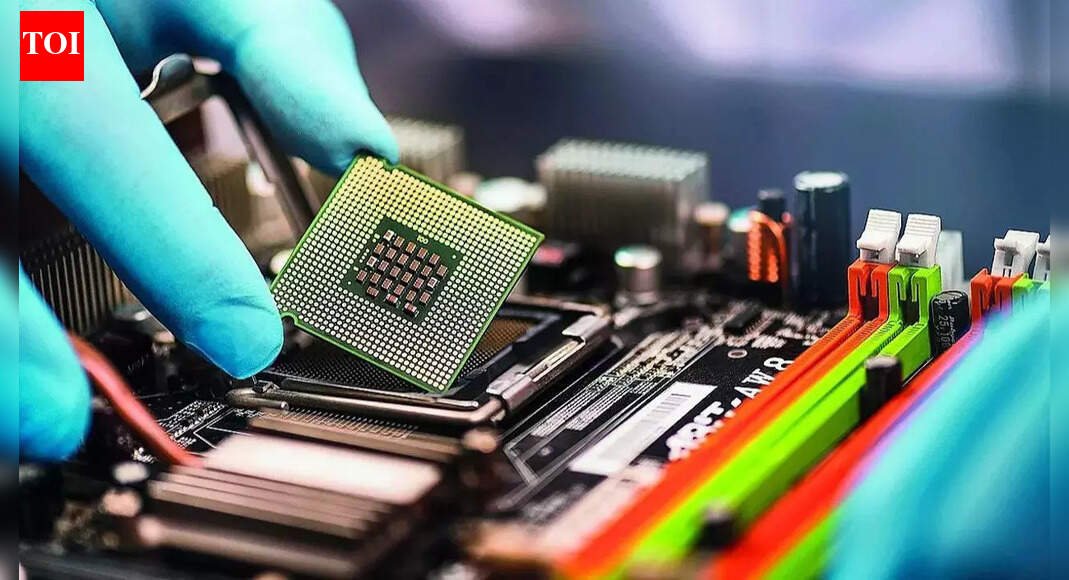
China has reportedly issued a new mandate under which domestic chipmakers will be required to source at least 50% of their equipment from local suppliers. Insiders describe the move as a core component of President Xi Jinping’s ‘Whole Nation’ approach to technology, and it is seen as is a direct response to tightening US export restrictions that have sought to cripple China’s computing capabilities.According to news agency Reuters, the rule remains a “silent” policy (which means undocumented in public records), industry sources say that chipmakers seeking state approval to build or expand plants must now prove they meet the 50% threshold through procurement tenders.“Authorities prefer if it is much higher than 50%. Eventually they are aiming for the plants to use 100% domestic equipment,” Reuters quoted one source as saying.

How US pushed China to bring ‘new chipmaking rule’

Historically, Chinese fabs such as SMIC have preferred American or Japanese equipment. However, the 2023 US export bans on advanced AI chips and tools shifted China’s stance from encouraging domestic growth to mandating it.“Before, domestic fabs like SMIC would prefer U.S. equipment and would not really give Chinese firms a chance. But that changed starting with the 2023 U.S export restrictions, when Chinese fabs had no choice but to work with domestic suppliers,” a former employee at local equipment maker Naura Technology was quoted as saying.

China plans to use 100% domestic equipment

The Reuters report has also said that while the government allows “flexibility” for advanced production lines where local alternatives do not yet exist, China’s ultimate goal is total independence. The “Whole Nation” effort is reportedly producing technical milestones, for example, Chinese scientists are said to be prototyping indigenous machines capable of cutting-edge lithography.This requirement is effectively squeezing global competitors out of the world’s largest semiconductor market, the report said, adding that Chinese firms like Naura and AMEC are already improve through forced domestic partnership. Meanwhile, foreign players like Lam Research and Tokyo Electron now face a shaky footprint in China.

[ad_2]

Source link

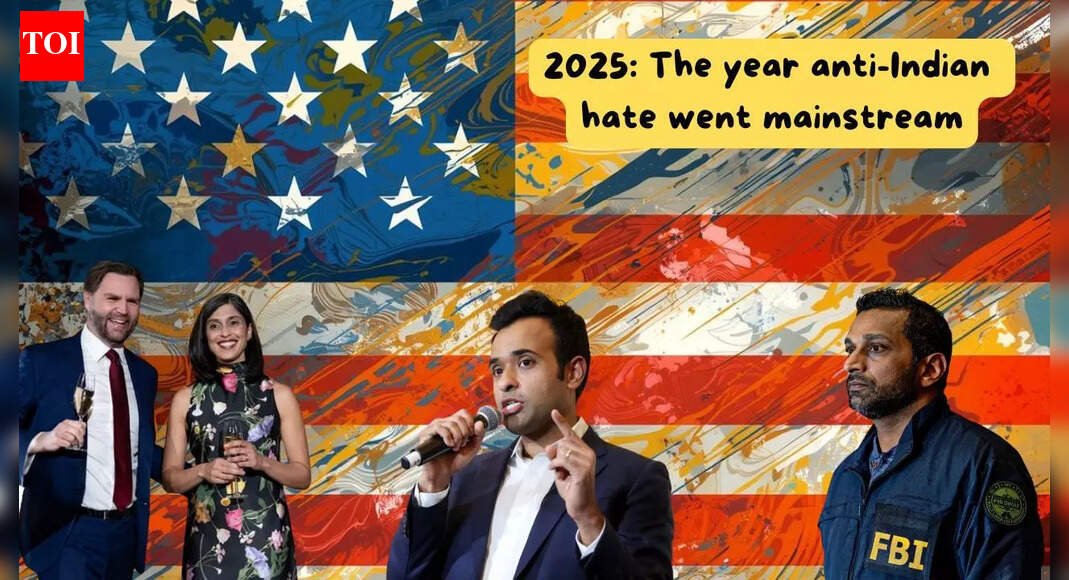
2025: The year America normalised anti-India hate | World News

[ad_1]

2025: The year America normalised anti-India hate

There are bad stoner movies, good stoner movies, and elite stoner movies. Harold and Kumar go to White Castle firmly falls in the third category, the first proper coming-of-age movies that shows that second-generation Asian-Americans are just as assimilated as other races and have the same American dream: getting high, meeting girls, and binging on hamburgers. What set Harold and Kumar apart, was that it showed that the Asian experience wasn’t that different from the American one, epitomised by the scene where Kumar explains to Harold – while urging him to paraglide to a White Castle outlet – that their immigrant parents had come here because they were hungry, providing an adequate noughties update to the American dream. For a long time, Indian-Americans believed their story was headed there too. Not to White Castle specifically, but to a sort of ‘white castle’: where you are so integrated and assimilated that you are considered a beacon of society, an upstanding member of the Shining City on the Top of The Hill. A place where your faith was acceptable as all the other faiths that existed in the American tapestry.

Harold and Kumar go to White Castle – The American Dream

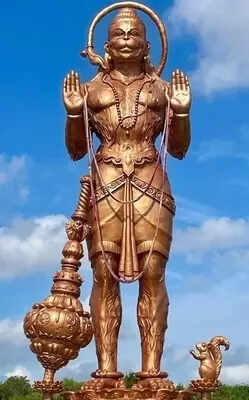
And then one Hanuman statue in Texas shattered that carefully crafted delusion. The statue built on private land, became a reminder that America’s promise of welcome often frays the moment difference stops being discreet. Even as Vande Mataram and The Star-Spangled Banner played on temple grounds, conservative Christian protesters gathered outside, denouncing Hanuman as a “demon god”. One local politician asked publicly: “Why are we allowing a false statue of a false Hindu God to be here in Texas? We are a CHRISTIAN nation.Srinivasachary Tamirisa, a doctor who spent decades practising in the United States and quietly supported the statue project for more than twenty-five years, told the New York Times that he once viewed the country as a kind of promised land. When confronted by protesters, he said he tried to explain the figure they were objecting to. To him, Hanuman was not a demonic symbol but a spiritual guide, one meant to convey courage rather than fear.For the uninitiated, Lord Hanuman is not a god of domination or conquest. In Hindu tradition, he is the embodiment of strength governed by humility, power exercised in service rather than rule. He is the devoted follower of Vishnu in his incarnation as Lord Rama, remembered less for authority than for loyalty, courage, and self-restraint. The Hanuman Chalisa, recited daily by millions, is not a hymn of supremacy but of reassurance, invoking fearlessness, discipline, and moral clarity in moments of doubt.But what perhaps the disquiet that has been bothering Indian-Americans isn’t the protest. America has always had its fair share of protesters, a right enshrined in First Amendment. The tragedy was the timing which neatly folded into the rise of anti-Indian sentiment: online and offline, often juxtaposed with gleeful Hinduphobia.Read: The rise of anti-India hate online Just when Indians thought they were in, the newest adherents promising to make America great have been mainstreaming anti-Indian sentiment. To put it frankly, this wasn’t how it was supposed to be.

“Gas, beds and meds”

Indians Have Dominated America | Nimesh Patel #standupcomedy #shorts

There is a comedian’s line that captures the Indian-American arc with more accuracy than any novel or academic paper. Nimesh Patel, a stand-up comic who was the first Indian-American to write for Saturday Night Live, explained how Indians had spent time looking at Americans and surmised: “They like to sleep, they like to eat, they like to drive. So they’re going to need gas stations, motels and cardiologists. Gas, beds and meds, baby.”So Indian-Americans arrived to fill the gap by becoming doctors, motel owners, convenience store operators, and more. Gas, beds and meds. A pithy line to explain the early immigrant experience. And Americans were very happy to accept these foreigners who fulfilled their basic needs handing them a funny accent and a recurring role in sitcoms. The Indian immigrant was perfectly welcome till he stayed inside the deal, as long as he remained industrious, grateful and most importantly socially quiet. As long as they remained a model minority who didn’t make too much noise, didn’t commit crimes and didn’t voice its displeasure too loudly. All that was set to change.

ABCD: American-Born Confident Desi

Satya Nadella

The second generation did not assimilate quietly. By the late 2010s, Indian-Americans were no longer clustered in a handful of “safe” professions. They were everywhere power accumulated.Technology was the most obvious arena. Satya Nadella at Microsoft and Sundar Pichai at Google were no longer immigrant success stories wheeled out to reassure America about diversity. They were the system itself. Shantanu Narayen at Adobe and Arvind Krishna at IBM reinforced the same quiet shock.Indians were no longer helping America run. They were deciding how it ran, or were deeply embedded in the operating systems that ran it.The spread did not stop at Silicon Valley.In science and academia, Indian-Americans occupied intellectual ground that did not require translation or apology. Venkatraman Ramakrishnan and Manjul Bhargava were not decorative achievements in a diversity brochure. They represented authority in the deepest traditions of Western knowledge. In engineering, Ajay V. Bhatt quietly underpinned everyday modern life. Nothing dramatic. Just infrastructure.Business followed the same arc. Entrepreneurs like Jay Chaudhry were no longer framed as immigrant hustlers. They were founders building companies central to American cybersecurity and defence. The Indian-American presence stopped being anecdotal. It became structural.Culture, too, shifted tone. Hasan Minhaj, Aziz Ansari, and Mindy Kaling did not explain Indianness to America. They assumed it. Their work treated Indian-American identity as an unremarkable fact of life, not an obstacle to be overcome. Representation stopped asking for permission.This should have been a celebratory moment in the immigrant imagination. Proof that quiet diligence eventually leads to acceptance.

The New Jews?

Instead, it became uniquely combustible. Because Indian success no longer looked like contribution. It looked like consolidation. And consolidation, when performed by a group long expected to remain grateful and invisible, unsettles even confident societies.By 2024, that unease could no longer be contained within boardrooms or culture pages. It spilled into politics.The US presidential election became the most India-coded contest in modern memory, with people joking that it was a Telugu–Tamil tussle between Second Lady–in-waiting Usha Vance (Telugu) and Kamala Harris (Tamil).During the GOP debates, Vivek Ramaswamy tangled with Nikki Haley, two Indian-American Republicans of different vintages. JD Vance, whom Donald Trump picked as his running mate, even waxed lyrical about how his wife’s parents’ Hindu faith helped him find Christ again. Trump went out of his way to court Indian-American and Hindu voters, wishing them Happy Diwali and promising to protect Hindu-Americans from the “radical Left”, a line often linked to California’s caste discrimination bill, which was ultimately vetoed by Governor Gavin Newsom. Some claimed the decision to veto the bill came directly from the White House while Kamala Harris was vice president.Meanwhile, the Indian-American contingent around the White House grew. Tulsi Gabbard, often considered an honorary Indian, was made head of the Office of the Director of National Intelligence. Kash Patel became chief of the Federal Bureau of Investigation. Jay Bhattacharya was appointed director of the National Institutes of Health. Vivek Ramaswamy was brought in to spearhead Trump’s government-efficiency push. Harmeet Dhillon joined the Justice Department in a senior civil rights role. Sriram Krishnan emerged as a key White House voice on AI. S. Paul Kapur took charge of South and Central Asia at the State Department. A younger cohort, including Kush Desai and Ricky Gill, filled out the administration’s communications and national security benches.Across the aisle, Zohran Mamdani led a remarkable underdog campaign to emerge as New York’s mayor-elect, beating the likes of Andrew Cuomo and Eric Adams. It appeared that Indian-Americans were no longer power-adjacent. They were calling the shots.

The Hate Machine

What changed was not Indian behaviour. It was American permission. For years, resentment towards Indian-Americans existed as background static. It surfaced as jokes about accents, casual remarks about outsourcing, the quiet assumption that Indians were useful but culturally odd. What has changed since 2023–24 is scale and legitimacy. Hostility has been systematised. It now moves fluidly between online ecosystems, mainstream media commentary, campaign rhetoric, and offline intimidation. What once lived at the edges has been invited in.

Anti-India Hate

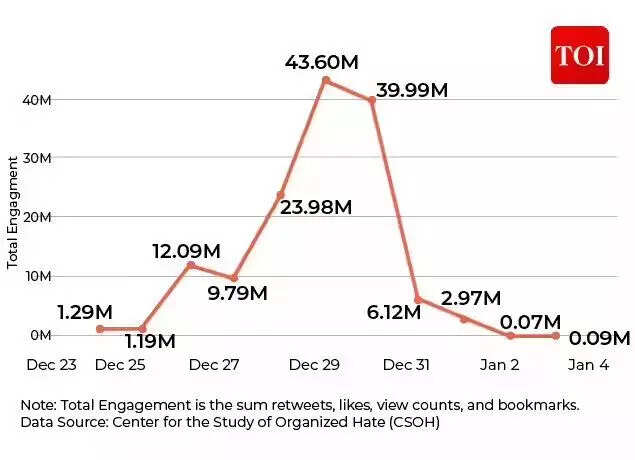
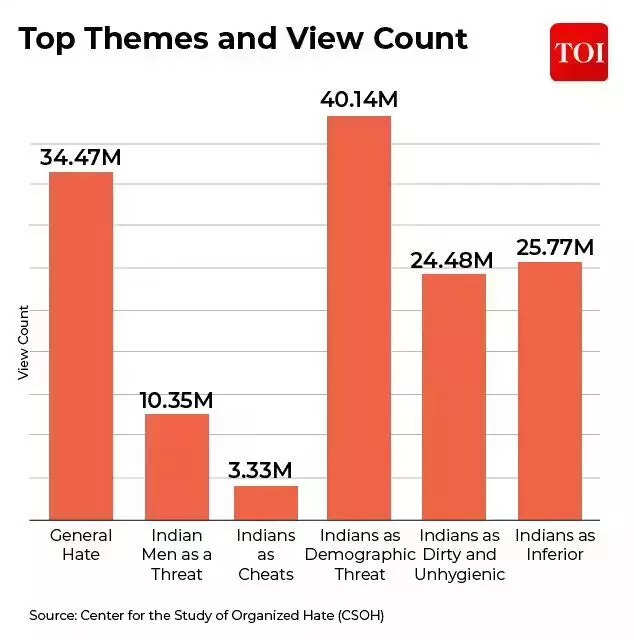
The most comprehensive documentation of this shift comes from the Center for the Study of Organized Hate (CSOH), whose report showed how anti-Indian and anti-Hindu narratives exploded across social platforms before spilling into real-world consequences. The study tracked 128 high-impact posts attacking Indians and Hindu identity over a short window, accumulating more than 138 million views. The numbers matter less than the pattern. Online rhetoric primes offline behaviour. Contempt becomes consensus. Consensus becomes action.The CSOH report shows that Hinduism is no longer treated merely as a religion in these narratives. It is reframed as an ideology, a civilisational threat, something incompatible with American identity. Indians are no longer just immigrants or professionals. They are recoded as infiltrators, beneficiaries of unfair systems, demographic threats hiding behind legality. That framing explains why symbolic flashpoints now trigger disproportionate outrage.

The rise of anti-India hate

The backlash against the Hanuman statue in Sugar Land, Texas was not really about zoning laws or religious neutrality. It was about visibility. A Hindu god that refused to stay private. A faith that declined to remain ornamental. When a Republican Senate candidate publicly dismissed Hanuman as a “false Hindu god” and declared America a Christian nation, it was not an outlier moment. It was the logical endpoint of months of narrative conditioning.On the right, this hostility increasingly flows from Trump-era ideological infrastructure. Immigration debates have shifted from illegality to legality itself. High-skilled migration is no longer framed as economic policy but as demographic subversion. Figures like Stephen Miller have repeatedly argued that legal immigration is a loophole exploited to change America from within. Indians, because they arrive legally, in large numbers, and into elite professions, become uniquely convenient targets.

That language filters down

Far-right provocateurs like Nick Fuentes make the subtext explicit. Fuentes has attacked Vivek Ramaswamy for his Hindu faith, telling him to “go back to India”. He has also targeted JD Vance, mocking him for hosting a “traditional Indian dinner” and telling him to “eat shit” for what Fuentes framed as civilisational betrayal. The target was not policy. It was cultural permission. Who gets to belong, and on what terms.What makes this moment distinct is that the hostility does not remain quarantined on the fringe. It circulates upward.On the liberal side, the same permission structure manifests differently. Hindu identity is collapsed into caricature. Indian success is reframed as proximity to power. Hinduphobia is expressed through irony, mockery, and “analysis”. The Joy Reid episode captured this perfectly. When Reid speculated on air that Republicans could not accept a successor with a “brown Hindu wife”, before fantasising about a “white queen” replacement, she was not critiquing racism. She was reproducing it, using Hindu identity as a punchline. The fact that this passed largely without consequence speaks volumes.This is where Usha Vance becomes central to the story. Her elevation to Second Lady should have been unremarkable. Instead, her Hindu faith became something to be managed, joked about, explained away. Across the spectrum, reassurance carried an undertone of discomfort. Faith, when Christian, is tradition. Faith, when Hindu, is complication.The CSOH report makes clear that this dual hostility is not accidental. Indians and Hindus now occupy an uncomfortable position. Too successful to be ignored. Too visible to remain ornamental. Too assimilated to be dismissed as outsiders. And not yet protected by the reflexive moral guardrails that trigger immediate outrage for others.This is how the hate machine works. Not through a single ideology, but through convergence. Different vocabularies. Same permission.

What defines an American

This is where the argument inevitably lands. Not on immigration policy or social media outrage, but on the older, unresolved question that America has never quite settled. Who gets to be American, and on what terms.For much of the late twentieth century, the answer appeared settled. Ronald Reagan liked to say that while you could live in France or Japan without ever becoming French or Japanese, anyone from any corner of the world could come to America and become an American. It was a civic definition, expansive and reassuring, and it allowed the country to absorb wave after wave of newcomers without interrogating bloodlines. Belief mattered more than ancestry. Allegiance more than origin.The hate machine described above feeds on the erosion of that consensus. In recent years, conservative debates have drifted back towards inheritance, towards what is often described — sometimes openly — as Mayflower logic. The idea that Americanness is not simply a creed but a legacy, something passed down rather than opted into. That turn became visible in the Trump era and hardened by 2024.JD Vance has argued that America is not merely an idea but a people shaped by history, religion, and culture. It is a claim that sounds descriptive but functions as a gate. It asks not only what you believe, but where you come from, who came before you, and how comfortably you fit into a civilisational story.It is against this backdrop that Vivek Ramaswamy’s interventions at conservative gatherings like Turning Point USA became so charged. Ramaswamy insisted that Americanness is binary, not hierarchical. That no citizen is more American than another. That the Constitution does not recognise first-class and second-class belonging. When a Hindu son of immigrants has to defend civic nationalism to a movement increasingly nostalgic for inherited identity, the tension becomes impossible to ignore.The scrutiny surrounding Usha Vance makes the same point more quietly. Her presence at the centre of power has been treated not as routine, but as something that needs explanation. Her faith, her background, her marriage have been discussed in ways that suggest belonging is still conditional, still subject to review.This is why the hate machine matters. It is not merely about prejudice or online abuse. It is about a country renegotiating the boundaries of itself, and doing so at the precise moment when Indian-Americans, long convinced that assimilation was enough, discover that the definition of American is once again up for debate.

The White Castle dream

None of this is unique to Indian-Americans. That is the uncomfortable truth beneath the outrage.Every group that has passed through America’s gates has been told, at some point, that it has overstayed its welcome. Irish Catholics were once warned that their churches threatened Protestant civilisation. Jews were caricatured as alien elites who controlled finance and corrupted culture. Italians were dismissed as criminals, Chinese migrants as contaminants, Japanese-Americans as permanent suspects. Each wave was tolerated for its labour and distrusted for its difference. Each was told, in different ways, that assimilation was conditional.The White Castle dream was never a guarantee. It was a hope.Indian-Americans believed, perhaps longer than most, that utility would buy permanence. That if you studied hard enough, worked long enough, stayed legal enough, success would eventually dissolve suspicion. That you would arrive at the point where your presence no longer needed justification. Where you could be ordinary. Where you could waste time.What the last few years have revealed is not that Indian-Americans are uniquely targeted, but that they have finally reached the stage every visible minority reaches: the point where success itself becomes the provocation.

Statue of Union

This is why the Hanuman statue matters, and why it unsettled people far more than its defenders expected.Hanuman is not a god of conquest. He is not a god of domination. In Indian tradition, he is the embodiment of strength without arrogance, devotion without spectacle, power held in service rather than display. He is remembered not for ruling kingdoms but for carrying mountains, crossing oceans, and choosing humility over triumph. Hanuman kneels even when he is invincible. He exists to remind power of its duty.For generations, Hindu practice in America mirrored that ethos. Discreet. Contained. Basements and borrowed halls. Faith folded neatly into private life so as not to make anyone uncomfortable. Hanuman was worshipped quietly, kept small, kept safe.A 90-foot statue breaks that grammar.It was a visible reminder – at least to the more rabid adherents of MAGA – that there was an immigrant who wasn’t being polite. And that, more than theology, is what triggered the backlash. The discomfort was not about idolatry or zoning laws. It was about the collapse of an unspoken rule: you may belong here, but only if you remain invisible.The White Castle dream was never about hamburgers. It was about the promise that one day you would not have to perform gratitude or manage your difference. That your faith, your culture, your presence would not be treated as an interruption.What the Hanuman moment reveals is that Indian-Americans are discovering, late and painfully, what every other group eventually learns. Acceptance is not a destination you reach by working harder. It is a condition that must be defended once visibility arrives. And visibility, once achieved, cannot be put back in the basement.
[ad_2]

Source link

‘There is no Christmas for me’: National champion at 31, skeet shooter Gurjoat says journey has just begun | Exclusive | More sports News

[ad_1]

'There is no Christmas for me': National champion at 31, skeet shooter Gurjoat says journey has just begun | Exclusive
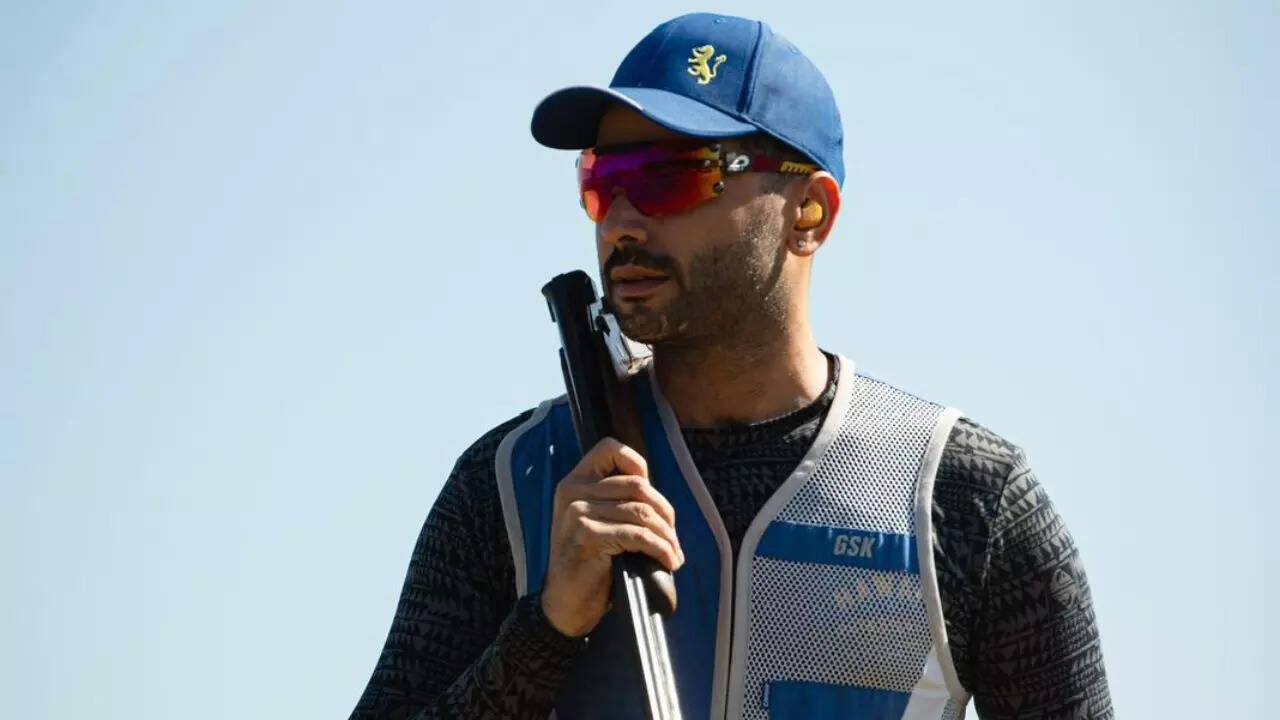
Gurjoat Siingh Khangura (Special arrangements)

NEW DELHI: “Gurjoat ka matlab hai Guru ki Jyot, the light of God,” said Gurjoat Siingh Khangura, his voice still carrying the absolute warmth and undeniable pride of a newly crowned national champion.As he finished explaining his name’s literal meaning, a short pause and a quiet laugh followed. After all, the light, for him, has just begun to glow brighter.

Esha Singh Exclusive Interview: Career in shooting, love for racing and much more

Less than a fortnight ago, the 31-year-old shooter stood atop the podium at the 68th National Shooting Shotgun Championship at New Delhi’s Dr Karni Singh Shooting Range. Hanging around his neck was a gold medal in the men’s skeet event.It was his first National title, a long-awaited one after years of competing against some of the country’s finest shotgun shooters.Yet, if one expected celebrations or time off, Gurjoat is quick to dismiss the idea. Call him on Christmas afternoon, and the reply is blunt: “It’s not Christmas. There is no Christmas for me. I was literally out of the shooting range when you called me.”For Gurjoat, the range remains home, even during the festive season.Why the Nationals mattered so muchIn Indian shooting, Nationals are more than just another competition. “Nationals are very important for me because this is the first competition. Basically, it happens at the end of the year, and the national score is counted as the base score for the next year,” he told TimesofIndia.com from Patiala during an exclusive conversation.“For the team to be selected, whoever will represent India internationally in World Cups, Asian Games and everything, Nationals are the most important competition of the year.”

Gurjoat Siingh Khangura (Special arrangements)

Gurjoat Siingh Khangura (Special arrangements)

As it goes in the shooting circuit, winning gold here does not just bring recognition. It sets the tone for selection trials, international opportunities and confidence heading into the new cycle.That context makes Gurjoat’s triumph even more significant. The field included Olympians, world record holders and seasoned international shooters.“Most of the players I played with are nine-time national champions, two-time Olympians, World Cup medallists,” he added. “So defeating them and winning the Nationals is basically like winning any tournament against international players.”A year of resurrectionIronically, the national title came at the end of a year that tested Gurjoat in every possible way. The 2025 season followed the Olympic cycle, and for Gurjoat, it was a year of experimentation. “It was a non-Olympic year, so it was the best time to try and test everything,” he explained.Early in the year, he represented India at World Cups in Argentina and Peru, where results did not go according to plan.“I had trained very well, but things didn’t work out. I fell very sick and had a back injury in Peru. I could barely get up, but I still shot the World Cup,” he recalled. Instead of frustration, he decided to reflect. “I sat and analysed everything that needed to change. It was actually a very positive year for me.”“I made a lot of technical changes this year. I bought a brand new gun, changed my stock setting and personalisation. I shot the Nationals with a brand new gun and stock, which was not even a month old.”The gold at Nationals, he feels, confirmed that those changes were worth the risk.“It ended on a very positive note. Whatever changes I needed to do, I worked on them, and now I know exactly how I will go about next year,” he stated.Age is just a numberAt 31, Gurjoat is often asked about age and pressure. He is quick to dismiss those concerns.“The pressure comes only in normal life. It doesn’t come in shooting,” he said with a smile. “If you keep yourself physically and mentally fit, you actually become more mature with time.”He points to veterans like Zoravar Singh Sandhu, who represented India at the Olympics last year at the age of 47, as examples of longevity in shotgun shooting.“Age doesn’t matter for shotgunners. That’s not true for shooting in general, actually,” he elaborated.‘My journey has just begun’Despite achieving what many chase for years, Gurjoat refuses to see the national title as a destination.“If I were to summarise my journey, I would say it has just begun. This gold was a big push and motivation for me,” he added. “For me, my journey has literally just begun. I have a lot more to go.“Next year, my aim is to get the quota, go for the Asian Games and try to win medals at the World Cups I attend.”Indian skeet on the riseIndian skeet shooting has historically lagged behind rifle and pistol events, but Gurjoat believes the tide is turning.“We didn’t have a strong base earlier. There were not enough international medals to motivate people,” he explained.“But that historical approach is changing. Last year, there were three Olympic representations and all were from skeet. That is a very big change.”According to him, confidence within the Indian contingent is steadily growing.ALSO READ: World champion at 7 in her first international event; ‘nervous’ while meeting PM Modi: How Pragnika Lakshmi became a chess prodigyBreaking the cost mythSkeet shooting is often labelled an expensive sport, but Gurjoat, who picked up the gun at the tender age of nine in the presence of his father, Col Manvinder Singh, wants aspiring shooters to know that entry barriers are not as high as perceived.“In many places, especially in Delhi, guns are provided on rent by clubs, private ranges and district associations,” he explained. “Rent is very nominal, from Rs 500 to 1,000. Anyone who wants to start can do so by affiliating with a local club.”

Gurjoat Siingh Khangura (Special arrangements)

Gurjoat Siingh Khangura (Special arrangements)

He credits government initiatives like Khelo India and the National Centres of Excellence for supporting athletes who perform consistently.“The government is doing a fantastic job once you reach a certain level,” he further stated.Life behind the medalThe discipline behind Gurjoat’s success is relentless. His day starts early, followed by stretching and dry training before heading to the range.“I shoot around 250 to 300 cartridges daily on average. Sometimes it goes up to 500 or 600, but I don’t shoot less than 200,” he added.Training is split into two sessions, adding up to five to six hours on range days, four to five times a week.Gym sessions, physiotherapy and early nights complete the routine.As the conversation wound down, the subject of Christmas returned. Gurjoat chuckled. “There is no Christmas for me.”For the newly crowned national champion, the celebration lies in hitting the target at the range. And if his words are anything to go by, this is only the beginning.

[ad_2]

Source link

Defining moment: India overtakes Japan to become world’s fourth largest economy; enjoys ‘Goldilocks’ phase with high growth, low inflation

[ad_1]

Defining moment: India overtakes Japan to become world's fourth largest economy; enjoys ‘Goldilocks’ phase with high growth, low inflation
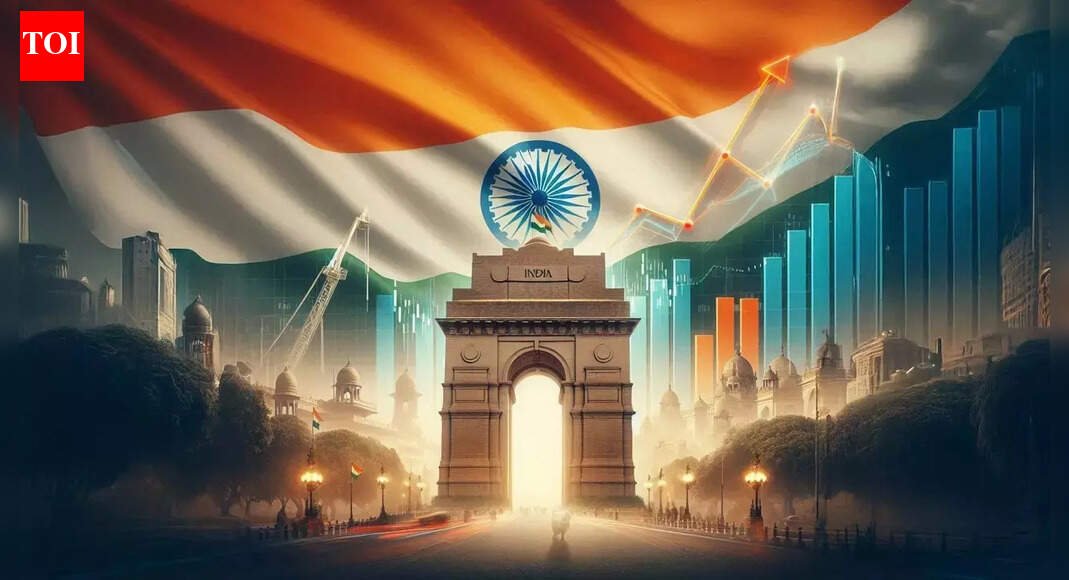
India has been the world’s fastest growing major economy for several years now. (AI image)

In a major feat, India has moved past Japan to become the world’s fourth-largest economy in nominal GDP terms, according to the government’s year-end economic review. The economy is set to overtake Germany to become the third largest after the US and China in the coming years. A final confirmation will depend on the data released by the International Monetary Fund (IMF) in the first half of 2026 when the final figures for 2025 will be released.“With GDP valued at $4.18 trillion, India has surpassed Japan to become the world’s fourth-largest economy and is poised to displace Germany from the third rank in the next 2.5 to 3 years with projected GDP of $7.3 trillion by 2030,” the government release said.

India Becomes Fourth Largest Economy

India has been the world’s fastest growing major economy for several years now. The size of its economy has doubled in the last ten years, and it is now eyeing the position of being the third largest in the world.A government economic note issued late Monday highlighted that India remains one of the fastest-expanding major economies globally and is well placed to maintain its growth pace. IMF forecasts for 2026 value India’s economy at $4.51 trillion, slightly above Japan’s projected $4.46 trillion. The government’s optimistic outlook comes even as the economy faces headwinds following the imposition of steep US tariffs in August linked to India’s purchases of Russian oil.

‘India Will Be 3rd Largest Economy’: PM Modi Sounds Warning To Trump, Says World is Betting on Delhi

Recent high-frequency data signals that economic momentum is holding firm. Inflation has stayed below the lower bound of the tolerance band, joblessness is easing, and exports are showing steady improvement, the government review noted.Financial conditions also remain supportive, marked by healthy credit expansion to businesses, while demand continues to be resilient, aided by a further pickup in urban consumption.India’s real GDP expanded by 8.2% in the second quarter of FY 2025-26, accelerating from 7.8% in the preceding quarter and 7.4% in the final quarter of FY 2024-25. This growth was driven by strong domestic demand, even as global trade and policy uncertainties persisted. Real gross value added rose 8.1%, underpinned by solid performance in the industrial and services sectors.The Reserve Bank of India raised its growth projection for FY 2025-26 to 7.3%, up from 6.8% earlier. The upward revision factors in sustained domestic demand, rationalisation of income tax and GST, softer crude prices, an early push in government capital spending, and accommodative monetary and financial conditions, all supported by contained inflation.“Ongoing reforms are likely to further enable growth prospects. Present macro-economic situation presents a rare “goldilocks period” of high growth and low inflation,” the review said.

[ad_2]

Source link

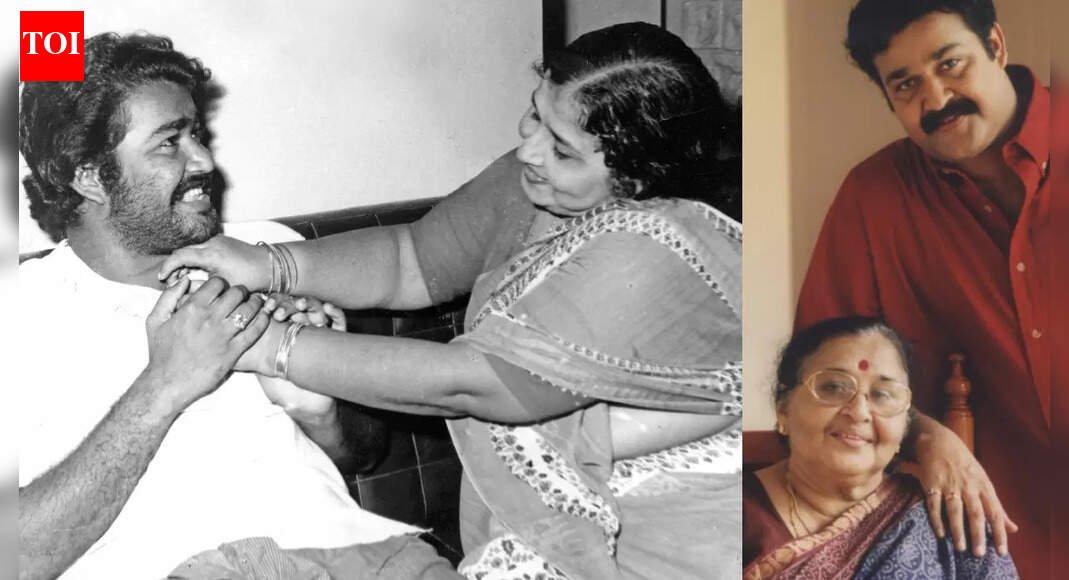
Santhakumari Death News: Mohanlal’s mother Santhakumari passes away; heartfelt tributes pour in, funeral to be held on December 31 |

[ad_1]

Mohanlal's mother Santhakumari passes away; heartfelt tributes pour in, funeral to be held on December 31
Veteran actor Mohanlal’s mother, Santhakumari Amma, passed away at 90 after a prolonged illness. A pillar of strength, she was a grounding influence on the superstar, offering unwavering support throughout his illustrious career. Her passing has prompted heartfelt tributes from the film fraternity and fans, celebrating her quiet dignity and the enduring bond she shared with her son.

The news of Mohanlal‘s personal loss left a heavy cloud on the film community, which made them realize that living under the towering presence of an iconic film star brings with it a stable inner circle. On Tuesday (December 30), the iconic actress’ mother, Santhakumari Amma, breathed her last at the age of 90 after a long illness which the complications of were age-related, as per On Manorama. She was living at Mohanlal’s home at Elamakara in Kochi and often took walks in the vicinity. The news of her death has come as an outpouring of tributes by well-wishers, fans, and friends alike, owing to their profound love for the essence of her personality.

Santhakumari Amma’s journey and family background

Santhakumari Amma was the spouse of a retired government employee, Viswanathan Nair, who passed away some years ago. The family had its share of tragedy earlier when Santhakumari’s eldest son, Pyarilal, had passed away in 2000. However, she was always the guiding force for them. A grounded woman, she avoided public life while her younger son became a superstar in Indian cinema. For those who knew the family, Santhakumari Amma was a calming influence on Mohanlal the actor and the man he had become.

An enduring bond between Mohanlal and his mother

Mohanlal has the occasions of mentioning and acknowledging the power of his mother in his life. He has always acknowledged her unconditional support as the major driving force behind his successful career as an actor and king of the industry, stating that it was her encouragement that gave him the liberty to endure through the exhausting strain of a cinematic career. Even when faced with the most intense professional requirements, he made it a point to be available for her through his worldwide travel commitments. Their relationship came to the spotlight when he was awarded the Dadasaheb Phalke Award, India’s highest award in cinema. He later confessed that it was one of the biggest privileges of his life to be able to share it with her.

Santhakumari Amma’s final rites and an outpouring of condolences

While the family readsied a funeral for her on Wednesday, it was another tribute to a life well-lived and a natural death. The film industry will remember Mohanlal for his unforgettable performances, but here’s another bittersweet revelation: his biggest strength was his family. The legacy of Santhakumari Amma no longer runs just in his blood; it flows in the simplicity and values which Mohanlal’s life now embodies.

[ad_2]

Source link

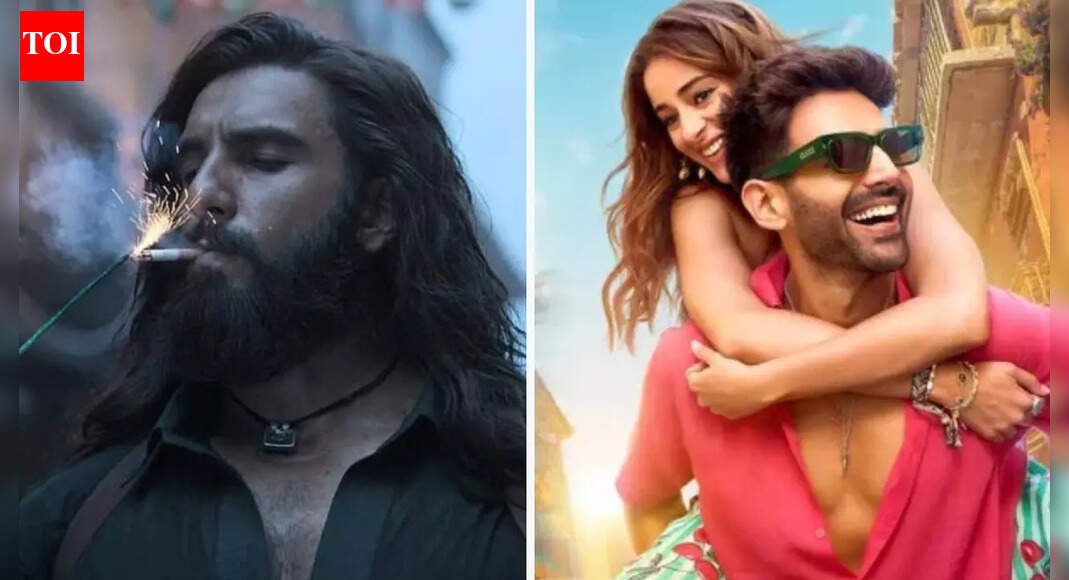
Dhurandhar Full Movie Collection: ‘Dhurandhar’ box office collection day 26 Vs ‘Tu Meri Main Tera Main Tera Tu Meri’ day 6: Ranveer Singh starrer heads towards new milestone after crossing 700 crore mark, while Kartik Aaryan’s film struggles to reach Rs 30 crore |

[ad_1]

'Dhurandhar' box office collection day 26 Vs 'Tu Meri Main Tera Main Tera Tu Meri' day 6: Ranveer Singh starrer heads towards new milestone after crossing 700 crore mark, while Kartik Aaryan’s film struggles to reach Rs 30 crore

Ranveer Singh starrer ‘Dhurandhar’ continues to dominate the box office even after 25 days of release. The Aditya Dhar starrer, which was released on December 5, 2025, faced several competitors from regional to Bollywood to international cinema, yet stands as the undefeated king. According to the latest stats, on day 6, i.e., its fourth Tuesday, the movie has added close to Rs 2 crore to the tally, and is marching towards new heights after cross Rs 700 crore mark. Dhurandhar Movie ReviewMeanwhile, the latest Bollywood release, the romantic drama ‘Tu Meri Main Tera Main Tera Tu Meri’ starring Kartik Aaryan and Ananya Panday, seems to have a hard time at the box office. Released on December 25, 2025, the film opened with single-digit earnings, which further dropped on the debut weekend. The weekday recorded a major drop, and on Tuesday, so far, the film hasn’t been able to cross the Rs 1 crore mark. The net collection of the movie stands at Rs. 25.54 crore in the domestic market.

Dhurandhar’s Box Office Rampage: Ranveer Singh Enters Elite History

Here’s a complete look at the box office numbers of both films.

‘Dhurandhar’ box office collection day 26 Vs ‘Tu Meri Main Tera Main Tera Tu Meri’ day 6

Starring Ranveer Singh, Akshaye Khanna, Arjun Rampal, Rakesh Bedi, Sara Arjun, R Madhavan, and more, ‘Dhurandhar’ had a massive opening. As the days progressed, it showed no signs of slowing down. According to Sacnilk, on Tuesday, as of now, the movie has minted Rs. 1.92 crore, taking the total to Rs 702.92 crore.On the other hand, ‘TMMTMTTM’ has managed to collect Rs 0.29 crore on Tuesday, day 6. With this, the total stands at 25.54 crore in India.

‘Dhurandhar’: Weekly box office breakdown

Week 1 Collection Rs 207.25 CrWeek 2 Collection Rs 253.25 CrWeek 3 Collection Rs 172 CrDay 22 [4th Friday] Rs 15 CrDay 23 [4th Saturday] Rs 20.50 CrDay 24 [4th Sunday] Rs 22.25 CrDay 25 [4th Monday] Rs 10.75 CrDay 26 [4th Tuesday] Rs 3.02 CrTotal Rs 704.02 Cr

‘Tu Meri Main Tera Main Tera Tu Meri’: Day-wise box office breakdown

Day 1 [1st Thursday] Rs 7.75 CrDay 2 [1st Friday] Rs 5.25 CrDay 3 [1st Saturday] Rs 5.5 CrDay 4 [1st Sunday] Rs 5 CrDay 5 [1st Monday] Rs 1.75 CrDay 6 [1st Tuesday] Rs 0.43 CrTotal Rs 25.68 CrThe numbers are expected to change as the day progresses.DISCLAIMER: The box office numbers in this article are compiled from our proprietary sources and diverse public data. While we strive for accuracy, all figures are approximate unless explicitly mentioned, offering a fair representation of the project’s box office performance. We are open to feedback and suggestions on toientertainment@timesinternet.in.

[ad_2]

Source link

Escalation in Mukalla: Yemen declares emergency after Saudi Arabia bombs port; 72-hour blockade imposed

[ad_1]

Escalation in Mukalla: Yemen declares emergency after Saudi Arabia bombs port; 72-hour blockade imposed
Airstrikes in Mukalla port (Image/X@Alpha7021)

Yemen’s anti-Houthi forces declared a state of emergency on Tuesday after Saudi Arabia carried out airstrikes on the port city of Mukalla. According to Riyadh, the strikes targeted an arms shipment bound for UAE-backed separatist forces.The anti-Houthi authorities also cancelled a security pact with the United Arab Emirates, announcing the decision in an official statement. “The Joint Defence Agreement with the United Arab Emirates is hereby cancelled,” the statement read.
Saudi Fighter Jets ‘Bombard’ UAE-Backed Separatist Fighters In Yemen In Huge Escalation Over South

Following the attack, the authorities ordered a 72-hour ban on all border crossings. Saudi Arabia said the airstrikes targeted armoured vehicles and weapons offloaded from ships that arrived in Mukalla from Fujairah in the United Arab Emirates (UAE). In a military statement carried by the state-run Saudi Press Agency, the coalition said that the vessels had disabled their tracking systems and were carrying military equipment intended for the Southern Transitional Council (STC), a powerful separatist force backed by the UAE.The coalition said the weapons posed an “imminent threat” to peace and stability, prompting a limited and precise overnight strike designed to avoid civilian casualties.Analysts said the strike displayed growing friction between Saudi Arabia and the UAE, close allies that have supported competing groups in Yemen’s decade-long war. While both countries oppose the Houthis, they support rival factions on the ground, according to the news agency AP. Satellite tracking data indicated that at least one vessel believed to be carrying the weapons had been docked in Fujairah on December 22 before arriving in Mukalla on Sunday. Mukalla, located in Yemen’s Hadramout governorate, lies about 480 kilometres northeast of Aden, the interim seat of Yemen’s internationally recognised government. The STC has recently expanded its presence in the region, pushing out forces affiliated with the Saudi-backed National Shield Forces.The Saudi strike follows earlier airstrikes on Friday, which analysts described as a warning to the STC to halt its advance in Hadramout and neighbouring Mahra. The separatist group has stepped up its campaign in recent days, with supporters increasingly flying the flag of former South Yemen, which existed as a separate state until 1990.The developments come amid broader instability across the Red Sea region, where Saudi Arabia and the UAE also back opposing sides in Sudan’s ongoing conflict. Tensions have further been heightened after Israel’s recent recognition of Somalia’s breakaway region of Somaliland, a move that has drawn threats from Yemen’s Houthi rebels.The situation in eastern Yemen remains volatile, with regional rivalries increasingly complicating efforts to stabilise the war-torn country.

[ad_2]

Source link

What attracts snakes to emerge from toilet bowls |

[ad_1]

What attracts snakes to emerge from toilet bowls

The thought usually arrives without warning. A late night visit to the bathroom, the sound of water, then the image that no one wants to picture for long. Snakes and toilets do not belong together, yet the stories linger. Most people never experience anything close to it, which is partly why the idea spreads so easily. When it does happen, it is rarely dramatic in the way people imagine. There is no intent, no planning, no sense of a snake choosing a bathroom. What exists instead is a network of pipes, damp ground, and small animals moving unseen. Toilets become involved almost by accident. Understanding that quieter reality does not remove the discomfort, but it does soften the fear and brings the situation back into proportion.
Why do snakes sometimes appear in toilet bowls

Underground pipes are not so different from the spaces snakes already use. They are narrow, dark, and mostly undisturbed. Temperatures stay fairly steady, especially compared with the heat above ground. For a snake trying to avoid danger or the sun, these places offer short term shelter.Drains and sewer lines also connect wide areas. A snake entering one opening can travel far without ever being seen. Toilets sit at the end of these systems, not as a goal, but as one of the few exits.

Are snakes following food into drains

Food plays a quiet role. Sewers attract rats, frogs, insects, and other small creatures. These animals slip in and out through broken covers and open drains. Snakes follow movement more than places.A snake hunting underground does not know where a pipe leads. It moves forward until the space changes. Sometimes that change is a toilet bowl, wider and filled with water.

Does water and moisture make a difference

Moisture matters, especially in dry or hot weather. Pipes stay damp throughout the year. Water flows through them regularly, and the air inside is cooler than the surface.During heatwaves, snakes often seek relief below ground. The plumbing system becomes part of that escape. Toilets are simply connected to it.

Does flooding push snakes upward

Flooding is one of the strongest triggers. When heavy rain fills drains quickly, snakes already inside are forced to move. Staying low becomes dangerous.The only direction left is up. Toilets offer a vertical opening, often wider than other pipe ends. Many reported cases follow storms or seasonal flooding.

Can toilet design allow snakes through

Toilets are designed to block smells, not animals. Water traps slow movement, but they are not solid barriers. Some snakes are strong swimmers and flexible enough to pass bends.Older plumbing, dry traps, or poor maintenance increase the chance. It is still uncommon, but design plays a role.

Do snakes come up toilets to attack people

There is no evidence of that. Snakes emerging into a bathroom are usually stressed and confused. Many try to retreat or stay still.Bites in these situations are rare. The snake is reacting to fear, not seeking contact.

What conditions raise the risk

Certain settings make incidents more likely. Homes near open drains, fields, or wetlands see more wildlife movement. Poor sanitation and broken manholes also matter.Flood prone areas and buildings with older plumbing face slightly higher risk. Even then, cases remain uncommon.

How can homes reduce the chance

Simple steps help. Keeping drains covered, reducing rodents, and maintaining water traps all help to lower the risk. One way valves can block movement from pipes.These measures are about prevention, not panic.The truth is quieter than the stories. Toilets are not invitations. They are accidental exits, rarely used, mostly avoided, and quickly forgotten once the pipe returns to silence.

[ad_2]

Source link