Breaking News
‘Santa reached police station’: AAP flags Christmas ‘violence, intimidation’; FIR lodged | India News

[ad_1]

'Santa reached police station': AAP flags Christmas 'violence, intimidation'; FIR lodged
Representative image (PTI photo)

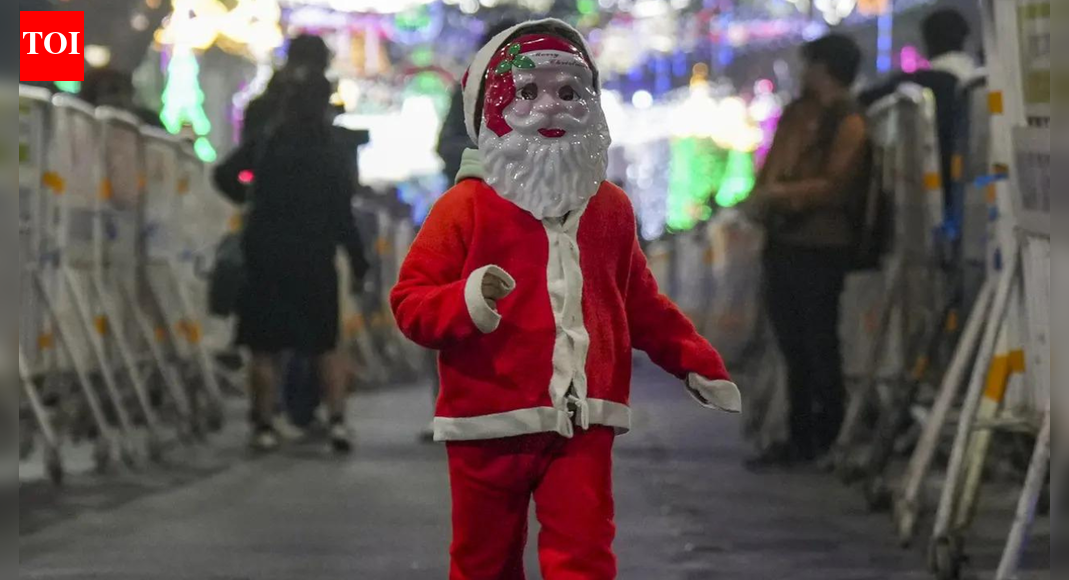
NEW DELHI: AAP leader and former MLA Saurabh Bharadwaj on Saturday raised concerns over incidents of “violence and intimidation” targeting people celebrating Christmas across the country. He even said that “Santa Claus reached police station to register FIR against Right Wing goons.”In a post on X, the former AAP MLA wrote, “They are actually hurt by violence & intimidation against those celebrating Christmas in India. Police was waiting for a complaint to take any action. So complaint has been filed. Now let’s wait for action !!”Reports of vandalism and alleged targeted attacks during Christmas celebrations in several states triggered sharp political reactions. Opposition parties criticised the BJP, while the ruling party maintained that law and order were being enforced.Disruptions were reported from Madhya Pradesh, Kerala, Chhattisgarh, Assam, Uttar Pradesh, Delhi and Odisha, where Christian communities alleged vandalism, intimidation and harassment during Christmas events. While authorities said they had the situation under control, opposition leaders described the pattern as deeply troubling.In Jabalpur, Madhya Pradesh, a BJP official allegedly assaulted a visually impaired Christian woman during a children’s feast, and mobs interrupted church services. In Palakkad, Kerala, an RSS worker reportedly attacked carol-singing children and damaged their instruments, while right-wing pressure forced several schools to cancel festivities.Chhattisgarh saw vandalism and arson targeting Christian properties in Raipur and Kanker. In Uttar Pradesh’s Bareilly, groups protested outside a cathedral. In Delhi and Odisha, street vendors selling Christmas items reported harassment by vigilantes claiming the products were “non-Hindu”.The incidents drew condemnation from multiple opposition leaders.Trinamool Congress’s Kunal Ghosh accused right-wing groups of targeting minorities. He told reporters, “BJP’s associates, such as Bajrang Dal and others, are targeting other religions, which is not what our culture teaches. What the Constitution says, the BJP does exactly the opposite. What they have done is wrong, and we condemn it.”Congress MP Shashi Tharoor said Christmas 2025 had been overshadowed by “fear and anxiety” in many regions. Referring to incidents in Kerala, Chhattisgarh and Madhya Pradesh, he called the attacks on carol groups and religious symbols an assault on India’s pluralistic fabric.

[ad_2]

Source link

Day cricket stopped at Kotla: How a ‘hair transplant’ Delhi pitch abandoned India vs Sri Lanka ODI in 2009 | Cricket News

[ad_1]

Day cricket stopped at Kotla: How a 'hair transplant' Delhi pitch abandoned India vs Sri Lanka ODI in 2009
Photo credit/ social media

Cricket matches usually end because one team scores more runs than the other. On December 27, 2009, in Delhi, the pitch ended the contest instead.The fifth and final ODI of the series between India and Sri Lanka at the Ferozeshah Kotla was abandoned after just 23.3 overs because the surface was deemed unsafe. India had already won the five-match series, but this game never reached a sporting conclusion. Instead, it became a reminder that a cricket pitch can take control of a match when it behaves beyond what players can reasonably expect.The Ferozeshah Kotla became the centre of attention for the wrong reasons after the match was abandoned following concerns over safety of payers. The decision brought an uncomfortable end to the series and even raised questions about the venue’s readiness to host international cricket.

Harbhajan Singh lashes out at Virat Kohli, Rohit Sharma critics

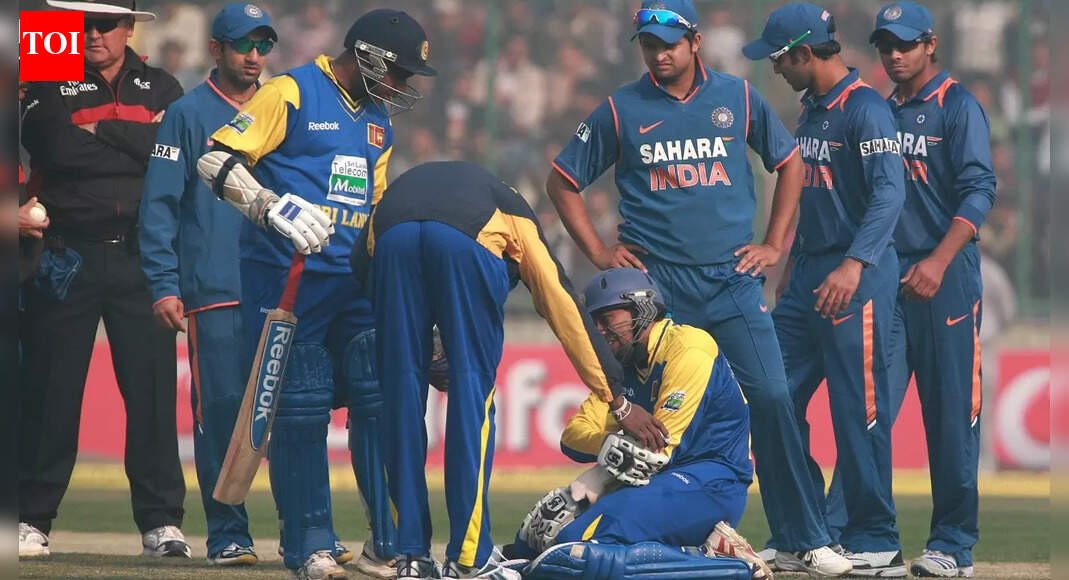
India had already sealed the five-match ODI series before the teams arrived in Delhi. However, only 23.3 overs were possible before officials decided that the surface offered “extremely variable bounce and was too dangerous for further play”. From similar areas of the pitch, the bounce ranged from shin height to shoulder height.Batters could not trust length, pace, or bounce; but could only react and hope.Sri Lanka were asked to bat first. Within a few overs, it was obvious that this was not a normal contest between bat and ball. Balls climbed sharply. Others stayed low. Some seamed off the grass, others died off bare patches. The danger was not theoretical. Batters were being hit.On a surface where deliveries of similar length behaved very differently within an over, Sri Lanka were fortunate to escape with only two blows that required medical attention. The uneven bounce made batting difficult and unpredictable throughout the short duration of play.Former India captain Sunil Gavaskar, who was on pitch-report duty, expressed his displeasure with what he saw. He described the irregular grass cover on the wicket as a “hair transplant” with bald patches. He explained that balls hitting grassy areas seamed and bounced, while those landing on bare patches stayed low. What added to the problem was that the areas producing such contrasting behaviour were close to each other. Moisture in the pitch added to the difficulty.Despite lasting only 23.3 overs, the match saw a lot of action. There was a wicket off the first ball, a dropped catch off the first ball of the second over, several blows to the body, thick edges flying past third man, and wickets for Zaheer Khan, debutant Sudeep Tyagi and Harbhajan Singh. MS Dhoni, returning after a two-match ban, impressed behind the stumps, handling both low shooters and rising deliveries without conceding a single bye.

How it unfolded

The match was abandoned after 23.3 overs, triggering unruly scenes in the packed stands. Angry spectators threw water bottles and chair covers and damaged parts of the stadium, bringing a chaotic end to a series India won 3-1.The relaid Kotla pitch proved difficult for the Sri Lankan batters, who were asked to bat first. Deliveries rose sharply, forcing players into awkward defensive shots. Sri Lanka were in the 24th over when Thilina Kandamby approached the on-field umpires to express concerns.This led to a meeting involving match referee Alan Hurst, India captain MS Dhoni, Sri Lanka captain Kumar Sangakkara, coaches Gary Kirsten and Trevor Bayliss, and curator Vijay Bahadur Mishra. Officials from the Delhi and District Cricket Association (DDCA), including vice-president and former Test cricketer Chetan Chauhan, offered an alternative pitch. However, the match could not be resumed.

Inglorious end

India entered the final match hoping to finish the series with a win, but the conditions made that impossible. Sri Lankan opener Tillakaratne Dilshan was struck on the forearm by an Ashish Nehra delivery and needed on-field treatment after falling to the ground in pain. Sanath Jayasuriya, who batted the longest, was hit several times on the upper arm and wrist during his stay. Despite visible discomfort among batters, play continued until the 24th over.The situation escalated after a delivery from Sudeep Tyagi rose sharply and Kandamby again complained to umpires Marais Erasmus and Shavir Tarapore. The match was eventually abandoned, though the official announcement came more than an hour later. By then, both teams and officials had already left the ground.Earlier in the day, conditions had seemed favourable for hosts. Dhoni, back after serving a ban, won the toss and chose to bowl. India’s bowlers reduced Sri Lanka to 63 for several wickets inside 18 overs.Zaheer Khan struck with the first ball of the match, beating Upul Tharanga’s defence. Ashish Nehra nearly dismissed Dilshan with his first delivery, but Suresh Raina dropped a catch at cover. Dilshan later took a blow to the forearm from another Nehra delivery before Zaheer ended his innings.Sri Lanka captain Kumar Sangakkara was dismissed for one run, becoming Sudeep Tyagi’s first ODI wicket. Sanath Jayasuriya struggled through his innings before Harbhajan Singh trapped him lbw with a top-spinner. Thilan Samaraweera was run out following a mix-up with Kandamby.The match continued for another 5.3 overs before it was finally called off, marking one of the most uncomfortable days in Delhi’s cricketing history and a reminder of how unsafe pitches can bring international matches to a halt. Feroz Shah Kotla, now known as the Arun Jaitley Stadium, was barred from staging international matches for one year, a decision that proved lenient as a two-year ban from the ICC would have cost Delhi its 2011 World Cup fixtures.
[ad_2]

Source link

DSSSB exams postponed as Delhi considers raising age limit for teacher and other posts

[ad_1]

DSSSB exams postponed as Delhi considers raising age limit for teacher and other posts
Delhi government halts DSSSB March exams amid age relaxation review

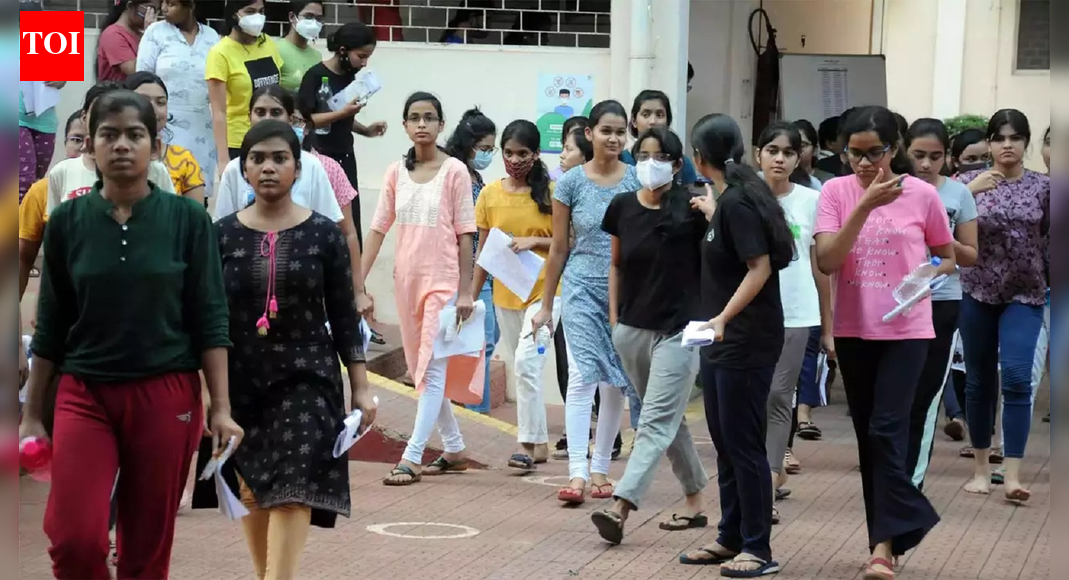
The Delhi government has postponed the Delhi Subordinate Services Selection Board (DSSSB) examinations that were scheduled to take place in March 2026. The decision comes as the government reviews demands to increase the maximum age limit for candidates applying for teaching and other posts. Many aspirants had raised concerns that they were unable to appear for exams because of age restrictions.If you were preparing for the DSSSB exam, the wait has just become longer. The education department has paused the process until a final call on age relaxation is made. Officials say the move aims to protect the interests of students and fill long-pending vacancies in government institutions.Exams put on hold after candidate protestsThe DSSSB, which conducts recruitment exams for various Delhi government departments, had issued a notification announcing exams in March. However, protests by candidates over age eligibility drew the government’s attention. As a result, the education department suspended the earlier order and halted the examination process.Delhi Education Minister Ashish Sood explained the reasoning behind the decision while speaking on the issue. He said previous governments failed to conduct timely DSSSB exams, which caused many candidates to cross the eligible age limit. Sood stated that the government wants to ensure fairness while also addressing staff shortages in schools, according to statements posted on X by the ANI.What the minister said on age relaxationAshish Sood said that DSSSB exams play a key role in selecting teachers and other staff. He pointed out that delays over the years meant candidates reached the maximum age without getting a chance to appear. “We want vacant posts to be filled so students can get quality education,” Sood said, as quoted by the ANI.In conversation with the ANI, the minister added that the government decided to stop the DSSSB order temporarily. He said a new decision on age limit relaxation would be announced soon, and only after that would fresh exam dates be declared.Why DSSSB exams matterDSSSB stands for Delhi Subordinate Services Selection Board. It conducts recruitment exams for teaching and non-teaching posts across Delhi government departments. These include roles such as teachers, clerks, assistants, stenographers, lab assistants, nurses, wardens, and technical staff.The board also organises specific exams like TGT, PGT, and PRT for teacher recruitment. Thousands of candidates appear for these tests every year to secure government jobs.What happens next for candidatesThe Delhi government has said that no DSSSB exam will be held until a revised order on age eligibility is issued. Officials believe the upcoming decision could bring relief to many candidates who missed earlier chances due to age limits.Sood said the government has taken this step with students’ interests in mind and assured that the issue would be resolved soon, according to information shared by the ANI. For now, aspirants will have to wait for an official update on both age relaxation and new exam dates.

[ad_2]

Source link

‘Hate for Dalit’: BJP attacks Gandhi-Vadra family over Kharge’s treatment in presser; shares Jairam clip | India News

[ad_1]

'Hate for Dalit': BJP attacks Gandhi-Vadra family over Kharge's treatment in presser; shares Jairam clip
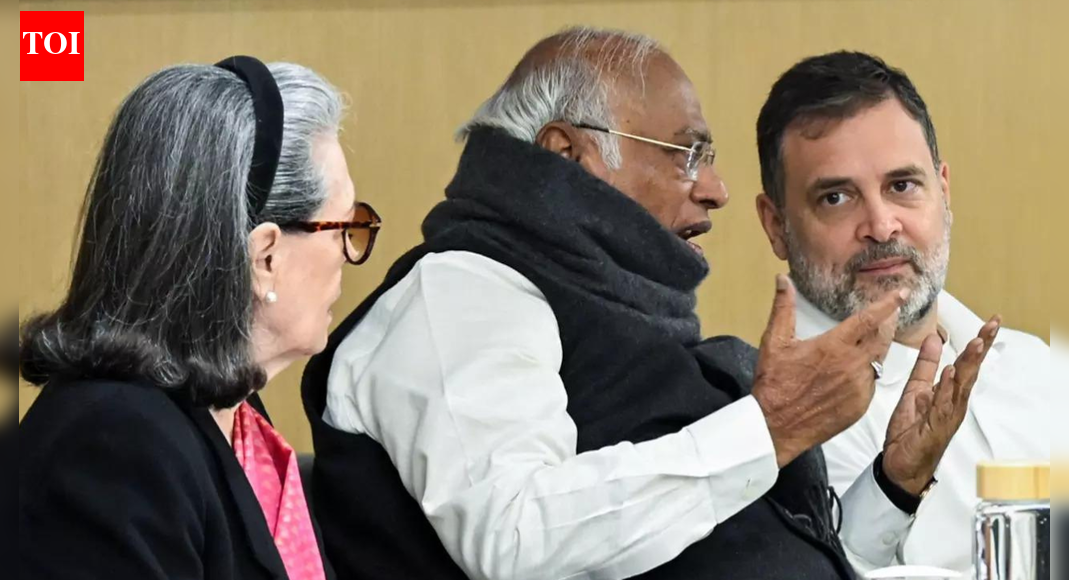
Sonia Gandhi, Mallikarjun Kharge and Rahul Gandhi (ANI photo)

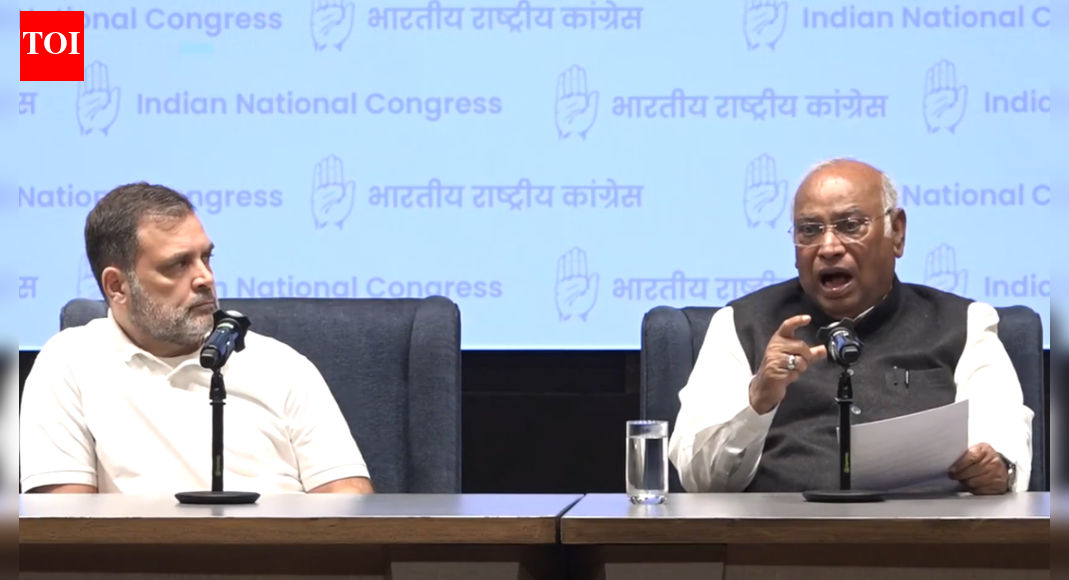
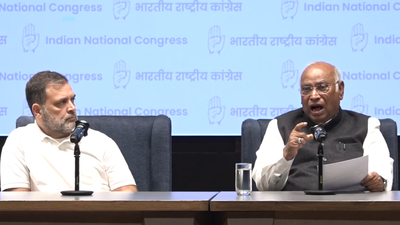
NEW DELHI: The BJP on Saturday targeted the Gandhi–Vadra family, alleging that “their hate for Dalit is so open.” The charge from the saffron party came shortly after the Congress held a press conference in which party president Mallikarjun Kharge initially said he would not read the full note aloud and would instead circulate it to the media, before being interrupted moments later by the party’s general secretary, who urged him to read it out.Sharing a clip of the exchange, BJP spokesperson Pradeep Bhandari accused the Congress leadership of disrespecting Kharge. He wrote on X, “Be it Rahul Gandhi, Priyanka Gandhi or Jairam Ramesh, their hate for a ‘DALIT’ is so open! Congress president Mallikarjun Kharge clearly stated that he would not read the full note and would circulate it to the press instead. Within seconds, Jairam Ramesh cut in and directed him to read it out. And Kharge ji complied. This is how Gandhi – Vadra family treats their own President!”

CWC Meet: Top Congress Leaders Huddle Up In Delhi, Discuss Action Against Govt On G RAM G Law

At the press conference, the Congress announced a nationwide protest against the Centre’s decision to replace the rural employment scheme MGNREGA with what it called the VB G Ram G Act.Following the Congress Working Committee meeting, Kharge said replacing a scheme named after Mahatma Gandhi amounted to an insult to the Father of the Nation.Meanwhile, leader of opposition in Lok Sabha Rahul Gandhi alleged that Prime Minister Narendra Modi took the decision to scrap MGNREGA without consulting relevant ministers or even the Union Cabinet.The LoP also pledged to oppose the move, saying, “As Kharge ji has said, we are going to resist it. We are going to fight it. And I’m confident that the entire opposition is going to be aligned against this action.”

[ad_2]

Source link

‘Battle of Galwan’ teaser: Salman Khan rousing fellow soldiers in moving monologue ahead of an intense war gives PURE GOSEBUMPS – WATCH |

[ad_1]

'Battle of Galwan' teaser: Salman Khan rousing fellow soldiers in moving monologue ahead of an intense war gives PURE GOSEBUMPS - WATCH
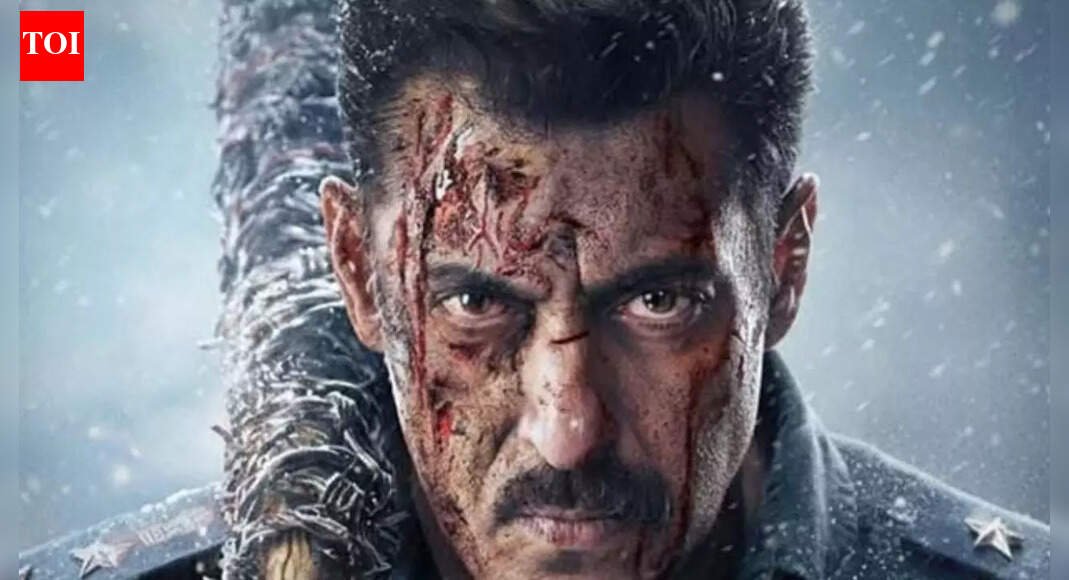
To celebrate his 60th birthday, Salman Khan unveiled the intense teaser for Battle of Galwan. Directed by Apoorva Lakhia, the war epic features Khan as Colonel Santosh Babu. The 1.12 minute long teaser shows Salman Khan riling up the soldiers of his regiment ahead of an epic battle with the Chinese troops.

Salman Khan turns 60 today. To mark the occasion, the makers had promised to unveil the teaser of Khan’s much-awaited war drama, ‘Battle of Galwan.’ Today, the teaser was released across social media platforms. Safe to say, the teaser promises This reveal was being treated as a “birthday gift” from the superstar to his fans, following weeks of intense buzz regarding his physical transformation for the role. The film is based on real events that transpired between the Indian and Chinese troops at the Galwan region on June 15, 2020 when about 200 Indian soldiers courageously defended the territory against a force of 1200 Chinese Liberation Army soldiers.

Salman Khan stuns in the teaser of ‘Battle of Galwan’

Salman Khan portrays Colonel Bikkumalla Santosh Babu, the commanding officer of the 16 Bihar Regiment. The teaser begins with Salman Khan riling up his fellow soldiers with the opening line, “Jawano yaad rahe, zakhm lage to medal samajhna aur maut dikhe to salam karna…” (Soldiers, remember—if you are wounded, consider it a medal; and if you face death, salute it)The camera pans into Khan holding a wooden stump, ready for a combat. A befitting song accompanies. The teaser ends with Khan saying, ‘Maut se kya darna, usey to ana hai.” (Why fear death? It is bound to come)

Fan expectations from ‘Battle of Galwan’

Known for his action and massy films, Salman Khan is all set to render a curveball with his portrayal as a commanding officer in ‘Battle of Galwan.’ The role, touted to be a powerful one, with tones of leadership, responsibility and patriotic fervour could very well become one of the most meaningful performances of his career.

About ‘Battle of Galwan’

Directed by Apoorva Lakhia and written by Shiv Aroor, Chintan Gandhi, Suresh Nair, the film stars Salman Khan and Chitrangada Singh as leads alongside Abhilash Chaudhary and Ankur Bhatia in pivotal roles. Produced by Khan, the music has been composed by Himesh Reshamiya.

‘Battle of Galwan’ release date

In a new development reported today, Aditya Chopra has moved the release date of the Alia Bhatt, Sharvari Wagh, Bobby Deol starrer ‘Alpha’ from its initial date of April 17, 2026 to avoid a clash with the Salman Khan starrer, ‘Battle of Galwan.’

[ad_2]

Source link

‘Conspiracy to remove Gandhi’s name’: Congress announces nationwide protest on G Ram G Act; claims PMO took unilateral decision | India News

[ad_1]

'Conspiracy to remove Gandhi's name': Congress announces nationwide protest on G Ram G Act; claims PMO took unilateral decision

NEW DELHI: Congress on Saturday announced that it will launch a nation-wide protest against the Centre for replacing rural employment scheme – MGNREGA – with VB G-RAM-G law. After the Congress Working Committee meet, party chief Mallikarjun Kharge said that replacing the scheme named after Mahatama Gandhi is insult to the father of the nation.“In the meeting, we took an oath. We decided to launch a massive movement across the country, making the MNREGA scheme the central point. Indian National Congress party, taking a leading role, will launch the Save MNREGA Campaign from January 5th,” Kharge said during a media briefing.“We will protect the Mahatma Gandhi National Rural Employment Guarantee Act (MNREGA) at all costs. MNREGA is not just a scheme, but a right to work granted by the Constitution of India. We also pledge to democratically oppose every conspiracy to remove Gandhiji’s name from MNREGA,” he added.Kharge said that people are angry over repeal of MGNREGA and the government will have to face the consequences. Meanwhile, leader of opposition in Lok Sabha Rahul Gandhi claimed that Prime Minsiter Narendra Modi took the decision of replacing MNREGA without consulting the concerned ministers or the Union Cabinet.“MGNREGA was not just a scheme; it was a rights-based concept… This direct, rights-based concept is now under attack… Finally, I have been informed that this decision was taken directly by the Prime Minister’s Office, without consulting the concerned ministers or the Cabinet,” Rahul said.“This reflects the present situation, where governance has become a one-man show and whatever Narendra Modi wants is carried out,” he added.The Viksit Bharat-Guarantee for Rozgar and Ajeevika Mission (Gramin) Bill that replaced the UPA-era MGNREGA was passed during the recently concluded winter session of Parliament. President Droupadi Murmu has already given her assent to it.The Congress and other opposition parties have taken strong exception to the new law replacing MGNREGA, stating that it is an insult to Mahatma Gandhi as his name has been removed from its title.The new law makes a statutory guarantee of 125 days of wage employment in a financial year to every rural household whose adult members volunteer to undertake unskilled manual work.However, instead of being a Central scheme, the new law provides that the Centre and the states will have to share a 60:40 per cent ratio funding for the scheme

[ad_2]

Source link

Railway Budget 2026: Funding for Indian Railways likely to remain unchanged — Vande Bharat, bullet trains & more in focus

[ad_1]

Railway Budget 2026: Funding for Indian Railways likely to remain unchanged — Vande Bharat, bullet trains & more in focus

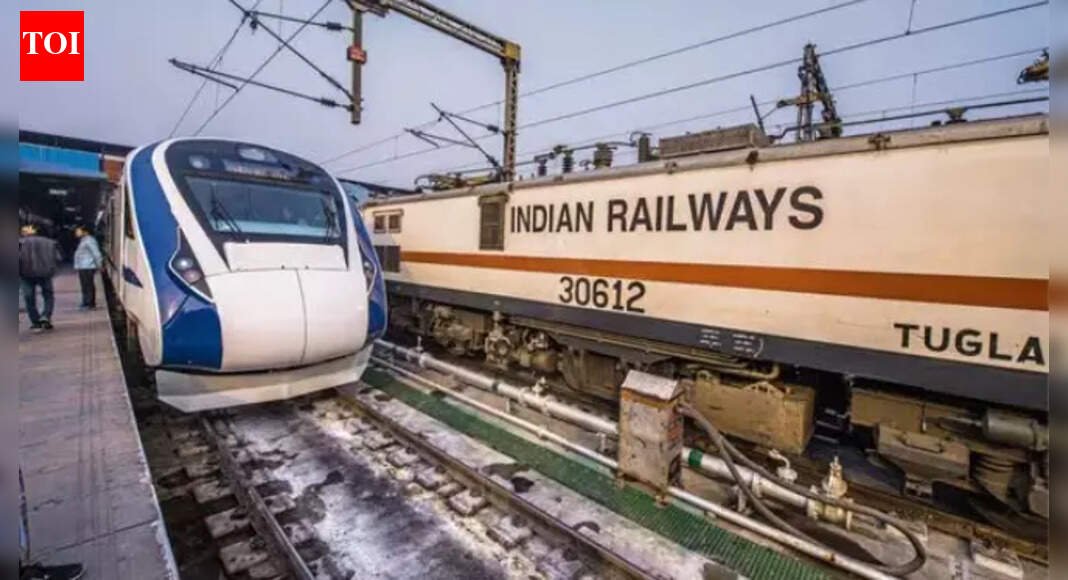
The GBS for Indian Railways might remain broadly unchanged in the upcoming union budget 2026-27, as the current funds are sufficient for the infrastructure upgrade. The GBS or the gross budgetary support for FY26 stands at Rs 2.52 lakh crore, with an additional Rs 10,000 crore permitted for spending through Extra Budgetary Resources (EBR), including public-private partnership (PPP) projects. Officials said the railways has already utilised a substantial portion of the allocation. “Indian Railways has utilised 77% of total GBS till now. The required pace of infrastructure upgrade is being met,” a senior official told ET, adding that Rs 1.95 lakh crore has been spent on capital expenditure since April 1, this year.Another official said that a sharp increase in budgetary support may not be necessary, given that major network upgrades are nearing completion. “A significantly higher GBS may not be needed,” the official said, noting that railway electrification has crossed 99.2% and is close to covering the entire 69,400 route kilometre network. Indian railways uses budgetary grants to fund its capital expenditure, including the laying of new tracks, multi-tracking of existing routes, and completion of electrification across the broad-gauge network. The same allocation is also used for procuring rolling stock such as wagons, coaches, and locomotives. While overall GBS may remain steady, allocations within the rail budget are expected to be adjusted. “GBS allocation will be rejigged to reflect updated priorities,” the second official said, pointing to the possibility of higher funding for the bullet train project, track safety works, and decongestion initiatives.At the same time, next fiscal’s budget will allocate more funds for newer Vande Bharat and Amrit Bharat trains, aimed at improving passenger experience as well as enhancing train speed and punctuality.The railway board also expects some relief on the revenue expenditure front, which is currently met through freight earnings that subsidise passenger fares. Second official told ET that the electrifying the whole network will cut costs on diesel purchases, adding that allocations for have already fallen below Rs 10,000 crore in fiscal 2025-26.In Budget 2025-26, Rs 6,150 crore were set aside specifically for track electrification projects, according to ET. An official status report shows that 726 route kilometres were electrified until the end of November in the current fiscal.Meanwhile, Rs 19,000 crore were reserved for the National High Speed Rail Corporation Limited, which is developing the Mumbai-Ahmedabad High Speed Rail Corridor. Expenditure on safety-related works, including both revenue and capital spending, is projected at Rs 1.17 lakh crore in fiscal 2025-26.

[ad_2]

Source link

‘Back to business’: FMCG engine stabilises operations after GST 2.0; companies expect ‘strong demand’ ahead

[ad_1]

‘Back to business’: FMCG engine stabilises operations after GST 2.0; companies expect 'strong demand' ahead

Consumer goods companies across the country are finally seeing operations stabilising, months after changes to the GST structure were announced. Supply chains and inventory levels have returned to normal following the adjustment period after the reforms, making way for a recovery in demand from the next quarter. Executives from major FMCG and consumer-facing firms said that production levels, which had been curtailed during the tax transition, have now returned to normal. Companies including Dabur, Emami, AWL Agri Business, Zydus Wellness, Godrej Consumer Products and Parle Products are operating manufacturing units at full capacity as they rebuild stock to meet expected demand, according to an ET report.

Why FMCG engine slowed after GST cuts?

The sector faced disruption after GST rates were revised from September 22, with lower taxes introduced on a range of everyday items such as soaps, shampoos, toothpaste and food products. While the move was aimed at supporting consumption, companies and their trade partners had slowed operations during the transition due to repricing requirements, packaging changes and uncertainty among distributors and retailers. Retailers had reduced orders during the GST transition to avoid blocking working capital, as price adjustments were still being worked out. This led to a temporary production slowdown across the FMCG sector. With revised pricing now in place, inventories are being replenishedHowever, the sector is getting back on track. Parle Products vice-president Mayank Shah said stock levels are moving back to normal as new packs reflecting the revised prices reach the market. “We expect the full benefit of GST rationalisation on demand and sales will be visible from the January-March quarter,” he said.Emami’s vice chairman Mohan Goenka told ET that inventory conditions have now fully stabilised. “Stock levels have normalised, supply flows are smooth and there are no disruptions to availability. Overall, operations are back to business as usual,” he said. Zydus Wellness chief executive Tarun Arora also said that challenges linked to old pricing and packaging have largely been resolved. There was initial reluctance among channel partners to accept products carrying old prices, followed by confusion caused by packs printed with both old and revised prices. “These issues are mostly streamlined now,” he said. During the transition, several companies had to temporarily move away from standard price points such as Rs 5, Rs 10, Rs 15 and Rs 20, opting instead for odd pricing like Rs 4.70, Rs 9.80 and Rs 14.20 to accommodate the tax changes on existing stock. This created difficulties for kirana stores. Current inventories, however, are priced at familiar levels, with companies increasing pack sizes to pass on the GST benefit.

What’s next — Navigating after GST rate cuts

Dabur India expects performance to improve in the second half of the financial year. Rehan Hasan, sales head at the company, said Dabur is aiming for mid-to-high single-digit growth in the remaining months. “The trade disruptions due to GST have settled now and we are already seeing an uptick in demand. Rural demand continues to grow ahead of urban India. That said, the demand growth in urban markets is being primarily driven by modern trade and ecommerce,” he told ET. Godrej Consumer Products managing director Sudhir Sitapati said industry sentiment has turned positive following the stabilisation. “The entire industry is mostly bullish on the demand growth post GST 2.0. It’s a little early to say, but within a couple of months, by Jan-Feb, we should start seeing strong demand,” he said. Higher production levels are also being reflected in input demand. AWL Agri Business, a major edible oil supplier, said consumption from food companies has returned to normal levels. “Oil consumption by the companies is back to normal and growing, be it biscuits or namkeen,” said Angshu Mallick, executive deputy chairman at AWL Agri Business. Inventory correction is also visible in consumer durables. Air-conditioner makers, which faced weak sales earlier this year due to an unfavourable summer, are cutting excess stock after GST on ACs was reduced from 28% to 18%. “The industry had 90 days of inventory, which is almost double of the usual. It has come down, like in the case of Blue Star it’s now 50 days,” Blue Star managing director B Thiagarajan told ET. With supply chains back on track and production running at normal levels, companies expect the benefits of the GST rate cuts to begin reflecting in sales over the coming quarters.

[ad_2]

Source link

Kuwait announces January 1 as public holiday for New Year 2026 | World News

[ad_1]

Kuwait announces January 1 as public holiday for New Year 2026
Kuwait announces January 1 as a public holiday, giving government employees a three-day New Year weekend/Representative Image

Kuwait’s Civil Service Commission has announced January 1, 2026, as a public holiday, giving government employees a three-day New Year weekend through Saturday, January 3. Official work will resume on Sunday, January 4, allowing residents and officials to welcome 2026 with a short but refreshing break while essential services continue to operate.The Civil Service Commission clarified that while most ministries, government agencies, public bodies, and institutions will close for the holiday, entities with special operational requirements can determine their own schedules through the relevant authorities. This ensures that critical services remain functional and public needs are met without interruption.In a statement posted on its X account, the CSC noted that institutions with continuous operational demands may adjust their holidays according to public interest considerations. Residents can expect a temporary pause in standard government services during the holiday period, while key services continue under proper supervision.This arrangement allows government employees and residents to enjoy the New Year celebrations while maintaining essential public functions, providing a smooth start to 2026.

[ad_2]

Source link

‘Year of tariff consequences’: Global trade in 2026 — another rough patch ahead?

[ad_1]

'Year of tariff consequences': Global trade in 2026 — another rough patch ahead?

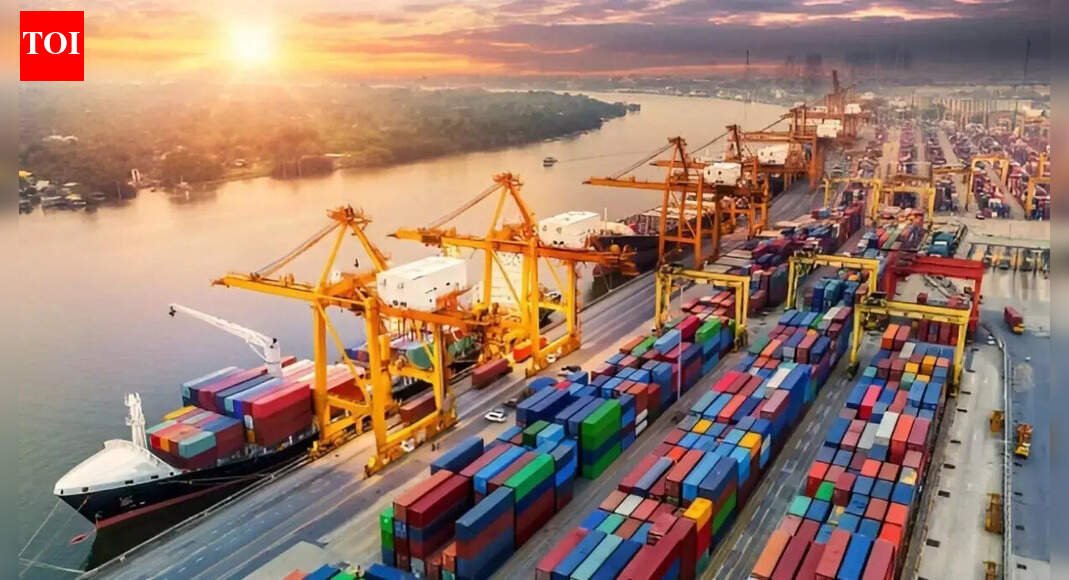
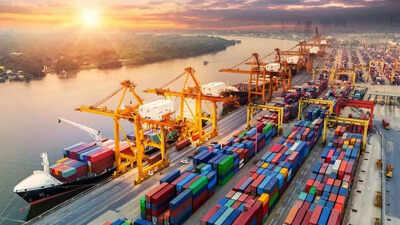
The year 2025, reshaped global commerce in ways not seen for decades, moving into another uncertain phase, as pressures on growth and stability are expected to intensify. So will 2026 be another turbulent patch for global trade?Global merchandise trade managed to stay resilient through 2025, even as US President Donald Trump pushed ahead with higher tariffs that effectively raised barriers around the world’s largest economy. According to data cited by shipping industry veteran John McCown, global container volumes increased 2.1% in October compared with the same month last year, according to Bloomberg.Overall figures, however, revealed sharp regional divergences. While inbound container volumes into the US fell by 8%, imports into Africa, the Middle East, Latin America and India recorded strong growth, pointing to a rebalancing of global trade flows.“World container supply chains have already begun to adapt and reconfigure trading patterns,” McCown wrote in a research note cited by Bloomberg. He compared the current slowdown with last year’s rally, noting that after a 15.2% rise in US container imports in 2024, “to say that the annual total for 2025 will be in diametric contrast is an understatement.”McCown attributed much of this shift to Trump’s trade policies. In a LinkedIn post, he argued that if 2025 marked the peak of tariff announcements, the impact would be felt more fully in the year ahead. He wrote that if 2025 was the year of the tariff, 2026 will be the year of tariff consequences.

2026 — The year of tariff consequences

Trade analysts said that several fault lines are already visible as 2026 draws closer. One of the most closely watched developments will be the review of the United States–Mexico–Canada Agreement, the North American trade pact that came into force in 2020. The agreement is due for reassessment just six years after implementation, an unusually short timeframe for such a deal.US trade representative Jamieson Greer told lawmakers this month that the process has drawn heavy engagement, with more than 1,500 responses submitted during the public consultation. “Many stakeholders expressed support for the USMCA and many explicitly called for the agreement to be extended,” Greer said, as quoted by Bloomberg. “At the same time, virtually all stakeholders also called for some sort of improvement to the agreement.” Any attempt to revise the deal is expected to be contentious, as gains for one member could come at the expense of another. Industries in both Canada and Mexico are already under pressure from US import duties, while diplomatic relations remain strained. Tensions worsened in October after Trump halted trade talks with Canada in response to anti-tariff advertisements featuring Ronald Reagan.At the same time, global shipping faces the prospect of fresh disruption. Industry experts warn that two developments, both seemingly positive, could strain supply chains.The first is a possible large-scale return of cargo vessels to the Red Sea, after shipping lines were diverted around southern Africa for nearly two years due to Houthi attacks. With hostilities easing since the Gaza peace plan took effect in October, the route has become safer. French carriers CMA CGM SA and Denmark’s A.P. Moller-Maersk A/S have already resumed limited transits through the area.But a full return to the Red Sea and the Suez Canal could overwhelm existing infrastructure. Lars Jensen, chief executive of consultancy Vespucci Maritime, warned during a Flexport webinar in November that it would “flood the market with a lot more capacity” and lead to “massive port congestion issues in Europe.”A second risk could emerge from stronger demand. Jensen said that if the US economy accelerates in 2026 as Trump administration officials predict, driven by lower interest rates and increased investment, a wave of inventory restocking could exceed the shipping sector’s ability.Uncertainty also surrounds the durability of the Trump administration’s recent trade agreements. While the White House has highlighted deals struck with several major economies in 2025, these arrangements lack the enforcement mechanisms typical of traditional trade pacts. Most include only short-term commitments, and the truce with China extends for just one year, leaving unresolved the US’s most imbalanced trading relationship.Concerns that these agreements could unravel have been reinforced by recent events. Indonesia has resisted US trade demands since Washington announced what it called a “landmark trade deal” in July, fearing constraints on its independence, with a revised agreement now expected in late January. China has raised objections with Malaysia and Cambodia over their trade deals with the US, warning against actions that undermine Beijing’s interests. The UK has also encountered fresh complications, Bloomberg reported.Greer said last week that difficult negotiations with the European Union and India are likely to continue into the new year. His office also warned of possible retaliation against the EU, citing what Washington views as excessive regulation of American technology firms.Adding to the uncertainty is a pending US Supreme Court decision on the legality of Trump’s reciprocal tariffs, the sweeping duties imposed on most major trading partners. A ruling against the administration could raise questions over whether importers would be refunded tariffs already paid.Kevin Hassett, director of the National Economic Council, told CBS’s Face the Nation that even in such a scenario, refunds were unlikely. It would be “pretty unlikely that they’re going to call for widespread refunds, because it would be an administrative problem,” he said.Betting markets currently assign roughly a 75% probability to Trump losing the case, a result that could push the administration to rely on alternative legal powers to maintain tariffs.

[ad_2]

Source link