Breaking News
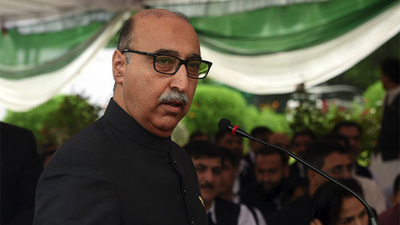
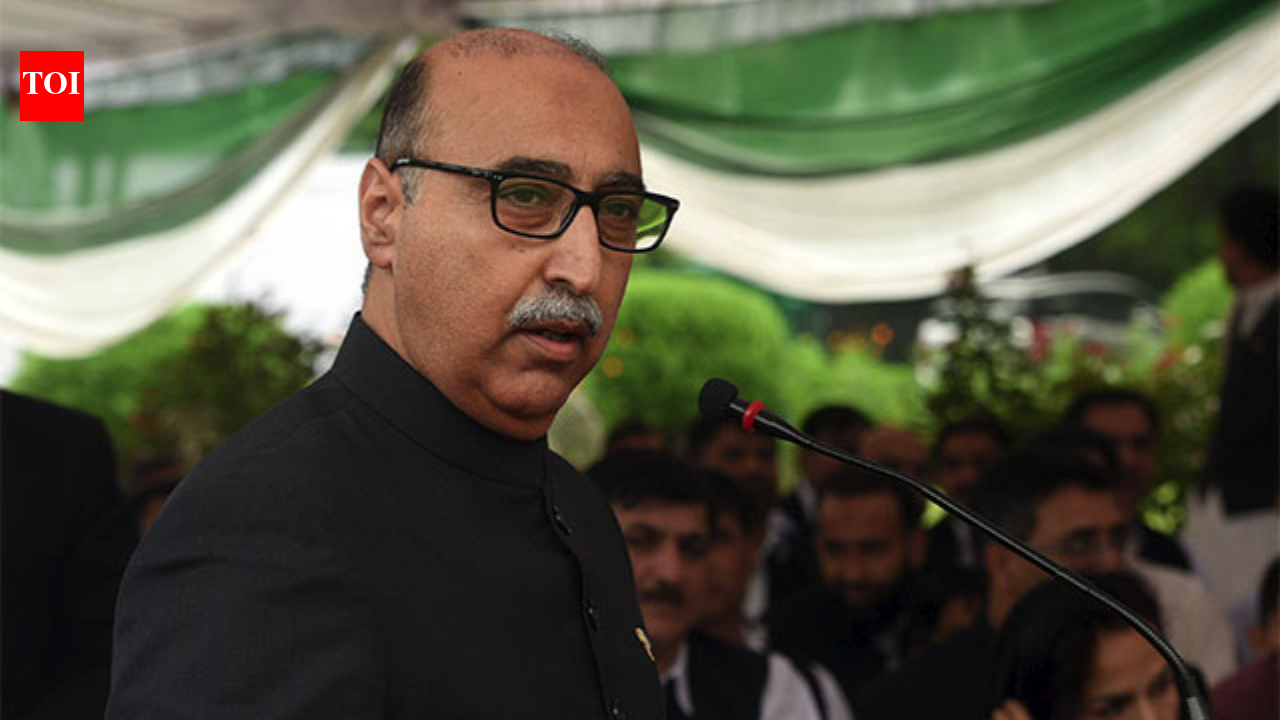
Abdul Basit: If America strikes us, we should attack Indian cities like Delhi and Mumbai: Ex-Pak envoy

[ad_1]

If America strikes us, we should attack Indian cities like Delhi and Mumbai: Ex-Pak envoy

In a hugely provocative statement, Abdul Basit, former high commissioner of Pakistan to India, has said that striking Indian cities like New Delhi and Mumbai should be Islamabad’s “default move” if the country comes under attack from the US.“America won’t attack Pakistan’s nuclear arsenal. Even if we believe that in a hypothetical situation, America attacks Pakistan, we won’t be able to hit back as America does not fall within our nuclear range. (Asking a TV anchor) What do you think will be our option then? India,” Basit asserted during an interview with a local Pakistani channel. “If somebody casts an evil eye on us, we will attack Mumbai and New Delhi in India without even thinking twice. We will see whatever happens later,” he told ABN News.The ex-envoy-turned-defence strategist further said, “Right now, neither America nor Israel is under our nuclear range. But the world should know that if we come under attack, we will, in turn, attack India wherever we want.” Basit made the controversial remark while reacting to US National Intelligence director Tulsi Gabbard’s recent statement before the Senate intelligence committee in which she had said that Pakistan’s long-range ballistic missile programme could develop into a threat for the US homeland.Some media reports also quoted Basit as saying that Gabbard’s “anti-Pakistan” worldview was a known fact. “Pakistan’s deterrence is India-specific. Tulsi Gabbard saw our missiles, but not India’s Agni-5 and Agni-6. They are intercontinental missiles,” he was reported to have said.Presenting the 2026 Annual Threat Assessment to the House intelligence committee, Gabbard had said that Pakistan is among countries “researching and developing an array of novel advanced or traditional missile delivery systems with nuclear and conventional payloads that put our homeland within range”.According to the Center for Arms Control and Non-Proliferation, Pakistan has six operational types of nuclear-capable ballistic missiles. Its overall arsenal consists primarily of short to medium-range ballistic missiles, but it is making significant progress in strengthening its cruise missile capabilities. Its ground arsenal consists of 106 land-based missiles with yields of 5-40 kt. Pakistan’s roadmobile ballistic missiles include short-range Abdali, Ghaznavi, Shaheen-1 and NASR, as well as the medium-range Shaheen-2 and Ghauri. The Shaheen-3 and the Ababeel medium-range ballistic missile (MRBM) are currently under development.The longest-range Shaheen-3 can hit targets up to 2,750 km. But Shaheen-3 is not an ICBM. To call a ballistic missile ICBM, it needs to have a minimum range of over 5,500 km. The distance between the US and Pakistan is over 11,200 km.Reacting sharply to Basit’s statement, BJP national spokesperson Tuhin Sinha said on Sunday, “Abdul Basit’s threat that Delhi and Mumbai will be blown up with bombs from Pakistan shows that even today, Pakistan is rattled by strikes during Operation Sindoor. It has lost its mental balance.”Soon after Gabbard’s statement, Tahir Andrabi, spokesman for Pakistan’s ministry of foreign affairs, said, “Pakistan categorically rejects the recent assertion by a US official alleging a potential threat from Pakistan’s missile capabilities.” Pakistan’s strategic capabilities are “exclusively defensive” in nature, he said, and are “aimed at safeguarding national sovereignty and maintaining peace and stability in South Asia”.

[ad_2]

Source link

The 50 Winner: Shiv Thakare lifts the trophy; takes home Rs 50 lakh for a lucky fan

[ad_1]

The 50 Winner: Shiv Thakare lifts the trophy; takes home Rs 50 lakh for a lucky fan

The 50 has finally come to an end, and the show has found its winner after weeks of tough competition and entertaining episodes. The reality show, which was initially conducted with 50 contestants from television, social media, and the entertainment world, saw only a few contestants reach the final episode. Shiv Thakare has emerged as the winner of the show, winning Rs 50 lakh for a lucky fan.In the final episode, Shiv Thakare was announced as the winner of the show. Shiv won the trophy after competing against Mr Faisu, Kaka, Rajat Dalal, and Krishna Shroff. Fans congratulated Shiv on social media and called his win well-deserved. With this victory, he once again proved his strong fan following and popularity in reality shows.Reflecting on the win, Shiv Thakare said, “The 50 was a completely new experience for me, and I wanted to show a different side of Shiv Thakare, one that believes you don’t need to shout or fight to be heard. You can play with heart, stay true to yourself, and still win. Being the winner of the very first season, especially among 50 strong players, is something that will always be remembered, and that makes me incredibly happy. This was also a game of alliances, and I’m proud that my people stood strong with me throughout.”He further said, “Coming from humble beginnings to winning one of India’s biggest reality shows feels surreal, like my own life story unfolding as a film. I’ve truly enjoyed every moment of this journey, and I’m grateful for all the love and support. This win is as much mine as it is for my fans, and I’m especially happy that one of them will be taking home ₹50 lakhs. Thank you so much, I’m overwhelmed and excited for what’s ahead. Reality show The 50 began with 50 contestants from the world of television, social media, sports, entertainment, etc. The contestants of the show included popular faces like Karan Patel, Faisal Shaikh, Divya Agarwal, Ridhi Dogra, Shiv Thakare, Prince Narula, Urvashi Dholakia, Krishna Shroff, Nehal Chudasama, Rajat Dalal, Lovekesh Kataria, etc.

[ad_2]

Source link

‘Dhurandhar 2’ actor Mustafa Ahmed who played Hamza’s aide Rizwan, started his journey with Rs 10,000 a month as a gym trainer |

[ad_1]

'Dhurandhar 2' actor Mustafa Ahmed who played Hamza's aide Rizwan, started his journey with Rs 10,000 a month as a gym trainer

Celebrity trainer turned actor Mustafa Ahmed got a lot of love for his role in ‘Dhurandhar 2’. He played Rizwan, Hamza’s trusted aide in the film. But his journey to the spotlight has been anything but easy. Years ago, he was earning just Rs 10,000 a month as a gym trainer in Delhi’s Janakpuri. Nearly 15 years later, he would go on to train none other than Hrithik Roshan.Mustafa’s path was far from conventional. He wasn’t someone people expected to “make it big.” Much like the protagonist in Taare Zameen Par, he struggled with dyslexia and eventually dropped out of formal education.

Watch

From Protests To Bans, Dhurandhar 2 Becomes Bollywood’s Biggest Off-Screen Drama

Speaking on the Jag Of All Trades podcast, Mustafa Ahmed recalled, “I was not a bright kid. I was dyslexic and come from an Afghani background. But I was always physical—I was good at sports, picked up dancing naturally. Anything that involved using my body, I was good at it.”At just 21, he was already earning Rs 1 lakh a month as the youngest team leader at a call centre in 2001—a dream job for many. But a seemingly small moment ended up changing his life completely. While working out at a gym in Janakpuri, he noticed a woman in her 40s being ignored by a trainer. He stepped in to help her, unaware of how pivotal that moment would become.On the Alpha Coach podcast, he shared, “A couple of months later, she handed me an envelope and asked me to read it at home. It scared me. But in that letter, she wrote that working out had brought the spark back into her marriage. She told me this was my life calling—and not following it would be criminal.”That message stayed with him. Soon after, Mustafa made the bold decision to quit his high-paying job. “My manager called me crazy,” he said. His mother, too, stopped speaking to him after he left a stable career, especially given that he had already stepped away from academics.Starting from scratch, he took up a job at a West Delhi gym for Rs 10,000 a month, waking up at 4 am daily to open the shutters. Around the same time, a visit to Fitness First in Connaught Place became another turning point. Despite lacking formal qualifications, his honesty and passion earned him a job.“They offered me Rs 18,000 plus Rs 600 per session out of which, they kept Rs 300 and gave me the other Rs 300. I couldn’t believe people would pay me that for an hour. That’s when I felt—sky is the limit,” he said.What followed was sheer grit and consistency. Within three months, Mustafa became the No. 1 trainer for Fitness First in Asia. He was conducting up to 14 sessions a day, six days a week—clocking nearly 400 hours a month and earning over Rs 1.4 lakh. By 2009, he had firmly established himself.As his career progressed, so did his vision. Seeing international trainers dominate the Indian fitness space, Mustafa questioned why Indian trainers weren’t given the same recognition. “I believed I was at par with them. So why not me?” he said.Before the release of Dhurandhar, Mustafa had penned an emotional note for Aditya Dhar in 2025: “‘Main hoon na. Tu kar.’ He would say this whenever I doubted myself. ‘Tu theek hai na’ when I wasn’t okay. ‘Tu khush hai na’ when I got emotional.” Reflecting on his acting debut, he added, “Aditya Dhar, you took me on a journey I never imagined. You saw in me what I didn’t know existed. But most importantly, you gave me your friendship and love—and for that, you have my loyalty for life.”

[ad_2]

Source link

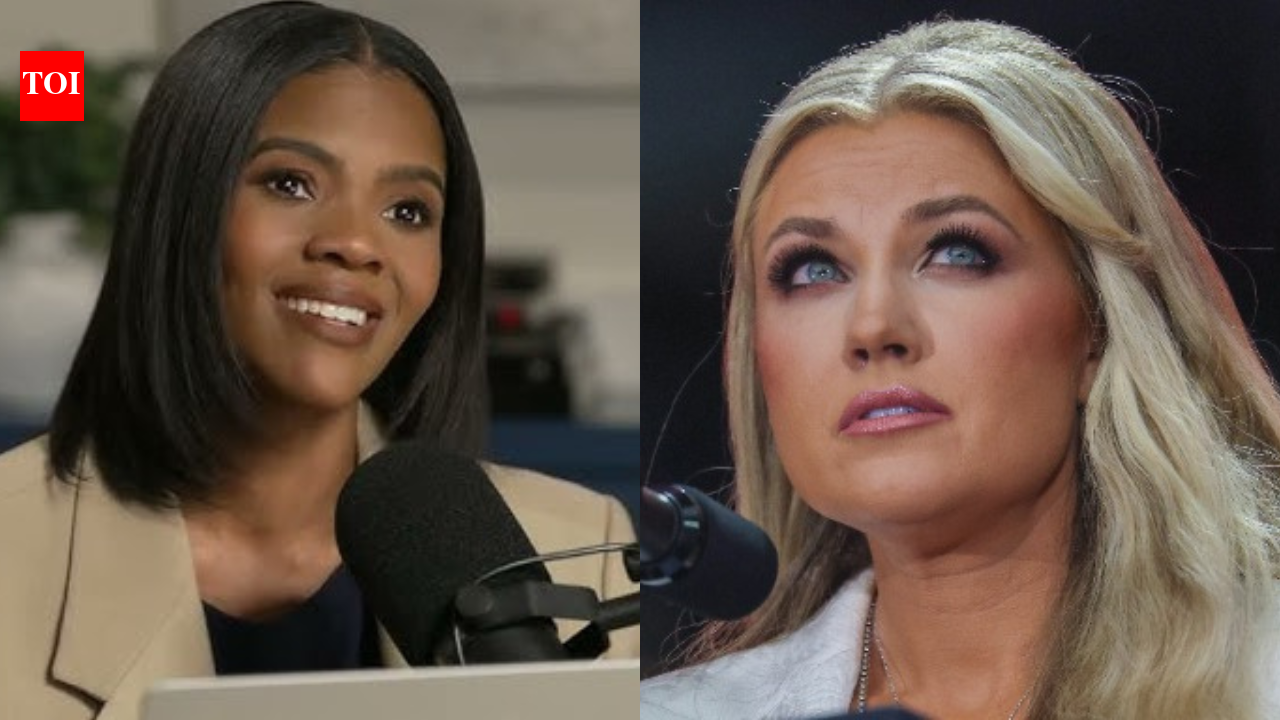
Candace Owens speaks out after Joe Rogan calls Erika Kirk behavior bizarre as resurfaced video raises new questions

[ad_1]

Candace Owens speaks out after Joe Rogan calls Erika Kirk behavior bizarre as resurfaced video raises new questions
Candace Owens speaks out after Joe Rogan calls Erika Kirk behavior bizarre as resurfaced video raises new questions (Image via Getty)

Candace Owens has stepped into the middle of a fresh online storm after a clip of Joe Rogan talking about Erika Kirk started spreading again. This time, the focus is not just on what Rogan said, but on how Owens reacted to it. Rogan, on his podcast, questioned Erika Kirk’s behavior and appearance in an old video linked to national security discussions. His comments quickly caught attention. Soon after, Owens posted her response on X, backing the idea that people are simply reacting to what they see. Her reply has now become the center of the story, with many debating whether she defended free speech or added fuel to the controversy.

Candace Owens backs Joe Rogan as Erika Kirk ‘behavior’ debate grows after resurfaced video

Candace Owens did not hold back when she reacted to Joe Rogan’s remarks. After watching the clip, she posted directly on X and wrote,“Oh no! Another commentator to send a cease and desist to for the stating the obvious fact that Erika’s behavior, demeanor, and history is bizarre. Ever wonder how Joe Rogan stays on top? Because his conversations reflect how everyday people feel about various topics.”Her message was clear. She believes Rogan is popular because he says what many people are already thinking. Instead of criticizing him, she supported his right to speak openly.

Watch

Joe Kent Suggests Israel Angle In Charlie Kirk Assassination, Sparks Debate

The whole situation began when Joe Rogan talked about a resurfaced video showing Erika Kirk discussing serious topics like EMP attacks and power grids. During the podcast, Rogan said the clip felt “very weird” and pointed out that such topics are usually handled by defense experts, not someone with a pageant background.He also commented on her expressions in the video, saying, “She’s an odd duck. Have you ever seen the compilation of her making crazy eyes?” He even described a viral edit where her expressions were matched with intense music, calling it strange.That clip quickly made rounds online again, bringing fresh attention to Erika Kirk. While some people agreed with Rogan’s take, others felt his comments were too harsh.Candace Owens, however, focused on a different angle. She framed the issue as one of honesty and public opinion. According to her, Rogan is not creating a narrative but simply voicing what many viewers already notice.This has turned the moment into a bigger debate. It is no longer just about Erika Kirk or the video. It is now about how far public figures can go when commenting on others, and whether calling out someone’s behavior crosses a line.As the discussion continues, Candace Owens’ response has clearly pushed the conversation forward. Instead of calming things down, it has made more people join in, picking sides on whether Joe Rogan was being real or being unfair.

[ad_2]

Source link

Iran’s missile map decoded: Who falls within its expanding strike range

[ad_1]

Iran's missile map decoded: Who falls within its expanding strike range
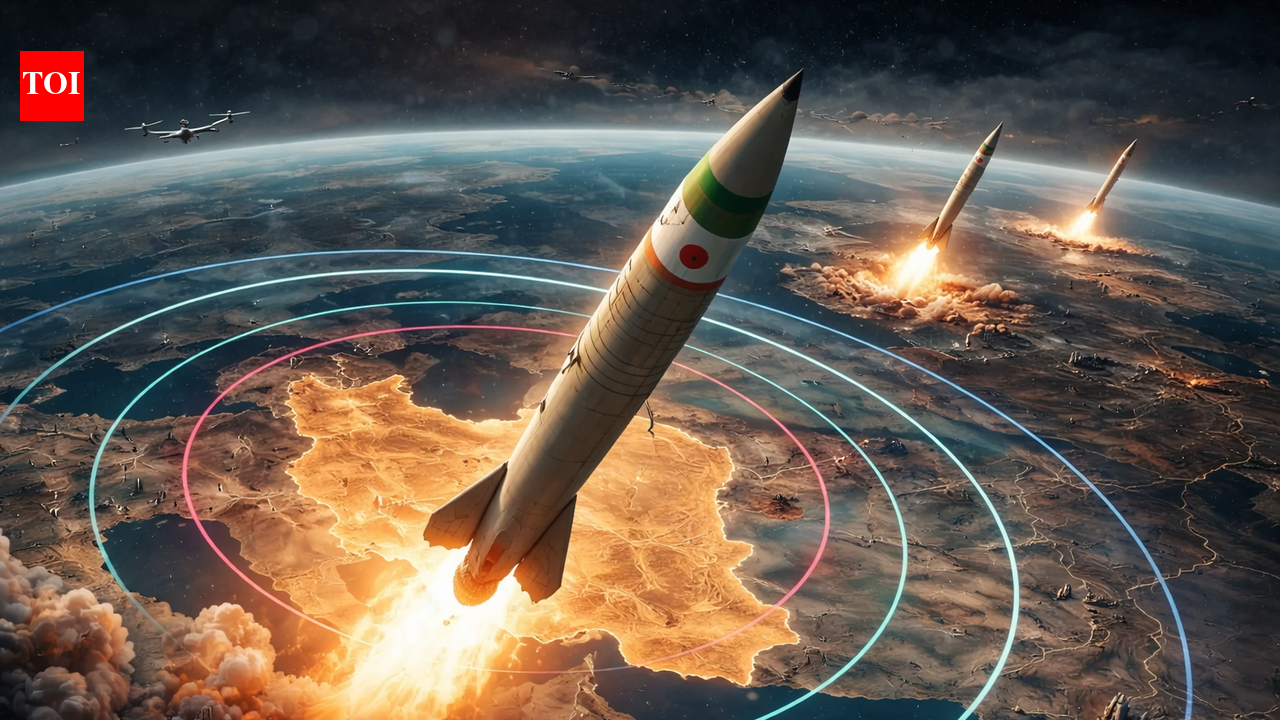
Representative Image (AI generated)

NEW DELHI: Iran’s missile arsenal has emerged as the cornerstone of its military doctrine, offering Tehran the ability to project power across the Middle East and shape the trajectory of any conflict it enters. Built steadily over the past three decades, the programme spans short-range tactical systems to long-range ballistic and cruise missiles, creating a layered strike capability that compensates for the country’s ageing air force.The range of these missiles is not merely a technical detail. It defines the geography of conflict, determines potential targets, and underpins Iran’s strategy of deterrence. From nearby Gulf bases to Israel and beyond, the arc of Iranian missile reach continues to influence military calculations across the region.

Short-range missiles: Immediate battlefield dominance

At the lower end of the spectrum are short-range ballistic missiles, typically with ranges between 300km and 800km. These systems form the first layer of Iran’s strike capability and are designed for rapid deployment against nearby targets.Missiles such as the Fateh-110, Zolfaghar, Qiam-1 and Shahab-1 and Shahab-2 fall into this category. Their relatively short range offers a tactical advantage. They can be launched quickly, often in large numbers, reducing warning time for adversaries and increasing the likelihood of overwhelming air defence systems.This class of missiles is particularly suited for targeting US military bases in the Gulf, naval assets, and regional infrastructure. Their role is to deliver a “first punch” in any escalation scenario, signalling capability while inflicting immediate damage.Iran demonstrated this approach in January 2020, when it launched ballistic missiles at Iraq’s Ain al-Assad airbase following the killing of General Qassem Soleimani. The attack caused significant damage and injuries, showcasing Iran’s ability to strike precisely without relying on conventional air power.

Medium-range missiles: Expanding the strategic map

The second layer of Iran’s missile arsenal comprises medium-range ballistic missiles, with ranges typically between 1,000km and 2,000km. This category marks a shift from tactical warfare to strategic deterrence.Key systems include Shahab-3, Emad, Ghadr, Sejjil and Khorramshahr. These missiles significantly expand Iran’s strike envelope, placing Israel and a wide network of US-linked military facilities within reach. Bases in Qatar, Bahrain, Kuwait, Saudi Arabia and the United Arab Emirates all fall within this radius.Among these, the Sejjil missile stands out due to its solid-fuel propulsion. Unlike liquid-fuel missiles, which require longer preparation times, solid-fuel systems can be launched more quickly, enhancing survivability in a conflict where pre-emptive strikes are a constant threat.This layer effectively turns any confrontation with Iran into a regional issue. It ensures that escalation cannot be contained to a single battlefield, as multiple countries fall within range of retaliation.

Long-range systems: The outer limits of reach

Iran’s longest-range missiles are assessed to reach between 2,000km and 2,500km, forming the outer boundary of its publicly known capabilities. Systems such as advanced variants of the Shahab series, Sejjil and Khorramshahr operate in this range band.In addition to ballistic missiles, Iran has developed cruise missiles like Soumar, which can travel up to 2,500km while flying at low altitudes. These missiles are harder to detect and intercept, particularly when used in combination with drones or ballistic systems.The geographical implications of this range are profound. A 2,000km radius from Iran encompasses not only Israel and the Gulf but also parts of southeastern Europe, Central Asia and North Africa. It allows Tehran to hold at risk a broad spectrum of military and economic targets, including ports, energy infrastructure and airbases.However, despite the reach, Iran’s missile capability does not extend to the continental United States. This limitation underscores that Tehran’s strategy is focused on regional dominance rather than global strike capability.

Diego Garcia strike attempt: Testing the boundaries

A recent development has, however, raised questions about the upper limits of Iran’s missile reach. Reports of an attempted strike on Diego Garcia—a remote island in the Indian Ocean hosting a major US-UK military base—suggest that Tehran may be experimenting with longer-range capabilities.Located roughly 4,000km from Iran, Diego Garcia lies well beyond the established range of Iran’s missile systems. According to available information, two missiles were reportedly launched towards the island, though neither successfully struck the target.While the attempt did not succeed, its implications are significant. It points either to an experimental extension of Iran’s missile technology or a strategic signalling effort aimed at deterring Western forces by demonstrating intent rather than proven capability.If Iran were to develop reliable systems capable of reaching such distances, it would fundamentally alter the strategic balance, extending its reach into the Indian Ocean and potentially into parts of Europe and the Indo-Pacific.

The geography of threat: A layered coverage

The image of Iran’s missile ranges illustrates a layered pattern of concentric reach. Short-range systems dominate the immediate neighbourhood, covering the Persian Gulf and nearby states. Medium-range missiles extend this reach to Israel and deeper into West Asia, while long-range systems push the boundary outward to cover an even wider arc.This layered structure ensures that Iran can respond across multiple distances simultaneously. It also complicates defence planning for adversaries, who must account for threats arriving from different ranges, trajectories and speeds.In practical terms, this means that no major US military installation in the Gulf region lies outside Iran’s reach. Energy infrastructure, shipping lanes and urban centres across the region are also within striking distance.

Volume and survivability: Beyond range

While range defines reach, Iran’s missile strategy is equally dependent on volume and survivability. The country has invested heavily in underground facilities, often referred to as “missile cities”, where weapons are stored and prepared for launch away from surveillance.Mobile launch platforms further enhance flexibility, allowing missiles to be fired from multiple locations. This dispersal makes it difficult for adversaries to neutralise Iran’s arsenal in a single pre-emptive strike.The use of combined tactics—ballistic missiles, cruise missiles and drones—adds another layer of complexity. Drones can be used to saturate air defences, while cruise missiles fly low to evade detection, and ballistic missiles deliver high-speed strikes.This integrated approach increases the likelihood that at least some weapons will penetrate defensive systems, ensuring that Iran retains credible retaliatory capability.

Strategic implications: Deterrence and escalation

Iran’s missile range is central to its deterrence strategy. By demonstrating the ability to strike across a wide geographical area, Tehran seeks to discourage adversaries from initiating attacks or escalating conflicts.At the same time, this capability raises the stakes of any confrontation. The broader the range, the wider the pool of potential targets, increasing the risk of a regional conflict spiralling into a larger war.The attempted strike on Diego Garcia, even if unsuccessful, underscores this dynamic. It signals that Iran may be willing to expand the geographical scope of its operations, challenging assumptions about the limits of its reach.Iran’s missile programme is not just about weapons—it is about shaping the battlefield. From short-range systems designed for immediate impact to long-range missiles that define regional power projection, the range of Iran’s arsenal determines how conflicts unfold.As tensions persist, this range ensures that any military engagement involving Iran will not remain confined. Instead, it will play out across a vast and interconnected region, where distance offers little protection and escalation carries far-reaching consequences.

[ad_2]

Source link

Watch: Iran claims it struck ‘enemy’ F-15 fighter jet intercepted near Hormuz Island

[ad_1]

Iran Targets F-15 Near Hormuz After Trump Threat, Aircraft Fate Remains Unclear | Watch Video

.

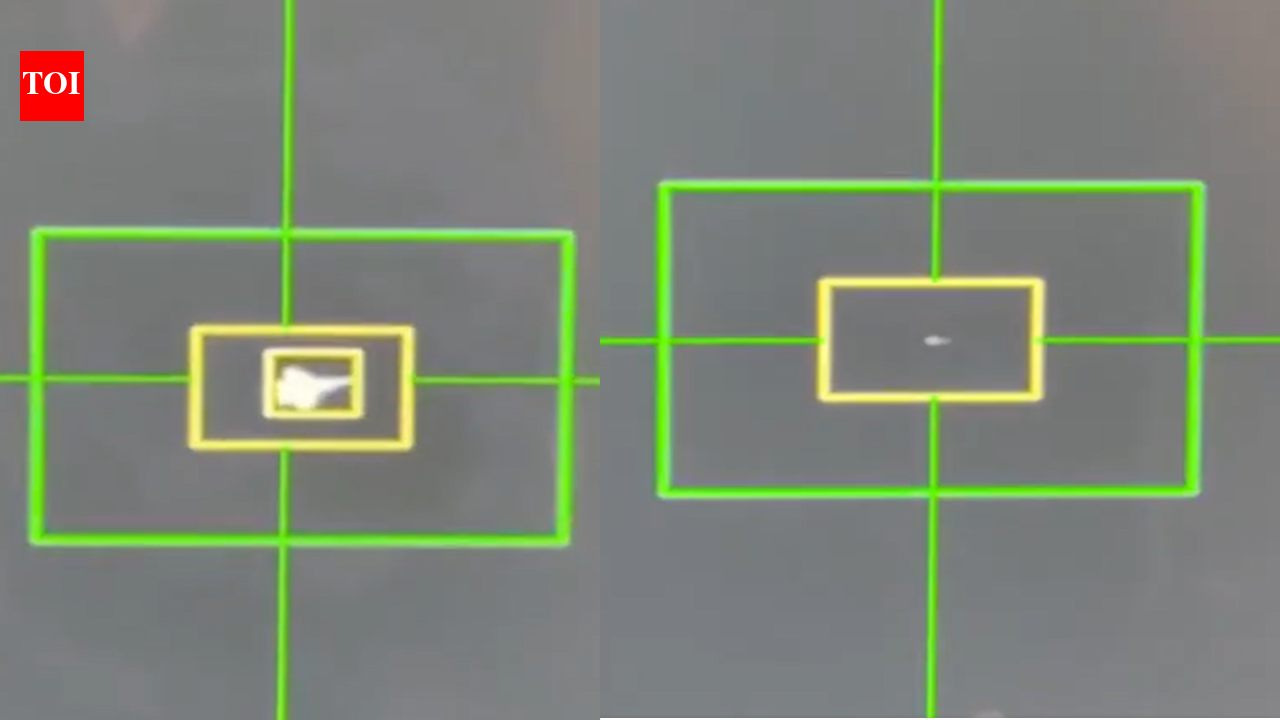
The Iranian Air Defense Headquarters said Sunday it intercepted and struck an ‘enemy’ F-15 fighter jet flying over Iran near Hormuz Island.In a statement released on Sunday, the air defense system said it had intercepted and fired ground-to-air missiles at the enemy fighter jet near Iran’s southern coasts and near Hormuz Island a few hours earlier. It also noted that investigations are underway to learn about the F-15’s fate.

Watch

Iran Targets F-15 Near Hormuz After Trump Threat, Aircraft Fate Remains Unclear | Watch Video

Video shared by Fars News Agency showed a clip of the fighter jet being targeted by a missile.“A short while ago, one F-15 enemy invading fighter jet in the skies over the country’s southern coasts and near Hormuz Island was targeted by the army’s air defense force’s ground-to-air systems after being intercepted and struck by a missile,” the statement read, as quoted by Fars.The latest claim comes amid rising military tensions in the region. Days ago, a US F-35 stealth fighter was damaged during a combat mission over Iran, forcing an emergency landing at a US air base in the Middle East, according to American officials.Also read: ‘Europe within Iranian missiles range’: IDF warns after Diego Garcia strike; UK says ‘no evidence’Iran claimed it had successfully struck the aircraft using its air defence systems, potentially marking the first time Tehran hit one of the United States’ most advanced jets during the ongoing conflict.The claim has not been fully confirmed by Washington, but US officials have acknowledged the aircraft was hit by what is believed to be Iranian fire.The incident also came a day after the cross-firing of missiles in the Gulf region between Iran and Israel-US reached India’s backyard, when two ballistic missiles were launched by Tehran towards Diego Garcia, a strategically important joint US-UK base in the Indian Ocean.The Iranian missiles, aimed at the military facility roughly 4,000 km away, however, did not hit the base.

[ad_2]

Source link

‘Europe within Iranian missiles range’: IDF warns after Diego Garcia strike; UK says ‘no evidence’

[ad_1]

'Europe within Iranian missiles range': IDF warns after Diego Garcia strike; UK says 'no evidence'

Iranian forces fired long-range missiles for the first time on Saturday, marking an expansion of the conflict beyond the Middle East and raising concerns that European capitals could be within reach. The strikes also injured dozens of people near Israel’s nuclear site.Iran launched two 4,000-kilometer-range ballistic missiles at the US-UK military base Diego Garcia in the Indian Ocean, Israeli military chief Eyal Zamir said. The Israeli military described it as the “first time” Iran had used long-range missiles in the conflict.“These missiles are not intended to strike Israel. Their range reaches European capitals — Berlin, Paris, and Rome are all within direct threat range,” Zamir said in a statement, as quoted by Reuters.Follow US-Israel-Iran War News Live UpdatesReacting to this, British Housing Secretary Steve Reed said on Sunday there was no assessment supporting claims that Iran was planning to strike Europe with ballistic missiles, or that it had the capability to do so. “There is no assessment to substantiate what’s being said,” Reed told BBC. “I’m not aware of any assessment at all that they are even trying to target Europe, let alone that they could if they tried,” he added.Late on Saturday, Iranian missiles struck the southern Israeli cities of Dimona and Arad, injuring dozens of people, including children, in separate attacks. Iran’s Revolutionary Guards said in a statement early Sunday that they targeted “military installations” and security centers in southern Israel.Israel’s secretive nuclear reactor is about 13 kilometers southeast of Dimona. Both Dimona and Arad lie near several military sites, including Nevatim Air Base, one of the country’s largest.Iranian media reported that US-Israeli forces had attacked the Shahid Ahmadi-Roshan Natanz enrichment complex on Saturday morning. Technical experts found no radioactive leaks, and nearby residents were not at risk. Israel said it was unaware of such a strike, while the head of the International Atomic Energy Agency (IAEA) said it was investigating.Iranian media later reported strikes on a passenger terminal in the southern port of Bushehr and an empty passenger ship at nearby Kharg Island, which handles nearly all of Iran’s oil exports. The island is seen as a potential target if Washington decides to hit Iranian energy sites or deploy ground troops.“This has been a very difficult evening in the battle for our future,” Israeli Prime Minister Benjamin Netanyahu said in a statement released by his office following the strike on Arad. “We are determined to continue striking our enemies on all fronts,” the statement said.More than 2,000 people have been killed in Iran since the US and Israel began their attacks. In Israel, 15 people have been killed in Iranian strikes since the war started.US President Donald Trump on Friday posted that Washington was considering “winding down” its military operation against Iran. In a social media post, Trump said the US was close to meeting its goals but insisted that other countries should take the lead in policing the Strait of Hormuz, the shipping lane whose near-closure threatens a global energy shock.

[ad_2]

Source link

‘Why don’t you just die’: India star reveals shocking death threats and abuse | Cricket News

[ad_1]

'Why don’t you just die': India star reveals shocking death threats and abuse
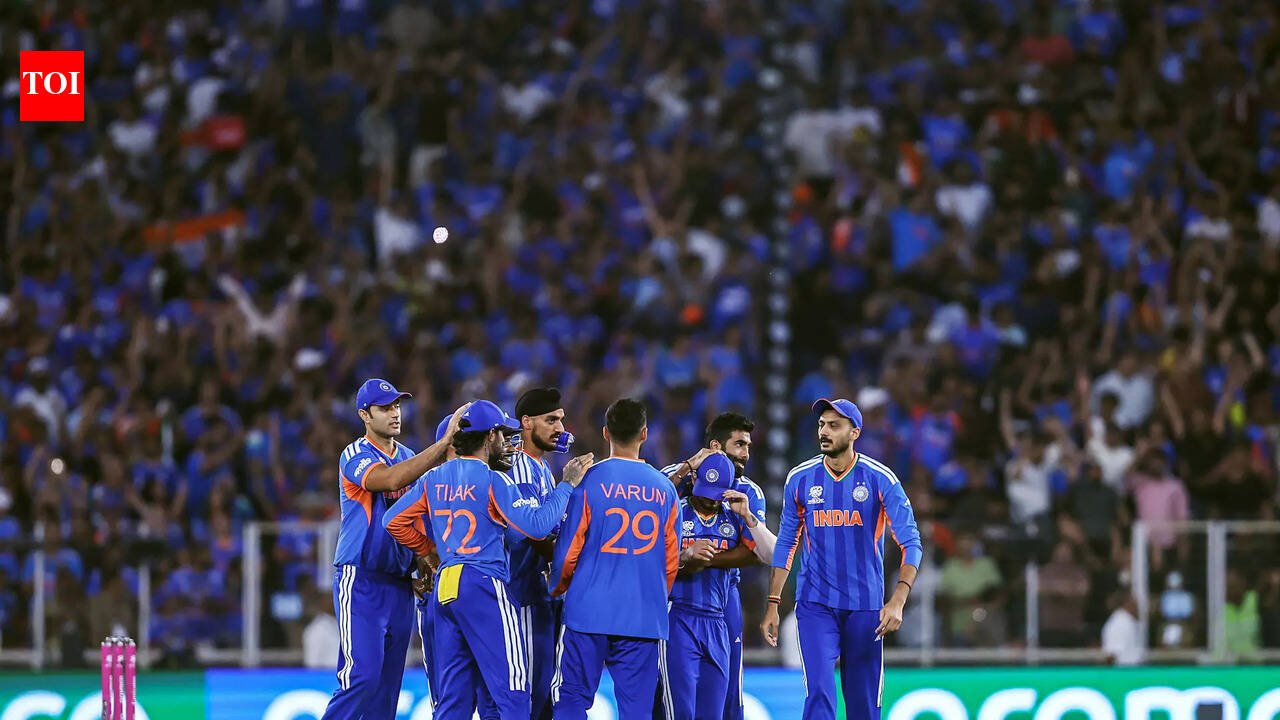
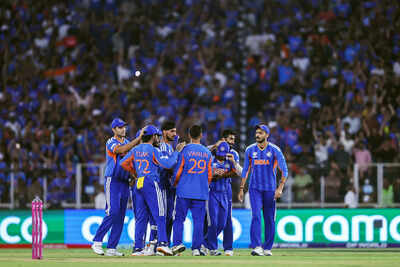
India’s Varun Chakravarthy and teammates (ANI Photo)

India spinner Varun Chakravarthy has revealed a deeply troubling chapter from his career, speaking about the intense backlash and abuse he faced after testing positive for COVID-19 during the 2021 edition of the Indian Premier League.Chakravarthy was among the first players to return a positive test ahead of a clash between Kolkata Knight Riders and Royal Challengers Bengaluru. The fixture was initially postponed, but the situation quickly escalated, forcing the Board of Control for Cricket in India to suspend the tournament midway through the season after 29 matches, as COVID-19 cases began breaching team bio-bubbles.

Watch

Ajit Agarkar knocks BCCI door, makes a huge extension request | World Cup

Alongside Chakravarthy, fellow KKR pacer Sandeep Warrier had also tested positive within the camp.Looking back at that phase during his appearance on the YouTube show Journey to Jersey, Chakravarthy described the emotional toll of being held responsible by fans for the abrupt halt of the tournament.“The worst was when IPL was stopped in 2021. It got stopped halfway because I got Covid. I was the first person to test positive. So the whole IPL had stopped,” Chakravarthy said.At the time, reports suggested that the mystery spinner had exited the bio-secure environment through official clearance to undergo treatment for a shoulder issue, where he was likely exposed to the virus.What followed, however, was a wave of online abuse that left a lasting impact on him.“There were people abusing me. Back then, IPL was the only way people were passing time. They were so angry that it was stopped. People were saying, ‘Why don’t you just die.’ It was that bad,” he added.Despite that difficult episode, Chakravarthy has continued to be a key figure for KKR. In the previous IPL season, he finished as the seventh-highest wicket-taker with 17 wickets at an average of 22.52 and an economy rate of 7.66, with best figures of 3 for 22. Over the course of 83 matches for the franchise, he has picked up 99 wickets at an average of 23.74, including two four-wicket hauls and best figures of 5 for 20.He also made a significant impact at the recent ICC Men’s T20 World Cup, where he emerged as the joint-highest wicket-taker alongside Jasprit Bumrah with 14 wickets, though he conceded runs at an economy rate of 9.25.

Banner Insert

[ad_2]

Source link

India Bloc: Allies in Delhi, rivals in states: Why Congress should quit INDIA bloc, fight regional parties | India News

[ad_1]

Allies in Delhi, rivals in states: Why Congress should quit INDIA bloc, fight regional parties

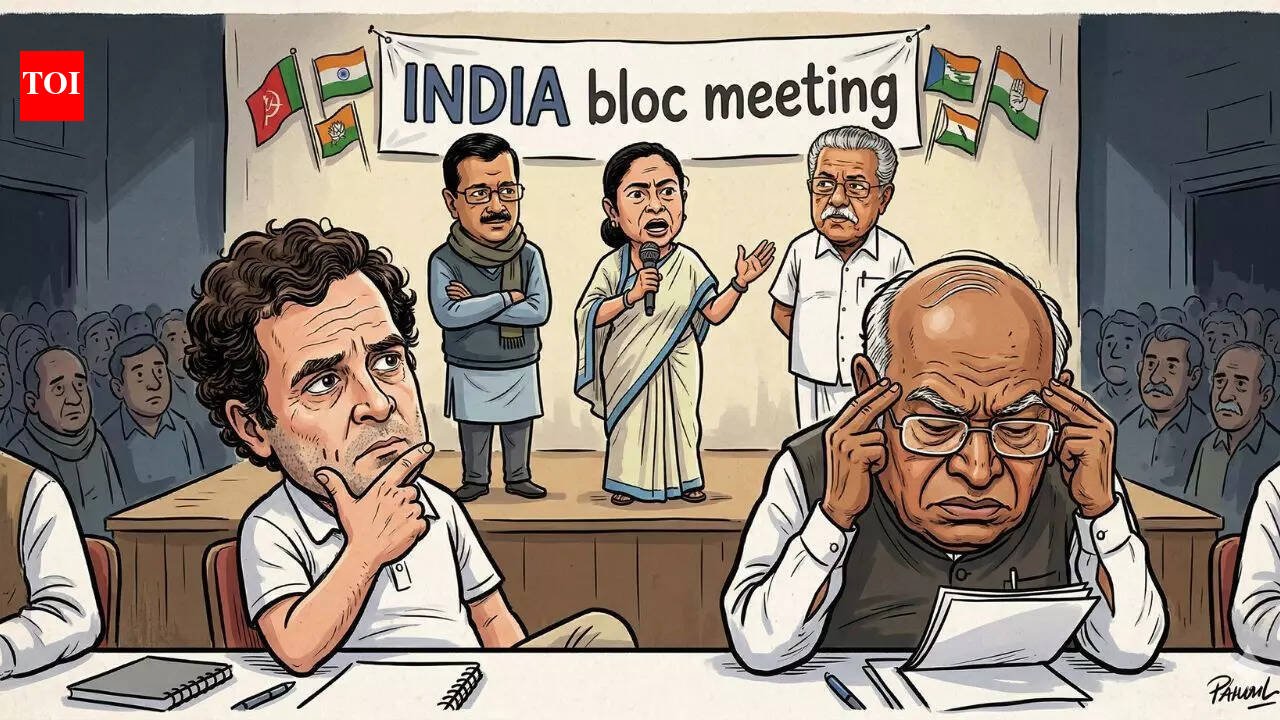
NEW DELHI: The just-concluded Rajya Sabha election has done more than reshuffle numbers in the Upper House – it has once again exposed the widening divide within the opposition’s INDIA (Indian National Development Inclusive Alliance) bloc. What was stitched together as a united opposition front, led by Congress, against the BJP ahead of the 2024 Lok Sabha polls now appears increasingly frayed, with allies turning their fire inward. And at the heart of this heat is the Congress itself. Consider this: some of the sharpest attacks on the Congress in recent days have come not from its political rivals, but from its own partners. From accusations of “betrayal” by the Samajwadi Party to the CPM dubbing it a “B-team of the Sangh Parivar”, and the CPI(ML) flagging its vulnerability to “horse-trading”, the rhetoric has been unusually blunt.

Kerala CM on Congress

Here are some of the remarks:

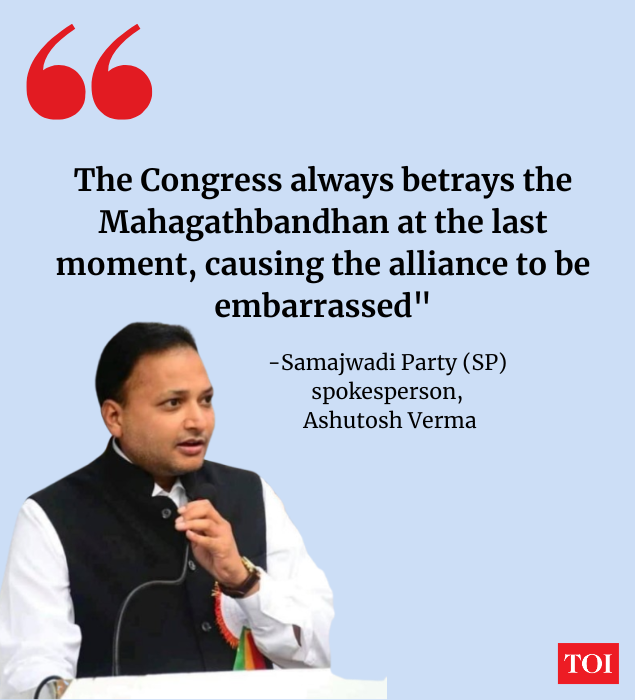
  • “The Congress always betrays the Mahagathbandhan at the last moment, causing the alliance to be embarrassed” : Samajwadi Party (SP) spokesperson Ashutosh Verma
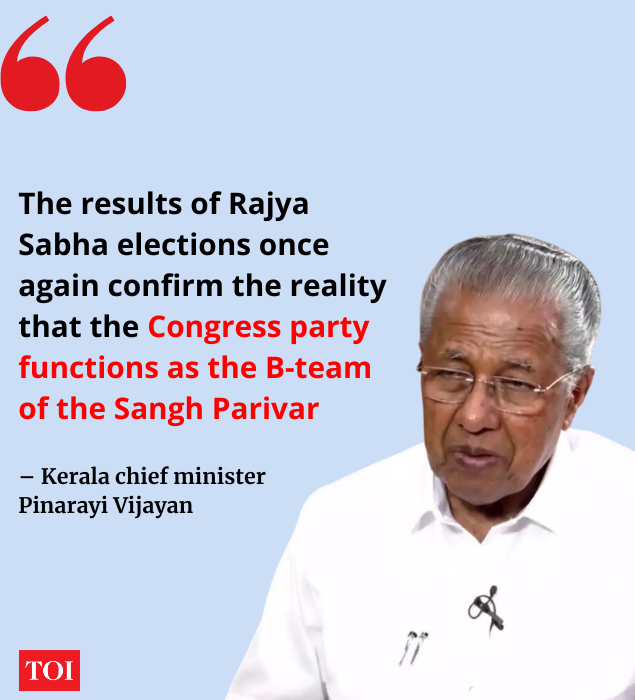
  • “The results of Rajya Sabha elections once again confirm the reality that the Congress party functions as the B-team of the Sangh Parivar”: Kerala chief minister Pinarayi Vijayan
  • “In state after state, the Congress has exposed its soft underbelly, its utter vulnerability to horse trading. The Congress should look within to identify and stem the rot that seems to have taken deep roots”: CPI(ML) Liberation MLA Sandeep Saurav

All these remarks are from leaders who are allies of the Congress in the INDIA bloc. The immediate provocation for this no-holds-barred attack was cross-voting by some Congress MLAs in Bihar, Haryana and Odisha in the Rajya Sabha elections. It’s a different matter that it was not just the Congress MLAs who cross-voted but legislators of some other regional parties also broke ranks to help the BJP.The Congress has already initiated action against MLAs who went against the party line and has accused the BJP of indulging in horse-trading to win elections. In fact, in Haryana they have also lodged an official complaint with the state governor. What comes out of this complaint is something that we will have to wait and see.

SP leader on Congress.

However, the recent episode has laid bare a larger problem that the INDIA bloc coalition is struggling to stay united beyond its anti-BJP agenda. The bloc was formed in the run-up to the 2024 Lok Sabha elections with the primary aim of preventing division of anti-BJP votes to slow down the saffron march. To that extent the alliance did reasonably well – restricting the BJP to 244 and preventing it from another majority victory. The Congress gained the most in the process, nearly doubling its numbers to 99 in the Lower House. But two years after the setup of INDIA bloc, the fact remains that the relationship between the Congress and its regional allies has mostly been tumultuous.After a surprise success of Lok Sabha elections, the compulsions of state politics took centre stage. The fact that most of the regional parties who had joined hands with the Congress in Delhi, were political rivals in their states made the relationship not just complex but also acrimonious.While the Congress wanted to regain its lost base in the states, the regional parties, many of whom had grown at the expense of the Congress, did not want to cede too much ground to the grand-old-party. That perhaps explains why the existence of the INDIA bloc has been questioned every time there have been state elections.

Post-2024 Lok Sabha script

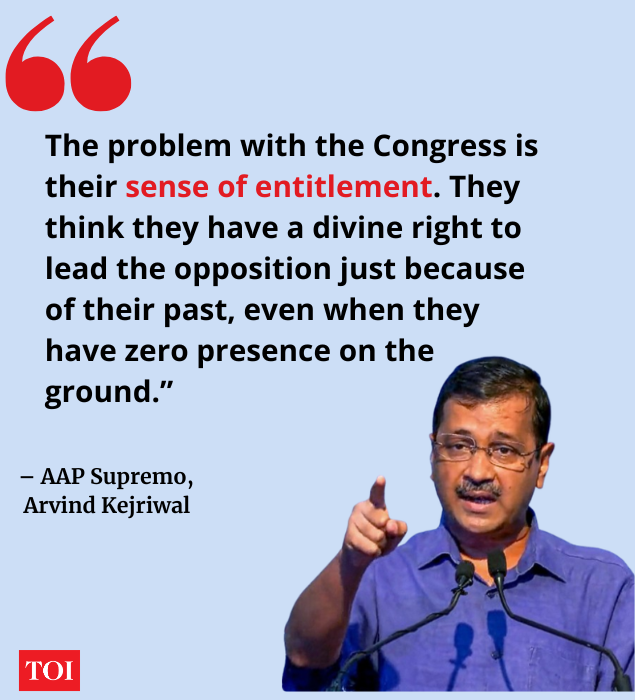
Here’s a look at the INDIA bloc dynamics at state-level: Maharashtra: Internal tussles of MVAThe Maha Vikas Aghadi (MVA, comprising Congress, Shiv Sena (UBT) and NCP (Sharad Pawar), has struggled with coordination after the 2024 Lok Sabha success.In the assembly elections held later in November 2024, the BJP-led Mahayuti alliance secured a landslide victory by winning 235 of 288 seats. The MVA managed to get only 50 seats. Post-results, internal friction peaked with partners blaming each other for poor seat-conversion. Uddhav Thackeray’s Shiv Sena and the Congress have often clashed over who should be the “face” of the alliance in the state moving forward.In the recently held BMC and other civic polls in Maharashtra, Congress had contested on its own while the other two parties fought together for some of the seats.Delhi: AAP vs CongressAfter a tactical seat-sharing deal for the 2024 Lok Sabha polls, which yielded zero seats for the alliance in Delhi, both AAP and Congress reverted to being bitter rivals. In June, 2024, AAP’s Delhi convenor Gopal Rai had announced that the alliance was “only for the General Election.” In 2025 Delhi assembly elections, the alliance completely collapsed as both parties contested independently. The relationship deteriorated further in the election campaign phase where both parties accused each other of being BJP’s proxy.In one of the rallies, Kejriwal had said: “The problem with the Congress is their sense of entitlement. They think they have a divine right to lead the opposition just because of their past, even when they have zero presence on the ground. They are not fighting the BJP; they are fighting the regional parties who actually defeat the BJP. In Delhi, the Congress is nothing but a ‘vote-cutter’ meant to help the BJP.”Rahul Gandhi and Priyanka Gandhi Vadra held rallies across Delhi, terming Kejriwal and other AAP leaders “corrupt” amid liquor policy case. In one such rally, Rahul Gandhi had said: “Kejriwal ji keeps lying. The way PM Modi lies, Kejriwal lies too. There isn’t much difference between them. But I will tell you one thing—Kejriwal is probably more cunning and sophisticated than even the Prime Minister in how he misleads people.” Senior Congress leader Ajay Maken’s sharp critiques of Arvind Kejriwal-led AAP to even suggest that Congress be “expelled” from the national bloc.

Kejriwal's attack on Congress.

The two parties eventually reached the point of no return after BJP’s sweep in the state, with both parties blaming each other for the split in votes.While BJP got 48 of 70 seats, AAP lost the power and was reduced to 22 seats while Congress drew a blank for the third straight time. AAP chief Kejriwal and Manish Sisodia (both of whom lost their individual seats) also blamed the Congress for “acting as a spoiler” and cutting into the AAP’s core secular vote bank.By July, AAP officially exited the INDIA bloc. Party MP Sanjay Singh said, “We said that officially, the Aam Aadmi Party is not with the INDIA alliance as of today. Our alliance was for the Lok Sabha elections.”Kejriwal asserted that the Congress’s “entitled leadership” was the primary reason the opposition could not mount a challenge to the BJP.West Bengal: TMC vs Congress vs LeftThis is currently the most volatile relationship in the bloc. While Mamata Banerjee is a founding member of the INDIA bloc, the “on-ground” reality in Bengal remains a three-way battle. Mamata, who has till now managed to successfully keep BJP out of power in Bengal, refused to cede even a percentile of its voter base to Congress, or Left for that matter. Immediately after the 2024 Lok Sabha elections, where the TMC won 29 out of 42 seats, Mamata Banerjee concluded that the Congress was a “liability” in Bengal. In February 2025, Mamata formally told her party legislators that the TMC would contest the 2026 assembly polls alone. Her rationale was blunt: “The Congress has no base in Bengal; we cannot strengthen them at our own cost.”In the upcoming elections, all three parties – TMC, Congress and CPM are going solo while fighting against BJP. Tamil Nadu: Deal or compromise?In Tamil Nadu, the DMK-Congress alliance has held, but only after intense last-minute bargaining exposed underlying tensions. On March 4, 2026, the two parties finalised their pact for the April 23 assembly elections following days of uncertainty.The Congress, which had pushed for 40 seats and a power-sharing formula including cabinet berths, had to settle for a modest expansion — from 25 seats in 2021 to 28 in 2026, along with one Rajya Sabha seat. Meanwhile, MK Stalin remained firm against any power sharing arrangement. For now the two parties have managed to come together for state polls, but it would be interesting to see if it holds for long. Kerala: Congress vs CPMIn the upcoming Kerala assembly elections, the two major INDIA bloc constituents are the primary adversaries in a direct face-off. The United Democratic Front (UDF) is being led by Congress and the Left Democratic Front (LDF) is led by CPM.As the state moves toward the 2026 assembly elections, the rhetoric has turned hostile. Congress (UDF) is campaigning against 10 years of “anti-incumbency” and corruption under the LDF, while the Left has accused Congress of having a “secret understanding” with the BJP to weaken them.The other factor that has contributed to this acrimony is the leadership question – with the prominent regional leaders of the bloc reluctant to accept Congress (read Rahul Gandhi) as their leader. When the bloc was formed, JD(U) chief Nitish Kumar, who was one of the key architects of this experiment against the BJP, had hoped to lead it. But the Congress, which despite its decline, was the largest party in the bloc, had other plans. The Congress took over the leadership of INDIA bloc and party chief Mallikarjun Kharge became the leader of the opposition alliance. In the last two years, there have been several occasions when regional parties have questioned the leadership of the Congress. Some of them have even accused the grand-old-party of using the opposition alliance as per its convenience. Their calls for regular meetings, common agenda, shared manifesto have been ignored by the Congress. Last month, the Congress faced embarrassment when one of its own leaders made a strong case for a change in the INDIA bloc’s leadership and urged Rahul Gandhi to step aside. Mani Shankar Aiyar, who many thought had faded into political oblivion, was back with a bang. Aiyar, who has an uncanny knack of courting controversies, openly asked Rahul Gandhi to step aside and let regional leaders lead the opposition alliance.So, Aiyar first pitched Mamata Banerjee and said “West Bengal chief minister is central to the survival of INDIA bloc”. Then he backed the DMK chief and claimed “MK Stalin is best-suited to be the convenor of INDIA bloc”. The former Union minister also batted for Samajwadi Party chief Akhilesh Yadav and Rashtriya Janata Dal leader Tejashwi Yadav for the leadership role.While leaders of some regional parties welcomed Aiyar’s advice, some rejected the remarks as his “personal opinion” and asserted any decision on leadership will be taken by the members of the alliance.Jammu and Kashmir chief minister Omar Abdullah, whose party National Conference is part of INDIA bloc, dismissed Aiyar’s efforts and asserted any decision on leadership will be taken by the members of the alliance.“To date, there has been no discussion regarding leadership in any meeting of the INDIA bloc. But ultimately, when a decision is made, it will be by the INDIA bloc. Everyone will talk together. No such meeting has taken place so far to discuss the leadership. So, I don’t know where this is being projected,” Abdullah then said when asked about Aiyar’s suggestions.The Congress dismissed Mani Shankar Aiyar as a leader whose time was over. “Mani Shankar Aiyar and others like him are people whose time is over. They have no role in this party. They are not part of this party. His position is that of someone who goes wherever he is hired. Whoever hires him, he goes there. That is nothing to be particularly respected,” Congress leader Ramesh Chennithala said dismissing Aiyar’s remarks.But while the Congress may have dumped Aiyar, his pitch for regional leadership of the INDIA bloc put the grand-old-party in a tight spot once again.

Why Congress should withdraw itself from INDIA bloc

The experience of the past two years suggests that the INDIA bloc’s biggest challenge lies not in confronting the BJP, but in reconciling its internal contradictions. For the Congress, which remains the largest party in the alliance, the dilemma is particularly acute: balancing its national leadership role with the reality of state-level competition from its own partners.Given the acrimony and differences that have characterised the existence of INDIA bloc since its inception, breaking out of this cycle may require a bold call. The Congress should perhaps consider opting out of the opposition alliance for now. A temporary exit from the alliance could allow the Congress to rebuild without constantly negotiating its space with regional players.The grand-old party could forge individual alliances in states with regional parties on its own terms. The next Lok Sabha elections are still three years away which leaves enough time for realignment, but for now, the party’s priority may well be to strengthen itself independently before returning to any grand coalition.
[ad_2]

Source link

Stock Market Next Week: Upcoming week at Dalal Street: Middle East conflict, crude oil trends to guide markets

[ad_1]

Upcoming week at Dalal Street: Middle East conflict, crude oil trends to guide markets

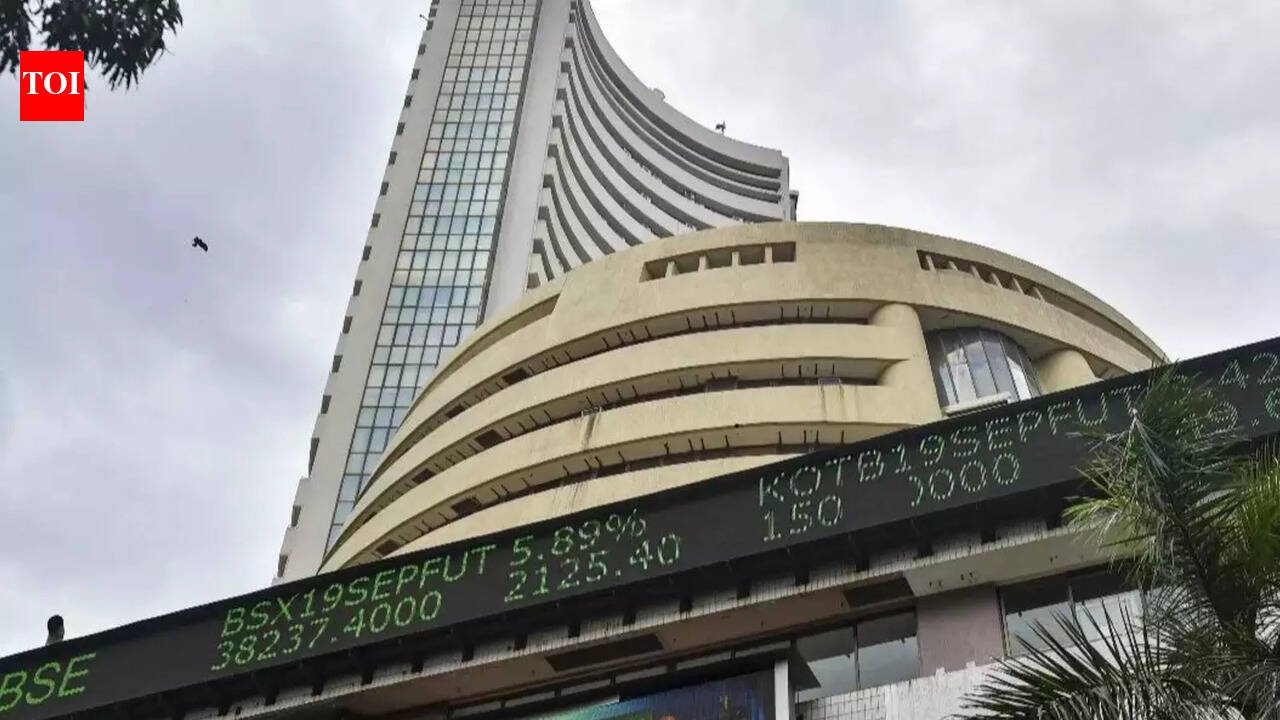
The Middle East conflict has entered its fourth week and the developments have sent shockwaves through global stock markets. For the upcoming week, investor sentiment is expected to remain sensitive to global developments, particularly the ongoing crisis and its impact on crude oil prices, in the holiday-shortened trading week ahead. Alongside geopolitical cues, movements in global equity markets, foreign investor activity, and fluctuations in the rupee against the US dollar are expected to guide market direction. Domestic exchanges will observe a holiday on Thursday on account of Shri Ram Navami. According to Ajit Mishra, the week is likely to remain heavily influenced by incoming data and global uncertainties. “This week is expected to remain data-sensitive amid ongoing global uncertainties. Developments in the West Asia conflict and movements in crude oil prices will continue to act as key external drivers and are likely to dictate the near-term market trend.” “On the domestic front, investors will closely monitor HSBC Flash PMI data for manufacturing, services, and composite segments, which will provide an early indication of business activity trends,” he added. Foreign portfolio investors have continued to pare their exposure, withdrawing Rs 88,180 crore (around $9.6 billion) from Indian equities so far this month. The outflows come amid rising tensions in West Asia, a weakening rupee, and concerns over the implications of higher crude oil prices on economic growth and corporate profitability. Market participants expect volatility to persist, with global triggers playing a decisive role in shaping near-term movement. “Looking ahead, markets are likely to remain highly volatile and event-driven, with near-term direction largely contingent on developments in the Middle East, particularly the evolving situation around the Strait of Hormuz. Any prolonged disruption could keep crude prices elevated above the USD 100-mark, intensifying inflationary and current account pressures while sustaining a risk-off sentiment,” said Ponmudi R. He further noted that foreign institutional investor flows, currency movements, and broader global cues, including the strength of the US dollar, will remain key indicators for traders. He added that easing geopolitical tensions or a decline in crude oil prices could lead to short-covering or relief-led moves, whereas renewed escalation may continue to exert downward pressure. In the preceding week, benchmark indices ended with marginal losses. The BSE Sensex declined by 30.96 points, or 0.04%, while the NSE Nifty fell by 36.6 points, or 0.15%.

[ad_2]

Source link