Breaking News
Rs 30 crore Mumbai furniture scam: Court rejects DRI plea to cancel businessman’s bail | Mumbai News


Court rejects DRI plea to cancel bail in Rs 30 crore furniture scam (Representative image)

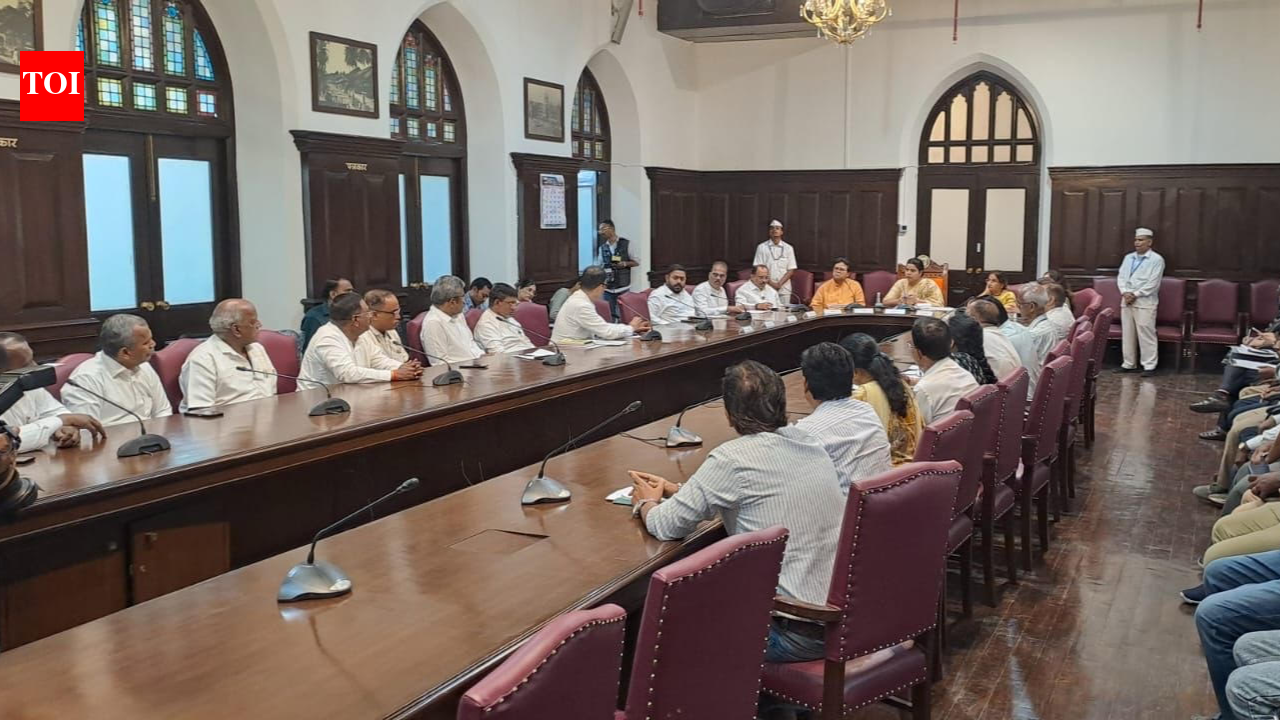
MUMBAI: The Sessions Court rejected the Directorate of Revenue Intelligence (DRI) plea seeking cancellation of bail granted to accused Falgun Yogendra Shroff in Rs 30 crores imported furniture scam.The case pertains to August last year when the DRI arrested businessman Shroff for allegedly importing high-end Italian luxury furniture by grossly undervaluing goods and evading customs duties.The DRI had moved the Session court challenging the earlier bail order dated August 2, 2025, passed by the ACJM, Esplanade Court, Mumbai.The DRI argued that the bail order was illegal, perverse, and failed to consider the seriousness of the offence. According to the agency, the case involved a significant economic offence requiring deep and continuous investigation. It was contended that custodial interrogation of the accused was necessary in light of new developments during the investigation.The prosecution further alleged that the accused had not cooperated fully, claiming he withheld crucial documents such as original invoices and login credentials linked to the alleged undervaluation scheme. The agency submitted that the accused had breached bail conditions and that his custody was necessary to confront him with evidence and identify other members of the syndicate.The defence lawyer Sujay Kantawala for Shroff strongly opposed the plea, terming it false and misconceived. It was argued that there were no supervening circumstances warranting cancellation of bail. The accused maintained that he had complied with all bail conditions and had cooperated with the investigation.The defence highlighted that the accused had appeared before investigating officers whenever summoned, submitted relevant documents, and even provided login credentials of multiple email accounts. It was also pointed out that the trial court had permitted him to travel abroad on multiple occasions after hearing both sides, and he had returned to India in compliance with court orders. His passport was eventually returned permanently, indicating no flight risk.Additionally, the defence submitted that the accused had deposited Rs. 5 crore with the government treasury as a mark of bona fides and had not attempted to tamper with evidence or influence witnesses. After hearing both sides and examining the record, the court reiterated the settled legal position that cancellation of bail is distinct from rejection of bail and requires “cogent and overwhelming circumstances.Relying on Supreme Court rulings including Daulat Ram vs State of Haryana and Dipak Yadav vs State of Uttar Pradesh, the court noted that bail once granted should not be cancelled in a routine manner unless there is clear evidence of misuse of liberty. The court found no material to show that the accused had violated any bail conditions, attempted to abscond, or interfered with the investigation. On the contrary, the record indicated that he had cooperated with the investigating agency and complied with court directions.The judge also observed that if the prosecution was aggrieved by the original bail order, it should have challenged it before the appropriate appellate forum instead of seeking cancellation at a later stage. The delay in filing the application was also noted. Holding that no supervening circumstances were made out and that the accused had not misused the liberty granted to him, the Sessions Court dismissed the DRI’s application.The court, however, clarified that the investigating agency is at liberty to approach the trial court for appropriate relief, including custodial interrogation, in accordance with law.


Source link

Top 10 countries with the highest water quality: Germany, UK, Italy and other top-ranked nations ranked globally | World News


Water quality has emerged as one of the vital aspects that define how a country is able to successfully manage its environment, infrastructure, and health. In various developed nations around the world, access to clean and pure drinking water is not left to chance. Rather, various aspects such as water sources and environmental protection policies help define water quality. In various nations that enjoy excellent water quality, advanced engineering solutions are used in conjunction with resource management to ensure that water remains pure and free of any contamination at every stage. Understanding how such systems work can help define how various nations are able to achieve near-perfect water quality and how they manage to sustain such results over time.According to the World Population Review, check below the list of the top 10 countries with the best water quality in 2026, which is measured as part of the annual Environmental Performance Index (EPI)

List of top 10 countries ranked by water quality

Global water quality rankings highlight countries like Switzerland and New Zealand, where strong policies, infrastructure, and natural resources ensure clean, safe drinking water for citizens.

Country
Score
Germany 100
United Kingdom 100
Italy 100
Greece 100
Switzerland 100
Finland 100
Ireland 100
Norway 99.9
Luxembourg 99.8
Canada 99.7

*The highest score reveals the greater availability of safe drinking water.Source: World Population Review

Countries with best water quality

Germany

In Germany, water quality standards are determined through a federal regulatory framework based on the EU Water Framework Directive. The municipal water supply relies on groundwater sources, which are naturally filtered through geological strata prior to pumping. Water treatment plants utilise a multi-step purification process involving activated carbon filtration and oxidation.

United Kingdom

In the United Kingdom, the management of water quality involves the supervision of agencies like the Environment Agency. Sources of water include reservoirs, rivers, and aquifers, which undergo extensive treatment before consumption. Technologies used include membrane filtration and ultraviolet treatment.

Italy

The quality of water in Italy is improved by the combination of alpine water sources and the regulated water treatment systems in the municipalities. The mountain water sources have relatively low contamination, which helps in lowering the required intensity in the water treatment process.

Greece

In Greece, high water quality is assured by natural filtration, especially in areas of limestone geology, such as island and coastal aquifers. Desalination plants are used to augment freshwater resources in areas where there is a scarcity of nat

Switzerland

One of the nations with the most controlled water system in the world is Switzerland. The country has a strong reliance on natural sources such as alpine lakes and springs. A substantial part of drinking water is not required to be treated as it is naturally pure.

Finland

Thousands of lakes in Finland serve as an abundant source of freshwater resources. Both groundwater and surface water resources are being utilised in Finland, with appropriate treatment processes being implemented.

Ireland

Ireland sources much of its drinking water from rivers and lakes, supported by treatment plants designed to address organic matter and microbial risks. Infrastructure improvements in recent years have focused on upgrading older systems to meet stricter standards.

Norway

Norway benefits from glacial and mountainous landscapes that naturally protect water sources from contamination. Surface water, particularly from lakes, forms the primary supply.

Luxembourg

Despite its small size, Luxembourg maintains highly efficient water management systems. Groundwater is the primary source, supplemented by surface reservoirs.Regulatory frameworks enforce strict quality standards, while modern treatment facilities ensure compliance. Investment in infrastructure has minimised losses and maintained system reliability.

Canada

In Canada, vast freshwater reserves provide a strong foundation for high water quality. Lakes and rivers, including the Great Lakes system, serve as major sources. Water treatment standards are governed at both federal and provincial levels. Advanced filtration and disinfection systems are widely used in urban centres.


Source link

Genius Sports: Genius Sports leads race for football rights with Rs 64.4 crore annual bid | Goa News


The bids have been submitted for a 15-year term with a provision for an additional five-year extension, with the bidder having the right of first refusal

Panaji: The All India Football Federation (AIFF) is likely to accept a bid of Rs 64.4 crore annually with five percent increase every year — totalling approx. Rs 2,130 crore across 20 years — for commercial rights of the top-tier Indian Super League (ISL) and Federation Cup, the country’s premier cup competition.When bids for the two top properties in men’s football was opened on Friday, AIFF had two interested parties. London-based Genius Sports bid $7 million annually (approx. Rs 64.4 crore), while FanCode’s bid was for Rs 36.6 crore, both offering a similar five-year increment.The bids though were structured differently.“Genius are putting big money on the table, investing in the league, while FanCode is club-centric, focused on how clubs can get revenues faster,” said a senior club official.FanCode had secured the rights for the current ISL season for ₹8.6 crore. This season has a truncated league, played in a single-leg format with only 13 games for each team.Genius Sports reportedly works with English Premier League (EPL), National Football League (NFL, American football) and the NBA among others.“Genius is offering approximately Rs 2,130 crore over 20 years, while Capri Sports will pay approximately Rs 160 crore for the Indian Women’s League and IWL 2,” AIFF deputy secretary general M Satyanarayan told TOI on Friday. “We will now place the proposals before the executive committee (on Sunday) for a decision. We have informed the clubs too about the bids, and they have been asked to provide their feedback. Everything will be placed before the executive committee.When the bids were opened at the AIFF headquarters in Delhi, two club officials — Ravi Puskur (CEO, Goa) and Dhruv Sood (CEO, SC Delhi) — were present. Once the numbers were known, the AIFF had a quick call with all ISL clubs.“From the over Rs 2,000 crore that Genius Sports will invest, how much of it will go to the clubs? Nothing,” another club official said later in the day, “The clubs will discuss the proposal threadbare (on Saturday) and provide our feedback to the AIFF. It’s clear that there will be no central revenue share for the clubs. We also don’t have any assurance that the participation fee will be waived off (by AIFF).”GMR Sports, which attended the pre-bid meeting, did not submit a bid. A senior AIFF official told the clubs that the company behind multiple sporting ventures, including Delhi Capitals, “wanted a 90-day extension of the bid last date, which was not possible.”The bids have been submitted for a 15-year term with a provision for an additional five-year extension, with the bidder having the right of first refusal. The proposal also includes a five per cent increase in value every year over the duration of the agreement.As per the bid document, the bid winner will have to provide a fee “not less than 20% for administrative costs to the AIFF. The fee is “non-refundable and not contingent on any revenue accrual in favour of the bidder.”


Source link

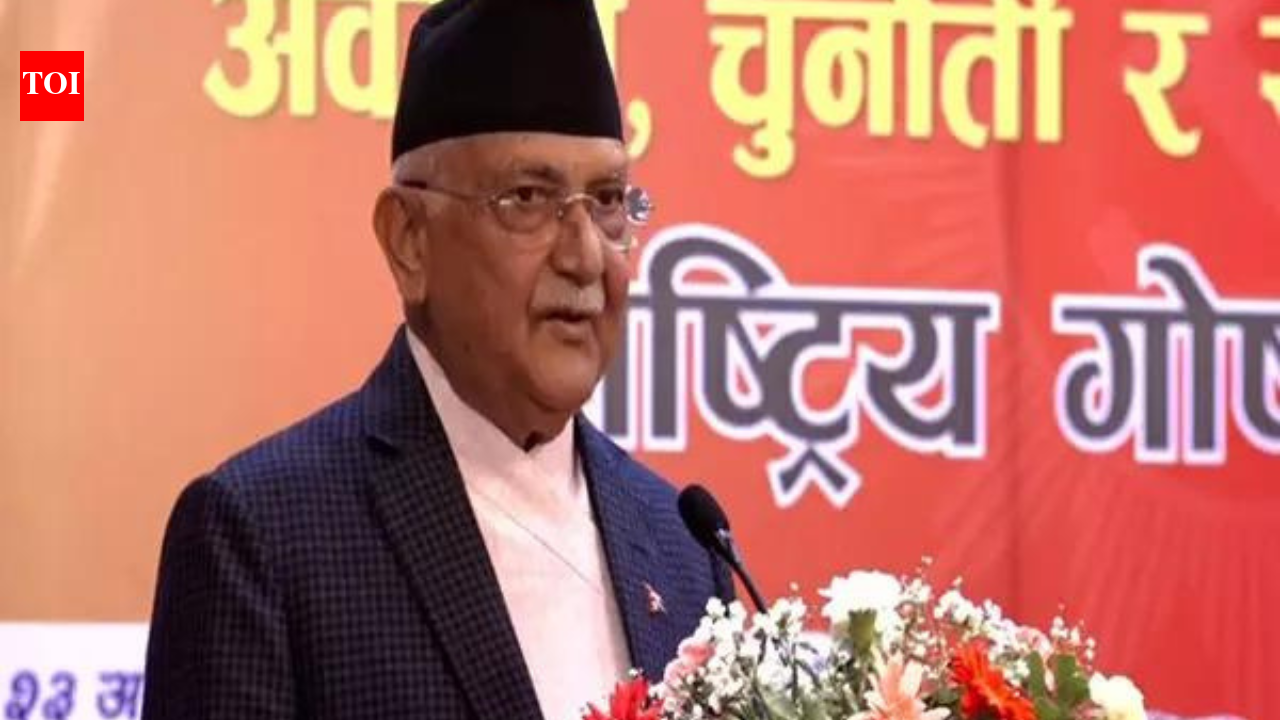
Nepal: Former Prime Minister KP Sharma Oli, ex-home minister arrested over Gen Z protest crackdown


KP Sharma Oli (ANI image)

Former Nepal Prime Minister KP Sharma Oli and ex-home minister Ramesh Lekhak were arrested on Saturday in connection with a culpable homicide case linked to the alleged suppression of the September Gen Z protests, police officials said.Oli was taken into custody from his residence in Gundu, Bhaktapur, while Lekhak was arrested earlier in the morning from Suryabinayak, Bhaktapur, around 5 am, according to his personal secretary. The arrests were carried out following a formal complaint filed by the home ministry, which led to an investigation and the issuance of arrest warrants.

Watch

Nepal Ground Report: Why Balen Shah is all the rage this election in Nepal | I Witness

Authorities said the action was taken to implement the recommendations of a commission led by former Special Court judge Gauri Bahadur Karki, according to Kathmandu Post. The panel has recommended that Oli, Lekhak and then Inspector General of Police Chandra Kuber Khapung be charged under Sections 181 and 182 of Nepal’s National Penal Code for criminal negligence, which carries a possible prison sentence of up to 10 years.The commission also suggested legal action against several other officials, including then home secretary Gokarna Mani Dawadi, Armed Police Force chief Raju Aryal, former National Investigation Department head Hutaraj Thapa and then Kathmandu chief district officer Chhabi Rijal.It further recommended that other officials found responsible be dealt with under the relevant laws governing their institutions.In addition, the report proposed formal reprimands for senior police officials, including current Inspector General Dan Bahadur Karki and Armed Police Force official Narayan Dutta Poudel. Legal experts noted that such reprimands could affect their future promotion prospects.The commission attributed the violent crackdown on youth-led protests to criminal negligence and recklessness, citing a failure to act on prior intelligence warnings about possible escalation. A total of 77 people were killed during the protests and property worth billions was destroyed.Security was tightened across the Kathmandu Valley during the arrests, with teams from the Bhaktapur District Police Range and the Kathmandu Valley Police Office deployed.Senior government officials, including Home Secretary Raj Kumar Shrestha and Law Secretary Parashwor Dhungana, held consultations with police officials ahead of the operation. Home minister Sudhan Gurung also chaired late-night discussions with security chiefs on Friday.The arrests came a day after Balendra Shah was sworn in as Nepal’s Prime Minister. The 35-year-old leader, who heads the Rastriya Swatantra Party, assumed office under Article 76(1) of the Constitution after his party emerged as the largest in the March 5 parliamentary elections. His swearing-in ceremony was held at the President’s Office in Sheetal Niwas and was administered by President Ramchandra Paudel.Shah, the youngest Prime Minister of Nepal and the first from the Madheshi community to hold the post, has risen to prominence through his strong stance against the federal establishment and his focus on governance reforms.Following his appointment, Prime Minister Narendra Modi congratulated him and expressed hope for closer India-Nepal cooperation in the future.


Source link

BMC mayor keen on strengthening BEST, clearing worker dues; meets union representatives at civic HQ | Mumbai News


MUMBAI: BMC mayor Ritu Tawde said the civic corporation was keen on making BEST financially capable and sensitive towards providing gratuity and other legal dues to retired workers and employees, with priority given to ensuring that BEST had its own fleet of buses.“In this regard, meetings will be held continuously and planned action will be taken. BEST administration should also formulate effective measures,” asserted Tawde, who met union leader Shashank Rao from BEST Workers’ Union and other union activists at the civic headquarters on Friday.

Watch

BMC Polls 2026: Inside Mumbai’s Civic Giant Whose Budget Is Bigger Than Many Indian States

Discussions covered pending demands of working employees and retired employees of BEST Undertaking, gratuity, wage agreement, promotions, recruitment on compassionate grounds, availability of self-owned buses, and financial assistance. Tawde assured them of resolving the issues.


Source link

Sena UBT inspection reveals ‘unsafe conditions’ at Bandra BEST bus depot | Mumbai News


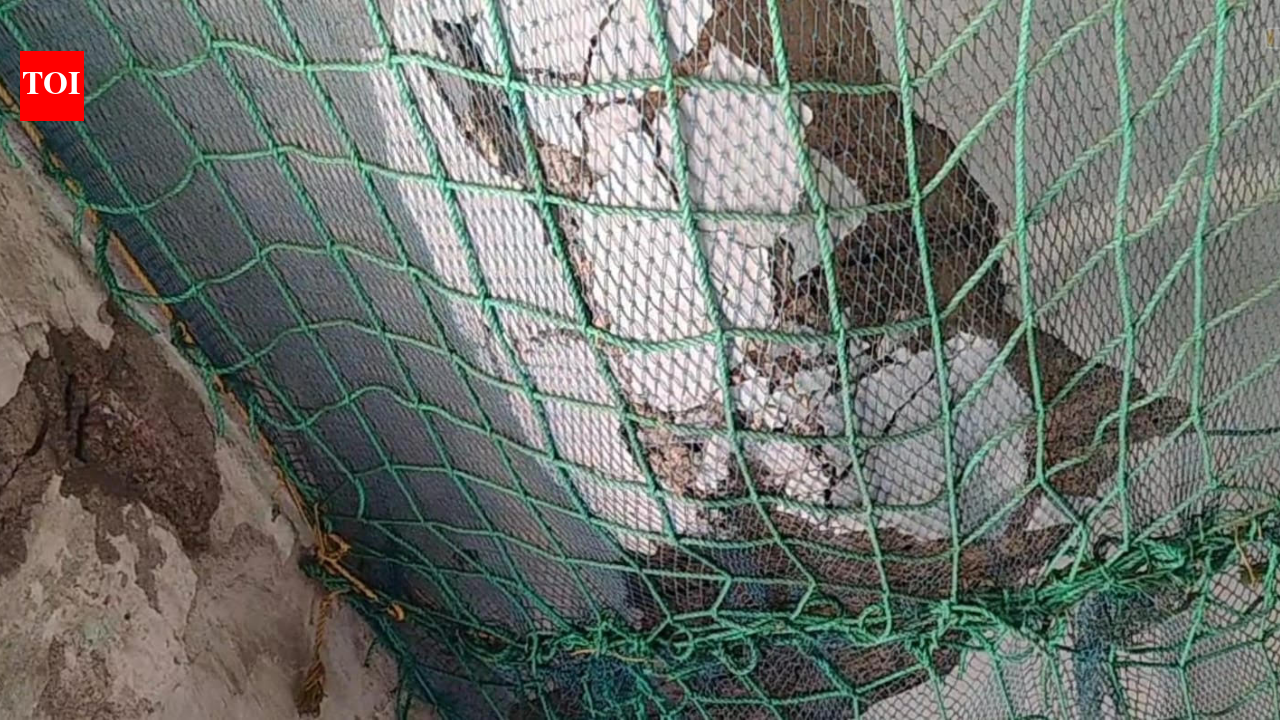
MUMBAI : A visit by Shiv Sena (UBT) members of the BEST Kamgar Sena to Bandra bus depot has exposed alarming infrastructure conditions for BEST staff, raising serious concerns over worker safety and basic amenities. The inspection is part of a wider drive by Sena UBT members to review conditions at depots across Mumbai.During the visit, the team found roof slabs reportedly on the verge of collapse, cracked walls, broken windows and signs of a weakening structure. Rest areas meant for drivers and conductors were found to be unhygienic and poorly maintained, prompting sharp criticism from union representatives.“The people who keep the city moving work under ceilings that could come down at any moment,” said BEST panel member Nitin Nandgaonkar from Sena UBT. “Despite the Bandra depot being in a dangerous condition, BEST employees are risking their lives to provide uninterrupted service to Mumbai. However, the administration is neglecting the safety of the workers, which is extremely cruel. Immediate measures need to be taken for their safety. How can drivers and conductors rest in such conditions?”Nandgaonkar also questioned the administration over the absence of a structural audit. “Why has a structural audit not been conducted? If it has, where are the details? Are they waiting for an accident to happen? Is the administration asleep?” he asked.He added that conditions worsen during the monsoon, with water seepage increasing fears of electrical hazards.BEST committee member Faisal Khan said a joint inspection of all depots should be carried out immediately. A BEST official said the matter would be looked into and that there are plans to redevelop ageing depots and improve staff amenities.


Source link

Coca Cola and Walmart CEO: CEO of two of the biggest American companies Coca Cola and Walmart are leaving and they say the reason is AI |


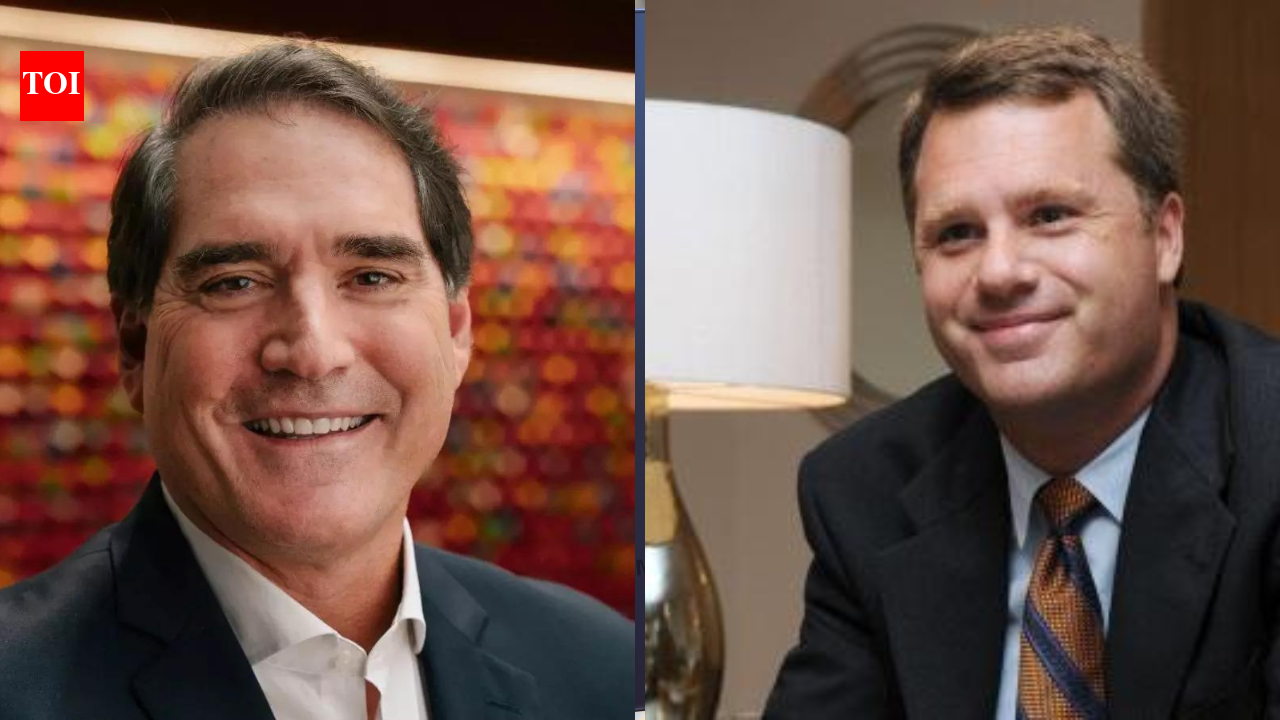
AI is impacting roles worldwide. Its growing impact is also beginning to shape leadership decisions at some of the world’s largest companies. Two major CEOs — from Coca-Cola and Walmart — have recently said that the rise of AI played a role in their decision to step down. Speaking in separate interviews with CNBC, both leaders pointed to a major shift driven by AI and said the next phase of growth would require new leadership. Their comments offer insight into how top executives are preparing for the next wave of technological change across industries.

Coca-Cola CEO James Quincey says he decided to step down due to AI

In the CNBC interview, Coca-Cola CEO James Quincey said his decision to step down was influenced by the changing business environment and the role AI is expected to play in the future.“My job is also to think who’s the best team to put on the field to get the next wave done,” Quincey told the publication. “And I concluded that, actually, it was time to put someone else on the field for the next wave of growth.”Quincey, who has led the company since 2017, will be replaced by current COO Henrique Braun. He said the company had made progress in a “pre-AI” phase, but a major shift is now underway.“In a pre-AI, a pre-gen-AI mode, we made a lot of progress. But now there’s a huge new shift coming along,” he said.

What Walmart CEO Doug McMillon said on timing his exit

Former Walmart CEO Doug McMillon also linked his decision to step down to the rise of AI and the changes it will bring to the retail sector.“With what’s happening with AI, I could start this next big set of transformations with AI, but I couldn’t finish,” McMillon has said.He further added that the scale of upcoming changes made him feel it was the right time to hand over leadership.“About a year ago, I really started feeling like this next run, you could see what agentic commerce was going to look like, the vision for AI shopping, and I started thinking about everything that needs to happen over the next few years, and it really caused me to think that now was the right time [to step down],” he said.

Poll

Which aspect of corporate change due to AI excites you the most?


Source link

Maldives consul files case in Mumbai over international credit card fraud | Mumbai News


MUMBAI: Honorary consul for Maldives in Mumbai, Bobby Mohanty (57), filed a complaint with the Juhu police on Wednesday alleging that cyber fraudsters used a credit card he held, issued by a foreign bank, to carry out a fund transfer of Rs 4.59 lakh in Jakarta in Oct 2025.Mohanty alleged that despite timely alerts and complaints to the bank, no action was initiated. He further alleged that the bank harassed him with finance charges and penalties for transactions not executed, which he said tarnished his CIBIL score credentials.Juhu police registered an FIR against an unknown person based on Mohanty’s complaint. Mohanty has asked police to interrogate bank staff whose role he suspected in his card data being compromised.The fraud occurred in Indonesia when Mohanty was on board a Delhi-Mumbai flight. “The transaction was immediately reported to the bank by my wife, Sanghamitra Mohanty, upon receipt of the email alert, and subsequently reconfirmed by me upon landing at Mumbai airport, with clear instructions to block the transaction,” Mohanty said.The bank failed to act, he said. “Despite timely reporting and the suspicious nature of a high-value international transaction, the bank failed to verify, flag, or halt the transaction,” Mohanty told TOI.A Juhu police officer said police have filed a case for cheating and forgery and under the IT Act for identity theft and impersonation against an unknown person. The cyber team will summon bank staff to get more details. “Mohanty has submitted the flight ticket which he used in Oct to fly to Delhi along with the complaints he has submitted to the RBI ombudsman. The cyber team is gathering details from the bank to find out why they did not flag off the transactions when complaints were made and they were asked to block them,” the officer said.Mohanty said after repeated correspondence with the bank, it reversed 50% of the transaction amounting to Rs 2.29 lakh about 40 days after the incident, which he said was an admission of fraud. “Possibility of internal involvement and collusion of employees with external fraudsters cannot be ruled out and warrants an independent investigation,” he said.“Correspondence has been made with the RBI ombudsman and the RBI Governor, but in vain. The bank has wrongfully fastened liability on the cardholder, including levying charges on the disputed amount and issuing threats of adverse reporting to CIBIL for non-payment,” he said.


Source link

Dubai International Airport’s surprise gifts turn goodbyes emotional: What’s inside the viral ‘DXB gift pack’?


Tears at DXB: The Surprise Gift By Dubai International Airport That’s Melting Hearts Worldwide

In a week marked by travel disruptions, regional uncertainty amid Iran vs US-Israel war and emotional departures, something unexpected unfolded at Dubai International Airport, one of the world’s busiest airports and it had nothing to do with flights. At DXB (as Dubai International Airport is commonly known), passengers leaving the city were met not just with boarding calls and security checks but with small, heartfelt gifts.The gesture has gone viral, turning routine departures into deeply emotional moments.

When Dubai International Airport became more than a transit point

Airports are usually associated with efficiency, urgency and movement but in recent days, DXB has quietly transformed into something else. It is currently a space of reassurance and emotional connection. Amid ongoing disruptions linked to regional tensions and unstable travel conditions due to Iran vs US-Israel war, airport staff began distributing souvenir packs to departing passengers.The initiative was not announced with fanfare. There were no grand campaigns. Instead, it appeared organically at boarding gates, just as travellers prepared to leave and that timing made all the difference.

What’s inside the now-viral “DXB gift pack”?

At first glance, the contents are simple:

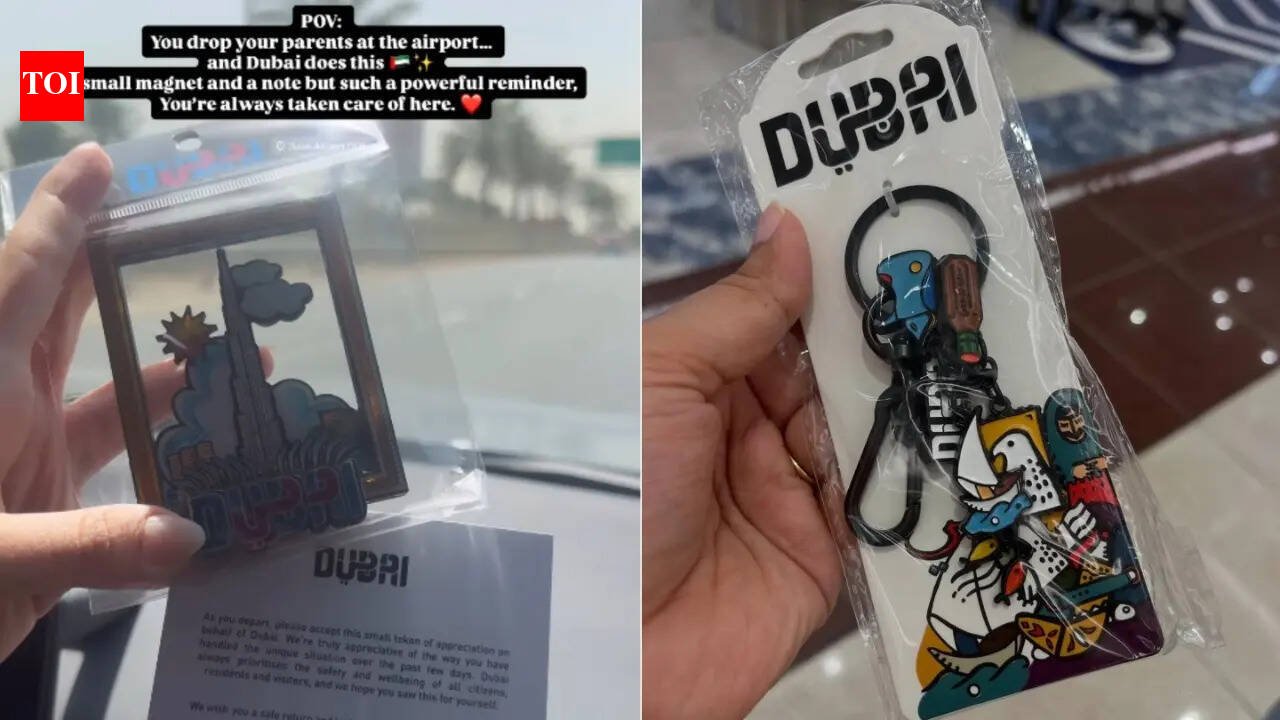
  • Dubai-themed fridge magnets
  • Keychains featuring the city skyline
  • A printed thank-you note

However, it is the message behind the items that has resonated most. The note expresses gratitude for passengers’ patience during disruptions and reassures them that their safety and wellbeing remain a top priority.Some versions include iconic imagery like the Burj Khalifa, turning the pack into a symbolic keepsake of the city. What might seem like a small token has, in reality, became something far more meaningful.

Why passengers are getting emotional at the viral “DXB gift pack”

The response has been overwhelming and deeply personal. Travellers across nationalities have shared stories of breaking down in tears at the boarding gate, feeling unexpectedly “seen” and valued and experiencing comfort during already emotional goodbyes. One resident described the moment as something that “broke open” her emotions, saying that the gesture arrived exactly when she needed reassurance. Another shared how her parents initially thought the pack was official paperwork, only to realise it was a gift of appreciation, transforming a routine farewell into a memorable moment. In a place defined by movement, DXB managed to create stillness, even if just for a moment.To understand why this initiative has struck such a chord, you have to look at the broader backdrop. The UAE and the wider region has recently experienced airspace disruptions, flight delays and cancellations and heightened geopolitical tensions amid Iran vs US-Israel war. These factors have made travel more stressful than usual, with uncertainty becoming a constant companion for many passengers.In that context, the DXB gesture serves a very specific purpose and that is to humanise the travel experience during a time of instability. Even small acts of empathy can carry disproportionate weight when people are already navigating anxiety, delays and emotional farewells.

“Uniquely Dubai”: The brand beyond infrastructure

Dubai has long built its global reputation on scale, speed and spectacle but this moment highlights another dimension and that is of intentional hospitality. Passengers and residents alike have described the gesture as “Uniquely Dubai”, a reflection of the city’s warmth and proof that the city prioritises people, not just systems.Frequent travellers have noted that despite passing through airports worldwide, they had never experienced something similar. This is where Dubai’s soft power comes into play, not through skyscrapers or luxury but through emotional intelligence in public spaces.What started as a simple initiative quickly gained traction online. Social media platforms have been flooded with photos of the souvenir packs, videos capturing passengers receiving them and emotional testimonials from residents. One recurring theme in these posts has been, “This is why Dubai feels like home.” The virality of the posts reflect a global appetite for positive, human-centred narratives, especially during times dominated by crisis headlines. The small gesture created such a big reaction because it taps into three powerful emotional triggers. The gifts were handed out at the most emotional point of travel, goodbye. Passengers did not expect anything, making the gesture feel more genuine. The message acknowledged travellers’ patience and presence, something that people rarely feel in large systems.In essence, DXB turned a transactional experience into a relational one. Globally, airports are evolving but mostly in terms of technology, efficiency and luxury. What DXB has done is different. It has introduced emotional design into travel infrastructure. Instead of asking,“How can we move people faster?” the airport, in this moment, asked, “How can we make people feel better?” That shift, however temporary, is significant.For many UAE residents, especially expatriates, airports are deeply emotional spaces. They are where families reunite and separate, lives transition between countries and identities stretch across borders. By inserting empathy into that space, Dubai has effectively redefined what a departure can feel like. As one traveller put it, the gesture turned a routine moment into a “core memory”, something that lingers long after the flight takes off.Beyond the viral moment, this story signals a broader trend that cities are increasingly being judged, not just by infrastructure but by how they treat people during moments of vulnerability. In this case, the gift cost is minimal but the emotional return is immense. It is a reminder that in high-functioning systems, human touch is still the ultimate differentiator.At a time when travel has become more unpredictable and emotionally charged, Dubai International Airport has managed to do something rare. It made people pause, made them feel and in some cases, it made them cry, not out of stress but gratitude because sometimes, the most powerful journeys are not defined by where you go but by how a place makes you feel when you leave.


Source link

Petrol Diesal Excise Duty: ‘Govt had 2 choices’: Fuel minister explains why Centre cut excise duty on petrol, diesel; addresses lockdown rumours


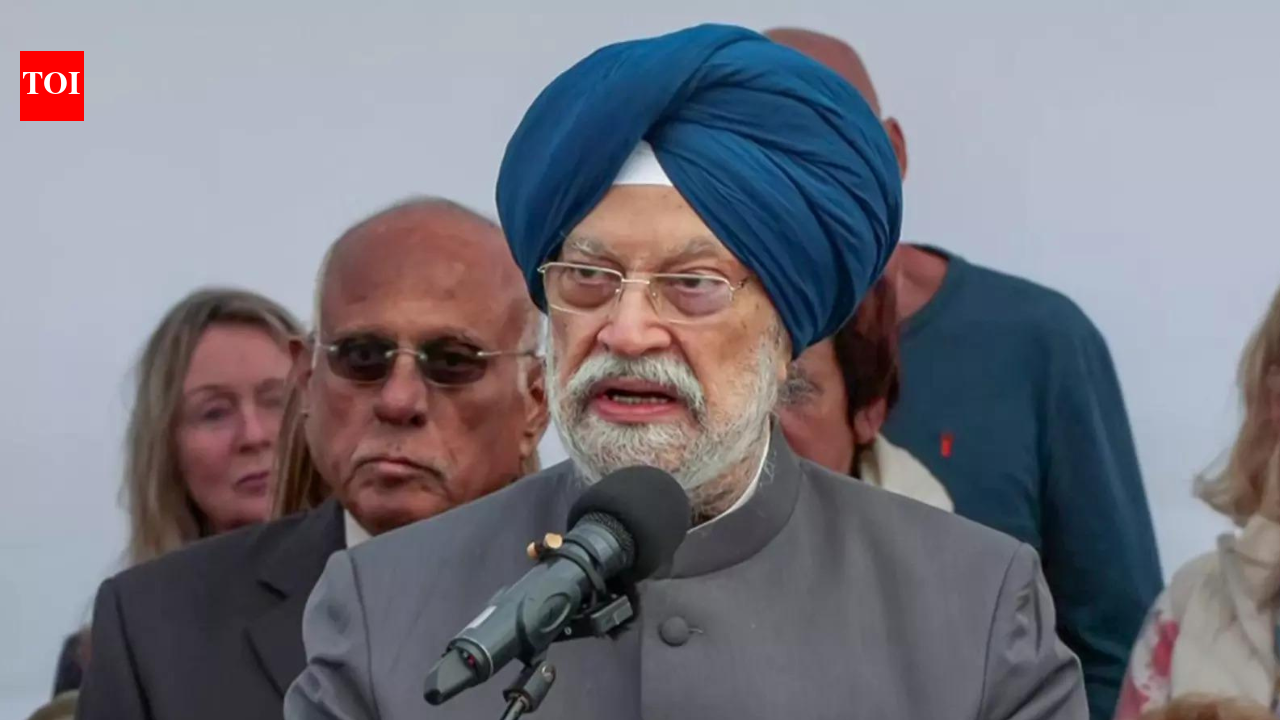
NEW DELHI: Union petroleum and natural gas minister Hardeep Singh Puri on Friday said the government chose to cut excise duties on petrol and diesel to shield consumers from surging global energy prices amid the ongoing US-Israel-Iran war and disruptions in the Strait of Hormuz. He said the move, reducing petrol duty to Rs 3 per litre from Rs 13 and diesel to zero from Rs 10, was taken by Prime Minister Narendra Modi as part of a conscious decision to absorb the financial burden rather than pass it on to citizens.The fuel minister said that the decision was taken by Prime Minister Narendra Modi in an effort “to safeguard the Indian citizen” by taking a “hit on its own finances”.

Watch

Big Fuel Tax Cut By Centre, But No Price Relief: Why Petrol And Diesel Still Cost The Same In India

“The Modi Government had two choices- either increase prices drastically for citizens of Bharat as all other nations have done or bear the brunt on its finances so that Indian citizen is insulated from international volatility,” he said in a post on X.“Hon’ble Prime Minister @narendramodi Ji, in keeping with his Government’s commitment of last 4 years since the conflict in Russia-Ukraine started, decided to take a hit on its own finances again to safeguard the Indian citizen,” he added.He also credited finance minister Nirmala Sitharaman for taking a “huge hit on it taxation revenues to ensure very high losses of oil companies (approximately 24 Rs/litre for petrol and 30 Rs/litre for diesel)”.“Government has taken a huge hit on it taxation revenues to ensure very high losses of oil companies (approximately 24 Rs/litre for petrol and 30 Rs/litre for diesel) at this time of sky high international prices are reduced. At the same time, export tax has been levied as international prices of petrol and diesel have skyrocketed and any refinery exporting to foreign nations will have to pay export tax. My gratitude to Hon’ble PM Narendra Modi Ji and Hon’ble FM @nsitharaman Ji for this very timely, bold and visionary decision!” he said.He further dismissed lockdown rumours urging people to stay calm and united. “Rumours of a lockdown in India are completely false. Let me state this clearly, there is no such proposal under consideration by the Government of India. In such times, it is important that we remain calm, responsible, and united. Attempts to spread rumours and create panic in such a situation are irresponsible and harmful.”Sitharaman also hailed the move and said: “In view of the West Asia crisis, the central excise duty on petrol and diesel for domestic consumption has been reduced by Rs 10 per litre each. This will provide protection to consumers from rise in prices. Hon. PM @narendramodi has always ensured that citizens are protected from vagaries of supply and costs of essential goods,” she said.

Poll

What is your opinion on the decision to absorb financial losses instead of increasing fuel prices?

“Further, duties have been imposed on exports of Diesel at Rs 21.5 per litre and on ATF at Rs 29.5 per litre. This will ensure adequate availability of these products for domestic consumption. The Parliament has been notified about the same,” she added.


Source link