Breaking News
India’s T20 World Cup prep enters home stretch as NZ series offers final chance to test and tweak formations | Cricket News


India’s T20 World Cup prep enters home stretch as NZ series offers final chance to test and tweak formations
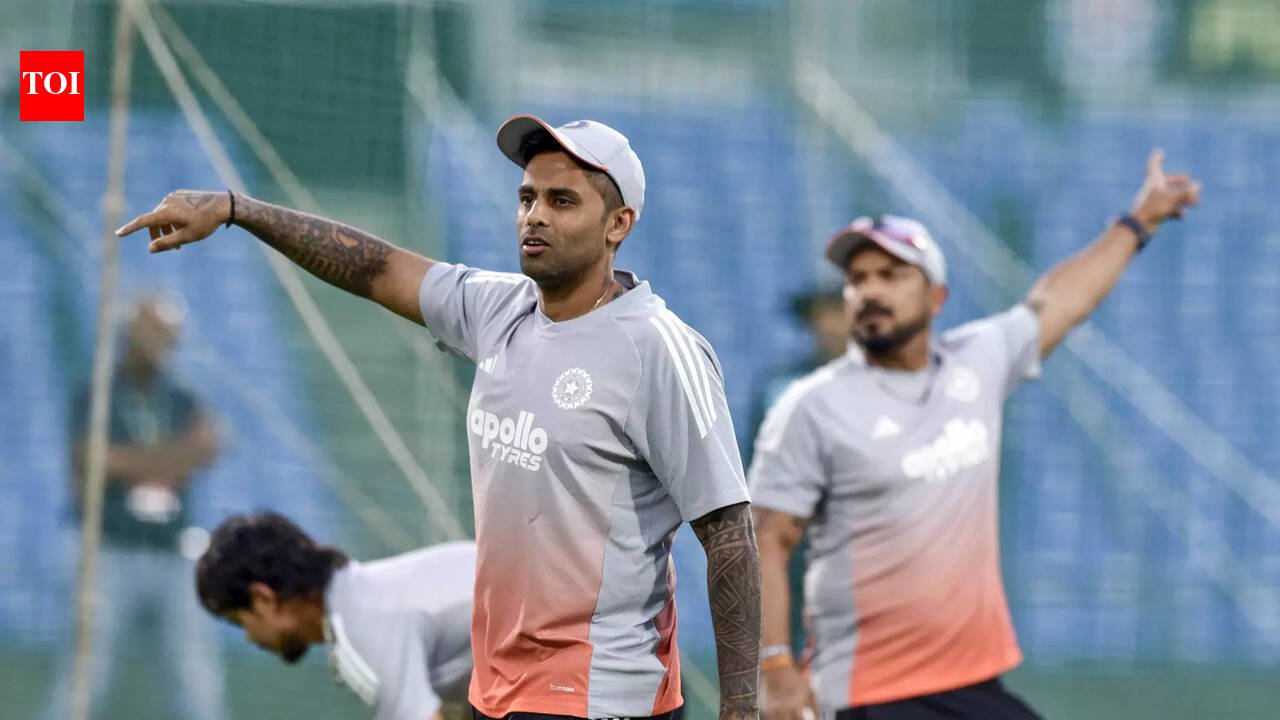
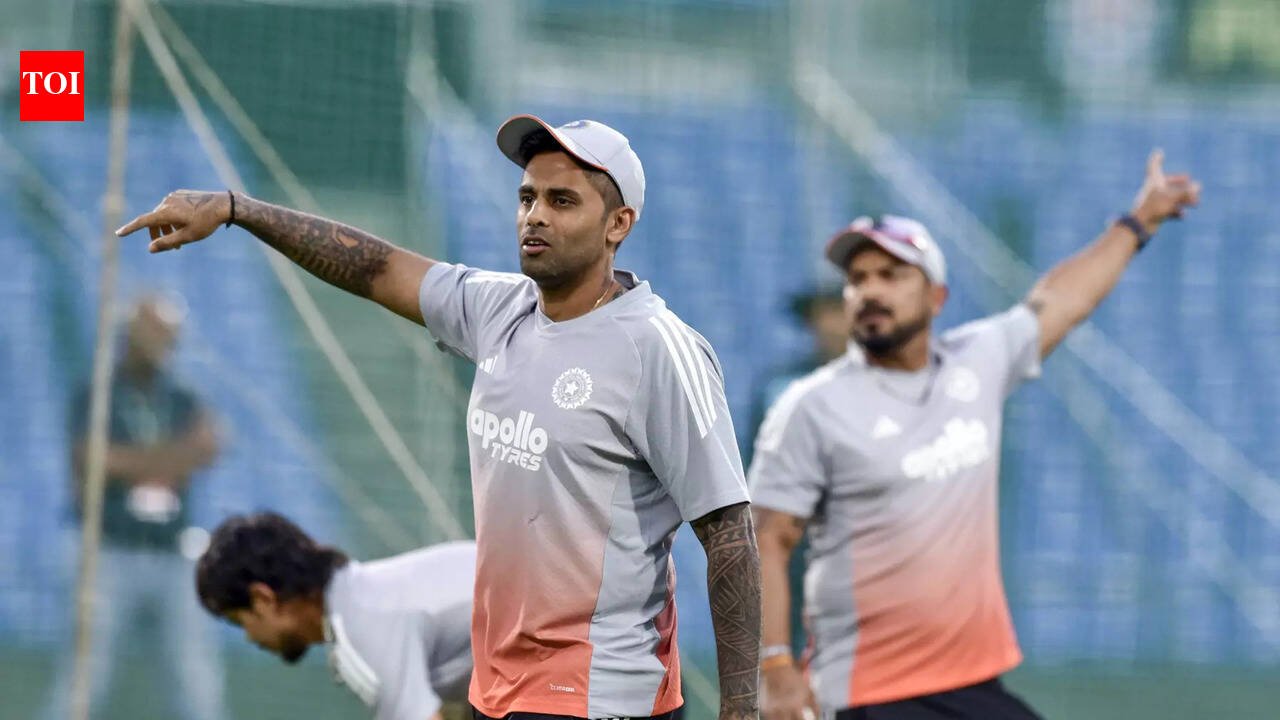
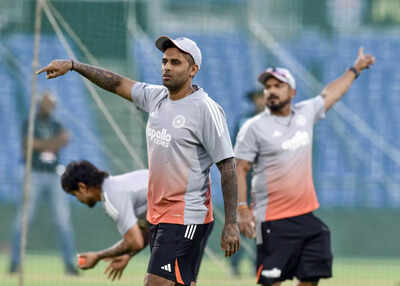
India T20I skipper Suryakumar Yadav during a practice session. (ANI Photo)

NAGPUR: Over the last two years, India in T20Is have been an irresistible force. Powered by a batting unit packed with big-hitters and attacking stroke-makers, a balanced bowling attack with full of variety, the reigning World T20 champions have won 72% of the matches in this period.Go Beyond The Boundary with our YouTube channel. SUBSCRIBE NOW!With their playing XI sorted for the T20 World Cup, a bilateral series barely three weeks ahead of the marquee event should ideally have been all about last-minute fine-tuning for India.

Suryakumar Yadav press conference: On India T20I Playing XI, personal form and more

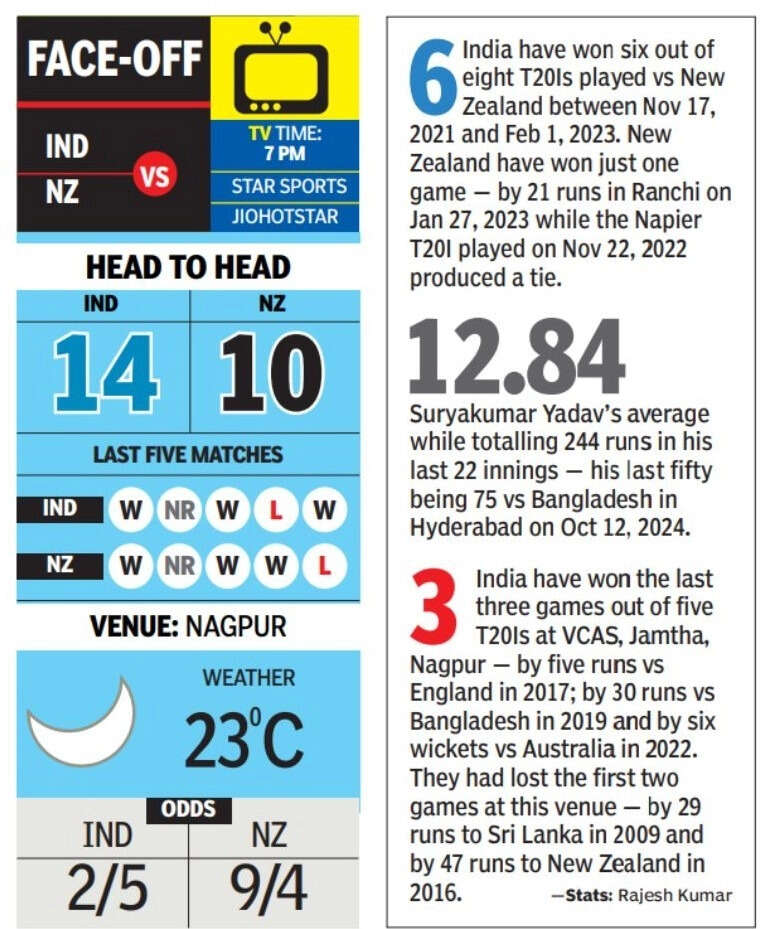
The Kiwis, though, with their recent exploits, have forced India to approach the five-match series, beginning in Nagpur from Wednesday, as more than just a dress rehearsal for the T20 World Cup. Just 447 kms away, on Sunday, New Zealand won their first ODI series in India in Indore. A couple of years ago, the Kiwis broke India’s 12-year invincible home record in Tests with a 3-0 clean sweep.Up against their nemesis of sorts, India are led by a man desperately trying to rediscover his form. With Suryakumar Yadav at the helm, India perfected the art of winning T20Is. The captain, though, has been plagued by diminishing returns when it comes to consistency. In the last 22 T20Is, Suryakumar has averaged just 12.84 without a fifty to his name.It’s to his credit that his poor form has not affected his decision making and captaincy. But can that continue when more pressing engagements lie ahead in a high pressure environment like a home World Cup? It’s a situation Indian fans dread. The Indian camp would be hoping that the marauding Suryakumar of the past turns up at the Jamtha Stadium on Wednesday and for the rest of the series.

India vs New Zealand T20Is

Apart from the skipper’s form, India do not have too many other issues in the batting department.They would have loved to have the reassuring sight of Tilak Varma walk in at no.3 though. Sadly, the left-hander is recuperating after abdominal surgery. With Shubman Gill out of the T20I scheme of things, Sanju Samson is assured of his preferred opening slot along with Abhishek Sharma. Samson has a terrific record as a T20I opener — three centuries in 18 innings, a strike rate of 178, and a 32-plus average.On the eve of the match, Suryakumar announced that Ishan Kishan will be India’s No 3 batter on Wednesday. While the skipper and Hardik Pandya complete the batting line-up, the remaining lone slot is expected to be a toss-up between Rinku Singh, Shivam Dube and Shreyas Iyer. In the bowling department, Jasprit Bumrah will be making a comeback along with Varun Chakravarthy.Having won their first Test and ODI series in India recently, New Zealand will be looking for an encore in the T20 format too. With the likes of skipper Mitchell Santner, Devon Conway, Daryl Mitchell, Glenn Phillips, Rachin Ravindra and Jacob Duffy in their ranks, New Zealand have the firepower to spring a surprise.Kiwi coach Rob Walter said that Michael Bracewell’s participation in the series depends on his recovery from an injury. Pacer Kristian Clarke was added as a backup for the first three T20Is.While chasing is the ‘in thing’ in T20s, the past few games at Jamtha Stadium indicate it is not a wise decision. Of the last four matches in Nagpur, teams that have opted to chase have lost thrice. The only exception was the eight-over shootout, which India won by six wickets against Australia in 2022.


Source link

WPL: Welcome win for Jemimah Rodrigues and Delhi Capitals; Mumbai Indians second on table despite fourth loss | Cricket News


WPL: Welcome win for Jemimah Rodrigues and Delhi Capitals; Mumbai Indians second on table despite fourth loss
Delhi Capitals’ Jemimah Rodrigues (PTI Photo/Kunal Patil)

Jemimah Rodrigues led from the front to anchor Delhi Capitals’ tense run-chase with a gritty fifty, guiding her team to a much-needed seven-wicket win over Mumbai Indians in the Women’s Premier League here on Tuesday.Put in to bat on a slow surface, Mumbai Indians’ struggles in the powerplay continued before Nat Sciver-Brunt played another blinder (66 not out off 45) to take her team to 154-5.

WPL Auction 2026: Full Breakdown of Every Major Number

After a rather productive start provided by Lizelle Lee (46 off 28) and Shafali Verma (29 off 24), Delhi Capitals lost their way in the middle over before Jemimah (51 not out off 37) calmed nerves in the dressing room by completing the chase in 19 overs.Veteran Marizanne Kapp (10 not out off 6) provided the support that Jemimah needed at the other end and closed out the match with a six.It was fourth-placed Delhi Capitals’ second win in five games while Mumbai Indians (second on the table) suffered their fourth loss in six games.“We really need to push when we are batting and bowling in the powerplay,” said Mumbai Indians captain Harmanpreet Kaur after the loss.In the powerplay, Shafali missed connecting a flatter one down the leg side from left-arm spinner Vaishnavi Sharma to see her stumps rattled. South African Lee, who is in red hot form thus far, was disappointed after being adjudged stumped off Amanjot Kaur in the 11th over.The umpire took time in taking the call after Lee slightly lost her balance off another one down the leg side.Despite Hayley Mathews’ return from injury, Mumbai Indians have not been able to get going in the powerplay. It was no different on Tuesday as the West Indian and her opening partner Sajeevan Sajana fell cheaply, both seeing their stumps disturbed.For Delhi Capitals, Marizanne Kapp was accurate as ever and ended up just conceding eight runs in four overs besides castling Matthews.The onus was again on the seasoned duo of Sciver-Brunt and skipper Harmanpreet Kaur (41 off 33) to steer the team to a competitive total.Sciver-Brunt remained unbeaten on 66 not out off 45 balls in a fluent knock including two sixes and six fours. It was her third fifty plus score of the season.Besides the Sciver-Brunt show, the batting performance once again left a lot to be desired.It was only the second game of the season at this venue with batting proving to be more challenging compared to Navi Mumbai.


Source link

Rohit Sharma’s captaincy record that stood tall for two years — until it was finally broken | Cricket News


Rohit Sharma's captaincy record that stood tall for two years — until it was finally broken

The memories of January 15, 2023, remain deeply etched into the fabric of Thiruvananthapuram’s Greenfield International Stadium. Long after the floodlights dimmed and the crowd dispersed, the echoes of thunderous sixes, crisp boundaries and deafening cheers seemed to linger in the humid Kerala air. For everyone present that night — fans, players, officials — it was an experience that felt historic even as it unfolded.India had already sealed the three-match ODI series against Sri Lanka by winning the opening two games. The final encounter was meant to be a formality, an opportunity to complete a clean sweep. Few, however, could have predicted that the contest would turn into one of the most one-sided matches in the history of the format, producing a record that would stand tall for years.

Suryakumar Yadav, the captain, has best horoscope | Greenstone Lobo predicts

Batting first, India piled on a colossal 390 runs, a total built almost entirely on the brilliance of Virat Kohli and Shubman Gill. The duo stitched together a monumental partnership, scoring 282 runs between them and completely flattening a Sri Lankan bowling attack that had no answers. Kohli’s masterclass and Gill’s elegance transformed what was expected to be a competitive total into a near-impossible chase.Sri Lanka’s response was nothing short of catastrophic. Under relentless pressure, they folded for a mere 73, with only three batters managing to reach double figures. India’s 317-run victory became the biggest margin of victory in ODI history — a record that would remain intact for two years before England eclipsed it.How the India vs Sri Lanka 3rd ODI unfolded:India completed a flawless 3-0 series triumph by dismantling Sri Lanka in the final ODI, delivering a crushing 317-run defeat that rewrote the record books.On a flat surface that offered little for bowlers, Kohli produced yet another statement innings, registering his 46th ODI century. At the other end, Gill continued his meteoric rise, reinforcing his credentials as India’s long-term opening option with his second hundred. Their dominance propelled India to a formidable 390/5, a score that left Sri Lanka staring at a mountain far too steep to climb.BIGGEST ODI WINS (BY RUNS)

Rank Team Margin (Runs) Opposition Ground Date
1 England 342 South Africa Southampton 7 Sep 2025
2 India 317 Sri Lanka Thiruvananthapuram 15 Jan 2023
3 Australia 309 Netherlands Delhi 25 Oct 2023
4 Zimbabwe 304 USA Harare 26 Jun 2023
5 India 302 Sri Lanka Wankhede, Mumbai 2 Nov 2023
6 New Zealand 290 Ireland Aberdeen 1 Jul 2008
7 Australia 276 South Africa Mackay 24 Aug 2025
8 Australia 275 Afghanistan WACA, Perth 4 Mar 2015
9 South Africa 272 Zimbabwe Benoni 22 Oct 2010
10 South Africa 258 Sri Lanka Paarl 11 Jan 2012
11 India 257 Bermuda Port of Spain 19 Mar 2007
12 South Africa 257 West Indies Sydney 27 Feb 2015

What followed was a total collapse. Sri Lanka were bowled out for just 73 runs inside 22 overs — their fourth-lowest total in ODIs. Mohammed Siraj led the charge with the ball, exploiting movement and seam to rip through the top order. His spell of 4 for 32 was the best of his ODI career. Mohammed Shami and Kuldeep Yadav provided excellent support, picking up two wickets apiece and maintaining relentless pressure.Siraj struck early, drawing Avishka Fernando into edging a delivery straight to first slip. In his next over, he unleashed a wobble-seam ball that forced Kusal Mendis to nick behind to the wicketkeeper. Shami then joined the act, inducing Charith Asalanka into mistiming a shot to backward point.The carnage continued as Siraj picked up his third wicket when Nuwanidu Fernando chopped an outswinger onto his stumps. In the final over of the powerplay, he produced another wobble-seam delivery that jagged back in to uproot Wanindu Hasaranga’s off stump.With half the side back in the dressing room, panic spread through the Sri Lankan camp. That nervousness resulted in a bizarre run-out, with Chamika Karunaratne caught out of his crease after a defensive shot, allowing Siraj to hit the stumps directly at the striker’s end.Kuldeep then took charge in the middle overs, luring Dasun Shanaka forward before beating him through the gate. Dunith Wellalage, who came in as a concussion substitute after a collision while fielding, lasted briefly before chipping a simple catch to point off Shami.With injuries reducing Sri Lanka’s resistance further, Kuldeep wrapped up the innings by knocking over Lahiru Kumara, sealing a staggering victory. Kohli’s unbeaten 166 off 110 balls earned him both the Player of the Match and Player of the Series awards.Rohit the captain marvelWhen discussing the biggest ODI wins by margin of runs, India feature twice in the top five — a remarkable achievement made even more special by the fact that both victories came under Rohit Sharma’s leadership.After orchestrating the historic win against Sri Lanka in January 2023, Rohit etched his name deeper into cricketing folklore just ten months later. During the ICC World Cup in November 2023, India once again turned Sri Lanka into their victims, hammering them by 302 runs in a high-stakes tournament clash.That World Cup encounter at Mumbai’s Wankhede Stadium was equally ruthless. Siraj, Shami and Jasprit Bumrah tore through Sri Lanka’s batting line-up, bundling them out for just 55 and sealing India’s seventh straight win of the tournament. The result confirmed India’s place in the semi-finals and underlined their dominance.Chasing 358, Sri Lanka had no response to India’s pace battery. Shami, already in sensational form after nine wickets against New Zealand and England, added another five to his tally. The top order collapsed in stunning fashion, with the first five scores reading like binary code: 0, 0, 1, 0, 1.By the time Shami removed the seventh and eighth batters for ducks, Sri Lanka were on the brink of registering the lowest ODI total ever. They were eventually dismissed in 19.4 overs, as India completed the fourth-biggest ODI win in history. Shami’s figures of 5 for 18 also made him India’s leading wicket-taker in World Cup history.It marked the third instance in 2023 where India dismissed Sri Lanka for under 100 in ODIs — and their second victory by a margin exceeding 300 runs in the same year — further cementing Rohit’s era as one defined by dominance and record-shattering performances.


Source link

Not D Gukesh or Arjun Erigaisi! After Magnus Carlsen, Indian Grandmaster confirmed for Norway Chess 2026 | Chess News


Not D Gukesh or Arjun Erigaisi! After Magnus Carlsen, Indian Grandmaster confirmed for Norway Chess 2026
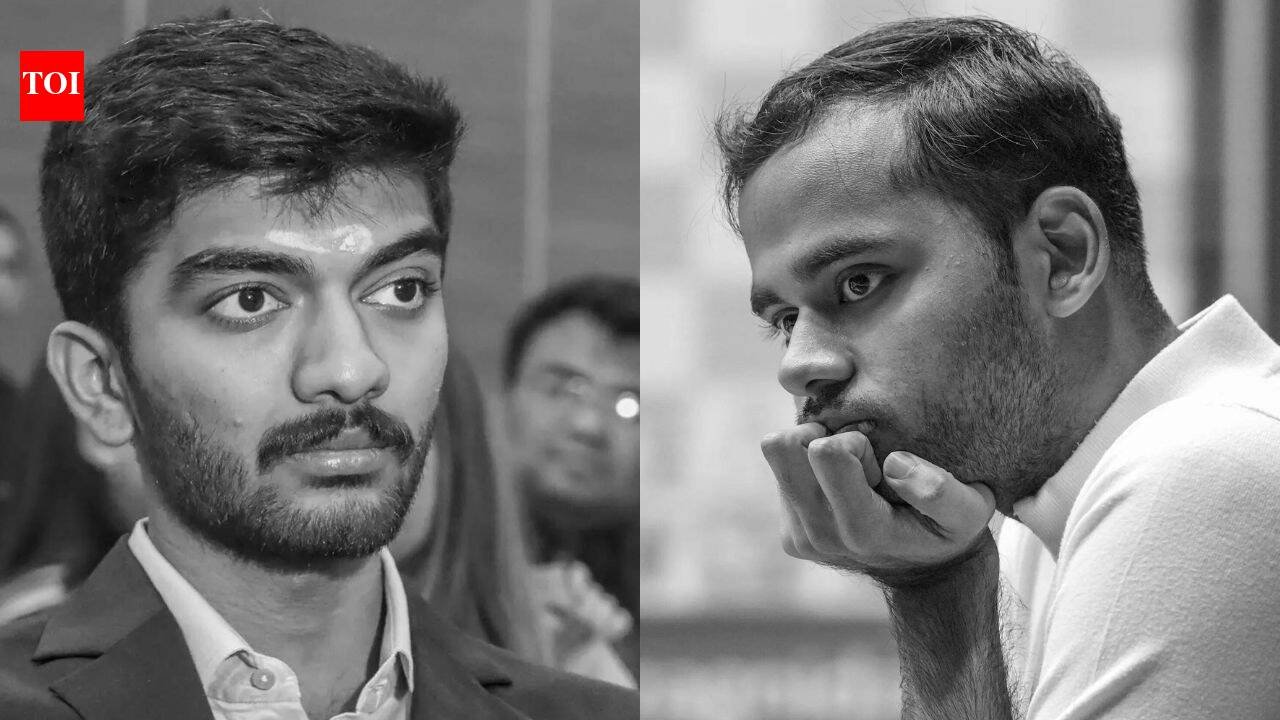
D Gukesh and Arjun Erigaisi (Photos from PTI)

NEW DELHI: Indian chess grandmaster R Praggnanandhaa has confirmed his participation in the prestigious Norway Chess tournament for the third time. This will continue his steady rise among the world’s elite. One of the standout talents of the new generation, Praggnanandhaa recently qualified for the 2026 Candidates Tournament after winning the 2025 FIDE Circuit.

Levon Aronian opens up on Goa, FIDE World Cup 2025, Total Chess C’ship, and more | Exclusive

Speaking about his return, Praggnanandhaa said, “Looking forward to be back in Norway Chess, I enjoyed playing in 2024. Most exciting format I have played!”His connection with Norway Chess grew stronger in 2024, when he registered his first classical victory over Magnus Carlsen.The same year, he was part of India’s gold medal–winning team at the Chess Olympiad. These consistent performances have helped Praggnanandhaa reach a career-high world ranking of number four, along with a peak rating of 2785.With this announcement, Praggnanandhaa has been confirmed as the second player to participate in this year’s Norway Chess event in Oslo, following Magnus Carlsen, who was revealed earlier as the first entrant. As the organisers continue to unveil the remaining names each week, hopes remain alive for reigning world champion D Gukesh and India’s top-ranked player Arjun Erigaisi to also feature in the prestigious tournament.Norway Chess organisers were equally enthusiastic about his confirmation. COO Benedicte Westre Skog praised his impact at the event, saying, “Praggnanandhaa delivered some memorable moments at Norway Chess in 2024, and it’s great to welcome him back.“From qualifying for the Candidates to achieving major results on the world stage, his consistency and ambition make him an exciting player for both fans and competitors. We’re looking forward to seeing what he brings to the tournament in 2026.”


Source link

Horror in Australia: Fire outside BBL stadium with Babar Azam, Steve Smith playing – Watch | Cricket News


Horror in Australia: Fire outside BBL stadium with Babar Azam, Steve Smith playing - Watch
Fire outside BBL stadium (Screengrabs)

A scary moment stole the spotlight in Australia during a high-profile Big Bash League (BBL) 2025–26 Qualifier when a small fire broke out outside Perth’s Optus Stadium on Tuesday. The incident happened while the Perth Scorchers were taking on the Sydney Sixers in a crucial playoff match featuring big stars like Babar Azam and Steve Smith.

The making of Cooper Connolly: Australia’s 22-year-old star

The situation caused brief panic among fans when thick black smoke was seen rising near one of the stadium gates around the 16th over of the match. Spectators both inside and outside the ground quickly noticed the smoke as videos of the incident began spreading rapidly on social media.The match itself continued without interruption. However, attention briefly shifted away from the on-field action as many wondered what was happening outside the stadium. Watch:Security teams and stadium officials acted quickly. They rushed towards the affected area to control the situation and ensure the safety of fans and players.According to reports, the smoke came from a small fire behind the stands. It is also understood that the fire may have been caused by burning waste or glass material. Thankfully, the fire was minor and brought under control swiftly. There were no reports of injuries, and fans were not evacuated, easing fears of a major emergency.The Big Bash League also shared a short video of the incident on social media platform X. The video smoke rising from outside the stadium complex. Their update reassured fans that the situation was handled promptly and professionally by on-ground staff.Optus Stadium, one of Australia’s most modern sporting venues, has hosted many major cricket matches without incident.


Source link

India vs New Zealand T20Is: IND vs NZ full schedule, squads, timings and live streaming info | Cricket News


India vs New Zealand T20Is: IND vs NZ full schedule, squads, timings and live streaming info
India T20I skipper Suryakumar Yadav during a practice session. (ANI Photo)

India begin their final build-up to the T20 World Cup with a five-match home series against New Zealand, starting Wednesday, and the spotlight will firmly be on captain Suryakumar Yadav. With the tournament less than three weeks away, the series doubles up as a crucial dress rehearsal for the defending champions and a personal test for the skipper, whose leadership numbers have been impressive but batting form a growing concern.Go Beyond The Boundary with our YouTube channel. SUBSCRIBE NOW!Since taking over as India’s T20I captain in 2024, Suryakumar has led the side to a winning percentage north of 72, masking his struggles with the bat for a prolonged period. However, playing at home with expectations of becoming the first team to successfully defend a T20 World Cup title, the pressure is now unavoidable.

Shubman Gill on missed chances, fielding lapses & World Cup preparation after ODI series loss

India’s T20 unit has largely been on cruise control over the last two years, powered by clearly defined roles and strong IPL performers. New Zealand, though, arrived high on confidence after achieving several historic firsts in India across formats. While India remain favourites in T20Is, Suryakumar’s form could prove the decisive subplot in a series designed to sharpen minds before the global showpiece.

India vs New Zealand T20Is: Live Streaming Details

IND vs NZ: When is the T20I series scheduled?The five-match T20I series between India and New Zealand will be played from 21 January to 31 January.IND vs NZ: What time does the matches begin?The matches will get underway at 7:00 PM IST, with the toss scheduled for 6:30 PM IST.IND vs NZ: Where will the T20 series be telecast live?The matches will be broadcast live on the Star Sports Network.IND vs NZ: Where will the T20 series be streamed live?The matches will be live stream on JioHotsar app and websiteIND vs NZ: Where can fans watch the T20I series online?Live updates and coverage of the matches will be available on TimesofIndia.com.

IND vs NZ T20I Full Schedule:

  • 1st T20I: Jan 21 in Nagpur from 7 PM IST
  • 2nd T20I: Jan 23 in Raipur from 7 PM IST
  • 3rd T20I: Jan 25 in Guwahati from 7 PM IST
  • 4th T20I: Jan 28 in Visakhapatnam from 7 PM IST
  • 5th T20I: Jan 31 in Thiruvanthapuram from 7 PM IST

IND vs NZ T20I Squads:India: Suryakumar Yadav (captain), Abhishek Sharma, Sanju Samson (wk), Ishan Kishan, Shreyas Iyer, Hardik Pandya, Shivam Dube, Axar Patel, Kuldeep Yadav, Jasprit Bumrah, Varun Chakravarthy, Rinku Singh, Arshdeep Singh, Ravi Bishnoi, Harshit Rana.New Zealand: Mitchell Santner (captain), Devon Conway, Bevon Jacobs, Daryl Mitchell, Glenn Phillips, Tim Robinson, Jimmy Neesham, Ish Sodi, Zak Foulkes, Mark Chapman, Michael Bracewell, Rachin Ravindra, Kyle Jamieson, Matt Henry, Jacob Duffy, Kristian Clarke.


Source link

Coaching all three formats is a tough task: Andy Flower | Cricket News


Coaching all three formats is a tough task: Andy Flower

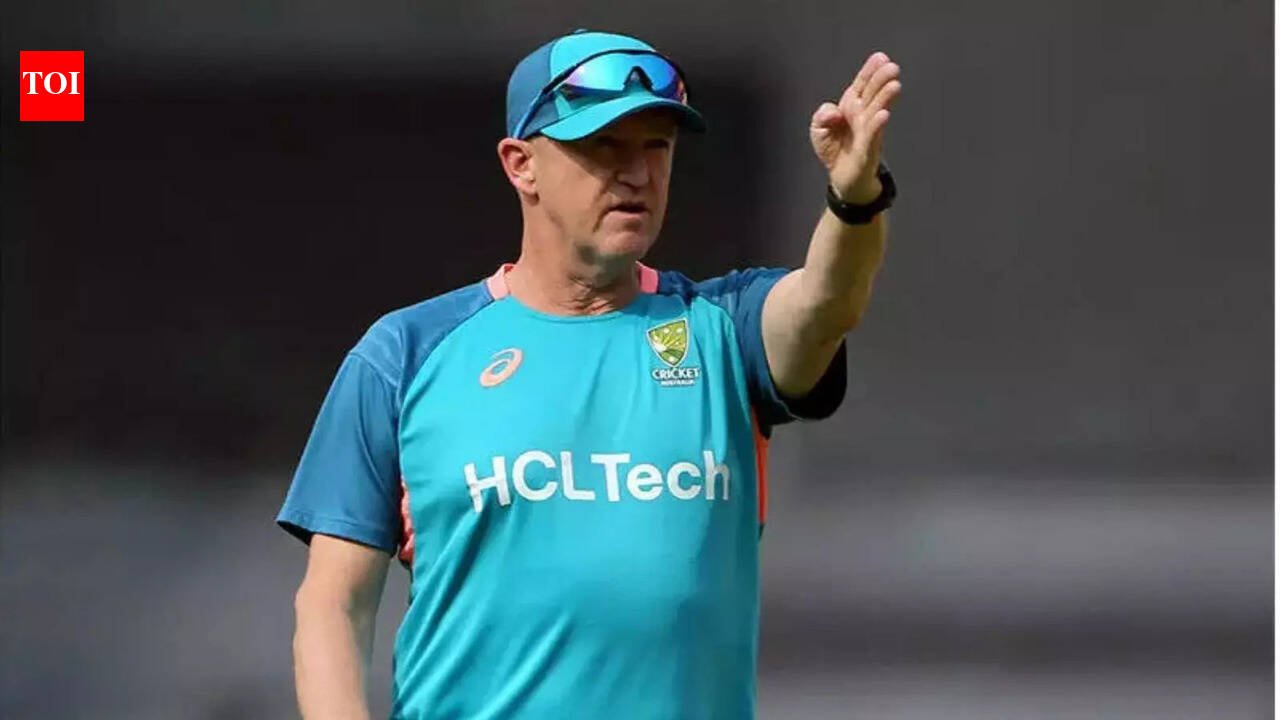
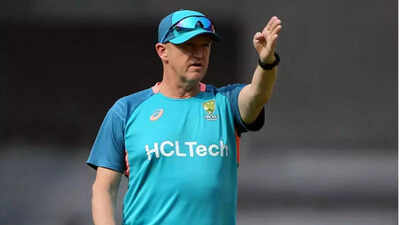
Andy Flower‘s coaching CV is like a Blue Chip stock. Decorated, dividend-rich and one to hold on to forever. He took over a fragmented and struggling England team in 2009 and helped them win three Ashes series (2009, 2010-11 (in Australia), 2013. He was the coach when England clinched their first global trophy in the form of the 2010 T20 World Cup in the West Indies under Paul Collingwood and was coach when they clinched a Test series win in India in 2012 after 28 years. He was also a consultant to the Australian team in the 2023 World Cup in India when under Pat Cummins, they broke a billion hearts. And, he guided Trent Rockets to victory in The Hundred in 2022 and guided RCB to their maiden IPL victory last year. Flower will coach London Spirit in The Hundred this year and took time to chat with TOI on various topics. Excerpts. Go Beyond The Boundary with our YouTube channel. SUBSCRIBE NOW!Good luck for your stint with London Spirit. Barring 2022, when Spirit were in the race for qualifying for the play-offs, the team unfortunately has not performed as well as people would like it to. As a coach, how challenging is it to take over a franchise that did not enjoy decent results?Look, to be honest, in a way, it is a little easier to take on a team that did not enjoy great results in the past because the only way is up. Quite frankly, Mo Mobat and I know each other quite well now. We worked together on and off for quite a long time, and we both really like a challenge. We are really excited about the challenge ahead of us in bringing success to London Spirit and to Lord’s. It really motivated us when we joined RCB, and it really motivated us with the prospect of trying to do something special with London Spirit. When Mo and I talked about those challenges, straight away I could see how excited he was with the idea of it, and immediately I felt the same excitement.

ISPL | Chennai Singhams’ Mohammed Nadeem credits management for his success

With your experience of sitting in the auctions and planning and building teams, will that help you when The Hundred goes in for the first-ever auctions this year? Have you got a shopping list ready? We will very shortly be announcing our first 4 picks, our direct signings/retentions. I hope that the London Spirit fans will be excited by what they see with the first four picks. Yes, the experience of being involved in drafts and auctions prior to this first Hundred auction will be absolutely important in how we do it, and the auction process and outcome is very important to your chances of doing well. Mo and I both like applying ourselves to the preparation process for the auction and challenging ourselves to get the best people in the room, in the dressing room, which gives you a really good chance of taking that into the training ground and into competition.When I say “we”, let me speak for myself. I will very much be relying on some really good people around me, Mo being one of the very influential ones. Freddie Wilde, our analyst, is another one. He works with us at RCB, of course. I think he is an outstanding analyst, and using his analytical brain in the auction process is important. We also have some really good coaching staff, and DK (Dinesh KArthik) is one of the crucial ones there. His brain is wired in a slightly different way, but he is a great number 2 to have on board, working with us, and really useful in the auction environment. I am looking forward to that whole process. I find it quite fascinating, and then we will see if we can get some really great guys into the dressing room. Andy, you were associated for so long with England, and you obviously coached teams at Lord’s. Having had that amount of experience, how did the traditional Middlesex members and crowds warm up to The Hundred? Quite frankly, in my direct answer to you, I am going to plead a little ignorance because I did not pay that much attention to that side of it, given that I was with Trent Rockets and threw myself into that job. But from what I can see, and from my knowledge of Lord’s, and as an MCC member for a long time, I think there is enthusiasm for The Hundred. I know there are various detractors in England, but I am genuinely excited about what the independent investment into the game is going to do for The Hundred in England. I am not going to say it will transform it, but it will give it a huge injection of energy and status, and I am really looking forward to it. I think it is going to be a brilliant tournament, full of great energy, in the middle of the English summer, and I think it is going to feel quite different and genuinely vibrant. I cannot wait to get started in the English summer. Do you think eventually a 100-ball event will overtake the popularity of T20, and will other countries embrace the format? Firstly, I do not know. I am not a soothsayer. What I would say is The Hundred was very popular in England. I think the purpose of introducing The Hundred, and not making it a T20 competition, had various reasons from the ECB. Number 1, the 18 counties did not want a direct competitor in the same format. I think also the BBC wanted a shorter game on their channels, and I think the ECB really wanted to seize the opportunity to try to attract a different demographic to the game. I do not know the exact numbers, of course, because I did not research it that closely, but from what I understand, in a lot of ways that was successful. More women watched the game, more children came to the game, there was a slightly different feel in the stadium for those who were in the stadium, and it was a more family-friendly atmosphere than you might encounter in some of the other formats. A few of the tweaks to the game made it more interesting for a slightly different audience, and I think the ECB were successful in that regard. What cannot be ignored is that in the five years The Hundred has been going, the value that was created was pretty amazing, if we are talking about financial value. I think it was very successful. Whether it will transfer around the world or not, I do not know. I do not think it needs to. I think it can be an English thing, and I do not think the ECB introduced it with the intention of it being copied around the world. T20 cricket is very popular around the world, and I think some mature acceptance of its success in England is more than sufficient at the moment. You said you were involved with Trent Rockets, and you had such a large coaching experience in terms of T20 franchises. We saw a lot of innovations come in with both bat and ball because of ODIs and T20Is in the five-year history of The Hundred. As a coach in one of the franchises earlier, do you think any particular innovation came through because of The Hundred? A couple of the more obvious innovations are bowling two overs, or two sets, in a row, and that also quickens up the game because you have half the number of over changes, or change of ends, should I say. It was quite interesting to see how people used that. I do not necessarily think there was a huge change in the game because of some of these innovations, but I do think that any shortened game heightens the value of each ball. I coached in the T10 as well, and tactically these formats are very interesting because, as you get shorter, you can almost plan a little more because there are fewer events, so it becomes slightly simpler in that regard. When you shorten a game and there is heightened pressure on each ball, or heightened value on each ball, I think those are great training grounds for players. Each ball is an event, and I know in Test cricket it is still the same, but the heightened pressure on each ball because there are fewer of them is a brilliant training ground for players to learn how to play under pressure and how to think clearly when they are under the pump. We saw what that can do for the confidence of players. With the heightened status of some of these formats, the growth of young players in those environments, with top overseas players, and being put under the pump when they know there is a lot of scrutiny on each match, those are brilliant growth environments for young players. We saw the growth of Indian cricket via the IPL, and we will see similar things with young players coming through in high-pressure games in The Hundred, with IPL investors now with at least 4 of the teams. Do you think we could have Indian talent also come and play in The Hundred one day? That would be great. I do not think that is going to happen. I am not involved in the politics of the game, but I do not see that happening at the moment, for well-publicised reasons. Of course, having Indian players involved in any contest brings a different dynamic, brings high skill, and brings a lot of interest, and it would bring finance. That would be great. You talked about innovations coming into the game, and you were a terrific Test match batter also. As someone who almost legitimised the reverse sweep by playing it so successfully and efficiently, even in Test match cricket, why did it become such an effective shot even in red-ball cricket? I had to do it because I did not have the power to bang people down the ground like some of these other outstanding players. It is such an effective shot because you can play it successfully to the bowler’s best delivery. Usually the best bowlers, especially spin bowlers, bowl a good length. You can play good, aggressive sweep shots at good-length balls, which is really off-putting for a bowler. The same now applies to scoops and things that are being played. A good-length ball is fairly simple to scoop because the ball is bouncing quite nicely. You get under it, you give it a little momentum upwards, and it is gone. That is one of the main reasons why scoops and sweeps are really effective, because they work to the bowler’s best balls. The other thing is you do it a couple of times and the opposition captain needs to adjust the field. The bowler finds it quite hard to combat because it is his best type of delivery, and they start changing their tactics. It is great to see it become more popular in the Test game as well. Of course, it carries a high risk, so balancing risk and reward is something you always have to do in any format. The guys who are better at it have a better chance of it coming off. Those guys who can be unpredictable and have other parts of their game that are powerful and skilful can choose when to use it, and not be forced to use it. I think those are the more successful practitioners of that art. Out of curiosity, I just wanted to ask you, did you ever get dismissed while playing the reverse sweep? Yes, absolutely I was. I remember getting out to it in a Test match in Galle. I think Sanath Jayasuriya was bowling left-arm spin into the rough, and I remember getting out to it and being mortified. But I think the risk-reward for me was absolutely justifiable because I had a high success rate with it. You are always going to get shots. You are going to get out to forward defences or leaves, and it does not stop you playing them. You have to become skillful at it, practise it enough, have the courage to use it in matches, and then do it judiciously. You coached so many teams and so many players across countries. As a coach, and as a very successful coach, what makes a player coachable? Firstly, I would say for all of us, coaches and players, the trait of being curious is really valuable because it means you open your mind to possibilities. Curiosity about your own development is a really good trait, and I am speaking from a coach perspective but also from a playing perspective. However, you need to balance that with being confident enough in what you have to compete today. One of the mistakes I see sometimes is that some players are never satisfied with what they have. One of the by-products of that is you say to yourself, “I am not quite the finished product,” or “I am not quite ready.” What you might hear internally, from a confidence perspective, is “I am not quite ready,” and that is not the ideal performance state you want to get into in a high-quality competitive situation. You want to be able to say to yourself, “I am trained up, I am ready, I did everything in my prep, I am fit, I am strong, I am mentally sharp, and now I can trust myself to react instinctively.” Those decisions you make instinctively will, in the main, be really good ones. That is the sort of state you want to get yourself into. If you constantly say to yourself, “I need to develop my technique here,” or “my decision-making there,” or “my game sense,” you have to get that balance right. At some stage you need to say to yourself, “Right, I am ready, I have enough.” If you are a batter, you say, “I am going to keep my eyes fairly still, I am going to watch this ball, and I am going to react instinctively.” You have to put consequences out of your head at that moment, and you have to trust yourself. So, your question was around coachability. I think it is important to be curious and open to improvement, but it is also important to push pause on that for a while and go, “Right, I accept this is where I am today, and tonight I have a big game, and I know I have enough in my locker to thrive out there in competition.” Get that balance right and you are on the right track, I think. What are your views on coaching players one-on-one, like we see in tennis? Were you ever approached by players to work with them one-on-one? Yes, absolutely. I have coached since I was in my early 20s. I played a lot of club cricket in England, and I played a couple of years of club cricket in Holland. When I say club cricket, I am talking about club cricket, not First-Class cricket. I was always in a coaching situation in those environments. In Zimbabwe, myself, my brother Grant, Alistair Campbell, and Dave Houghton were initially employed as coaches and paid as coaches, not as players, even when we played international cricket for Zimbabwe. I did a lot of one-on-one coaching and a lot of team coaching through my playing career. Yes, I do chat with some players about their games one-to-one. I love it, and it is quite flattering to be asked by a player, “Could you have a look at my game, and could we talk about it?” It is a nice thing to be able to make a contribution. I think us coaches have to be quite careful about how we operate with players because, especially if someone respects you, you can have quite a significant effect on them with your words, your tone of voice, and even the look on your face. We have to use that influence very responsibly because it is very easy to damage someone’s confidence, and you can do that inadvertently. So yes, I really do love the one-to-one stuff as well as the team stuff. If given an offer to coach internationally, or coach India, would you take it up? If you were willing to take up the offer, would you take up the white-ball job or the red-ball job? The second part of your question is a good one because it would be quite tough these days to take on everything. I know GG (Gautam Gambhir) is doing everything at the moment, and that is a big job. I am sure he is capable, and we see a number of international coaches doing all 3 formats. That is a tough job and draws on a lot of your energy. Would I go back into the international game? I am not sure. I did not give it that much thought, to be quite frank, because I am really enjoying my franchise experiences at the moment. I am lucky enough to be working in the IPL at the moment, which I feel very privileged to do. It is a great cricket environment to be in. It is hugely exciting and challenging. All 10 teams are good, so it is a great challenge to try and win that trophy. It is a hell of a challenge, and you know that if your team gets over the line at the end of an IPL season, you guys did damn well. I also have a coaching job in The Hundred, which I think is only going to grow in status, particularly this coming year. We are going to see a jump, I think. I have these great jobs at the moment, which I am really enjoying. You mentioned going back to The Hundred and the format. You mentioned 10 balls, a set of 10 balls bowled. Since you are also in the coaching set-up in the IPL, what are your views on match-ups? We keep hearing a lot about match-ups: left-right, right-left. Do we overplay it sometimes? My view on match-ups is that we have done match-ups since cricket began. If you have half a brain cell and you are playing the game, let alone coaching or analysing the game, you will recognise that particular types of bowlers will trouble particular batters more than others. We have done that since the beginning of the game. The main change now is that there is more data available and more information available, so we can dig deeper and perhaps be a little more accurate with some of those judgments. They are not only hunches that a Captain or senior players might have sitting in the dressing room or at a drinks break talking about the opposition. Now there are other ways of looking for players’ weaknesses and exploiting them. Using the information available to us is one of the things we should be doing as strategists or leaders. Related to match-ups and data: have you used AI for analysis in your coaching, and how do you see the implementation of AI into coaching and data analysis? I personally tinkered a little, but I would not go into detail at the risk of embarrassing myself. Yes, we did. When I say “we”, myself and some of the people around me tinkered with it a little. Obviously, people with greater knowledge of that area will use it much more wisely than I will. I think some really interesting results came out, but I am not going to give you any examples because that area at the moment is untapped, and we want to hold on to some of that information.(Sony Sports Network is the official broadcaster of The Hundred in India)

Source link

‘I can’t do it anymore’: Indian badminton star Saina Nehwal, 35, announces retirement after battle with knee injury | Badminton News


'I can't do it anymore': Indian badminton star Saina Nehwal, 35, announces retirement after battle with knee injury
Saina Nehwal of India (Photo by Robertus Pudyanto/Getty Images)

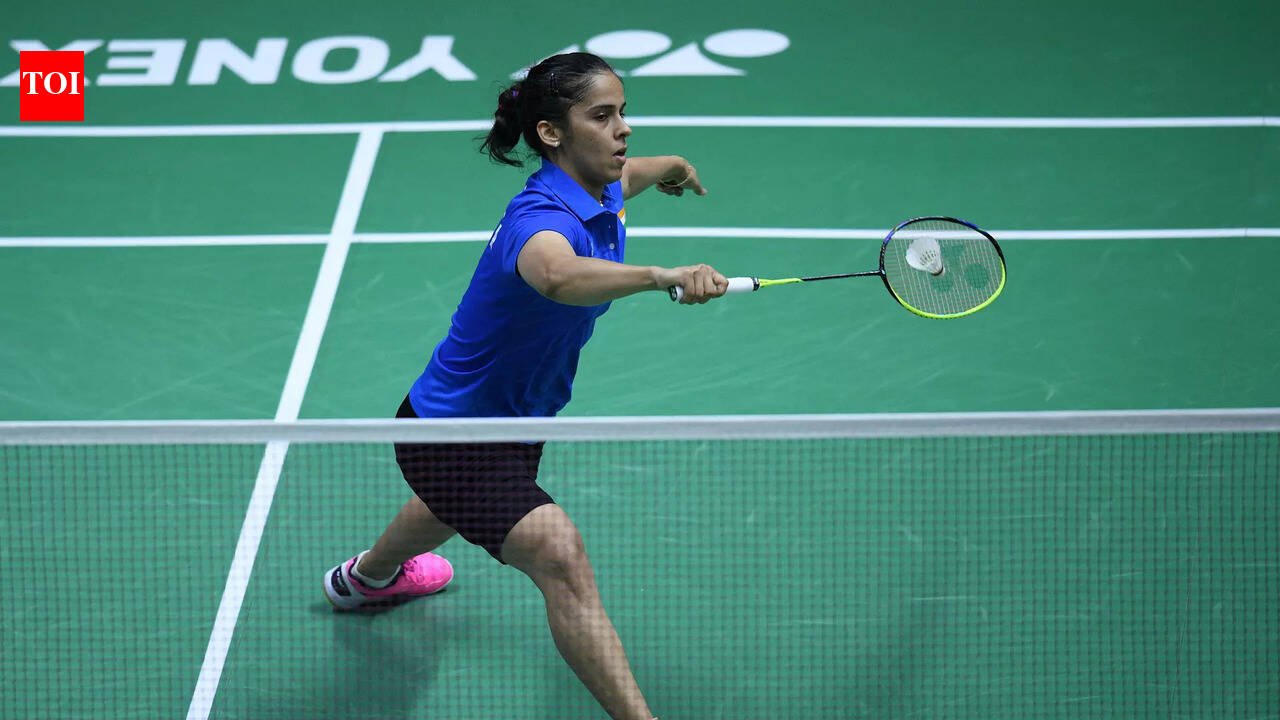
NEW DELHI: India’s star badminton player Saina Nehwal has confirmed her retirement from competitive badminton as she revealed on Monday that a chronic knee condition had left her unable to cope with the physical demands of elite sport. The 2012 London Olympic bronze medallist last appeared in competition at the Singapore Open in 2023, though she chose not to formally announce her decision at the time.

Saina Nehwal – The Queen of Indian Badminton | House of Glory | Episode 4

Explaining her approach, Saina said on a podcast, “I had stopped playing two years back. I actually felt that I entered the sport on my own terms and left on my own terms, so there was no need to announce it.” She added, “If you are not capable of playing anymore, that’s it. It’s fine.”The former world No. 1 said her decision was driven by severe knee degeneration that made sustained training impossible. Detailing the medical reality, she explained, “Your cartiledge has totally degenerated, you have arthritis, that’s what my parents needed to know that, my coaches needed to know that, and I just told them, ‘Now probably I can’t do it anymore, it is difficult’.”“Slowly people will also realise that Saina is not playing,” she added. “I didn’t think it was such a big matter to announce my retirement. I just felt my time was up because I couldn’t push much, that my knee is not able to push like before.”Highlighting the contrast with her peak years, Saina noted, “You train eight to nine hours to be the best in the world, now my knee was giving up in one or two hours. It was swelling and it became very tough to push after that. So I thought it’s enough. I can’t push it anymore.”Her career was significantly affected by a knee injury sustained at the Rio 2016 Olympics. While she mounted a strong comeback with a World Championships bronze in 2017 and Commonwealth Games gold in 2018, recurring issues persisted. In 2024, she revealed she has arthritis and worn cartilage in her knees.


Source link

PSL adopts IPL-style auction; scraps draft system to ‘increase transparency’ | Cricket News


PSL adopts IPL-style auction; scraps draft system to 'increase transparency'
PSL (File photo/Agencies)

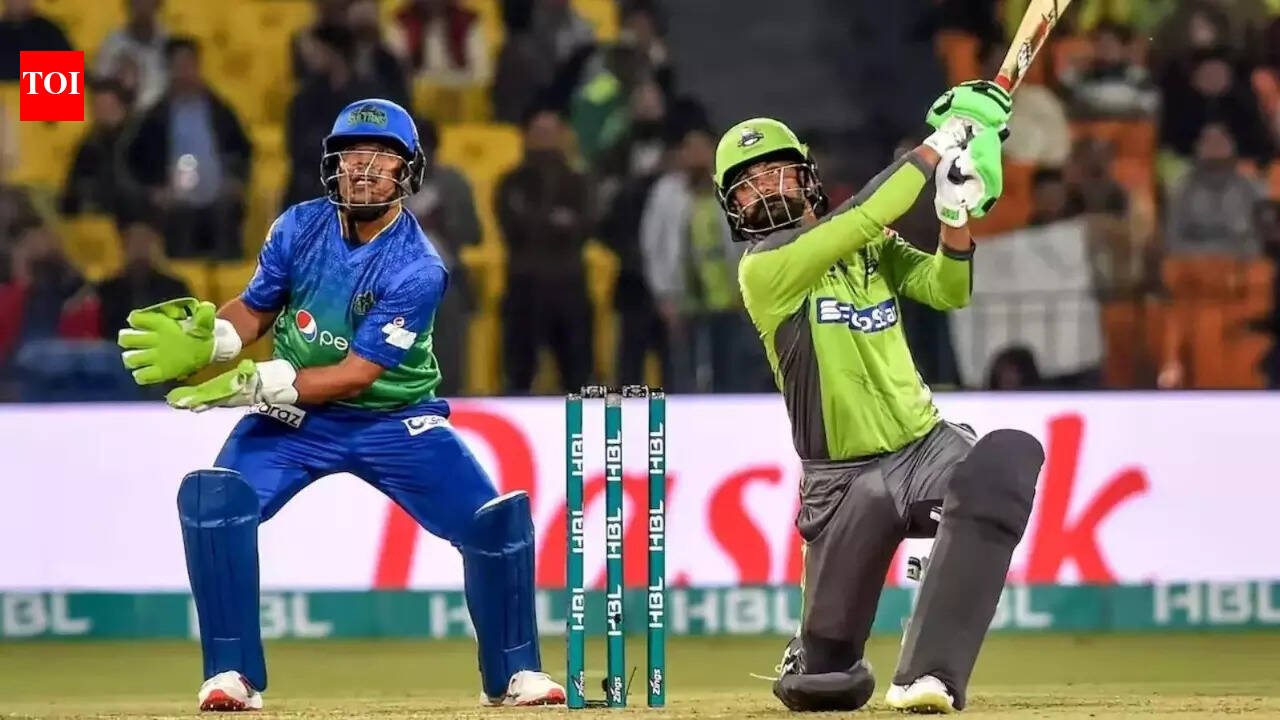
The Pakistan Cricket Board (PCB) has announced that the Pakistan Super League (PSL) will shift to a player auction system from its 11th season, moving away from the draft format that has been used since the league began in 2016. The change follows a model similar to the Indian Premier League (IPL).The total purse for each PSL franchise has also been raised to USD 1.6 million from USD 1.3 million for the player auction.PSL chief executive Salman Naseer said the changes ahead of the league’s 11th edition are aimed at strengthening the tournament.“The PSL will now transition from a draft to players auction system which should increase transparency and enhance the competitive balance of teams in the league,” Naseer said, as quoted by news agency PTI.He added that the new system would also offer players better earning opportunities.Under the revised rules, franchises will be allowed to retain a maximum of four players, with only one retention permitted in each category. Earlier, teams could retain up to eight players, along with a mentor and a brand ambassador, and use a right-to-match option to keep a ninth player during the draft.The PCB has removed the provisions for hiring mentors, brand ambassadors and the right-to-match option.Naseer said the two new teams, Hyderabad and Sialkot, will be allowed to pick four players each from the available pool before the auction.Each franchise will also be permitted one direct signing of an overseas player who did not take part in PSL 10.The 11th season of the PSL is scheduled to begin on March 26, with Faisalabad included as a venue.


Source link

‘We didn’t bat long enough’: Shubman Gill’s blunt verdict after India’s historic ODI series defeat against New Zealand | Cricket News


‘We didn’t bat long enough’: Shubman Gill's blunt verdict after India's historic ODI series defeat against New Zealand

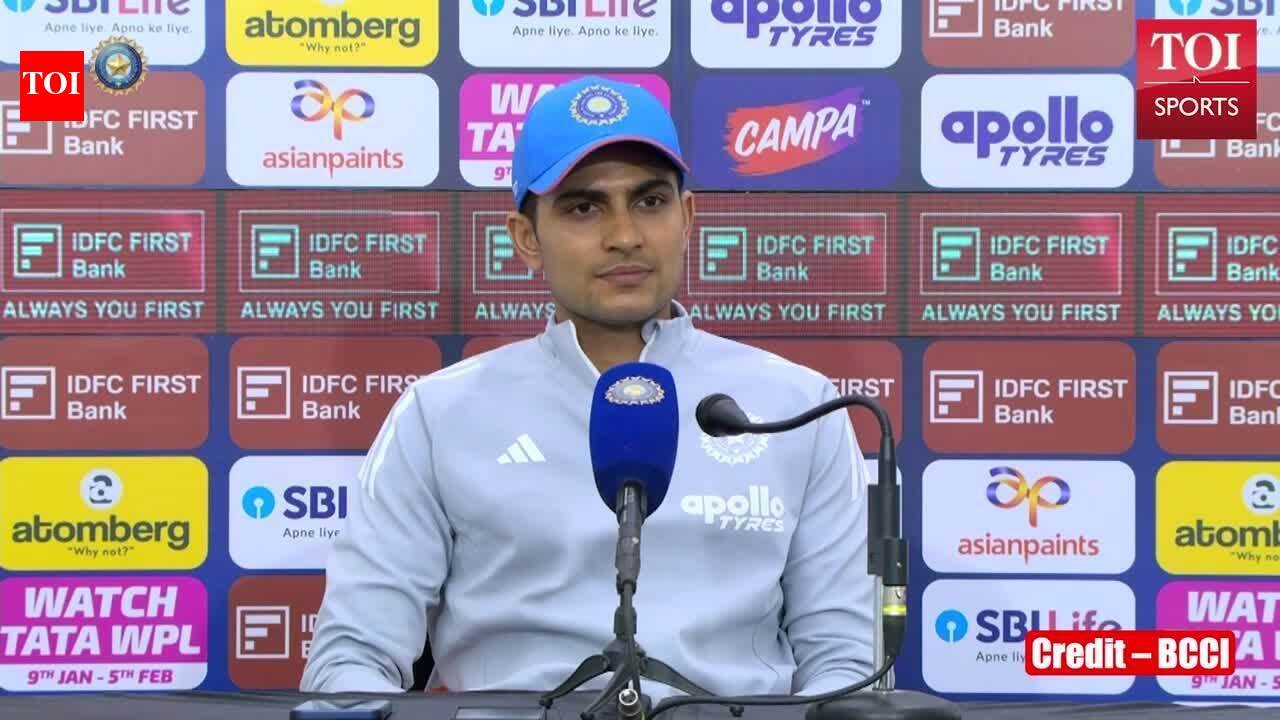
NEW DELHI: India’s first-ever bilateral ODI series defeat at home against New Zealand was more than just a statistical setback — it was a moment of uncomfortable clarity, and captain Shubman Gill did not attempt to hide it. After the 41-run loss in the series decider at the Holkar Stadium on Sunday, Gill offered a frank assessment of where India fell short and why New Zealand deserved to win.Go Beyond The Boundary with our YouTube channel. SUBSCRIBE NOW!“For me, it wasn’t that we didn’t bat well. It was that we didn’t bat long enough,” Gill said, pinpointing what he believed was the decisive factor. “When batsmen are getting starts and they’re not able to convert those starts, especially in high-scoring matches, it becomes very difficult. At least two batters need to go on and play that long innings. That was the difference between them and us.”

India vs New Zealand ODIs preview: Captain Shubman Gill, vice-captain Shreyas Iyer in focus

India’s inability to turn promising starts into match-defining scores haunted them throughout the series, including in Indore where Virat Kohli’s century briefly revived hopes after the hosts slipped to 71 for four. Gill repeatedly returned to the contrast with New Zealand’s batting template.

Poll

Which area of the Indian team's performance needs the most improvement?

“Whenever their batsmen got set, they scored long. That’s the difference,” he said. “Even in the first two matches, I got set, but I wasn’t able to convert it into 100, 120 or 130, and that’s something we need to get better at as a batting unit.”On Ravindra Jadeja, whose impact with bat and ball has dipped in recent years. Gill resisted singling him out. “Jaddu bhai was looking in good touch with the bat. But it wasn’t just him. I don’t think any of our batsmen were able to consistently convert the starts we were getting,” he said, before acknowledging Jadeja’s reduced wicket-taking returns. “He has always been a strike option for us. It’s unfortunate he couldn’t pick as many wickets as he would have liked, but that happens. You learn from it and you grow.”Fielding lapses, too, proved costly. “We dropped some catches at very important stages of the game,” Gill admitted. “When those catches don’t stick, it’s not easy. It’s one area we really have to improve.”Gill also backed Rohit Sharma despite the opener’s modest series tally. “You won’t always be able to convert starts. What’s important is that the intent and rhythm are there.”Amid the disappointment, Gill highlighted a positive for the future in Harshit Rana. “Batting at number eight is very important for us. The way he is batting right now, he keeps getting better,” Gill said, also praising his pace and bounce. “In the future, he can be a very good prospect for us.”With the World Cup still some way off, Gill insisted the defeat offered clarity rather than crisis. “We have time,” he said. “As long as we know what we need to work on, hopefully in the next one or two series we can fix those areas and perform the way we want to.”


Source link