Breaking News
New catching rule? Captains warned over ‘Incomplete’ catches ahead of IPL 2026


The TATA Indian Premier League (IPL) 2026 is just three nights away from entering its 19th edition. All teams are gearing up for the upcoming tournament, which will run for more than two months. IPL 2025 champions Royal Challengers Bengaluru (RCB) will be facing Sunrisers Hyderabad (SRH) on the opening day. Ahead of the IPL, there has been a new rule change.

The rule change has been in place during the game; all the IPL captains have been warned about fielder movement before and after completing a catch. All 10 franchise captains have been informed that the fielder must have complete control of the ball and his body before the catch is considered complete and celebrations begin.

New catching rule in IPL

Clause 33.3 and Page 64 of the Playing conditions state an oft-repeated point: “The act of making a catch shall start from the time when the ball first comes into contact with a fielder’s person and shall end when a fielder obtains complete control over both the ball and his own movement.”

Your daily dose of cricket!

next

The rule previously existed for a long time. However, during a meeting of the Board of Control for Cricket in India (BCCI) on Wednesday evening, captains were shown video recordings of various catches, some of which were deemed unfair.

Impact player rule to stay for two more seasons

At least one incident clearly demonstrated the problem, with officials emphasising that a fielder’s body must be completely under control for the catch to be declared legal. This rule, the teams were assured, will be strictly followed. BCCI head of match referee Javagal Srinath and BCCI head of Umpire panel Nitin Menon addressed this particular section of the 90-minute meeting.

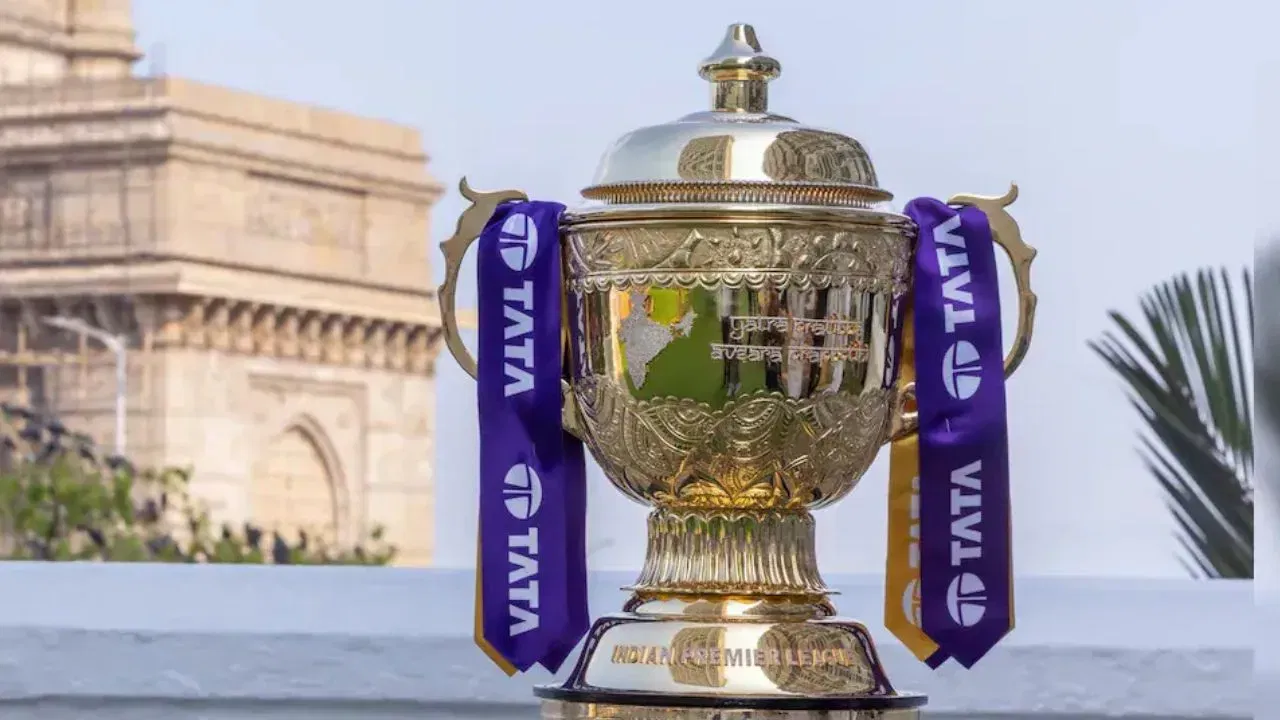
All 10 captains were present in Mumbai for the captains’ photoshoot with the trophy. It was also discussed that the ‘Impact Player’ rule will be there for another two seasons and will be reviewed after the 2027 season. Though many captains have voiced their disagreement with this rule.

Captains not happy with impact player rules

Previously, Axar Patel voiced his concern over the impact player rule, saying that he does not like it personally, being an all-rounder, and pointed out that because of the rule, the coaching staff goes for either a specialist batter or a bowler.

“It was discussed, and it was made clear to all of us that the Impact Player rule is here to stay for at least two more seasons,” said a franchise member who attended Wednesday’s meeting.

During the captain’s photoshoot, they had a fun moment against each other playing with a tennis ball cricket on a closed box turf. The IPL is the oldest running franchise league in world cricket.

The impact player rule has advantages and disadvantages; the rule allows teams to bat deeper, leading to more explosive batting and higher-scoring games. It helps teams balance the disadvantages of batting or bowling first based on the pitch conditions. The extra batting cushion often makes it harder for bowlers to make a difference.

Also Read: “Win our first trophy”: Sanjiv Goenka crowns LSG as champions ahead of IPL 2026



Source link

IHC arm gets RBI nod to buy Sammaan Capital


IHC arm gets RBI nod to buy Sammaan Capital

MUMBAI: Sammaan Capital (formerly Indiabulls) shares rose 6% after the RBI approved the acquisition of a controlling stake by UAE-based International Holding Company (IHC) through an initial investment of about Rs 8,850 crore. In a regulatory filing on March 24, Sammaan Capital said RBI had cleared applications related to the proposed transaction involving Avenir Investment, an entity owned and controlled by IHC. TNN


Source link

Now, autonomous colleges to require Univ nod for courses | Mumbai News


Mumbai: Autonomous colleges affiliated to Mumbai University will have to ‘mandatorily’ seek approval for all their programmes and courses from the university’s academic council. Till date, colleges were only expected to ‘inform’ the university of the new courses they planned to offer. Additionally, these colleges will have to submit their examination committee minutes and status of their question paper and answer sheet audits to the university’s board of examinations and evaluation (BEE) on a regular basis.These guidelines in a recent circular issued by the university’s examination board, aimed at enhancing transparency, strengthening data integration and standardising processes. It has drawn mixed reactions from the academic community. Another decision was also taken at the university’s academic council meeting on Wednesday to regulate their courses. The administration, in a move to frame regulations for courses offered by autonomous colleges, directed them to design curricula in line with the National Education Policy, adopt course nomenclature as per the regulations of relevant apex bodies, and strictly adhere to the university’s passing scheme and standards.With a sharp rise in the number of autonomous colleges under the university, academicians have welcomed the initiatives to regulate courses and examination systems, saying they will help maintain checks and balances. The number of autonomous colleges affiliated to MU has increased from 39 to 130 over the past five years, particularly after the University Grants Commission relaxed the eligibility norms by removing the requirement of an ‘A’ grade from NAAC for autonomous status. A section of principals, however, also argued that it could violate the rights of colleges to exercise autonomy. A principal, however, said that colleges which are striving to become better will continue to do so.In Wednesday’s meeting, the university also issued the much-awaited guidelines for the fourth year under the NEP, for the first cohort from autonomous colleges. To offer the fourth year, the concerned college must have a postgraduate programme or a research centre on the subject. Colleges that conduct PG programmes will be able to offer four-year honours programmes and the ones with a research centre can offer the honors with research ones. Under the Honours Degree option, students are required to complete 160 to 176 credits over four years, with the fourth year dedicated to an in-depth study of their major subject along with a mandatory 4-credit internship. Under the Honours with Research option, students must undertake a 12-credit research project or dissertation in their major subject during the seventh and eighth semesters, with a minimum eligibility requirement of a CGPA of 7.5.


Source link

Sensex jumps 1.2k pts as efforts to end war gain pace


Sensex jumps 1.2k pts as efforts to end war gain pace

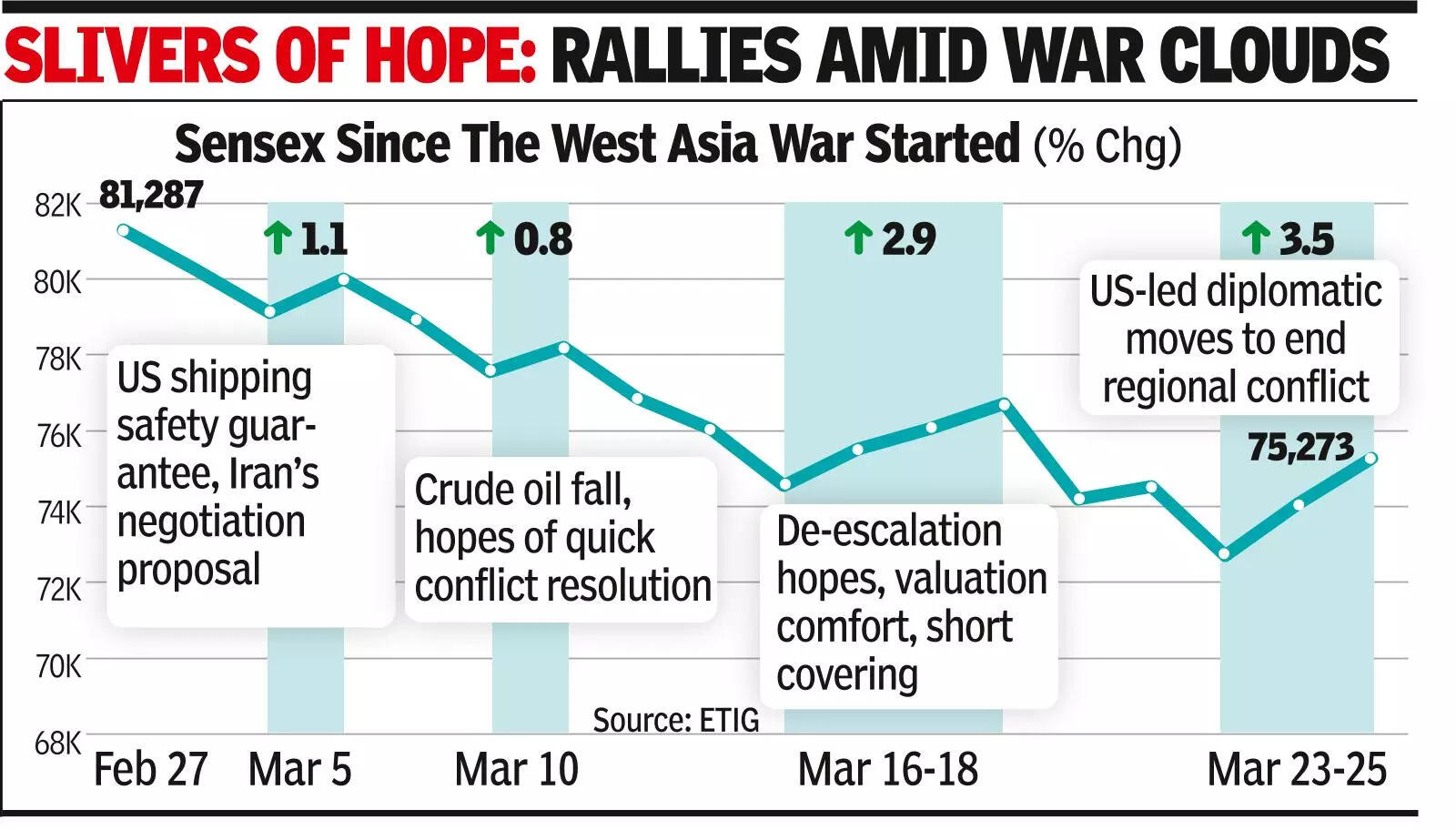
NEW DELHI: With hopes of a resolution to the West Asia conflict rising, sensex rallied over 1,200 points in late session on Wednesday to close above the 75,000 mark again.As diplomatic initiatives to end the war between the US-Israel and Iran picked up pace, markets around the world rallied, crude oil prices slipped, and precious metals gained. The global bullish sentiment also led to a slowdown in foreign fund selling in domestic equities, which, combined with strong domestic buying lifted sensex by 1,205 points (1.6%) to 75,273 points. On the NSE, Nifty gained 394 points (1.7%) to close at 23,306 points.

.

The day’s rally added Rs 8.2 lakh crore to investors’ wealth with BSE’s market capitalisation now at Rs 431 lakh crore, official data showed.According to Vinod Nair, Head of Research, Geojit Investments, markets continued to build on the previous day’s momentum as global risk sentiment improved, with hopes of peace emerging on the radar. “Potential diplomatic progress between the US and Iran-despite mixed geopolitical commentary-led to easing crude oil prices below $100/barrel, which was welcomed by the market. Early signs of normalisation in maritime movement through the Strait of Hormuz are likely to further support investor confidence, although it may be early to comment.On Wednesday, despite a muted close to the US markets the previous night, global markets rallied. Across Asia, Nikkei in Japan closed nearly 3% up while Hang Seng in Hong Kong was up 1.1% and Shanghai 1.3%. In Europe, in late trades FTSE in the UK was up 1.5% while Dax in Germany was up 1.6%. In early trades in US, Dow Jones and S& indices were up nearly 1% each while Nasdaq Composite was up 1.3%. And in Brazil, iBovespa was up 2% in opening trades.The sensex rally came despite a Rs 1,805-crore net selling by foreign funds, the lowest single-session figure since the war started. During the day, domestic investors were net buyers at Rs 5,430 crore, BSE data showed.


Source link

‘Reaching playoffs isn’t enough’: LSG owner lays down marker for Rishabh Pant to earn ‘respect’ | Cricket News


'Reaching playoffs isn't enough': LSG owner lays down marker for Rishabh Pant to earn 'respect'
Rishabh Pant, Sanjiv Goenka

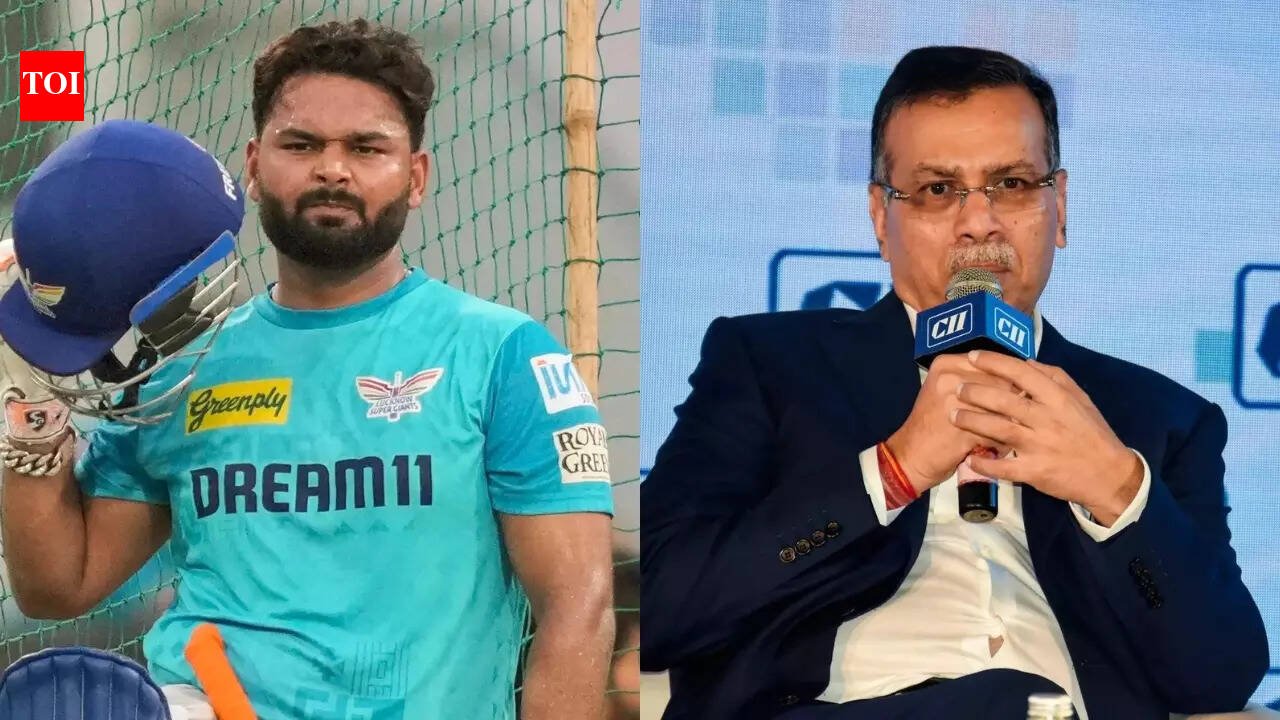
Ahead of the Indian Premier League (IPL) 2026 season, Lucknow Super Giants (LSG) owner Sanjiv Goenka said that reaching the playoffs is not enough and that the team must win the title to earn “respect”.Goenka said the franchise is still shaping its identity and that success in the league is measured by trophies rather than consistency alone.“I think the true identity is still evolving. For any sports team, until you win, you don’t receive the same level of respect or affection that comes with lifting the trophy. Yes, we’ve made the playoffs twice, but that’s clearly not good enough. You win some, you lose some, but we have to win our first trophy,” Goenka said while speaking on JioStar, as cited by news agency ANI.

Watch

RCB’s big changes ahead of IPL: New rules, tribute & squad update

He also pointed to positives from the IPL 2025 season, where the team won four of their first six matches despite injuries to key bowlers. Goenka highlighted decisions such as promoting Aiden Markram and Mitchell Marsh to open, both of whom delivered, and the emergence of Digvesh Rathi with the ball.“The positive was that we won four of our first six games despite most of our frontline bowlers being injured. There were some bold moves, Aiden Markram and Mitchell Marsh opening, which isn’t their usual position, and it turned out to be best IPL season for both of them. Digvesh Rathi came in as a complete newcomer and did well for us. However, we did realise that we lacked a strong bowling core, and we’ve consciously addressed that by building a domestic Indian bowling unit this time. We’re happy with what we have,” he added.Goenka said the current squad has the required balance and the focus now is on delivering as a group rather than relying on individual performances.“You can always improve, aspire to do better, there’s no end to improving. But at the end of the day, this is a squad that has everything required. Now it’s about coming together and performing as a unit, rather than as individuals. Last year, there were too many individuals performing. This year, we want to perform as a team,” he said.Lucknow Super Giants, led by Rishabh Pant, will open their IPL 2026 campaign against Delhi Capitals on April 1. They will then face Sunrisers Hyderabad on April 5, Kolkata Knight Riders on April 9 and Gujarat Titans on April 12 in the first phase of the tournament.The Board of Control for Cricket in India (BCCI) has announced the schedule for the first phase of the season, which runs from March 28 to April 12. Defending champions Royal Challengers Bengaluru will play the opening match against Sunrisers Hyderabad at the M Chinnaswamy Stadium in Bengaluru.


Source link

Finance Bill passed with 32 amendments


Finance Bill passed with 32 amendments

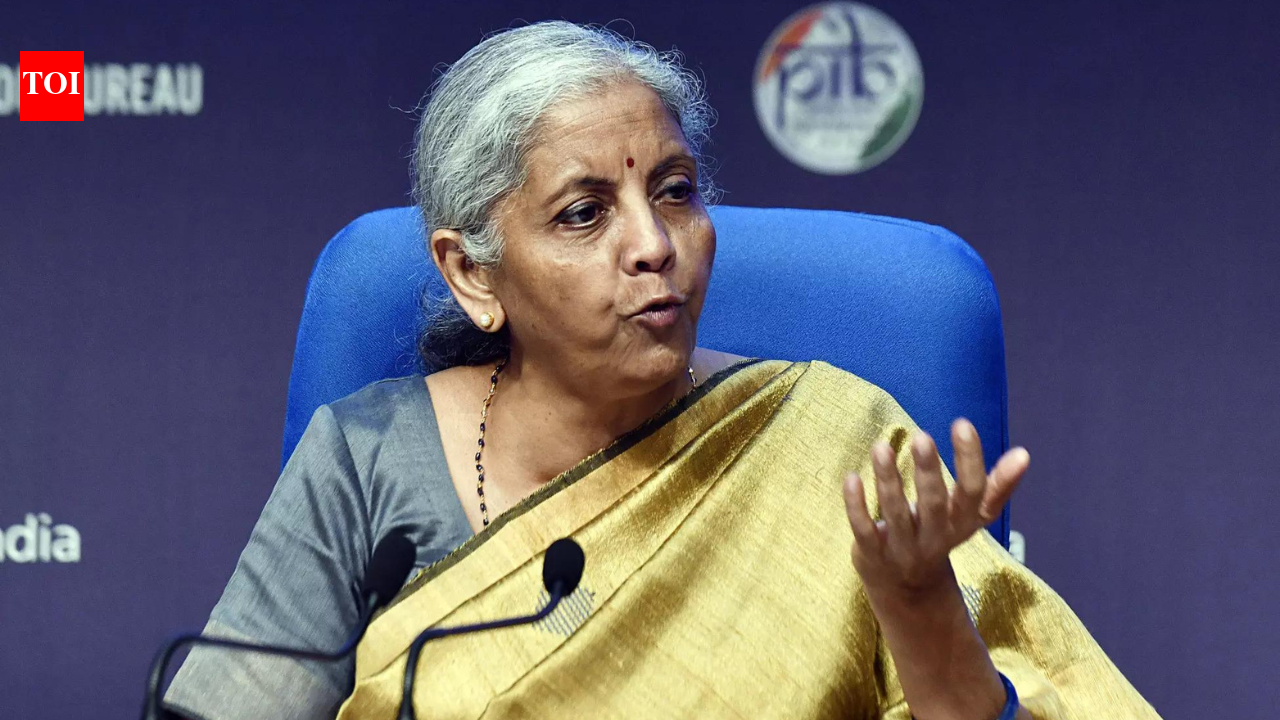
NEW DELHI: The Lok Sabha on Wednesday passed the Finance Bill, with 32 amendments moved by finance minister Nirmala Sitharaman, including specifying that in case of buyback of shares, additional income tax on capital gains made by promoters will face a 12% surcharge.The Finance Bill had proposed to replace dividend tax applicable to buybacks and had reintroduced capital gains tax. It had provided for an additional capital gains tax applicable in a case where the buyback of shares was from a promoter, where the amendment will now apply.“The Finance Bill 2026 shifts buyback taxation to the shareholder level, but the applicable surcharge was initially unclear, especially for promoters and high-income taxpayers. The amendment now suggests that surcharge on buyback income will be taxed at 12%, which would reduce the effective tax burden,” said Amit Maheshwari, managing partner at consulting firm AKM Global.Besides, there are changes related to tax holiday for startups too which applies to those with turnover up to Rs 100 crore.“The threshold has been increased to Rs 300 crore, with the result that an eligible start-up with turnover up to Rs 300 crore can now qualify for the tax holiday from financial year 2026-27,” said Pranav Sayta, partner and national leader for international tax and transaction services at consulting firm EY India. “Most of the amendments are largely to bring about greater clarity and ensure that the language is in line with the intent of provisions,” he added.He also pointed out that currently, there is no stipulated minimum time for a taxpayer to file an income tax return in response to notice for reopening or reassessment. “Now the amendments specifically provide that the taxpayer must be given a minimum time of 30 days for filing such a return in response to a notice for reopening/reassessments,” Sayta added.Replying to the debate in the Lok Sabha, Sitharaman said that the budget has taken several “facilitative” steps for the middle class and small businesses. She also said there is a trust-based tax administration, that is being improved by reducing unnecessary hardship for honest taxpayers. FM said India is riding on the “reform express” with reforms not happening out of compulsion, but out of conviction, clarity, confidence and commitment.


Source link

Officials meet to map demand & supply to avoid disruptions


Officials meet to map demand & supply to avoid disruptions

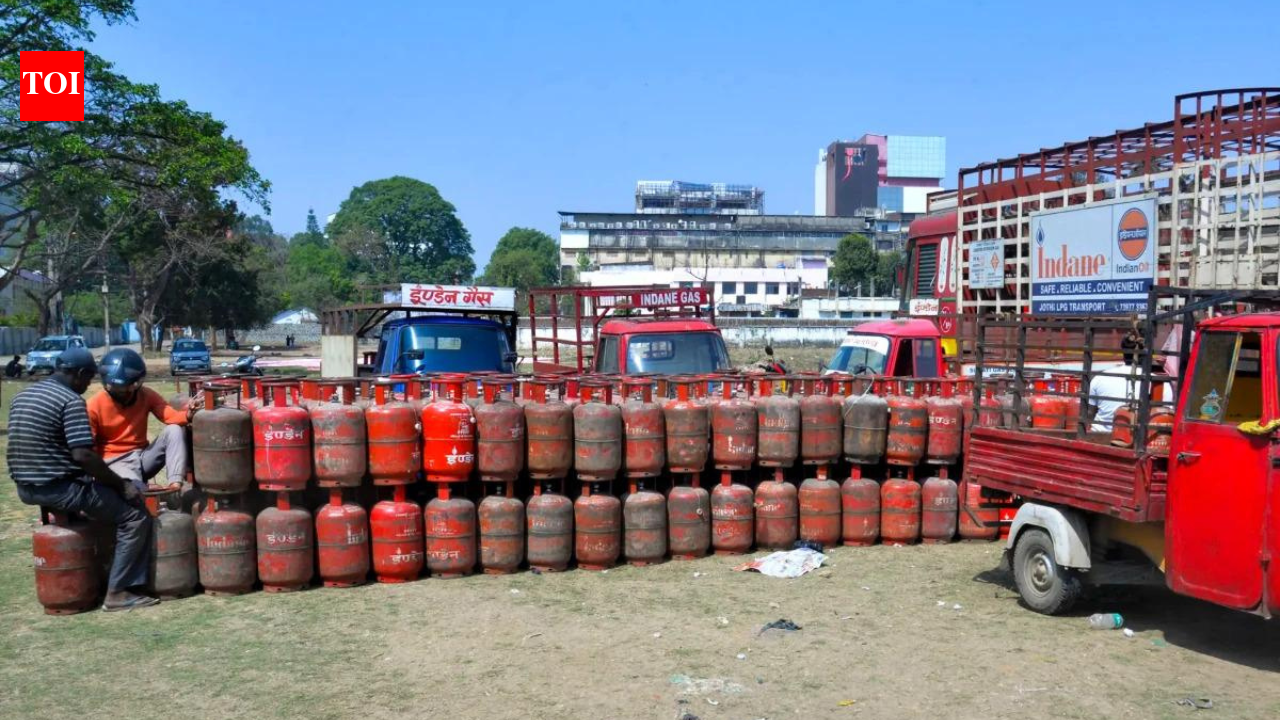
NEW DELHI: The empowered group of officials to deal with the fallout of the West Asia conflict got down to business on Wednesday, and began mapping the demand and supply situation, and also started identifying potential sources to ensure that supply chains are not disrupted.Food and fuel availability are top priority and detailed reports have been sought, including from the states. At the same time, when it comes to fuel, the panel led by petroleum secretary Neeraj Mittal is studying industry consumption trends and comparing it with the availability levels.Products are being identified where there are disruptions and sources are being studied along with measures – including possible duty cuts – in a bid to keep industries going without burdening them and consumers with a significant increase in prices. Chemicals, pharma and petrochemicals have been identified as areas where there is a need to augment supplies.Govt had set up seven empowered groups on Tuesday. For most businesses, gas has been an area of concern, which is sought to be addressed, especially with petroleum minister Hardeep Puri telling an all-party meeting on Wednesday that the curbs on commercial cooking gas cylinders are temporary.While govt has tapped alternate markets, such as Surinam, Guyana, Canada and the US to get LNG, getting LPG (cookig gas) has been more challenging as India relied on imports to meet 60% of its demand with 90% of the quantities coming from West Asia.Although govt is working to get supplies from other countries, there will be a lag in organising the required quantities of fuel. For instance, it takes around 11 days from ships to deliver goods from the Gulf region and 36-37 days from Russia. From the US and Canada, the sail time can be 40-45 days. Supplies are expected to normalise once oil companies align production with the new cycle.For the moment, they are focusing on tapping as many sources as possible. Over the last few years, starting 2023, India had stepped up purchases from Russia, which was a source for around 1.5% of the crude around four years ago. After acquiring more than 30% share, they accounted for nearly 20% of the pie in Feb. With sanctions on Rosneft and Lukoil lifted, Russian oil share is expected to move up again, with some quantities from Iran also adding to the supply.


Source link

Middle East crisis: Oil slides, gold & silver rise on US move to end conflict


Middle East crisis: Oil slides, gold & silver rise on US move to end conflict

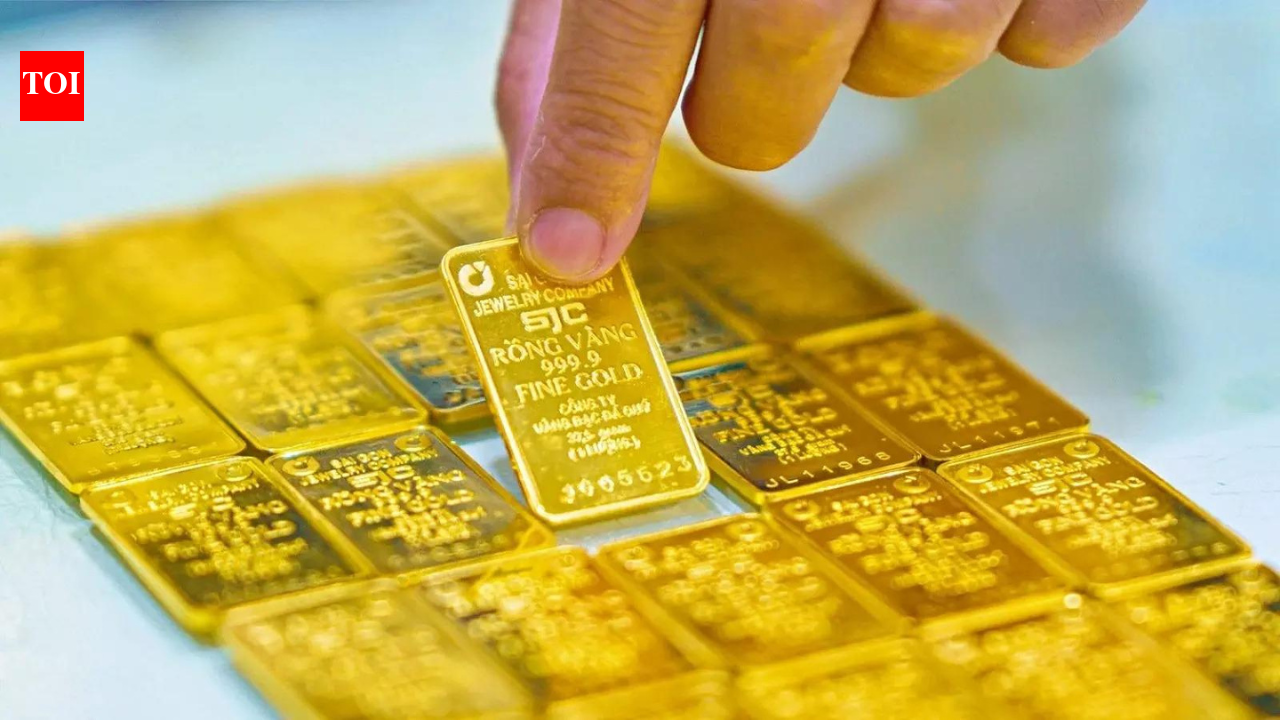
MUMBAI: The US move to send a 15-point proposal to Iran aiming at ending the war in West Asia, combined with a slowdown in hostilities between the warring nations on Wednesday sent oil prices sliding and precious metals rallying.In late trades on Wednesday, Brent was trading at $97.2/barrel, down 3% on the day. In the second week of March, Brent had rallied to a multi-year high at close to the $120 mark. Incidentally, during the day, Larry Fink, CEO, BlackRocksaid that if oil prices rise to $150 level, due to supply disruptions in the Gulf region even after the war ends, that could result in a global recession.The war has all but halted shipments of oil and liquefied natural gas through the Strait of Hormuz, which typically carries about one-fifth of the world’s gas and crude supply, causing what the International Energy Agency has called the biggest-ever oil supply disruption, a Reuters report said.In the domestic market, in late trades on MCX, crude oil futures for April delivery was down 3% at Rs 8,475/barrel.Precious metals also saw an uptick as an end or a ceasefire would diminish the fears of energy supply-led disruptions leading to inflation and possibility of rate hikes. In mid-session in the US, gold was trading 3.4% up at $4,551/ounce (Oz) while silver was up 4.7% at $72.8/Oz. In the domestic market, in late trades on MCX, gold futures for April delivery was trading 3.8% up at Rs 1.44 lakh/10gm while silver futures for May delivery was up 4.7% at Rs 2.34 lakh/kg.


Source link