Breaking News
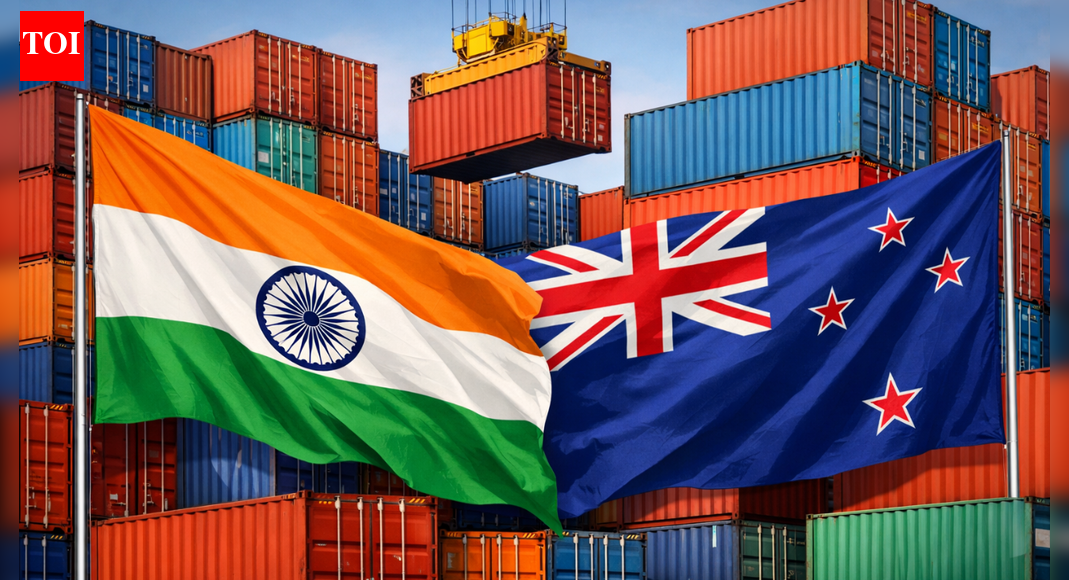
India–New Zealand FTA decoded: Why the deal is more about services, jobs and mobility than trade volumes-GTRI explains

[ad_1]
India–New Zealand FTA decoded: Why the deal is more about services, jobs and mobility than trade volumes-GTRI explains

India and New Zealand have concluded negotiations on a free-trade agreement, but its immediate impact on merchandise trade is likely to be limited given bilateral flows of just $2.1 billion in FY2025, according to a Global Trade Research Initiative (GTRI) analysis.The agreement, finalised on December 22 following a phone call between Prime Minister Narendra Modi and New Zealand Prime Minister Christopher Luxon, is India’s seventh trade pact in recent years and is expected to be signed in the first quarter of 2026.

New Zealand India FTA Sparks Coalition Rift As PM Christopher Luxon Backs Deal, NZ First Rejects It

“Given the limited scale of bilateral trade, the India–New Zealand FTA is less a trade breakthrough than a framework for deeper cooperation,” said Ajay Srivastava, founder of GTRI, in the report prepared on the deal.Bilateral trade between the two countries stood at $2.1 billion in FY2025, including goods and services. India exported $711.1 million to New Zealand, led by aviation turbine fuel, textiles and clothing, pharmaceuticals and machinery. New Zealand’s exports to India, worth $587.1 million, were dominated by raw materials and farm-linked inputs such as wood products, scrap metals, coal and wool.Dairy, the most politically sensitive sector in the negotiations, remains commercially marginal. New Zealand’s dairy exports to India totalled just $1.07 million in FY2025. India, home to millions of small dairy farmers, has consistently resisted opening the sector.“India has preserved its policy space in sensitive areas, especially dairy, which remains outside the scope of meaningful market access,” Srivastava said.Services trade, though less visible, outweighs goods in value. New Zealand government data shows India exported $255.8 million in services to New Zealand in FY2025, while services imports from New Zealand reached $550 million, driven largely by education. India does not publish country-wise services trade data.The FTA spans 20 chapters, covering trade in goods and services, rules of origin, customs facilitation, dispute settlement and newer areas such as investment promotion, MSME cooperation, sustainability, intellectual property and traditional knowledge.Tariff concessions are asymmetrical. New Zealand will eliminate duties on 100% of its tariff lines from the date of entry into force, including around 450 lines that earlier attracted tariffs of about 10% on Indian exports such as textiles, apparel, ceramics and automotive components. India has offered market access on 70% of tariff lines, with sensitive farm products managed through tariff-rate quotas, minimum import prices and safeguard measures.“The structure of tariff concessions reflects India’s calibrated approach, opening selectively while protecting politically sensitive agricultural sectors,” Srivastava said.On services and mobility, New Zealand has committed in 118 services sectors and introduced provisions for student work rights, post-study visas and a temporary employment pathway allowing up to 5,000 skilled Indian professionals to work in the country at any time. India has offered services market access in 106 sectors.Investment is a key pillar of the pact. New Zealand has committed to facilitate $20 billion in foreign direct investment into India over 15 years, backed by a rebalancing mechanism similar to provisions in India’s agreement with EFTA countries.“An FTA alone will not unlock the full potential of India–New Zealand economic ties,” Srivastava said. “The real impact will depend on how both countries use it to strengthen supply chains, expand services trade, deepen education and skills partnerships, and leverage the Indian diaspora.”The report said doubling bilateral trade by 2030 would require stronger business engagement, improved connectivity, simpler visa regimes and mutual recognition of professional qualifications, particularly in IT, healthcare and aviation.

[ad_2]

Source link
‘Picture abhi baaki hain’: U19 Asia Cup title evades India — but Aaron George’s show yet to unfold | Cricket News

[ad_1]

'Picture abhi baaki hain': U19 Asia Cup title evades India — but Aaron George's show yet to unfold
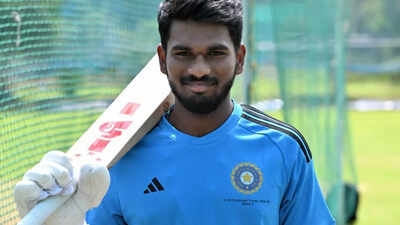
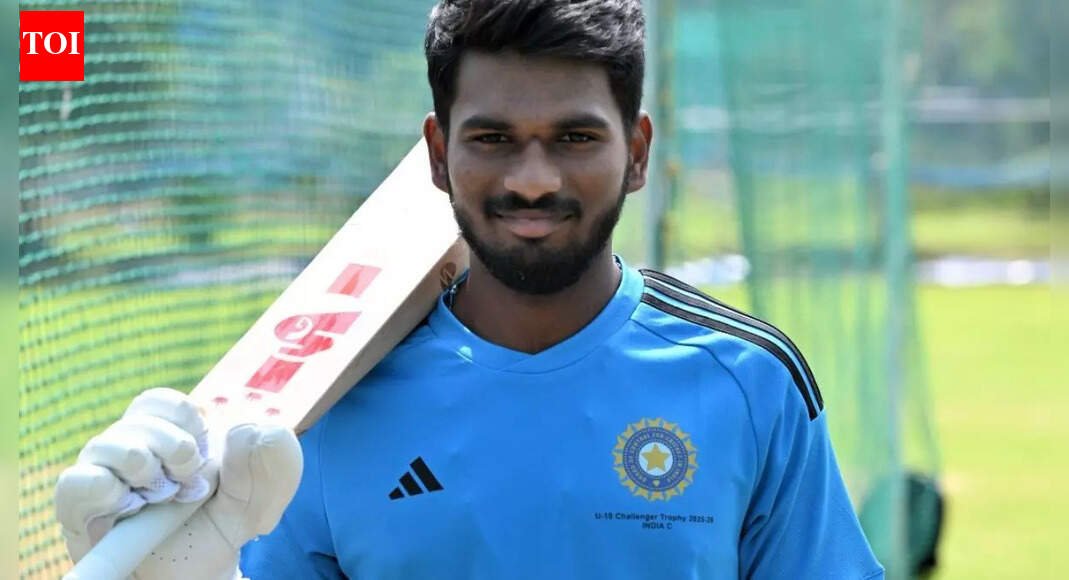
Aaron George (Special Arrangements)

“What you saw at the Asia Cup was just the trailer,” says Biju Nair, the former Services coach, who shaped Aaron George since his early teens. “Picture abhi baaki hain,” he insists.It captures the essence of Aaron. What the U-19 Asia Cup in Dubai last week revealed was control, maturity and restraint. What it concealed — by design — was his range, power and flair.

Why Rohit Sharma got really emotional at a promotional event

The full film, Nair insists, is yet to unfold.The teenager though, has never been one for excessive words. He prefers to let his bat do the talking.“I know what works best for me,” Aaron says. External factors like crowd, noise, occasion, and opposition stay outside his bubble.In the just-concluded U-19 Asia Cup in Dubai, Aaron, the captain, lived up to his hype, scoring two impactful knocks — an 88-ball 85 against Pakistan in the league game. It became the spine of the chase: not flashy, but chose his response and owned the ball-versus-bat battle. This was followed by a composed 58 against Sri Lanka. Everything, however, unravelled in the final against Pakistan.“Everyone had an off day,” he rued.Aaron also chose to play down the altercations between the Indian and Pakistani players during the summit clash.Against Pakistan, there was confidence without bravado. It was leadership through composure, even if it showed only a slice of his true attacking range.Aaron grew up in Hyderabad, but his roots run deep in Kerala. His father Easo Varghese hails from Mavelikara, mother Preeti, from Kottayam.A former sub-inspector with the Hyderabad Police, Easo spotted something special when Aaron was just four. At his in-laws’ place, the boy picked up a plastic bat and instinctively played with a straight bat. No slogging. No wild swings. Just balance, poise.“That’s when I knew,” Easo recalls. “There was something natural there,” he tells TOI.Training began at home. Easo used 50-gram plastic balls and turned the living room into a miniature cricket pitch.“The emphasis was unwavering: straight bat, still head, eyes level. Those early routines laid the foundation for a batter built on efficiency rather than excesses,” Easo recollects.A significant turn came when Aaron met B Subhash, an NIS coach and family friend.From 2014 to 2017, Aaron attended the HCA camp free of cost, and was the youngest participant there, holding his own against older boys until the camp shut down. Later, Nair stepped in, adding structure, discipline and tactical depth to his game.“He’s much more than what people have seen,” Nair insists. “He’s a far better striker of the ball than what he showcased at the Asia Cup.”In 2022, the selectors made a bold decision. With an opener’s slot available, they chose not to protect Aaron in age-group cricket but tested him in senior league division matches. He played five games that year and four more in 2023. The learning curve was steep, but it forged resilience.“They wanted to see if he could survive,” Easo says. “He didn’t just survive, he adapted.”That year at the U-16 Vijay Merchant Trophy, Aaron smashed 303 against Bihar, a knock that underlined his burgeoning talent. Later that year, at the BCCI High Performance camp in Vijayawada, he followed it up with a composed 83 against Delhi in the Vinoo Mankad Trophy.This year, Aaron wasn’t just part of the Hyderabad U-19 setup, he was leading it. As an opener, he scored 373 runs in five matches at a striking rate of 145, steering Hyderabad to the Vinoo Mankad title.What stands out is his evolution. Once a classical opener, Aaron has seamlessly adjusted to the No. 3 role while donning the India jersey — repairing and rebuilding when early wickets fell — accelerating when the moment demands.His idols reflect that balance and hunger to expand his game.“He admires Virat Kohli’s intensity and AB de Villiers’ philosophy of finding empty spaces and playing with intelligence,” Easo adds.“AB is a complete package. An all-round sportsman,” Aaron adds.Easo understands his son’s need for expanding his repertoire. After serving with the Hyderabad Police from 1995 to 2008, Easo transitioned to the corporate world. That journey of discipline, change and persistence shaped the way he raised his son.With the U-19 World Cup approaching, preparation is meticulous — mental conditioning and yellow fever vaccinations. Aaron knows everyone has off days. What matters is the response.The Asia Cup gave a glimpse of his potential. Nair believes the U-19 World Cup in Zimbabwe and Namibia next month could reveal Aaron’s complete package.

[ad_2]

Source link

Resident Evil Zero Remake release date, what to expect, gameplay, platforms, and other details | Esports News

[ad_1]

Resident Evil Zero Remake release date, what to expect, gameplay, platforms, and other details

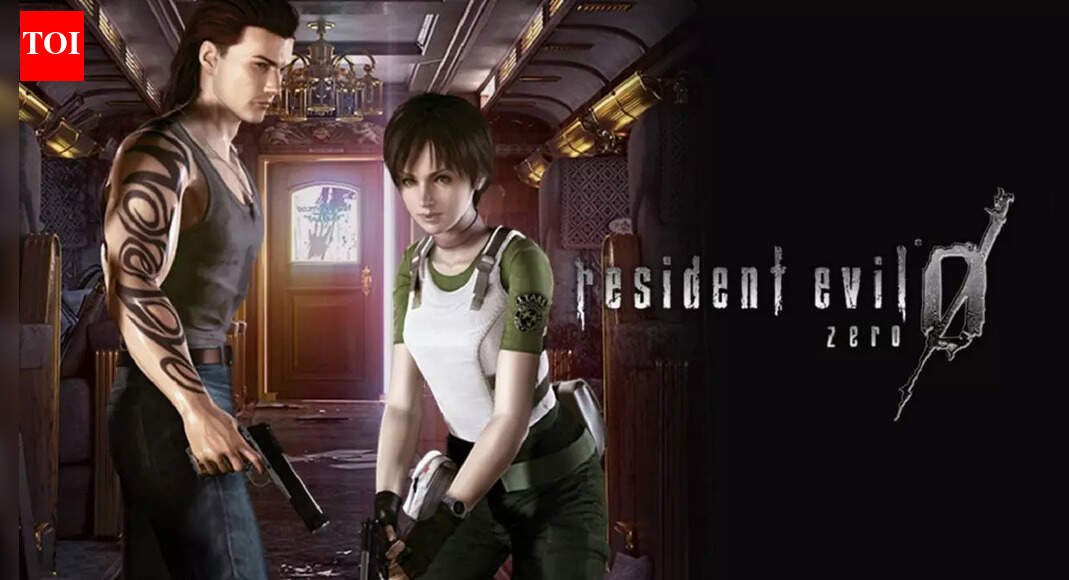
The Resident Evil franchise is experiencing a renaissance, and the recent remakes are a clear example of the same. Capcom is now all set to introduce a new entry in the series, with Resident Evil Requiem all set to be released on February 27, 2026.Recent reports and industry insiders have also confirmed two new remakes: Resident Evil Zero and Code: Veronica. Resident Evil Zero is essentially a prequel to the first game, telling the story of Rebecca Chambers and Billy Coen as they uncover the truth behind the Umbrella Corporation’s initial viral outbreaks.In the section below, there are all the details about the Resident Evil Zero Remake.

Resident Evil Zero Remake expected release date and timeline

Capcom has not officially announced a specific launch date for Resident Evil Zero Remake; however, the roadmap for the franchise has become clearer through reliable leaks. Essentially, Resident Evil Requiem (RE9) is set for early 2026, the Code: Veronica Remake is rumored for 2027, and the Resident Evil Zero Remake is expected to release in early 2028.Accordingly, you will likely have to wait until 2028 for the release of the Resident Evil Zero Remake.

Resident Evil Zero Remake gameplay

The original Resident Evil Zero was known for its Partner Zapping system, which allowed you to switch between Rebecca and Billy to solve puzzles and manage inventory. In the remake, you can expect this system to be completely modernized using the RE Engine. Here are other things that you can expect:

  • Third-person perspective: Like the remakes of RE2, RE3, and RE4, the fixed camera angles will be replaced with an over-the-shoulder view. This will significantly improve combat.
  • Inventory refinement: One of the most criticized aspects of the original was the lack of item boxes. This forced you to drop items on the floor. It is anticipated that the remake will be reintroducing the item box system or another way to manage the resources between the two characters that you will be able to use.

Resident Evil Zero Remake storyline and platforms

The Resident Evil Zero Remake will follow S.T.A.R.S. rookie Rebecca Chambers and convict Billy Coen as they investigate the Ecliptic Express train and a hidden Umbrella training facility. In the remake, the developers will be turning the train and the facility into atmospheric and photorealistic environments, pushing the boundaries of horror.Speaking of the platforms, the title is likely being developed for PlayStation 5, Xbox Series X/S, Nintendo Switch 2 and PC.

[ad_2]

Source link

BCCI to give massive pay hike to India’s women domestic cricketers | Cricket News

[ad_1]

BCCI to give massive pay hike to India’s women domestic cricketers
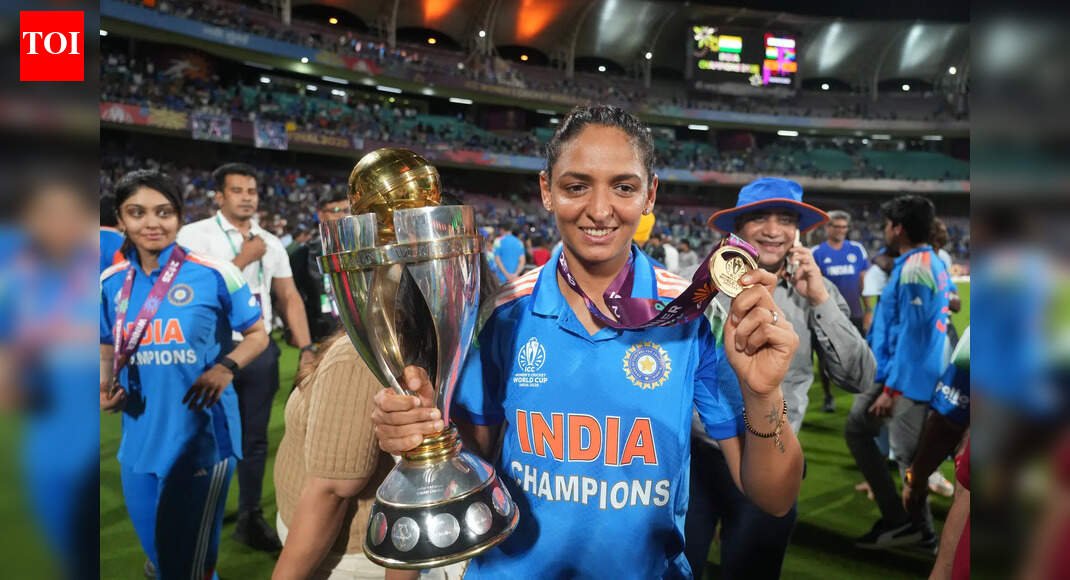
India’s captain Harmanpreet Kaur poses with the winning trophy (AP Photo/Rafiq Maqbool)

MUMBAI: In a year in which they finally ended their wait for a maiden World Cup crown by winning the 2025 Women’s ODI World Cup at home in November, there is more good news for India’s women cricketers.In another landmark decision for women’s cricket in India, the Board of Control for Cricket in India (BCCI) has decided to introduce a massive pay hike for India’s women domestic cricketers, more than doubling the per-day domestic match fees of senior women cricketers from Rs 20,000 to Rs 50,000.

Inside story of why Shubman Gill was DROPPED from India T20I World Cup squad

At present, for senior women’s tournaments, players in the playing XI are paid Rs 20,000 per day, and reserves are paid Rs 10,000 per day. For junior women’s tournaments, players in the playing 11 are paid Rs 10,000 per day, and reserves are paid Rs 5,000 per day in all T20 tournaments.Presently, on average, a senior women’s cricketer receives around Rs 2 lakhs for a season if the team only plays the league stages of senior tournaments.As per the revised pay structure, which will soon be implemented by the BCCI for the senior women’s tournaments, players will earn Rs 50,000 per day for being in the playing XI and Rs 25,000 per day for reserves. For T20 matches, their match fees will be Rs 25,000 for being in the playing XI and Rs 12,500 for being in the reserves. For junior women’s tournaments, players will get Rs 25,000 per day for being in the playing XI, and Rs 12,500 per day will be given to the reserves. For T20 matches, the fees will be Rs 12,500 for the playing XI and Rs 6,250 for the reserves.“We have more than doubled the match fees of India’s domestic women cricketers. We are only carrying forward the initiative of (former BCCI secretary and current ICC chairman) Jay Shah, who introduced pay parity for India’s international cricketers,” BCCI vice-president Rajeev Shukla told TOI.BCCI to review India’s performance in Under-19 Asia CupMeanwhile, concerned by India’s poor performance in the Under-19 Asia Cup final after India suffered a crushing 191-run defeat to Pakistan in the summit clash at Dubai, the BCCI will review the Indian team’s performance in the Under-19 Asia Cup. “We are concerned by this heavy defeat. We will basically have a brainstorming session to strengthen our Under-19 cricket,” Shukla said. The review is important since the 2026 Under-19 World Cup will be held in Zimbabwe and Namibia, starting from January 15.It means that the Board will seek a report from the team manager Salil Datar and hold discussions with head coach Hrishikesh Kanitkar, bowling coach Sunil Joashi and perhaps captain Ayush Mhatre. The BCCI is also concerned with the poor player conduct during the ill-tempered final.

[ad_2]

Source link

Christmas Day 2025 shopping: Need last-minute essentials; here’s which US stores are open or closed on December 25

[ad_1]

Christmas Day 2025 shopping: Need last-minute essentials; here’s which US stores are open or closed on December 25

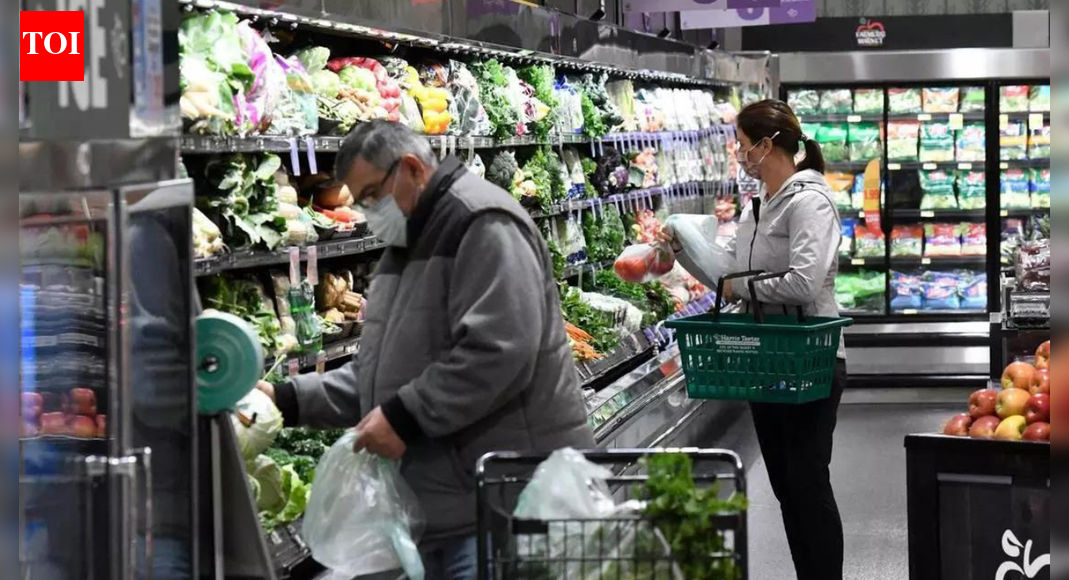
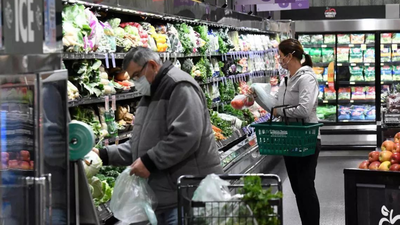
With most major retailers across the US either closing early on Christmas Eve or remaining shut for the entire Christmas Day, shoppers planning last-minute errands are being advised to check store timings carefully before stepping out.According to an AP report, operating hours can vary widely by location, with some chains opting for limited or modified schedules while a handful of businesses remain open during the holiday. Customers are advised to call ahead or check store websites for location-specific timings.Here is a breakdown of which major US retailers are closed and which ones are open on Christmas Day this year, based on AP’s roundup.

Major retailers closed on Christmas Day

Walmart

Walmart stores across the US are closed on Christmas Day. The retailer will reopen at 6 a.m. on December 26, AP reported.

Target

Target locations will remain closed on Christmas and are scheduled to reopen at 7 a.m. on December 26.

Costco

All Costco warehouses in the US are closed on Christmas Day.

Kroger

Kroger grocery stores are shut on Christmas Day and will resume regular business hours on December 26.

Pharmacies and convenience chains with limited or varied hours

CVS

Many CVS locations will operate with modified hours on Christmas Day. Customers are encouraged to check local store timings online or call ahead, according to AP.

Walgreens

Walgreens stores will remain open on Christmas Day, though pharmacy hours may vary. All 24-hour Walgreens locations will continue operating.

Food and beverage chains: Check before you go

Starbucks

Many Starbucks outlets will be closed on Christmas Day, while some locations may operate with limited hours. Customers are advised to verify timings online.

McDonald’s

Several McDonald’s locations across the US are open on holidays like Christmas, but operating hours differ by location. Customers can confirm timings using the chain’s online store locator.

Grocery and retail stores closed on Christmas Day

According to AP, the following grocery, convenience and retail chains will remain closed on Christmas Day:

  • ALDI
  • Harris Teeter
  • Home Depot
  • IKEA
  • Jewel-Osco (stores and pharmacies)
  • Lowe’s
  • Macy’s
  • Meijer
  • Publix
  • Rite Aid
  • Sam’s Club
  • Sprouts Farmer’s Market
  • Trader Joe’s
  • Whole Foods

Stores open on Christmas Day or with select locations operating

While most major retailers are closed, AP reported that some chains will continue operations, either fully or at select locations:

Safeway

Many Safeway stores will be closed, but some locations will remain open with adjusted hours.

Sheetz

Sheetz convenience stores will remain open 24/7, including on Christmas Day.

7-Eleven

Most 7-Eleven stores will be open round-the-clock, including Christmas, though some locations may operate on modified schedules.

What shoppers should keep in mind

Shoppers should double-check local store hours, as holiday schedules may differ even within the same retail chain depending on the city or state.When in doubt, customers should call the store directly or refer to official websites for the most accurate information before heading out.

[ad_2]

Source link

Santa Claus rally: Small and midcaps lead December gains; here’s what the numbers say

[ad_1]

Santa Claus rally: Small and midcaps lead December gains; here’s what the numbers say

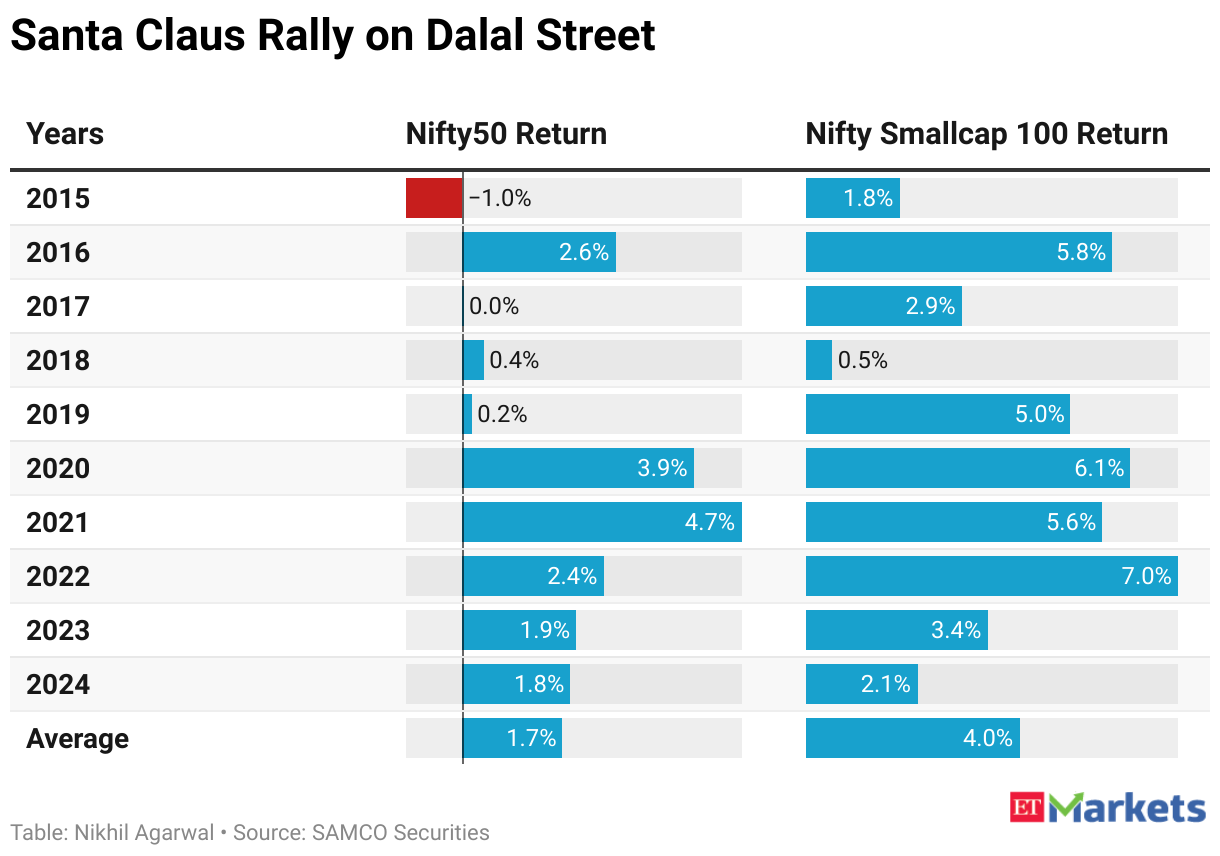
As Indian equities head into the final trading sessions of the year, the familiar question around the Santa Claus rally has resurfaced, with historical data and recent market signals pointing towards smaller stocks once again stealing the spotlight.Data from SAMCO Securities shows that smallcap stocks have delivered the strongest performance during the Santa Claus period — defined as the last five trading days of December and the first two sessions of January — over the past decade, according to an ET report. Smallcaps posted an average return of 3.55% during this window, with a 100% success rate, outperforming both midcaps and largecaps.Large-cap stocks, represented by the Nifty 100, delivered comparatively modest average gains of 1.78% over the same period, while midcaps recorded average returns of 2.63% with a 90% success rate. Importantly, downside risk across market segments has remained limited during this seasonal phase, even in weaker market years.

santa-claus-rally-on-dalal-street

“Smallcaps have been the biggest beneficiaries, with an average return of 3.55% and a 100% win rate, indicating uninterrupted gains during this seasonal window,” said Jahol Prajapati, Research Analyst at SAMCO Securities. “The Santa Claus Rally is not merely a market myth but a repeatable seasonal pattern, where improved sentiment, lighter volumes, and year-end positioning create a favorable environment — especially for mid and small-cap stocks.”For the current year, analysts say technical indicators are beginning to support the case for a rebound in smaller stocks after a prolonged phase of underperformance. The Nifty Smallcap 100 index has shown what analysts describe as constructive price action, with two consecutive small-bodied candles featuring long lower shadows — a pattern suggesting buying interest on declines. This has been accompanied by a positive crossover in the daily Relative Strength Index (RSI).“The crucial level to watch is the 20-day EMA zone of 17,450–17,500. If the index sustains above 17,500, it is likely to regain strong upward momentum, potentially leading to an extended pullback toward 17,800,” said Sudeep Shah, Head of Technical and Derivatives Research at SBI Securities, quoted ET. “Given its historical Santa rally performance and the recent technical improvement, the setup favours accumulation on dips.Market breadth indicators also suggest improving participation among smaller stocks. While 58% of Nifty constituents closed above their 10-day simple moving average this week, down from 64% in the previous week, the Nifty Smallcap 250 index saw 57% of its constituents trading above the same benchmark — a sharp rise from 39% a week earlier.“This suggests that smallcaps have begun to catch up, encouraging a stock selective approach with the smaller cap stocks in the near term,” said Anand James, Chief Market Strategist at Geojit Investments Limited.The broader Nifty index, too, is showing signs of stabilisation. After moving along a declining trendline for nearly three weeks, the benchmark has managed to hold above the previous week’s low, indicating a potential bottoming process.“The index has recently formed an Adam & Adam double bottom pattern, and the neckline resistance lies in the 26,050–26,100 zone,” Shah said. “If Nifty manages a sustained breakout above 26,100, it would confirm the pattern and could very well trigger fresh bullish momentum, aligning with the typical Santa rally behaviour.”James sees an initial upside target of 26,300 for the Nifty, though he cautioned that failure to sustain above 25,980 could result in a period of sideways consolidation instead of a sharp rally.Prajapati said the consistency of the year-end rally has been notable across cycles. “Importantly, downside risk during this period has remained limited, with minimal negative returns even in weaker years,” he said. “Overall, the chart reinforces that the Santa Claus Rally is a repeatable seasonal pattern.”(Disclaimer: Recommendations and views on the stock market, other asset classes or personal finance management tips given by experts are their own. These opinions do not represent the views of The Times of India)

[ad_2]

Source link

Karnataka ‘honour killing’: Pregnant woman ‘beaten to death’ over inter-caste marriage; 3 arrested | Hubballi News

[ad_1]

Karnataka ‘honour killing’: Pregnant woman 'beaten to death' over inter-caste marriage; 3 arrested

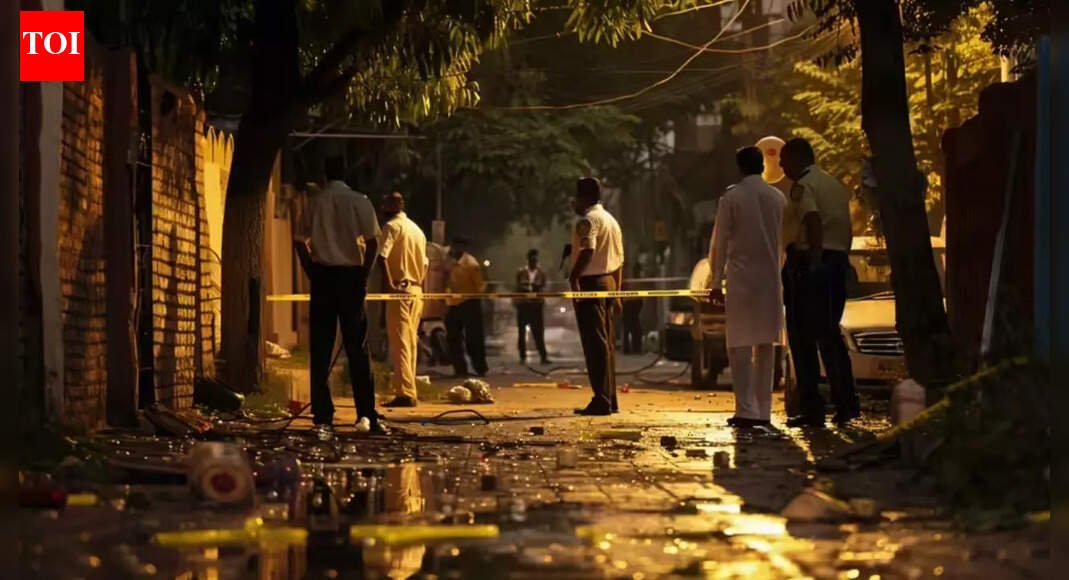
HUBBALLI: A 20-year-old woman, Manya Patil, succumbed to her injuries after being assaulted in an alleged honour killing in Inam Veerapur village, Dharwad, police said on Monday.According to Dharwad SP Gunjan Arya, the assault occurred around 6:30pm over inter-caste marriage. “A lady named Manya, around 20 years of age, succumbed to the injuries. Allegedly, three people have committed the assault. We are still enquiring,” the SP said.The police official added that Manya was struck with a pipe during the attack.

Heartbreak, divorce & deadly crimes | Dark Truth Of Failed Marriages | Ft. Anand Handa

In addition to the victim, three others sustained injuries, including her mother-in-law, father-in-law, and a sister.“The accused who have been arrested are Prakash, Veeran, and Arun,” SP confirmed.According to police, the deceased woman had married a man from a different caste from her village in May, despite opposition from her family, and the couple were living in Haveri, fearing for their lives. They had returned to the village earlier this month.The woman’s family members allegedly tried to attack her husband and father-in-law on Sunday, while they were at their agricultural field, but they escaped. They then barged into the victim’s house and attacked her, another woman and a man there.The six-month pregnant woman was rushed to the hospital with severe injuries, where she breathed her last.The investigation is ongoing, and authorities said they would continue to gather evidence to conclude the case.(With agency inputs)

[ad_2]

Source link

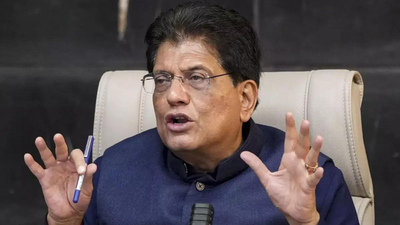
India-New Zealand FTA: Pact allows dairy processing for re-export; Piyush Goyal rules out market opening

[ad_1]

India-New Zealand FTA: Pact allows dairy processing for re-export; Piyush Goyal rules out market opening

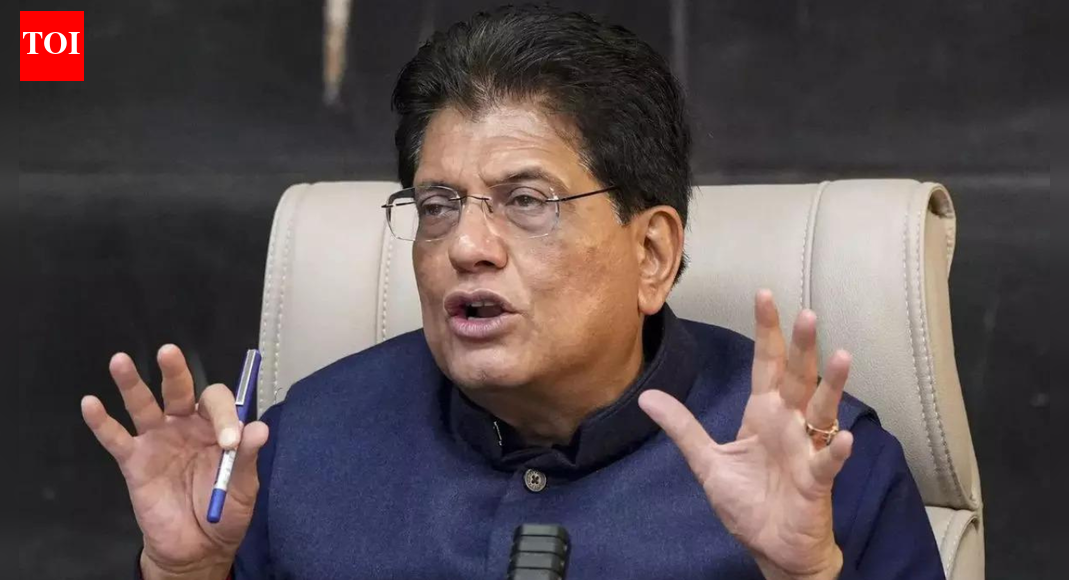
The concluded India–New Zealand free trade agreement includes a tightly ring-fenced investment arrangement that will allow New Zealand firms to process dairy inputs in India exclusively for re-export, while keeping India’s domestic dairy market fully protected, Commerce and Industry Minister Piyush Goyal said on Monday, PTI reported.Under the arrangement, firms from New Zealand can bring dairy raw materials or ingredients into India, process them into value-added products, and export 100 per cent of the output overseas, Goyal told reporters in New Delhi.

New Zealand India FTA Sparks Coalition Rift As PM Christopher Luxon Backs Deal, NZ First Rejects It

“That will be (done) through a fast-track mechanism. So we would like to fast-track investments coming in for the purpose of re-exports,” the minister said.Also read:‘Neither free nor fair’: New Zealand’s foreign minister Winston Peters opposes FTA with India; cites tariffs on dairyAccording to officials, the fast-track route will apply only to manufacturing units producing goods meant solely for export, ensuring there is no spillover into the domestic market and no adverse impact on Indian dairy producers.“We have done an agreement to promote greater investments that they (New Zealand) should bring here raw materials or ingredients to India, process them and make high-quality dairy products in India, and 100 per cent will be re-exported from India,” Goyal said.The minister reiterated that India has not offered, and will not offer, any duty concessions on dairy imports under the pact. The dairy sector remains outside the scope of the FTA, which is scheduled to be implemented next year.Goyal underlined that India has “never” opened the dairy sector in any of its trade agreements and will “never” do so in the future, given the sector’s sensitivity and its importance to millions of small farmers.Addressing questions on a side letter attached to the agreement that provides for consultations on dairy during future reviews, Goyal said the provision was included at New Zealand’s request and carries no binding commitment.He explained that New Zealand had sought assurances that if India were ever to open its dairy sector to another comparable economy — defined by similar per capita GDP, economic size and dairy production levels — it would at least have the opportunity for consultations.“You all know that we have not opened dairy in any FTAs for anybody … India is never going to open up dairy, so that concern really does not matter. It’s (side letter) only a consultation, no commitment,” Goyal said.India has consistently resisted opening the door to bulk dairy imports in all past trade negotiations, treating the sector as a red-line issue due to its political and economic sensitivity.New Zealand, one of the world’s largest dairy exporters, has limited dairy trade with India at present. Its dairy exports to India in FY2025 stood at just $1.07 million, including milk and cream worth $0.40 million, natural honey worth $0.32 million, mozzarella cheese worth $0.18 million, butter worth $0.09 million and skimmed milk worth $0.08 million.

[ad_2]

Source link
‘People say MS Dhoni hurt my career’: Ex-India cricketer’s honest take goes viral – Watch | Cricket News

[ad_1]

'People say MS Dhoni hurt my career': Ex-India cricketer's honest take goes viral - Watch
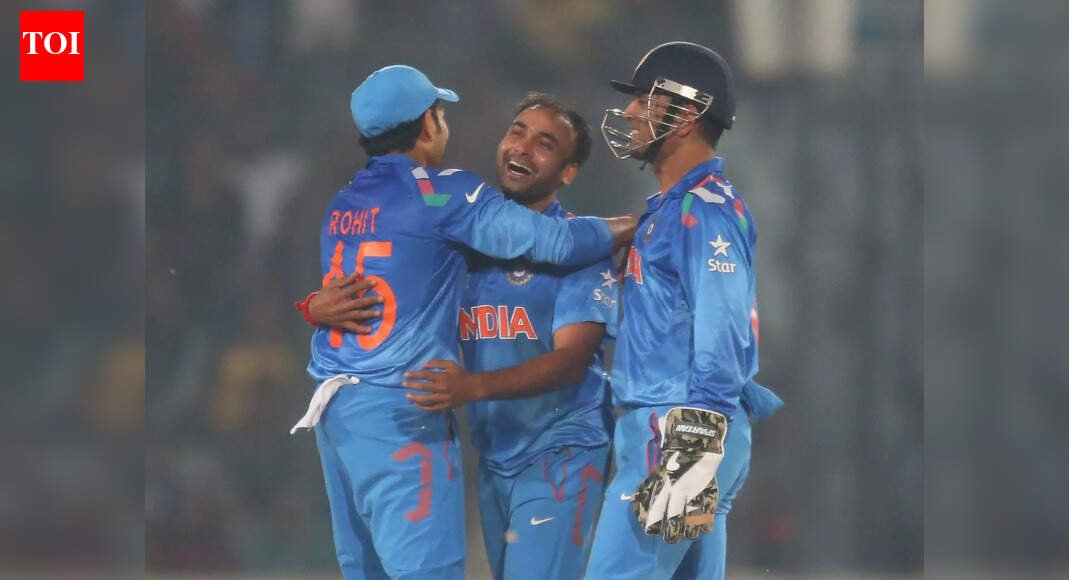
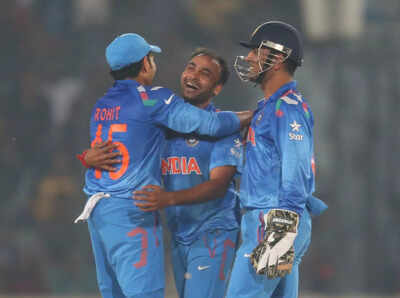
Amit Mishra celebrates with Rohit Sharma and MS Dhoni (Photo by Scott Barbour/Getty Images)

Ex-India cricketer Amit Mishra has chosen reflection over resentment while revisiting the long-standing discussion around his relationship with Mahendra Singh Dhoni. “People say if Dhoni was not there my career would have been better,” Mishra said. “But who knows if he was not there maybe I would not even have been in the team.” For Mishra, the beginning of his India journey itself is tied closely to Dhoni. “I came into the team under him only,” he said. “And I kept making a comeback. He would have agreed as a captain and that is why I kept coming back. So there is a positive way to look at things.” The idea that Dhoni consistently preferred other spin options never left him feeling ignored. “I did have the support,” Mishra said. “Whenever I was in the XI, it was never like Dhoni did not come to me and give me tips or tell me things. He would always tell me things.” One memory, in particular, still stands out from his playing days. “I was playing against New Zealand, which was my last one-day series. Dhoni was the captain,” Mishra recalled. “It was a tight game. We had scored 260–270 runs. I came to bowl and I thought of stopping the flow of runs and not going for wickets.” That approach, however, did not sit well with his captain. “After a couple of overs, Dhoni came to me and told me I am not bowling what I naturally bowl,” Mishra said. “He told me not to think a lot and bowl what I always do.” The advice was brief but decisive. “He told me, this is your bowling. Bowl exactly this. Don’t think a lot,” Mishra said. The impact was immediate. “I did that and then got a wicket,” he said. “It was a game-changing spell. I picked up five wickets, and I think that was also my best spell.” For Mishra, Dhoni’s clarity came from a simple understanding of the game situation. “His thinking was that if I did not pick wickets, we would lose the game,” Mishra said. “This is how he supported me.” That backing helped Mishra make the most of his opportunities whenever they came. Across 22 Tests, he took 76 wickets. In 36 ODIs, he claimed 64 wickets, including a memorable six-wicket haul. In 10 T20Is, he added 16 more wickets, often stepping up despite irregular selection. Looking back now, Mishra sees no reason for regret. “If Dhoni was not there, maybe I would not even have been in the team,” he said. “That’s the positive way to look at things.”

[ad_2]

Source link

‘Neither free nor fair’: New Zealand’s foreign minister Winston Peters opposes FTA with India; cites tariffs on dairy

[ad_1]

'Neither free nor fair': New Zealand's foreign minister Winston Peters opposes FTA with India; cites tariffs on dairy

As India and New Zealand finalised a historic free trade agreement (FTA), not everyone was onboard. New Zealand’s foreign affairs minister Winston Peters voiced his opposition claiming the deal was “neither free nor fair”.“New Zealand First is regrettably opposed to the India Free Trade Agreement announced today. We consider the India-New Zealand Free Trade Agreement to be neither free nor fair. Regrettably, this is a bad deal for New Zealand. It gives too much away, especially on immigration, and does not get enough in return for New Zealanders, including on dairy,” said Peters.

Zero Tariff Access For Indian Exports As Modi Govt Seals Landmark Free Trade Deal With New Zealand

For addressing uncertainity around majority approval from their Parliament, he added, “New Zealand First urged its coalition partner not to rush into concluding a low-quality deal with India, and to use all three years of this Parliamentary cycle in order to get the best possible deal. We also indicated we felt it would be unwise for National to sign up to a deal with India when a Parliamentary majority for that deal was uncertain.Claiming that his party New Zealand First, part of the coalition that formed the government, had rejected the deal already, Peters also said, “National preferred doing a quick, low-quality deal over doing the hard work necessary to get a fair deal that delivers for both New Zealanders and Indians. When Cabinet approval for the India deal was sought last week, New Zealand First exercised the agree to disagree provision of its coalition arrangements – while making clear that it would vote against enabling legislation if and when it is introduced to Parliament.“While New Zealand is completely opening its market to Indian products under this deal, India is not reducing the significant tariff barriers currently facing our major dairy products. This is not a good deal for New Zealand farmers and is impossible to defend to our rural communities. The India FTA would be New Zealand’s first trade deal to exclude our major dairy products – including milk, cheese and butter. In the year to November 2025, New Zealand exports of these products were worth around $24 billion, or 30% of our total goods exports,” he added.However, he did assure that their opposition to the deal did not mean “critique of the Indian government”, while claiming that his party’s stance has been communicated to external affairs minister S Jaishankar. “We are deeply committed to the advancement of the India-New Zealand relationship, which is in our country’s strategic interests. The first visit we took this term as Foreign Minister outside Australia and the Pacific was to India, and we returned there this year. And at our direction, the Ministry of Foreign Affairs and Trade has significantly increased the resources directed to advancing India-NZ relations, both at our Posts in India and at Head Office in Wellington. We have known S Jaishankar, India’s External Affairs Minister, for a long time, and have the utmost respect for him as an international statesman and champion of New Zealand-India relations. We have communicated to Minister Jaishankar New Zealand First’s position on this matter,” said Giving fe details he said, “We have made clear to him that our opposition to the deal is not a critique of the Government of India or its negotiators – but rather the reflection of a difference of opinion between the parties that comprise New Zealand’s Coalition Government. Whether in government or opposition, New Zealand First’s approach to trade deals has been consistent, longstanding and principled.”“New Zealand First’s longstanding approach has been to support those FTAs that deliver a good deal for New Zealanders and to oppose those that do not,” he clarified, while asserting his stance, citing New Zealands past negotiations with South Korea, China India- New Zealand FTA: SnapshotIndia and New Zealand finalised a landmark Free Trade Agreement (FTA) aimed at deepening bilateral economic ties and expanding trade, investment and mobility. Negotiations began during New Zealand Prime Minister Christopher Luxon’s visit to India in March 2025.A key relief is zero-duty access for Indian exports in New Zealand markets. Labour-intensive sectors such as textiles, apparel, leather and footwear, along with manufacturing segments including engineering, automobiles, electronics, pharmaceuticals and chemicals, are expected to benefit. Services sectors such as IT, finance, education, tourism and construction also gain expanded market access.Also read: Zero duty on 100% Indian exports – what the deal means for trade, MSMEs & Indian workers & studentsThe agreement places strong emphasis on services and mobility. New Zealand has opened 118 services sectors and offered wide MFN treatment. It has also signed, for the first time, annexes on student mobility and post-study work visas, allowing Indian students to work 20 hours a week and access post-study visas of up to four years. New ways have been set in the FTA for skilled professionals, with quotas for temporary employment and working holiday visas for Indian youth.New Zealand also committed to investing $20 billion in India over 15 years, targeting manufacturing, infrastructure, services, innovation and job creation.Agriculture cooperation is another pillar, with improved access for Indian products such as fruits, vegetables, coffee, spices and processed foods, alongside collaboration in agri-technology and productivity. At the same time, India has safeguarded sensitive sectors including dairy, sugar, edible oils, precious metals and select industrial products.

[ad_2]

Source link