Breaking News
WTO reform push: India flags dysfunctional dispute system at MC14, seeks review of e-commerce duty moratorium

[ad_1]

WTO reform push: India flags dysfunctional dispute system at MC14, seeks review of e-commerce duty moratorium

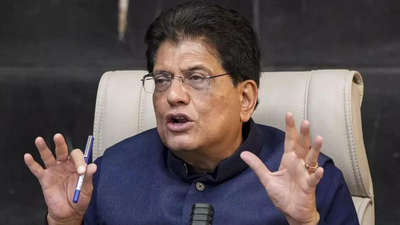
India on Thursday urged members of the World Trade Organisation (WTO) to restore a fully functional dispute settlement system, saying the current mechanism has deprived countries of effective redressal, PTI reported.Speaking on the opening day of the WTO’s 14th ministerial conference (MC14) in Yaounde, Cameroon, commerce and industry minister Piyush Goyal stressed the need to revive the automatic and binding nature of dispute resolution within the global trade body.“A dysfunctional Dispute Settlement System has deprived Members from effective redressal. We must restore the automatic and binding dispute settlement system,” he said.The WTO’s dispute settlement mechanism has faced prolonged disruption since 2009 after the US blocked appointments to the Appellate Body.Goyal also called for a reassessment of the moratorium on customs duties on electronic transmissions, which WTO members have periodically extended since 1998. India has repeatedly raised concerns over the potential revenue implications of the arrangement.“In the absence of a common understanding among Members on the scope of the moratorium on customs duties on electronic transmissions and given its potentially significant implications, the continued extension of this moratorium warrants careful reconsideration,” he said.The four-day MC14 is scheduled to conclude on March 29.On broader WTO reforms, Goyal emphasised that any restructuring should be transparent, inclusive and member-driven, with development concerns at the centre. He underlined that core principles such as non-discrimination, consensus-based decision-making and equity must be upheld. The minister added that the principle of special and differential treatment (S&DT) should be made precise, effective and operational.On agriculture negotiations, he said a permanent solution on public stockholding for food security purposes, the special safeguard mechanism and cotton are long-pending mandated issues that member countries “must deliver on them on priority”.“India remains committed to negotiating a comprehensive Fisheries Subsidies Agreement that balances current and future fishing needs, protects the livelihoods of poor fishers, with appropriate and effective S&DT,” Goyal said.He also stated that incorporating plurilateral outcomes into the WTO framework should be based on consensus and should not undermine the rights of non-participants or impose additional obligations on them.“We will engage constructively to show that WTO remains central to global trade and strive to Reform it to remain responsive, Perform in delivering on development, equity, and inclusiveness, and Transform to better serve the interests of the poor, vulnerable, and marginalized people, anchored in consensus and multilateralism,” he said.Other WTO members also highlighted the need for reforms. According to a statement from US Trade Representative Jamieson Greer, the organisation has struggled to address systemic issues such as persistent trade imbalances, structural excess capacity, economic security and supply chain resilience.“As ministers, our focus should be on reforms that would make the WTO more responsive to Members and improve our ability to achieve outcomes that optimize our trading relationships,” Greer said, adding that countries should consider making the e-commerce duty moratorium permanent.Separately, a ministerial statement by the G-33 grouping of developing countries reiterated that public stockholding for food security remains a crucial policy tool for developing and least developed nations.“We urge all WTO Members to work together in reaching a permanent solution on this issue as per the Ministerial mandates,” the statement said.China also called for restoring a fully functioning dispute settlement mechanism at the earliest to strengthen the WTO’s role in global economic governance. The UK said it wanted to “improve accountability by reinstating a functioning dispute settlement system”.EU trade commissioner Maros Sefcovic warned that inaction could weaken the rules-based trading system. “Maintaining the status quo is not an option — we cannot go on as we are. If we do, we risk erosion of the rules-based system and the WTO sliding into irrelevance. Therefore, I strongly believe we must act urgently to reform the WTO,” he said

[ad_2]

Source link

US mortgage rates hit over six-month high at 6.38% as borrowing costs rise in peak homebuying season

[ad_1]

US mortgage rates hit over six-month high at 6.38% as borrowing costs rise in peak homebuying season

Borrowing costs for homebuyers in the US rose further this week, with the average long-term mortgage rate reaching its highest level in more than six months and adding pressure during the peak spring housing season.Mortgage buyer Freddie Mac said the benchmark 30-year fixed mortgage rate increased to 6.38% from 6.22% a week earlier. The rate was 6.65% at the same time last year. The latest level is the highest since September 4, when the average stood at 6.5%, AP reported.Rising mortgage rates typically translate into higher monthly repayments, reducing the purchasing power of prospective buyers. The increase follows a brief easing phase –just four weeks ago the average rate had dipped below 6% for the first time since late 2022 — before climbing again amid concerns that surging oil prices linked to the Iran war could keep inflation elevated.Rates on shorter-term home loans also moved higher. The average 15-year fixed mortgage, widely used by borrowers refinancing their loans, rose to 5.75% from 5.54% in the previous week. A year ago, the rate was 5.89%, Freddie Mac said.Mortgage pricing is shaped by several factors, including the Federal Reserve’s policy stance and investor expectations in the bond market regarding inflation and economic growth. Lenders generally track movements in the 10-year US Treasury yield while setting home loan rates.The yield on the 10-year Treasury note climbed to 4.39% at midday Thursday, compared with around 4.26% a week earlier. Bond yields have been rising as higher energy prices increase expectations of persistent inflation, pushing up long-term borrowing costs across the economy.Inflation concerns may also delay interest-rate cuts by the Federal Reserve. Although the central bank does not directly determine mortgage rates, its decisions on short-term rates influence bond markets. At its most recent policy meeting, the Fed chose to keep rates unchanged, with Chair Jerome Powell pointing to heightened uncertainty surrounding the economic outlook following the Iran war.The US housing market has been struggling since mortgage rates began climbing sharply in 2022 from pandemic-era lows. Sales of previously owned homes remained largely flat last year, hovering near a three-decade low, and have continued to show weakness this year, declining in both January and February compared with year-earlier levels.Affordability pressures remain a major challenge for buyers, even though price growth has moderated or fallen in several metropolitan areas. Wage gains have not kept pace with property values, limiting access to homeownership for many households.While the current mortgage rate is still lower than a year ago — potentially benefiting buyers who can manage higher borrowing costs — the recent uptrend has made many prospective purchasers cautious just as seasonal demand typically strengthens.Reflecting this hesitation, mortgage applications dropped 10.5% last week from the previous week, according to the Mortgage Bankers Association. Applications for both home purchases and refinancing declined.“Higher borrowing costs, affordability pressures and economic uncertainty are likely prompting some prospective buyers to delay purchase decisions,” MBA chief executive Bob Broeksmit said.

[ad_2]

Source link

Gulf crisis: British Airways and SWISS add India flights

[ad_1]

Gulf crisis: British Airways and SWISS add India flights

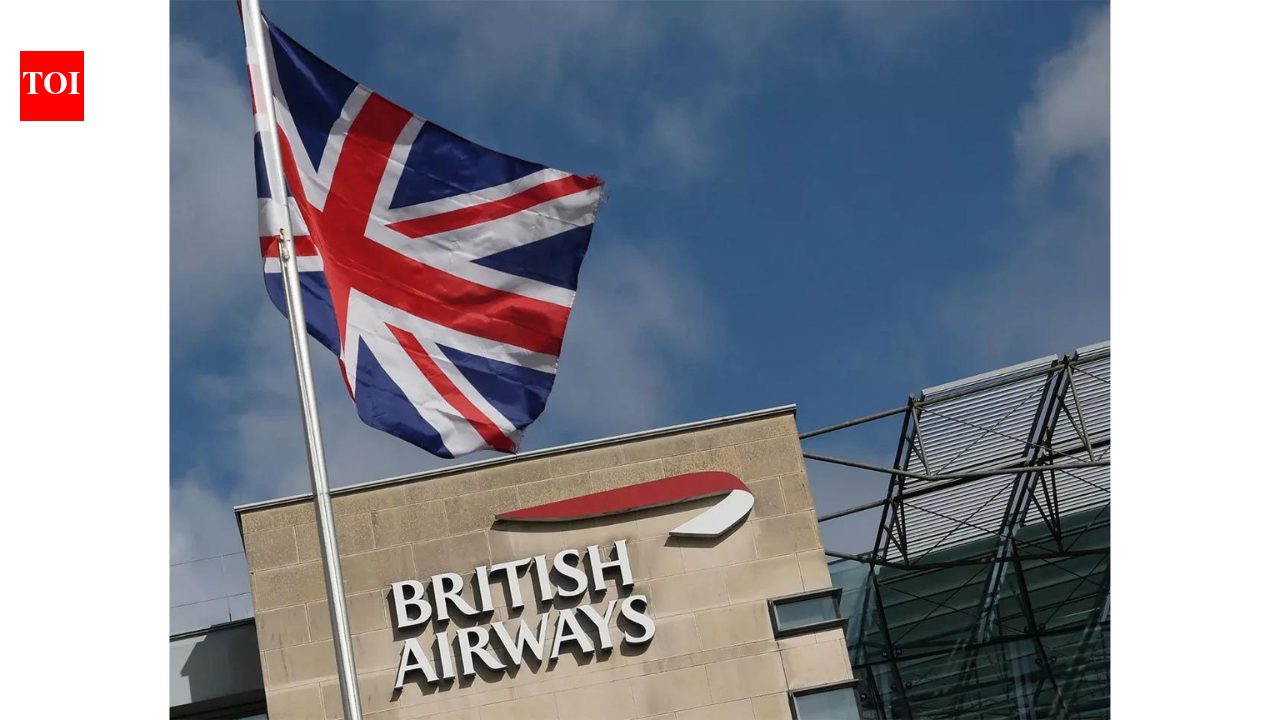
NEW DELHI: With the big Gulf carriers operating a fraction of their schedules, foreign airlines are expanding their India flights to meet the increased demand for options to the likes of Emirates, Qatar Airways and Etihad. SWISS will operate a second daily light between between Delhi and Zurich from April 1 to May 31, 2026. British Airways will have a third daily service from Delhi starting April 7, followed by a third daily service from Mumbai from May 15. Air India has been adding flights to the west whenever possible during the Iran war.In a statement Thursday, Lufthansa group carrier SWISS said it is increasing its flight offering between Switzerland and India. “From April 1 to May 31, 2026, in addition to its regular service from Zurich to Delhi, SWISS will operate a second daily connection using an Airbus A330. Numerous passengers of other airlines are currently unable to take their originally booked flights via the Gulf region. As a result, many are switching to direct connections to and from Asia. SWISS is seeing a corresponding rise in demand for such nonstop services. We are pleased to offer our customers this additional flight to Delhi over the next two months. The flights are available for booking with immediate effect,” SWISS said in a statement.“Depending on further developments in the Middle East, SWISS continuously assesses how aircraft and capacities that become available can be deployed where demand is particularly strong. In addition to demand, key factors include operational constraints such as available airport slots, traffic rights and fleet deployment capabilities,” SWISS statement added.British Airways also announced additional flights from Delhi and Mumbai “to meet strong travel demand”. “In response to the ongoing situation in the Middle East, the airline is adding short-term capacity from Delhi and Mumbai to meet customer demand. A third daily service from Delhi will launch on April 7, followed by a third daily service from Mumbai from May 15. With this additional capacity, British Airways will operate up to 63 weekly flights with more than 1,000 additional seats per week between India and the UK, offering more options for customers travelling to the UK or connecting onwards across the airline’s global network,” BA said in a statement.Neil Chernoff, British Airways’ chief planning and strategy officer, said: “As we continue to respond to the evolving situation in the Middle East, we’ve been able to reallocate additional capacity to meet strong demand to other destinations across our route network. India remains one of our most important global markets, and these additional services from Delhi and Mumbai respond to customer demand and provide greater choice and flexibility for our customers when travelling to the UK and beyond. We will continue to review our network and make adjustments based on where our customers want to fly this summer.”

[ad_2]

Source link

Eid pause over: Pakistan, Afghanistan trade fire again; 2 civilians killed, several injured

[ad_1]

Eid pause over: Pakistan, Afghanistan trade fire again; 2 civilians killed, several injured

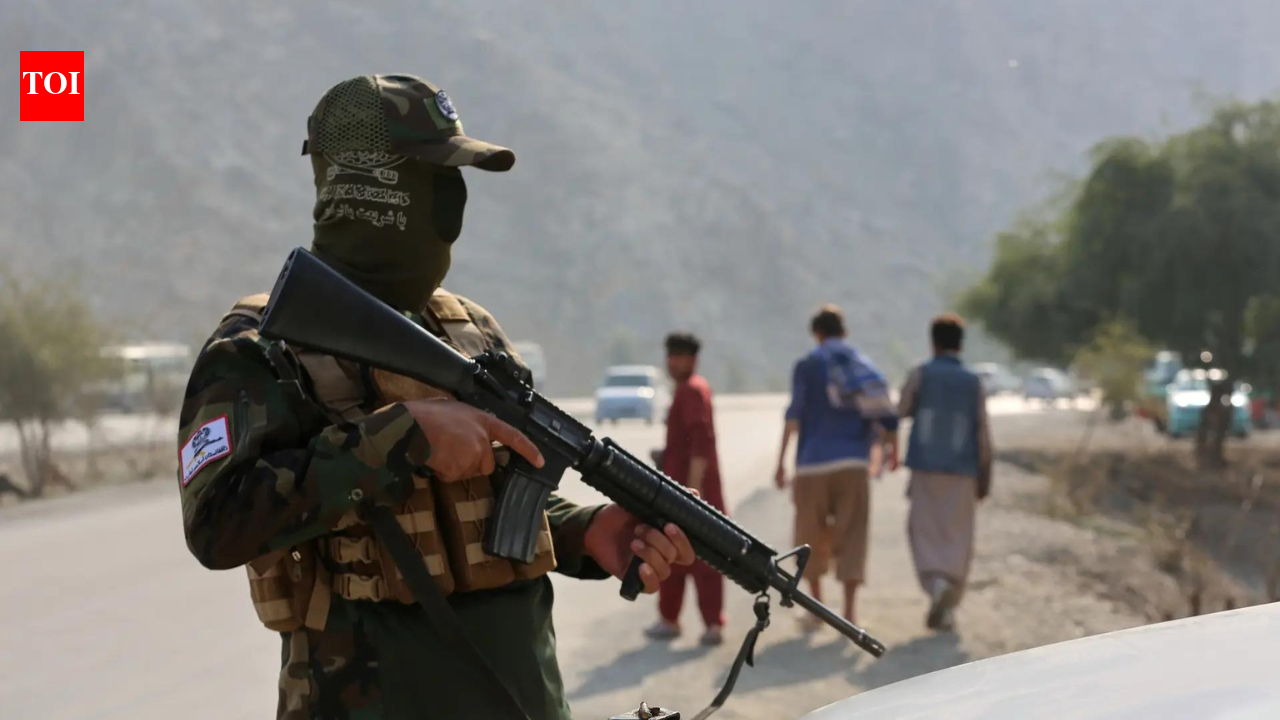
Pakistan once again continued its attack on Afghanistan along the border, after a temporary Eid ceasefire ended, leaving at least two civilians dead and several injured.Afghan officials said Pakistani forces fired heavy artillery into Kunar province’s Narai and Sarkano districts, prompting retaliatory fire from Afghan border troops, news agency AP reported. Kabul claimed it destroyed multiple Pakistani posts, though the assertions remain unverified. Pakistan, meanwhile, accused Afghan forces of initiating the clashes.The brief truce had been brokered around Eid al-Fitr following deadly Pakistani airstrikes in Afghanistan. While Kabul alleged the strikes hit civilian targets, including a rehabilitation centre, Pakistan denied this, saying it targeted militant infrastructure.Separately, the Tehrik-e-Taliban Pakistan (TTP) has resumed attacks inside Pakistan after its own ceasefire ended, adding to tensions. Islamabad continues to accuse Afghanistan of sheltering TTP militants, a charge Kabul denies, even as cross-border hostilities show little sign of easing.

[ad_2]

Source link

Energy shock from Middle East war may lift US inflation to 4.2% this year; OECD warns of weaker global growth

[ad_1]

Energy shock from Middle East war may lift US inflation to 4.2% this year; OECD warns of weaker global growth

The escalation of the Middle East conflict could push US inflation to 4.2% this year–the highest among G7 economies– while also slowing global growth, the Organisation for Economic Cooperation and Development (OECD) has said, underlining the widening economic costs of the US-Israel war with Iran, the Financial Times reported.In its interim economic outlook, the Paris-based body cautioned that rising oil and gas prices triggered by disruptions to energy exports are likely to increase inflation across major economies and create “significant downside risks” to global expansion if the conflict intensifies.The OECD expects US inflation to climb sharply from 2.6% in 2025, with countries such as China, South Korea and India also facing stronger price pressures due to the energy shock. “The breadth and duration of the conflict are very uncertain, but a prolonged period of higher energy prices will add markedly to business costs and raise consumer price inflation, with adverse consequences for growth,” it said.The report projected that higher living costs could weigh on US household spending and slow economic momentum. US growth is forecast to ease to 2% this year and further to 1.7% in 2027.Globally, economic activity is also expected to moderate. The OECD said world GDP growth could slow from 3.3% last year to 2.9% in 2026, before recovering slightly to 3% in 2027.Earlier in the year, the global outlook had appeared more resilient, supported by strong investment in artificial intelligence and buoyant equity markets. However, the conflict that began with US and Israeli strikes on Iran in late February has pushed up energy prices and triggered ripple effects across commodities including metals and fertilisers.The organisation noted that the resilience of the global economy is now being tested, particularly because of the strategic role of the Strait of Hormuz, which typically handles about one-quarter of global seaborne oil trade and one-fifth of liquefied natural gas shipments.Supply-chain risks have also increased. Gulf countries account for 34% of global urea exports and roughly half of sulphur exports, while the Middle East produces more than one-third of global helium and two-thirds of bromine, both vital for industrial uses including semiconductor manufacturing.“A prolonged period of disruption could also result in the emergence of significant energy shortages that would lower growth further,” the OECD warned.The outlook indicates that earlier improvements in global growth projections have been reversed. Indicators at the start of the year had pointed to a 0.3 percentage point upward revision in global GDP forecasts, but the conflict has effectively erased that boost.Inflation projections have also been revised higher. The OECD now expects headline inflation in the G20 to reach 4% in 2026, an increase of 1.2 percentage points compared with its December forecast, and 2.7% in the following year.Growth prospects in Europe remain subdued, with the eurozone economy projected to expand by 0.8% this year before improving to 1.2% next year.In the US, the organisation said weakening household demand could reduce growth momentum heading into 2026. Despite the inflation risks, it expects the Federal Reserve to keep interest rates unchanged, while the European Central Bank may implement a single rate increase.Members of the US Federal Open Market Committee (FOMC) still anticipate rate cuts this year, although Federal Reserve chair Jay Powell has acknowledged that forecasts have become more uncertain because of geopolitical tensions.The FOMC recently raised its projections slightly, saying headline and core personal consumption expenditures inflation may end the year at 2.7%, compared with earlier estimates of 2.4% and 2.5%. It also lifted its US growth forecast for this year to 2.4% from 2.3%, citing productivity gains.The OECD’s inflation outlook is significantly higher than that of the Federal Reserve and many private forecasters, reflecting expectations of a more persistent energy price shock and continued effects from earlier US tariff increases. It also suggested that the US economy may already be operating under capacity constraints linked to lower immigration.In a downside scenario where oil prices average around $135 per barrel in the second quarter, the OECD estimates global output could be 0.5 percentage points lower than its baseline forecast, while consumer prices could be nearly 1 percentage point higher.While some countries are considering emergency support for households facing higher energy bills, the OECD said such measures should be “well-targeted” towards the most vulnerable households and financially viable firms.

[ad_2]

Source link

US-Iran war impact: India’s crude imports from Russia near all time highs; will such high numbers continue?

[ad_1]

US-Iran war impact: India’s crude imports from Russia near all time highs; will such high numbers continue?
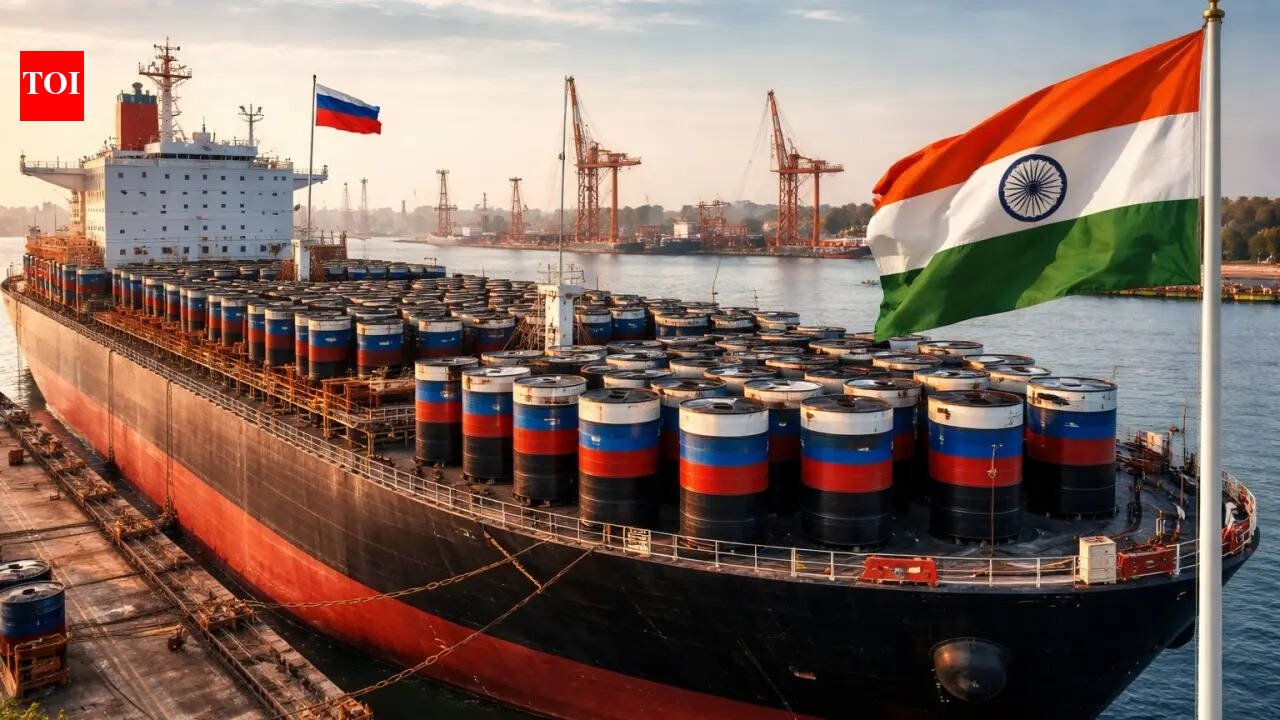
Historically, India’s highest monthly purchases of Russian crude have been around 2.0-2.1 Mbd since the Russia-Ukraine war began in 2022. (AI image)

Russian crude has emerged as a major player amid the US-Iran war – global crude oil supply is badly affected via the Strait of Hormuz, Middle East countries are finding it difficult to export oil and global crude oil prices have risen dramatically. The situation has had major implications for India – a country that imports almost 90% of its crude oil.There was a time after the Russia-Ukraine war began in 2022 that Russia had begun to contribute approximately 35-40% of India’s crude oil imports. Come early 2026, sanctions forced India’s procurement of Russian crude to drop. But March 2026 presents a very different picture.The inflows of Russian crude oil have risen sharply since the US-Iran war began and imports via the Strait of Hormuz were disrupted. In fact, crude imports from Russia are now nearing lifetime monthly highs!The Donald Trump administration has given a 30-day waiver for purchase of Russian crude to keep global oil prices stable. It’s important to note that India has never stopped buying crude oil from Russia, however imports dropped drastically after sanctions on Russian oil majors.

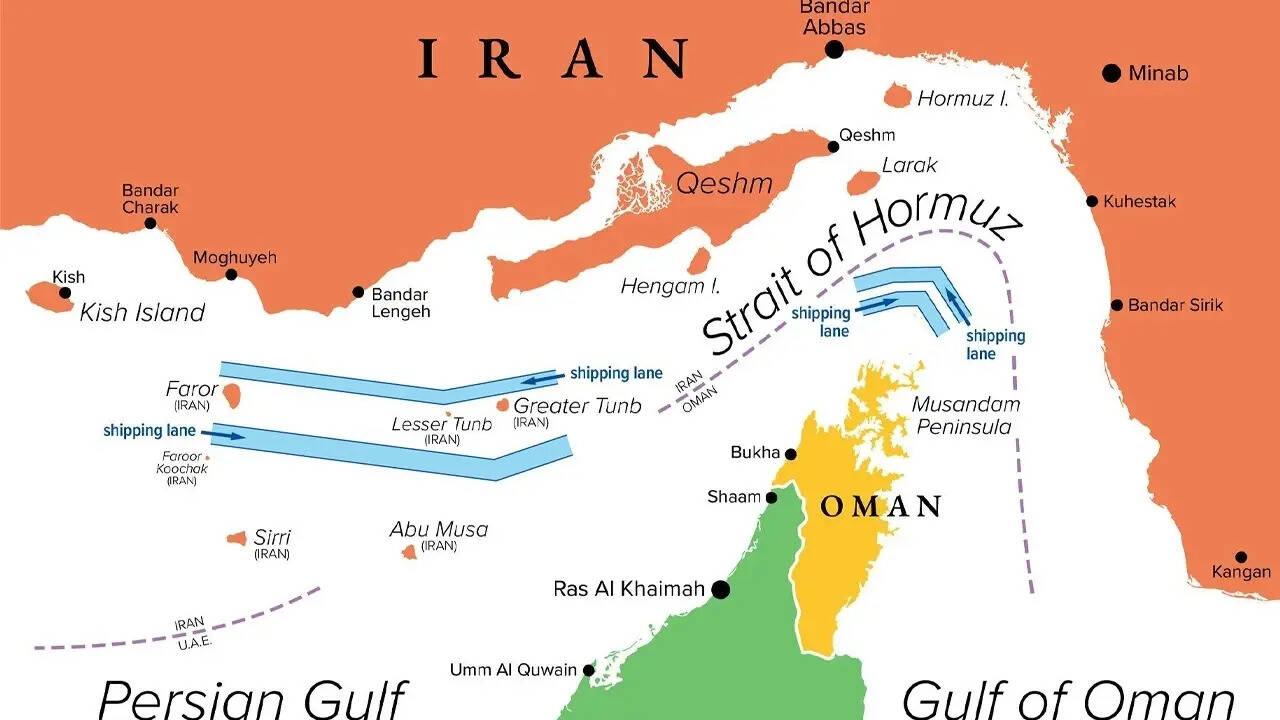
Strait of Hormuz

“We source crude from wherever supplies are available, competitively priced and deliverable, and we will continue to do so,” a government source told TOI earlier this month. The source also said that the declaration of a 30-day waiver by the US appears to be for the consumption of their domestic audience.

When India Became A Big Importer of Russian Oil

For decades, India has mainly imported crude oil from the Middle East, especially from countries like Iraq, Saudi Arabia and the UAE. The decision has been driven by proximity, long‑term contracts and stable shipping routes.After the Russia–Ukraine war began in 2022, Western sanctions pushed Russian oil out of European markets. This is when India started importing large volumes of Russian crude – and a big factor driving this decision was the availability of crude that suited Indian refineries at such steep discounts.This helped India reduce its oil import costs and diversify its supply network. However, in late 2025 and early 2026, India scaled back Russian oil purchases amid US trade negotiations and pressure linked to tariffs and sanctions compliance. In August 2025, the Donald Trump administration imposed a 25% penalty tariff on India for its crude oil buys from Russia. The US called these imports an indirect financing of the war against Ukraine. Within months two Russian crude oil majors, Lukoil and Rosneft, were sanctioned making it difficult for Indian refiners to buy Russian crude, leading to a gradual decline in imports. But that has changed now.

The Re-emergence Of Russian Oil

An analysis by Kpler, a global real-time data and analytics provider suggests that India has so far purchased around 45–50 million barrels of Russian crude since the start of the Middle East conflict. The figure may even be higher, given that April figures are not confirmed as yet. The trendline suggests March procurement is likely to reach around 1.8–2.0 Mbd, which would make it one of the strongest months for Russian crude intake since India began ramping up purchases after the start of the Russia-Ukraine war. This compares with a pre-conflict run rate closer to around 1.0 Mbd, Sumit Ritolia, Lead Research Analyst, Refining and Modelling at Kpler tells TOI.Historically, India’s highest monthly purchases of Russian crude have been around 2.0-2.1 Mbd since the Russia-Ukraine war began in 2022.Hence, the biggest takeaway is that the current spurt in purchases of Russian crude oil is now nearing peak monthly trends seen before India started dialling down on Moscow’s crude. For Sumit Ritolia, what stands out is the speed of the rebound: as Middle Eastern supplies via Hormuz dried up, Indian refiners were able to lift Russian purchases by close to around 0.8–1.0 Mbd, helping cushion the disruption without materially affecting refinery runs so far.Sourav Mitra, Partner – Oil & Gas at Grant Thornton Bharat points out that India bought the most Russian crude in a single month in May 2023, when imports reached about 66 million barrels, 2.1 million bpd. “The recent rise in March 2026 is expected to be as high, at around 60 million barrels. This implies that the ongoing conflict in West Asia has pushed India’s purchase of Russian crude oil closer to its previous all-time high,” Mitra tells TOI.

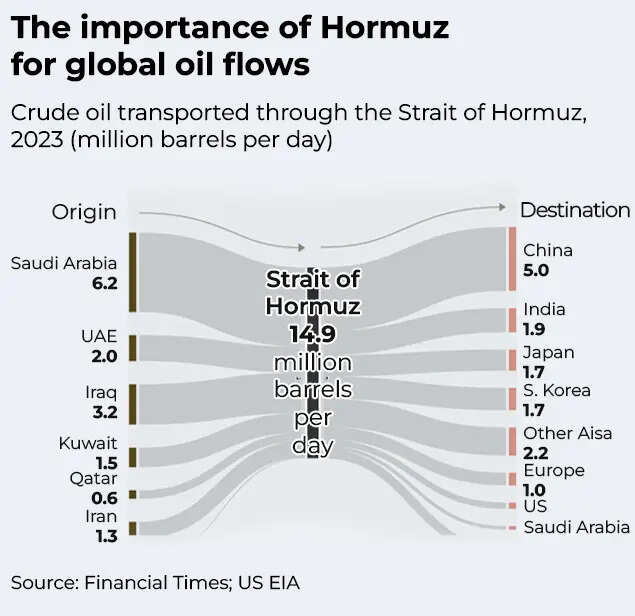
Importance of Hormuz for global oil flows

India vs China: The Russian Crude Factor

Experts note that since China has more reserves, it is structurally less exposed to the Strait of Hormuz oil supply shock.Kpler data and analysis suggests that compared with China, India is currently buying similar to slightly higher absolute volumes of Russian crude in March, depending on the month, but Russia’s role in India’s crude slate has become much more critical in the current environment. China continues to take substantial Russian volumes as well, supported by both seaborne crude and pipeline imports, while India’s recent increase has been more directly linked to replacing lost Middle Eastern barrels. “In other words, India and China remain the larger structural buyers of Russian crude overall, but India’s current surge is more pronounced from a substitution and energy-security standpoint,” says Sumit Ritolia.India usually imports 5-5.5 million bpd of crude oil vis-à-vis China’s import of about 11 million bpd.Sourav Mitra says that in 2025, China ramped up crude oil imports to 11.5 million bpd to augment its stockpiles. Russia accounted for 18% of total Chinese crude oil imports in 2025. China’s import of Russian seaborne crude oil surged to almost 2 million bpd in February as India scaled back the import of Russian Urals in February. In the first two months of 2026 alone, Russia’s shipments of crude to China rose about 40 % y-o-y.“Since oil prices are high and China has enough inventory, it’s likely to cut its oil purchases. Shifting of sanctions policies and rising demand from other countries could moderate Russia’s shipments to China in the coming months. However, Russian oil may remain one of China’s preferred choices due to the stability and scale it provides in uncertain times,” he says.

India’s Energy Security & Resilience

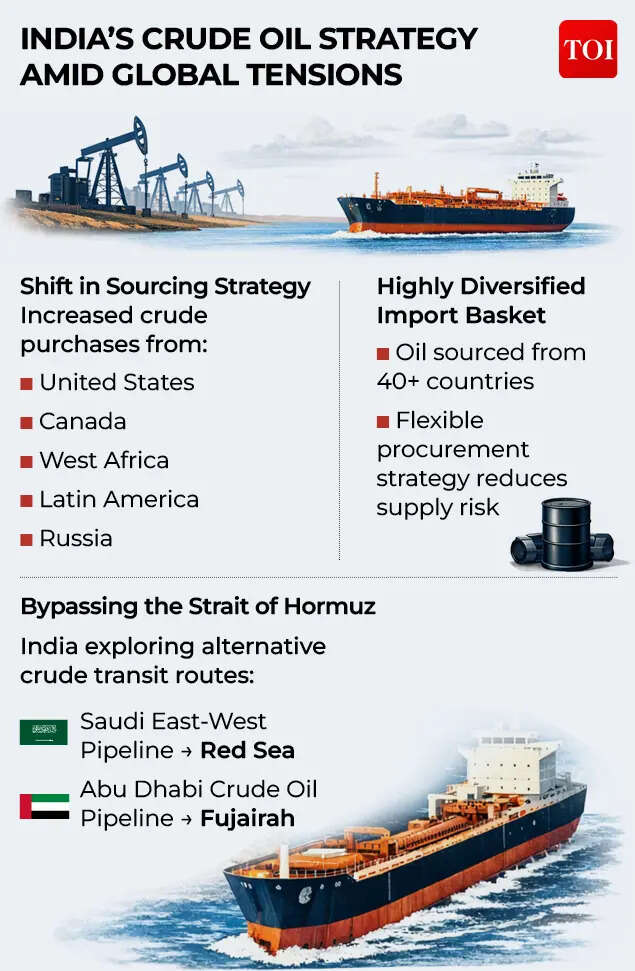
India remains structurally exposed to disruptions in the Strait of Hormuz, having historically sourced around 50% of its crude imports via the route. The ongoing conflict has therefore impacted both crude and LPG flows into the country. “Since the US eased restrictions on incremental purchases of Russian crude, Indian refiners have significantly ramped up intake. Pre-conflict, India was importing around 2.6-2.7 Mbd of Middle Eastern crude which was largely via Hormuz and around 1.0 Mbd of Russian crude. Post-conflict, the flows via Hormuz have sharply declined, but Russian imports have increased to around 1.9–2.0 Mbd, effectively offsetting a large portion of the disruption,” says Sumit Ritolia.Also, as Kpler notes, Middle Eastern producers are partially rerouting supplies via pipelines that bypass Hormuz. The most notable is Saudi Arabia’s East-West (Yanbu) pipeline and the UAE’s Habshan–Fujairah pipeline. These flows have provided incremental relief, allowing India to continue sourcing some volumes from the region despite maritime constraints.

India’s crude oil strategy amid global tensions

Overall, India’s total crude imports are currently down by around 800 kbd as of date compared to January or February 2026 levels. However, according to Kpler this has not yet materially impacted refinery runs, which remain broadly stable. Refiners have drawn down commercial inventories (excluding strategic petroleum reserves) to sustain throughput, while product exports continue to track near historical norms. What seems to be working in India’s favour is its diversified crude import basket. As PM Narendra Modi said in Parliament: In the last 11 years the number of countries from which India gets oil has increased from 27 to over 40.“Despite the situation at the Strait of Hormuz, India is today receiving more crude oil from its 41-plus suppliers across the world than what was previously arriving through the Straits. High volumes available in international markets — especially from the western hemisphere — have more than compensated for any disruption. Every Indian refinery is running at over 100% utilisation. Crude oil supplies for next 60 days have already been tied up by Indian Oil companies. There is NO supply gap,” the Ministry of Petroleum & Natural Gas has clarified today.Experts note that the trend of reduced Russian crude since late 2025 has reversed.“With shipping risks rising and Middle Eastern supplies becoming uncertain, Indian refiners have quickly increased Russian crude imports again to ensure energy security and uninterrupted refinery operations. The crude procurement is well diversified with supplies coming from US, Venezuela and West African countries,” says Sourav Mitra.Looking ahead, Russian crude is expected to remain the backbone of India’s import slate, with March likely marking one of the highest intake months since June 2025, Ritolia tells TOI. This trend is expected to continue into April, he says.The expert also points to potential for opportunistic purchases of Iranian barrels, particularly cargoes that are already on water, although no significant flows to India have been observed yet in vessel tracking data. Also, India is expected to start receiving Venezuelan barrels from April onwards, and that would help to arrest some of the crude supply risk, he adds.However, despite resilience so far, some moderation in refinery throughput is emerging, with runs estimated to decline by around 5–8% going forward, with crude runs around 5.2 to 5.3 million b/d, notes the Kpler expert.“That said, domestic product supply remains well balanced, and India is relatively better positioned than other Asian exporters. With countries like China and South Korea curbing exports, India could continue to play a key role in supplying refined products to East and Southeast Asia,” he adds.To sum it up, experts are of the view that India has managed to cushion the impact of Strait of Hormuz-linked oil supply disruptions for now by increasing Russian crude oil imports.“While some pressure on runs is expected, the system remains resilient, with no immediate risk to domestic fuel supply and continued strength in product exports,” Ritolia concludes.
[ad_2]

Source link

Gulf crisis: One Indian killed, another injured in Abu Dhabi after missile debris falls

[ad_1]

Gulf crisis: One Indian killed, another injured in Abu Dhabi after missile debris falls

An Indian national was among two people killed after debris from a ballistic missile intercepted by UAE air defence systems fell in Abu Dhabi on Thursday, said Abu Dhabi Media Office. Another Indian national was also injured in the incident.

Watch

Iran Missile Debris Kills Two In Abu Dhabi; 2 Others Injured, Car Damages; Shockwaves In UAE

Abu Dhabi confirms deaths and injuries

In a post on X, the Abu Dhabi Media Office said the fatalities occurred “as part of the ongoing follow-up to the previously reported incident caused by falling debris following the successful interception of a ballistic missile by air defence systems”.The statement said the incident “has resulted in the deaths of two individuals of Pakistani and Indian nationality, and in injuries ranging from serious to moderate sustained by three individuals of Emirati, Jordanian, and Indian nationality”.

Debris fell on Sweihan Street after interception

Earlier, Abu Dhabi authorities had said they responded to an incident involving falling debris on Sweihan Street after a ballistic missile was successfully intercepted by air defence systems.The Abu Dhabi Media Office had said, “Abu Dhabi authorities have responded to an incident involving falling debris in Sweihan street, following the successful interception of a ballistic missile by air defence systems. The incident resulted in the deaths of two unidentified individuals, three injuries, and damage to a number of cars. Further updates will be provided in due course”.Emergency services were deployed immediately after the debris struck a busy stretch, damaging several vehicles and injuring people in the area.

Authorities urge public to rely on official information

The Abu Dhabi Media Office urged people not to circulate unverified reports.“The public is advised to obtain information only from official sources and to avoid spreading rumours or unverified information,” the statement further said.

UAE air defences responding to Iranian threats

Earlier in the day, the UAE ministry of defence said its air defences were responding to incoming missile and drone threats from Iran.In a statement shared on X, the ministry said, “UAE air defences are currently responding to incoming missile and drone threats from Iran. MOD asserts that the sounds heard are the result of the Air Defence Systems intercepting missiles and drones”.

Wider toll rises amid continuing attacks

The total death toll in the UAE had risen to 11 after the latest strike-related debris incident.UAE ministry of defence said earlier on Wednesday that since the start of the conflict, UAE air defences had intercepted 357 ballistic missiles, 15 cruise missiles and 1,815 UAVs.166 people had been injured till Wednesday, with casualties including several foreign nationals, among them Indians.

[ad_2]

Source link

Carolina Marin, one of badminton’s greatest and Rio Olympics gold medallist, retires at 32 | Badminton News

[ad_1]

Carolina Marin, one of badminton’s greatest and Rio Olympics gold medallist, retires at 32
Carolina Marin (AP Photo)

NEW DELHI: Carolina Marin, one of badminton’s greatest players and the 2016 Rio Olympics gold medallist, has announced her retirement from professional badminton, bringing the curtain down on a remarkable career. The Spanish star shared the news through an emotional social media video, confirming she will skip the upcoming European Championships in her hometown Huelva despite receiving a wild card entry.

Watch

Bird Poop, Monkeys & Smog: Inside the 2026 India Open Badminton Controversy

At 31, Marin said her decision was largely due to recurring injuries, which made it too risky to continue competing. “Today I want to be direct. My path in professional badminton has ended, and therefore I will not participate in the European Championships of Huelva,” she said.She admitted she had hoped to play one final match but chose not to risk further damage. “I wanted us to see each other for the last time on a track, but I don’t want to put my body at risk for it. I said it many times, and I am consistent with my decision.”Looking back, she realised her final appearance had already happened at the Paris 2024 Olympics, where she was forced to retire mid-match due to a knee injury. “In the end, I did retire on a track, in Paris, in 2024, only then we did not know,” she said.Marin leaves behind an extraordinary legacy, including an Olympic gold medal, three World Championship titles, and multiple European crowns. She famously defeated P.V. Sindhu in the Rio 2016 final and became Spain’s first Olympic badminton champion.Though she won’t end her career on court in Huelva, the city still holds emotional value. “I wanted the road to end in Huelva, and so it will be. Not with the racket in my hand, but in the city where I was born, to close a circle of many years,” she said.Grateful for her journey, Marin thanked her supporters: “Thank you for never letting me fall, for being by my side, and for supporting me in the hardest moments. Thank you for your unconditional love.”“I leave my passion being very proud of everything I have achieved, but more than for the titles, for having earned the respect of the world of sport,” she added, while looking forward to a new chapter ahead.

[ad_2]

Source link

US unemployment data: Jobless claims edge up to 210,000; labour market still shows resilience

[ad_1]

US unemployment data: Jobless claims edge up to 210,000; labour market still shows resilience

Applications for unemployment benefits in the United States rose slightly last week, signalling continued labour market resilience even as hiring momentum has slowed over the past year.New filings for jobless aid increased by 5,000 to 210,000 for the week ended March 21, up from 205,000 in the previous week, the US Labour Department said on Thursday, according to AP. The figure was in line with expectations of analysts surveyed by FactSet.Weekly jobless claims are widely viewed as a near real-time gauge of layoffs. Though layoffs have largely remained within a historically healthy range of 200,000–250,000 in recent years, several major companies — including Morgan Stanley, Block, UPS and Amazon — have recently announced job cuts.Earlier this month, the Labour Department reported that US employers unexpectedly shed 92,000 jobs in February. Payroll data for December and January were also revised lower by a combined 69,000 jobs, pushing the unemployment rate up to 4.4%.The weaker employment picture has added to economic uncertainty amid the ongoing conflict involving Iran, which has driven oil prices more than 40% higher and increased cost pressures for businesses and households. Inflation was already elevated before the conflict, with the Commerce Department noting that the Federal Reserve’s preferred price gauge rose 2.8% year-on-year in January, above the central bank’s 2% target.Against this backdrop, the Federal Reserve left its benchmark lending rate unchanged at its latest policy meeting. Policymakers had earlier voted to raise rates three times towards the end of 2025, citing concerns about a softening job market.Economists say the labour market remains in a “low-hire, low-fire” phase — keeping unemployment historically low but making it harder for jobseekers to find new work.The report also showed that the four-week moving average of jobless claims dipped by 250 to 210,500. Meanwhile, the number of Americans continuing to receive unemployment benefits for the week ended March 14 declined by 32,000 to 1.82 million.

[ad_2]

Source link

IPL 2026 Schedule: BCCI reveals full second phase fixtures – Check out | Cricket News

[ad_1]

IPL 2026 Schedule: BCCI reveals full second phase fixtures - Check out
IPL trophy (Photo by Pankaj Nangia/Getty Images)

The BCCI has officially unveiled the schedule for the second phase of the Indian Premier League 2026, confirming fixtures from April 13 to May 24.The remaining league-stage fixtures, comprising 50 matches, will be staged across 12 venues in India. These include Bengaluru, Mumbai, Chennai, Kolkata, Delhi, Ahmedabad, Hyderabad, Lucknow, Jaipur, Dharamsala, Raipur and New Chandigarh. The phase begins with Sunrisers Hyderabad facing Rajasthan Royals in Hyderabad. The revised plan comes after the board had initially released only the first 20 fixtures, up to April 12, due to the announcement of assembly election dates in states such as Assam, West Bengal and Tamil Nadu. The remaining schedule was finalised later, ensuring minimal disruption to the tournament. Despite concerns around a potential energy and fuel crisis impacting logistics or attendance, the tournament will proceed as planned without any reduction in matches.

IPL 2026 Full Schedule

Match Date Day Time Home Away Venue
1 28-Mar-26 Sat 7:30 PM Sunrisers Hyderabad Royal Challengers Bengaluru Bengaluru
2 29-Mar-26 Sun 7:30 PM Kolkata Knight Riders Mumbai Indians Mumbai
3 30-Mar-26 Mon 7:30 PM Chennai Super Kings Rajasthan Royals Guwahati
4 31-Mar-26 Tue 7:30 PM Gujarat Titans Punjab Kings New Chandigarh
5 01-Apr-26 Wed 7:30 PM Delhi Capitals Lucknow Super Giants Lucknow
6 02-Apr-26 Thu 7:30 PM Sunrisers Hyderabad Kolkata Knight Riders Kolkata
7 03-Apr-26 Fri 7:30 PM Punjab Kings Chennai Super Kings Chennai
8 04-Apr-26 Sat 3:30 PM Mumbai Indians Delhi Capitals Delhi
9 04-Apr-26 Sat 7:30 PM Rajasthan Royals Gujarat Titans Ahmedabad
10 05-Apr-26 Sun 3:30 PM Lucknow Super Giants Sunrisers Hyderabad Hyderabad
11 05-Apr-26 Sun 7:30 PM Chennai Super Kings Royal Challengers Bengaluru Bengaluru
12 06-Apr-26 Mon 7:30 PM Punjab Kings Kolkata Knight Riders Kolkata
13 07-Apr-26 Tue 7:30 PM Mumbai Indians Rajasthan Royals Guwahati
14 08-Apr-26 Wed 7:30 PM Gujarat Titans Delhi Capitals Delhi
15 09-Apr-26 Thu 7:30 PM Lucknow Super Giants Kolkata Knight Riders Kolkata
16 10-Apr-26 Fri 7:30 PM Royal Challengers Bengaluru Rajasthan Royals Guwahati
17 11-Apr-26 Sat 3:30 PM Sunrisers Hyderabad Punjab Kings New Chandigarh
18 11-Apr-26 Sat 7:30 PM Delhi Capitals Chennai Super Kings Chennai
19 12-Apr-26 Sun 3:30 PM Gujarat Titans Lucknow Super Giants Lucknow
20 12-Apr-26 Sun 7:30 PM Royal Challengers Bengaluru Mumbai Indians Mumbai
21 13-Apr-26 Mon 7:30 PM Rajasthan Royals Sunrisers Hyderabad Hyderabad
22 14-Apr-26 Tue 7:30 PM Kolkata Knight Riders Chennai Super Kings Chennai
23 15-Apr-26 Wed 7:30 PM Lucknow Super Giants Royal Challengers Bengaluru Bengaluru
24 16-Apr-26 Thu 7:30 PM Punjab Kings Mumbai Indians Mumbai
25 17-Apr-26 Fri 7:30 PM Kolkata Knight Riders Gujarat Titans Ahmedabad
26 18-Apr-26 Sat 3:30 PM Delhi Capitals Royal Challengers Bengaluru Bengaluru
27 18-Apr-26 Sat 7:30 PM Chennai Super Kings Sunrisers Hyderabad Hyderabad
28 19-Apr-26 Sun 3:30 PM Rajasthan Royals Kolkata Knight Riders Kolkata
29 19-Apr-26 Sun 7:30 PM Lucknow Super Giants Punjab Kings New Chandigarh
30 20-Apr-26 Mon 7:30 PM Mumbai Indians Gujarat Titans Ahmedabad
31 21-Apr-26 Tue 7:30 PM Delhi Capitals Sunrisers Hyderabad Hyderabad
32 22-Apr-26 Wed 7:30 PM Rajasthan Royals Lucknow Super Giants Lucknow
33 23-Apr-26 Thu 7:30 PM Chennai Super Kings Mumbai Indians Mumbai
34 24-Apr-26 Fri 7:30 PM Gujarat Titans Royal Challengers Bengaluru Bengaluru
35 25-Apr-26 Sat 3:30 PM Punjab Kings Delhi Capitals Delhi

Match Date Day Time Home Away Venue
36 25-Apr-26 Sat 7:30 PM Sunrisers Hyderabad Rajasthan Royals Jaipur
37 26-Apr-26 Sun 3:30 PM Chennai Super Kings Gujarat Titans Ahmedabad
38 26-Apr-26 Sun 7:30 PM Kolkata Knight Riders Lucknow Super Giants Lucknow
39 27-Apr-26 Mon 7:30 PM Royal Challengers Bengaluru Delhi Capitals Delhi
40 28-Apr-26 Tue 7:30 PM Rajasthan Royals Punjab Kings New Chandigarh
41 29-Apr-26 Wed 7:30 PM Sunrisers Hyderabad Mumbai Indians Mumbai
42 30-Apr-26 Thu 7:30 PM Royal Challengers Bengaluru Gujarat Titans Ahmedabad
43 01-May-26 Fri 7:30 PM Delhi Capitals Rajasthan Royals Jaipur
44 02-May-26 Sat 7:30 PM Mumbai Indians Chennai Super Kings Chennai
45 03-May-26 Sun 3:30 PM Kolkata Knight Riders Sunrisers Hyderabad Hyderabad
46 03-May-26 Sun 7:30 PM Punjab Kings Gujarat Titans Ahmedabad
47 04-May-26 Mon 7:30 PM Lucknow Super Giants Mumbai Indians Mumbai
48 05-May-26 Tue 7:30 PM Chennai Super Kings Delhi Capitals Delhi
49 06-May-26 Wed 7:30 PM Punjab Kings Sunrisers Hyderabad Hyderabad
50 07-May-26 Thu 7:30 PM Royal Challengers Bengaluru Lucknow Super Giants Lucknow
51 08-May-26 Fri 7:30 PM Kolkata Knight Riders Delhi Capitals Delhi
52 09-May-26 Sat 7:30 PM Gujarat Titans Rajasthan Royals Jaipur
53 10-May-26 Sun 3:30 PM Lucknow Super Giants Chennai Super Kings Chennai
54 10-May-26 Sun 7:30 PM Mumbai Indians Royal Challengers Bengaluru Raipur
55 11-May-26 Mon 7:30 PM Delhi Capitals Punjab Kings Dharamshala
56 12-May-26 Tue 7:30 PM Sunrisers Hyderabad Gujarat Titans Ahmedabad
57 13-May-26 Wed 7:30 PM Kolkata Knight Riders Royal Challengers Bengaluru Raipur
58 14-May-26 Thu 7:30 PM Mumbai Indians Punjab Kings Dharamshala
59 15-May-26 Fri 7:30 PM Chennai Super Kings Lucknow Super Giants Lucknow
60 16-May-26 Sat 7:30 PM Gujarat Titans Kolkata Knight Riders Kolkata
61 17-May-26 Sun 3:30 PM Royal Challengers Bengaluru Punjab Kings Dharamshala
62 17-May-26 Sun 7:30 PM Rajasthan Royals Delhi Capitals Delhi
63 18-May-26 Mon 7:30 PM Sunrisers Hyderabad Chennai Super Kings Chennai
64 19-May-26 Tue 7:30 PM Lucknow Super Giants Rajasthan Royals Jaipur
65 20-May-26 Wed 7:30 PM Mumbai Indians Kolkata Knight Riders Kolkata
66 21-May-26 Thu 7:30 PM Gujarat Titans Chennai Super Kings Chennai
67 22-May-26 Fri 7:30 PM Royal Challengers Bengaluru Sunrisers Hyderabad Hyderabad
68 23-May-26 Sat 7:30 PM Punjab Kings Lucknow Super Giants Lucknow
69 24-May-26 Sun 3:30 PM Rajasthan Royals Mumbai Indians Mumbai
70 24-May-26 Sun 7:30 PM Delhi Capitals Kolkata Knight Riders Kolkata

The venues for the playoff matches are yet to be announced and will be confirmed at a later stage.

[ad_2]

Source link