Breaking News
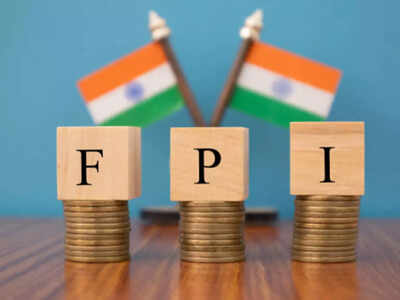
March FPI outflow: Foreign investors pull out Rs 88,180 cr amid Middle East tensions; over Rs 1 lakh cr withdrawn so far in 2026

[ad_1]

March FPI outflow: Foreign investors pull out Rs 88,180 cr amid Middle East tensions; over Rs 1 lakh cr withdrawn so far in 2026

Foreign investors have turned cautious on Indian equities this month, pulling out Rs 88,180 crore so far as rising global tensions, a weakening rupee and high oil prices dent sentiment. The sharp outflow comes just weeks after a strong February, when foreign portfolio investors (FPIs) had pumped in Rs 22,615 crore, the highest in 17 months. With the latest selling, total FPI outflows for 2026 have now crossed Rs 1 lakh crore. So far in March (till March 20), FPIs have been net sellers on every trading day, steadily exiting the market. While the pace of selling is significant, it is still below the record outflow seen in October 2024. Market participants say a mix of global and domestic factors is behind the shift. Tensions in West Asia have pushed crude oil prices above $100 per barrel, raising concerns about inflation and growth, and prompting a more cautious, risk-off approach among investors. Vaqarjaved Khan, Senior Fundamental Analyst at Angel One, said fears of a prolonged conflict and possible disruption in the Strait of Hormuz have played a key role. He added that the pressure has been worsened by the rupee hovering near Rs 92 against the US dollar, rising US bond yields and profit booking after February’s rally. There are also concerns around corporate earnings, with expectations of margin pressure in several sectors adding to the unease. Himanshu Srivastava, Principal Manager Research at Morningstar Investment Research India, said higher US Treasury yields are making dollar assets more attractive, drawing funds away from emerging markets like India. This is also strengthening the dollar and tightening global liquidity, further affecting sentiment. V K Vijayakumar, Chief Investment Strategist at Geojit Investments, highlighted similar concerns, saying the ongoing conflict, weak global markets and a depreciating rupee have all contributed to the sustained selling. Financial stocks have been hit the hardest, with FPIs offloading shares worth Rs 31,831 crore in the fortnight ended March 15. Looking ahead, analysts expect markets to remain volatile in the near term. Continued tensions or high oil prices could keep investors cautious, while any easing of geopolitical risks, support from domestic investors or better-than-expected earnings may help stabilise flows. For now, a clear turnaround in foreign investor sentiment is likely only when global uncertainties begin to ease.

[ad_2]

Source link

Dialling down: Middle East tensions raise alarm for India’s smartphone shipments

[ad_1]

Dialling down: Middle East tensions raise alarm for India's smartphone shipments

The Middle East crisis has entered its fourth week and the impact might spill across some Indian industries too. Smartphone market is beginning to feel the strain, with analysts cutting shipment forecasts again as the conflict starts to impact both demand and supply. Research firms have lowered their projections for 2026, pointing to a tougher road ahead. Counterpoint Research now sees shipments at 139 million units, down from 142 million earlier, while Omdia has revised its estimate to 142–145 million from 148 million. Analysts say these numbers could be revised further if the situation does not improve. IDC has taken a more cautious view, expecting shipments to fall to 132 million units in 2026 from 152 million in 2025. The downgrade also reflects ongoing shortages of key components like memory and storage, adding to the pressure on the industry. These are the sharpest cuts in outlook since the Covid-19 pandemic. The Middle East tensions are adding to the uncertainty. With prices of essential goods rising, consumers are likely to cut back on discretionary spending, including smartphones. Industry players say the real impact could be felt more strongly in the second half of the year. “The current market scenario is a bloodbath and the second half of the year will be even worse,” Upasana Joshi, research manager, IDC India told ET. There are already signs of demand slowing, especially in the mass-market segment. “The Iran-Israel conflict is creating a layer of uncertainty, and in such environments, consumers tend to delay discretionary purchases like smartphones,” Tarun Pathak, research director, Counterpoint Research told the financial daily. Companies, in turn, are becoming more careful, tightening inventory, working closely with retailers and offering targeted incentives to keep sales moving in a weaker market. Omdia analyst Sanyam Chaurasia said the second half of 2026 could be particularly challenging, as higher oil and logistics costs are expected to affect rural incomes and agricultural output. Rural markets are likely to be hit harder, while retailers are also pushing back against stocking extra inventory amid weak demand. The sector is also dealing with supply-side challenges. Earlier this year, most brands had already raised prices after memory and storage costs surged 40–50% due to strong demand from AI data centres, forcing suppliers to shift production. Now, disruptions in West Asia are expected to make things worse. Trade routes have been affected, and there are concerns over the supply of helium, a key input for semiconductor manufacturing. Qatar, a major supplier, has halted gas shipments, possibly due to damage at its facilities. All of this is likely to push up production costs further, which could eventually be passed on to consumers, putting even more pressure on demand.

[ad_2]

Source link

Rs 27 crore tag! Rishabh Pant ‘under most pressure’ in IPL 2026 | Cricket News

[ad_1]

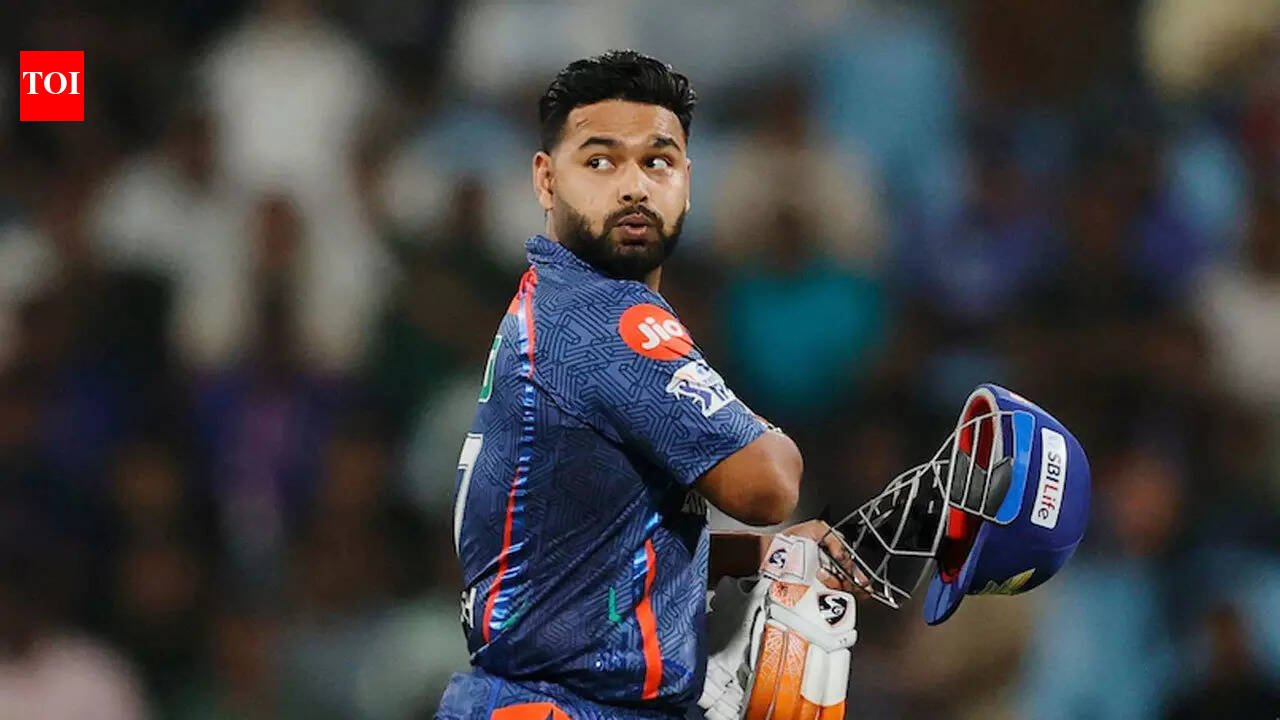
Rs 27 crore tag! Rishabh Pant 'under most pressure' in IPL 2026
Rishabh Pant (Image credit: BCCI/IPL)

NEW DELHI: The Rs 27 crore price tag, Lucknow Super Giants’ failure to enter the playoffs in IPL 2025, and poor form with the bat — Rishabh Pant will hope to bury all ghosts of the 2025 season and start afresh when the 2026 edition kicks off. Lucknow Super Giants will begin their IPL 2026 campaign against Delhi Capitals on April 1 at the Ekana Cricket Stadium in Lucknow.Will Pant be under any pressure?

Watch

Shashi Tharoor & Samson’s Redemption Story: From Setbacks to Glory

Former South Africa captain Faf du Plessis believes that Lucknow Super Giants skipper Pant will be the player under the most pressure in the tournament.Pant became the most expensive player in the tournament’s history last year when LSG secured the wicketkeeper-batter for Rs 27 crore.However, his performances with the bat failed to justify his price tag. Although he scored a century, his overall campaign remained underwhelming, as the ton came when LSG were already out of the race for the playoffs.Pant scored just 269 runs in the 13 matches he played last season at a poor average of 24.45.“For me, Rishabh Pant is probably the player in the IPL who is under the most pressure this season. Some guys flourish under the price tag pressure, while some don’t. I think last season was a really tough one for him. The team struggled, and he also struggled with runs in the way that he batted,” Du Plessis told Jio Hotstar.“So, there is all that pressure coming into the season, along with the expectations of what the team is going to do. With a batting-heavy team, how are they going to maximise their bowling? Because there is pressure on your captain, scoring runs is your first job.“So, if he is scoring runs as a captain, it takes pressure off in the first instance. But then there is a second instance, which is the team performance overall. And last year, both of those things had big red crosses against them,” he said.

Banner Insert

[ad_2]

Source link

Sky‑high losses: Iran war drives airlines to biggest crash since Covid – $50bn gone

[ad_1]

Sky‑high losses: Iran war drives airlines to biggest crash since Covid – $50bn gone

Global airlines have suffered their worst financial shock since the COVID‑19 pandemic as the ongoing war involving US Israel and Iran has disrupted industry operations, wiping more than $50 billion off the market value of the world’s largest carriers amid rising fears of fuel shortages.The conflict, now entering its fourth week, has grounded flights, disrupted key Gulf hub airports and driven jet fuel prices sharply higher, compounding pressure on an industry that was rebounding strongly following pandemic‑related losses.According to Financial Times calculations, the 20 largest publicly listed airlines have collectively lost about $53 billion in market capitalisation since the war began. In response, airline executives have warned of a potential rise in ticket prices as carriers seek to protect shrinking profit margins.Jet fuel, which accounts for roughly a third of operating costs for airlines, has doubled in price since the United States and Israel launched attacks on Iran at the end of February. Many carriers had hedged against fuel price swings, but the rapid rise is expected to force airlines to pass on costs to passengers.“Fuel spiked quite heavily after the Ukraine invasion in 2022 as well, but this has gone further north,” easyJet chief executive Kenton Jarvis told FT, describing the current crisis as the most significant upheaval since the pandemic closed global skies in 2020.Executives also point to broader structural challenges, including the risk that sustained high fares may dampen demand. Carsten Spohr, CEO of Lufthansa, said higher ticket prices were unavoidable but expressed concern that they could weaken long‑term demand. “Our average profit is about €10 per passenger, there’s no way you can absorb the additional cost,” he said.In addition to passenger traffic pressures, airlines are preparing contingency plans for possible jet fuel shortages. Air France‑KLM CEO Ben Smith said the carrier is drawing up measures to cope with potential supply squeezes, including scaling back services on some Asian routes.The crisis has hit Middle Eastern carriers particularly hard. Carriers such as Emirates, Etihad and Qatar Airways have had to sharply reduce schedules due to airspace closures and a collapse in regional tourism, industry officials say. Despite the severity of the current disruption, Willie Walsh, head of the International Air Transport Association (IATA), noted that it still falls short of the pandemic’s impact but is reminiscent of the downturn in transatlantic demand after the 9/11 attacks, according to FT.The conflict’s ripple effects are also visible in cargo operations, as freight traffic shifts from disrupted shipping routes to air cargo, straining airport facilities. At Geneva airport, for example, freight re‑routing has led to overflow onto services bound for Paris.Industry observers remain hopeful that airline valuations and demand will rebound once the conflict abates. “The share price has moved against all airlines since the start of the conflict,” Jarvis said, adding that short sellers would likely close positions quickly if a ceasefire is announced.

[ad_2]

Source link

Under the sea: How Iran’s invisible fleet of ‘midget submarines’ is turning Strait of Hormuz into danger zone

[ad_1]

Under the sea: How Iran's invisible fleet of 'midget submarines' is turning Strait of Hormuz into danger zone
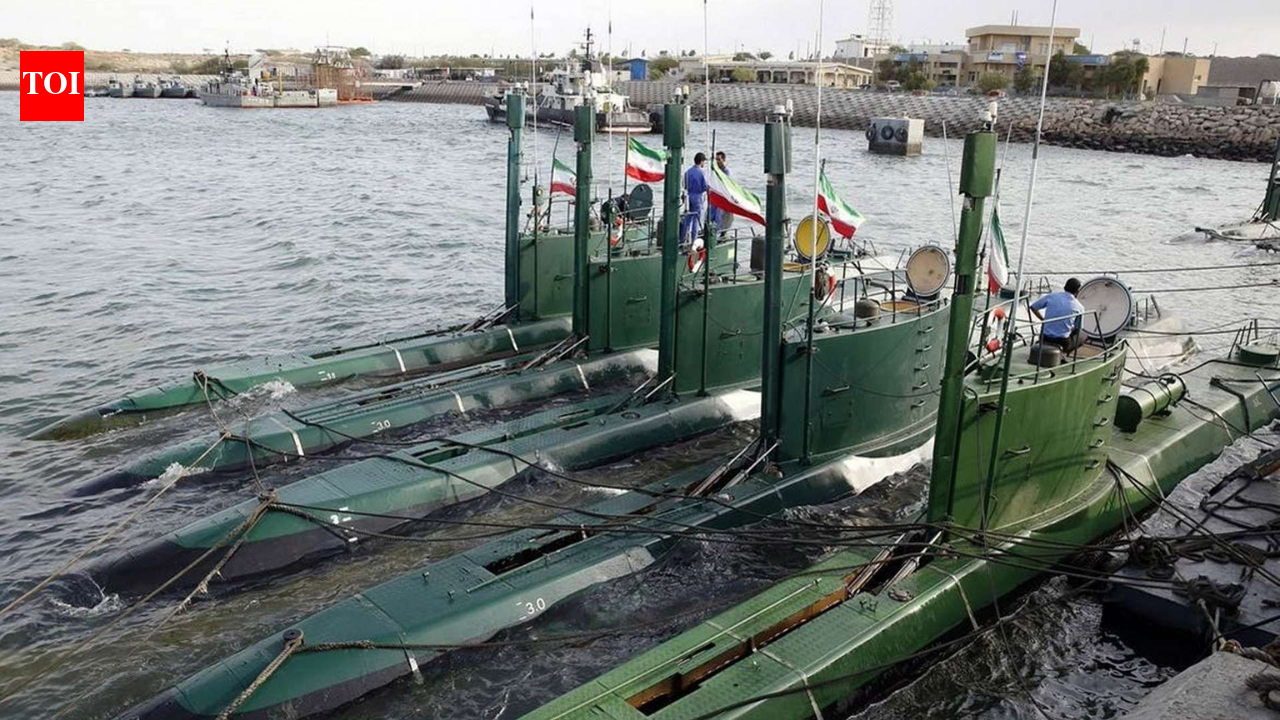
Ghadir class submarines (Image/X)

As the Middle East war intensifies, the battle is not limited to airstrikes and surface attacks. Even beneath the waters of the Strait of Hormuz, a hidden threat continues to loom and it is far harder to detect and neutralise.The United States has deployed A-10 attack aircraft and Apache helicopters over the Strait of Hormuz, targeting Iranian speedboats and underground weapons facilities. These operations are aimed at weakening Iran’s ability to disrupt maritime traffic and ensuring the safe passage of oil tankers. However, analysts warn that the most serious threat may not come from weapons that can be easily intercepted, but from submarines that remain largely undetected underwater.The Strait of Hormuz is one of the world’s most important oil transit routes, located between the Persian Gulf and the Gulf of Oman. The waterway carries nearly 20% of global energy supplies. Any disruption in this narrow waterway can have immediate global consequences, including rising oil prices and supply shortages. Iran’s geographic position along the Strait has allowed it to develop strategies and capabilities aimed at controlling or disrupting maritime movement in the region.

Iran Claims Indigenous Air Defence Successfully Targeted F-35 Stealth Fighter | Watch

Iran’s mini submarines: Ghadir-class midget

At the centre of this conflict is Iran’s fleet of Ghadir-class midget submarines. These submarines are much smaller than conventional ones, measuring about 29 metres in length and weighing around 120 tons.Their compact size allows them to operate in shallow waters, as little as 30 metres deep, which matches the average depth of key shipping channels in the Strait of Hormuz, according to The Telegraph.Iran has up to 10 Ghadir-class midget submarines. Their miniature size allows them to evade detection and operate in waters as shallow as 30 metres, the average depth of key shipping channels through the Strait of Hormuz.In contrast to midget submarines, the United States’ Ohio-class nuclear submarines weigh around 18,750 tons and measure 170 metres in length. These submarines are extremely difficult to detect due to the naturally noisy environment caused by heavy ship traffic and offshore activity. These mini submarines are capable of launching torpedoes and more importantly, laying naval mines. Experts believe their mine-laying capability poses the greatest risk, as even a small number of mines can disrupt shipping routes for extended periods. Clearing such mines is a slow and complex process, which can effectively block the movement of vessels through the strait. Iran has spent decades studying the Gulf’s geography and training its naval personnel in these waters, enhancing the effectiveness of these operations.

Other submarines in Iran’s arsenal

In addition to the Ghadir-class, Iran operates several other types of submarines. The Fateh-class submarines weighing around 600 tonnes are larger and equipped with improved sensors, allowing them to operate in deeper waters while still maintaining a relatively small profile. Iran also possesses Russian-built Kilo-class submarines (Taregh, Yunes and Nooh), which are more powerful but less suited to the shallow waters of the Gulf. Other submarines including the Nahang midget were also purchased from Russia in the 1990s. Alongside these, Iran has developed specialised underwater systems such as the e-Ghavasi and Al-Sabehat swimmer delivery vehicles. These are designed for covert operations, allowing naval commandos to carry out missions such as mine-laying in shallow coastal waters.

Iran’s speedboat and drones

Iran’s naval strategy also relies heavily on fast-attack vessels operated by the Islamic Revolutionary Guard Corps (IRGC). These boats are designed for swarm tactics, enabling them to overwhelm larger ships in confined waters. The fleet includes more advanced platforms such as the Zulfaghar-class boats, which are equipped with air defence systems and represent some of Iran’s most capable fast-attack vessels.Iran has also developed unconventional platforms such as the Bavar-2, a “flying boat” that can rise slightly above the water surface, increasing speed while reducing its radar.A major long-term threat comes from Iran’s anti-ship missile systems, which are deployed along its coastline. These include short-range missiles capable of targeting nearby vessels, as well as longer-range cruise and ballistic missiles that can strike ships across the Strait of Hormuz and beyond. Many of these systems are mobile, mounted on trucks or hidden in tunnels and bunkers, making them difficult to locate and target through conventional airstrikes.A major long-term threat comes from Iran’s extensive range of anti-ship missile systems deployed along its coastline. Short-range missiles such as the Kowsar and Nasr-1 are capable of targeting vessels operating close to shore.For longer distances, Iran has developed cruise missiles which can strike targets across the Strait of Hormuz and into the Gulf of Oman. The Abu Mahdi cruise missile significantly extends this range, reportedly capable of hitting targets up to 1000 kilometres away.In addition, Iran has developed anti-ship ballistic missiles such as the Gulf and Hormuz-2, designed to strike moving vessels using satellite guidance.

Naval mines: The biggest risk to global trade

Military experts believe that Iran’s most effective tool may be its extensive stockpile of naval mines. These include contact mines that explode on impact, magnetic mines that detect a ship’s hull, acoustic mines triggered by propeller noise and pressure mines that respond to water movement. Some advanced variants are designed to target large commercial vessels specifically. Even limited deployment of such mines could halt maritime traffic and take weeks to clear, severely impacting global trade.While US forces continue to target visible threats, the underwater dimension of the conflict remains a significant challenge. Submarines and mines are far harder to detect and neutralise, giving Iran the ability to disrupt global shipping routes without engaging in direct large-scale naval battles.
[ad_2]

Source link

Oil Price Forecast: Oil prices cross $100 — what lies ahead as the Middle East crisis intensifies?

[ad_1]

Oil prices cross $100 — what lies ahead as the Middle East crisis intensifies?

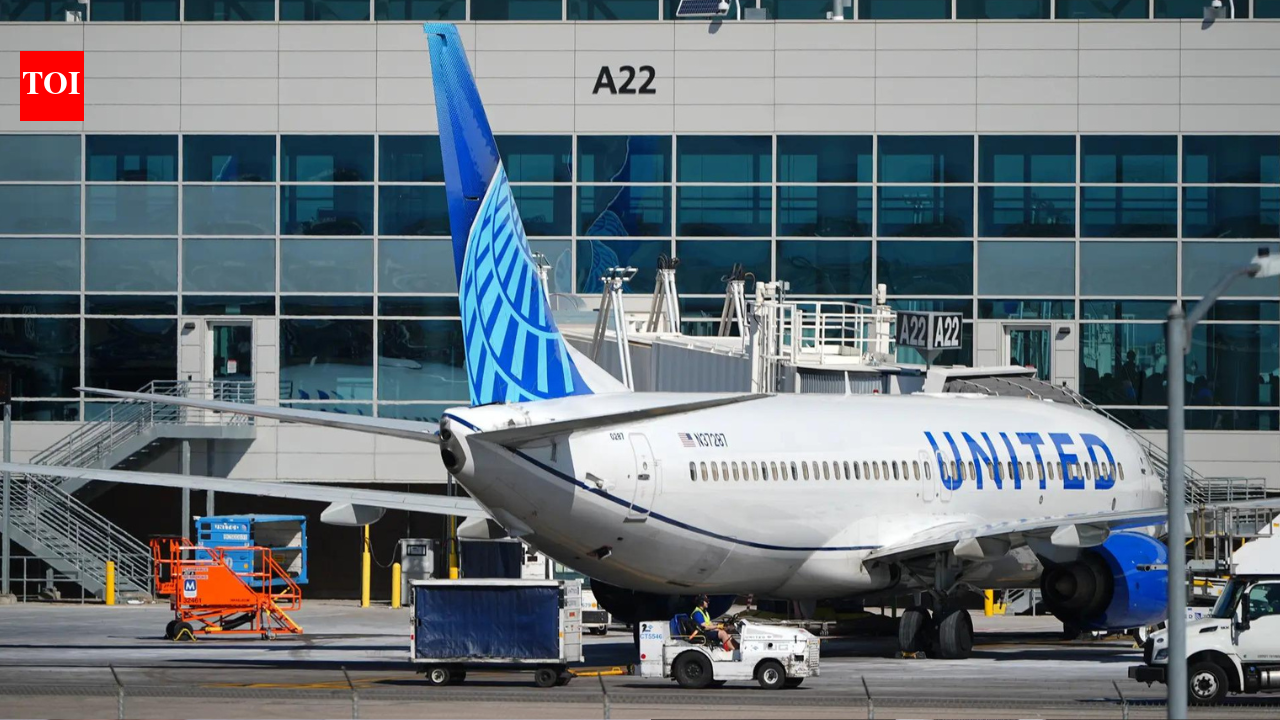
The Middle East crisis has left oil markets on edge, and the volatility is expected to continue. Prices are likely to stay high, even as forecasts vary on how long the surge will last, with the ongoing conflict still disrupting global supplies. Prices edged lower on Friday but held firmly above the $100 mark, reflecting the impact of damaged energy infrastructure and restricted flows through the Strait of Hormuz. Brent crude slipped 0.1% to $108.5 a barrel after earlier touching $110, while US crude remained largely steady at around $95.6.The big question is, how high and long can this hike stretch?Market projections suggest the current price levels could persist, especially if supply disruptions continue. Goldman Sachs said oil that markets could remain under pressure for years, warning that prolonged outages may keep prices elevated well beyond the immediate term. “The persistence of several prior large supply shocks underscores the risk that oil prices may stay above $100 for longer in risk scenarios with lengthier disruptions and large persistent supply losses,” Goldman analysts wrote in a note Thursday.With the key shipping route in the Strait of Hormuz largely blocked for nearly three weeks, the bank expects prices to move higher and has indicated that Brent could even surpass its previous peak of about $147 per barrel recorded in 2008 if the disruption worsens.Goldman outlined different scenarios based on how the situation evolves. In a more severe case, where oil flows remain heavily restricted for over two months and production recovers only gradually to 2 million barrels per day, Brent could be around $111 per barrel by the final quarter of 2027. However, in a more optimistic scenario, involving a gradual restoration of flows from April, could see prices ease to the $70 range by the end of 2026.Other forecasts point to a softer trajectory over time. The US Energy Information Administration expects Brent to stay above $95 per barrel in the near term, before dropping below $80 in the third quarter of 2026 and settling around $70 by the end of that year. It projects an average price of $64 per barrel in 2027, noting that outcomes will depend on how long the conflict lasts and the extent of supply disruptions.In a staff memo, United Airlines chief executive Scott Kirby said the airline is factoring in the possibility of oil prices rising to as much as $175 per barrel and staying above $100 through the end of 2027. At those levels, United’s annual fuel expenses could increase by about $11 billion, more than twice the profit it recorded in its best year, he said, even as strong travel demand allows carriers to raise fares. United Airlines said that it will reduce unprofitable flights over the next two quarters as it prepares for elevated jet fuel prices linked to the war involving Iran. The impact of the crisis is already being felt across the energy sector. QatarEnergy said that missile strikes have cut liquefied natural gas export capacity at Ras Laffan by 17%, with repairs potentially taking up to five years, affecting supplies to Europe and Asia.Overall, projections underline a wide range of possible outcomes, but point to one common factor, oil prices are likely to remain sensitive to how the conflict unfolds and how quickly disrupted supply routes are restored.

[ad_2]

Source link

IPL 2026 | ‘Iss baar No. 6’: Rohit Sharma’s big promise to Mumbai Indians fans – WATCH | Cricket News

[ad_1]

IPL 2026 | 'Iss baar No. 6': Rohit Sharma's big promise to Mumbai Indians fans - WATCH
Rohit Sharma (Image credit: BCCI/IPL)

NEW DELHI: The crowd erupted in loud cheers the moment Rohit Sharma took the mic, with the noise reaching a crescendo when he declared, ‘iss baar No. 6 aapke paas’.Mumbai Indians are five-time Indian Premier League champions, having lifted the trophy in 2013, 2015, 2017, 2019 and 2020. However, Mumbai Indians have not won the title in the last five years. Notably, all five championships came under Rohit’s leadership.

Watch

Shashi Tharoor & Samson’s Redemption Story: From Setbacks to Glory

Rohit, who was addressing fans at a Mumbai Indians event — MI Mix — held at the Jio World Garden on Saturday, was joined by Suryakumar Yadav and Hardik Pandya.“I want to thank you all on my team’s behalf. Keep supporting us like you do every year. We love it. And in return, we will try to make it IPL 2026 | ‘Iss baar No. 6’: Rohit Sharma’s big promise to Mumbai Indians fans – WATCH | Cricket News number 6. Iss baar Number 6 aapke paas laakar rakhein,” Rohit said.Are Mumbai Indians the greatest IPL team?Former India cricketer Irfan Pathan believes Mumbai Indians hold a slight edge over Chennai Super Kings as the ‘greatest team in IPL history’, even though both franchises have won the same number of titles.Pathan argued that MI’s impact on Indian cricket has been more significant, highlighting the number of top-quality players the franchise has produced for the national team.“CSK started winning the IPL title from 2010 onwards. They won back-to-back titles in 2010 and 2011 and were the first team to do so. But when Mumbai Indians started winning from 2013, they kept winning after every alternate year. Then they won the IPL trophy back-to-back in 2019 and 2020.”“What I like about Mumbai is their contribution to Indian cricket. The number of match winners they have produced for the Indian team is absolutely tremendous. How do you achieve that? First, you make your franchise big. Second, you deliver results with the team you have. Even now, Mumbai Indians had a great squad last season that could have easily won the trophy, but they couldn’t for different reasons.”While MI can take credit for identifying and nurturing talents like Jasprit Bumrah, Hardik Pandya, Ishan Kishan and Tilak Varma, CSK can point to their role in developing players such as Ravichandran Ashwin, Murali Vijay and Ruturaj Gaikwad.“CSK don’t have four Indian captains, Mumbai Indians do. In that respect, assembling a team and contributing to a bigger cause, I think Mumbai Indians are the greatest IPL team. I know CSK will always say they are also the greatest, having won five trophies too. There is no doubt. There will always be a debate and it is a fair debate. But I think Mumbai Indians take the edge because they have given so many wonderful cricketers and young talents to Indian cricket,” Pathan concluded.

Banner Insert

[ad_2]

Source link

Diesel price: Bulk diesel price hike rolled back for Gujarat fishermen, will be treated as special exception

[ad_1]

Diesel price: Bulk diesel price hike rolled back for Gujarat fishermen, will be treated as special exception

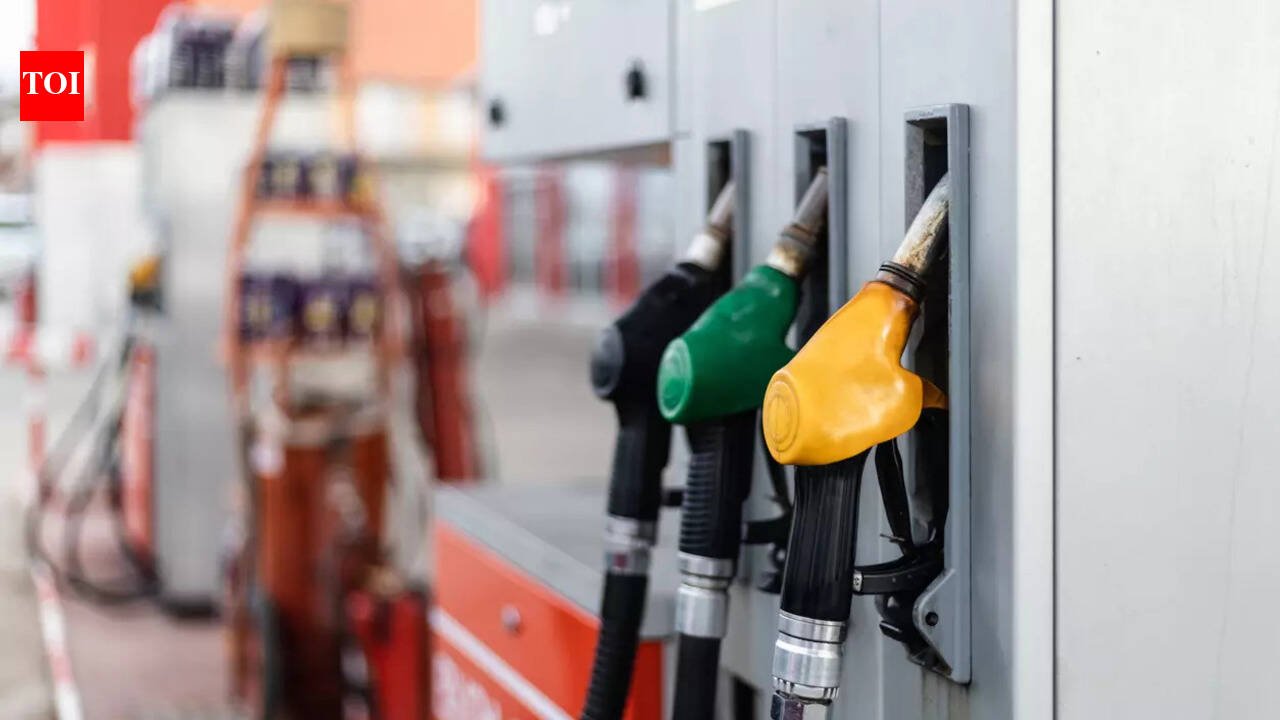
Fishermen in Gujarat will continue to receive diesel at subsidised rates after the Centre decided to roll back a recent steep increase in bulk fuel prices, following a request from the state government. The relief comes after oil companies raised the price of bulk diesel by Rs 22.43 per litre for industrial users earlier in the week, in response to rising global crude prices amid the ongoing supply disruption due to the Middle East war. The hike had also been extended to diesel supplied to fishing boats, triggering concern among the state’s fishing community. Fisheries minister Jitu Vaghani said that the Gujarat government intervened, urging the Centre to treat fishermen as retail consumers and provide a “special exception” to shield them from the increase.After the price hikes were announced, many manufactureres and transporters across the state were left struggling amid already existing pressures from inflaction and energy market volatility.“Under the guidance of Prime Minister Narendra Modi, the Centre has accepted this reasonable representation of the fishermen of Gujarat. The Centre has instructed Bharat Petroleum to withdraw the increase of Rs 22.43 in the price of diesel used in fishermen’s boats,” an official release said.It added that “a representation was made to Vaghani, MLAs, local leaders and various fisheries organisations. Considering the seriousness of the matter, Vaghani, under the guidance of the chief minister, made a representation to the Centre to intervene in the matter.” “So, the fishermen of the state will now receive diesel at the previously decided concessional rate,” it added.The state had earlier entered into an agreement with Bharat Petroleum to supply diesel to fishermen at discounted prices. However, the recent revision had pushed up costs until the rollback was approved.The broader price revision comes at a time when global oil markets have been volatile. Bulk diesel prices in Delhi, for instance, were raised from Rs 87.67 per litre to Rs 109.59, even as retail fuel prices remained unchanged. Petrol in the national capital continues to be priced at Rs 94.77 per litre, while regular diesel remains at Rs 87.67.Officials have maintained that there has been no increase in fuel prices for the general public. “Some increase is reported in the premium category which hardly makes up for 2%-4% of the entire petrol (sold in the country),” said Sujata Sharma, joint secretary in the ministry of petroleum and natural gas. “There is no increase in price for the common man.”She added that fuel prices are determined by oil marketing companies as petrol and diesel have been deregulated, and the government does not directly set rates.Retail prices have been frozen since April 2022, with companies absorbing fluctuations in global crude prices. The government has indicated it will continue this approach unless there is a significant and sustained spike in international oil rates.India relies on imports for 88% of its crude oil needs, with a large share transported through the Strait of Hormuz. Ongoing tensions in the region have disrupted supplies and pushed global crude prices higher, touching $119 per barrel before easing to around $108.While bulk fuel costs have risen in line with global trends, the exemption for Gujarat’s fishermen ensures they will not be impacted by the latest hike.

[ad_2]

Source link

Oil Price: Oil prices: Hormuz supply shock widens gap between future and physical fuel

[ad_1]

Oil prices: Hormuz supply shock widens gap between future and physical fuel

The Iran war has entered its fourth week and global oil markets are showing a clear split with actual fuel supply prices are rising much faster than widely tracked oil futures. Brent crude, the global benchmark, has jumped over 50% to around $112 a barrel following the near-complete closure of the Strait of Hormuz and attacks on energy infrastructure in the Middle East. But the cost of physical oil, which is refined into petrol, diesel and jet fuel, has risen even more sharply as supplies become harder to secure. Refiners in Asia are now paying steep premiums above Brent to source cargoes from far-off regions, highlighting the shortage. But the impact is not limited to oil markets!Trucking companies are facing higher fuel bills, some parts of the shipping industry are cutting back on purchases, and airlines in Europe have warned that rising jet fuel prices, now above $200 a barrel, will be passed on to passengers, Bloomberg reported. The gap between futures prices and physical oil costs is partly due to steps taken by the countries to control price rises, including releasing emergency stockpiles. However, the broader impact on the global economy appears stronger than what futures markets suggest. Commenting on US oil markets, Jeff Currie, chief strategy officer of energy pathways at Carlyle Group Inc told Bloomberg, “You look at the paper markets, they’ve entirely disconnected from the physical markets…We’re dealing with an enormous supply shock.” There are concerns that prices could rise further if the conflict continues. Goldman Sachs Group Inc. and Citigroup Inc. have said oil futures may cross the previous record of $147.50 set in 2008 in the coming weeks. Such a large and lasting gap between futures and real prices is unusual. The disruption has been described by the International Energy Agency as the biggest oil supply shock ever. Goldman estimates that about 17 million barrels per day flowing through the Persian Gulf are being affected. In the past two weeks, Brent has come close to $120 a barrel twice, a level last seen in 2022, further piling pressure on the US government to act. US treasury secretary Scott Bessent said that the country could consider another release from its reserves, even after a major recent drawdown. He also announced waiving sanctions on Iranian oil currently in transit for a month till April 19. Other steps to manage prices include moves involving Russian oil shipments at sea, while speculation continues about possible US intervention in futures markets, something Bessent has denied. At the same time, high market volatility has made trading more expensive, limiting activity and keeping futures prices somewhat in check, though not enough to offset supply shortages. “The US has almost exhausted the arsenal for stopping prices from rising, given this degree of uncertainty, if the strait isn’t opened and the uncertainty of physical damage isn’t removed,” Christof Ruhl, global advisor at Crystol Energy and a former BP Plc economist, said in a Bloomberg TV interview. “So there isn’t much they can do.” Signs of strain are visible across the economy. Shipping companies are adding fuel surcharges, while some buyers are delaying large fuel purchases due to price swings. In the US, petrol prices are nearing $4 per gallon and diesel has crossed $5. In Germany, a heating oil seller said people are buying only “when absolutely necessary,” and airlines have cancelled some flights as fuel costs rise. “Movements in energy markets feed through to our cost base almost immediately,” said Pavel Kveten, Chief Executive Officer at Girteka Logistics, one of Europe’s top trucking companies. Fuel makes up about 30% of the firm’s transport costs, he said. The rush for available crude is also pushing up regional prices. Oman crude has crossed $162 a barrel, while Murban crude from the United Arab Emirates has moved above $145. Asian buyers have increased purchases of US oil to the highest level in three years as they look to replace disrupted Middle Eastern supplies.Meanwhile in the Middle East, there are no clear signs of easing. Iranian officials are said to be reluctant to discuss reopening the Strait of Hormuz as they deal with ongoing attacks, a person involved in high-level contacts with Tehran told Bloomberg. “We see little relief for the deepening energy crisis as more energy facilities come under fire,” RBC Capital Markets LLC analyst Helima Croft said in a note. “Administration officials have spent considerable manhours working to convey to market participants that the disruption will be short-lived as the war will soon wind down. Yet nothing points to a limited engagement at this juncture.”

[ad_2]

Source link

CBI quizzes 3 ex-senior execs of Anil Ambani group in fraud probe

[ad_1]

CBI quizzes 3 ex-senior execs of Anil Ambani group in fraud probe

NEW DELHI: Deepening its investigation into the alleged multi-crore fraud involving Reliance Communications (RCOM) and State Bank of India (SBI), CBI has questioned three former top-tier executives of the Anil Ambani-led Reliance Group.The agency issued summons to Satish Seth and Gautam Doshi, both former group managing directors, for examination in connection with the FIR registered following a formal complaint by SBI. This followed the questioning of a third former group managing director, Amitabh Jhunjhunwala.Seth, who previously held the position of vice-chairman at Reliance Infrastructure Ltd and served on the board of Reliance Telecom Ltd (RTL), was questioned alongside Doshi, who was also a board member of RTL. Sources said that the CBI examined Jhunjhunwala over a three-day period leading up to the scheduled appearance of Anil Ambani on March 19 and 20.Jhunjhunwala, a longtime confidant of the group, formerly served as the vice-chairman of Reliance Capital. The three executives were central figures in the Anil Ambani-led Reliance Group for over 15 years. Both Seth and Jhunjhunwala were veterans of the undivided Reliance Group, having been associated with Reliance Industries Limited for more than two decades prior to the highprofile corporate demerger.All three have since moved on to independent ventures. Jhunjhunwala is currently an independent fund manager with operations in Dubai and Singapore. Seth is now engaged in real estate and software ventures. Doshi, officials said, currently leads a prominent tax and mergers and acquisitions advisory firm, in addition to serving on the boards of major companies.When contacted, the Reliance group refused to comment saying these officials were not with the company anymore. The Supreme Court had earlier asked CBI to file separate FIRs into complaints of different banks against Anil Ambani group companies.Last year, CBI filed a case against M/s Reliance Communications based on a complaint lodged by the SBI, which is the lead bank of a consortium consisting of 11 banks, in an alleged fraud case of Rs 2,929 crore.According to the CBI, the complaint is based on a forensic audit report that alleges large-scale diversion and misuse of loan funds through interlinked and circuitous transactions among group entities during the period 2013-17, resulting in wrongful loss of Rs 2,929 crore to SBI out of total exposure of Rs 19,694 crore involving 17 public sector banks.

[ad_2]

Source link