Breaking News
Tata Motors CV, L&T Finance & more: Top stocks to watch on March 20, 2026

[ad_1]

Tata Motors CV, L&T Finance & more: Top stocks to watch on March 20, 2026

JP Morgan has a neutral rating on HDFC Bank with the target price at Rs 1,090. Analysts said the bank’s chairman’s exit adds to macro headwinds and investor sentiment has been hit with expected elevated volatility in the near-term. They said two things stood out in the resignation letter. Firstly, the outgoing chairman cited the following as a key reason for stepping down: “Certain happenings and practices within the bank, that I have observed over the last two years, are not in congruence with my personal Values and Ethics”. Secondly, the benefits of the HDFC Bank-HDFC merger are yet to fully fructify. Analysts believe the stock is likely to trade weak following the resignation announcement, with the impact further amplified by a softer macro backdrop amid geopolitical uncertainties. They also said that the reasons for resignation do raise some concerns about potential material disagreements between board and the lender’s leadership, risking board-management cohesion and, in turn, future decision-making and execution. While the outgoing chairman’s letter did not allege specific misconduct, perception alone can weigh on sentiment until credible steps are outlined and delivered.Investec has a buy rating on Tata Motors CV with the target price at Rs 535. Analysts said that the company is hitting its stride in an upcycle. There’s a positive outlook for medium and heavy commercial vehicles. They also expect the company’s margin trajectory to move up while IVECO re-positions the Indian company at the global stage.Jefferies has a buy on GMR Airport with the target price at Rs 125. Analysts said the war in West Asia is impacting international traffic, while domestic remains stable. The company’s non-aero revenue growth targeted mid-teens on premiumisation. The company has planned expansion of the Hyderabad airport with capex planned from FY29. Analysts expect stable yields from this expansion. They also said that the traffic at Goa is showing traction and land monetisation is in progress. They also said that commissioning of the Bhogapuram airport in Andhra Pradesh is ahead of schedule. The company’s balance Sheet focus is aimed at deleveraging and refinancing.Citigroup has a buy rating on L&T Finance with the target price at Rs 330. Analysts attended the management meet. The key takeaways included embedding AI across underwriting, collections, risk, HR and finance, supported by cumulative capex investments of Rs 80 crore (in Project Cyclops and Nostradamus) till Oct-Dec quarter (Q3FY26). The company also said that AI adoption is delivering tangible gains like improved productivity, reduced turnaround time, lower bounce rates, reduced non-starters and lower credit/collection costs. The management guided a 2.0–2.2% glide path by Jan-March 2027 (Q4FY27), upcoming expected credit loss (ECL) model refresh to be monitored. The company also said that an Agentic AI-led cross-sell engine is under development, supporting deeper monetization of a large existing customer base and >20% assets under management (AUM) growth over the medium term.HSBC has upgraded Power Grid Corp to hold with the target price raised to Rs 290. Analysts see an increased pace of commissioning driven by top government focus and allowance for higher compensation. They also see new opportunities from intra-state transmission projects and battery energy storage systems, which can increase the total addressable market.(Disclaimer: Recommendations and views on the stock market, other asset classes or personal finance management tips given by experts are their own. These opinions do not represent the views of The Times of India.)

[ad_2]

Source link

Oman FTA rollout may be delayed amid Middle East crisis

[ad_1]

Oman FTA rollout may be delayed amid Middle East crisis

NEW DELHI: The conflict in West Asia may delay the roll out of the India-Oman free trade agreement, which was expected to kick in from April 1, while the UK is on course to implement the trade treaty with India around May 1, top govt officials said Thursday.EU has indicated that it is on course to get approvals for the trade agreement with India around Nov. The pact with the trade bloc is seen to be the most crucial of the lot that India has finalised, including the one with New Zealand. The Comprehensive Economic Partnership Agreement (CEPA) with Oman was signed last Dec and was to be ratified by Muscat, but the war, which has also seen Iran attack its neighbour on other side of the Gulf may delay the treaty benefits from kicking in at the start April.

[ad_2]

Source link

‘Ustaad Bhagat Singh’ leaked online: Pawan Kalyan film faces piracy blow despite court protection | Telugu Movie News

[ad_1]

'Ustaad Bhagat Singh' leaked online: Pawan Kalyan film faces piracy blow despite court protection
Pawan Kalyan’s ‘Ustaad Bhagat Singh’ faces piracy just hours after its March 19, 2026 release, despite legal protection. The action-comedy has garnered mixed reviews, with praise for Kalyan’s screen presence but criticism for its outdated narrative. While some mass moments and humor landed, the film’s overall reception remains divided.

The newly released action flick ‘Ustaad Bhagat Singh’ starring Pawan Kalyan has reportedly fallen prey to piracy within hours of its theatrical release. The action-comedy entertainer directed by Harish Shankar hit theatres on March 19, 2026, as a festive Ugadi release.

Piracy setback and court protection against trolls

Filmibeat reports say that ‘Ustaad Bhagat Singh’ surfaced on multiple piracy platforms shortly after release. The piracy issue comes even as the film reportedly obtained legal protection ahead of its release. As reported by The Statesman, a court issued an ex-parte temporary injunction to safeguard ‘Ustaad Bhagat Singh’ from harmful online content.The order which is backed by a ‘John Doe’ clause restricts anonymous individuals and platforms from spreading defamatory or misleading material. The producers had approached the court and cited concerns that such content could damage the film’s reputation and business prospects.

Mixed reviews flood social media

Alongside the piracy controversy ‘Ustaad Bhagat Singh’ has been receiving mixed reactions from audiences.One review read, “#UstaadBhagatSingh A Completely Outdated Commercial Entertainer! A commercial film like this doesn’t necessarily need out of the box writing, but it atleast needs some freshness. This one feels outdated to the core from the start to end. A few elevation blocks work, but the film lacks flow, feeling like a stitched together compilation of commercial scenes. Harish Shankar falters on both comedy and commercial writing. Thaman tries to elevate with his BGM but has little scope. PK tries in parts, but this one misses his trademark energy. Boring! Rating: 2/5.”Another viewer wrote, “#Ustaadbhagatsingh My rating 2/5 Below average movie.”

Praise for Pawan Kalyan’s screen presence

Despite criticism, several viewers praised Pawan Kalyan for his screen presence and performance.One tweet noted, “#UstaadBhagatSingh – PK’s look, Screen presence & Dialogues r the positives in this Routine, Outdated Drama. Parthiban Naidu as weak villain. Sreeleela ok. Raashi Khanna has no scope. Thaman does a Anirudh work in BGM. One melody track nice. Narration is a Patience Tester. BORE!.”Another review added, “#UstaadBhagatSingh Pawankalyan’s childhood portions were very well written Entry worked out well Dialouges are too good. 1st half is going very well Sorry @harish2you thakuva anchana vesinamduku.”

Humour and mass moments get divided response

The film’s humour and mass appeal sequences have also drawn mixed reactions.One viewer wrote, “Humor that plays on Pawan Kalyan’s limited dancing abilities lands effectively. Pawan Kalyan performing popular songs in his own style was absolutely hilarious.” Another highlighted a key scene, stating, “Police station sequence started off second half with a bang PK’s aggression.”On the other hand, Sacnilk website’s early reports say that the Pawan Kalyan starrer has opened with more than Rs 9 crores at the box office.

[ad_2]

Source link

Varun Chakravarthy used his skills incorrectly at T20 World Cup: Amit Mishra | Cricket News

[ad_1]

Varun Chakravarthy used his skills incorrectly at T20 World Cup: Amit Mishra
Varun Chakravarthy attends a training session ahead of their T20 World Cup cricket semi final match against England in Mumbai, Wednesday, March 4, 2026.(AP Photo)

Varun Chakravarthy’s contrasting performances across formats recently, from dominating the IPL to facing challenges during the T20 World Cup despite finishing as the joint-highest wicket-taker, underline a deeper truth about spin bowling in T20 cricket – mystery alone isn’t enough.For former India leg-spinner Amit Mishra, the issue wasn’t about Chakravarthy being “decoded” but about execution under pressure.“In the T20 World Cup, Varun was using his skills a bit incorrectly,” Mishra told TimesofIndia.com. “He started bowling a bit too fast, leaving his strengths. In the IPL (last year), he used to bowl one slow ball, one top-spin, one googly, and one leg-spin. He wasn’t doing that under pressure (in T20 World Cup) when runs were being scored.”Mishra pointed to a shift in approach rather than a dip in ability. “You need someone to tell you, to explain. Everyone knows execution is important, that’s why I say stick to your strengths.”

The rise of mystery spinners in T20s

From Sunil Narine and Ajantha Mendis to Abrar Ahmed and Mujeeb Ur Rahman, mystery spinners have become central to T20 cricket’s evolution.Since the format’s introduction, such bowlers have had an unprecedented impact. The addition of the Decision Review System (DRS) has further aided their success, giving umpires more confidence on marginal calls.Yet, traditional spinners – those who rely on spin, dip, and a dependable stock ball – continue to remain relevant.Mishra believes that despite the growing obsession with variations, the fundamentals of spin bowling remain unchanged.“Simple bowling in T20 means that when you already have some help from the pitch, you shouldn’t try too hard for wickets,” he said.“If the pitch is helping, simple bowling means sticking to your good areas, sticking to your strengths. If it’s going well, keep bowling at that pace until it’s necessary to change. When the batsman is struggling, you don’t need to change much.”For a bowler who claimed three IPL hat-tricks, Mishra’s definition of ‘simple’ stands in contrast to the modern demand for constant deception.

T20 cricket: batters game?

Having witnessed T20 cricket and the IPL from its early years, Mishra sees a clear transformation in batting.“Indian players now have a variety of shots like the reverse sweep, paddle sweep, and switch hit, which we earlier saw mostly from foreign players. Now, Indian players have these shots too. It’s become more difficult for bowlers,” he said.The shift, he believes, is as much mental as technical.“Power encompasses everything. If you put pressure on the bowler in the first 12 balls, it puts them on the backfoot. That’s a mindset change.”This evolution has tilted the balance further towards batters, with totals of 190 or 200 and now even 250 becoming routine in the IPL.Even so, Mishra insists that spinners should not abandon their natural strengths.“I’ve always said I stuck to my strengths and made variations. My strength was spin and dip, that’s what I did. You have to know your bowling strength. A spinner’s job is to spin the ball. You should know how to spin it.”

Do match-ups really matter?

On the growing reliance on data-driven match-ups, Mishra pushed back against rigid templates.“I never believed a left-arm orthodox spinner can’t bowl to a left-hander or an off-spinner can’t bowl to a right-hander. If you have the skills, you can do it. If you lack skills, then you need to enhance them.”For him, adaptability outweighs preset strategies.“You have to develop understanding, develop your skills, and variations.”He pointed to Rashid Khan as an example of consistency in approach. “Like Rashid Khan, he stays around 100, that’s his strength. He doesn’t leave it.”Looking ahead to young spinners in the IPL, Mishra avoided naming individuals but warned of the challenge that follows a breakthrough season.“When you are new, people haven’t seen much of you, so you have more chances to perform. But now, I want to see what changes they have made in their bowling this year, what mindset they have brought, what they have enhanced,” he concluded.

Banner Insert

[ad_2]

Source link

ADB to provide $10billion credit to Pakistan under 2026-30 strategy

[ad_1]

ADB to provide $10billion credit to Pakistan under 2026-30 strategy

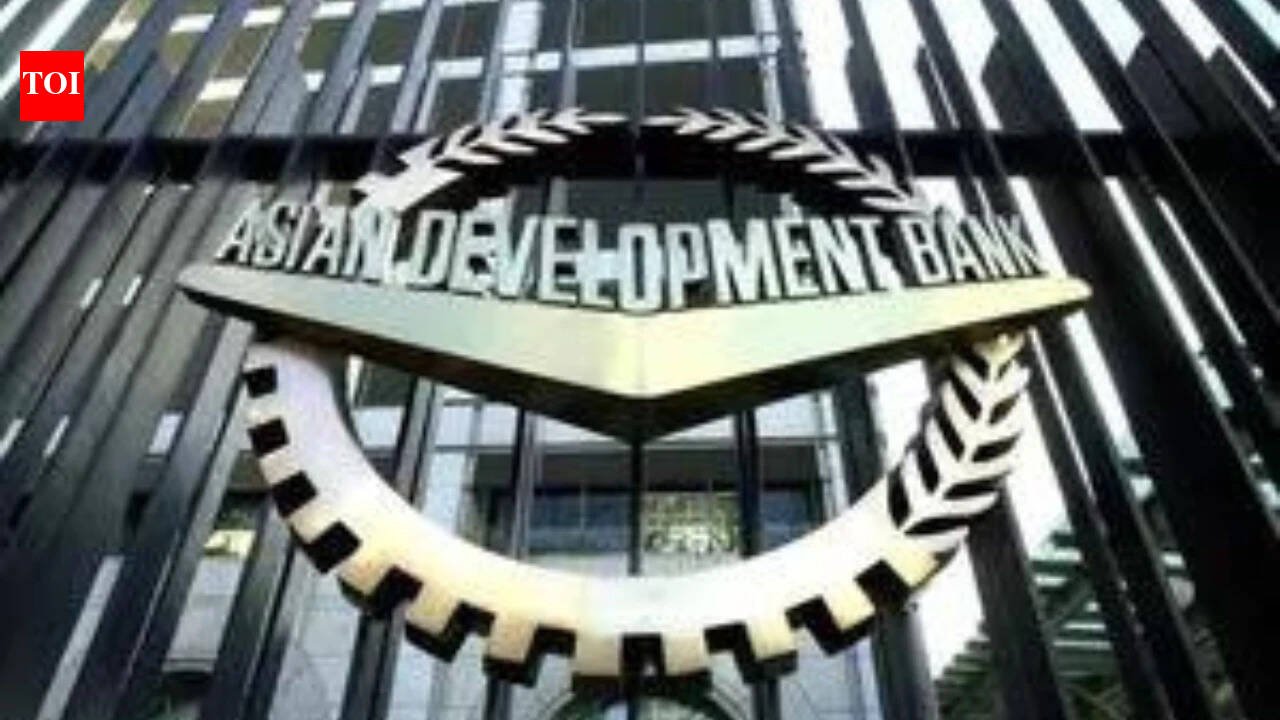
ISLAMABAD: The Asian Development Bank (ADB) is expected to extend about $10 billion in financing to Pakistan over the next five years, according to a media report on Thursday. The Manila-based bank said the facility was part of its 2026-30 Country Partnership Strategy (CPS2026-30) launched on Wednesday.According to a report in the Dawn newspaper, the bank said that the CPS sets out “a roadmap to support the country’s transition to sustainable and inclusive growth through private sector-led development”. It said, “The five-year strategy will focus on three pathways: enabling private sector development, advancing inclusion and empowerment, and enhancing resilience and sustainability.”ADB Country Director for Pakistan Emma Fan said, “The new CPS is tailored to address Pakistan’s structural challenges and promote robust and lasting growth, which benefits the whole country, especially the poor and vulnerable.”

[ad_2]

Source link

US lost 16 aircrafts amid Iran conflict, including 10 reaper drones: Report

[ad_1]

US lost 16 aircrafts amid Iran conflict, including 10 reaper drones: Report

At least 16 US military aircraft have been destroyed since the start of the conflict with Iran, including 10 MQ-9 Reaper drones shot down by enemy fire, while several others have been damaged in strikes and operational incidents, according to officials cited by Bloomberg.The most severe losses were attributed to accidents, including three US F-15 fighter jets downed by friendly fire in Kuwait and a KC-135 refuelling tanker destroyed during a mid-air operation, killing all six crew members on board. Five additional KC-135 aircraft were reportedly damaged in an Iranian missile strike on a base in Saudi Arabia.So far, only uncrewed Reaper drones have been downed by Iranian air defences, with at least nine destroyed in flight. Another was hit on the ground at an airfield in Jordan by a ballistic missile. Two more were lost in accidents. The drones are designed to be expendable and are often deployed in high-risk environments due to their lower cost and lack of onboard pilots.The scale of US operations may be contributing to the losses. Analysts claimed that the number of sorties flown in the early phase of the war exceeded those conducted during the opening of the Gulf War. “The difference might be a much greater rate of effort,” said Peter Layton, as quoted by Bloomberg.Despite early efforts to neutralise Iran’s air defences, achieving full air superiority has proven difficult. A US F-35 fighter jet was recently forced to make an emergency landing at a regional air base after being struck by what is believed to be Iranian fire, though the pilot survived, according to a CNN reported that quoted Centcom official.US military officials acknowledge that only “localised air superiority” has been established in parts of Iranian airspace, highlighting ongoing operational challenges. The continued presence of active air defences is also complicating efforts to secure key routes such as the Strait of Hormuz.Accidents during high-intensity operations are not uncommon, analysts say. “Periodic accidents like the tragic mid-air collision with the KC-135s are an unfortunate likelihood in large, high tempo, high pressure combat operations,” said Justin Bronk.As the war enters its third week, Iran has maintained a steady pace of regional strikes, including attacks on energy infrastructure in Qatar and Saudi Arabia in retaliation for strikes on its South Pars gas field.

[ad_2]

Source link

Asked to work on Eid ul Fitr 2026? Get 50% paid extra; know your rights and compensation as per UAE law

[ad_1]

Asked to work on Eid ul Fitr 2026? Get 50% paid extra; know your rights and compensation as per UAE law
Working on Eid ul Fitr 2026 in the UAE? Know Your Legal Rights and Compensation In The Emirates

As Eid ul Fitr approaches and millions across the UAE prepare for celebrations, a pressing question is trending among workers: Can your employer ask you to work on a public holiday and if yes, what are your rights? The short answer is yes, you can be asked to work but not without compensation.This year, Eid ul Fitr will be celebrated across the UAE emirates on March 20. With heightened economic activity, retail rush, hospitality demand and essential services running at full capacity during Eid, thousands of employees may find themselves scheduled to work but under UAE labour law, this comes with strict protections and clear entitlements.

The UAE rule is simple: Work must be compensated on Eid ul Fitr 2026

Under UAE labour law, public holidays such as Eid ul Fitr are fully paid days off for employees. However, if an employer requires an employee to work on such a day, the law provides two clear options:

  • A substitute day off (compensatory leave)
  • Or extra pay, your regular wage plus at least 50% of your basic salary for that day

This means that working on Eid is not illegal but working without compensation is.

What extra Eid ul Fitr 2026 pay actually looks like in the UAE

The compensation structure is straightforward but often misunderstood. If you work on Eid, you are entitled to:

  • Your full normal salary for the day, PLUS
  • An additional 50% of your basic daily wage

Alternatively, your employer can offer a day off in lieu, which must be granted later. This dual-option system allows businesses to operate during peak periods while ensuring employees are fairly rewarded.

Can your employer force you to work on Eid ul Fitr 2026 in the UAE?

This is where many employees get confused. Employers can require employees to work on public holidays, especially in sectors like:

  • Healthcare
  • Retail
  • Hospitality
  • Transport

However, this is only lawful if compensation rules are followed. In simple terms, you may not be able to refuse work outright but your employer cannot deny your legal entitlements. You cannot be asked to work without proper compensation.

What if you’re not compensated for Eid ul Fitr 2026 work in the UAE?

This is where legal protections become crucial. If an employee works on Eid and does not receive either extra pay or a compensatory day off, they have the right to take action. The recommended steps include:

  • Raise the issue internally with your employer
  • If unresolved, file a complaint with the Ministry of Human Resources and Emiratisation (MoHRE)
  • Authorities can mediate disputes and ensure compliance with labour law.

​Can Your Boss Make You Work on Eid ul Fitr 2026, Even Remotely? UAE Law Explained​

Can Your Boss Make You Work on Eid ul Fitr 2026, Even Remotely? UAE Law Explained

This legal backing is what makes UAE labour protections relatively strong in the region. Eid is not just a religious celebration, it is also a peak economic period. Across the UAE, malls are packed, restaurants see record footfall, travel and transport surge and delivery services spike. This means businesses often need full operational capacity, even during public holidays.As a result, many employees, especially in customer-facing roles, are more likely to be asked to work during Eid than at other times of the year.

A gap between law and awareness on Eid ul Fitr 2026 in the UAE

Despite clear legal provisions, many workers remain unaware of their rights. Common misconceptions include:

  • Thinking overtime rules automatically apply (they don’t, public holiday rules are separate)
  • Assuming extra pay is optional (it’s not)
  • Believing refusal to work is always allowed (it depends on job requirements)

This gap between law and awareness is why such explainers are trending every Eid ul Fitr season. The rules around Eid work fall under the UAE’s Federal Decree-Law No. 33 of 2021, which governs private-sector employment. Key provisions include:

  • Public holidays are paid leave
  • Work on these days requires compensation
  • Employers must apply rules fairly and consistently

The law is designed to balance business continuity, employee welfare and economic productivity. To understand how this works, consider a few common situations that the retail employee working on Eid ul Fitr 2026 must receive either extra pay or a day off later. Office worker asked to work remotely on a public holiday still counts as work. Employee given no compensation is a violation and grounds for a complaint.Eid ul Fitr is almost here and employees want clarity now. Extra pay can significantly boost earnings, especially for lower-income workers. Many workers are only now learning about their entitlements. Social media discussions around “working on Eid” have surged, amplifying the issue.

​Working on Eid ul Fitr 2026? Here’s What You’re Legally Entitled To In The UAE​

Working on Eid ul Fitr 2026? Here’s What You’re Legally Entitled To In The UAE

Eid ul Fitr is one of the most important festivals in the Islamic calendar, a time for prayer, family and celebration but for many workers, especially expatriates, it is also a working day. The law acknowledges this reality by ensuring that those who work during Eid are compensated fairly, preserving both economic activity and worker dignity.

What UAE employees should do now

With clarity on the rules, employees are advised to:

  1. Check their work schedules in advance
  2. Confirm compensation terms with employers
  3. Keep records of hours worked
  4. Speak up if entitlements are not met

Being informed is the first step toward ensuring fair treatment. Working during Eid in the UAE is legal but only under strict conditions. Public holidays are paid, work requires compensation and employees have legal recourse. At its core, the law sends a clear message that Eid ul Fitr celebration may be optional for some workers but fair compensation is not.

[ad_2]

Source link

‘Does anyone really think someone can tell Trump what to do?’ Netanyahu denies ‘dragging’ US ‘into Iran war’

[ad_1]

‘Does anyone really think someone can tell Trump what to do?’ Netanyahu denies 'dragging' US 'into Iran war'
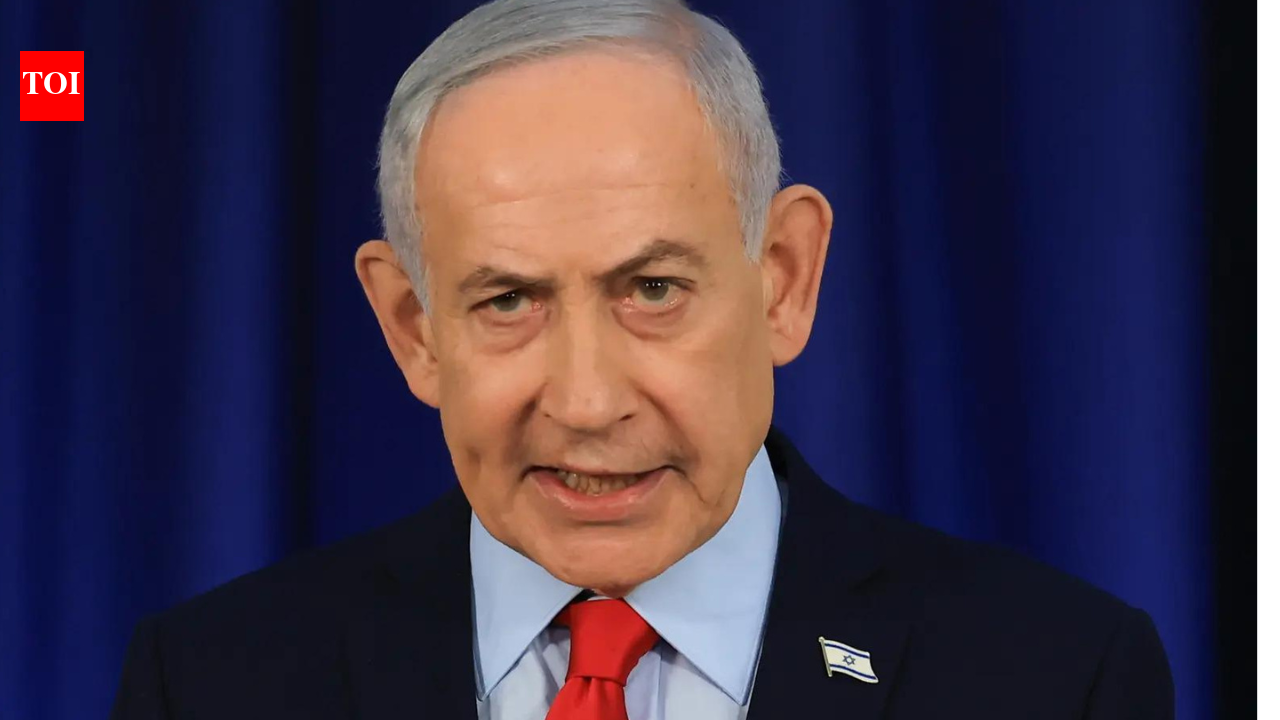
Netanyahu holds press briefing

Israeli Prime Minister Benjamin Netanyahu on Thursday asserted Israel’s independent military decision-making even as he emphasised close coordination with the United States amid the ongoing conflict with Iran. However, he denied claims that Israel “dragged” US into a war, during a media briefing. “Does anyone really think that someone can tell President Trump what to do? Come on. President Trump always makes his decisions on what he thinks is good for America,” Netanyahu said on being questioned by reporter. He confirmed that Israel had carried out a strike on Iran’s Assaluyeh gas compound on its own, while acknowledging Washington’s position on further such attacks. “Fact number one: Israel acted alone against the Assaluyeh gas compound. Fact number two: President Trump asked us to hold off on future attacks, and we’re holding off,” he said. Netanyahu also projected confidence in Israel’s military campaign, saying, “We are winning and Iran is being decimated,” and added, “I also see this war ending a lot faster than people think.” On Iran’s internal situation, he pointed to signs of strain but stopped short of predicting regime collapse. “A lot of signs… I wish I could divulge all of them,” he said, adding, “We’re working to create the conditions for it to collapse. But it may survive, it may not.” He further claimed that Iran’s military capabilities had been severely degraded. “We are taking action to destroy the industries that make it possible to build missiles. Iran no longer has the capacity to enrich uranium and manufacture ballistic missiles,” Netanyahu said. Reaffirming ties with Washington, Netanyahu said, “In partnership with our American allies, we can do amazing things… It’s the two most amazing air forces in the world… the two most amazing intelligence services in the world.”

[ad_2]

Source link

Govt secures extra LNG via spot buying to make fertilisers

[ad_1]

Govt secures extra LNG via spot buying to make fertilisers

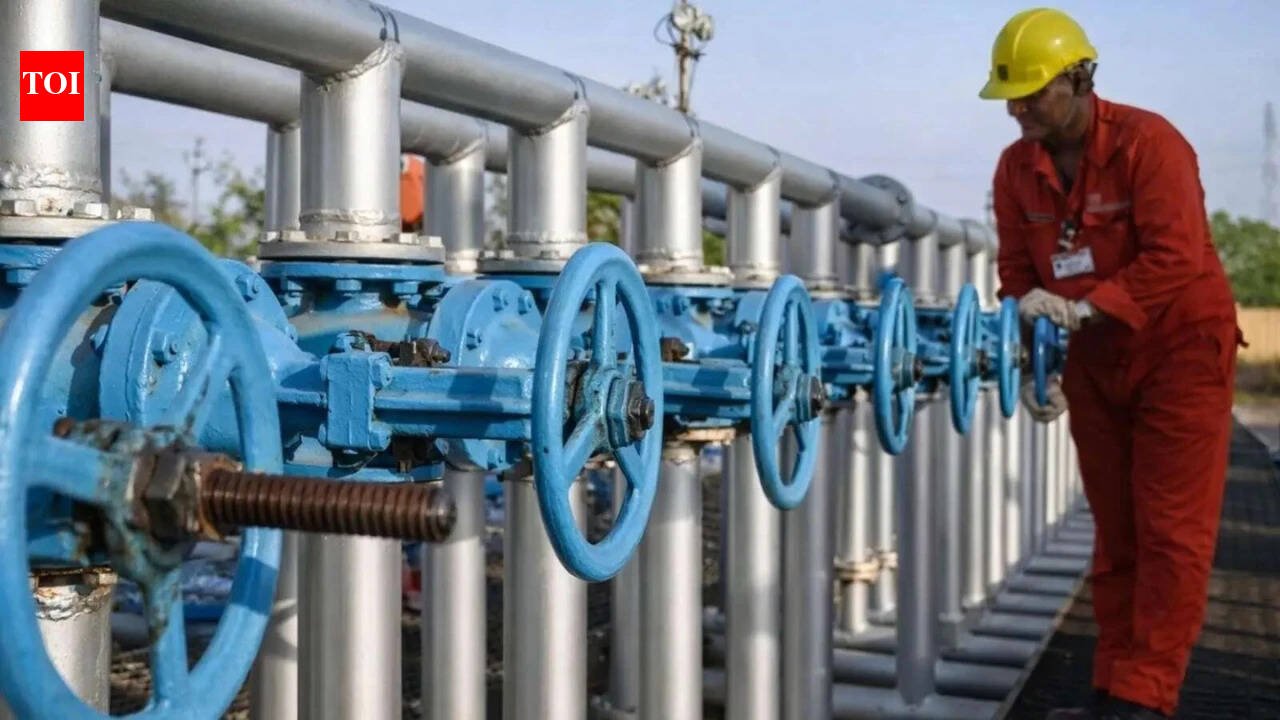
NEW DELHI: Amid the global rush to secure energy supplies, Indian agencies have seen the cost of natural gas (LNG) nearly double from around $10-12 a unit before the West Asian conflict to $19-20 per metric million Btu (MMBtu) when they made purchases in the spot market this week.The spike comes in the wake of critical suppliers such as the massive Ras Laffan facility in Qatar being targeted by Iran. QatarEnergy had last week shut down supplies from its facility, adding to the pressure after the Strait of Hormuz was shut down by Iran.While govt responded by reprioritising gas availability, it also began spot purchases to ensure availability for critical industries such as fertiliser, where supply was cut to 70% of the average. So far, it has purchased 7.3 metric standard cubic metres per day (MMSCMD), mainly for urea, against an industry demand for 8.6 MMSCMD of additional gas. While some of the units are under maintenance in the lean season, the purchases have been advanced to meet this month’s demand. This will help produce additional 12,500-13,000 tonnes of urea daily till month end, said officials. Against an average production of 25 lakh tonnes, govt estimates production at around 17 lakh tonnes.“Because of war, there’s a spike in spot prices of LNG. Earlier, when spot buying was done for the fertiliser sector, the price was less than that of long-term contracts,” said an official. Industry insiders and officials said more than price, govt is now concerned about upping availability for the kharif season and building stock for the rabi sowing season.

[ad_2]

Source link

Govt classifies energy data as national security matter | India News

[ad_1]

NEW DELHI: The govt has asked all entities across the oil and gas value chain to regularly furnish detailed operational information to the ministry’s Petroleum Planning and Analysis Cell (PPAC), with officials classifying the data as a matter of national security. With imports plummeting, the move signals the vulnerability of the sector, turning it into a strategic asset and highlighting the importance of energy in the overall economy.The data to be disclosed includes production, imports, stock levels and consumption patterns, with the order overriding existing confidentiality provisions. “The obligation to furnish information under this order shall apply notwithstanding anything contained in any contract, agreement, commercial arrangement or confidentiality obligation, and no entity shall refuse to furnish information required under this notification on the ground that such information is commercially sensitive or proprietary,” a gazette notification issued by the ministry of petroleum and natural gas on March 18 said.Every entity engaged in the production, processing, refining, storage, transportation, import, export, marketing, distribution or consumption of petroleum products or natural gas will be required to furnish the data to PPAC. “The data was being shared even earlier, but the notification will provide legal strength to the practice,” said Sujata Sharma, joint secretary in the ministry. With a squeeze on energy supplies, the petroleum ministry reiterated govt was trying to tap energy cargoes from geographies outside West Asia to make up for supply losses due to the military conflict. Sharma said 90% of imported LPG was sourced from West Asia and 47% of natural gas from Qatar in the pre-conflict period, which is now unavailable due to force majeure declared by some facilities and disruptions in transit via the Strait of Hormuz.“The impact is definitely there… We are dealing with it by picking up cargo from other sources. About 70% of crude is coming from areas outside the Strait of Hormuz (up from 55%). We are trying to diversify in LPG as well, with some supplies now coming from the US. Qatar is a big supplier of LNG, but we are now sourcing it from the US and Australia,” Sharma said on a day when Iran struck oil and gas facilities in Qatar, Kuwait, Saudi and the UAE.Sharma said there was no shortage of fuel, but LPG supply continued to be monitored, even as no dry-outs had been reported. She added nearly 56 lakh refills were booked on March 18 and about 55 lakh delivered to homes.

[ad_2]

Source link