Breaking News
Russia plans to step-up energy supply to India – Will it offset Middle East volatility?

[ad_1]

Russia plans to step-up energy supply to India – Will it offset Middle East volatility?

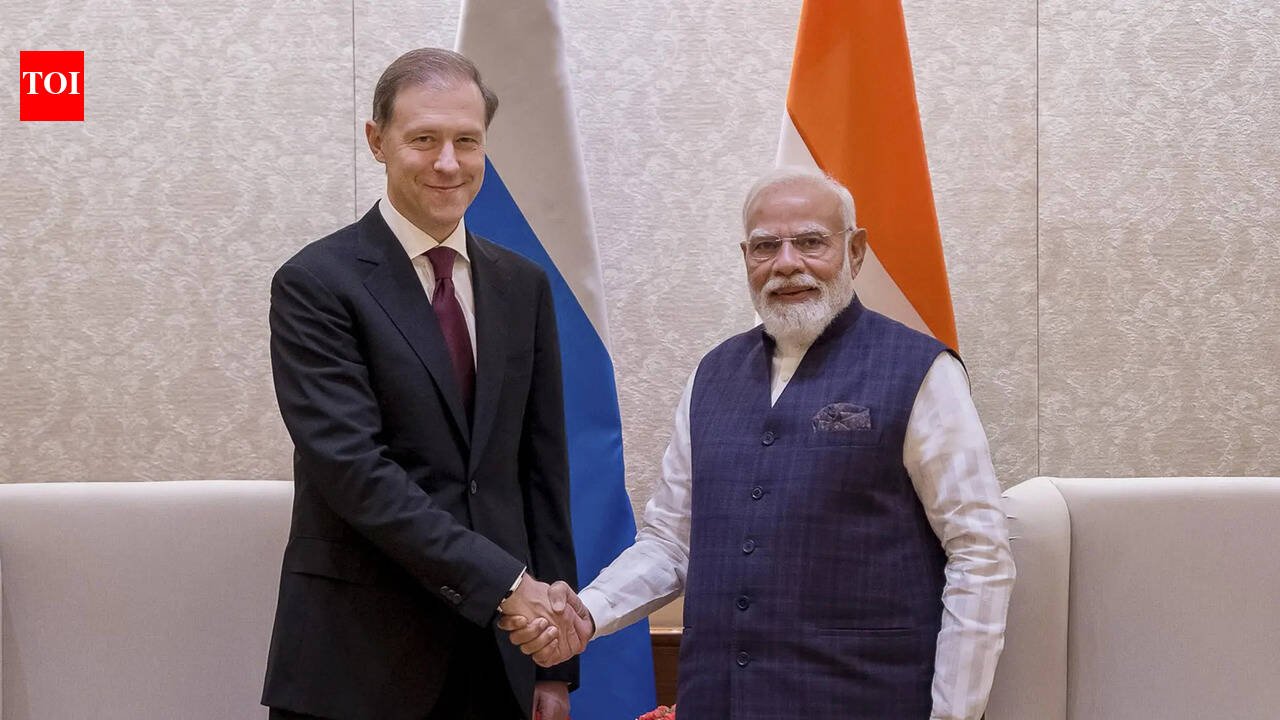
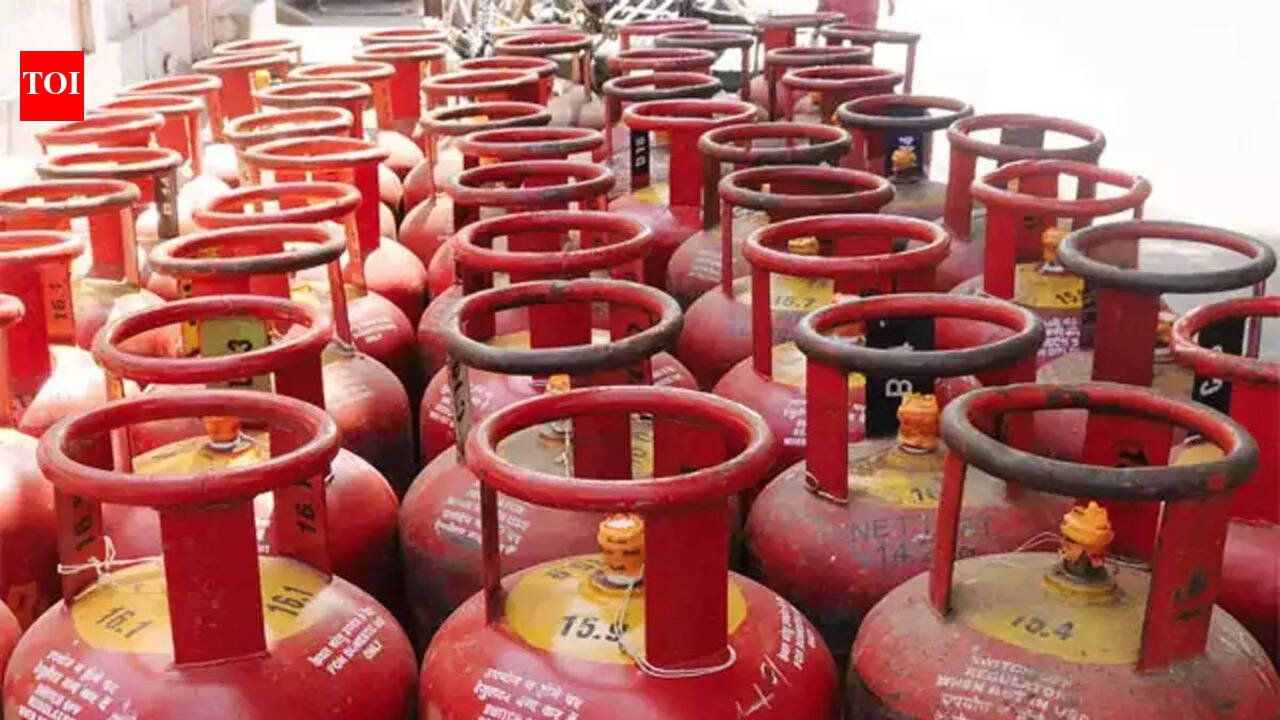
NEW DELHI: Russia has offered to increase its supply of crude oil and liquefied natural gas (LNG) to India as the ongoing Middle East crisis adds volatility to the global energy market, reported PTI citing officials familiar with the discussions. The energy cooperation formed a key part of talks on Thursday between Russia’s first deputy prime minister Denis Manturov and national security advisor Ajit Doval, external affairs minister S Jaishankar, finance minister Nirmala Sitharaman, and Prime Minister Narendra Modi.A Russian readout of Manturov’s engagements in New Delhi said, “Denis Manturov confirmed that Russian companies have the capacity to steadily increase supplies of oil and liquefied natural gas to the Indian market,” as quoted by the agency.The comments come amid disruptions in crude oil and gas shipments through the Strait of Hormuz, a vital corridor between the Persian Gulf and the Gulf of Oman that handles roughly 20% of global oil and LNG exports. India sources a significant portion of its energy from the Middle East.The disruption has seen energy prices go up across the region, including cost of commercial LPG, air-turbine fuel (ATF), premium petrol in the India. The disruption hit gas sector much harder as India imports over 60% of it LPG consumption and of it about 90% comes through Strait of Hormuz. Since the beginning of conflict, to cushion consumers from the supply disruptions government has ensured an over 100% production capacity operations by all refineries in country, and has also diversified sourcing of oil and gas. During the India-Russia Inter-Governmental Commission on Trade, Economic, Scientific, Technological and Cultural Cooperation (IRIGC-TEC), co-chaired by Manturov and Jaishankar, the two sides discussed expanding bilateral trade, investment, and industrial cooperation. The Russian readout said, “Specific steps were discussed to create favorable conditions for increasing bilateral trade turnover in the present context.”Manturov also highlighted Russia’s support on fertilizers, noting that supplies to India increased by 40% by the end of 2025, with further deliveries planned to meet India’s needs.The ministry of external affairs said the talks covered a wide range of areas, including trade, industry, energy, fertilizers, connectivity, mobility, technology, innovation, critical minerals, and civil nuclear energy. On the latter, the Russian statement noted, “Russia sees significant prospects for deepening engagement with India in this sphere.”The discussions also reviewed progress on the implementation of outcomes from the 23rd India-Russia Annual Summit held in December 2025, when Russian president Vladimir Putin visited India. The summit had unveiled a five-year roadmap to strengthen economic partnership and raise annual bilateral trade to USD 100 billion by 2030.Jaishankar and Manturov exchanged views on regional and global developments, including the conflict in the Middle East, the MEA added.

[ad_2]

Source link

Broke? 5 money-saving homesteading trends that are slashing family expenses overnight

[ad_1]

Broke? 5 money-saving homesteading trends that are slashing family expenses overnight
Homesteading for Savings: 5 Ways Families Cut Costs and Boost Resilience

With grocery bills climbing and household expenses stretching budgets thin, families are now turning to homesteading practices to cut costs and build financial resilience. Growing your own vegetables, raising backyard chickens and making homemade cleaning products are experiencing a surge in popularity as practical ways to reduce monthly expenses.These homesteading skills deliver real savings while building greater self-sufficiency. From backyard gardens to DIY household products, families are proving that traditional practices can provide meaningful budget relief in modern times. In an interview with the Times of India, Vince Braun, Founder and President and CEO of HealthiStraw, a family-owned Canadian company based in Manitoba, specialising in premium, sustainable wheat straw products, shared, “People are realising that many of the skills our ancestors took for granted can provide serious financial benefits today. Whether it’s using quality straw for garden mulch or animal bedding, the right materials make these practices both more effective and more economical.These practices offer families multiple benefits, including immediate cost savings, protection against price fluctuations and supply chain disruptions, plus valuable skills that increase household resilience. Read on as we spill the beans on the five homesteading practices delivering the biggest financial impact for modern families.

Growing vegetables and herbs at home

Home gardening has become one of the most accessible entry points into money-saving homesteading. A single tomato plant can yield 10-15 pounds of tomatoes throughout the growing season, potentially saving $30-50 compared to store prices. Herbs offer even more dramatic savings, as a basil plant that costs $3 can replace dozens of expensive store-bought packages.

​Homesteading advocate and CEO reveals how traditional self-sufficiency practices are delivering measurable savings for families facing economic pressures

Homesteading advocate and CEO reveals how traditional self-sufficiency practices are delivering measurable savings for families facing economic pressures

There are more sustainability benefits beyond the immediate savings too. Home gardens reduce packaging waste and transportation costs while providing fresher, more nutritious produce. Families also gain protection against seasonal price spikes that can double or triple the cost of certain vegetables.“Quality mulch makes all the difference in garden success,” explained Braun. “Our GardenStraw helps retain moisture and suppress weeds, which means less watering and weeding time for busy families while improving harvest yields.”

Raising backyard chickens for eggs

Backyard chicken keeping has exploded in popularity as egg prices have fluctuated dramatically. A small flock of 4-6 hens can produce 2-4 dozen eggs per week, potentially saving families $200-400 annually compared to store-bought organic eggs. In addition to the financial benefits, chicken keeping provides food security and teaches children valuable responsibility skills. The birds also contribute to household sustainability by eating kitchen scraps and producing fertiliser for gardens.

​Backyard Chickens, DIY Cleaners and More: The Money-Saving Trend Taking Over Homes​

Backyard Chickens, DIY Cleaners and More: The Money-Saving Trend Taking Over Homes

“Proper bedding is essential for healthy, productive hens,” noted Braun. “Clean, absorbent straw bedding keeps coops dry and odor-free, which means healthier birds and better egg production.”

Making natural, DIY cleaning products

Homemade cleaning products offer some of the fastest returns on homesteading investments. Basic ingredients like white vinegar, baking soda, and castile soap can replace dozens of specialised cleaners, saving families $300-500 annually while eliminating harsh chemicals from their homes.Simple recipes using common household items work as effectively as commercial products. All-purpose cleaners, glass cleaners and even laundry detergent can be made for pennies per batch compared to store prices. The self-sufficiency aspect provides additional security during supply shortages or price increases. Families with DIY cleaning knowledge never have to worry about empty store shelves or sudden price jumps.

Repurposing and reusing household items

Creative reuse has become both an art form and a money-saving strategy for modern homesteaders. Glass jars become storage containers, old t-shirts transform into cleaning rags and cardboard boxes serve as garden planters or organisation systems. This practice can reduce household waste by 30-40% while saving hundreds of dollars annually on storage solutions, organisational products and replacement items.

Expert explains how even small changes like growing herbs and making natural cleaners can add up to significant financial benefits over time

Expert explains how even small changes like growing herbs and making natural cleaners can add up to significant financial benefits over time

The mindset shift toward repair and reuse also extends the life of major purchases like furniture and appliances. Repurposing develops problem-solving skills and creativity while building a more sustainable household economy. Families learn to see potential in items they might otherwise discard.

Preserving and storing food

Food preservation techniques like canning, dehydrating and freezing allow families to capture seasonal abundance and extend savings throughout the year. Buying produce in bulk during peak season and preserving it can reduce food costs by 20-30% annually.Food preservation skills also provide insurance against food price volatility and supply chain disruptions, explained Braun. “Families with well-stocked pantries can ride out price spikes and shortages while maintaining their preferred eating habits.”The practice of preserving and storing food builds valuable knowledge about food safety and storage while reducing food waste. Preserved foods often retain more nutrients than their heavily processed commercial equivalents.Vince Braun opined, “Even small changes can add up to significant financial benefits over time. Starting with something simple like growing herbs on a windowsill or making your own all-purpose cleaner might save just a few dollars initially but these habits build momentum.”When families see how much they can save on groceries by growing lettuce or tomatoes, they often expand into other areas. The confidence gained from successfully making cleaning products leads to trying food preservation or chicken keeping. Experts have observed that homesteading practices work best when people have quality materials to work with. Whether it is proper straw for garden mulch or animal bedding, using the right supplies makes these money-saving practices more successful and sustainable long-term

[ad_2]

Source link

Oil, LNG supplies: Top Russian official Manturov signals fuel support for India during Middle East crisis

[ad_1]

Russia Offers To Supply More Oil To India Amid Hormuz Crisis, Russian Oil Imports Jump 90% In March

Russia on Friday highlighted its deepening energy partnership with India, saying that Moscow can ramp up energy supplies to the Indian market amid the ongoing energy crisis triggered by Middle East war. During his visit to India, Russia’s first deputy chairman Denis Manturov said that Moscow’s companies are capable to enhance supplies of oil and liquefied natural gas (LNG) to the country. According to a statement issued by the Russian Embassy in India, Manturov highlighted that Russia had boosted supplies of in-demand mineral fertilisers to India by 40% by the end of 2025, and expressed readiness to continue meeting India’s requirements.

Watch

Russia Offers To Supply More Oil To India Amid Hormuz Crisis, Russian Oil Imports Jump 90% In March

He noted that a joint project for urea (carbamide) production is currently under development, enhancing long-term agricultural cooperation. The two sides also reaffirmed ongoing collaboration in nuclear energy, with work progressing as per agreed timelines on new power units for the Kudankulam Nuclear Power Plant.“Denis Manturov confirmed that Russian companies have the capacity to steadily increase supplies of oil and liquefied natural gas to the Indian market. Russia and India continue to strengthen their partnership in nuclear energy. In line with agreed schedules, the project to construct power units for the Kudankulam Nuclear Power Plant is being implemented,” the statement read, as cited by ANI.Beyond energy and fertilisers, the talks also covered expanding cooperation in industrial sectors, space, education, and innovation, advancing the multifaceted strategic partnership between Moscow and New Delhi.Manturov, who also serves as Co-Chair of the India-Russia inter-governmental commission on trade, economic, scientific, technological and cultural cooperation (IRIGC-TEC), also held a high-level bilateral meeting with external affairs minister S Jaishankar in New Delhi on Friday.According to a release by the ministry of external Affairs, the discussions focused on expanding strategic partnerships in trade, industry, energy, fertilisers, connectivity, technology, and critical minerals, while also reviewing progress on outcomes from the 23rd India-Russia Annual Summit held in December 2025.During the talks, both sides also exchanged views on regional and global developments, including the situation in the Middle East.“Both sides held wide-ranging discussions focusing on trade, industry, energy, fertilizers, connectivity and mobility in addition to new opportunities in technology, innovation and critical minerals. The two sides also reviewed the progress on the implementation of the various outcomes of the 23rd India Russia Annual Summit held in December last year. The co-Chairs also exchanged views on regional and global developments, including the conflict in West Asia,” the release read.Manturov’s visit, which spanned April 2 to April 3, also included engagements with Prime Minister Narendra Modi, minister of finance Nirmala Sitharaman, national security adviser Ajit Doval, and other senior officials.The visit highlighted the shared intent of both nations to deepen economic ties and enhance strategic collaboration across key areas of mutual interest.

[ad_2]

Source link

Toll plazas to go cashless from April 10; cash payments to be completely scrapped

[ad_1]

Toll plazas to go cashless from April 10; cash payments to be completely scrapped

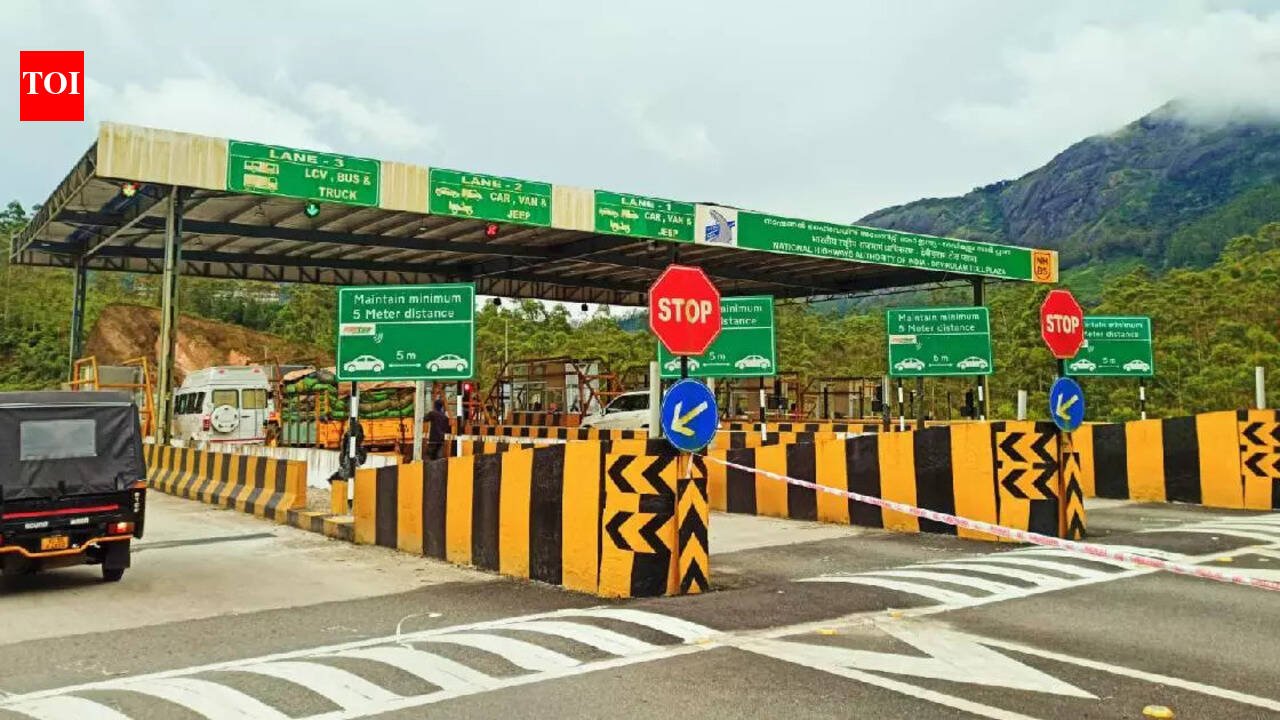
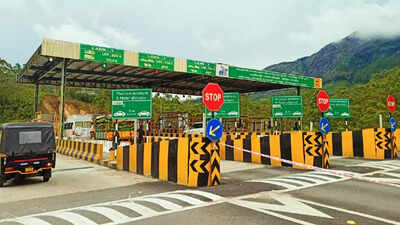
Cash payments at toll plazas across national highways will be discontinued from April 10, according to a government notification, marking a shift towards a fully digital tolling system. The move follows an earlier proposal by the government to phase out cash transactions at all National Highway fee plazas. The transition has been planned to build a fully digital tolling ecosystem and improve operational efficiency across the network.The National Highways Authority of India (NHAI) had earlier stated that all toll payments will now be processed exclusively through digital modes such as FASTag and the Unified Payments Interface (UPI). It said that the change is aimed at improving ease of commuting by increasing lane throughput, reducing congestion at toll plazas, and ensuring greater transparency and consistency in toll transactions.The authority further added that the complete shift to digital payments is expected to streamline traffic movement, minimise delays, and enhance the overall user experience at more than 1,150 fee plazas on national highways and expressways.Meanwhile, the National Highways Authority of India (NHAI) and the Uttar Pradesh Expressways Industrial Development Authority (UPEIDA) have revised toll rates.The updated charges, which will be applicable across national highways and expressways in the state, show a small upward revision. While toll on national highways will increase by up to 10% for passenger car owners, expressway charges in Uttar Pradesh have been raised in the range of 1.50% to 3.50%.Under the revised structure, car and SUV owners using the Lucknow–Agra Expressway will now pay Rs 675 instead of Rs 665, while two-wheeler riders will be charged Rs 335 instead of Rs 330 for a single trip.Similarly, user charges on the Gorakhpur Link Expressway have been increased by Rs 10 for four-wheelers and Rs 5 for two-wheelers, bringing the revised rates to Rs 295 and Rs 145 respectively. The increase will also apply to commercial vehicles, including buses and heavy multi-axle transport vehicles.

[ad_2]

Source link

US imposes 100% tariff on patented pharma imports: How it impacts India

[ad_1]

US imposes 100% tariff on patented pharma imports: How it impacts India

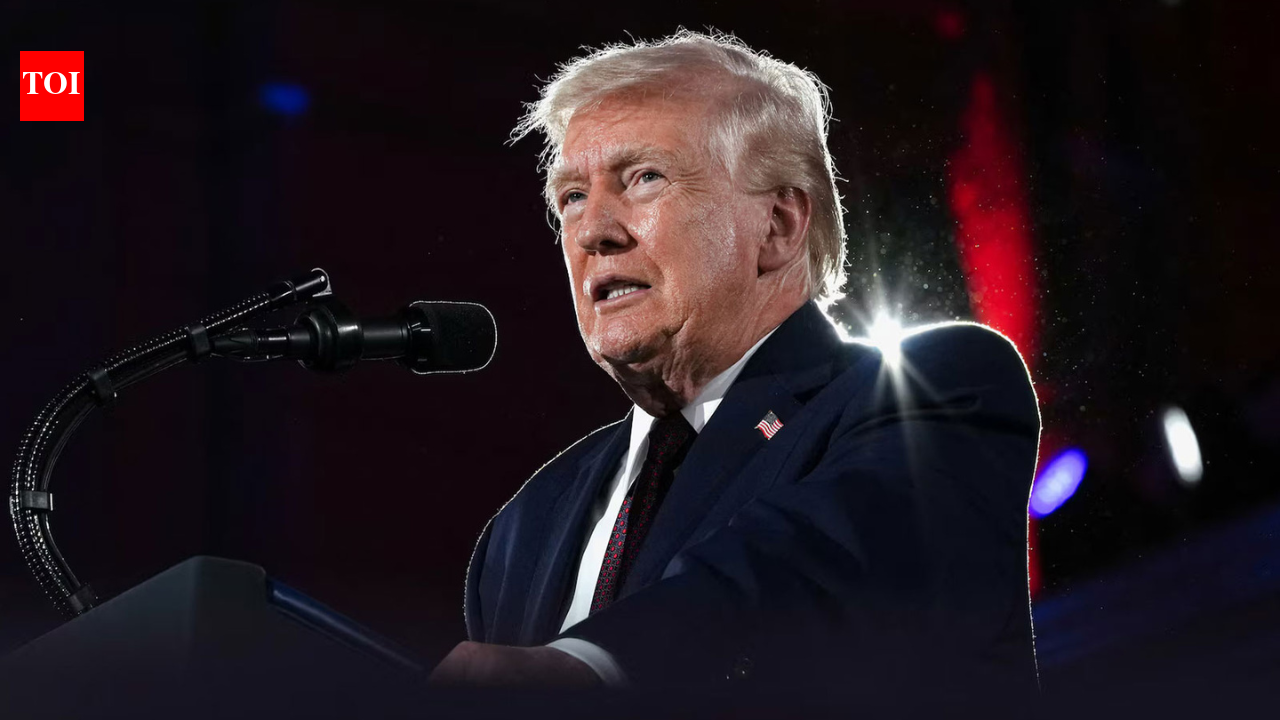
A year after US President Donald Trump’s “Liberation Day” tariffs shook global markets, Washington is back with another round, this time targeting drug and metal imports. The earlier tariffs, announced on April 2 last year, had sent ripples across major financial markets as investors assessed their impact. Now, the US has unveiled fresh measures on the same date, imposing duties of up to 100% on patented drugs made outside the country, while also tightening rules on key metals.But what does this mean for India? According to a report by the Global Trade Research Initiative (GTRI), the immediate impact is expected to be limited, although risks could emerge if the scope of these tariffs widens in the future. The latest move is aimed at pushing companies to manufacture within the US and reducing dependence on foreign supplies.

Watch

India Holds Off On US Trade Deal Signing As Washington Resets Global Tariff Architecture

What does Trump’s new tariff order say?

The US has imposed a steep 100% tariff on patented drugs manufactured outside the country, aiming to push pharmaceutical companies to shift production to the US. However, firms can avoid the full duty if they negotiate trade terms or commit to setting up manufacturing facilities locally. The US plans to impose tariffs of up to 100% on patented drugs and certain high-value pharmaceutical ingredients produced outside the country. These tariffs will take effect between August and September 2026, following a transition period of 120 to 180 days.Companies that lower prices or shift production to the US may benefit from reduced tariffs of 10–20% or avoid them altogether.The measure applies to multiple countries, including India. A White House official said the move is intended to cut reliance on foreign medicines, adding, “100% tariff is on patented products. Any patented drug imports from India made by companies that do not get approved for a reshoring plan will be subject to a 100% tariff,” ANI cited the official.Meanwhile, some countries have been granted relief. The European Union, Japan, South Korea and Switzerland will face a reduced tariff of 15% under existing arrangements, while Britain has secured tariff-free access for its medicines for three years. Companies can also benefit by adopting “Most Favored Nation” pricing and investing in US manufacturing.Generic medicines are currently exempt from the tariffs, although this will be reviewed after a year. “Generic medicines—making up over 90% of US drug use—are exempt for now, likely for about a year, to avoid shortages and price increases,” the report said.

How will Trump’s 100% tariff on pharma goods impact India?

For India, the impact is expected to be limited at present. The report notes that about 90% of India’s pharmaceutical exports to the US are generic medicines, which are currently exempt from the tariffs. In 2025, India exported $9.7 billion worth of pharmaceuticals to the US, accounting for 38% of its total global pharma exports of $25.8 billion. “The United States will impose tariffs of up to 100% on certain branded medicines and key pharmaceutical ingredients, while leaving generics untouched —a move that leaves India largely protected given its dominance in low-cost generic drug exports to the US,” GTRI said in its report. One senior White House official told ANI, “Generics, which constitute the majority of Indian pharma exports, are exempt from tariffs, but the Commerce Department will evaluate the state of generics reshoring and re-evaluate tariffs accordingly.” Meanwhile, some Indian companies could still be affected under the existing order, the think tank flagged.Firms producing branded or specialty drugs, or those supplying inputs for patented medicines, may face tariff pressure. The report also warns that generics are exempt only for now and may be reviewed after about a year, creating uncertainty. “A 100% tariff applies to patented products. Any patented drug imports from India made by companies that do not get approval for a reshoring plan will be subject to a 100% tariff,” the official clarified.Developed nations to face biggest impactThe tariffs are expected to hit developed pharmaceutical exporters the hardest. Countries such as Ireland, Germany, Switzerland, Belgium, Denmark, the United Kingdom and Japan, major suppliers of high-value and patented drugs, including biologics, are likely to be most affected.The report also highlights that the US has not offered exemptions based on trade agreements. Instead, relief depends on whether companies meet specific conditions such as cutting prices or investing in US manufacturing.

America’s tariff strategy: Pressure, not revenue

According to GTRI, the US is using tariffs mainly as a pressure tool rather than to raise revenue. The aim is to push companies to reduce drug prices in the US, shift manufacturing locally and strengthen control over key pharmaceutical supply chains.The order is based on a Section 232 investigation launched on May 1, 2025, which cited national security concerns over dependence on foreign drug supplies. It also signals continuity in US trade policy even after earlier tariff measures were struck down by the Supreme Court.The report further noted that the US is likely to continue using tools such as Section 232 of the Trade Expansion Act of 1962 and Section 301 of the Trade Act of 1974 to impose tariffs. “With the US Supreme Court striking down reciprocal tariffs, Washington is likely to rely more heavily on tools such as Section 232 of the Trade Expansion Act of 1962 (national security) and Section 301 of the Trade Act of 1974 (foreign trade barriers) to justify tariffs on a wide range of products and countries. In effect, the court’s decision has not changed the tariff strategy—it has only pushed the administration to shift the legal basis while keeping the pressure intact,” GTRI stated. This means even countries with trade agreements with the US are not fully protected, as such investigations and tariffs can still be applied regardless of existing deals.

Industry response and broader tariff push

Pharmaceutical companies, particularly in Europe, are expected to respond by adjusting their strategies. Some may offer limited price cuts, invest in US manufacturing or shift final-stage production such as packaging to the US. Others may revise pricing structures or delay product launches.Alongside pharmaceuticals, the US has also revised tariffs on metals including steel, aluminium and copper. These changes are aimed at boosting domestic production, addressing pricing concerns and strengthening national security.Overall, while India remains largely shielded for now due to the exemption on generics, the report cautions that any future expansion of the tariffs could increase risks for Indian exporters.India and the US have been in long-standing talks over a free trade agreement, culminating in an interim deal announced on February 2. As part of this, the US had agreed to lower tariffs on Indian goods to 18%. Last week, commerce and industry minister Piyush Goyal also met US trade representative Jamieson Greer to review the next steps in the negotiations. The meeting took place on the sidelines of the 14th WTO Ministerial Conference in Yaounde, where both sides discussed broader trade issues as well.However, the tariff structure has since changed. After the US Supreme Court struck down earlier sweeping tariff measures, US President Donald Trump introduced a temporary 10% tariff on all countries for 150 days starting February 24.
[ad_2]

Source link

Bank holiday on Good Friday: Where are banks closed today, on April 3, 2026? Check state-wise list

[ad_1]

Bank holiday on Good Friday: Where are banks closed today, on April 3, 2026? Check state-wise list

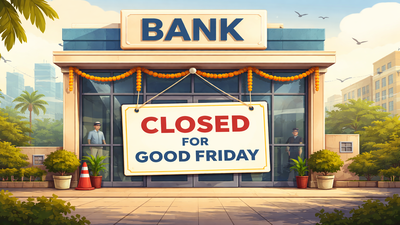
Bank holidays can be quiet confusing sometimes as they differ from state to state in the country, depending on the occassions and local festivals. Since holidays are determined by a mix of national events and regional festivals, there is no single calendar followed uniformly by bank branches across the country. As April has just began, many customers are wondering if banks remain closed on April 3.On April 3, 2026, banks in will remain closed in most parts of the country, due to Good Friday. However, branches will continue to function in Tripura, Chandigarh, Assam, Rajasthan, and Jammu and Kashmir.The staggered nature of closures will continue through April, with multiple festivals affecting operations in different regions.

Upcoming bank holidays in April, 2026:

April 14: Banks will be shut across most of the country for occasions such as Dr Babasaheb Ambedkar Jayanti, Maha Vishuva Sankranti, Biju, Buisu Festival, Tamil New Year’s Day, Bohag Bihu, Cheiraoba, and Baisakhi. Branches will, however, remain open in Mizoram, Madhya Pradesh, Chandigarh, Arunachal Pradesh, Nagaland, New Delhi, Chhattisgarh, Meghalaya, and Himachal Pradesh.April 15: Further closures are en route for banks in Tripura, Assam, Arunachal Pradesh, Kerala, West Bengal, Himachal Pradesh, and Uttar Pradesh on account of Bengali New Year’s Day (Nababarsha), Bohag Bihu, Vishu, and Himachal Day. In Assam, the Bohag Bihu holiday will extend to April 16 as well, keeping banks shut for an additional day.April 20: Towards the latter part of the month, Karnataka will observe a bank holiday for Basava Jayanti and Akshaya TritiyaApril 21: Tripura will see bank closures for Garia Puja.In addition to these dates, banks across India remain closed on all Sundays, along with the second and fourth Saturdays each month, as part of standard practice.With several interruptions lined up, customers planning to visit bank branches for services are advised to complete their work in advance. Activities such as large cash deposits, cheque-related transactions, and other services requiring physical presence at a branch may not be possible on these days.Despite the closures, digital banking channels will continue to operate without disruption. Customers will still be able to access services such as fund transfers and bill payments through online banking platforms, mobile apps, ATMs, and UPI. However, facilities that depend on in-branch processing, including cheque clearances, demand draft issuance, and high-value cash transactions, will remain unavailable during the holiday period.

[ad_2]

Source link

LPG rumours: Centre urges remaining states to prevent panic buying after only 17 conduct briefings

[ad_1]

LPG rumours: Centre urges remaining states to prevent panic buying after only 17 conduct briefings

Centre has urged states and Union territories to step up efforts to counter rumours around LPG supply, warning that inadequate public communication is contributing to unnecessary concern and panic buying in some areas. In a letter addressed to chief secretaries, the ministry of petroleum and natural gas said that at present, only 17 states and UTs are holding regular or occasional press briefings to address the issue. It stressed the need for wider and more consistent outreach to reassure citizens about the availability and distribution of LPG. In the letter, petroleum secretary Neeraj Mittal said, “it is observed that rumours and misinformation continue to circulate in certain areas, leading to avoidable public concern and instances of panic buying. As per information provided by State-level Coordinators of OMCs, only 17 States/UTs are presently conducting regular or intermittent press briefings.

Watch

Iran War Impact Hits India: Commercial LPG Prices Rise, Airfares Set To Surge As Fuel Costs Double

The states conducting such briefings include:

  • Andhra Pradesh
  • Arunachal Pradesh
  • Bihar
  • Gujarat
  • Himachal Pradesh
  • Jammu & Kashmir
  • Kerala
  • Madhya Pradesh
  • Maharashtra
  • Meghalaya
  • Nagaland
  • Odisha
  • Rajasthan
  • Tamil Nadu
  • Telangana
  • Uttar Pradesh
  • Uttarakhand

The ministry has urged the remaining states to introduce similar measures without delay.“In this regard, States/UT Governments are requested to intensify proactive and regular public communication. Daily press briefings at an appropriately senior level, along with timely dissemination of accurate information through social and electronic media, may be ensured to reassure citizens regarding adequate availability and smooth distribution of LPG and to effectively counter misinformation,” the Secretary wrote.The communication also called on authorities to remain vigilant against unfair practices linked to the situation.“Necessary action may also continue to be taken to curb malpractices such as hoarding and black marketing,” the letter added.The advisory follows an earlier communication issued on March 27, which had highlighted the impact of geopolitical developments in West Asia on global supply chains. According to the Ministry, these developments had coincided with a rise in misleading information on social media about fuel prices and LPG availability, placing additional strain on the country’s distribution network.This comes as the government has repeatedly assured that India’s crude oil inventories are adequate, with sufficient supplies for the next two months. Earlier in the week, Sujata Sharma, joint secretary at the minitsry said, “our refineries are operating at the highest levels. There have been no reports of any dry-out at retail outlets.” Meanwhile, the government has moved to ease the impact of rising oil prices on consumers and businesses. It has revised fuel duties, cutting the special additional excise duty on petrol to Rs 3 per litre and scrapping it completely on diesel. The Centre has also encouraged states to step up the process for PNG transition.

[ad_2]

Source link

Stock market holiday on Good Friday: Are NSE, BSE closed or open for trading today on April 3, 2026?

[ad_1]

Stock market holiday on Good Friday: Are NSE, BSE closed or open for trading today on April 3, 2026?

With Dalal Street swinging between gains and losses, investors are wondering: will the stock market stay open on April 3 for Good Friday? As per the exchange’s official holiday calendar, the stock market will remain closed on April 3 for the occasion, offering market participants a short trading week.Keeping a track of stock market holidays helps investors to plan their trading activity accordingly. It also makes it easier to manage things like fund transfers and settlements, which depend on trading days. Overall, it helps avoid disruptions and missing opportunities. Upcoming holidays for Dalal Street:

  • April 14 (Tuesday) — Dr Baba Saheb Ambedkar Jayanti
  • May 1 (Friday) — Maharashtra Day
  • May 28 (Thursday) — Bakri Id
  • June 26 (Friday) — Muharram
  • September 14 (Monday) — Ganesh Chaturthi
  • October 2 (Friday) — Mahatma Gandhi Jayanti
  • October 20 (Tuesday) — Dussehra
  • November 10 (Tuesday) — Diwali-Balipratipada
  • November 24 (Tuesday) — Prakash Gurpurb Sri Guru Nanak Dev
  • December 25 (Friday) — Christmas

Equity markets operate on all days except Saturdays, Sundays and holidays declared by the exchange. The pre-open session takes place between 09:00 hrs and 09:08 hrs, allowing orders to be placed and modified, with a random closure in the final minute before order matching begins. The main trading session for both normal and limited physical market segments runs from 09:15 hrs to 15:30 hrs. Following the close of regular trading, a closing session is held from 15:40 hrs to 16:00 hrs. Additionally, block deal transactions are conducted in two dedicated windows each trading day, the morning session from 08:45 AM to 09:00 AM and the afternoon session from 02:05 PM to 02:20 PM.

[ad_2]

Source link

Another round of Liberation day tariffs? Trump slaps patented drugs with 100% tariff, lowers duties for steel, aluminium

[ad_1]

Another round of Liberation day tariffs? Trump slaps patented drugs with 100% tariff, lowers duties for steel, aluminium

A year after the Liberation Day tariffs, US President Donald Trump has rolled out another set of duties, this time targeting medicines and key metals. The move is aimed towards pushing companies to manufacture within the US. The new measures impose tariffs on steel, aluminium and copper, strengthening efforts to boost domestic production.The announcements come a year after Trump rolled out sweeping tariffs on multiple trading partners under what he had termed “Liberation Day” on April 2, a move that had disrupted global supply chains and financial markets. Although those measures were struck down by the Supreme Court earlier this year, the administration has continued to pursue similar policies through alternate mechanisms.Here’s what the order says:

100% tariffs on pharma goods

The latest order on pharmaceuticals imposes a steep 100% tariff on patented drugs produced outside the United States. The measure is designed to encourage companies to relocate production domestically, unless countries negotiate trade agreements with Washington or firms commit to setting up manufacturing facilities in the US.Officials said large pharmaceutical companies have 120 days to present “reshoring plans”, while smaller firms have 180 days before the tariff comes into force. Companies that commit to building plants, expected to be completed by the end of Trump’s second presidency, will instead face a reduced tariff of 20%.“We expect the lion’s share of the world’s patented pharmaceuticals to be building in America,” a senior US official said. Commenting on the countries covered under the new move, which would also include India, a White House executive said that the measures will reduce US’s dependence on foreign nations for essential medicines. “100% tariff is on patented products. Any patented drug imports from India made by companies that do not get approved for a reshoring plan will be subject to a 100% tariff,” ANI cited the official.Nations with exemptionsSome partners have been granted exemptions and reduced rates. These include the European Union, Japan, South Korea and Switzerland, which will face a 15% tariff under prior agreements, while Britain has secured tariff-free access for its medicines for three years as part of a broader deal, according to the US Trade Representative’s office.Additional relief is available for companies that enter “Most Favored Nation” pricing arrangements with the administration while also investing in US-based manufacturing. Generic medicines are not currently covered by the tariffs, though this will be reviewed after a year.

Metals on the radar too

Alongside the pharmaceutical measures, Trump also signed a proclamation reshaping tariffs on steel, aluminium and copper, citing national security concerns and the need to strengthen domestic industry.Under the revised framework, tariffs will be calculated based on the full value of imported products rather than lower foreign price benchmarks. Products made almost entirely of these metals will attract a flat 50% tariff, while derivative goods containing substantial amounts will face a 25% duty on their full value. Certain industrial and electrical grid equipment will be taxed at 15% through 2027, and goods produced abroad using entirely American metals will face a lower 10% tariff. Items with minimal metal content, 15% or less, will no longer be subject to these duties.The changes will take effect from 12:01am Eastern Time on Monday.A senior administration official said the overhaul addresses concerns that “foreign countries were artificially manipulating” prices to reduce tariff payments. The revised structure, the official added, is intended to simplify the system and ensure fairer enforcement.“It’s a simplification and a fairness issue,” the official said.Despite concerns about rising costs ahead of midterm elections, the administration maintained that the measures would not affect household expenses. “These will not have impact on the price of the good on the shelf,” the official insisted.The White House said that the steps form part of a broader push to bolster domestic production of strategic materials and reinforce economic and national security. Officials highlighted ongoing expansion in US metals industries, including new steelmaking capacity and investments in aluminium and copper production, as evidence of the impact of existing tariff policies.The latest proclamation builds on earlier actions under the Section 232 programme, which has been used to impose and expand tariffs on key industrial imports. According to the administration, these measures have supported domestic producers, encouraged investment and helped create jobs, while ensuring that American industries can compete more effectively.

[ad_2]

Source link

Pakistan fuel crisis deepens: Diesel up 55%, petrol rises 42% amid Hormuz disruption

[ad_1]

As Iran War Jolts Pakistan's Economy, India Acts as Key Stabiliser for Neighbours

Pakistan has announced a sharp increase in petrol and diesel prices for the second time in less than a month, amid the ongoing Middle East war that has deeply impacted the global oil crisis.The latest hike is expected to worsen inflationary pressures and add to the economic burden on citizens already struggling with rising costs.The revised fuel prices were announced by petroleum minister Ali Pervaiz Malik during a press conference broadcast on state television, alongside finance minister Muhammad Aurangzeb.

Watch

As Iran War Jolts Pakistan’s Economy, India Acts as Key Stabiliser for Neighbours

Diesel prices have been raised by 54.9 per cent to 520.35 rupees per litre, while petrol prices have increased by 42.7 per cent to 458.40 rupees per litre, according to Reuters. The government has also increased kerosene prices by Rs34.08 per litre, taking it to Rs457.80 per litre. The new rates have come into effect immediately, making fuel significantly more expensive across the country.‘Inevitable decision’ amid global turmoilDefending the price hike, Malik said that the government had little choice but to pass on the burden of rising global oil prices to consumers. He stated that international markets had become highly volatile following the US-Iran war, which has disrupted supply chains and pushed crude prices sharply higher.Calling the decision ‘inevitable’, he said, “It ​was inevitable to raise the prices due to the international ⁠market prices going out of control after the US-Iran war.”

Why are fuel prices rising in Pakistan?

The sharp increase in fuel prices is closely linked to geopolitical tensions in the Middle East and Pakistan’s heavy reliance on imported oil. The ongoing conflict has disrupted supply routes, particularly through the Strait of Hormuz, a critical passage for global oil shipments. Pakistan depends largely on imports from countries such as Saudi Arabia and the United Arab Emirates, making it highly vulnerable to fluctuations in international prices. At the same time, global benchmarks have risen sharply, with oil markets witnessing significant volatility, leaving import-dependent economies like Pakistan with limited options.The government indicated that it can no longer sustain large-scale fuel subsidies due to mounting fiscal pressure. Malik said that around Rs129 billion had already been spent over the past few weeks to shield consumers from rising prices, according to Dawn. With limited resources and no immediate end to the conflict in sight, the government has decided to move away from blanket subsidies and instead focus on targeted assistance for the most vulnerable sections of society.“Since ​the resources are limited and there is no ​end to ⁠this war in sight, there was no way to continue with a blanket subsidy,” he said.

Relief measures for vulnerable groups

Finance minister Muhammad Aurangzeb announced a set of targeted relief measures aimed at cushioning the impact on specific groups. These include subsidies for motorcyclists, support for small farmers and financial assistance for the transport sector to help stabilise fares and ensure the continued movement of goods and passengers. The government also plans to extend support to low-income travellers using rail services.

[ad_2]

Source link