Breaking News
Pakistan Petrol Crisis: Petrol shock, free rides & more: How is Pakistan dealing with Hormuz energy crisis

[ad_1]
Petrol shock, free rides & more: How is Pakistan dealing with Hormuz energy crisis

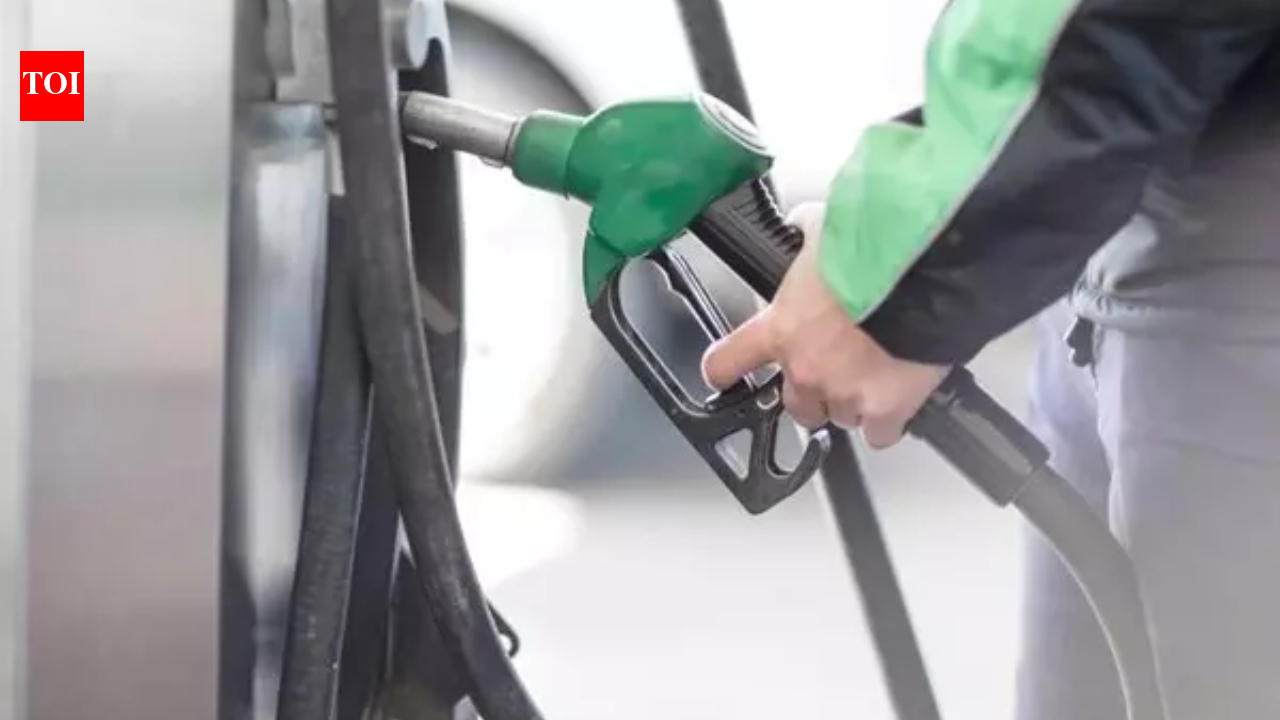
The Middle East crisis has stretched beyond the one month mark, sending ripples across the globe. While somes nations are hiking fuel prices, others are introducing other measures to cushion consumers from the impact while balancing energy reserves. Pakistan is no stranger to the ongoing energy volitality as the country imports almost 85% of its supplies through the Strait of Hormuz. Pakistan government has already raised petrol prices multiple times since the conflict began, with the last raise being on Friday. The sharp rise in fuel prices pushed the government to roll out emergency relief measures, including free public transport in key regions, as public anger spilled onto the streets. Authorities announced on Friday that commuters in Islamabad and Punjab will not have to pay fares on state-run transport for the next 30 days.

Watch

‘Petrol, Diesel Crisis Developing Worldwide’: PM Modi Urges Unity Amid West Asia Conflict

Balancing Hormuz crisis and consumer interest

The decision follows widespread unrest after petrol prices were raised overnight by 42.7% to 485 rupees per litre, triggering protests and long queues at fuel stations. However, after public outrage, Pakistan’s PM Shehbaz Sharif later revised the hike, bringing petrol down to 378 rupees per litre. “This decrease will be applicable for at least one month,” he said during a televised address, adding, “I promise I will not rest until your life is back to normal.Coming to diesel prices, the government had increased HSD price by PKR 184.49 per litre, from PKR 335.86 to PKR 520.35, but abolished the levy, providing some relief to citizens.Detailing the relief measures, interior minister Mohsin Naqvi said, “All public transport in Islamabad will be made free of cost for the general public for the next 30 days, starting tomorrow (Saturday),” noting that the government would shoulder a cost of 350 million rupees.Punjab has mirrored the move, removing fares on public transport and introducing “targeted subsidies” for trucks and buses. CM Maryam Nawaz Sharif also appealed to transport operators not to shift the burden onto passengers, saying, “We promise to relieve the public of economic burden as soon as conditions improve.”In Karachi, similar steps have been taken by the Sindh government, which announced subsidies aimed at motorcyclists and small farmers.

Middle East tensions strain Pakistan

The developments come against the backdrop of rising global energy disruptions linked to the US-Israel war on Iran, which began on February 28. The conflict has led to retaliatory strikes across the Gulf and disrupted movement through the Strait of Hormuz, a vital route for energy supplies, particularly to Asia.To manage the strain, Pakistan has introduced a series of fuel-saving steps, including a four-day workweek for many government offices, extended school holidays and a shift to online classes in some cases.The economic pressure is being felt acutely in a country where about 25% of the population of 240 million lives in poverty, according to World Bank figures. Earlier in March, fuel prices had already been increased by 20 percent, with authorities initially resisting further hikes.Protests broke out on Friday in Lahore, where demonstrators called for the government to withdraw the increase. “The government, overnight, has dropped a ‘petrol bomb’ on its people,” said Naveed Ahmed, a 39-year-old protestor. “Our nation cannot bear this situation right now. This storm of inflation must be stopped, and relief should be provided to the public.”Hafiz Abdul Rauf, another protester, questioned the reasoning behind the hike, saying, “The rise we are seeing is not due to the (Iran) war, but to pressure from the IMF, pressure that must be resisted. For God’s sake, step back from these demands and show some compassion for the people.”The pressure is not limited to Pakistan. Bangladesh has also raised prices of liquefied petroleum gas and compressed natural gas by 29%. Meanwhile, the International Monetary Fund warned earlier this week that vulnerable economies face not only rising energy costs but also disruptions in supply chains. On March 28, it said it had reached an initial agreement with Pakistan on a $1.2-billion support package.

[ad_2]

Source link

PNB, Union & IDFC Bank see credit outpace deposit growth

[ad_1]

PNB, Union & IDFC Bank see credit outpace deposit growth

MUMBAI: Credit growth continued to outpace deposit mobilisation for Punjab National Bank, Union Bank of India and IDFC FIRST Bank at the end of the March quarter, reflecting sustained loan demand in a tight liquidity environment.Punjab National Bank reported global advances of Rs 12,61,420 crore as of March 31, 2026, up nearly 13% year-onyear, while global deposits rose 9.3% to Rs 17,11,476 crore. The bank’s total global business stood at Rs 29,72,896 crore, reflecting a 10.8% increase. Domestic advances grew 12.2% to Rs 11,95,811 crore and domestic deposits rose 9.2% to Rs 16,49,409 crore. The global credit-deposit ratio stood at 73.7% at the end of the quarter.Union Bank of India reported global advances of Rs 10,78,779 crore, marking a 9.8% year-on-year increase, while global deposits rose 2.7% to Rs 13,06,900 crore. Total global business stood at Rs 23,85,679 crore, up 5.8%. Growth was led by the retail, agriculture and MSME segments, where advances rose 12.6% to Rs 5,98,620 crore. Domestic CASA deposits increased 7.9% to Rs 4,59,988 crore, with the CASA ratio improving to 35.2%.IDFC FIRST Bank reported loans and advances of Rs 2,90,362 crore at the end of March, up 20% year-on-year, while customer deposits rose 17.2% to Rs 2,84,327 crore. The bank’s CASA ratio improved to 49.8% from 46.9% a year earlier. It said customer acquisition remained stable through March despite year-end tax outflows and tight system liquidity. It said asset quality stress in its microfinance portfolio has normalised, supporting further credit growth.

[ad_2]

Source link
Microfinance replaces informal credit: Report

[ad_1]

Microfinance replaces informal credit: Report

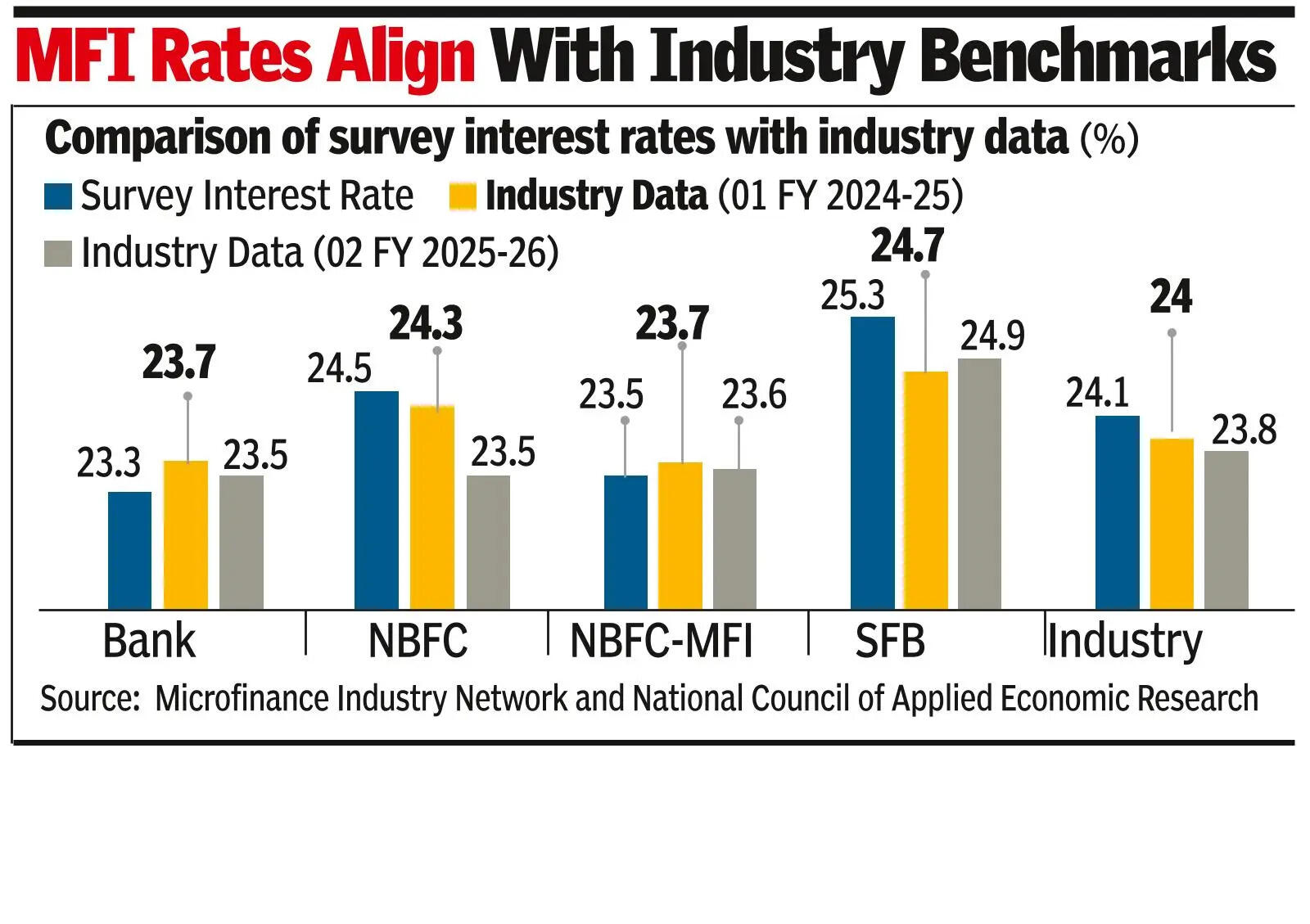
MUMBAI: A structural shift is reshaping India’s microfinance sector, with regulated lenders displacing informal sources as borrowing from moneylenders fell to 1% in 2024–25 from 46% in 2011, according to a survey by Microfinance Industry Network and National Council of Applied Economic Research.The survey, which covered 10,342 borrowers across 10 states, shows a maturing market where formal credit has become the primary source of finance for rural and semi-urban households. According to the report, microfinance now serves as the main driver of livelihoods rather than a fallback option.Digital adoption has reshaped disbursement, with nearly 100% of loans now credited directly into bank accounts of around 75 million women borrowers. According to the survey, this has reduced leakages and improved turnaround time, with average loan disbursal completed within six days. However, repayments remain largely cashbased. Only 12% of borrowers use digital modes such as UPI, while 88% continue to repay through cash collections conducted during group meetings. The report said this gap reflects a digital divide, as 61% of borrowers own smartphones but remain reluctant to transact digitally due to low financial literacy and concerns over fraud.The survey finds that microfinance lending is predominantly income-generating rather than consumption-led. Over 75% of loans are used for enterprise activities. According to the data, 48.1% of borrowers used credit to expand existing businesses, 14.4% to start new ventures, and around 13% for agriculture and allied activities. “Microfinance has become a bridge to opportunity and financial independence,” the report said, adding that 78% of borrowers contribute to household income.

Microfin India’s main credit source: Report

Informal Borrowing Collapses 45pp In 14 Yrs

Cost arbitrage remains a key driver of the shift away from informal credit. The average effective interest rate for regulated microfinance is around 33%, far lower than rates charged by informal lenders. According to the report’s qualitative findings, moneylenders charge between 97% and 178% annually and often demand gold as collateral.

[ad_2]

Source link

Steep slide: Forex reserves decline over $10bn in a week

[ad_1]

Steep slide: Forex reserves decline over $10bn in a week

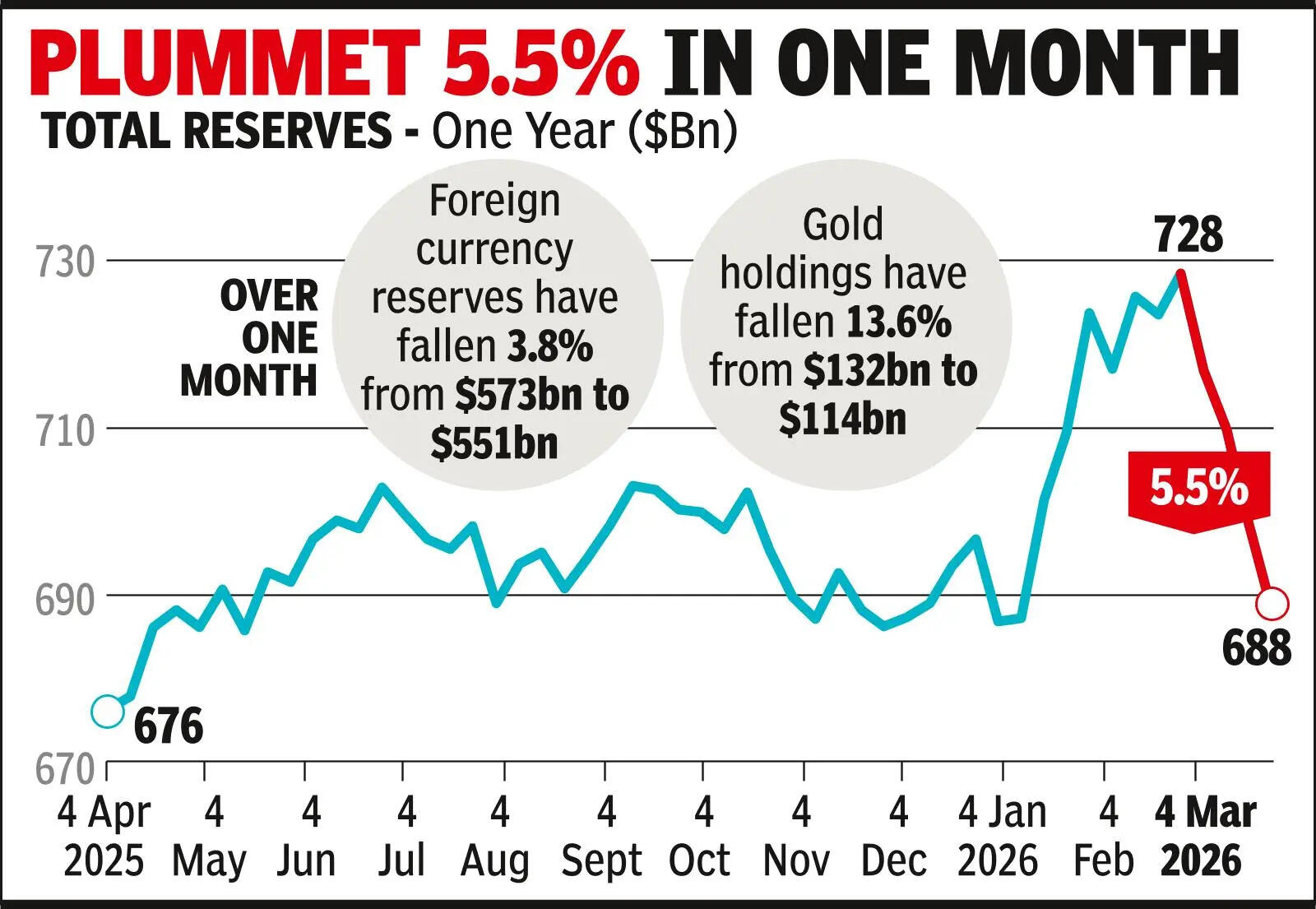
MUMBAI: India’s foreign exchange reserves fell sharply by $10.3 billion in the week ended March 27, 2026, taking the total to $688.1 billion, driven largely by a decline in foreign currency assets and gold holdings amid currency market intervention by RBI.The fall was led by foreign currency assets, which dropped by $6.6 billion. These assets, the largest component of reserves, reflect valuation changes in non-dollar currencies such as the euro, pound, and yen, and include the impact of RBI’s intervention to stabilise the rupee. Gold reserves declined by $3.7 billion during the week. The fall in gold, despite its smaller share in total reserves, points to a correction in global gold prices over the period. Other components showed limited movement. Special Drawing Rights rose marginally by $17 million, while the reserve position in the IMF declined by $17 million. These changes did not offset the losses in foreign currency assets and gold.With this week’s decline, forex reserves have dropped for four consecutive weeks by over $40 billion. RBI said India’s forex reserves fell by $11.4 billion last week (ended March 20, 2026) to $698.4 billion. The prior week (ended March 13) saw a $7.1 billion fall to $709.8 billion. This has led to talk among commentators about special measures that could be undertaken to attract foreign exchange flows.The rupee had weakened by over 4% until Wednesday before recovering 1.8% on Thursday after RBI tightened rules to curb speculative bets. The central bank asked banks to unwind long dollar positions. After some lenders shifted these positions to clients, RBI issued another directive on Tuesday asking banks not to offer hedging services in the nondeliverable forward market.

Steep slide: Forex reserves decline over $10bn in a week

Analysts are also concerned about RBI’s liabilities in the forward market. To defend the rupee, the central bank’s net short dollar forward position is estimated to have hit $77 billion in Feb 2026, and may have risen further in March. While this preserves immediate spot reserves, it creates a large future dollar liability. Maturing contracts can drain reserves and tighten liquidity. Despite the recovery on Thursday, dealers expect volatility to persist next week following the escalation of conflict.

[ad_2]

Source link

Mehli Mistry challenges eligibility of 2 trustees

[ad_1]

Mehli Mistry challenges eligibility of 2 trustees

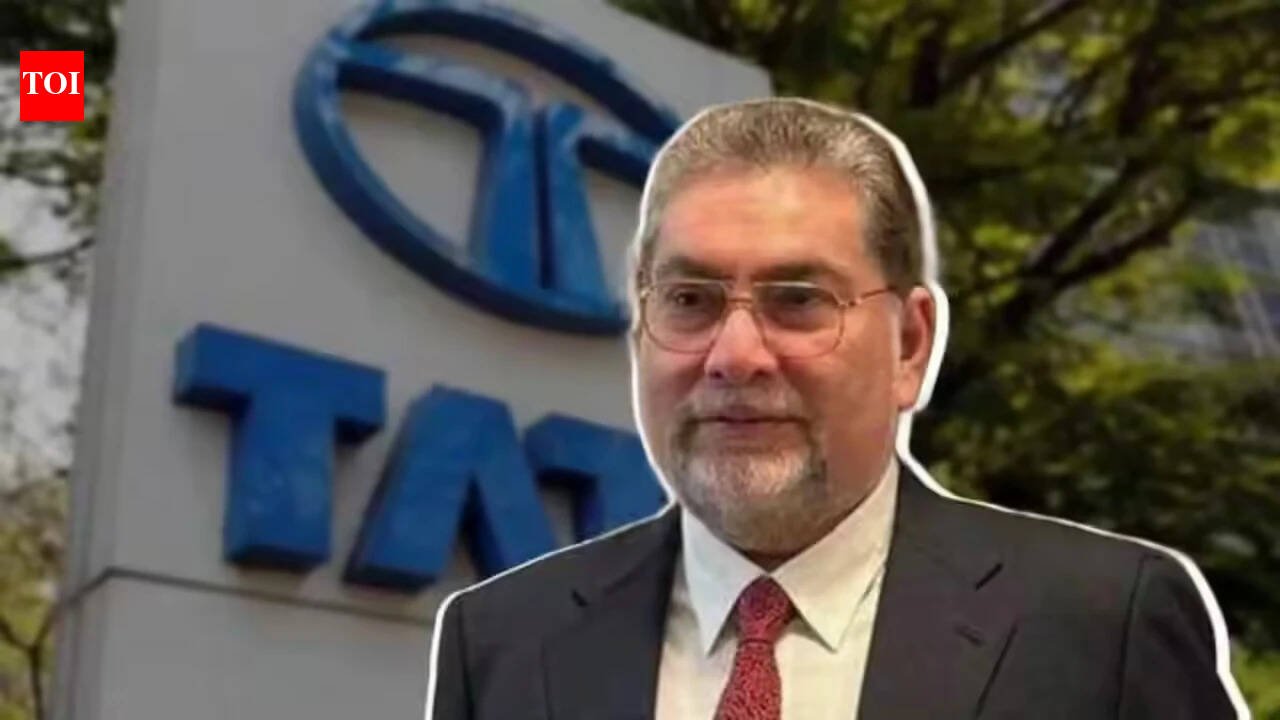
MUMBAI: Months after his exit, former Sir Ratan Tata Trust (SRTT) trustee Mehli Mistry has challenged the positions of Venu Srinivasan and Vijay Singh on the board of the Bai Hirabai Jamsetji Tata Navsari Charitable Institution, arguing they are ineligible under the 1923 deed, which bars non-Zoroastrians and non-Mumbai residents, and has called for an official enquiry.The Bai Hirabai Institution is an associate trust of SRTT, a major shareholder in Tata Sons, which runs the $180 billion Tata conglomerate. It was established under the will of Sir Ratanji Tata, the second son of Tata Group founder Jamsetji Tata, who bequeathed properties in Navsari, Gujarat—the Tata family’s ancestral home—to the institution. The real estate was intended for the Parsi community’s use, serving as a recreation ground, nursing home, or hospital.In his objection application filed with the Maharashtra charity commissioner on Friday, Mistry said that given the alleged “illegalities” in the institution’s governance, an administrator should be appointed to replace the current board of trustees, which includes Noel Tata, Jimmy Tata, Jehangir Jehangir, and Darius Khambata. His trusteeship at the institution was not renewed last year following a vote by Noel, Srinivasan, and Singh against it. All six of these individuals also serve on the board of SRTT, where his term was likewise not extended. Mistry cited clauses 6 and 18 of the 1923 deed, saying: “No person who is not of Zoroastrian faith shall be appointed as a trustee, and if any trustee ceases to profess the Zoroastrian faith, he shall cease to be a trustee, as if he were ‘dead’. Similarly, any person who ceases to be a permanent resident of the Bombay Presidency shall also cease to be a trustee.”He contended that Srinivasan, chairman emeritus of TVS Motor, and Singh, a former defence secretary, have “never been, and cannot be, of Parsi Zoroastrian faith” and do not have any permanent residence in Mumbai. Both never met the two clauses and are “expressly disqualified from acting as trustees.”Mistry, a Parsi Zoroastrian with a permanent residence in Mumbai, said all trustees should submit affidavits confirming they meet the qualifications under clauses 6 and 18, ensuring strict compliance with the trust deed. He urged the commissioner to “initiate a detailed inquiry…by calling for an affidavit from each applicant.”Mistry asserted that Srinivasan and Singh’s appointments are void from inception, and any actions they took as trustees including their votes against his trusteeship extension are non est in law and without authority. His Friday objection follows the Bai Hirabai Institution’s submission of a change report to the commissioner, reflecting the revised board composition after his trusteeship extension was rejected. Mistry said his tenure was not renewed “without assigning any reason” and argued that the change report is not maintainable, as it is contrary to the trust deed.According to him, if the unqualified trustees are excluded, the total number of trustees would fall below the minimum of five required under the trust deed. He further submitted that “no meetings have been conducted” at the Bai Hirabai Institution “over the past two years, with no regard for the consequences for the beneficiaries of the trust or its legacy of public and charitable works.” He asked the commissioner to call for minutes of all meetings held during this period and to inspect all records.Mistry clarified that his objective is solely to expose the alleged illegal functioning of the institution and is not aimed at seeking his reinstatement. Mistry said his move is motivated by a commitment to uphold the principles of Sir Ratanji Tata’s will, honour the legacy of predecessors, and safeguard the institution’s charitable mandate entrusted to him by former chairman Ratan Tata for the welfare of the Parsi community. Noel and Srinivasan did not respond to an emailed query, while Singh declined to comment.

[ad_2]

Source link

GI applications cross 2,000 mark on Centre’s push

[ad_1]

GI applications cross 2,000 mark on Centre’s push

HYDERABAD: The Centre’s push to ensure 10,000 geographical indication (GI)-tagged products by 2030 seems to have moved into a higher gear, with the total number of GI applications finally crossing the 2,000 mark to reach 2,013 as on April 2, 2026.While Kashmir Kagzi Badam was the 2,000th application to be filed on April 2 this year, Sikkim’s Chyabrung was the 2,013th application to be filed on the same day. Since April 1, 2025, when Khavda pottery of Kutch became the 1,482nd application to be filed, the highest number of GI applications, at 510, have been filed in FY25-26 alone, the highest in a single fiscal since the first GI for Darjeeling tea was filed in Oct 2003.In fact, if the past two fiscal years saw over 780 GI applications being filed, just the past three days saw 21 GI applications being filed. Till date, as many as 724 GI-tagged products have been registered across the country. GI experts attributed the acceleration in application filing to the govt push that involved slashing the fees from Rs 5,000 to Rs 1,000 last year.

[ad_2]

Source link

Jobs in informal manufacturing sector below 2015-16 levels: Survey

[ad_1]

Jobs in informal manufacturing sector below 2015-16 levels: Survey

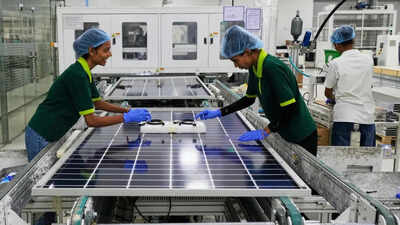
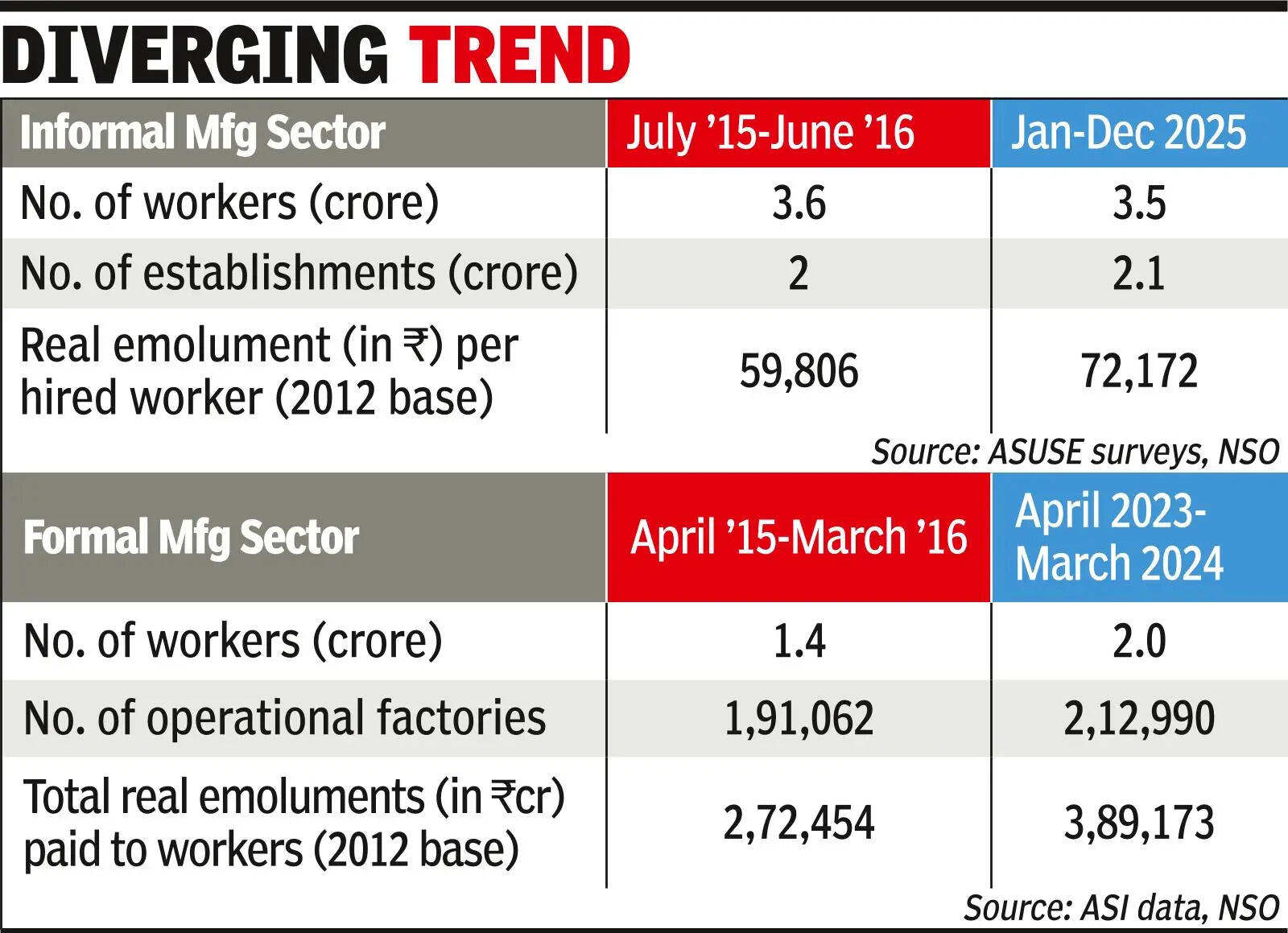
NEW DELHI: India’s vast informal manufacturing sector has seen jobs stay flat for nearly a decade, while the formal manufacturing sector has seen an increase, marking a sharp divergence in the growth trajectory of the two segments.An analysis of the latest unincorporated enterprises survey released last month showed that 3.5 crore people were employed in informal manufacturing in 2025, as compared to 3.6 crore in 201516, while the number of enterprises rose to 2.1 crore from 2 crore.In contrast, data from the latest annual survey of industries (ASI), which tracks the formal manufacturing sector, showed that a little under 2 crore were employed in 2023-24, up 37% over 201516 (see graphic).Santosh Mehrotra, visiting professor at the University of Bath, said that in the past few years, the organised sector has gained at the expense of the unorganised sector, but added that this does not imply formalisation of the economy. “Instead, it reflects the growing stratification of the economy, wherein a relatively small formal sector is witnessing a spurt in productivity and growth and the vast informal sector which is the mainstay of the vast population is facing stagnation,” he added.The divergence between the two sectors is also visible in the worker’s earnings.Between 2015-16 and 2025, in real terms, the emoluments per hired worker in informal manufacturing enterprises grew at a compound annual growth rate (CAGR) of 2.1% to Rs 72,172 from Rs 59,806.

Jobs in informal mfg sector below 2015-16 levels: Survey

In contrast, total emoluments paid to workers in real terms in the formal manufacturing sector grew at 4.5% CAGR between 2015-16 and 2023-24. The net profit in the formal manufacturing sector, meanwhile, grew at 4.4% CAGR during this period.

[ad_2]

Source link

Contract workers face job loss risks on fuel, input supply woes

[ad_1]

Contract workers face job loss risks on fuel, input supply woes

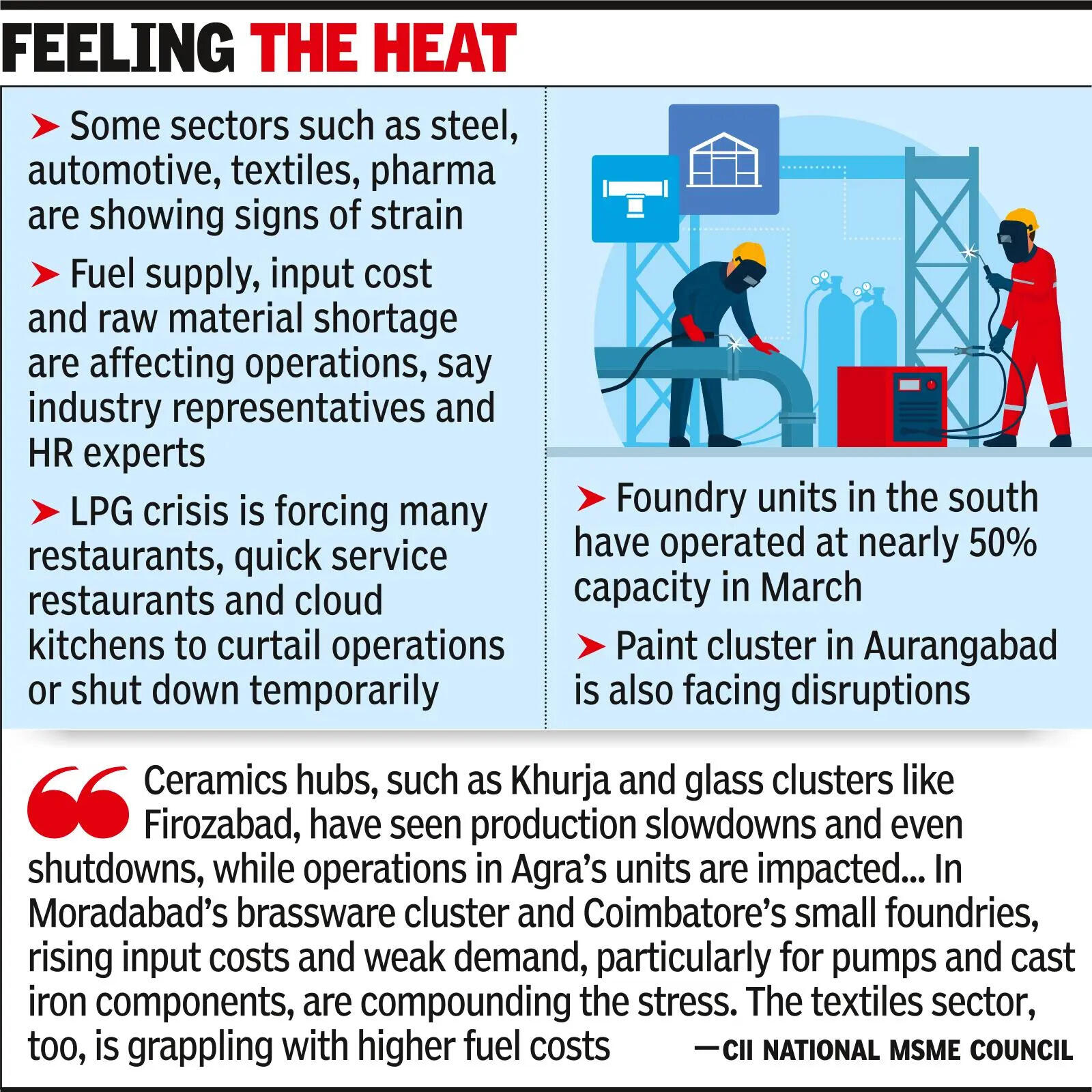
NEW DELHI: Fuel and raw material supply constraints, which have forced shutdowns in certain segments of manufacturing, especially small businesses, may hurt contractual and gig workers.Some signs of strain are visible in certain sectors, including steel, automotive, textiles, pharma, medical devices as fuel supply, input cost and availability (shortage) bite into operations, industry representatives and HR experts told TOI .

Watch

Big Fuel Tax Cut By Centre, But No Price Relief: Why Petrol And Diesel Still Cost The Same In India

Restaurants, quick service restaurants (QSRs) and cloud kitchens are also feeling the heat, with the LPG crisis forcing many to curtail operations or shut down temporarily.

Contract workers face job loss risks on fuel, input supply woes

The disruption has forced larger players to halt operations and switch to alternate fuels, according to stock exchange filings by certain companies. Kirloskar Ferrous Industries resumed one of its plants on March 21 after an LPG-driven shutdown, while Jubilant FoodWorks, which operates Domino’s, is accelerating a shift to electricity and piped natural gas.While no hard data is available yet on the scale of job losses, multiple companies and industry experts across sectors confirmed the trend.“Supply chain disruptions triggered by the LPG crisis are beginning to hit a wide swathe of MSME clusters and labourintensive sectors. Small and medium automotive component makers, critical to the car industry’s supply chain, are among those worst affected, given their dependence on gas. Ceramics hubs, such as Khurja and glass clusters like Firozabad, have seen production slowdowns and even shutdowns, while operations in Agra’s units are impacted. Glass, packaging, paints and plastics are facing supply shortages, with a cascading effect on downstream industries, including automobile and pharma. In Moradabad’s brassware cluster and Coimbatore’s small foundries, rising input costs and weak demand, particularly for pumps and cast iron components, are compounding the stress. The textiles sector, too, is grappling with higher fuel costs,” said Ashok Saigal, chairman of CII National MSME Council.Foundry units in the south operated at nearly 50% capacity during March, while the paint cluster in Aurangabad were also disrupted. Adding to the strain is migrant labour distress, with LPG (cooking gas) cylinder refill costs surging from around Rs 150 to Rs 450 per kg, many workers are opting to return to their villages, deepening labour shortages, he added.The pressure is equally visible in India’s gig economy. The gig workforce is estimated at around 1.2 crore, a majority concentrated in last-mile delivery and those with cab aggregators, making this segment particularly sensitive to both demand shocks and workforce fluctuations, says Balasubramanian A, senior VP with TeamLease Services, an HR firm.“Platforms are likely to push toward multi-category roles for workers, reducing dependence on a single segment like food delivery. Also, during elections, harvest seasons and key festivals, a section of workers typically returns to home states, further tightening availability. With polls this month in several states, this (labour) pool could get tightened,” he said.“While no immediate structural change is expected from companies, gig workers are already adversely impacted by the slowdown in operations,” says Sonal Agrawal, managing partner, Accord India/AltoPartners.

Poll

How do you think the LPG crisis will impact small businesses in India?

Organisations are currently moving beyond reactive measures toward a more resilient recalibration of their workforce models, particularly within the gig and delivery ecosystems, says Yeshab Giri, chief commercial officer, operational talent solutions, Randstad India, a talent company.

[ad_2]

Source link

Government seeks to push cooktop production, allow imports

[ad_1]

Government seeks to push cooktop production, allow imports

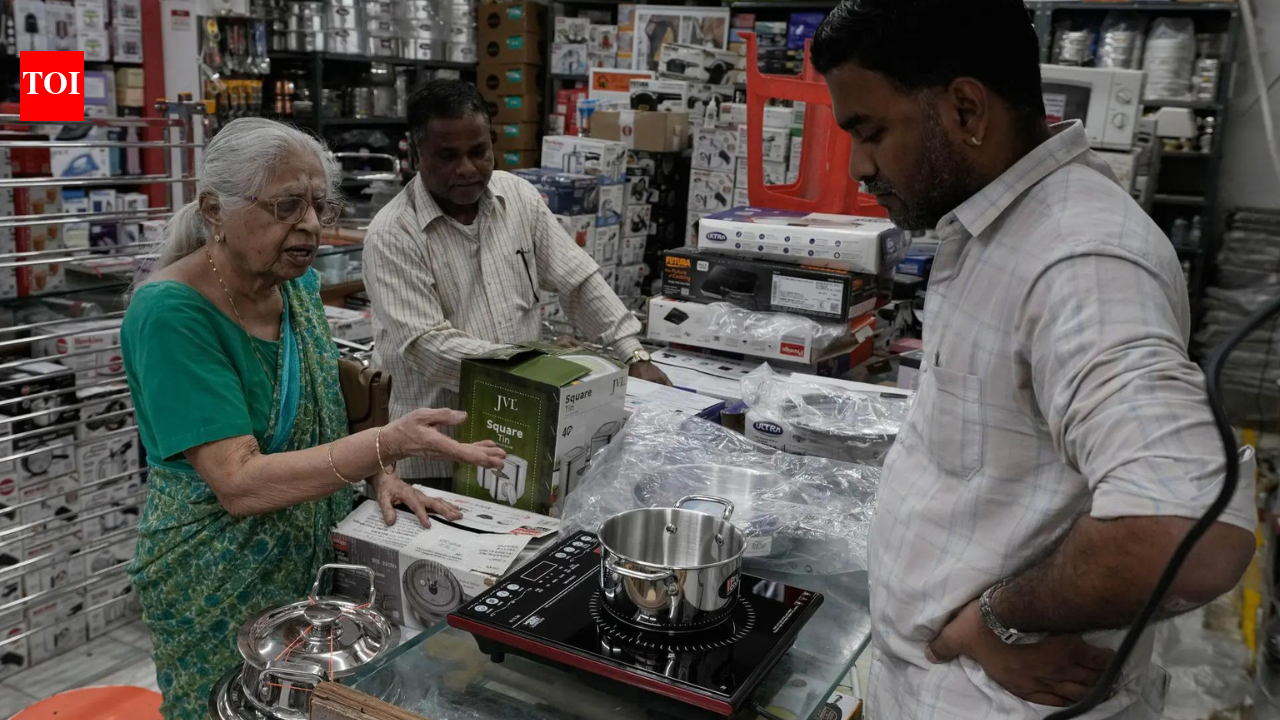
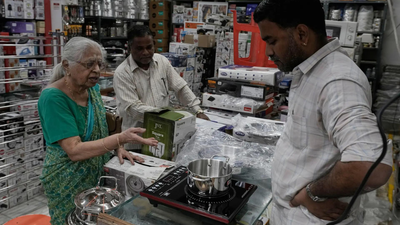
NEW DELHI: Govt is working to step up the supply of induction cooktops and vessels, while nudging companies and institutional kitchens to move to electricity-based cooking to reduce pressure on gas.To meet the immediate requirement of cooktops, whose demand has increased in the wake of LPG concerns, imports are lined up, while domestic production is sought to be speeded up in the coming weeks.Commerce & industry minister Piyush Goyal, DPIIT secretary Amardeep Singh Bhatia, power secretary Pankaj Agarwal and DGFT Lav Aggarwal discussed the issue on Saturday, which was followed by discussions with industry representatives.

Watch

Russia Offers To Supply More Oil To India Amid Hormuz Crisis, Russian Oil Imports Jump 90% In March

In the coming days, govt is expected to relax some of the norms, such as postponing the implementation of a quality control order on consumer electronics by six months, to create domestic production capability.Induction cookers have around 60% import component, including PCB and microcrystalline glass, while the vessels used for cooking need a layer of coating which is also imported in large quantities. Industry executives have sought concessions, including lower import duty on certain inputs as well as a cut in GST.The initial rush for cylinders resulted in consumers flocking to stores and e-commerce sites, resulting in a stockout on several online platforms.Industry sources said that they have placed orders for cooktops, which are expected to land over the next few weeks, including through air freight. A senior govt official said govt wants to ensure adequate availability and reasonable pricing of induction cooktops.Separately, govt is also pushing factories, canteens and restaurants with large kitchens to shift from LPG or piped gas to electric cooking. Industry estimates suggest that converting an industrial kitchen from LPG to induction may cost about Rs 15 lakh, compared with annual LPG costs of about Rs 50 lakh. This could result in annual savings of Rs 35 lakh, and a total payback period of around three years, as electric kitchens are about three times more expensive to set up.Already, as reported by TOI in its Chennai edition, companies such as engineering firm Danfoss India, Daimler India Commercial Vehicles and auto components maker ZF have moved to electric cooking. In an exchange filing, Jubilant Foodworks, which has franchisee arrangements with several players, including Domino’s Pizza, said it is working on alternate energy sources like electricity and piped natural gas to conserve LPG.

Poll

How do you feel about the current prices of induction cooktops?

Several companies making induction cooktops had seen an increase in prices when demand surged initially but most have seen the value erosion since the start of the war in Iran.

[ad_2]

Source link

Pakistan to repay $2 billion loan to UAE amid Middle East tensions

[ad_1]

Pakistan to repay $2 billion loan to UAE amid Middle East tensions

Pakistan will repay a $2 billion loan to the United Arab Emirates (UAE) by the end of this month, a media report said on Friday.“The UAE recently asked for the immediate return of the funds in the wake of the recent situation in the Middle East following the US-Israel war on Iran,” sources told Geo News, as quoted by PTI.

Watch

As Iran War Jolts Pakistan’s Economy, India Acts as Key Stabiliser for Neighbours

The loan had been provided to support Pakistan’s balance of payment, and the amount was kept with the State Bank of Pakistan (SBP) as a safe deposit. Insiders said Pakistan has been paying around 6 per cent interest on the amount.In the past, the UAE used to roll over the deposit on a yearly basis. However, in December 2025, the amount was first extended for one month and then for two months until April 17.For the current fiscal year, Pakistan required a rollover of approximately $12 billion in external deposits, including $5 billion from Saudi Arabia, $4 billion from China, and $3 billion placed by the UAE.Pakistan currently holds more than $21 billion in reserves and will be able to repay the UAE, but it may need external financing in the coming months.

[ad_2]

Source link