Breaking News
BCCI contracts: Virat Kohli, Rohit Sharma may be moved to Grade B | Cricket News
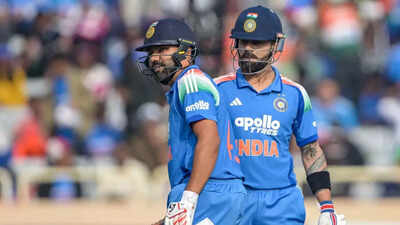

BCCI contracts: Virat Kohli, Rohit Sharma may be moved to Grade B
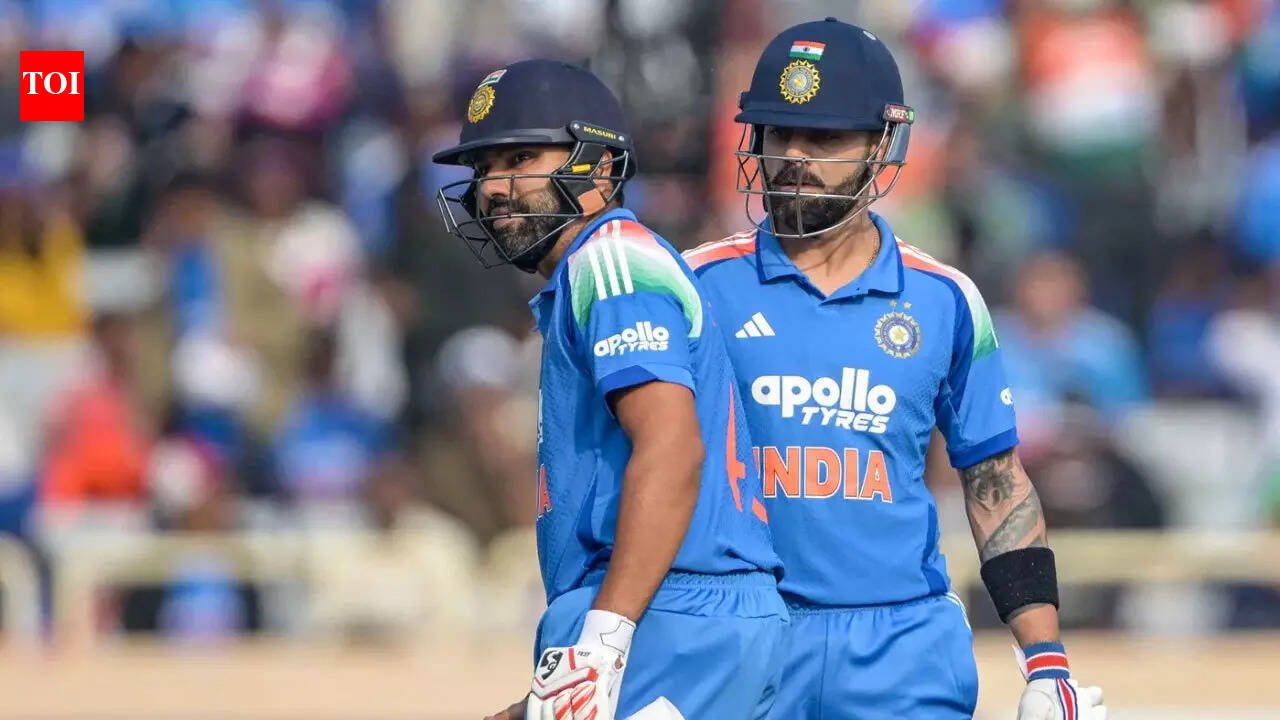
Virat Kohli and Rohit Sharma (Image credit: AFP)

MUMBAI: India’s premier pacer Jasprit Bumrah, ODI and Test skipper Shubman Gill and veteran allrounder Ravindra Jadeja are the only three players who will be given Grade A central contracts for 2025-26 by the BCCI, while former captains Virat Kohli and Rohit Sharma, who play only the ODI format now, have been kept in the ‘B’ category, TOI has exclusively learnt. Kohli and Rohit are both modern-day legends and were in the A+ category earlier, but have been moved to the B category as they now play only one out of three formats. Overall, 30 Indian players will be given the BCCI central contracts for the 2025-26 season, as per the recommendations of the national selectors. The Board is expected to officially announce the list of contracted players soon.

T20 World Cup Groups Explained: Who Can Reach the Super 8

Bumrah, India’s premier pacer across formats and team’s strike bowler, was in the A+ category, and so was Jadeja. For Gill, being retained in the A category of central contracts is a major source of relief after being dropped from India’s T20 squad just ahead of the 2026 T20 World Cup at home. Like Kohli and Rohit, Jadeja has retired from T20Is, but he still features in Tests and ODIs, where he has been in poor form of late. TOI had reported in its Jan 21 edition that BCCI was set to make a major overhaul in its Annual Central Contracts system, with sweeping changes that could significantly reshape the hierarchy of Indian cricket’s elite players, for the 2025-26 season. The Ajit Agarkar-led national selection committee had proposed doing away with the prestigious Grade A+ category, which was introduced back in 2018 altogether, a move that directly impacted senior stalwarts Kohli and Rohit.Including Rohit and Virat, there are 11 players Who will be given Grade ‘B’ central contracts by the BCCI. The others in this category are: Off-spinning allrounder Washington Sundar, Test opener and ODI ‘keeper-batter KL Rahul, senior pacer Mohammed Siraj, white-ball allrounder Hardik Pandya, India’s Test vice-captain Rishabh Pant, Chinaman bowler Kuldeep Yadav, India’s Test and ODI opener Yashasvi Jaiswal, India’s T20 captain Suryakumar Yadav, and ODI middle-order batter Shreyas Iyer.Grade C contracts will be given to 16 players-Axar Patel, Tilak Varma, Rinku Singh, Shivam Dube, Sanju Samson, Arshdeep Singh, Prasidh Krishna, Akash Deep, Dhruv Jurel, Harshit Rana, Varun Chakravarthy, Nitish Kumar Reddy, Abhishek Sharma, Sai Sudarshan, Ravi Bishnoi and Ruturaj Gaikwad.Jemimah promoted to A category contractMeanwhile, in the case of the Indian women’s team, the biggest gainer in the case of annual retainership for 2025-26 is India’s 2025 World Cup semifinal hero Jemimah Rodrigues, who has been promoted to the A category, where she joins skipper Harmanpreet Kaur, vice-captain Smriti Mandhana and ace allrounder Deepti Sharma. Rodrigues, who captained Delhi Capitals to the final in the recently-concluded Women’s Premier League, had slammed brilliant 127 not out off 134 balls to fashion a stunning five-wicket win over Australia in the semifinal of the 2025 Women’s ODI World Cup in Oct-Nov last year at the DY Patil Stadium in Navi Mumbai. Before that game, the Mumbai batter had smashed 76 not out off 55 balls against New Zealand to contribute to India’s win in a do-or-die game for them at the same venue.The list of men’s contracts for 2025-26Grade A: Jasprit Bumrah, Shubman Gill and Ravindra Jadeja.Grade B: Washington Sundar, Rohit Sharma, Virat Kohli, KL Rahul, Mohammed Siraj, Hardik Pandya, Rishabh Pant, Kuldeep Yadav, Yashasvi Jaiswal, Suryakumar Yadav, Shreyas Iyer. Grade C: Axar Patel, Tilak Varma, Rinku Singh, Shivam Dube, Sanju Samson, Arshdeep Singh, Prasidh Krishna, Akash Deep, Dhruv Jurel, Harshit Rana, Varun Chakravarthy, Nitish Kumar Reddy, Abhishek Sharma, Sai Sudarshan, Ravi Bishnoi, Ruturaj Gaikwad.List of Women players for 2025-26 contractsGrade A: Harmanpreet Kaur, Smriti Mandhana, Jemimah Rodrigues, Deepti Sharma.Grade B: Renuka Thakur, Shafali Verma, Richa Ghosh, Sneh Rana.Grade C: Radha Yadav, Amanjot Kaur, Pratika Rawal, Kranti Gaud, Uma Chhetri (wk), Arundhati Reddy, Shree Charini, Yastika Bhatia, Harleen Deol, Kashvi Gautam, G Kamlini (wk), Vaishnavi Sharma, Tejal Hasbnis.


Source link

No tariff cut likely for US grains, meat, animal feed


No tariff cut likely for US grains, meat, animal feed

NEW DELHI: Animal feed, ethanol for fuel, poultry, flowers and tea are likely to be among items on the negative list for import concessions given to the US under the first tranche of bilateral trade deal, for which a joint statement is expected in the next few days, reports Sidhartha.In line with commerce and industry minister Piyush Goyal’s assertion that India’s sensitivities in agriculture and dairy have been protected, persons familiar with the deliberations told TOI that rice, wheat, other cereals, dairy products, soymeal, maize, meats and genetically modified food products are the other items on the list where India is not offering any tariff concessions.US corn resisted over GM food concernsIn addition, they said that potatoes, onion, garlic, copra, atta, chicken and tobacco are also expected to be outside the ambit of the first tranche of the framework agreement. Those familiar with the discussions said even in other product segments, govt will go for calibrated opening up, opting for quotas in products such as apples, something it has done with the EU and New Zealand, while also opting for a long phasing period. India has so far managed to keep dairy and agriculture outside the ambit of its trade deals, including the ones with the UK and the European Union, and has made a strong effort to continue with protection for vulnerable sections of society. Officials have argued, including with the US, that Indian farmers have small land holdings with several of them undertaking subsistence farming and allowing even limited quantities of wheat and rice would be detrimental to their interests. Genetically modified food is the other area of concern given that govt has reservations on allowing such products into the country and allowing American corn would have opened the doors to GM food, something that was being resisted. One of the options was to allow ethanol blending but that would upset sugarcane growers. India’s import of agricultural goods from the UK are pegged at over $2 billion, while exports are around $3.4 billion. As part of the framework agreement for BTA, the US agreed to lower reciprocal tariff for Indian exports into its market to 18%, from 50%, which includes 25% secondary or penal tariffs for New Delhi purchasing Russian oil.


Source link

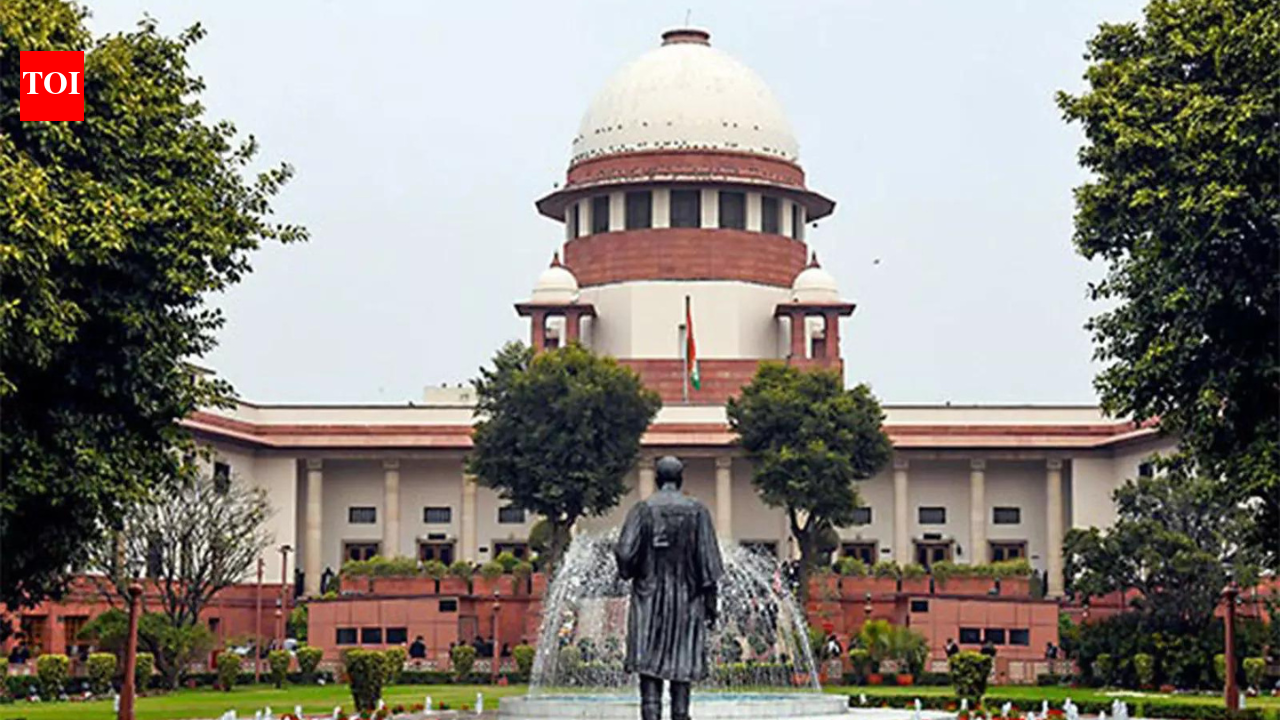
Minor has right over reproductive choice: Supreme Court | India News


Minor has right over reproductive choice: Supreme Court

NEW DELHI: A minor’s mother sought Supreme Court’s permission for termination of her daughter’s pregnancy, taking into consideration that the child would be illegitimate and the girl had to live her life with mental trauma and social stigma. The court said the girl has a right over her reproductive autonomy. The Medical Termination of Pregnancy (MTP) Act, 1971 allows abortion up to 20 weeks based on the opinion of one registered medical practitioner, and up to 24 weeks for specific categories of women (including rape survivors and minors) with the opinion of two doctors. Contending that she did not want to give birth to the child, the petitioner sought abortion on the grounds that continuing with pregnancy and giving birth would cause her trauma. Maharashtra govt however, told the court that the fetus at 30 weeks had a beating heart and termination at this stage would result in premature birth of a child who would face the risk of abnormality. The lawyer for the state, Devanshi Singh, contended that the baby could be handed over to an orphanage. The bench asked the state whose interests it was trying to protect. The lawyer responded that it was for the court to take a call. She also brought to the notice of the bench an earlier order passed by SC in 2017, when termination of more than 30 weeks pregnancy was allowed as the girl was only 13 and a rape survivor. Considering the totality of the situation, the court passed the order in favour of the girl but said that termination of pregnancy should not result in feticide. “It is an illegitimate child. We don’t want to comment on the relationship. They cannot get married and she has to carry the stigma for the rest of her life. We have to consider her mental aspect. Can the court ask her to continue with the pregnancy and deliver the child? If we do, then people would not come to court to seek permission and they would go to quack and illegal centres for abortion and life and health would be put at risk,” the bench said. “Whose interest would prevail is the question. It is very difficult to decide,” the SC bench said. With any delay likely to complicate the situation further, the bench directed termination of pregnancy. “We direct the JJ Group of Hospitals, Mumbai, to conduct the procedure of medical termination of pregnancy of the daughter of the appellant herein by bearing in mind all medical safeguards,” the bench said. The mother had moved SC, through lawyer Shantanu Adkar, after her plea was rejected by Bombay HC, which had held that a forced termination would amount to feticide as the “fetus is healthy and viable”. It had directed that the teen be provided comprehensive medical and psychological support until her delivery and the child be given away to a registered orphanage. According to the petition, the pregnancy was the result of the girl’s relationship with a friend. The mother alleged that the friend had forced the girl into a physical relationship after promising to marry her and FIR had been filed against him.


Source link

Supreme Court to examine HP decision to withdraw cases against 65 netas | India News


Supreme Court to examine HP decision to withdraw cases against 65 netas

NEW DELHI: Himachal Pradesh govt on Friday moved Supreme Court questioning the HC’s decision not to permit it to withdraw in entirety 65 FIRs, involving non-serious offences, lodged against MPs, MLAs and politicians. On July 20, 2023, the Congress govt headed by Sukhvinder Singh Sukhu moved a petition before the HC seeking permission to withdraw prosecution against current and former MPs/MLAs acro-ss parties who were named in 65 FIRs on recommendations of public prosecutors. The HC found that five of the 65 FIRs had been disposed of and, after examining records, permitted withdrawal of prosecution in 15 FIRs. As one FIR detail was repeated in the list and four more cases had led to acquittal/discharge, HP govt, more than a year after the HC decision, approached the SC seeking permission to withdraw prosecution in the remaining 39. A bench of Chief Justice Surya Kant and Justice Joymalya Bagchi issued notice on the petition and posted the matter for March 16. HP govt through senior advocate V Giri said it was seeking withdrawal of prosecution in public interest, after taking independent opinions of public prosecutors and district attorneys in consultation with DMs and SPs. The SC in the Ashwini Kumar Upadhyay case in 2021 ruled public prosecutors may withdraw prosecution to further the broad ends of justice The HP govt said, “The cases/FIRs relate to peaceful public agitations, whereby no loss to property or injury to any person occurred.”


Source link

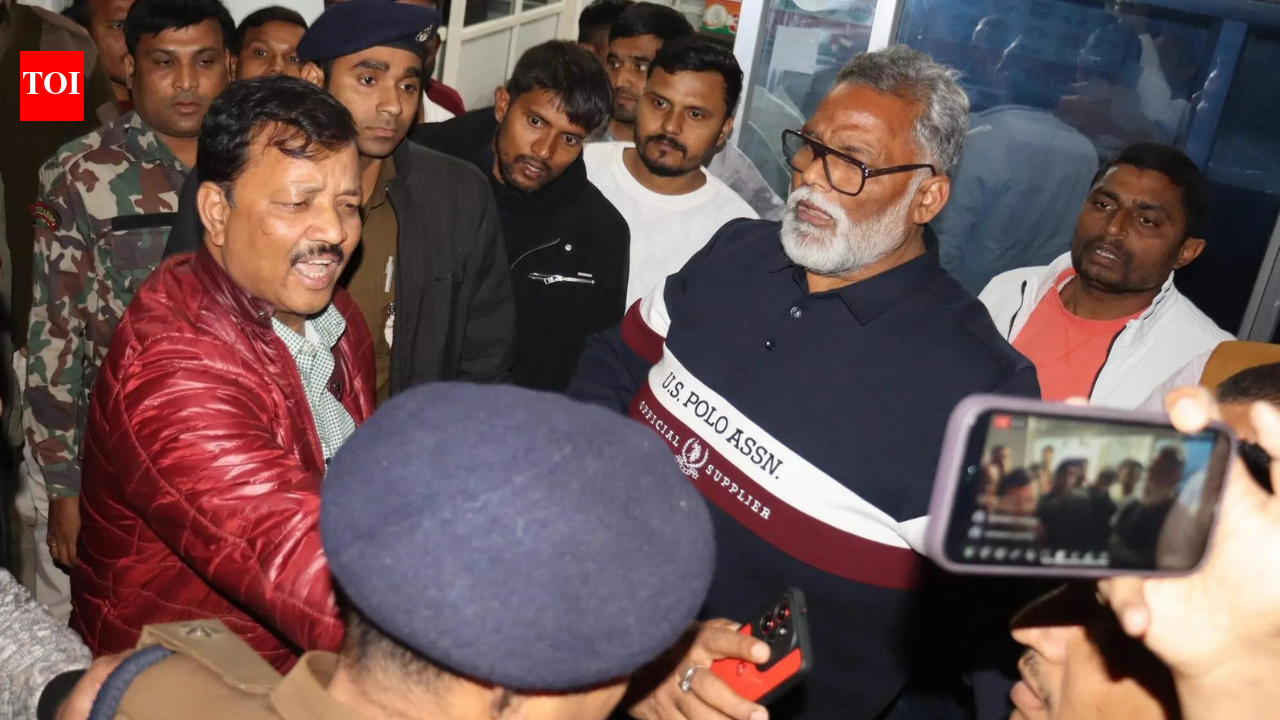
High drama at Pappu Yadav’s house: Cops arrive to arrest Bihar MP; he claims plot ‘to kill’ | India News


High drama at Pappu Yadav's house: Cops arrive to arrest Bihar MP; he claims plot 'to kill'

NEW DELHI: Police on late Friday night arrived at the residence of Purnia MP Pappu Yadav in Patna in connection with an old case.Meanwhile, Pappu Yadav resisted the arrest and accused Bihar Police of hatching a conspiracy of killing him and said that cops reached at his residence in civil uniform like criminals.“I have doubt that these people might have killed me. I will go straight to the Court. I will not go to the police station. If they want, they can house arrest me. The Court has called me tomorrow,” Pappu Yadav said.“Police reached here in civil uniform like criminals. I thought they had come to kill me. Is this a criminal’s house?… There was a case registered around 35 years ago, and the police came to arrest me in connection with that case,” he added.In a social media post on X, Pappu Yadav claimed that cops turned up at his residence because he was protesting against the death of student.“Brilliant Bihar Police. We fought the battle for justice for the NEET student girl Bihar Police got a right pain in the guts,” he said.“They turned up at the Patna residence to arrest us. But this won’t make Pappu Yadav bow down or shut up We’ll keep exposing the wrongdoings of the dishonest ones! Send us to jail or, give us the noose—Pappu won’t stop,” he added.(This is a developing story)


Source link

iPhone in space? NASA approves latest smartphones for astronauts to capture special moments in orbit |


iPhone in space? NASA approves latest smartphones for astronauts to capture special moments in orbit

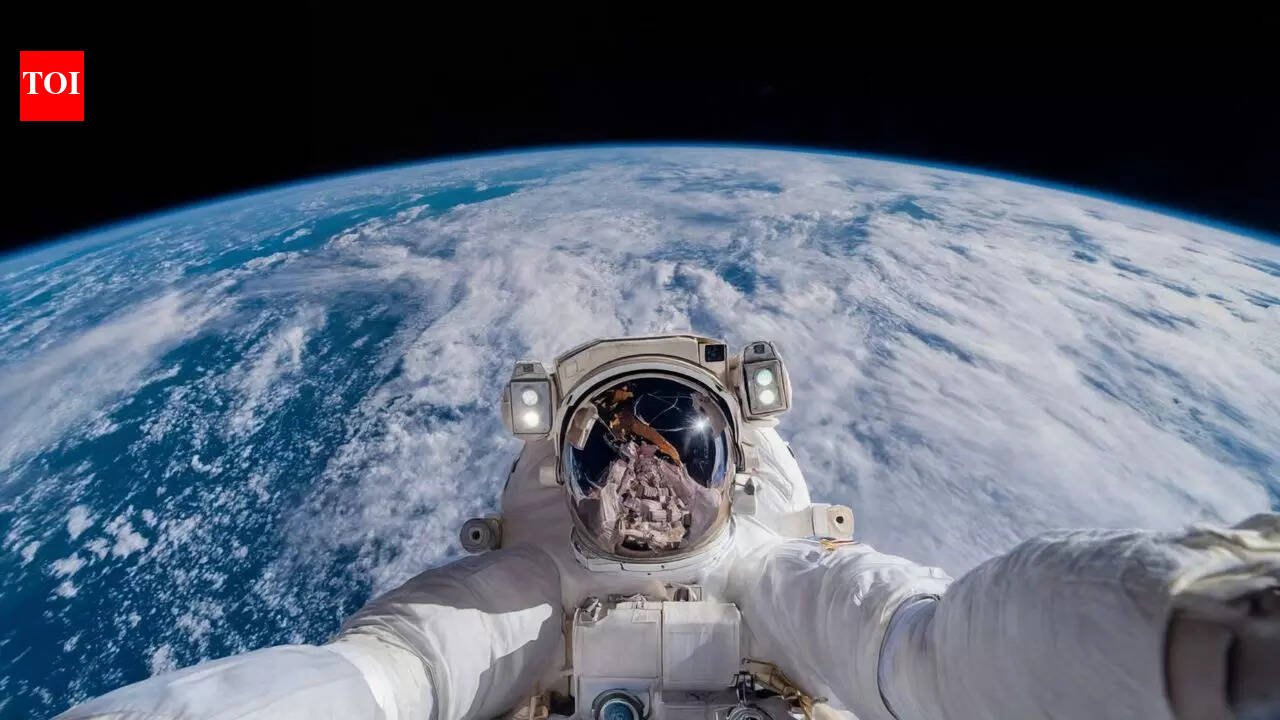
Space selfies with smartphones? Imagine the shots they could get with a smartphone in hand. NASA has reportedly announced that astronauts on the upcoming Crew-12 and Artemis II missions will be allowed to carry their own smartphones. This is a bit of a departure from the usual strict rules about what gadgets can fly in space. Usually, every device has to pass of tests before it’s cleared for orbit. But now, astronauts might have the freedom to snap whatever they want, whenever they want. The announcement came from NASA Administrator Jared Isaacman on X on February 5. Space photography is about to get personal, and maybe a little more human.

NASA astronauts will soon fly with the latest smartphones for Crew-12 and Artemis II

Astronauts taking selfies in space might sound funny, but it could help make space feel closer to home. NASA has always been careful about gadgets. Radiation can fry electronics, and even minor glitches can be a headache when you’re 250 miles above Earth. As reported by AppleInsider, experts say the newest camera officially approved for Artemis II was a 2016 Nikon DSLR, alongside GoPros that are over ten years old. Not exactly cutting-edge tech. Even after all that, there’s no guarantee it’ll fly. But now, it seems NASA is softening. The Crew-12 mission is going to the International Space Station to bring four astronauts onboard. The ISS has been short-staffed after a medical evacuation earlier this year. Having astronauts document daily life on their smartphones could make the station feel a bit more relatable. Then there’s Artemis II, NASA’s first crewed lunar mission in over 50 years. Four astronauts will do a 10-day flyby around the Moon.

NASA makes cosmic selfies possible but with few limitations

As reported by AppleInsider, iPhones in space aren’t completely unheard of, back in 2011, two iPhone 4s flew on the final space shuttle mission. Apple Watches, AirPods, iPads, and iPods have also made appearances in orbit. Long before that, the Macintosh Portable sent the first email from space in 1991. Private missions have had it easier. Now, it seems the big government missions are catching up. Maybe NASA figured it’s time to let astronauts be a little more.


Source link

‘No limits, no transparency, no controls’: US accuses China of covert nuclear tests as New START expires


‘No limits, no transparency, no controls’: US accuses China of covert nuclear tests as New START expires

Representative image (Picture credit: AP)

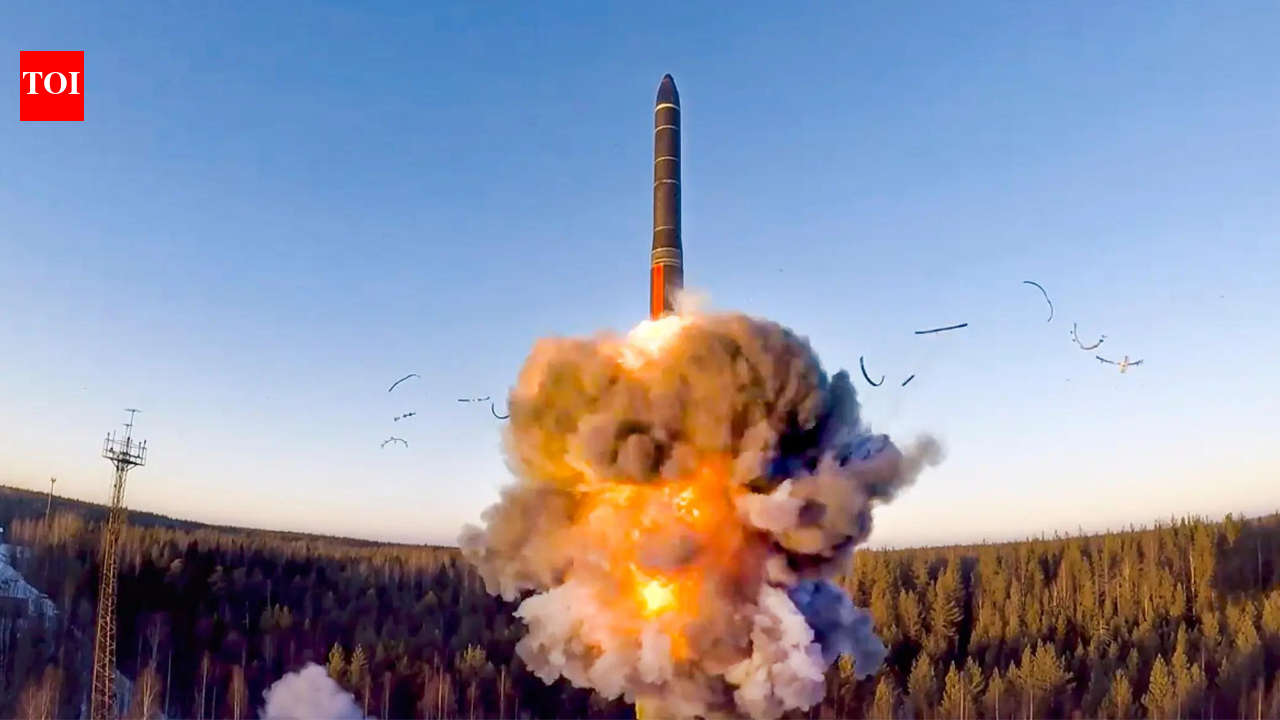
The United States on Friday accused China of secretly carrying out nuclear explosive tests, even as Washington and Moscow acknowledged the need to urgently begin fresh arms control talks following the expiry of the last remaining US–Russia nuclear treaty.The accusation came as US officials renewed pressure on Beijing to be part of any future nuclear arms agreement. US secretary of state Marco Rubio said an arms control framework that does not include China would leave the United States and its allies “less safe”, pointing to what he described as China’s rapidly expanding nuclear arsenal.Speaking at the UN-backed Conference on Disarmament in Geneva, top US arms control official Thomas DiNanno said China had conducted covert nuclear tests and attempted to conceal them. “The US government is aware that China has conducted nuclear explosive tests, including preparing for tests with designated yields in the hundreds of tons,” he said, according to news agency AP. DiNanno alleged that China’s military sought to hide the activity because it knew such tests violated commitments to suspend nuclear testing.China strongly rejected the claims. Ambassador Shen Jian called the allegations “false narratives and unfounded accusations”, insisting Beijing continues to honour its pledge to suspend nuclear testing. He said US criticism was aimed at shifting responsibility for nuclear disarmament and justifying what he described as American “nuclear hegemony”, reported AP.

New START expires, Russia and US discuss next steps

The sharp exchange came a day after the New Strategic Arms Reduction Treaty (START) formally expired, removing limits on the world’s two largest nuclear arsenals for the first time in more than 50 years. The agreement had capped each side at 1,550 deployed nuclear warheads.According to the Kremlin, Russian and US negotiators meeting in Abu Dhabi discussed the future of nuclear arms control and agreed on the need to launch talks quickly. Kremlin spokesman Dmitry Peskov said both sides understood the importance of acting responsibly and beginning negotiations “as soon as possible”, as per AP.Russian President Vladimir Putin has offered to stick to New START limits for another year if Washington does the same, but US President Donald Trump has not accepted the proposal. Trump has instead argued for a new and broader agreement that includes China.Asked about reports of a possible informal extension of the treaty limits, Peskov dismissed the idea, saying any extension would need to be formal. Meanwhile, the US and Russia have agreed to restore high-level military-to-military dialogue, which had been suspended since 2021.

China rejects talks

Washington says China’s growing nuclear stockpile makes its inclusion essential. Rubio wrote that China’s arsenal had increased from the low 200s to more than 600 warheads since 2020 and could cross 1,000 by 2030. “As we sit here today, China’s entire nuclear arsenal has no limits, no transparency, no declarations and no controls”, DiNanno added.China, however, has refused to join disarmament talks at this stage. Shen said Beijing’s nuclear capabilities were not comparable to those of the US or Russia and urged the two biggest nuclear powers to shoulder primary responsibility for disarmament. He also expressed regret over the expiry of New START and called on Washington to accept Moscow’s offer to temporarily maintain its limits.Russia and the US together control over 80 per cent of the world’s nuclear warheads, while China’s arsenal is expanding faster than any other country’s. The lapse of New START has raised fears of a renewed nuclear arms race, with no binding framework now in place to restrain the most destructive weapons.Despite these concerns, big differences remain over the shape of any future agreement, with Washington pushing for a three-way deal, Moscow suggesting other nuclear powers be included, and Beijing refusing to take part for now.


Source link

From Gaganyaan to Chandrayaan: Isro charts india’s ambitious space roadmap till 2028


From Gaganyaan to Chandrayaan: Isro charts india’s ambitious space roadmap till 2028

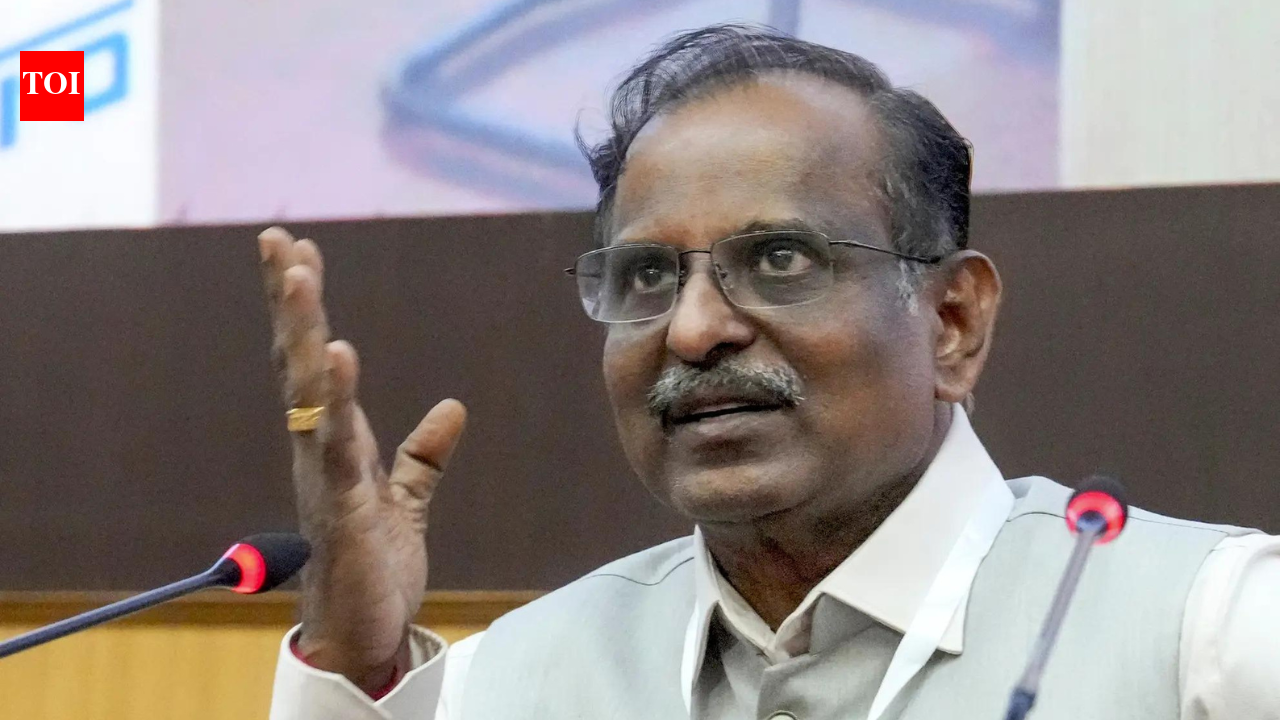
NEW DELHI: Isro Chairman V. Narayanan has outlined the organisation’s upcoming space exploration goals, including the landmark Gaganyaan human spaceflight program scheduled for 2027 and two crewed lunar missions — Chandrayaan-4 and Chandrayaan-5 — eyed for 2028, provided all plans stay on track.Narayanan said these missions are advancing under the “visionary leadership of Prime Minister Narendra Modi”, and the next phase will include three uncrewed flights before sending Indian astronauts into space.“With the visionary leadership of PM Modi, we are working on the Gaganyaan program targeted for 2027. Three uncrewed missions are to happen, and we are working towards them. Chandrayaan-4 and Chandrayaan-5 are both crewed missions, and if everything goes as per plan, it will happen by 2028,” said V. Narayanan.He added that the exact date for the first uncrewed mission hasn’t been finalised yet, but development work is actively ongoing.Narayanan confirmed that both Chandrayaan-4 and Chandrayaan-5 are approved programs, progressing according to their targets.He also highlighted Isro’s focus on developing reusable launch vehicle (RLV) technology, which aims to make space missions more cost-effective and sustainable.“We have only an experimental program right now, and we are working towards that,” he said.When asked about comparisons with SpaceX, the Isro chief firmly stated that India’s space program is focused on national priorities, not competition.“We don’t consider this as competition with anybody because the Indian space program is meant for India. Strength only respects strength. If you don’t have a vibrant space program, no one will support you,” he remarked.Narayanan also said Isro’s work is aimed at benefiting the common man and strengthening India’s space economy.“Under the visionary leadership of the Honourable Prime Minister of India, we have set a target to increase the space economy from 2% to 8%. We are working towards that,” he said.According to Narayanan, all committees are assessing current projects, including PSLV data analysis, to improve future missions. Emphasising Isro’s learning-based approach, he said every challenge offers insight.“We don’t consider anything a setback. Everything is for learning,” he concluded.


Source link

‘People reject you & you use judicial platform to get popularity’: SC raps Prashant Kishor’s Jan Suraaj over Bihar polls plea | India News


'People reject you & you use judicial platform to get popularity': SC raps Prashant Kishor’s Jan Suraaj over Bihar polls plea

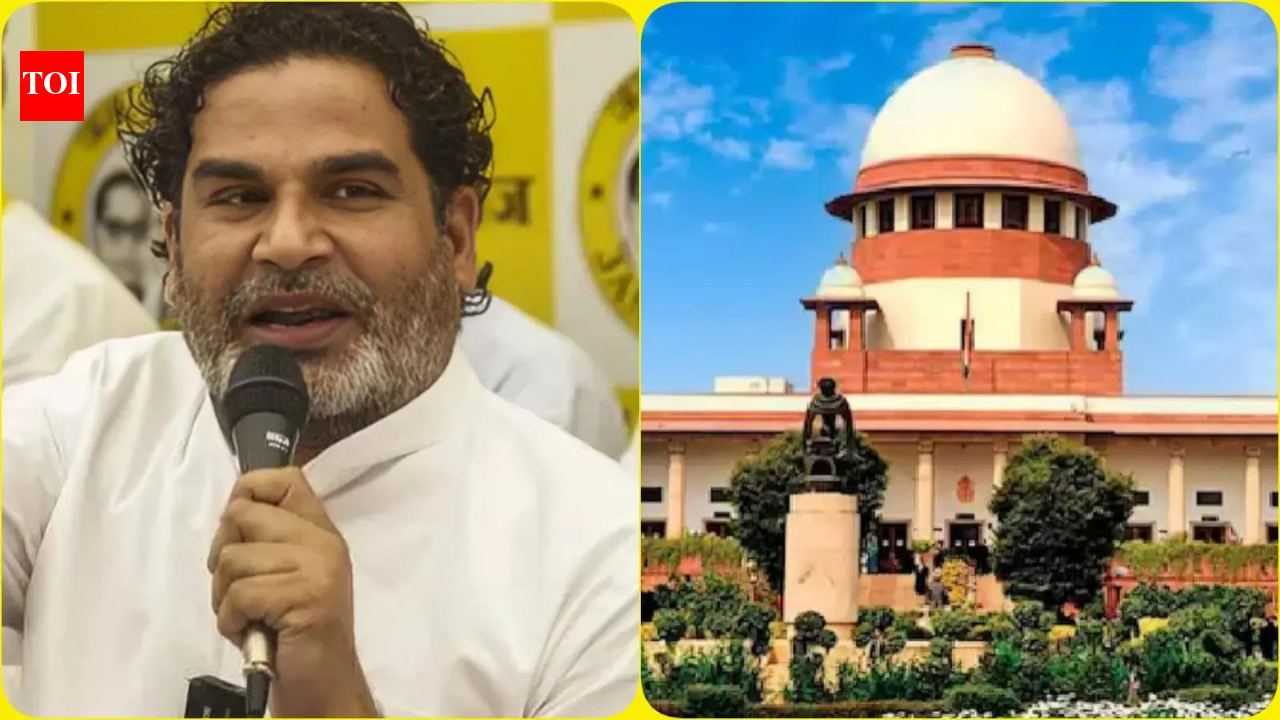
NEW DELHI: The Supreme Court on Friday refused to entertain a petition filed by Prashant Kishor’s Jan Suraaj Party challenging the 2025 Bihar assembly elections. A bench comprising CJI Surya Kant and Justice Joymalya Bagchi declined to issue any direction on the request to annul the election results and order fresh polls. “How many votes did your political party get? People reject you and then you use judicial platform to get popularity,” the CJI observed, as reported by PTI.

‘I Did Not Say…’: Prashant Kishor Takes U-Turn On Vow To Quit Politics If JDU Wins Bihar Polls

“We cannot issue an omnibus direction for the entire state that too at the instance of a political party,” the CJI added.The Jan Suraaj Party (JSP) had moved the apex court seeking fresh elections after alleging that the Bihar government violated the Model Code of Conduct (MCC) by transferring Rs 10,000 to women beneficiaries under the Mukhyamantri Mahila Rojgar Yojana after the election schedule was announced. The party claimed the move amounted to a corrupt practice and disturbed the level playing field.The scheme provides an initial financial grant of Rs 10,000 to women to promote self-employment and small businesses. The petition alleged that the debt-ridden state disbursed Rs 15,600 crore on the eve of polls, influencing voters in violation of Article 324 of the Constitution and Section 123 of the Representation of the People Act.However, the bench said it would not entertain a writ petition on the issue and asked the party to approach the Patna High Court, observing that the matter pertained to one state.The BJP-led NDA retained power in the 243-member Assembly, winning 202 seats, while the INDIA bloc secured 35. The Jan Suraaj Party failed to win a single seat, with most of its candidates forfeiting their deposits.


Source link

Rupee in green: Currency rises 9 paise to 90.25 against US dollar


Rupee in green: Currency rises 9 paise to 90.25 against US dollar

Rupee opened in green on Friday, climbing 9 paise to 90.25 against the US dollar, as currency markets reacted to optimism around the India-US trade deal but remained cautious ahead of the Reserve Bank of India’s monetary policy announcement. The early gains came after the currency ended Thursday’s session higher by 13 paise at 90.34 against the greenback. According to forex traders, while sentiment has improved, rupee’s movement continues to be constrained by strong corporate demand for dollars and weakness in domestic equities. Market participants are also said to be shifting from initial optimism to scrutiny, as neither India nor the US has released formal documents outlining the agreement. On Thursday, rupee opened at 90.52 in the interbank foreign exchange market, moved to an intraday high of 90.06 and a low of 90.53, before settling at 90.34, marking a gain of 13 paise over the previous close. Attention is also on the Reserve Bank of India, where the six-member Monetary Policy Committee led by Governor Sanjay Malhotra began deliberations on Wednesday. The policy decision will be announced on Friday morning. Experts said the RBI has already cut the repo rate by 125 basis points since last February and may maintain a pause, although some believe another rate cut remains possible to further lower borrowing costs.Meanwhile on the stock market front, equity benchmarks opened on a subdued note on Friday, slipping into negative territory as investors adopted a wait-and-watch approach ahead of MPC decision. At the opening bell, the Nifty 50 fell 37 points, or 0.14%, to 25,605.80, while the BSE Sensex edged down 64.61 points, or 0.08%, to 83,249.32. Market sentiment remained cautious with the RBI set to announce the MPC outcome at 10 am later in the day.


Source link