Breaking News
What Musk, Altman and Brin agree on: Students should pay attention to computer science and maths


What Musk, Altman and Brin agree on: Students should pay attention to computer science and maths
Global tech leaders are pushing students to focus on maths and computer science when they are tempted to move away.

There is a quiet panic creeping through classrooms and coding labs. Artificial intelligence now writes code faster than students can learn it. It solves equations without showing its work. It answers exam-style questions with unsettling confidence. For a generation raised on speed and shortcuts, the conclusion feels obvious: perhaps computer science has peaked; perhaps maths is finally optional.That conclusion is wrong and the people who know it best are the ones who helped build the systems causing the panic. Over the past year, an unlikely consensus has emerged among global tech leaders. They are not urging students to chase the newest programming language or master the trendiest AI tool. Instead, they are pointing insistently backwards to subjects many students are eager to escape: Mathematics, computer science fundamentals, physics, and theoretical thinking.This is neither nostalgia, nor academic romanticism. It is a warning about where value is draining out of the system. AI is not eliminating intelligence, it is commodifying the mechanical parts of it. The first skills to flatten are those based on repetition: Syntax memorisation, framework fluency, surface-level coding competence. What survives, and in fact becomes rarer, is the ability to reason from first principles, to model a problem abstractly, to understand why a system behaves the way it does when it fails.That is why some of the sharpest minds in technology are now sounding almost conservative. They are arguing that maths is not a hurdle but a filter; computer science is not about writing code but about structuring thought; and difficulty, far from being a flaw in education, may be its last remaining quality check.In an age obsessed with shortcuts, these voices are making an unfashionable case: that the hardest subjects still matter—not despite artificial intelligence, but because of it. Here, we examine why some of the world’s most influential tech figures are pushing students back to maths and core computer science at the very moment many are tempted to move away.

Pavel Durov: Maths trains independence

The provocation began quietly. In mid-2025, Telegram founder Pavel Durov posted advice aimed at students weighing their options in an AI-dominated future. “If you’re a student choosing what to focus on, pick mathematics,” he wrote. No emojis, no caveats.Durov did not frame mathematics as a guarantee of employment. He framed it as a discipline that forces independent thinking. Maths, as he has often argued, does not allow the luxury of imitation. You either understand the problem, or you don’t. In a world where AI offers instant answers, that distinction matters more, not less. Durov’s subtext was unmistakable: reliance on tools is rising; intellectual self-reliance is becoming scarce.

Elon Musk: First principles, or nothing

Durov’s post drew a response from Elon Musk that became viral precisely because of its brevity. Replying publicly on X, Musk wrote: “Physics (with math).”The two words were not a curriculum. They were a philosophy. For Musk, physics is the arena where first-principles thinking is unavoidable, assumptions are tested against reality, not convenience. Maths is the language that makes that testing precise. When Musk says “physics (with math)”, he is rejecting surface competence. He is arguing that as systems grow more complex—rockets, autonomous vehicles, large-scale AI—the penalty for shallow understanding becomes catastrophic.In the AI era, Musk’s message was stark: tools will change weekly; first principles endure.

Sam Altman: High-leverage moment

By late 2025, a different anxiety had taken hold: that AI had made computer science itself a poor academic bet. Speaking at Stanford University in a public conversation with cryptography professor Dan Boneh, OpenAI CEO Sam Altman addressed that fear head-on.“This is a really cool time to be studying computer science,” Altman said. “It’s a high-leverage moment, especially if you’re interested in AI.”Altman’s phrasing was deliberate. “High leverage” does not mean easy returns. It means that understanding foundational systems now carries outsized impact later. AI, in Altman’s telling, is not replacing computer science; it is concentrating power in the hands of those who understand how these systems are built, constrained, and deployed.For students, the implication is uncomfortable but clear: shallow familiarity will age badly. Structural understanding will compound.

Demis Hassabis: The discipline of difficulty

If Altman speaks as a strategist, Demis Hassabis speaks as a product of academic rigour. In a 2025 conversation on the Lex Fridman podcast, the Google DeepMind CEO reflected on the formative impact of his education.“I took some very difficult math and theoretical computer science courses,” Hassabis said. “They taught me how to think deeply and rigorously—and how to persist when things were hard.”He returned to the theme later that year at public forums, cautioning students against abandoning maths and theory simply because AI tools appear to make them redundant. The real value of those subjects, Hassabis argued, lies not in the content itself but in the cognitive training they impose: precision, patience, and the ability to wrestle with problems that resist quick solutions. In an era where answers arrive instantly, the capacity to sit with uncertainty becomes a competitive advantage.

Sergey Brin: Passion and caution in the AI era

At a time when students are hearing two conflicting narratives — AI will replace jobs and AI will replace degrees — Google co-founder Sergey Brin offered one of the most grounded responses in January 2026 while speaking to a new generation of engineers at Stanford University.His words were simple but layered. “I chose computer science because I had a passion for it. It was kind of a no-brainer for me. I guess you could say I was also lucky because I was also in such a transformative field,” he said. Brin’s emphasis on curiosity rather than credential chasing was deliberate. He pointed out that his own journey — from a Stanford graduate student to co-architect of Google — was driven by interest, not fear-based career calculus. In an age of generative AI, where models such as Gemini and ChatGPT can write and debug code, that distinction matters more than ever. Importantly, Brin did not stop at passion. He also addressed the anxiety about automation head-on. With characteristic candour, he quipped, “I wouldn’t go off and switch to comparative literature because you think the AI is good at coding. The AI is probably even better at comparative literature, just to be perfectly honest anyway.”His point was twofold: Don’t flee STEM out of fear of automation, and don’t assume AI’s current performance undermines the value of structured learning.

If you ignore the fame…

Fame is a distraction. Take the celebrities out of it — Musk tossing “physics with maths” like it is a mic-drop, Altman selling computer science as a “high-leverage” bet from a Stanford stage, Hassabis sounding like the class topper who actually enjoyed theoretical CS, Brin reminding everyone he picked CS because he genuinely liked it — and the argument stops being glamorous. In fact, it starts being annoyingly sensible. AI is not stealing intelligence, it is bulk-discounting the easier bits of it. The stuff that once passed as skill — routine coding, formula application, template thinking — is now a vending machine. What still refuses to automate is judgment: Spotting the bad assumption, knowing when an answer is plausible and when it is polished nonsense. That is why they keep returning to maths and core CS.
Source link

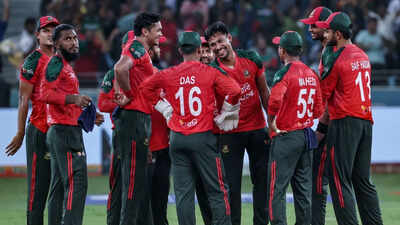
T20 World Cup row: ‘We will not accept’ – Bangladesh Sports Adviser rejects ICC’s ‘unreasonable’ conditions | Cricket News


T20 World Cup row: 'We will not accept' - Bangladesh Sports Adviser rejects ICC's 'unreasonable' conditions

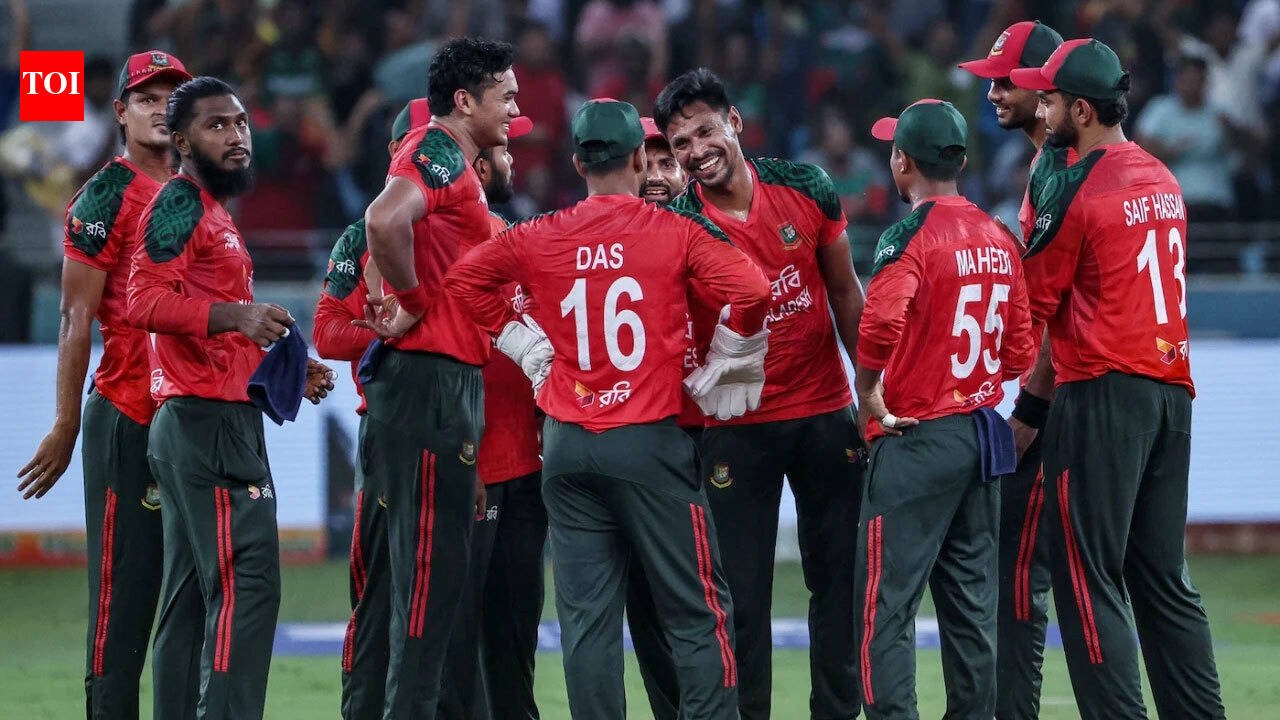
Bangladesh on Tuesday rejected what it described as “unreasonable conditions” imposed by the ICC regarding its participation in the upcoming ICC Men’s T20 World Cup 2026 in India, according to Youth and Sports Adviser Asif Nazrul. Following the exclusion of Bangladesh pacer Mustafizur Rahman from the IPL 2026, the Bangladesh Cricket Board (BCB) reiterated that the team would not tour India under the present circumstances.Despite multiple rounds of discussions between ICC and BCB officials, the matter remains unresolved, leaving Bangladesh’s participation in the tournament uncertain.

Bangladesh cricket in turmoil: What it means for the T20 World Cup?

Speaking at the Secretariat on Tuesday, Asif Nazrul said, “If the ICC bows to pressure from the Indian cricket board and imposes unreasonable conditions on us, we will not accept them.”“There are precedents in international cricket, when India refused to play in Pakistan, the ICC changed the venue. We have reasonably asked for a venue change,” he added.Earlier, the BCB dismissed reports claiming the ICC had set a January 21 deadline for Bangladesh to confirm participation in the World Cup, which begins on February 7. Media committee chairman Amjad Hossain said that “no specific date” had been communicated.However, ICC sources said the governing body had issued an ultimatum asking BCB to convey a final decision by Wednesday (January 21). If Bangladesh withdraws, the ICC may name a replacement team, with Scotland next in line as per current rankings.Clarifying the situation, Amjad told the Daily Star, “Last Saturday, on January 17, an ICC representative came, and our cricket board representatives held a meeting with him. Regarding World Cup participation, there was an issue with the venue, and we informed them of our reluctance to play there. We requested an alternate venue, and we held detailed discussions with the representatives. They told us that they will inform the ICC about the issues and will let us know about the decision later on.“In regard to these talks, they have not mentioned a specific date or when they will let us know. They just told us that they will let us know when the next discussion will take place. Thank you,” he added.The ICC, meanwhile, remains firm on sticking to the original schedule, which places Bangladesh in Group C alongside Italy, New Zealand, West Indies and Nepal. Bangladesh are scheduled to play their opening match against West Indies in Kolkata on February 7, followed by two more group games at Eden Gardens and their final group match at Mumbai’s Wankhede Stadium.Talks on Saturday also revealed that the ICC did not agree to Bangladesh and Ireland swapping groups to allow Bangladesh to play matches in Sri Lanka. The ICC has also assured BCB that India poses no security threat to the team.ICC sources said independent risk assessments by internationally recognised security experts have found no specific threat to Bangladesh, its officials or venues, and assessed the overall security risk for matches in India as low to moderate.


Source link

‘Roads kill, bridges kill, fires kill’: Rahul Gandhi reacts to Noida techie death; levels ‘TINA’ charge at govt | India News


‘Roads kill, bridges kill, fires kill’: Rahul Gandhi reacts to Noida techie death; levels ‘TINA’ charge at govt
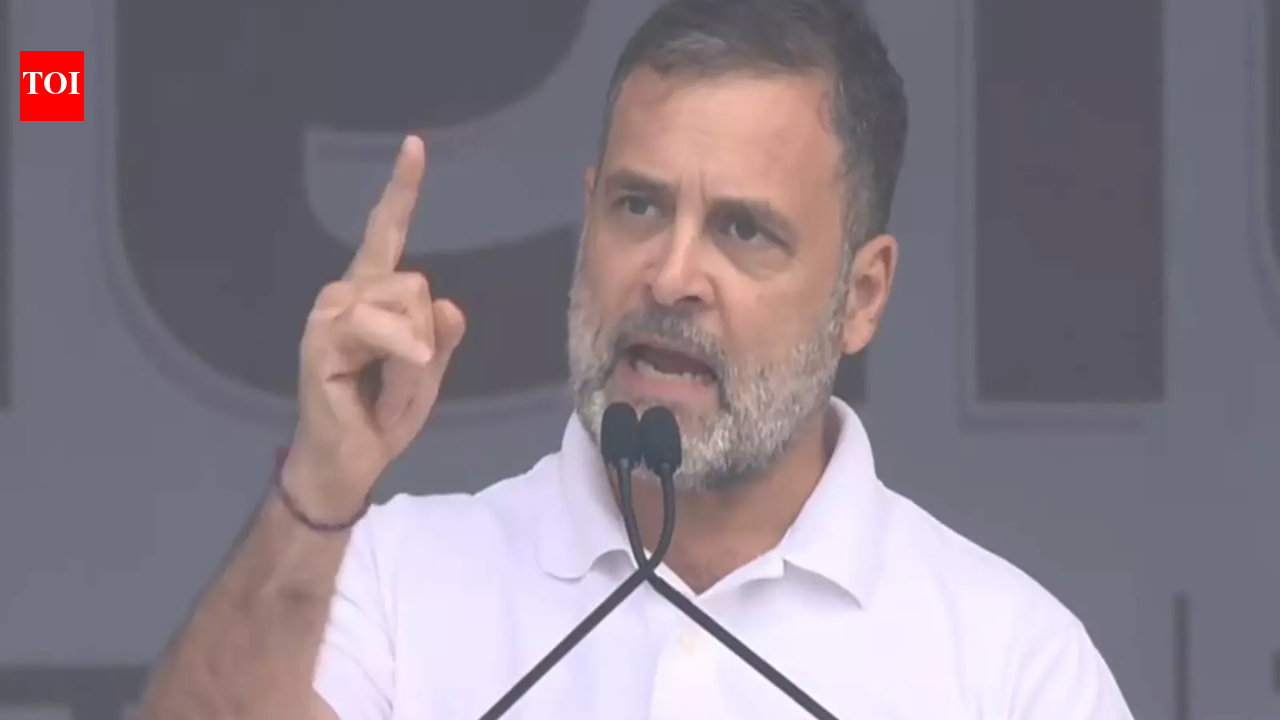
Congress leader Rahul Gandhi

NEW DELHI: Leader of opposition in the Lok Sabha Rahul Gandhi on Tuesday used the term “TINA” to criticise the government over the death of a Noida-based techie whose car plunged into a water-filled pit in Greater Noida’s Sector 150 area.TINA, which stands for “There Is No Accountability”, was used by the Congress leader to argue that such incidents in urban areas do not occur due to lack of money or solutions, but because of lack of accountability.In a post on X, Gandhi said:“India’s urban collapse isn’t about lack of money, technology, or solutions. It’s about lack of accountability.TINA : There Is No Accountability.”The incident involved 27-year-old engineer Yuvraj Mehta, who died after his car skidded off the road Friday night amid dense fog and plunged into an over 20-feet-deep, water-filled pit in Greater Noida. The victim’s family alleged that the site was accident-prone and that repeated requests to install barricades and reflectors were ignored, leading to the tragedy.Following the incident, an FIR was filed against two real estate developers. The Uttar Pradesh government also sacked Noida CEO Lokesh M and formed a Special Investigation Team (SIT) to inquire into the death.Mehta’s father accused the police and other agencies of delay in rescuing his son. He said that even though the techie was alive and shouting for help when policemen reached the spot, they did not know how to swim. A senior police officer later told TOI that knowing how to swim is not a mandatory requirement for a police officer. Mehta, who could not swim and managed to stay afloat by clinging to the car, eventually went down crying for help.The SIT will be headed by additional director general (ADG) of the Meerut Zone Bhanu Bhaskar. Divisional commissioner Bhanu Chandra Goswami and the chief engineer of the Public Works Department will be the other members. The team has been directed to submit its report to the Chief Minister within five days.


Source link

Karnataka DGP in ‘sleaze’ storm: IPS officer Ramachandra Rao suspended as viral videos spark outrage; no one above law, says CM | Bengaluru News


Karnataka DGP in 'sleaze' storm: IPS officer Ramachandra Rao suspended as viral videos spark outrage; no one above law, says CM

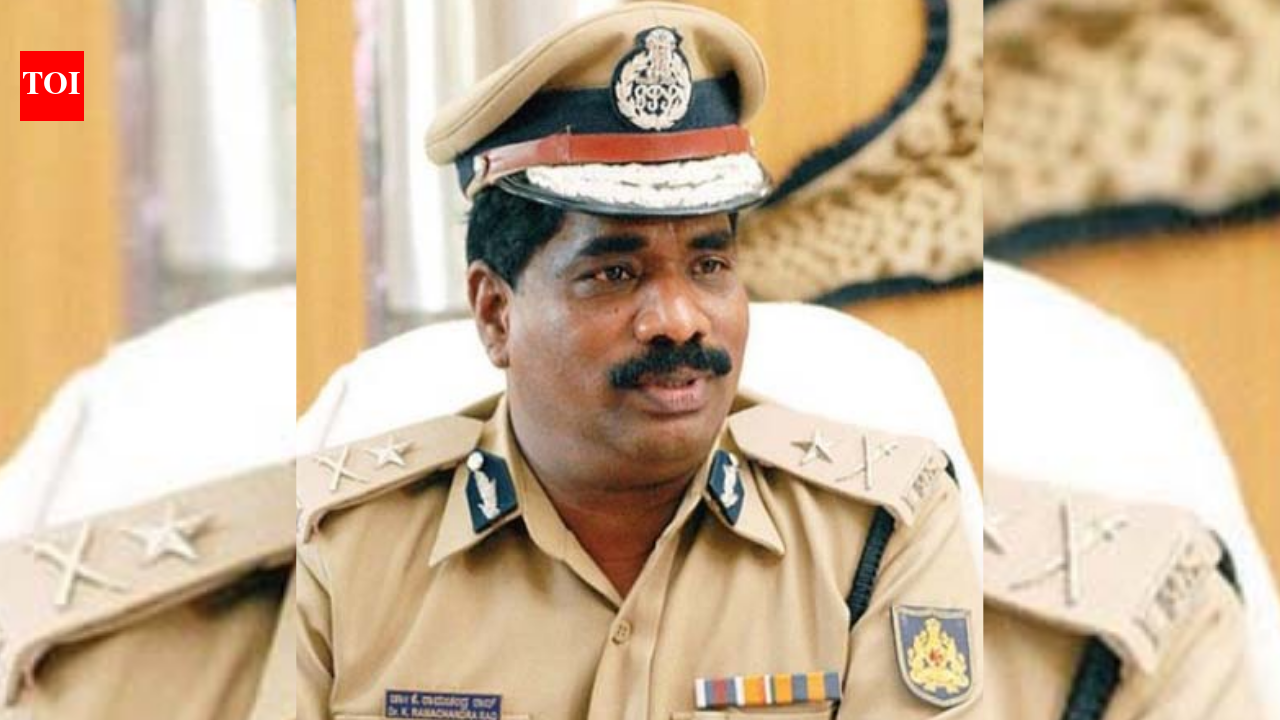
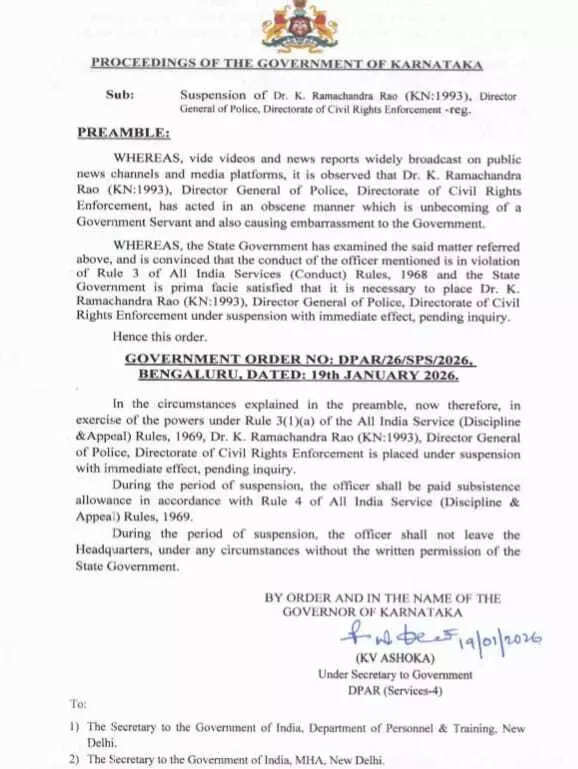
BENGALURU: Karnataka DGP (Civil Rights Enforcement) K Ramachandra Rao was suspended on Monday night after the state government ordered a probe into unverified sleaze videos allegedly showing the senior IPS officer in intimate acts with women inside his office. Chief minister Siddaramaiah said disciplinary action would follow a detailed inquiry. “We will take action. No one is above the law, however senior the officer may be,” the CM said in Badami, adding that he became aware of the matter earlier in the day and had directed a probe.

-

The suspension came hours after purported videos went viral on social media, triggering political outrage and a flurry of complaints to both state and central authorities. The source and authenticity of the videos remain unverified, and the state government said they would be examined as part of the inquiry.

Rao denies charges, calls videos ‘fabricated’

Rao rejected the allegations outright, calling the videos “fabricated, false and aimed at maligning me and scuttling my career”. He told reporters that his attempts to meet home minister G Parameshwara did not fructify and suggested the footage could relate to his posting in Belagavi nearly eight years ago. “I will consult my advocate and take appropriate legal action,” he said. The government has sought a report from the home department. Deputy Chief Minister DK Shivakumar said he was unaware of the details and referred queries to the CM and the home minister.

Complaints to PMO, DoPT; audio clips add twist

As the controversy escalated, social activist and Ballari-based Anna Foundation chief Rajshekar Mulali wrote to the Prime Minister’s Office and the Department of Personnel and Training (DoPT), seeking legal action against Rao for alleged misuse of power, public office and police uniform, and for showing “disrespect to national and state symbols”. Another activist, Dinesh Kallahalli, filed a complaint with the chief secretary and additional chief secretary, demanding Rao’s suspension and disciplinary action under the All India Services (Discipline & Appeal) Rules, 1969. Late Monday evening, two audio clips also surfaced on social media, purportedly featuring a conversation between a police officer and a woman. Their authenticity could not be independently verified. The circulation of the audio, alongside the videos, further fuelled political and public outrage.

Opposition ups pressure

Senior BJP MLA and former law minister S Suresh Kumar termed the alleged acts “an unforgivable crime” that cast a shadow over the credibility of the police force, pointing to the tricolour visible in the background of the video as a sign of disrespect to the national flag. Opposition leaders accused the government of shielding the officer and demanded an independent probe. Women and Child Development Minister Laxmi Hebbalkar said the government would act “mercilessly, irrespective of seniority” if wrongdoing was established.

Past controversies resurface

Rao, who is also the stepfather of Kannada actor Harshavardhini Ranya alias Ranya Rao has faced scrutiny earlier in his career. Opposition leaders cited previous controversies to argue for swift and strict action. The state government said the authenticity of the videos and audio clips will be verified and that further action will depend on the outcome of the inquiry.


Source link

‘Deceived, not enemy soldiers’: Amnesty window open for youth in Iran ‘riots’; partial calm returns


'Deceived, not enemy soldiers': Amnesty window open for youth in Iran 'riots'; partial calm returns

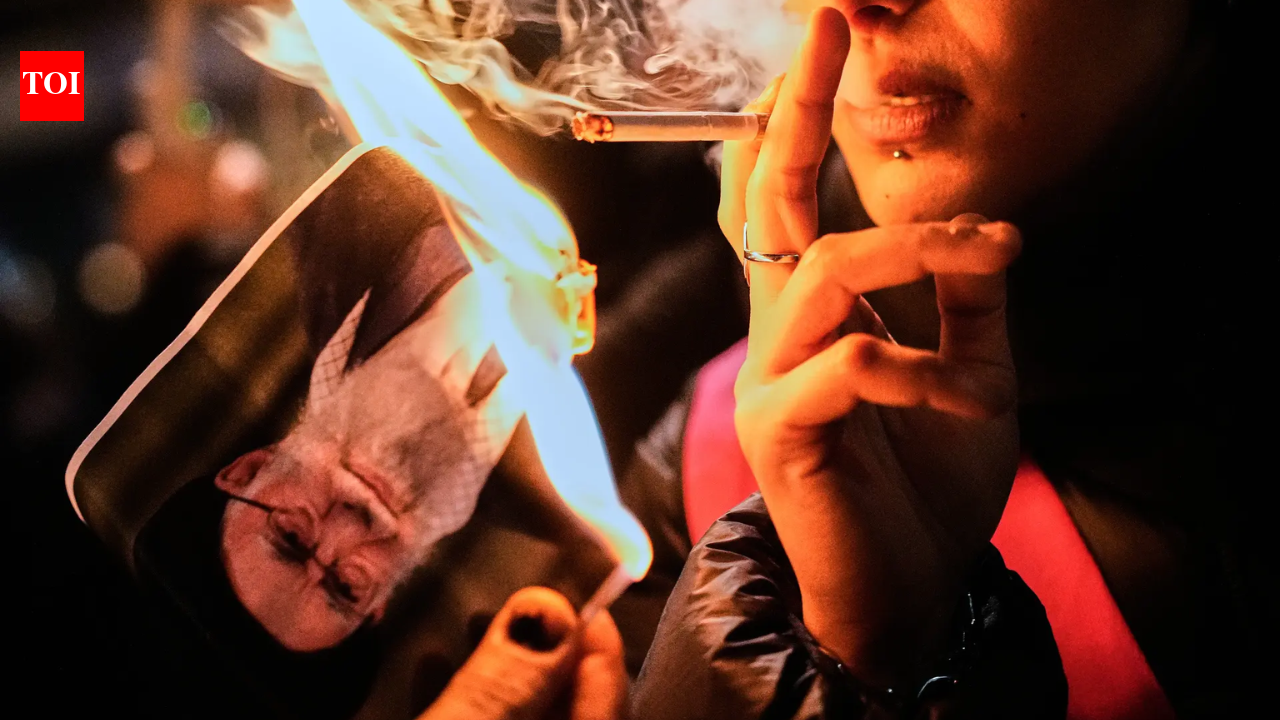
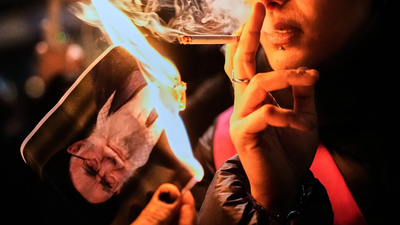
Iran’s national police chief gave people who were “deceived” into joining- what the authorities have called “riots”- a limited window to turn themselves in with lighter punishment.“Young people who became unwittingly involved in the riots are considered to be deceived individuals, not enemy soldiers,” Ahmad‑Reza Radan said on state television, adding that those individuals have “a maximum of three days” to surrender and would be “treated with leniency by the Islamic republic system.”

‘America Behind Unrest’: Tehran Blames Washington for Iran Protests, Slams Western Media Reports

The protests, which began in late December, erupted across Iran in response to the worsening economy and soon escalated into direct challenges to the ruling theocracy. Soaring prices and widespread job insecurity drove frustrated traders, university students, and city residents into the streets of major cities, including Tehran, Mashhad, and Isfahan. Some demonstrators even targeted Supreme Leader Ayatollah Ali Khamenei, 86, with graffiti and chants calling for his death appearing in Tehran.Iranian officials have presented varying figures for the death toll. A regional Iranian official said at least 5,000 people were killed in the protests, including about 500 members of the security forces. Some of the deadliest clashes were reported in Kurdish regions of northwest Iran.Human rights and activist groups estimate a wide range of casualties and arrests, with some reporting more than 24,000 arrests and thousands of verified deaths.

No mercy pledge from Khamenei

Supreme Leader Ayatollah Ali Khamenei, in a rare acknowledgment, confirmed that “several thousand” people were killed during the unrest. In a televised address, he accused the United States and Israel of orchestrating the protests and described US President Donald Trump as a “criminal” for supporting demonstrators.“We will not drag the country into war, but we will not let domestic or international criminals go unpunished,” Khamenei said. He added that authorities “must break the back of the seditionists” and warned that domestic and foreign “criminals” would not be spared punishment.Iran’s judiciary has warned that those accused of leading violence could face swift trials and capital charges, including Mohareb, or waging war against God, a capital offense under Iranian law.

Trump: In the middle of this or the cause?

US President Donald Trump escalated his rhetoric against Iran’s leadership, calling Khamenei a “sick man” and saying it was “time to look for new leadership” in the country, accusing him of destroying it through extreme violence.Trump also urged Iranians to continue protesting and “take over institutions,” adding that “help is on its way.” He claimed Tehran had halted planned executions of hundreds of detainees, though analysts have questioned these assertions.Iranian President Masoud Pezeshkian warned that any attack on the Supreme Leader would amount to a declaration of war against Iran. He echoed claims that the unrest was influenced by foreign adversaries and reiterated these concerns in a call with Russian President Vladimir Putin.

Signs of calm

Iranian authorities say calm is returning to many cities. State media reported that streets in Tehran and other urban centers were quiet, shops reopened, and schools resumed after a prolonged communications blackout.Internet access has gradually been restored in some areas, though restrictions and heavy filtering remain in place.


Source link

‘Don’t fuel terrorism in our neighbourhood’: EAM Jaishankar tells Poland; here’s what Polish side said | India News


'Don't fuel terrorism in our neighbourhood': EAM Jaishankar tells Poland; here's what Polish side said

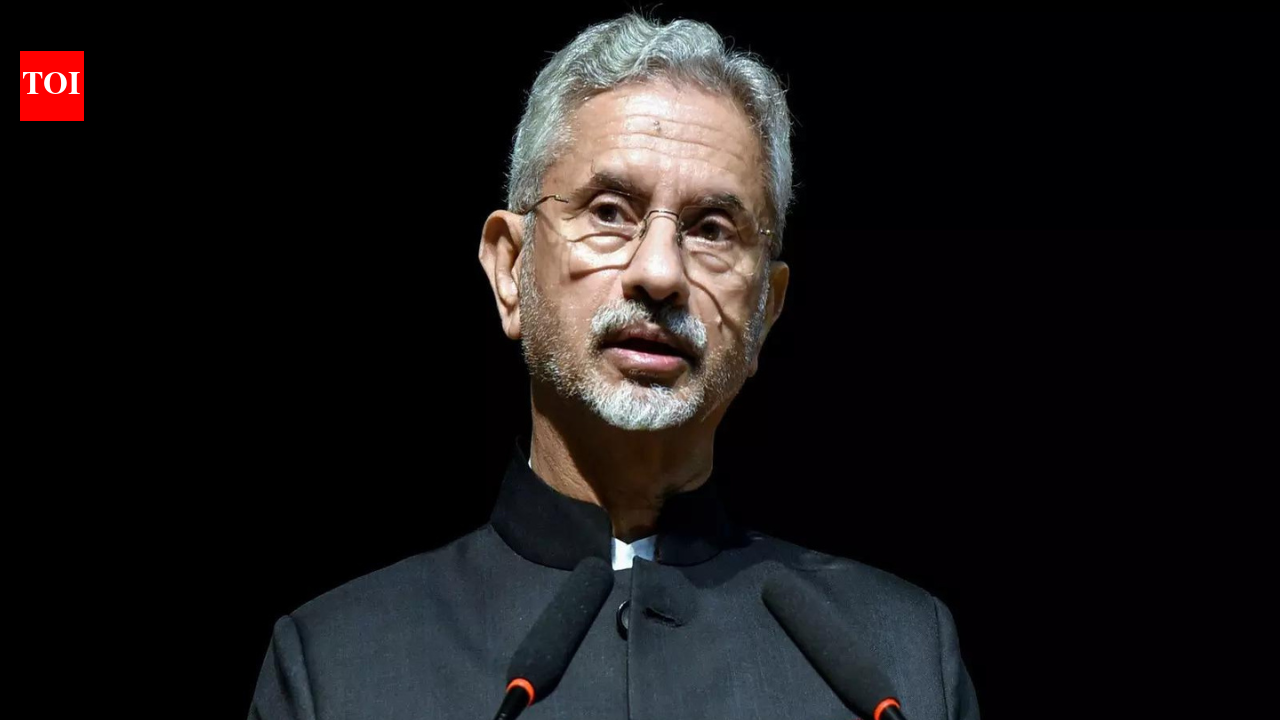
NEW DELHI: External affairs minister S Jaishankar on Monday urged Poland to not help fuelling the “terrorist infrastructure” in the Indian neighbourhood. The comments came during bilateral talks with the Poland deputy prime minister Radoslaw Sikorski on Monday.“Deputy prime minister, you are no stranger to our region and are more than familiar with the long standing challenges of cross-border terrorism. Poland should display zero tolerance for terrorism and not help fuel the terrorist infrastructure in our neighbourhood,” Jaishankar said.

Jaishankar Flags ‘Unfair’ Targeting Of India In Poland FM Meet; Blunt Message On ‘Terror Infra’

“In the recent past, both in New York last September and in Paris this January, I have candidly shared our views on the Ukraine conflict and its implications. While doing so, I have also repeatedly underlined that the selective targeting of India is both unfair and unjustified. I do so again today,” the EAM said.The Poland deputy PM reacted to Jaishankar saying that he agreed on the “need to counter transnational trans border terrorism.”“I completely agree with you on the need to counter transnational trans border terrorism. Poland, as you may have heard, has been a victim of arsons and attempted, state terrorism when a Polish railway line was, blown up under a moving train just very recently,” he said. “I also completely agree with you on the unfairness of selective targeting, by tariffs. And we in Europe know something about that.. Also, we fear that, this is progressing to a global trade turbulence,” he added.The Polish deputy PM said that Europe hoped India would remain engaged with the region and welcomed New Delhi’s expanding diplomatic presence. “We’ve noticed that you are establishing embassies everywhere in Europe, which means that you are serious about relations with the European Union,” he said.


Source link

Massive blaze at Karachi mall: Death toll rises to 14; rescue operations continue


Massive blaze at Karachi mall: Death toll rises to 14; rescue operations continue

Karachi mall fire (AP image)

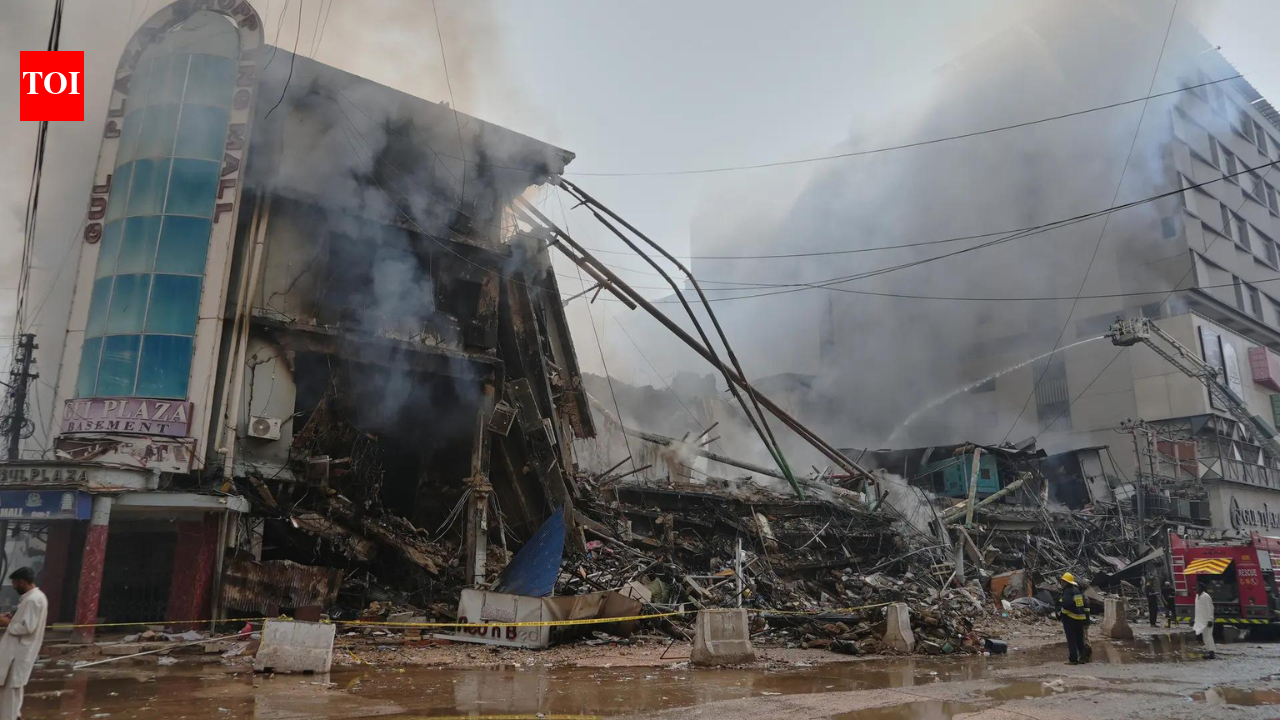
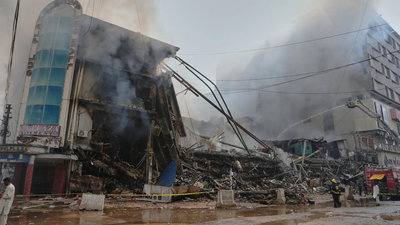
The death toll from a major fire at an old shopping mall in Pakistan’s Karachi has risen to 14 after rescue teams recovered eight more bodies from the debris, officials said on Monday.The blaze broke out late Saturday night at Gul Plaza, a multi-storey wholesale and retail market on MA Jinnah Road in the city’s Saddar area. The fire was brought under control by Sunday night, but rescue operations continued as large parts of the building suffered severe structural damage.Six bodies were found soon after the fire erupted, with officials saying the victims likely died of suffocation. Dozens of injured people were rushed to nearby hospitals. As the fire spread rapidly, thick smoke and intense heat initially prevented rescue teams from entering the building.“Once the fire was doused, we didn’t wait for the cooling period and forcibly went in to rescue trapped people and we found eight more bodies, some badly charred,” Rescue 1122 Chief Operating Officer Abid Jalal told PTI. Jalal said the fire had almost completely damaged the building, with both the front and rear portions collapsing due to weakened pillars. “The structure has become extremely unsafe, and we are still searching as there is a risk of further collapses,” he said.Gul Plaza, built in the early 1980s, houses around 1,200 shops spread across a basement, mezzanine and three upper floors. It has long been a prominent commercial hub in Karachi.Sindh Governor Kamran Tessori, who visited the site on Monday, said authorities feared that dozens of people could still be trapped inside. “We are extremely concerned and alarmed. Efforts are going on to find them but this is a national tragedy,” he told reporters.South Deputy Inspector General of Police Syed Asad Raza said the casualty count could rise as large sections of the building were yet to be searched. Officials suspect an electrical short circuit may have caused the fire, though the exact cause will be confirmed after a full investigation.The incident has once again highlighted serious fire safety concerns in Karachi. In recent years, several commercial buildings in the city have caught fire due to poor safety measures, faulty electrical systems and illegal construction. A government audit in 2024 found that most shopping malls lacked proper fire safety systems, emergency exits and compliant wiring.Prime Minister Shehbaz Sharif and President Asif Ali Zardari expressed grief over the loss of lives, while the Sindh government has ordered an inquiry into the incident.


Source link

Stock market today: Nifty50 opens below 25,600; BSE Sensex down over 350 points as Trump tariff fears spook global markets


Stock market today: Nifty50 opens below 25,600; BSE Sensex down over 350 points as Trump tariff fears spook global markets

Stock market today (AI image)

Stock market today: Nifty50 and BSE Sensex, the Indian equity benchmark indices, dropped in opening trade on Monday as fears of fresh Donald Trump tariffs spooked global markets. While Nifty50 went below 25,600, BSE Sensex was down over 350 points. At 9:16 AM, Nifty50 was trading at 25,578.70, down 116 points or 0.45%. BSE Sensex was at 83,211.00, down 359 points or 0.43%.Investors will weigh in Trump’s trade-related risks and shifting policy expectations, prompting analysts to forecast range-bound trading in the near term.Dr. VK Vijayakumar, Chief Investment Strategist, Geojit Investments Limited says, “It’s going to be volatile days ahead in the near-term for stock markets globally with big geopolitical and geoeconomic developments impacting markets. We don’t know now how President Trump’s disruptive policies are going to impact international trade and global economic growth. How the European nations are going to react to President Trump’s latest Greenland tariffs remains to be seen.“If Trump walks his talk and imposes 10% tariffs on the eight European countries on February 1st and follows it up by raising the tariffs to 25% from June 1st onwards, retaliation by the European bloc is almost certain. In such a scenario a trade war will break out impacting global trade and growth. The likely impact of such a development on the market will be negative. It is also likely that Trump chickens out as has happened in the past. Investors can wait and watch for the developments to unfold. Long-term investors can utilise the volatility to selectively buy the dips focusing on high quality large caps which will eventually weather the storm.”Wall Street’s key indices ended Friday with marginal losses, even as earnings from major technology and banking firms largely met expectations. Market sentiment was unsettled by comments from US President Donald Trump suggesting he may not appoint his expected nominee, widely seen as favouring interest rate cuts, as chair of the Federal Reserve. The remarks pushed the US dollar close to a six-week high.Risk appetite weakened further after Trump proposed fresh tariffs on eight European countries, reviving concerns over trade tensions and their broader economic impact. The announcement triggered a pullback in risk assets and strengthened demand for safe-haven instruments, though the dollar later eased.Safe-haven buying intensified at the start of the week, lifting gold and silver prices to record highs on Monday. Investors moved to protect portfolios amid rising geopolitical uncertainty following Trump’s threat to impose extra tariffs on European nations over the control of Greenland.Market participants said near-term trends are likely to remain sideways, with stock-specific movements driven by earnings outcomes and developments on trade, while geopolitical escalation remains a key downside risk.In Indian markets, foreign portfolio investors were net sellers of equities worth Rs 4,346 crore on Friday. Domestic institutional investors provided partial support, emerging as net buyers with investments of Rs 3,935 crore.(Disclaimer: Recommendations and views on the stock market, other asset classes or personal finance management tips given by experts are their own. These opinions do not represent the views of The Times of India)


Source link

How India got its first woman PM this day in 1966 | India News


How India got its first woman PM this day in 1966

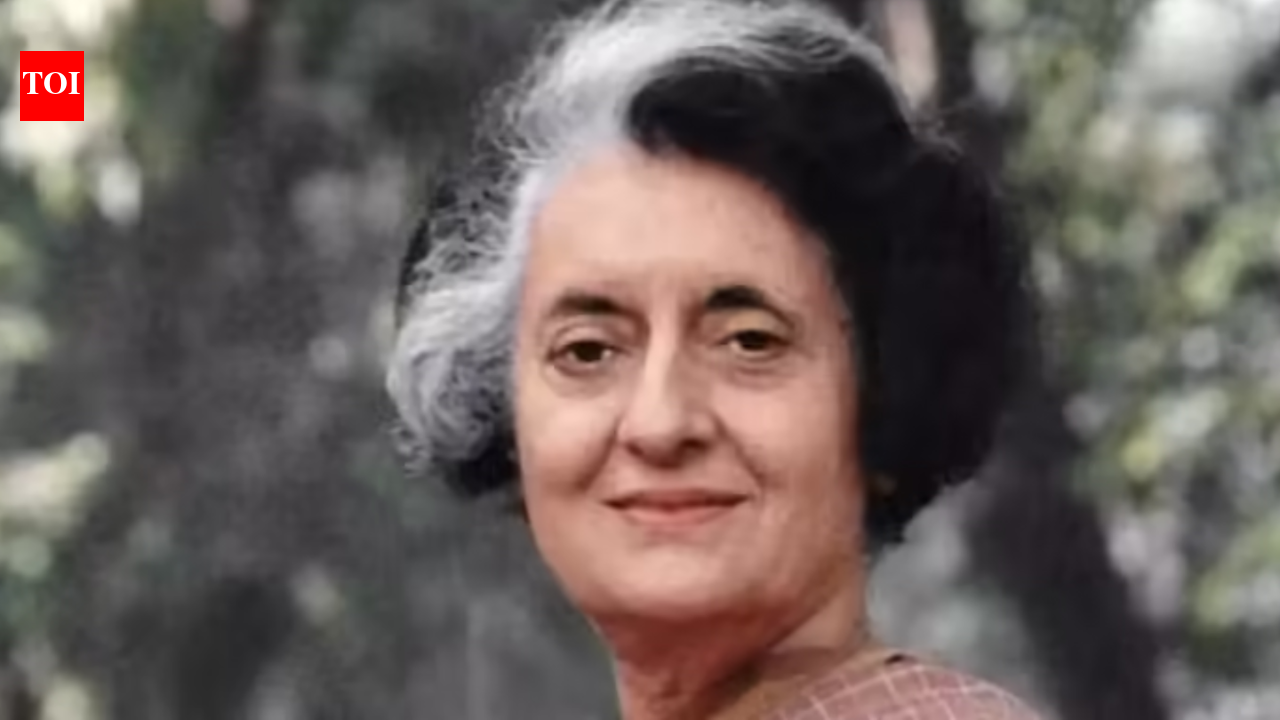
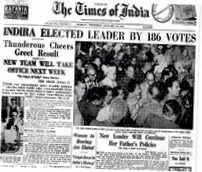
On Jan 19, 1966, the high-domed Central Hall of Parliament — where India’s Constitution had been adopted — witnessed a spectacle unlike any before. For the first time since Independence, the Congress Parliamentary Party (CPP) elected its leader through a full-fledged contest. Out of that tense, four-hour drama emerged Indira Gandhi, 48, as India’s first woman Prime Minister.“She was cheered as she entered the hall, clad in a white sari with a light brown shawl wrapping her shoulders,” TOI reported. When the returning officer announced, “I declare Mrs Gandhi elected,” the hall broke into “thunderous cheers”. It was not merely a personal triumph. The vote marked a turning point for the Congress party — and for the way succession battles would be fought within it.After Lal Bahadur Shastri’s sudden death in Tashkent, in Jan 1966, India was without a Prime Minister once again. Acting PM Gulzarilal Nanda took charge.

.

Indira Gandhi did not enter a smooth succession. The only daughter of Jawaharlal Nehru, she had long lived in his shadow — first as his companion, later as a political figure in her own right. She had served as information minister under Shastri and as Congress president in 1960.Powerful regional leaders — chief ministers of 11 of India’s then 16 states — rallied behind her, signalling support just four days before the vote. Another contender, Nanda, withdrew. But Morarji Desai, the formidable former finance minister, refused to step aside.“Why should I form a separate party? I am a true Congressman and I will remain in the Congress,” Desai declared. What many expected to be a smooth transition became one of the most bitterly fought leadership contests in India’s parliamentary history.At the centre of the storm was Congress president K Kamaraj, who tried to avoid a contest. However, Desai insisted on a ballot, alleging “pressure” on MPs to back a particular candidate. Chief ministers, he said, had “no business” imposing their preferences on the CPP. Kamaraj countered that in a federal democracy, the views of the states mattered.On the eve of the vote, Desai told reporters that MPs were “not dumb cattle” and framed the battle as one between the party establishment and ordinary parliamentarians. He said he had proof of pressure — but declined to elaborate, arguing that naming supporters could expose them to victimisation if he lost.

A contest Cong tried to avoid

As the vote neared, Delhi became a political beehive. Chief ministers met MPs from their states, and journalists camped outside the homes of Kamaraj, Desai and Indira Gandhi.On Jan 19, the Central Hall filled with 526 Congress MPs — a record turnout. Desai arrived first, greeting members with folded hands. Minutes later, Indira Gandhi walked in, went up to Desai, said “namaste,” and posed with him as photographers urged them to clasp hands.In the nominations, the lines were clear. Desai was proposed by K Hanumanthaiya. Indira Gandhi’s name was proposed by acting Prime Minister Nanda and seconded by Sanjiva Reddy.Counting dragged on through the afternoon, fuelling tension and rumours of an imminent result. Four times there were false alarms. Then, around 3pm, the returning officer emerged.“I declare Mrs Gandhi elected.”The figures were emphatic: 355 votes for Indira Gandhi, 169 for Morarji Desai — nearly 68% of the valid votes, a two-thirds majority that even her supporters had scarcely dared hope for. What followed was as theatrical as the contest itself. Amid cheers, the two candidates shook hands and posed for press photographers and TV crews. Outside Parliament House, crowds had gathered all day; when the result became known, they cheered as Gandhi went to Rashtrapati Bhavan to meet the President S Radhakrishnan to form a new govt.Desai pledged cooperation, though with a sting: he hoped that “at least in future, an atmosphere of fearlessness” would be created in party and country. Indira Gandhi, at her first press conference, rejected any insinuation of foul play. “The insinuation that unfair play had a part in this election was unjustified,” she said, while agreeing that fearlessness in public life mattered.Reactions poured in across India. C Rajagopalachari said Gandhi might be more broad-minded, and closer to Nehru’s outlook, than Desai. Women’s groups celebrated.Abroad, the response was swift. The Soviet news agency Tass flashed the news within minutes. Lord Mountbatten called her election one that was bound to have a stabilising effect in India.As Kamaraj told MPs that day, “We have elected Mrs Gandhi to take over the burden of the Prime Ministership of the country.”Research: Rajesh Sharma


Source link

Market recap: Mcap of 3 of top-10 most valued firms jumps by Rs 75,855 cr; SBI, Infosys biggest winners


Market recap: Mcap of 3 of top-10 most valued firms jumps by Rs 75,855 cr; SBI, Infosys biggest winners

The combined market capitalisation of three of India’s ten most valuable listed companies rose by Rs 75,855.43 crore in the holiday-shortened week, with State Bank of India (SBI) and Infosys leading the gains, even as the broader equity market remained largely flat.During the week, the benchmark indices showed limited movement. The BSE Sensex slipped marginally by 5.89 points, while the NSE Nifty edged up by 11.05 points, reflecting a sluggish overall trend in equities.According to news agency PTI, SBI, Infosys and ICICI Bank were the only gainers among the top ten firms by market value. In contrast, seven heavyweights: Reliance Industries, HDFC Bank, Tata Consultancy Services (TCS), Bharti Airtel, Bajaj Finance, Hindustan Unilever and Larsen & Toubro, together saw their valuations fall by Rs 75,549.89 crore. The erosion in these seven stocks was still lower than the total value added by the three gainers.SBI emerged as the biggest winner during the week. Its market valuation jumped by Rs 39,045.51 crore to Rs 9,62,107.27 crore. Infosys followed closely, with its market capitalisation rising by Rs 31,014.59 crore to Rs 7,01,889.59 crore. ICICI Bank also added Rs 5,795.33 crore, taking its valuation to Rs 10,09,470.28 crore, PTI reported.On the losing side, Reliance Industries saw the sharpest decline. Its market capitalisation dropped by Rs 23,952.48 crore to Rs 19,72,493.21 crore. Larsen & Toubro’s valuation fell by Rs 23,501.80 crore to Rs 5,30,410.23 crore, while HDFC Bank lost Rs 11,615.35 crore, taking its market value down to Rs 14,32,534.91 crore.Bharti Airtel’s valuation declined by Rs 6,443.38 crore to Rs 11,49,544.43 crore. Bajaj Finance shed Rs 6,253.59 crore to stand at Rs 5,91,447.16 crore, and Hindustan Unilever’s market capitalisation slipped by Rs 3,312.93 crore to Rs 5,54,421.30 crore. TCS saw a relatively modest fall of Rs 470.36 crore, with its valuation at Rs 11,60,212.12 crore, as per PTI.Market sentiment towards IT stocks received support during the week after Infosys raised its revenue growth guidance for FY26, a move that helped lift its share price and market value. This came at a time when investors remained cautious otherwise, with limited trading activity due to a market holiday.Despite the weekly fluctuations, Reliance Industries remained India’s most valued listed company.It was followed by HDFC Bank, TCS, Bharti Airtel, ICICI Bank, SBI, Infosys, Bajaj Finance, Hindustan Unilever and Larsen & Toubro, maintaining the existing pecking order among the country’s corporate heavyweights.


Source link