Breaking News
30–35 terrorists on radar: Army steps up counterterror ops in J&K; heightened vigilance amid ‘Chillai Kalan’ | India News
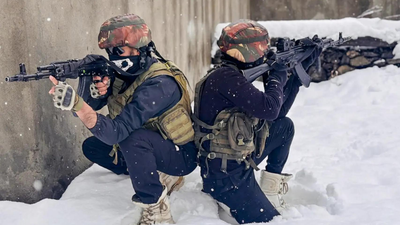

30–35 terrorists on radar: Army steps up counterterror ops in J&K; heightened vigilance amid 'Chillai Kalan'

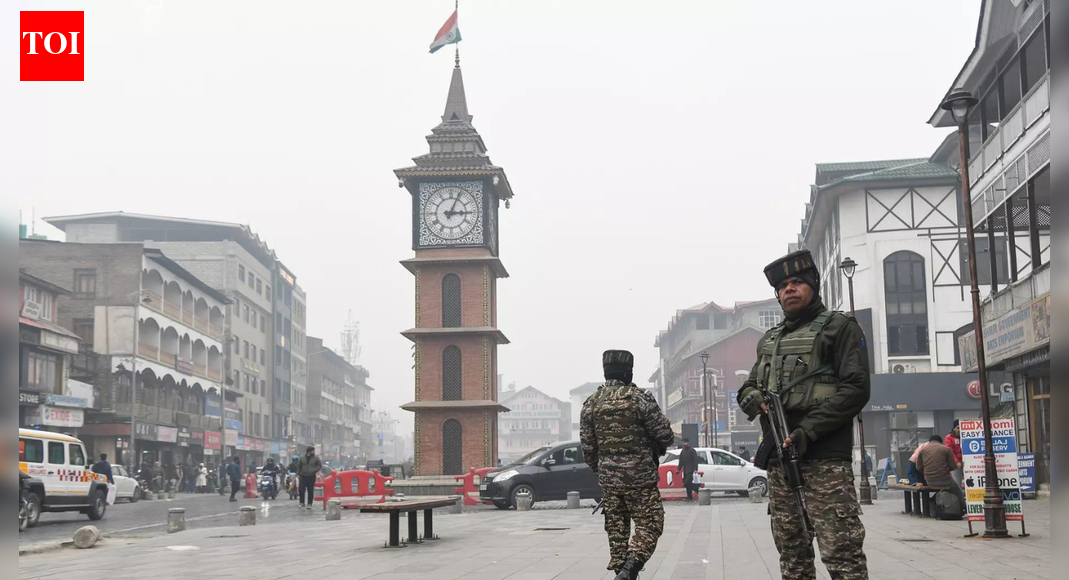
NEW DELHI: Amid the ongoing Chillai Kalan — the 40-day bone-chilling winter period — in Jammu and Kashmir, the Army has intensified its counter-terrorism operations across the Kishtwar and Doda districts.Army units have expanded their operational reach into higher and snowbound areas to pursue and neutralise Pakistani terrorists attempting to exploit the harsh season for concealment, news agency ANI reported, citing sources.

‘India Faces Two War Realities: Counter Terror Strikes And Long Conflicts’, Says CDS Anil Chauhan

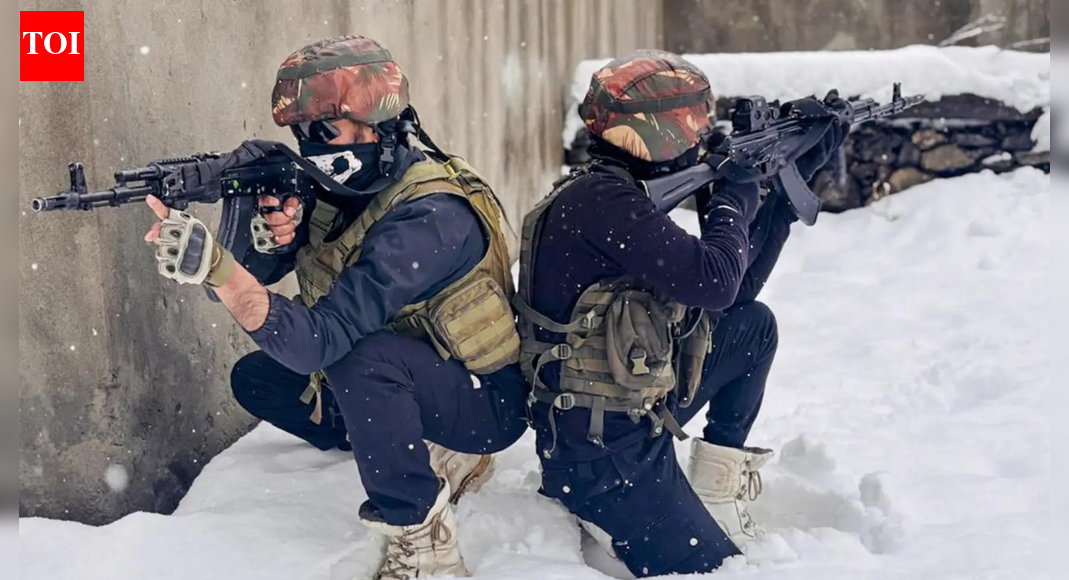
According to sources, various intelligence agencies asses that there are approximately 30 to 35 Pakistani terrorists currently in the Jammu region. Inputs gathered over the past few months suggest that these groups, finding themselves cornered by successful counter-terror operations, have shifted deeper into higher and middle mountain reaches of the region — areas now devoid of habitation. These terrorists are believed to be seeking temporary winter hideouts to evade detection and avoid direct confrontation with security troops, they added.The sources said that the Army and security forces have adopted a proactive winter posture, establishing temporary bases and surveillance posts deep within snow-covered areas to maintain continuous pressure on potential terrorist hideouts.This year’s counter-terror strategy has been the integrated approach to operations. The Indian Army is leading a synchronised effort involving multiple security and law enforcement agencies, including the civil administration, the Jammu and Kashmir Police (JKP), the Central Reserve Police Force (CRPF), the Special Operations Group (SOG), Forest Guards, and Village Defence Guards (VDGs). This inter-agency cooperation ensures seamless intelligence sharing, resource optimisation, and sharper operational execution, sources said.ANI reported that intelligence from multiple agencies is carefully synthesised to draw precise situational pictures of terrorist movement and hideout patterns. Once intelligence is verified, coordinated joint operations are planned and launched, minimising overlaps and ensuring maximum impact with tactical precision. The synergy among ground units and intelligence frameworks has enhanced response time, enabling security forces to act the moment actionable information surfaces.According to the report, the terrorists, who are hiding in this region, are attempting to coerce or threaten local villagers for shelter and food supplies, though their support among locals and overground workers has sharply declined.Sources emphasised that this season’s winter operations are guided by a clear doctrinal approach: Surveillance to Swift Operations and then Back to Surveillance. The philosophy emphasises an unbroken cycle of monitoring, quick response, and sustained watchfulness, minimising the chances of terrorists regrouping. This methodical rhythm allows forces to keep pressure constant while conserving resources and adapting to environmental challenges, they added.This comes with the onset of Chillai Kalan, the harshest phase of Kashmir’s winter, spanning from December 21 to January 31. During this period, most activity in the mountains comes to a standstill.Meanwhile, the Indian Army has also deployed specially trained winter warfare sub-units across several key sectors. These troops, adept in high-altitude survival, snow navigation, avalanche response, and snow combat, have been instrumental in maintaining operational effectiveness during the winter surge.


Source link

‘No fuel without PUCC, restricts entry of non-BS6 vehicles’: Delhi environment minister enforces permanent curbs to tackle pollution | Delhi News


'No fuel without PUCC, restricts entry of non-BS6 vehicles': Delhi environment minister enforces permanent curbs to tackle pollution

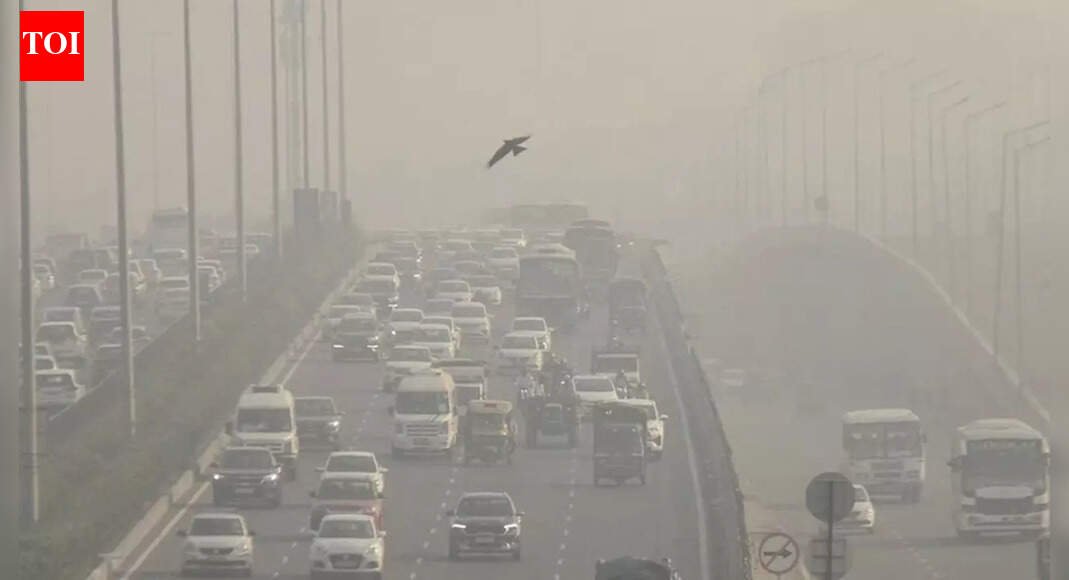
NEW DELHI: Delhi Environment Minister Manjinder Singh Sirsa announced on Saturday that two key restrictions under the Graded Response Action Plan (GRAP-4) will now be permanent, in a bid to tackle the city’s persistent severe air pollution. Speaking to the media, Sirsa said vehicles will not be provided petrol without a valid Pollution Under Control Certificate (PUCC) until further notice, according to news agency ANI.

Delhi’s Air Pollution Gets Attention, But Most Indian Cities Are As Bad Or Worse | I Witness

“Out of the restrictions under GRAP-4, we have decided to make two permanent. First, the PUCC requirement: you will not get petrol anywhere without a PUCC certificate until the next orders,” he stated. The minister also confirmed that vehicles entering Delhi from outside the city that do not meet Bharat Stage VI (BS6) emission standards will face restrictions. “Vehicles from outside Delhi that are below BS6 will also be restricted from entering the city,” he added. Sirsa noted that authorities are closely monitoring the weather, as the Western Disturbance may lead to adverse conditions. “The possibility of bad weather is being indicated. Therefore, we are continuously monitoring the situation,” he said, emphasizing that the government’s priority is to minimize pollution-related hardships for Delhi residents. Delhi’s air quality has deteriorated, with the Air Quality Index (AQI) reaching 390 at 6 pm on Saturday, placing it in the ‘Very Poor’ category, according to the Central Pollution Control Board (CPCB). Experts advise vulnerable groups, including children, the elderly, and those with respiratory conditions, to limit outdoor exposure and use protective masks. Thick smog and fog are trapping pollutants, reducing visibility, and disrupting daily life. Authorities are enforcing measures such as the ‘No PUC, No Fuel’ rule and Stage III restrictions under GRAP, including limits on construction and industrial activities. Earlier, the Delhi Cabinet, led by chief minister Rekha Gupta, approved measures to strengthen environmental governance in the capital. A key decision includes allocating Rs. 100 crore for the rejuvenation of water bodies across the city. Delhi has around 1,000 water bodies, 160 of which fall under the government’s jurisdiction. Sirsa said, “The rejuvenation of Delhi’s water bodies will play a crucial role in pollution control. The chief minister has directed that full financial support be provided to complete this work within the year.” The Cabinet also approved the establishment of Delhi’s first E-Waste Park at Holambi Kalan, spanning 11.5 acres. The facility will follow strict pollution-control standards and operate on a 100 per cent circular, zero-waste model. Sirsa explained, “This will be India’s first state-of-the-art e-waste facility built on zero pollution and zero wastage principles. The plant will fully recycle and reuse water through an advanced recirculation system.”


Source link

Maharashtra: SIT probe finds China link to kidney racket | India News


Maharashtra: SIT probe finds China link to kidney racket

CHANDRAPUR: The SIT probing illegal sale of a farmer’s kidney in Chandrapur, Maharashtra, has uncovered a direct operational link to China. Fresh disclosures indicate that a Chinese surgeon, Dr Chiang, conducted transplant procedures in Cambodia and supplied harvested organs to clients in his home country.The revelations, based on statements of two key accus-ed during interrogation, have prompted officials to expand the scope of inquiry across international networks.Police sources said Ramakrishna Sunchu of Solapur (who also posed as ‘Dr Krishna’ and Mallesh) and Himanshu Bhardwaj from Mohali, Punjab, told interrogators Chiang performed the surgeries and ensured that all procured kidneys were routed to Chinese recipients.The kidney of Roshan Kule, a marginal farmer from Minthur village who was lured into selling his organ, was allegedly transplanted to a patient in China within 12 hours of the kidney removal, sources said.Investigators believe Chiang played a key role in recruiting intermediaries, allegedly enticing Sunchu and Bhardwaj with significant financial rewards to supply donors. Police are pursuing the third accused in the chain from West Bengal, who remains on the run.All for lady love Himanshu Bhardwaj once ran a tour and travel business. His life took a turn when he fell in love with a young woman and began taking care of all her expenses. When she expressed her desire to travel to the US, Himanshu decided to fulfil her dream — even if it meant selling his own kidney. That decision made him enter the kidney trade.


Source link

Yamuna sand mining: Mid-river digs to illegal ramps, NGT panel finds major violations; GRAP curbs ignored | Noida News


Yamuna sand mining: Mid-river digs to illegal ramps, NGT panel finds major violations; GRAP curbs ignored

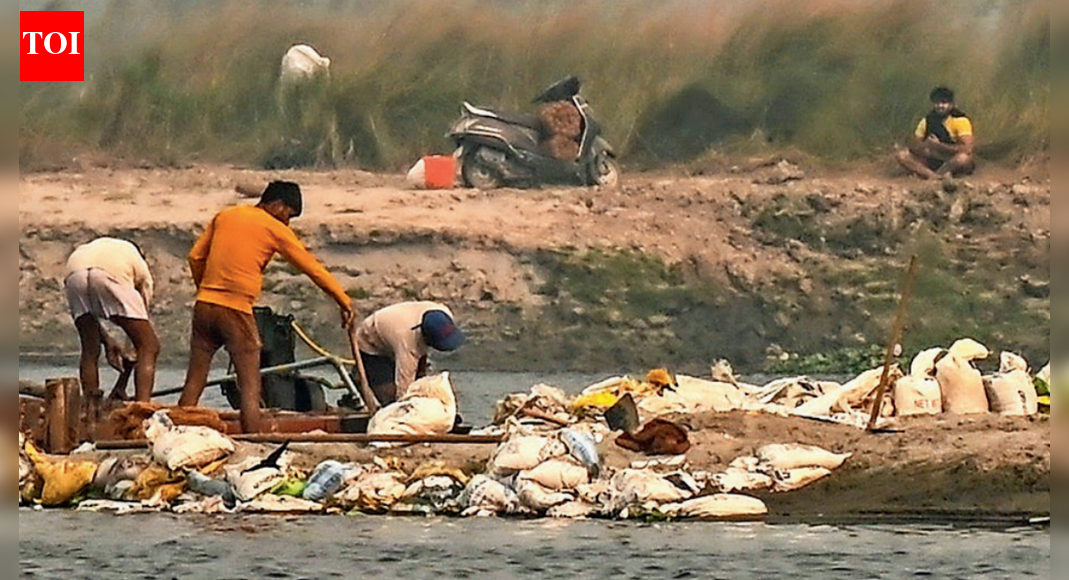
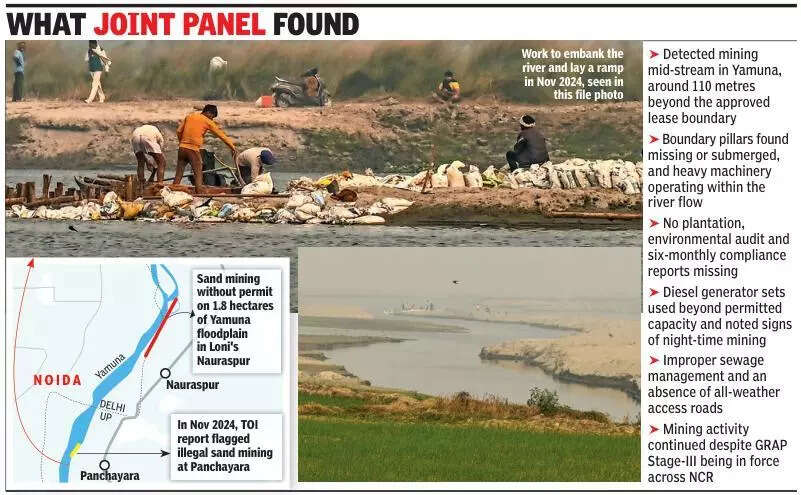
GHAZIABAD: A National Green Tribunal-ordered inspection of the Yamuna floodplains lying between Delhi and Ghaziabad has found largescale violations by miners, corroborating a TOI report on Nov 30 last year about an embankment being built across the river to illegally dredge sand.The joint committee report, submitted to NGT after surprise inspections on both Delhi and UP sides of Yamuna earlier this month, pointed out that though the mining lease was legal, the mining area breached legal boundaries with construction of illegal ramps. Miners, it added, operated heavy machinery within the river’s flow and ignored Delhi-NCR’s GRAP rules, continuing operations even during periods when all mining activities were prohibited to curb pollution.After taking note of the TOI report, NGT’s principal bench, headed by chairperson Prakash Shrivastava and expert member A Senthil Vel, had consolidated all pending cases on sand mining around Yamuna. It directed the formation of the joint committee — comprising representatives from Central Pollution Control Board, ministry of environment, forest and climate change and Commission for Air Quality Management — on Nov 20 this year.

Mid-river digs to ramps, NGT panel finds major Yamuna mining violations

In its report dated Dec 19, the panel painted a bleak picture of the Yamuna floodplains, particularly in Ghaziabad’s Navraspur area of Loni. Here, mining was found to have taken place in the very centre of the river, up to 110 metres beyond the legal lease boundary. The violations included excavation of up to 15-20 feet in the riverbed using machinery deployed using the illegal access ramps – the TOI report had pointed out that the ramps were built by laying sandbags across the river’s flow – and absence or submergence of boundary pillars meant to demarcate legal mining zones. The committee also found a weighing bridge and an office around 200m from the legal lease area.The panel was also critical in its assessment of administrative lapses. It highlighted that there was no curb on mining activity when GRAP III was in force. The committee also found evidence of night-time operations. Other environmental conditions that were ignored included the absence of required plantation drives, no submission of environmental audits or compliance reports every six months, and the lack of solar lighting. Diesel generator sets were also operated beyond their permitted capacity, sewage management was found wanting, the report pointed out. The lapses, the report said, increased the risk of long-term ecological damage to the river and its floodplains.An official from the mining office in Ghaziabad acknowledged the violations. “In 1.8 hectares of the Yamuna floodplains in Navraspur, a short-term mining permit was given for six months in May, but it excluded the three-month monsoon period when mining is banned. However, there were instances of violations of environmental norms for which we have issued a show-cause notice to the lessee. After their reply on the charges levelled against them, action, which includes the imposition of a penalty, could be imposed,” the official said.Apart from laying down violations, the panel recommended that both Delhi and UP authorities take urgent steps to rein in illegal mining. It called on the mining office in Ghaziabad to act against mining conducted outside lease areas. It also advised against granting short-term mining leases that are less than two years. “UPPCB, Ghaziabad, and the Ghaziabad mining department may take necessary action against the mining done during the GRAP-III period. The Ghaziabad mining department may be requested to discourage granting sand mining leases with a duration of less than two years. The DM, through the mining department, shall ensure that no mining is carried out in the mainstream of the river Yamuna,” the tribunal ordered on Dec 23.


Source link

Old & bold: When 70+ go skydiving & bungee jumping | India News


Old & bold: When 70+ go skydiving & bungee jumping
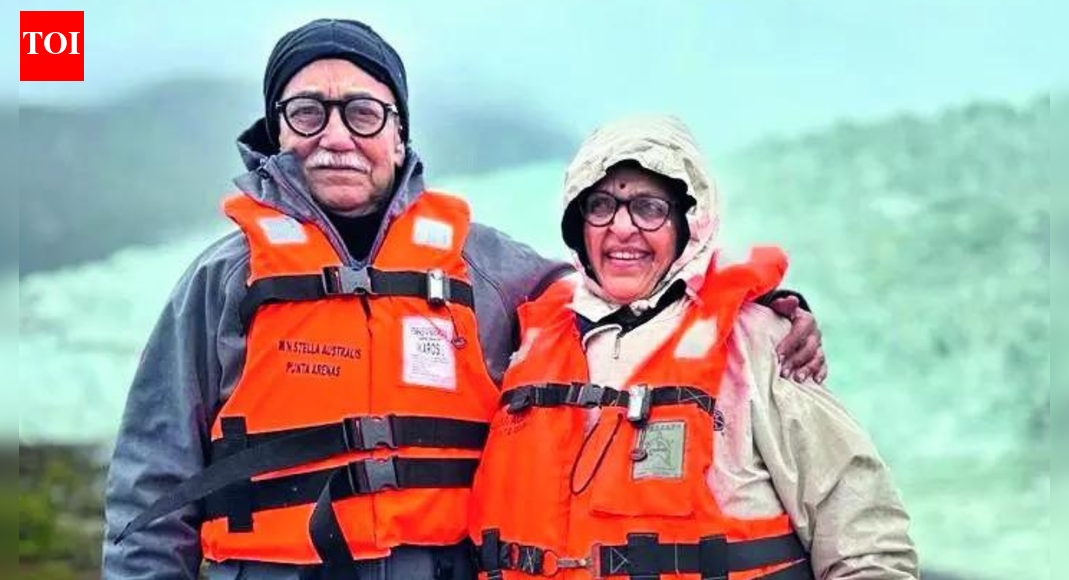
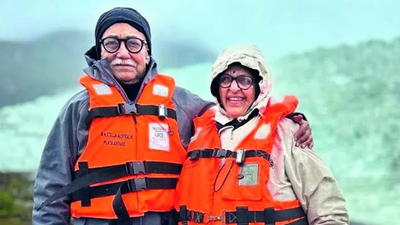
The Kotharis have travelled to 14 countries in four years

From Vadodara and Ahmedabad, a small band of 70-plus Indians is rewriting the script of retirement – skydiving, scuba diving, bungee jumping, even trekking across Antarctica’s frozen expanse.Gautam Kothari, 74, has lost vision in one eye. His wife Beena, 72, cannot walk long distances. Together, they have leapt from aircraft, plunged into oceans, and dangled over canyons. The Kotharis stood at the edge of the world in polar cold. They cruised icy waters, met a lone lighthouse family in one of the planet’s remotest outposts. In four years, they have travelled to 14 countries. Experiences many half their age postpone for “someday”. “In 2022, we leapt out of the skies in Russia,” Gautam said. “Icy wind hit us. Earth below looked fascinating. Neither of us was nervous even for a moment.” Heart ailments to knee replacements, nothing stops these senior citizens New Zealand followed. A bungee jump in 2024. Then Egypt. The Red Sea. Scuba diving. “My family warned me about pressure on my heart,” Gautam said. “But I was adamant about seeing the underwater world.”They have chased auroras in Iceland. Drifted above Egypt in a hot-air balloon. Stayed in Indonesia’s rainforests. Watched gorillas in Uganda. Glided over a frozen Siberian lake. Every detail planned by hand. Destinations. Flights. Rooms. Routes. “We do everything ourselves,” Beena said.Another Amdavadi couple follows that rhythm. Deval Thakor, 77, and his wife Daksha, 76, took on Antarctica after earning the label of “senior citizens”. They skydived in California too. “Age is just a number,” Thakor said. “Journeys matter more than possible hardships.”Then there are Nautam Vakil, 78, and his wife Neeta, 82. Neeta’s knee replacement did not stop them from taking the Alpine Tour in Japan this year. “We believe in living with high spirits,” Vakil said.Back in Vadodara, Gautam still runs an industrial electrical products business. For the couple, travel feeds curiosity. “We want to live every moment,” Gautam said, adding, “Meet new people. Explore different cuisines.”The bucket list remains unfinished. Namibia’s desert is next for the Kotharis. Egypt and Jordan await the Thakors, after they “travelled from Kashmir to Kanyakumari and from Kutch to Arunachal Pradesh in our car”. Time keeps moving. The Kotharis, Vakils and Thakors move faster.


Source link

Aravali row: Supreme Court takes suo motu cognisance of hills verdict; CJI-led bench to hear case on Monday | India News


Aravali row: Supreme Court takes suo motu cognisance of hills verdict; CJI-led bench to hear case on Monday

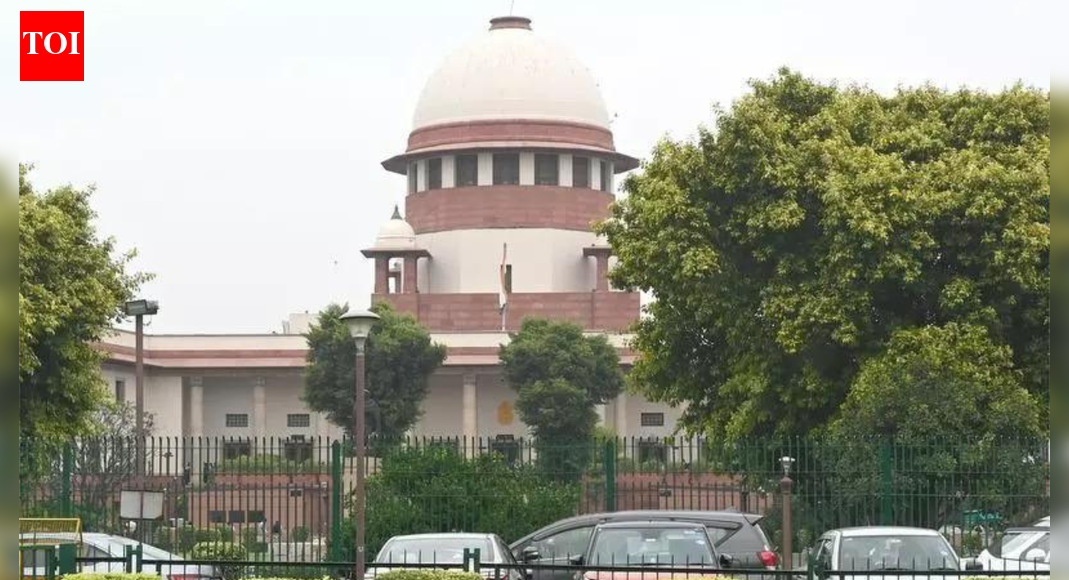
NEW DELHI: As the controversy over its November 20 order on the Aravali hills refuses to die down and environmentalists and citizens oppose the verdict, Supreme Court has taken suo motu cognisance of the issue and registered a case which will be taken up on Monday. The cause list put up on the Supreme Court website says suo motu civil case regarding ‘Definition of Aravali Hills and Ranges and Ancillary Issue’ will be taken up by a bench of Chief Justice Surya Kant and Justices J K Maheshwari and A G Masih.The apex court, in its Nov ruling, had accepted the expert committee’s definition of Aravali Hills and Ranges in the context of mining as any landform located in the Aravali districts having an elevation of 100m or more, measured from the local relief. Aravali Range has been defined as two or more Aravali Hills, located within 500m from each other.The definition of Aravali Hills and Ranges was given by a committee comprising secretary, MoEFCC; secretaries of the department of forests of NCT, Haryana, Rajasthan and Gujarat; a representative from Forest Survey of India, central empowered committee, Geological Survey of India and joint secretary, MoEFCC.Raising questions on SC’s ruling, environmentalists alleged that it would lead to massive mining as the activity would be allowed on hills with height less than 100m.Aravalis would lose continuity and integrity, amicus had arguedDuring the hearing of the case, senior advocate K Parameshwar, who was assisting the court as amicus, had objected to the definition and contended that all hills below 100m would be opened up for mining and as a result the Aravali Hills and Ranges would lose their continuity and integrity. “If the definition as suggested by the Committee is accepted, it would totally endanger the environment and ecology of the mountains,” he had submitted, which was also incorporated in the order.Against his submission, additional solicitor general Aishwarya Bhati had contended that if the definition of Aravali Hills and Ranges as suggested by the FSI (slope of 3 degree or more) is accepted, it would exclude large areas. If the definition suggested by the committee is adopted, she submitted, a larger area would be included as part of Aravali Hills and Ranges.


Source link

IndiGo fiasco: Key official removed, more action likely


IndiGo fiasco: Key official removed, more action likely

Representative image (Picture credit: PTI)

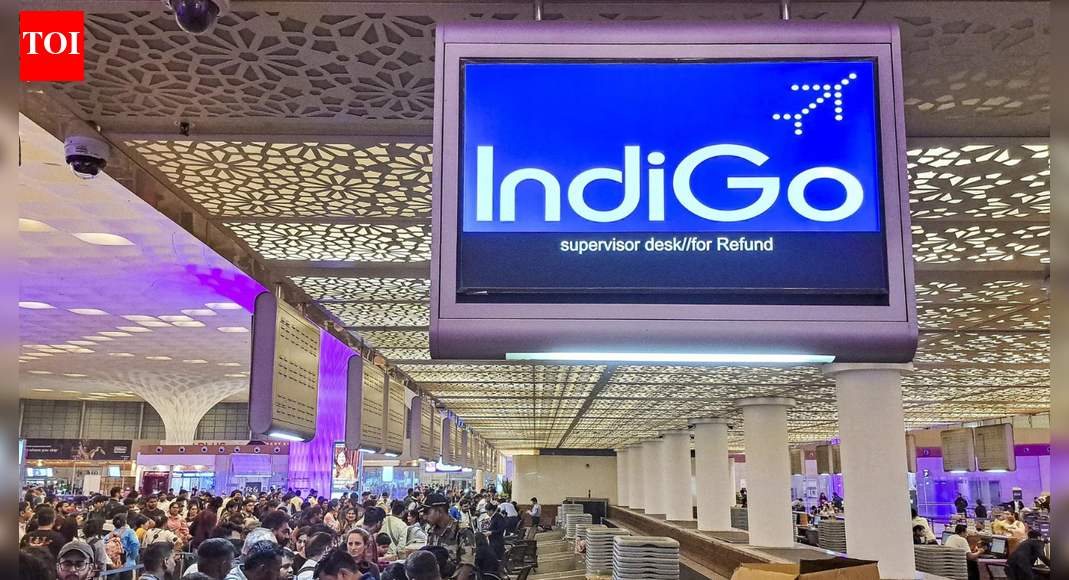
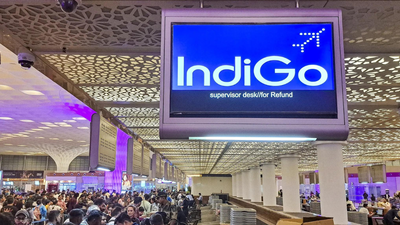
NEW DELHI: Following the recent IndiGo fiasco, the whip is now being cracked on Directorate General of Civil Aviation (DGCA) officials responsible for ensuring such schedule collapse did not take place.The in-charge of flight standards directorate (FSD) – which, among other roles, looks after flight duty time limitation of pilots and airlines’ flight operations – has been removed. Roles of some other key officials are also under the scanner, and “more action is on the cards”, sources said.An additional director, who was holding additional charge as director of FSD, has been relieved of the same and will now only look after the “airspace & air navigation service standards” wing. This officer has also been facing allegations of rising through regulatory ranks on the basis of a fake degree.After the crisis earlier this month – when an operational collapse affected 5,000 flights – four flight operations inspectors working in DGCA were sent back to their parent airline. However, they were largely seen as scapegoats.How much these actions help remains to be seen, as both aviation industry insiders and top govt officials admit that DGCA is in need of a complete revamp. Instead of an under-staffed body under the thumb of the aviation ministry, many reports on DGCA’s restructuring have called for an independent, autonomous and self-funded civil aviation authority on the lines of those in the US and Europe.“Throughout 2025, we have witnessed how out of depth our aviation agencies are. Whether it is the controversial probe of AI 171 crash, which has put a question mark on Aircraft Accident Investigation Bureau or the crash of Delhi air traffic control, which did not show Airports Authority of India in a good light due to its delayed ATC modernisation programme,… each agency has a lot to answer for,” said aviation industry old-timers.


Source link

CWC retracts Bangladesh unrest blame on government | India News


CWC retracts Bangladesh unrest blame on government

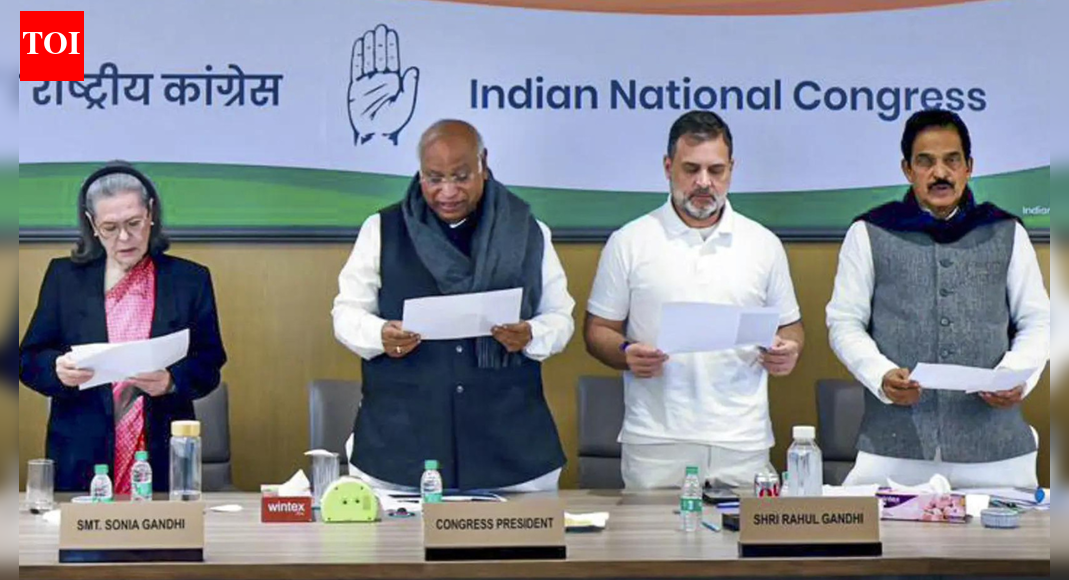
A resolution on general issues proposed at the CWC meeting invited a brief discussion after it blamed government for the situation in Bangladesh. However, CWC member Shashi Tharoor said the sentence needed to be rephrased as government or BJP could not be held responsible for the situation in the neighbouring country. Tharoor said government can be accused of diplomatic failure but not blamed for the unrest there. Sources said the line was then dropped. Congress did not pass the resolutions placed before the CWC to ensure that the focus stayed on agitational programme on MGNREGA.During discussion, it was suggested that non-BJP CMs be asked to issue a statement condemning attacks on Christians this week.


Source link

J&K: Bilal Lone backs Mirwaiz, terms X bio barbs as ‘dishonest, dangerous’ | India News


J&K: Bilal Lone backs Mirwaiz, terms X bio barbs as ‘dishonest, dangerous'

File photo: Bilal Lone (PIcture credit: PTI)

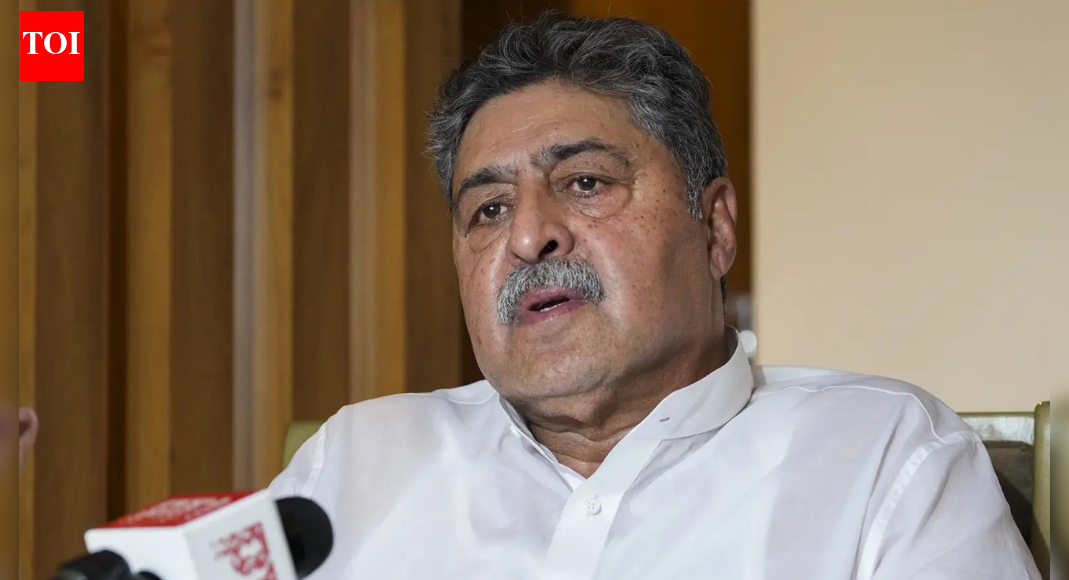
SRINAGAR: Mirwaiz Umar Farooq, who has come under attack for removing the “Chairman, All Parties Hurriyat Conference” designation from his X handle, received unexpected support on the issue from Bilal Gani Lone, a former Hurriyat functionary, on Saturday.Lone dismissed the criticism as “shallow, dishonest and dangerous.” He said Mirwaiz Umar had paid an enormous personal price from a very young age, “losing his father and later his uncle to the conflict, and shouldering responsibilities that many of his critics would lack the courage to accept.”Bilal’s younger brother and People’s Conference chairman, Sajad Lone, had earlier criticised Mirwaiz for modifying his X bio, describing it as the Kashmir chief cleric’s “surrender in lieu of protocol and CRPF security.”


Source link

J&K students association says another Kashmiri shawl seller assaulted | India News


J&K students association says another Kashmiri shawl seller assaulted

SRINAGAR: J&K Students Association (JKSA) has expressed outrage after a fresh incident in which a Kashmiri shawl seller was allegedly assaulted in Himachal Pradesh, leaving him with fractures and multiple injuries.Jehangir Ahmad, who has been selling shawls in Dehra area of Kangra district for 15 years, was allegedly thrashed, threatened, abused and told to leave the state, JKSA, which has been tracking such incidents for the past eight years, said. The association said this was the 16 such incident in Himachal Pradesh this year “targeting Kashmiri traders”.“Ahmad was mercilessly thrashed by fringe elements. He has sustained fractures and multiple injuries and is undergoing treatment at a hospital in Himachal Pradesh,” Nasir Khuehami, national convenor of the association said. “We urge the Himachal CM to take immediate and decisive action. Such behaviour must not go unchecked,” Khuehami said.In a related incident, JKSA said they have taken up the matter of alleged harassment of a Kashmiri shawl seller in Kaithal, Haryana, with the chief minister’s office.Khuehami said he spoke to Rajeev Jaitly, media advisor to the Haryana CM, and requested his immediate intervention in the matter. he said Jaitly assured him that “such acts of violence and intimidation against Kashmiri shawl sellers will not be tolerated at any cost”.National Conference chief spokesperson Tanvir Sadiq called for immediate action and a long-term, permanent solution to such incidents. “These incidents are deeply disturbing and unacceptable. The safety and dignity of Kashmiris living outside Jammu and Kashmir must be ensured at all costs,” Sadiq said.


Source link