Breaking News
Acting on ‘sixth sense’, Supreme Court quashes rape conviction | India News


Acting on 'sixth sense', Supreme Court quashes rape conviction

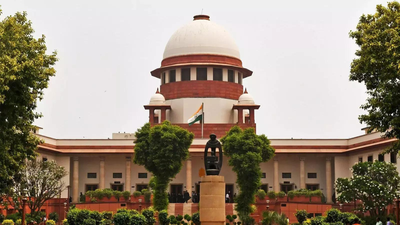
NEW DELHI: It is justice by “sixth sense”. While going through bail petition of a rape convict, Supreme Court got the sense this was a consenting relationship that turned sour and resulted in conviction and a 10-year prison term for the man. It then decided to tread a different path for adjudicating the case. It interacted with the convict and the victim, along with their parents, and the case ended with their marriage and quashing of conviction. As the convict was in jail, a bench of Justices B V Nagarathna and Satish Chandra Sharma directed MP police to bring him to SC under police protection. It took the court nine months to decide the case as notice was issued in March on his plea and conviction was quashed in Dec and in between they got married.“This is one of those rare cases where on intervention of this court the appellant herein, who had applied to seek suspension of his sentence, was ultimately benefitted by quashing of his conviction as well as the sentence. …when the matter came up before this court by assailing the rejection of suspension of sentence by HC, on a consideration of facts of the case, we had a sixth sense that the appellant and the prosecutrix could be brought together…” the bench said.On direction of the court, both the parties, along with their parents, appeared in court and the judges personally interacted with them in chamber to know about the nature of their relationship. As they expressed willingness to get married which was also approved by their parents, SC granted the man bail to come out of jail for marriage. The two got married in July. Court thereafter posted the case for Dec to take stock of their married life and passed the final order for quashing of conviction after court was informed that they are living happily together.“Consequently, we invoked our powers under Article 142 of the Constitution to do complete justice in the matter by quashing the complaint as well as the conviction and sentence passed against the appellant… owing to a misunderstanding the consensual relationship between the parties was given a criminal colour and converted into an offence of false promise of marriage whereas the parties, in fact, intended to marry each other. It was only owing to the appellant seeking postponement in the date of marriage which may have led to insecurity in the mind of the respondent and filing of the criminal complaint,” the bench said.In this case, both became friends in 2015 on a social media platform and both developed a liking and fondness for each other. Thereafter, both the parties entered into a consensual physical relationship. As marriage between them could not fructify, she filed an FIR in 2021 under Section 376 and 376(2)(n) of IPC (regarding rape). He was convicted by trial court which sentenced him to rigorous imprisonment for 10 years. He challenged the order in HC where his appeal is still pending. He moved SC after his bail plea was rejected by HC.SC also directed his job at a govt hospital be restored with back wages. He was suspended after conviction. “A direction may be issued to chief medical officer, Sagar, MP to revoke the order of suspension and pay arrears of salary to the appellant,” it said.


Source link

Clearance of cosmetic sold to treat medical conditions nixed | India News


Clearance of cosmetic sold to treat medical conditions nixed

NEW DELHI: The Central Drugs Standard Control Organisation has cancelled the registration of an anti-hair loss cosmetic product, QR 678-Neo, after finding that it was being promoted online for treating medical conditions such as post-chemotherapy hair loss, androgenetic alopecia (common, genetic hair loss) and seborrhoeic dermatitis (manageable form of scalp eczema or dandruff) – claims that legally fall under the definition of drugs and are not permitted for cosmetics.The action has been taken against Mumbai-based firm M/s Esthetic Centers International Pvt Ltd, which had imported the product QR 678-Neo after registering it as an anti-hair-loss cosmetic under the Cosmetics Rules, 2020. The registration, granted in April 2022 and valid till 2027, has now been cancelled with immediate effect. While the order applies specifically to this product and firm, officials said it sends a broader regulatory signal to the fast-growing cosmetic and hair-care market, particularly online platforms, where products cleared as cosmetics are increasingly promoted with therapeutic claims. Regulators have repeatedly cautioned that making drug-like claims without approval not only misleads consumers, but also bypasses safety, efficacy and clinical evaluation requirements mandated for medicines. The latest action underscores that cosmetic approvals can not be used as a backdoor for marketing unapproved treatments. According to CDSCO order, scrutiny of the firm’s product labels and official website revealed a mismatch between the approved cosmetic claims and the way the product was being marketed online. While the approved label positioned the product as a cosmetic, the website promoted it as a treatment for specific conditions – claims that attract regulation under Drugs and Cosmetics Act, 1940.


Source link

Paris metro stabbing: Knife-wielding man stabs three women; suspect arrested


Paris metro stabbing: Knife-wielding man stabs three women; suspect arrested

A man armed with a knife stabbed three women on line 3 of the Paris metro this Friday between 4:15 pm and 4:45 pm. The attacks occurred at the Arts-et-Métiers, République, and Opéra stations on the line running between Bagnolet (Seine-Saint-Denis) and Levallois-Perret (Hauts-de-Seine), according to Le Parisien citing police sources.The suspect pulled out a knife and attacked the women, who sustained minor injuries to their backs and thighs. Paris firefighters quickly attended to the victims at each station.“The young woman was injured in the thigh,” testified a woman who was at the République station at the time of the attack. “There was quite a lot of blood; it was a pretty deep cut.”According to police, the suspect then fled via metro line 8 and was arrested at his home in Sarcelles (Val-d’Oise). He was reportedly of Malian origin and was born in 2000. The possibility of terrorism was ruled out; investigators believe it was the act of a mentally unstable individual.By two hours after the attacks, life had returned to normal at Opéra and République, and line 3 was operating as usual.This is a developing story.


Source link

Bombay High Court protects Shilpa Shetty’s personality rights; orders deletion of AI-generated content, calls it ‘extremely disturbing and shocking’ |


Bombay High Court protects Shilpa Shetty’s personality rights; orders deletion of AI-generated content, calls it ‘extremely disturbing and shocking’

The Bombay High Court on Friday came down heavily on AI-generated and morphed images of Bollywood actress Shilpa Shetty, terming the content “extremely disturbing and shocking” and directing social media platforms to forthwith delete and remove all such links and websites.As per PTI, a vacation bench of Justice Advait Sethna observed that the material placed before the court was, “prima facie extremely disturbing,” adding that, “no personality, much less a person and or a woman can be portrayed in a fashion which affects her fundamental right to privacy and that too, without her knowledge and or consent.”

Shilpa Shetty’s Glute Bridge Will Make You Sweat

Shilpa Shetty alleges misuse of AI to clone voice and mannerisms

In her suit, Shetty sought protection of her personality rights, alleging that AI tools were used to clone her voice and mannerisms to create morphed images, books and other merchandise without her authorisation.The actor urged the court to pass an injunction directing websites to take down the content and to restrain them from using her name, voice or image without prior permission.Recording its findings, the court noted that Shetty had submitted images from multiple social media platforms which depicted her in an inappropriate and unacceptable fashion.“These pictures prima facie appear shocking,” Justice Sethna said in the order.

Immediate deletion ordered ‘in the interest of justice’

Acknowledging Shetty’s public standing, the court underlined the potential damage caused by the circulation of such content.She is a well-known film personality and active on social media, the bench observed, adding that portraying such images through URLs would “tarnish her image and reputation and this cannot be countenanced.” Concluding the matter, the high court directed all defendants to immediately delete the offending URLs from their respective platforms.“In the interest of justice,” the court ordered that the content be taken down without delay.


Source link

The Jeffrey Epstein Story: How a middle-class schoolteacher with fake degrees accumulated power, money, and impunity | World News


The Jeffrey Epstein Story: How a middle-class schoolteacher with fake degrees accumulated power, money, and impunity
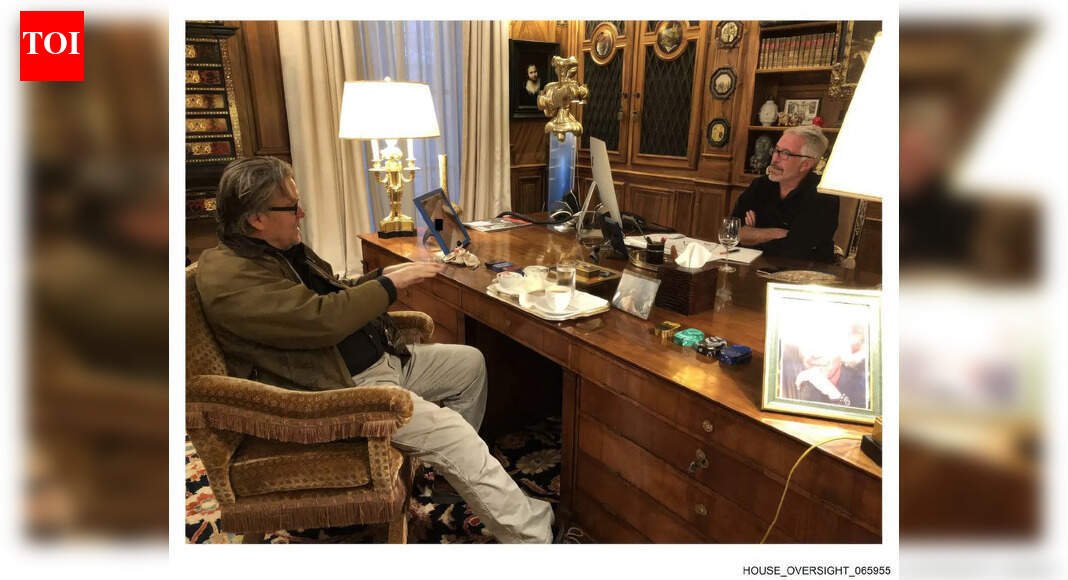
This undated photo released by Democrats on the House Oversight Committee Thursday, Dec. 18, 2025, shows Jeffrey Epstein talking with Steve Bannon. (House Oversight Committee via AP)

What do Bill Clinton, Donald Trump, Noam Chomsky, Prince Andrew, Alan Dershowitz, Leon Black, Leslie Wexner, David Rockefeller, Ehud Barak, Kevin Spacey, Woody Johnson, and Lynn Forester de Rothschild have in common? At different points in time and in different capacities, they were all connected to Jeffrey Epstein.That overlap is often treated as the mystery at the heart of the Epstein story. It is not. As a detailed investigation by The New York Times makes clear, the more revealing question is how Epstein became a person to whom such proximity was even possible. How did a man who began life as an unremarkable schoolteacher, armed with fake degrees and no inherited privilege, move with such ease through the upper reaches of politics, finance, academia, and global high society? The answer lies less in Epstein’s personal skill than in the way elite systems reward usefulness, tolerate ambiguity, and repeatedly choose comfort over confrontation.

Epstein Recorded Trump & Clinton’s Compromising Videos? Epstein Files Reveal Disturbing Claims

Early life and entry into elite spaces

Before the private jets, the island, and the proximity to presidents and princes, Epstein was a teacher. In the mid-1970s, he taught mathematics and physics at the Dalton School in New York, one of the city’s most prestigious private institutions. He came from a working-class family in Brooklyn and had never completed a college degree. He fabricated academic credentials to secure the teaching position, and his classroom performance left little impression. Dalton administrators asked him to leave after the academic year. By any conventional measure, this should have marked the limit of his upward mobility. Instead, it marked the moment when social access began to substitute for merit.

The Bear Stearns opportunity and the first lie

Epstein’s move from the classroom to Wall Street did not occur through professional achievement but through proximity. A parent of one of his Dalton students introduced him to a senior executive at Bear Stearns, then a major investment bank that prided itself on hiring unconventional talent. Epstein lacked formal training in finance and possessed no legitimate academic pedigree, yet he was hired. When the firm later discovered that he had lied about holding degrees from two universities, Epstein did not deny it. He admitted the deception calmly and explained that without impressive credentials, no one would give him a chance. Bear Stearns chose not to fire him. That decision, more than the lie itself, shaped the rest of his life.

How institutional tolerance shaped his rise

At Bear Stearns, Epstein did not distinguish himself as a financial innovator. What he learned instead was how power functions inside institutions. He observed that relationships often outweighed rules, that proximity to senior figures created insulation, and that violations could be negotiated away if one appeared useful or non-disruptive. He cultivated patrons, dated the daughter of a senior executive, and learned when to apologise and when to express offence. This education in institutional behaviour would prove more valuable than any technical training.

Leaving Wall Street without losing its protection
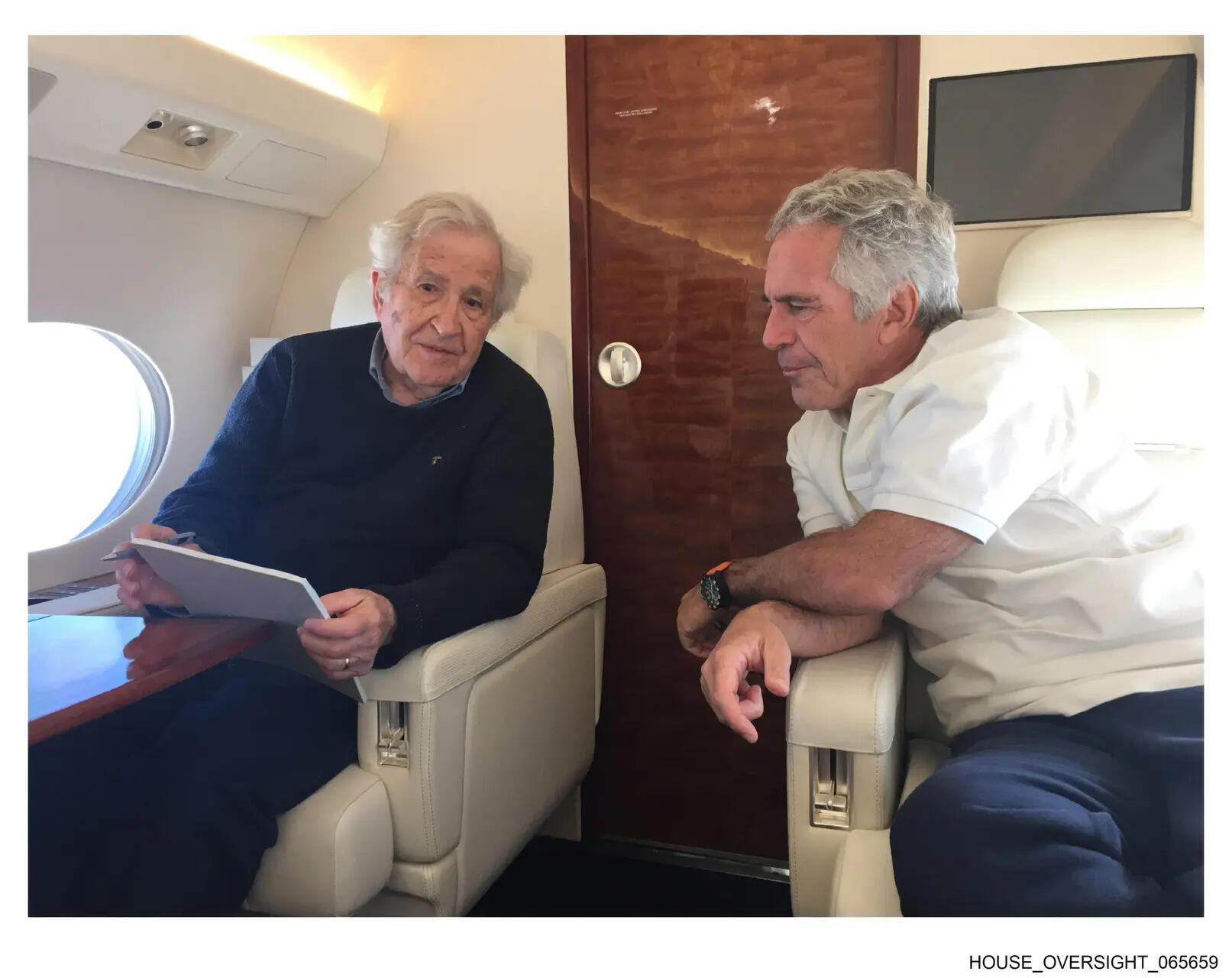
Epstein with Chomsky

This undated photo released by Democrats on the House Oversight Committee Thursday, Dec. 18, 2025, shows Jeffrey Epstein talking with Noam Chomsky. (House Oversight Committee via AP)

Epstein misused company funds, violated internal compliance norms, and channelled privileged opportunities to romantic partners. Investigations followed, but consequences remained limited. Even when disciplinary action was finally imposed, Epstein resigned rather than accept formal punishment, preserving the appearance of autonomy. Crucially, Bear Stearns did not sever ties with him. Former colleagues continued to vouch for him, and his association with the firm became a credential that followed him long after the reasons for his departure had faded from institutional memory.

Early wealth built on weak accountability

After leaving Bear Stearns, Epstein relied heavily on that institutional residue. He presented himself to wealthy individuals as a Wall Street insider, knowing that brand association often substitutes for verification. In this period, he engaged in a series of questionable investment arrangements, including at least one instance in which an investor entrusted him with a substantial portion of his net worth for a deal that never materialised. When the money disappeared, Epstein avoided personal liability through legal technicalities. These early episodes were not anomalies but rehearsals, teaching him how often accountability could be deferred.

Exposure to old money and elite norms

Epstein’s ambitions sharpened when he encountered genuine generational wealth. Through British and European connections, he moved within aristocratic and defence-linked circles where discretion was prized above transparency and loyalty outweighed explanation. He repositioned himself as a specialist in locating hidden assets, cultivating an image as someone who could navigate offshore financial structures beyond the reach of conventional advisers. In at least one high-profile case, he successfully helped recover missing funds, earning significant compensation and credibility.

From investor to intermediary

By the mid-1980s, Epstein was a millionaire, but wealth alone was not the inflection point. He had acquired a role within elite networks. He was no longer merely investing or advising. He was mediating, connecting, and facilitating. This intermediary position insulated him from scrutiny because his value lay not in outcomes but in access. People tolerated him because he appeared useful.

Building legitimacy through boards and donations

From that point onward, Epstein focused on assembling legitimacy. He understood that access to America’s most exclusive circles is constructed incrementally. He joined boards, donated strategically to cultural and academic institutions, and embedded himself in philanthropic circuits where influence circulates informally. He cultivated academics, politicians, and donors, ensuring that each affiliation reinforced the next. He also surrounded himself with young women, using them to smooth introductions and signal desirability within male-dominated power networks. This was not incidental behaviour. It was deliberate.

The role of Leslie Wexner in Epstein’s expansion
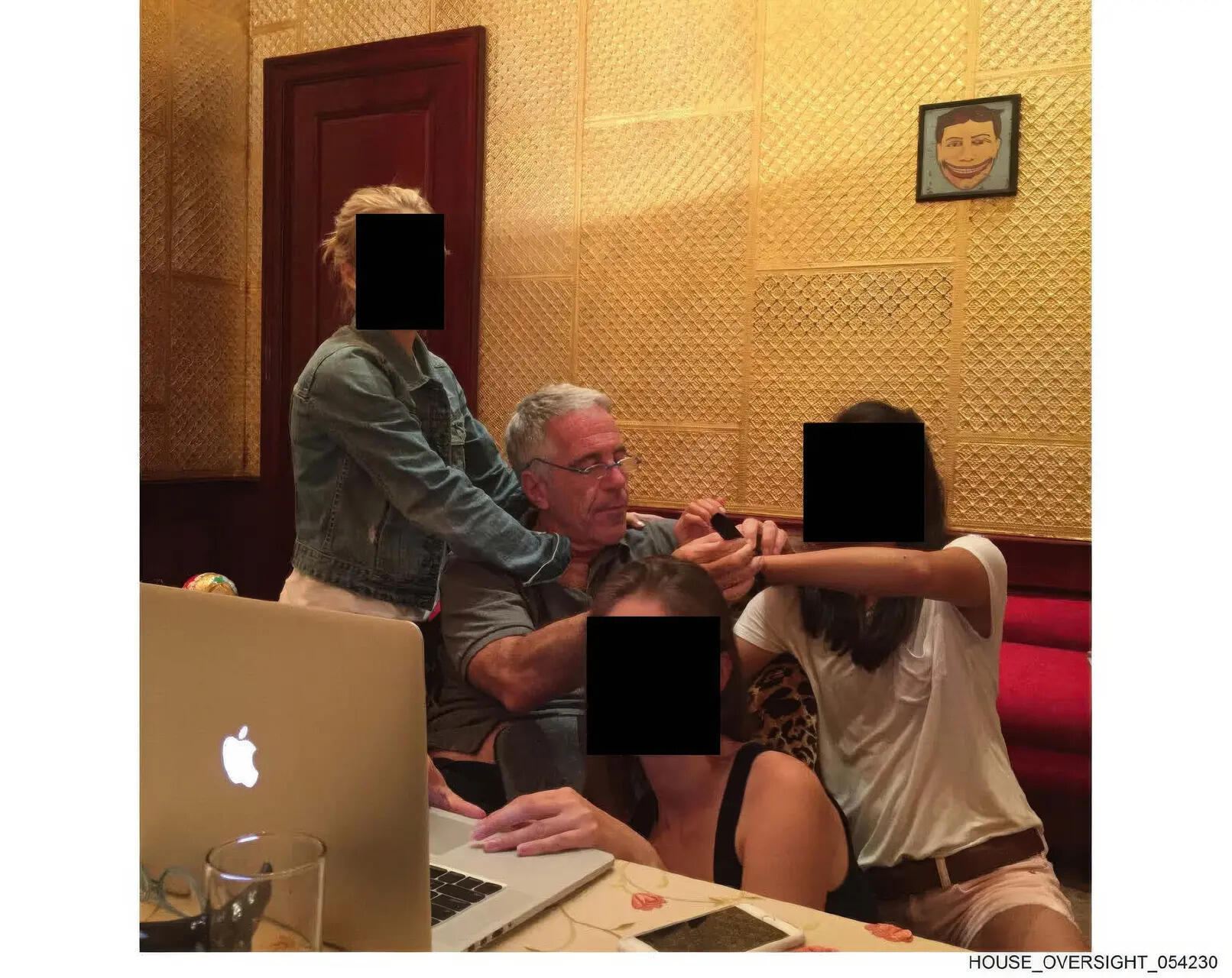
Jeffrey Epstein in an undated photo

This undated redacted photo released by Democrats on the House Oversight Committee Thursday, Dec. 18, 2025, shows Jeffrey Epstein. (House Oversight Committee via AP)

By the late 1980s, Epstein was perceived as established rather than aspirational. That perception proved decisive when he met Leslie Wexner, the billionaire founder of what would become the L Brands empire. The two met by chance, and Epstein presented himself as a financial expert. Wexner hired him. Within a year, Epstein had been granted power of attorney over Wexner’s finances, effectively transferring extraordinary authority over assets, corporate entities, and charitable structures. Epstein’s wealth expanded dramatically. Advisers warned Wexner. Colleagues raised concerns. He did not sever ties.

Converting money into access and influence

With Wexner’s backing, Epstein converted wealth into institutional immunity. He donated to universities, joined commissions, cultivated political access, and became a regular presence in elite social settings without ever clearly explaining his professional role. Banks accepted his business. Foundations accepted his money. Institutions accepted his presence. Each acceptance validated the next, creating a closed loop of credibility that insulated him from scrutiny. Epstein was not invisible. He was ubiquitous.

Ghislaine Maxwell and the widening of networks
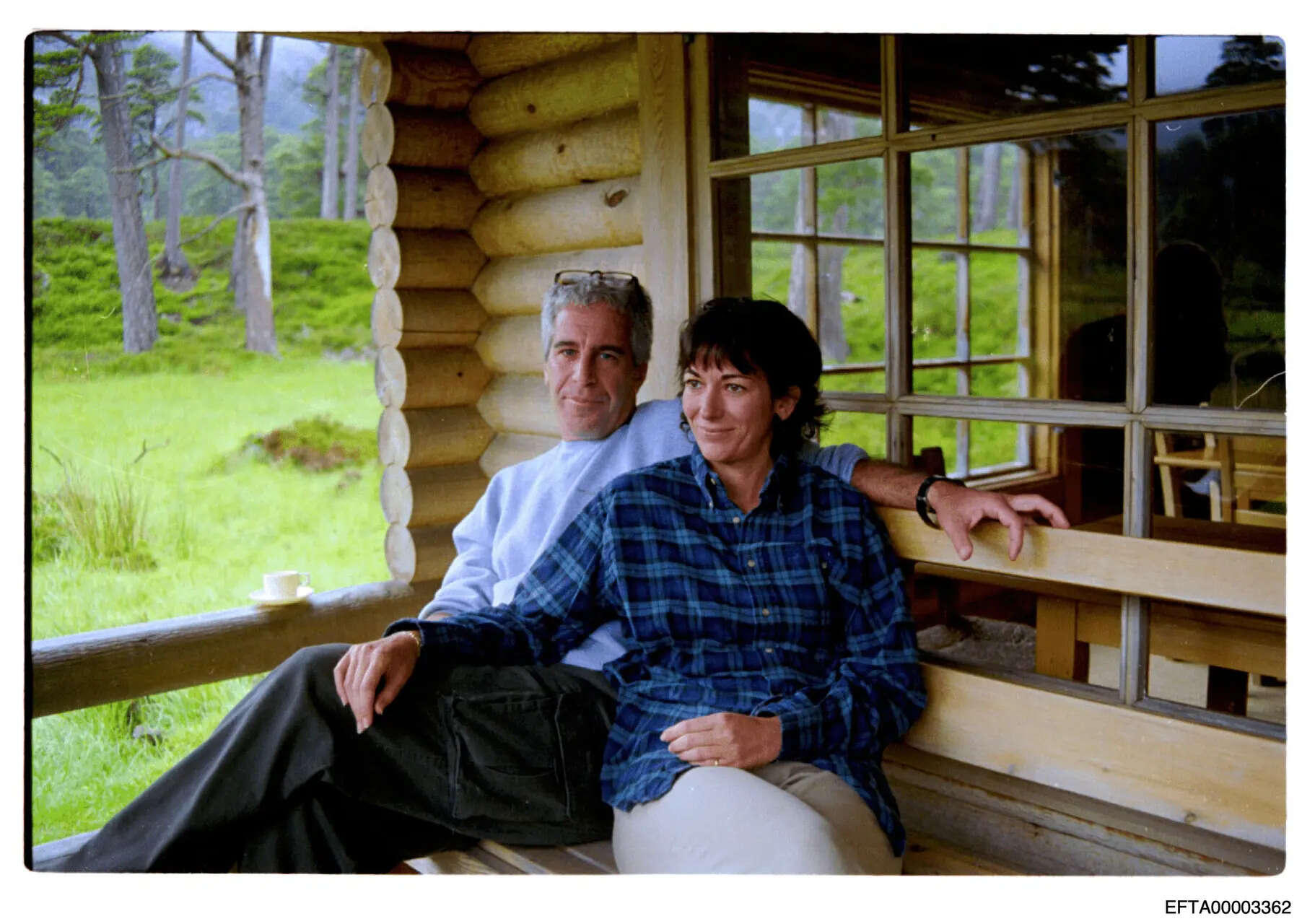
Public release of Epstein records puts Maxwell under fresh scrutiny amid her claims of innocence

This undated photo released by the U.S. Department of Justice shows Jeffrey Epstein and Ghislaine Maxwell. (U.S. Department of Justice via AP)

In the early 1990s, Epstein’s relationship with Ghislaine Maxwell marked a further consolidation of power. Maxwell, the daughter of British media baron Robert Maxwell, brought aristocratic polish and social reach, helping Epstein navigate elite spaces more fluently. She also became central to his criminal operation, recruiting and grooming victims and normalising abuse within environments that discouraged scrutiny. Their partnership thrived in plain sight, buffered by reputation and institutional reluctance to intervene.

Why early investigations failed to stop him

When Epstein was first investigated in the mid-2000s, the response followed a familiar pattern. Elite lawyers negotiated. Prosecutors deferred. Institutions prioritised containment over exposure. Epstein received a lenient plea deal and served a brief sentence before returning to his life largely intact. The system did not collapse. It adjusted. A later investigation by The New York Times would strip away much of the mythology around Epstein’s wealth, showing that it was built not on brilliance or espionage but on manipulation enabled by repeated institutional failure.

What Epstein’s rise reveals about elite systems

The Epstein story ultimately reveals less about one man’s depravity than about how power protects itself. Epstein did not invent corruption. He exploited tolerance for it. He thrived because elite systems reward confidence without verification, loyalty without ethics, and money without questions. His ascent was not a glitch. It was the predictable outcome of institutions that repeatedly chose not to look too closely at what they were enabling. Jeffrey Epstein was not an aberration within the system. He was assembled by it, patiently and predictably, over decades of indulgence.


Source link

Grim roll call of 2025: Indian students who lost their lives this year while studying abroad


Grim roll call of 2025: Indian students who lost  their lives this year while studying abroad
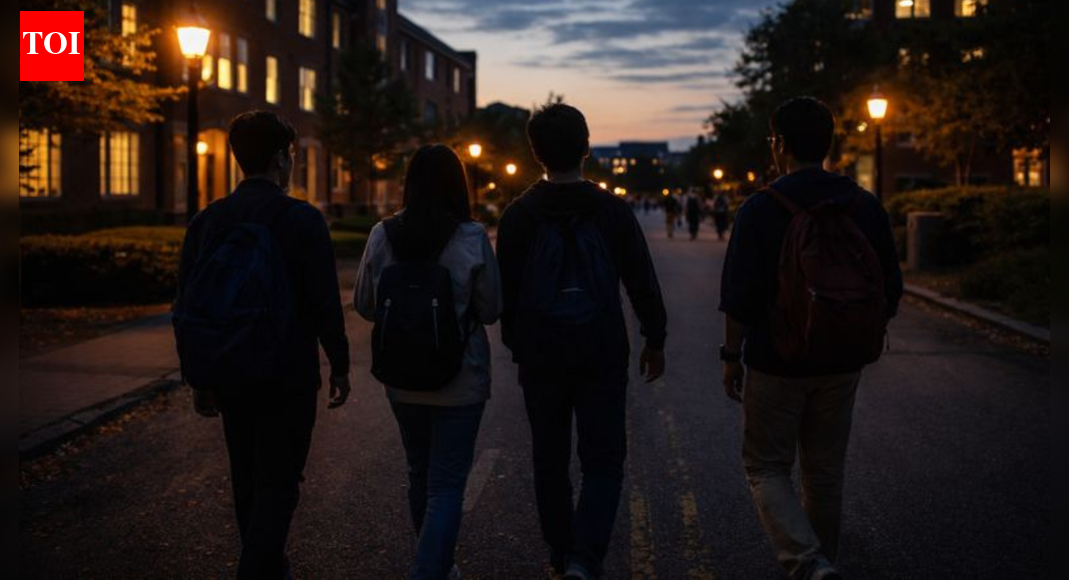
A string of Indian student deaths across countries shook families and campus communities. Image: AI generated

Across the year, one headline after another chipped away at the glossy study-abroad promise. A student found dead in a room they had just started calling home. Another shot while working a night shift. Someone killed in a crash on an unfamiliar road. Some deaths were violent. Some were sudden. Some came with more questions than answers. But the pattern was hard to ignore: young Indians left for classrooms and campuses—and did not return. What makes 2025 feel heavier is not just the number of deaths, but how scattered and ordinary the circumstances often were. Different countries. Different courses. Different causes. No single story explains them all. Yet together, they force a harder conversation about what studying abroad really involves—beyond rankings, visas, and Instagram sunsets. Here is a look at the Indian students who lost their lives abroad in 2025, and what is known so far about them.

Two Indians Killed In Canada Within A Few Days, Families Raise Question On Safety Of Students Abroad

Shivank Avasthi (20)

Toronto, Canada | December 2025University of Toronto ScarboroughShivank Avasthi was already living the reality of doctoral life at the University of Toronto Scarborough, a phase of education defined less by classrooms and more by isolation, persistence, and intellectual risk. This was not an exploratory stint abroad. It was commitment. Years of research ahead, years already invested.In December 2025, he was shot dead near the campus. A homicide investigation followed, but what lingered longer was disbelief. His death unsettled Indian student communities across Canada because it punctured an assumption many families hold quietly but firmly: that elite universities in developed countries come bundled with safety. In reality, education and exposure often arrive together, especially in global cities where the university is part of the city—not shielded from it.

Ajit Singh Chaudhary (22)

Ufa, Russia | November 2025Bashkir State Medical UniversityAjit Singh Chaudhary was pursuing an MBBS at Bashkir State Medical University. He was one of the countless Indian students who leave home for medicine because competition for medical seats in India is tough to say the least. Medical education abroad, also, is rarely glamorous. It is not only long and demanding but also linguistically alien and isolating.In November 2025, Ajit went missing after leaving his hostel. Days later, his body was found near a dam in Ufa. His family sought answers, clarity, timelines—basic things that become harder to secure when grief unfolds inside an unfamiliar legal system. For Indian medical students abroad, vulnerability is not just academic; it is structural. When something goes wrong, distance amplifies helplessness.

Vijay Kumar Sheoran (30)

Worcester, England | November 2025University of the West of England (UWE Bristol)At 30, Vijay Kumar Sheoran was not a wide-eyed undergraduate. He was an older student at UWE Bristol, managing coursework alongside the logistics of housing, travel, work and routines that are beyond the campus borders. He appeared to be in transition, preparing for what would come after graduation.In November 2025, he was stabbed during an altercation in Worcester. A suspect was arrested; the case was treated as homicide. His death highlighted a grey reality international students quickly encounter: universities may be safe, but student life is rarely confined to them. Risk often appears in the in-between spaces—streets, shared housing, late evenings—where institutional protection fades and everyday unpredictability takes over.

Vaishnav Krishnakumar (18)

Dubai, UAE | October 2025Middlesex University DubaiVaishnav Krishnakumar had barely begun his life abroad. At the age of 18, he was weeks into a BBA course in Marketing at Middlesex University Dubai. He was navigating first lectures, new friendships, and the small freedoms that come with living away from home. In October 2025, during Diwali celebrations, Vaishnav suffered a sudden cardiac arrest and passed away. This was a brutally random medical emergency. But for families, even natural death abroad carries an extra burden apart from sorrow: Hospitals, paperwork, consular coordination, and the long, quiet process of bringing a child home across borders.

Chandrashekar Pole (28)

Texas, United States | October 2025University of North Texas, DentonChandrashekar Pole was pursuing a Master’s in Data Analytics at the University of North Texas, an obvious choice in our tech-driven era. To manage tuition, rent, and loan repayments, he worked night shifts at a gas station.In October 2025, he was shot dead while on duty. A suspect was later arrested. But his death exposed an ugly reality which any study-abroad narrative hardly acknowledges. Financial pressure routinely pushes students into long hours and high-risk environments.

Devesh Bapat (23)

Found in Germany | March 2025Eindhoven University of Technology (TU/e), NetherlandsDevesh Bapat was studying physics at Eindhoven University of Technology, immersed in a demanding STEM programme where progress is incremental and discipline is everything. In early March 2025, he went missing. After weeks of search, his body was found in Germany. Authorities said there were no immediate signs of foul play, but clarity was elusive. In cases like this, death abroad leaves families not just grieving, but suspended. They are caught between closure and the ache of unanswered questions.

Lessons these deaths left behind in 2025

Taken together, these stories are not an argument against studying abroad. They are a reminder of what that journey truly means. Beyond aspiration and access lies exposure—financial, physical, emotional. Campuses do not exist in isolation from cities. Degrees do not shield students from night shifts, medical emergencies, or violence. Distance, when things go wrong, multiplies grief.The promise of studying abroad has not vanished. But in 2025, it came with a clearer, harsher footnote—one that families can no longer afford to ignore.


Source link

‘$600 mobile bills in New York’: NRI visits home after 8 years; viralpost praises India’s growth and affordability | India News


‘$600 mobile bills in New York’: NRI visits home after 8 years; viralpost praises India’s growth and affordability

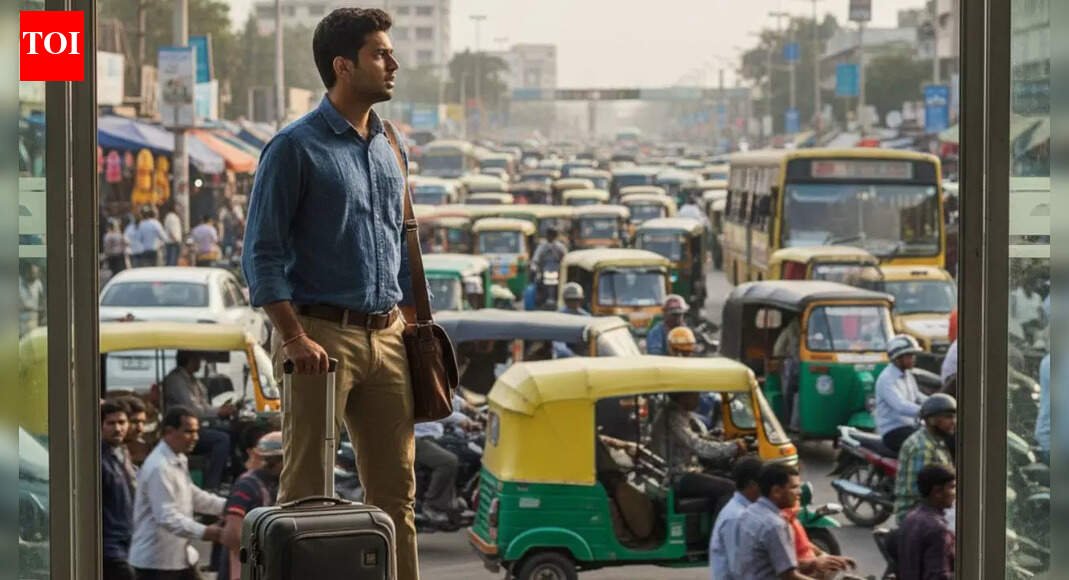
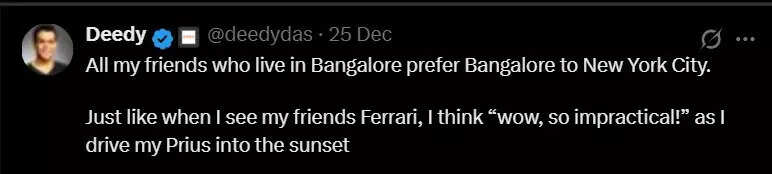
NEW DELHI: An NRI’s praise for India after returning home following an eight-year gap has become viral.Investor Alok Jain wrote on X that a friend from New York had recently visited him. According to Jain, the visitor was struck by the energy in the country and how fast India appeared to be growing.“An outsider’s perspective can be so different from our own,” Jain wrote, comparing it to how people living here may see the country.In his post, Jain said his friend was particularly surprised by how affordable many things in India were. He mentioned medical care, transport, internet and mobile services.The visitor compared these with costs in the US. According to Jain, his friend “pays $600 for mobile and data at his house Pays $30k for health insurance for 4!! Per annum Pays 2 percent as property taxes per year..!!”Jain added that while air quality was better in the US, many good things were happening in India.The post drew a range of responses from social media users. One person wrote that many of their friends living in Bengaluru preferred it to New York City.

Screenshot 2025-12-26 191422

.

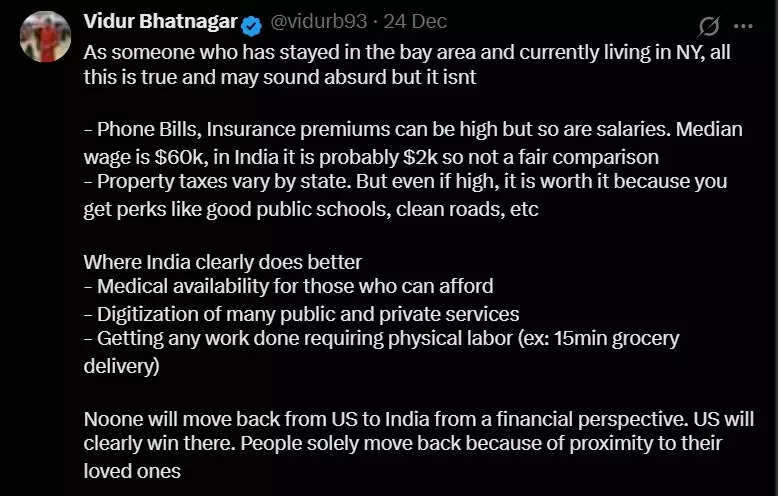
Another user commented that from an outsider’s point of view, India’s main problems came down to a lack of civic sense. “I am an outsider and I can say that everything wrong with the country has to do only with lack of civic sense among the people,” he wrote.Someone who said they had lived in the Bay Area and were currently based in New York, agreed that phone bills and insurance costs in the US was high, but said salaries were also much higher, making direct comparisons difficult.

Screenshot 2025-12-26 191600

.

The user added that property taxes varied by state and often fund services like public schools and clean roads. They said India stood out in areas such as access to medical care for those who can afford it, digital public services, and the availability of affordable physical labour.


Source link

‘Flagged, engaged’: India on cancellation of pre-scheduled H-1B visa interviews — Here’s what MEA said | India News


'Flagged, engaged': India on cancellation of pre-scheduled H-1B visa interviews — Here's what MEA said

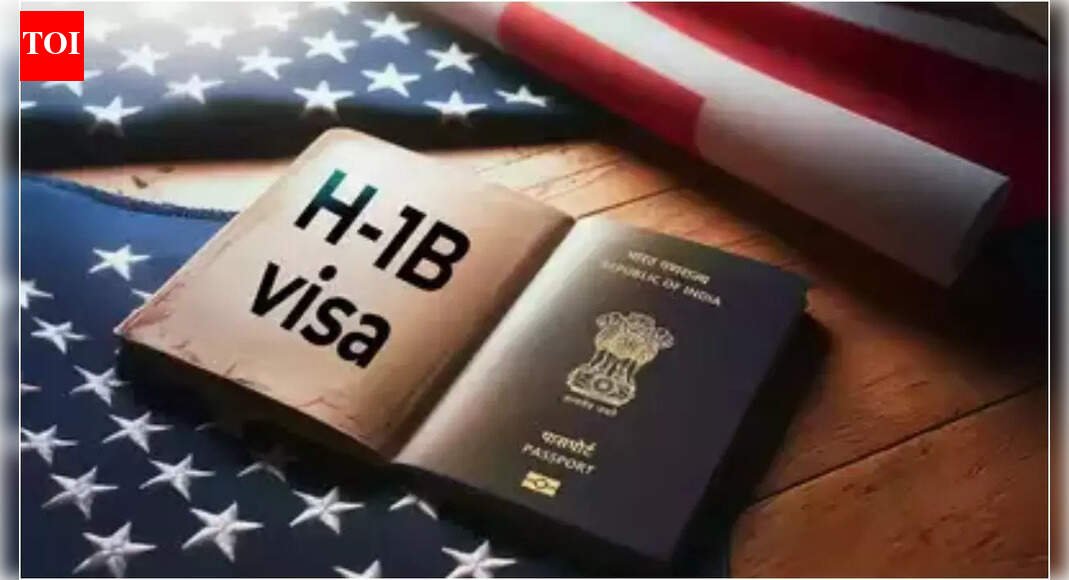
India on Friday flagged its concerns to the US over the cancellation of pre-scheduled H-1B visa interviews for large numbers of Indian applicants and said both sides were engaged on the issue. The interviews of thousands of H-1B visa applicants slated from the middle of this month in India were abruptly postponed by several months to scrutinise their social media posts and online profiles.

End Of H-1B Lottery: Donald Trump Overhauls US Work Visa System Prioritising High Pay And Skills

Some applicants whose visa appointments were scheduled last week received emails from US immigration authorities informing them that their interviews were being pushed back as late as May next year. The Indian government had received several representations from Indian nationals facing problems with the rescheduling of their visa appointments, External Affairs Ministry spokesperson Randhir Jaiswal said at his weekly media briefing. Visa-related issues pertained to the sovereign domain of any country, he said, adding: “we have flagged these issues and our concerns to the US side, both here in New Delhi and in Washington DC.” Jaiswal said several Indians had been stranded for extended periods in India, causing a lot of “hardships” to them and their families. “The Government of India has received multiple representations from Indian nationals facing delays and difficulties in scheduling or rescheduling US visa appointments. While visa matters fall under the sovereign domain of the issuing country, India has raised these concerns with the US authorities in New Delhi and Washington DC. These delays have caused extended hardships for affected individuals and their families, including disruptions to education. The government remains actively engaged with the US side to address the issue and minimise the impact on Indian nationals,” Jaiswal said.

Mass cancellation push applicants to more trouble

The mass cancellation of scheduled interviews for H-1B visa applicants, in view of enhanced vetting measures, resulted in significant delays in their return to the US. The rescheduling applied to all applicants who were previously given appointments from December 15 onwards. Most of them were already in India and were unable to return to the US pending their new interview dates since they did not have a valid H-1B visa to travel back for their jobs.Hundreds, possibly thousands, of high-skilled workers had appointments cancelled between December 15 and 26, a period many H-1B holders target since it coincides with the US holiday season.


Source link

Boozeball or Bazball? The hangover of wannabe cricket Ultras reduced to ashes | Cricket News


Boozeball or Bazball? The hangover of wannabe cricket Ultras reduced to ashes
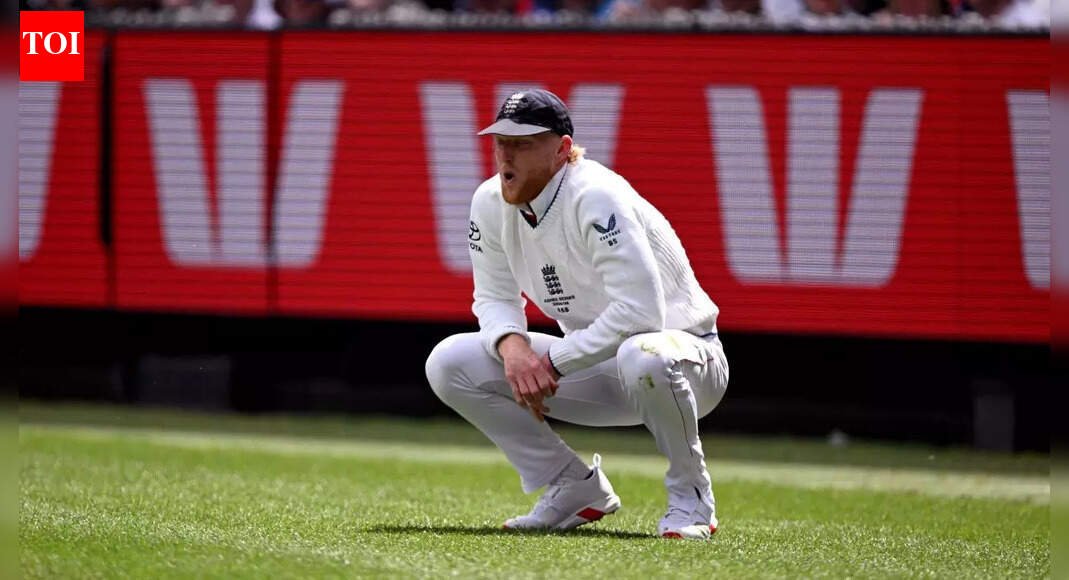
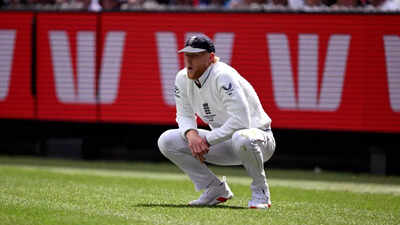
England’s Ben Stokes reacts after attempting to stop a boundary on the first day of the fourth Ashes cricket Test match between Australia and England at the Melbourne Cricket Ground (MCG) in Melbourne. (AFP)

New Delhi: The Bazballers arrived on Australian shores with plenty of noise, wrapped in bravado and belief, armed with soundbites about fearlessness and a self-appointed mission to save Test cricket — a cause they have gone gaga over for the past few years. But the aura has thinned. The defiance feels rehearsed. Australia have done what they have done to almost every visiting side — barring India in 2017–18 and 2020–21 — strip away the noise, test the method, and grind it down to its barest truths.This was not a clash of philosophies; it was a reality check.

Gautam Gambhir’s year as India coach ends like it started – on a chaotic note

England swung hard, spoke louder, and clung to conviction even as conditions, quality, and context caught up with them. England’s Bazball didn’t just lose the Ashes in 11 days; it lost its credibility. The idea still survives, loudly defended by its believers, but the illusion of invincibility is gone. And once that disappears, cults are forced to confront the hardest question of all: what remains when faith turns to failure?Go Beyond The Boundary with our YouTube channel. SUBSCRIBE NOW!Eight weeks into this Ashes, the Bazball philosophy lies bruised on the mat, sobered and unmistakably exposed. Australia is not an easy place to win. The scoreline is unforgiving at 3–0, and after Day 1 at the MCG, there appears to be no end to England’s suffering. Twenty wickets fell on a frenetic opening day, but it was the home side who emerged on top with a sizeable first-innings lead of 46 runs.England have been under intense scrutiny since landing Down Under, with several former greats — including former captains Michael Vaughan, Ian Botham and Geoffrey Boycott — publicly questioning Brendon McCullum’s side and its preparation for the series.

Ashes advantage England: Visitors take 4 Australian wickets after winning the toss at the MCG

England’s Josh Tongue, center, celebrates the wicket of Australia’s Marnus Labuschagne, left, during their Ashes cricket test match in Melbourne, Friday, Dec. 26, 2025. (AP Photo/Hamish Blair)

There had been genuine optimism ahead of the tour that England might finally end their 14-year wait for an Ashes triumph in Australia. Instead, history repeated itself. England once again fell short, extending their winless run on Australian soil to 18 Tests. That number may well reach 19 by the end of the week.Individually, two of England’s modern day greats – Joe Root and skipper Ben Stokes – have never won a Test in Australia. Overall, Root has lost 21 Ashes Tests and Stokes 17.England have also drawn attention during the tour for their off-field activities. The team was first spotted playing golf in Perth both before and immediately after their two-day defeat in the opening Test.

Ashes: Australia vs England

England’s Ben Stokes, second right, celebrates with teammates. (AP/PTI Photo)

Following their eight-wicket loss at The Gabba, the ‘Bazballers’ then took a pre-arranged mid-series break in Noosa. Players were seen relaxing with drinks and a casual kickabout on the beach. In the aftermath of the third Test, the BBC reported that England’s players had been out drinking for six days following the second Test.During England’s 4–1 mauling at the hands of Rohit Sharma’s young Indian side a couple of years ago, former England captain Nasser Hussain had remarked: “At times, Bazball in this regime has been described as a cult where you cannot criticise, either within or externally.”That mindset has been one of the cornerstones of Stokes and Brendon McCullum’s leadership since they took charge in the summer of 2022. No finger-pointing, only good vibes. Crusty old quotes from former players, media and critics are ignored, irrespective of results. Winning, as has been said repeatedly, isn’t even the most important thing.

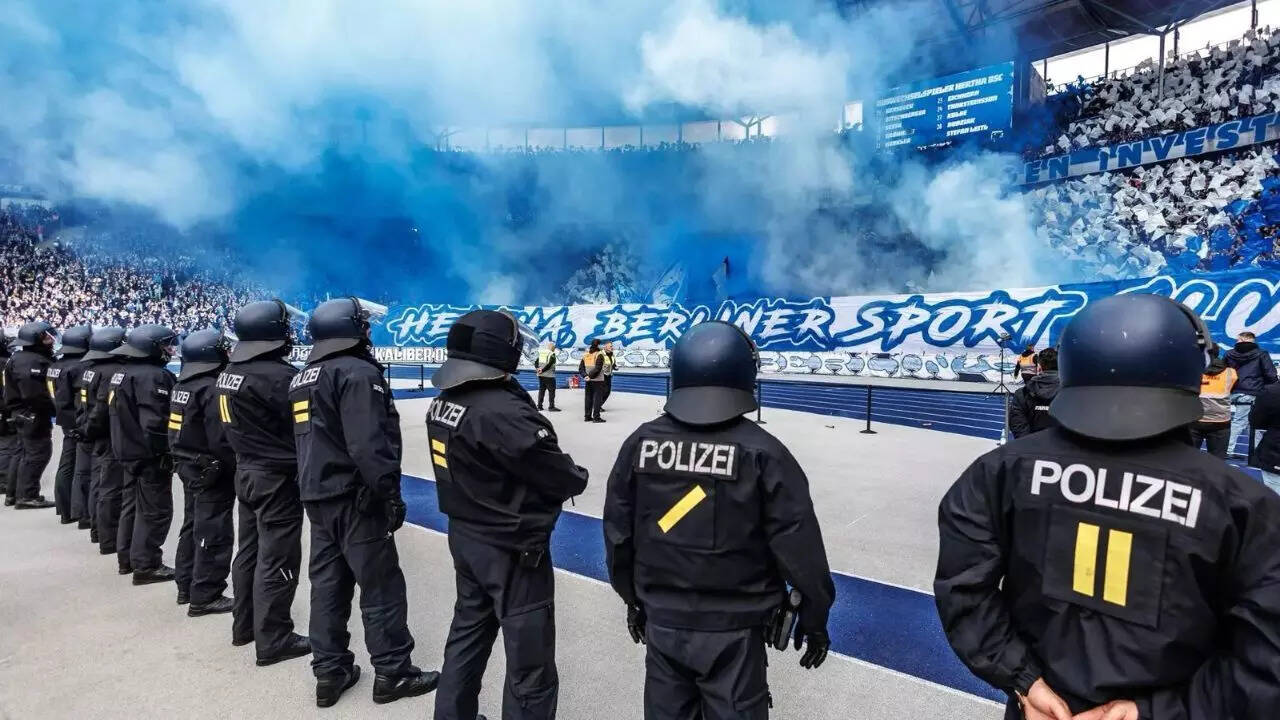
Hertha Berlin

Hertha Berlin supporters

Bazball may sound like a novel idea in modern cricket, but it finds precedent in the world of club football — particularly among the Ultras. The term refers to supporters whose loyalty crosses into fanaticism, defined by uncompromising devotion to their teams.Their history has often been marred by violence and gang rivalries, giving the movement a bloodstained reputation. Yet the intensity of their support is such that Ultras, usually stationed behind the goals, wield real influence, commanding the attention of players and club hierarchies alike. Trophies matter, but what truly defines an Ultra is the disciplined, almost militaristic backing of the club through success and failure.Take the example of Berlin’s top clubs. Hertha Berlin and Union Berlin, shaped on opposite sides of the Wall, carry a more understated identity than Germany’s global powerhouses Bayern Munich and Borussia Dortmund. There were even periods when Berlin lacked a top-flight club altogether. Still, beneath the surface, the city’s football culture has remained vibrant and deeply entrenched.

Australia England Cricket

England players celebrate the wicket of Australia’s Scott Boland, center left, during their Ashes cricket test match in Melbourne, Friday, Dec. 26, 2025. (AP Photo/Hamish Blair)

“If you want to define culture as being about success, titles, numbers and industry, f**k off. Then you have to go to Bayern Munich or Borussia Dortmund,” rapper Liquit Walker, a lifelong Union Berlin fan, once told Copa90. “But if you want to see real culture, real football culture, this is the place to be.”Much like football Ultras, the Bazball movement has found loyal supporters — particularly among sections of the media and former cricketers, who have sold the idea as though cricket has been reinvented.But cricket can never be football. No matter how it is packaged, the Bazball idea is falling flat, and its accompanying arrogance has only made matters worse.Take Alastair Cook, England’s hero during the 2010–11 Ashes — the last time they won in Australia. Cook scored 766 runs. In India in 2012, another rare overseas triumph, he made 562 runs. Substance, not slogans, defined those victories.

Australia England Cricket

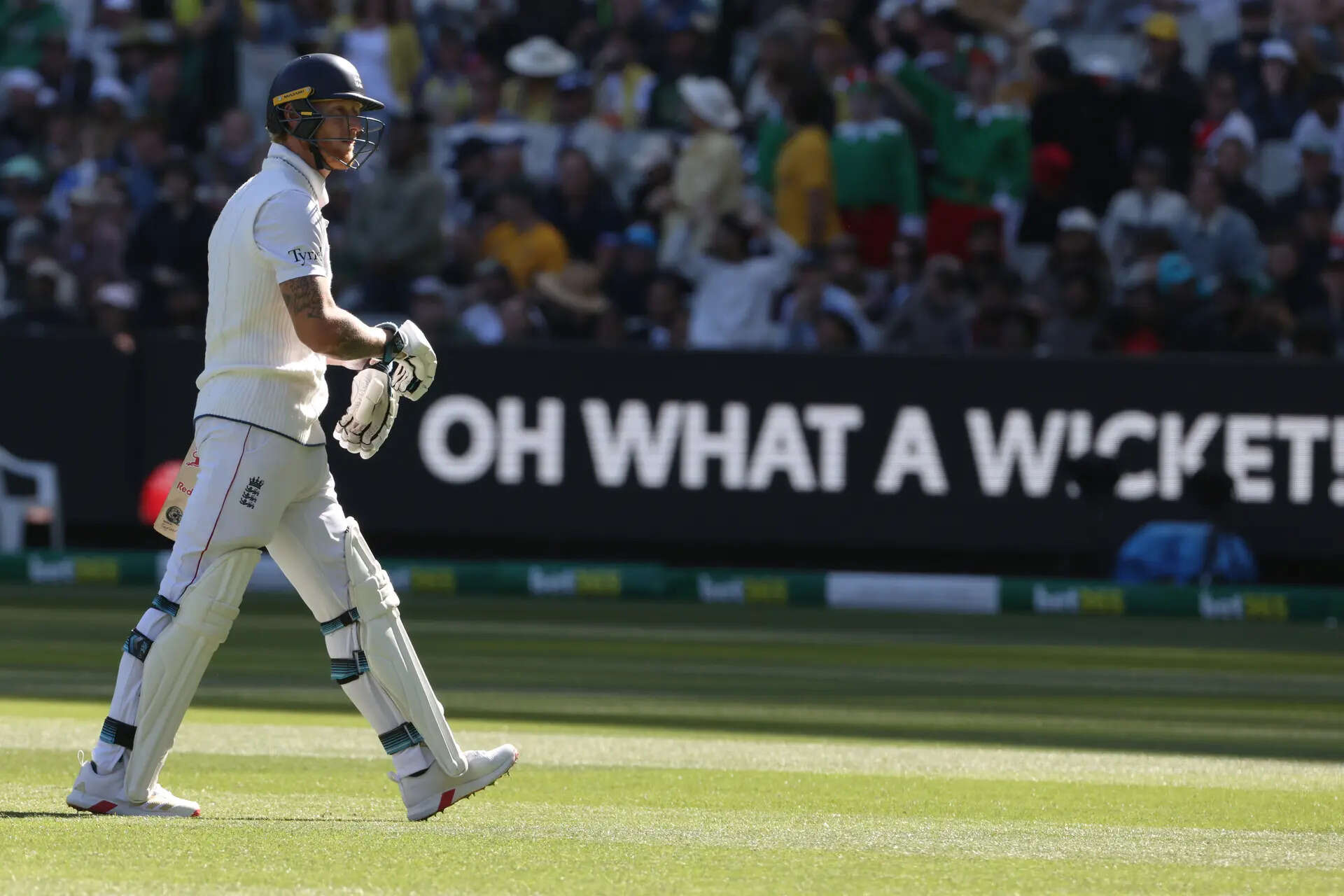
England’s Ben Stokes walks off after losing his wicket to Australia during their Ashes cricket test match in Melbourne, Friday, Dec. 26, 2025. (AP Photo/Hamish Blair)

But Stokes has famoulsy said that even England’s greatest past players might not have survived in the current regime. They went all in on the cult of Bazball and initially found the backing of fans to flourish. But in recent weeks, Australia — a side Stuart Broad had labelled the “weakest since 2010” — have outplayed England in every facet, despite not fielding their best XI in every Test.This England side, like many cults before it, is beginning to fracture. The Bazballers, once tipped to be invincible, appear closer to their reckoning.

Poll

What do you think is the main reason for England’s struggles in the Ashes series against Australia?

Former England captain Mike Atherton captured it succinctly in his column for The Times: “The biggest fascination for me about ‘Bazball’ was always whether ‘no-consequence’, carefree cricket could hold up under the fiercest pressure… The answer, clearly, has been no. The harsh realities of professional sport have resurfaced and swamped them.”So far, this Ashes for the Bazballers has been defined by golf, beaches, booze — and batterings.


Source link

From foot to head: How Chinese doctors kept a severed ear alive; reattached it months later


From foot to head: How Chinese doctors kept a severed ear alive; reattached it months later
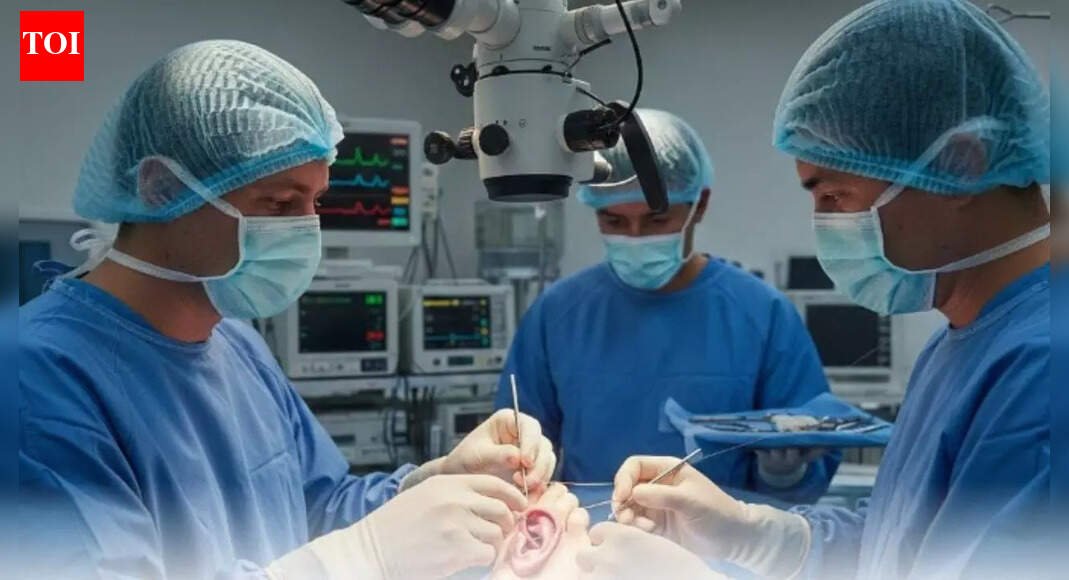
Representational AI photo

Doctors in China have grafted a woman’s torn-off ear onto her foot to keep it alive, before later reattaching it to her head.The woman lost her ear in a workplace accident in April that also caused severe injuries to her scalp, neck and face. According to medical news platform Yixue Jie, also known as Med-J, her ear was completely severed.When the patient was brought to the hospital, the hand, foot and reconstructive microsurgery team first attempted to repair the scalp using standard surgical methods, Qiu Shenqiang, deputy director of the microsurgery unit at Shandong Provincial Hospital in Jinan, said, reported South China Morning Post.However, the damage to the scalp tissue and blood vessels was too severe, and the procedure failed. Doctors were unable to reattach the ear at that stage, as the skull tissue needed time to heal.To keep the ear alive, the medical team decided to graft it onto the top of the woman’s foot. Qiu said the arteries and veins in the foot were of a suitable size and compatible with those of the ear.He added that the skin and soft tissue on the foot are similar in thinness to those on the head, which reduced the need for major adjustments later.

A long and delicate surgery

The initial operation to graft the ear onto the foot took 10 hours. One of the main challenges was reconnecting the ear’s extremely fine blood vessels, which measured only 0.2 to 0.3 millimetres in diameter.Five days later, doctors noticed problems with blood circulation, known as venous reflux. The ear turned a purplish-black colour, putting it at risk.To save it, the team carried out manual bloodletting around 500 times over five days.While monitoring the ear, doctors also worked to restore the woman’s scalp. Skin taken from her stomach was grafted onto her head to repair the damaged area.After months of recovery and reconstruction, the ear was eventually reattached to its original position.

China’s history of unusual reconstructive surgeries

This is not the first time Chinese doctors have used unconventional methods to rebuild damaged body parts.In 2013, a 17-year-old girl named Xu Jianmei received a pioneering face transplant after doctors grew facial tissue on her chest using skin taken from her leg. She had been badly burned in a fire at the age of five and had lost her chin, eyelids and part of her ear.In 2017, doctors grew an artificial ear on a man’s arm for three months before transplanting it onto his head. The man had lost his ear in a traffic accident, and the surrounding skin and blood vessels were too damaged for a standard implant.


Source link