Breaking News
The only place on Earth where crocodiles and alligators live together |


The only place on Earth where crocodiles and alligators live together

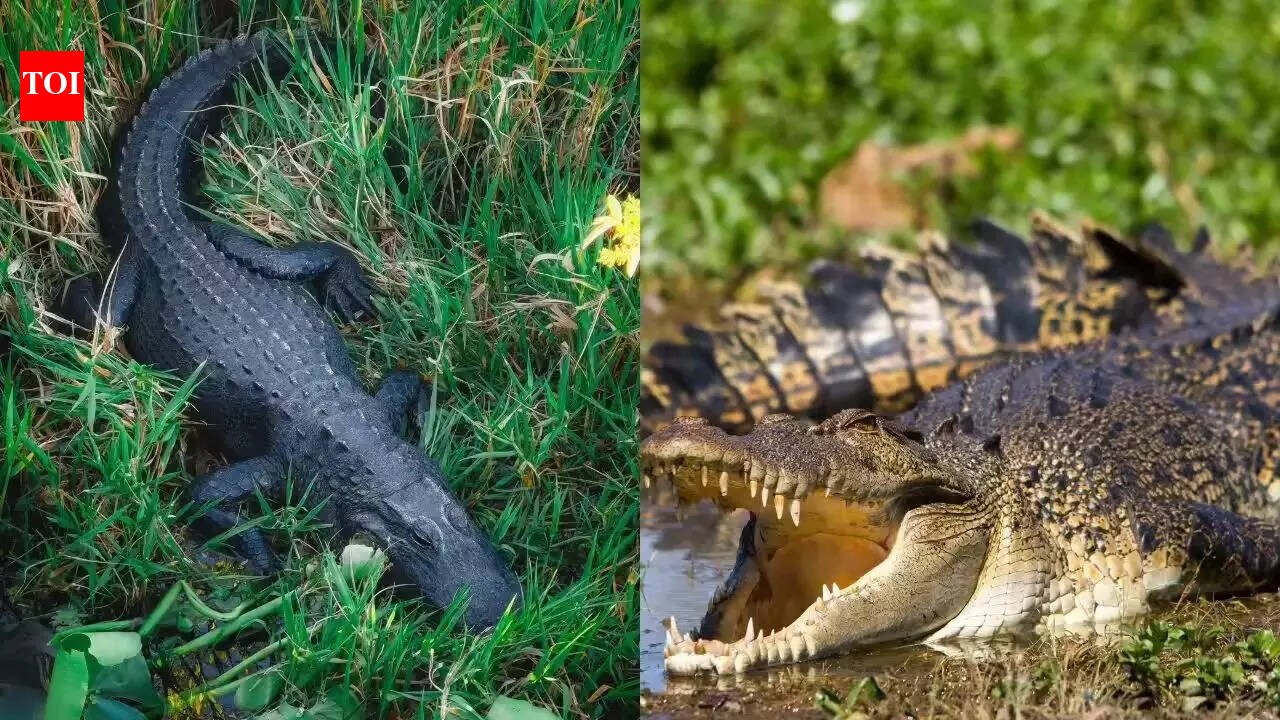
People often get confused when they see Crocodiles (Crocodylus acutus) and Alligators (Alligator mississippiensis) at the same time because they look similar, with only minimal differences in their bodies. Despite being very similar, it’s difficult for anyone to see them together. But South Florida is the only region in the world where American crocodiles and American alligators share the same ecosystem. While alligators inhabit mostly freshwater and live mostly in the inland part of the state, crocodiles prefer saltwater and live primarily along the coast in mangroves. According to the National Park Service, both predators live in the same habitat, allowing them to coexist in the Everglades because both freshwater and brackish water are available. The combination of fresh and brackish waters allows both apex predators to establish a delicate ecological balance.

The Everglades, the global intersection of crocodiles and alligators

The state of Florida is the only place on the planet where both the American Alligator and American Crocodile exist in the same geographical area. The American Alligator’s range extends across much of the southeastern United States, while the northernmost extent of the American Crocodile’s range occurs within southern Florida. According to the National Park Service, the Everglades have a unique ‘brackish’ ecosystem (a mixture of freshwater and saltwater) that creates a habitable environment for species in this transitional area.American Alligators typically occupy the freshwater marshes inland, and American Crocodiles tend to use the coastal mangroves and locally available salty bays. The existence of American Crocodiles in southern Florida is particularly important because they are ‘reclusive’ animals that depend on subtropical environmental conditions to survive. As noted by the National Park Service, although they occupy the same general area, they generally prefer different habitat types, allowing them to maintain enough distance from one another to avoid frequent conflicts.

The secret to their peaceful life together

Both American crocodiles and American alligators share habitats throughout South Florida. Still, because they are both adaptable to varying water salinity, they have found ways to avoid competing with each other. The National Park Service reports that they ‘self-sort’ based on their respective adaptations to minimise competition among themselves.American crocodiles can live in the brackish waters of South Florida’s coastal mangroves because of specialised salt glands that allow them to excrete excess salt from their bodies. On the other hand, alligators lack salt glands, so they are restricted to freshwater marshes, limiting where they can build nests or feed. Therefore, the adaptations of the American alligator to freshwater and the American crocodile to brackish water help them avoid competition for habitat resources, allowing both apex predators to coexist within their shared ecosystems and explaining their peaceful life together.

How to spot the difference between an alligator and a crocodile

Alligators have a wide, U-shaped snout adapted for crushing prey, while crocodiles have a narrow, V-shaped snout for catching their prey. When they close their mouths, you can only see the alligator’s top row of teeth, but the crocodile will also see its fourth lower tooth when its mouth is closed.Furthermore, alligators are dark grey or black, which complements the murky swamp they inhabit. Crocodiles are much lighter, and the olive-green colour of their bodies closely matches the colour of sunlit mangrove trees along coastal areas, making them easier for crocodiles to blend into their environment. Both predators then excel at living in Florida’s unique environments.




Source link

Hardik Pandya drives Ferrari 12Cilindri In Mumbai: Why’s this car special


Hardik Pandya drives Ferrari 12Cilindri In Mumbai: Why's this car special
Image Credit: X/embedded post.

Indian cricketer Hardik Pandya has been known for his good taste in cars. After having won the T20 world cup recently, the star all-rounder was recently spotted driving the stunning Ferrari 12Cilindri, Ferrari’s newest front-engined V12 grand tourer in Mumbai. A video of the cricketer behind the wheel surfaced on social media and quickly went viral. Here’a a quick look at what’s special about this car.

Ferrari 12Cilindri

Hardik Pandya’s Ferrari 12Cilindri: Key details

The 12Cilindri is a special car because it continues Ferrari’s long tradition of front-engine V12 grand tourers. Its design takes inspiration from the Ferrari 365 GTB/4 Daytona, a legendary model from the brand’s past. The new car features a long sculpted bonnet, sleek LED headlamps and a very clean, minimalist front design.

Poll

Do you think Hardik Pandya's celebrity status adds to the allure of the Ferrari 12Cilindri?

Ferrari has also focused heavily on aerodynamics while designing the 12Cilindri. The body includes active aerodynamic elements that help improve stability at higher speeds.

Ferrari 12Cilindri: Engine specs

Powering the Ferrari 12Cilindri is a massive 6.5-litre NA V12 engine. The motor produces around 830 hp and 678 Nm of torque. The engine is paired with an 8-speed dual-clutch automatic transmission that sends power to the rear wheels. Performance figures are equally impressive, with the supercar capable of accelerating from 0 to 100 kmph in about 2.9 seconds and reaching a top speed of over 340 kmph. This makes it one of the fastest front-engined grand tourers Ferrari has ever built.

Mercedes-Benz CLA Electric Drive Review: Smartest Merc Ever? | TOI Auto

Inside, the Ferrari 12Cilindri follows the brand’s modern dual-cockpit layout. The cabin features a 15.6-inch digital instrument cluster for the driver, a 10.25-inch central touchscreen for infotainment and climate controls, and an 8.8-inch display for the passenger. In India, the Ferrari 12Cilindri is priced from around Rs 8.50 crore, ex-showroom. However, reports suggest that the example driven by Hardik Pandya could cost close to Rs 12 crore depending on customisation and import duties.


Source link

Gold price prediction today: Why are gold prices not rising too much amid US-Iran war? Key levels to watch out for March 16, 2026 week


Gold price prediction today: Why are gold prices not rising too much amid US-Iran war? Key levels to watch out for March 16, 2026 week
Gold on the domestic front on the daily chart is witnessing a short-term corrective phase after a strong uptrend. (AI image)

Gold price prediction today: Gold prices are supported by the underlying geopolitical negative sentiment but the gains are capped, says Manav Modi, Senior Analyst, Commodity Research at Motilal Oswal Financial Services Ltd.Gold declined last week, marking the $5,000 mark as escalating tensions between the US, Israel, and Iran diverted investor flows toward the US dollar and crude oil. Rising energy prices and concerns over supply disruptions through the Strait of Hormuz, which handles nearly 20% of global oil shipments, have heightened fears of inflation, potentially delaying interest rate cuts by the Fed. While safe-haven demand continues to provide underlying support to bullion, gains remain capped amid expectations of a more hawkish policy stance. Investor positioning also reflected caution, with gold-backed ETF holdings falling by nearly 30 tonnes last week. Despite weak US GDP data market participants focused on rising inflation concerns and the path of interest rate change in 2026. Focus this week will be on Fed, BOJ, BOE, ECB interest rate decisions and changes in China LPR.Gold on the domestic front on the daily chart is witnessing a short-term corrective phase after a strong uptrend, with prices drifting lower toward the middle Bollinger Band near ₹155,000, which is acting as an immediate support zone. The recent pullback appears to be a healthy retracement within the broader bullish structure, following the sharp rally seen earlier this year.Price action also indicates a mild descending channel consolidation, suggesting temporary profit booking rather than a trend reversal. On the upside, ₹160,000–₹162,000 remains a key resistance zone, and a sustained move above this area could revive bullish momentum toward ₹165,000.On downside, ₹155,000 is the first support, aligning with the mid Bollinger Band, while a deeper correction could extend toward ₹150,000–₹148,000, where previous breakout zones and lower Bollinger support are placed. Overall, the broader trend remains constructive as long as prices hold above the ₹150,000 support region.(Disclaimer: Recommendations and views on the stock market, other asset classes or personal finance management tips given by experts are their own. These opinions do not represent the views of The Times of India)


Source link

Iran war impact: Oil industry leaders warn Trump administration fuel crunch may worsen in coming days


Iran war impact: Oil industry leaders warn Trump administration fuel crunch may worsen in coming days

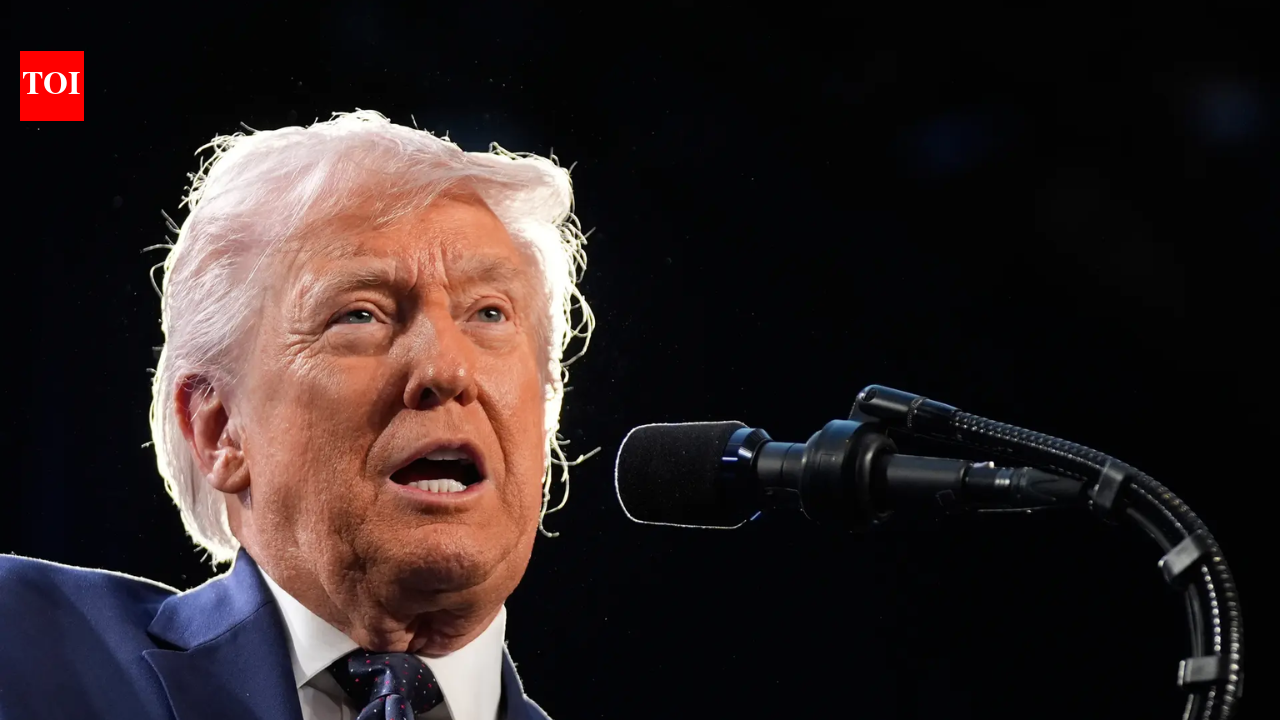
Top executives from some of America’s largest oil companies warned officials in US President Donald Trump’s administration that the energy crisis sparked by the war with Iran might worsen, according to a report by The Wall Street Journal. Citing people familiar with the matter, the report said that chief executives of Exxon, Chevron and ConocoPhillips raised these concerns during a series of meetings at the White House last Wednesday, and in recent conversations with US energy secretary Chris Wright and interior secretary Doug Burgum.The development comes at a time when disruptions to energy shipments moving through the Strait of Hormuz have unsettled oil prices and global markets. The strait is one of the world’s most critical oil transit routes and any interruption to the passage of vessels through the waterway is expected to create volatility in energy supplies. Meanwhile, speaking to reporters aboard Air Force One, Trump said that once the conflict subsides, oil prices will come down quickly. “Oil prices will come tumbling down once it is over, and it will be over pretty quickly.”Donald Trump’s appeal to seven countries to deploy warships to help keep the Strait of Hormuz open has met with a negative response from Washington’s allies, casting doubt on the plan. Earlier on Saturday, Trump urged other countries to join efforts to secure the shipping route. In a post, he wrote, “Many Countries, especially those who are affected by Iran’s attempted closure of the Hormuz Strait, will be sending War Ships, in conjunction with the United States of America, to keep the Strait open and safe.” He added that China, France, Japan, South Korea, Britain and other nations should send ships to the area.Later the same day, the US president reiterated his call, writing, “The countries of the World that receive Oil through the Hormuz Strait must take care of that passage, and we will help — A LOT!” He further said: “The US will also coordinate with those Countries so that everything goes quickly, smoothly, and well.”Since US military operations began two weeks ago, global crude prices have climbed past $100 per barrel, while petrol prices in the United States have increased by more than 70 cents per gallon.


Source link

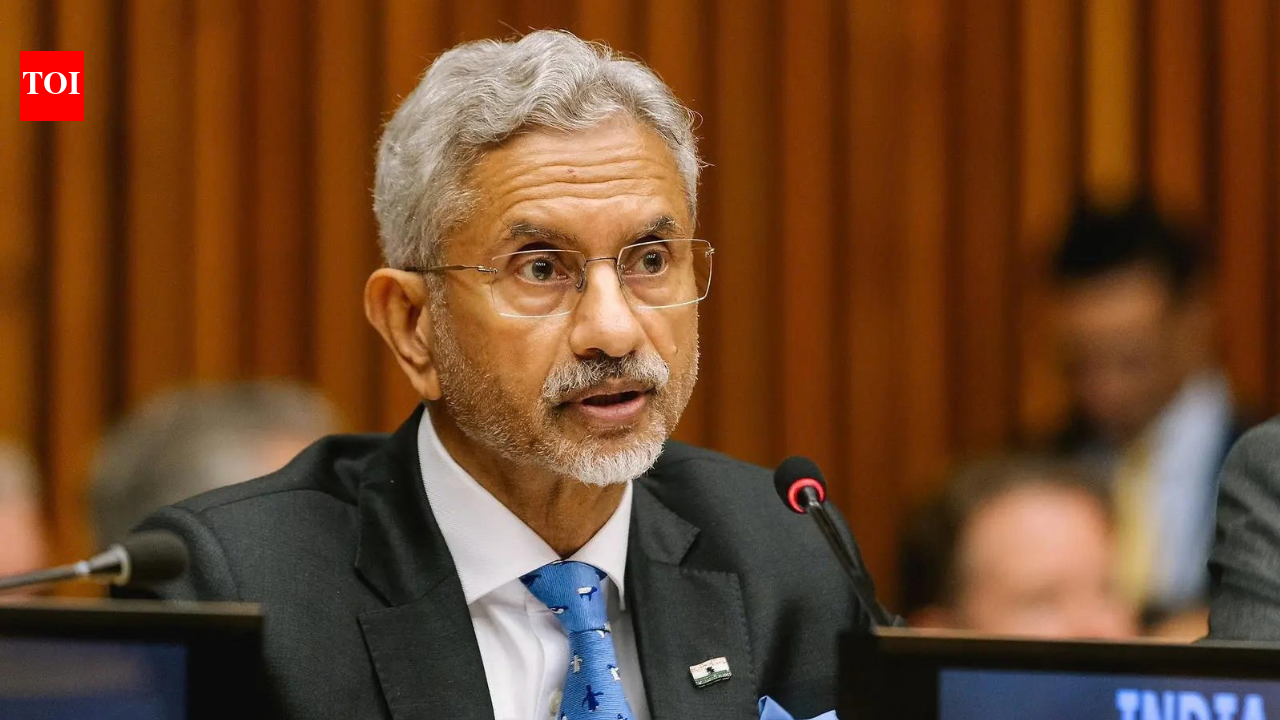
‘Reason and coordinate’: Jaishankar reveals how India secured passage for 2 tankers in Strait of Hormuz amid Iran war | India News


'Reason and coordinate': Jaishankar reveals how India secured passage for 2 tankers in Strait of Hormuz amid Iran war
S Jaishankar (PTI file photo)

NEW DELHI: India hailed its direct talks with Iran as the “most effective way” to restart shipping through the disrupted Strait of Hormuz, which has affected global supplies, while Tehran allowed Indian-flagged vessels to pass through the route.In an interview with the Financial Times, external affairs minister S Jaishankar praised the direct dialogue with Iran’s leadership, saying, “My talking has yielded some results,” referring to renewed access to the crucial Strait of Hormuz, after Donald Trump called on about seven countries to deploy warships to police the key waterway vital for global energy markets.Follow for live updates on Iran warTrump urged countries such as China, France, the United Kingdom and others to protect the Iran-controlled waterway as “their own territory”. His demand comes as governments, hit by surging energy prices after Tehran closed the route, weigh their options — including talks with Iran or possible military involvement that could risk dragging them into the spiralling Middle East conflict.Jaishankar told Financial Times that negotiations between New Delhi and Tehran, which allowed two Indian-flagged gas tankers to pass through the Strait of Hormuz on Saturday, showed what diplomacy could achieve.“I am at the moment engaged in talking to them and my talking has yielded some results,” he said in the FT interview. “This is ongoing. If it is yielding results for me, I would naturally continue to look at it.”Jaishankar also outlined India’s approach to handling the crisis and indirectly suggested a similar path for other countries. “Certainly, from India’s perspective, it is better that we reason and we co-ordinate and we get a solution than we don’t,” he said. “So if that sort of allows other people to engage, I think the world is better off for it.”Oil prices closed above $100 last week for the first time since August 2022, with some industry analysts expecting further increases as the conflict stretches into the spring. Iran’s new supreme leader, Mojtaba Khamenei, said last week that the country’s military would continue to block the narrow waterway, through which roughly one-fifth of the world’s oil and gas previously transited.France and Italy are among the European countries that have opened talks with Tehran on a possible diplomatic solution that could allow energy shipments to resume.Iran’s foreign minister Abbas Araghchi told CBS on Sunday that Iran was “open” to countries that want to discuss “safe passage of their vessels”.Jaishankar spoke ahead of his participation in a meeting of European Union foreign ministers in Brussels on Monday, where discussions are expected on whether to expand the mandate of the EU’s Aspides naval mission in the Red Sea to include the Strait of Hormuz. The mission currently comprises three warships from France, Italy and Greece.“Each relationship frankly, in a way stands on its own merits,” he said when asked whether European countries could replicate India’s arrangement. “So now, it’s very hard for me to compare this with some other relationship which may or may not have these.”“I’d be happy to share with [EU capitals] what we are doing . . . I know many of them have had conversations [with Tehran] as well,” he added.Jaishankar said there was no “blanket arrangement” with Iran for Indian-flagged vessels and that “every ship movement is an individual happening”.The veteran diplomat also denied that Iran had received anything in return, citing a “history of dealing with each other . . . which is the basis on which I engaged”.“It’s not an exchange issue,” he said. “India and Iran have a relationship. And this is a conflict that we regard as something very unfortunate.”“These are still early days. We have many more ships there. So while this is a welcome development, there is continuing conversation because there is continued work on that,” he added.


Source link

Stock market today (March 16, 2026): Nifty50 opens below 23,150; BSE Sensex down around 100 points


Stock market today (March 16, 2026): Nifty50 opens below 23,150; BSE Sensex down around 100 points
Stock market today (AI image)

Stock market today: After a week of selloff, Nifty50 and BSE Sensex opened flat in trade on Monday. While Nifty50 was below 23,150, BSE Sensex was down around 100 points. At 9:17 AM, Nifty50 was trading at 23,127.30, down 24 points or 0.10%. BSE Sensex was at 74,472.58, down 91 points or 0.12%.Market analysts expect volatility to remain high in the near term as geopolitical tensions in West Asia continue to disrupt the energy sector and push crude oil prices higher. Uncertainty surrounding shipping routes through the Strait of Hormuz has also kept investor sentiment fragile. Asian markets rose on Monday after oil prices erased earlier gains as investors attempted to stabilize following the US strike on Iran’s main export hub. The dollar also weakened during the session.Oil prices slipped on Monday following a call by US President Donald Trump urging other countries to help safeguard the Strait of Hormuz, a crucial route for global oil and gas shipments.Gold prices were steady after recovering from an earlier drop of nearly 1%. US stocks closed lower on Friday, ending a volatile week during which sharp swings in crude oil prices repeatedly unsettled equity markets. In Indian markets, foreign portfolio investors remained net sellers, offloading shares worth Rs 10,716 crore on Friday. Domestic institutional investors provided some support as they were net buyers of equities worth Rs 9,977 crore.(Disclaimer: Recommendations and views on the stock market, other asset classes or personal finance management tips given by experts are their own. These opinions do not represent the views of The Times of India)


Source link

Odisha’s Cuttack SCB Medical College fie: 10 dead after fire breaks out at Odisha’s Cuttack SCB Medical College | Bhubaneswar News


10 dead, several injured as fire breaks out at Odisha’s SCB Medical College in Cuttack

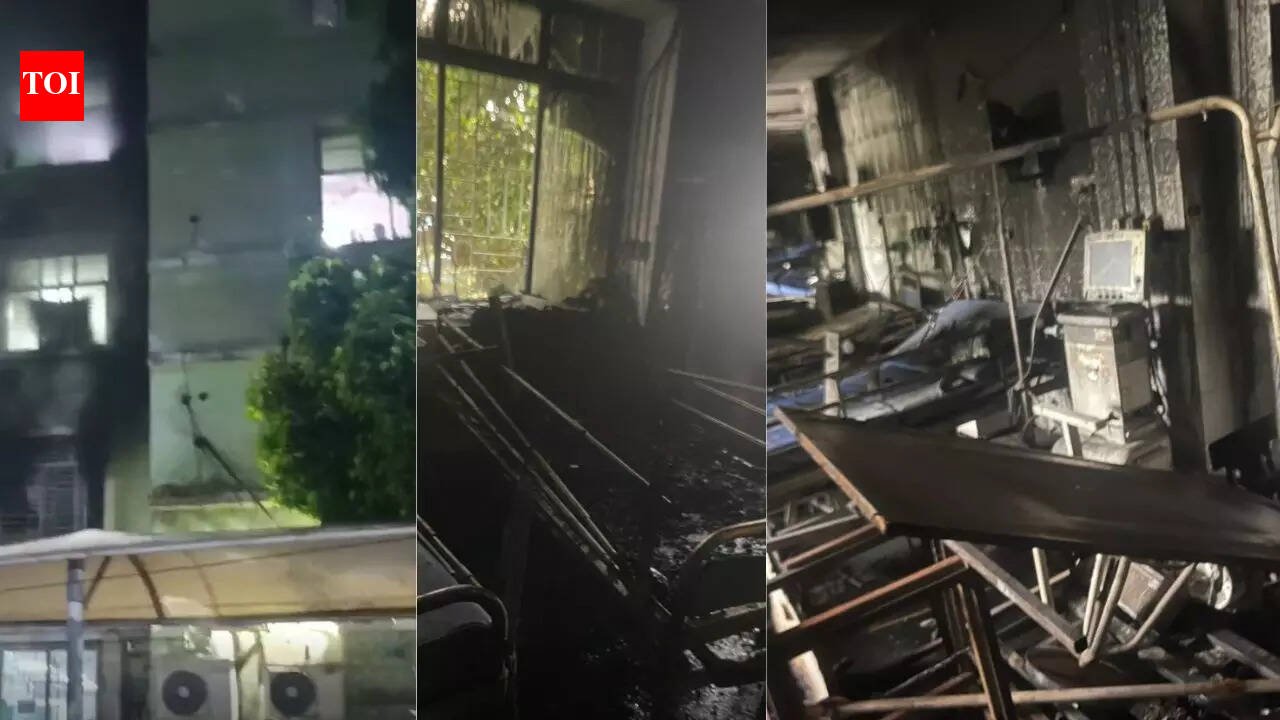
CUTTACK: At least 10 patients died after a fire broke out in the trauma care ICU of SCB Medical College and Hospital in Odisha’s Cuttack on Monday, officials said.The incident happened around 3am. Odisha chief minister Mohan Charan Majhi visited the hospital after the incident and confirmed the casualties.Five of the injured are stated to be in critical condition.According to CM, seven patients died inside the ICU, while three others died while being shifted to other wards during the rescue operation. The chief minister said the fire was caused by a suspected short circuit in the trauma care intensive care unit. Several patients were rescued and shifted to safer wards as firefighters and hospital staff rushed to control the blaze.Majhi also announced an ex-gratia of Rs 25 lakh for the next of kin of those who died in the incident. Officials said 23 employees of SCB Medical College and Hospital who took part in the rescue operation were hospitalised after suffering health complications, including smoke inhalation. Following the incident, Majhi ordered a judicial probe into the hospital fire and assured strict action against anyone found responsible.


Source link

‘It’s their own territory’: Trump asks seven countries to deploy warships to police Strait of Hormuz


'It's their own territory': Trump asks seven countries to deploy warships to police Strait of Hormuz

US President Donald Trump said Sunday (US local time) that he has demanded about seven countries send warships to help keep the Strait of Hormuz open amid the ongoing war with Iran.Trump’s statement came amid reports that he is set to announce a global coalition to escort ships through the Strait of Hormuz, through which roughly 20% of global oil exports normally pass.However, he did not name the countries but noted they are nations heavily reliant on Middle East oil. “We’re talking to countries about policing the straits, because they are the ones — you know, we don’t get oil, very little, 1%. China, as an example, gets about 90% of its oil from the Hormuz Strait. It’d be nice to have other countries policing with us. And we’ll help, and we’ll work with them,” he told reporters aboard Air Force One.“I’m demanding that these countries come in and protect their own territory, because it is their own territory,” he added.So far no nation has made firm commitments as global oil prices continue to rise.“I think we’re getting a good response… We’re always there for Nato. We’re helping them with Ukraine… It doesn’t affect us, but we’ve helped them. It’d be interesting to see which country wouldn’t help us with a very small endeavour, which is just keeping the Strait open,” Trump noted.He reiterated that the US has defeated Iran but said Tehran can have a “little bit of fight back.”“As far as I’m concerned, we’ve essentially defeated Iran. I guess they can have a little bit of fight back. But not much… We have taken out their air forces, air defence… They have no air defence whatsoever. We have taken out their leadership… Militarily, it’s been amazing. We have attacked Kharg Island… They wanted to negotiate badly… I don’t think they are ready… I think they will be ready in some time. But we do it very well...”He further emphasised the scale of US operations and the effect on Iran’s capabilities. “My comparison is small because Iran has very little firepower left. Their missiles are down to a low number. They’re shooting very few of them… Because we’ve decimated their manufacturing capability. Likewise, the drones are way down. They’re down to about 20% of what they had… as of yesterday, we’re starting to hit the places where they manufacture the drones. We think we know where they are. It’s a very strong military operation, just as it was in Venezuela. We have the strongest military anywhere in the world by far, not even a contest. And I think people understand that, and we will finish the job.”Iran’s foreign minister Abbas Araghchi earlier told CBS that Tehran has been approached by a number of countries seeking safe passage for their vessels, and that allowing such passage is a matter for Iran’s military. “A group of vessels from ‘different countries’ had been allowed to pass,” he said, without providing further details.He added that “we don’t see any reason why we should talk with Americans” about ending the war, noting that Israel and the US began the fighting with coordinated attacks on Feb. 28 during indirect talks on Iran’s nuclear program. Araghchi also said Tehran had “no plan to recover” the enriched uranium that was destroyed following US and Israeli attacks last year.The Iran-caused disruption in the Strait of Hormuz has put pressure on global oil markets, with prices surpassing $100 per barrel since US operations began two weeks ago. US gas prices have risen by more than 70 cents per gallon. Iran has restricted passage using sea mines and small vessels, while members of the US administration have said the US Navy will support commercial vessels navigating the strait.Republicans in Congress have urged the White House to act quickly to prevent a short-term economic shock at the start of an election year. Despite these pressures, Trump and some party members have resisted calls to end the war quickly, aiming to avoid longer-lasting supply issues.


Source link

‘Bhai isko abhi delete kar de’: Shivam Dube’s off-guard reaction to camera goes viral – Watch | Off the field News


'Bhai isko abhi delete kar de': Shivam Dube’s off-guard reaction to camera goes viral - Watch

Shivam Dube recently caught fans’ attention on social media after a funny interaction with paparazzi outside his Mumbai residence went viral. The brief moment offered a glimpse of the India all-rounder’s relaxed and playful side away from the cricket field.The incident took place outside Dube’s upscale apartment complex in Andheri West, a building that houses several personalities from the sports and entertainment industries. In the viral clip, the cricketer is seen near the reception area while speaking on the phone when a paparazzo approaches him with a camera. Although slightly surprised at first, Dube acknowledges the photographer and greets him politely.In the video, Dube, clad in a maroon kurta, appears surprised as the paparazzo excitedly greets him. “Bhai aapko dekh liya hum log ne (Brother, we have already seen you),” the man is heard saying in the video before asking the cricketer how he has been doing.“Badiya bhai (I’ve been great),” Dube replies with a thumbs up, to which the man says, “Humara desh ka naam roshan kar diya aap ne (You’ve made our nation proud).”The moment becomes even more amusing when the all-rounder realises he is being filmed and jokingly says, “Bhai isko abhi delete kar de.”Dube’s popularity has grown significantly following India’s triumph in the ICC Men’s T20 World Cup 2026. The all-rounder played an important role throughout the tournament and emerged as one of the unsung heroes of the title-winning campaign.Having already contributed to India’s successful run in 2024, Dube stepped up again in 2026 with an even bigger impact. Across eight innings, he scored 235 runs at a strike rate of 169.06, producing crucial cameos in several matches and consistently providing momentum when it mattered most.

Banner Insert


Source link

April polls will test if BJP can win over ‘unfriendly’ territory | India News


April polls will test if BJP can win over 'unfriendly' territory

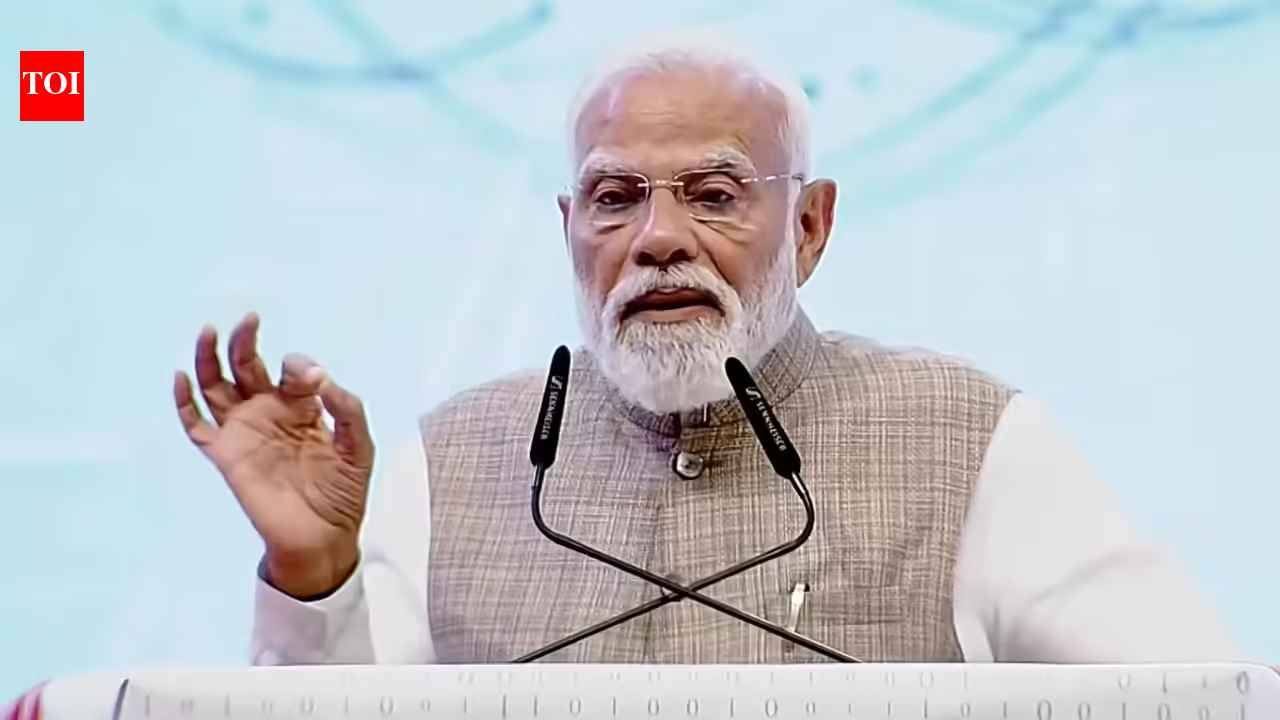
NEW DELHI: If assembly polls since the Lok Sabha elections in 2024 reiterated BJP’s dominance and deflated hopes of its rivals emboldened by their LS poll bump, the fresh round of electoral battle will test the party’s mettle and determine if it can build on its momentum to make new strides in regions considered most unfriendly to its overtures so far. The poll announcement comes amid the opposition’s united attack on PM Modi govt over trade agreement with the US, energy concerns due to the West Asian crisis, and SIR of electoral rolls exercise, and the elections will offer a window into the popular mood. BJP is going to the poll in Assam, where it has been in power since 2016, with confidence, and to Tamil Nadu, Kerala, and especially West Bengal, with varying degrees of hope, three states it has never governed. More than Congress, it is regional parties which have proved resilient against BJP, and two of BJP’s most vocal critics, CM Mamata Banerjee in Bengal and CM M K Stalin in TN, are in the fray in this round of polls. BJP is in office in only one of the four poll-bound states, while it is part of the governing alliance in the poll-bound UT of Puducherry. Outside Assam, BJP has the highest stake in neighbouring Bengal, where it is the direct challenger to TMC, while the party has taken the lead in stitching together an alliance under AIADMK’s leadership to take on the DMK-led bloc in TN. In Kerala, the electoral battle is largely between the incumbent CPM-led LDF and the Congress-UDF, but BJP, which pulled nearly 17% of the vote share in 2024, is being seen as an X factor that will influence the final outcome. As is often the case, PM Narendra Modi has led BJP’s pre-poll outreach by mixing the launch of development programmes with political rallies in all these states, with Bengal being his last port of call, where he addressed a rally in Kolkata Saturday. BJP believes its campaign around Hindu consciousness amid concerns over infiltration and TMC’s alleged pro-Muslim politics and misrule has taken root in the state and will help make up for what it may lack in organisational machinery against its rival’s well-oiled network. The PM’s attack on the Bengal CM, that she was working to reduce Hindus to a minority in the state, was sharper than usual “appeasement” charge BJP has levelled against her. In office since 2011, Mamata has thwarted BJP after being surprised by its performance in 2019 LS election when it won its best-ever tally of 18 seats against TMC’s 22. However, its steady 38-39% vote share in the last several polls has given BJP a launchpad to make a serious and determined bid to vanquish her. Under Assam CM Himanta Biswa Sarma, BJP has turned the alleged infiltration from Bangladesh into a resonant poll issue in the northeastern state and mixed this with native appeal.


Source link