Breaking News
Didi races poll clock on DA sop, payouts for priests, muezzins | India News


Didi races poll clock on DA sop, payouts for priests, muezzins

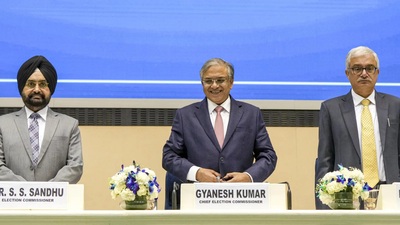
KOLKATA: Bengal CM Mamata Banerjee announced Sunday that her govt would pay Rs 10,000 crore in DA arrears to nine lakh state employees and pensioners from March and hike the monthly honorarium for Hindu priests and Muslim muezzins by Rs 500 to Rs 2,000, squeezing in both just before the model code of conduct kicked in. Mamata made the clergy honorarium hike on her official X handle at 2.40pm. The DA arrears assurance followed at 3.05pm, 55 minutes before the start of CEC Gyanesh Kumar’s presser to declare the poll schedule for four states and one Union territory. Pay 25% of DA arrears by March 31, SC had told TMCBengal govt employees and pensioners “will start receiving their ROPA (Revision of Pay and Allowances) 2009 DA arrears from March 2026 onwards, per the modalities detailed in the notifications issued by our finance department,” CM Mamata Banerjee posted on X Sunday, less than an hour before the CEC’s presser to declare the poll schedule for four states, including Bengal. In Feb, Supreme Court directed the Trinamool govt to pay 25% of DA arrears – amounting to Rs 10,000 crore – by March 31. The remaining arrears are to be paid based on a schedule drawn up by a committee headed by Justice (retd) Indu Malhotra. Trinamool spokesperson Kunal Ghosh said the timing had nothing to do with elections. “The CM had planned this scheme well in advance and made the formal announcement when she deemed it appropriate,” he said. Bengal’s leader of the opposition Suvendu Adhikari dismissed the DA announcement as “a joke” and a “classic TMC election drama”. Responding to a question, CEC Kumar said there was nothing wrong about the Union or a state govt implementing a new policy decision before the announcement of polls. But once the model code takes effect, “any decision affecting the outcome of elections or acting as an inducement is not allowed”, he said. Bhaskar Ghosh of Sangrami Joutha Mancha, a union of state govt employees, called the announcement “the result of sustained pressure by agitating employees from a non-partisan platform”. The hike in honorarium came as relief to around 2.5 lakh priests, of whom close to 1.7 lakh are registered with the Paschimbanga Rajya Sanatan Brahman Trust. This will benefit them significantly,” trust president Rajib Banerjee said.


Source link

By expanding crude sourcing, India ready to handle disruptions | India News


By expanding crude sourcing, India ready to handle disruptions

NEW DELHI: India today is in a far stronger position to handle disruptions in global energy markets than it was a decade ago, officials said on Sunday. While Strait of Hormuz remains an important chokepoint, India can reroute vess-els and shift strategy to other energy-exporting countries. In a world of increasingly uncertain supply chains, a wider and more diverse base of energy sources and partnerships has become an important safeguard for the country’s energy security. India used to import 55% of its crude from non-Hormuz routes before the military conflict began in West Asia a fortnight ago. Officials said the share has increased to 70%. India has also tapped additional countries to source natural gas and liquefied petroleum gas, and cargoes through non-Hormuz routes have also started arriving. India imports nearly half of its natural gas requirement and about 60% of LPG. “By expanding domestic production, managing the tr-ansition to new energy sources and diversifying supply sources, Modi govt has redu-ced the country’s vulnerability to external shocks to its energy needs,” said an official. Officials said govt pursued a policy of multi-alignment, enabling India to cultivate deeper relationships with multiple states to advance its interests. This diplomatic outreach has expanded India’s crude sourcing base from 27 countries a decade ago to more than 40 today. Another major factor reducing vulnerability to energy imports is the 20% ethanol blending programme, which displaces 44 million barrels of crude oil annually. Govt also backed the development of the electric vehicle industry. EV registrations in 2023-24 increased nearly tenfold compared with 2019-20. In 2025-26, EV sales reached 2.3 million units, accounting for about 8% of total vehicle registrations.


Source link

Akshay Kumar says interviewing PM Narendra Modi was easier than delivering a hit film; addresses Canadian passport criticism | Hindi Movie News


Akshay Kumar says interviewing PM Narendra Modi was easier than delivering a hit film; addresses Canadian passport criticism
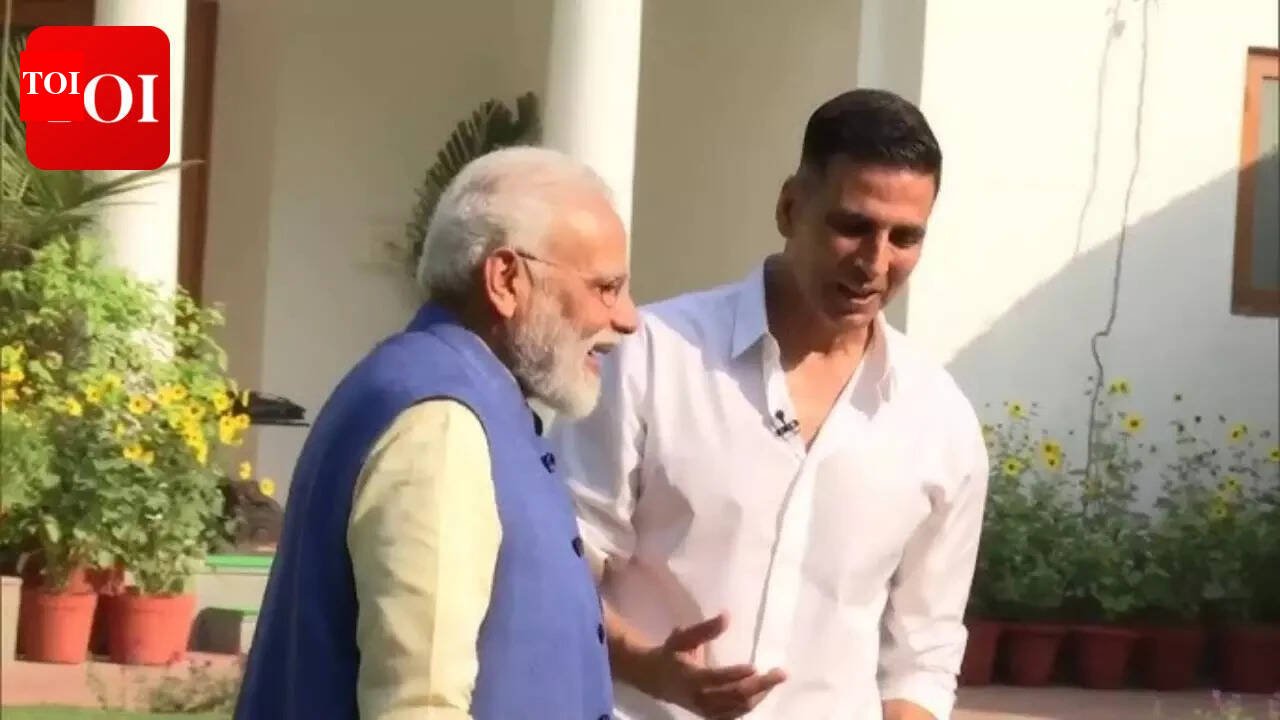
Akshay Kumar recently reflected on his widely discussed interview with Narendra Modi, saying the experience was a “delight” and far easier compared to the challenge of delivering a successful film. He also addressed the long-standing controversy surrounding his former Canadian passport while responding to the debate around his perceived “nationalist hero” image.

Akshay Kumar recently reflected on his widely discussed interview with Narendra Modi, saying the experience was a “delight” and far easier compared to the challenge of delivering a successful film. He also addressed the long-standing controversy surrounding his former Canadian passport while responding to the debate around his perceived “nationalist hero” image.During a conversation with India Today, the actor was asked what was more difficult — delivering hit films or interviewing the Prime Minister.

Suneel Darshan Reveals Why Akshay Kumar-Shilpa Shetty Wedding Never Happened!

Responding with a smile, Kumar said, “Oh that was a delight to interview him. And on the contrary, making a hit film is very difficult thing.”The actor’s interview with Modi in 2019 had sparked widespread discussion at the time, with the candid conversation covering the Prime Minister’s personal life and routine.

‘I don’t do films to build an image’

The conversation also turned to Kumar’s perceived “nationalist hero” image, which has often been associated with films such as Kesari, Airlift, Baby, and Mission Mangal.When asked whether he deliberately chose such projects to cultivate a nationalist image, particularly during the period when his Canadian citizenship was being questioned publicly, Kumar dismissed the idea.“Sir, me koi bhi kaam karta hoon, koi image banane ke liye nahi karta. Main bohot sare kaam karta hoon lekin koi Nationalist image banane ke liye nahi kar raha hoon. Main kaam karta hoon kyunki mujhe theek lagta hai. Mujhe lagta hai ye mujhe karna chahiye, main kar leta hoon,” he said. (“Sir, I don’t do any work to build an image. I do many kinds of work, but not to create a nationalist image. I take up projects simply because they feel right to me.”)

‘Yes, I had a Canadian passport’

Kumar also revisited the long-running controversy surrounding his former Canadian passport, explaining that it was linked to a particularly difficult phase in his career.“Vese to main ye pehle kayi baar keh chuka hoon ki haan Canadian mera passport tha… meri 16–17 films flop ho gayi thi. Mere paas kaam tha, lekin bas last ki 3–4 filmein bachi hui thi to mene socha ki yaar kuch na kuch aur to aadmi karta hai,” he said. (“I have said this many times. Yes, I had a Canadian passport. At one point, around 16–17 of my films had flopped, and only a few were left to release, so I started thinking about what else I could do.”)The actor explained that during that difficult period, a friend in Canada suggested he consider starting a small business there. While exploring that possibility, he got an opportunity to obtain a Canadian passport. However, the situation soon changed.According to Kumar, the few films that were pending release went on to perform well, and he began receiving more work again in the industry. As a result, he dropped the idea of moving to Canada.“Mera hamesha Hindustan se poora naata hai, main Hindustani hoon aur hamesha rahunga,” he added. (“I have always had a deep connection with India. I am Indian and will always remain Indian.”)The actor also pointed out that despite the criticism surrounding the passport issue, he has consistently paid taxes in India, noting that people often focus on one controversy while ignoring everything else about a person.

Upcoming films

On the work front, Kumar has a packed slate of releases across genres. He will next be seen in the horror-comedy Bhooth Bangla, directed by Priyadarshan, which is slated to hit theatres on April 10, 2026.He will also appear in the thriller Haiwaan alongside Saif Ali Khan, where Kumar is expected to play a negative role. The film is scheduled for release in August 2026.Additionally, the actor has joined Golmaal 5, directed by Rohit Shetty, marking his first appearance in the popular comedy franchise alongside Ajay Devgn and the original Golmaal gang.Another major project in his lineup is the ensemble comedy Welcome to the Jungle, the third instalment in the Welcome franchise, which is scheduled to release in June 2026.


Source link

11 Maoists with Rs 63 lakh bounty surrender | India News


11 Maoists with Rs 63 lakh bounty surrender

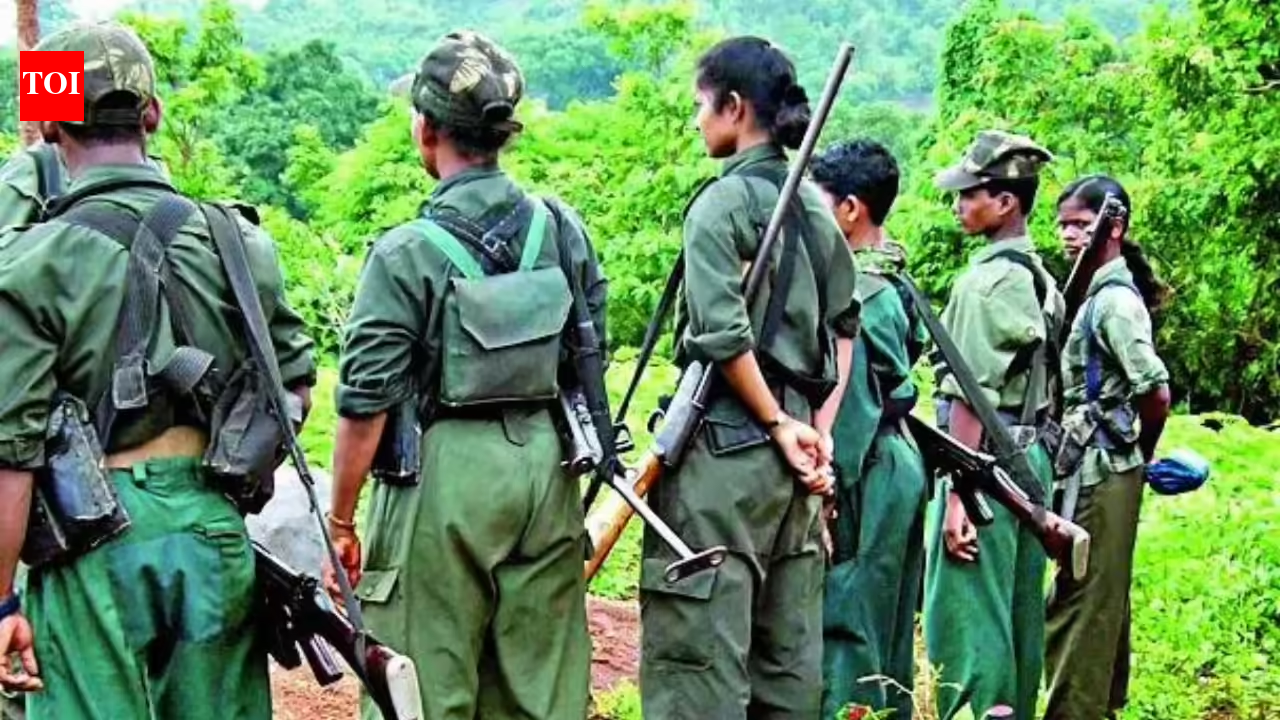
BHUBANESWAR: As many as 11 Maoists, carrying a bounty of Rs 63.3 lakh, surrendered before the Odisha Police in Kalahandi district on Sunday, handing over a large cache of arms and ammunition, reports Debabrata Mohapatra. The Maoists were active in Kalahandi, Rayagada and Kandhamal. While one of them hails from Maharashtra, the other 10 are from Chhattisgarh. They will receive a total compensation of Rs 1.2 crore, comprising the Rs 63.3 lakh bounty and an additional Rs 60 lakh in cash incentives. They surrendered 11 weapons, including an AK-47, an INSAS rifle and four SLRs. With this, the number of armed Maoists in Odisha has dropped to about 15, according to police.


Source link

Ladakh bodies ask protesters to raise only approved slogans, not to cover face | India News


Ladakh bodies ask protesters to raise only approved slogans, not to cover face

SRINAGAR: Leh Apex Body (LAB) and Kargil Democratic Alliance (KDA) issued a set of guidelines for protesters on Sunday, on the eve of a protest urging the Centre to resume dialogue on the demand for statehood for Ladakh and its inclusion under Sixth Schedule of the Constitution.The organisations have asked participants of the protest on Monday to stick only to approved slogans and not to mask their faces. LAB said it has not called for a market shutdown. However, shopkeepers who wish to voluntarily close their shops and join the march are free to do so.On Friday, the UT administration appealed to LAB to reconsider the proposed March 16 procession, saying it remained committed to dialogue. The govt said the tourist season is about to begin and such a protest could create a negative impression about the situation in the region.The last dialogue between Ladakhi representatives and Union home ministry’s high-powered committee was held on Feb 4.The UT administration is wary of such protests as last year on Sept 24, police opened fire on protesters, killing four and injuring over 80 in Leh.After the Centre ordered an inquiry into the Sept 24 police firing, MHA panel and Ladakhi representatives held the first round of talks in New Delhi on Oct 22 last year.


Source link

Kharg Island: Trump’s mercy shot on Iran’s oil lifeline could reshape the war


Kharg Island: Trump's mercy shot on Iran's oil lifeline could reshape the war

Amid the ongoing conflict in the Middle East, the United States has upped the ante against Iran by carrying out heavy airstrikes on Kharg Island — Iran’s economic lifeline and a strategic defense point in the Persian Gulf.During the recent attacks, the US forces conducted airstrikes on military installations on Kharg Island, including missile storage areas and other defence sites. According to media reports, the strikes focused on military facilities, while the oil export infrastructure itself was largely left intact.

Iran’s Oil Lifeline Under Threat; Trump Signals More Bombings On Kharg Island; ‘Just For Fun’

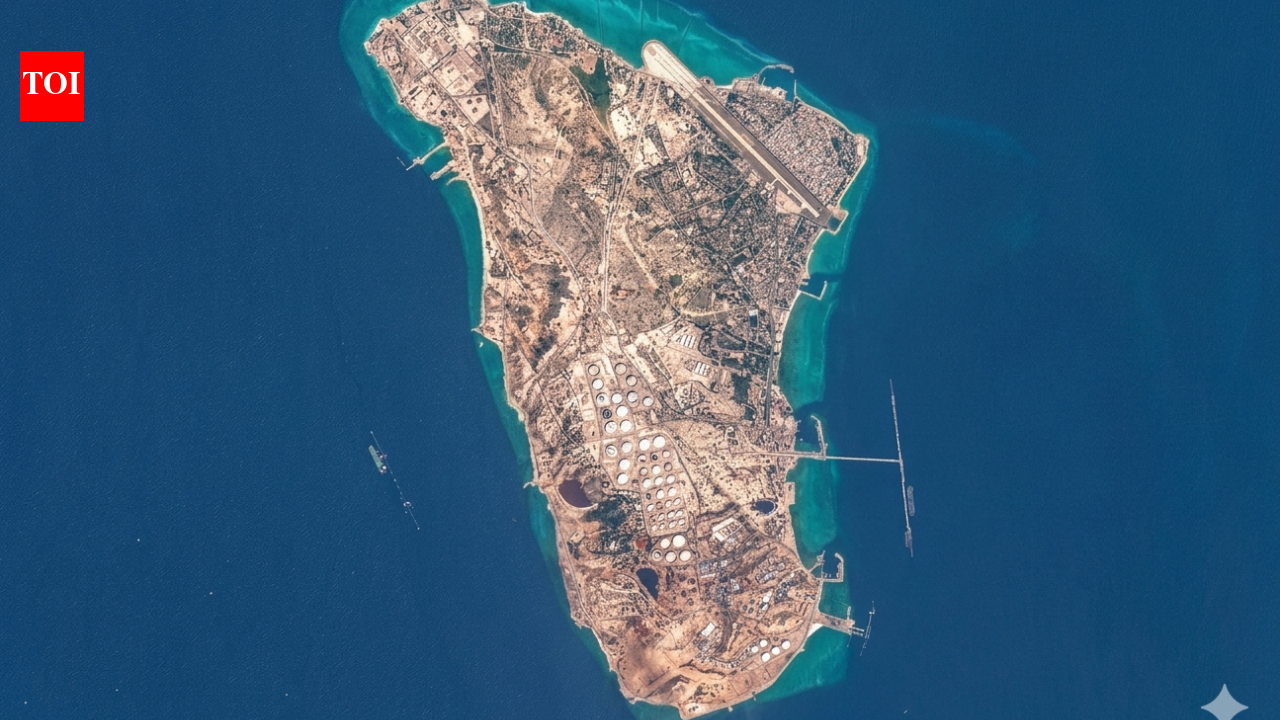
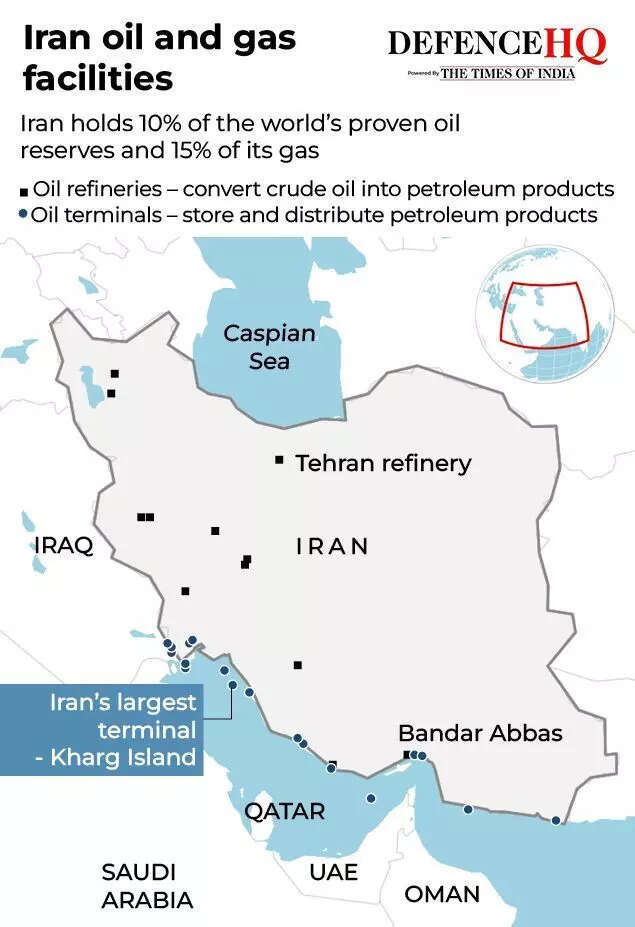
In an interview with NBC News, US President Donald Trump said previous US strikes had “totally demolished” most of the island’s oil infrastructure. He added that the US “may hit it a few more times just for fun”.Why it matters“He who controls Kharg Island controls the destiny of this war,” US Senator Lindsey Graham posted on X soon after the airstrikes.Kharg Island is widely seen as the backbone of Iran’s crude export system. Located about 25 kilometers off Iran’s northwestern Gulf coast, the island acts as the country’s main oil gateway, where crude is stored and loaded onto tankers bound for global markets.

.

Though small in size, about 6 kilometers long and 3 kilometers wide, the coral outcrop handles nearly 90 per cent of Iran’s crude oil exports. Its deep-water jetties allow large tankers to load oil directly, something much of Iran’s shallow coastline cannot support.The island’s loading terminals were originally designed to handle up to seven million barrels of oil per day and can service eight or nine supertankers at the same time. More than 50 storage tanks spread across the island can hold over 34 million barrels of crude.Most of the oil shipped from Kharg does not come from the island itself. Instead, pipelines bring crude from oil fields in southern Iran to the terminals before it is loaded onto ships.Other export sites are far smaller in comparison. Lavan Island can process about 200,000 barrels per day and has storage capacity of roughly 5.5 million barrels. Sirri Island provides around 4.5 million barrels of storage. Meanwhile, the energy hub at Assaluyeh mainly handles gas condensate rather than crude oil.Kharg’s location also adds to its importance. The island sits close to the Strait of Hormuz, one of the world’s busiest oil routes. Any disruption there could quickly affect Iran’s oil revenues and send ripples through global energy markets.Petras Katinas, an energy researcher at the Royal United Services Institute told news agency PTI that Kharg Island was critical to funding Iran’s government and military.If Iran were to lose control of Kharg, it would be difficult for the country to function, even though the island isn’t a military or nuclear target, he said.“It doesn’t matter which regime is in power — new or old,” Katinas said. A takeover would give the US leverage over negotiations with Iran because the island is “the main node” of its economy.Strait of Hormuz factorKharg’s strategic importance is closely linked to the Strait of Hormuz, which lies southeast of the island.This narrow maritime passage connects the Persian Gulf to the Gulf of Oman and the wider Indian Ocean. Roughly 20% of the world’s oil supply passes through this chokepoint every day.Tankers carrying crude from Saudi Arabia, Iraq, Kuwait, Qatar and the United Arab Emirates all transit the strait before heading to global markets.Although Iran itself accounts for only about 3–4% of global oil supply, its geographic position along the strait gives it the ability to threaten a much larger share of global energy flows.A military hubAdditionally, Kharg is also one of Iran’s most significant military locations. Access to the island is tightly restricted and guarded by the Islamic Revolutionary Guard Corps (IRGC).The IRGC Navy maintains a presence there, including the 112th Zolfaghar Surface Combat Brigade, a unit that operates fast-attack boats designed for asymmetric naval warfare in the Persian Gulf.These vessels are typically equipped with anti-ship missiles, rockets and naval mines, allowing them to threaten commercial shipping and larger naval vessels operating nearby.Military infrastructure around the island includes coastal missile launchers, radar systems, surveillance networks and drone facilities used to monitor activity across the northern Persian Gulf.Iran’s regular navy, known as the Islamic Republic of Iran Navy, also operates in the broader Bushehr–Kharg region. It uses helicopters and boats for maritime patrols and potential mine-laying operations.Together, the IRGC Navy and the conventional navy maintain a presence that could pose risks to shipping lanes during periods of conflict.Why US did not target oil infrastructureUS forces struck defensive positions, bases and helicopter facilities in the Island. However it left the oil installations untouched.After the strikes, Trump said that he chose “not to wipe out” the oil infrastructure in the Kharg Island for “reasons of decency.” “Our weapons are the most powerful and sophisticated that the World has ever known, but, for reasons of decency, I have chosen NOT to wipe out the Oil Infrastructure on the Island,” Trump said in a social media post on Truth.“However, should Iran, or anyone else, do anything to interfere with the Free and Safe Passage of Ships through the Strait of Hormuz, I will immediately reconsider this decision,” he added.However, observers believe that Trump’s decision not to strike oil infrastructure could signal a broader US strategy.Here are the list of possible reasons

  • Avoiding an energy shock: Targeting oil infrastructure on Kharg Island could have pushed global oil prices even higher, worsening inflation risks worldwide, including in the United States. Analysts say striking the island’s oil facilities would not only have hurt Iran but also affected American and European-linked oil companies operating in global markets.
  • Bargaining chip: Some analysts believe Washington may want to keep Iran’s oil assets intact as a potential bargaining chip. Preserving the infrastructure could provide leverage in future negotiations or become strategically valuable if Iran’s political situation changes.
  • Public support risk: Attacking Iran’s energy resources could also backfire politically. Such strikes might rally domestic support for Tehran instead of weakening it.
  • Risk of counterattacks: Directly targeting Iran’s energy sector could invite retaliation. Iranian officials have warned that attacks on their oil infrastructure could trigger strikes against US or allied energy facilities across the Middle East. Iranian Foreign Minister Abbas Araghchi said on Saturday that if Iran’s energy facilities were hit, Tehran could retaliate by targeting US corporate facilities or companies with American shareholdings in the region.

Could US forces seize the island?Some reports suggest United States may be considering more aggressive options, including a possible amphibious assault on Kharg Island.According to security expert, capturing the island could severely disrupt Iran’s oil exports and give Washington leverage in future negotiations.However, the risks would be significant. Kharg lies close to the Iranian mainland, which would leave any landing force exposed to missiles, drones and naval attacks.While talking to news outlet CGTN, Military analyst Hossein Kanani Moghaddam pointed out Iran’s long maritime border along the Persian Gulf and said that Iranian forces could strike US units attempting operations near the Strait of Hormuz.“We have a 2,000-kilometer maritime border with the Persian Gulf. If all US forces were to enter the Strait of Hormuz, we could easily strike and neutralize them from our own territory along this maritime border,” Moghaddam said.Meanwhile, US officials have already deployed the amphibious assault ship USS Tripoli (LHA-7) along with the 31st Marine Expeditionary Unit to the Middle East.The force typically includes around 2,200 Marines and aircraft such as Bell Boeing V-22 Osprey, helicopters and Lockheed Martin F-35 Lightning II. With support units, the deployment can expand to roughly 5,000 personnel.A Pentagon official told Fox News that the deployment broadens military options and that the unit is prepared for ground operations if ordered.Kharg Island has shown remarkable resilience over the years. During the Iran-Iraq War in the 1980s, Iraqi forces repeatedly bombed the island and destroyed several storage tanks. Despite this damage, Iran continued to export more than 1.5 million barrels of oil per day.More than six decades after exports began in 1960, Kharg remains Iran’s primary energy gateway and a key strategic point in the security architecture of the Persian Gulf.As long as a significant share of the world’s oil continues to pass through the Strait of Hormuz, this small island will remain one of the most consequential pieces of infrastructure in the region.




Source link

Shubman Gill bags Polly Umrigar Award, Smriti Mandhana makes history with fifth BCCI honour | Cricket News


Shubman Gill bags Polly Umrigar Award, Smriti Mandhana makes history with fifth BCCI honour
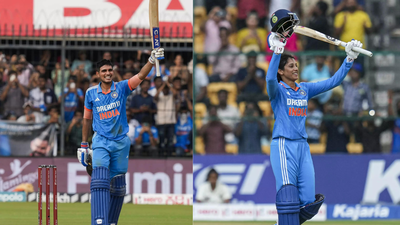
Shubman Gill and Smriti Mandhana (PTI)

Shubman Gill and Smriti Mandhana were crowned the Best International Cricketers (Men’s and Women’s) at the BCCI Naman Awards 2026 on Sunday, celebrating their exceptional performances during the 2024–2025 season. Gill claimed the prestigious Polly Umrigar Award, marking his second Cricketer of the Year title after first winning in 2023, while Mandhana earned the honour for the fifth time.The ceremony also recognised former greats Roger Binny, Rahul Dravid, and Mithali Raj with the Col. C. K. Nayudu Lifetime Achievement Award, the BCCI’s highest accolade, in recognition of their remarkable contributions to Indian cricket.Gill enjoyed a remarkable 2025, cementing his status as a pillar of India’s batting line-up in the longer formats. He led the way during India’s five-Test series in England, finishing as the leading run-scorer with 754 runs in 10 innings at an average of 75.40, including four centuries and a career-best 269. He also played a key role in India’s Champions Trophy triumph last year, entering the tournament as the world’s No.1-ranked ODI batter. Gill began with an unbeaten 101 against Bangladesh and ended the competition with 188 runs.Mandhana, meanwhile, completed 2025 with 1,703 international runs, including 1,362 in ODIs—the highest by any woman in a single year—becoming the first female batter in ODI history to surpass 1,000 runs in a calendar year. She was instrumental in India’s maiden Women’s World Cup victory, scoring 434 runs across nine matches to finish as India’s top scorer and second-highest overall. Earlier, Mandhana had smashed a 50-ball century against Australia in New Delhi, registering the fastest ODI hundred by an Indian batter and breaking Virat Kohli’s 52-ball record.

Banner Insert


Source link

Dgca Pilot Duty Norms: DGCA temporarily eases pilot duty norms for Air India long-haul flights amid Middle East airspace curbs: Report


DGCA temporarily eases pilot duty norms for Air India long-haul flights amid Middle East airspace curbs: Report

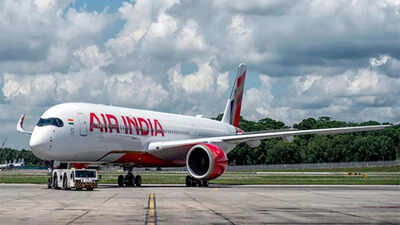
Aviation safety regulator DGCA has granted temporary relaxations in flight duty norms for Air India’s long-haul flights as the carrier takes longer routes because of airspace restrictions in the Middle East amid the ongoing Iran conflict, sources cited by news agency PTI said on Sunday.With Iranian and Iraqi airspace restrictions in place, Air India is routing many of its European and North American flights via Egypt, leading to longer flying hours and extended duty periods for pilots.As per PTI, the Directorate General of Civil Aviation (DGCA) has allowed certain exemptions in Flight Duty Time Limitations (FDTL) norms for these long-haul operations until April 30.There was no immediate comment from either Air India or the DGCA on the temporary relaxations.

What relaxations has DGCA allowed?

According to PTI, the relaxations apply to long-haul flights operated with two pilots.Under the temporary exemption, the DGCA has:

  • Extended Flight Time (FT) by 1 hour 30 minutes to 11 hours 30 minutes
  • Extended Flight Duty Period (FDP) by 1 hour 45 minutes to 11 hours 45 minutes
  • Relaxed the 30-minute roster planning buffer requirement

For a single landing, the normal maximum FT and FDP are 10 hours and 13 hours, respectively.Flight Time refers to the period from when an aircraft first moves for take-off until it comes to rest at the end of the flight, while Flight Duty Period begins when a crew member reports for duty and ends when the engines are shut down after the final flight.

Allegation of breach in Jeddah flight planning

Even as the regulator has offered temporary relief, sources told PTI that Air India may be stretching the exemption beyond the permitted limit in at least one case.According to a source quoted by PTI, Air India has been scheduling its Jeddah flight with an FDP of 11 hours 55 minutes, which is 10 minutes beyond the extended ceiling of 11 hours 45 minutes allowed under the relaxation.“While flight duty period (FDP) has been extended by 1.45 hours, Air India is forcing its pilots to operate Jeddah flight, which has an FDP of 11.55 hours, thus exceeding the allowed relaxations by 10-minutes,” a source told PTI.

Why are Air India flights taking longer routes?

The change comes as the escalating US-Israel-Iran conflict, which began on February 28, has led to significant airspace curbs across parts of the Middle East, disrupting airline operations globally.Air India is now flying to Europe and North America via Oman, the southern part of Saudi Arabia and Egypt instead of using more direct routes through restricted airspace.For some ultra-long-haul services, the airline is also making technical stops in Rome.It was not immediately clear whether IndiGo has received similar temporary exemptions for its own long-haul operations.

Wider disruption in UAE operations

The temporary duty norm relaxation comes against the backdrop of broader disruption to Indian carriers in the region.Air India cancelled several flights on Sunday to the UAE, including services to Dubai, Ras Al Khaimah, Sharjah and Abu Dhabi, after airport authorities there directed airlines to reduce operations amid the evolving West Asia crisis.In a statement on X, Air India said: “In view of the latest instructions from Airport authorities in the UAE, Air India and Air India Express are compelled to curtail their ad-hoc operations for 15 March 2026.”Air India operated only one Delhi–Dubai return flight for the day, while four of five planned Dubai flights were cancelled. Air India Express also operated just one Delhi–Dubai return service, with five of six scheduled Dubai flights cancelled, while all five Abu Dhabi flights by the budget carrier were cancelled.Passengers affected by cancellations were offered free rebooking or full refunds.

Conflict continues to hit aviation

The wider aviation sector has been under pressure as the West Asia crisis disrupts air corridors and pushes up aviation turbine fuel (ATF) costs.IndiGo also warned of further restrictions in Dubai operations and asked passengers to check flight status before heading to the airport.


Source link

Assembly Elections 2026: Assurance on SIR, Model Code of Conduct & more — what EC said on polls for 4 states, 1 UT | India News


Assembly Elections 2026: Assurance on SIR, Model Code of Conduct & more — what EC said on polls for 4 states, 1 UT

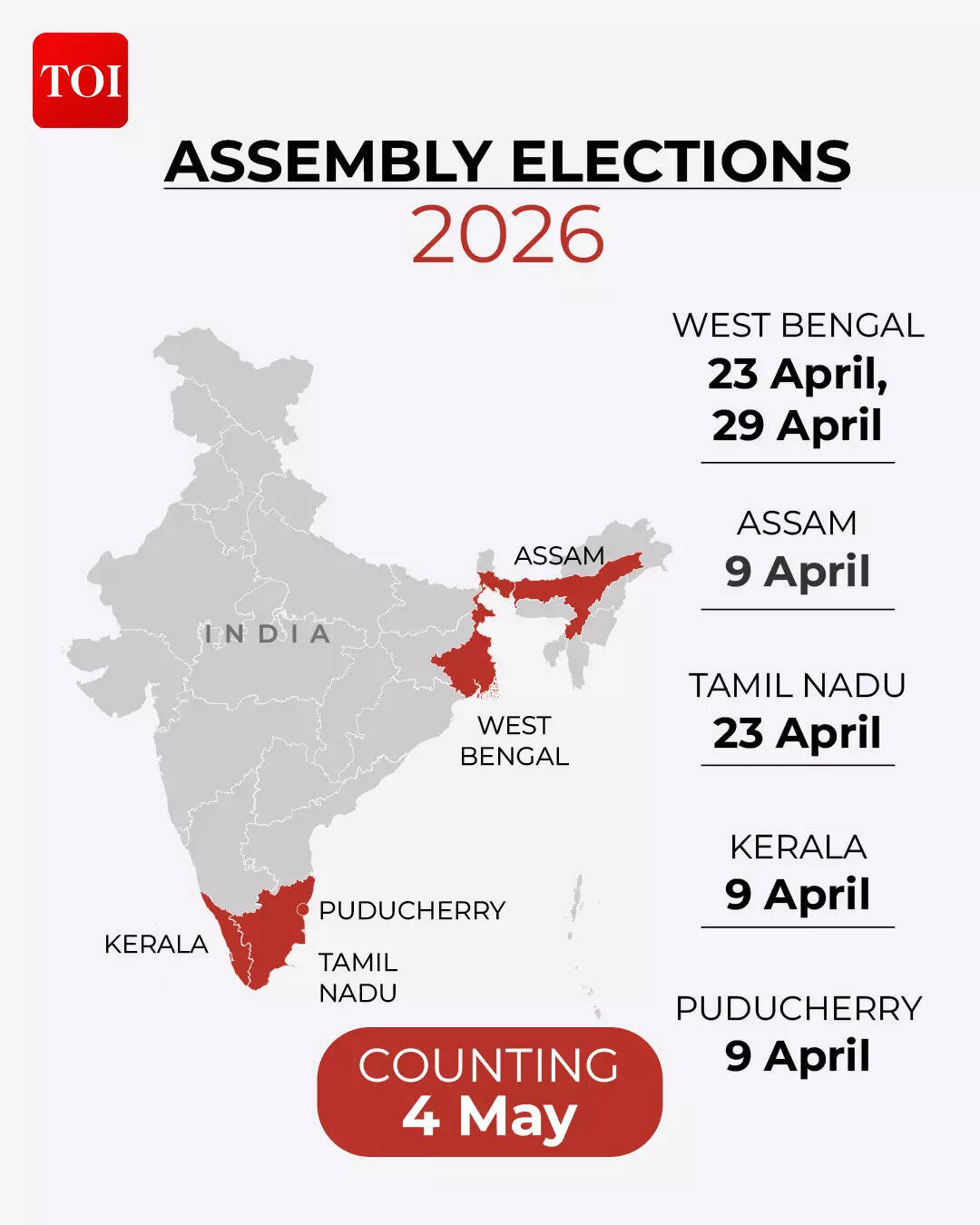
NEW DELHI: The Election Commission on Sunday announced the assembly poll dates for 4 states and one union territory, while detailing several special provisions aimed at improving voter access, monitoring the poll process and strengthening transparency.The EC announced the schedule for assembly elections in — West Bengal, Tamil Nadu, Assam and Kerala — along with the Union Territory of Puducherry.Polling will take place between April 9 and April 29, while results for all five assemblies are set to be declared on May 4. Polling across the five regions will be staggered between April 9 and April 29. Assam, Kerala and Puducherry will vote on April 9; Tamil Nadu will go to the polls on April 23; while West Bengal will vote in two phases on April 23 and April 29.

.

The Election Commission of India also highlighted the Special Intensive Revision (SIR) of electoral rolls undertaken ahead of the polls, particularly in West Bengal. According to the Commission, the exercise was carried out to improve the accuracy of voter lists by removing duplicate, shifted and ineligible entries and ensuring that only eligible electors remain on the rolls. The Commission said the revision involved door-to-door verification and scrutiny of electoral records by booth-level officers. Officials maintained that the process was aimed at strengthening the integrity of the electoral roll and enhancing transparency in the polling process, according to the EC. Further explaining the process and planning for the polls, the Commission said steps have been taken to expand polling infrastructure and ensure better facilities for voters. “It has been decided that there shall be a maximum of 1200 electors in a polling station,” the Commission noted, adding that additional polling stations or auxiliary booths may be created where voter strength exceeds this limit. To improve voter convenience, the Commission has also directed authorities to provide basic facilities at every booth. “Every Polling Station shall have accessible road in good condition leading to polling station building and is equipped with Assured Minimum Facilities (AMF) like drinking water, waiting shed, toilet with water facility, adequate arrangements for lighting, ramp of proper gradient for the PwD electors and a standard voting compartment. Special focus has been placed on accessibility for elderly voters and persons with disabilities. The Commission has instructed that polling stations be located on the ground floor or at road level wherever possible, with ramps and wheelchairs provided to facilitate easier voting for senior citizens and differently abled electors. The EC also emphasised strict monitoring of the election process, stating that key events such as nominations, polling and counting will be recorded. “All critical events will be video-graphed,” the Commission said, adding that CCTV cameras and webcasting will be used at polling stations and monitoring points. Additionally, the Model Code of Conduct has come into effect immediately after the announcement of the schedule, applying to political parties, candidates and governments in the poll-bound states. The Commission clarified that “the Model Code of Conduct shall also be applicable to the Central Government so far as announcements/policy decisions pertaining to/for Assam, Kerala, Tamil Nadu, West Bengal and Puducherry are concerned.” It added that extensive arrangements have been made to ensure strict enforcement of the code, warning that “any violation of these Guidelines would be dealt with strictly.” Authorities in the concerned states and Union Territory have also been directed to ensure there is no misuse of official machinery during the MCC period, while election officials have been instructed to maintain heightened vigilance, particularly in the first and last 72 hours surrounding the polling process.


Source link

Puducherry Election Date 2026: Full schedule, voting date, result and full details | India News


Puducherry Election Date 2026: Full schedule, voting date, result and full details

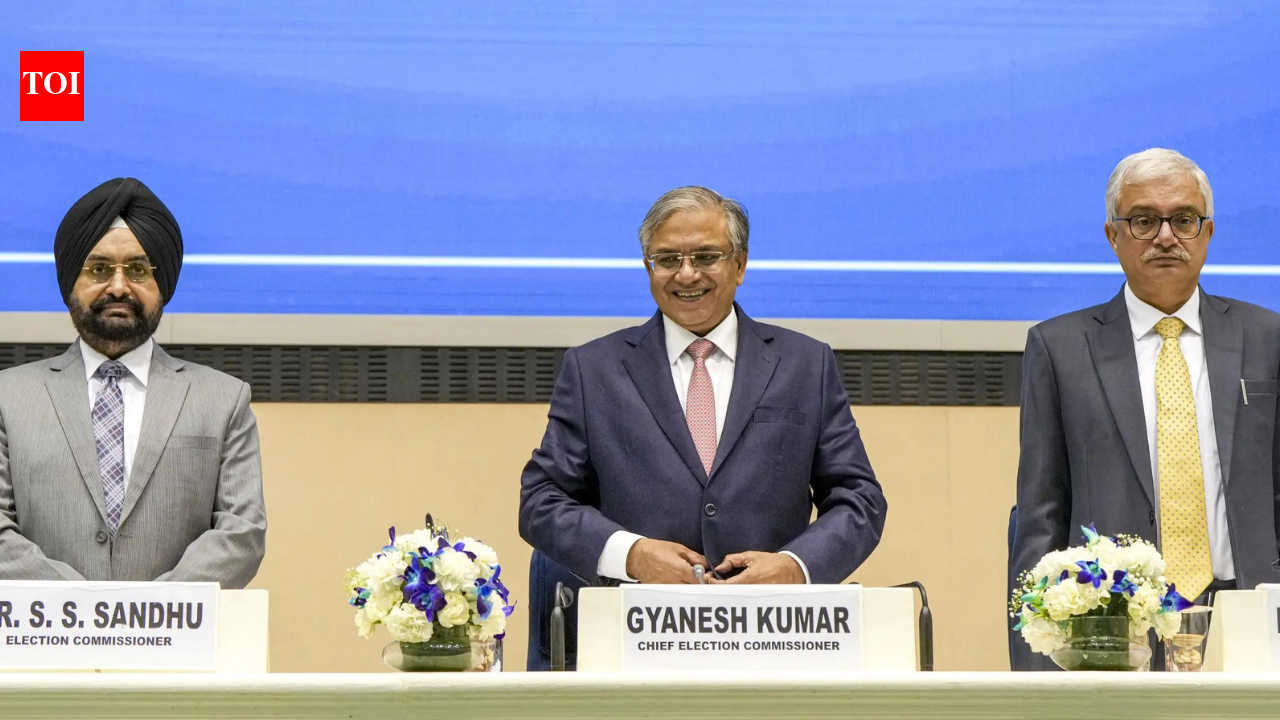
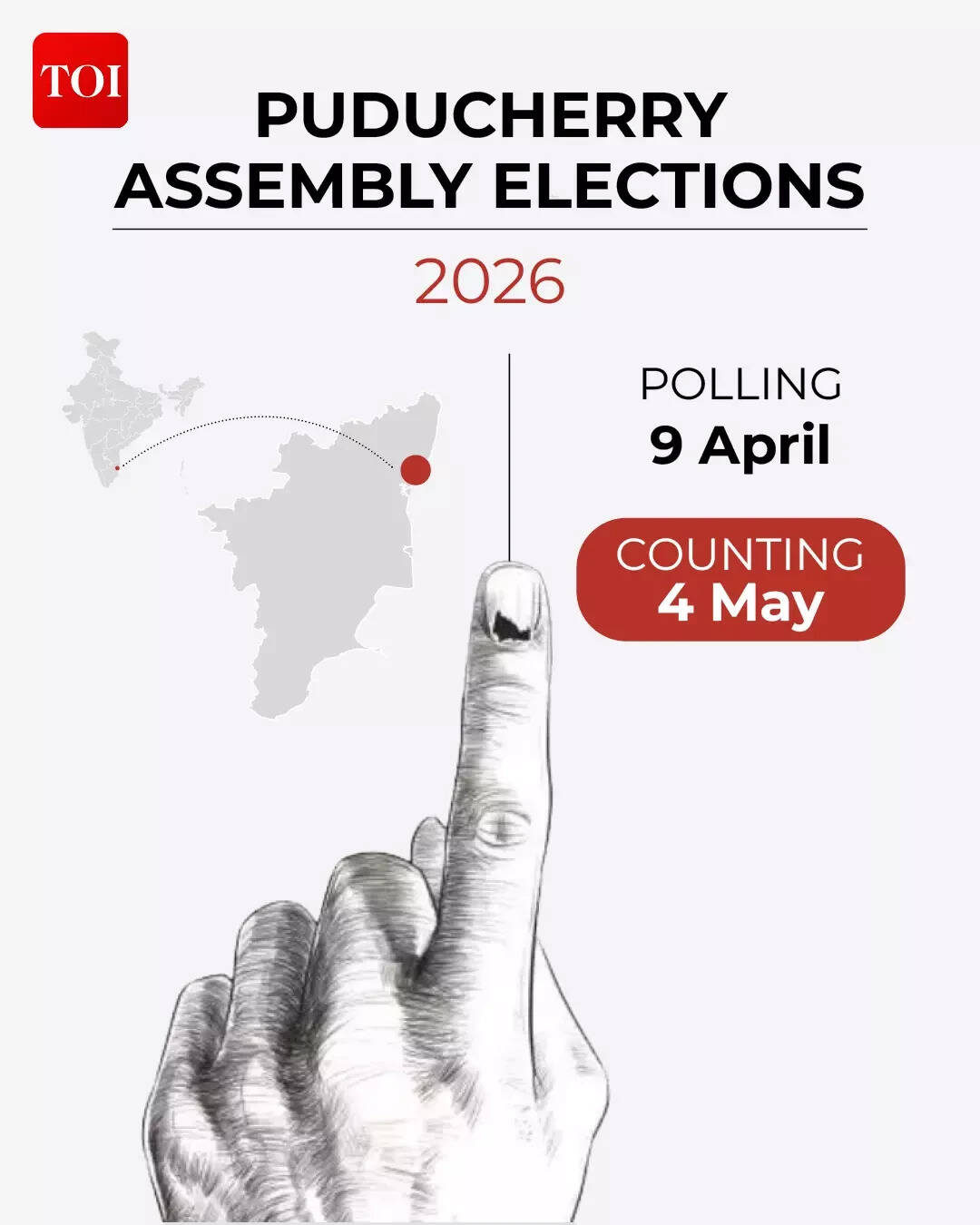
NEW DELHI: The Election Commission on Sunday announced the schedule for the 2026 Puducherry Assembly election, with polling to be held in a single phase on April 9 and counting of votes on May 4. Voting will take place for all 30 constituencies of the 16th Puducherry Legislative Assembly.Chief election commissioner Gyanesh Kumar, addressing a press conference, said elections across the four states and one Union Territory must be conducted in a free, fair and violence-free manner. He said the Election Commission would take strong action against any attempt at violence or inducement and ensure greater transparency in the counting process and announcement of results.

Puducherry Election 2026: Key dates

For Puducherry, the election will be held in one phase on April 9, while the result will be declared on May 4. The Union Territory goes to the polls along with Assam, Kerala, Tamil Nadu and West Bengal.The EC has announced voting for all 30 Assembly seats in Puducherry, where nearly 9.44 lakh voters are eligible to cast their ballots.

Puducherry Assembly Elections 2026

Puducherry voters and polling stations

According to data shared by the Election Commission, Puducherry has around 4.43 lakh male voters, 5 lakh female voters and 139 third-gender electors, taking the total electorate to about 9.44 lakh.Among them, the Union Territory has 54 centenarian voters, 6,034 voters aged 85 and above, and 12,204 persons with disabilities (PwD). It also has 23,033 first-time voters aged 18 to 19, around 1.87 lakh voters in the 20–29 age group, and 328 service electors.Polling will be held across 1,099 polling stations, of which 610 are in urban areas and 489 in rural areas. The EC said the average number of electors per polling station in Puducherry is 859, which falls within the 750–900 range across the five poll-bound regions.

Assembly Elections 2026

The Commission also said Puducherry will have 30 model polling stations, 60 women-managed polling stations, and four PwD-managed polling stations. Importantly, 100 per cent webcasting will be in place at polling stations.

What the Election Commission said

CEC Gyanesh Kumar said a total of 17.4 crore voters are eligible to vote in elections to five assemblies with 824 constituencies. Across the four states and one Union Territory, polling will be conducted at around 2.19 lakh polling stations, with nearly 25 lakh election officials deployed.Kumar said the number of total voters across the five poll-bound regions is equivalent to the population of countries such as Australia, France, South Africa, Germany and Canada. He also said pure electoral rolls are the bedrock of democracy and stressed that no eligible voter should be left out, while no ineligible voter should be included.The CEC added that representatives of election bodies from 20 countries will visit the poll-bound states to observe India’s electoral process, which he described as the “Festival of Democracy”.

What happened in the 2021 Puducherry election?

The last Assembly election in Puducherry was held in 2021, when the National Democratic Alliance (NDA) secured a simple majority. N Rangaswamy of the All India NR Congress (AINRC) was sworn in as chief minister for the fourth time.In that election, the NDA won 16 seats with a 44.2 per cent vote share, while the UPA won eight seats.Party-wise, AINRC emerged as the largest party with 10 seats and a 26.2 per cent vote share. The DMK won six seats with 18.8 per cent vote share, while the BJP also won six seats with 13.8 per cent vote share. The Congress won two seats with 15.9 per cent vote share.

NDA’s 2026 seat-sharing plan

Ahead of the 2026 election, the AINRC-BJP alliance has already finalised its seat-sharing arrangement. Under the formula, AINRC will contest 16 seats, while the BJP-led combine will contest 14 seats.The alliance has said it is also in talks with the AIADMK. In the previous election, five seats had been allotted to the AIADMK from the BJP’s quota.

Puducherry Election 2026 result date

The Puducherry Assembly Election 2026 result will be declared on May 4, when counting is taken up along with the other four state elections.


Source link