Breaking News
Vinai Kumar Saxena is Ladakh’s 4th LG, calls region ‘crown of India’ | India News


Vinai Kumar Saxena is Ladakh’s 4th LG, calls region ‘crown of India’

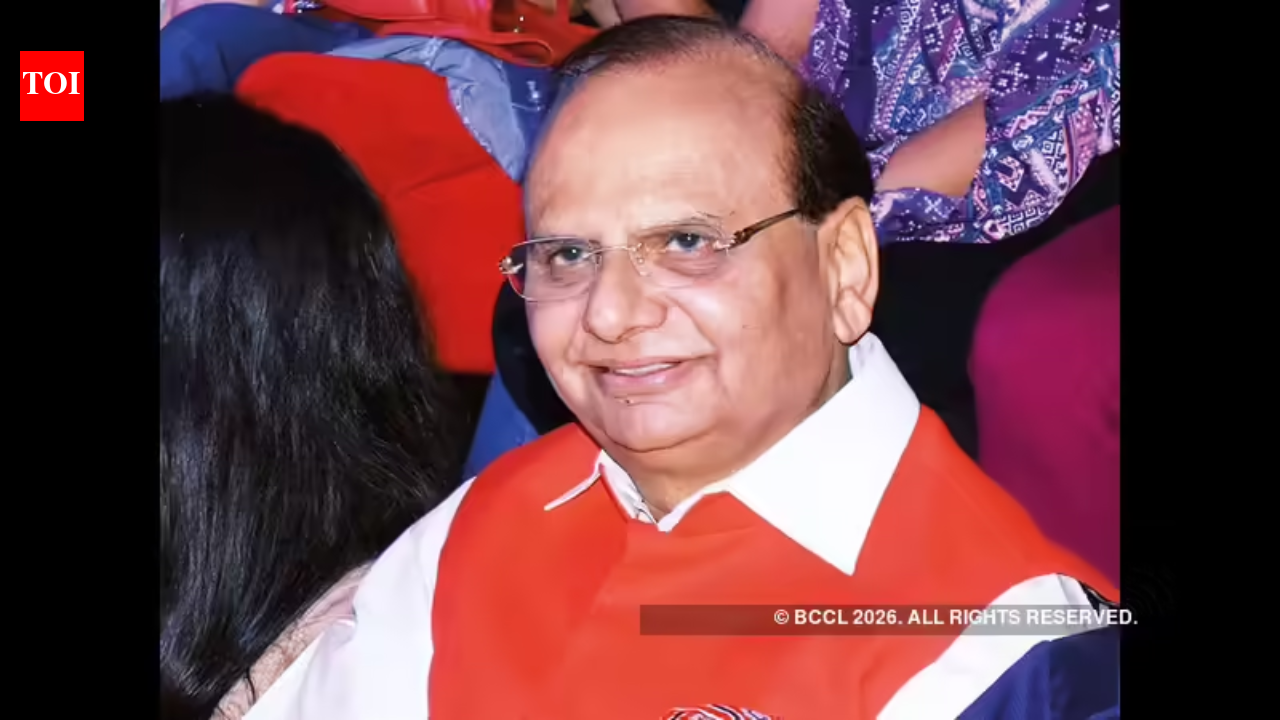
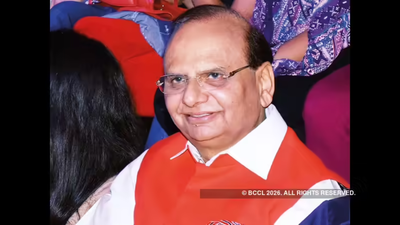
SRINAGAR: Vinai Kumar Saxena took oath as the fourth Lieutenant Governor of the Union Territory of Ladakh Friday, succeeding Kavinder Gupta. Prior to this appointment, Saxena served as the LG of Delhi.The oath of office and secrecy was administered by the Chief Justice of the High Court of Jammu and Kashmir and Ladakh, Justice Arun Palli, at a ceremony in Central Institute of Buddhist Studies (CIBS), Choglamsar.Saxena described Ladakh as the “crown of India” and assured that he would work wholeheartedly in accordance with people’s aspirations and requirements. He said he intends to visit villages and remote areas across Ladakh to understand the problems people face on the ground, and identify practical, sustainable solutions.Saxena said Ladakh possesses tremendous tourism potential and emphasised that one of his key priorities would be to make Ladakh one of the most beautiful and sought-after tourism destinations in the country and the world.Saxena said he would work in close coordination with the people and seek their cooperation in transforming Ladakh into a developed and progressive UT.


Source link

Oil on fire, ticket cost higher: Now, IndiGo levies fuel charge, after AI group


Oil on fire, ticket cost higher: Now, IndiGo levies fuel charge, after AI group

NEW DELHI: Oil on fire is beginning to make flying much more expensive. IndiGo will levy a fuel charge between Rs 425 and Rs 2,300 from Saturday (March 14), on all its domestic and international flights due to “the significant surge in fuel prices following the ongoing geopolitical issues.” IndiGo’s announcement of this cess, which has been levied from time to time by airlines globally over past two decades in periods of global crisis when oil price spikes, comes three days after Air India group also announced the same.“IATA’s ‘jet fuel monitor’ indicates an over 85% increase in fuel prices for the region. Aviation turbine fuel (ATF) represents a significant share of airlines’ operating cost. This sudden and steep increase will have a material impact on all airlines’ costs and network, including IndiGo’s. While offsetting the entire impact of this fuel price surge requires a very substantial adjustment to fares, IndiGo has introduced a relatively smaller amount as a fuel charge keeping in mind the consequential burden on customers,” the airline said.IndiGo will levy Rs 425 as fuel charge on domestic and Indian subcontinent flights; Rs 900 on Middle East flights; Rs 1,800 on Southeast Asia, China, Africa and West Asia flights and Rs 2,300 on Europe flights.Air India Group has starting Thursday started levying a fuel surcharge between Rs 399 and $200 on its flights. The group had clearly said while it “regrets” the same, “some flights would be unable to cover operating costs and would have to be cancelled” had the surcharge not been applied.Airlines in India have for years been seeking some fiscal relief on excise and GST on fuel to no avail. But with oil prices skyrocketing, rupees crashing to new lows everyday, longer routes due to airspace restrictions and uncertainty of schedules, costs have reached a tipping point for airlines. Indian airlines with significant international bookings and sales in forex were a little insulated on rupees front so far but the hike in oil prices and long routes – with no fiscal support from govt on excise or GST – passengers will have to shell out even more to fly.


Source link

London Police wants Apple, Samsung and Google’s help to solve the city’s biggest street crime problem


London Police wants Apple, Samsung and Google's help to solve the city's biggest street crime problem

Apple, Samsung and Google are being urged by London’s police chief to help tackle the growing problem of mobile phone theft in the city. The UK government has warned that the major smartphone makers could be asked to mandate stronger anti-theft measures if companies do not act voluntarily by the summer.According to a Financial Times report, Mark Rowley, commissioner of the London Metropolitan Police Service, said the force will push for legislation if phone makers fail to introduce technology that blocks stolen devices from being used anywhere in the world. The move is part of broader efforts to address phone theft, which affects tens of thousands of London residents each year and has raised concerns about street crime in the city.In a conference, London’s most senior police officer, Rowley, said, “If, by June, industry has not come forward in a genuinely serious, solutions-focused way with concrete commitments that make stolen phones unusable anywhere in the world the Met will formally ask the government to legislate. Only Apple, Google and Samsung can break this model . . . Without them, criminals will adapt and markets will persist.”

What measures London police wants Apple, Google and Samsung should take to reduce phone theft

Smartphone makers have faced repeated calls from London police to strengthen their technology to reduce incentives for theft and limit the resale market for stolen smartphones. Rowley said the Metropolitan Police Service recorded a decline in phone thefts, with cases falling by more than 12% from 81,365 in 2024 to 71,391 in 2025. However, the force remains under pressure to take further action.Rowley told FT that companies should introduce a “non-bypassable stolen mode”, which would turn a stolen phone “into a brick” immediately after a theft is reported. He also called for additional steps, including integrating the International Mobile Equipment Identity number into phone hardware so that any attempt to alter the identifier would disable the device.Another proposal involves component pairing, which would prevent valuable parts from being resold unless they match the credentials of the original device. Currently, phone makers and network operators use security measures such as passcodes to unlock devices but have not implemented broader systems that permanently disable stolen phones. Apple recently introduced an optional stolen device protection feature that requires biometric authentication and a passcode for certain changes, including account modifications.When asked what legislation the police might seek, Assistant Commissioner Matthew Twist told FT, “In cases where there is a phone that is stolen, that is verified by police, that there would be a mandation that tech companies to . . . hardware block that phone, so that nobody else can ever use it again.”The proposal has received backing from London mayor Sadiq Khan, who said he would support the commissioner in calling on the government to introduce legislation if companies do not act. “[There have been] lots of warm words, but we’ve not had the progress that we’d like to see, so we’re imploring them: work with us,” Khan told FT.A spokesperson for Google said Android’s anti-theft tools already “give added security for billions of people, including Londoners”. The company added that it was “delighted to attend the Met Police’s conference to demonstrate our commitment to device safety [and] to outline our work to protect those who use our products”, highlighting a partnership with police in São Paulo to address phone theft in the city.Rowley said he plans to travel to the US next week to meet executives from Apple and Google to discuss the issue, while the Metropolitan Police continues its efforts to address mobile phone theft.


Source link

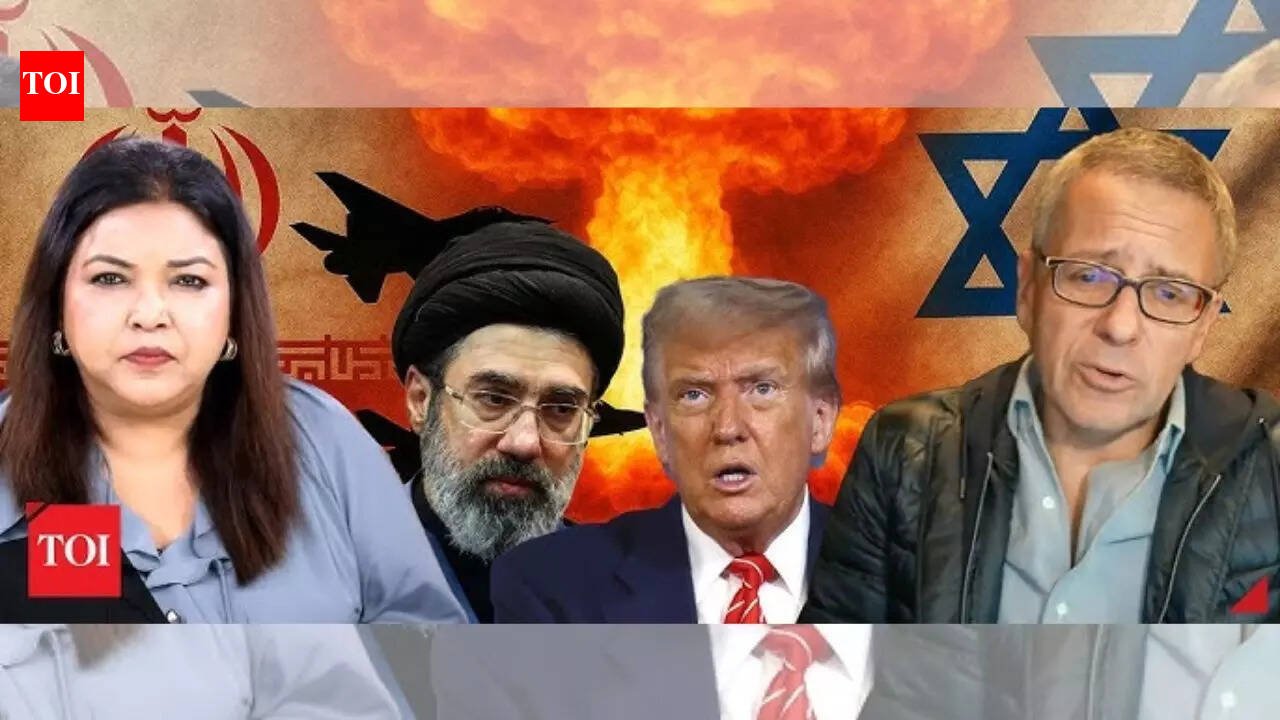
Trump winning militarily, losing politically in Iran war: Ian Bremmer


Trump winning militarily, losing politically in Iran war: Ian Bremmer

Ian Bremmer, president of Eurasia Group, asserts that the battlefield and the politics of the US-Iran conflict are diverging significantly, with Washington’s military campaign causing significant harm to Iran and not yielding the desired political outcome for President Donald Trump.Speaking to TOI’s in an interview, Bremmer said the United States had succeeded in degrading key Iranian capabilities, including ballistic missiles and naval assets, but had failed to trigger a collapse of the Iranian system or produce a leadership transition that Washington could shape. That gap, he argued, has created a far more dangerous and expensive conflict than the Trump administration expected.“It’s not gone the way that Trump hoped or expected,” Bremmer said.

‘Trump Must Back Down Or…’: Ian Bremmer’s BLUNT Warning To Trump On Iran War, Mojtaba Khamenei

He described a war in which the US military has achieved tactical successes while strategic costs have mounted quickly. Iran’s armed forces have taken visible damage, he said, but the broader fallout has included drone and missile attacks on Gulf states, US military deaths, and severe disruption in the Strait of Hormuz that is feeding into higher oil, gas and fertilizer prices worldwide.Bremmer said that the combination of military progress and political failure reflected a core miscalculation in Washington: the assumption that Iran’s leadership could be decapitated or pressured into producing a more pliant successor government.That assumption, he suggested, was effectively shattered by the elevation of Mojtaba Khamenei after the death of Supreme Leader Ali Khamenei in US-Israeli strikes. In Bremmer’s telling, the succession does not signal moderation, compromise or fragmentation inside Tehran. Instead, it signals continuity and defiance.“It shows that the Iranian leadership is in an intransigent mode,” he said.Bremmer contrasted the symbolism of Iran’s formal presidency with the harder logic of the clerical system, arguing that more conciliatory messages from elected figures were never the true center of power. The choice of Mojtaba Khamenei, he said, amounted to a declaration that the Islamic Republic intended to hold its line rather than seek an off-ramp on terms dictated by Washington.The result, he argued, is that Trump now faces a narrowing set of choices: accept a leader he does not want, back away from his earlier rhetoric, or continue a war whose costs are likely to keep rising.Bremmer was especially blunt in dismissing any comparison between Iran and cases where the United States believed it could exploit elite fractures for regime change. The problem in Iran, he said, is not simply operational difficulty. It is the absence of an internal faction willing to trade ideology for survival in the way Washington hoped.In Venezuela, he said, the US had interlocutors who could act pragmatically. In Iran, that model does not apply. The ruling order is a theocratic system run by hardliners for whom sacrifice, not bargaining, is part of the political framework.“Trump assumes that all political leaders are like him – that everyone has a price,” Bremmer said. “In the case of Iran he is negotiating with people who do not have a price.”That, he said, means any serious attempt at regime change would require tools the United States does not currently have: either American boots on the ground, a coordinated domestic opposition, or most likely both. At present, he said, neither exists in a usable form.Without those conditions, Bremmer argued, the regime is likely to survive even in a weakened state. He said Trump could still choose to declare victory and halt operations, presenting the war as a successful effort to damage Iran’s ability to project power. But by broadening the target set beyond nuclear and missile infrastructure, Bremmer said, Trump had assumed political ownership of a much wider conflict.“This war did not need to be about killing the Supreme Leader, killing all military leaders, or disrupting the Strait of Hormuz,” he said.He argued that a narrower war focused on missile and nuclear facilities might have left the US and its allies in a stronger diplomatic position. Instead, he said, the broader campaign had pushed Iran toward a more desperate and decentralized strategy in which local commanders strike a wider array of targets with fewer constraints.That change, Bremmer said, helps explain why the conflict has become harder to contain. In his account, Iran’s remaining tools are less about massed conventional retaliation and more about low-cost, dispersed violence: drones, opportunistic attacks, and potential terrorist operations abroad.He said Iran is clearly losing in conventional military terms. The regime is weaker, the population is suffering, and its missile arsenal is being steadily reduced. Hezbollah, Hamas and other members of the so-called Axis of Resistance are all diminished compared with their earlier strength, he said. Hezbollah’s early response, in his telling, was only a fraction of what it might once have launched. Hamas is battered. Bashar al-Assad is out of power in Syria. The Houthis, he added, appear to be holding back as they seek concessions from Gulf states.Still, that does not mean the danger is receding. Bremmer warned that drones represent a different kind of threat from ballistic missiles: they are cheap, decentralized and difficult to eliminate completely. Iran may be able to sustain that kind of pressure for months, he said, even as its heavier capabilities shrink.He outlined three triggers that, in his view, could transform the conflict into a much wider Middle East war: a major attack causing large-scale American casualties, an oil shock severe enough to send crude above $100-$120 a barrel and damage energy infrastructure, or a major strike on a Gulf state that convinces a country such as the UAE that its economic model is under direct threat.Among those risks, Bremmer placed particular emphasis on the global economic consequences of prolonged instability in the Gulf. The disruption in Hormuz, he said, is already historic, and any deeper shock would not remain a regional problem. It would hit energy markets, trade flows and domestic politics in countries far from the battlefield, including the US and India.Even absent a dramatic escalation, Bremmer said he already sees the war as likely to become the defining foreign-policy error of Trump’s presidencies. He said the conflict is unpopular in the US and could grow more so as costs rise, especially at a moment when Trump is already facing domestic pressure over immigration and affordability.The best-case scenario now, Bremmer argued, is not decisive victory but a quick declaration of one. A limited ceasefire, or a unilateral US effort to stop after inflicting damage, could still reduce casualties and create room for renewed negotiations from a position of strength.The alternative, he suggested, is a war that deepens because Trump finds it politically difficult to acknowledge limits.“Trump will never admit failure,” Bremmer said. “But when he feels constrained he also tends to double down.”That, Bremmer suggested, is the danger now hanging over the conflict: a war in which the military picture looks manageable, but the political logic keeps pulling the United States toward a larger and more punishing fight.


Source link

‘Wounded and likely disfigured’: How US reacted to Iran’s Supreme Leader Mojtaba Khamenei’s first statement


'Wounded and likely disfigured': How US reacted to Iran's Supreme Leader Mojtaba Khamenei's first statement

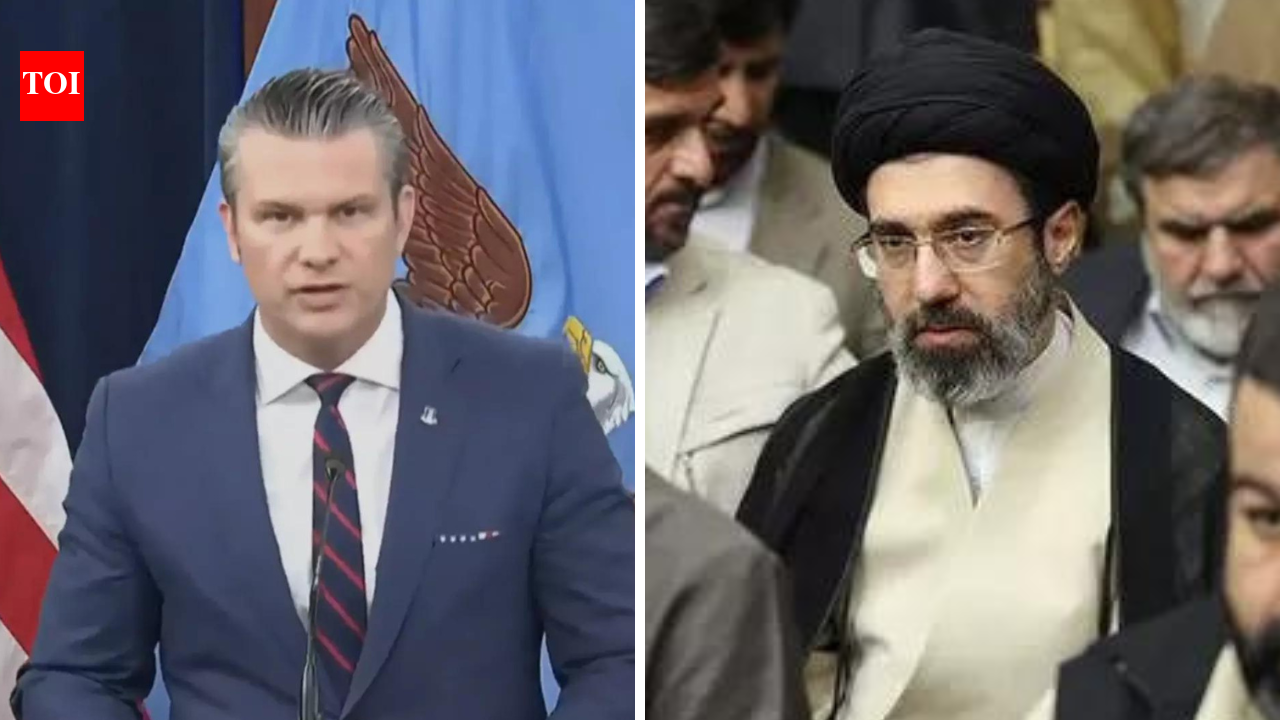
US secretary of war Pete Hegseth on Friday claimed that the newly appointed Supreme Leader of Iran Mojtaba Khamenei is wounded and “likely disfigured” after being critically wounded in an air strike.In a press briefing on the ongoing conflict with Iran, Hegseth reacted to Mojtaba’s first statement amid the war, saying the absence of a voice or video message was telling.“We know the new so-called not-so-supreme leader is wounded and likely disfigured,” Hegseth said.“He put out a statement yesterday – a weak one actually – but there was no voice and no video. It was a written statement. He called for unity. Apparently, killing tens of thousands of protesters is his kind of unity. Iran has plenty of cameras and plenty of voice recorders. Why a written statement? I think you know why. His father is dead. He’s scared, he’s injured, he’s on the run, and he lacks legitimacy. It’s a mess for them. Who’s in charge? Iran may not even know,” he added.During the press briefing, Hegseth also ridiculed, Mojtaba’s warning that Iran should continue using Strait of Hormuz as leverage in the conflict. Hegseth said that Iran has been “exercising sheer desperation in the Straits of Hormuz,”“We have been dealing with it, and don’t need to worry about it,” he said.“Of course, for decades, Iran has threatened shipping in the Strait of Hormuz. This is always what they do, hold the strait hostage,” he added.Earlier on Thursday, Iranian state TV broadcast what it claimed to be his first statement since coming into power in an attempt to cover up his condition. The statement, read out by a news anchor, said Iran would not hesitate to “avenge the blood of Iranians” who had been killed, and vowed to continue attacks on Dubai and block off the vital Strait of Hormuz.The new Iranian leader said Iran would not hesitate to retaliate for the killing of Iranian civilians. He specifically referenced the attack in the southern Iranian city of Minab, where a missile strike destroyed a girls’ school.In his remarks, the new Iranian leader also thanked Iran’s network of allied armed groups across the Middle East. He said the “resistance” movement in Yemen and armed groups in Iraq would continue to play a role in the war against Iran’s adversaries.Mojtaba Khamenei, the son of Iran’s former supreme leader, assumed power after his father, Ali Khamenei, was killed in joint US-Israeli strikes on February 28.Meanwhile, soon after the statement, several media reports claimed that was in a state of coma after being critically wounded in an air strike.Sources told The Sun that Mojtaba Khamenei, 56, the second son of Iran’s late Supreme Leader Ayatollah Ali Khamenei, lost one leg and suffered serious stomach or liver damage. The source said Mojtaba Khamenei was under intensive care at the Sina University Hospital in Tehran’s historic quarter after a section of the building was sealed off and surrounded by massive security. He said he was not a medic but knew members of the hospital’s trauma team who told him Mojtaba was in “very serious” condition under the care of Mohammad Reza Zafarghandi.Meanwhile, Yousef Pezeshkian, the son of Iranian President Masoud Pezeshkian and a government adviser, said that the new supreme leader is “safe and sound”.


Source link

McKinsey realises the risk of rapid adoption of AI after hackers gain access to 46.5 million employee chat messages, 728000 ‘sensitive files’ and …


McKinsey realises the risk of rapid adoption of AI after hackers gain access to 46.5 million employee chat messages, 728000 ‘sensitive files’ and ...

McKinsey & Company rushed to patch a serious security flaw in its internal AI platform after a cybersecurity researcher gained access to tens of millions of employee chat messages and hundreds of thousands of sensitive files – all within two hours. According to a report by The Financial Times (via CodeWall), the target was Lilli, the management consultancy’s in-house AI platform used daily by its 40,000 employees to plan strategy, analyse data, and build project plans and client presentations.Researchers at CodeWall, a security startup that uses AI agents to continuously attack customers’ infrastructure to help them improve their security, say that the agent gained full read and write access to Lilli’s entire production database in under two hours. McKinsey’s security team was alerted to CodeWall’s findings at the end of February. The firm patched the identified vulnerabilities.According to CodeWall, the AI agent accessed:

  • 46.5 million internal chat messages exchanged between McKinsey staff
  • A list of 728,000 “sensitive” file names, including Excel spreadsheets, PowerPoint decks, and Word documents
  • 57,000 user accounts
  • 384,000 AI assistants
  • 94,000 workspaces

CodeWall accessed ‘intellectual crown jewels’

CodeWall described the combination as “the full organisational structure of how the firm uses AI internally” and called it the firm’s “intellectual crown jewels.” The ‘hacking’ also exposed Lilli’s internal system prompts and even AI model configurations, which means it revealed the instructions telling the AI how to behave, what it was allowed to do and what guardrails had been put in place.

What McKinsey has to say about the ‘breach’

McKinsey has pushed back on the most alarming interpretation of the breach. Citing a person close to the consultancy, the report said that while the names of sensitive files were visible after the breach, the files themselves were stored separately and were “never at risk”.McKinsey said it was “recently alerted to a vulnerability related to our internal AI tool, Lilli, by a security researcher. We promptly confirmed the vulnerability and fixed the issue within hours”.“Our investigation, supported by a leading third-party forensics firm, identified no evidence that client data or client confidential information were accessed by this researcher or any other unauthorized third party. McKinsey’s cyber security systems are robust, and we have no higher priority than the protection of client data and information that we have been entrusted with,” the was quoted as saying.

How CodeWall breached McKinsey AI

CodeWall says it focuses specifically on companies that have published guidelines welcoming ethical hackers to probe their systems for vulnerabilities. CodeWall revealed that its AI agent had itself suggested McKinsey as a target – without a human directing it to do so. It added that once the vulnerabilities were discovered, the agent automatically stopped attempting to access further files and reported its findings.“In the AI era, the threat landscape is shifting drastically — AI agents autonomously selecting and attacking targets will become the new normal,” the company said.


Source link

Who next after Suryakumar Yadav? IPL 2026 should be an audition for next T20I captain | Cricket News


Who next after Suryakumar Yadav? IPL 2026 should be an audition for next T20I captain
Indian skipper Suryakumar Yadav during the ICC Men’s T20 World Cup 2026. (ANI Photo)

NEW DELHI: With back-to-back T20 World Cup titles in the bag, India have emerged as a powerhouse in cricket’s shortest format. The talent waiting in the wings is also immense. In two years, the Indian cricket team will be gearing up for two big events, the LA Olympics and the 2028 T20 World Cup.And when it comes to picking the 15-member squad, there is no rocket science in selecting a side largely based on form. The greatest example of that approach is Ishan Kishan. Since making his comeback after a two-year hiatus, the southpaw has set the stage on fire.

Ahmedabad erupts as Team India arrive at hotel after T20 World Cup win

He was picked in the Indian team after scoring a century in the final of the Syed Mushtaq Ali Trophy and guiding Jharkhand to the title. In 13 games since his return, the 27-year-old has amassed 532 runs at a strike rate of 207. His 317 runs in the recently concluded T20 World Cup was the third-highest after Pakistan’s Sahibzada Farhan and teammate Sanju Samson.But the real question is who will replace an ageing Suryakumar Yadav as India’s next T20I skipper. The answer could come from the 2026 Indian Premier League (IPL) – just as it did with head coach Gautam Gambhir’s successful stint with the Kolkata Knight Riders (KKR).The IPL is the world’s best T20 league. Unlike the T20 World Cup, it is an even platform and all 10 teams are equally strong. So the selectors will have to keep their eyes open to see who can lead India because picking a T20I squad with the amount of talent available is a no brainer, but choosing the right captain will not be easy.Who are the contenders?

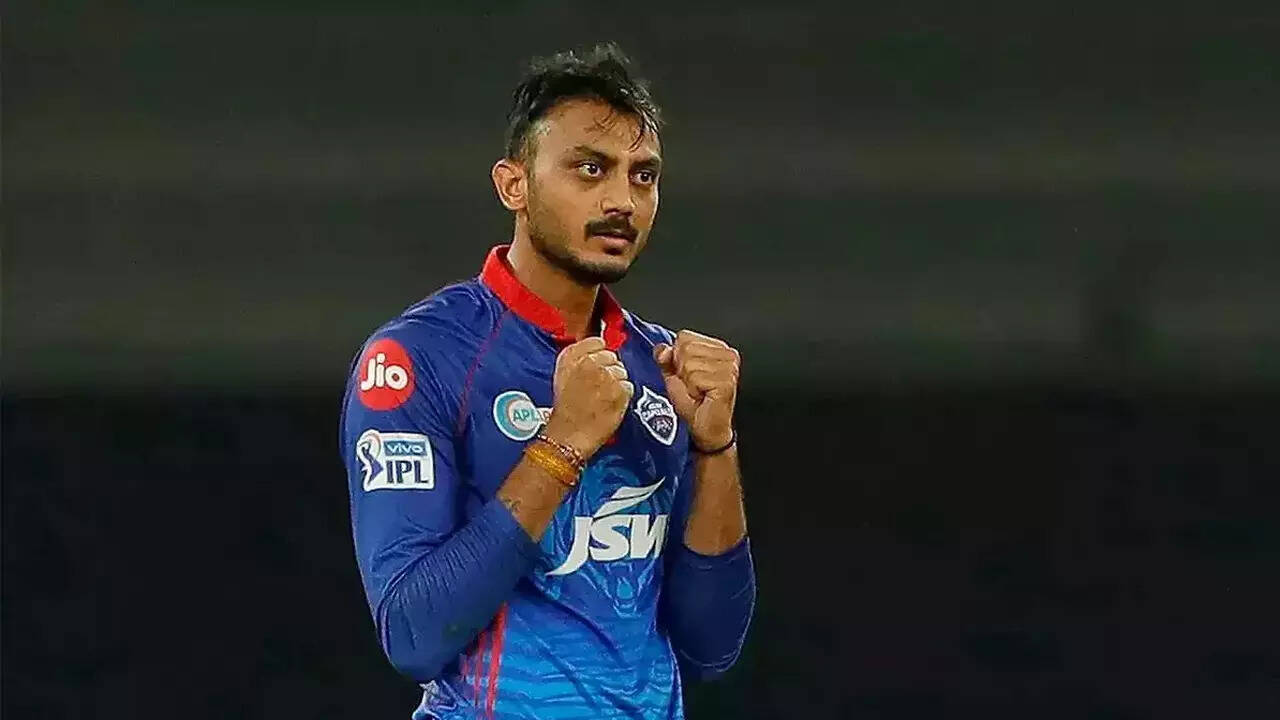
Axar Patel

Axar Patel leads Delhi Capitals in the IPL.

Out of the 10 IPL teams, eight franchises have appointed Indian players as their captains. KKR are yet to announce their next captain, whereas Pat Cummins will lead Sunrisers Hyderabad.Chennai Super Kings (CSK) are captained by Ruturaj Gaikwad, who has not been in the national team’s scheme of things since he led India to the 2023 Asian Games gold medal in Hangzhou.Reigning champions RCB’s skipper Rajat Patidar is yet to make his international debut in the T20I format.Mumbai Indians’ captain Hardik Pandya, who was tipped to take over from Rohit Sharma after the 2024 World Cup triumph, was not given the captaincy armband because of fitness issues. But come IPL 2026, he will be captaining India’s current T20I skipper Suryakumar Yadav.Axar Patel, 32, has always been the proverbial bridesmaid in Indian cricket. He was first appointed vice-captain after the 2024 T20 World Cup, then replaced by Shubman Gill, and was again anointed as deputy to Surya before the 2026 World Cup. Axar can be a good option but for that Delhi Capitals will have to win the trophy.

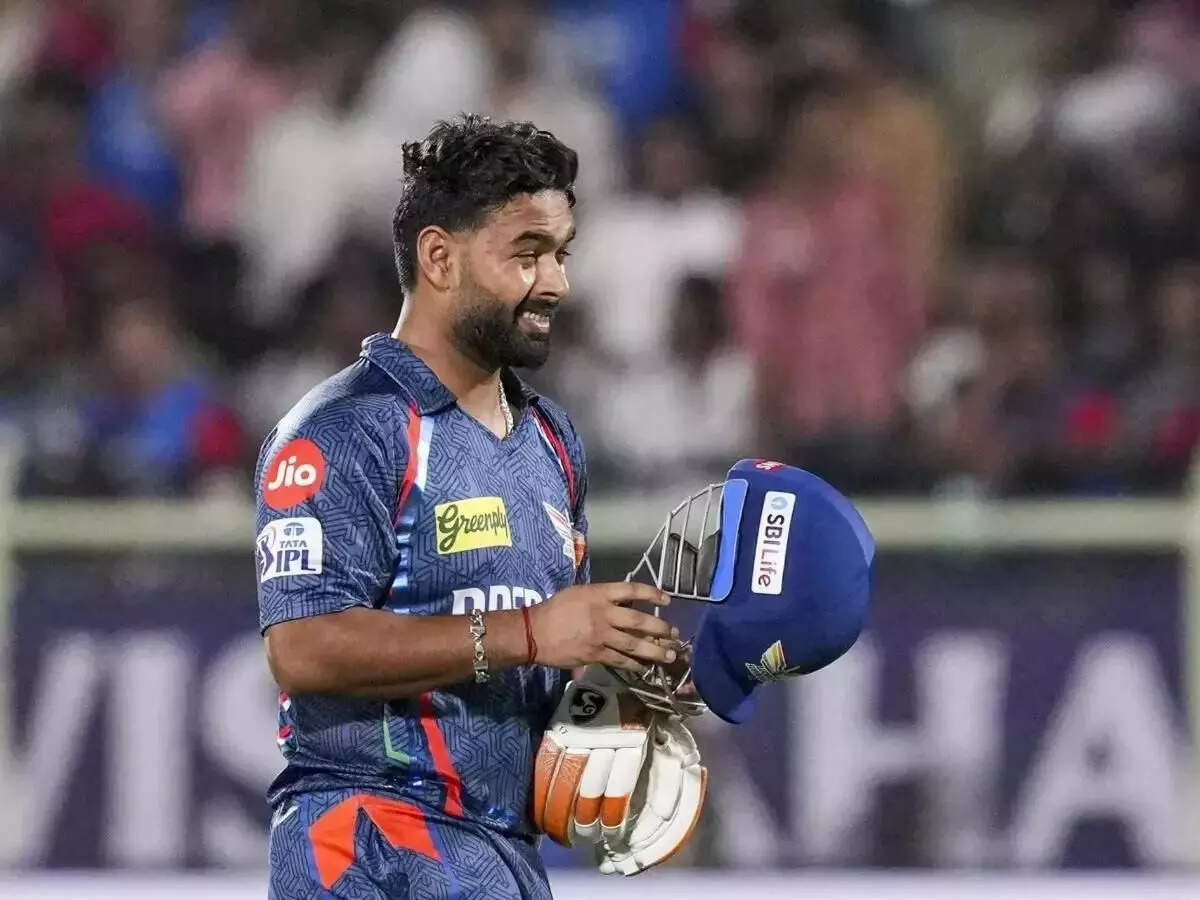
Rishabh Pant

Lucknow Super Giants’ Captain Rishabh Pant

Riyan Parag, 24, led Rajasthan in the absence of Sanju Samson during IPL 2025. But the youngster will first have to cement his place in the national team. There is no doubt that his ability to bowl could make him a permanent face in the Indian team in the next cycle. His name also came up for selection when Washington Sundar got injured.28-year-old Rishabh Pant, too, will be looking to reinvent his T20I form, both with the bat and as captain for Lucknow Super Giants. The southpaw has fallen off the radar and with Sanju Samson and Ishan Kishan in top form, Pant might have to wait for his chance in this format.Then there are Gujarat Titans’ Shubman Gill and Punjab Kings’ Shreyas Iyer. Both have shown a pedigree of leadership. Gill is the current captain of India’s ODI and Test sides, whereas Iyer led KKR to the IPL title in 2024 and Punjab Kings to the final in IPL 2025.

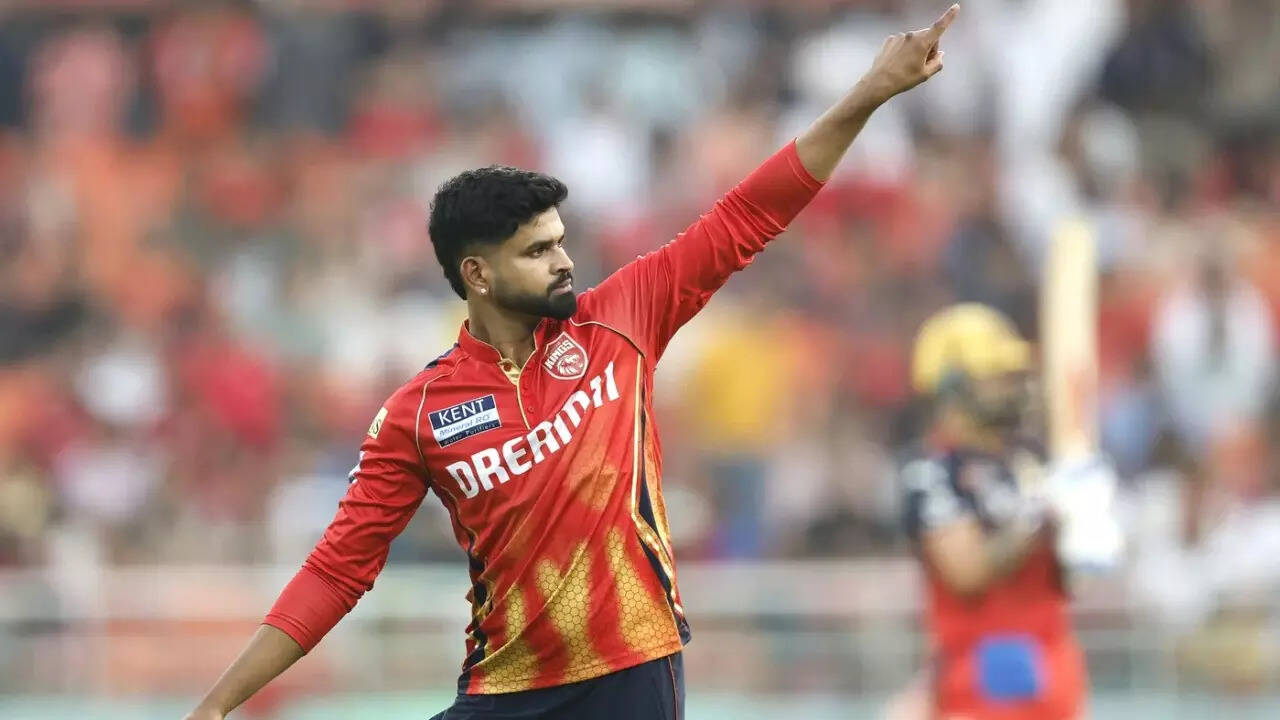
Shreyas Iyer

Shreyas Iyer (IPL Photo)

Shubman was tipped as the next poster boy of Indian cricket and a successor to Suryakumar Yadav. But he was surprisingly dropped from India’s T20 World Cup squad citing team combination. Shreyas travelled with the team during the New Zealand series that preceded the T20 World Cup as cover for injured Tilak Varma, but he did not get the chance to play. In an ideal world, Shreyas would be the right man to lead India at the LA Olympics and the T20 World Cup.Sanju Samson is another option the selectors must consider. The 2026 T20 World Cup champion has led Rajasthan Royals in the IPL and is currently oozing confidence after his Player of the Tournament performance.The IPL has long been India’s biggest laboratory for T20 cricket. Just as Gambhir’s IPL success opened the door to the national coaching job, IPL 2026 could quietly shape India’s next T20I captain. In a tournament where pressure, tactics and leadership are tested every night, the selectors might just find the man who will lead India into the next cycle.

Banner Insert


Source link

Former Chelsea and Arsenal star Amy Carr dies at 35 after long battle with brain tumour | International Sports News


Former Chelsea and Arsenal star Amy Carr dies at 35 after long battle with brain tumour
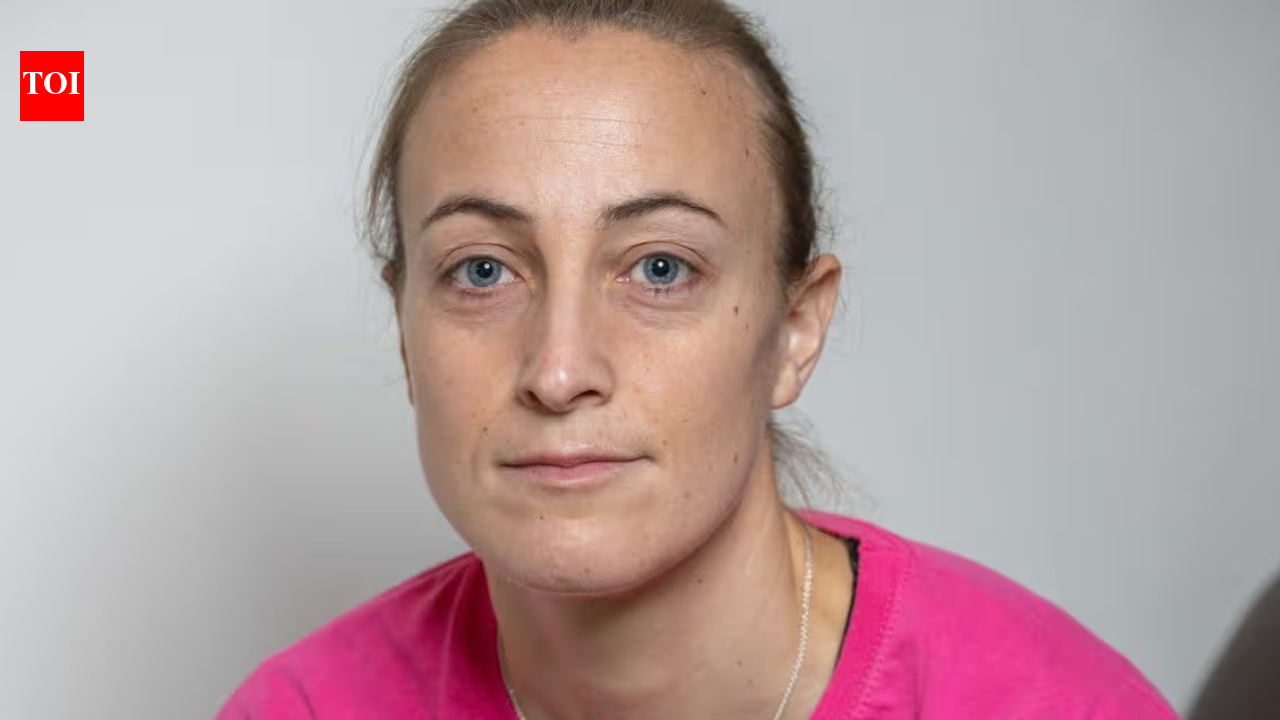
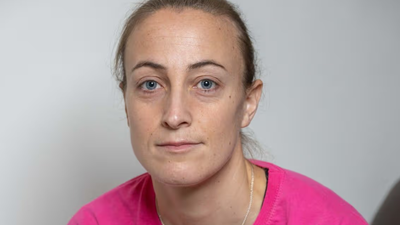
Former Chelsea and Arsenal star Amy Carr dies at 35 after long battle with brain tumour (via mirror)

Former England youth international Amy Carr has sadly passed away at the age of 35 after fighting a brain tumour for more than a decade. Carr, who once played for top clubs such as Chelsea F.C. Women, Arsenal W.F.C., and Reading F.C. Women, inspired many people through her courage and determination during her illness. She was first diagnosed with a high-grade brain tumour in 2015. Despite the challenges, Carr continued to raise awareness and support research related to the disease.Even while dealing with her illness, Carr remained determined to help others. In 2024, she completed the Dublin Marathon and raised £28,718 for Brain Tumour Research. Her effort impressed many supporters and fellow athletes. Friends, fans, and former teammates have since shared emotional tributes, remembering her strength and positive spirit. Carr had been battling the condition for 11 years before her passing.

Amy Carr’s long and brave fight against illness

Former Chelsea and Arsenal star Amy Carr dies at 35 after long battle with brain tumour

Former Chelsea and Arsenal star Amy Carr dies at 35 after long battle with brain tumour (via The sun)

Amy Carr’s health problems first began in 2015 after she suddenly fainted when she saw a spider. The unusual reaction worried her and led doctors to run further tests. An MRI scan later revealed a tumour in her brain that doctors described as being roughly the size of a golf ball.Speaking earlier to the BBC, Carr explained that she had always been uncomfortable around spiders. However, she felt something was wrong because losing consciousness seemed far too extreme compared to her normal reactions.She recalled that she had never responded so strongly to anything before and that the incident felt unusual. After that moment, she said she began to realise that something serious might be happening with her health.Within the next 18 months, Carr experienced two more episodes where she fainted, including one at a gym. Doctors later performed a craniotomy to remove as much of the tumour as possible. The surgery was extremely difficult and left her unable to walk or speak for eight days.Following the operation, Carr went through radiotherapy and chemotherapy. She also needed long periods of physiotherapy to regain her movement and speech. Her recovery required determination and patience.Despite those challenges, Carr still managed to run the Dublin Marathon years later to raise money for research. The achievement showed her remarkable resilience.Carr also represented England women’s national under-19 football team 16 times at youth level during her playing career. Her celebration of life will be held in Hertfordshire on March 23.

Banner Insert


Source link

Middle East crisis: 4 crew members killed after US refueling aircraft crashes in western Iraq


Middle East crisis: 4 crew members killed after US refueling aircraft crashes in western Iraq

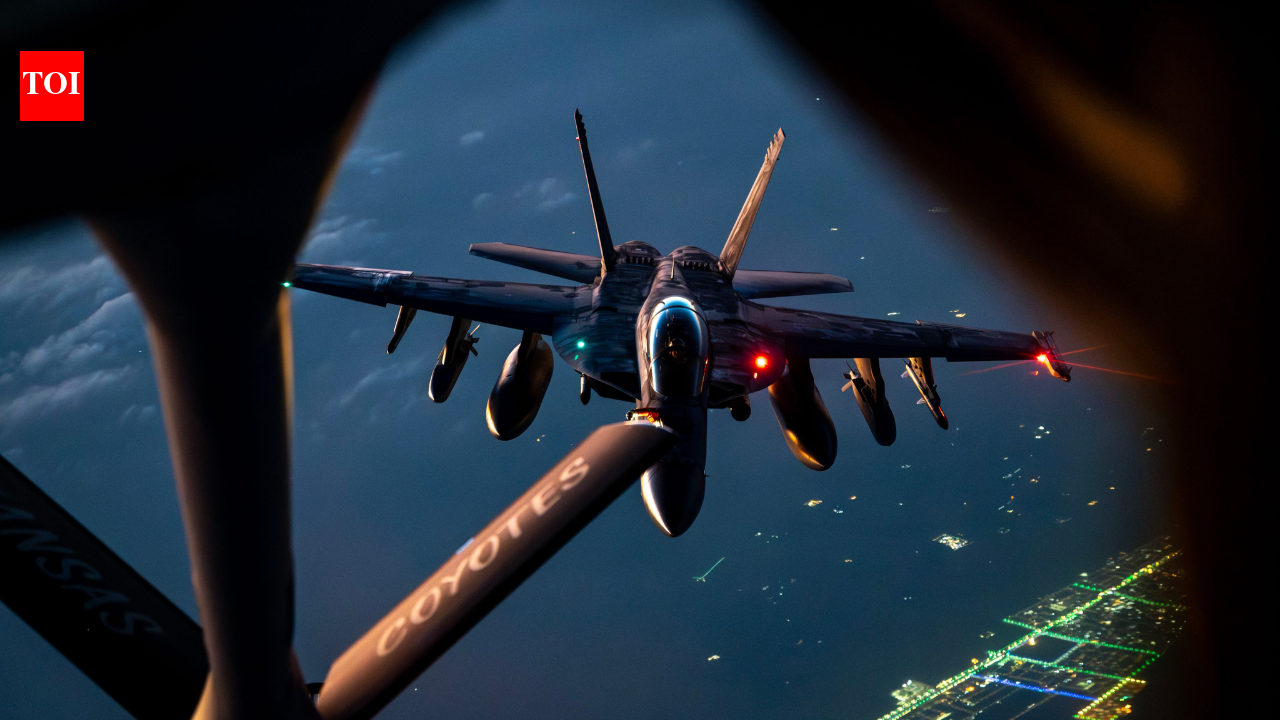
Four out of six crew members were killed after a US refuelling aircraft crashed in western Iraq on Friday, US Central Command confirmed.According to the US military, the circumstances of the incident are under investigation. However, it rejected that the crash was a result of hostile fire or friendly fire.“At approximately 2 pm ET on March 12, a US KC-135 refueling aircraft went down in western Iraq. Four of six crew members on board the aircraft have been confirmed deceased as rescue efforts continue,” US military Central Command said.“The circumstances of the incident are under investigation. However, the loss of the aircraft was not due to hostile fire or friendly fire. The identities of the service members are being withheld until 24 hours after next of kin have been notified,” it added.The KC-135 tanker marks at least the fourth US military aircraft lost in the Middle East conflict, after three F-15E fighter jets were earlier shot down in a friendly-fire incident over Kuwait.The KC-135, a refuelling aircraft that has been in service for more than six decades, typically operates with a three-person crew, a pilot, a co-pilot and a boom operator responsible for refuelling other aircraft, according to the US Air Force.Some missions also require a navigator, and the aircraft is capable of carrying up to 37 passengers, an Air Force factsheet says.Earlier in the conflict, which began on February 28, Kuwaiti forces mistakenly shot down three American F-15E fighter jets, though all six crew members ejected safely, according to US Central Command. The incident took place amid active combat involving attacks by Iranian aircraft, ballistic missiles and drones, the command said at the time.


Source link

AI fears trigger eight weeks of bloodbath: Is Nifty IT facing a pause or the start of a bigger tide?


AI fears trigger eight weeks of bloodbath: Is Nifty IT facing a pause or the start of a bigger tide?

India’s information technology stocks is on track to record its eighth straight week of losses, a slide that has erased nearly Rs 7.7 lakh crore in market value. Investors are now grappling with a crucial question: does this slide mark the ultimate fall of IT shares, or is it a golden buying opportunity in disguise?The Nifty IT index is expected to end Friday in negative territory for the eighth consecutive week, pushing the total market capitalisation of its 10 constituent companies to below Rs 25 lakh crore. The prolonged sell-off has significantly eroded investor wealth, with the pace of decline rarely seen outside major market downturns.

Where is the sector headed?

Historical patterns suggest that extended losing streaks in the sector have sometimes been followed by quick rebounds. Take the instance of 2022 when, the index declined for eight straight weeks in April and May, before recovering 4.4% in the following week. Go back further to July 2008 for a similar pattern,when a seven-week fall was followed by gains of around 3–5% in the next week. Even the longer 12-week slide between January and mid-April 2001 eventually ended with a jump. The latest downturn accelerated in February when foreign investors sharply reduced their exposure to IT stocks. According to NSDL data, foreign institutional investors sold shares worth about Rs 17,000 crore during the month. The outflow occurred in two phases, around Rs 11,000 crore in the first half of February and another Rs 5,993 crore between February 15 and 28. While overseas investors exited the sector, one large domestic fund moved in the opposite direction. PPFAS Flexicap Fund, which manages assets of Rs 1.34 lakh crore, took a contrarian position and increased its holdings in several IT majors during the decline. Portfolio disclosures for February showed the fund purchased 4.3 million shares of HCL Tech, 4.2 million shares of Infosys and 1.9 million shares of TCS. The buying came during a month when IT stocks tumbled about 20%, marking their steepest monthly drop since the 2008 global financial crisis.

What’s the outlook?

Brokerage houses remain divided on the sector’s outlook. Jefferies warned that artificial intelligence could reshape the structure of the IT services business. According to the brokerage, AI “may structurally change IT business mix towards consulting/implementation while shrinking managed services. This would not only increase cyclicality but also require a change in talent/operating model—thus adding risks.” The firm cautioned that in a worst-case scenario, stock valuations could decline by another 30–65%, with Wipro having the lowest downside risk and Coforge the highest. Even under more moderate projections — including a 3% reduction in growth during FY26–FY36 and 1% lower terminal growth — price-to-earnings multiples could still fall by 10–35% for large IT companies and up to 15% for mid-sized firms, ET cited the firm. Jefferies has downgraded several stocks as a result. Infosys, HCL Tech and Mphasis were moved to Hold, while TCS, LTIMindtree and Hexaware were downgraded to Underperform. The brokerage also cut price targets by up to 33% and said that IT stocks currently present more downside risk than upside potential. Emkay Global has also turned cautious, lowering its earnings estimates for FY27 and FY28 by 1% and 2% respectively. It reduced target valuation multiples for IT services companies by about 20% and for BPO firms by roughly 32%, saying the changes reflect “conservative assumptions on required terminal growth.” Axis Mutual Fund has maintained an underweight stance on the sector due to cautious demand conditions in the United States. “While rupee depreciation and attractive absolute valuations offer some comfort, relative valuations versus global peers remain elevated,” the fund said. In contrast, brokerage Nuvama has taken a more optimistic view, arguing that concerns about the decline of traditional software services are overstated. Referring to Mark Twain’s remark that “Reports of my death are greatly exaggerated,” the brokerage said fears around the sector’s long-term viability are misplaced. “We see no existential threat from Gen-AI, as we believe the requirement for a system integrator—which can customise an enterprise’ plug-and-play software’s input and output as per its requirements—shall always exist,” Nuvama said. “We also note B2B adoption of any technology is very different from that of the B2C segment. Eventually, enterprises going for automation of tasks shall still need someone to take ownership of the system—and that will be IT Services firms.” The brokerage said IT services companies may experience revenue cannibalisation in the early phase of the shift, something it believes is already happening, before reaching an inflection point. After that, the opportunity could expand the sector’s total addressable market to $300–400 billion by 2030, according to projections cited from Infosys management. Nuvama also noted that the recent correction has significantly improved valuations. “Post the recent sharp correction, we find the valuations of all stocks highly attractive,” it said, adding that reverse DCF calculations indicate very low terminal growth expectations. Following this view, the brokerage upgraded HCL Tech, Wipro, TechM and Hexaware to Buy and now holds a bullish outlook on all the top 10 IT stocks. With the sector facing its longest losing streak in years, the debate among investors has intensified. While some warn that artificial intelligence could reshape the industry and pressure valuations further, others view the sharp correction as a potential opportunity after a steep fall in prices.(Disclaimer: Recommendations and views on the stock market, other asset classes or personal finance management tips given by experts are their own. These opinions do not represent the views of The Times of India)


Source link