Breaking News
Watch: Hundreds storm US Consulate in Pakistan’s Karachi after Khamenei’s death; several injured


Watch: Hundreds storm US Consulate in Pakistan's Karachi after Khamenei’s death; several injured

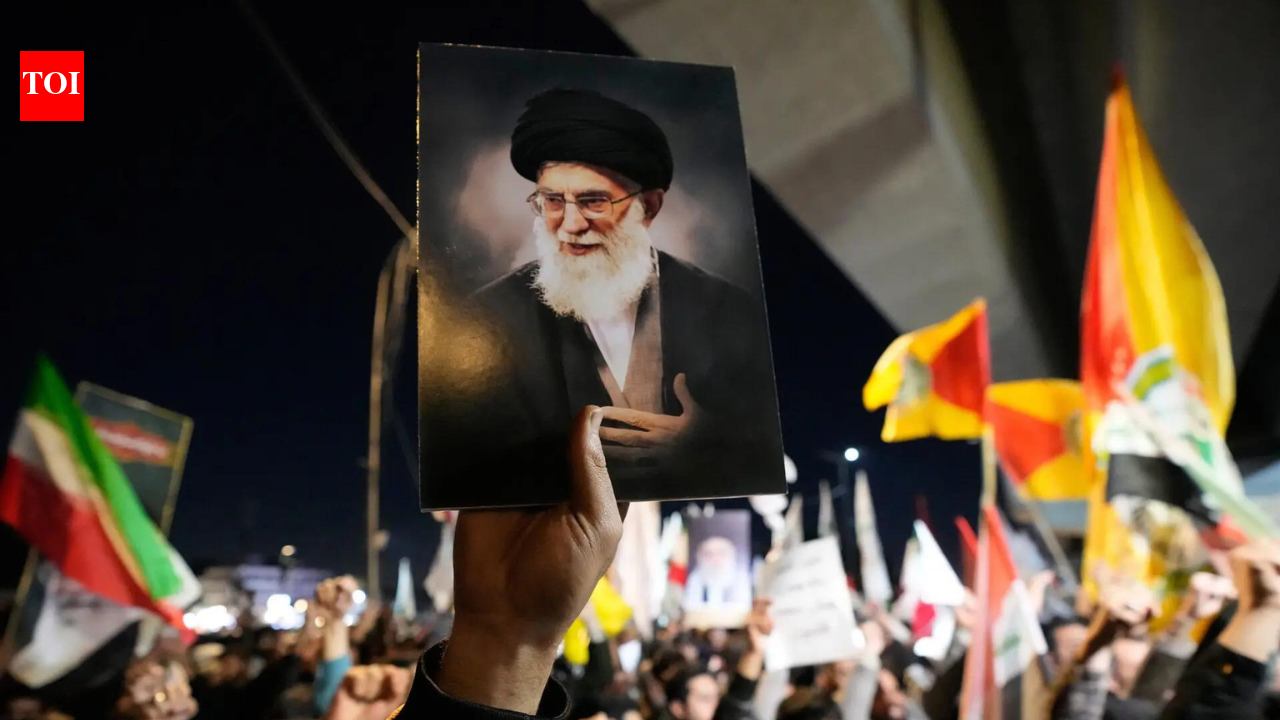
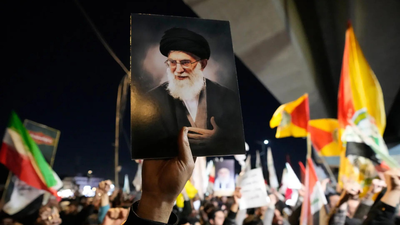
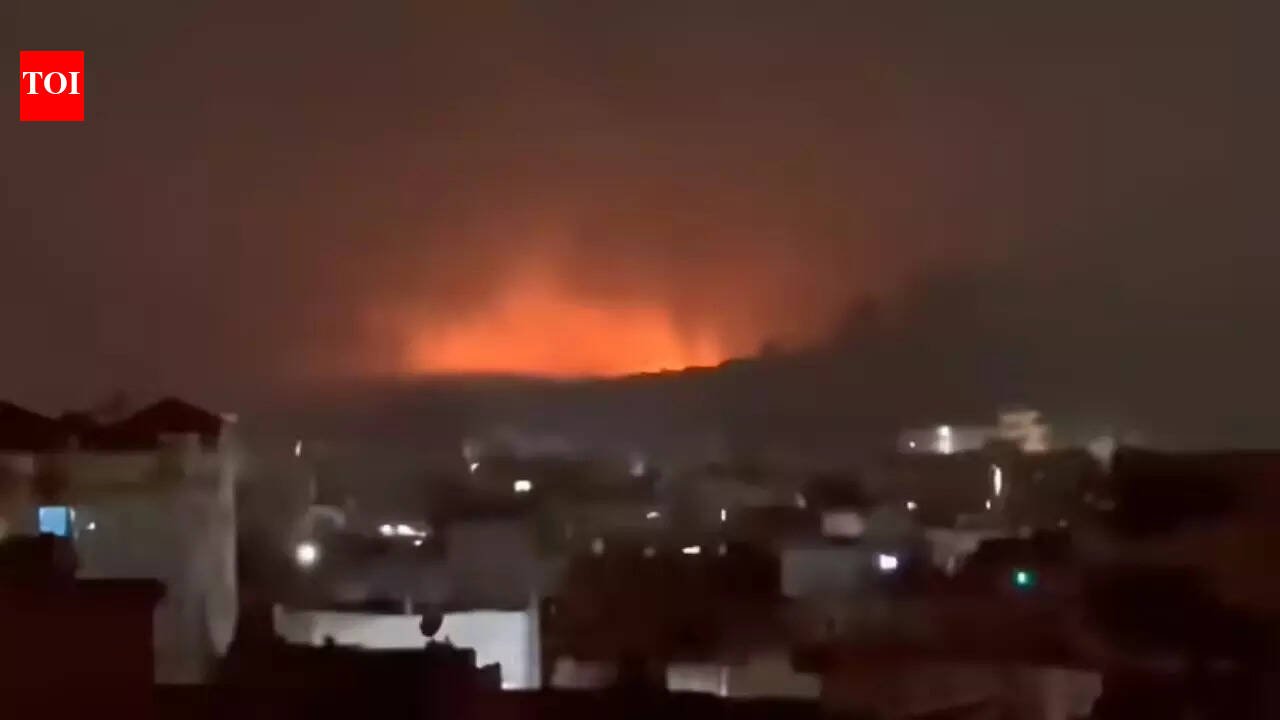
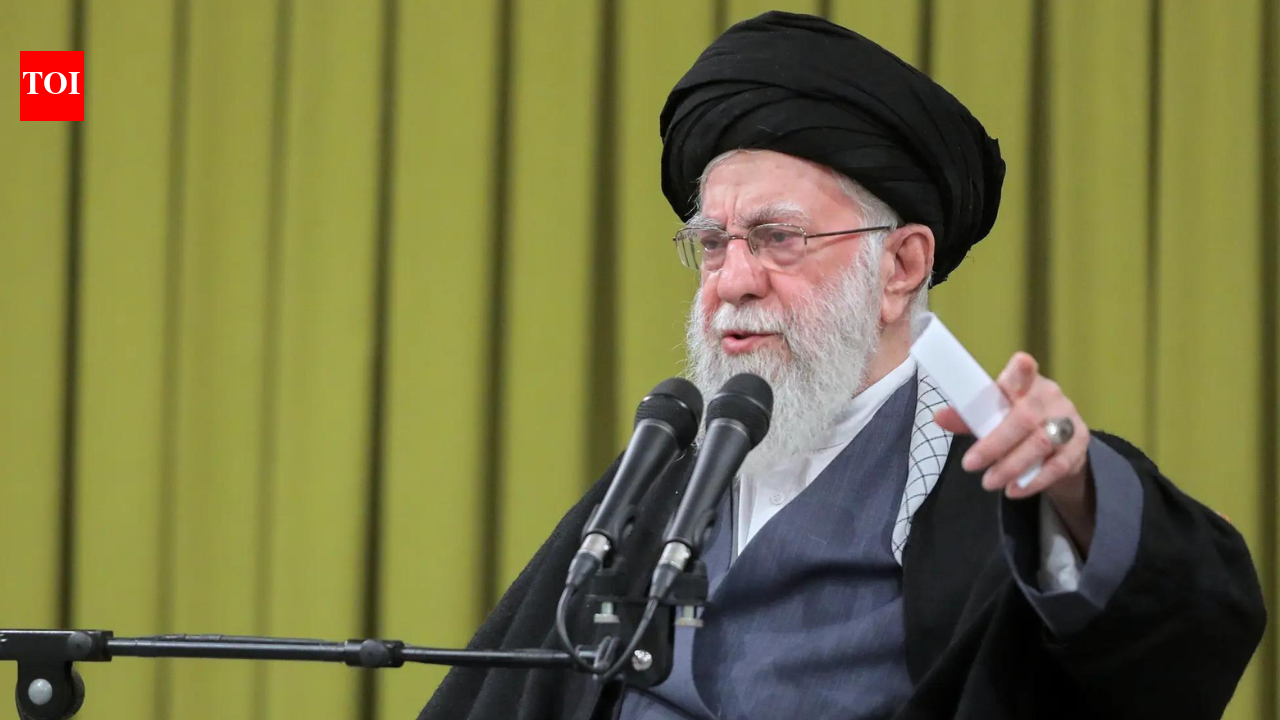
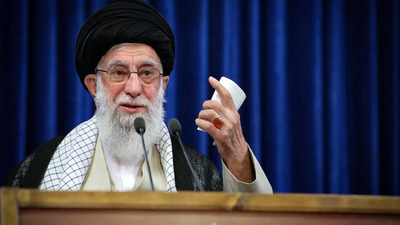
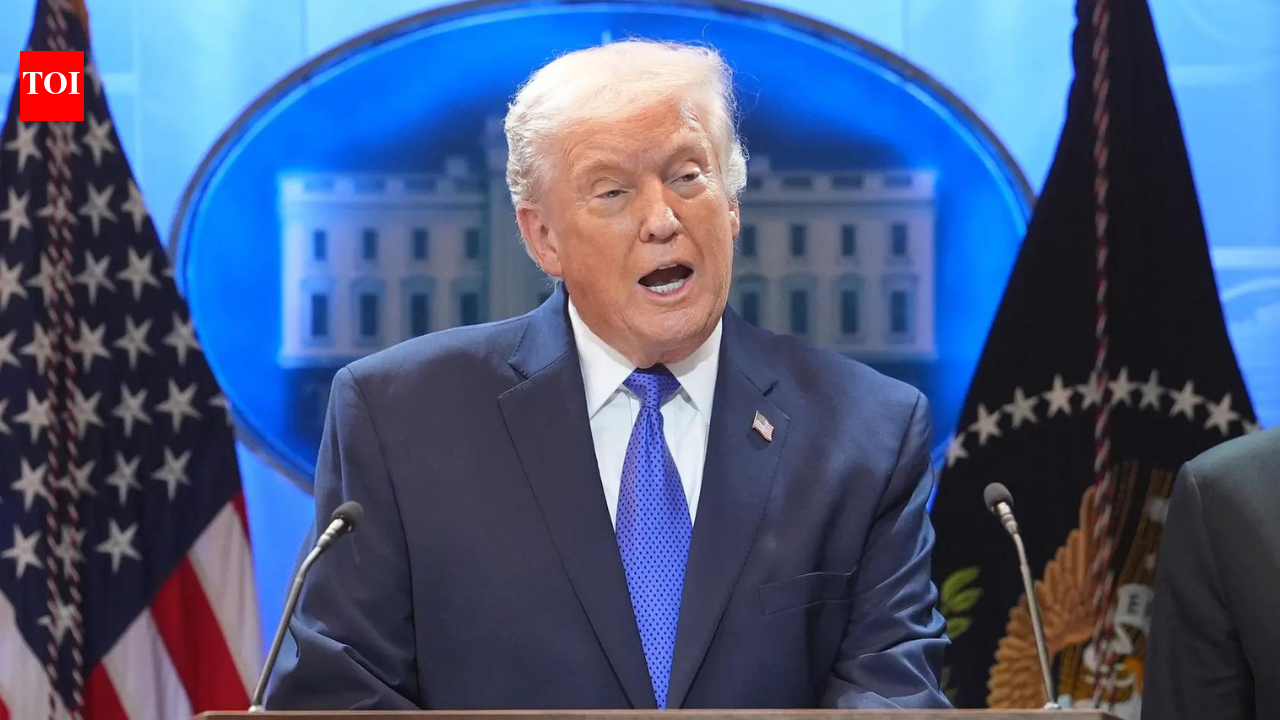
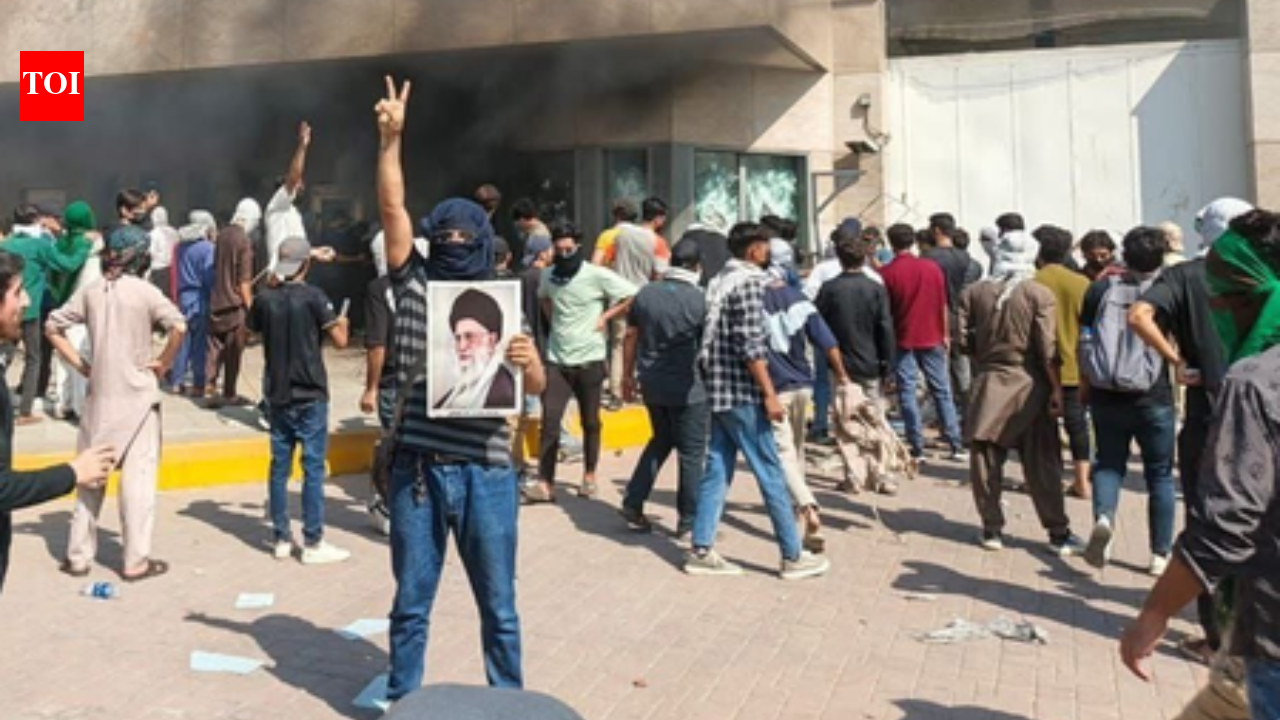
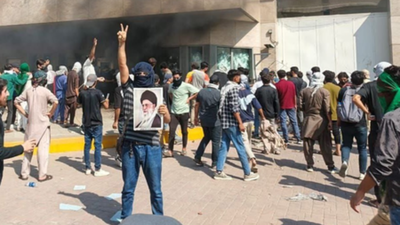
A mob of hundreds stormed the US consulate in Pakistan’s Karachi on Sunday after a joint US-Israel airstrike killed Iran’s Supreme Leader, Ayatollah Ali Khamenei.Protesters were seen vandalising the property and setting parts of the building on fire.According to news agency Associated Press, at least one protester was killed and several others were wounded after police and paramilitary forces used batons and tear gas to disperse the crowd.Sindh home minister Ziaul Hassan Lanjar sought an immediate report on the situation from Karachi Additional Inspector General of Police (AIG) Azad Khan, according to a statement from his office.The unrest caused significant traffic disruptions. In an update issued around 11 a.m., Karachi Traffic Police said both sides of the road from Sultanabad Traffic Section towards Mai Kolachi had been closed due to the protest, Dawn reported.Meanwhile, authorities continued to monitor the situation as tensions remained high in the port city following developments linked to the Iranian leader’s killing.This came hours after Iran confirmed that Khamenei was killed in airstrikes carried out by Israel and the United States — dubbed “Operation Epic Fury”.Iran acknowledged the 86-year-old leader’s death at his Tehran office, a development that has thrown the future of the Islamic Republic into question and raised the risk of regional instability.In retaliation, Iran fired missiles at targets in Israel and Gulf Arab states on Sunday after vowing massive revenge for Khamenei’s killing.Iran’s Cabinet said the “great crime will never go unanswered”, and the paramilitary Revolutionary Guard threatened to launch its “most intense offensive operation” yet, targeting Israeli and American bases.Iran is observing 40 days of public mourning following Khamenei’s death, according to state media. In Shia Islam, the 40th day after death (Arba’een) holds spiritual significance.The Supreme Leader’s office has declared a period of national mourning, with flags at half-mast and public gatherings planned to pay respects, marking the end of a 37-year chapter in the Islamic Republic’s history.Meanwhile, President Donald Trump said that the death of Iran’s Supreme Leader Ayatollah Ali Khamenei could create a pathway to diplomacy.While talking to CBS News, Trump expressed confidence in the results so far, calling the joint airstrikes by US and Israel “a great day for this country, a great day for the world.”He also warned Iran to not plan any attack on US and Israeli military bases following its Supreme Leader Ayatollah Khameini death.In a social media post on Truth Social, Trump said that if Iran attacks US, then US will “hit them with a force that has never been seen before.”“Iran just stated that they are going to hit very hard today, harder than they have ever hit before.They better not do that, however, because if they do, we will hit them with a force that has never been seen before! Thank you for your attention to this matter!” Trump said.The United States launched nearly 900 strikes within the first 12 hours of a joint operation with Israel.


Source link

Iran Strike News: Dubai, Abu Dhabi, Bahrain, Kuwait: Gulf countries targeted by Iran after US-Israel strikes


Dubai, Abu Dhabi, Bahrain, Kuwait: Gulf countries targeted by Iran after US-Israel strikes

Iran has launched attacks on US assets across the Gulf in retaliation for a major joint strike by the United States and Israel, raising fears of a wider regional conflict.On Saturday, the Iranian government confirmed the attacks, according to the Fars news agency, citing targets in Bahrain, Kuwait, Qatar, and the United Arab Emirates, countries hosting airbases with US forces.

Iran Missiles Target Riyadh, Abu Dhabi & Doha; US & Israeli Attack Triggers Bigger Conflict

The United States maintains around 13 military bases in the Middle East, with 30,000 to 40,000 troops typically deployed across the region.Iran’s paramilitary Revolutionary Guard on Sunday threatened to launch its “most intense offensive operation” in response to the killing of Supreme Leader Ayatollah Ali Khamenei.“The most intense offensive operation in the history of the Islamic Republic’s armed forces will begin shortly, targeting Israel and US military bases,” the Guard said.In a letter to the United Nations Security Council and Secretary-General António Guterres, Iran’s foreign minister Abbas Araghchi stated that the country would “continue to exercise its right of self-defence decisively and without hesitation until the aggression ceases fully and unequivocally.”

United Arab Emirates

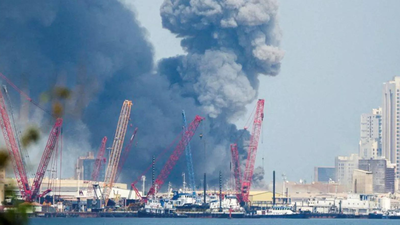
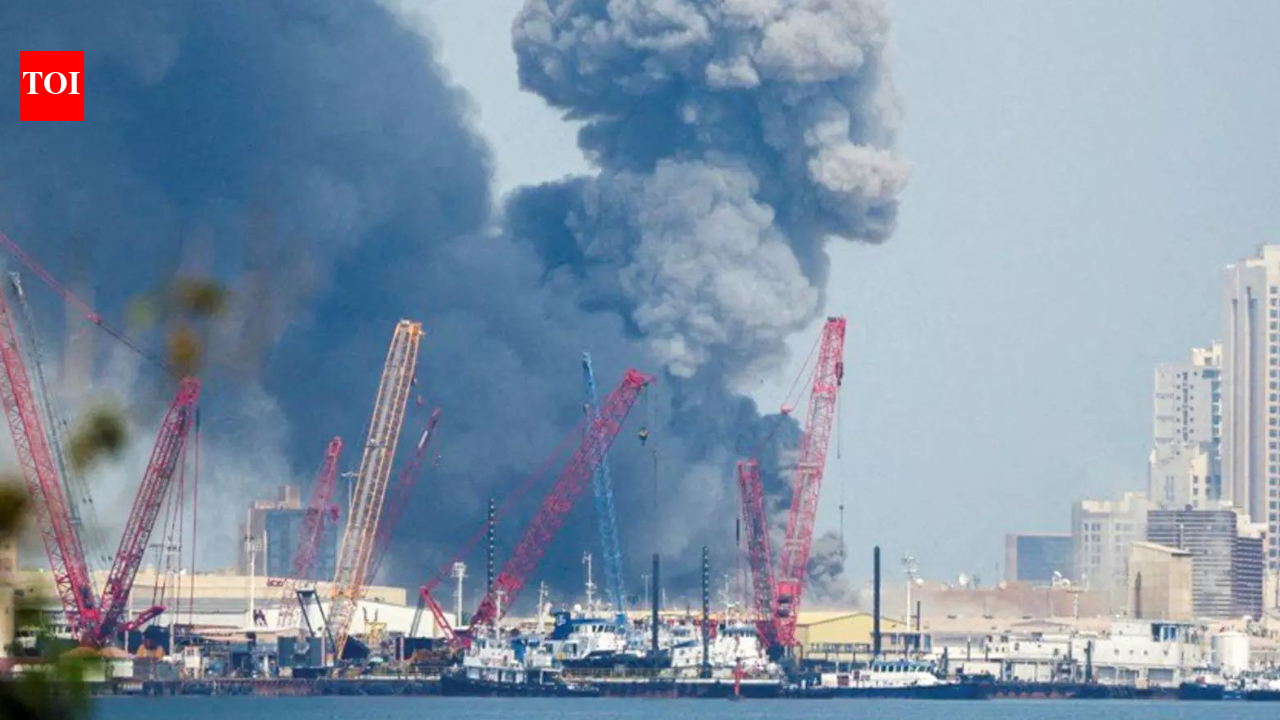
At least one person was killed in Abu Dhabi after several missiles launched from Iran were intercepted, according to the UAE’s state news agency, which provided no further details.In Dubai, a fire broke out near a hotel on the Palm Jumeirah Islands, sending plumes of smoke into the sky as multiple blasts were heard across the city. The Dubai Media Office later confirmed the “incident” in a building on Palm Jumeirah, which left four people injured. A luxury hotel was also hit during Iran’s strikes, carried out in retaliation for what Tehran described as a “massive” and ongoing attack by the United States and Israel.Earlier Sunday, the Dubai Media Office reported four injuries in an “incident” at Dubai International Airport, a major transport hub, noting only minor damage to the airport’s concourse.

Bahrain

Bahrain said a missile strike targeted the headquarters of the US Navy’s 5th Fleet in Manama, calling it a “treacherous attack” and “a blatant violation of the kingdom’s sovereignty and security.”Footage shared on social media appeared to show an Iranian Shahed drone hitting a nearby tower block, sparking a fire. The interior ministry reported that several residential buildings in Manama were also affected, with civil defence teams conducting firefighting and rescue operations, according to posts on X.Bahrain’s ambassador to the United States, Shaikh Abdullah bin Rashid Al Khalifa, described the assaults on “sites within the Kingdom” as a “blatant violation of sovereignty” in a statement on X.

Kuwait

Kuwait’s defence ministry reported that Ali al-Salem Air Base came under attack by multiple ballistic missiles, all of which were intercepted by the country’s air defence systems.Abdullah al-Rajhi, spokesperson for the General Authority of Civil Aviation, said a drone targeted Kuwait International Airport, causing “minor injuries to several employees” and inflicting material damage to the passenger terminal. Explosions were heard across the city as the attack unfolded.The official KUNA news agency cited a statement from the Ministry of Foreign Affairs affirming that Kuwait “maintains its right to defend itself.”

Qatar

Qatar’s defence ministry said it “thwarted” attacks on the country in line with a “pre-approved security plan,” intercepting “all missiles” before they reached Qatari territory.Sources speaking to Al Jazeera reported that an Iranian missile targeted a long-range early warning radar in northern Qatar, but no injuries were reported.The Qatari foreign ministry condemned the attacks, saying that targeting Qatar by a neighbour “cannot be accepted under any justification or pretext” and noting that the country has consistently sought to remain distanced from regional conflicts.Qatar has faced similar strikes in the past year, including an Iranian attack on the US Al Udeid Air Base in June and an Israeli strike on a Hamas meeting in Doha in September.

Saudi Arabia

Saudi Arabia’s Foreign Ministry confirmed that Iran targeted Riyadh and the kingdom’s eastern region, but said the attacks were repelled.“These attacks cannot be justified under any pretext or in any way, and they came despite the Iranian authorities knowing that the Kingdom had confirmed that it would not allow its airspace and territory to be used to target Iran,” the ministry said.

Iraq

Erbil Airport in Iraq’s Kurdish region was targeted twice on Saturday, an Al Jazeera correspondent reported. A drone aimed at Erbil International Airport was intercepted and shot down by air defences. The United States maintains troops in Iraq’s autonomous Kurdish region as part of an international coalition against ISIL (ISIS), which is set to conclude by September under a deal between Washington and Baghdad.Meanwhile, a drone strike hit a headquarters of the Kataeb Hezbollah armed group southwest of Baghdad, killing two, according to The Associated Press. Later, additional strikes targeted Jurf al-Nasr, an Iraqi military base that houses the former paramilitary group, now integrated into the regular army, a source told AFP. Iraq’s security media cell confirmed that “at 7.25 pm (local time), the Jurf al-Nasr area … was targeted by two air strikes.A Kataib Hezbollah official confirmed the new attack and warned in a statement that “we will soon begin attacking American bases in response to their aggression.”

Oman spared

Oman, which has long acted as a regional and international liaison with Iran, played a central role in recent indirect talks between Tehran and Washington in Oman and Geneva.Oman’s Foreign Minister Badr Albusaidi had expressed optimism on Friday that peace was “within reach” after Iran agreed during the talks not to stockpile enriched uranium, describing the development as a major breakthrough. Hours later, Israel and the United States launched their attacks, effectively ending the negotiations.Albusaidi voiced “dismay” at the outbreak of violence and urged Washington to “not get sucked in further” into the conflict. “This is not your war,” he said.Qatar, Kuwait, Bahrain, and the UAE temporarily closed their airspace and condemned Iran’s attacks on their territories.Sea vessels operating in the Gulf reported receiving notices of a closure of the Strait of Hormuz, according to the UK Maritime Trade Operations agency, as cited by Reuters. The Strait of Hormuz, a vital oil export route, connects major Gulf producers, including Saudi Arabia, Iran, Iraq, and the UAE, with the Gulf of Oman and the Arabian Sea.

Source link

‘Iran’s Prosperity Project’: Tehran’s exiled crown prince Reza Pahlavi unveils democratic transition plan after Khamenei’s death


Iran State TV's Shock Announcement On Khamenei: 'Joins Highest Kingdom, Drinks Nectar Of Martyrdom'

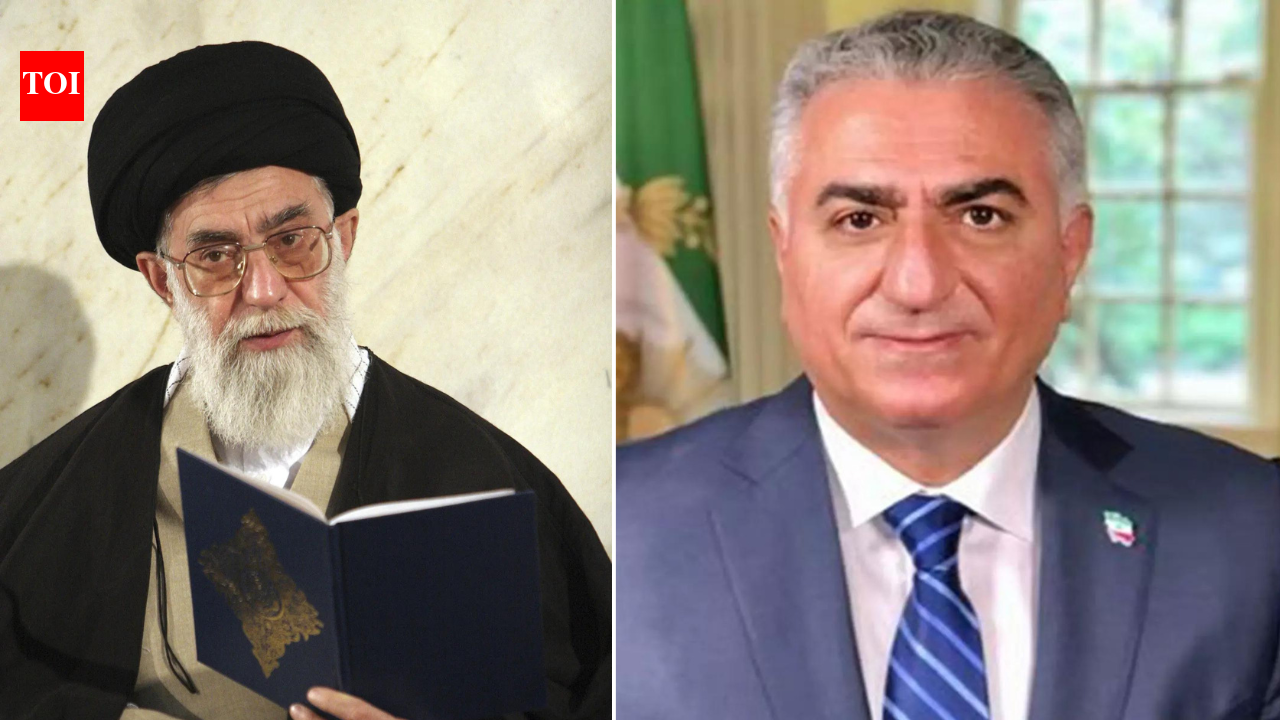
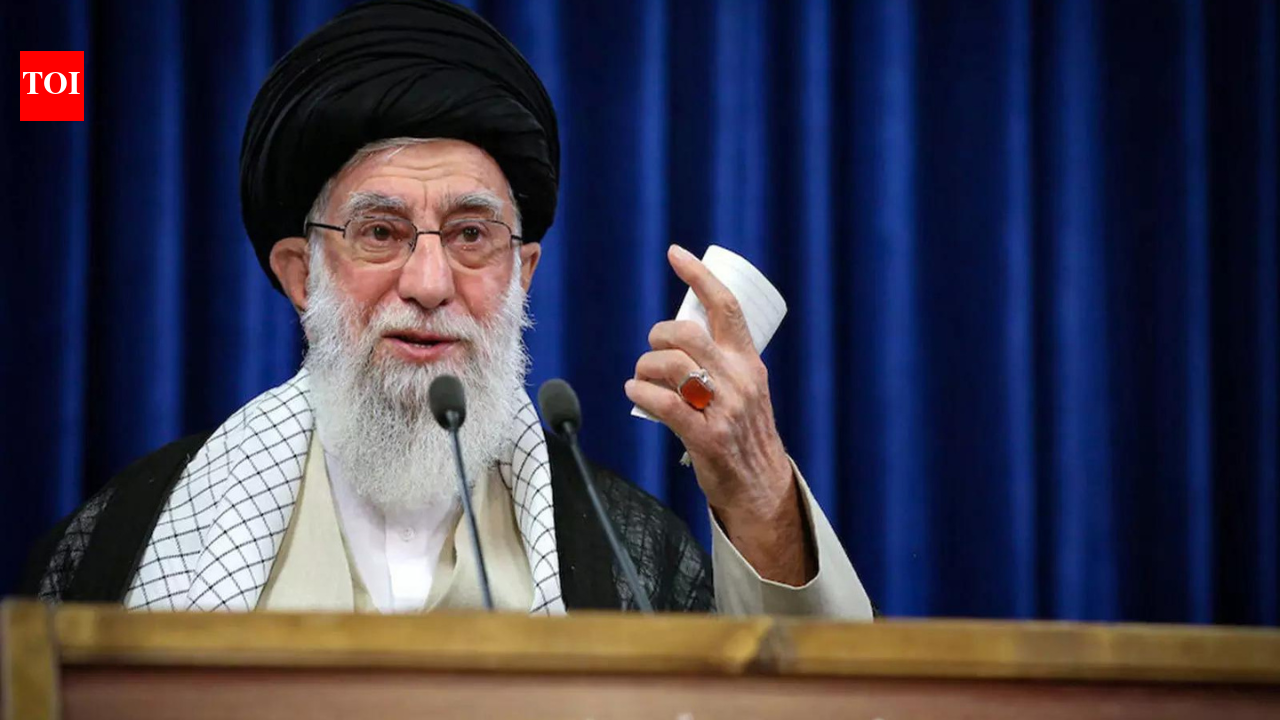
Ayatullah Khamenei and Reza Pahlavi (Images/AP)

Iran’s exiled crown prince, Reza Pahlavi, welcomed the announcement of Supreme Leader Ali Khamenei’s death following joint US-Israeli military strikes. He praised US President Donald Trump for his decisive action.In a post on X, Pahlavi wrote: “Ali Khamenei, the bloodthirsty despot of our time… has been erased from the face of history. With his death, the Islamic Republic has in effect reached its end and will very soon be consigned to the dustbin of history.”

Iran State TV’s Shock Announcement On Khamenei: ‘Joins Highest Kingdom, Drinks Nectar Of Martyrdom’

Pahlavi laid out a roadmap, called the Iran Prosperity Project, which proposes a referendum to draft and ratify a new constitution, followed by internationally supervised elections, after which the transitional government would dissolve.He added that any attempt by the remnants of the regime to appoint a successor would fail, warning that any new leader would lack legitimacy and would inherit the crimes of the outgoing regime. Pahlavi urged military, law enforcement and security forces to assist in a stable transition to a free and prosperous Iran.Addressing citizens directly, Pahlavi wrote: “This may be the beginning of our great national celebration, but it is not the end of the road. Remain vigilant and prepared. The time for a widespread and decisive presence in the streets is very near. Thanks to President Trump, their hour of liberation is at hand… the Iranian people know they are not alone.”Pahlavi emphasized that the final victory would be achieved by Iranians themselves, who have borne decades of repression, mass protests and state violence.

Transparent roadmap for democratic transition

In a detailed op-ed in the Washington Post, Pahlavi laid out a comprehensive plan for a peaceful and transparent transition in the country following the death of Supreme Leader Ali Khamenei.He described the Islamic Republic as an expansionist and oppressive regime that has subverted regional sovereignty, pursued nuclear weapons, and committed mass atrocities at home, citing the reported massacre of over 30,000 protesters in January 2026.He emphasized that while US and Israeli strikes have weakened the regime, the ultimate victory rests with the Iranian people, who have endured decades of repression. Pahlavi called for unity among opposition groups, including monarchists, republicans, liberals, leftists, and religious and ethnic minorities, around four principles: territorial integrity, individual liberties, separation of religion and state, and the people’s right to choose their government.Pahlavi also envisioned a free Iran pursuing regional peace and cooperation, proposing the “Cyrus Accords,” a framework inspired by Cyrus the Great. This plan aims to replace hostility with diplomatic and economic collaboration, including recognition of Israel, and to transform Iran into a pillar of stability and prosperity in the Middle East, according to Washington Post. He praised Trump for supporting the Iranian people, stating that U.S. solidarity has empowered the nation’s citizens in their struggle for freedom and democratic governance.Reza Pahlavi is the eldest son of Mohammad Reza Pahlavi, Iran’s last Shah, overthrown in the 1979 revolution. Born in Tehran in 1960, he was formally named crown prince in 1967. Pahlavi left Iran in 1978 for US military training and later earned a degree in political science from the University of Southern California. Following his father’s death in 1980, he declared himself Shah in exile.The US-Israel strikes on Iran early Saturday targeted key military and nuclear sites near Khamenei’s office. President Donald Trump called the strikes a measure to protect American lives and global security, declaring that “the hour of your freedom is at hand” for the Iranian people.


Source link

The fall of Ayatollah Khamenei: How Iran’s Supreme Leader met his end


The fall of Ayatollah Khamenei: How Iran’s Supreme Leader met his end

On 16 January 1979, the Shah fled Iran, leaving behind a collapsing monarchy and a revolutionary tide that would reshape the Middle East. From that upheaval emerged a new political order, an Islamic Republic built on the doctrine of clerical rule. Nearly half a century later, the system created in revolution has been shaken by another upheaval, one that ended with the death of the man who embodied it for more than three decades.Ayatollah Ali Khamenei, Iran’s second Supreme Leader, rose from the ranks of revolutionary clerics to become the most powerful figure in the Islamic Republic. He survived assassination attempts, war, sanctions and repeated waves of protest. He outlasted presidents at home and adversaries abroad. In the end, however, it was war with the United States and Israel, the very confrontation that had defined much of his rule, that brought it to a close.His death, confirmed by Iranian state media after extensive US and Israeli air strikes on Tehran, closes a chapter that began with the overthrow of a monarch and concludes with the violent unravelling of a revolutionary state. Born in resistance, the Islamic Republic was shaped by struggle. Under Khamenei, it hardened into a system that tolerated neither dissent nor compromise.

From Mashhad seminarian to supreme authority

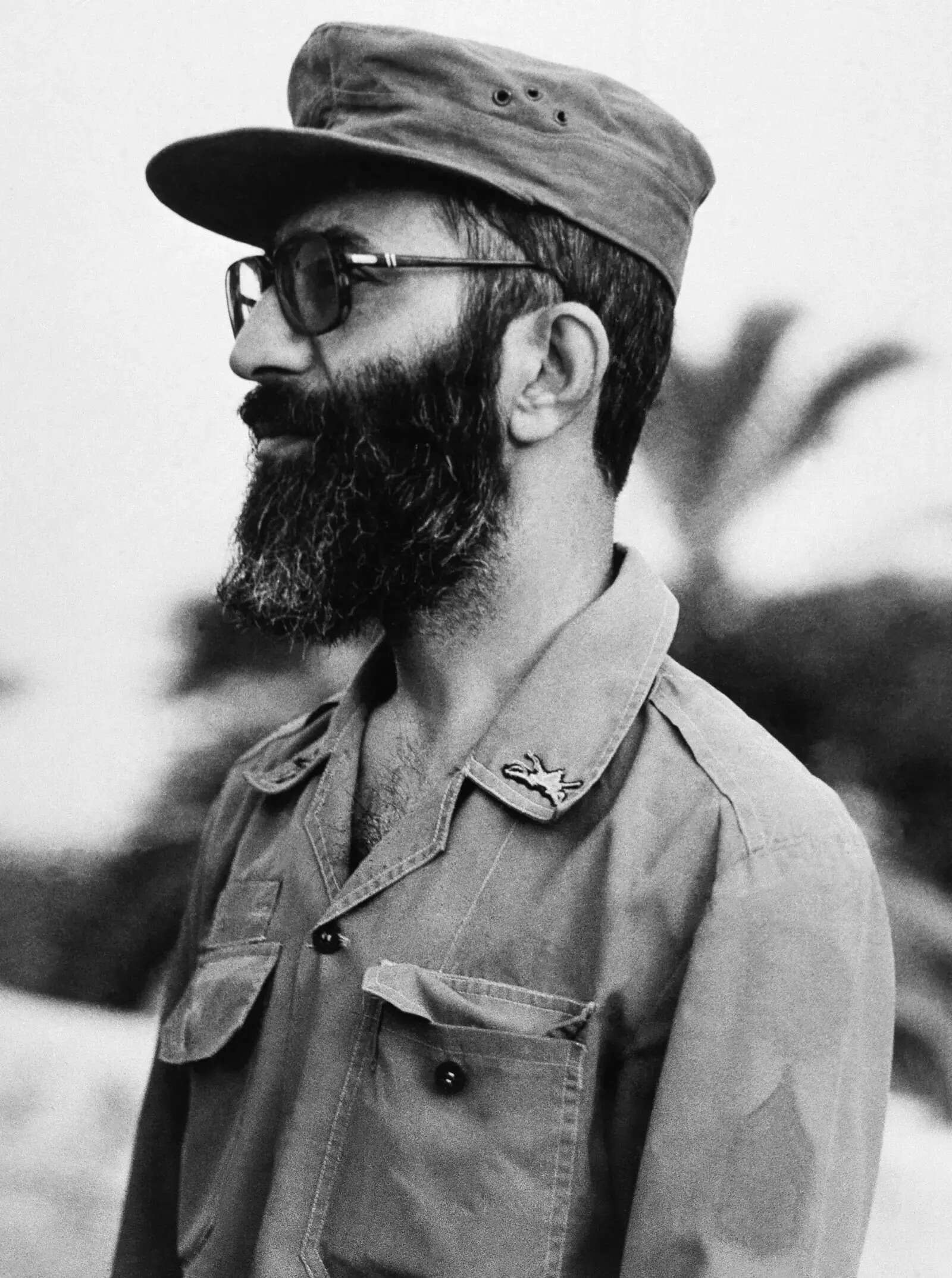
Born in 1939 in Mashhad to a clerical family, Khamenei was shaped by religious study and political dissent. As a young cleric he studied in Qom under Khomeini and was arrested multiple times by the Shah’s security services for anti-regime activism. After the 1979 revolution, he rose swiftly: Friday prayer leader in Tehran, then president during the brutal Iran–Iraq war.In 1981 he survived an assassination attempt that paralysed his right arm. The experience deepened his suspicion of rivals and foreign enemies. When Khomeini died in 1989, Khamenei lacking his mentor’s senior clerical rank, was unexpectedly elevated by the Assembly of Experts to the role of supreme leader.

Khamenei stands in a military uniform in October 1981 (Photo credit: AP)

Khamenei stands in a military uniform in October 1981 (Photo credit: AP)

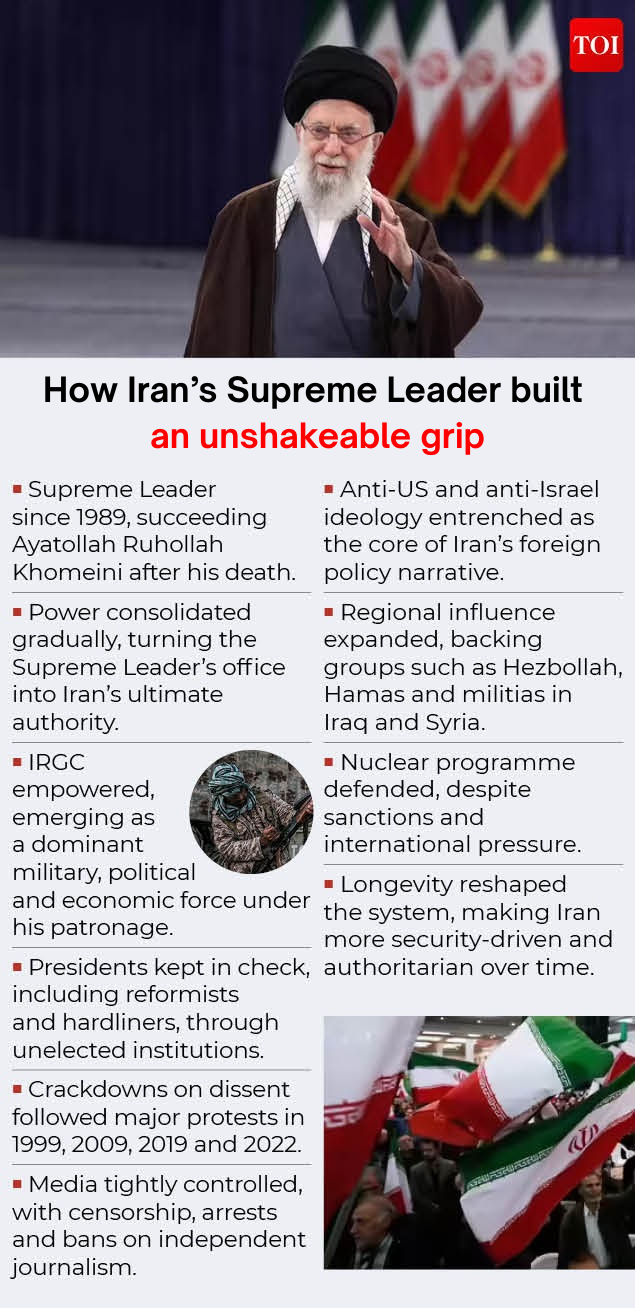
Initially viewed as weak, he moved carefully to consolidate authority. Constitutional changes strengthened the office. Over time, he built networks of loyalists across the judiciary, parliament, state media and the clerical establishment, transforming himself from compromise candidate into the system’s undisputed arbiter.

Building a security state

Central to Khamenei’s power was the Islamic Revolutionary Guard Corps (IRGC). He expanded it into Iran’s dominant military and economic force, granting it oversight of the ballistic missile programme and vast commercial interests. In return, it became his most reliable instrument of control.The Basij militia and intelligence services were repeatedly deployed to crush dissent. Student protests in 1999 were put down. The 2009 “Green Movement”, which erupted after a disputed presidential election, was suppressed with arrests and force. Economic protests in 2017 and 2019 met similar fates.

How Khamenei tightened his grip on Iran

The most profound domestic rupture came in 2022 after the death in custody of Mahsa Amini, detained for allegedly breaching Iran’s strict dress code. Demonstrations led by women and young people spread nationwide. Hundreds were killed, thousands arrested. Khamenei framed the unrest as foreign-instigated sedition and refused concessions on compulsory hijab or political reform.His final and bloodiest crackdown followed a currency collapse that drove the rial to record lows. When protesters again chanted “Death to the dictator”, he declared that “rioters must be put in their place”. Security forces opened fire. Activists reported thousands killed. It was a show of force that revealed both the regime’s resilience and its fear.

Confrontation with the West and regional ambition

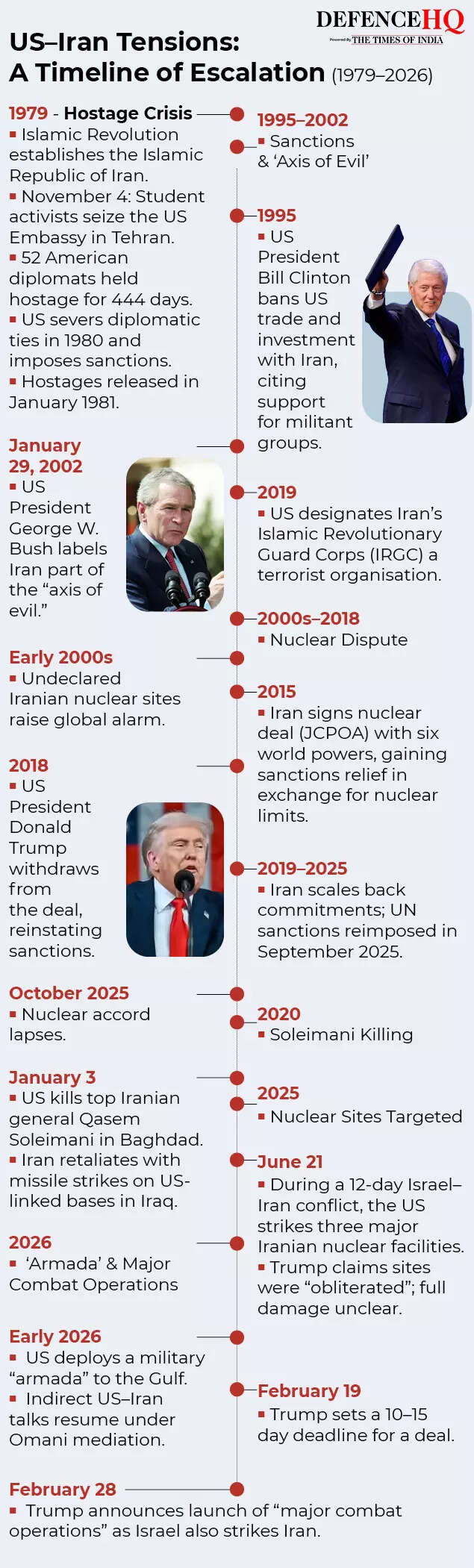
If repression defined Khamenei’s domestic rule, confrontation marked his foreign policy. He consistently cast the United States as Iran’s principal adversary, accusing it of seeking regime change. The 1979–81 US embassy hostage crisis, supported by revolutionary leaders including Khamenei, cemented decades of hostility.Under his watch, Iran pursued an expansive regional strategy. Through allies and proxies – from Hezbollah in Lebanon to Hamas in Gaza and the Houthis in Yemen – Tehran projected influence while avoiding direct war. Khamenei viewed Israel as illegitimate and supported armed resistance as both ideological duty and strategic leverage.Iran’s nuclear programme became the central flashpoint. The 2015 Joint Comprehensive Plan of Action (JCPOA) offered sanctions relief in exchange for limits on enrichment. Khamenei endorsed it cautiously, describing tactical compromise as “heroic flexibility”. When the United States withdrew in 2018 and reimposed sanctions, Iran gradually breached the deal’s limits.

One crisis after another

Years of sanctions, mismanagement and corruption hollowed out the economy. Inflation soared, oil revenues dwindled and public anger deepened. Yet Khamenei refused to abandon missile development or regional alliances, seeing them as essential deterrents.His final months were marked by escalating brinkmanship. As US forces massed in the region and Israel struck Iranian assets, he warned that any attack would trigger wider war. Negotiations flickered but faltered. Then came the strikes that targeted key military sites – and his own compound.

An uncertain future

Khamenei’s death leaves no publicly confirmed successor. Constitutionally, the Assembly of Experts must appoint a new supreme leader. Speculation has ranged from senior clerics to his son Mojtaba. The IRGC, now the country’s most powerful institution, may play a decisive role in any transition.Iran stands at a crossroads. The system Khamenei inherited from revolution he hardened into a security state sustained by ideology, patronage and force. Yet beneath it lies a society weary of isolation, economic hardship and repression.


Source link

UAE shuts classrooms, parents on alert: All schools and universities go online amid security concerns on Iran vs US-Israel attacks


UAE shuts classrooms, parents on alert: All schools and universities go online amid security concerns on Iran vs US-Israel attacks
UAE Shifts All Schools and Universities to Distance Learning as Iran vs US-Israel Conflict Escalates

In response to growing regional security concerns tied to the recent escalation between Iran, the United States and Israel, which has seen missiles fired and emergency alerts issued across the Gulf, the United Arab Emirates has announced a temporary shift to distance learning for students and educators nationwide. The Ministry of Education and the Ministry of Higher Education and Scientific Research confirmed that schools, universities and educational institutions will operate online from Monday, March 02 to Wednesday, March 04, 2026 as a precautionary measure designed to ensure safety while maintaining continuity of education.Under the directive, students, teaching staff and administrative personnel across both public and private schools and universities will transition to online classes, with the situation subject to ongoing assessment by authorities. If conditions require, the period of remote learning could be extended further.

What UAE‘s distance learning policy covers

This decision affects:

  • Public schools nationwide
  • Private schools and international curricula
  • Universities and colleges
  • Teachers, administrators and support staff

The switch comes as part of a broader precautionary strategy amid heightened geopolitical instability, including missile alerts, temporary flight suspensions and emergency messages sent directly to residents’ phones. Authorities are prioritising safety without interrupting students’ academic progress.

Distance Learning Returns in UAE Amid Iran–US–Israel Regional Turmoil

Distance Learning Returns in UAE Amid Iran–US–Israel Regional Turmoil

In Dubai, the Knowledge and Human Development Authority (KHDA) also confirmed the transition to online learning for private schools through March 04 to protect students and staff, highlighting that the educational system’s robust digital infrastructure, honed during the Covid-19 pandemic, allows for a smooth transition to remote instruction. Similarly, Sharjah’s educational authorities announced a shift to distance learning for private schools and higher education institutions over the same period, reaffirming commitments to student wellbeing while ensuring academic continuity.The decision reflects how developments in regional conflict have direct impacts on everyday life in the UAE. With concerns over missile threats, airspace disruptions and emergency alerts, the government opted for a temporary online learning model to minimise risk while keeping students engaged academically.Distance learning is being implemented using established online platforms that are already integrated into the UAE’s education system, a legacy of remote learning infrastructure built during the Covid-19 pandemic. This readiness ensures that students can continue lessons with minimal disruption and that educators can deliver quality instruction safely from home. Authorities have also urged parents, students and staff to follow updates from official government channels and avoid relying on unverified social media reports, reinforcing a broader theme of public communication clarity during challenging times.

Schools and universities go remote across other Gulf countries

The UAE is not alone as other Gulf countries, including Qatar and Bahrain, have similarly activated online learning or suspended in-person classes amid concerns over regional instability, underscoring how education sectors in the Middle East are adjusting operations to evolving safety dynamics.

Parents Alerted as Iran–US–Israel Conflict Pushes UAE Schools Online

Parents Alerted as Iran–US–Israel Conflict Pushes UAE Schools Online

The UAE has shifted all schools and universities to distance learning from March 02 to March 04, 2026, with possible extensions. The decision includes students, teachers, administrative staff and covers both public and private institutions. Authorities are using online platforms and digital education systems prepared during the pandemic to maintain learning continuity. Similar measures have been adopted elsewhere in the Gulf amid ongoing Middle East tensions.


Source link

Loud blasts, gunfire heard in Kabul as Afghanistan-Pakistan clashes escalate


Loud blasts, gunfire heard in Kabul as Afghanistan-Pakistan clashes escalate

Loud blasts followed by gunfire were heard in the Afghan capital Kabul on Sunday morning amid ongoing clashes between Afghanistan and Pakistani forces, Reuters reported citing sources.The violence comes days after Afghanistan’s Taliban administration said it remained open to negotiations even as tensions with Pakistan spiralled into an “open war” following Pakistani airstrikes targeting multiple Afghan cities.Pakistan carried out multiple airstrikes and bombings on Taliban-ruled Afghanistan during the intervening night of Thursday and Friday. Islamabad described the offensive as “Operation Ghazab Lil Haq”, saying it targeted major cities including Kabul and Kandahar and destroyed key military facilities.Afghanistan condemned the military action as “cowardly” and said there were no casualties on its side. Pakistan, however, termed the operation “effective” and claimed that 133 Afghans were killed.This is a developing story


Source link

Operation Epic Fury: How Trump-led US strikes in Tehran killed Iran’s Supreme Leader Khamenei, family


Operation Epic Fury: How Trump-led US strikes in Tehran killed Iran's Supreme Leader Khamenei, family
Iran Supreme Leader Ayatollah Ali Khamenei

Operation Epic Fury — an extensive US military action under President Donald Trump, have achieved its most consequential objective: the killing of Iran’s Supreme Leader Ayatollah Ali Khamenei in strikes carried out early Sunday against the political heart of Tehran.According to initial reports, the operation did not only target Iran’s top leader. Khamenei’s daughter and grandchild were also said to be among those killed in the American strikes that hit key locations in the capital.Unlike last year’s Operation Midnight Hammer, aimed at crippling Iran’s nuclear aspirations at key sites, Operation Epic Fury carried out in broad daylight with a much wider strategic objective, leading to the killing of the Supreme Leader.“Khamenei, one of the most evil people in History, is dead,” Donald Trump declared on his Truth Social.The offensive marked a dramatic escalation, with Trump launching a full-scale military operation against Iran over the weekend. The move appeared aimed at dismantling the Khamenei-led political establishment and reshaping power dynamics in the oil-rich nation.

A daylight strike at the centre of power

Modern aerial bombardments typically begin under the cover of darkness, exploiting confusion and weakening air defence response. This time, however, the strategy appeared deliberately different.Missiles and bombs began striking Tehran in broad daylight, a calculated move that seemed designed to ensure the presence of senior officials in government offices. Thick plumes of smoke soon rose over the capital, particularly from buildings located in the city’s political and administrative district.The strikes reportedly hit areas along Pasteur Street, where key institutions of the Iranian state are clustered. The district houses the offices of the Supreme Leader, the presidential complex of Masoud Pezeshkian, the national security headquarters, and the Assembly of Experts, the powerful clerical body responsible for appointing a new supreme leader.

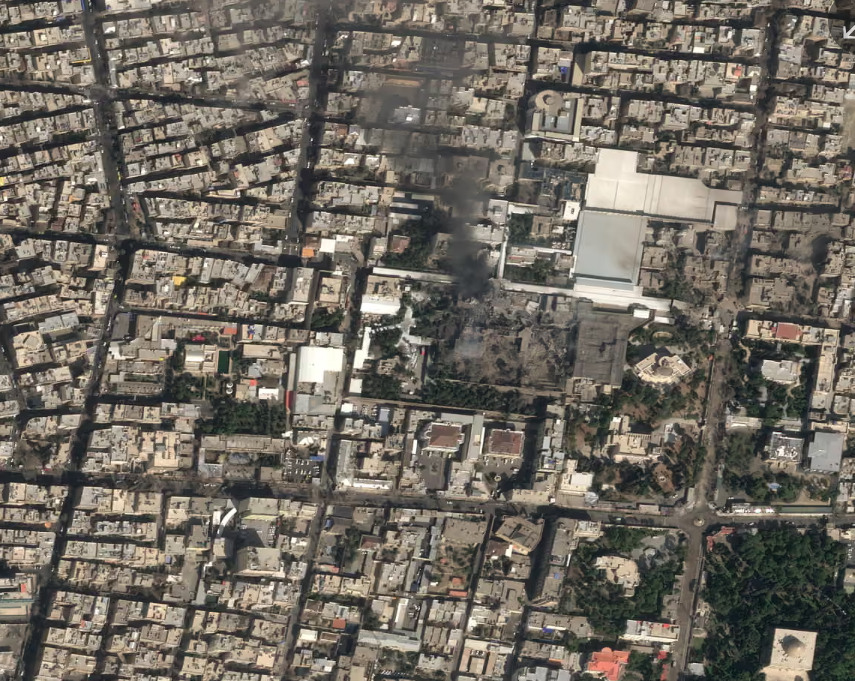
satellite image

Satellite imagery later showed the compound associated with Khamenei reduced to a vast stretch of grey dust and debris.

A decapitation strike

Israeli officials later described the initial assault as a “decapitation strike” an attempt to simultaneously eliminate Iran’s political leadership and cripple the core apparatus of governance. Such operations aim not just at military installations but at the individuals who command the system.The offensive appeared to extend beyond the sitting leadership. Reports indicated that the Tehran residence of former Iranian president Mahmoud Ahmadinejad was also struck during the operation, though his condition or whereabouts were not immediately confirmed.

Explosions across multiple cities

While Tehran bore the brunt of the initial wave, explosions were reported across several Iranian cities. Attacks were said to have taken place in Qom, Tabriz, Kermanshah, Lorestan, Khorramabad and Karaj, suggesting a nationwide operation targeting strategic infrastructure and political centres.In Tehran, ambulances were seen rushing out of the Pasteur district carrying the injured as emergency services scrambled to respond to the destruction.

A moment that could reshape the region

If confirmed, the killing of Iran’s supreme leader would mark one of the most consequential geopolitical events in recent decades — potentially reshaping power dynamics in the Middle East and triggering a chain reaction across the region.For now, however, conflicting claims and limited verifiable information have left the world watching closely as Tehran assesses the damage and prepares its response.


Source link

Watch: Drone debris hits Dubai’s Burj Al Arab after iranian strike


Watch: Drone debris hits Dubai’s Burj Al Arab after iranian strike

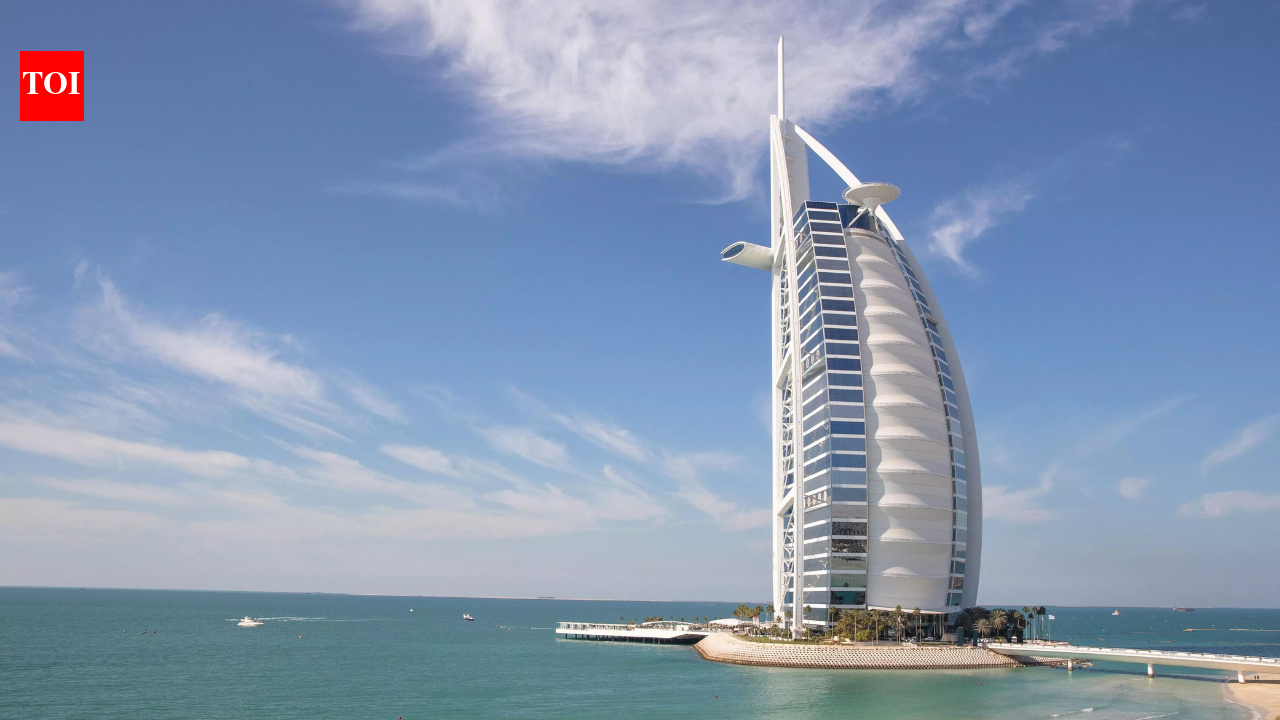
Dubai’s iconic Burj Al Arab was on fire following an Iranian drone strike triggered US-Israeli attack.According to Dubai Media Office, a drone was intercepted and debris caused a “minor fire” Burj Al Arab’s outer facade.“Authorities confirm that a drone was intercepted, and debris caused a minor fire on the Burj Al Arab’s outer facade,” Dubai Media Office wrote on X“Civil Defence teams responded immediately and brought the incident under control. No injuries have been reported,” it added.Locals posted videos and claimed that the Jumeirah Burj Al Arab was hit.“Iranian Shahed Drone Strikes Burj Al Arab in Dubai Amid Escalating Retaliation Reports and viral footage indicate an Iranian drone (likely a Shahed-type kamikaze UAV) has directly impacted the Burj Al Arab hotel in Dubai, UAE,” one person noted on X, platform formerly known as Twitter.“Looks like the world famous Burj Al Arab hotel in Dubai got hit by Irani drone,” another person tweeted.Perched on an artificial island off Dubai’s coast, the 60-story Burj Al Arab luxury hotel stands a short distance from the Burj Khalifa, the tallest building in the world.This comes as the Dubai International Airport sustained damage on Saturday, with four injuries reported at the scene.“Dubai Airports confirms that a concourse at Dubai International (DXB) sustained minor damage in an incident, which was quickly contained. Emergency response teams were immediately deployed and are managing the situation in coordination with the relevant authorities,” Dubai Media Office confirmed on X.“Four staff sustained injuries and received prompt medical attention. Due to contingency plans already in place, most of the terminals were previously cleared of passengers. Further updates will be provided as they become available,” it added.Residents in UAE were asked to seek immediate shelter late on Saturday. A message read: “Seek immediate shelter in the closest secure building, steer away from windows, doors, and open areas. Await for further instructions.” The message said this was “due to the current situation, potential missile threats”.


Source link

Khamenei killed in US strike: Who are his potential successors?


Khamenei killed in US strike: Who are his potential successors?

US President Donald Trump announced on social media that Iran’s supreme leader was dead following joint American and Israeli air strikes, calling his death “the single greatest chance for the Iranian people to take back their Country”. He described Khamenei as “one of the most evil people in history” and said the cleric “was unable to avoid our Intelligence and Highly Sophisticated Tracking Systems”. Trump added that “heavy and pinpoint bombing” would continue “uninterrupted”.Two Israeli officials, speaking to the Associated Press on condition of anonymity, said Israel had confirmed Khamenei’s death after strikes hit near his compound in Tehran. Iranian state media reported explosions across the capital, with smoke rising from downtown districts and roads leading to the supreme leader’s offices sealed off. Iran’s airspace was closed and mobile networks disrupted. There was no immediate confirmation from Tehran.Khamenei, 86, had ruled since 1989, making him the Middle East’s longest-serving head of state. His death would mark only the second leadership transition since the 1979 Islamic Revolution, when Ruhollah Khomeini established the Islamic Republic. In 1989, Khamenei himself was elevated from the presidency to the supreme leadership after Khomeini’s death.Under Iran’s constitution, the 88-member Assembly of Experts selects and oversees the supreme leader. Candidates for the body are vetted by the Guardian Council, whose members are appointed directly or indirectly by the supreme leader. The process is tightly controlled, and succession planning has long been confined to the regime’s inner circle.The US-based Council on Foreign Relations has identified several clerics as possible successors.Among them is Ayatollah Alireza Arafi, a senior religious figure who leads Iran’s nationwide seminary system and sits on both the Guardian Council and the Assembly of Experts. His promotion would signal continuity within the existing clerical order.Hojjat-ol-Eslam Mohsen Qomi, a key adviser within Khamenei’s office, is viewed as a trusted insider with close proximity to the late leader. Ayatollah Mohsen Araki, a longstanding member of the Assembly of Experts, also possesses the religious credentials and institutional experience often seen as prerequisites for the role.Ayatollah Gholam Hossein Mohseni Ejei, Iran’s judiciary chief, stands out for his national security background and senior state positions. His administrative experience could appeal to those seeking stability during a volatile transition. Ayatollah Hashem Hosseini Bushehri, Friday prayer leader in Qom and Assembly member, is another senior cleric frequently mentioned.Yet most of the potential contenders are in their mid-to-late sixties and lack Khamenei’s decades-long consolidation of authority. Analysts warn that elevating a favoured insider may preserve the current balance of power but could expose underlying rivalries within Iran’s political and security establishment.With Iran already exchanging missile and drone fire with Israel and targeting US bases in the Gulf, any leadership change would carry far-reaching consequences. The succession battle now unfolding behind closed doors could determine not only Iran’s internal stability but also the future direction of its regional posture and nuclear policy.


Source link

‘I can go long and take over the whole thing’: Trump after US strikes on Iran


'I can go long and take over the whole thing': Trump after US strikes on Iran

US President Donald Trump has said he is prepared to escalate US military action against Iran dramatically following coordinated American and Israeli strikes, warning he could “go long and take over the whole thing” if Tehran attempts to rebuild its nuclear or missile programmes.“I can go long and take over the whole thing, or end it in two or three days and tell the Iranians: ‘See you again in a few years if you start rebuilding [your nuclear and missile programs],’” Trump told Axios in a five-minute phone interview from Mar-a-Lago. In a separate video address announcing what he called “major combat operations”, he urged Iranians to “seize control of your destiny” and rise up against the Islamic leadership that has ruled since 1979, adding: “When we are finished, take over your government. It will be yours to take. This will be probably your only chance for generations.”The strikes, launched jointly by the US and Israel during the holy month of Ramadan, targeted Revolutionary Guard command facilities, air defence systems, missile and drone launch sites and military airfields, according to US officials. Early attacks appeared to hit near the offices of Iran’s Supreme Leader, Ali Khamenei, who has not been seen in public since the operation began.Israeli Prime Minister Benjamin Netanyahu claimed there were “growing signs that Khamenei is no longer around” and said strikes had targeted his compound. In a televised address, Netanyahu said Israel had eliminated senior IRGC commanders, nuclear officials and other regime figures, and promised to hit “thousands of targets of the terror regime” in the coming days. He thanked Trump for his “historic leadership”, calling him “a leader who keeps his word”.Earlier, Iran’s foreign minister, Abbas Araghchi, told NBC News that Khamenei and President Masoud Pezeshkian were alive “as far as I know”, describing the attack as “unprovoked, illegal and absolutely illegitimate”.Iranian state media, citing the Red Crescent, said at least 201 people were killed and more than 700 injured. In southern Iran, local officials reported dozens killed, including at a girls’ school allegedly struck in the fighting. The US military said it had suffered no casualties and only minimal damage at regional bases despite “hundreds of Iranian missile and drone attacks”.Tehran retaliated with missiles and drones targeting Israel and US installations in Bahrain, Kuwait and Qatar, while air defences were activated across the region. The United Nations Security Council convened an emergency meeting, and the International Atomic Energy Agency said it was monitoring the situation and had seen no evidence of radiological impact.


Source link