Breaking News
T20 World Cup 2026: Salman Ali Agha shares views on reported ‘no handshake’ stance before marquee IND vs PAK match


The cricketing world is bracing for impact as the ICC Men’s T20 World Cup 2026 reaches its most anticipated crescendo: India vs. Pakistan. Scheduled as the 27th Match in Group A, this high-stakes encounter at the refurbished Nassau County International Cricket Stadium isn’t just about two points on the board; it’s a battle of nerves, history, and, most recently, unprecedented diplomatic friction on the pitch.

While the rivalry is usually defined by searing yorkers and towering sixes, the lead-up to this specific clash has been overshadowed by a bizarre and tense handshake controversy that has threatened to derail the tournament’s spirit.

Salman Ali Agha reacts to ‘no handshake’ talk ahead of high-voltage India vs Pakistan encounter

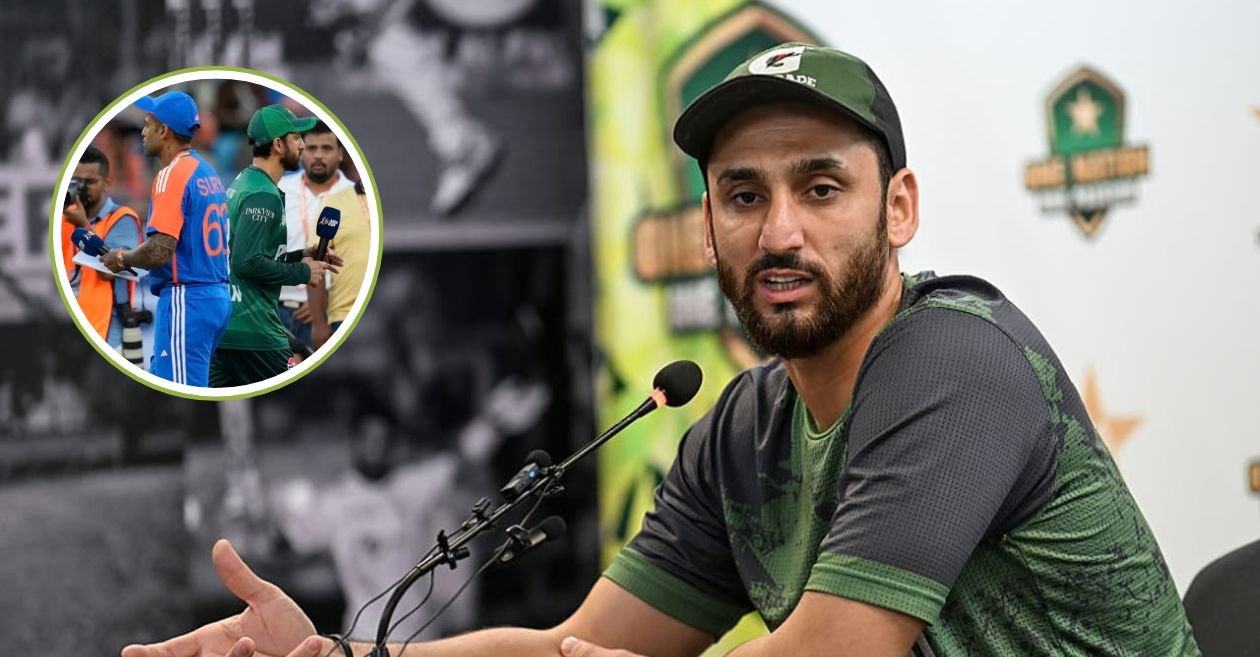
As the spotlight intensified during the pre-match press conference on Saturday, Pakistan’s Salman Ali Agha found himself at the center of a media storm. When questioned about the rumored “no handshake” stance, a cold shoulder that has dominated headlines, Agha remained composed but offered a telling, cryptic response.

We will see about it tomorrow,” Agha remarked, refusing to confirm or deny whether the traditional pre-match pleasantries would take place.

Despite the ambiguity, Agha was firm in his belief that the essence of the sport must remain intact. He emphasized that the ‘Spirit of the Game’ should transcend bilateral tensions. “Cricket should be played in the right spirit. My personal opinion may not matter, but cricket should be played according to how it has always been meant to be played. It’s up to them to decide what to do,” he added, subtly shifting the onus onto the Indian camp and match officials.

Also READ: The ‘Zimbabwe Prophecy’: Why history says Suryakumar Yadav’s India will lift the T20 World Cup 2026?

The handshake controversy of India and Pakistan game

The roots of this tension trace back to a startling intervention by match referee Andy Pycroft. According to reports from the Pakistan Cricket Board (PCB), Pycroft allegedly intervened during a previous toss to prevent the customary handshake between the captains. This move sparked an immediate firestorm, leading PCB Chairman Mohsin Naqvi to formally petition the ICC for Pycroft’s removal from the tournament.

The PCB’s grievance centers on allegations that Pycroft pulled Agha aside before the toss to inform him that Indian captain Suryakumar Yadav would not be engaging in the handshake. This perceived breach of protocol led to a brief standoff where Pakistan threatened a tournament boycott, eventually showing up an hour late for their fixture against the UAE as a mark of protest.

The friction reached a boiling point during a recent post-match presentation. India reportedly declined to ascend the dais to collect awards while Naqvi was present. In retaliation, the PCB chief ordered the trophy to be removed from the stage. The Indian squad eventually celebrated on the podium only after the officials had vacated the area—a visual that perfectly encapsulates the current frostiness between the two giants.

As the 27th match of Group A looms, the world is watching not just the scoreboard, but the body language of twenty-two players who carry the weight of a complicated legacy.

Also READ: Mohammad Amir mocks unwell Abhishek Sharma ahead of IND vs PAK T20 World Cup 2026 clash


Source link

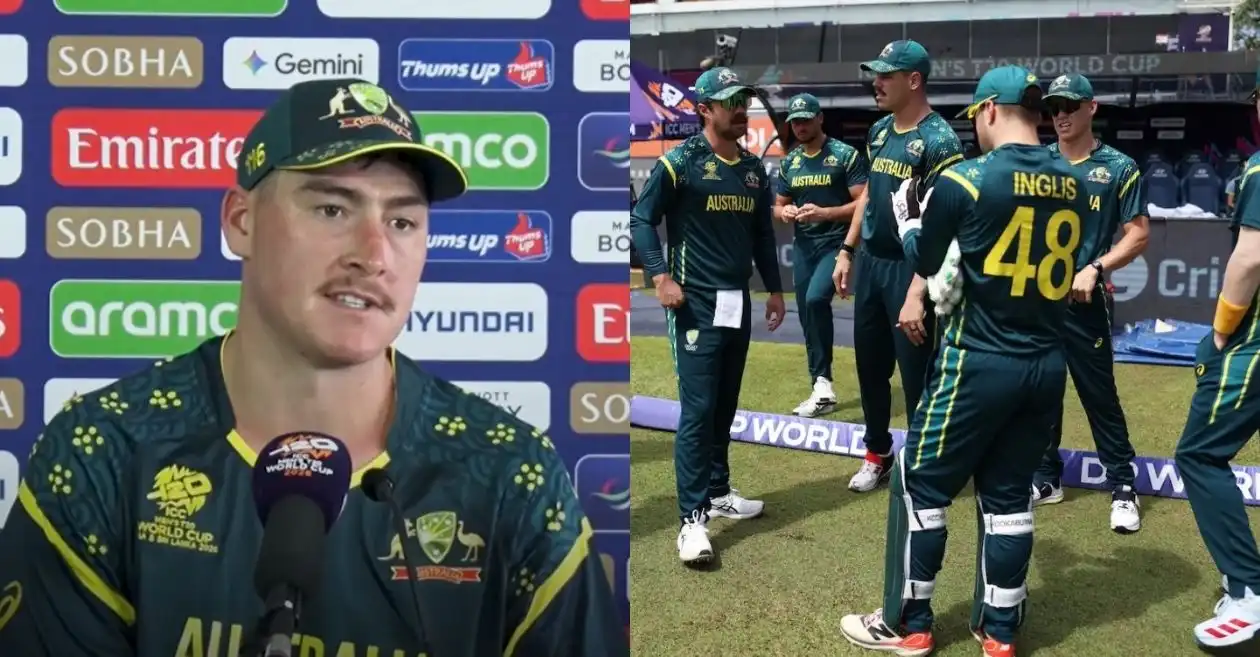
Matt Renshaw pulls no punches after Australia’s shocking loss to Zimbabwe in T20 World Cup 2026


Australia’s T20 World Cup 2026 campaign suffered a major jolt after a stunning 23-run defeat to Zimbabwe at the R. Premadasa Stadium. What was expected to be a routine Group B fixture turned into one of the biggest upsets of the tournament, leaving the five-time world champions with plenty to ponder.

Chasing a modest target, Australia faltered under pressure and were eventually bowled out for 146. Despite a fighting 65 off 44 balls from Matt Renshaw, the innings never truly gathered momentum. The Zimbabwe bowlers kept things tight, exploited the sluggish surface smartly, and forced Australia into mistakes at regular intervals.

The defeat not only dented Australia’s confidence but also complicated their qualification hopes in a tightly contested group. For a side known for its adaptability and big-match temperament, the loss was both unexpected and sobering.

Matt Renshaw opens up after Zimbabwe stun the Aussies

While many pointed towards the slow nature of the Colombo surface as a contributing factor, Renshaw chose not to hide behind conditions. Speaking candidly at the post-match press conference, the left-hander emphasized that adapting to varying pitches is part and parcel of international cricket.

“I think that’s just the nature of cricket. You get a sub-continent team come to Australia and you don’t get them complaining about the bounce or the pace. It’s just the way that cricket is nowadays. You’ve got to be able to go through different surfaces,” said Renshaw.

Renshaw’s knock was one of the few positives for Australia. He tried to anchor the innings while wickets tumbled around him, mixing calculated aggression with strike rotation. However, the lack of partnerships ultimately hurt the side. Addressing suggestions that switching from the hard, bouncy tracks of the Big Bash League to slower Asian surfaces posed a challenge, Renshaw dismissed the notion.

“Yes, the wickets in Australia during Big Bash are quite true — they get a lot of bounce. You go to India, and in other parts of tournaments there are different wickets, sometimes higher scores, shorter boundaries. The boundaries here are quite big, so it’s just cricket,” added Renshaw.

His remarks reflected a sense of accountability within the Australian camp. Rather than blaming external factors, Renshaw stressed the importance of preparation and clarity in game plans.

“It’s probably just trying to adjust the conditions as well as we can so that when we get to these conditions we know what the game plan is, we know how we’re best suited,” he added further.

Also READ: Fans erupt as Blessing Muzarabani’s bowling brilliance propel Zimbabwe to historic win over Australia in T20 World Cup 2026

Qualification Scenarios for Australia

Following the defeat at the R. Premadasa Stadium, Australia’s path to the Super 8s has become increasingly complicated. Currently placed third in Group B with one win (against Ireland) and one loss, they no longer control their destiny outright.

Australia now face two crucial fixtures — first against a strong Sri Lanka side on February 16, followed by Oman on February 20. Realistically, these have become must-win encounters. Victories in both matches would take them to six points, but even that may not guarantee qualification.

If Sri Lanka defeat Zimbabwe and Zimbabwe overcome Ireland, a three-way tie on six points could emerge. In that case, Net Run Rate (NRR) would determine the qualifiers, making a dominant performance against Oman essential to repair the damage inflicted by the Zimbabwe defeat.

However, if Australia lose to Sri Lanka, their hopes would hang by a thread. They would then require Zimbabwe to lose both of their remaining matches, potentially leading to a multi-team tie on four points — again to be decided by NRR.

Also READ: The ‘Zimbabwe Prophecy’: Why history says Suryakumar Yadav’s India will lift the T20 World Cup 2026?


Source link

Fans erupt as Tom Banton powers England to thrilling 5-wicket win over Scotland at T20 World Cup 2026


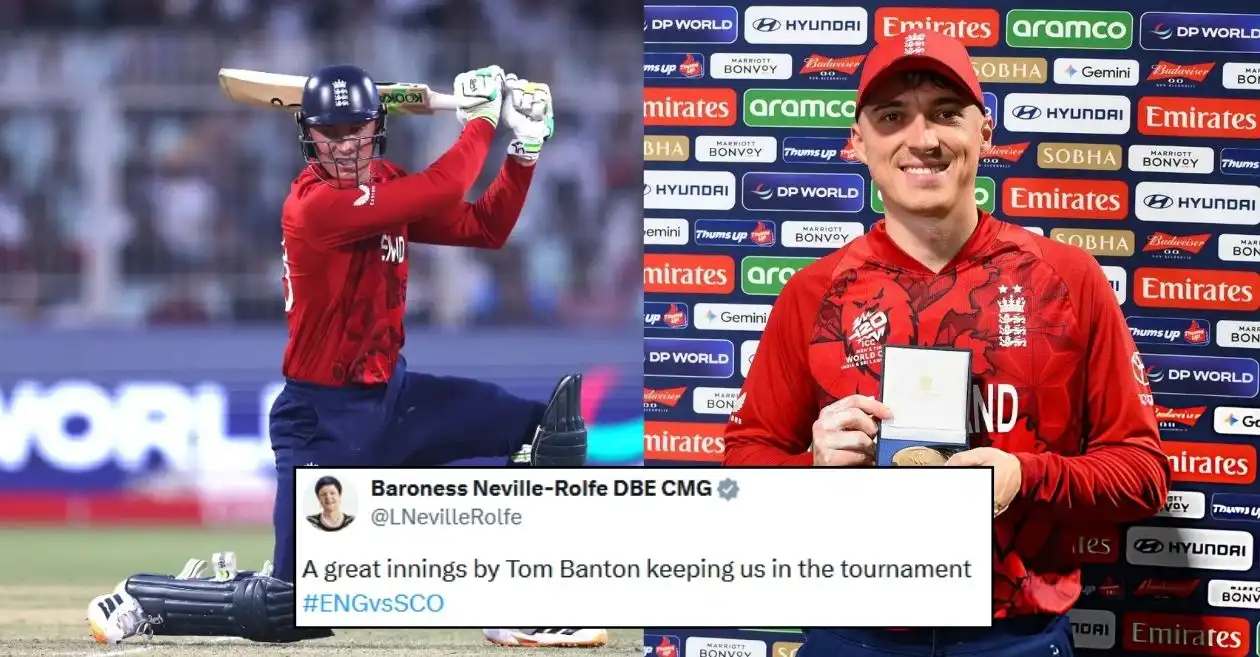
England registered a composed five-wicket victory over Scotland in the 23rd Match of Group C at the ICC Men’s T20 World Cup 2026, played at Eden Gardens. After opting to bowl first, England restricted Scotland to 152 in 19.4 overs and then chased down the target in 18.2 overs, thanks largely to a fluent half-century from Tom Banton and a clinical bowling effort led by Adil Rashid.

Adil Rashid and Jofra Archer lead England’s bowling charge

Having won the toss and chosen to field, England struck early through Jofra Archer, who looked sharp with the new ball. George Munsey fell cheaply for 4, and Brandon McMullen departed for a duck, putting Scotland under immediate pressure. However, Michael Jones counter-attacked with an entertaining 33 off 20 balls, striking five boundaries and a six to keep the scoreboard ticking.

The backbone of Scotland’s innings came from captain Richie Berrington, who played a responsible yet aggressive knock of 49 off 32 deliveries. With five fours and two sixes, Berrington steadied the innings and stitched useful partnerships, particularly with Tom Bruce, who contributed 24 off 18 balls. Their stand briefly threatened to take Scotland beyond 160.

England’s spinners, however, pulled things back in the middle overs. Adil Rashid was the standout performer, picking up three wickets for 36 runs in his four overs, breaking key partnerships at crucial moments. Liam Dawson chipped in with two wickets, while Archer and Jamie Overton maintained control at the death. Scotland were eventually bowled out for 152, losing their last few wickets in a cluster.

Early jolts for England in the chase

England’s reply did not begin smoothly. Phil Salt and Jos Buttler both fell cheaply, leaving England at 10 for 2 and briefly giving Scotland hope. Bradley Currie and McMullen struck early, exploiting some movement under the lights.

Jacob Bethell and Banton then rebuilt the innings with a calm and calculated partnership. Bethell played the anchor role with 32 off 28 balls, rotating strike effectively while allowing Banton to find his rhythm.

Also WATCH: Grace Hayden hilariously mimics father Matthew Hayden’s signature batting style

Tom Banton anchors the chase with classy fifty

Banton was the difference-maker on the night. His 63 off 41 balls, studded with four boundaries and three sixes, shifted the momentum decisively in England’s favour. Banton mixed timing with placement, punishing loose deliveries and keeping the required rate under control.

Although Harry Brook and Sam Curran fell cheaply, Will Jacks ensured there were no further hiccups. Curran’s brisk 28 off 20 balls, including two sixes, provided the finishing touches. Jacks also chipped in with a quick 16, and England crossed the line in 18.2 overs to secure a valuable five-wicket win.

Scotland’s bowlers tried to keep the contest alive. Currie, Brad Wheal and Michael Leask picked up a wicket each, while Oliver Davidson impressed with economical figures of 1 for 12 in his two overs. However, Mark Watt proved expensive, conceding 43 runs in three overs, which eased the pressure during the chase. In the end, England’s experience in handling tense chases and their disciplined bowling performance proved decisive.

Here’s how fans reacted:

Also READ: T20 World Cup 2026: Is Abhishek Sharma fit for the high-voltage clash against Pakistan? Star Indian opener gives massive update


Source link

T20 World Cup 2026: 3 reasons why India should stick with Sanju Samson over Abhishek Sharma for IND vs PAK clash


India and Pakistan will collide in a high-stakes Group A encounter at the ICC Men’s T20 World Cup 2026. Scheduled for Sunday, February 15, at the iconic R. Premadasa Stadium in Colombo, this marquee clash features two unbeaten heavyweights vying for group supremacy and a guaranteed ticket to the Super 8s.

India will enter the fray as favourites, boasting a clinical winning streak and a massive Net Run Rate of +3.050, while Pakistan arrives with a revamped spin-heavy arsenal led by the ‘mystery’ of Usman Tariq. The rivalry carries an emotional weight like no other, with India holding a dominant 7-1 head-to-head record in T20 World Cup history, though Pakistan’s recent form and familiarity with Sri Lankan tracks suggest a closer contest than the numbers imply.

T20 World Cup 2026: 3 key reasons India should back Sanju Samson over Abhishek Sharma for IND vs PAK Match

Choosing between Sanju Samson and Abhishek Sharma for the high-stakes India-Pakistan clash on Sunday, February 15, is the ultimate selection dilemma. While Abhishek is a generational talent, here are three undeniable, high-impact reasons why India must stick with Samson:

1. Extreme medical risk vs match-readiness

A world-class athlete cannot be expected to perform at elite levels in the world’s most intense rivalry just days after being hospitalized. Abhishek Sharma has recently suffered a severe stomach infection that required hospitalization and led to a significant 2kg weight loss and physical depletion.

  • The Fatigue Factor: Colombo’s tropical humidity is brutal. Playing a player whose body is still recovering from viral weakness is an invitation for mid-match dehydration or cramping. In a game decided by “nerves and fitness,” India cannot gamble on a player at 60% capacity.
  • The Samson Edge: Sanju is in 100% physical condition. He proved his readiness against Namibia by striking a quickfire 22 off 8 balls. In a match where every sprint to the boundary and quick single matters, Samson provides the athletic reliability India needs.

2. Neutralizing the ‘mystery spin’ and Usman Tariq’s lefty trap

The R. Premadasa Stadium surface is notorious for being “tacky,” offering significant turn. Pakistan has a specific tactical weapon: the off-spinner Usman Tariq, whose side-arm action and mid-action pause create a “mystery” effect.

  • The Lefty Trap: Off-spinners naturally turn the ball away from left-handers, making them a nightmare for lefties like Abhishek Sharma. Despite his status as a “spin-hitter,” Abhishek’s recent record against high-quality international spin shows a specific vulnerability. In the 2025/26 season, his strike rate against off-spin has dipped to 138.5 compared to his overall career strike rate of 194.45, as he often struggles to find the same timing when the ball is turning away from his hitting arc.
  • The Samson Antidote: As a right-hander, Sanju Samson naturally neutralizes Tariq’s advantage. The ball turns into Samson’s hitting arc rather than away, making it significantly easier to maneuver and target the short boundaries. Samson’s refined technique against unconventional actions makes him the ideal tactical “shield” to prevent Tariq from running through the top order.

Also READ: Mohammad Amir mocks unwell Abhishek Sharma ahead of IND vs PAK T20 World Cup 2026 clash
3. Strategic ‘double-keeper’ Insurance

In tournament play, team balance is the highest priority. With Ishan Kishan recently sustaining a foot injury from a Jasprit Bumrah yorker in the nets, India is one wrong step away from a wicketkeeping crisis.

  • The Tactical Safety Net: If India drops Samson for Abhishek and Kishan’s foot injury flares up during the match, India would be forced to use an emergency keeper, which could be disastrous in a high-pressure chase.
  • The Samson Edge: By playing Sanju, India has a world-class keeper already on the field. This “double-keeper” strategy ensures that if Kishan goes down mid-over, the transition is seamless. In a rivalry where one missed stumping can change history, this insurance is a tactical necessity that Abhishek simply cannot provide.

Also READ: T20 World Cup 2026: Is Abhishek Sharma fit for the high-voltage clash against Pakistan? Star Indian opener gives massive update


Source link

Top 5 oldest cricketers to play in the ICC Men’s T20 World Cup ft. Aamir Kaleem


In the high-octane world of T20 cricket, where power hitting and lightning-fast reflexes are usually the domain of the young, a group of seasoned veterans has consistently defied the biological clock. The T20 World Cup, often seen as a young man’s game, has witnessed several “golden oldies” proving that skill, temperament, and fitness can triumph over age. These players have not just participated; they have left an indelible mark on the tournament’s history, inspiring a generation of cricketers to prolong their careers through sheer discipline.

From wily spinners to steady all-rounders, these icons have showcased the associate spirit and the enduring class of major cricketing nations. On February 9, 2026, the record books were rewritten once again when Oman’s Aamir Kaleem stepped onto the field, reminding the world that the fire of competition doesn’t fade with time.

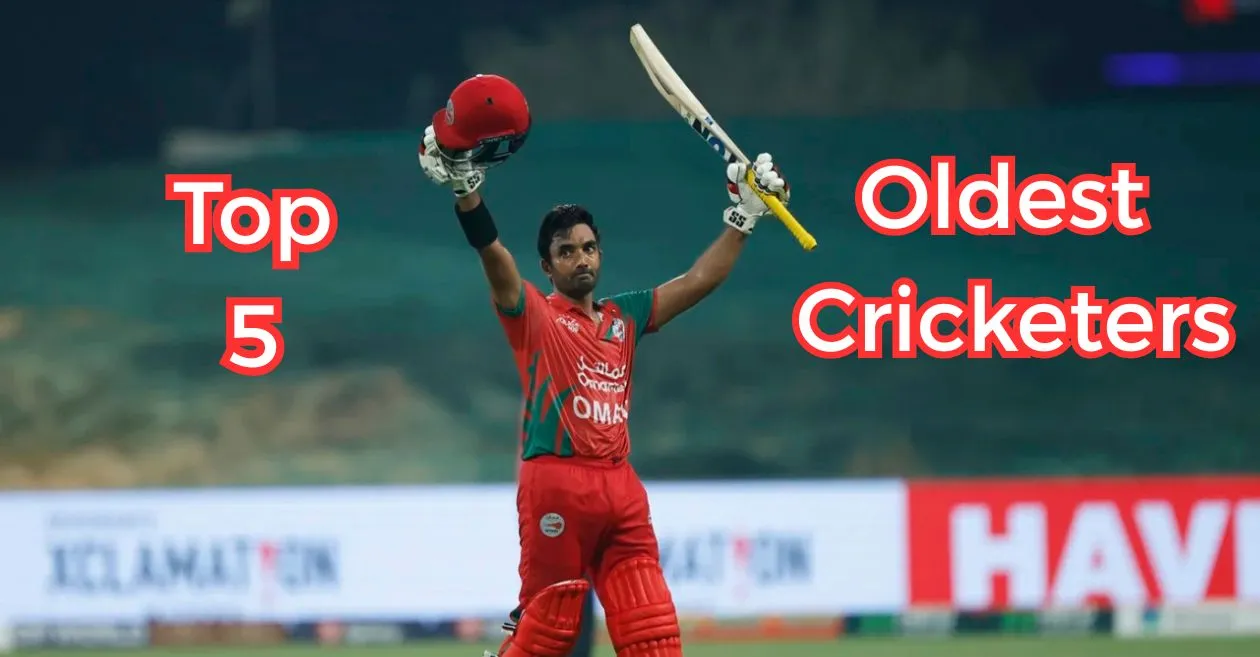
  1. Aamir Kaleem (Oman) – 44 years, 81 days
(Image source: X)

In the 2026 edition of the T20 World Cup, Oman’s Kaleem etched his name into the annals of cricket history. At the age of 44 years and 81 days, he became the oldest player ever to feature in the tournament during a match against Zimbabwe in Colombo. A versatile all-rounder known for his slow left-arm orthodox bowling and gritty batting, Kaleem was a late addition to the squad as an injury replacement. Despite the pressure of the big stage, his inclusion was a testament to his longevity in the Associate circuit. Kaleem, who debuted in 2015, has been a cornerstone of Omani cricket, and his record-breaking appearance at the SSC Ground remains a beacon of hope for veteran cricketers globally.

  1. Ryan Campbell (Hong Kong) – 44 years, 34 days
Ryan Campbell oldest player in t20 world Cup
(Image source: X)

Before Kaleem’s ascent, the record was held by Ryan Campbell, a man whose career trajectory was as unique as his batting style. Campbell originally played for Australia in the early 2000s, famously known for being the man who pioneered the “scoop” shot. However, it was with Hong Kong in the 2016 T20 World Cup that he made history. At 44 years and 34 days, Campbell opened the batting against Scotland in Nagpur. His transition from an Australian international to a veteran leader for Hong Kong remains one of the most heartwarming stories in cricket. His presence provided invaluable experience to a growing Hong Kong side, proving that tactical brilliance is timeless.

Also READ: Top 5 Associate Nations with most wins in T20 World Cup ft. Netherlands 

  1. Frank Nsubuga (Uganda) – 43 years, 285 days
Frank Nsubuga oldest player in t20 world Cup
(Image source: X)

Uganda’s Frank Nsubuga is the definition of a cult hero in Associate cricket. Making his appearance in the 2024 T20 World Cup at the age of 43, Nsubuga didn’t just show up; he dominated. During Uganda’s historic first-ever World Cup win against Papua New Guinea, Nsubuga delivered one of the most economical spells in the tournament’s history, conceding just 4 runs in his 4 overs while picking up 2 wickets. Having played for Uganda since 2001, Nsubuga’s journey spanned over two decades of the country’s cricketing evolution. His fitness levels, often attributed to a lifelong commitment to a healthy lifestyle, allowed him to compete with players half his age.

  1. Brad Hogg (Australia) – 43 years, 45 days
Brad Hogg oldest player in T20 world cups
(Image source: X)

Brad Hogg is perhaps the most famous name on this list, representing a full member nation at an age when most players have long since moved into the commentary box. The left-arm chinaman bowler had retired from international cricket in 2008, only to make a sensational comeback through the Big Bash League. His performances were so potent that he was recalled to the Australian national side for the 2014 T20 World Cup in Bangladesh. At 43 years and 45 days, his last appearance came against Pakistan. Hogg’s trademark tongue-poking delivery stride and infectious energy made him a fan favorite, and his 100+ T20 wickets after the age of 40 remain a staggering statistical feat.

  1. Khurram Khan (UAE) – 42 years, 273 days
Khurram Khan oldest players in t20 world cup
(Image source: X)

Khurram Khan is widely regarded as the greatest cricketer to ever represent the United Arab Emirates. A prolific left-handed batter and a reliable left-arm spinner, Khurram led the UAE into the 2014 T20 World Cup. At 42 years and 273 days, he faced Zimbabwe in Sylhet, showcasing the same elegance that had defined his decade-long career. Interestingly, Khurram balanced his cricket career while working a full-time job as a flight purser for Emirates Airlines. His ability to perform at the elite level while managing professional commitments made him an inspiration for amateur and associate cricketers alike.

Also READ: Top 5 lowest totals in ICC Men’s T20 World Cup history


Source link

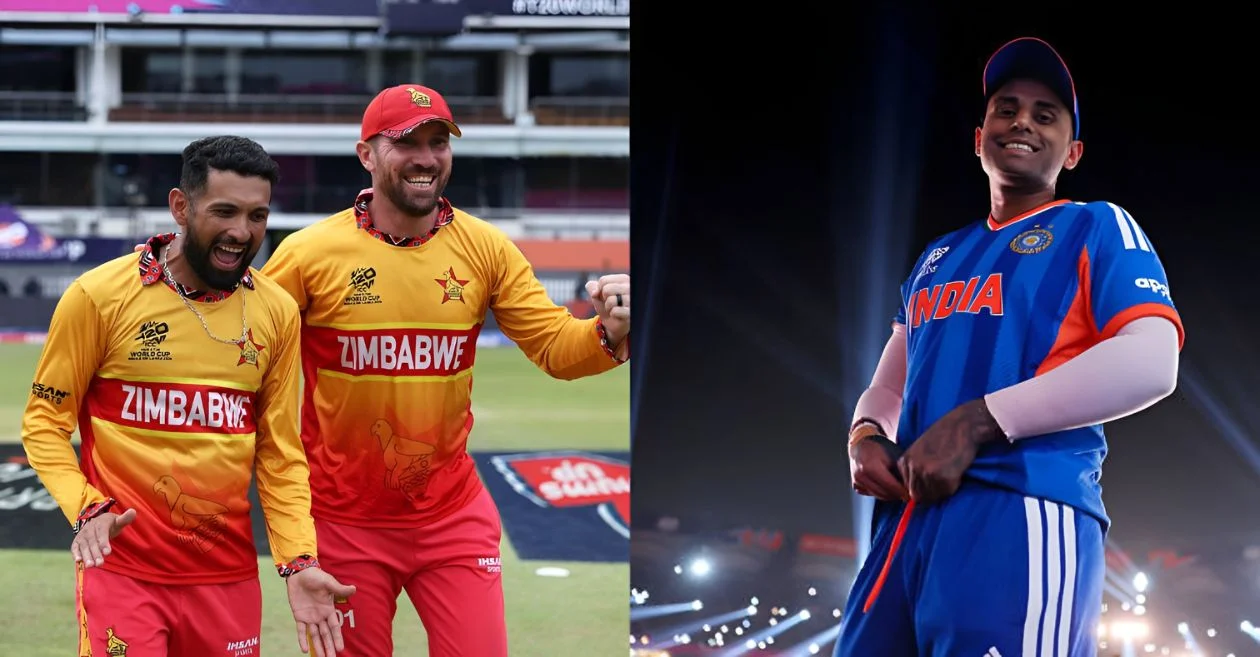
The ‘Zimbabwe Prophecy’: Why history says Suryakumar Yadav’s India will lift the T20 World Cup 2026?


As the dust settles on Zimbabwe‘s monumental 23-run victory over Australia at the R. Premadasa Stadium in T20 World Cup 2026 on Friday, a startling historical coincidence has gripped the cricketing world. While Zimbabwe are celebrating their clinical dismantling of the world’s number two side, Indian fans are pointing toward a ‘history loop’ that has accurately predicted every major Indian World Cup victory for over four decades.

Why history indicates Suryakumar Yadav’s India will win T20 World Cup 2026?

The statistical anomaly began in 1983, when Zimbabwe, playing their first-ever ODI, shocked the mighty Australians at Trent Bridge by 13 runs. Later that same month, India famously defeated the West Indies at Lord’s to claim their first-ever World Cup. This “Prophecy” resurfaced 24 years later during the inaugural T20 World Cup 2007 in South Africa.

In their opening fixture, Zimbabwe chased down Australia’s target with one ball to spare, sparking a tournament that ended with MS Dhoni hoisting the inaugural T20 trophy in Johannesburg. Now, in 2026, the third chapter has been written. Zimbabwe’s defense of 169 in Colombo, led by Blessing Muzarabani’s 4/17, has not only pushed Australia to the brink of elimination but has reignited the legend of the ‘Zimbabwean Jinx.’ As entrepreneur Ramesh Srivats noted on social media, the pattern is undeniable:

“1983 ODI World Cup: Zimbabwe beats Australia. India wins. 2007 World T20: Zimbabwe beats Australia. India wins. 2026 T20 World Cup: Zimbabwe beats Australia. Complete the sentence…”

The fact that Zimbabwe holds a 100% win record against Australia in T20 World Cup history (2 wins in 2 matches) adds a layer of mystical superiority that seems to serve as the ultimate omen for an Indian triumph.

The pattern is as simple as it is eerie: every single time Zimbabwe defeats Australia in a World Cup, India goes on to lift the trophy. This rare feat has only occurred twice before, in 1983 and 2007, leading many to believe that the stars have officially aligned for Suryakumar Yadav to join the elite company of Kapil Dev, MS Dhoni and Rohit Sharma.

Also READ: Mohammad Amir mocks unwell Abhishek Sharma ahead of IND vs PAK T20 World Cup 2026 clash
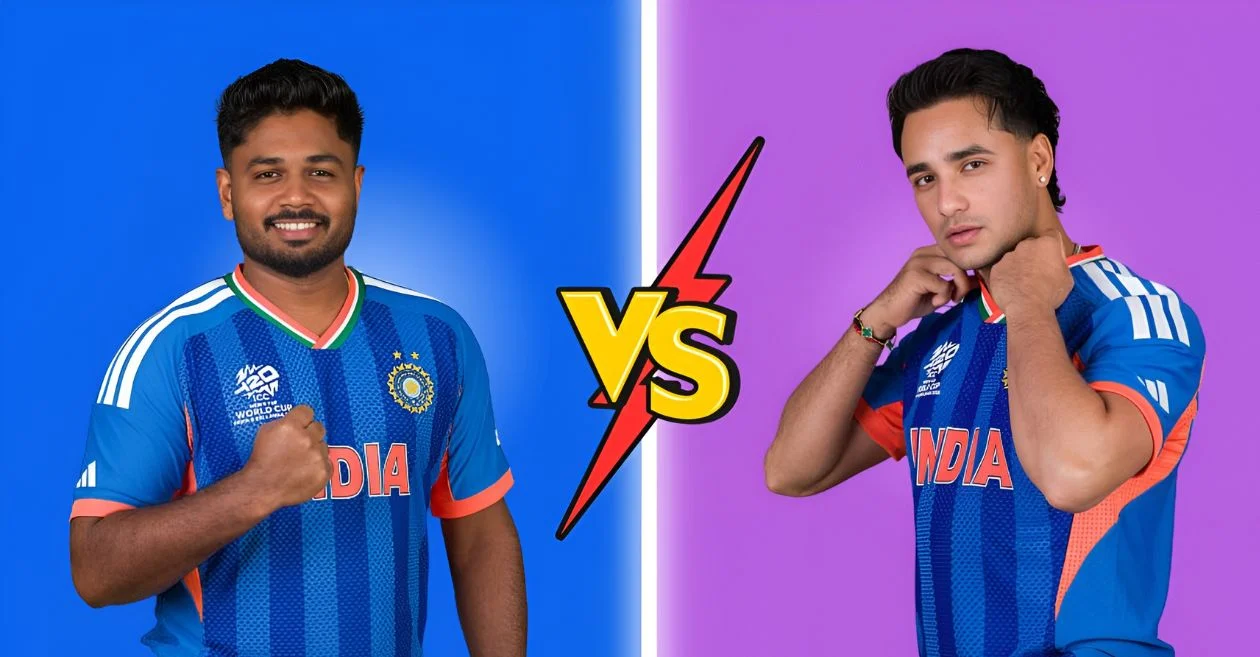
T20 World Cup 2026: India’s dominance and Australia’s desperation

Beyond the realm of superstition, the on-field reality for the “Men in Blue” is equally formidable. India currently sits comfortably at the top of Group A with two clinical wins over the USA and Namibia, boasting a tournament-high Net Run Rate of +3.050. Under the aggressive leadership of Suryakumar Yadav, the squad has displayed a balanced lethality, with Hardik Pandya firing as a true all-rounder and Varun Chakravarthy spinning webs around opposition batters.

Meanwhile, the Zimbabwe-Australia result has turned Group B into a graveyard for favorites. Australia, missing the likes of Pat Cummins and Josh Hazlewood for the first time in 15 years, now faces a ‘virtual knockout’ against co-hosts Sri Lanka on February 16. While Pakistan fans hope to break the loop at the R. Premadasa this Sunday, the momentum is firmly with the defending champions. For India, the path to the March 8 Final in Ahmedabad is no longer just about their formidable 15-man squad; they are now backed by a 43-year-old historical ‘prophecy’ that has never been wrong.

India’s Performance in World Cups

Year The Catalyst (ZIM vs AUS) India’s Captain India’s Final Result
1983 Zimbabwe won by 13 runs Kapil Dev Champions
2007 Zimbabwe won by 5 wickets MS Dhoni Champions
2026 Zimbabwe won by 23 runs Suryakumar Yadav TBD (March 8)

Also READ: T20 World Cup 2026: Sunil Gavaskar highlights technical flaw in Sanju Samson’s batting ahead of Pakistan showdown


Source link

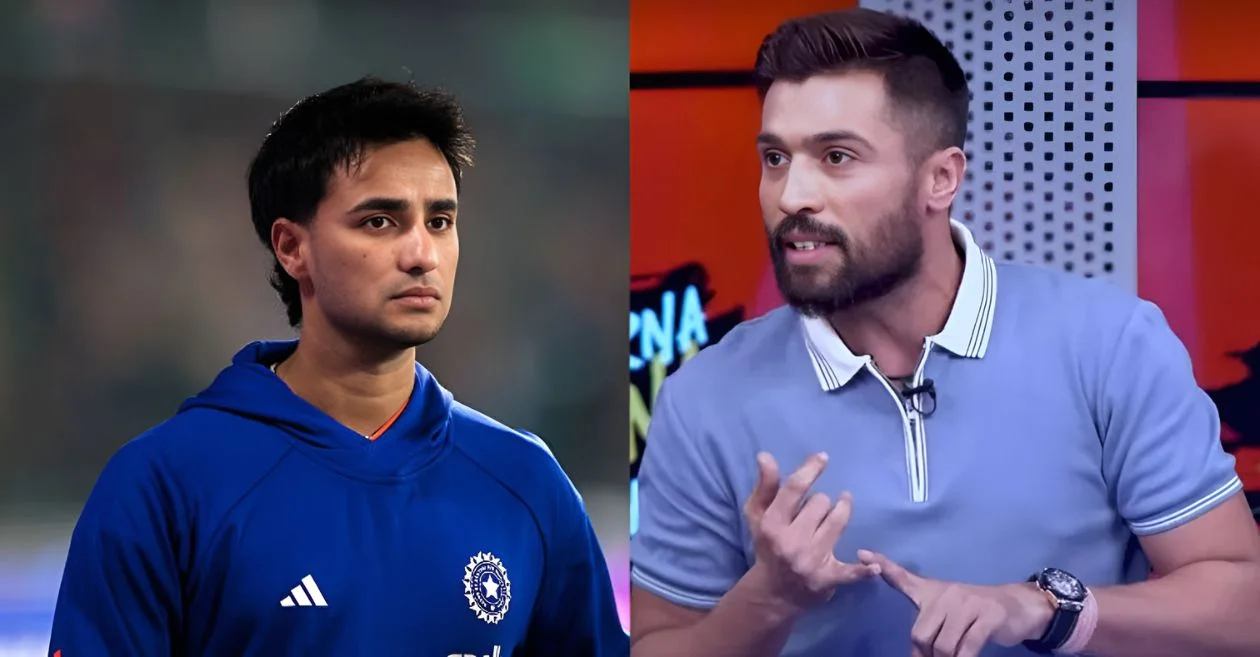
Mohammad Amir mocks unwell Abhishek Sharma ahead of IND vs PAK T20 World Cup 2026 clash


As the high-stakes India-Pakistan T20 World Cup 2026 clash looms on the horizon, the cricketing world has been ignited by a war of words between a former legend and one of India’s rising stars. The drama surrounding Abhishek Sharma has intensified, with the young opener battling a severe health crisis while facing scathing public criticism from across the border. While India’s medical team works around the clock to get their primary power-hitter match-ready for Sunday in Colombo, the psychological warfare has already begun.

Mohammad Amir takes a dig at unwell Abhishek Sharma before IND vs PAK T20 World Cup 2026 match

Former Pakistan pacer Mohammad Amir has sparked a massive controversy by labeling India’s top-ranked T20 batter, Abhishek Sharma, as nothing more than a ‘slogger’ ahead of the blockbuster showdown. Speaking on the Pakistan talk show ‘Haarna Mana Hai’ on February 13, 2026, Amir questioned Abhishek’s technical foundation, claiming that the 25-year-old lacks the ability to tackle swinging deliveries and is prone to frequent failure. Amir’s comments were direct and provocative, aimed at unsettling the youngster during his recovery period:

“By whatever little I have seen, if you ask me honestly, I feel he is just a slogger… I don’t think he is technically sound. He just stands there and wants all balls to be bowled in a particular area. I will consider him a proper batter only when I see that the ball is swinging even slightly and he tackles it well.” Amir said.

Amir went even further by offering a tactical blueprint for Pakistani bowlers, suggesting that the best way to dismiss Abhishek is to target his body and use slower variations, as he believes the batter lacks the patience and technique for elite-level swing bowling. These remarks have drawn sharp reactions from Indian fans, who pointed to Abhishek’s staggering career strike rate of nearly 200 and his ability to dismantle world-class attacks as evidence of his unique talent.

Also READ: REVEALED: Pakistan’s key weapon Usman Tariq’s MS Dhoni connection ahead of T20 World Cup 2026 clash vs India

Indian skipper Suryakumar Yadav provides update on Abhishek’s health 

On the medical front, Abhishek Sharma is currently in a desperate race against time after a severe stomach infection saw him lose 2kg of weight and undergo hospitalisation earlier this week. In a candid video shared by teammate Arshdeep Singh, a visibly leaner Abhishek revealed the physical toll of the illness, which began after he consumed something in Mumbai on February 6. The infection, aggravated by a sudden weather shift in Delhi and high fever, resulted in significant fluid loss. The messaging from the Indian leadership has been mixed, creating a cloud of uncertainty over his availability for Sunday’s marquee clash at the R. Premadasa Stadium:

Abhishek isn’t fine still, might take one or two games,” India captain Suryakumar Yadav stated cautiously at the toss against Namibia, hinting that the opener might be rested for the Pakistan game to ensure long-term fitness.

However, teammate Varun Chakravarthy provided a more optimistic update following India’s victory in Delhi:

“As far as I have spoken to him he looks good, he did some practice today also. He told me he is on the way.”

Abhishek has officially traveled with the squad to Colombo, where he will undergo a final endurance and strength test. While the “slogger” insults from Amir have spiced up the pre-match narrative, the real battle remains whether Abhishek can regain the 2kg of lost muscle and the match-stamina required to face Pakistan’s high-velocity attack on Sunday.

Also READ: ‘Extra pressure on them’: Usman Tariq reveals his bowling plans ahead of Pakistan’s T20 World Cup 2026 clash with India


Source link

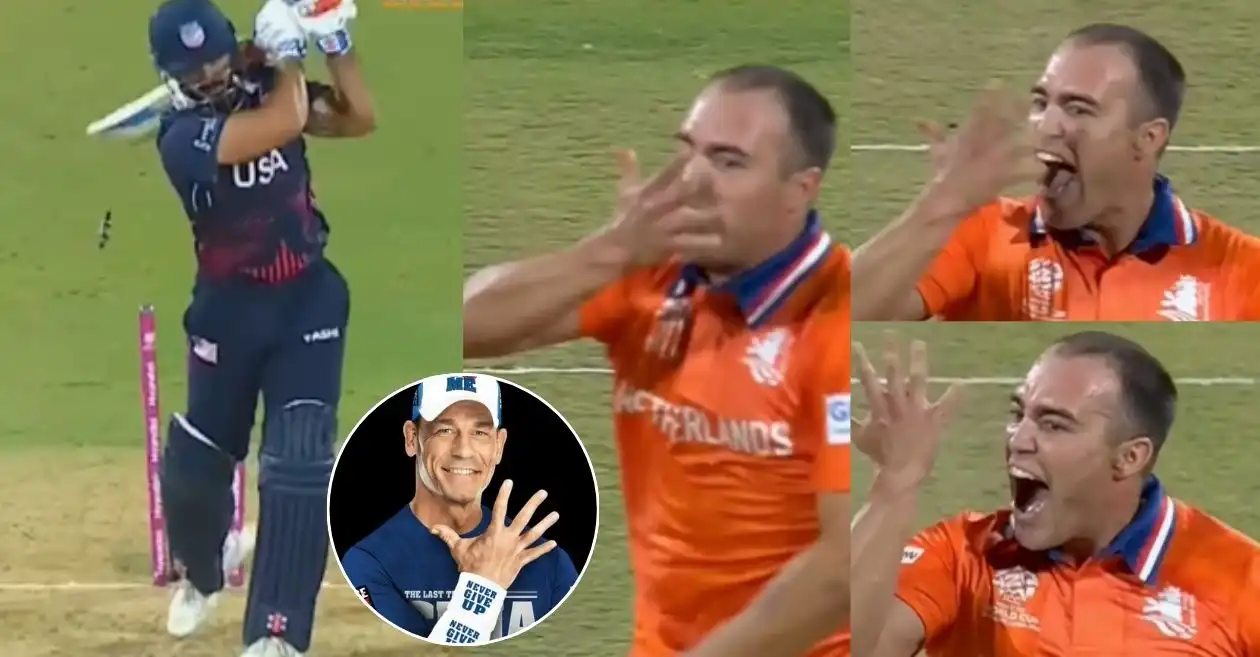
WATCH: Kyle Klein does a John Cena after dismissing Shayan Jahangir in USA vs NED T20 World Cup 2026 clash


The ICC Men’s T20 World Cup 2026 witnessed a dramatic early breakthrough when Netherlands pacer Kyle Klein produced a fiery moment that quickly went viral. During the USA vs Netherlands clash, Klein dismissed Shayan Jahangir with a peach of a delivery and followed it up with a ‘You can’t see me’ celebration — famously associated with WWE superstar John Cena. The animated send-off added extra spice to an already intense contest.

Kyle Klein’s iconic John Cena celebration after removing Shayan Jahangir

The moment came on the fifth ball of the third over. Charging in with rhythm, Klein bowled a 132.9 kph delivery that was fuller than a length and angled into the right-hander. There appeared to be just a hint of movement off the surface, enough to create uncertainty.

Jahangir, looking to break free, planted his feet and attempted an ambitious cross-batted swing. However, his feet remained cemented to the crease and the bat came down too late. The ball beat him on the outside edge and crashed into the stumps, sending the bails flying. It was a classic fast-bowler’s dismissal — pace, angle, and precision combining perfectly.

As the stumps lit up, Klein turned towards the batter and performed the iconic ‘You can’t see me’ hand gesture, reminiscent of Cena’s trademark move. The celebration instantly grabbed attention from fans and commentators alike, adding theatre to the contest.

Here’s the video:

Also READ: Fans erupt as Blessing Muzarabani’s bowling brilliance propel Zimbabwe to historic win over Australia in T20 World Cup 2026

USA recover to post commanding total

Despite the early setback, USA recovered brilliantly to put up a formidable total of 196/6 in their 20 overs. The innings was anchored by a splendid knock from Saiteja Mukkamalla, who played with maturity and flair.

Mukkamalla smashed 79 off 51 deliveries, striking five boundaries and four towering sixes. He paced his innings expertly, accelerating through the middle overs and keeping the scoreboard ticking under pressure. His ability to find gaps and clear the ropes at crucial junctures gave USA the momentum they needed.

Adding late fireworks was Shubham Ranjane, who delivered a powerful unbeaten cameo. Ranjane hammered 48 off just 24 balls, including three fours and two sixes. His calculated aggression in the death overs ensured USA finished strongly, turning a competitive score into a daunting one.

Bas de Leede leads Dutch bowling effort

For the Netherlands, Bas de Leede emerged as the standout bowler. The all-rounder picked up 3 wickets for 37 runs in his four overs, providing crucial breakthroughs at important stages of the innings. His variations and control kept the American batters in check whenever partnerships threatened to grow too large.

However, the Dutch bowlers struggled collectively to contain USA’s aggressive approach, especially in the final five overs where the run rate surged dramatically.

Also READ: T20 World Cup 2026: Junaid Siddique, Aryansh Sharma sizzle in UAE’s thrilling win over Canada


Source link

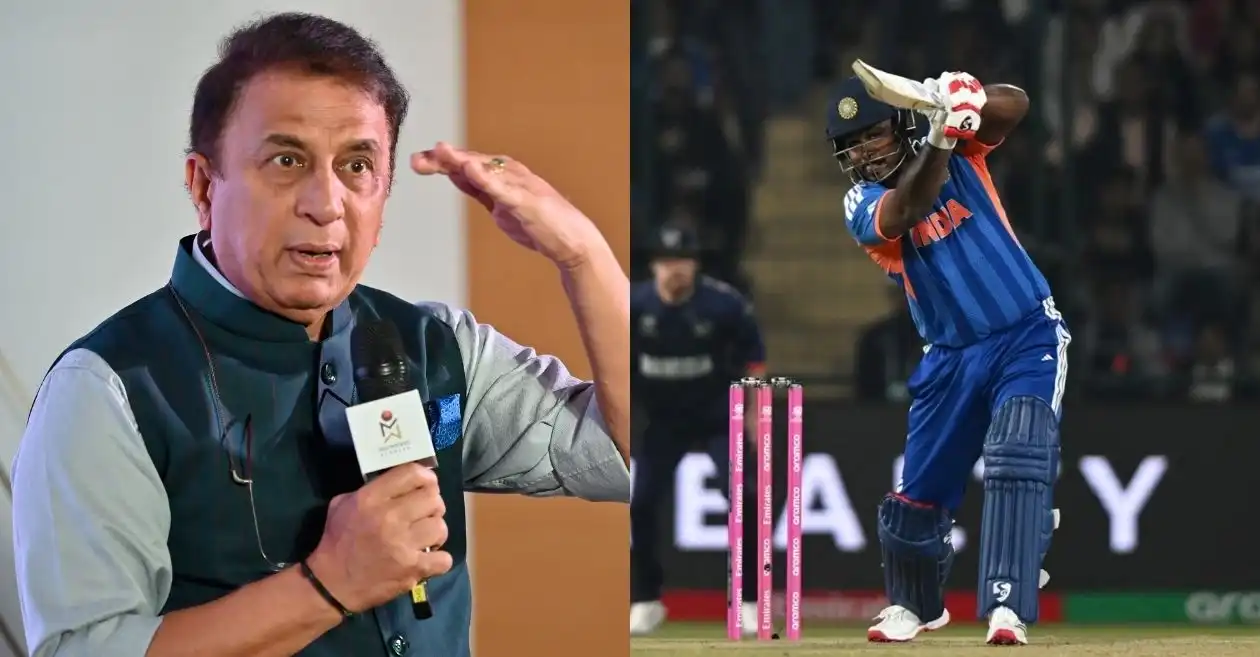
T20 World Cup 2026: Sunil Gavaskar highlights technical flaw in Sanju Samson’s batting ahead of Pakistan showdown


As India gear up for their high-voltage T20 World Cup 2026 showdown against Pakistan in Colombo on 15 February, legendary former captain Sunil Gavaskar has offered a candid assessment of Sanju Samson‘s ongoing struggles with the bat.

Following India’s commanding 93-run victory over Namibia, Gavaskar suggested that Samson is battling a technical issue that has repeatedly cost him his wicket — particularly when opening the innings against the new ball. While Samson’s cameo of 22 off just eight deliveries showcased his flair, it also highlighted the very flaw that continues to hold him back.

Explosive start but a familiar ending for Sanju Samson in Namibia clash

With Abhishek Sharma sidelined due to illness, Samson was promoted back to the opening slot alongside Ishan Kishan. The opportunity was rare — and Samson seized it with aggressive intent. He wasted no time announcing himself, launching left-arm pacer Ruben Trumpelmann for a towering six in the very first over. The fireworks continued in the next over when he dismantled Ben Shikongo, smashing two consecutive sixes over deep fine leg, followed by a stylish cover drive. In a flash, Samson had raced to 22 and looked poised for something substantial.

However, attempting to flick a slower delivery from Shikongo on the final ball of the second over, Samson was caught at deep mid-wicket. Replays revealed a familiar pattern — his back leg rooted deep inside the crease, preventing full commitment forward and leaving him slightly off balance.

It was a dismissal that mirrored his recent struggles, including a modest return of 46 runs in the five-match T20I series against New Zealand last month.

Also READ: Explained: Gerhard Erasmus-Rod Tucker dead ball controversy during India vs Namibia T20 World Cup 2026 clash

Sunil Gavaskar flags technical flaw in Samson’s batting ahead of Pakistan clash

Speaking after the match, Gavaskar pointed out that Samson tends to stay too deep in the crease while attempting the flick shot, reducing his control and balance.

“Sanju Samson has a technical problem. He goes too deep into the crease and plays that flick shot. You can only hope he times it into the gap or that it goes for six,” Gavaskar told JioHotstar.

Gavaskar acknowledged that Namibia’s bowlers were tactically sharp, setting a field designed specifically to exploit Samson’s preferred scoring areas. The batting great stressed that if Samson retains his place for the blockbuster encounter against Pakistan, patience will be key.

“Namibia were clever with their field placements. They set a field specifically to get Samson out. But it was good that he played some nice shots — that must have given him confidence. He needs to make improvements, especially when he opens against the new ball. If he plays the next match against Pakistan, he needs to spend more time at the crease,” added Gavaskar.

Also WATCH: T20 World Cup 2026 – Suryakumar Yadav holds back security to let fan in Virat Kohli jersey meet Hardik Pandya during IND vs NAM match


Source link

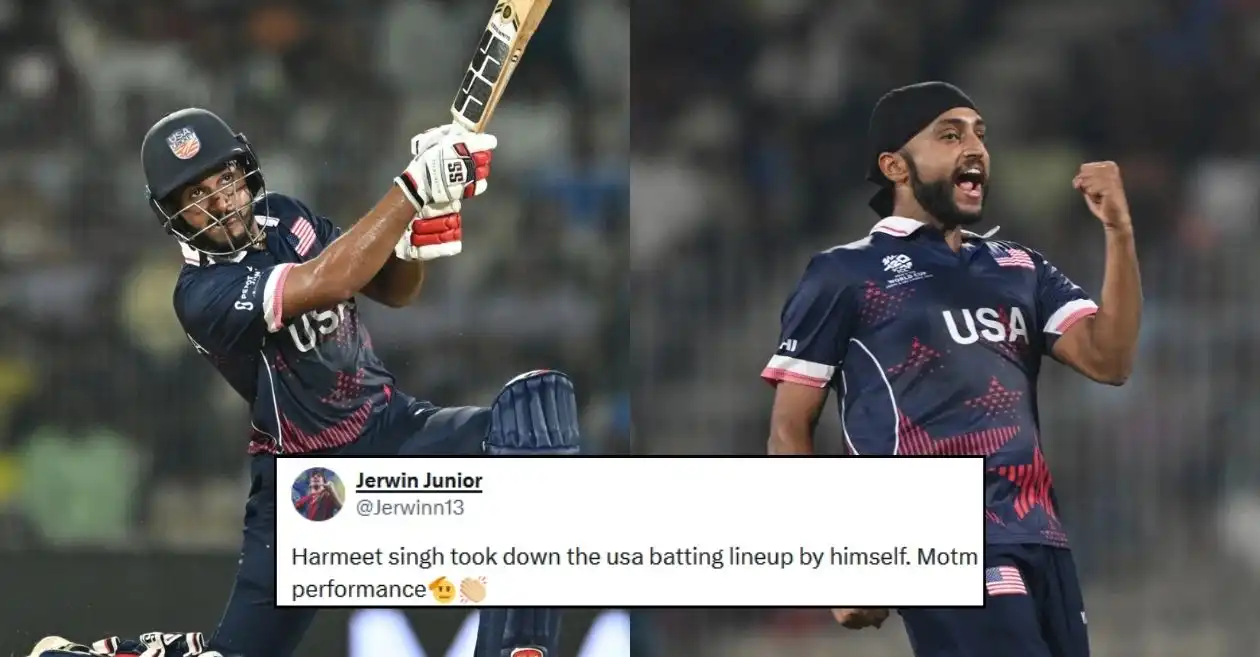
Fans erupt as Saiteja Mukkamalla, Harmeet Singh lead USA to emphatic win over Netherlands in T20 World Cup 2026


The ICC Men’s T20 World Cup 2026 witnessed a one-sided contest at the MA Chidambaram Stadium as the United States of America (USA) hammered Netherlands by 93 runs in the 21st Match of Group A. After posting an imposing 196/6 in 20 overs, the USA bowlers dismantled the Dutch batting line-up for just 103 in 15.5 overs, registering one of their most comprehensive victories in the tournament.

Saiteja Mukkamalla, Shubham Ranjane lead USA to a massive total

Put in to bat after Netherlands elected to bowl, USA began positively through Monank Patel and Shayan Jahangir. Monank struck a brisk 36 off 22 deliveries, lacing his innings with three fours and a six, while Jahangir added 20 off 14 balls with two maximums to keep the momentum intact during the powerplay.

The innings, however, was anchored brilliantly by Saiteja Mukkamalla. The stylish batter produced a commanding knock of 79 off 51 balls, smashing five boundaries and four sixes. He paced his innings smartly, rotating strike in the middle overs before accelerating at the death. Shubham Ranjane provided the late flourish with a powerful 48 off just 24 deliveries, including three fours and two sixes, pushing USA close to the 200-run mark.

For Netherlands, Bas de Leede was the standout bowler, picking up 3 wickets for 37 runs in his four overs. Logan van Beek and Kyle Klein chipped in with one wicket each, but the Dutch attack struggled to contain the flow of runs on a batting-friendly surface.

Also READ: Fans erupt as Blessing Muzarabani’s bowling brilliance propel Zimbabwe to historic win over Australia in T20 World Cup 2026

Harmeet Singh leads ruthless bowling effort

Chasing 197, Netherlands never found stability. Michael Levitt fell early for 3, and although Max O’Dowd and De Leede attempted to rebuild, regular wickets derailed their pursuit. De Leede top-scored with 23 off 17 balls, while captain Scott Edwards managed 20, but the required rate kept climbing steeply.

The turning point came in the middle overs when Harmeet Singh spun a web around the Dutch batters. The left-arm spinner delivered a match-winning spell of 4 for 21 in his four overs, breaking the backbone of the chase. He was well supported by Shadley van Schalkwyk, who claimed 3 wickets for 21 runs in 2.5 overs, while Nosthush Kenjige and Ali Khan picked up a wicket apiece. Netherlands were eventually bundled out for 103 in 15.5 overs, falling well short of the target.

Here’s how fans reacted:

Also WATCH: Kyle Klein does a John Cena after dismissing Shayan Jahangir in USA vs NED T20 World Cup 2026 clash


Source link