Breaking News
Year’s 1st space mission on January 12 to launch Military satellite, test on-orbit refuelling & more; 1 satellite for Nepal too | India News


Year’s 1st space mission on January 12 to launch Military satellite, test on-orbit refuelling & more; 1 satellite for Nepal too

BENGALURU: India’s first space mission for 2026 will launch a defence satellite built by the Defence Research and Development Organisation (DRDO), a satellite for ministry of external affairs (MEA) to be used by Nepal, test on-orbit refuelling technology of a Bengaluru-based startup, aside from 13 other satellites, including foreign ones from UK, France and Brazil.The launch of PSLV-C62 mission, Isro said, is scheduled for January 12 at 10.17 am from the first launch pad (FLP) of the Satish Dhawan Space Centre (SDSC) in Sriharikota. The main satellite the mission will launch is DRDO’s Anvesha, also called EOS-N1.EOS-N1 is designed to provide the Indian military with advanced, unprecedented surveillance advantages over adversaries. The hyperspectral imaging payload can analyse light in hundreds of wavelengths to identify the materials an object is made of, a capability beyond the human eye.While this satellite is expected to bridge the gap in strategic surveillance to some degree, the mission will also launch AyulSAT, built by Bengaluru’s OrbitAID Aerospace, which if successful will be the first step towards India demonstrating the crucial on-orbit refuelling technology which will have far-reaching benefits.OrbitAID founder and CEO Sakthikumar Ramachandran terms AayulSAT more than a mission. “…It’s the foundation of the on-orbit economy,” he says, while the company says: “Years from now, this won’t be remembered as a launch but as the moment India made space serviceable. From India to the world!”A third important satellite will be Munal, built by Nepal’s Antharkshya Pratishtan with help from India’s ministry of external affairs (MEA). It is intended to carry an Earth observation payload to support environmental monitoring and capacity building, marking another step in Nepal’s entry into space-based applications.

13 More Satellites

Aside from these three, the mission will put into orbit 13 more satellites, including five — CGUSAT, DSUSAT, MOI-1, LACHIT and DR-1 — by Indian startup Dhruva Space. They will demonstrate or validate multiple technologies, including indigenous satellite bus capabilities and subsystems, communication and payload subsystems in low Earth orbit, multi-payload integration and operational performance of larger CubeSat platforms, basic satellite operations and communication links, etc.Foreign satellites on the mission include five satellites by Brazil’s AlltoSpace, Theos-2 from SSTL, UK, and KID Capsule by RIDE, France. The five satellites from Brazil are EduSat, Uaisat, Galaxy Explorer, Orbital Temple, and Aldebaran-1. The last is a CubeSat called Sanskarsat by Laxman Gyanpith, India. All satellites have been contracted through Space PSU NewSpace India Limited (Nsil), the commercial arm of the department of space.


Source link

‘Democratic institutions thrive on trust, not procedure alone’: VP Radhakrishnan | India News


‘Democratic institutions thrive on trust, not procedure alone’: VP Radhakrishnan

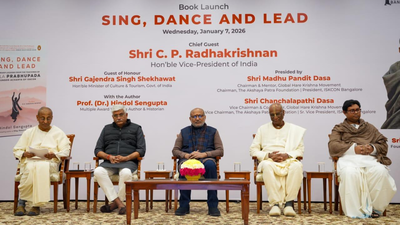
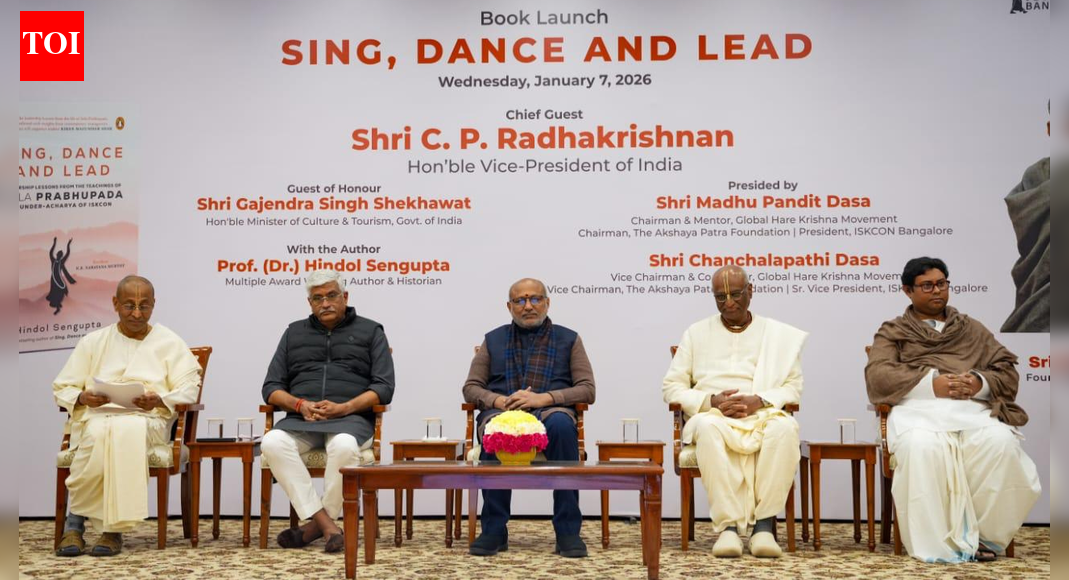
NEW DELHI: Vice President CP Radhakrishnan on Wednesday said that democratic institutions derive their strength from trust and moral responsibility, not from procedures alone.Radhakrishnan was speaking in New Delhi at the release of a book titled, ‘Sing, Dance and Lead: Leadership Lessons from the Life of Srila Prabhupada.’

‘Survived Drowning, Escaped A Bomb Blast, Gave Up Non-Veg’: PM Modi On VP Radhakrishnan’s Early Life

“Leadership, particularly in public life, is the force that shapes society’s direction. Democratic institutions thrive not merely on procedures, but on trust and moral responsibility,” he said.Speaking at the event, the Vice President described the book as a timely reflection on leadership rooted in values rather than authority. “Today’s launch of Sing, Dance and Lead marks a moment of reflection on leadership as a way of life, rooted in values, service, discipline, and joy, rather than authority or power,” he said. Referring to Srila Prabhupada’s life journey, he added, “His leadership proves that nothing is ever too late – only values and effort matter, as demonstrated by his historic journey at the age of 70.”Union minister for culture and tourism Gajendra Singh Shekhawat also attended the event, along with Madhu Pandit Dasa, founder and chairman of The Akshaya Patra Foundation and president of Iskcon Bengaluru, and Chanchalapathi Dasa, vice-chairman and co-founder of The Akshaya Patra Foundation and senior vice president of Iskcon Bengaluru.


Source link

From smart classrooms to skilled youth: How UP rebuilt school education; higher education gets NEP push | India News


From smart classrooms to skilled youth: How UP rebuilt school education; higher education gets NEP push

NEW DELHI: Uttar Pradesh’s education sector has witnessed a far-reaching transformation over the past eight years, marked by expanded digital access, improved infrastructure, higher enrolment, rapid growth in skill education and structural reforms in higher education.Government data indicate that sustained policy focus since 2017 has led to measurable improvements across school, secondary, technical and university education, aligning learning with employability and long-term development goals.

Digital Expansion and Infrastructure Push in School Education

One of the most visible changes has been the expansion of digital education and school infrastructure. Thousands of council schools have been upgraded with smart classrooms, ICT labs and learning resources, reducing the rural–urban digital divide.Key developments include:

  • Smart classrooms established in over 25,000 council schools
  • ICT labs operational in more than 5,800 schools
  • Over 2.6 lakh tablets provided for teachers’ use
  • Nearly 27 per cent increasein schools with computer access in 2023–24 compared to 2015–16

Under Operation Kayakalp, primary and upper primary schools have achieved saturation of basic infrastructure facilities, improving classroom environments and student retention.

Improved Teacher Availability and Learning Conditions

Teacher availability has improved across school levels, contributing to better learning outcomes. Student–teacher ratios have declined in junior basic, senior basic and higher secondary schools, easing classroom pressure and improving teacher engagement.To strengthen staffing further, the government has reformed recruitment processes by abolishing interviews and shifting to written examinations. Since 2017, thousands of teachers have been appointed in government and aided secondary schools, alongside the creation of new teaching posts.

Enrolment Drive and Declining Dropout Rates

Enrolment-focused initiatives such as School Chalo Abhiyan and the Sharda Programme have played a key role in expanding access to education. Nearly four million additional children have been enrolled through these campaigns, accompanied by a significant decline in dropout rates.Under the Sharda Programme alone, 7.77 lakh children were admitted to council schools in 2024–25.Participation under the Right to Education (RTE) Act has expanded sharply:

  • 2016–17: 22,040 children enrolled
  • 2024–25: Over 4.3 lakh children enrolled

The state has reimbursed more than Rs638 crore in fees to unaided recognised schools between 2022–23 and 2024–25 under RTE provisions.

Focus on Girls’ Education and Residential Schooling

Girls’ education has received targeted attention. All 746 Kasturba Gandhi Balika Vidyalayas have been upgraded to provide free residential education up to Class 12 for girls from weaker sections.In addition, new institutions such as Atal Residential Schools (now operational in 18 divisions) and Chief Minister Model Composite Schools are expanding access to quality schooling. With a budgetary provision of around Rs 4,500 crore, 150 model composite schools are being established across districts, offering education from pre-primary to Class 12.

Rapid Expansion of Skill and Technical Education

Skill development has emerged as a central pillar of education reform. The state has recorded rapid growth in technical institutions:

  • 3,310 Industrial Training Institutes (ITIs) have been established since 1947
    • Of these, 668 ITIs were added between 2017 and 2025
  • Polytechnic institutions increased from 526 in 2016–17 to over 2,100 in 2024–25

Training and employment outcomes under the Uttar Pradesh Skill Development Mission have improved substantially. Between 2017–18 and 2023–24:

  • Over 14 lakh youth were trained
  • More than 5.3 lakh youth secured employment

Annual averages during this period nearly doubled compared to pre-2017 years.

Secondary Education Infrastructure and Sports Promotion

The state currently has over 29,000 secondary schools. New government intercolleges and high schools have been established, while hundreds of existing institutions are being upgraded under the Project Alankar scheme with libraries, laboratories, classrooms, drinking water facilities and sports infrastructure.Indoor mini stadiums are being constructed in government intercolleges to promote sports awareness, while ICT labs and Atal Tinkering Labs are expanding hands-on learning.

Higher Education Reforms under NEP 2020

Higher education reforms gained momentum after the implementation of NEP 2020, which Uttar Pradesh began adopting from 2021–22. Multidisciplinary education, credit-based systems, flexible entry-exit options and uniform academic calendars have been introduced across institutions.Digital empowerment has been a key focus:

  • Over 41 lakh students registered under the Academic Bank of Credit
  • Smart classrooms, e-libraries and ERP-based governance systems are implemented across universities and colleges

Quality benchmarks have improved, with more institutions securing NAAC accreditation and representation in national rankings. Paid internships, apprenticeships and mandatory skill courses have strengthened the employability focus.

A Shift Towards Future-Ready Education

From a system once constrained by limited access and weak infrastructure, Uttar Pradesh’s education sector has transitioned towards a digital, skill-oriented and employment-linked framework. Officials say the reforms reflect a long-term effort to align education with innovation, self-reliance and inclusive growth, positioning the state for future demographic and economic challenges.


Source link

Delhi: CM Rekha Gupta hears public grievances during Jan Sunwai; orders time-bound action | India News


Delhi: CM Rekha Gupta hears public grievances during Jan Sunwai; orders time-bound action
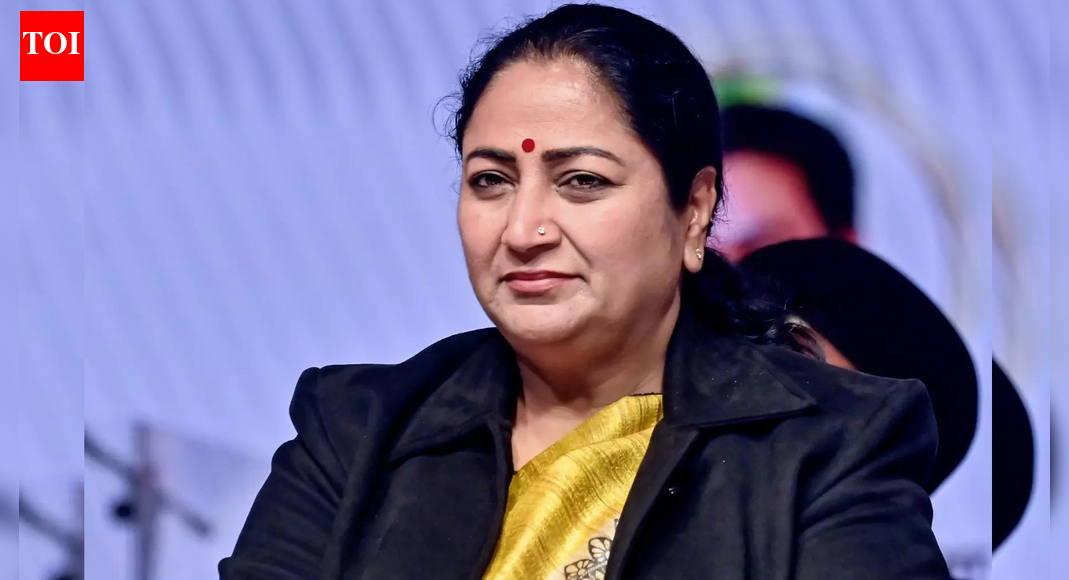
File photo: Delhi CM Rekha Gupta (Picture credit: ANI)

Delhi chief minister Rekha Gupta on Tuesday held a Jan Sunwai at the Chief Minister’s Jan Seva Sadan on Raj Niwas Marg, where residents from different parts of the Capital raised their complaints, concerns and suggestions directly before her.According to an official statement, the chief minister instructed officials from the concerned departments to ensure that the issues flagged during the interaction are addressed within fixed timelines.

Delhi Headlines Today — The Biggest Updates You Need to Know.

She directed departments to follow up on the cases to ensure resolutions are carried through and residents do not face further inconvenience.During the programme, Gupta interacted with citizens one by one and reviewed both new complaints and cases that had been raised earlier. Some residents told CM Gupta that problems highlighted in previous Jan Sunwai sessions had been resolved, and acknowledged the action taken by departments through the grievance redressal mechanism.The event also saw brief interactions between CM Gupta and a group of children who welcomed her with flowers. She spoke with them during the programme and offered her good wishes.In her remarks, Gupta said the Jan Sunwai process allows for direct engagement between the government and the public, helping officials better understand on-ground issues. She said public feedback and suggestions play a role in shaping administrative functioning and decision-making.The CM reiterated that departments must treat grievances seriously and ensure timely solutions. She also stressed the need for accountability, stating that governance should not be limited to policy announcements but should focus on effective implementation through continuous dialogue with citizens.Officials present at the Jan Sunwai were instructed to monitor progress on all complaints received and ensure regular reporting on their status, the statement said.


Source link

Jammu and Kashmir: Encounter breaks out between security forces and terrorists in Kathua; operation under way | India News


Jammu and Kashmir: Encounter breaks out between security forces and terrorists in Kathua; operation under way

NEW DELHI: An encounter broke out between the security forces and terrorists in Kathua, IGP Jammu informed on Wednesday.“SOG Kathua has engaged terrorists in the forest of Kamadh Nullah, Kathua,” he said in a post on X.A terrorist was spotted by local residents around 4 pm at Kamad Nallah in the jurisdiction of the Billawar police station, PTI reported citing sources. The sources said the individual could be the same terrorist who was seen earlier in the morning in the Dhannu Parole area.The encounter began in the evening in Kahog village of Billawar after security forces launched a search operation based on intelligence inputs indicating the presence of two to three terrorists, PTI reported citing officials. They said additional forces have been deployed to the village to track down and eliminate the terrorists


Source link

From Winter to Budget Session: What Parliament carries into 2026 | India News


From Winter to Budget Session: What Parliament carries into 2026

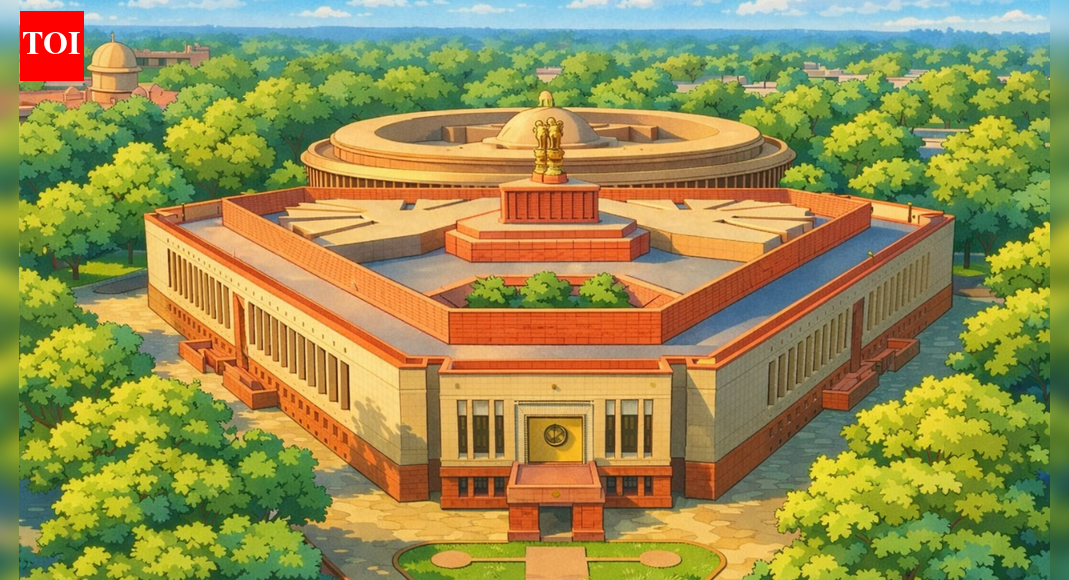
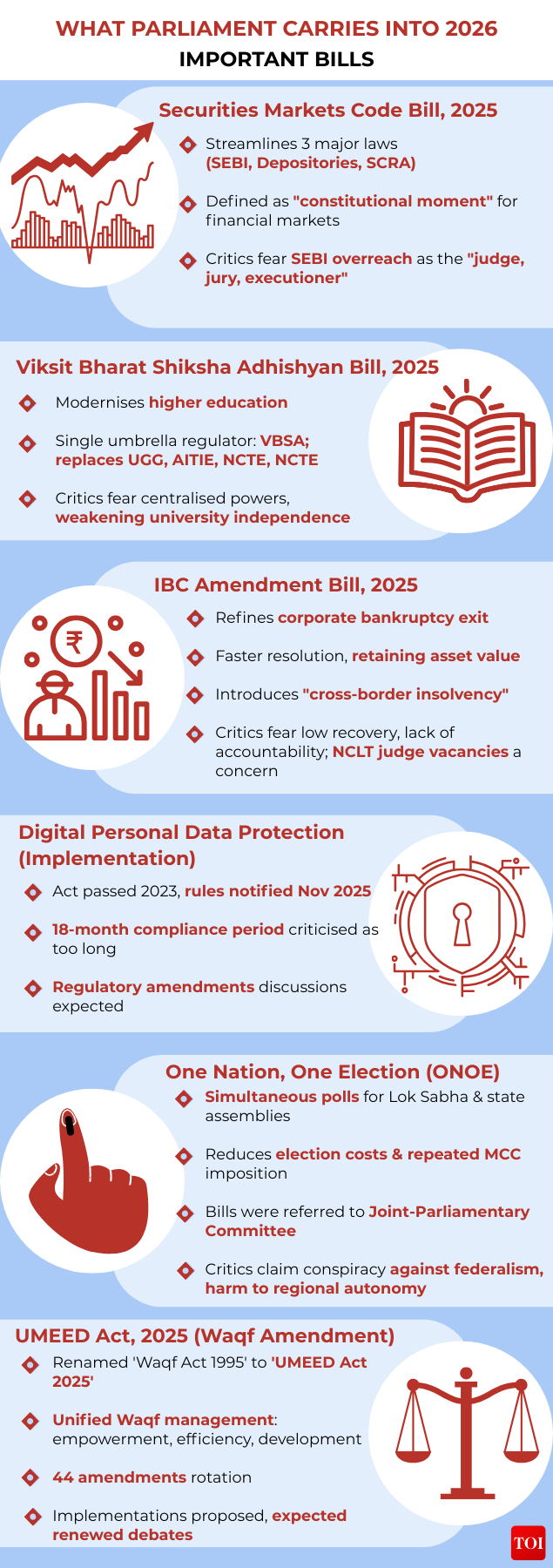
As the dust settles on 2025, Parliament carries forward unfinished business, unresolved disputes,t and reforms still searching for their final shape.The Winter Session restructured key pillars of governance, but several high-stakes bills were deferred, diluted or sent for further scrutiny.The Budget Session of 2026 is expected to move beyond diagnosing problems to implementing solutions — laying out the governing blueprint for the government’s vision of “Viksit Bharat”.With a focus on higher education reforms, electoral synchronisation, capital market restructuring and insolvency resolution, the Budget Session of 2026 sets the stage for high-stakes legislative action.

What carries forward into 2026

While the government pushed through several landmark reforms during the Winter Session, many bills were formally introduced but ran into procedural hurdles.Several were referred to Joint Parliamentary Committees or held back for further refinement, effectively shifting the legislative battleground to the Budget Session of 2026.

Securities Markets Code Bill, 2025

Hailed by the government as a “constitutional moment” for India’s financial markets, the bill seeks to streamline three major laws governing investors and market regulation.For over three decades, investors and companies have navigated three separate laws — the SEBI Act (1992), the Depositories Act (1996) and the Securities Contracts (Regulation) Act (1956).Given its scale and potential impact on trillions of rupees in market wealth, the bill was referred to the Standing Committee on Finance in late 2025 for detailed scrutiny, before it returns to Parliament in 2026.Critics argue that merging these laws risks turning SEBI into “judge, jury and executioner”, with sweeping enforcement powers.The government, however, has argued that unified regulation is essential to reduce overlap, regulatory arbitrage and compliance confusion in a rapidly expanding market.

Insolvency and Bankruptcy Code (IBC) Amendment Bill, 2025

The bill seeks to fine-tune India’s corporate bankruptcy exit framework.The bill aims to make the resolution faster so that companies do not lose the value of their assets during long legal proceedings. It also introduces a “Cross-Border Insolvency” framework to help banks recover money from defaulting companies that have hidden or kept assets in foreign countries.Critics argue that banks take big losses in recovering a very small percentage of the original loans, and that the bill does not hold the big promoters accountable enough.They also highlight the pending judicial cases in the National Company Law Tribunal (NCLT) due to vacant judges’ seats for the proceedings.Opposition has also flagged delays caused by vacancies in the National Company Law Tribunal, arguing that legislative fixes alone cannot address systemic capacity gaps.

One Nation, One Election (ONOE)

The One Nation One Election (ONOE) reform proposes to hold simultaneous elections for the Lok Sabha and State Legislative Assemblies, consolidating the voting process to occur at the same time instead of staggered intervals.The government initiated this plan in late 2024 with the introduction of the Constitution 129th Amendment Bill. While the bill gained majority votes in the Lok Sabha, it was not passed. This is because amending the Constitution requires a special majority where at least two-third of the members present in the House must vote in favour of the bill.The Lok Sabha approved a motion to refer both the two bills that shall pave the way for “one nation one election” to a 39-member Joint Parliamentary Committee. This committee has been granted an extension to submit its report until the first day of the last week of the Budget Session 2026.The primary objective of the bill is to conduct simultaneous elections—initially for the Lok Sabha and State Assemblies, and later potentially for local bodies—to reduce election expenses and prevent the repeated imposition of the Model Code of Conduct.The opposition rejected the bill as a “heinous conspiracy” against federalism, arguing it assaults the Constitution’s basic structure and undermines regional autonomy.

2026 PARLIAMENT EXPECTATIONS

Viksit Bharat Shiksha Adhishthan Bill, 2025

The bill is the main part of the government’s plan to modernise higher education by bringing several regulators under one system.It was introduced in the Lok Sabha on December 15, 2025, and was later sent to a Joint Parliamentary Committee, the report of which is expected to be presented by the last day of the first part of the Budget Session 2026.The bill proposes setting up the Viksit Bharat Shiksha Adhishthan, or VBSA, as a single umbrella regulator, meaning one main authority that will replace UGC, AICTE, and NCTE. The government has described this system as one with fewer controls but strict enforcement, in line with the National Education Policy 2020.The opposition, however, argued that it gives too much power to the Union government and could weaken the independence of universities, especially because the power to give financial grants will shift from the regulators to the ministry.

Digital Personal Data Protection (Implementation)

Although the Digital Personal Data Protection Act was passed in 2023, it came into effect only in late 2025, when the government notified the detailed rules needed to put it into practice.The rules were officially notified on November 14, 2025, after wide public consultation.

Cybercrime Trail in India

With implementation now underway, parliamentary oversight is expected on regulatory amendments, institutional capacity and funding for the Data Protection Board.Also, while the law itself was already in force, civil society groups and opposition voices focused their criticism on the rules, especially the 18-month compliance period, which they felt was too long and delayed real protection.

UMEED Act, 2025 – Waqf (Amendment) Act

One of the most socially and politically sensitive legislations in recent sessions, the bill was first introduced in August 2024 and was swiftly referred to a Joint Parliamentary Committee following widespread protests.The committee, chaired by Jagdambika Pal, submitted its final report in late January 2025 after several contentious meetings. The report recommended mandatory registration of all Waqf properties on a centralised online portal and proposed 44 amendments to the original Waqf Act of 1995.

SC on Waqf

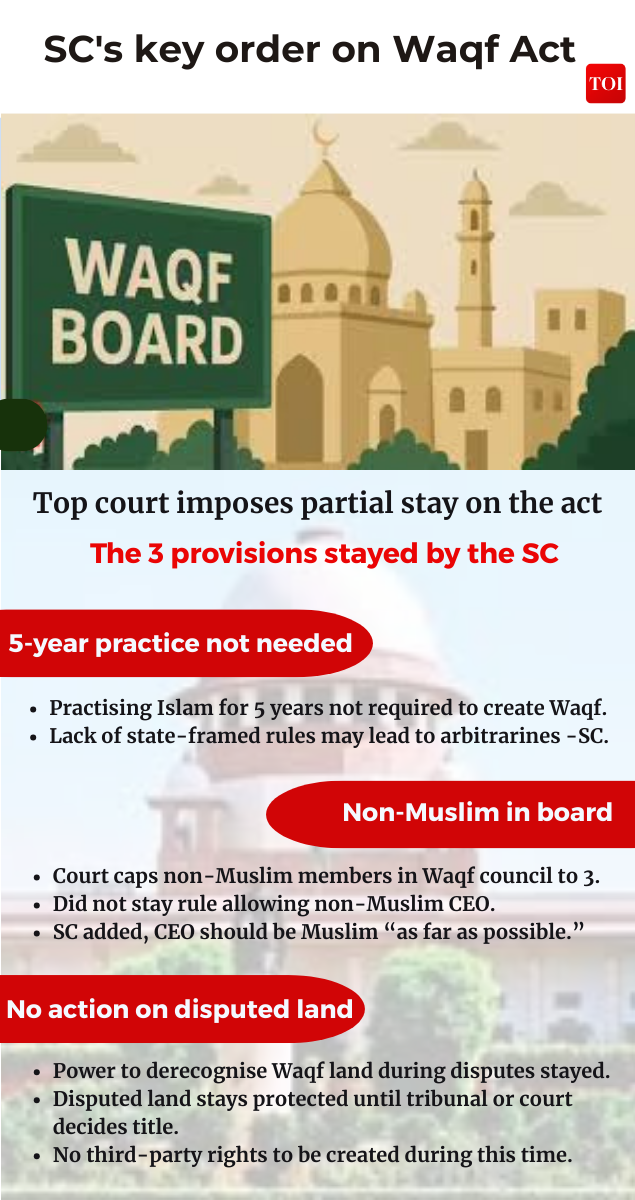
The legislation introduces multiple legal changes, including renaming the Waqf Act as the UMEED Act — the Unified Waqf Management, Empowerment, Efficiency and Development Act, 2025.While the bill is not formally listed on the agenda for the Budget Session of 2026, its implementation, set to begin this year, is expected to trigger renewed uproar.At its core, the legislation seeks to overhaul the governance and management of Waqf properties across the country.

Bills that passed: A session of disruption and overhaul

If Parliament were a 75-year-old house, the 2025 session resembled a noisy renovation. The government did not limit itself to cosmetic changes: labour laws were reworked, nuclear policy rewired, welfare delivery redesigned and decades-old statutes discarded. The result was a modernised legal framework — albeit amid sustained protest.With debates over worker rights, accountability and foreign participation dominating proceedings, the session concluded with several laws passed, but left many political and social questions unresolved as Parliament heads into 2026.

VB–G RAM G Bill, 2025: Welfare reset

Replacing MGNREGA, the VB–G RAM G Bill — Viksit Bharat–Guarantee for Rozgar and Ajeevika Mission (Gramin) — was tabled on December 15, 2025, and passed three days later through a voice vote amid opposition demands for a recorded division.

VBGRAMG

The law increases guaranteed workdays from 100 to 125 annually but introduces fixed, state-wise allocations, replacing MGNREGA’s demand-driven funding model. Critics argue this risks weakening the programme’s role as a distress buffer.The removal of Mahatma Gandhi’s name became a major flashpoint, alongside concerns over the use of AI and biometric attendance systems that could exclude workers in low-connectivity areas.

SHANTI Bill, 2025

Passed by voice vote in both Houses, the SHANTI Bill replaces the Atomic Energy Act (1962) and the Civil Liability for Nuclear Damage Act (2010), allowing private and foreign participation in nuclear power generation.The law grants statutory status to the Atomic Energy Regulatory Board and clears the path for small modular reactors. Opposition parties staged a walkout, objecting to diluted supplier liability provisions and warning that public risk would shift to the state in the event of an accident.

Sabka Bima Sabki Raksha Bill

Passed on December 16, 2025, the bill raises FDI limits in insurance from 74% to 100%, aiming to achieve universal insurance coverage by 2047.While the government argues this will deepen penetration and reduce costs, critics warn of foreign dominance, reduced focus on rural markets and potential pressure on domestic players like LIC.

Health & National Security Cess Bill

Unanimously passed, the bill introduces a capacity-based cess on pan masala manufacturing machinery to fund public health and national security needs.By taxing production capacity rather than declared sales, the law aims to curb under-reporting. Manufacturers, however, argue the model is inflexible, especially during machinery downtime, while opposition parties flagged concerns over Centre–state fiscal balance.

Repealing and Amending Bill, 2025

Marketed as a clean-up exercise, the bill repeals 71 obsolete laws, some dating back to the 19th century, including the Indian Tramways Act (1886).While the government said this would simplify compliance, the opposition criticised the bulk repeal approach, arguing that several laws enacted as recently as the last decade were removed without adequate scrutiny.

Labour Codes

Though passed earlier, the four labour codes entered operational phase in November 2025, consolidating 29 laws into four frameworks covering wages, social security, industrial relations and workplace safety.The new 50% basic wage rule strengthens retirement benefits but reduces immediate take-home pay. Trade unions argue the codes tilt the balance in favour of employers, while the government maintains they modernise labour regulation for a changing economy.

Spoken but not concluded

Several issues dominated debate without resolution.

Electoral roll revision (SIR)

The opposition accused the Special Intensive Revision exercise in nine states and three UTs of selectively deleting voters. A 10-hour debate ended in deadlock, with no changes to election procedures.

Manipur crisis

Despite repeated demands, Parliament saw no dedicated discussion on Manipur, where President’s Rule remains in place. Political blame-trading replaced consensus on a peace roadmap.

Air pollution

Acknowledged as a national health emergency, air quality was debated but left without legislative follow-through or a national clean air framework.As Parliament heads into the Budget Session of 2026, the legislative record of the past year offers both momentum and caution. Several reforms have been passed, others deferred, and many now enter the more difficult phase of implementation. Whether the coming session delivers clarity, consensus and course correction — or repeats the disruptions of 2025 — remains to be seen.

Source link

‘Harboured greatest hatred’: BJP slams Nehru over Somnath temple reconstruction; cites purported letters | India News


'Harboured greatest hatred': BJP slams Nehru over Somnath temple reconstruction; cites purported letters

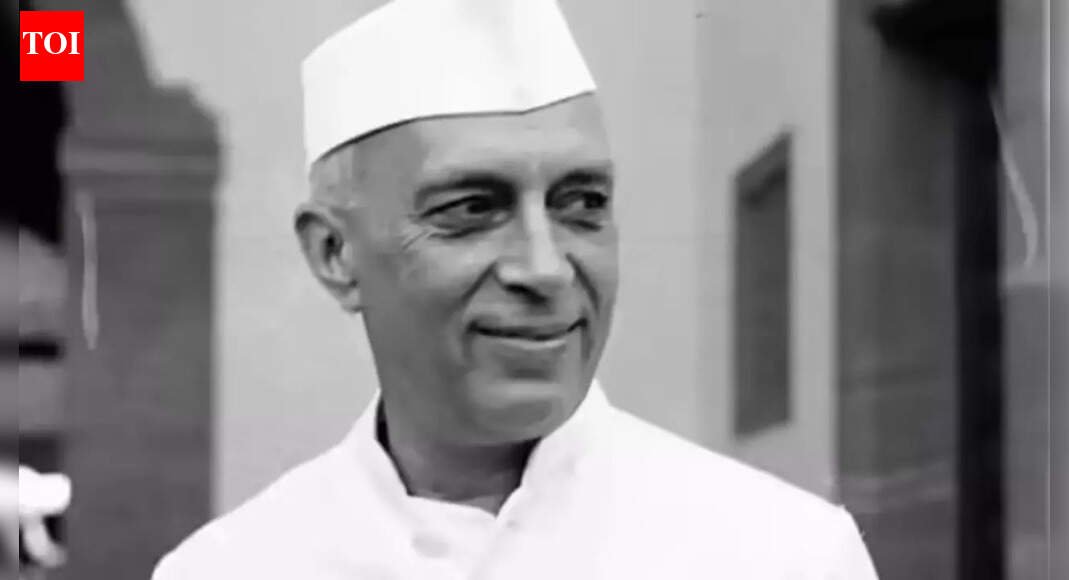
NEW DELHI: Bharatiya Janata Party on Wednesday launched a scathing attack on former Prime Minister Jawaharlal Nehru over the construction of Somnath temple and accused him of “the greatest hatred towards Lord Somnath.” In a series of social media post on X, BJP MP Sudhanshu Trivedi cited numerous letters written by Nehru, claiming that Nehru did not want the Somnath Temple to be restored.“In the past, Somnath was looted by Mahmud of Ghazni and Alauddin Khilji, but in independent India, Pandit Nehru harboured the greatest hatred towards Lord Somnath,” Trivedi said.Trivedi said that Nehru reassured Pakistan’s Prime Minister by dismissing the Somnath narrative, portraying this as a form of external appeasement that prioritised India’s international image over its civilisational and religious symbolism.“The most striking example of this is that on 21 April 1951, Pandit Nehru wrote a letter to Pakistan’s Prime Minister Liaquat Ali Khan, addressing him as “Dear Nawabzada”, in which he described the story of Somnath’s doors as “completely false”. In a way, Pandit Nehru surrendered to Liaquat Ali Khan by writing that nothing like the construction of the Somnath Temple was happening,” Trivedi said.“What, after all, was Pandit Nehru so afraid of in Liaquat Ali Khan that he was writing to him about the Somnath Temple? Instead of confronting Pakistan’s propaganda or defending India’s civilisational memory, Pandit Nehru chose to belittle Hindu historical symbols to please Pakistan and prioritised external appeasement over internal self-confidence,” he added.Trivedi also cited multiple letters in which Nehru played down the temple’s restoration and discouraged participation by the President and other leaders. He added that Nehru also sought to limit the media coverage over the issue and instructed embassies not to assist the Somnath Trust, including requests for water from rivers for the consecration ceremony.“Everyone knows that Pandit Nehru not only wrote letters to cabinet ministers but also to President Dr Rajendra Prasad and Vice President Dr Sarvepalli Radhakrishnan, raising questions about the need for the reconstruction of the Somnath Temple and advising them against attending the inauguration ceremony,” Trivedi said.“But it’s also true that Pandit Nehru wrote to all the Chief Ministers of India—not once, but twice—complaining about the construction of the Somnath Temple and stating that it has damaged India’s image abroad. Not only that, Pandit Nehru wrote to India’s Minister of Information and Broadcasting, RR Diwakar, asking him to reduce coverage of the consecration ceremony of the Somnath Temple, describing the ceremony as ostentatious and even going so far as to say that it was harming India’s image in the world. He also wrote that he was not pleased about the President attending the ceremony,” he added.This comes amidst PM Modi’s scheduled visit to Somnath temple on January 11 to take part in Somnath Swabhiman Parv celebations.The Somnath Swabhiman Parv will be observed from January 8 to January 11, during which a range of programmes highlighting India’s spiritual heritage, cultural pride and social values will be held.


Source link

‘Big conspiracy’: Oppn slams BJP, EC after nearly 3 crore names struck off following SIR in UP; calls for probe | India News


‘Big conspiracy’: Oppn slams BJP, EC after nearly 3 crore names struck off following SIR in UP; calls for probe

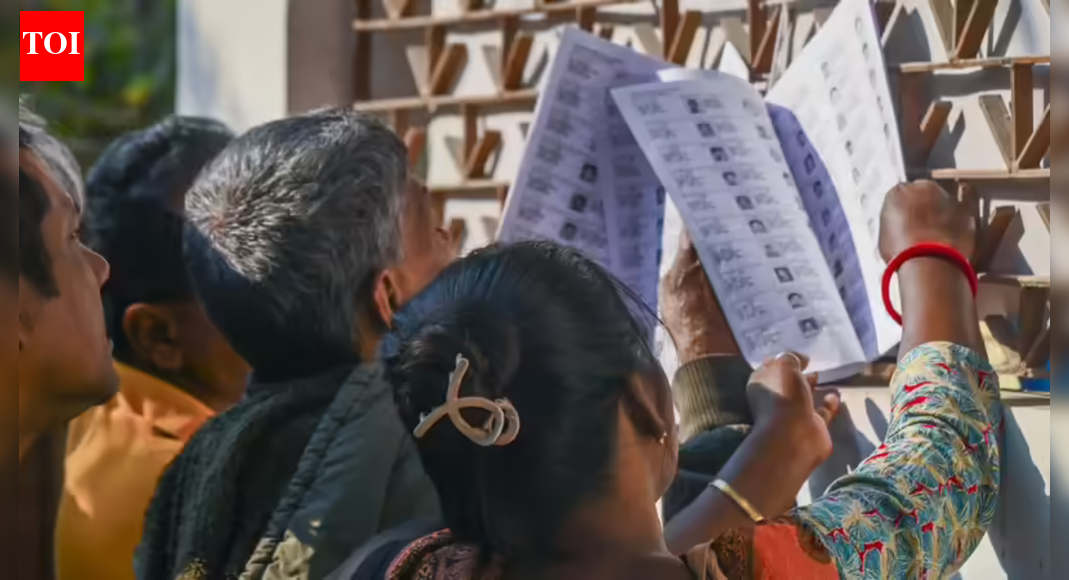
NEW DELHI: The opposition on Wednesday launched a broadside against Election Commission and Bharatiya Janata Party after 2.89 crore electors were deleted from the draft voter list in Uttar Pradesh after special intensive revision.Congress state president Ajay Rai called for an inquiry alleging a “big conspiracy.”“The removal of 2.89 crore voters (from UP SIR draft list) is a matter of inquiry. 1.13 crore forms, which were not returned. This is a big conspiracy, and a probe should be done,” Rai said.

Owaisi Calls SIR a ‘Backdoor NRC’ in Lok Sabha, Warns of Selective Religious Disenfranchisement

Congress MP Pramod Tiwari also attacked BJP and termed the deletion of names from the draft list as “murder of democracy.”“The worry the Congress party had expressed has proved correct. Names of around three crore voters have been removed. This is a murder of democracy,” Tiwari said.“No matter what the BJP does, it is certain that the BJP will be wiped out from UP,” it added.Meanwhile, Samajwadi Party also questioned the role of Election Commission, asserting that it must function impartiallyUttar Pradesh SP chief Shyam Lal Pal alleged irregularities during the recent elections in nine assembly constituencies in the state and said, “Recently, elections were held in nine assembly constituencies in Uttar Pradesh. In those elections, voters were prevented from reaching the polling booths in various ways, sometimes by the police, sometimes by officials, and at several booths, it was even observed that the presiding officers themselves were casting votes at the government’s behest. This is the murder of democracy.”SP leader Fakhrul Hasan Chaand also weighed in on the issue and said that his party would remain vigilant to ensure that PDA (Picchda, Dalit, Alpsankhyak) voters are not excluded from the electoral process.“Samajwadi Party has been doing the work of protecting PDA votes, and we will continue to do so. Samajwadi Party is vigilant on this issue, and we will not let PDA vote be left out,” Chand said.According to the Election Commission, about 2.9 crore electors, making up 18.7% of Uttar Pradesh’s 15.4 crore electorate, have been struck off the state’s draft electoral roll published on Tuesday.UP’s draft electoral roll published following the enumeration phase of SIR-Phase 2 lists over 12.5 crore electors; while deleting 46.2 lakh (2.99%) on account of being deceased; 2.17 crore (14.1%) for having permanently shifted or found untraceable or absent during visits by the booth level officers (BLOs); and 25.5 lakh (1.6%) for being enrolled at multiple places.Addressing the press, UP CEO Navdeep Rinwa said, “The number of enumeration forms we received was approximately 12 crore, 55 lakh. This means that this many people returned the forms signed, indicating that their names should be included in the draft list. There were 46.23 lakh such deceased voters. “There are 2.17 crore voters who have migrated, those who have shifted from their place of residence, who have left the house where they were residing when they registered their name in the voter list, and have permanently moved, or are missing or absent, or could not be found by the BLOs in the field. There were 25.47 lakh voters whose names were registered in more than one place on the voter list. In total, 2.89 crore names were not included in the draft voter list,” Rinwa added.The claims and objections period has been set for January 6, 2026, to February 6, 2026. Any existing or prospective elector may file claims or objections for inclusion of eligible electors or deletion of ineligible names.A total of 403 EROs and 2042 AEROs are in position to scrutinise such cases by February 27, 2026. In addition to that, Additional AEROs have been notified as per the requirement to dispose off the claims and objections, within the prescribed time limit.


Source link

PRAGATI fast-tracks AIIMS push, brings tertiary care closer to heartland | India News


PRAGATI fast-tracks AIIMS push, brings tertiary care closer to heartland

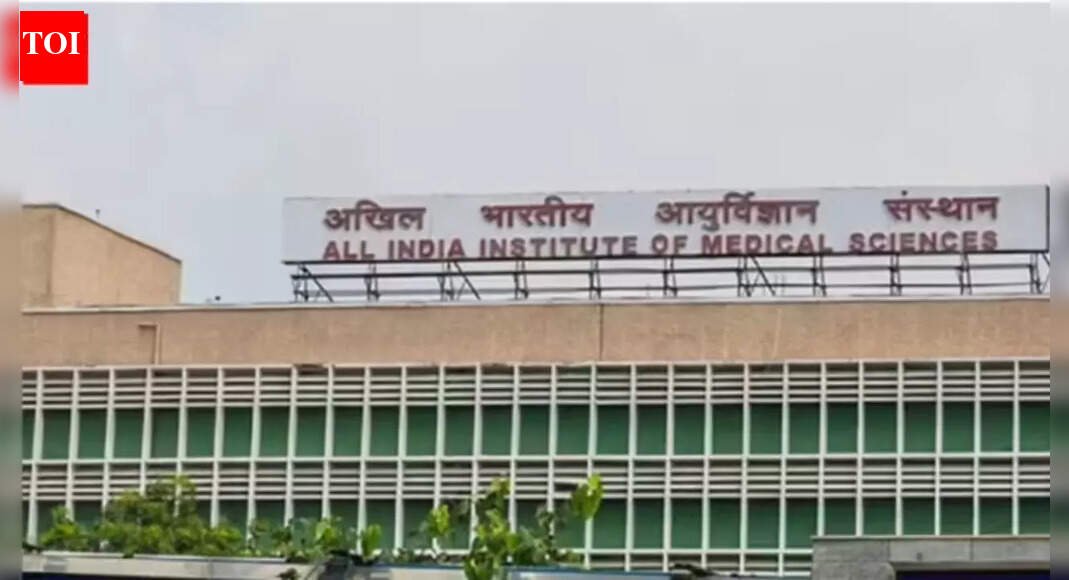
NEW DELHI: Three long-delayed AIIMS projects—in Telangana’s Bibinagar, Assam’s Guwahati and Jammu—have moved decisively from delay to delivery after sustained intervention through the Centre’s PRAGATI platform, underscoring how high-level monitoring is reshaping access to advanced healthcare beyond major metros.Official sources said the projects gathered pace after being taken up on PRAGATI (Pro-Active Governance and Timely Implementation), a digital monitoring platform that brings Union ministries, state governments and local authorities onto a single dashboard, flags bottlenecks in real time and fixes deadlines through direct review by the Prime Minister.In Telangana, AIIMS Bibinagar gained momentum after a PRAGATI review in June 2023 unlocked long-pending issues related to assured water supply and permanent high-tension power. These hurdles were resolved in May 2025 through coordinated Centre–state action, pushing physical progress to nearly 86% and keeping the project on track for completion by June 2026. The institute is expected to emerge as a major hub for tertiary care, medical education and employment in the region.In the Northeast, AIIMS Guwahati—the region’s first AIIMS—was completed in 2023 after PRAGATI interventions helped resolve delays linked to land development, electricity, stormwater management and water supply. The 750-bed hospital now offers 25 specialty and 11 super-specialty services, with nearly 60% of patients receiving free treatment under Ayushman Bharat, significantly reducing out-of-pocket costs for vulnerable households.A similar last-mile push helped AIIMS Jammu overcome hurdles that threatened to delay commissioning despite near-complete construction. Issues such as relocation of a cremation ground and pending utility connections were taken up through PRAGATI in mid-2023, leading to time-bound action by the Union Territory administration. The institute was commissioned in November 2024 and now serves patients across Jammu & Kashmir and neighbouring regions.At the 50th PRAGATI meeting on December 31, Prime Minister Narendra Modi said Viksit Bharat@2047 is a time-bound national resolve and described PRAGATI as a key accelerator that breaks bureaucratic silos and enforces accountability across Centre, state and district administrations.Officials said the three AIIMS projects illustrate how PRAGATI has converted complex, multi-agency healthcare infrastructure from stalled works into operational hospitals. Beyond expanding bed capacity, the institutes are strengthening medical education, research and regional employment, easing pressure on existing centres and bringing quality care closer to people’s homes.


Source link

Trump ‘sir’ dials wrong number on India’s Apache purchase


Trump 'sir' dials wrong number on India's Apache purchase

The TOI correspondent from Washington: US President Donald Trump pulled another hyperbole out of his MAGA hat on Tuesday, claiming that India had ordered 68 Apache attack helicopters from the United States, the delivery of which was so slow that Prime Minister Narendra Modi deferentially sought a meeting with him to raise concern over the delays. A review of official contracts, delivery records, deployment details and conversations with military and diplomatic sources shows that the claim does not align with facts: India ordered only 28 Apache helicopters in total, and as of December 2025, all of them have been delivered.

Apache AH-64e And Prachand Give India A Two-Front Air Strike Edge From Deserts To High Himalayas

The discrepancy reinforces a pattern critics have frequently noted in Trump’s public remarks where numbers are often inflated and timelines simplified to emphasise US leverage or personal involvement, like for instance in his persistent claim that he forced India and Pakistan into a truce with threat of tariffs. In this case, while delivery delays were real and did frustrate New Delhi, the scale described by Trump was not; neither was his claim that PM Modi asked “Sir, may I see you, please?” to raise the issue.In Trump’s recalls, everyone – even foreign leaders (except Putin and Xi Jinping) – is always calling him “sir.”India’s acquisition of the Boeing AH-64E Apache Guardian helicopters took place in two distinct phases, not one massive order. The first deal was signed in September 2015, during the final months of the Obama administration, when India signed an agreement to buy 22 Apaches for the Indian Air Force (IAF) in a contract worth about $2.2 billion. These helicopters were delivered on schedule, with the final units arriving by 2020 during the first Trump administration. They were inducted into two frontline squadrons and quickly became a central part of India’s attack helicopter capability.The second deal was signed in February 2020 during Trump’s visit to India. This follow-on contract, valued between $600 million and $800 million, covered six Apaches for the Indian Army Aviation Corps. This is the order that experienced repeated delays and became a talking point in US and Indian political discussions, including PM Modi flagging it during his visit to the White House in February 2025, one of many topics that were on the agenda. Combined, both deals amount to 28 helicopters—less than half of the figure cited by Trump.While the Air Force’s Apaches arrived on time, delivered at the end of Trump’s first term, the Army’s six helicopters were significantly delayed. Deliveries were initially scheduled to begin in early 2024. Instead, the first batch reached India only in July 2025—about 15 months late. The final three helicopters arrived in December 2025, completing the order nearly two years behind schedule.Several factors contributed to the delays. Boeing’s Apache production line in Mesa, Arizona, was affected by post-pandemic supply chain disruptions, including shortages of engines, gearboxes, and specialised electronics. In addition, India reportedly had a relatively low priority ranking within the US defence priorities and allocations system (DPAS) in 2024, meaning other customers—including the US. Army—were ahead in the queue for certain components.There were also technical and logistical complications. Boeing briefly paused some Apache deliveries worldwide due to electrical and power-generation concerns that required additional safety testing. In a final twist, the last batch bound for India in November 2025 had to turn back mid-flight after Turkey denied overflight clearance to the Antonov-124 transport aircraft carrying the helicopters, adding several more weeks of delay.Also read: ‘If they don’t help on Russian oil issue…’; Donald Trump’s new tariff warning to India; praises PM ModiThese genuine frustrations likely form the basis of Trump’s comments, but the numerical exaggeration undermines their credibility. Is it possible that Trump may have conflated two separate Indian helicopter purchases from Boeing: the AH-64E Apache attack helicopter and the CH-47F Chinook heavy-lift helicopter? Both deals were signed around the same time, both involved Boeing (for which Trump claimed to be the all-time best salesman), but they still add up to only 43, since India ordered 15 Chinooks, all of which have been delivered between 2019 and 2020. There is no record in India’s ministry of defence or US foreign, military Sales (FMS) notifications of any additional Apache orders beyond the 28 units. While the Army originally projected a requirement for 39 Apaches, no new contracts have been signed.In fact, despite the Apache’s formidable firepower, India’s experience with dodgy US supply chains issues and increasingly mercurial strategic shifts vis-a-vis China and Pakistan is such that it is now peeling away from American, and for that matter, any foreign dependency. Instead, New Delhi is increasingly prioritising indigenous solutions under its “Make in India” policy. In this case, it is leaning on the HAL Prachand Light Combat Helicopter. A lighter chopper optimized for extreme altitudes, Prachand can operate where the heavier Apache struggles, including at heights above 20,000 feet like in Siachen. India plans to induct 156 Prachand helicopters across the Army and Air Force, gradually reducing reliance on foreign attack helicopters.The emerging strategy is clear: Apaches will remain India’s heavy strike platforms in plains and desert sectors, but the future of India’s rotary-wing combat power will be increasingly domestic. Trump’s claim of 68 helicopters may have overstated the scale, but it has inadvertently highlighted why India is determined to avoid dealing with a maverick.


Source link